

Overview
This article explores the critical role of balance in knife design, emphasizing its impact on user experience and performance. Readers will learn how factors like blade material, handle design, and weight distribution contribute to achieving optimal balance, particularly for hunting knives and VG-10 Damascus blades. By understanding these elements, knife enthusiasts can enhance their selection and use of knives for various tasks, ensuring both precision and comfort.
Table of Contents
- Understanding Balance in Knife Design
- The Center of Balance
- The Effects of Poor Balance
- The Factors Influencing Balance
- Importance of Balancing Blade and Handle
- Balancing for Specific Tasks
- Craftsmanship and the Artisan’s Touch
- The Role of Blade Thickness
- The Impact of Material Choices on Balance
- Comparing Different Knife Designs
- Chef's Knives
- Hunting Knives
- Fillet Knives
- Testing the Balance
- Field Testing
- The Best Practices for Achieving Balance
Key Takeaways
- Balance is Key: A well-balanced knife enhances user experience and performance, making it easier to control and wield.
- Center of Balance (COB): The ideal COB is typically at the junction of the blade and handle, influencing how the knife feels during use.
- Impact of Poor Balance: Knives lacking proper balance can cause strain and inefficiency, especially during prolonged tasks.
- Material Matters: The type of blade material, like VG-10 Damascus, significantly affects weight distribution and balance.
- Task-Specific Balance: Different tasks require different balances; for example, chopping benefits from a weighted blade, while delicate tasks need a neutral balance.
- Testing is Essential: Rigorous field testing ensures that knives perform well in real-world applications, confirming their balance and usability.
- Invest in Quality: Choosing high-quality materials and craftsmanship can enhance both the aesthetic and functional performance of a knife.
When it comes to knife design, one of the most critical aspects to consider is balance. A well-balanced knife not only enhances the user's experience but also plays a significant role in the knife's overall performance. In this article, we’ll delve into the technicalities of balance in knife design, examining why it matters, how it's achieved, and its implications for hunting knives and VG-10 Damascus blade enthusiasts.
Understanding Balance in Knife Design
At its core, knife balance refers to the distribution of weight throughout the knife. When a knife is balanced correctly, it feels comfortable in the hand, is easier to control, and can be wielded with precision. A knife that is too heavy on one end risks losing accuracy and control, while a knife that is too light may not deliver enough force for cutting tasks.
The Center of Balance
The center of balance (COB) is the point where the knife can pivot perfectly without tipping in either direction. This point is crucial in determining how the knife feels during use. Typically, a knife's COB is ideally located at the junction between the blade and handle. However, depending on the knife's intended purpose, this point can be adjusted. For example, hunting knives often feature a forward balance to ensure effective slicing and cutting through various materials.
The Effects of Poor Balance
A knife that lacks proper balance can lead to strain on the user's wrist and hand, resulting in decreased efficiency and potential injury. Tasks that require prolonged use, such as skinning game or preparing large meals, become cumbersome with poorly balanced knives. Additionally, precision tasks, such as filleting fish, require outstanding control that can only be achieved with a well-balanced blade.
The Factors Influencing Balance
Several factors contribute to achieving the right balance in a knife:
- Blade Material: The type of steel used in the blade can significantly affect weight distribution. For instance, the VG-10 Damascus blade is known for its strength-to-weight ratio, making it an excellent choice for achieving balance.
- Handle Design: The material and shape of the handle also play a crucial role. A handle made of dense materials like ebony wood can affect the overall weight of the knife, while ergonomically shaped handles can improve user comfort.
- Blade Shape and Length: Different blade shapes (clip point, drop point, etc.) and lengths will influence where the center of balance lies. For hunting knives, for instance, a slightly longer blade can make for a heavier front end, ideal for slicing scenarios.
- Weight Distribution: The design of the knife, including the thickness of the blade and the presence of any additional features (such as a fuller or scales), also influences balance.
Importance of Balancing Blade and Handle
In knife design, creating harmony between the blade and handle is vital to ensure the knife performs well during diverse tasks. If the blade is too heavy compared to the handle, users may find their wrists fatigued as they try to control the weight. Conversely, if the handle feels heavy while the blade is lightweight, the knife can feel awkward and more challenging to control.
Balancing for Specific Tasks
Different tasks necessitate different balances:
- Chopping: For chopping tasks, a knife might benefit from a weighted blade to drive through materials more effectively.
- Slicing: When slicing, especially with a VG-10 Damascus blade, a well-balanced knife allows for consistent, smooth cuts.
- Delicate Tasks: For tasks requiring precision—like filleting fish or carving—knives should have a more neutral balance, giving users control and finesse.
Craftsmanship and the Artisan’s Touch
The art of knife-making is steeped in custom craftsmanship. Skilled artisans understand how to manipulate the knife's design to achieve perfect balance. When selecting hunting knives, one can appreciate how traditional methods, such as hand-forging VG-10 Damascus blades, highlight the artistry behind balance. Each knife made carries with it a unique fingerprint, resulting from the intricate process of layering, welding, and hammering steel.
The Role of Blade Thickness
Thickness plays a significant role in balance. A thicker blade, while potentially stronger, can throw off the balance if not paired correctly with a heavy handle. The hunting knives offered often feature a blade thickness that has been specifically designed for balance and performance, allowing for exceptional handling during use.
The Impact of Material Choices on Balance
The materials used in crafting knives have a direct influence on their weight distribution and balance. For example:
- Damascus Steel: The VG-10 Damascus blade combines multiple layers of steel, providing exceptional hardness and edge retention while maintaining a relatively lightweight feel.
- Handle Materials: Wood, synthetic, and composite materials each have different densities and weights. For instance, using highly figured ebony wood for a handle can enhance the aesthetic appeal while adding a solid, reliable weight.
Comparing Different Knife Designs
Not all knives are created equally; different styles serve different purposes and, as such, will differ in their balance requirements:
Chef's Knives
Chef's knives typically have a well-balanced design for versatility in various kitchen tasks, from chopping vegetables to slicing meats. Their weight is usually distributed evenly between the blade and the handle.
Hunting Knives
In the realm of hunting knives, balance might lean towards the blade when skinning or gutting game is a priority. A front-heavy design can aid in these tasks, granting the user greater control and cutting power.
Fillet Knives
Fillet knives benefit from a more neutral balance, allowing for delicate precision needed when dealing with fish. A balanced approach helps users to execute finesse when removing skin and bones.
Testing the Balance
Before finalizing a knife design, rigorous testing is essential. Many artisans and manufacturers will conduct numerous tests, evaluating how their creations perform in real-world applications.
Field Testing
Field testing ensures that knives not only look great but perform marvelously as well. This can often involve using the knives in the very scenarios they were designed for—whether it be hunting, culinary tasks, or farming.
The Best Practices for Achieving Balance
When designing or selecting a knife, keep these best practices in mind:
- Test the Weight: Handle various knives to see which feels best. Personal preference plays a significant role in finding what balance suits individual needs.
- Consider Usage: Think about the tasks you will be performing most frequently. This can guide you in selecting a knife with the right balance.
- Invest in Quality: Opting for knives made from quality materials like a VG-10 Damascus blade can provide not just aesthetic appeal but functional performance as well.
Whether you are an artful chef or a dedicated outdoorsman, understanding the importance of balance in knife design can significantly enhance your user experience. It is not just about having a beautiful knife; it’s about having one you can rely upon for precision and performance in any task. Designers who appreciate the nuances of balance will create knives that not only catch the eye but also elevate the user’s skill level.
As you explore the world of knives, always consider how balance can transform a simple tool into a remarkable piece of craftsmanship. Proper balance not only makes every cut effective but also preserves the joy of wielding such an important tool in your daily life.
Frequently Asked Questions
1. What is knife balance and why is it important?
2. Where is the ideal center of balance located on a knife?
3. What factors influence the balance of a knife?
4. How does poor balance affect knife usage?
5. What are some best practices for selecting a well-balanced knife?
Glossary
| Term | Meaning |
|---|---|
| Balance | Weight distribution in a knife that affects control and comfort. |
| Center of Balance (COB) | The pivot point of a knife, ideally located between the blade and handle. |
| VG-10 Damascus | A type of high-quality steel known for strength and lightweight properties. |
| Blade Material | The type of steel used, influencing weight and balance. |
| Handle Design | The shape and material of the handle that impacts comfort and weight. |
| Weight Distribution | How weight is spread across a knife, affecting its balance. |
| Chopping | A cutting task that may require a weighted blade for effectiveness. |
| Slicing | A cutting technique where balance allows for smooth, consistent cuts. |
| Fillet Knife | A knife designed for precision tasks, requiring a neutral balance. |
| Field Testing | Practical use of knives to evaluate performance in real scenarios. |
Linked Product

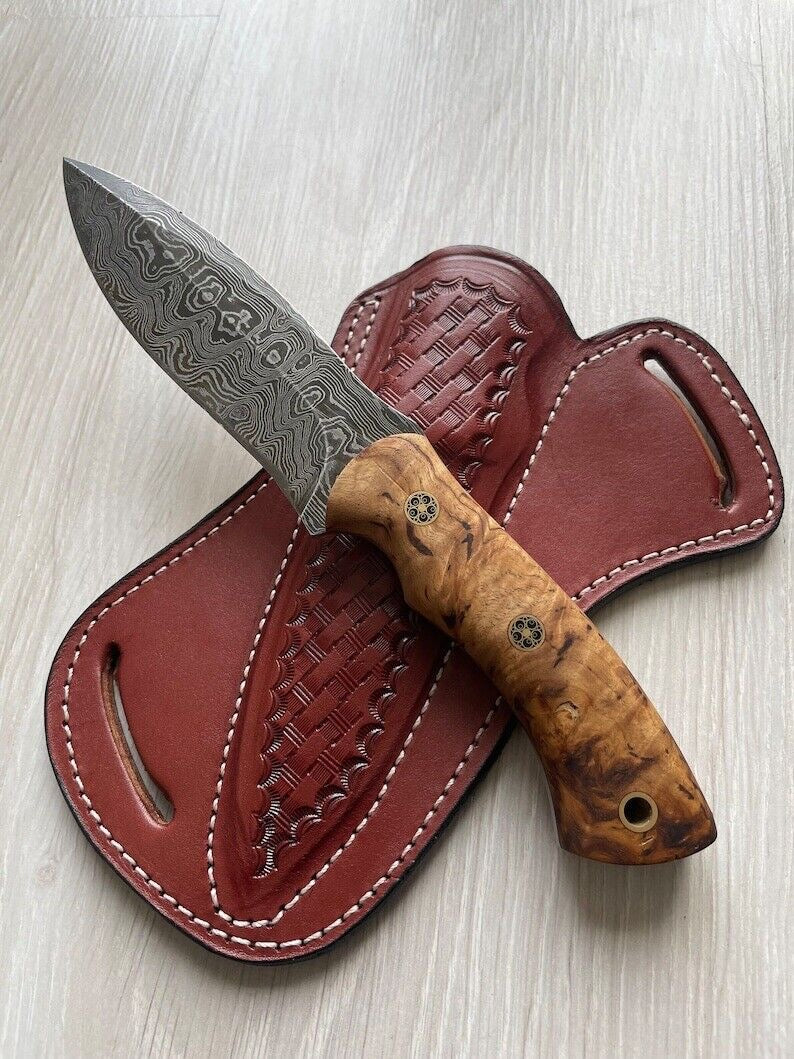
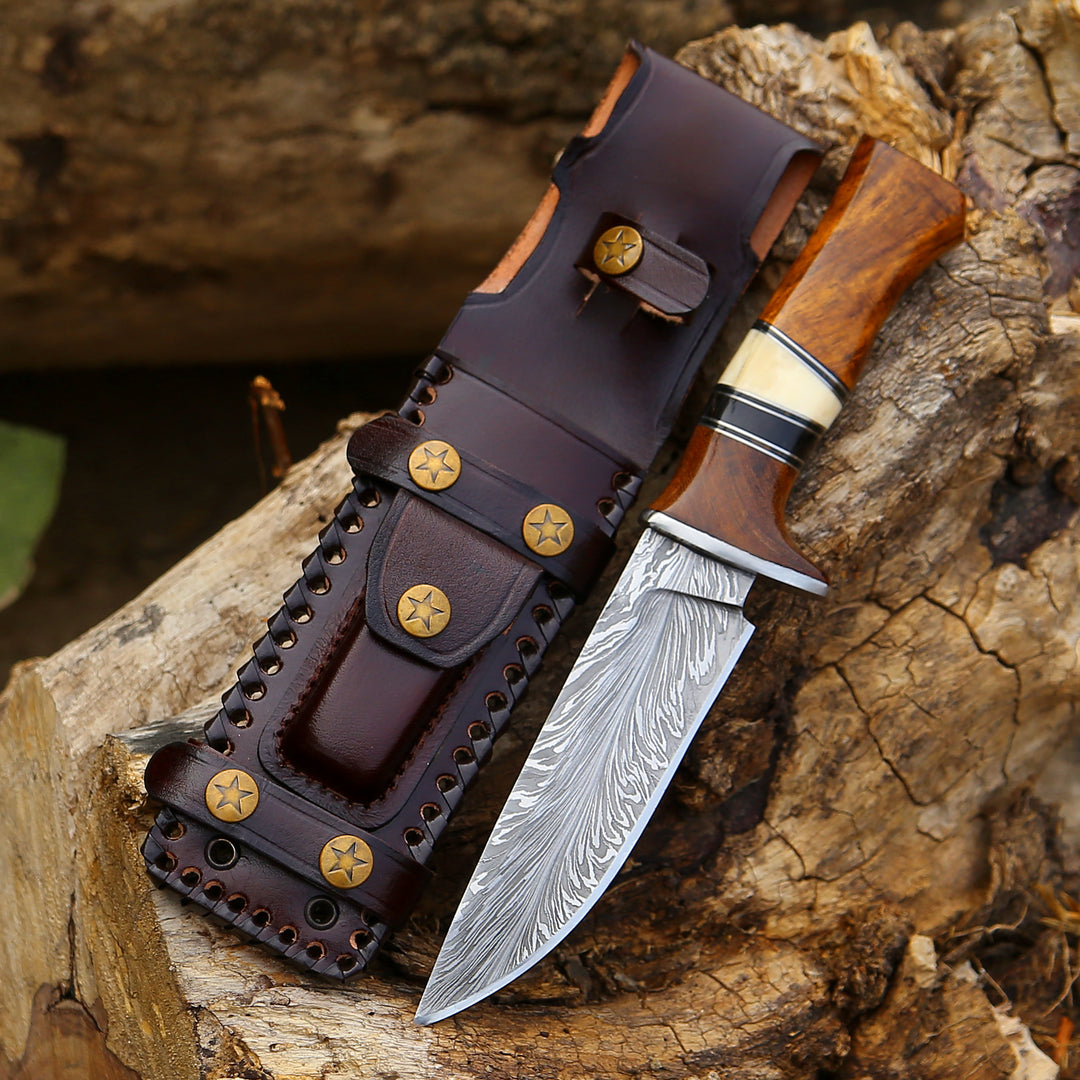
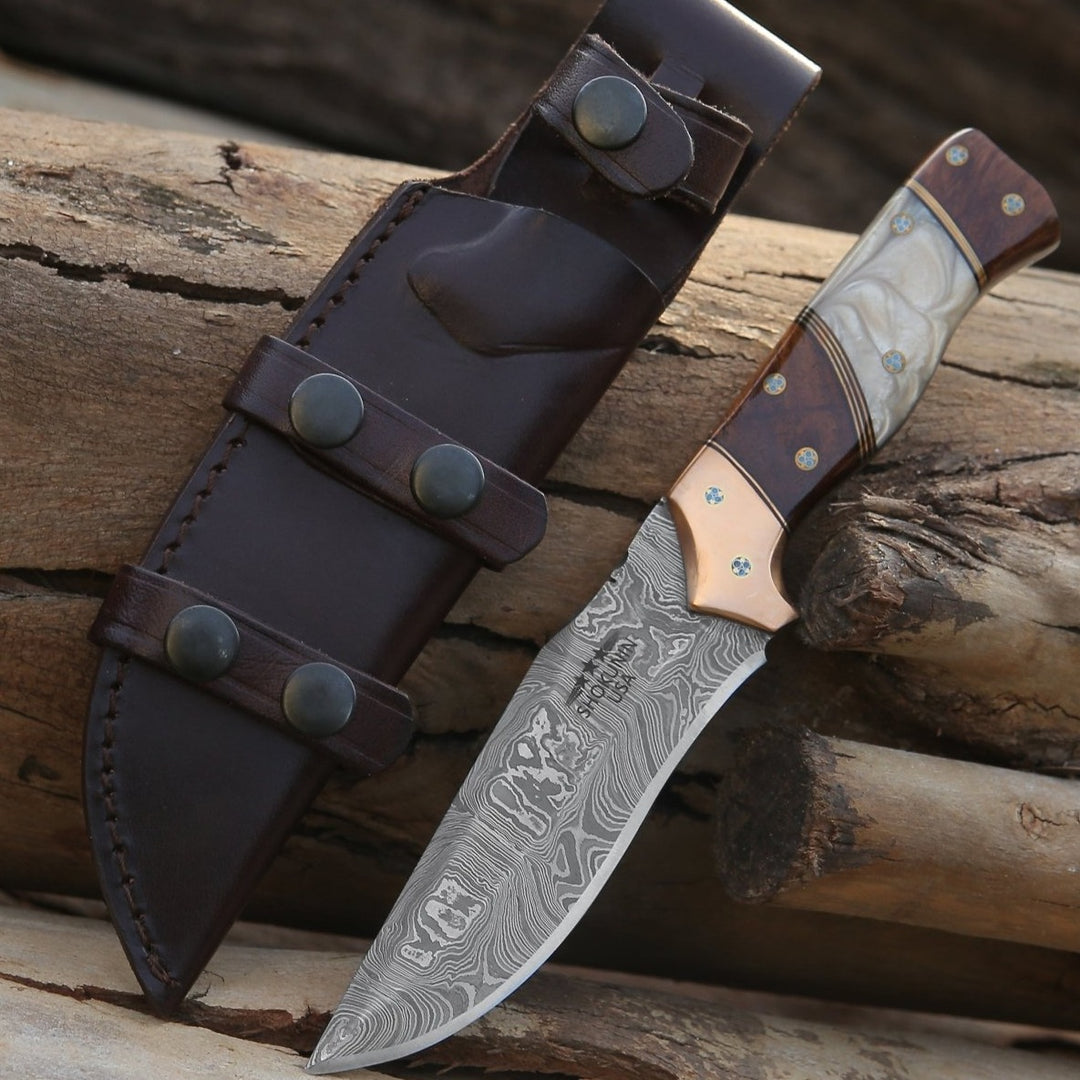
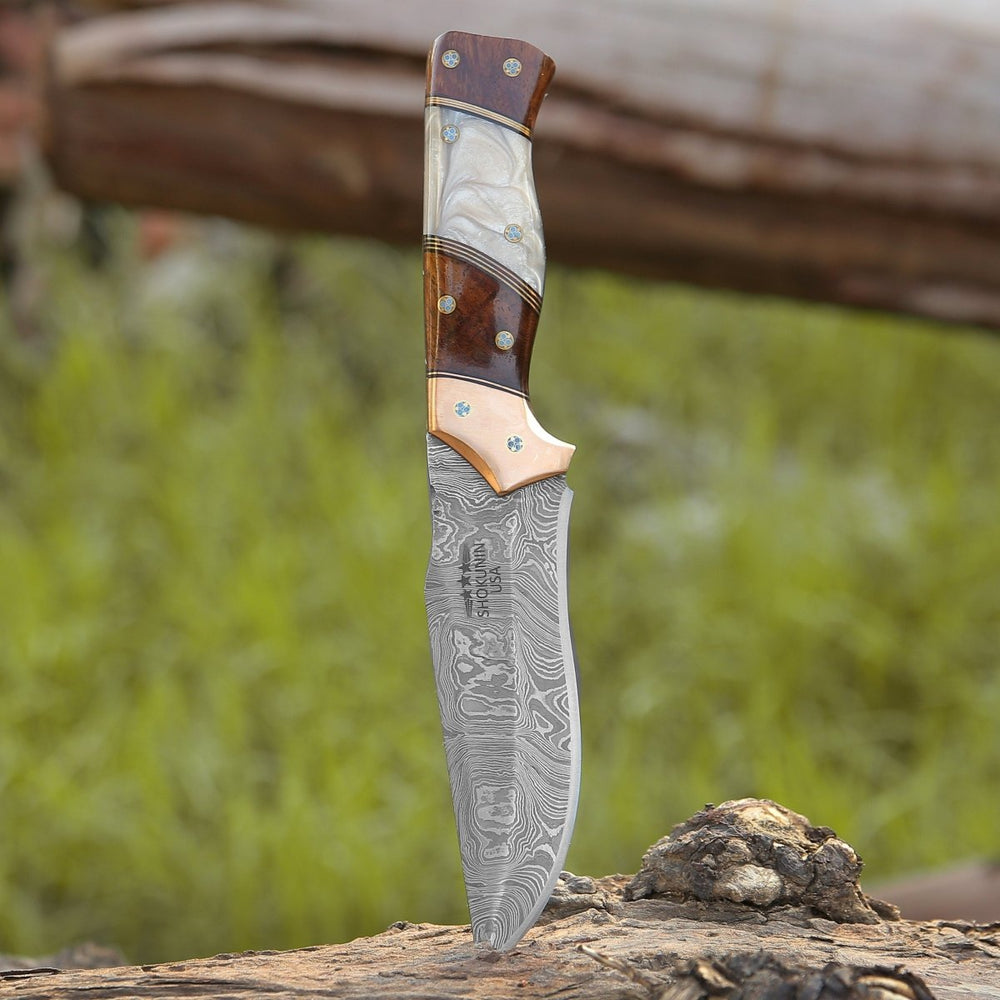
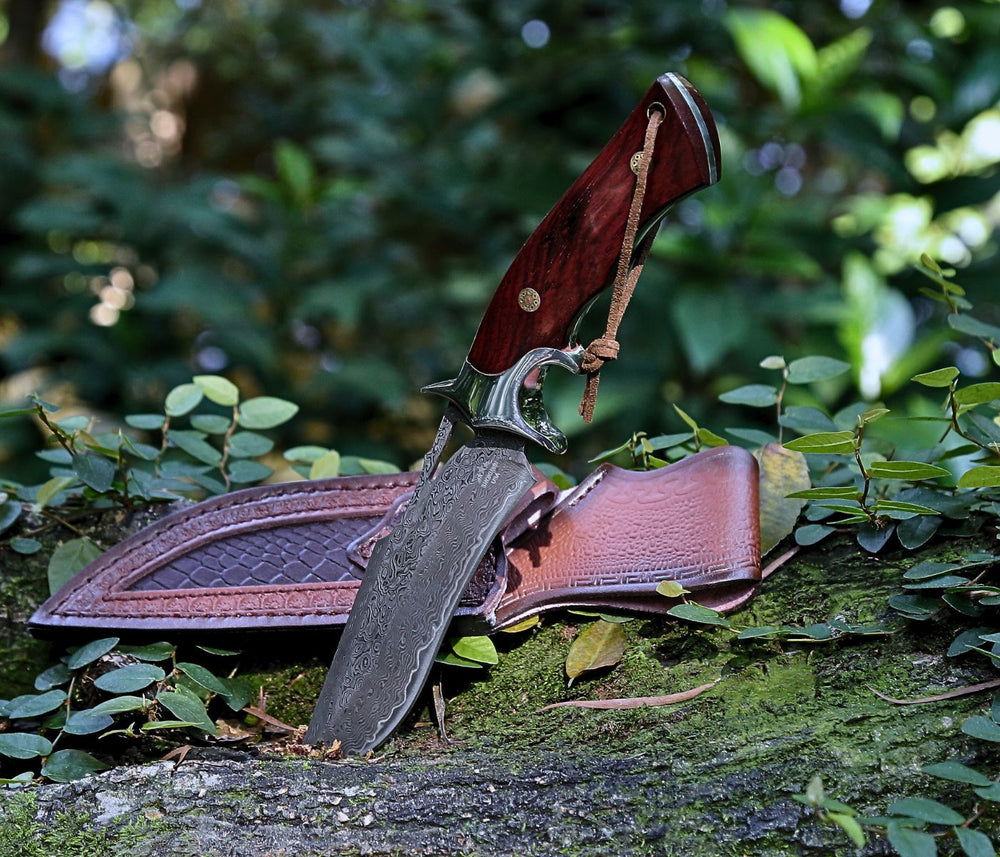
Terminator Japanese Hunting Knife with VG-10 Damacus Blade and Ebony Wood Handle
to kitchen, efficient and precise. The combination of hand-forged VG-10 Damascus steel and an ergonomic ebony wood handle provides both durability and balance, making it suitable for various tasks, including hunting and skinning. Additionally, the knife comes with a hand-stitched leather sheath for easy carrying and protection.
View Product








Hinterlassen Sie einen Kommentar