

Overview
This article serves as a comprehensive guide to maintaining kitchen knives, emphasizing the importance of proper care for both functionality and longevity. Readers will learn essential maintenance tips, including cleaning, sharpening, and storage solutions, tailored for various knife types, especially those with exotic wood handles. By following these guidelines, cooks can enhance their culinary experience and ensure their knives remain effective and beautiful for years to come.
Table of Contents
- The Importance of Knife Care
- Storage Solutions for Your Knives
- Magnetic Strips
- Knife Blocks
- Sheaths and Covers
- Drawer Inserts
- Cleaning Your Knives
- Hand Wash Only
- Dry Immediately
- Maintaining Sharpness
- Regular Honing
- Sharpening
- Professional Sharpening
- Handle Care for Exotic Wood Knives
- Oiling the Handle
- Avoid Excessive Heat and Moisture
- Inspection for Cracks and Damage
- Common Maintenance Mistakes to Avoid
- Understanding Knife Lifespan
- Signs It May Be Time for a New Knife
- Your Knife Is Your Best Friend
Key Takeaways
- Proper knife maintenance extends lifespan: Regular care improves safety and cooking efficiency.
- Store knives correctly: Use magnetic strips, knife blocks, or drawer inserts to prevent damage.
- Hand wash only: Avoid dishwashers; use warm, soapy water and dry immediately to prevent rust.
- Regular honing and sharpening: Hone before or after each use and sharpen every few months for optimal performance.
- Care for exotic wood handles: Oil regularly and keep away from excessive heat and moisture to maintain integrity.
- Avoid common mistakes: Don’t cut on hard surfaces or soak knives; use appropriate boards and avoid damaging tasks.
- Inspect for damage: Regularly check for cracks or chips; consult professionals if significant damage occurs.
Knives are the backbone of any kitchen, from professional chefs to home cooks. High-quality knives, such as those made from exotic woods or handcrafted materials, require proper care to ensure longevity and optimal performance. Whether you own a handmade knife or a traditional steel blade, understanding how to properly maintain your knives can enhance their usability and keep them looking stunning for years to come. This guide will provide you with essential maintenance tips to care for your knives effectively.
The Importance of Knife Care
Taking care of your knives is not just about keeping them sharp and shiny. Proper knife maintenance extends their lifespan, improves safety during use, and enhances overall cooking efficiency. A well-maintained knife is less likely to slip or cause accidents, and a sharp blade makes tasks like slicing and dicing much easier and more enjoyable. Additionally, the aesthetic appeal of handmade knives, especially those featuring exotic wood handles, is worth preserving, as it adds character and uniqueness to your kitchen tools.
Storage Solutions for Your Knives
Proper storage is crucial to maintaining the integrity of your knives. Here are several efficient ways to store your knives:
Magnetic Strips
Magnetic strips are an elegant and modern way to display your knives while keeping them safely stored. They allow you to view your knife collection at a glance and make your kitchen more organized.
Knife Blocks
Knife blocks provide a protective environment for your knives, allowing you to store them safely without risking dulling the blades. Choose blocks that have slots specifically designed for the type of knives you own, especially if you use exotic wood knives or handmade models.
Sheaths and Covers
Using sheaths or blade guards can be an excellent option for individual knives, especially when traveling or storing them away. These provide protection from moisture and dirt while preventing the blade from getting damaged.
Drawer Inserts
If you prefer to keep your knives in a drawer, consider using drawer inserts designed specifically for knives. They keep your blades organized and prevent them from clanging against each other, which can cause chips and dulling.
Cleaning Your Knives
Cleaning is an essential part of maintaining your knives in top condition. Here are some key points to remember:
Hand Wash Only
Always hand wash your knives using warm, soapy water. Avoid placing them in the dishwasher, as the heat and movement can dull the blade and potentially damage any exotic wood handles. Instead, gently scrub the blade with a nonabrasive sponge or cloth, paying special attention to the handle to remove any food residue.
Dry Immediately
After washing, dry your knives immediately with a soft cloth. Leaving them wet can lead to rust, especially on high-carbon steel blades. Additionally, moisture can affect the integrity of wooden handles, including those made from exotic woods like Wenge.
Maintaining Sharpness
A sharp knife is a safe knife. Dull knives require more force to cut, increasing the risk of accidents. Here’s how to keep your blades sharp:
Regular Honing
Use a honing steel to realign the blade’s edge regularly. Honing should be done before or after each use and helps maintain the sharpness between sharpenings. The process is quick and helps to keep your knives performing at their best.
Sharpening
Invest in a good-quality sharpening stone for periodic sharpening. The frequency will depend on how often you use your knives but generally, a sharpening once every few months for home cooks and more frequently for professional chefs is advisable.
Follow the instructions for your specific knife type, especially if you own a handmade knife. Experts often suggest a 20-degree angle for sharpening.
Professional Sharpening
If you're not comfortable sharpening your knives at home, consider seeking professional sharpening services. This is particularly beneficial for specialized knives, including those with exquisite exotic wood handles, ensuring that the blade's integrity is preserved.
Handle Care for Exotic Wood Knives
If you own a knife with an exotic wood handle, such as the stunning Wenge wood often found in high-end models, you'll want to give it extra attention.
Oiling the Handle
Apply mineral oil or a specialized wood conditioner to the handle every few months. This helps maintain the wood’s natural beauty and protects it from moisture damage. Avoid using oils with strong scents or those that can become rancid.
Avoid Excessive Heat and Moisture
Keep your knives away from heat sources and prolonged exposure to moisture. High humidity can warp or crack wooden handles, while excessive heat can cause the glue joints to weaken over time.
Inspection for Cracks and Damage
Regularly inspect your knives for any signs of damage to the blade or handle. If you notice cracks in the handle or chips in the blade, it may be time to consult a professional for repairs.
Common Maintenance Mistakes to Avoid
To keep your knives performing well, avoid these common pitfalls:
Never use your knives on hard surfaces like glass or stone cutting boards. Opt for wooden or plastic boards instead to protect the blade.
Do not cut through bone or frozen foods with a chef knife, especially if it’s a handmade knife. Reserve specialized knives for these tasks.
Avoid leaving knives in sinks or soaking in water, as this increases the chances of damage.
Understanding Knife Lifespan
With proper care, knives can last a lifetime or even be passed on to future generations. Handmade knives, particularly those made with exceptional materials, become more than just tools; they become heirlooms. Keep in mind that the lifespan of a knife also largely depends on how often it is used and the quality of care it receives.
Signs It May Be Time for a New Knife
If your knife has become irreparable, such as a blade that is chipped beyond repair or a handle that cannot be fixed, it may be time to invest in a new one.
Examine the handle as well; if it becomes too worn out or uncomfortable to hold, finding a replacement can be beneficial.
Your Knife Is Your Best Friend
Remember, a well-maintained knife is not only a tool but a partner in the kitchen that can inspire creativity and enhance your culinary adventures. By investing the time and effort into caring for your knives, particularly those exquisite handmade knives featuring exotic wood handles, you'll preserve their beauty and functionality. No matter your experience level in the kitchen, taking the time to learn about proper knife care will pay off in the quality of your meals and the enjoyment of your cooking process.
Caring for your knives is an investment in your culinary skills. Next time you reach for your chef knife or specialty blades, remember that with proper maintenance, you can enhance your cooking experience for many years to come!
Frequently Asked Questions
1. Why is knife care important?
2. What are the best storage solutions for knives?
3. How should I clean my knives?
4. How can I maintain sharpness in my knives?
5. What special care do knives with exotic wood handles need?
Glossary
| Term | Meaning |
|---|---|
| Knife Care | Maintaining knives to enhance longevity and performance. |
| Honing | Realigning the blade’s edge to maintain sharpness. |
| Sharpening | Using tools to restore the blade's edge for cutting efficiency. |
| Magnetic Strips | Storage solution that displays knives while keeping them secure. |
| Knife Blocks | Protective storage for knives, preventing blade dulling. |
| Sheaths | Protective covers for individual knives during storage or travel. |
| Exotic Woods | Unique materials used for knife handles, enhancing aesthetics. |
| Professional Sharpening | Service for expertly sharpening knives, preserving blade quality. |
| Mineral Oil | Conditioning oil used to maintain wooden knife handles. |
| Knife Lifespan | The duration a knife remains functional with proper care. |
Linked Product

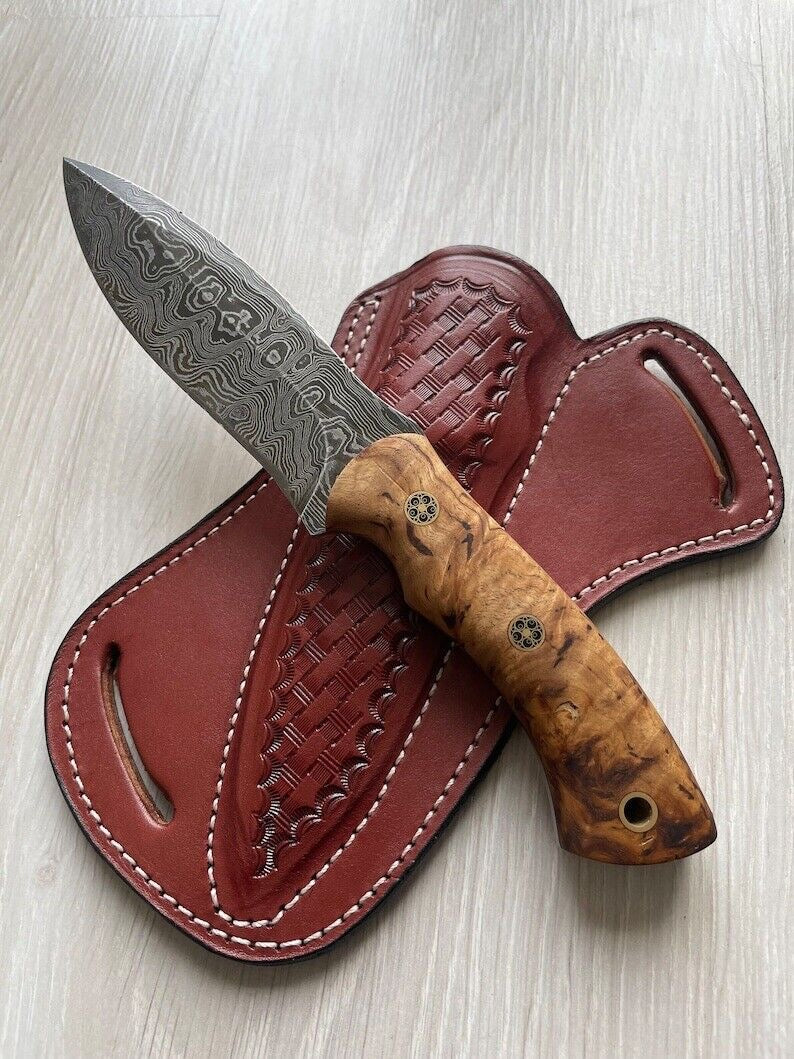
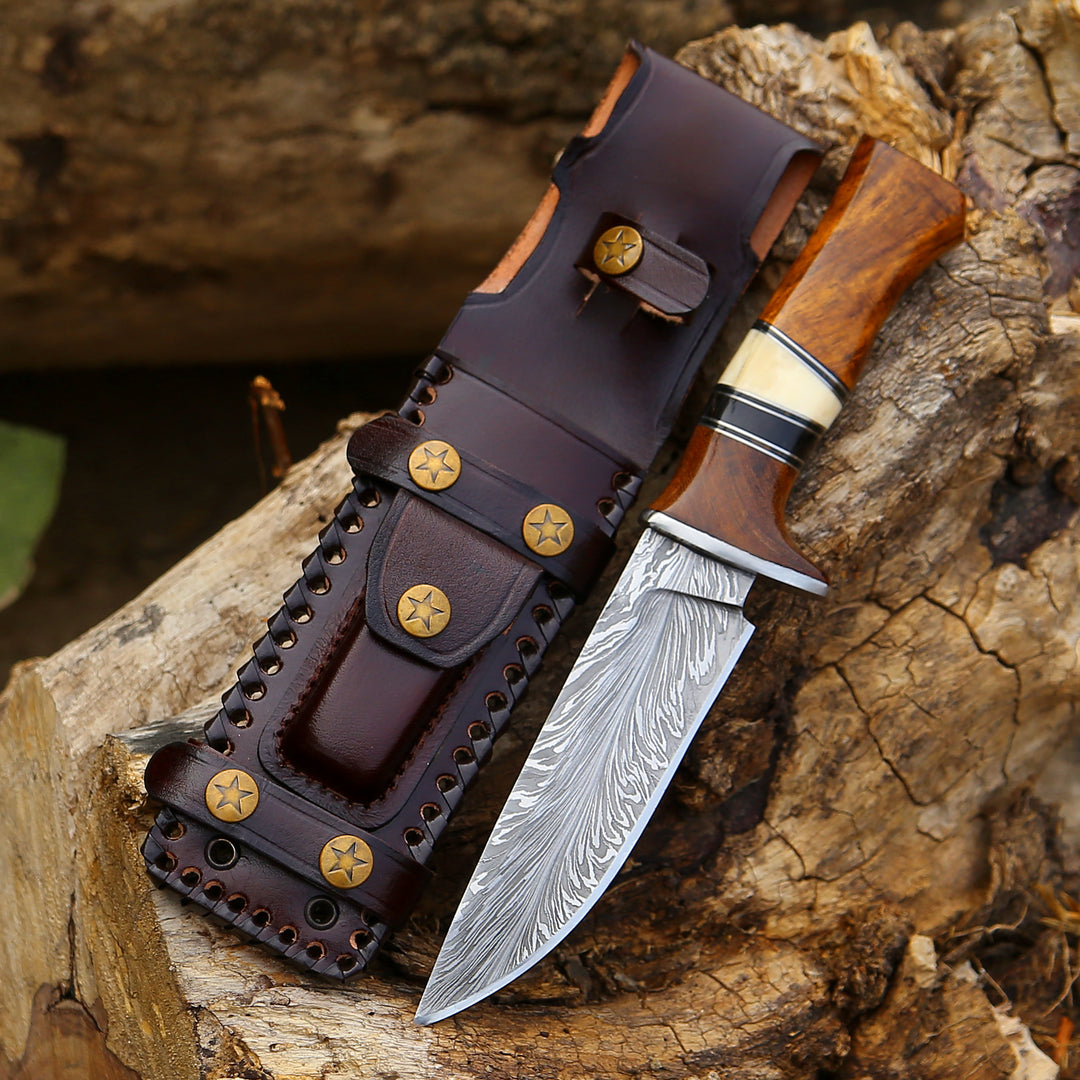
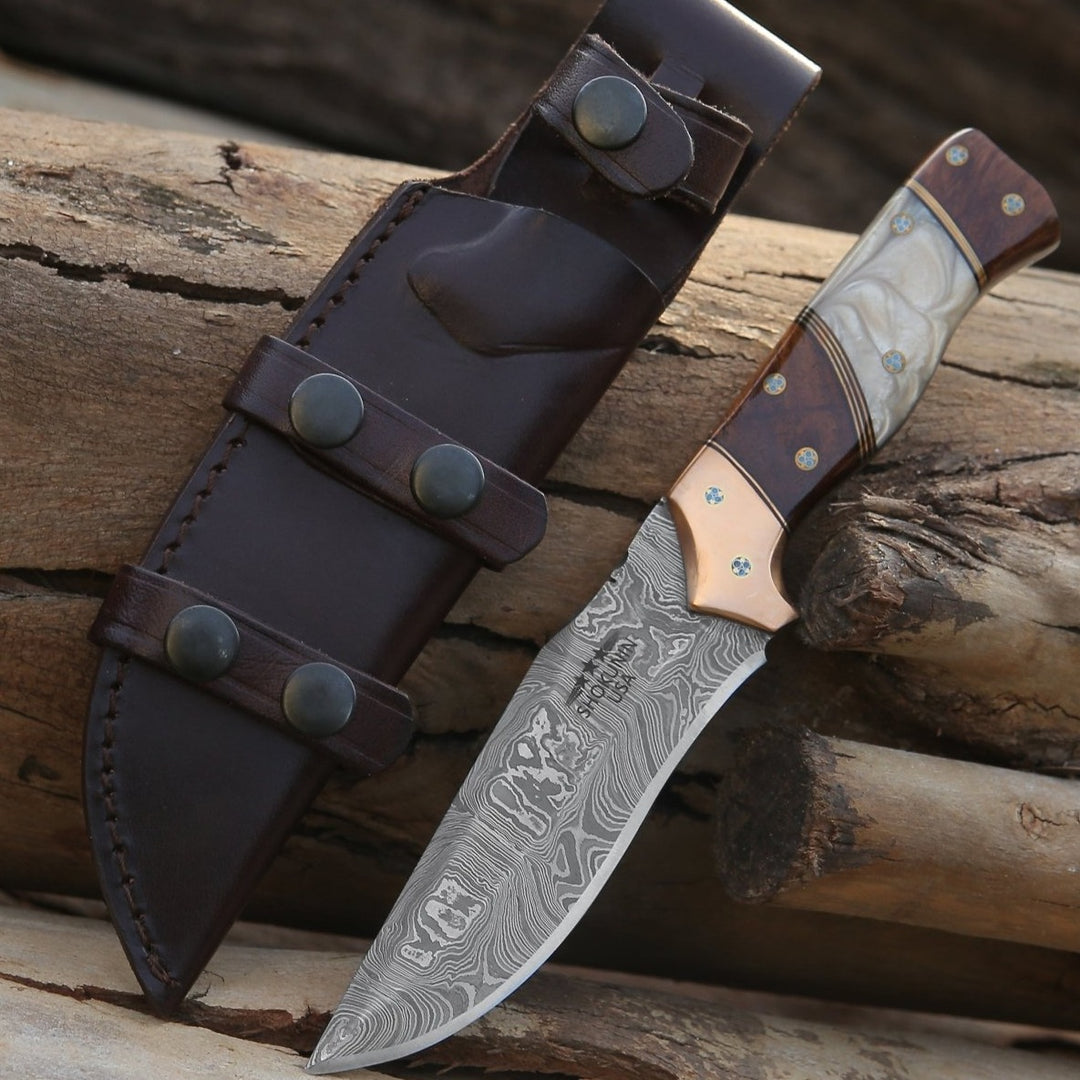
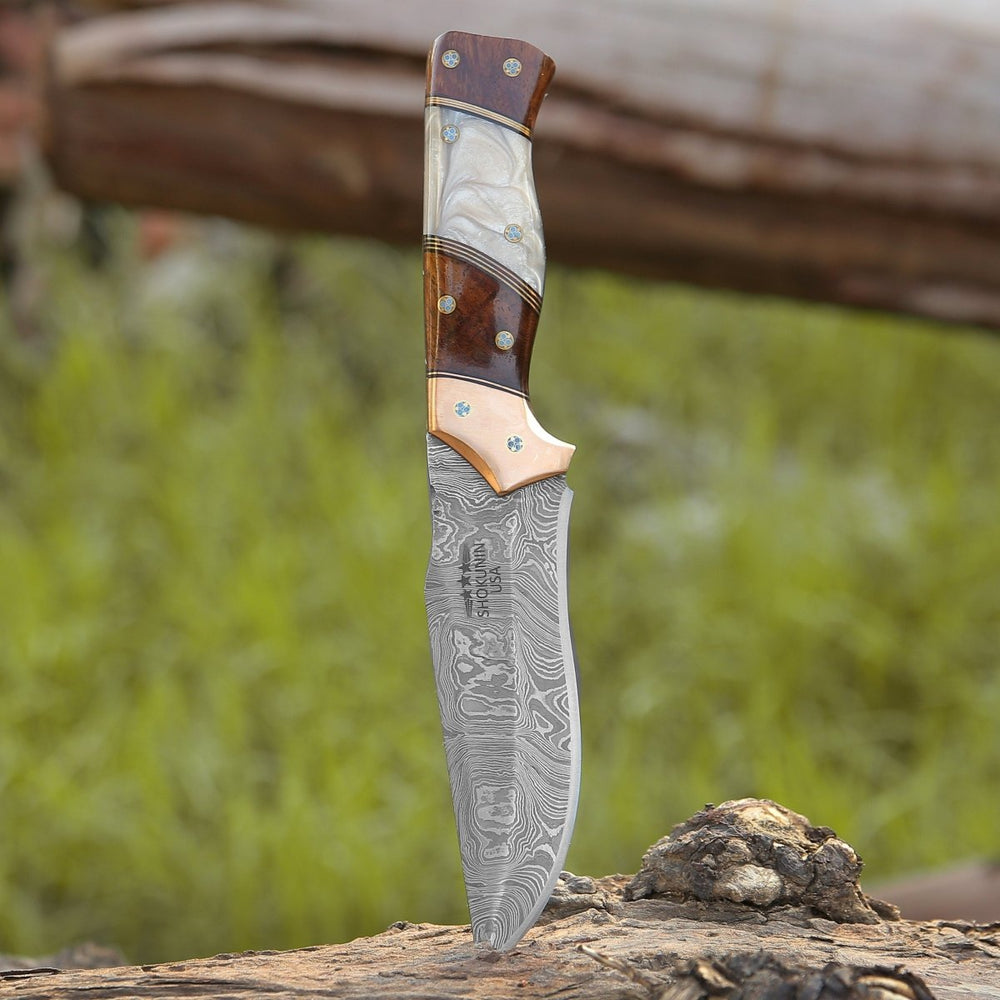
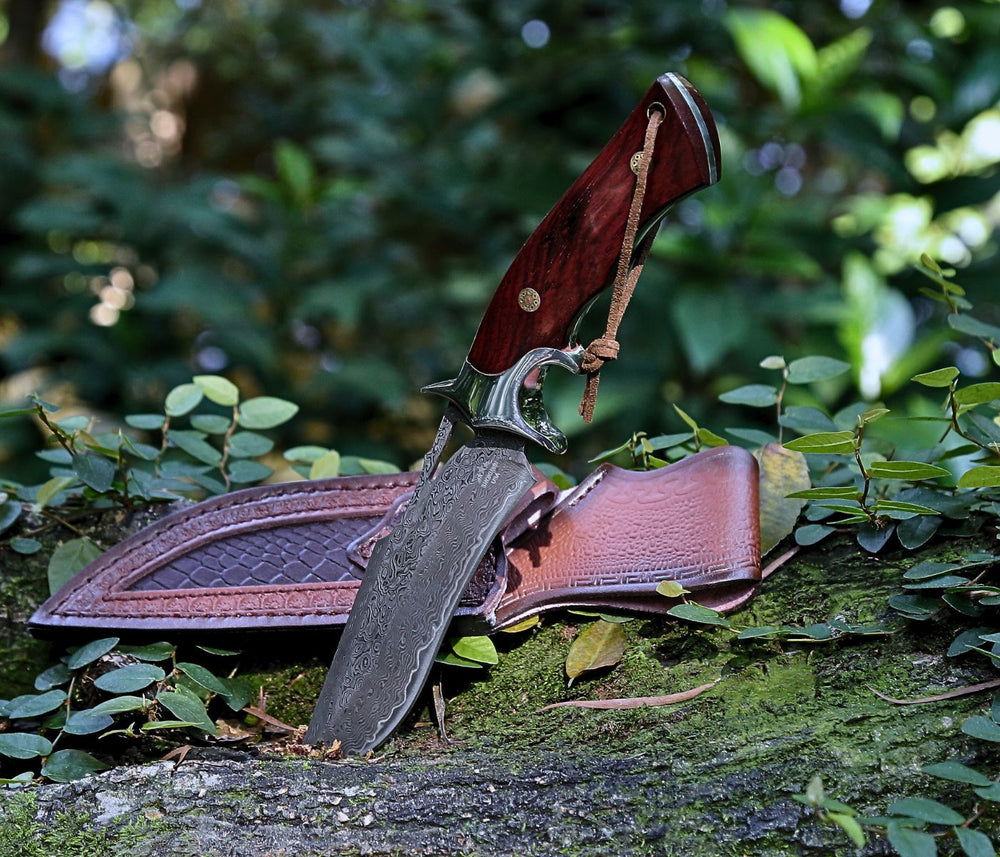
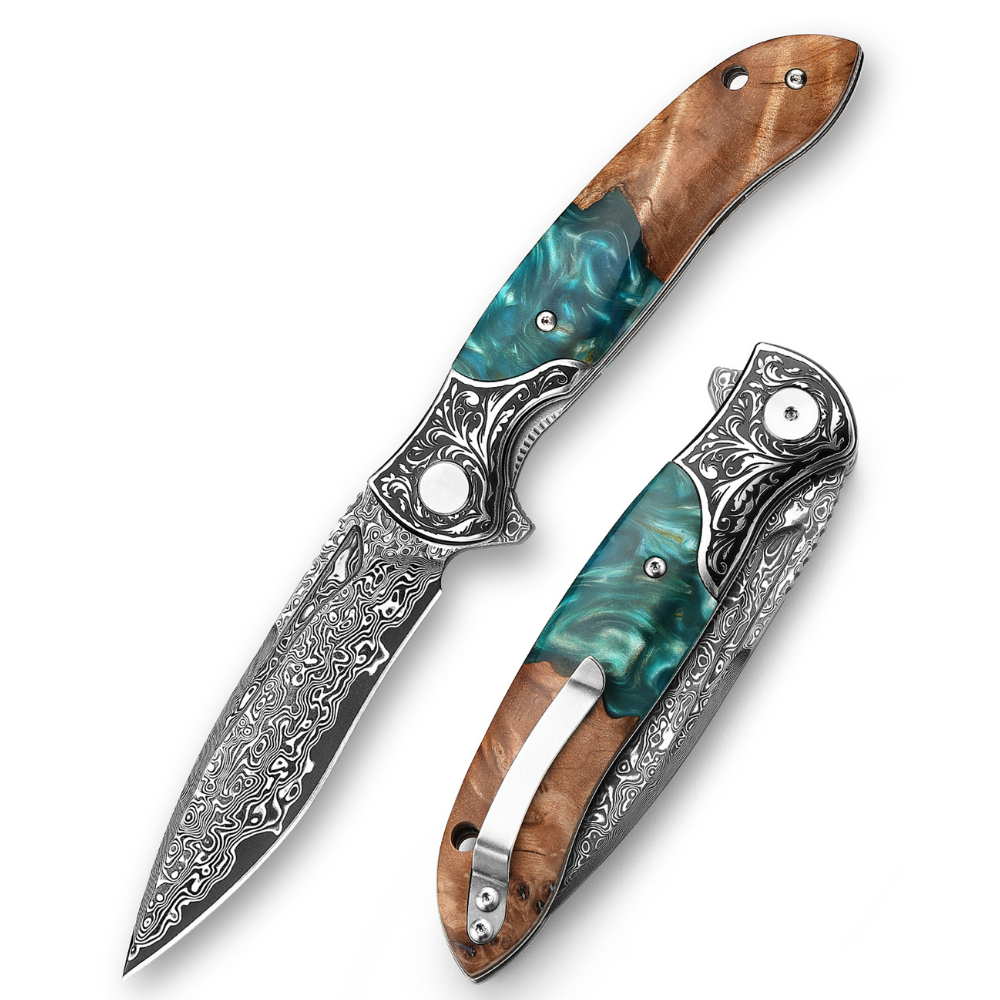
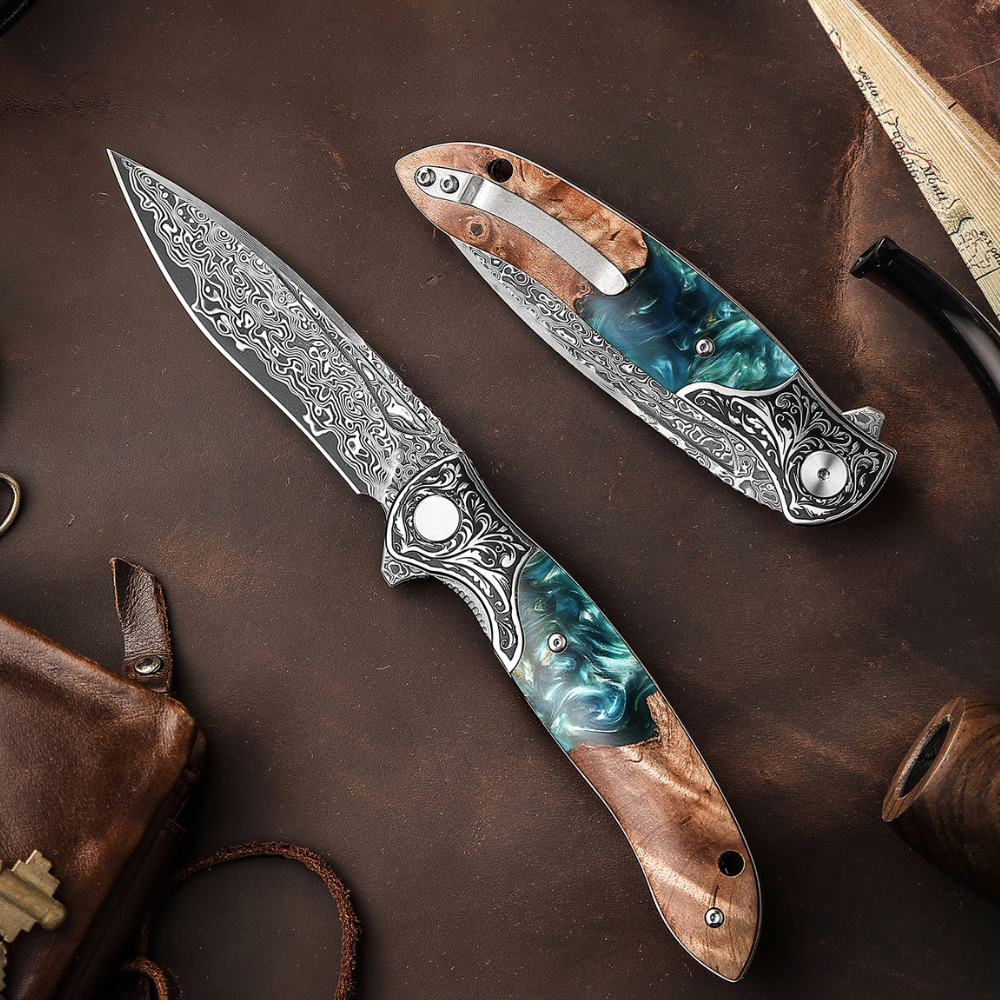
Epicurian Damascus Chef Knife with Exotic Wenge Wood & Turquoise Handle
The Epicurian Damascus Chef Knife features a hand-forged 6.0-inch drop point blade made from layered Damascus steel, providing excellent sharpness and durability for various kitchen tasks. Its handle, crafted from exotic Wenge wood with turquoise accents, not only enhances the knife's aesthetic appeal but also ensures a comfortable grip during use. This knife comes with a hand-stitched leather sheath and offers free personalized engraving, making it a thoughtful gift or a unique addition to any culinary collection.
View Product









Leave a comment