

Overview
This article delves into the fascinating resurgence of artisan knife making, highlighting its unique blend of artistry and functionality. Readers will learn about the craftsmanship involved, the growing demand for these handmade tools, and the cultural significance behind their popularity. Additionally, the piece explores the challenges faced by artisans and the promising future of this niche market, emphasizing the importance of community and sustainability in the craft.
Table of Contents
- The Allure of Artisan Knives
- The Process Behind Artisan Knife Making
- The Growing Demand for Artisan Knives
- Connection to Tradition and Heritage
- Emphasis on Sustainability
- Artisan Knife Makers in the Online Marketplace
- Spotlight on Unique Materials
- Damascus Steel
- Wood Handles
- Customization and Personalization Trends
- Challenges Faced by Artisan Knife Makers
- Competition with Mass-Produced Products
- The Need for Marketing Skills
- The Future of Artisan Knife Makers
- The Importance of Community Building
- Education and Workshops
- A Slice of History and Craftsmanship
Key Takeaways
- Unique Craftsmanship: Each artisan knife is a one-of-a-kind piece, reflecting the maker's individual style and technique.
- Quality Materials: Artisan knife makers often use high-quality materials like Damascus steel, known for its durability and sharpness.
- Customization Options: Many artisans offer personalized features, allowing customers to tailor knives to their specific needs.
- Connection to Tradition: Artisan knives embody traditional craftsmanship, appealing to consumers seeking authenticity in a mass-produced world.
- Sustainability Focus: Artisan knife makers often source materials responsibly, aligning with the growing consumer demand for sustainable products.
- Online Marketplace Growth: E-commerce enables artisans to reach global audiences, enhancing visibility and customer engagement through social media and custom orders.
- Community Building: Many artisans foster connections with fellow makers, sharing knowledge and techniques to elevate the craft.
In recent years, the world of handmade craftsmanship has witnessed a remarkable resurgence, with artisan knife makers leading the charge. More than just tools, these knives represent a blend of artistry and functionality that appeals to a wide range of enthusiasts, from collectors and chefs to outdoor adventurers. This blog explores the increasing popularity of artisan knife making, focusing on trends, the craftsmanship behind these knives, and what the future holds for this fascinating niche. Let’s dive into the vibrant world of artisan knife makers!
The Allure of Artisan Knives
Artisan knives are more than mere cutting implements. They are often crafted with care, skill, and attention to detail that mass-produced knives simply can't match. Here are a few reasons why artisan knives are capturing the hearts of many:
- Unique Craftsmanship: Every artisan knife is one-of-a-kind, showcasing the maker's unique style and technique.
- Quality Materials: Many artisan knife makers use high-quality materials such as Damascus steel, which is known for its superior durability and sharpness.
- Customizability: Many artisans offer personalization options, allowing customers to create knives that meet their specific needs.
The Process Behind Artisan Knife Making
Understanding the process involved in making artisan knives can enhance appreciation for their craftsmanship. The creation of a stunning Damascus hunting knife, for instance, often involves several intricate steps:
- Forging: Many artisans start with hand-forging the blade, creating unique patterns that distinguish each knife.
- Tempering: The blade is then tempered to achieve the desired hardness, often reaching HRC58-60 for exceptional performance.
- Shaping the Handle: The choice of handle material, like rosewood, not only affects aesthetics but also ergonomics and balance.
- Final Touches: Many artisans hone the blade to a razor-sharp edge, often using traditional methods that have been passed down through generations.
The Growing Demand for Artisan Knives
The surge in interest around artisan knives can be attributed to several cultural and social factors. Here's a look at some notable influences:
Connection to Tradition and Heritage
In an era dominated by fast fashion and mass production, many consumers are seeking products that reflect traditional craftsmanship. Artisan knife makers often use age-old techniques, such as hand-forging and pattern welding, resulting in unique pieces that embody a rich heritage. This sense of tradition resonates with buyers who appreciate the story behind each knife.
Emphasis on Sustainability
As more individuals become environmentally conscious, they are gravitating toward products that are not only sustainable but also ethically made. Artisan knife makers often source high-quality materials responsibly, utilizing natural resources without compromising ecological balance. This commitment to sustainability appeals to modern consumers.
Artisan Knife Makers in the Online Marketplace
The rise of e-commerce has provided artisan knife makers with a platform to showcase their craft globally. Online marketplaces, such as Shokunin USA, allow artisans to connect directly with potential customers, bypassing traditional retail hurdles. Here’s how artisans are leveraging online platforms:
- Social Media Marketing: Many artisans are using social media platforms to share their knife-making journey, showcasing their tools, techniques, and final products to engage with potential buyers.
- Custom Orders: Artisans can take custom orders online, allowing customers to request specific designs, materials, and personalization options, further enhancing customer engagement.
- Global Reach: An online presence enables artisan knife makers to reach a global audience, attracting collectors and enthusiasts who value unique handcrafted items.
Spotlight on Unique Materials
The material used in knife making plays a vital role in the performance and aesthetics of an artisan knife. Here are a few materials that are increasingly popular among artisans:
Damascus Steel
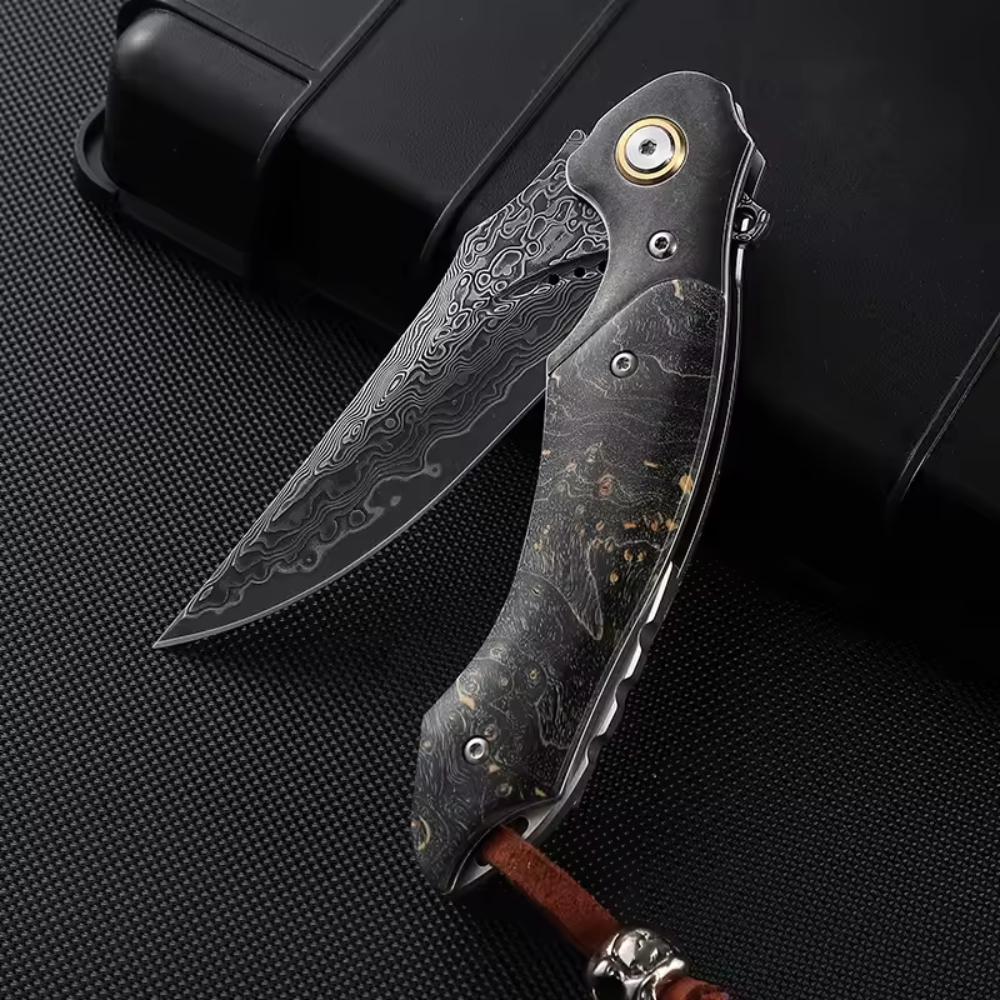
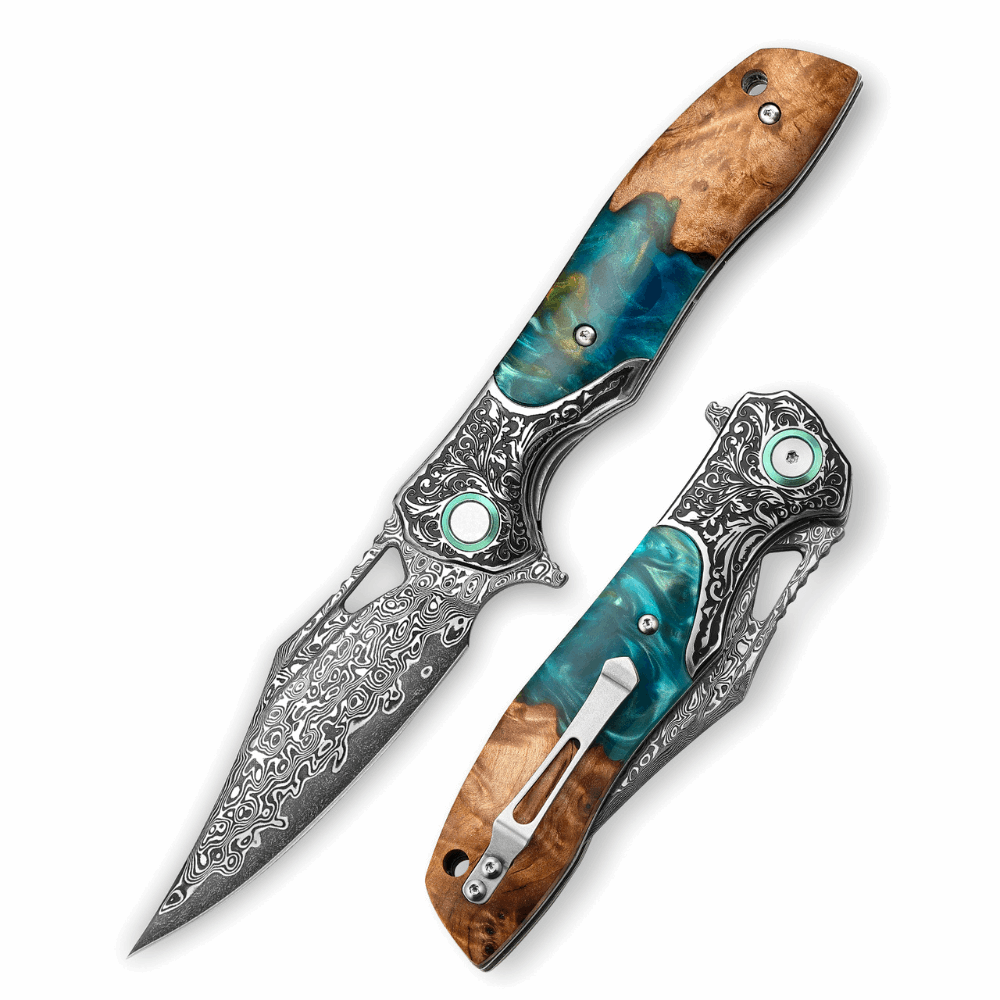
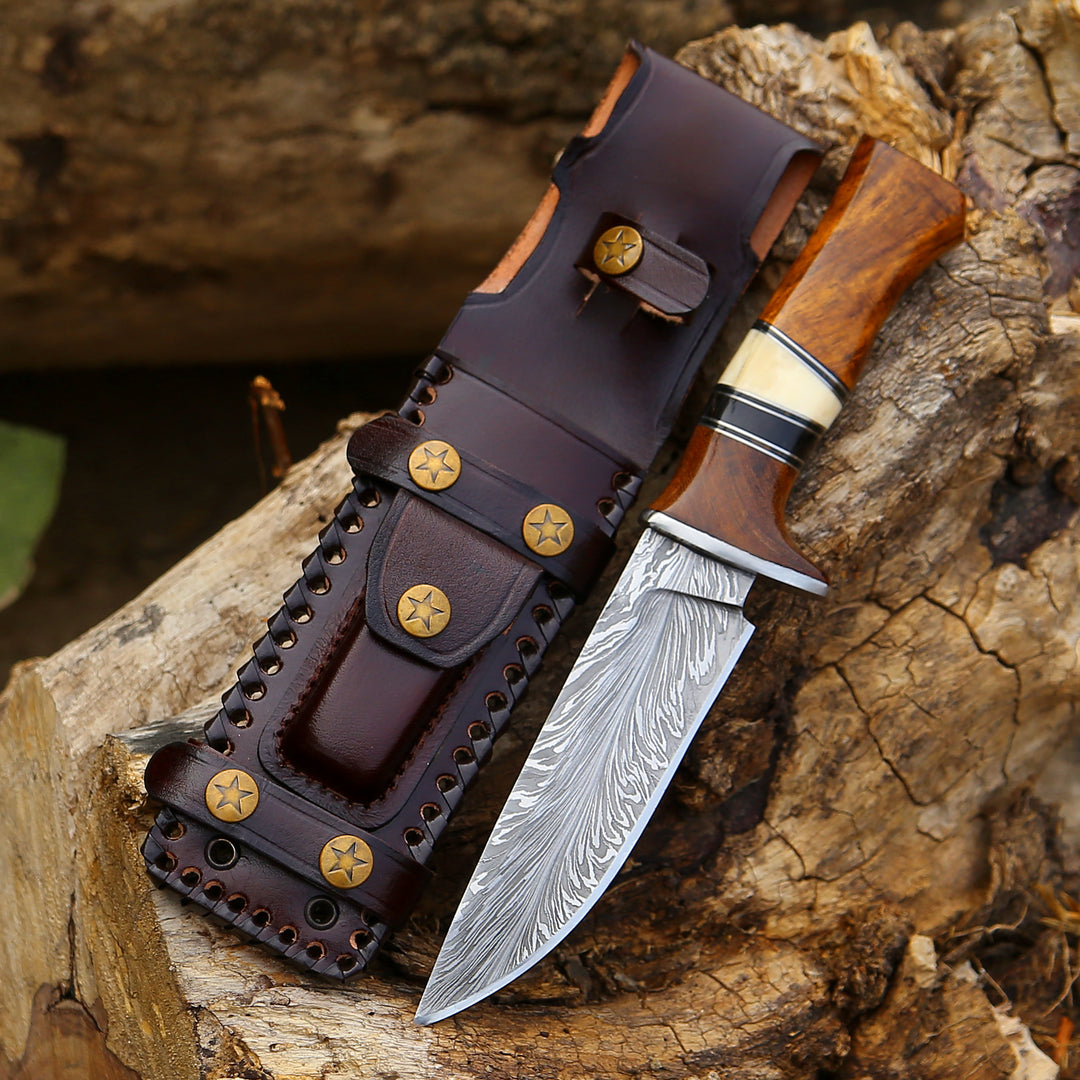
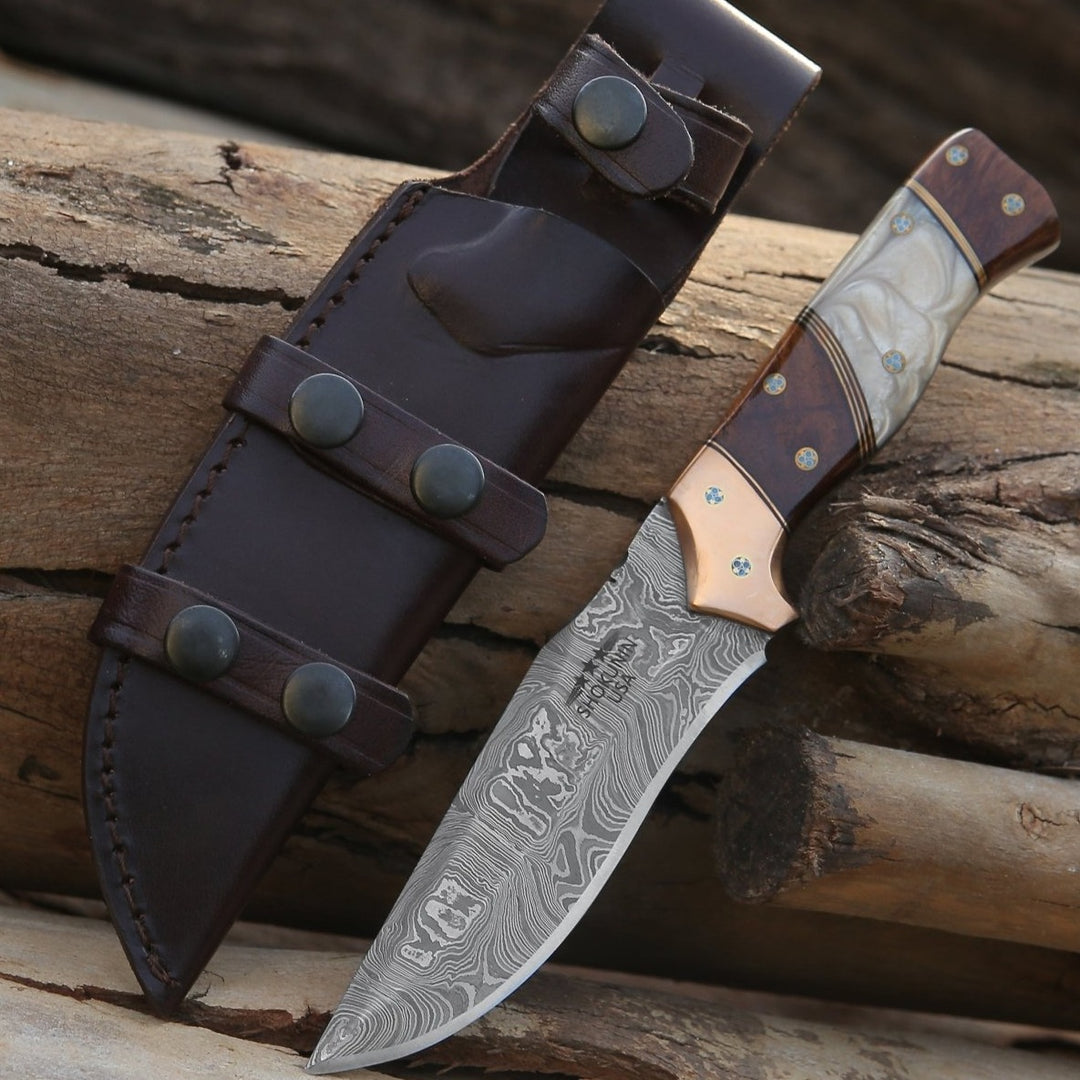
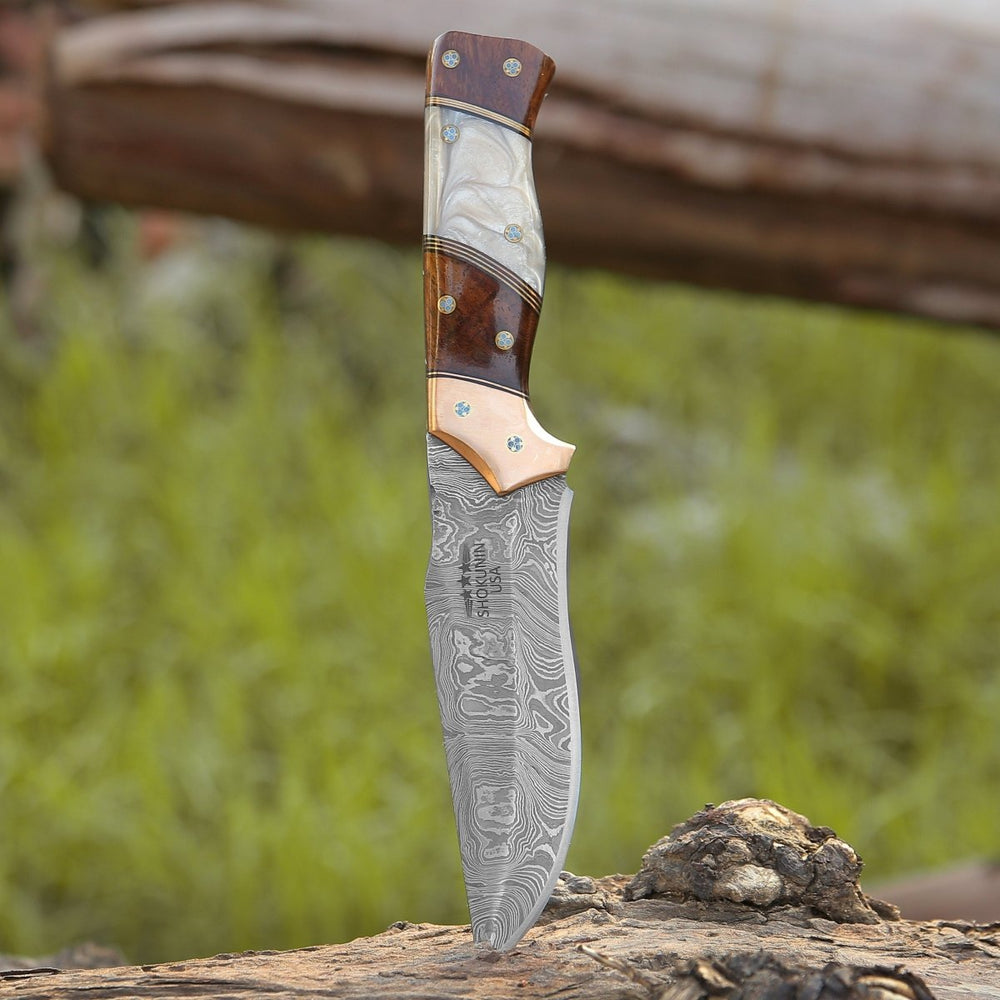
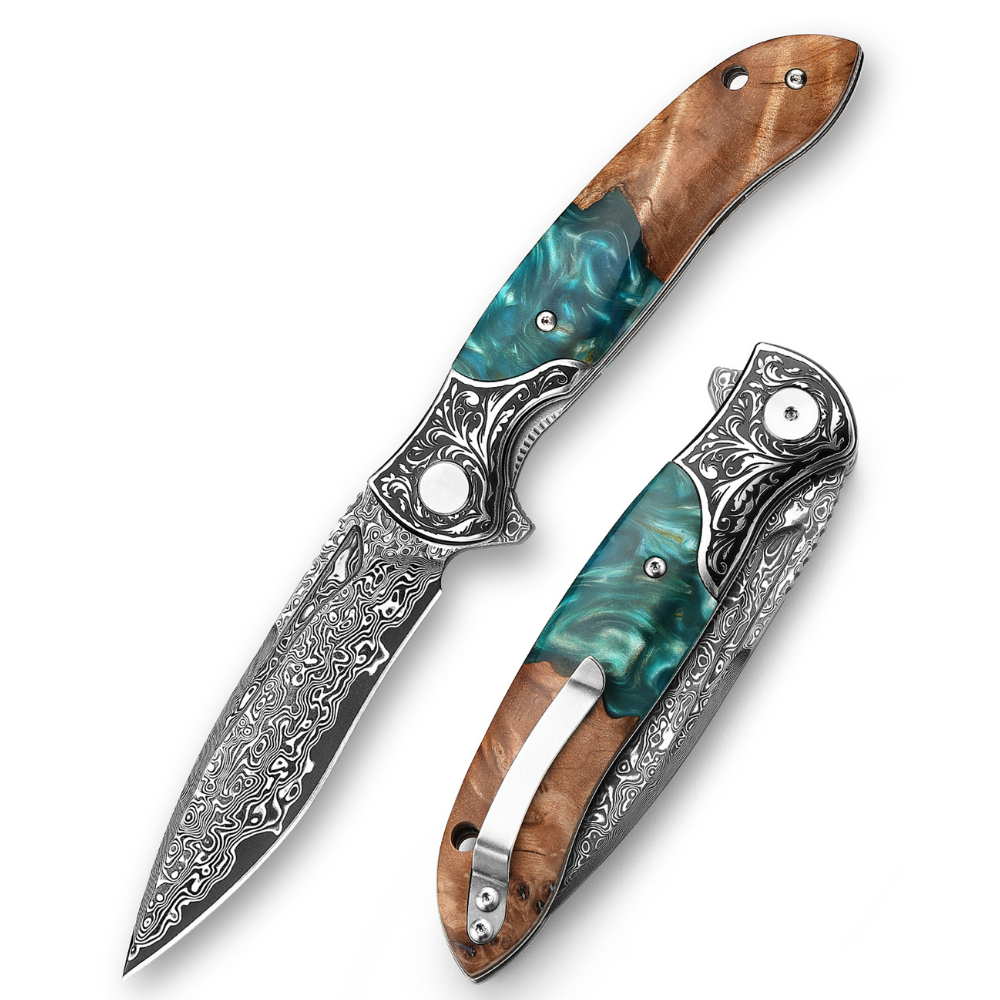
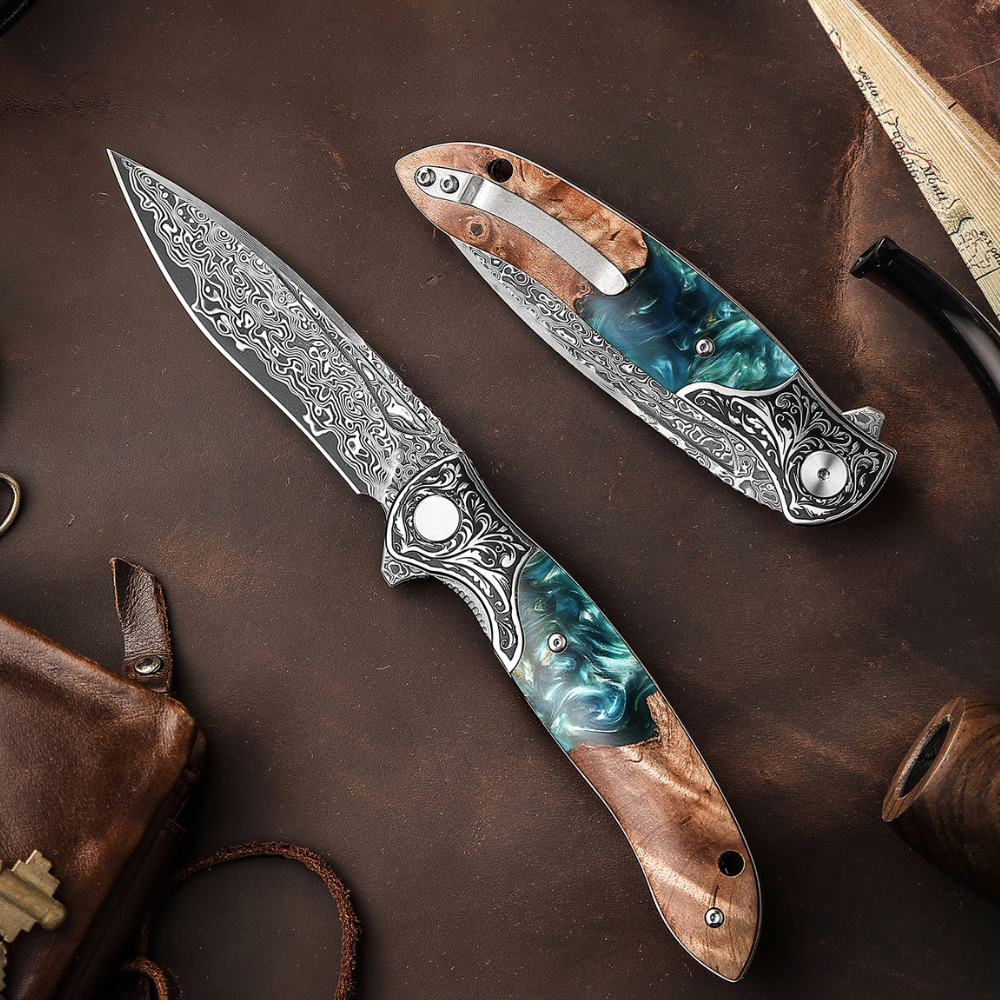
One of the most sought-after materials is Damascus steel. It is renowned for its intricate patterns and superior strength, making it an ideal choice for high-performance knives. A Damascus hunting knife, known for its sharpness and edge retention, is a favorite among both collectors and outdoor enthusiasts. The art of creating Copper Damascus, a variation that incorporates copper into the steel matrix, adds an extra layer of uniqueness and beauty to each blade.
Wood Handles
Handles made of exotic woods, such as rosewood, not only add beauty to the knife but also enhance its ergonomic qualities. Artisans often apply specialized treatments to the handles, making them resistant to heat, moisture, and cold, thus ensuring durability and longevity.
Customization and Personalization Trends
Today’s consumers are looking for products that reflect their individuality. Artisan knife makers are responding to this demand by offering a range of customization options:
- Engravings: Many artisans provide personalization services, allowing customers to engrave names, logos, or special dates onto the knife.
- Custom Sizes and Shapes: From blade sizes to handle shapes, artisans often accommodate requests for unique designs tailored to specific uses or preferences.
- Unique Sheath Designs: Artisan-crafted sheaths, often made from premium leather, can also be customized, providing an additional touch of personalization.
Challenges Faced by Artisan Knife Makers
While the artisan knife-making industry is enjoying growth, it faces various challenges, including:
Competition with Mass-Produced Products
The sheer volume of mass-produced knives available at lower prices can be intimidating for artisan knife makers. However, many artisans capitalize on their unique craftsmanship and the engaging stories behind their products to differentiate themselves from mass-produced alternatives.
The Need for Marketing Skills
With the digital landscape constantly evolving, artisan knife makers must develop marketing skills to effectively promote their products. Many now invest time in learning online marketing strategies, social media management, and content creation to build their brand presence.
The Future of Artisan Knife Makers
As we look to the future, the artisan knife-making movement appears poised for continued growth. The rising appreciation for handmade products, combined with growing demand for sustainable and personalized items, suggests that artisan knife makers will remain at the forefront of the market. Additionally, advancements in technology may offer new techniques that artisans can incorporate into their craft, creating even more innovative designs.
The Importance of Community Building
As artisan knife makers establish their businesses, many recognize the importance of community. They often connect with other artisans, share techniques, and collaborate on projects. Building a community fosters a supportive network and encourages the spread of knowledge, helping to further elevate the craft and inspire new makers.
Education and Workshops
To nurture the next generation of artisans, some experienced knife makers are opening workshops or offering online courses. These educational opportunities can inspire young enthusiasts to explore the world of knife making while also imparting valuable skills and techniques that have endured for generations.
A Slice of History and Craftsmanship
The rise of artisan knife makers is a defining trend of our time, reflecting a longing for authenticity and quality in an increasingly automated world. By choosing artisan knives, enthusiasts are not only acquiring tools but also supporting craftsmanship that tells a story. Whether it's a stunning Damascus hunting knife or a finely crafted rosewood handle, each piece offers a glimpse into the heart and soul of the artisan behind it. As more people recognize the value of craftsmanship, the future of artisan knife making looks brighter than ever. Embrace the craft, celebrate the artistry, and perhaps, it’s time to invest in a piece of history that will stand the test of time.
Frequently Asked Questions
1. What are artisan knives?
2. Why are artisan knives becoming more popular?
3. What materials are commonly used in artisan knife making?
4. How can customers personalize artisan knives?
5. What challenges do artisan knife makers face?
Glossary
| Term | Meaning |
|---|---|
| Artisan Knife | A handmade knife that combines artistry and functionality. |
| Damascus Steel | A type of steel known for its strength and unique patterns. |
| Forging | The process of shaping metal using heat and force. |
| Tempering | A heat treatment process to enhance a blade's hardness. |
| Customization | Personalizing a knife according to specific customer preferences. |
| Sustainability | Practices that ensure responsible sourcing of materials. |
| Community Building | Creating connections among artisans to share knowledge and techniques. |
| Online Marketplace | A digital platform for artisans to sell their products directly. |
| Engravings | Personalized markings added to a knife for uniqueness. |
| Sheath | A protective cover for a knife, often customizable. |
Linked Product

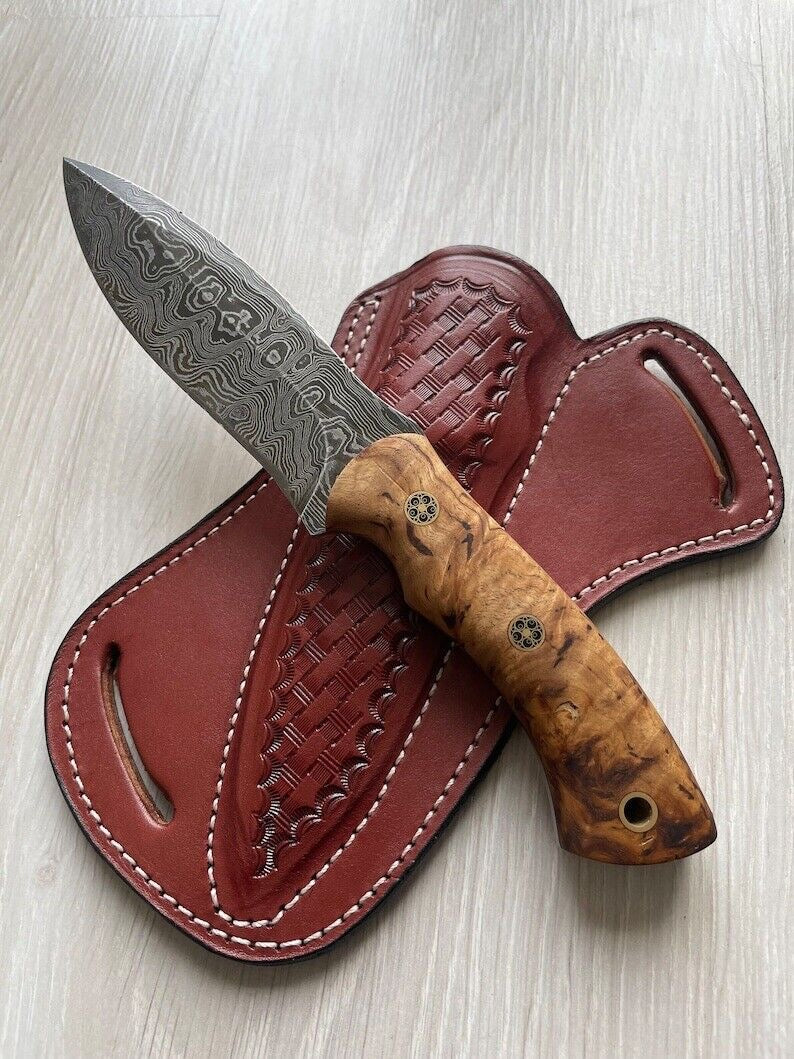
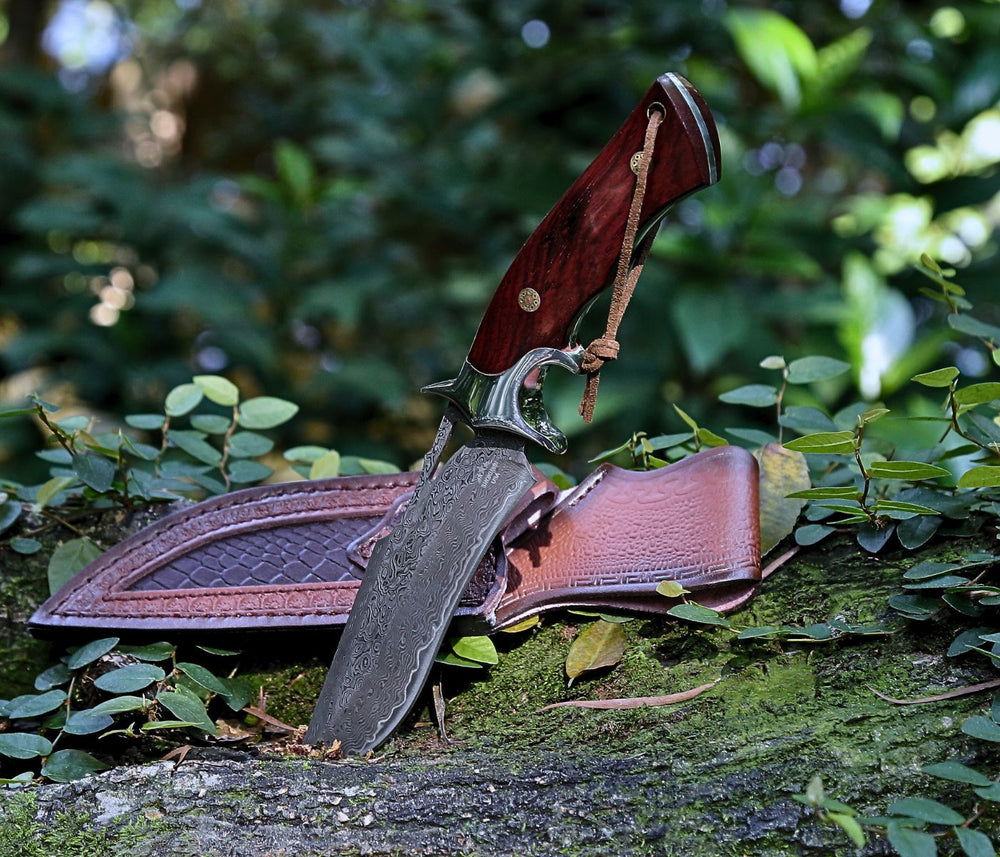
Radiant Damascus Hunting Knife with Rosewood Handle
The Radiant Damascus Hunting Knife features a hand-forged Damascus steel blade known for its durability and superior edge retention, making it a reliable tool for outdoor activities like hunting, fishing, and camping. Its ergonomic rosewood handle ensures comfort and balance during use, while the included leather sheath adds convenience for transport. Additionally, the option for personalization and engraving makes this knife an ideal gift for special occasions.
View Product








Leave a comment