

Overview
Knives have shaped human civilization for millennia, evolving from primitive tools to sophisticated culinary instruments. Understanding their history reveals the interplay of materials, design, and cultural significance, enriching your appreciation for these essential tools. Whether you're a chef or a cooking enthusiast, recognizing the craftsmanship behind knives can enhance your culinary experience and inspire your kitchen endeavors.
Table of Contents
- The Early Beginnings of Knives
- Materials of the First Knives
- The Transition to Metal: Bronze Age and Iron Age Knives
- Significance of Metal Knives
- The Rise of Damascus Steel
- Characteristics of Damascus Steel Knives
- Knives in the Modern Era
- Modern Materials and Technologies
- The Cultural Impact of Knives
- The Future of Knife Design and Craftsmanship
- Sustainability in Knife Production
- Keen on Knives? Here's Why You Should Care!
Key Takeaways
- Historical Significance: Knives date back over 2.5 million years, evolving from primitive tools made of flint, bone, and wood.
- Material Evolution: The transition from natural materials to metals like bronze and iron significantly improved knife durability and versatility.
- Damascus Steel: Originating between 300-500 AD, Damascus steel is celebrated for its strength, unique patterns, and exceptional edge retention.
- Modern Innovations: Contemporary knives are crafted from materials like stainless steel, carbon steel, and ceramic, each offering distinct advantages.
- Cultural Importance: Knives hold symbolic meaning across cultures, representing strength and artistry in culinary practices and rituals.
- Sustainability Trends: Eco-conscious practices in knife production are becoming more common, focusing on responsible sourcing and waste reduction.
- Future Directions: The integration of traditional craftsmanship with advanced technologies is shaping the future of knife design and functionality.
Knives have been an essential part of human civilization since the dawn of time. From primitive tools to modern-day culinary masterpieces, the history of knives reflects the evolution of technology, culture, and craft. In this blog post, we’ll explore how knives have developed over the centuries, focusing on their materials, designs, and uses. Join us as we delve deep into the evolution of this remarkable cutting tool and discover how it became a cornerstone of everyday life.
The Early Beginnings of Knives
Knives date back to prehistoric times, serving as essential tools for survival. The earliest knives were made from flint, bone, and wood. These rudimentary implements were primarily used for cutting meat, skinning animals, and even as rudimentary weapons. Archaeological evidence suggests that these primitive knives emerged over 2.5 million years ago, representing one of the first steps in human tool-making.
Materials of the First Knives
The materials used in early knife construction were dictated by the available resources. Flint, with its sharp edges when fractured, was the go-to material for ancient peoples. Other materials included:
- Bone: Used for its accessibility and ability to hold a sharp edge.
- Wood: Often carved into simple blades for lighter tasks.
As civilizations developed, so did their tools. Metalworking techniques emerged, leading to a profound transformation in knife design.
The Transition to Metal: Bronze Age and Iron Age Knives
The discovery of copper and, subsequently, bronze around 3300 BC marked a significant turning point in knife history. Techniques for smelting and alloying metals became widespread, facilitating the production of bronze knives. This period saw knives that were not only sharper but also more durable.
By the time of the Iron Age (around 1200 BC), iron knives became prevalent. Iron was easier to obtain compared to bronze, making it a popular choice among various cultures. The introduction of iron allowed for knives that could be easily sharpened, thus increasing their versatility for various tasks.
Significance of Metal Knives
The use of metal in knives provided numerous advantages:
- Durability: Metal knives lasted longer and could withstand more rigorous use.
- Edge Retention: Compared to bone or wood, metal maintained a sharper edge for longer periods.
- Versatility: Metal knives could be fashioned into a variety of shapes suited to different tasks.
The evolving design and durability of metal knives paved the way for their extensive use in culinary practices, as well as in combat.
The Rise of Damascus Steel
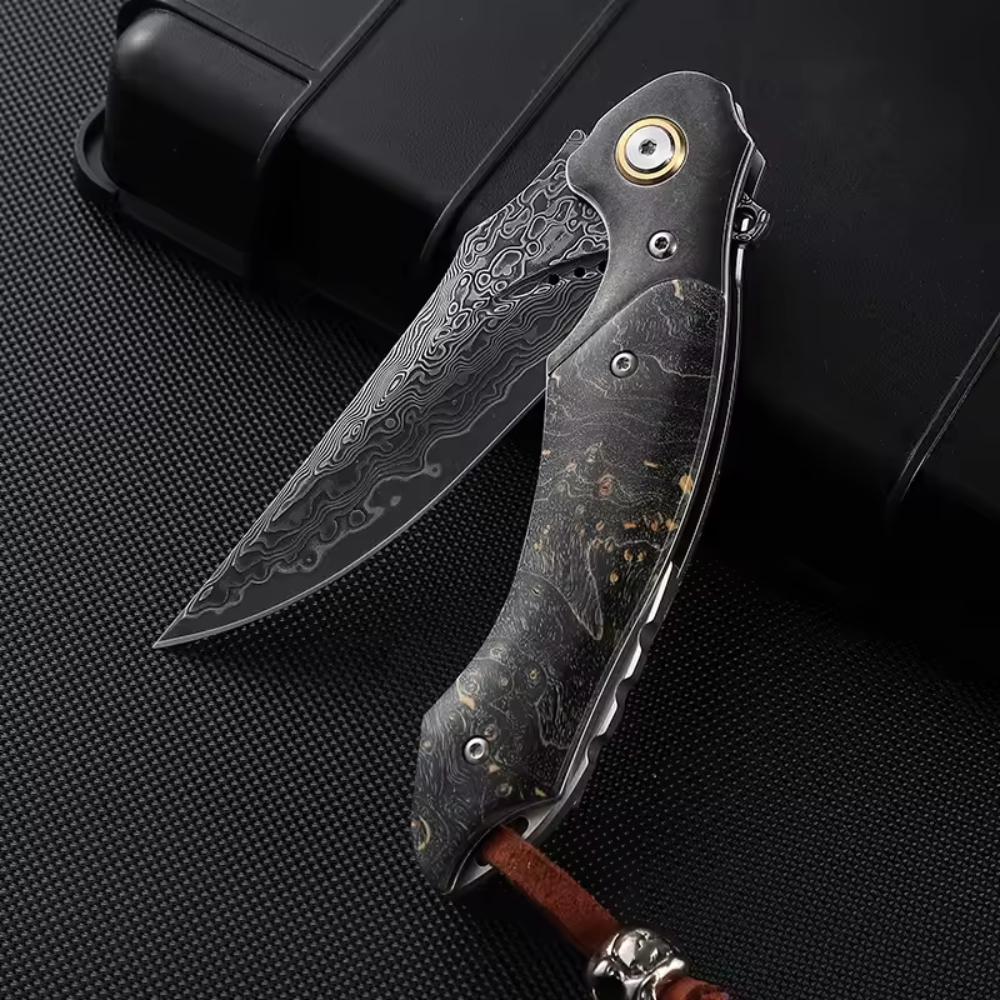
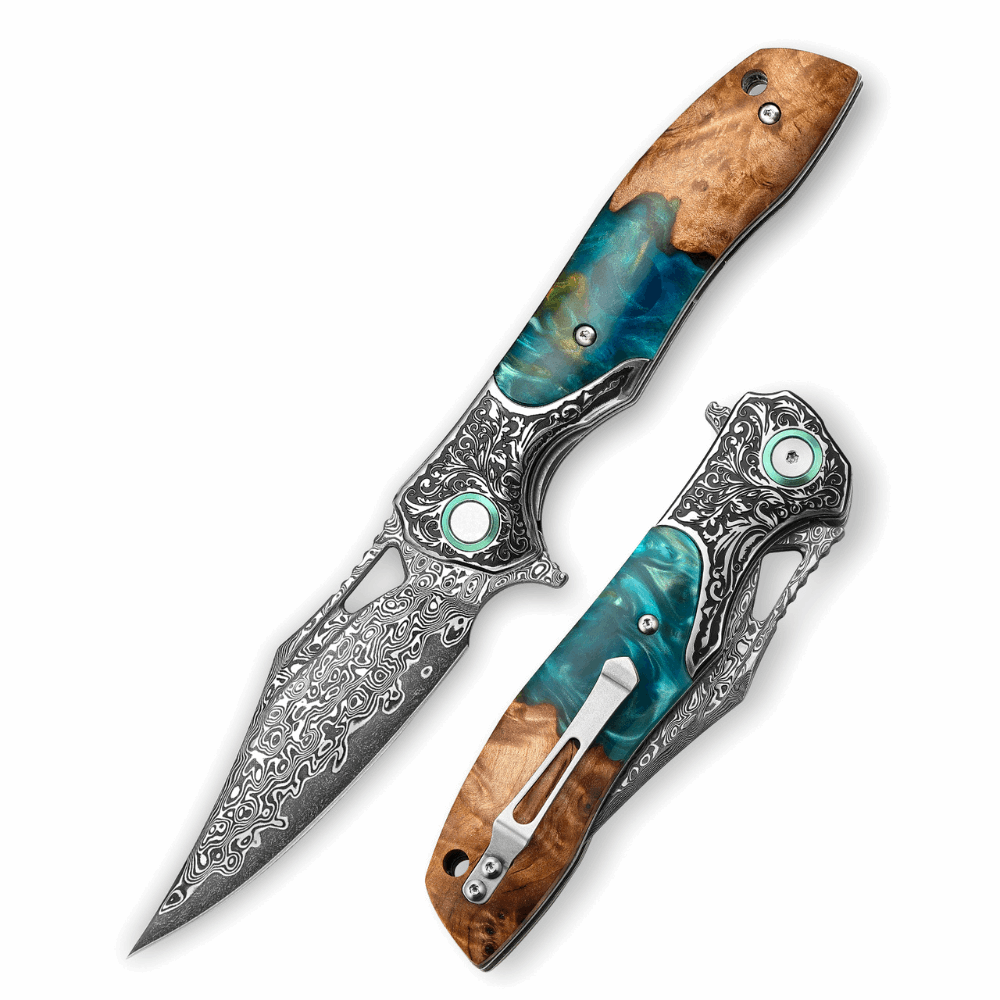
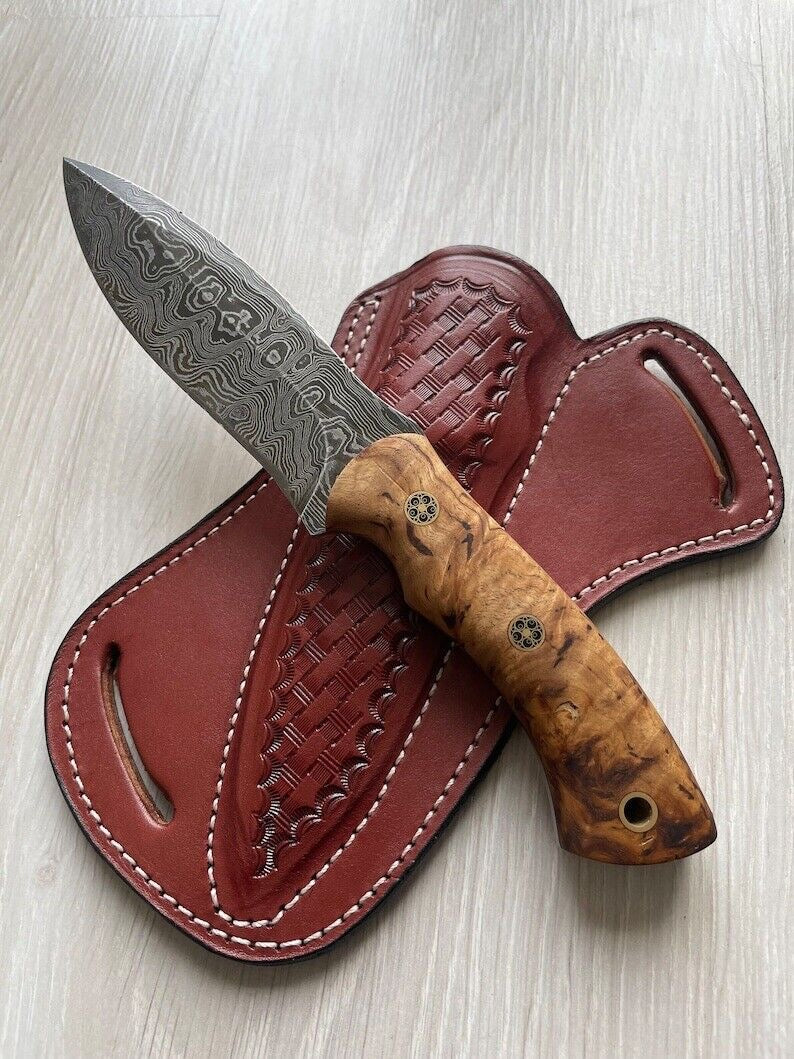
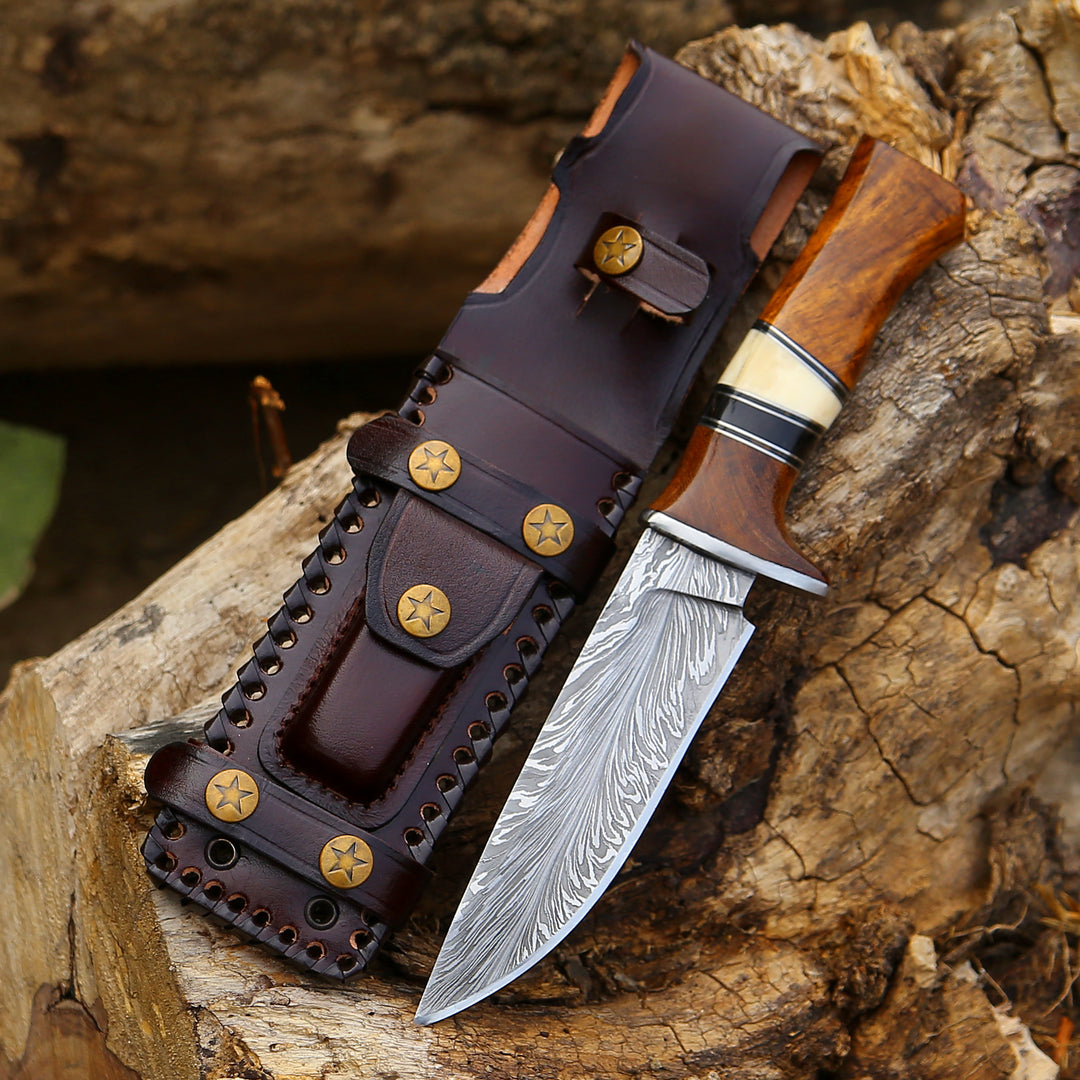
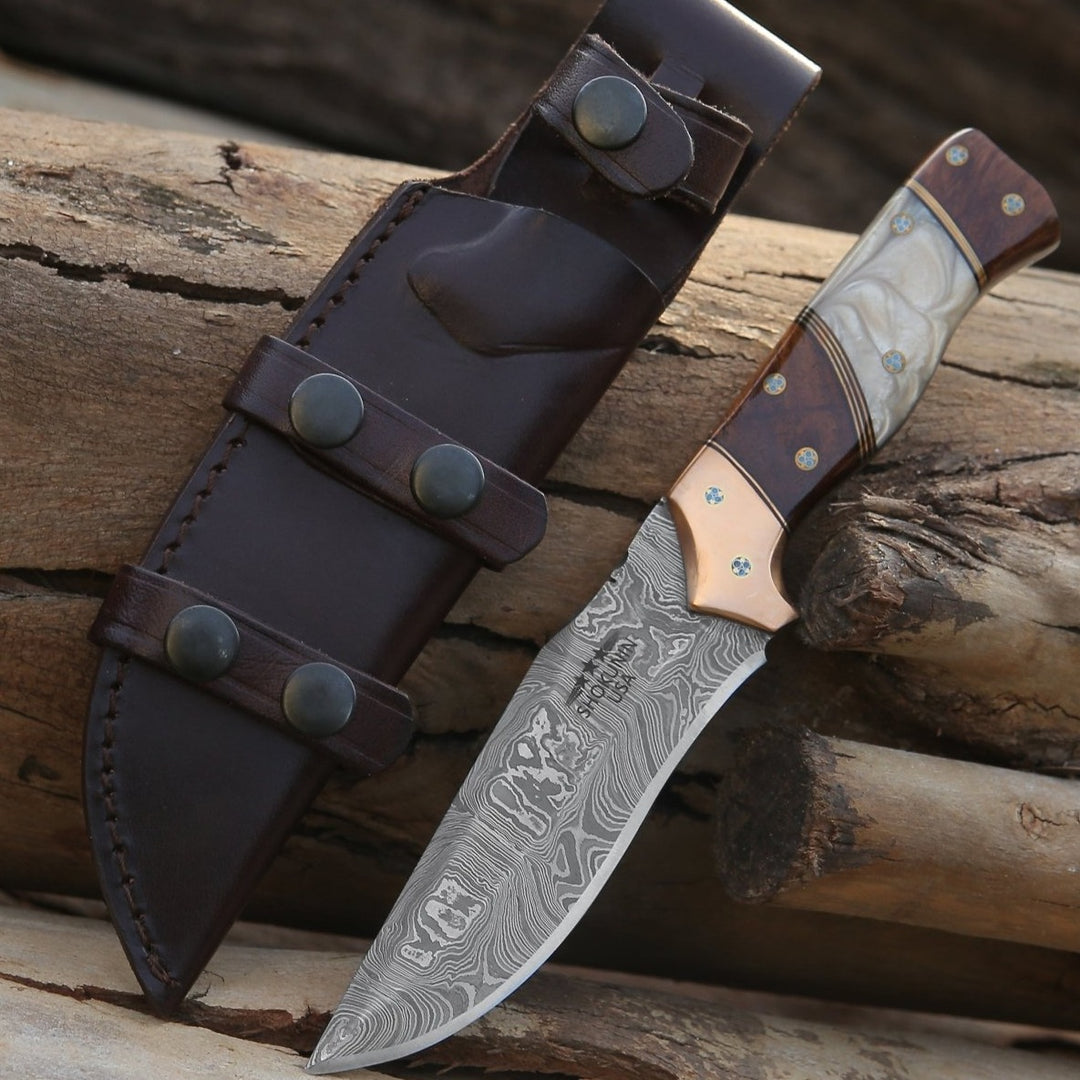
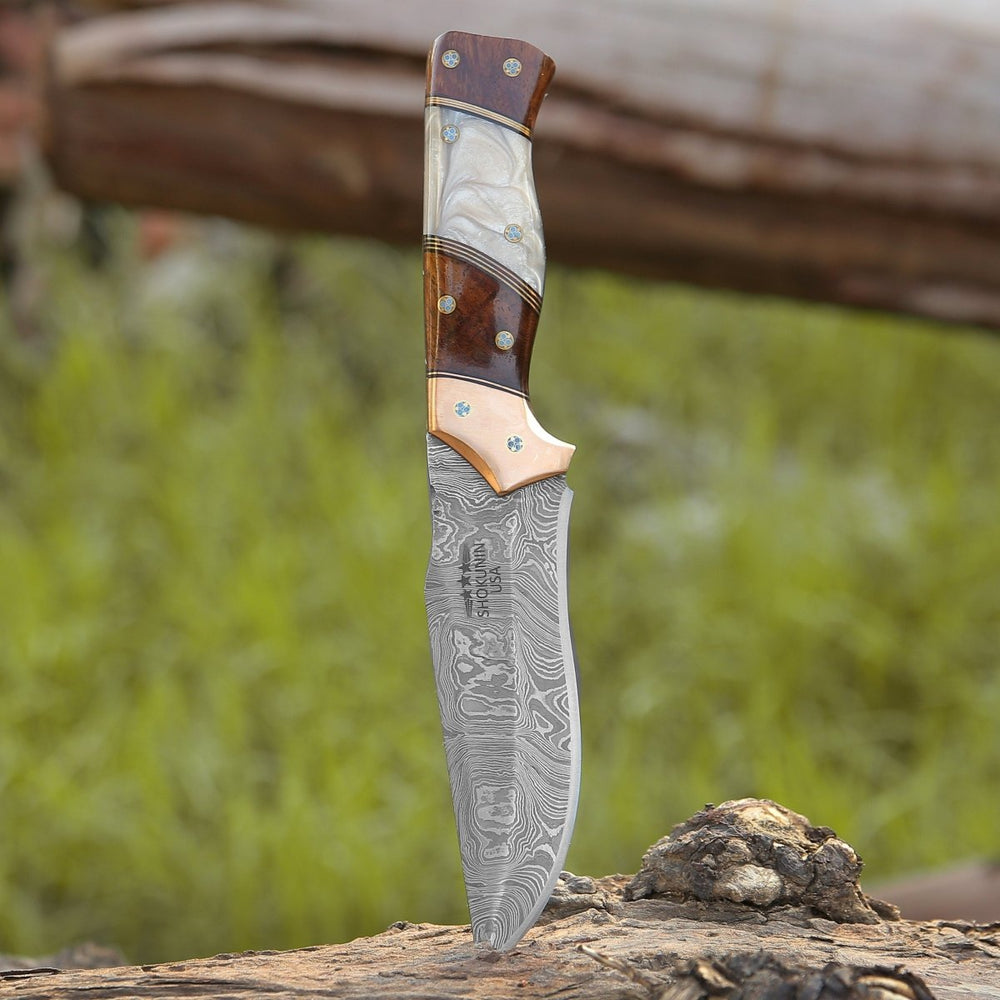
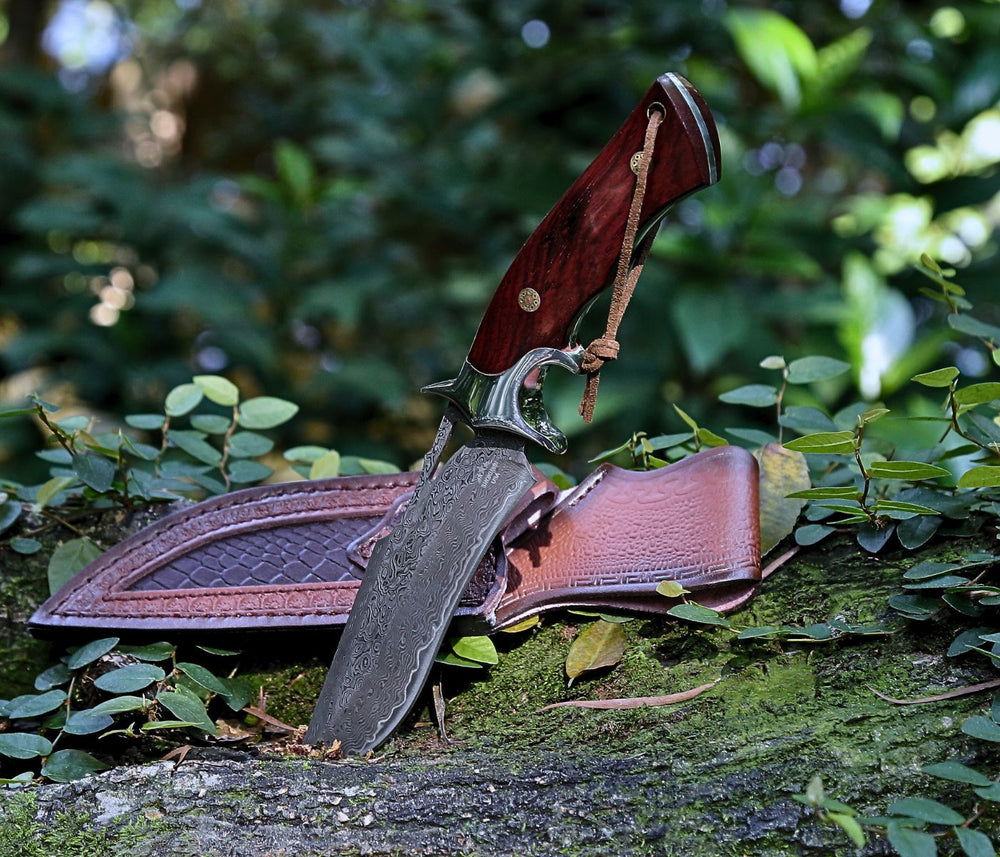
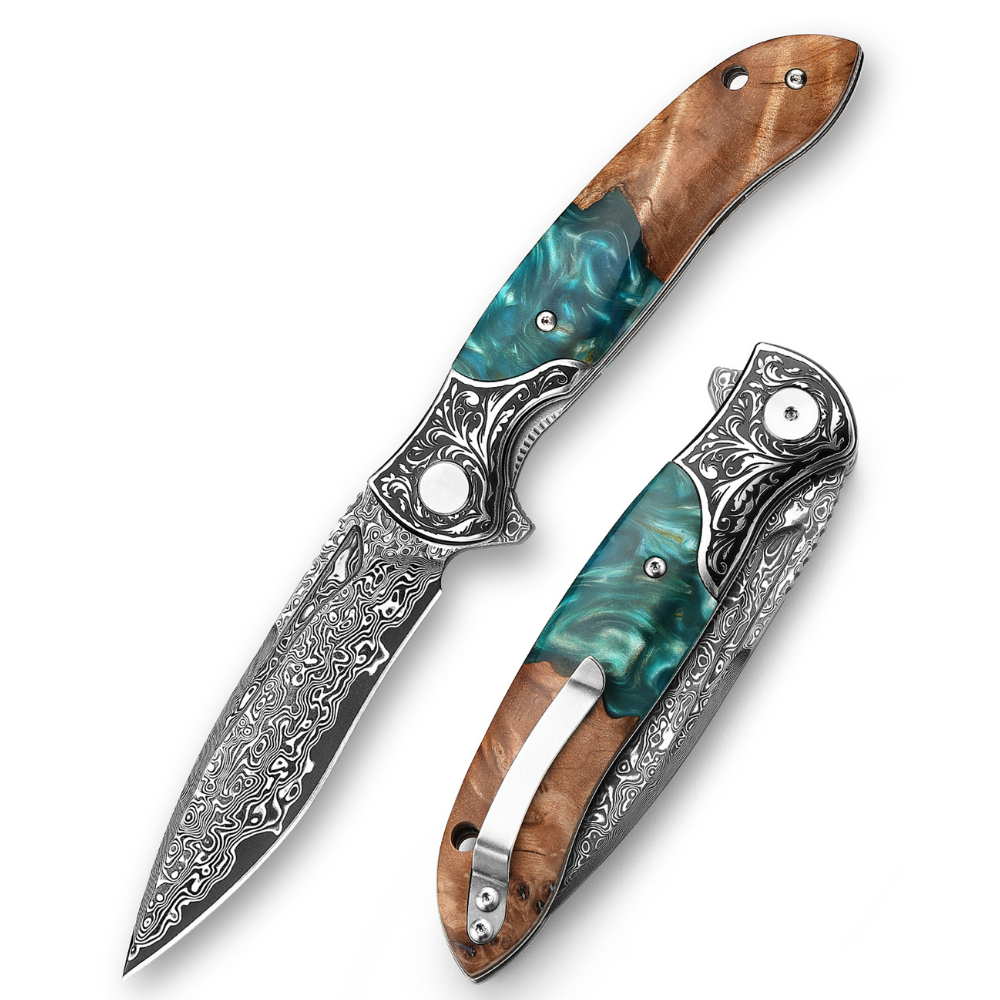
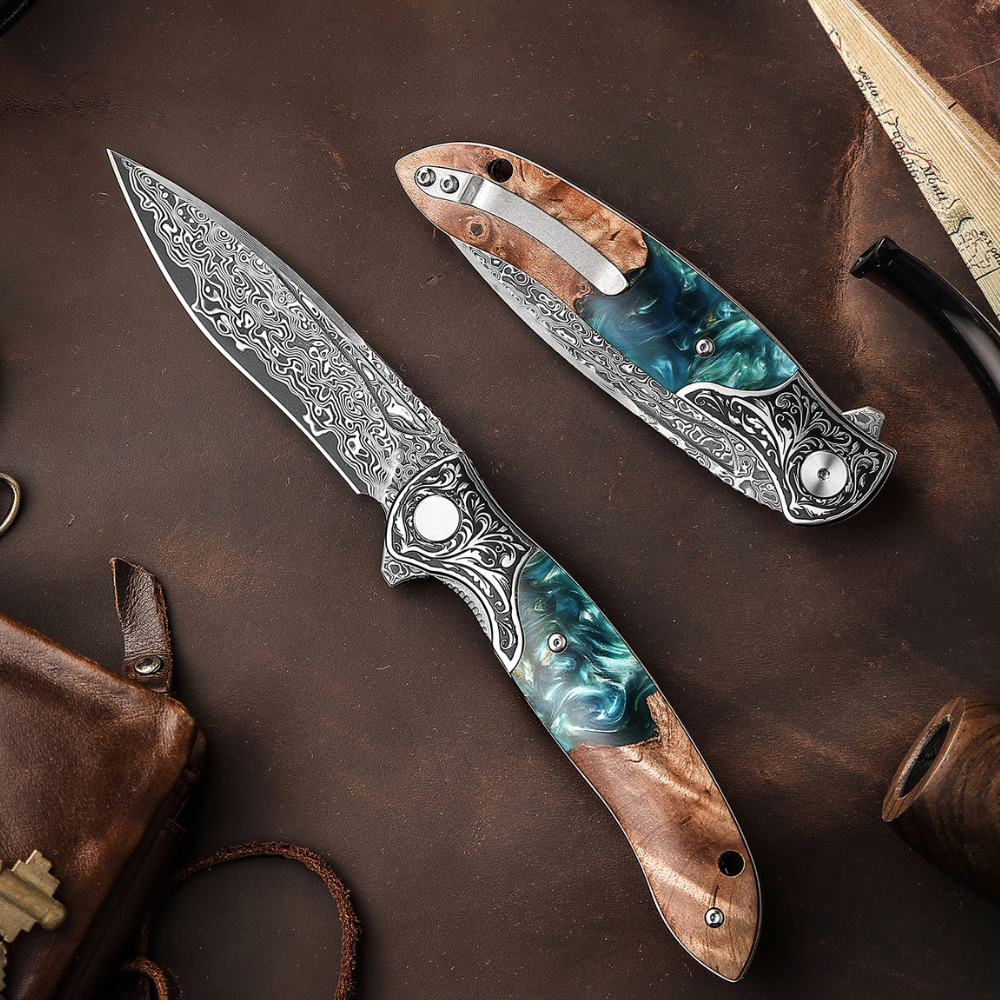
As we moved into the medieval period, a game-changer in the world of knife making emerged: Damascus steel. Renowned for its strength, resilience, and distinctive patterns, Damascus steel originated from the Middle East around 300-500 AD. The unique visual character of Damascus steel is achieved through a traditional process of folding and forging various types of steel together, creating a layered appearance.
Characteristics of Damascus Steel Knives
Damascus steel became synonymous with high-quality craftsmanship and performance, particularly in the context of professional kitchen knives. Some notable features include:
- Strength and Hardness: The composite nature of Damascus steel allows for remarkable strength and durability.
- Exceptional Edge Retention: A properly crafted Damascus knife can hold its edge significantly longer than lower-quality options.
- Unique Aesthetic: Each Damascus blade showcases a one-of-a-kind pattern, appealing to both collectors and culinary professionals alike.
Today, modern artisans combine traditional Damascus techniques with contemporary designs, resulting in knives that are as beautiful as they are functional.
Knives in the Modern Era
The Industrial Revolution brought significant advancements to knife production. Mass manufacturing allowed for the creation of knives at unprecedented scales and with consistent quality. People began to move away from handmade knives, although the quest for artisanal craftsmanship did not fade away.
Modern Materials and Technologies
While Damascus steel remains highly sought after, contemporary knives are often made with various materials, including stainless steel, carbon steel, and ceramic. Each offers unique benefits:
- Stainless Steel: Resists corrosion, requires minimal maintenance, and is ideal for kitchen settings.
- Carbon Steel: Known for its excellent edge retention and ease of sharpening, though it may require extra care to prevent rust.
- Ceramic: Lightweight and resistant to staining, but more fragile compared to metal knives.
The evolution of blade technology has paved the way for innovative shapes and designs, catering to various culinary styles and personal preferences.
The Cultural Impact of Knives
Knives are not just utilitarian tools; they also hold cultural significance around the world. Various cultures have developed traditions and rituals centered around knives:
- Culinary Arts: Chefs view knives as an extension of their own hands, with the right knife enhancing the precision and artistry of cooking.
- Folklore and Symbolism: In many societies, knives symbolize strength, protection, and sacrifice, often embedded in myths or cultural practices.
- Gifting Tradition: In some cultures, gifting a knife signifies a severing of ties, indicating that the recipient should not feel indebted to the giver.
Understanding the cultural significance of knives can enhance appreciation for their varied designs and functions, reflecting their deep-rooted history.
The Future of Knife Design and Craftsmanship
The world of knives continues to evolve, especially with technological advancements. Today, skilled artisans are merging traditional techniques with modern innovations, improving these tools' efficiency and aesthetics. Techniques such as water jet cutting, computer-aided design (CAD), and advanced heat treatment processes are frequently employed in knife manufacturing.
Sustainability in Knife Production
As awareness of environmental issues grows, sustainable practices in knife production are becoming more prevalent. Artisans are now focusing on using responsibly sourced materials and reducing waste in the manufacturing process. This shift not only helps protect the environment but also caters to increasingly eco-conscious consumers who prioritize sustainability when choosing tools for their kitchens.
With the integration of advanced technology and sustainable practices, the future of knives looks promising. We can expect the craftsmanship to evolve effortlessly, resonating with both culinary environments and collectors alike.
Keen on Knives? Here's Why You Should Care!
The history of knives is not just a story of tools; it's a narrative about human innovation, culture, and craftsmanship. Whether you’re a professional chef or an enthusiastic home cook, understanding this fascinating evolution enhances your appreciation for the simple yet indispensable knife. Today, in a world filled with options, choosing the right knife—such as a professional kitchen knife made from high-quality Damascus steel—can have a profound effect on your cooking experience.
As knives continue to adapt to modern needs and preferences, they remain a vital part of our culinary journey. So, next time you pick up a knife in your kitchen, take a moment to consider the centuries of history and craft behind this sophisticated tool!
Measuring the significance of a knife isn't just practical—it's also a celebration of the fusion of art and utility. So go ahead, explore different styles and materials, and find the perfect knife that suits your culinary ambitions!
Frequently Asked Questions
1. What are the earliest materials used to make knives?
2. How did the transition to metal affect knife design?
3. What is Damascus steel and why is it significant?
4. What modern materials are commonly used to make knives?
5. How is sustainability impacting knife production today?
Glossary
| Term | Meaning |
|---|---|
| Knife | A cutting tool with a blade and handle used for various tasks. |
| Damascus Steel | A type of steel known for its strength and unique patterns, used in high-quality knives. |
| Edge Retention | The ability of a knife to maintain its sharpness over time. |
| Bronze Age | A historical period marked by the use of bronze for tools and weapons, including knives. |
| Iron Age | A period characterized by the widespread use of iron for making tools, including knives. |
| Culinary Arts | The practice of preparing and cooking food, where knives play a crucial role. |
| Sustainability | The practice of using eco-friendly methods and materials in production. |
| Carbon Steel | A type of steel known for excellent sharpness and edge retention, though prone to rust. |
| Stainless Steel | A corrosion-resistant steel commonly used for kitchen knives. |
| Artisanal Craftsmanship | High-quality, handmade production techniques that emphasize skill and tradition. |
Linked Product

Maverick VG10 Chef Knife Damascus Petty Knife with Exotic Olive Wood Handle
The Maverick VG10 Chef Knife features a hand-forged Damascus steel blade, known for its strength and edge retention, making it ideal for both professional and everyday kitchen tasks. Its 5.5-inch French-style blade offers versatility for slicing, chopping, and precision food preparation. The exotic olive wood burl and resin handle not only enhances the knife's aesthetic appeal but also provides durability and comfort during use.
View Product








Leave a comment