


Overview
Pocket knives have a rich history dating back to ancient civilizations, evolving from simple tools to highly crafted, versatile instruments. The Industrial Revolution advanced their manufacturing, leading to iconic American designs like the Swiss Army knife. Today, handmade and full tang knives are valued for their quality and craftsmanship, with modern materials enhancing their functionality. Choosing the right pocket knife involves considering its purpose, blade type, and handle materials, while proper care is essential for longevity. Ultimately, pocket knives are not just tools but reflections of personal style and tradition.
Table of Contents
- The Origins of Pocket Knives
- The Industrial Revolution and Pocket Knives
- The Rise of American Pocket Knives
- The Art of Handmade Knives
- The Pocket Knife Today
- Modern Materials and Techniques
- Choosing the Right Pocket Knife
- Preserving Your Pocket Knife
- The Legacy of Pocket Knives
- Discover Your Perfect Pocket Knife
Key Takeaways
- Historical Significance: Pocket knives date back to ancient civilizations, with early examples found in Greece and Rome around the 3rd century BC.
- Industrial Revolution Impact: The 18th and 19th centuries saw advancements in steel production and knife-making techniques, enhancing both durability and safety features.
- Handmade Knives: The appeal of handmade knives has surged, with artisans focusing on unique craftsmanship and quality materials.
- Full Tang Design: Full tang knives offer improved balance and strength, making them ideal for rigorous outdoor use.
- Modern Materials: Today's pocket knives utilize advanced materials like Damascus steel and ergonomic synthetic handles for improved performance.
- Choosing Wisely: When selecting a pocket knife, consider its intended use, blade type, handle materials, and whether it features a full tang for added durability.
- Maintenance Tips: Regular cleaning, rust prevention, and proper storage are essential for preserving the lifespan and functionality of your pocket knife.
Pocket knives, often seen as simple tools for everyday tasks, carry a rich history that dates back centuries. These versatile implements blend utility with craftsmanship, making them a favored choice among enthusiasts and casual users alike. In this article, we’ll journey through the fascinating past of pocket knives, highlight their evolution, and explore their significance today, particularly focusing on handmade knives and the renowned full tang knife.
The Origins of Pocket Knives
The concept of a folding knife can be traced back to ancient civilizations. The earliest examples date as far back as the 3rd century BC, found in regions like Greece and Rome. These primitive versions were made of bronze and had a simple design. While they lacked the sophisticated mechanisms that modern pocket knives boast, these early tools laid the groundwork for future innovations.
As time marched on, craftsmen began to invent and refine folding knife designs, with different cultures contributing unique styles and functionalities. In the Middle Ages, pocket knives became more popular in Europe among tradespeople, becoming essential tools for everyone from merchants to artisans.
The Industrial Revolution and Pocket Knives
The Industrial Revolution in the 18th and 19th centuries brought significant changes to manufacturing processes. With advancements in technology, producing pocket knives became faster and more efficient. Steel production improved, allowing for more durable blades. This period saw the rise of famous knife-making regions, such as Sheffield in England and Solingen in Germany, where skilled craftsmen created quality blades.
During this time, innovations such as the locking mechanism emerged, which added safety and functionality. These enhancements played a crucial role in making pocket knives not just tools but also collectible items. The demand grew, and soon, pocket knives became a symbol of craftsmanship—a trend that would continue for generations.
The Rise of American Pocket Knives
American pocket knives became particularly famous in the mid-19th century, especially among pioneers and travelers. The iconic Swiss Army knife was developed during this period, which combined multiple tools in one compact design. This new approach celebrated practicality, as it could serve numerous functions—hence the saying, "Jack of all trades, master of none."
Throughout the 20th century, various companies emerged with their distinctive designs and branding, many emphasizing the use of premium materials and ethical crafting processes. The appeal of handmade knives surged, as consumers sought high-quality, durable options for their everyday needs. Many knife makers began to focus on artisanal methods, ensuring each piece stood out with unique craftsmanship.
The Art of Handmade Knives
Crafting a handmade knife is not just a process; it is an art form. A handmade knife’s appeal lies in the meticulous attention to detail, highlighting both functionality and aesthetic beauty. As we explore this art, we see the significance of the full tang design—a hallmark of quality in knife-making.
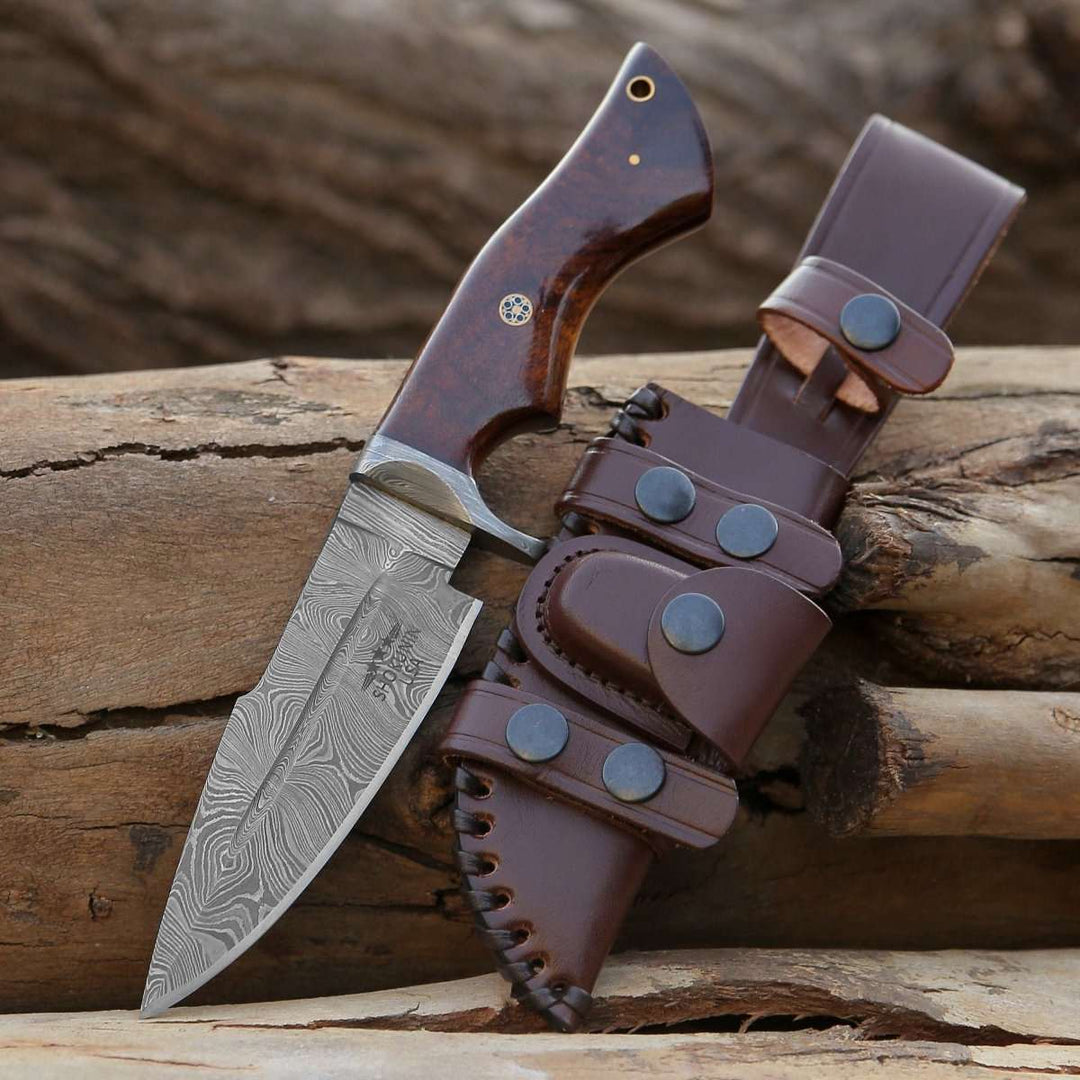
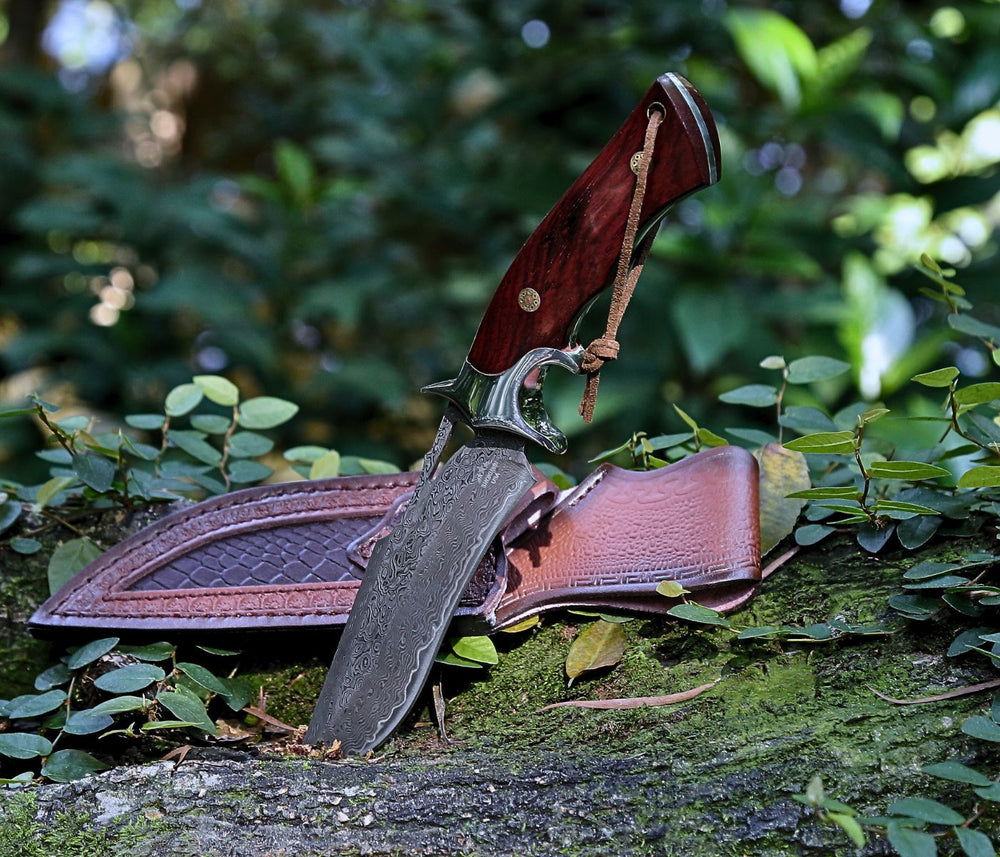
A full tang knife refers to a blade that extends the full length of the handle, which enhances balance and provides superior strength. This design choice is prevalent among premium knifes and is particularly valued among outdoor and survival enthusiasts. Choosing a full tang knife often means investing in a tool that can withstand rigorous use while maintaining its integrity and performance.
The Pocket Knife Today
Fast forward to the present day, pocket knives continue to hold an esteemed position in both utility and collecting. While urbanization has changed the average consumer's relationship with tools, pocket knives remain relevant. They are popular for camping, fishing, and all sorts of outdoor activities. Moreover, many craftsmen and brands emphasize the opportunity of owning a personalize item through custom styles and features.
The resurgence in outdoor hobbies and self-sufficiency has led to a renewed interest in traditional pocket knives. More enthusiasts lean toward handmade knives, appreciating the artistry and history behind each piece. Consumers are also becoming more aware of sustainable and ethical practices in knife-making, leading to a preference for brands that uphold these values.
Modern Materials and Techniques
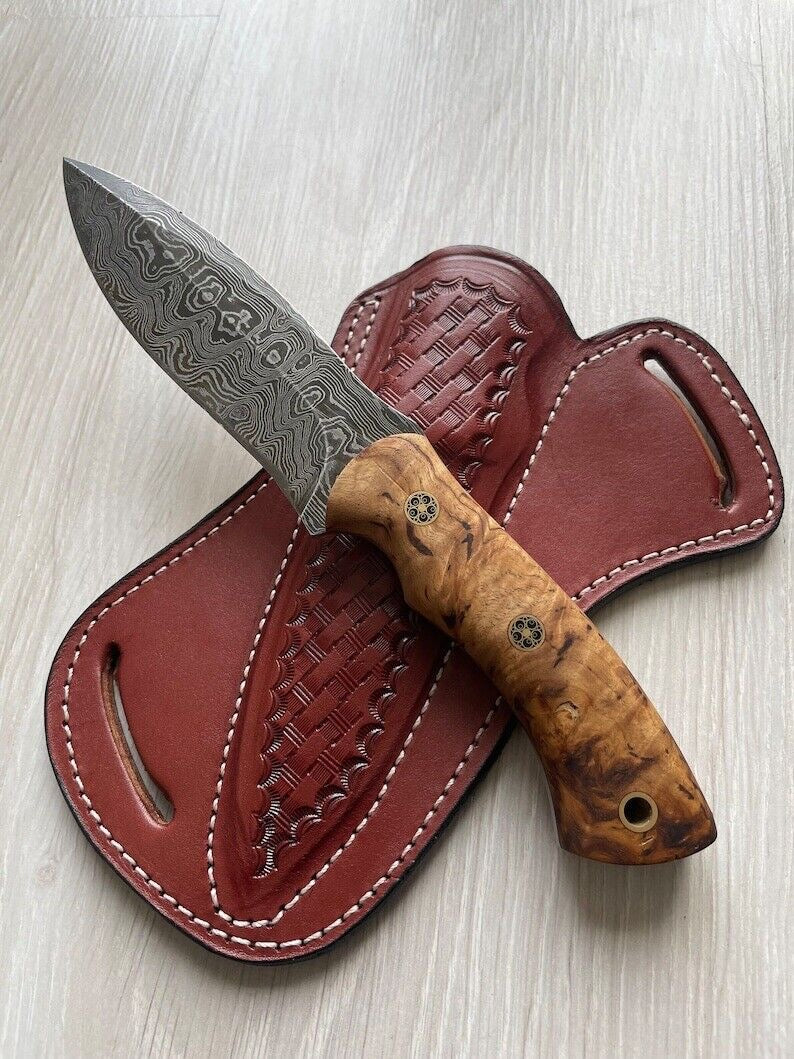
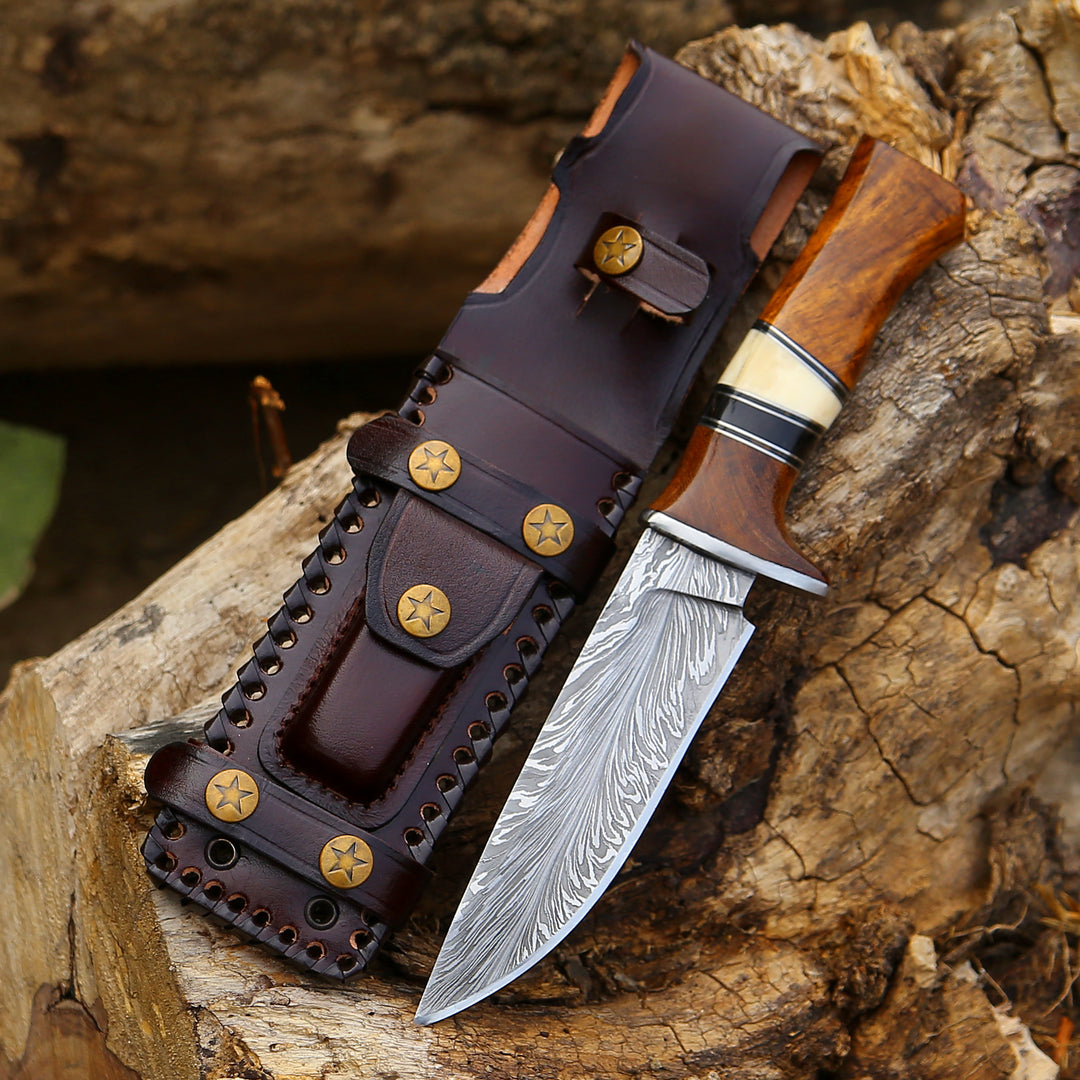
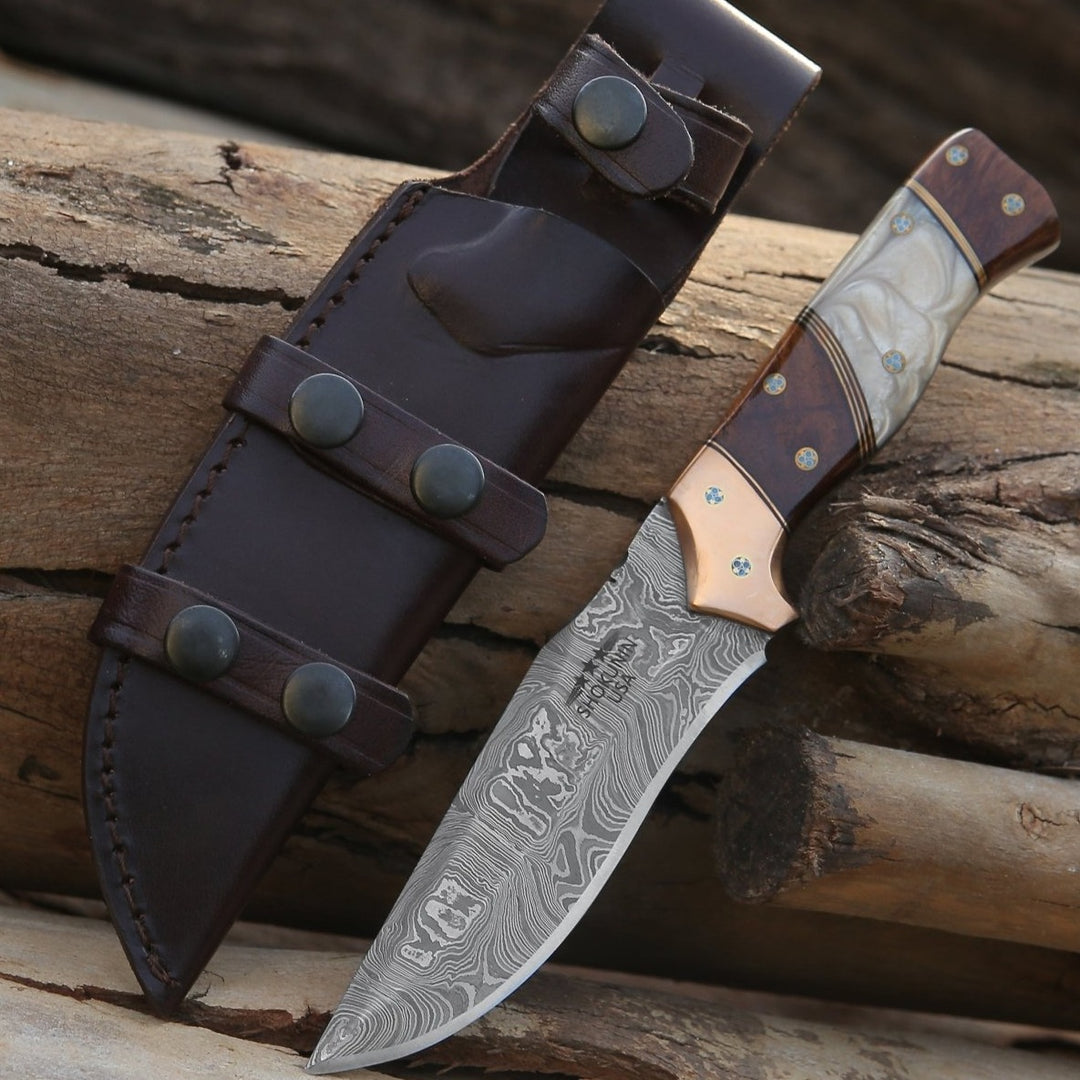
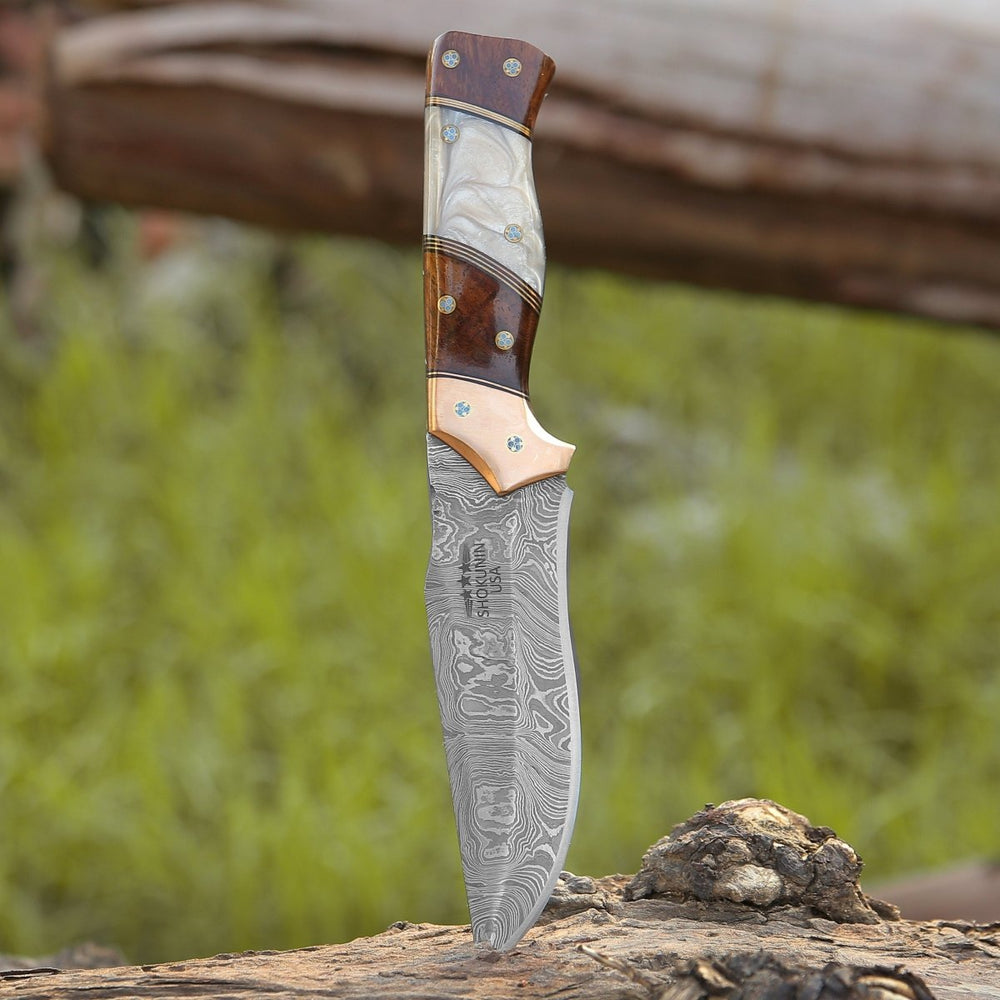
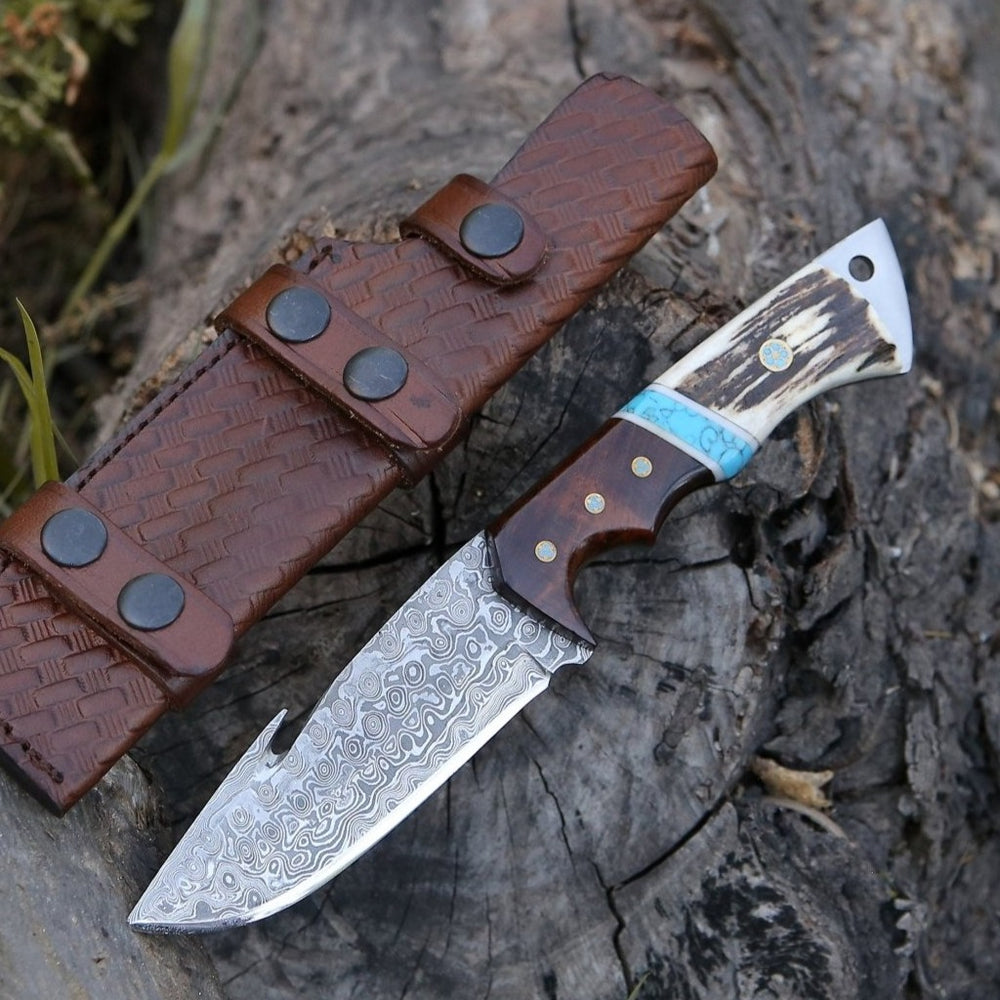
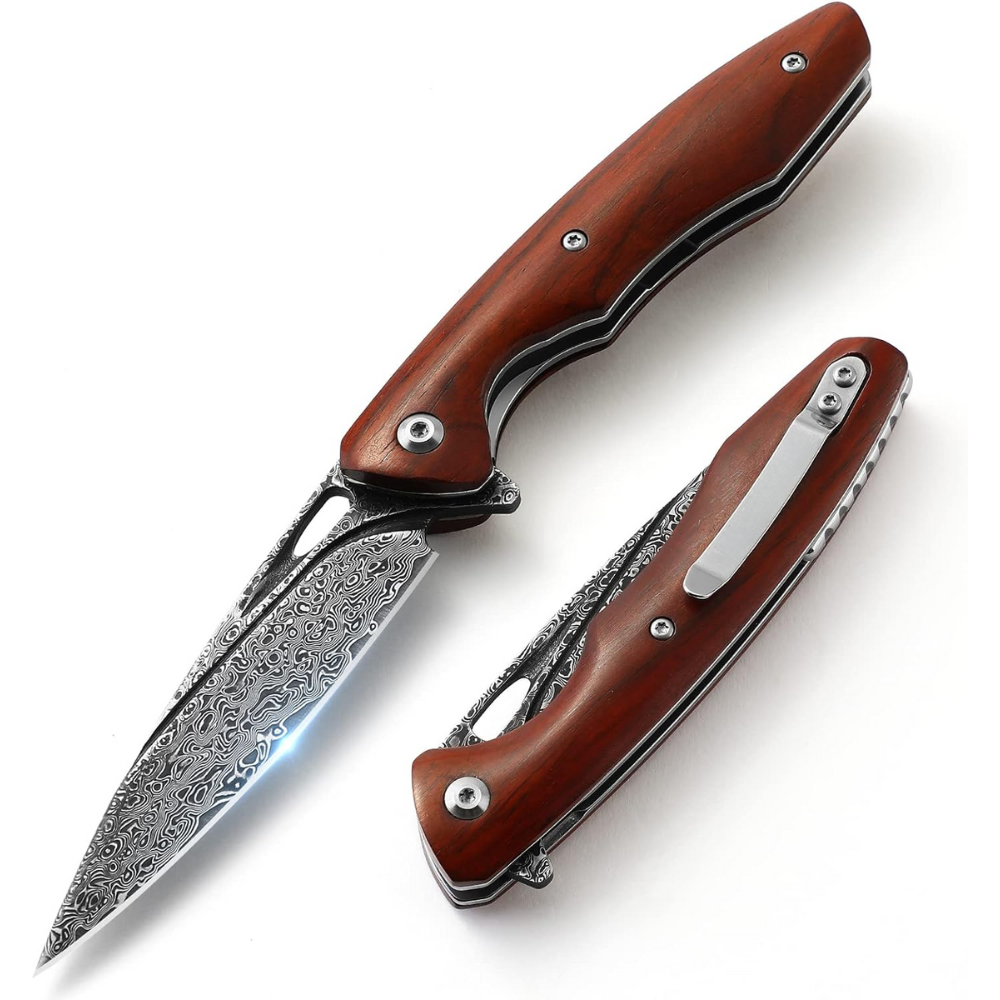
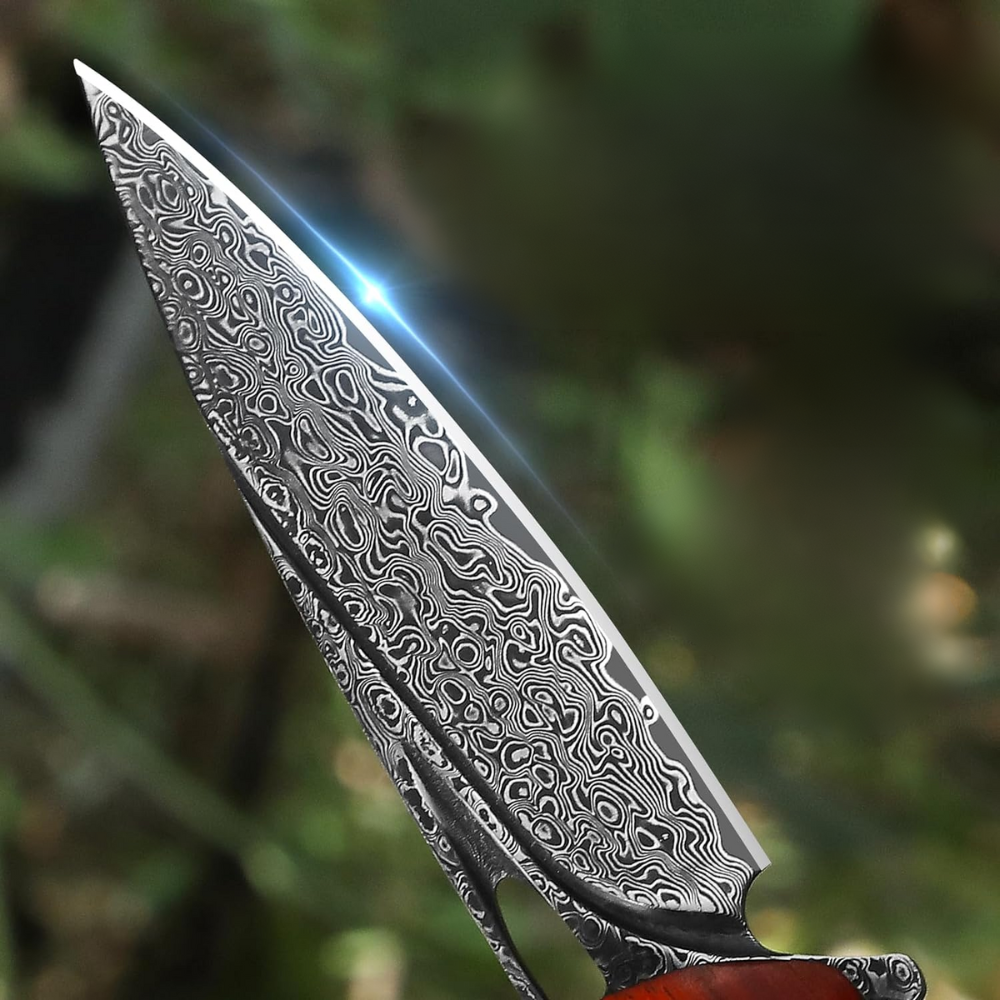
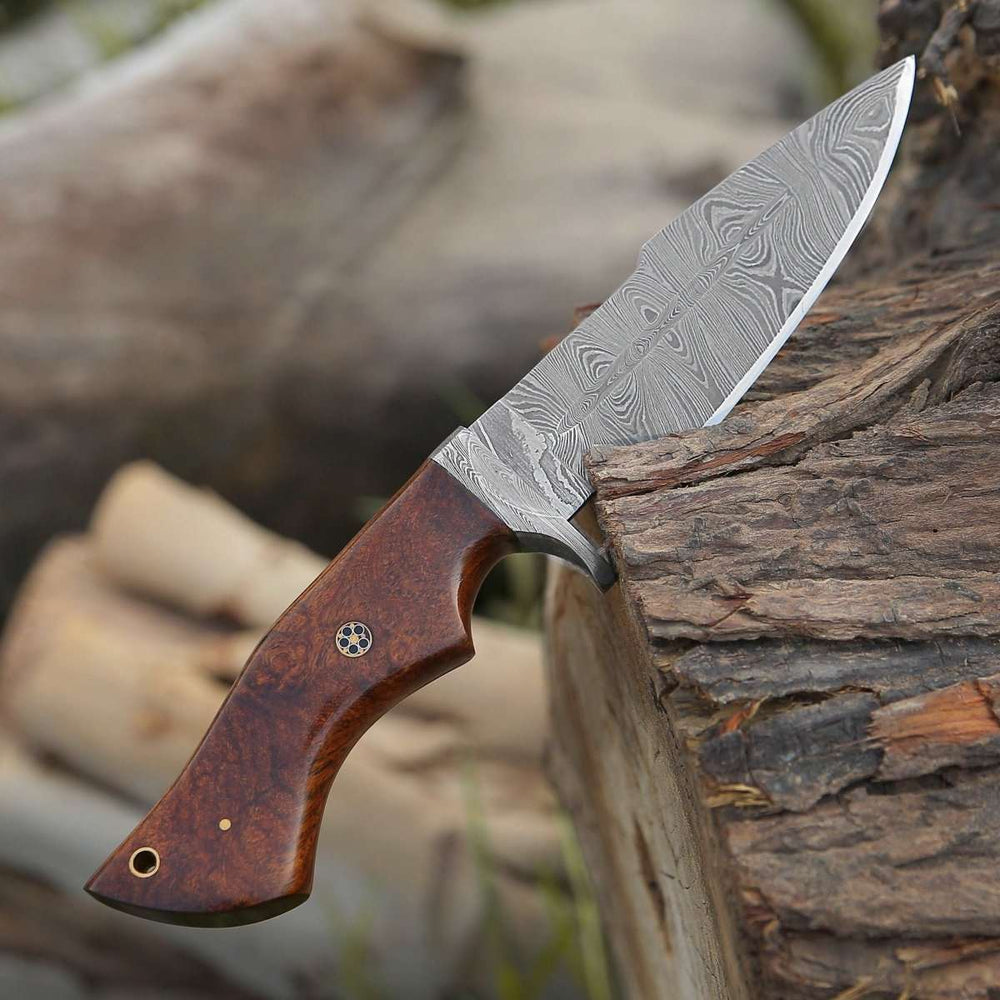
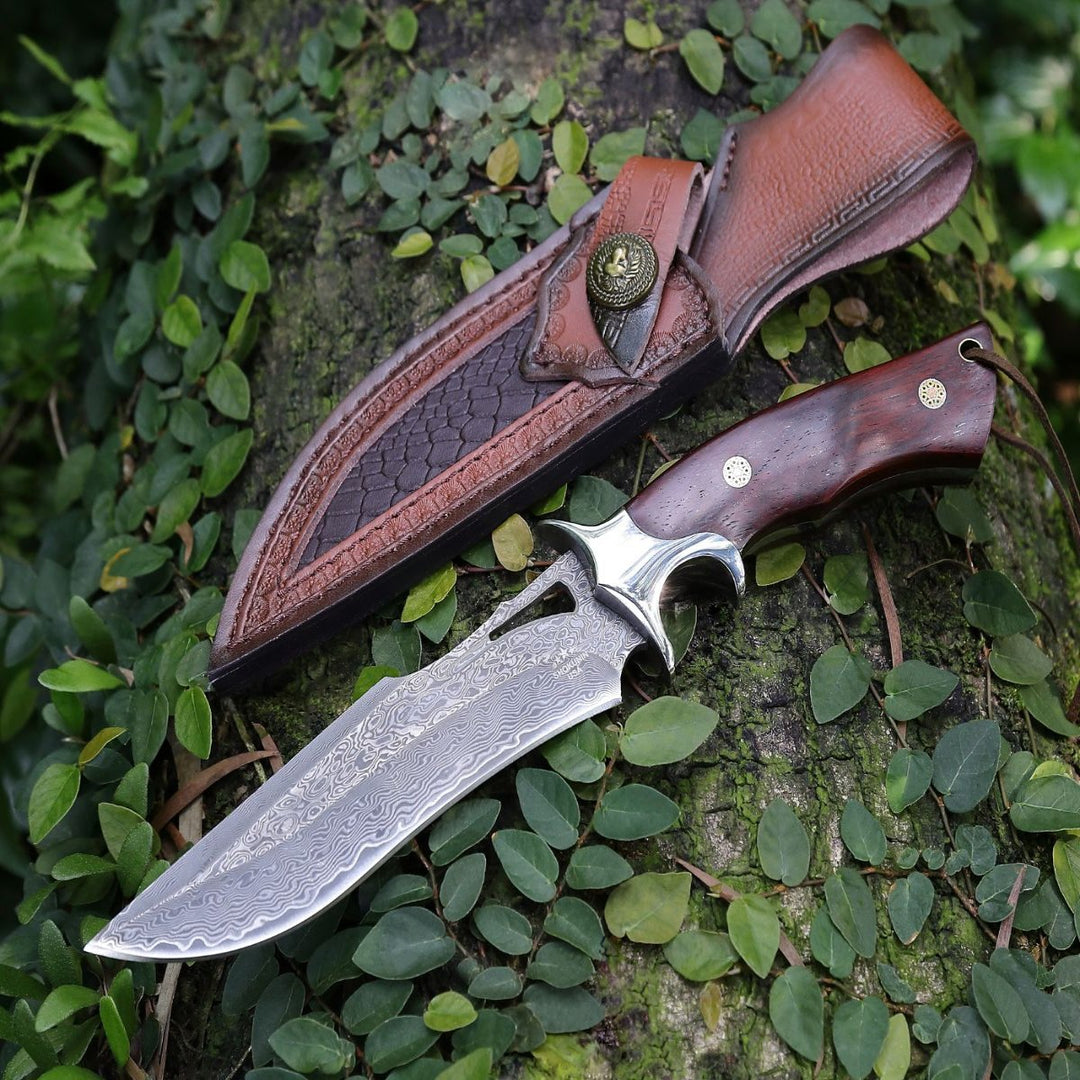
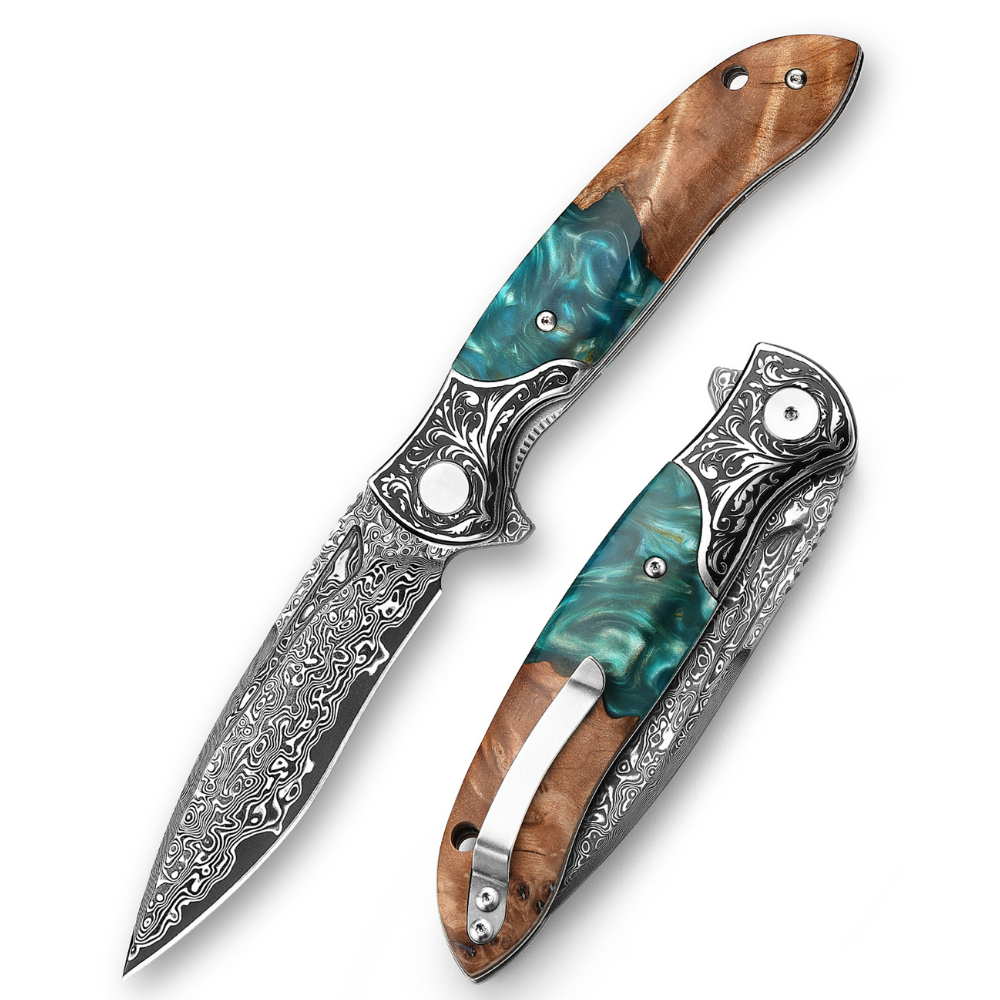
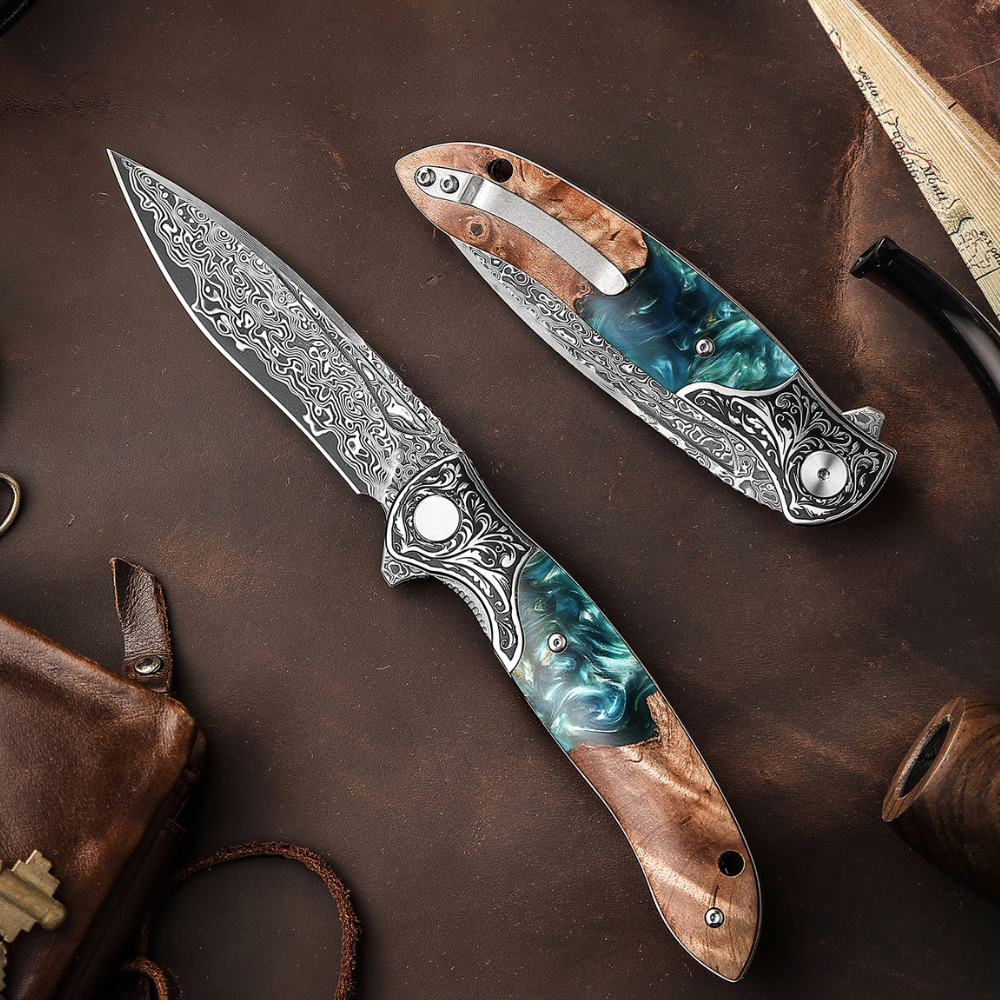
The world of pocket knives has expanded in terms of materials utilized. Today, blades can be crafted from an array of stainless steel options or even specialty metals like Damascus steel, praised for its striking patterns and durability. Handles, too, have evolved, with options ranging from traditional wood and bone to modern synthetic materials that offer ergonomic advantages and stunning aesthetics.
With the rise of technology, many knife-makers are incorporating innovative techniques into their craft. Waterjet cutting, CNC machining, and advanced heat treatment methods have made it possible to create pocket knives that are even sharper and more resilient than their predecessors.
Choosing the Right Pocket Knife
With so many choices available—from the compact keychain style to the larger folding models—it can be tricky to choose the right pocket knife. Here are a few tips to help guide your decision:
- Purpose: Determine how you intend to use the knife. Are you looking for it as a daily tool or for special outdoor activities?
- Blade Type: Consider the type of blade that best suits your needs, whether that's a sleek drop point or a classic clip point.
- Handle Materials: The material can affect both comfort and aesthetics. Rubberized handles offer grip, while wooden handles convey traditional charm.
- Full Tang vs. Partial Tang: A full tang knife generally offers heightened strength and stability, making it an ideal choice for rigorous use.
- Weight and Size: Consider how portable you want the knife to be. Smaller knives may be more convenient for everyday carry, while larger ones may be more robust for specific tasks.
Ultimately, investing in a quality pocket knife can be far more than just purchasing a tool; it becomes an accessory that reflects personal style and preferences. When selecting, prioritize craftsmanship, especially when looking at handmade knives or choosing a structure like a full tang knife that assures durability.
Preserving Your Pocket Knife
Once you have your pocket knife, caring for it is essential to maintain its lifespan and functionality. Here are some key tips for preservation:
- Regular Cleaning: After use, clean your knife to remove dirt, moisture, or debris. A simple cloth can suffice for light cleaning, while some models may benefit from deeper cleaning.
- Prevent Rust: If your knife is made from carbon steel, regular oiling with a food-safe lubricant can help prevent rust buildup.
- Sharpening: Keep your blade sharp with a whetstone or sharpening tool. A well-maintained knife is not only easier to use but safer as well.
- Safe Storage: Store your knife in a dry place and consider using a protective case if traveling.
The Legacy of Pocket Knives
As you can see, the journey of pocket knives is woven into the very fabric of human invention. From their humble beginnings as basic tools to their evolution into high-quality handmade knives that honor tradition, the history of pocket knives illustrates a timeless appeal. They aren't merely instruments; they're tangible pieces of history, skill, and artistry.
The enduring appreciation for the craftsmanship of full tang knives highlights our collective desire for quality tools that can serve us across numerous experiences. Whether you’re setting off on an outdoor adventure or including a trusty pocket knife as part of your everyday carry, you participate in the ongoing legacy of this remarkable tool.
Discover Your Perfect Pocket Knife
Exploring the world of pocket knives can be as exciting as using one. As you consider your options, take the time to reflect on the craftsmanship, purpose, and the beautiful craftsmanship that exemplifies the history of this timeless tool. Make your choice with confidence, knowing that each knife tells a unique story—perhaps yours will be next.
Frequently Asked Questions
1. What is the history of pocket knives?
2. What distinguishes a handmade knife from other types?
3. What should I consider when choosing a pocket knife?
4. How can I maintain my pocket knife?
5. Why are full tang knives considered better?
Glossary
| Term | Meaning |
|---|---|
| Pocket Knife | A small, folding knife designed for everyday tasks. |
| Full Tang Knife | A knife where the blade extends the full length of the handle for strength. |
| Artisan | A skilled craftsperson who creates handmade items. |
| Damascus Steel | A type of steel known for its distinctive patterns and durability. |
| Locking Mechanism | A safety feature that keeps the blade securely in place when opened. |
| Ergonomic | Design that enhances comfort and efficiency during use. |
| Maintenance | Regular care needed to keep a knife functional and in good condition. |
| Sharpening | The process of honing a blade to maintain its cutting edge. |
| Collectible | An item valued for its uniqueness and craftsmanship, often sought after by enthusiasts. |
| Outdoor Activities | Recreational pursuits such as camping, hiking, and fishing where knives are often used. |
Linked Product

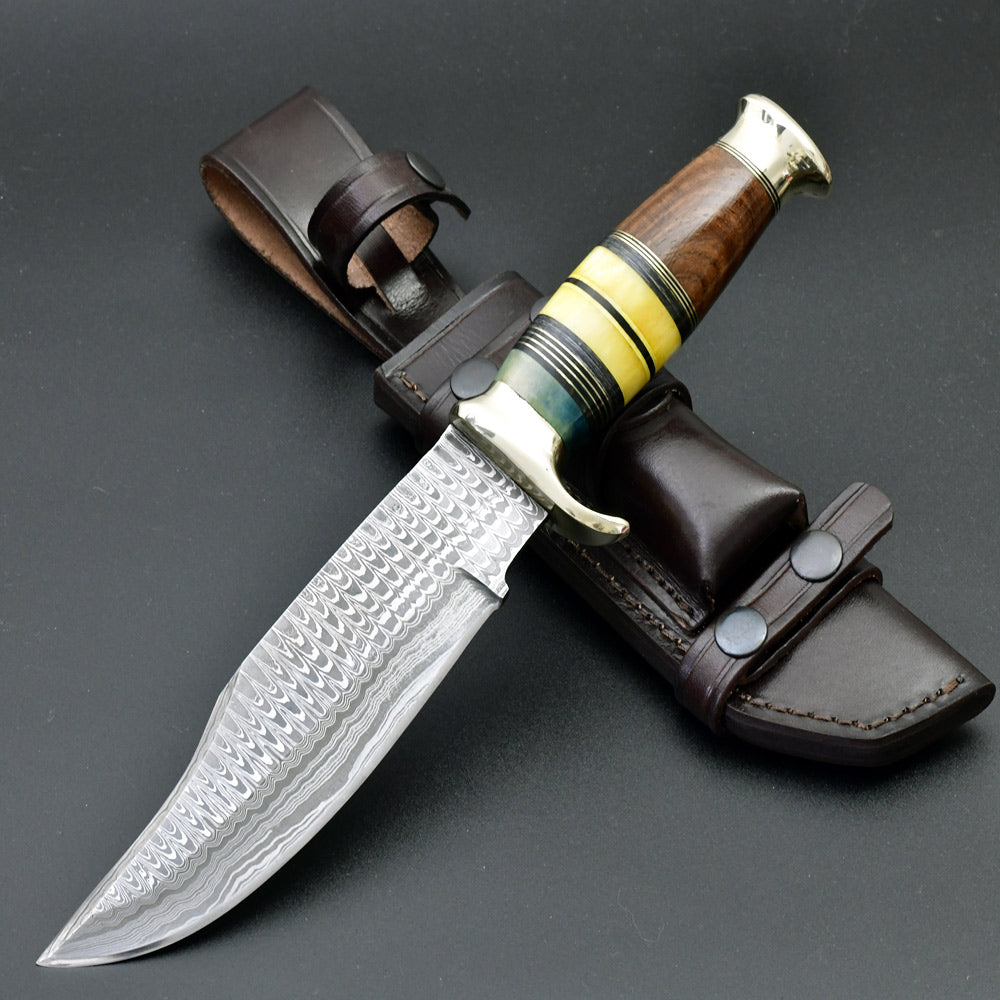
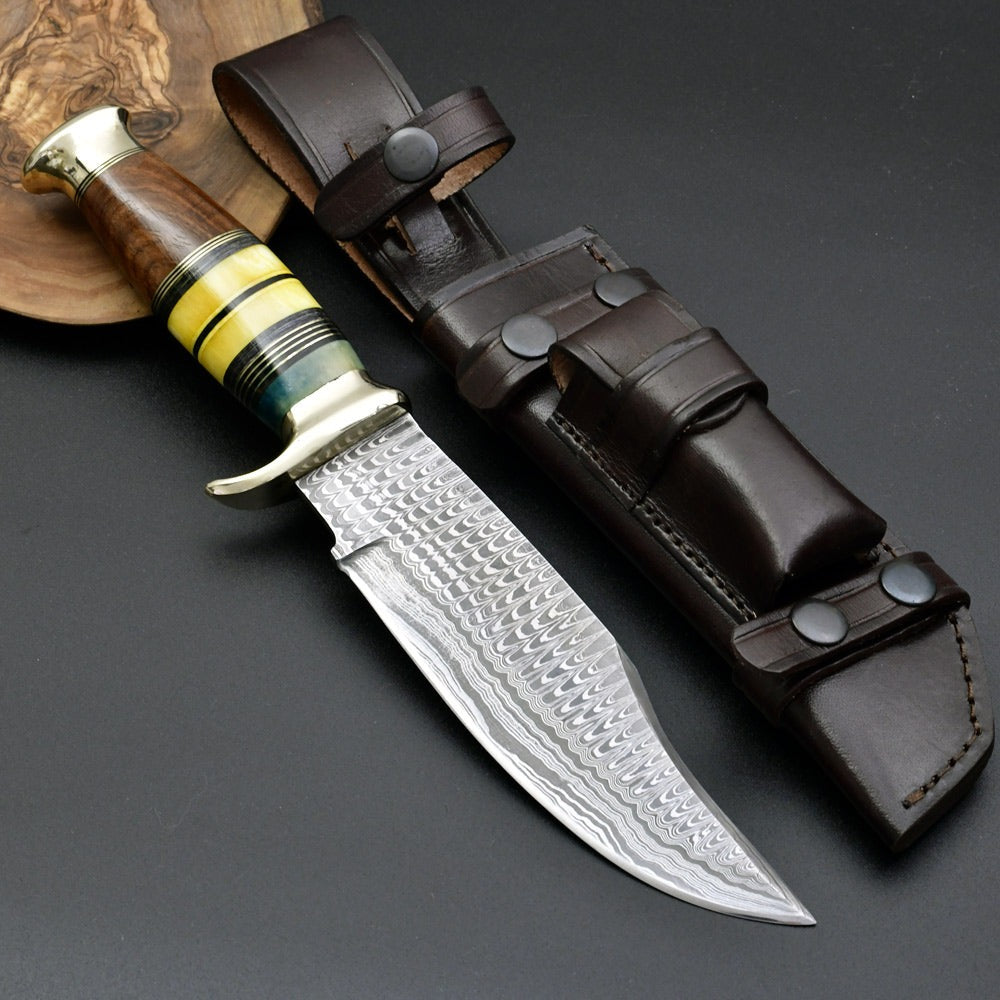
Ironclad Damascus Steel Bowie Hunting Knife with Charred Bone Handle & Leather Sheath
The Ironclad Damascus Steel Bowie Hunting Knife features a unique hand-forged blade crafted from layered steel, offering exceptional strength and sharpness for versatile outdoor use. With its charred bone handle and included leather sheath, this knife is both practical and visually appealing, making it suitable for activities such as hunting, fishing, and camping. Its robust design ensures reliability for various cutting tasks, making it an invaluable tool for outdoor enthusiasts and a thoughtful gift option.
View Product






Leave a comment