


Overview
Pocket knives have evolved from basic survival tools to highly crafted collectibles, reflecting both utility and artistry. Their history spans from primitive materials to modern EDC (Everyday Carry) designs, with innovations like the Swiss Army Knife setting standards for functionality. The rise of EDC knives showcases their practicality for daily tasks and outdoor activities, while a growing community of collectors values craftsmanship and unique designs. Ethical considerations are important in collecting, and the future of pocket knives promises continued innovation and cultural significance.
Frequently Asked Questions
1. What is the history of pocket knives?
2. How did pocket knives evolve into EDC knives?
3. What are some common uses for EDC knives?
4. What materials are typically used in modern EDC knives?
5. What should collectors consider when acquiring pocket knives?
Pocket knives have a storied history that reflects both utility and artistry. Since their inception, these versatile tools have evolved from basic necessities into collectible masterpieces. For enthusiasts and everyday users alike, the pocket knife, particularly EDC knives (Everyday Carry knives), has become not just a tool but a symbol of craftsmanship, tradition, and personal expression. In this article, we will delve into the remarkable evolution of pocket knives, exploring their significance from utilitarian implements to coveted collectibles.
Origins of the Pocket Knife
The history of pocket knives dates back thousands of years. The earliest versions were made from materials such as flint and bone, and they served primarily practical purposes. Early humans needed tools for survival, and knives were essential for hunting, preparing food, and carving. Gradually, as civilizations advanced, so did the craftsmanship of these tools.
The Transition to Metal
By the time of the Roman Empire, pockets became more common, and with them, the development of folding knives made from metal became popular. Early examples had fixed blades that could fold into their handles, allowing for easier transport and safer use. These innovations marked the beginning of what we recognize today as the contemporary pocket knife.
The Rise of Pocket Knives in the Middle Ages
During the Middle Ages, pocket knives gained prominence among various social classes. They were used as essential tools for daily tasks, from eating to maneuvering through leatherwork. The invention of the spring mechanism in the 16th and 17th centuries allowed blades to automatically open, significantly enhancing convenience and safety.
Folding Mechanisms and Design Variations
As different regions developed their own styles of pocket knives, we saw significant variations in design and functionality. For instance, German and Swiss artisans crafted knives with intricate designs and superior craftsmanship, leading to an emphasis on both beauty and utility. The rise of EDC knives in the 20th century can be traced back to these earlier designs, as manufacturers focused on creating compact and durable tools for everyday use.
Modern Era: The Utility of Pocket Knives
In the 20th century, pocket knives became widely recognized as essential tools for outdoorsmen, campers, and everyday individuals. The introduction of stainless steel and advanced manufacturing techniques provided the foundation for modern pocket knives. Manufacturers began to understand the importance of ergonomics and multi-functionality, paving the way for the EDC knives we know today.
The Invention of Swiss Army Knife
The Swiss Army Knife is perhaps the most iconic example of a multi-functional pocket knife. Introduced in the late 19th century, it was initially designed for Swiss soldiers. Its versatility and innovative design set standards for pocket knives worldwide. The Swiss Army Knife exemplified what EDC knives stand for: utility combined with portability.
The Collector's Phenomenon
As pocket knives gained popularity, a dedicated community of collectors began to emerge. Vintage and rare knives became highly sought after, leading to a thriving market in which collectors share knowledge, trade, and showcase their prized possessions. Many collectors focus on specific materials, historical significance, or unique functionalities.
Factors that Affect Collectibility
Several factors influence the collectibility of pocket knives:
- Brand: Well-known brands with a rich history often command higher prices.
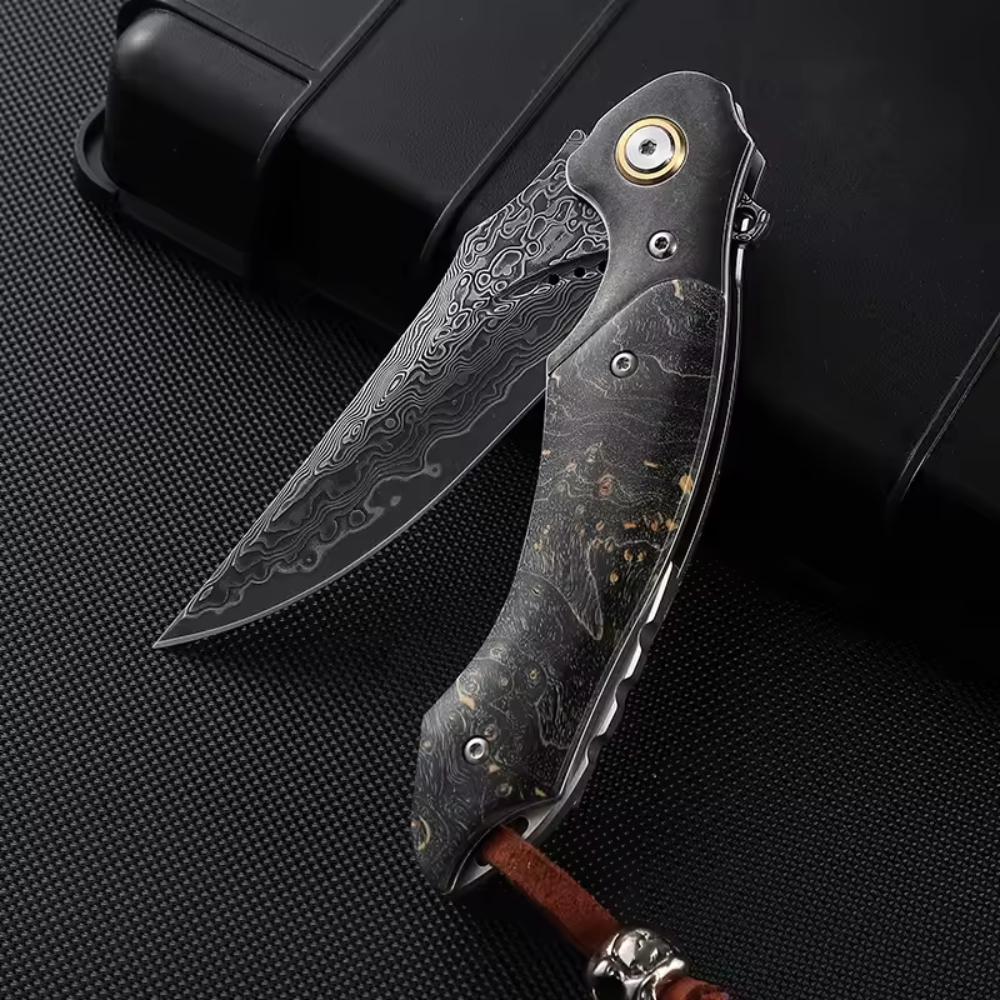
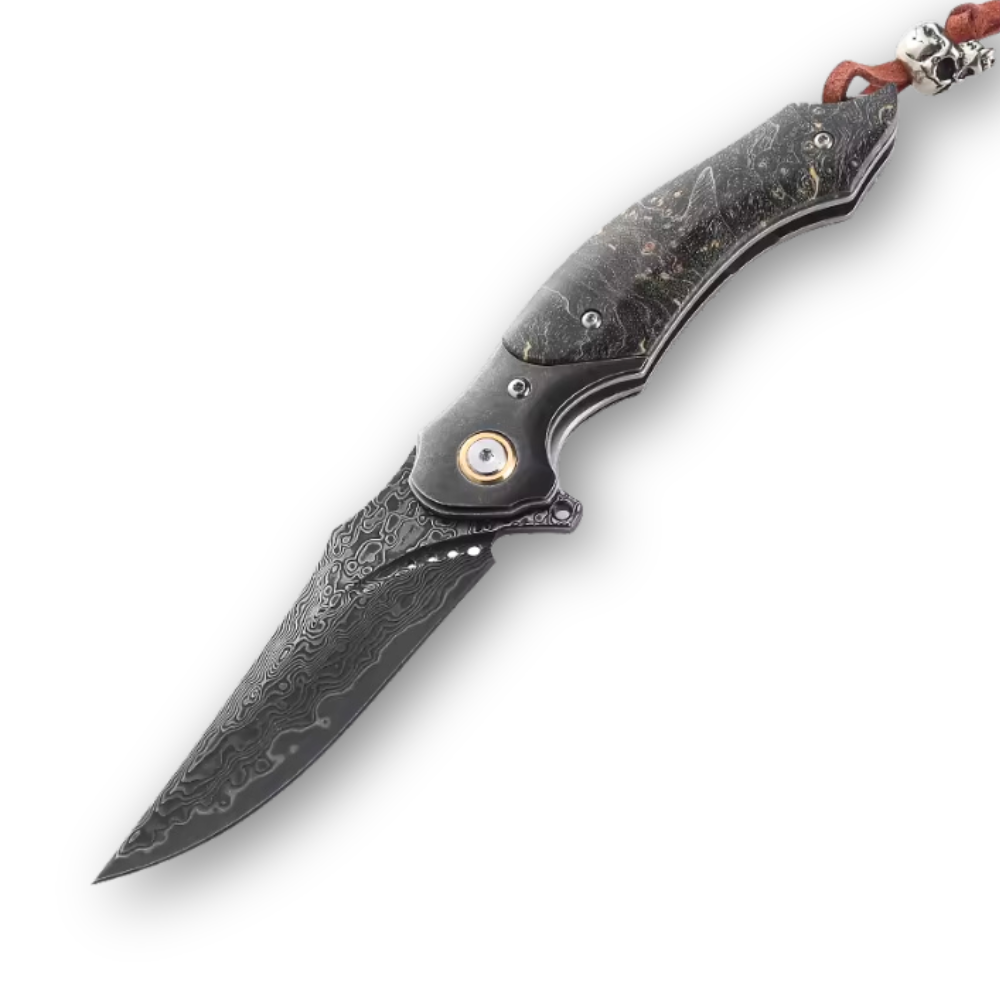
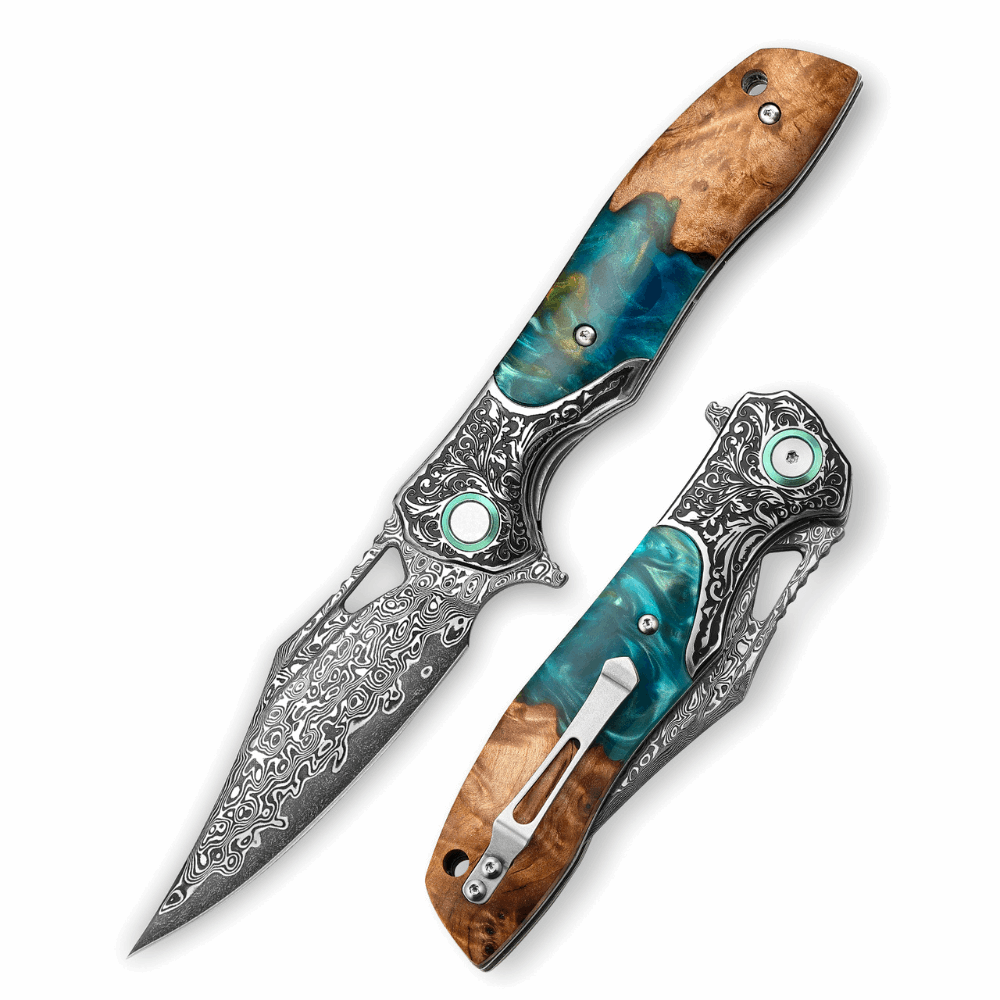
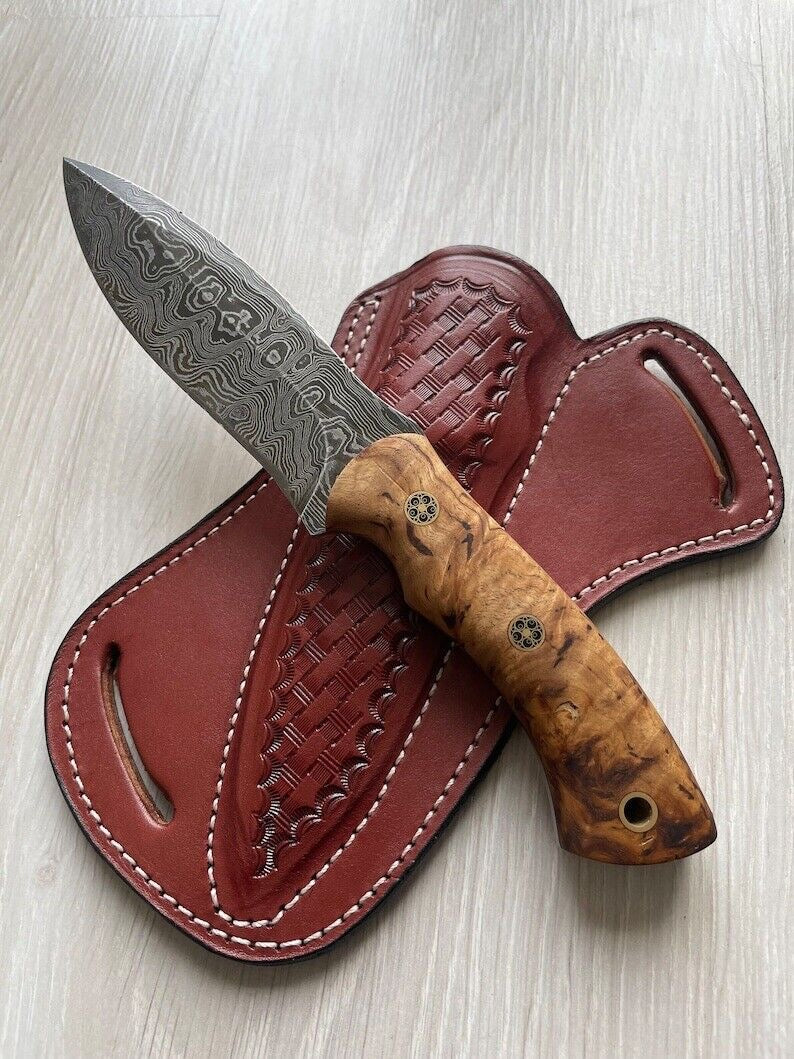
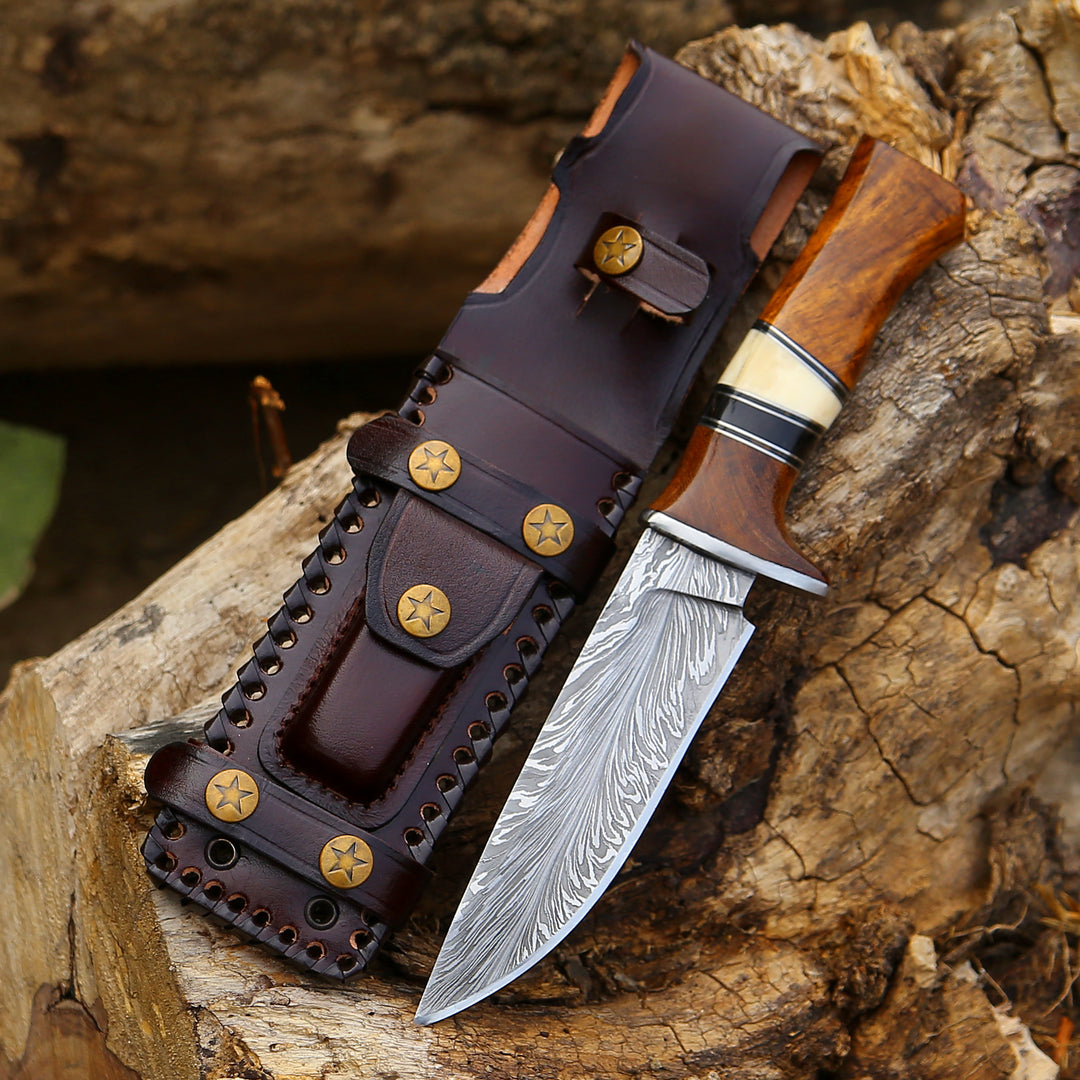
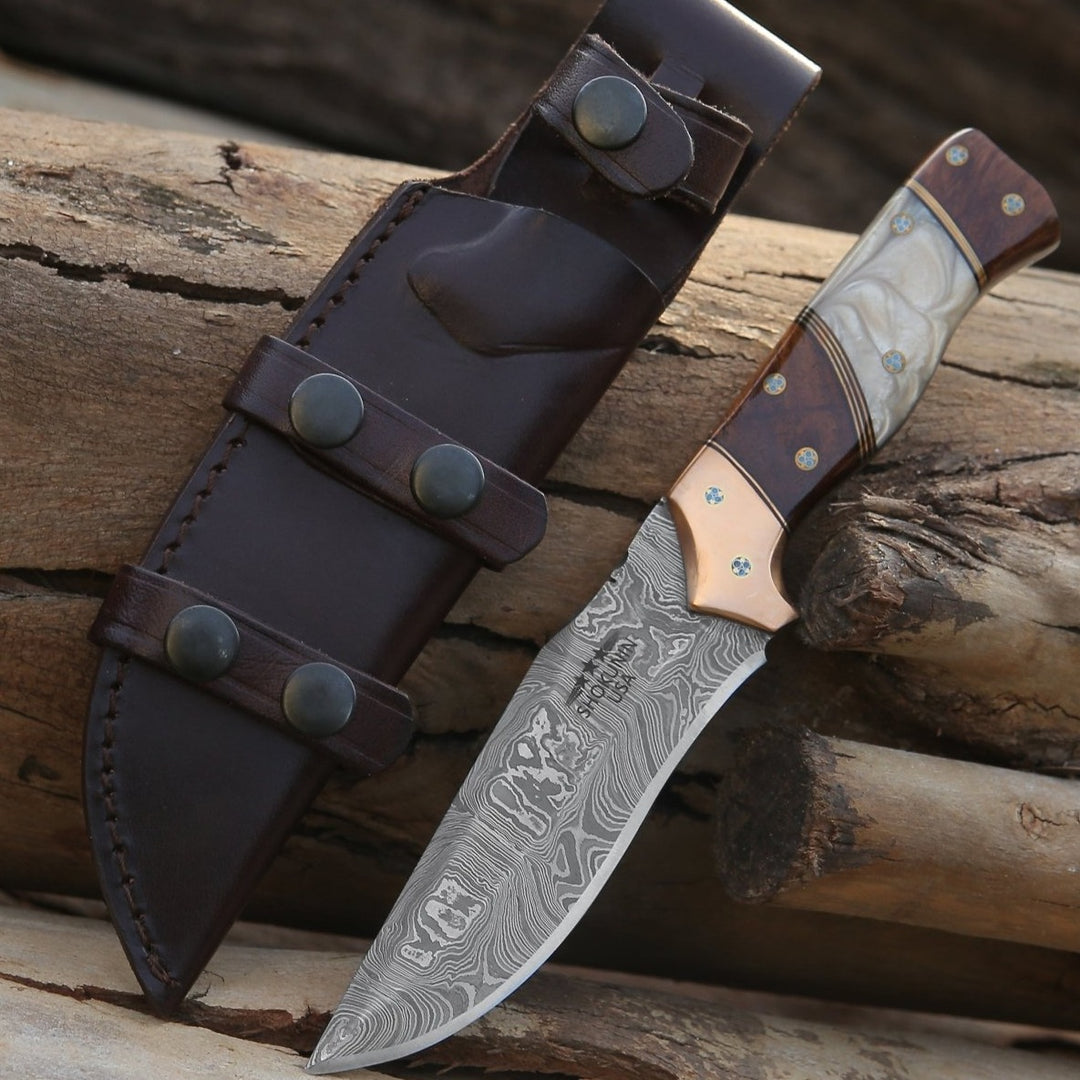
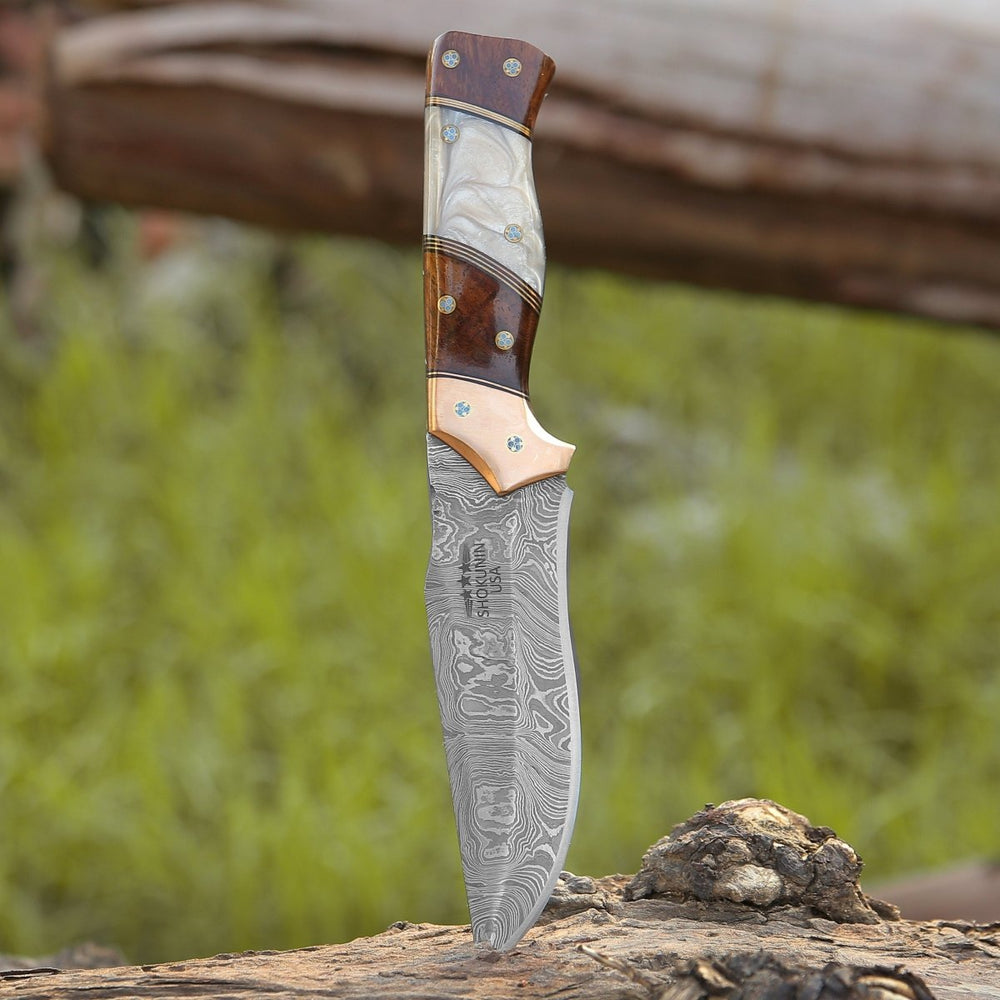
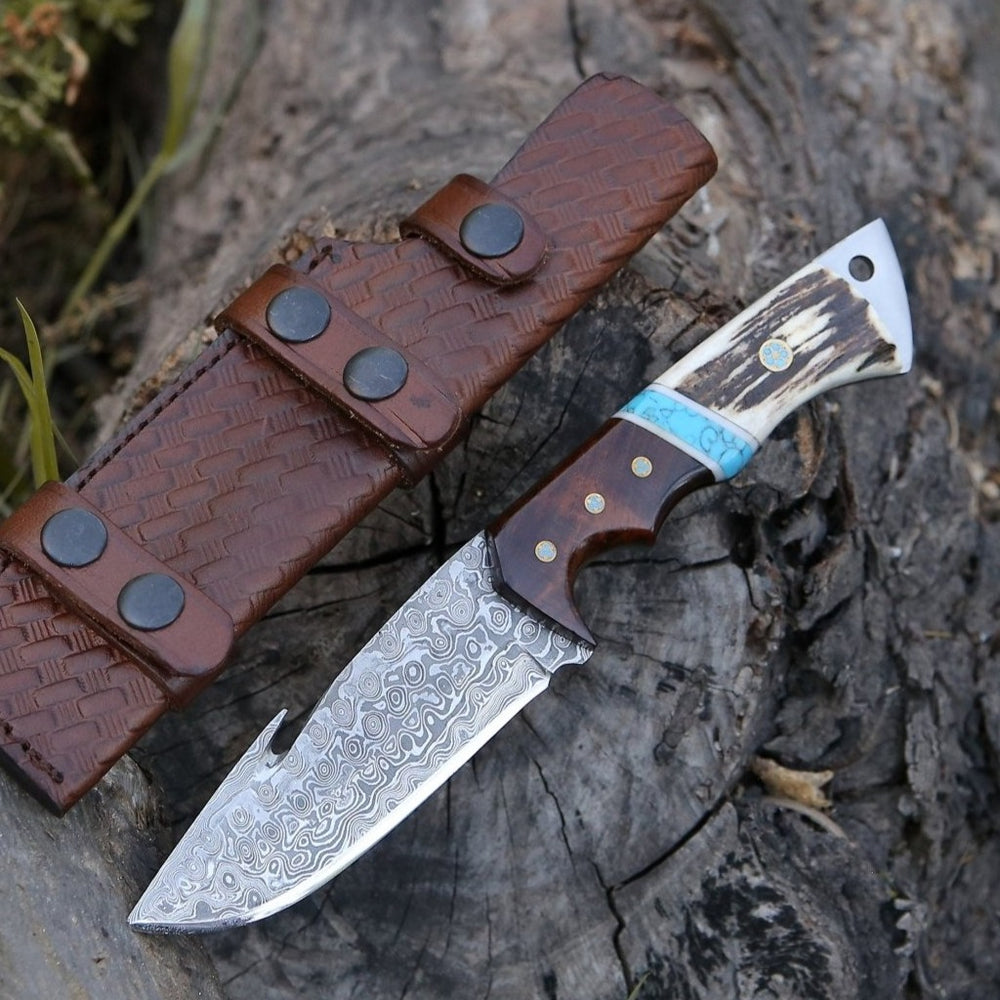
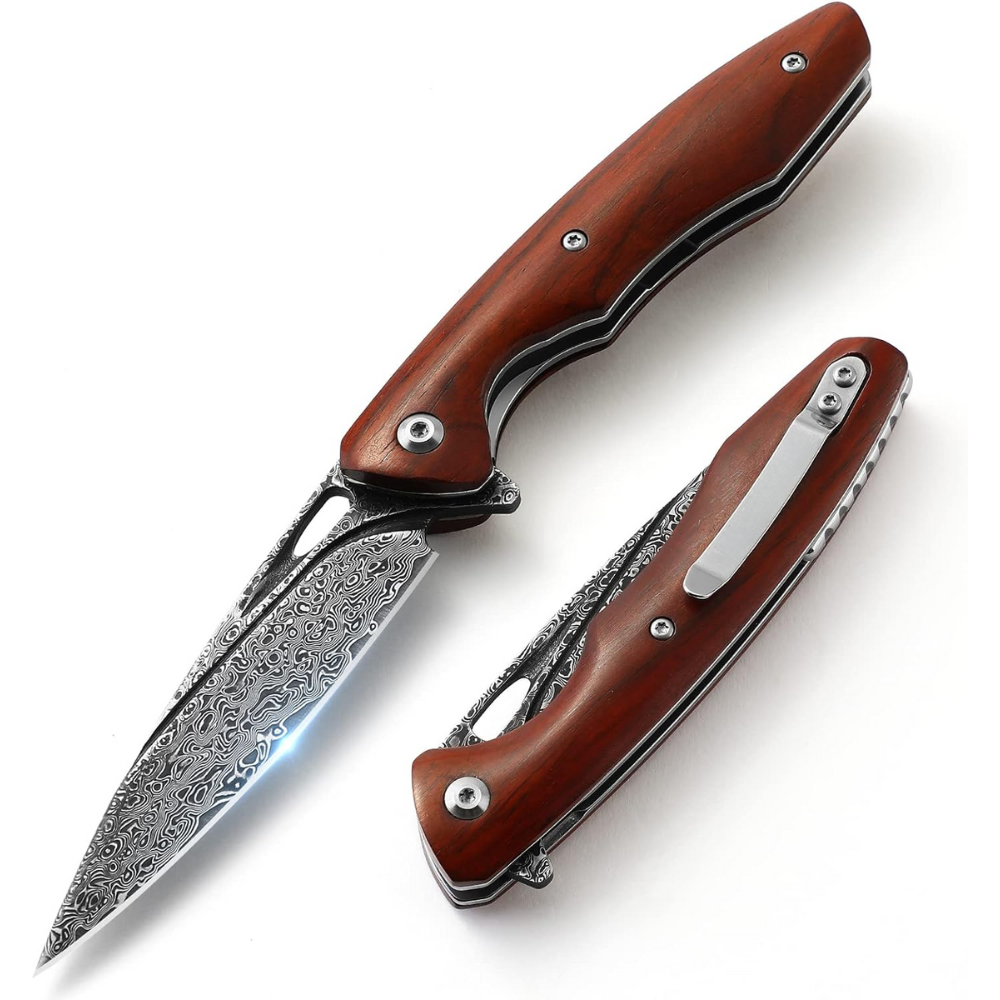
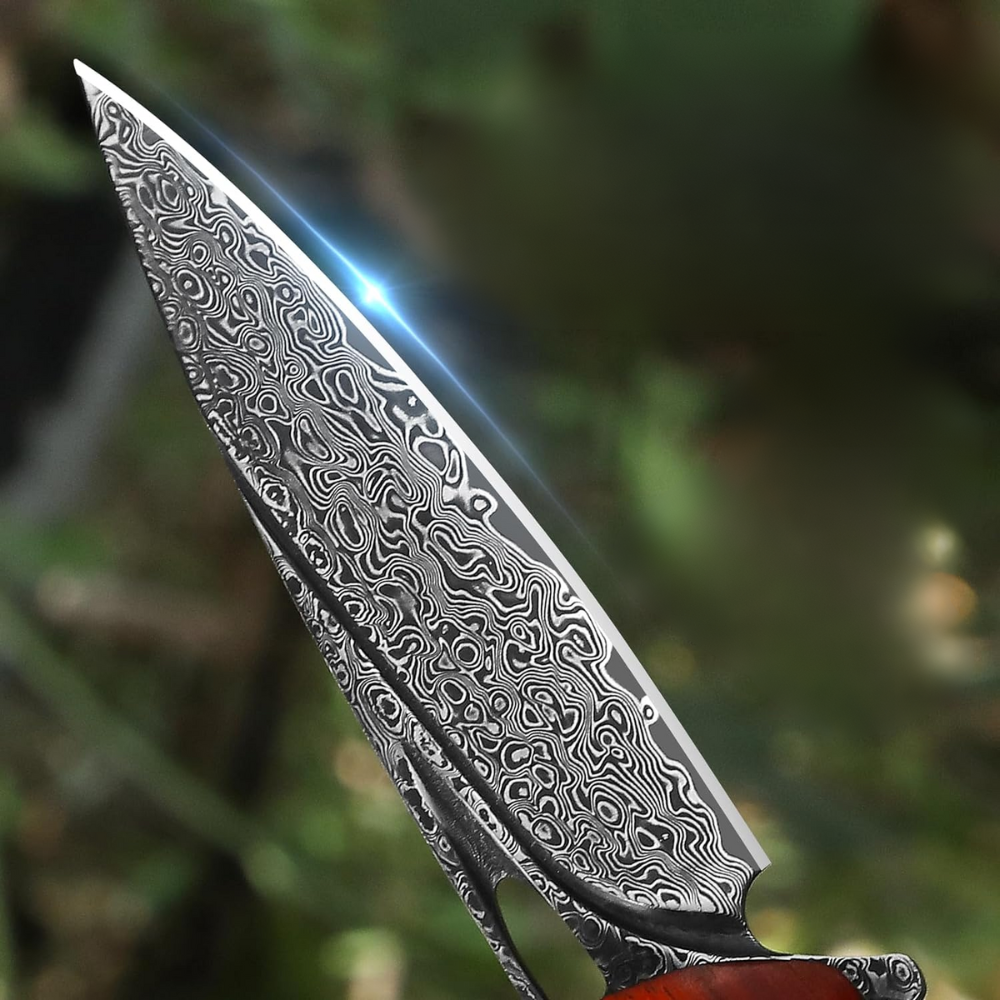
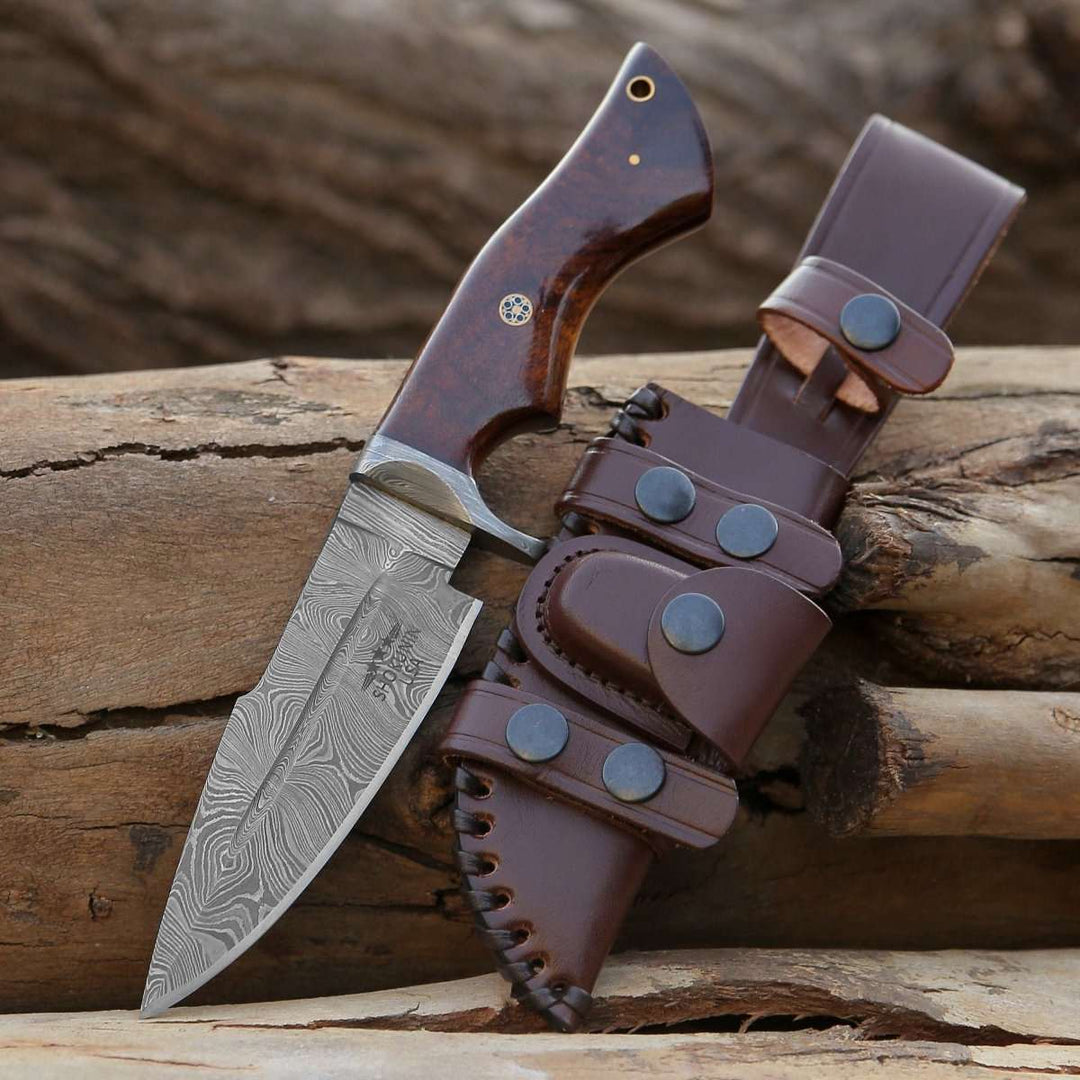
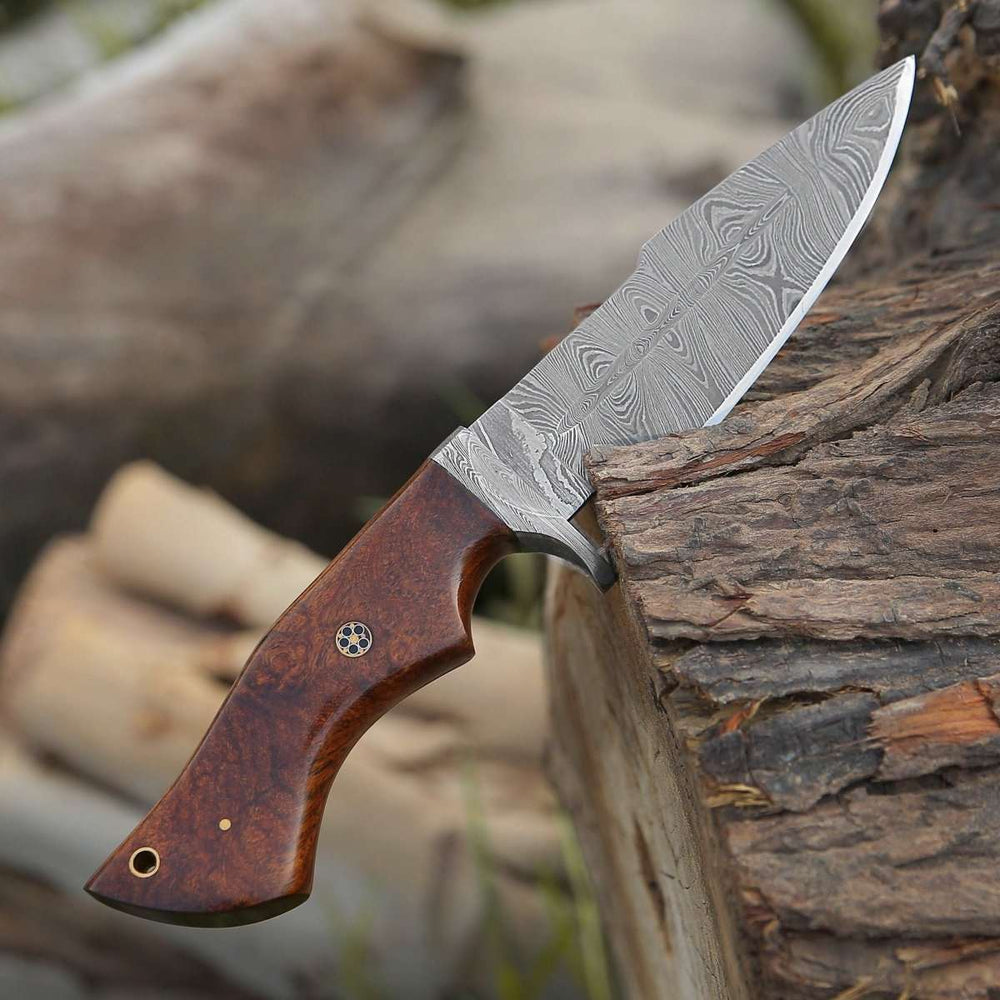
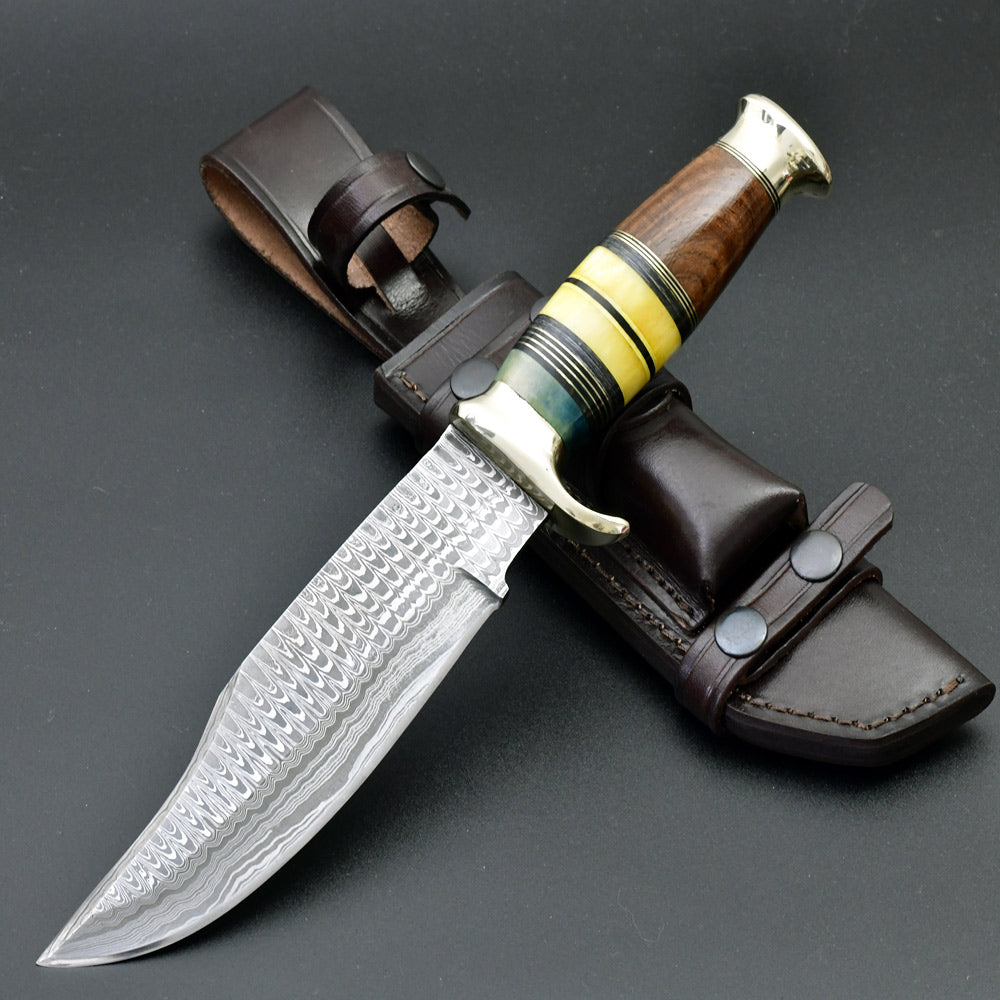
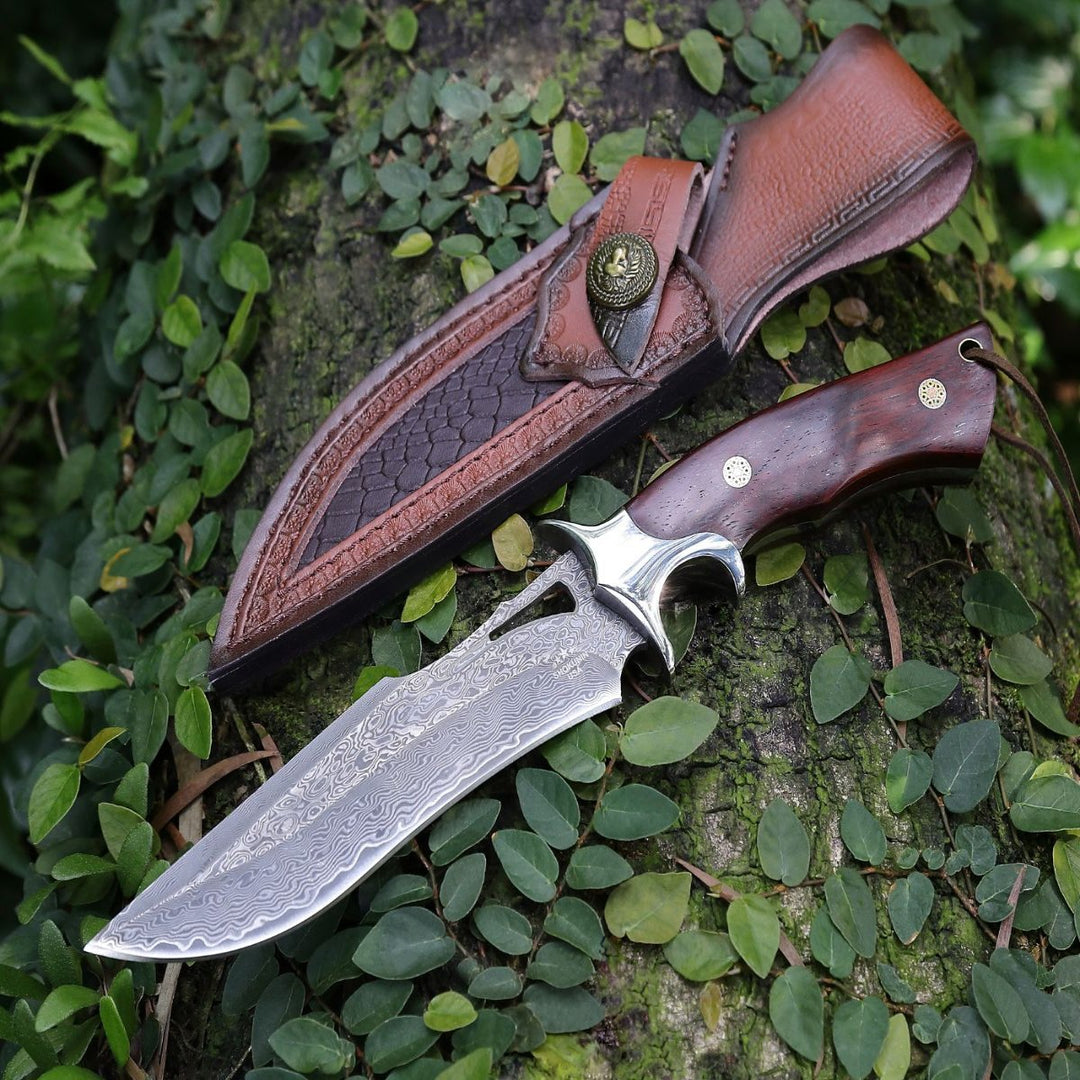
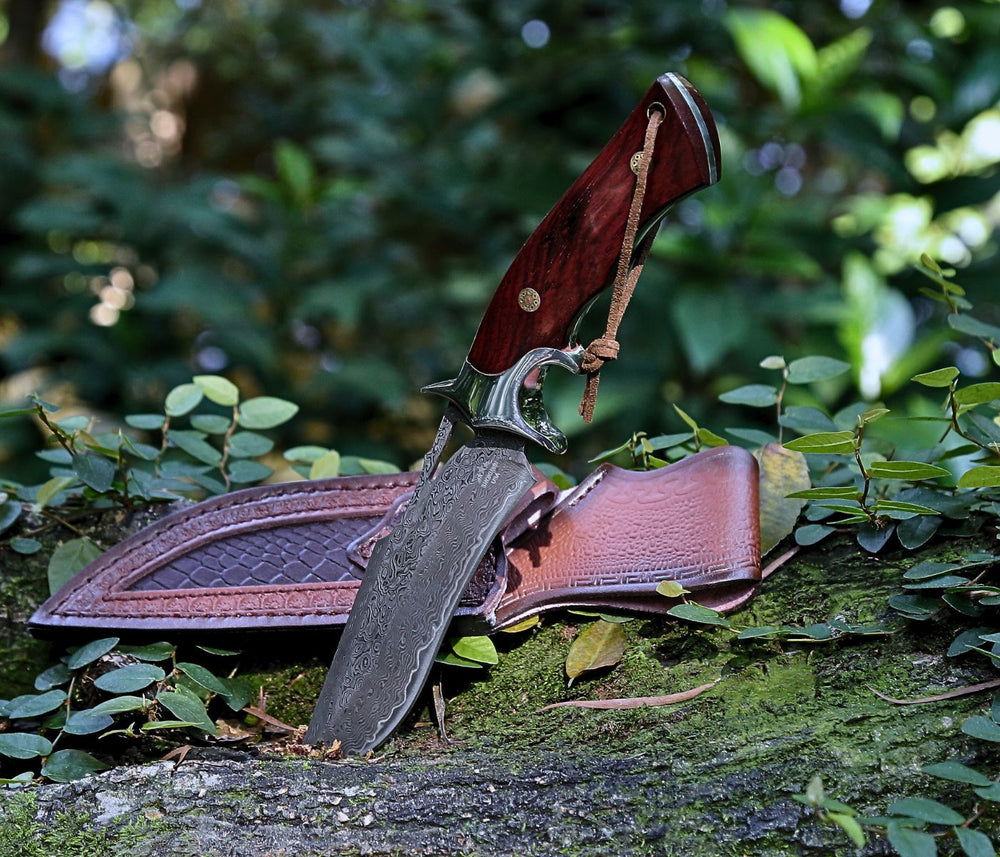
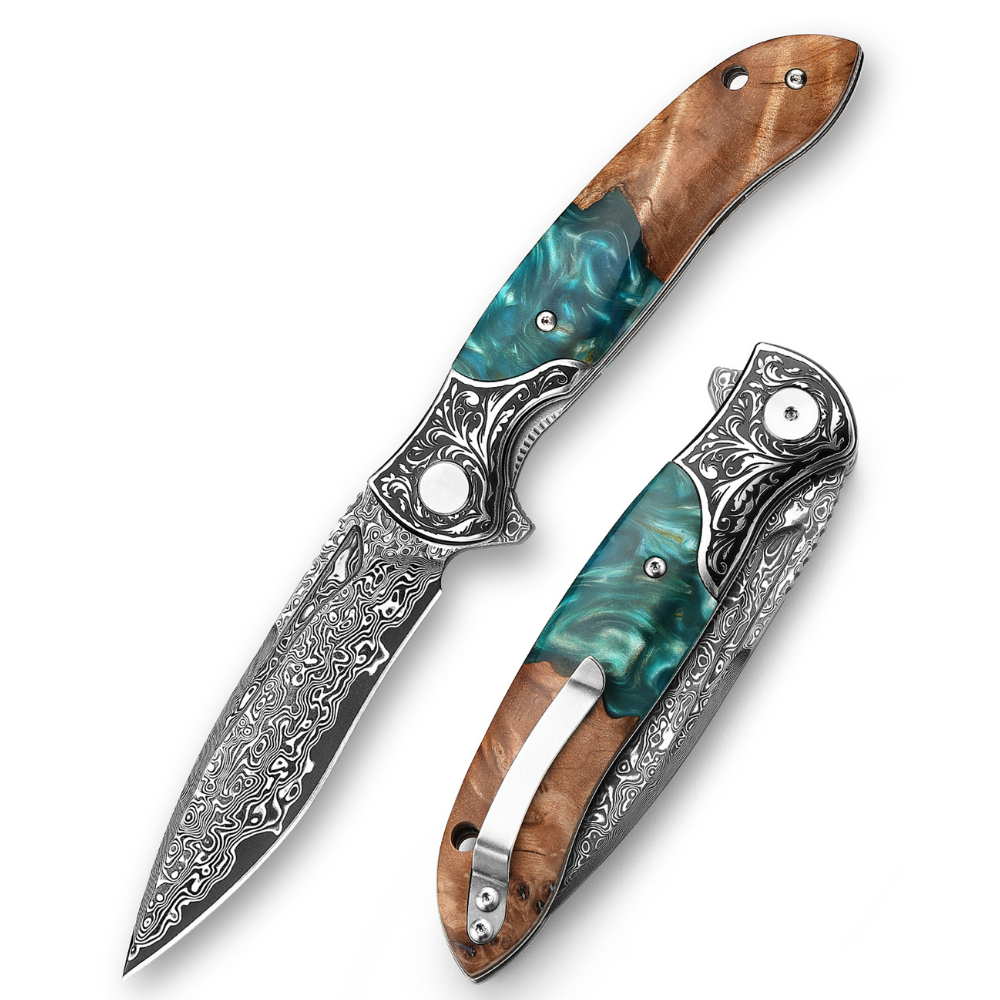
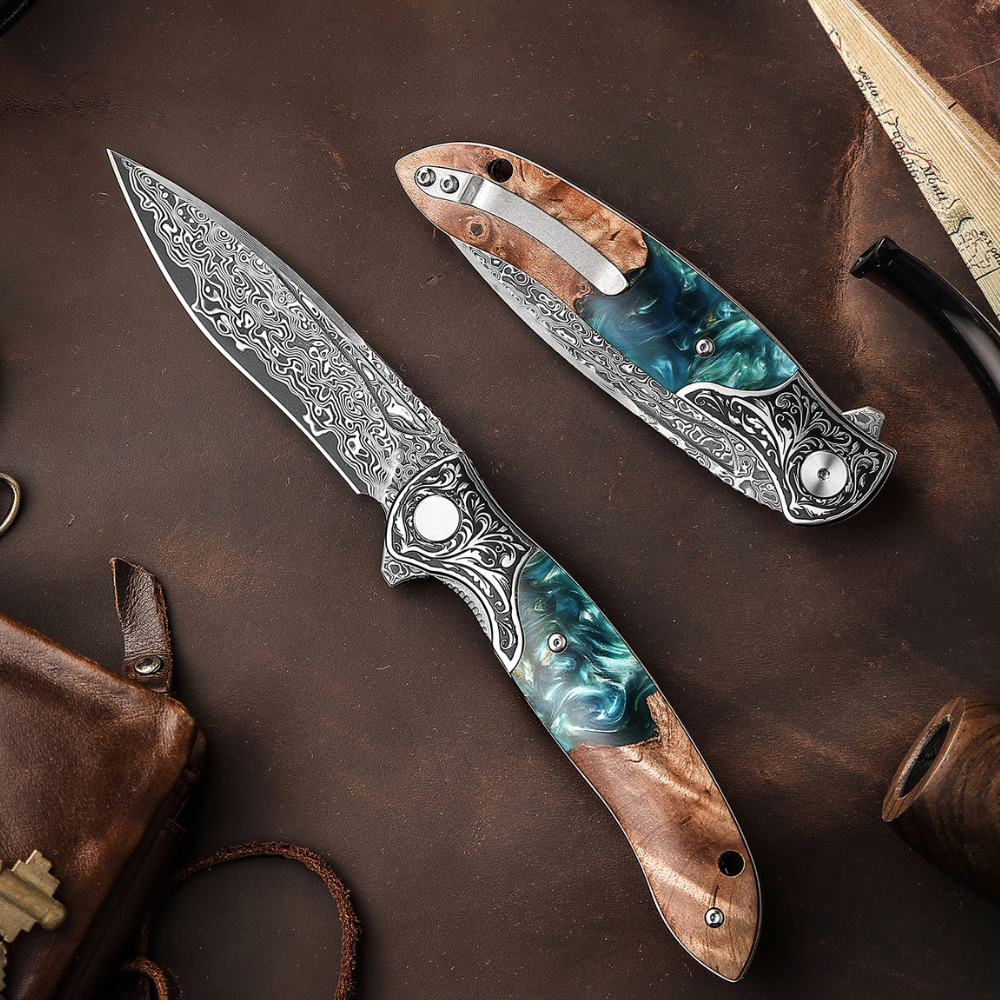
- Materials: Knives made from exotic materials like Damascus steel or rare woods attract collectors.
- Age: Vintage knives, especially those that are still in good condition, can hold significant value.
- Provenance: The origin and background of a knife can add to its allure and value.
EDC Knives: A Growing Trend
In recent years, the trend of EDC knives has exploded, with more individuals recognizing the practicality and functionality of carrying a small knife in their daily lives. Improved design features, such as one-handed opening mechanisms and lightweight materials, have increased their popularity among urban dwellers and outdoor enthusiasts alike.
Practical Uses for EDC Knives
EDC knives serve numerous purposes, making them incredibly versatile. Here are a few common uses:
- Everyday Tasks: From opening packages to cutting cords, they can handle various simple chores effortlessly.
- Outdoor Activities: Perfect for camping, hiking, and fishing, EDC knives are survival tools as much as convenience items.
- Emergency Situations: A reliable knife can assist in first aid or survival scenarios, making them invaluable in unexpected situations.
The Craftsmanship Behind Pocket Knives
The evolution of pocket knives would be incomplete without acknowledging the artisans and manufacturers dedicated to their craft. Today’s pocket knives are often handmade, featuring meticulous attention to detail and exquisite materials. This craftsmanship plays a pivotal role in the overall experience that collectors and users have with their knives.
Materials Used in Modern EDC Knives
There are various materials used in the construction of EDC knives. Understanding them can provide insight into their performance and longevity:
- Blade Steel: High-carbon stainless steel is often utilized for its edge retention and durability.
- Handle Materials: Options like G10, micarta, and titanium offer a balance of weight, grip, and aesthetics.
- Lock Mechanisms: Various systems ensure the blade stays securely in place when in use, enhancing safety.
Embracing EDC Knives in Everyday Life
Many people are now incorporating EDC knives into their everyday carry items. From keychains to pockets, these compact tools can easily integrate into anyone's life. As cultural fascination with EDC knives grows, so does the challenge of understanding not simply how to use them, but how to carry them responsibly and ethically.
DIY Customizations and Personalization
One of the appealing aspects of pocket knives, particularly EDC knives, is the ability to customize and personalize them. Some enthusiasts embark on DIY projects to engrave, modify blades, or create unique handles. Celebrating individuality through knife ownership has become a popular trend, fostering a community where enthusiasts exchange ideas and inspiration.
The Ethical Collecting of Pocket Knives
As with any collectible item, ethical considerations are essential when acquiring pocket knives. Be mindful of sourcing, supporting artisans who emphasize responsible manufacturing practices, and respecting cultural artifacts. Collecting should reflect an appreciation for both the item's story and the skilled individuals behind it.
Future Prospects of Pocket Knives and EDC Knives
The future of pocket knives looks bright, embodying a blend of tradition, innovation, and utility. With advancements in technology, we may see enhanced materials, smart integrations, and even more sustainable practices in knife manufacturing. EDC knives will likely continue evolving, catering to changing lifestyles while engaging new generations.
The Timeless Allure of Pocket Knives
As we reflect on the enduring legacy of pocket knives, it becomes evident that they have transcended their original purpose. What began as utilitarian tools have transformed into cultural symbols, functional artworks, and cherished collectibles. Whether you’re an avid collector or someone who simply appreciates the utility of an EDC knife, these remarkable tools tell stories that connect us to history, craftsmanship, and the great outdoors. Embrace the legacy, choose quality, and carry a piece of history with you every day!






Leave a comment