

Overview
This article explores the environmental impact of culinary knife production, particularly focusing on Damascus steel. Readers will gain insights into the materials and manufacturing processes involved, as well as the importance of sustainable practices in the industry. By understanding these factors, consumers can make informed choices that support eco-friendly production and contribute to a more sustainable future in kitchen tools.
Table of Contents
- Understanding Knife Production
- The Materials Matter
- Metals Used in Knife Production
- Wood and Handle Materials
- Energy Consumption in Knife Manufacturing
- Eco-Friendly Practices in Knife Production
- Using Recycled Materials
- Responsible Sourcing
- Energy-Efficient Manufacturing Practices
- The Role of the Consumer
- The Future of Knife Production
- Green Alternatives for Kitchen Tools
- Making Informed Choices
- Join the Movement Towards Sustainability!
Key Takeaways
- Understanding Materials: High-quality knives are often made from Damascus steel, but the environmental impact of the metals used is crucial to consider.
- Sustainable Sourcing: Opt for knives with handles made from responsibly harvested wood or recycled materials to minimize environmental harm.
- Energy Consumption: Knife manufacturing involves significant energy use, particularly in forging and machining processes, contributing to a larger carbon footprint.
- Eco-Friendly Practices: Many manufacturers are adopting sustainable practices, such as using recycled metals and renewable energy in production.
- Consumer Influence: Your purchasing choices can drive demand for sustainable products, encouraging brands to prioritize eco-friendly practices.
- Longevity Matters: Investing in high-quality knives can reduce the need for frequent replacements, promoting sustainability through durability.
- Emerging Alternatives: Explore greener kitchen tools made from bioplastics, sustainable bamboo, or post-consumer recycled metals to further reduce your environmental footprint.
In recent years, the environmental implications of consumer products have garnered significant attention. Among these, the production of culinary knives, particularly those made from Damascus steel, holds particular interest. As a consumer, understanding the environmental impact of knife production helps you make informed, sustainable choices when selecting your kitchen tools. This article will delve into the various aspects of knife production—including the materials, energy consumption, and the potential for eco-friendly practices that not only benefit consumers but the planet as well.
Understanding Knife Production
Knife production can be a complex process that involves sourcing various materials, employing skilled artisans, and using specific manufacturing technology. Traditionally, knives have been forged from high-carbon steel, stainless steel, or a combination of these. Among the most celebrated types of knife materials is Damascus steel, known for its striking patterns, strength, and durability.
However, with rising production standards and evolving consumer expectations, companies are increasingly focusing on sustainability. Sustainability in knife production refers to the method of sourcing materials and the impact of knife manufacturing on both the environment and the community.
The Materials Matter
Metals Used in Knife Production
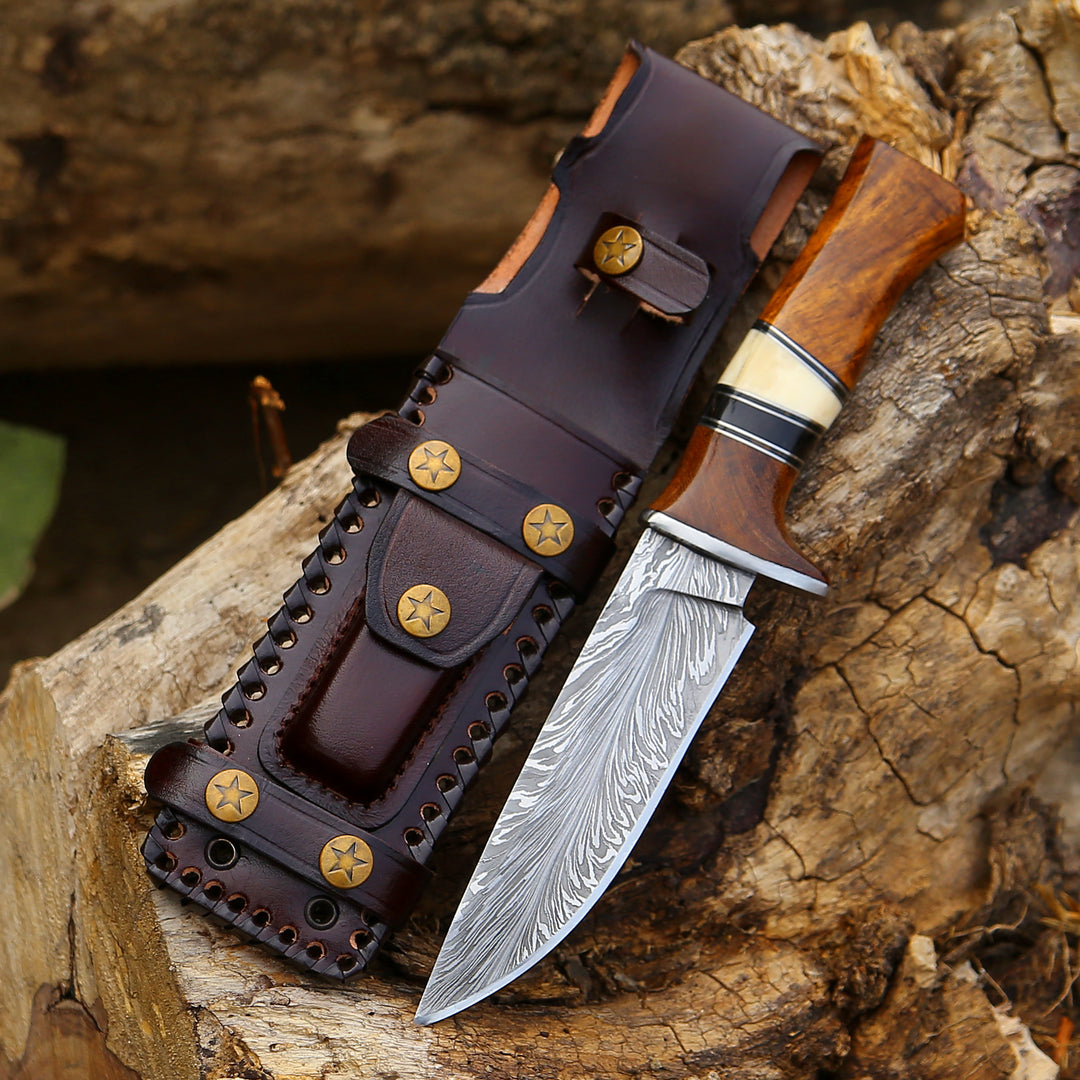
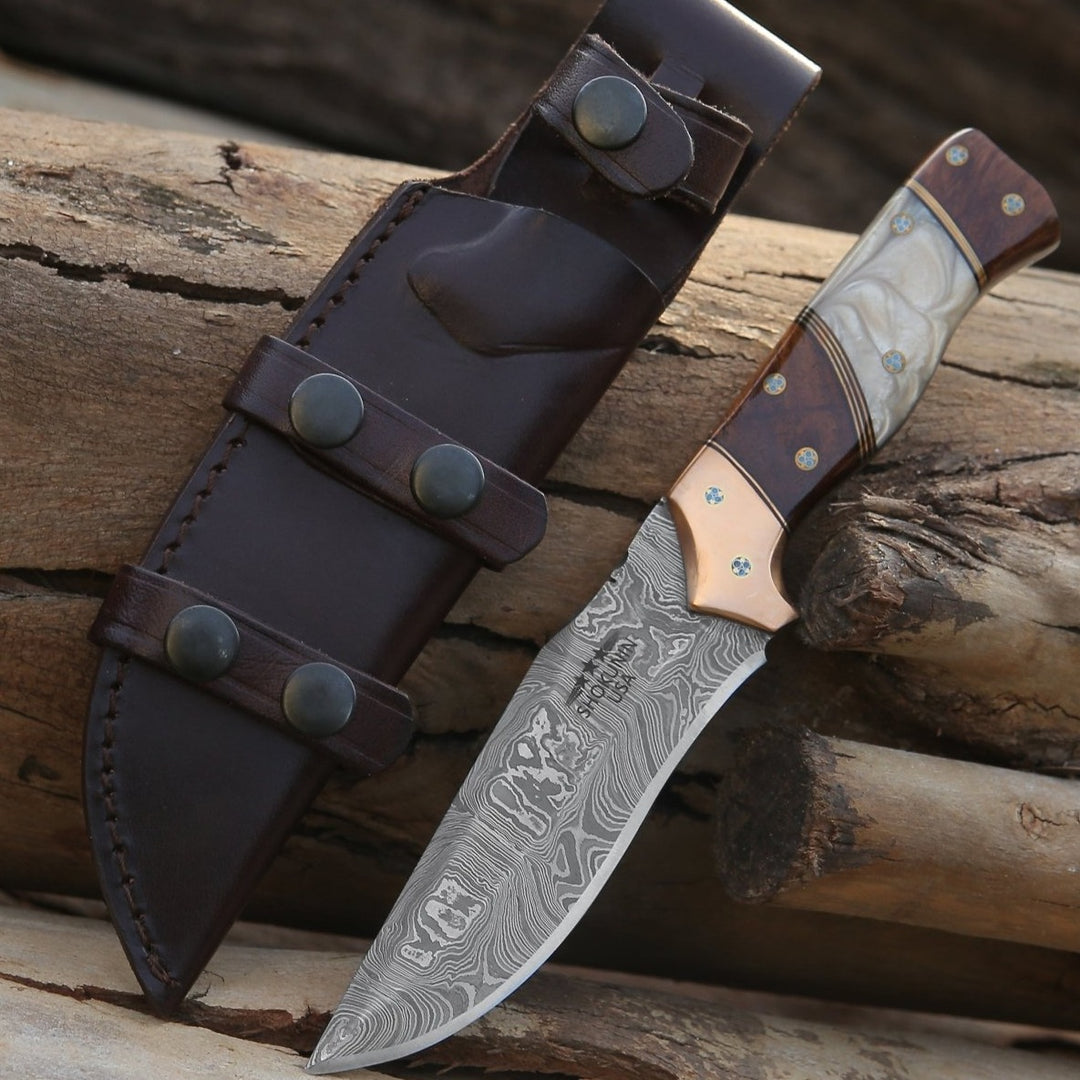
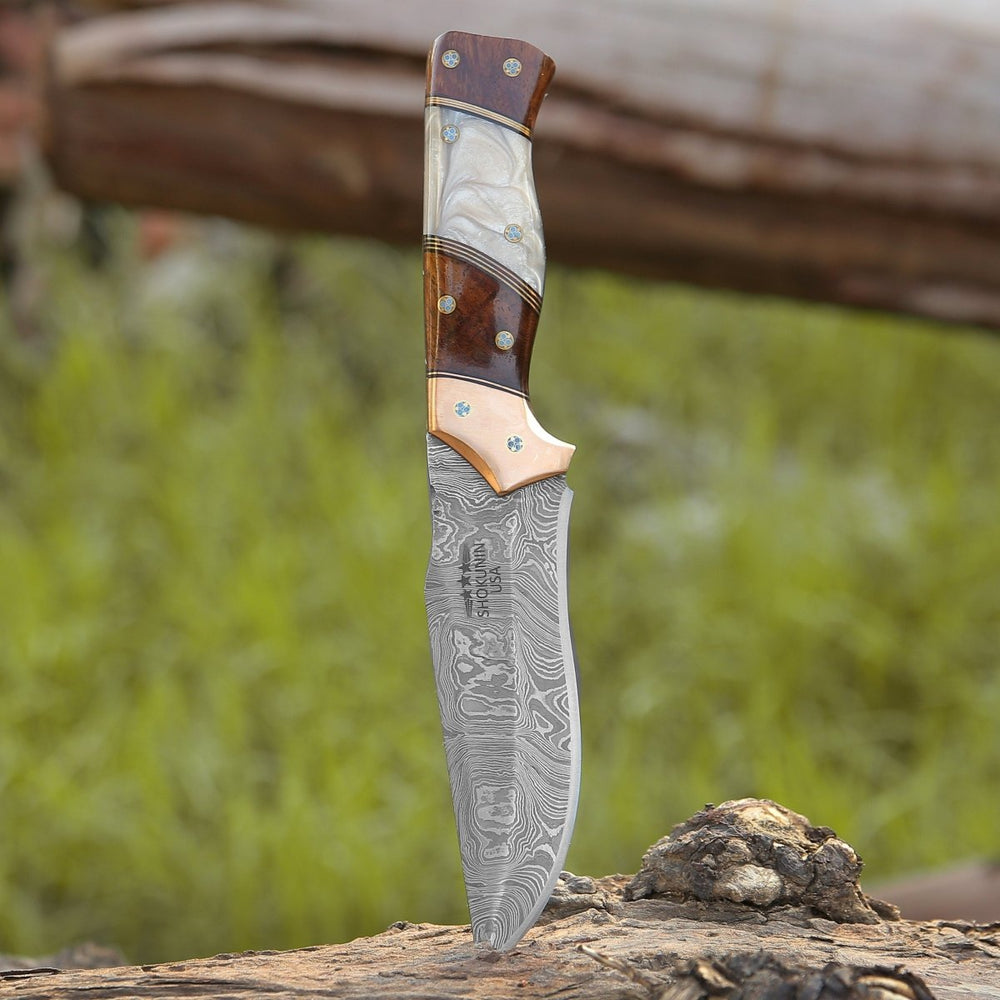
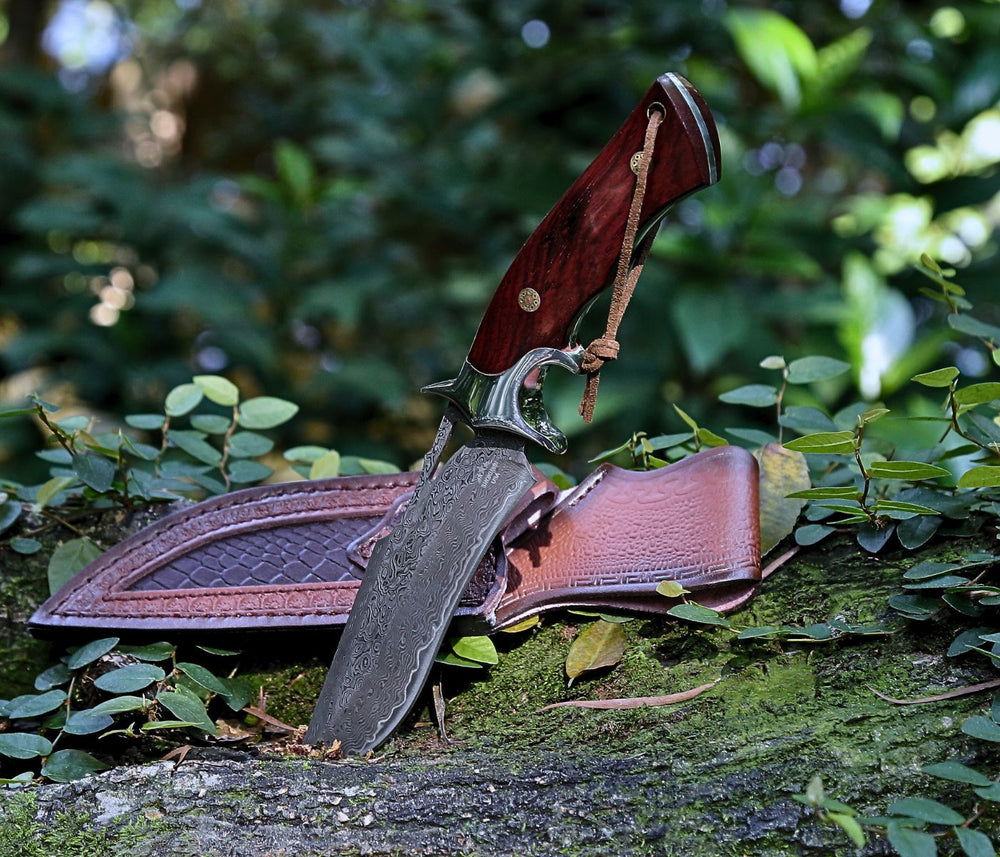
The primary material used in knife crafting is metal, and for high-quality knives, this often means Damascus steel. This type of steel is produced by layering different steel types, typically high-carbon steel with stainless steel, which is then forged and folded to create intricate patterns. While the visual aesthetic of a decorative chef knife made from Damascus steel is undeniable, the environmental impact of the metals used is a critical factor to consider.
- High-Carbon Steel: While effective, high-carbon steel knives can require environmental mining practices that may not be sustainable.
- Stainless Steel: Often recycled, stainless steel can be a more eco-friendly option. However, its production still involves emissions and high energy consumption.
Wood and Handle Materials
The handles of knives often utilize natural materials like wood. For instance, a knife handle made from sustainable sources, such as reclaimed or responsibly harvested wood, can significantly reduce environmental impact. In contrast, handles made from plastic composites might not be biodegradable and contribute to long-term waste issues.
Energy Consumption in Knife Manufacturing
Knife production isn’t just about the materials used; it’s also about how those materials are processed. The energy consumption during manufacturing contributes significantly to the environmental footprint of knives. Key factors include:
- Forging and Heat Treatment: Traditional forging requires significant energy input, often resulting in a higher carbon footprint.
- Machining: The precision cutting processes used in modern factories may consume vast amounts of electricity.
- Transportation: Knives and their components are frequently transported globally for different stages of manufacturing, adding to emissions through shipping and distribution.
Eco-Friendly Practices in Knife Production
As the demand for sustainable products continues to grow, many knife manufacturers are incorporating eco-friendly practices into their production processes. Here are some practices that can lessen environmental impact:
Using Recycled Materials
Many manufacturers are beginning to use recycled metals in knife production, significantly reducing the energy required to produce new materials. Recycled stainless steel is a prime candidate, as it holds strong performance characteristics while minimizing environmental damage.
Responsible Sourcing
Utilizing responsibly sourced raw materials, including ethically harvested woods for knife handles, is becoming increasingly important. By ensuring that wood is obtained from sustainable forests, brands can help conserve ecosystems and reduce deforestation.
Energy-Efficient Manufacturing Practices
Knife manufacturers are implementing energy-efficient practices to reduce their carbon footprint, including:
- Switching to renewable energy sources for their factories.
- Optimizing production processes to minimize waste and energy consumption.
- Investing in technology that reduces the environmental impact of manufacturing.
The Role of the Consumer
As a consumer, your choices can drive changes in the market. By purchasing knives made with environmentally friendly practices, you increase demand for sustainable products. Here are ways consumers can make a positive impact:
- Educate Yourself: Knowledge is power. Understand the materials and production processes behind the knives you choose.
- Choose Wisely: Select manufacturers that prioritize sustainability, ethical sourcing, and eco-friendly practices.
- Embrace Longevity: Invest in high-quality knives, like decorative chef knives made from Damascus steel, which can last a lifetime with proper care—reducing the need for frequent replacements.
The Future of Knife Production
Looking forward, the future of knife production may lean heavily on technological advancements that enhance sustainability. Innovations like additive manufacturing and cutting-edge recycling techniques can minimize waste while producing high-quality knives. As technology evolves, industries will adapt to meet growing consumer demands for greener practices.
Green Alternatives for Kitchen Tools
Beyond traditional knife production, there are greener alternatives emerging in the kitchen tools market. These alternatives focus on renewable or recycled materials that carry a reduced environmental footprint. Some options include:
- Knives made from bioplastics
- Sustainable bamboo handles
- Post-consumer recycled metal knives
Exploring these alternatives can contribute significantly to reducing the overall environmental harm associated with kitchen tool production while still offering the functionality and quality that dedicated chefs and home cooks demand.
Making Informed Choices
Understanding the environmental impact of knife production empowers you as a consumer. It allows you to make choices that reflect your values regarding sustainability and conservation. While the allure of a beautifully crafted decorative chef knife is undeniable, being mindful of how it’s made is equally important.
When you opt for knives produced responsibly, whether they feature Damascus steel or alternative materials, you’re contributing to a more sustainable future. From energy-efficient manufacturing practices to responsible sourcing of materials, every choice counts.
Join the Movement Towards Sustainability!
The narrative around knife production is changing, and as a consumer, you play a crucial role in shaping the future of this industry. The demand for sustainable products not only leads to better craftsmanship and innovation but also helps preserve our planet for future generations. By choosing wisely and supporting brands committed to sustainability, you help create a positive impact far beyond your kitchen.
Frequently Asked Questions
1. What is Damascus steel and why is it popular for culinary knives?
2. What are the environmental impacts of knife production?
3. What eco-friendly practices are knife manufacturers implementing?
4. How can consumers make sustainable choices when purchasing knives?
5. What are some green alternatives to traditional kitchen knives?
Glossary
| Term | Meaning |
|---|---|
| Damascus Steel | A type of steel known for its unique patterns and durability, created by layering different steel types. |
| Sustainability | The practice of sourcing materials and producing goods in a way that minimizes environmental impact. |
| High-Carbon Steel | A strong metal used in knives, but its production can involve unsustainable mining practices. |
| Stainless Steel | A corrosion-resistant metal often recycled, though its production still has environmental costs. |
| Eco-Friendly Practices | Methods in production that reduce environmental harm, such as using recycled materials and renewable energy. |
| Energy Consumption | The amount of energy used during the manufacturing process, contributing to the carbon footprint. |
| Responsible Sourcing | Obtaining materials from sustainable and ethical sources to minimize environmental degradation. |
| Bioplastics | Materials made from renewable biological resources, offering a greener alternative to traditional plastics. |
| Longevity | The durability of products, which can reduce the need for frequent replacements and waste. |
| Post-Consumer Recycled Metal | Metals recycled from previously used products, reducing the need for new material extraction. |
Linked Product

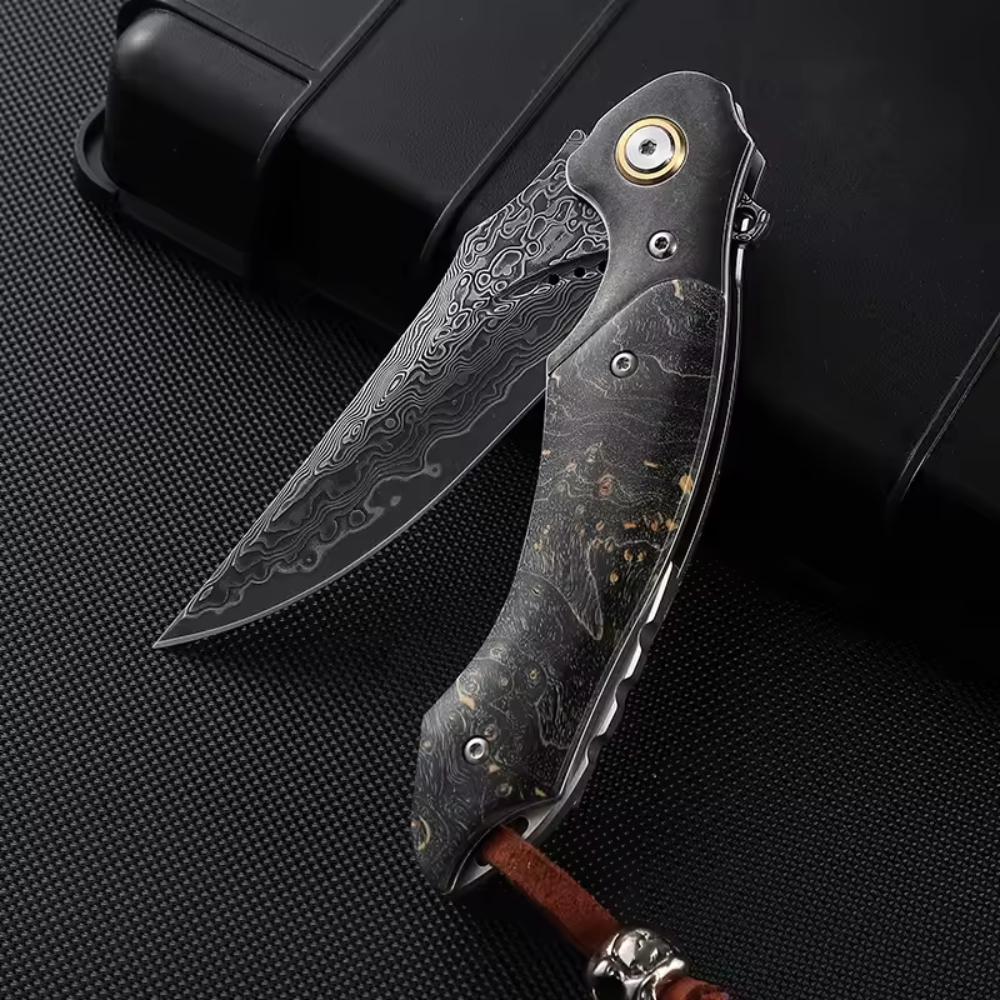
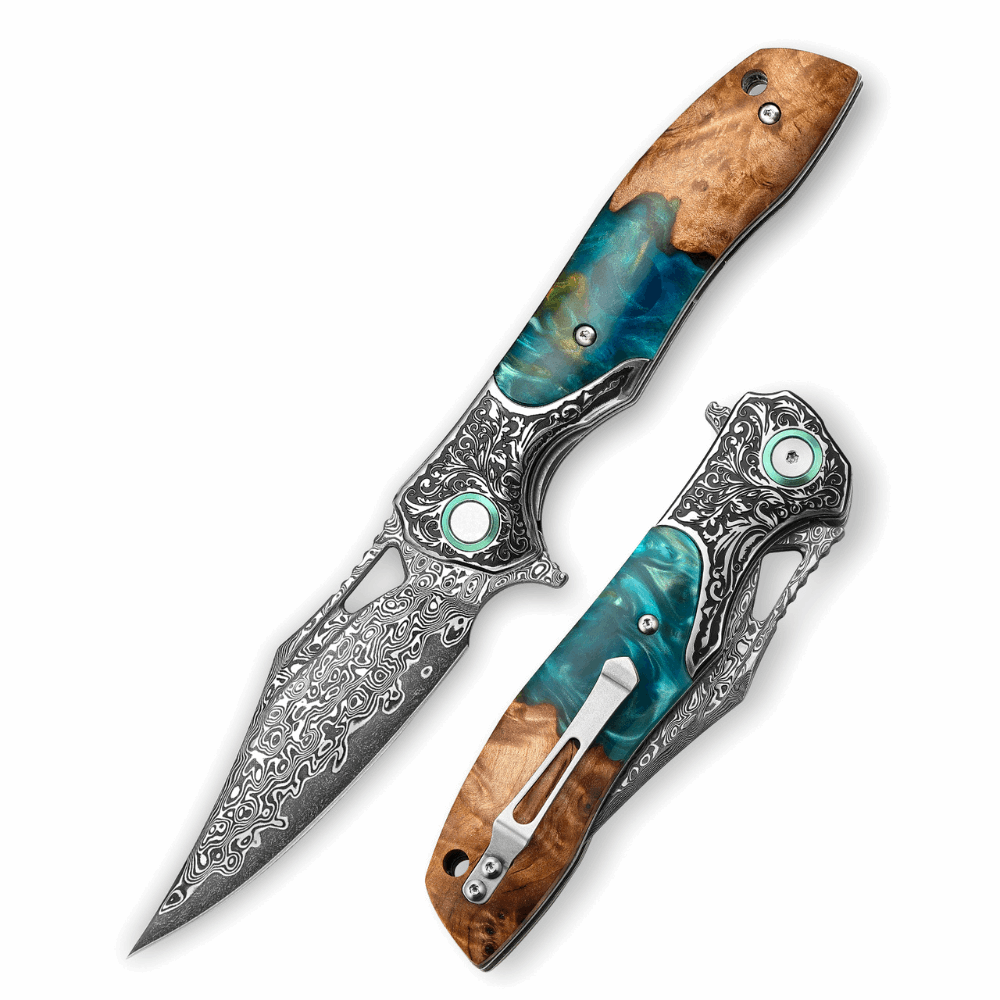
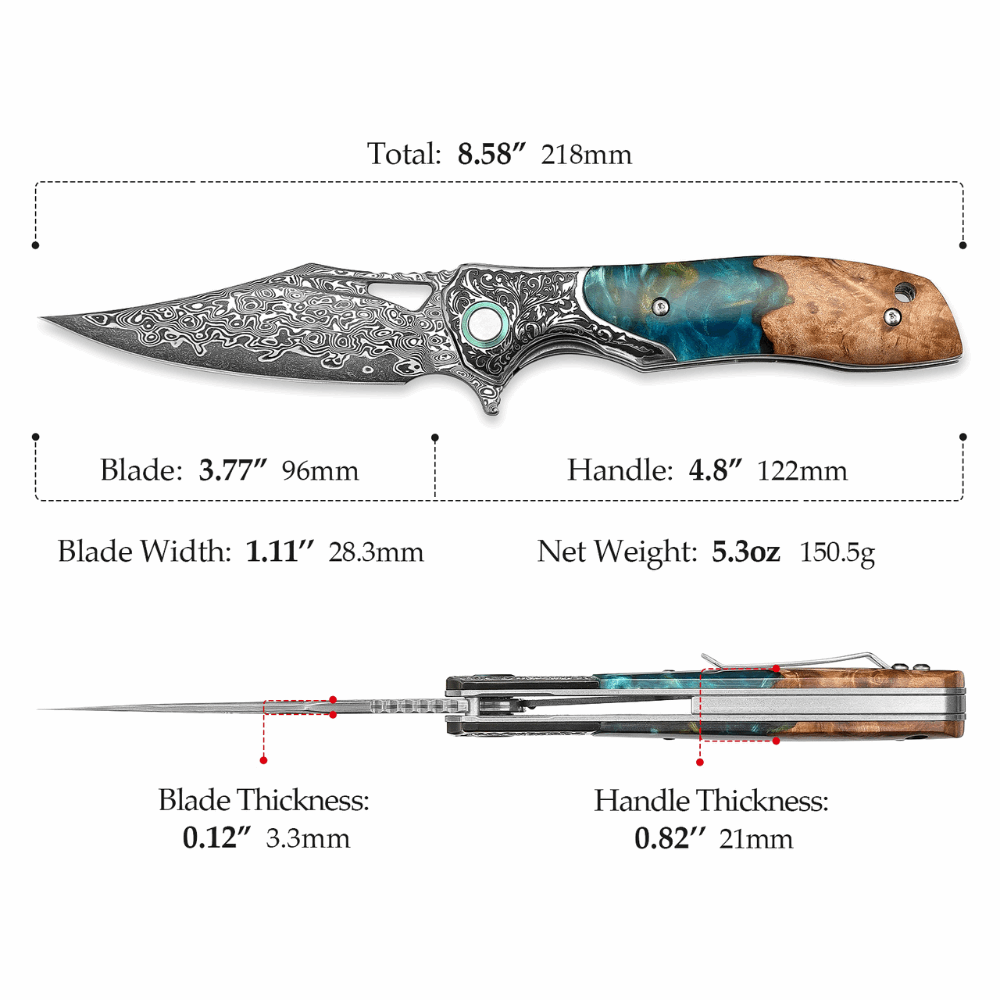
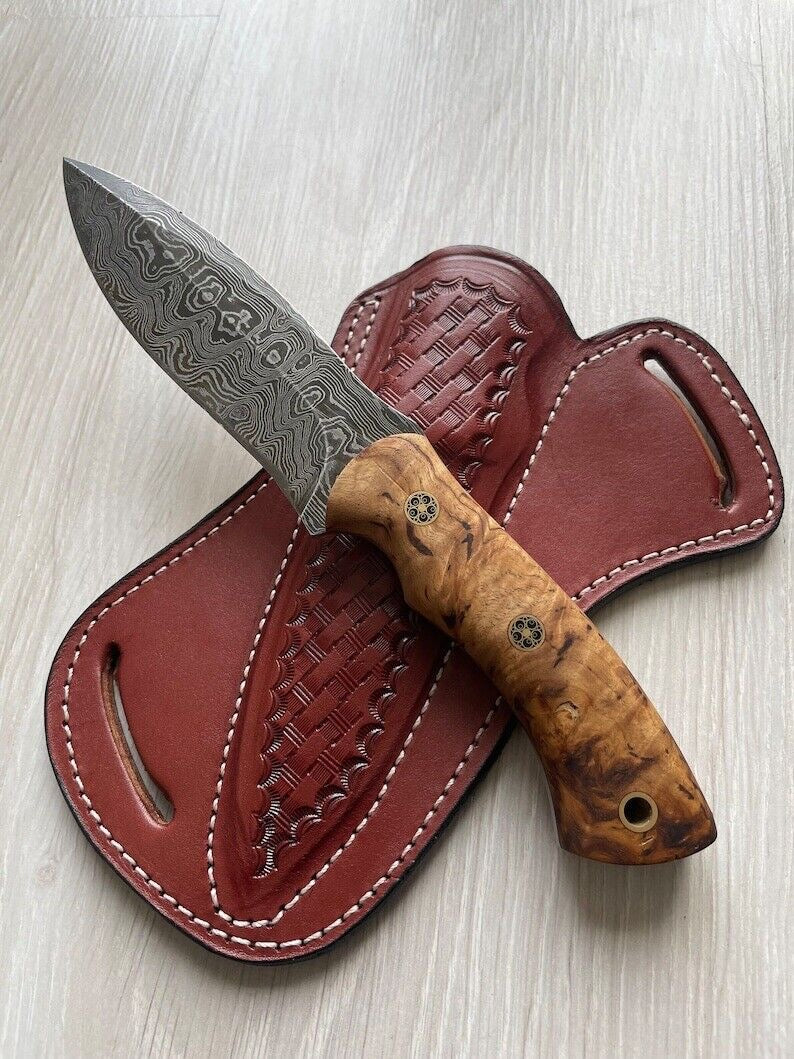
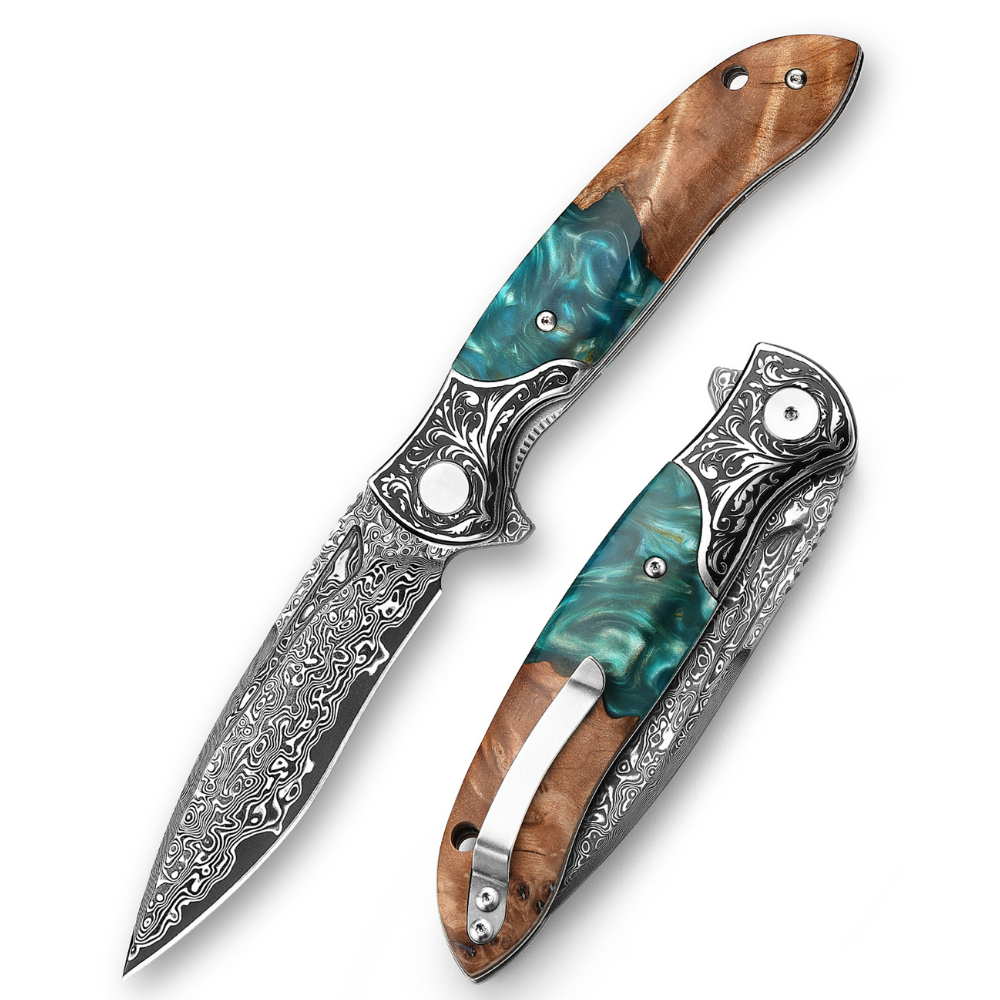
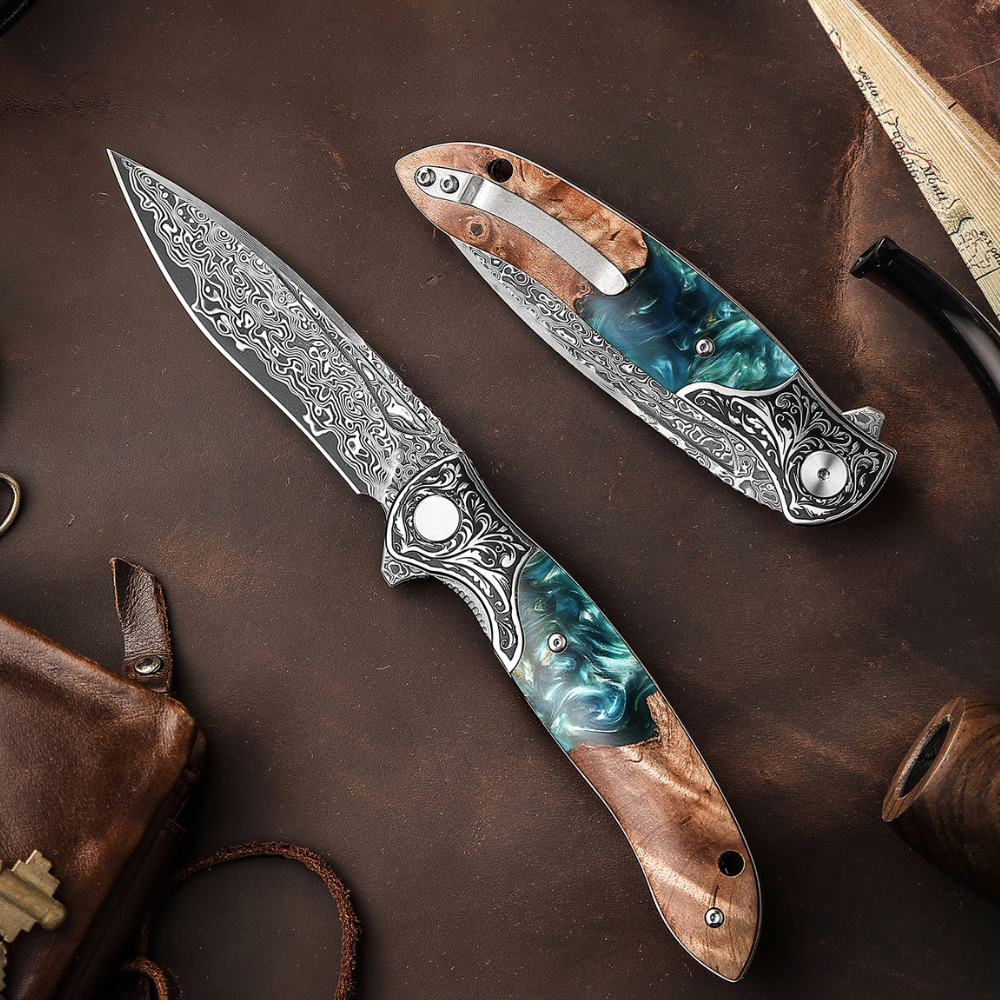
Pristine VG10 Damascus Chef Knife with Olive Burl Wood Handle
The Pristine VG10 Damascus Chef Knife features a 13.5-inch blade crafted from hand-forged Damascus steel, known for its exceptional strength and edge retention. With an ergonomic olive wood burl and resin handle, this knife ensures comfort and balance during use, making it suitable for both professional chefs and culinary enthusiasts. Additionally, it includes a complimentary sheath and offers personalization options, enhancing its appeal as a functional kitchen tool or a unique gift.
View Product








Leave a comment