


Overview
Collecting pocket knives is a rewarding hobby that combines artistry, history, and functionality. This guide covers types of pocket knives, key features to consider, maintenance tips, and strategies for building and displaying your collection. Embrace the thrill of the hunt and connect with fellow enthusiasts to enhance your collecting experience.
Table of Contents
- The Allure of Pocket Knives
- Why Collect Pocket Knives?
- Types of Pocket Knives Every Collector Should Know
- Folding Knives
- Multi-tools
- Fixed Blades
- Specialty Knives
- Key Features to Consider When Collecting
- Blade Material
- Handle Material
- Blade Shape
- Maintaining Your Pocket Knife
- Cleaning
- Oiling
- Sharpening
- Building Your Collection
- Set Your Goals
- Research and Resourcefulness
- Attend Knife Shows and Auctions
- The Thrill of the Hunt
- Join Collector Groups
- Explore Estate Sales and Flea Markets
- Utilize Online Marketplaces
- Creating a Safe and Impressive Display
- Use a Display Case
- Organize by Theme
- Keep Track of Your Collection
- Embarking on Your Collector Journey
Key Takeaways
- Understanding Types: Familiarize yourself with various types of pocket knives, including folding knives, multi-tools, fixed blades, and specialty knives.
- Key Features: Focus on crucial features such as blade material, handle material, and blade shape to enhance your collection.
- Regular Maintenance: Clean, oil, and sharpen your pocket knives regularly to maintain their beauty and functionality.
- Set Collection Goals: Define your collecting focus, whether it’s a specific brand, style, or era, to create a meaningful collection.
- Networking Opportunities: Engage with fellow enthusiasts through collector groups, knife shows, and online forums to gain insights and find rare knives.
- Treasure Hunts: Explore estate sales, flea markets, and online marketplaces for unique and vintage finds that can enhance your collection.
- Display Your Collection: Use display cases and organize your knives by theme to showcase their beauty and tell their stories.
Collecting pocket knives is an exciting hobby that appeals to many enthusiasts who appreciate craftsmanship, history, and utility. Whether you’re just starting your collection or you’re a seasoned aficionado, understanding the nuances of pocket knives can deepen your appreciation for these remarkable tools. This guide will explore everything you need to know about collecting pocket knives, including types, features, maintenance, and the thrill of the hunt.
The Allure of Pocket Knives
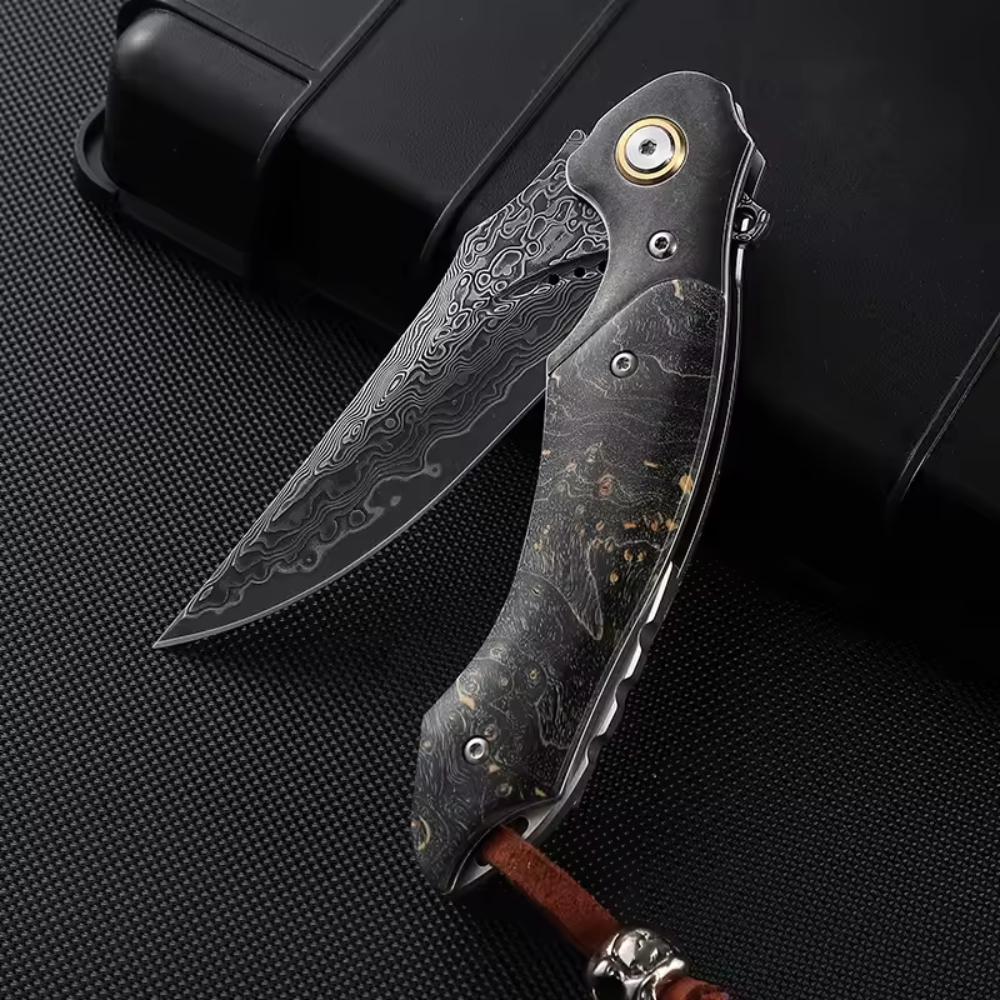
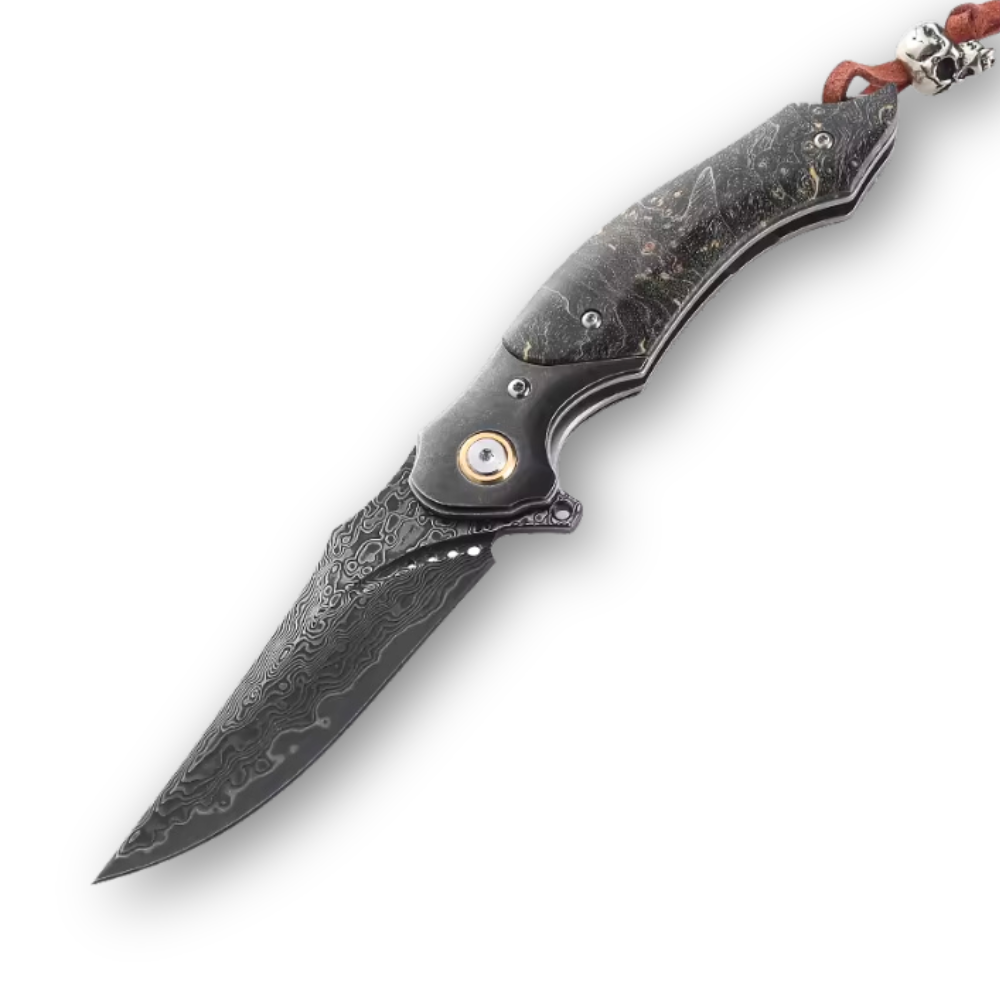
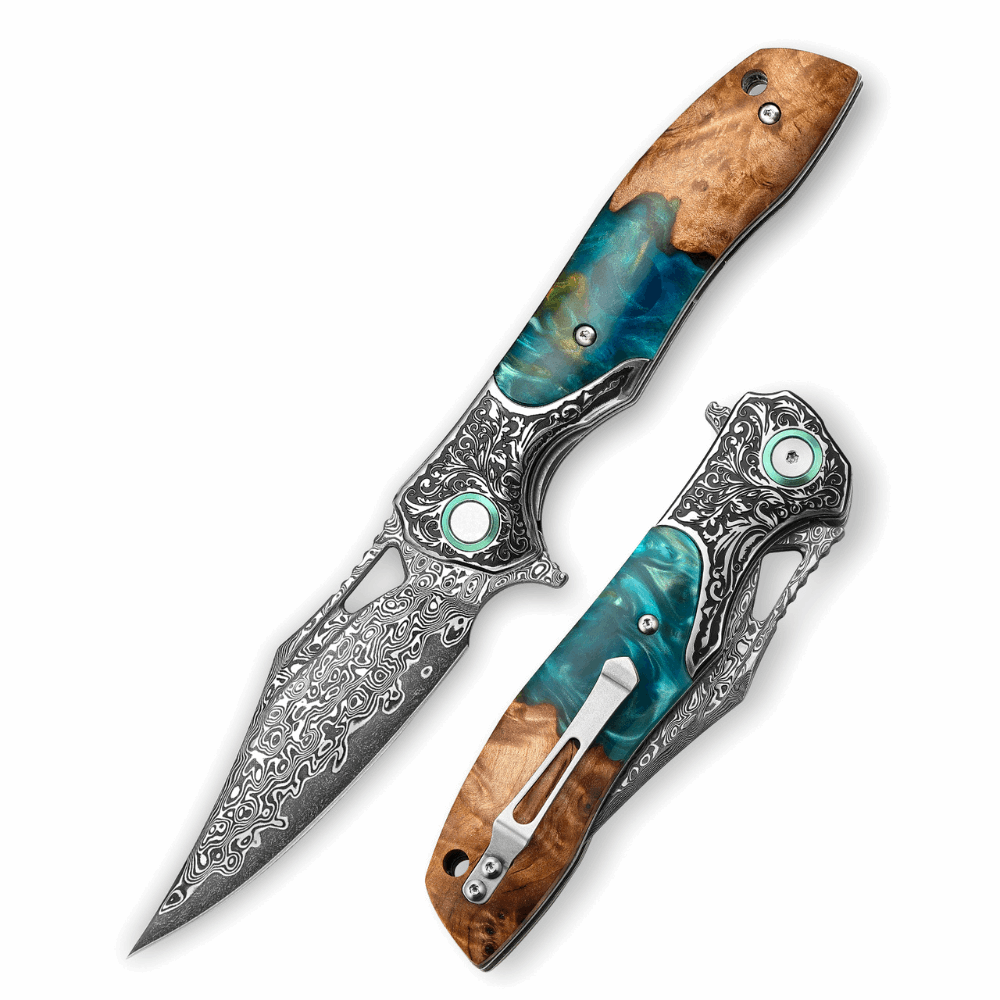
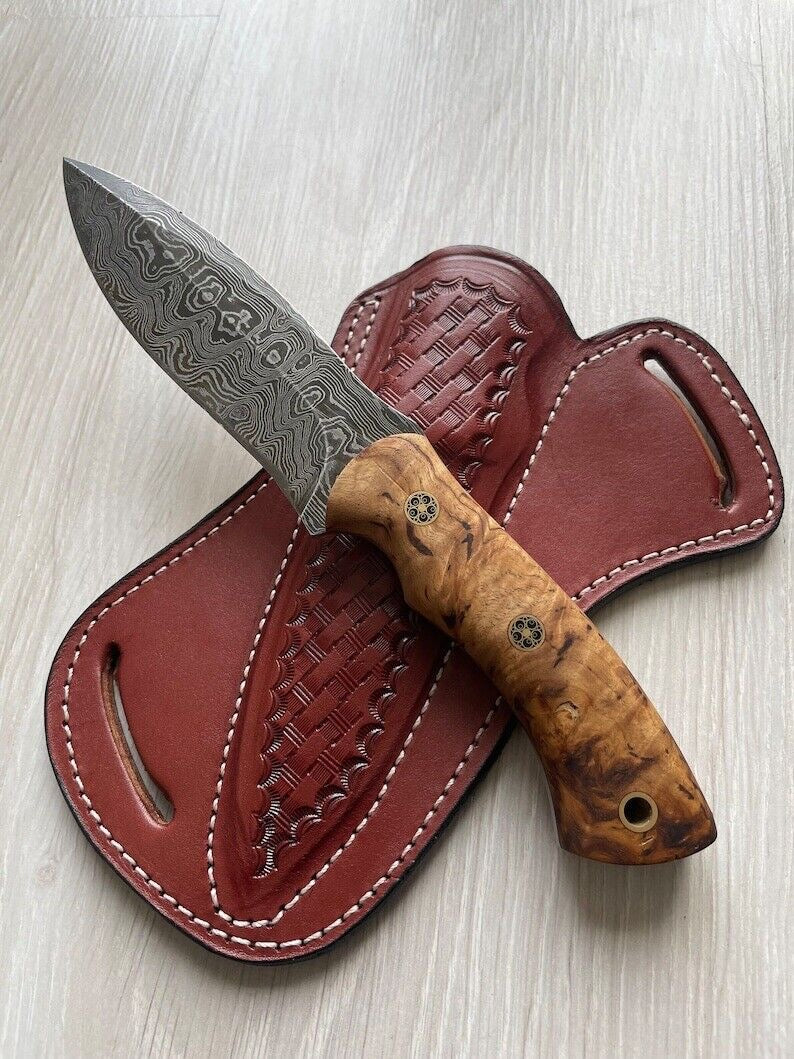
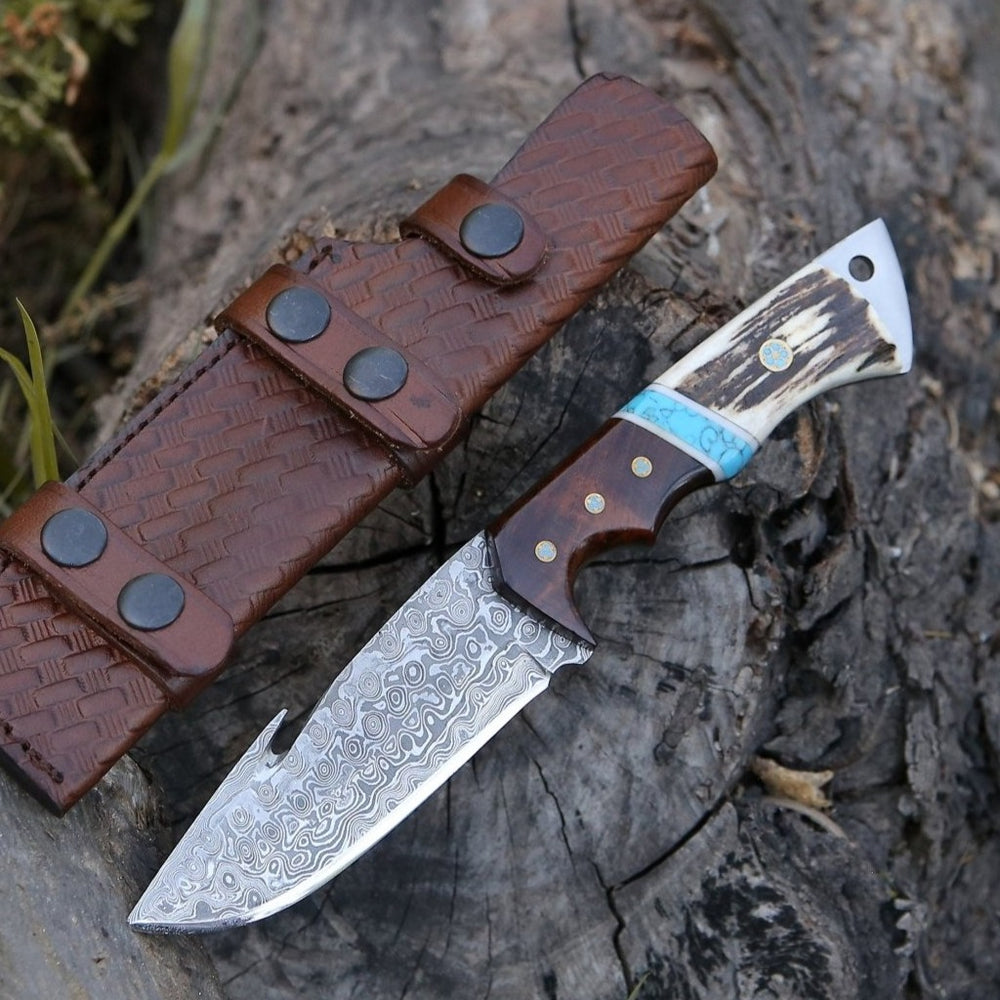
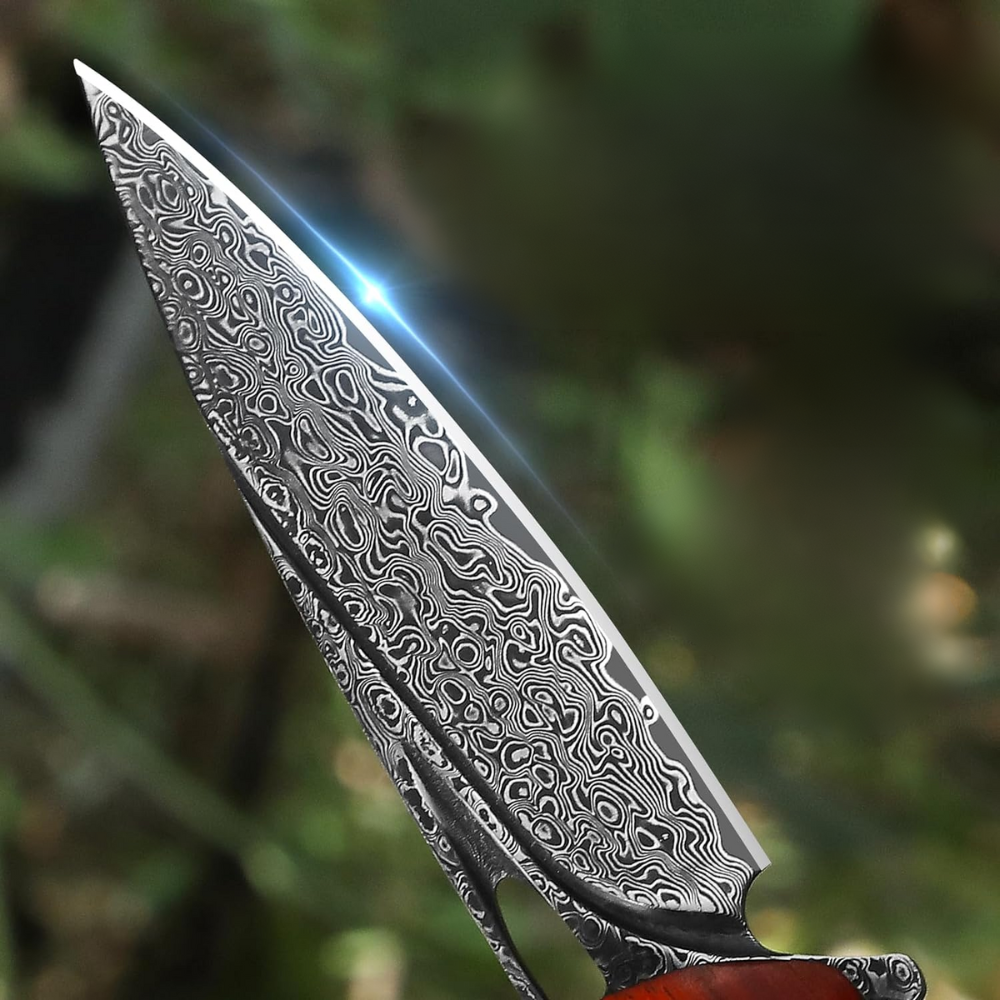
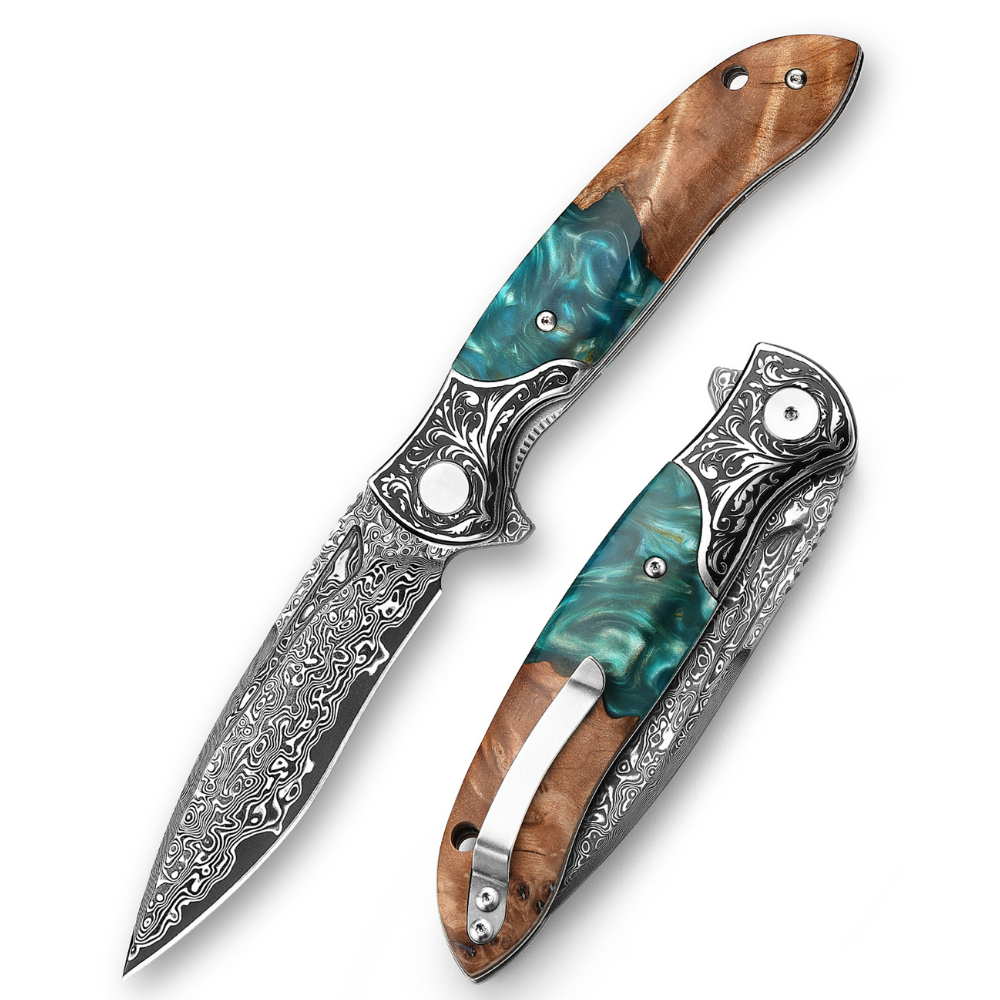
Pocket knives have been around for centuries and have evolved into various styles, designs, and functionalities. For many, they represent not just tools, but pieces of art that can be passed down through generations. The intricate patterns of a Wraith Damascus pocket knife, for example, showcase unique steel layering techniques that have become highly sought after among collectors.
Why Collect Pocket Knives?
There are numerous reasons why enthusiasts are drawn to collecting pocket knives:
- Artistry - Many pocket knives are handcrafted and feature beautiful designs.
- History - Each knife has a story, making them interesting historical artifacts.
- Functionality - Pocket knives are not only collectible but also practical tools.
- Community - Knife enthusiasts often gather to share their passion, whether online or at events.
- Investment - Rare knives can appreciate in value over time, offering potential financial returns.
Types of Pocket Knives Every Collector Should Know
As you embark on your collecting journey, it’s essential to familiarize yourself with the various types of pocket knives available. Here are some common categories that collectors typically explore:
Folding Knives
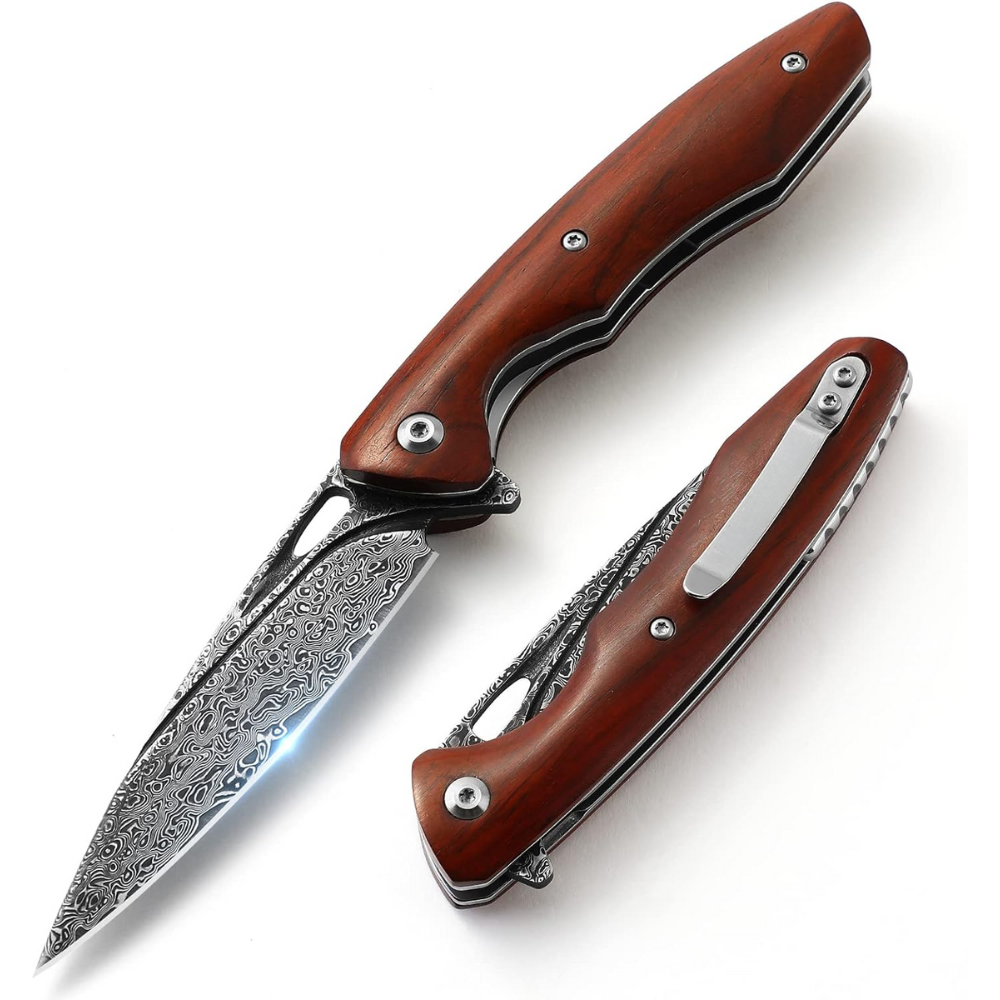
Folding knives are the most versatile type of pocket knife, featuring blades that fold into the handle. This design makes them safe to carry and easy to use. The folding mechanism can be simple, like a slip joint, or complex, such as a lock-back or liner lock design.
Multi-tools
Multi-tools combine various functions, including knife blades, screwdrivers, and other tools. These are perfect for collectors who value utility alongside aesthetics. Some models even incorporate specialized features like pliers or scissors.
Fixed Blades
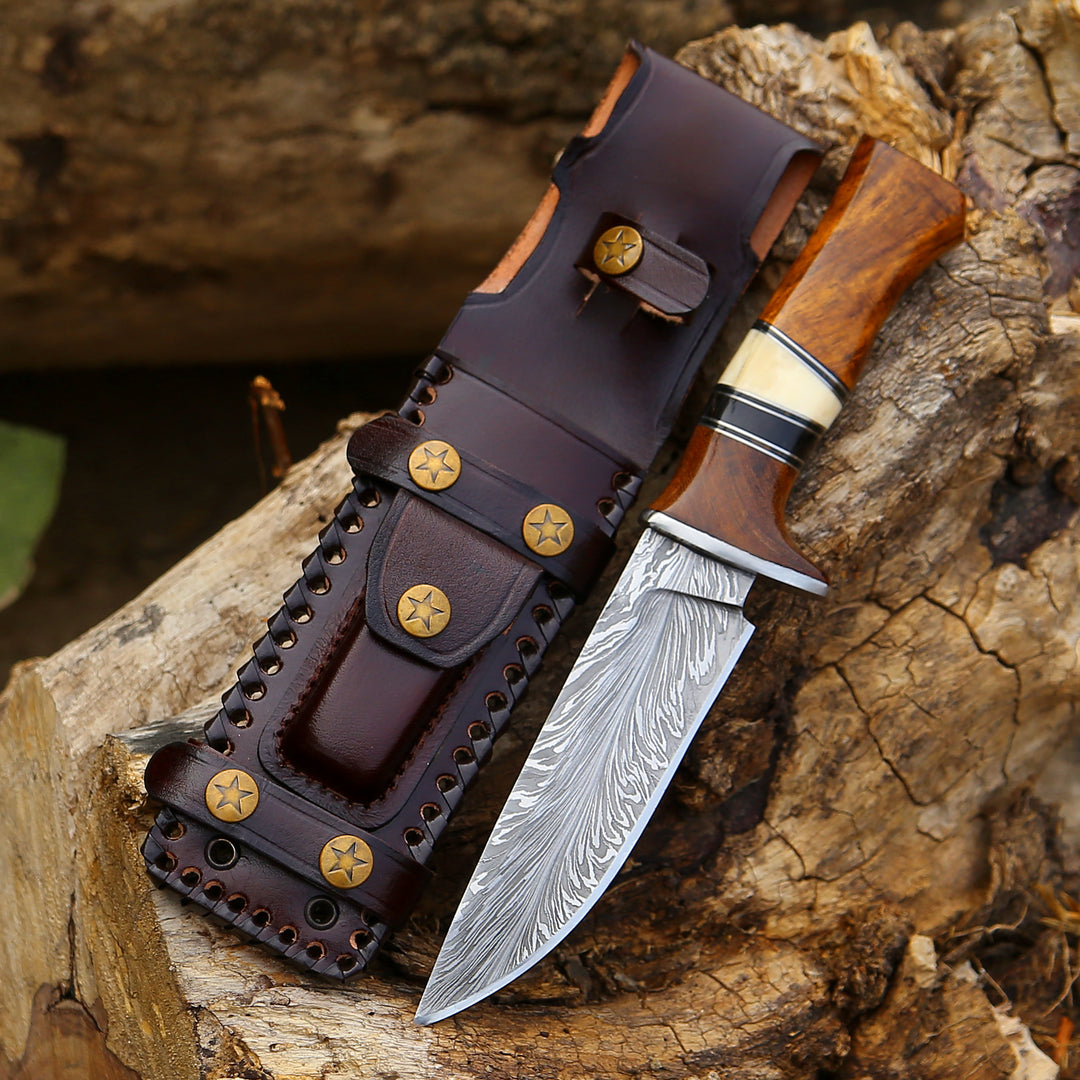
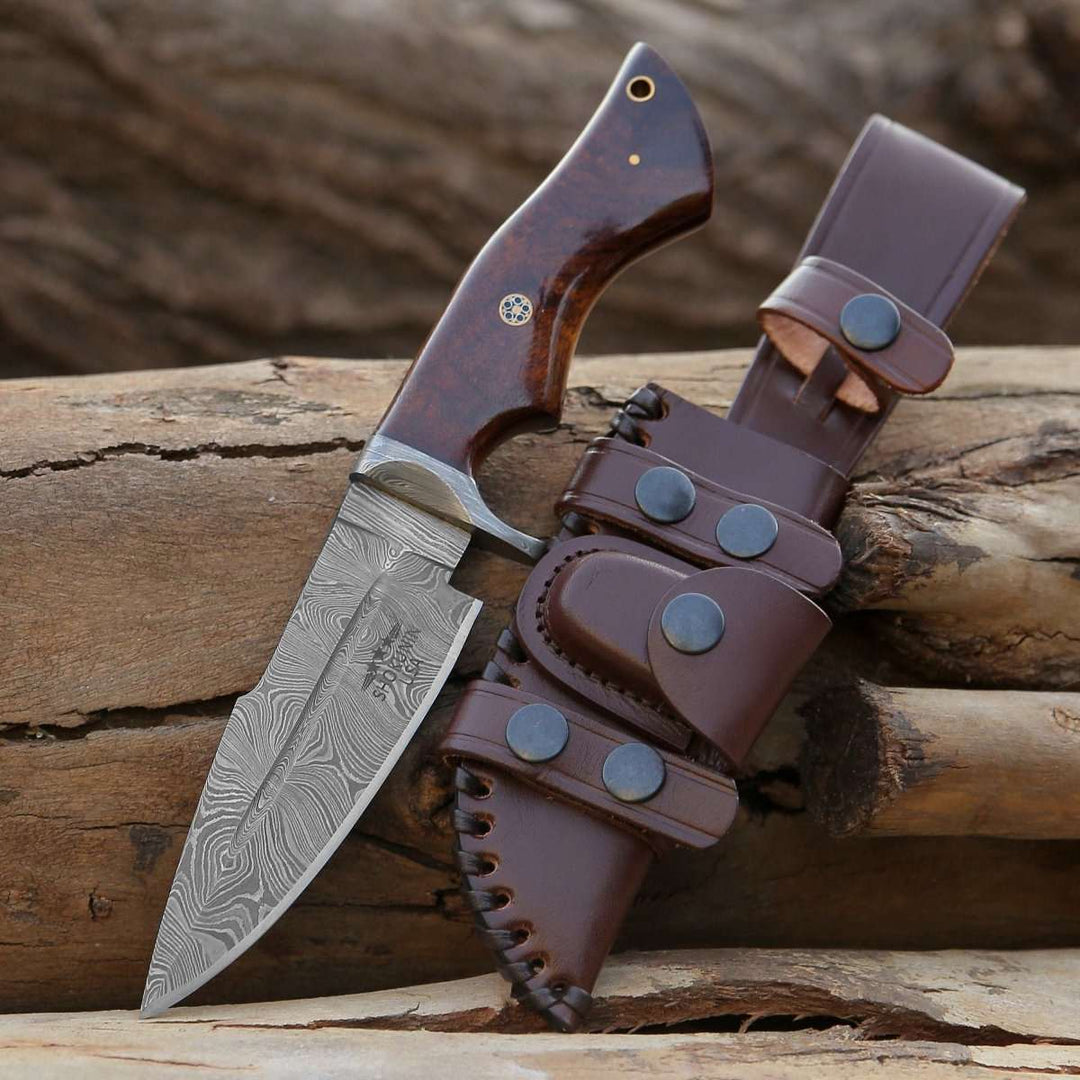
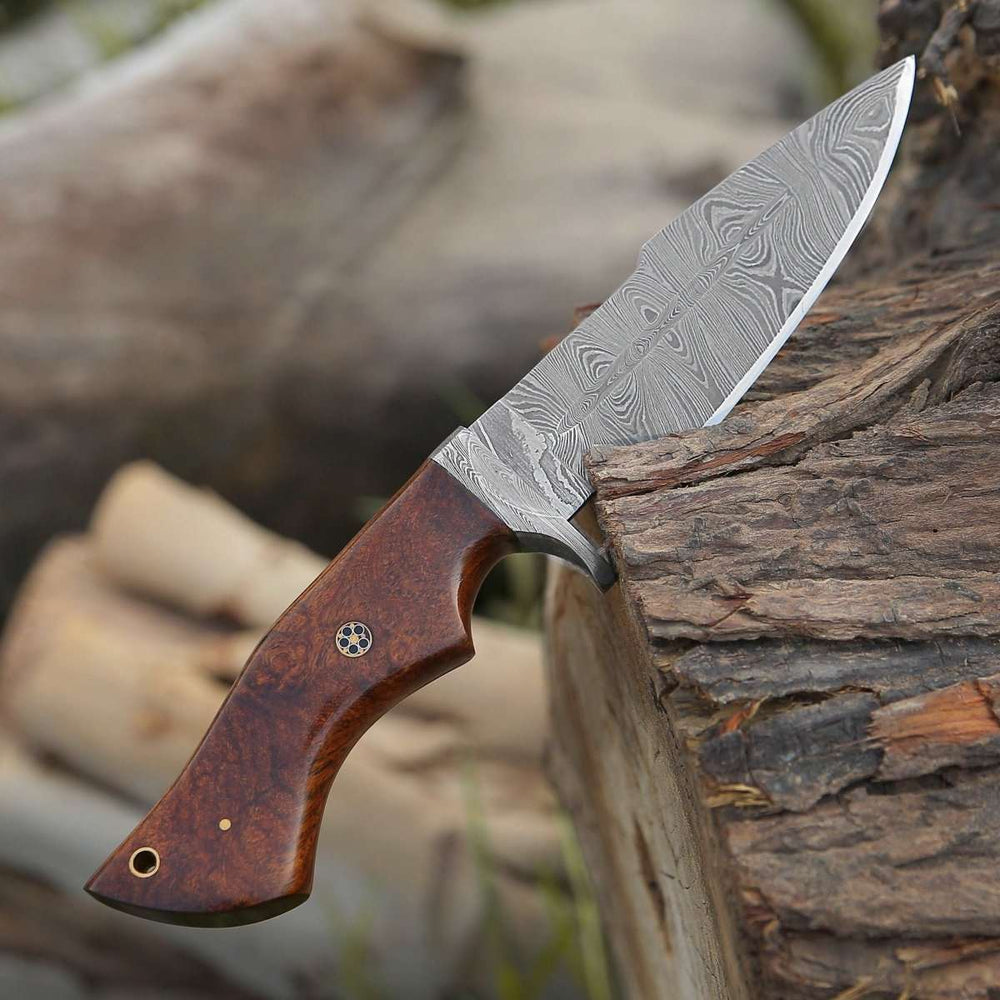
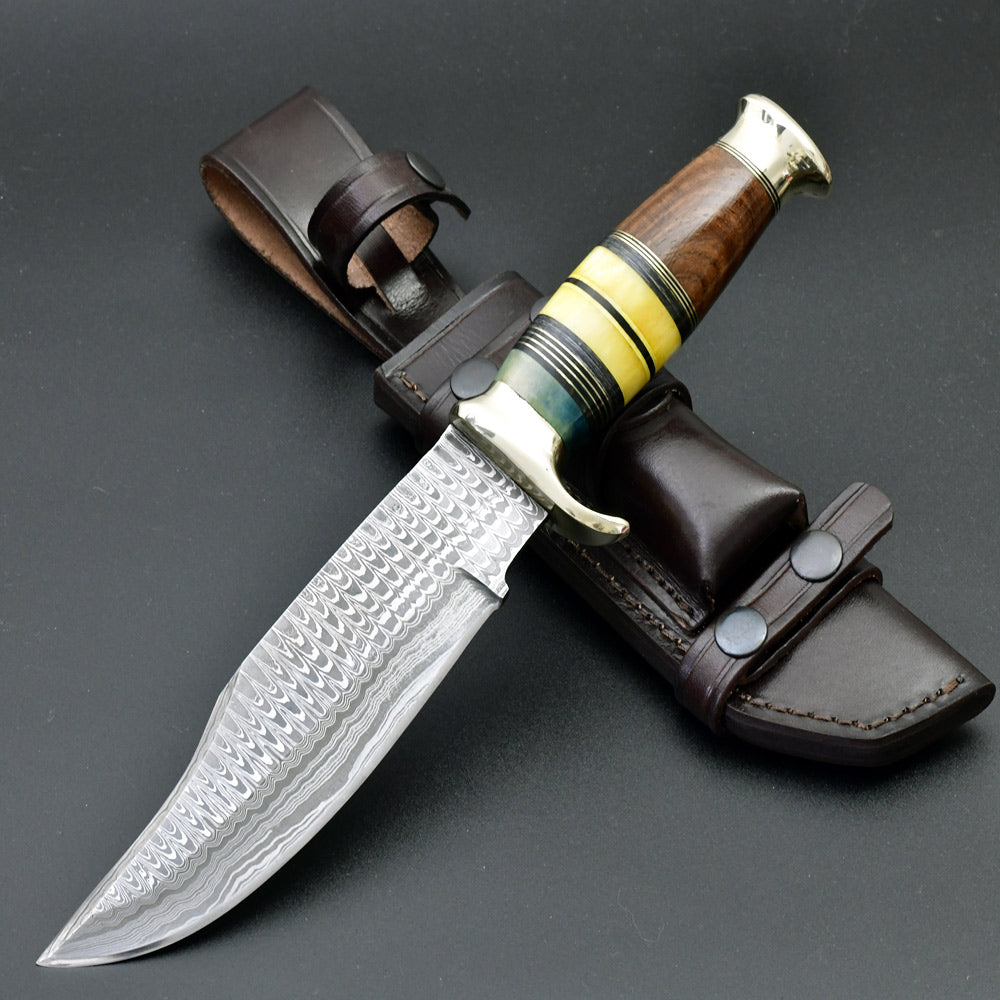
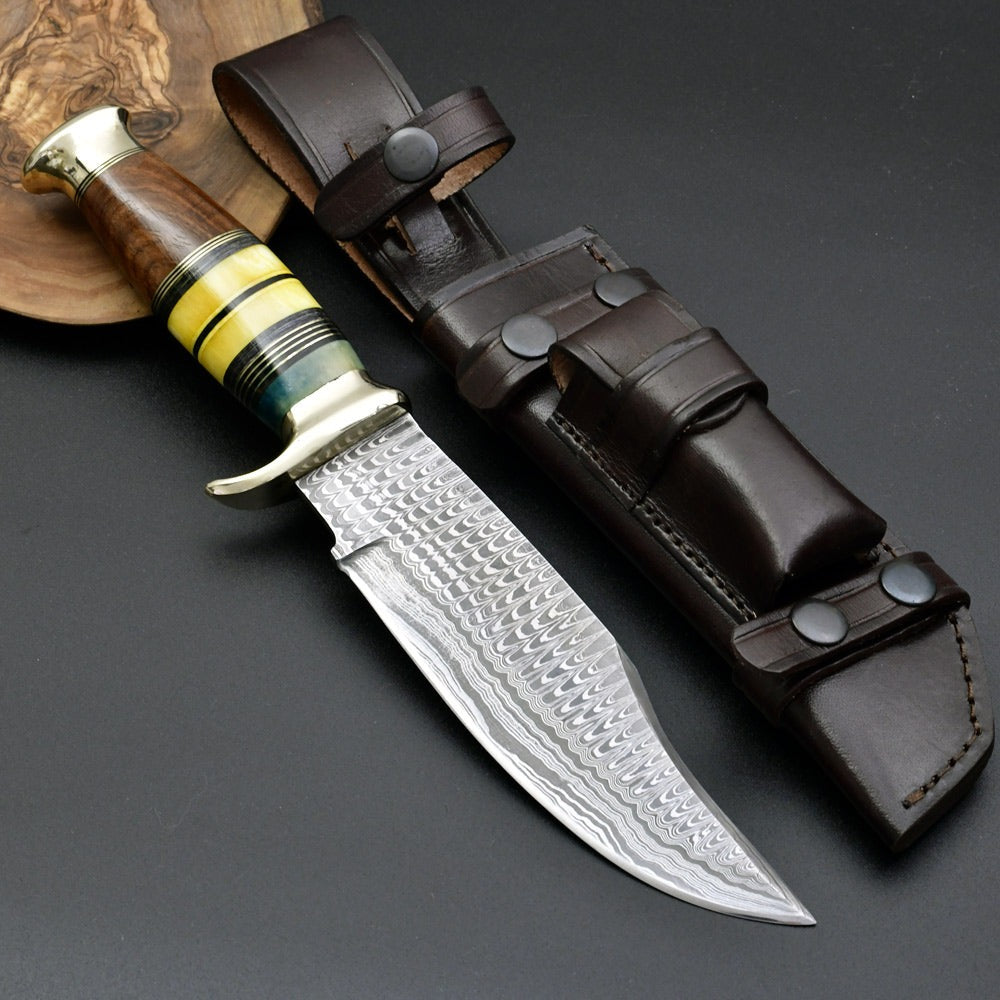
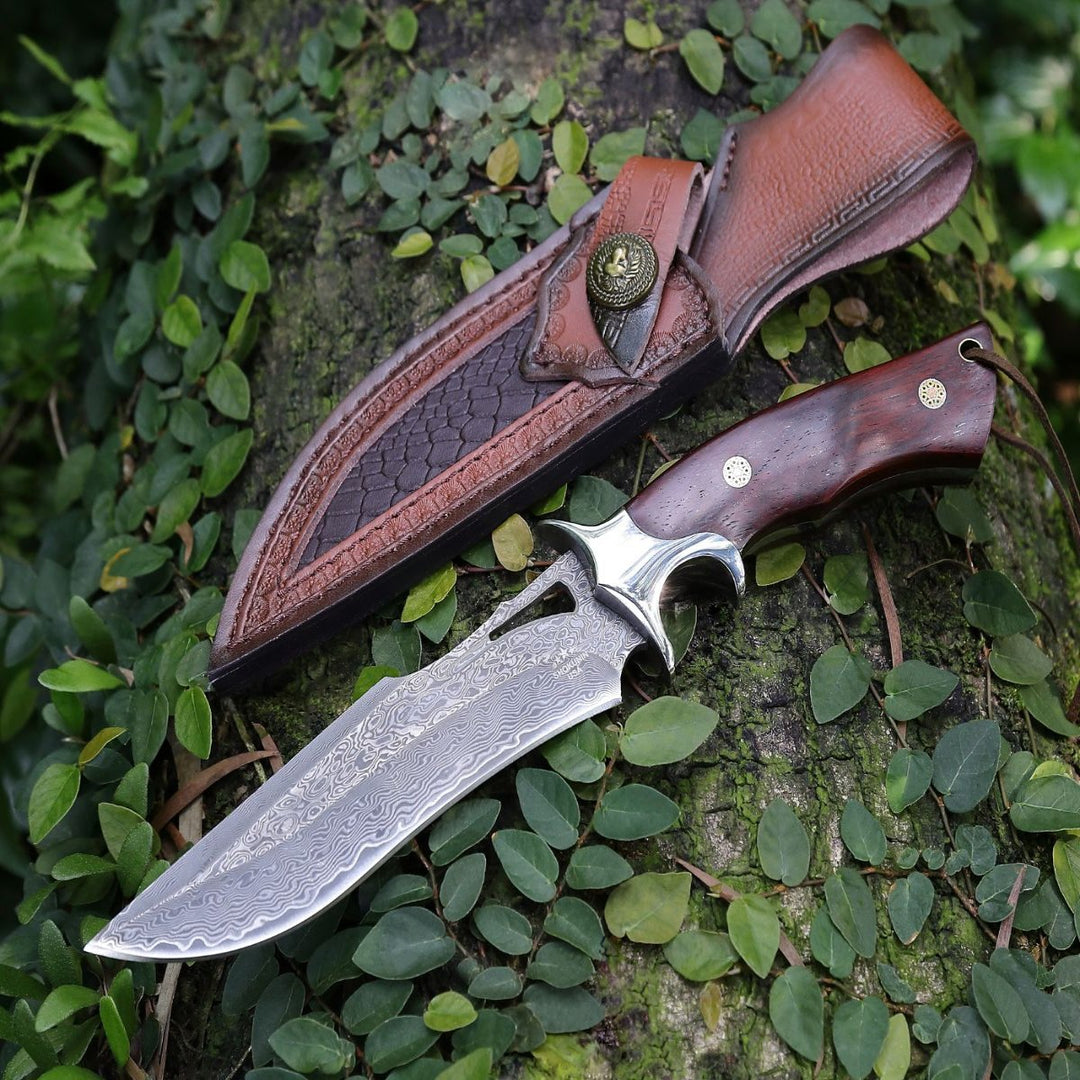
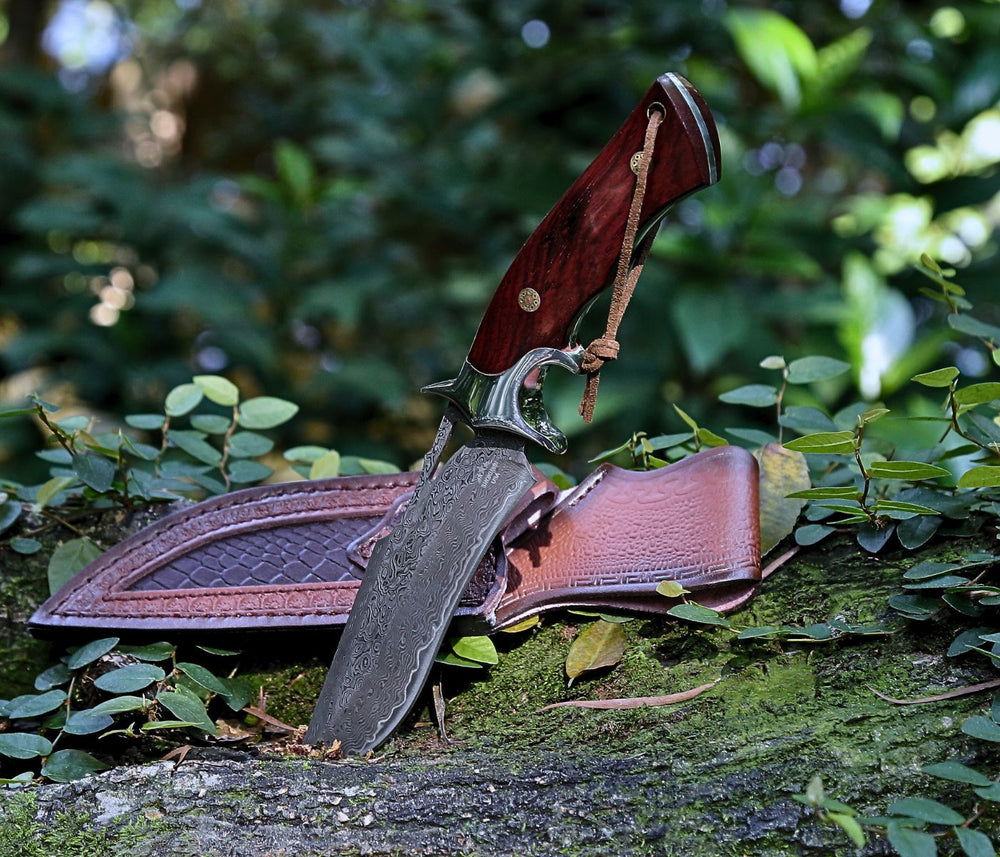
While not strictly pocket knives, fixed blades can be compact enough to carry. They offer stronger performance than many folding knives and are often favored for outdoor adventures. However, their bulk can make them less convenient for everyday carry.
Specialty Knives
This category includes knives designed for specific tasks, like tactical and survival knives. Collectors often seek specialty knives for their unique qualities and functions. For instance, a tactical knife may include features optimized for combat or self-defense.
Key Features to Consider When Collecting
As you explore the world of pocket knives, understanding their features is crucial for any collector. Here are key features to consider:
Blade Material
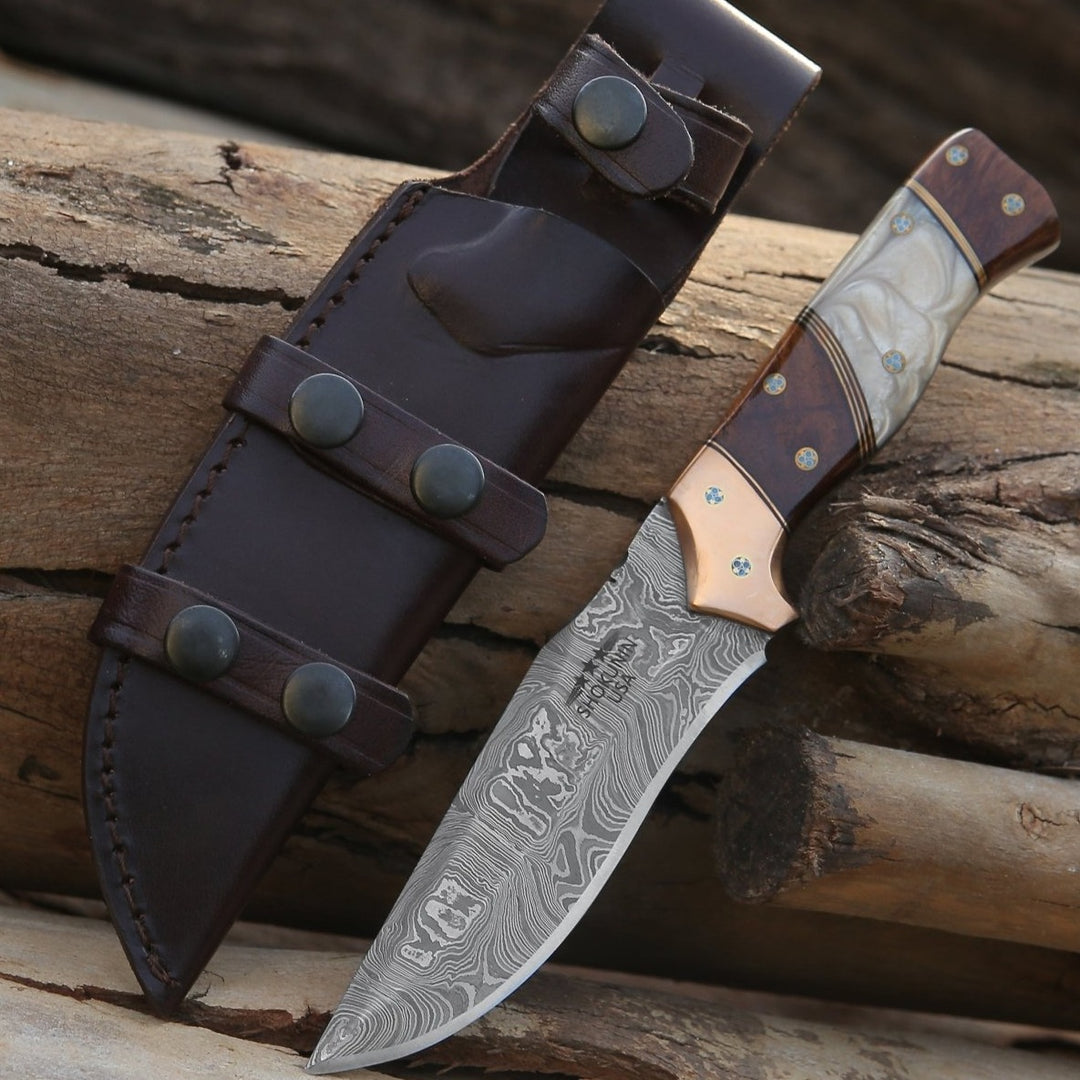
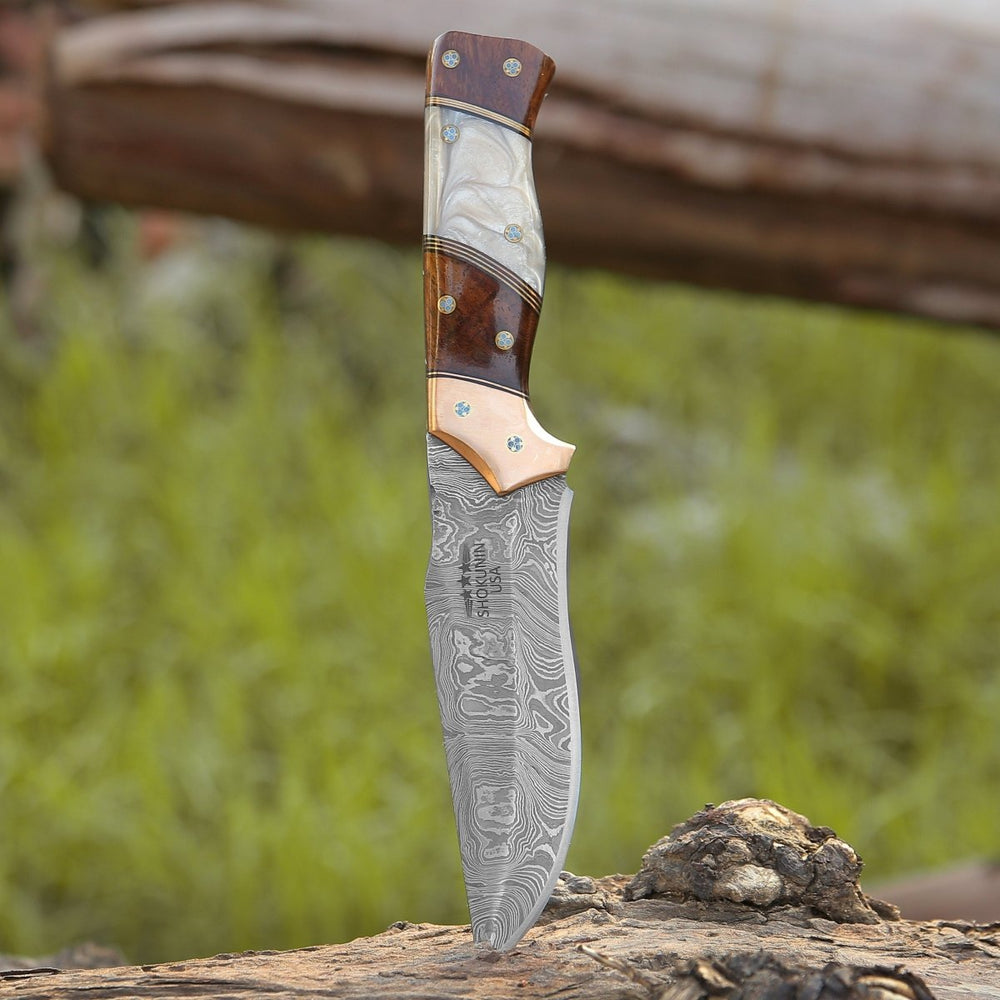
The blade's material significantly impacts its performance, durability, and aesthetics. Stainless steel blades offer corrosion resistance, while high-carbon steels provide sharpness and edge retention. The Wraith Damascus pocket knife, known for its stunning blade patterns, blends beauty with functionality due to its high-quality materials.
Handle Material
Knives can feature a wide variety of handle materials, including wood, plastic, and metal. The choice of material affects grip, weight, and overall feel. Wood handles often provide a classic look, while synthetic materials contribute to durability and ease of maintenance.
Blade Shape
The shape of a knife blade can influence its usability. Common blade shapes include drop-point, tanto, and spear-point, each designed for specific tasks. Consider what functionalities you value when selecting a blade shape for your collection.
Maintaining Your Pocket Knife
To sustain the beauty and functionality of your pocket knives, regular maintenance is critical. Here are practical tips for keeping your collection in peak condition:
Cleaning
Use a soft cloth to wipe the blades and handles regularly, removing dirt and moisture. For deeper cleaning, disassemble the knife if possible and clean each component. Ensure no moisture remains before reassembling.
Oiling
Apply a suitable knife oil to the pivot areas to ensure smooth opening and closing. This practice helps prevent rust and keeps your knife operating at its best.
Sharpening
Keeping your blades sharp is essential for performance. Use a sharpening stone or a dedicated knife sharpener to maintain the blade's edge. Learn about the specific angle needed for your knife’s edge to achieve the best results.
Building Your Collection
Starting a collection can be daunting, but it’s all about personal choices and passion. Here are some strategies to help you build a pocket knife collection you’ll be proud of:
Set Your Goals
Determine what type of knives you want to collect. Consider focusing on a specific brand, style, or era that resonates with you. By setting specific goals, you can create a collection that reflects your interests.
Research and Resourcefulness
Knowledge is power in the world of collecting. Research different brands, knife shows, and online forums where enthusiasts gather. Engage with the community to learn about rare finds, tips on maintenance, and upcoming events.
Attend Knife Shows and Auctions
Knife shows and auctions are treasure troves for collectors. You can find rare pieces, meet other collectors, and gain knowledge from seasoned enthusiasts. Being present in these spaces can also help you expand your network, giving you insights into the knife world.
The Thrill of the Hunt
One of the most exhilarating aspects of collecting pocket knives is the hunt for new additions to your collection. Here are some practical tips to enhance your search:
Join Collector Groups
Networking with fellow knife enthusiasts can lead to valuable connections and tips on where to find unique knives. Online forums or local clubs can provide a wealth of information.
Explore Estate Sales and Flea Markets
You never know what treasures you might come across. Estate sales and flea markets can offer rare finds at reasonable prices. Keep your eyes peeled for well-preserved knives.
Utilize Online Marketplaces
Websites and online marketplaces can broaden your search significantly. Sites like eBay or collector-specific platforms often contain listings for rare and vintage knives that you might not find locally.
Creating a Safe and Impressive Display
Once you start acquiring pocket knives, displaying your collection becomes a significant aspect of your hobby. Here are some tips on how to showcase your pieces:
Use a Display Case
A well-lit display case not only keeps your knives safe but also highlights their beauty. Look for showcases that provide adequate protection from dust and damage.
Organize by Theme
Arranging your knives by theme, such as by brand, material, or age, can make your display more intriguing. This organization not only makes it visually appealing but also tells a story.
Keep Track of Your Collection
Documenting your collection is an excellent practice. Keep a record of each knife’s details, including its type, purchase price, and any historical context that enhances its story. Consider using a cataloging app or a simple spreadsheet.
Embarking on Your Collector Journey
Collecting pocket knives opens up an exciting world filled with history, craftsmanship, and community. As you immerse yourself in the details and nuances of various types, you may find that your collection evolves alongside your preferences and experiences. Whether it’s the beauty of the Wraith Damascus pocket knife or a unique vintage folding knife, each piece tells a story and enhances the tapestry of your collection. Start your journey today, relish the hunt for new additions, and connect with fellow enthusiasts who share your passion. Happy collecting!
Frequently Asked Questions
1. What is the main appeal of collecting pocket knives?
2. What types of pocket knives should collectors be familiar with?
3. How can I maintain my pocket knife collection?
4. What strategies can I use to build my pocket knife collection?
5. How should I display my pocket knife collection?
Glossary
| Term | Meaning |
|---|---|
| Folding Knife | A versatile knife with a blade that folds into the handle for safety and ease of use. |
| Multi-tool | A tool that combines multiple functions, including knife blades and screwdrivers. |
| Fixed Blade | A knife with a blade that does not fold, offering stronger performance for outdoor use. |
| Specialty Knife | A knife designed for specific tasks, such as tactical or survival purposes. |
| Blade Material | The material used for the knife's blade, affecting performance and durability. |
| Handle Material | The material of the knife handle, influencing grip and overall feel. |
| Blade Shape | The design of the knife blade, impacting its usability for different tasks. |
| Maintenance | The process of caring for a knife to keep it in optimal condition, including cleaning and sharpening. |
| Knife Show | An event where collectors can buy, sell, and learn about knives. |
| Collector Groups | Communities of enthusiasts who share knowledge and resources about knife collecting. |
Linked Product

Wraith Damascus Pocket Knife with Honeycomb Resin Handle
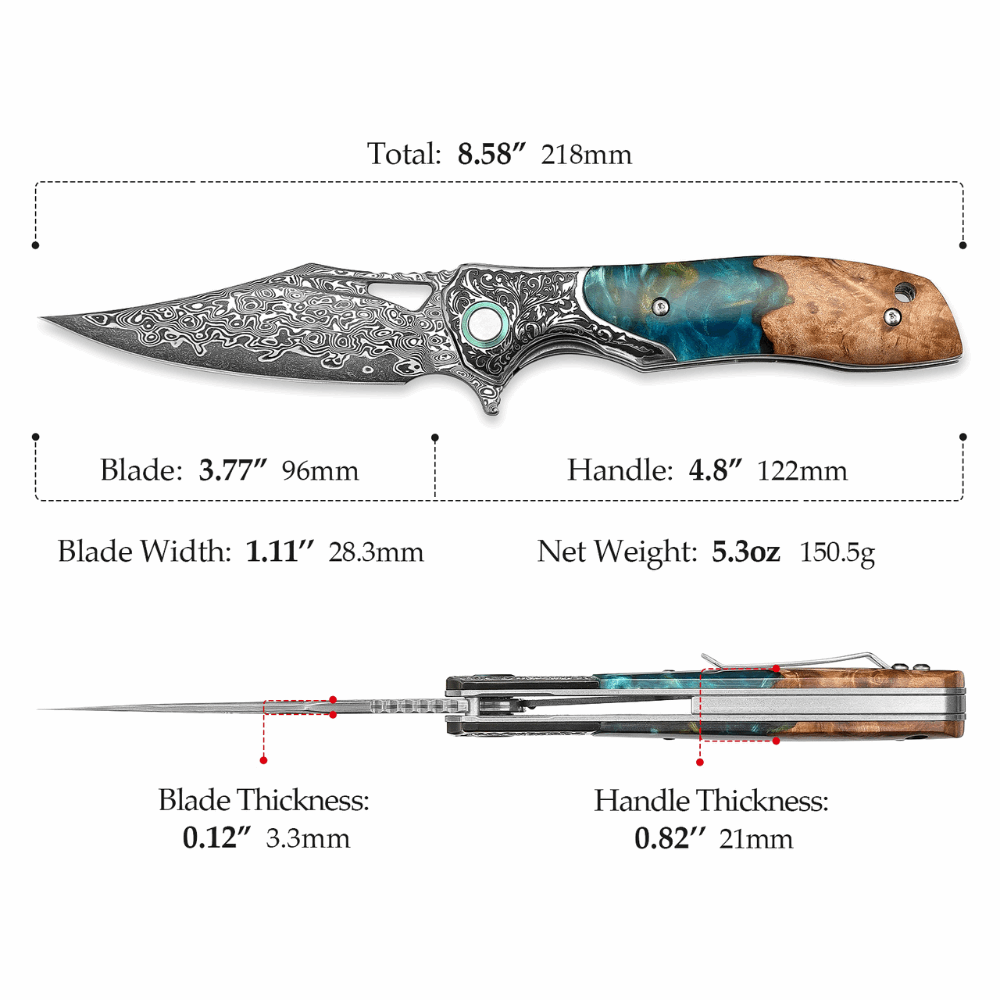
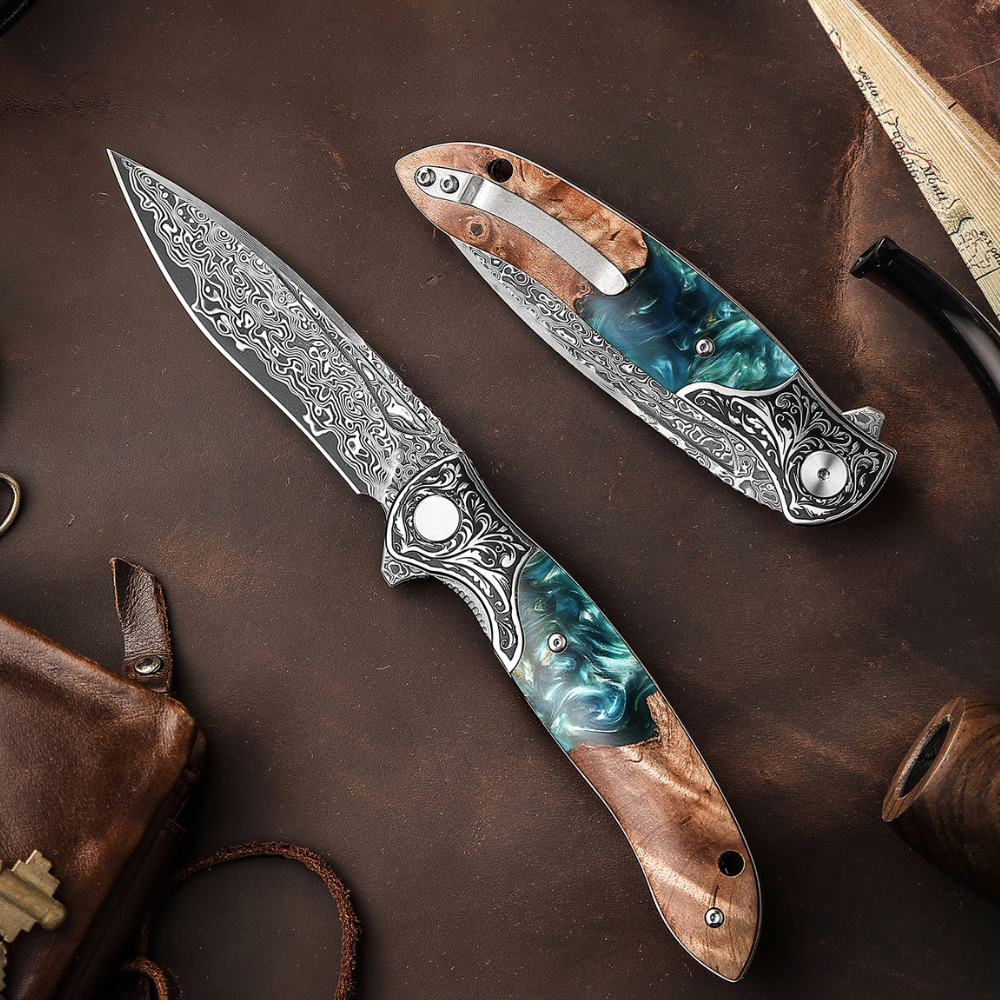
The Wraith Damascus Pocket Knife features a unique hand-forged VG10 Damascus steel blade, offering remarkable sharpness and durability for various tasks. Its honeycomb resin handle ensures a comfortable grip, while the lightweight design promotes ease of use. Ideal for outdoor activities such as hunting, fishing, and camping, this pocket knife is a practical addition to any enthusiast's collection.
View Product






Leave a comment