

Overview
Choosing the right knife blade can enhance your cooking, camping, or everyday tasks significantly. Each blade type, from drop point to serrated, offers unique advantages tailored to specific uses, while the materials affect durability and maintenance. Understanding these aspects empowers you to select the ideal knife that meets your needs, ensuring optimal performance and satisfaction.
Table of Contents
- The Importance of Knowing Knife Blade Types
- Common Types of Knife Blades
- Drop Point Blade
- Clip Point Blade
- tanto Blade
- Spear Point Blade
- Straight Edge Blade
- Serrated Blade
- Exploring Innovative Blade Materials
- High Carbon Steel
- Stainless Steel
- Damascus Steel
- Ceramic Blades
- How to Select the Right Knife Blade
- Maintenance Tips for Knife Blades
- A World of Possibilities Awaits
Key Takeaways
- Know Your Blade Types: Understanding different knife blade types is essential for selecting the right tool for cooking, outdoor activities, or everyday tasks.
- Drop Point Blades: Ideal for hunting and utility tasks, offering control for detailed cutting.
- High Carbon Steel: Known for exceptional sharpness and edge retention, but requires regular maintenance to prevent rust.
- Serrated Blades: Perfect for cutting tough materials like bread, providing a sawing effect and longer-lasting sharpness.
- Blade Shape Matters: Choose a blade shape based on comfort and intended use, such as drop point for versatility or serrated for specific tasks.
- Regular Maintenance: Clean, sharpen, and store knives properly to extend their lifespan and maintain optimal performance.
- Material Considerations: Select blade materials based on your needs, balancing durability, maintenance requirements, and budget.
Knives are essential tools used across various tasks, from cooking to outdoor survival. However, many people do not realize that the type of blade a knife has can significantly impact its performance. A knife's blade type can determine its effectiveness for specific tasks. In this comprehensive guide, we will delve into the different types of knife blades, their uses, and the materials that make them exceptional.
The Importance of Knowing Knife Blade Types
Understanding the various types of knife blades is crucial for anyone who wants to make an informed choice, whether for culinary purposes, camping, hunting, or everyday carry. Each blade type offers distinct benefits, shapes, and designs, making them suitable for different applications. Proper knowledge of knife blades not only helps users enhance their skills but also aids in selecting the right tool for any task.
Common Types of Knife Blades
Let’s explore some of the most common knife blade types, their unique characteristics, and their typical uses:
Drop Point Blade
The drop point blade is characterized by its convex curve running from the handle to the tip, creating a lowered point. This design adds strength to the tip, making it ideal for piercing and slicing tasks without compromising durability.
- Uses: Ideal for hunting and utility knives.
- Advantages: Offers more control for detailed cutting tasks.
Clip Point Blade
Clip point blades feature a concave edge before the point, creating a sharper tip suited for piercing tasks. This design is popular among hunting knives.
- Uses: Preferred for slicing and piercing foods or materials.
- Advantages: Enhanced precision for intricate cuts.
tanto Blade
The tanto blade is recognized for its angular tip, which is ideal for penetrating tough materials. The blade's flat edge provides significant strength, making it perfect for tactical applications.
- Uses: Effective in tactical and combat scenarios.
- Advantages: Best suited for piercing hard surfaces.
Spear Point Blade
This blade type has a symmetrical shape that makes it suitable for thrusting and stabbing. The pointed tip enhances penetration capabilities, making it an excellent choice for combat knives.
- Uses: Primarily used for combat as well as general tactical purposes.
- Advantages: Balanced and versatile for various cutting tasks.
Straight Edge Blade
Straight edge blades are super versatile and easy to sharpen. They provide smooth, even cuts, which makes them the preferred choice for chefs and line cooks.
- Uses: Excellent for slicing, chopping, and other culinary tasks.
- Advantages: Offers razor-sharp precision and control.
Serrated Blade
Serrated blades come with a jagged edge designed to cut through tough materials effortlessly, such as bread, rope, or other fibrous materials.
- Uses: Ideal for cutting bread and other soft foods.
- Advantages: Retains sharpness longer and provides a sawing effect.
Exploring Innovative Blade Materials
Knife blade materials significantly influence their durability, sharpness, and resistance to wear. Understanding these materials will help you choose the perfect knife for your needs.
High Carbon Steel
High carbon steel knives are often favored for their ability to hold a sharp edge. However, they require maintenance to prevent rust and corrosion.
- Advantages: Exceptional sharpness and edge retention.
- Disadvantages: More susceptible to rust and requires regular oiling.
Stainless Steel
Known for its corrosion resistance characteristics, stainless steel is an ideal choice for culinary knives used in humid environments. It tends to have a lower edge retention compared to high carbon steel but offers superior durability.
- Advantages: Easy maintenance and resistant to rust.
- Disadvantages: Generally requires more frequent sharpening.
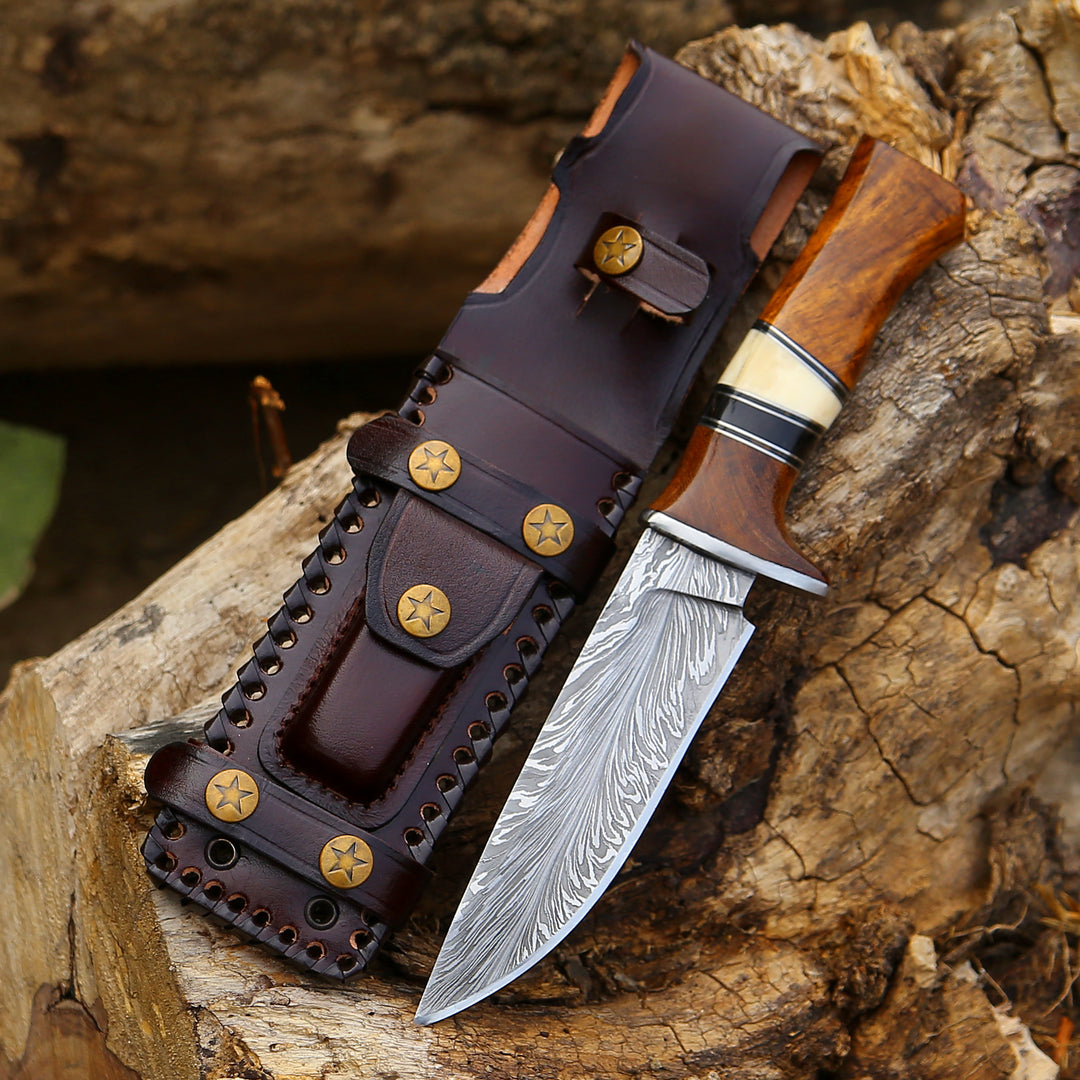
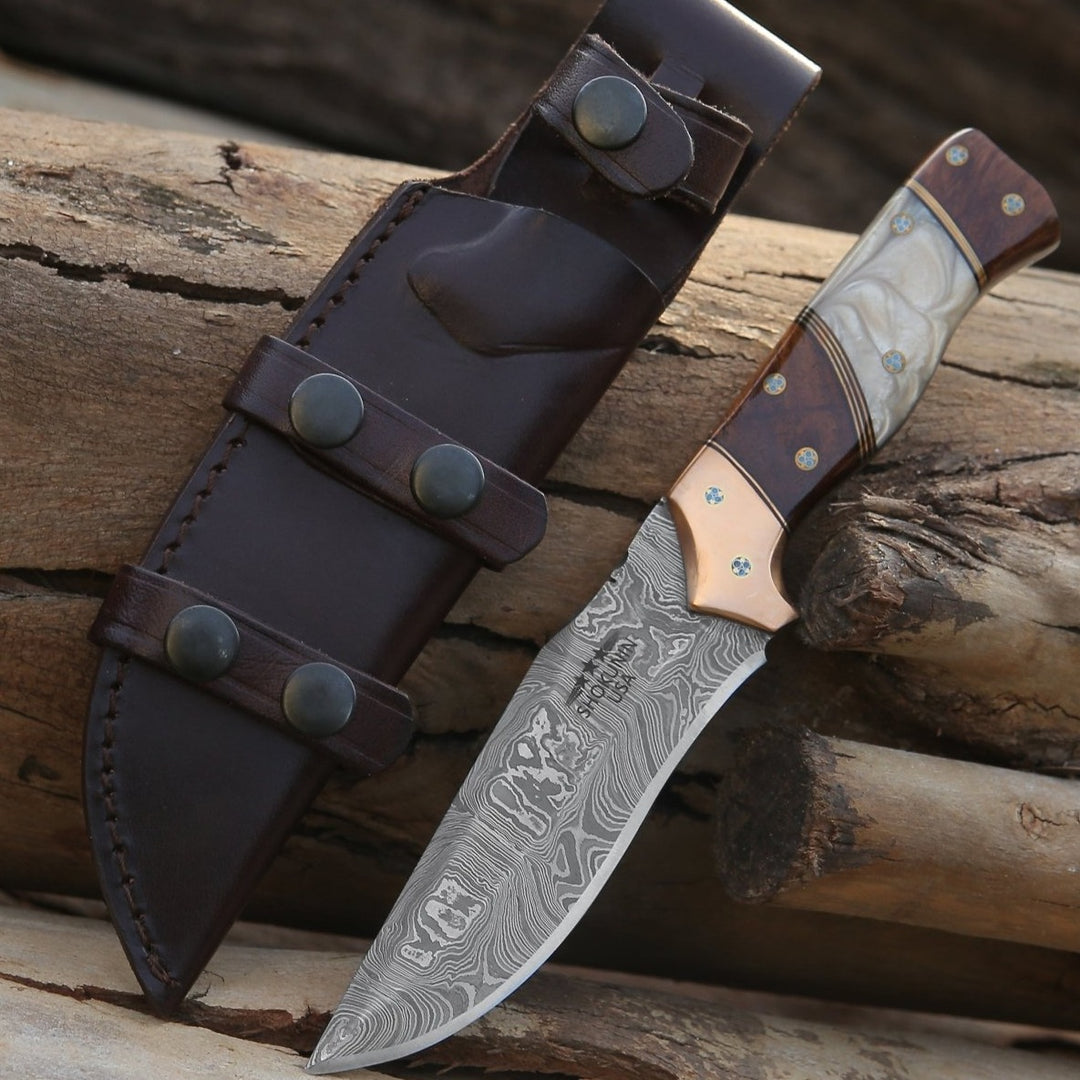
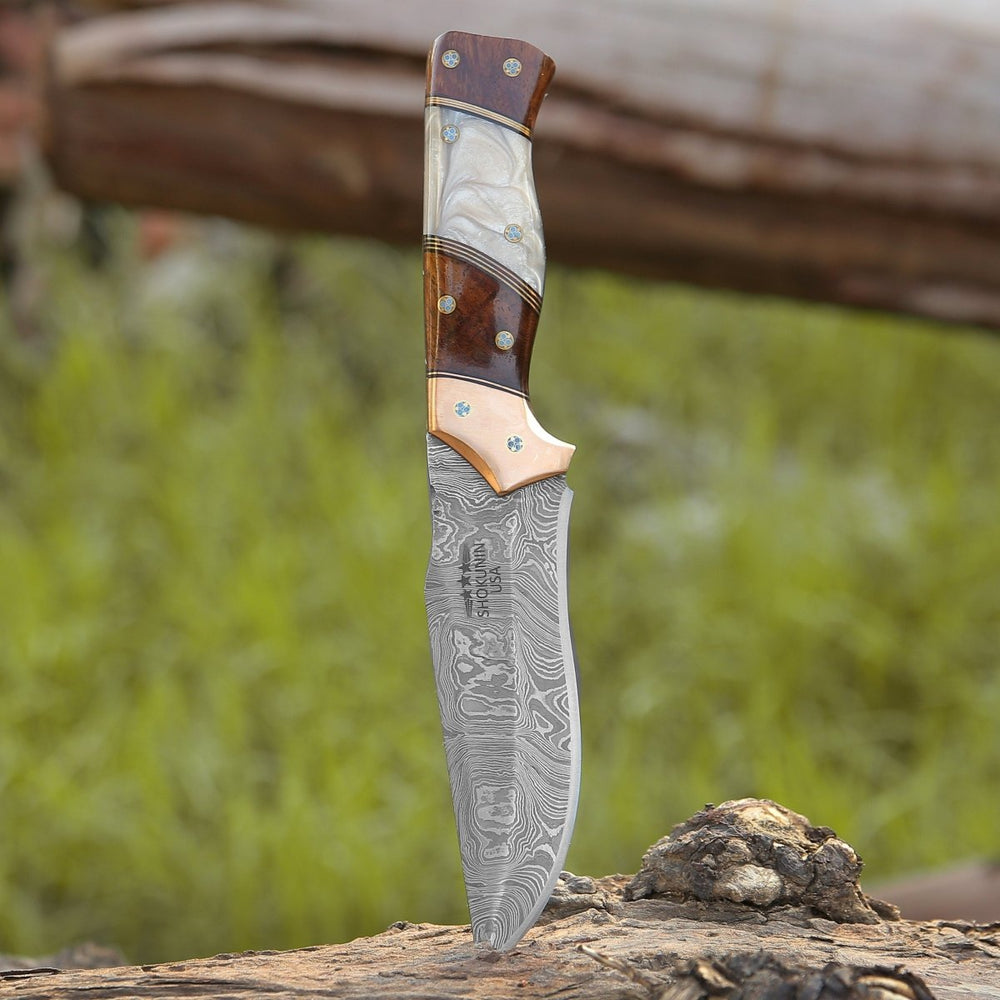
Damascus Steel
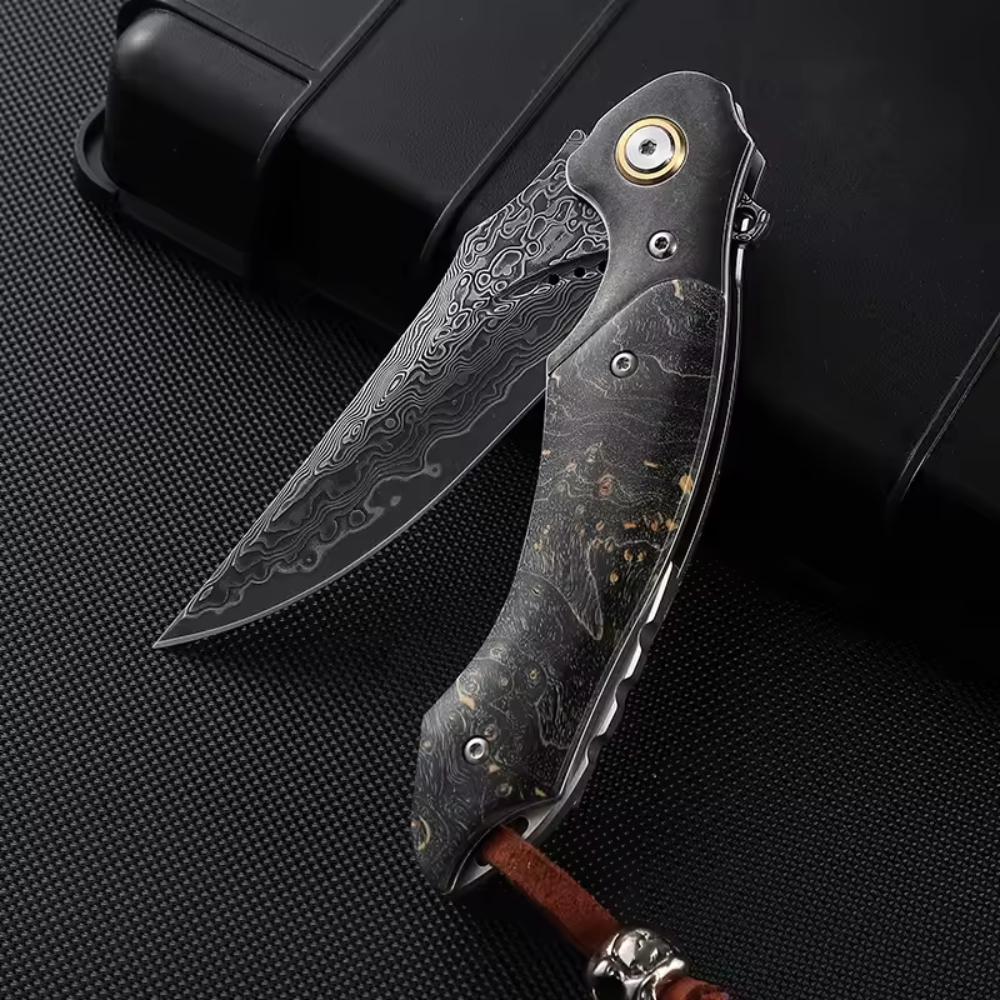
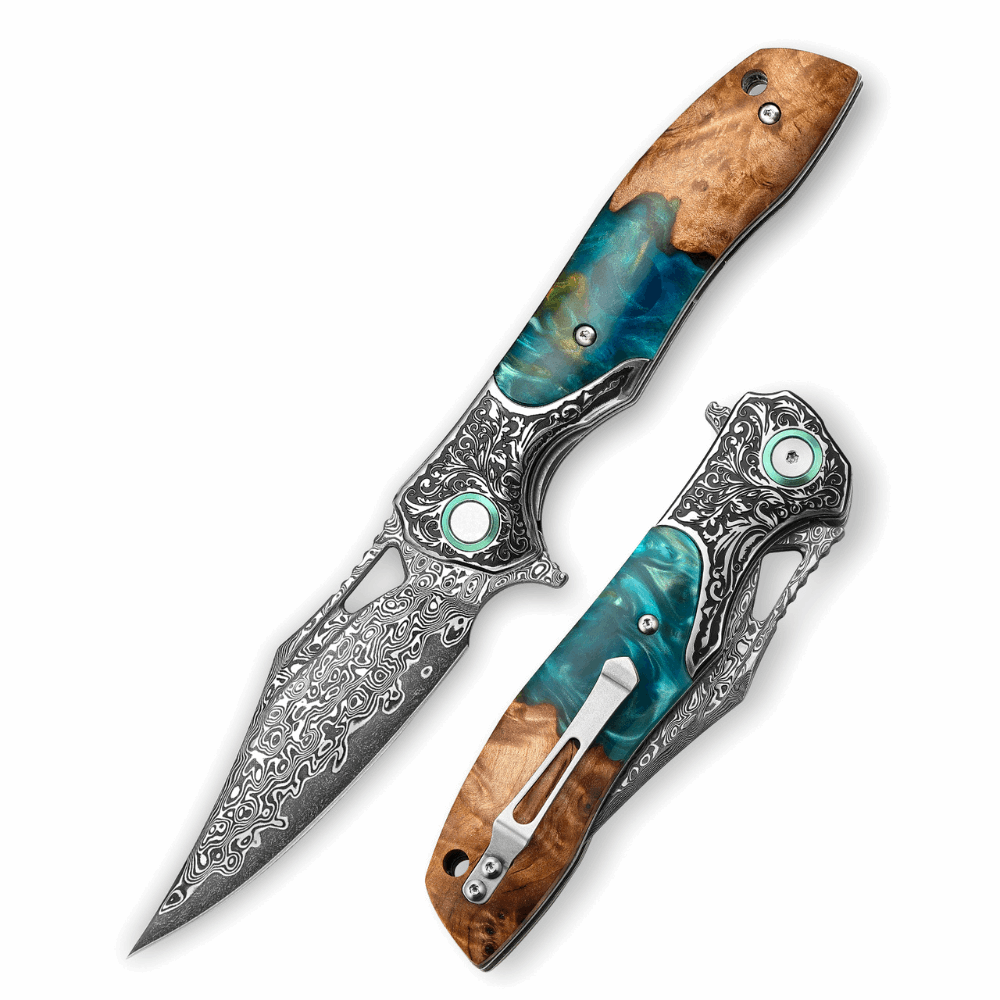
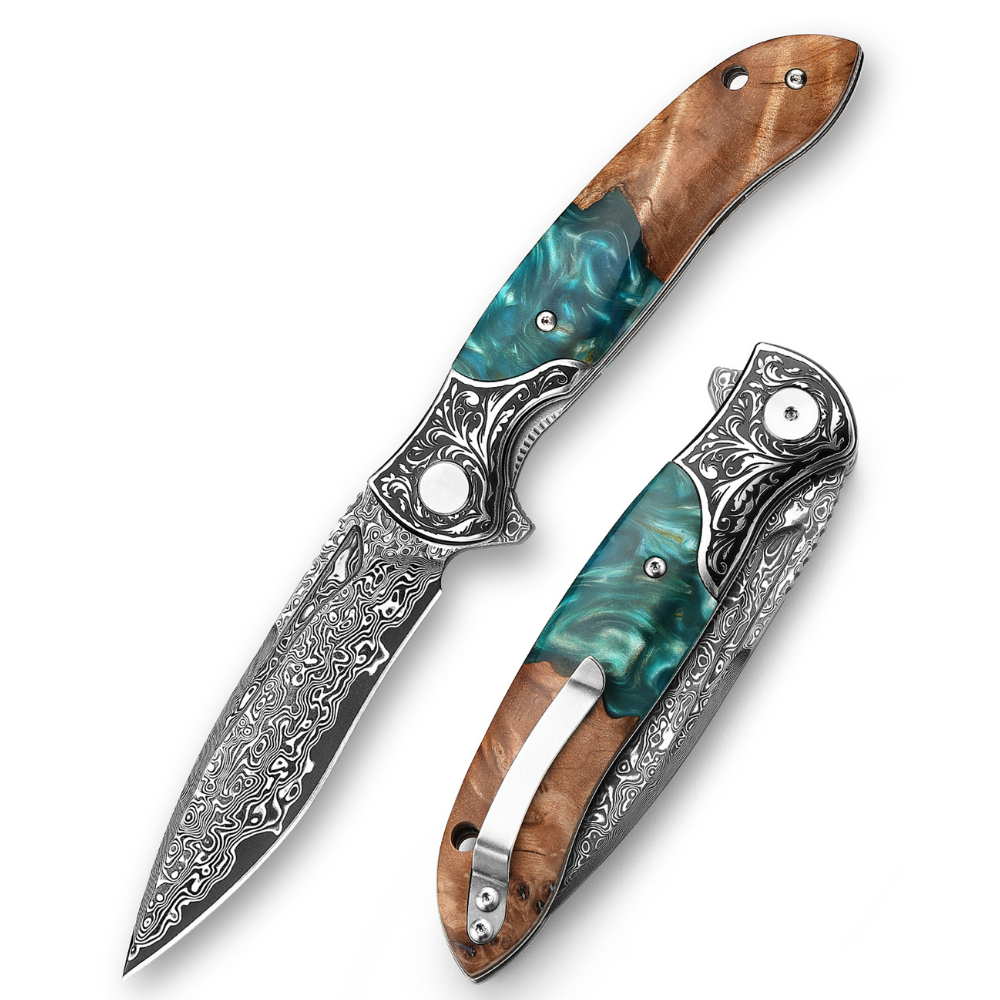
Damascus steel is celebrated not only for its striking visual patterns but also for its remarkable combinations of strength and sharpness. This material often incorporates various types of steel layered together. A VG10 Damascus knife, for instance, utilizes different steel types to create a beautifully patterned blade with exceptional cutting performance.
- Advantages: Strong, sharp, and has excellent edge retention.
- Disadvantages: Can be more expensive than other options.
Ceramic Blades
Ceramic blades are lightweight and maintain a sharp edge for a longer period compared to metal blades. However, they are prone to chipping if dropped or mishandled.
- Advantages: Extremely sharp and resistant to corrosion.
- Disadvantages: Brittle and may chip if not handled carefully.
How to Select the Right Knife Blade
Choosing the right knife blade depends largely on the intended use. Here are some tips to consider:
- Purpose: Define the primary tasks you will perform with the knife. Will it be for culinary use or outdoor activities?
- Material: Consider which material suits your needs. Damascus steel, for instance, is ideal for those seeking beauty and performance.
- Blade Shape: Determine the most comfortable blade shape for your use, whether you prefer a drop point for versatility or a serrated edge for specific tasks.
- Budget: Set a budget range. High-quality materials like VG10 Damascus knives tend to be on the pricier side, but they offer long-term benefits.
Maintenance Tips for Knife Blades
Proper maintenance can extend the life of your knife blades significantly. Here are some essential care tips:
- Regular Cleaning: Always clean your knives immediately after use. Hand wash with soap and water, then dry thoroughly.
- Sharpening: Regularly sharpen your knives to ensure optimal performance. Use a whetstone or honing rod to maintain the blade's edge.
- Storage: Store knives in a safe place, such as a knife block, magnetic strip, or sheaths to prevent dulling.
- Oiling: For high carbon and Damascus steel knives, apply food-grade mineral oil to prevent rust or drying out.
A World of Possibilities Awaits
Understanding the various types of knife blades and their materials equips you with the knowledge to select the ideal knife for any task. Whether you lean towards the strength of a VG10 Damascus knife or the classic appeal of a high-carbon blade, honest evaluations based on your needs can lead you to the perfect choice.
As you explore the vibrant world of knives, consider what features matter most to you: ease of maintenance, cutting performance, or unique aesthetics. With the right blade type, you'll find yourself better equipped and more confident, whether you are in the kitchen, the woods, or on a hunting expedition. So get out there, make the most out of your knife experience, and let every slice, chop, and cut elevate your skills to new heights!
Frequently Asked Questions
1. What are the common types of knife blades?
2. What is the importance of knowing knife blade types?
3. What materials are commonly used for knife blades?
4. How can I maintain my knife blades?
5. How do I choose the right knife blade?
Glossary
| Term | Meaning |
|---|---|
| Drop Point Blade | Features a convex curve for strength, ideal for piercing and slicing. |
| Clip Point Blade | Has a concave edge for sharp piercing, common in hunting knives. |
| Tanto Blade | Angular tip for penetrating tough materials, used in tactical scenarios. |
| Spear Point Blade | Symmetrical shape for thrusting, suitable for combat and tactical use. |
| Straight Edge Blade | Versatile and easy to sharpen, ideal for culinary tasks. |
| Serrated Blade | Jagged edge for cutting tough materials like bread and rope. |
| High Carbon Steel | Holds a sharp edge but requires maintenance to prevent rust. |
| Stainless Steel | Corrosion-resistant, easy to maintain but may need frequent sharpening. |
| Damascus Steel | Strong, sharp, with unique patterns, offers excellent edge retention. |
| Ceramic Blades | Lightweight and sharp, but can chip if mishandled. |
Linked Product

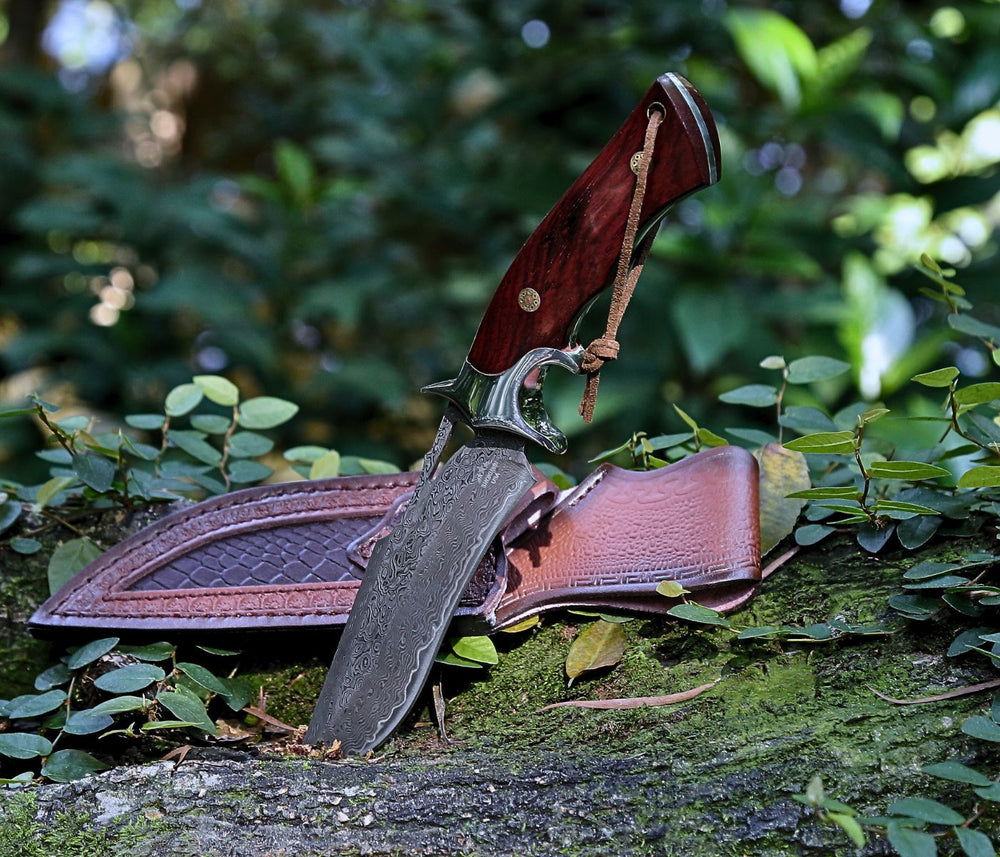
Dominator Japanese VG10 Damascus Pocket Knife with Sandalwood Handle & Sheath
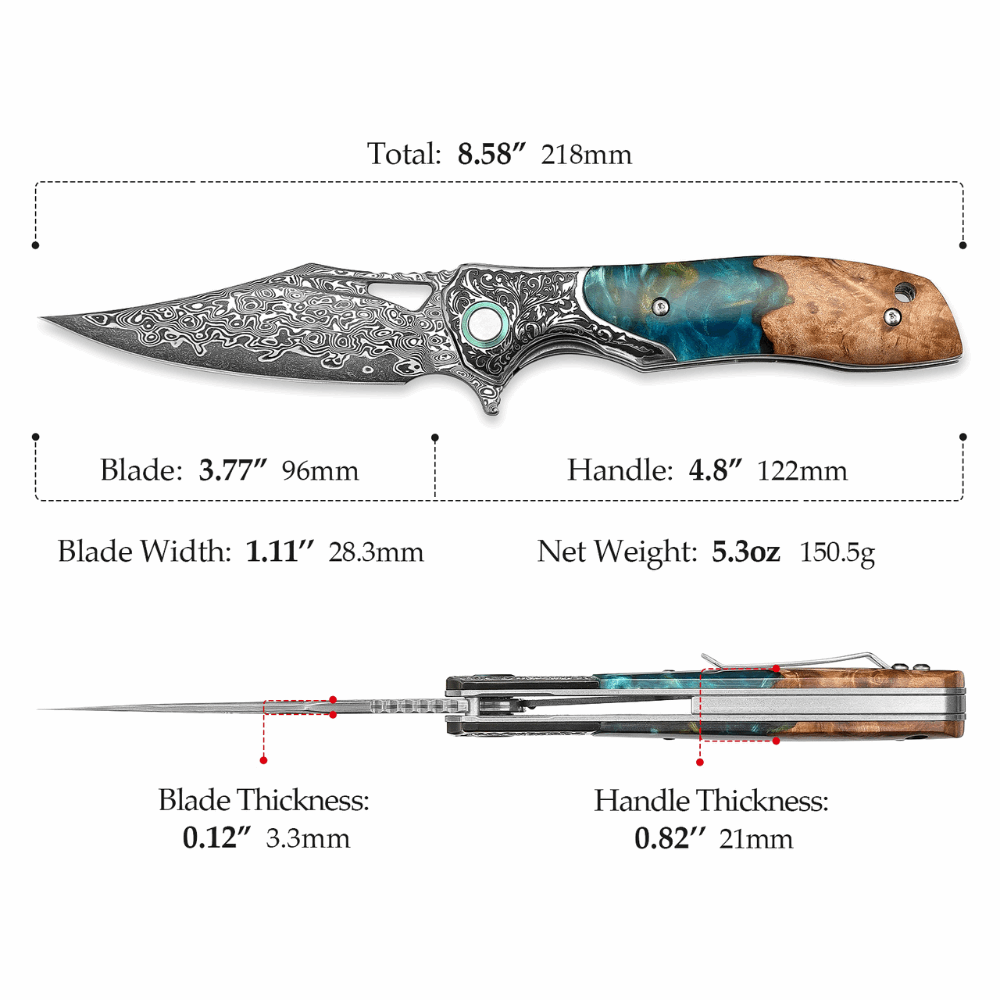
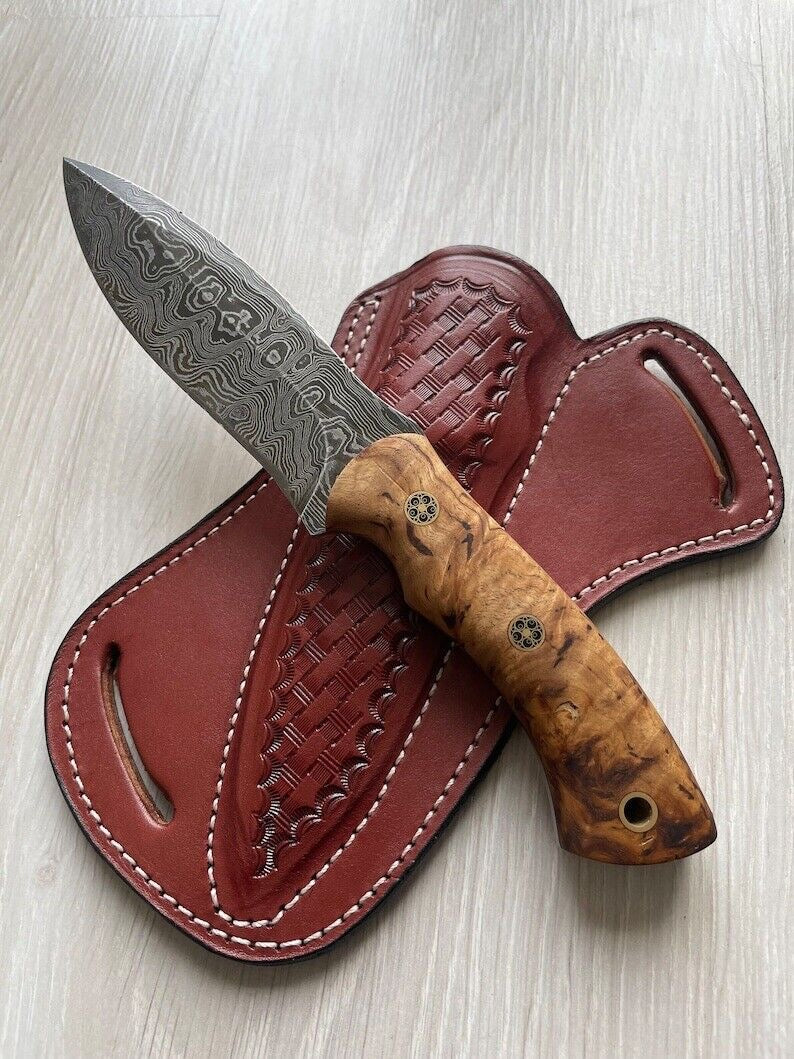
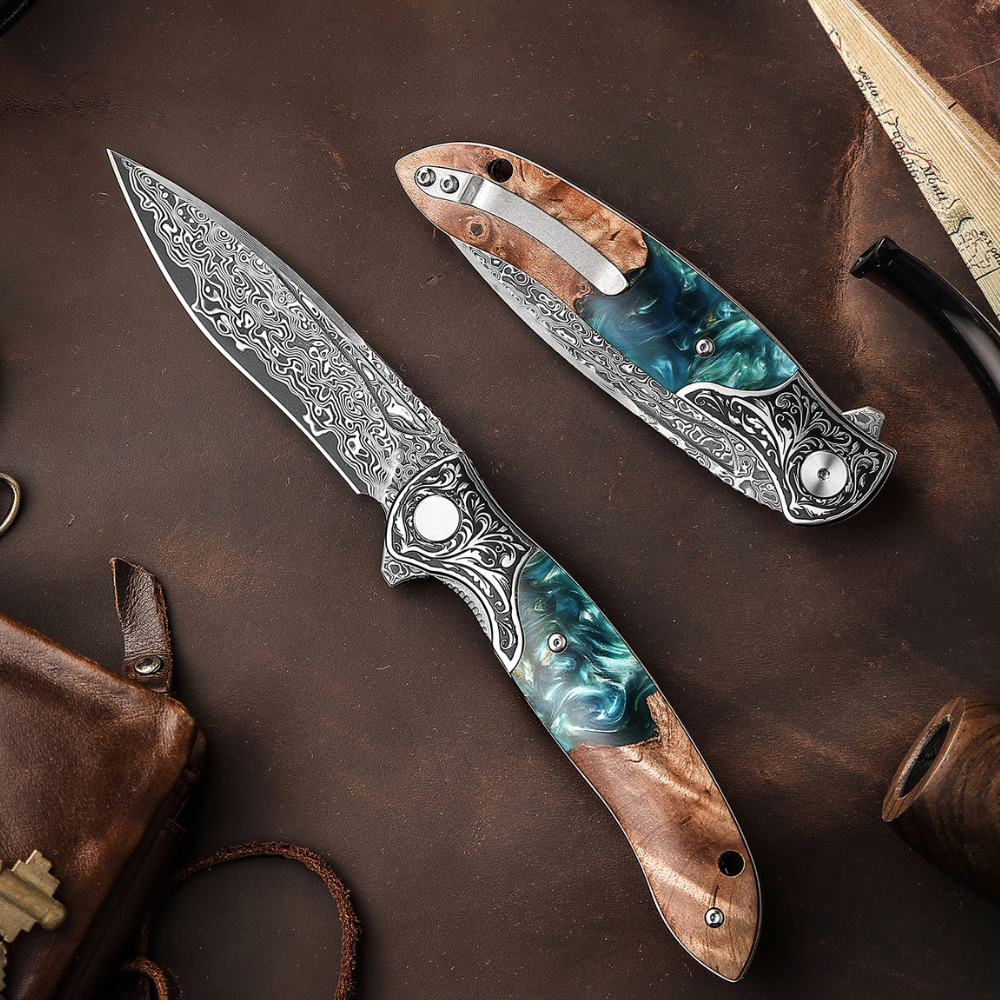
The Dominator Japanese VG10 Damascus Pocket Knife features a unique hand-forged Damascus steel blade, providing exceptional sharpness and edge retention. Its ergonomic sandalwood handle ensures comfort during use, while the included leather sheath offers convenient storage and portability. This knife is designed for both aesthetic appeal and practical functionality, making it suitable for everyday tasks or as a collector's item.
View Product








Dejar un comentario