

Overview
Using knives safely is essential for anyone involved in cooking, crafting, or outdoor activities. By mastering proper handling, storage, and usage techniques, you can significantly reduce the risk of injury and extend the life of your tools. Implementing straightforward safety practices not only enhances your efficiency but also transforms your knife experience into a safer and more enjoyable one.
Table of Contents
- The Importance of Knife Safety
- Understanding Different Types of Knives
- Pocket Knives
- Chef’s Knives
- Utility Knives
- Best Practices for Knife Safety
- 1. Always Cut Away from Your Body
- 2. Use the Right Cutting Surface
- 3. Keep Your Knives Sharp
- 4. Store Knives Properly
- 5. Handle Knives with Care
- Special Considerations for Specific Knives
- Care and Maintenance of 1095 Steel Blade Knives
- Incorporating Knife Safety into Daily Life
- The Role of Personalization in Knife Culture
- Slice Through the Risks with Awareness
Key Takeaways
- Always cut away from your body to minimize the risk of accidental cuts.
- Use a stable cutting surface, such as wooden or plastic cutting boards, to prevent slips.
- Keep knives sharp to reduce the force needed for cutting, which lowers the risk of slipping.
- Store knives properly using knife blocks, magnetic strips, or sheaths to protect blades and prevent injuries.
- Handle knives with care and remain focused on the task to avoid distractions and accidents.
- Regularly clean and oil 1095 steel blade knives to prevent rust and maintain their condition.
- Educate others about knife safety to foster a safer environment in shared spaces.
Knife safety is a crucial skill for anyone who uses knives, whether for culinary, outdoor, or crafting purposes. Understanding the proper methods of handling, storing, and using knives can prevent accidents and ensure a safe experience. In this guide, we will delve into the best practices for knife safety while exploring the unique characteristics of knives like the 1095 steel blade knife and pocket knives. Safe practices will not only keep you safe but also prolong the life of your precious tools.
The Importance of Knife Safety
Every year, thousands of people are injured while using knives, often due to a lack of proper safety knowledge. Understanding the risks associated with knife use and implementing safety practices can significantly reduce the chance of injury. Here are just a few reasons why knife safety is paramount:
- Prevention of Injury: Knife-related injuries are often severe. Proper safety practices can help protect you and those around you.
- Enhances Efficiency: Knowing how to use knives correctly can improve your efficiency in tasks that require cutting, whether you are prepping food or embarking on a DIY project.
- Increases Lifespan of Tools: Using and caring for your knives correctly will help maintain their condition, prolonging their service life and performance.
Understanding Different Types of Knives
While the focus of this article is on safety, it’s essential to understand that knives come in various types, each serving its purpose. Let's take a brief look at some popular types:
Pocket Knives
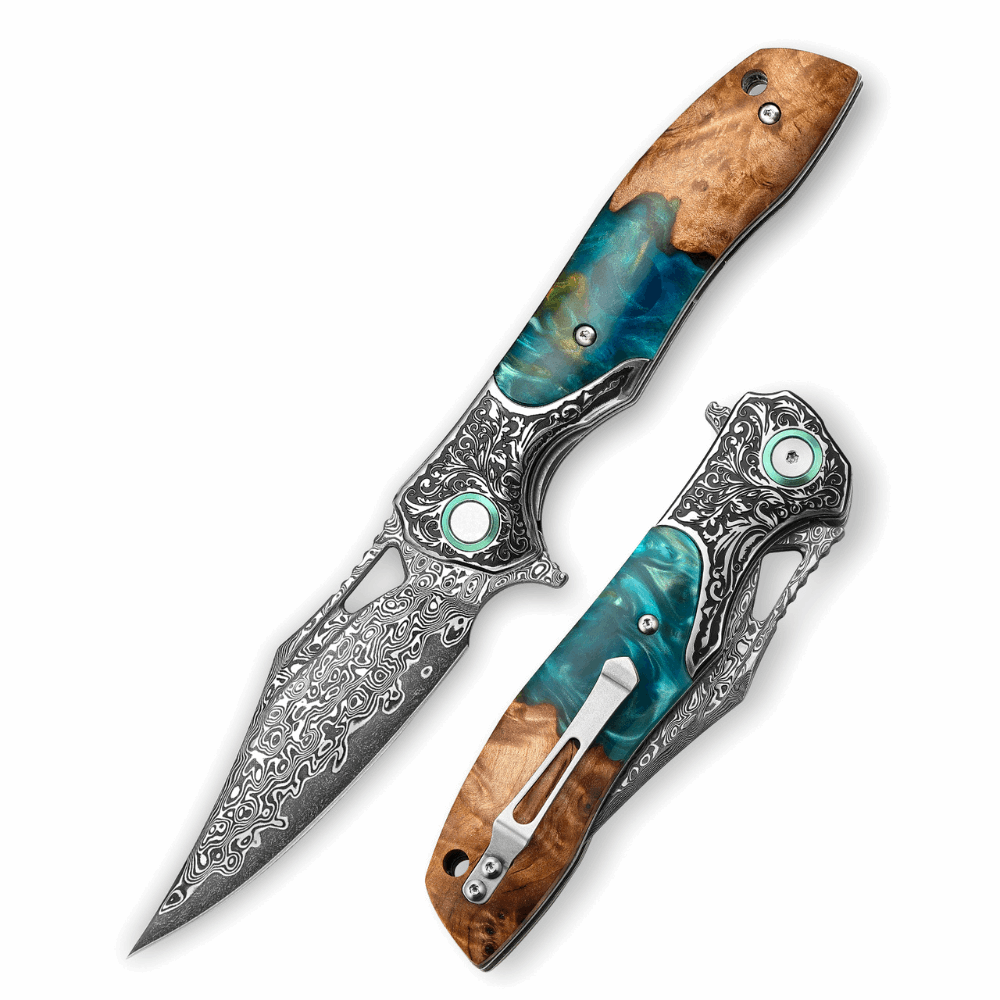
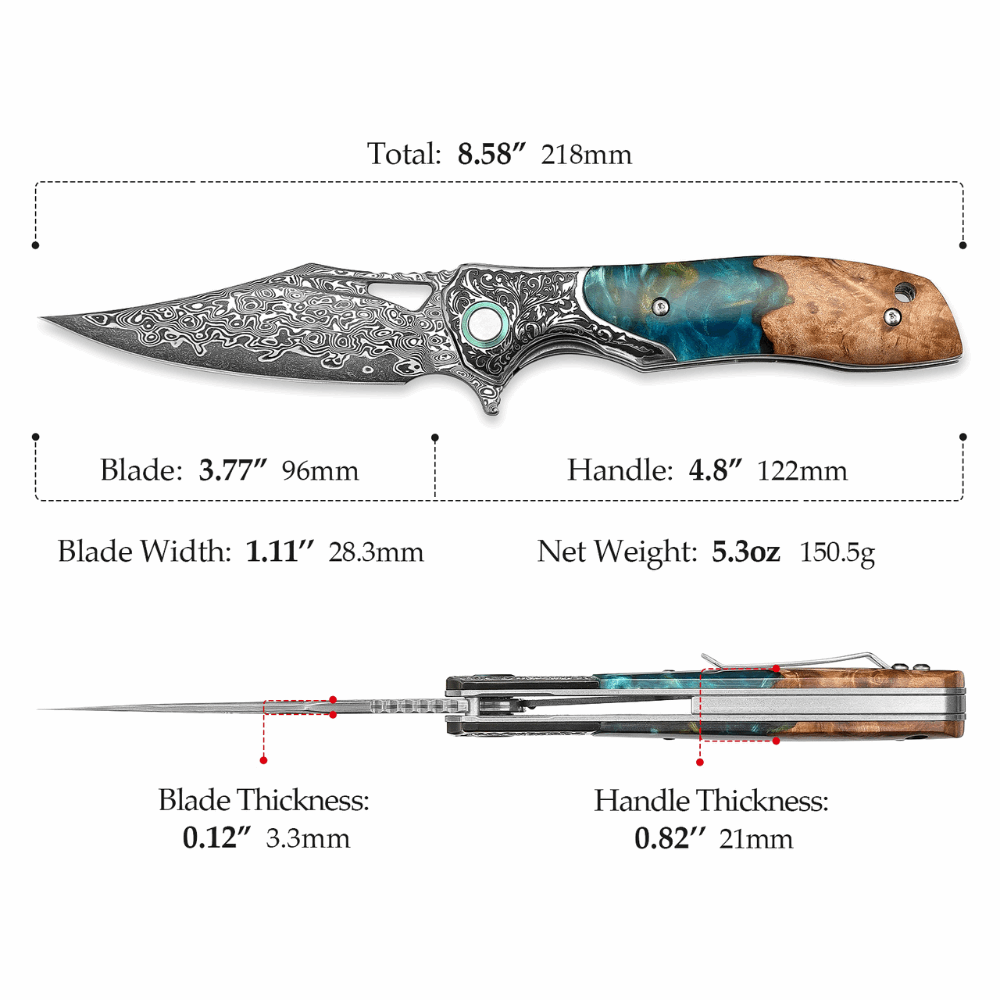
Pocket knives are versatile tools that can be used for everyday tasks, outdoor activities, and emergencies. They are designed to be portable and typically feature folding blades, making them easy to carry. When selecting a pocket knife, consider options like those with high-quality materials such as a 1095 steel blade knife for reliability and durability.
Chef’s Knives
The chef's knife is the workhorse of the kitchen. It’s essential to understand how to use this tool correctly to ensure safety and efficiency. Proper grips, techniques, and cutting surfaces are critical for maximizing the utility of a chef's knife.
Utility Knives
Utility knives have replaceable blades and are typically used for cutting tasks that don’t require a heavy-duty blade. Knowing how to switch out the blades safely is an important aspect of utility knife usage.
Best Practices for Knife Safety
1. Always Cut Away from Your Body
One of the fundamental rules of knife safety is to always cut away from your body. This prevents accidental cuts if the knife slips or if you lose control. Structure your workspace so that you can comfortably and safely engage with the knife without putting your body in the line of the blade.
2. Use the Right Cutting Surface
Using a stable and appropriate cutting surface is crucial for safety. Wooden or plastic cutting boards are generally preferred as they provide a non-slip surface and are easier on your knife's edge compared to glass or metal surfaces. Ensuring that your surface is clean and dry can significantly reduce the risk of slips and accidents.
3. Keep Your Knives Sharp
A dull knife is often more dangerous than a sharp one. Dull knives require more force to cut through materials, which increases the likelihood of slipping and causing injury. Consider regularly sharpening your knives or utilizing professional sharpening services to maintain edge sharpness. Knowing how to use a pocket knife sharpener effectively is also key. For instance, ensure you follow the manufacturer’s instructions and utilize the proper angle to achieve the best results.
4. Store Knives Properly
Storing knives correctly is vital for safety and longevity. Keep knives in a designated section of your kitchen or workspace and avoid cluttering them with other utensils. Consider using knife blocks, magnetic strips, or sheaths to ensure blades remain covered when not in use, reducing the risk of accidental cuts.
5. Handle Knives with Care
Always practice caution when handling knives. When passing a knife to someone, ensure you hand it to them with the handle facing toward them and remain aware of your own hand positioning. Avoid distractions and focus entirely on the task at hand when using knives.
Special Considerations for Specific Knives
While the general practices outlined above apply universally, certain knives, like a 1095 steel blade knife, may have additional care and handling considerations due to their specific materials and features. Here are some aspects to consider:
Care and Maintenance of 1095 Steel Blade Knives
1095 steel is celebrated for its toughness and edge retention. However, it is also prone to rusting if not cared for properly. Here are some tips to maintain your 1095 steel blade knife:
- Regular Cleaning: Ensure you clean the blade after each use. It’s crucial to remove moisture, food residue, and other contaminants that can cause corrosion.
- Oiling: Consider applying a light coat of mineral oil to the blade after cleaning to protect it from moisture during storage.
- Avoiding Excessive Force: Always respect the limitations of your knife; avoid using a 1095 steel blade knife for tasks it is not designed for.
Incorporating Knife Safety into Daily Life
Integrating knife safety practices into your daily routine can significantly improve both your cooking experience and overall safety. Consider these strategies for consistent implementation of knife safety:
- Establish a Safety Ritual: Begin each knife-related task with a quick review of your safety practices. This can include checking your workspace, ensuring your knives are sharp, and reminding yourself of the cutting techniques to employ.
- Educate Others: If you share your kitchen or workspace, take the time to educate others about knife safety. This helps create a safer environment for everyone involved.
- Stay Alert: Avoid multitasking or rushing when using knives. Focus entirely on the task at hand to minimize risks.
The Role of Personalization in Knife Culture
Knife culture can be highly personal. Knives like handmade custom pocket knives offer personalization options such as engravings, which can make them a cherished tool for many. Personalizing a knife not only creates a unique item but often fosters a deeper connection to the tool. Here’s how personalization plays a role in knife culture:
- Sending a Message: Personalized knives can carry messages, names, or designs that mean something to the owner, serving as more than a practical tool but a keepsake.
- Connecting with Tradition: Many craftsmen and knife makers put their soul into creating knives that carry stories. Personalized knives often reflect an aspect of the owner’s identity or heritage.
- Enhancing Value: A personalized knife can hold more value than a standard model, often being handed down from generation to generation, carrying sentimental significance.
Slice Through the Risks with Awareness
Knife safety doesn't have to be complicated. By adopting a few straightforward practices and fostering a culture of awareness, you can ensure that your experiences with knives, whether using a reliable 1095 steel blade knife or a reliable pocket knife, are enjoyable and accident-free. Remember that a well-cared-for knife is not just a tool; it’s a part of your culinary or outdoor journey. Stay sharp, stay safe, and enjoy the art and utility that knives can bring to your life.
Frequently Asked Questions
1. What is the importance of knife safety?
2. What are some best practices for knife safety?
3. What types of knives are mentioned in the article?
4. How should I maintain a 1095 steel blade knife?
5. How can I incorporate knife safety into my daily routine?
Glossary
| Term | Meaning |
|---|---|
| Knife Safety | Practices to prevent injuries while using knives. |
| Pocket Knife | A portable, folding knife for everyday tasks. |
| Chef's Knife | A versatile kitchen knife for various cutting tasks. |
| Utility Knife | A knife with replaceable blades for light cutting tasks. |
| 1095 Steel | A tough steel known for edge retention, prone to rust. |
| Cutting Surface | A stable surface for safe and effective cutting. |
| Knife Block | A storage solution for keeping knives organized and safe. |
| Dull Knife | A knife that requires more force to cut, increasing injury risk. |
| Personalization | Customizing knives to enhance their sentimental value. |
Linked Product

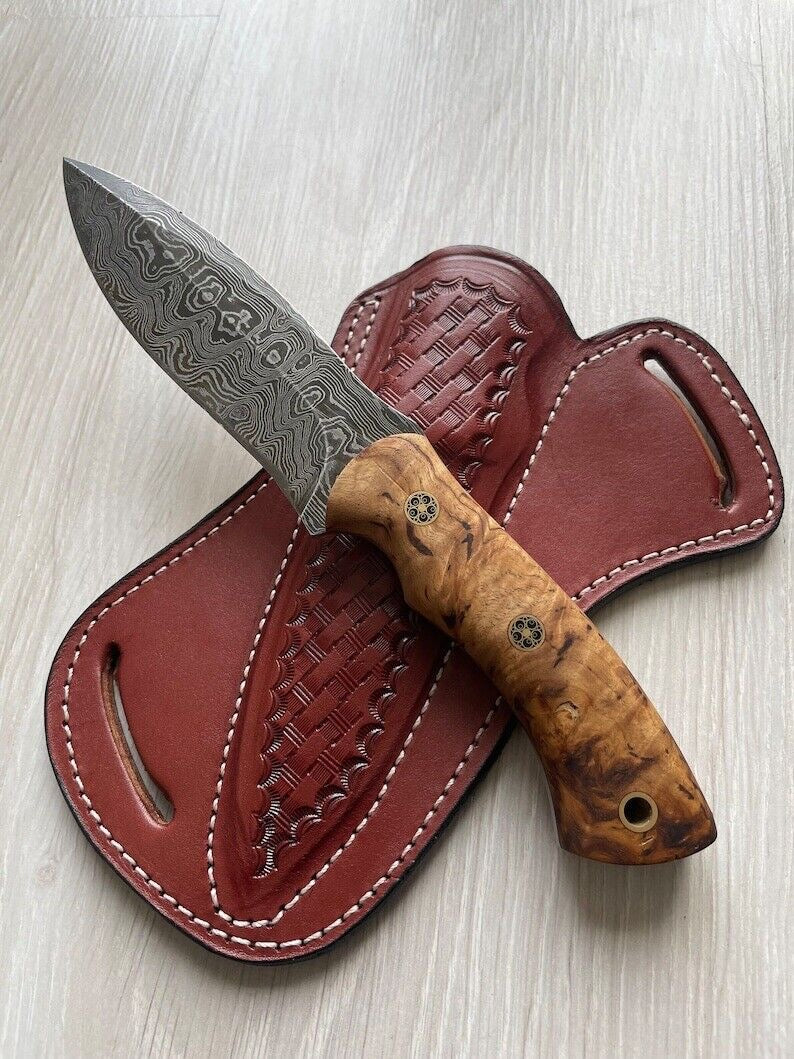
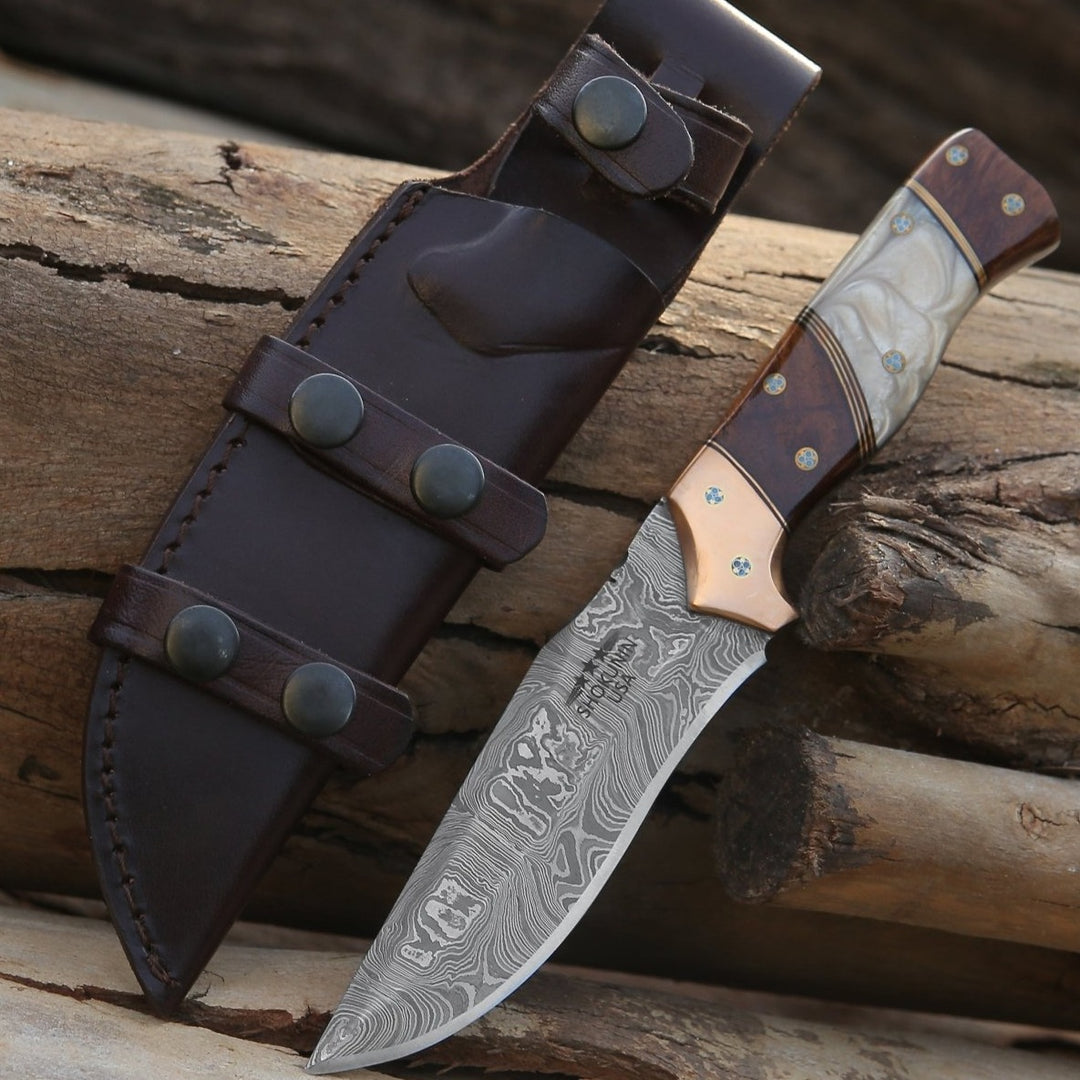
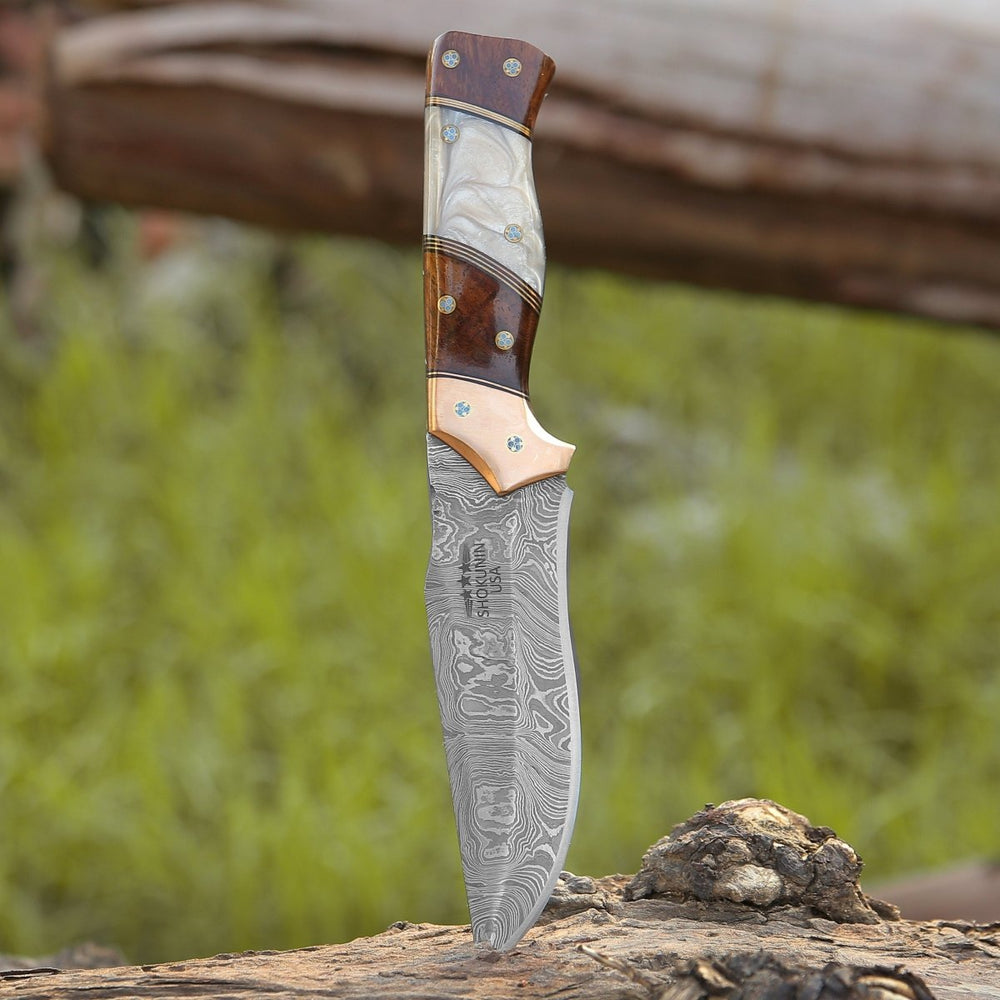
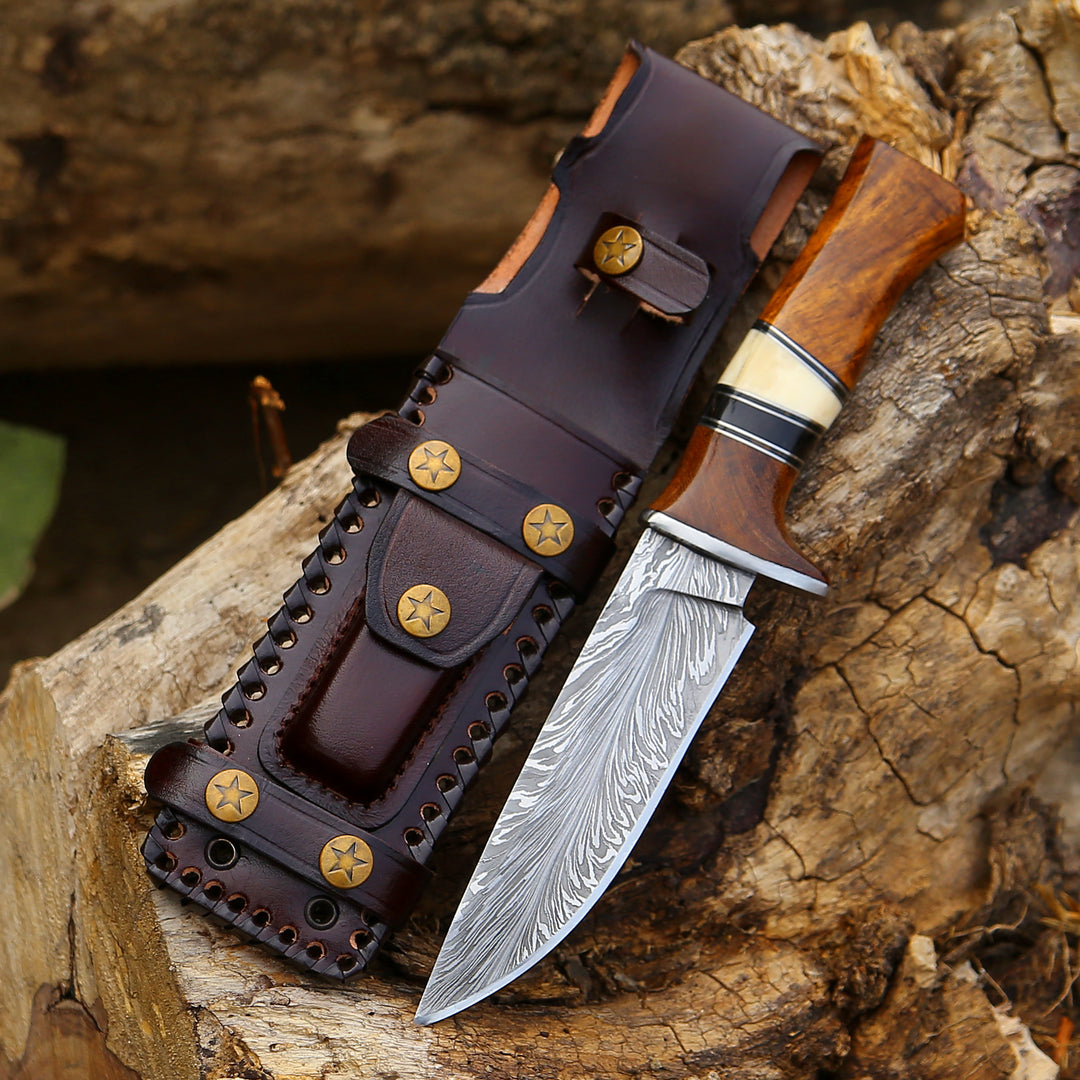
Handmade Custom Pocket Knife with Diamond Wood Handle & Sheath Personalized
you to create a unique, personalized touch to the knife, making it suitable for gifts or special occasions. The handmade design features a durable 1095 steel blade and an ergonomic diamond wood handle, providing a comfortable grip and reliable edge performance for everyday cutting tasks, camping, or outdoor activities. The included leather sheath and pocket knife sharpener enhance its practicality for on-the-go use and maintenance.
View Product









Dejar un comentario