

Overview
This article explores the intricate relationship between artistry and functionality in knife design, highlighting how a well-crafted knife can enhance the culinary experience. Readers will learn about the evolution of knives from practical tools to collectible art pieces, the significance of materials like Damascus steel, and the importance of ergonomic design. By understanding these elements, both chefs and home cooks can appreciate the beauty and utility of their kitchen companions.
Table of Contents
- The History of Knife Design
- From Functional Tools to Art Pieces
- Understanding the Beauty of Damascus Steel
- Craftsmanship and Quality
- Functionality: More Than Just a Sharp Blade
- Ergonomic Designs
- The Intersection of Art and Function
- Custom Engraved Knife: Personalizing Your Culinary Experience
- Collecting Artisan Knives: A Growing Trend
- Investing in Quality
- Understanding Maintenance and Care
- Design as a Source of Inspiration
- Popular Trends in Knife Design
- A World of Possibilities
- Your Perfect Culinary Companion Awaits!
Key Takeaways
- Knives as Art and Tools: Modern knives blend artistry with practicality, enhancing both functionality and aesthetic appeal in the kitchen.
- History of Knife Design: Knife design has evolved from simple stone tools to sophisticated pieces showcasing advanced metallurgy and craftsmanship.
- Damascus Steel: Renowned for its strength and unique patterns, Damascus steel knives are both functional and visually stunning.
- Ergonomic Features: Comfort and balance in knife design are crucial, with ergonomic handles reducing fatigue and improving control during use.
- Personalization: Custom engraved knives offer a unique touch, making them cherished gifts and personal keepsakes.
- Collector's Market: The trend of collecting artisan knives is growing, with enthusiasts valuing craftsmanship and unique designs.
- Maintenance is Key: Proper care, including regular sharpening and hand washing, is essential for preserving the functionality and beauty of knives.
Knives have evolved beyond mere tools for cutting; they are now a fusion of artistry and practicality. In the world of culinary endeavors, a well-designed knife can make all the difference. Today, we will delve into the fascinating intersection of art and functionality in knife design, focusing on how these attributes come together to create exceptional kitchen companions. Whether you are a professional chef, an avid home cook, or simply a knife enthusiast, understanding the balance of aesthetics and utility in knife design can enhance your culinary experience.
The History of Knife Design
Knife design has an extensive history, reflecting changes in technology, materials, and culture. Originally crafted from stone, early knives were practical tools meant for survival and food preparation. Over time, advancements in metallurgy allowed for the development of stronger and sharper blades, leading to the creation of knives that not only performed well but also showcased intricate craftsmanship.
From Functional Tools to Art Pieces
As knife-making techniques progressed, artisans began to focus on aesthetics alongside functionality. This shift marked the beginning of knives being viewed as collectibles and art pieces. Artisans started experimenting with different materials, such as exotic woods and Damascus steel, adding a layer of beauty to the core design of the knives.
Understanding the Beauty of Damascus Steel
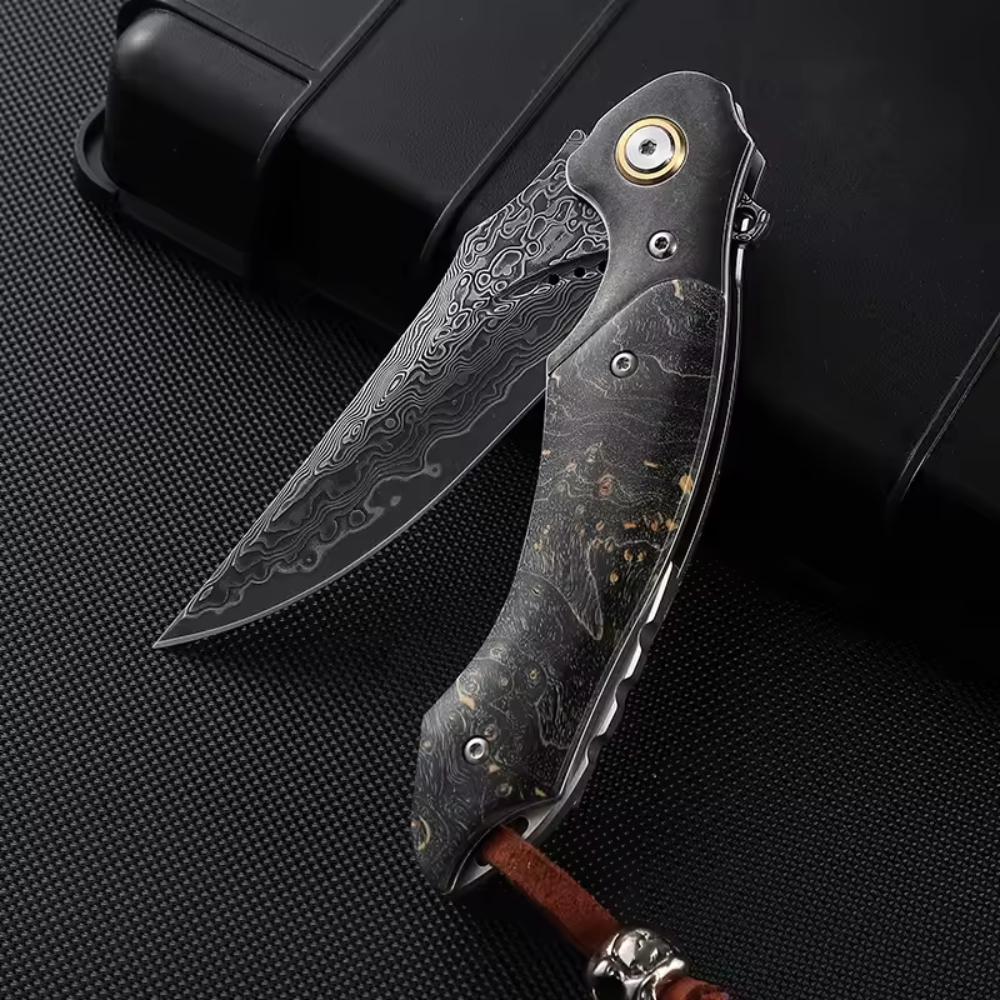
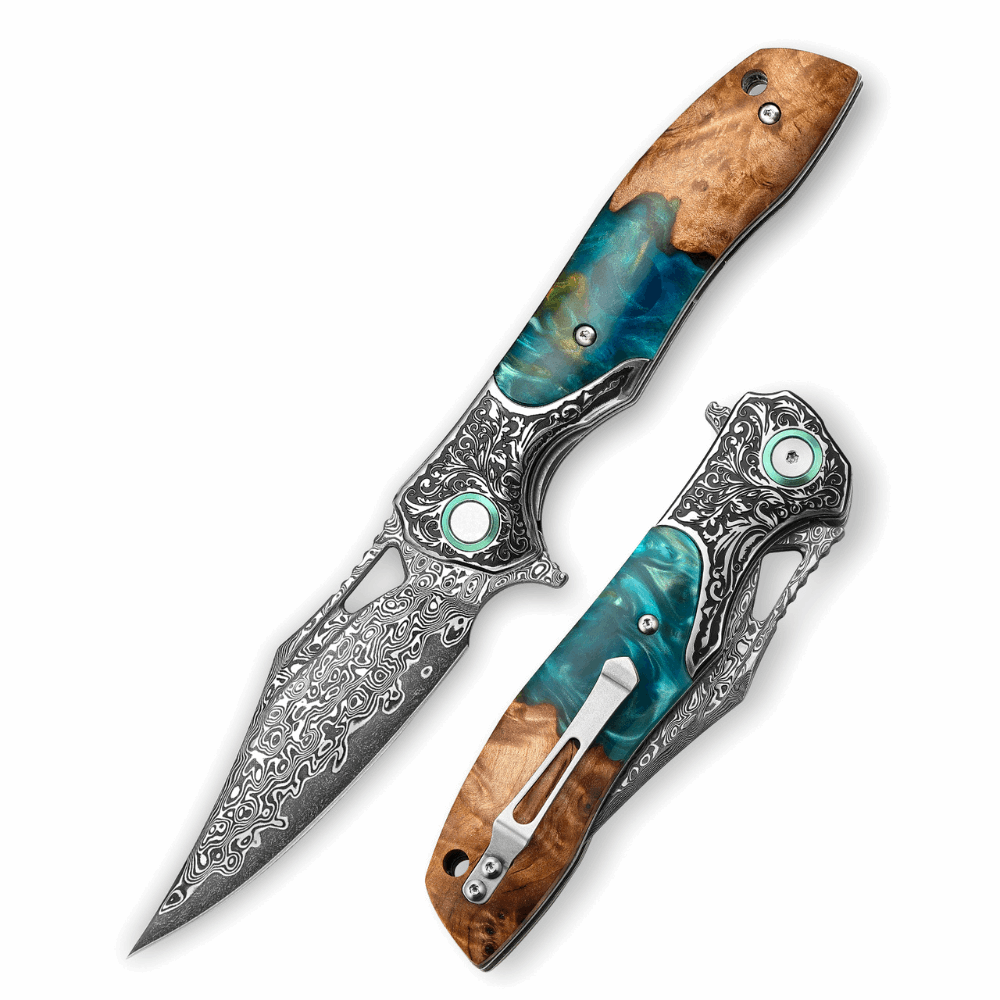
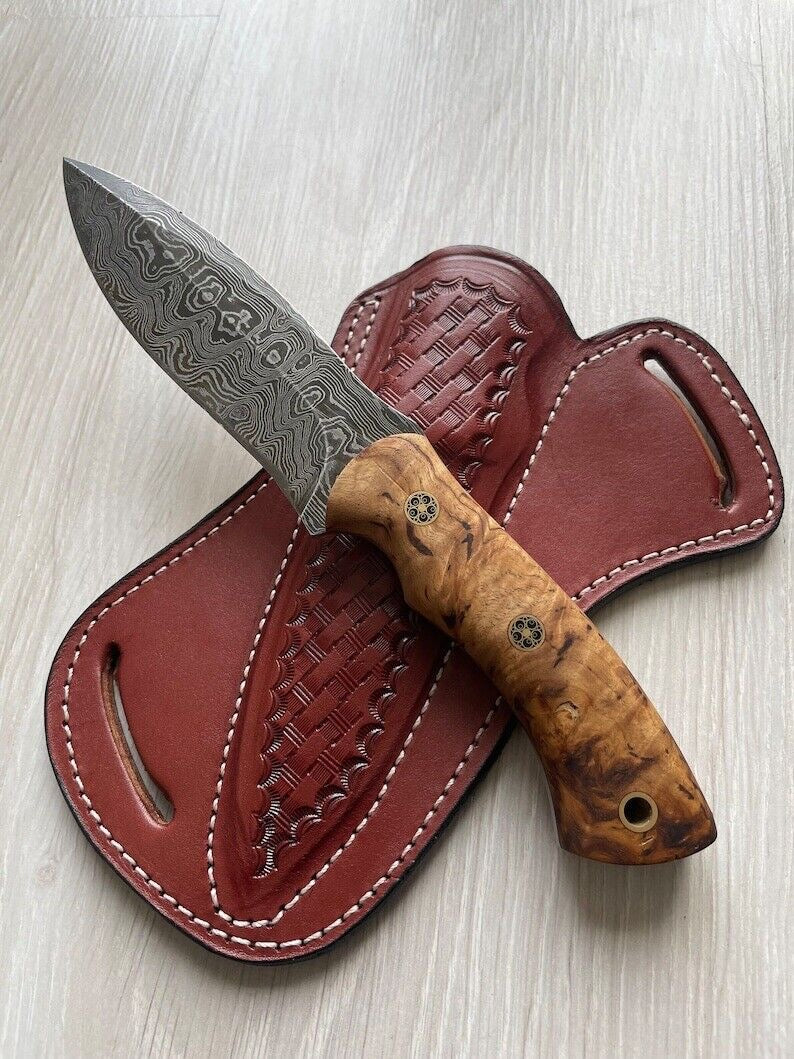
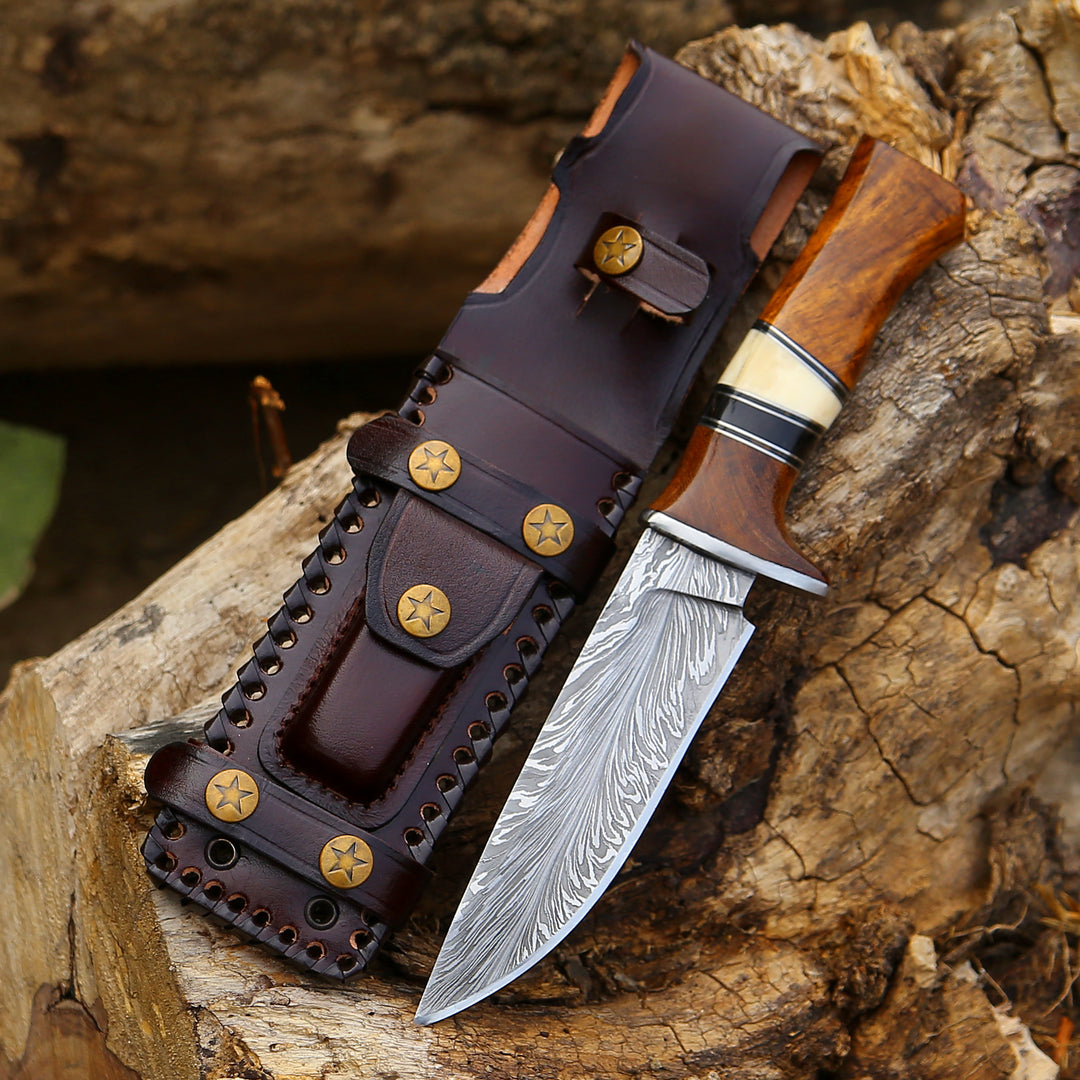
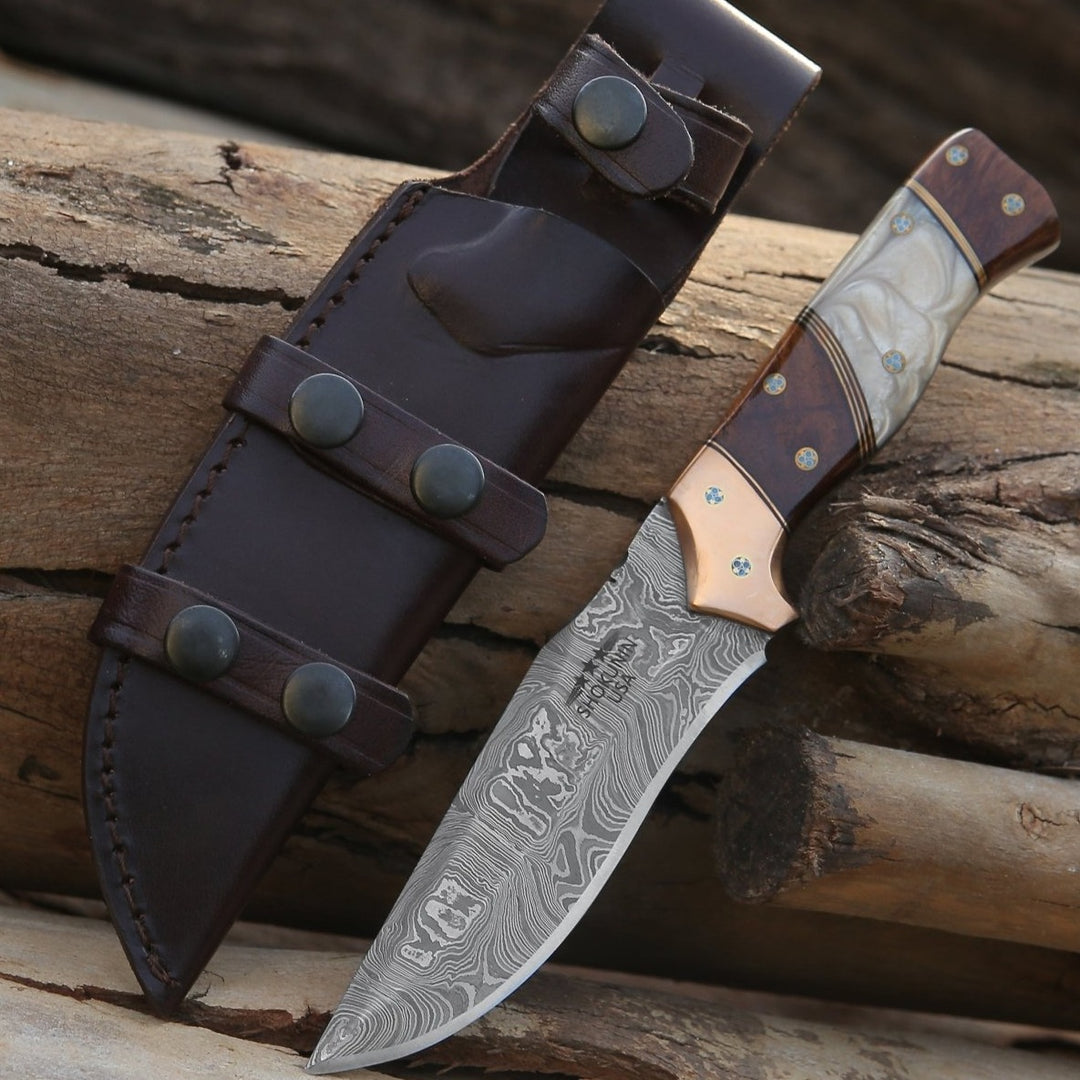
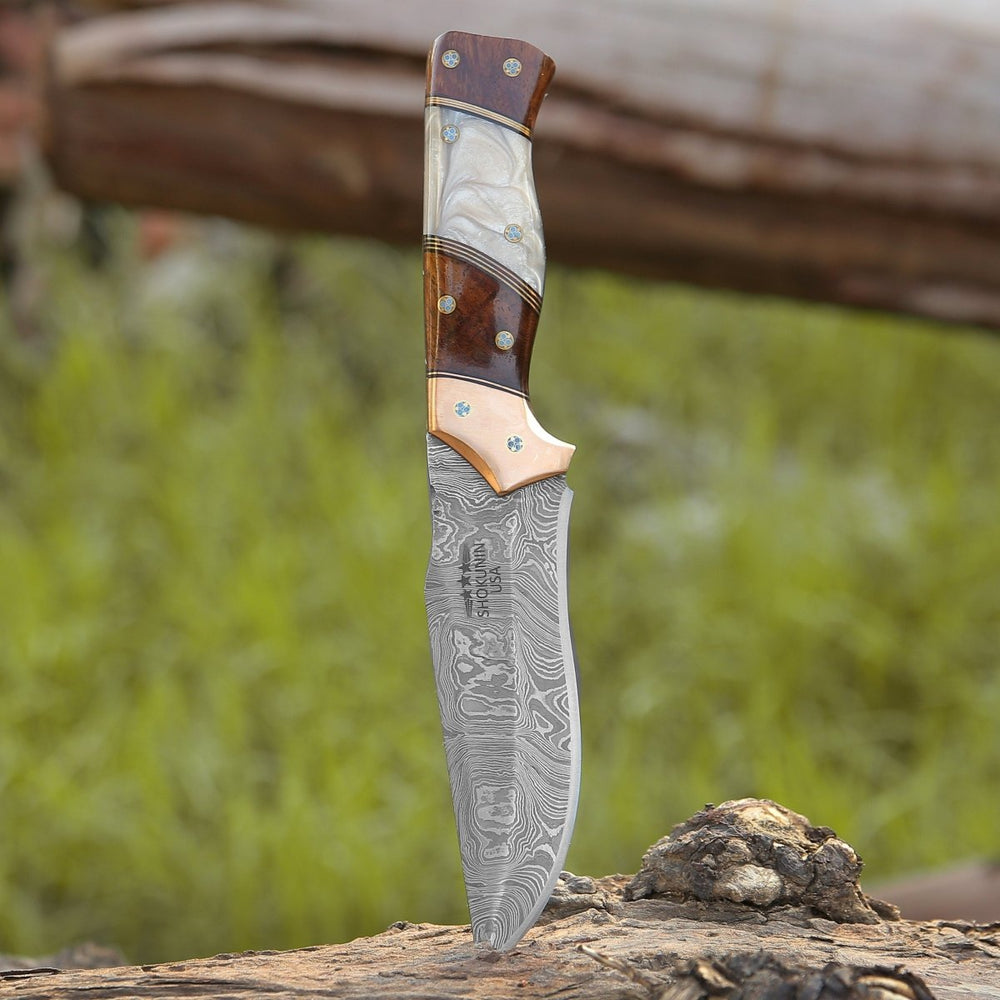
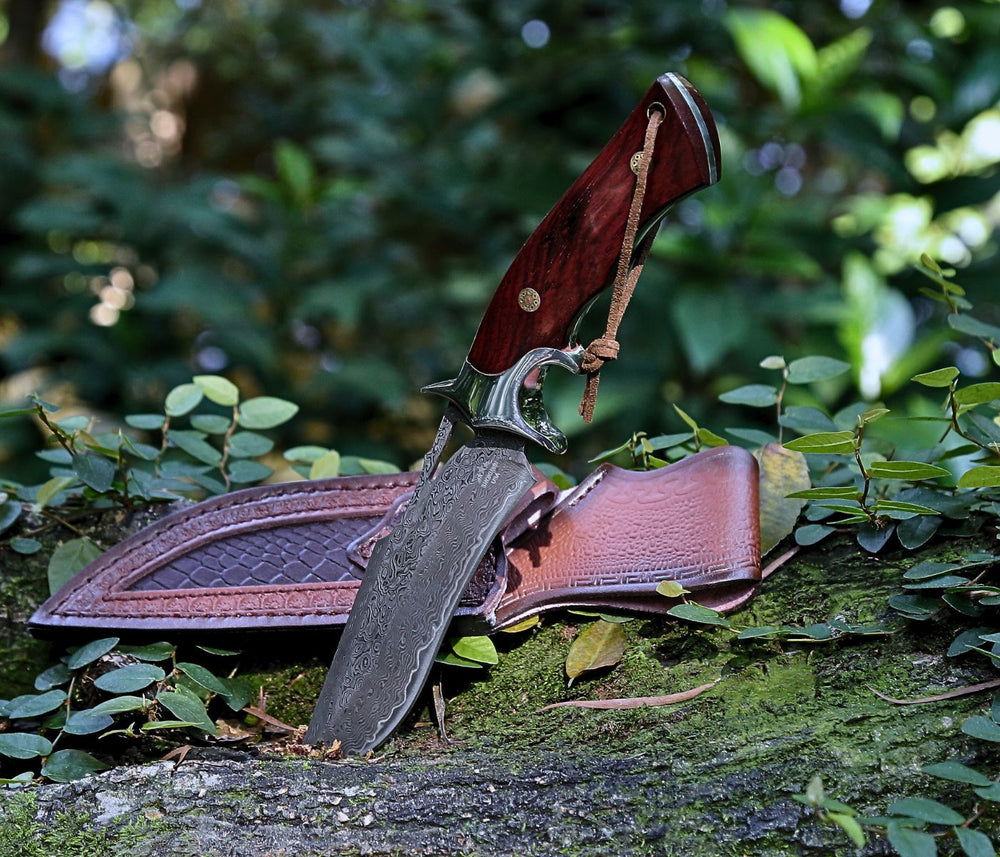
One of the most captivating materials in knife design is Damascus steel. Renowned for its incredible strength and unique visual patterns, this steel is created through a process of layering, melting, and hammering different types of steel. The resulting blades not only possess superior sharpness but also feature distinctive patterns that make each knife a true work of art.
Craftsmanship and Quality
The craftsmanship behind a Damascus steel knife is nothing short of extraordinary. Knives are meticulously hand-forged by skilled artisans who pour their expertise into each blade. The attention to detail ensures high performance, longevity, and, most importantly, a stunning aesthetic appeal. A beautifully designed knife can serve as a centerpiece in any kitchen, bridging the gap between functionality and art.
Functionality: More Than Just a Sharp Blade
Functionality in knife design involves various factors, from blade shape and material to handle comfort and balance. A knife's design should facilitate ease of use, allowing the chef to perform tasks such as dicing, chopping, and slicing with precision and efficiency.
Ergonomic Designs
Many knife designers focus on ergonomic designs to ensure that knives are comfortable to hold and use. The handle should fit comfortably in the hand, reducing finger fatigue while providing a secure grip. A well-balanced knife, where the weight is evenly distributed between the blade and handle, can greatly enhance the user's control and performance in the kitchen.
- Blade Shape: Different tasks require different blade shapes. A chef's knife typically features a curved blade for rocking motion, while a paring knife has a straight edge for precision cutting.
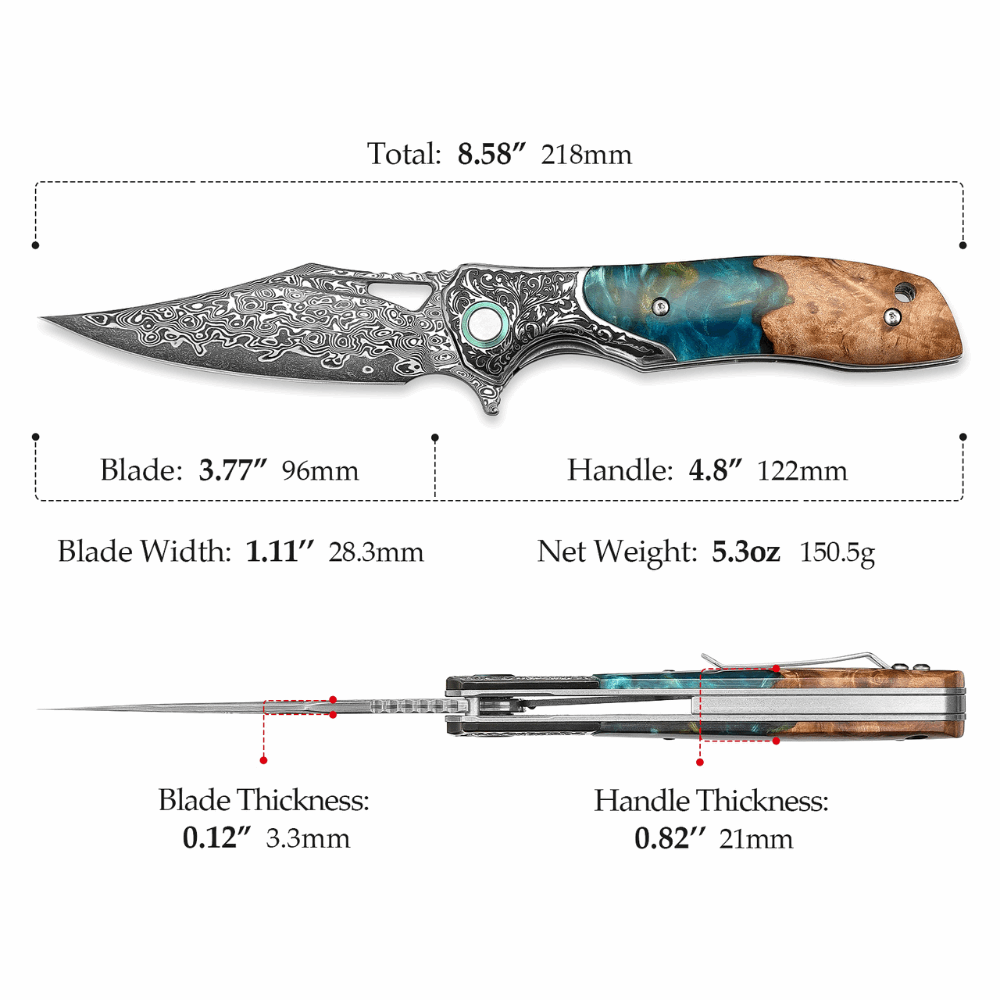
- Blade Thickness: Thicker blades offer more durability, while thinner blades provide better precision, which is essential for tasks like filleting fish or handling delicate ingredients.
- Handle Materials: High-quality handle materials, such as wenge wood or composite materials, not only add beauty but also provide durability and resistance to moisture.
The Intersection of Art and Function
At the heart of knife design lies the delicate balance between art and function. A well-designed knife should not only serve its primary purpose as a cutting tool but also resonate with its owner on an artistic level. Blade patterns, colors, and the overall aesthetic appeal play critical roles in how a knife is perceived.
Custom Engraved Knife: Personalizing Your Culinary Experience
A custom engraved knife adds a personal touch, transforming a functional tool into a treasured keepsake. Personalization can include unique designs, initials, or meaningful quotes engraved onto the blade. This aspect of knife design enhances its value and makes it an extraordinary gift for anniversaries, weddings, or special celebrations.
Collecting Artisan Knives: A Growing Trend
The appreciation for artisan knives is growing, with collectors exploring a wide array of styles, materials, and designs. Many enthusiasts seek out handcrafted knives that reflect the skills and innovations of modern artisans. Collecting knives not only enriches one’s culinary experience but also offers a glimpse into the artistry behind each piece.
Investing in Quality
When considering knife purchases, investing in high-quality pieces can result in long-term satisfaction. Not only do they perform better, but well-crafted knives also stand the test of time, making them a valuable addition to any kitchen. Moreover, a handcrafted knife, particularly one made with Damascus steel, tends to appreciate in value over time, making it a worthwhile investment for collectors.
Understanding Maintenance and Care
To ensure that both the functionality and artistry of a knife are preserved, proper maintenance and care are crucial. Here are a few essential tips to keep your knife in excellent condition:
- Regular Sharpening: A sharp knife is a safe knife. Regularly sharpen your blade to maintain its cutting performance. Some artisans recommend professional sharpening for higher-end knives.
- Proper Storage: Use a knife block or magnetic strip to store your knives safely. Avoid tossing them in drawers to prevent damage to the edges.
- Hand Washing: Always hand wash your knives with mild soap and warm water. Avoid the dishwasher as high temperatures can damage the blade and handle materials.
Design as a Source of Inspiration
The design of a knife can serve as a constant source of inspiration. Many chefs and home cooks find that using a beautifully crafted knife enhances their creativity in the kitchen. It’s about feeling connected not only to the tool but also to the craft of cooking itself.
Popular Trends in Knife Design
Notable trends in knife design include collaborations between chefs and artisans, which lead to unique and custom pieces that reflect personal styles. Additionally, the focus on sustainable materials has become more prevalent, with many artisans seeking eco-friendly options that tell a story of sustainability alongside quality. The rise of minimalist designs and bold colors further demonstrates the evolving nature of knife aesthetics and functionality.
A World of Possibilities
The intersection of art and functionality in knife design opens up a world of possibilities for both culinary professionals and enthusiasts alike. With every slice, chop, or dice, the beautifully crafted knife not only serves its purpose but also tells a story of the craftsmanship behind its creation. Embrace the art of knife design and elevate your culinary experience with tools that are as much about artistry as they are about practicality.
Your Perfect Culinary Companion Awaits!
As you explore the captivating world of knife design, remember that choosing the right knife can profoundly impact your cooking adventures. Look for pieces that not only reflect your personal aesthetic but also offer top-notch functionality. Whether you opt for a stunning custom engraved knife or a classic chef’s tool crafted from Damascus steel, your kitchen will undoubtedly become a canvas of creativity. Discover the beauty of knives that marry art and function, and watch as they inspire you in your culinary journey.
Frequently Asked Questions
1. What is the significance of knife design in culinary tools?
2. What is Damascus steel, and why is it valued in knife making?
3. How can knife ergonomics affect kitchen performance?
4. What are the benefits of customizing a knife?
5. What maintenance tips are essential for preserving knife quality?
Glossary
| Term | Meaning |
|---|---|
| Damascus Steel | A layered steel known for strength and unique patterns. |
| Ergonomic Design | A design that enhances comfort and reduces fatigue during use. |
| Blade Shape | Varies to suit different cutting tasks, like chopping or slicing. |
| Blade Thickness | Thicker blades offer durability; thinner blades provide precision. |
| Custom Engraved Knife | A knife personalized with designs or initials for a unique touch. |
| Artisan Knives | Handcrafted knives that showcase unique styles and craftsmanship. |
| Maintenance | Proper care practices to preserve knife functionality and aesthetics. |
| Collecting | The act of acquiring knives as collectibles, appreciating their artistry. |
| Functionality | The practical aspects that enhance a knife's performance in the kitchen. |
| Handle Materials | Materials used for knife handles that enhance durability and grip. |
Linked Product

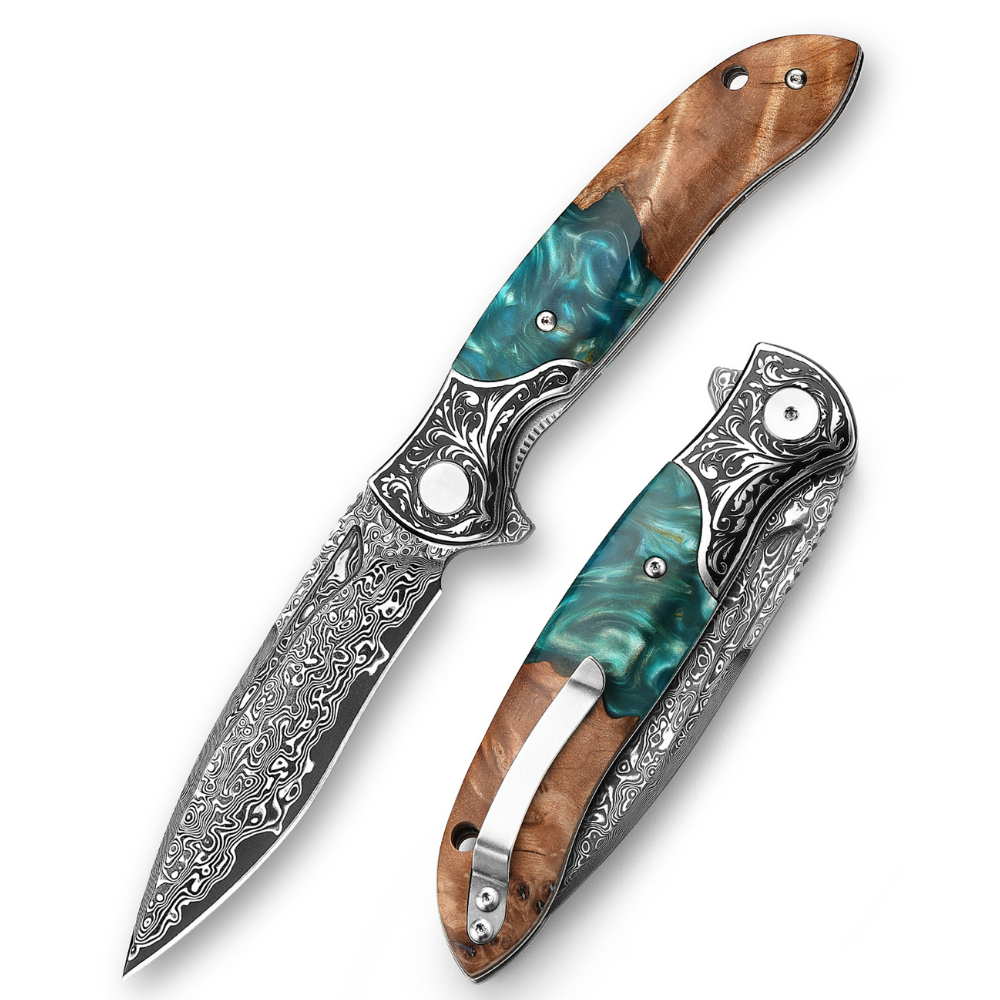
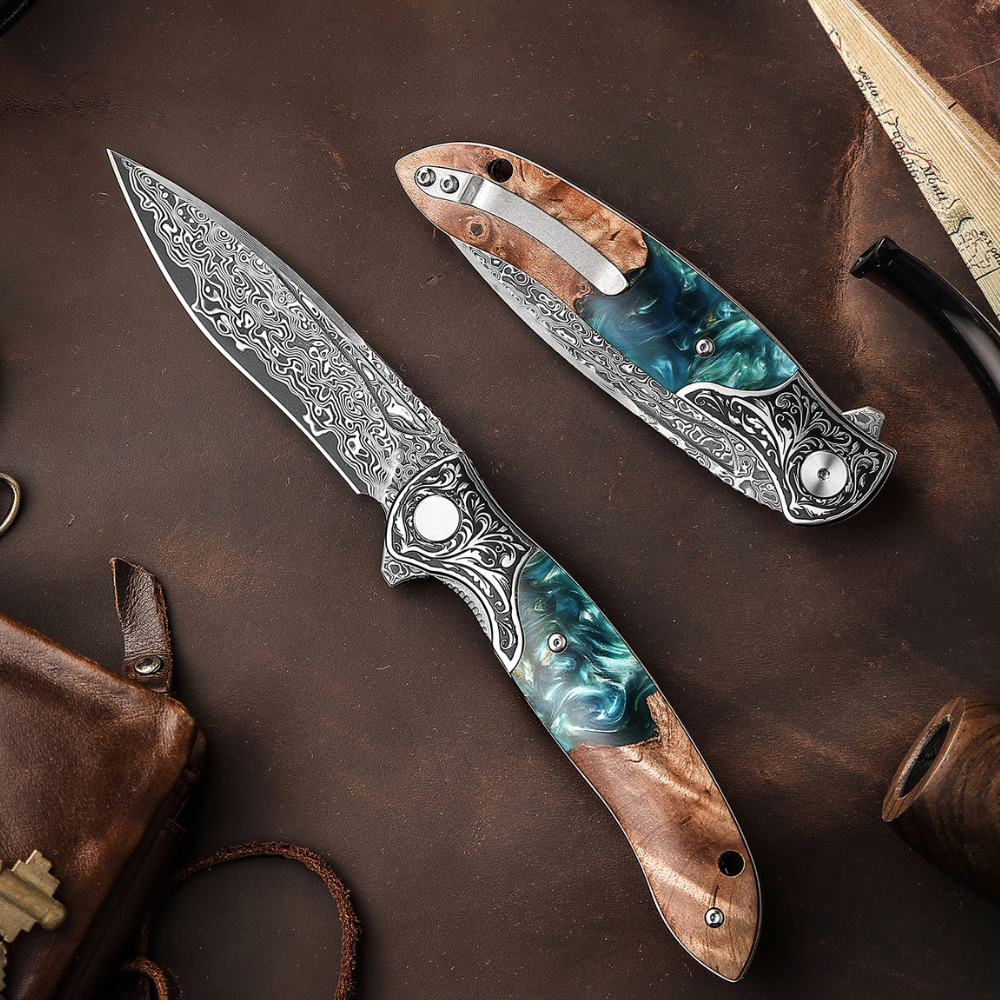
Epicurian Damascus Chef Knife with Exotic Wenge Wood & Turquoise Handle
The Epicurian Damascus Chef Knife combines superior craftsmanship with an elegant design, featuring a drop-point French blade and a striking handle made of exotic wenge wood and turquoise. Its hand-forged Damascus steel core ensures exceptional sharpness and durability, making it suitable for both professional chefs and home cooks. Additionally, the knife's ergonomic design promotes comfort during use, reducing finger fatigue in the kitchen.
View Product








Dejar un comentario