


Overview
The environmental impact of knife manufacturing is significant, encompassing materials, energy use, waste management, and packaging. Sustainable practices in sourcing, production, and recycling can reduce this impact. Consumers can contribute by choosing eco-friendly brands, multifunctional tools, and participating in recycling programs. The knife industry has the potential to lead in sustainability by adapting to consumer demands for transparency and eco-consciousness.
Table of Contents
- The Materials Matter
- Metal Sourcing and Production
- Wood and Sustainability
- Energy Usage in Manufacturing
- Eco-Friendly Manufacturing Practices
- The Role of Packaging
- Design Choices that Save the Planet
- Waste Management Strategies
- Rotting Green – End-of-Life Options
- The Consumer's Role
- Innovation in the Industry
- Looking Ahead: The Future of Knife Manufacturing
- Join the Movement for Change
Key Takeaways
- Materials Matter: The choice of materials like steel, wood, and synthetics significantly impacts the environmental footprint of knives.
- Energy Consumption: Knife manufacturing processes are energy-intensive, often relying on fossil fuels, which contribute to greenhouse gas emissions.
- Sustainable Sourcing: Responsible forestry practices are essential for materials like olive wood to ensure ecosystem integrity.
- Eco-Friendly Practices: Many manufacturers are adopting renewable energy sources and waste reduction programs to lessen their environmental impact.
- Packaging Concerns: Sustainable packaging solutions, including recyclable materials, are crucial for reducing the carbon footprint of knife products.
- Consumer Responsibility: Shoppers can influence sustainability by choosing brands that prioritize eco-friendly practices and participating in recycling programs.
- Innovation in Design: Multifunctional knife designs can reduce resource consumption and waste, promoting sustainability in the industry.
In an age where sustainability is becoming increasingly important, it's crucial to consider the environmental impact of knife manufacturing. Often viewed merely as tools for culinary and outdoor adventures, knives can leave an ecological footprint that is often overlooked. This blog aims to explore the various aspects of knife production, particularly focusing on materials, energy consumption, and waste management.
The Materials Matter
One of the significant factors contributing to the environmental impact of knife manufacturing is the materials used. Steel, wood, and synthetic components all play a role in eco-friendliness. For instance, traditional options like the Puma knife olive wood handle are often favored for their aesthetic appeal and natural origin. However, the sourcing of these materials can have varying impacts on the environment.
Metal Sourcing and Production
Steel is the primary material for most knives, including pocket knives. The production of steel consumes a significant amount of energy and emits greenhouse gases. Mining for iron ore, a primary component of steel, often leads to habitat destruction and pollution. Moreover, if the steel comes from non-recyclable or poor-quality sources, the lifecycle of the knife can greatly worsen its environmental footprint.
Wood and Sustainability
The use of wood, such as olive wood for knife handles, also raises environmental concerns. While olive wood is a sustainable material, as it comes from trees that don’t require clear-cutting, it still requires responsible forestry practices. Sustainable sourcing ensures that the forests from which these materials are derived are managed in a way that maintains their ecosystem integrity. From the planting of new trees to responsible harvesting techniques, every aspect of wood sourcing matters in the context of environmental protection.
Energy Usage in Manufacturing
Manufacturing processes are energy-intensive. The forging, grinding, and heat treating of knives require large amounts of electricity and fossil fuels, which contributes to greenhouse gas emissions. While there are advancements in energy-efficient manufacturing, many production facilities still rely on traditional methods, exacerbating the environmental dilemma.
Eco-Friendly Manufacturing Practices
To mitigate these impacts, many knife manufacturers are now adopting eco-friendly practices. For instance, using renewable energy sources, like solar or wind power, can significantly reduce the carbon footprint of manufacturing facilities. Programs aimed at waste reduction, recycling metal scraps, and minimizing resource consumption are gaining traction. Manufacturers who make a conscious effort to embrace eco-friendly practices will resonate with environmentally aware consumers.
The Role of Packaging
While the production of knives is essential, we mustn't disregard the environmental impact of packaging materials. Excessive plastic use, non-biodegradable materials, and harmful inks are commonplace in packaging solutions. Sustainable packaging is an important consideration, especially for those looking to minimize their carbon footprint. Recyclable materials and minimalistic packaging approaches represent significant steps in promoting sustainability.
Design Choices that Save the Planet
Designing knives that prioritize functionality over excess can also lead to less environmental impact. Simple, multifunctional designs reduce the need for multiple products, thereby minimizing the resources used in production. For instance, a versatile pocket knife that serves multiple purposes can reduce the demand for single-use or specialized tools, ultimately benefiting the environment.
Waste Management Strategies
Waste isn’t limited to the manufacturing process; it extends through a knife's entire lifecycle. Encouraging responsible disposal and recycling practices can greatly enhance the sustainability of knife products. Many manufacturers are focusing on how to make their knives easy to disassemble, allowing consumers to replace parts or recycle materials instead of discarding entire products.
Rotting Green – End-of-Life Options
In understanding knife waste management, we must also consider the end-of-life options. Offering a recycling program or taking back products at the end of their usable life can serve as an attractive incentive for consumers. Programs that allow users to return their old knives for recycling can significantly lower the number of knives ending up in landfills.
The Consumer's Role
As consumers, we share the responsibility for the environmental impact of knife manufacturing. By making informed choices, we can influence the industry toward sustainable practices. Here are some tips for eco-conscious shoppers:
- Research brands that prioritize environmentally friendly manufacturing.
- Opt for knives made from sustainable materials, such as the Puma knife olive wood handle.
- Choose multifunctional pocket knives to minimize single-use products.
- Participate in recycling programs to extend the life of your knives.
Innovation in the Industry
Innovation offers a sustainable way forward for knife manufacturers, integrating environmental considerations into their designs and manufacturing processes. Some manufacturers are exploring biodegradable materials and limited-edition knives made from reclaimed materials. Such innovation not only reduces waste but also appeals to consumers who seek unique and eco-friendly options.
Looking Ahead: The Future of Knife Manufacturing
The future of knife manufacturing will depend heavily on how brands adapt to changing consumer preferences and environmental standards. The knife industry has a unique opportunity to lead the way toward more sustainable practices, benefiting both the planet and their bottom line. Consumers increasingly seek brands that are transparent regarding their manufacturing processes and environmental impact, making it vital for companies to prioritize sustainability.
Join the Movement for Change
As we've explored, the environmental impact of knife manufacturing is multifaceted and significant. By understanding the raw materials, manufacturing processes, packaging, waste management, and the consumer's role, we equip ourselves with the knowledge to make more sustainable decisions. Sustainable practices not only reduce the impact on our planet but also enrich the tools we use daily. So, as you venture to choose your next pocket knife or perhaps a beautifully crafted knife with an exquisite Puma knife olive wood handle, remember that your choices can help shape a greener future. Together, we can make a difference!
Frequently Asked Questions
1. What environmental impacts are associated with knife manufacturing?
2. How does the choice of materials affect knife sustainability?
3. What are eco-friendly practices in knife manufacturing?
4. Why is packaging considered in knife sustainability?
5. What can consumers do to support sustainable knife manufacturing?
Glossary
| Term | Meaning |
|---|---|
| Sustainability | Practices that meet current needs without compromising future generations. |
| Eco-Friendliness | Products or practices that have minimal negative impact on the environment. |
| Materials Matter | The importance of choosing sustainable materials in manufacturing. |
| Energy Consumption | The amount of energy used during the manufacturing process. |
| Waste Management | Strategies for reducing waste throughout a product's lifecycle. |
| Recyclable Materials | Materials that can be processed and reused after their initial use. |
| Multifunctional Design | Products designed to serve multiple purposes, reducing resource use. |
| Responsible Sourcing | The practice of obtaining materials in a way that is ethical and sustainable. |
| Biodegradable Materials | Materials that can break down naturally without harming the environment. |
| Consumer Responsibility | The role of consumers in choosing sustainable products and practices. |
Linked Product

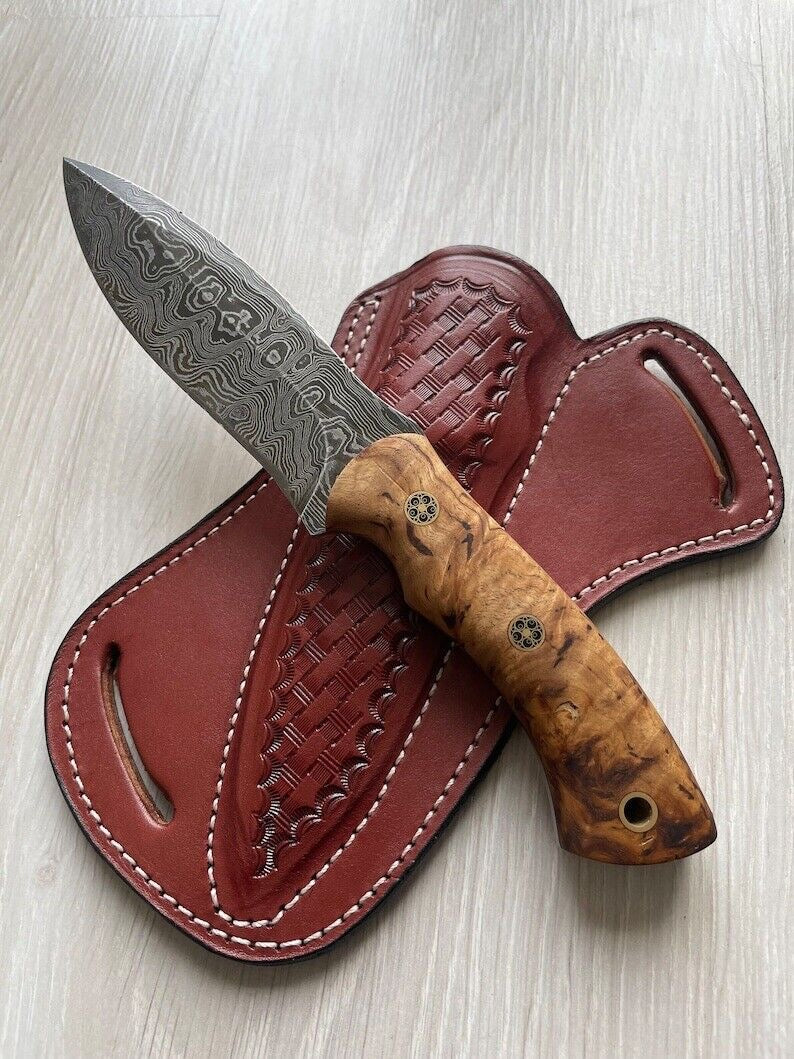
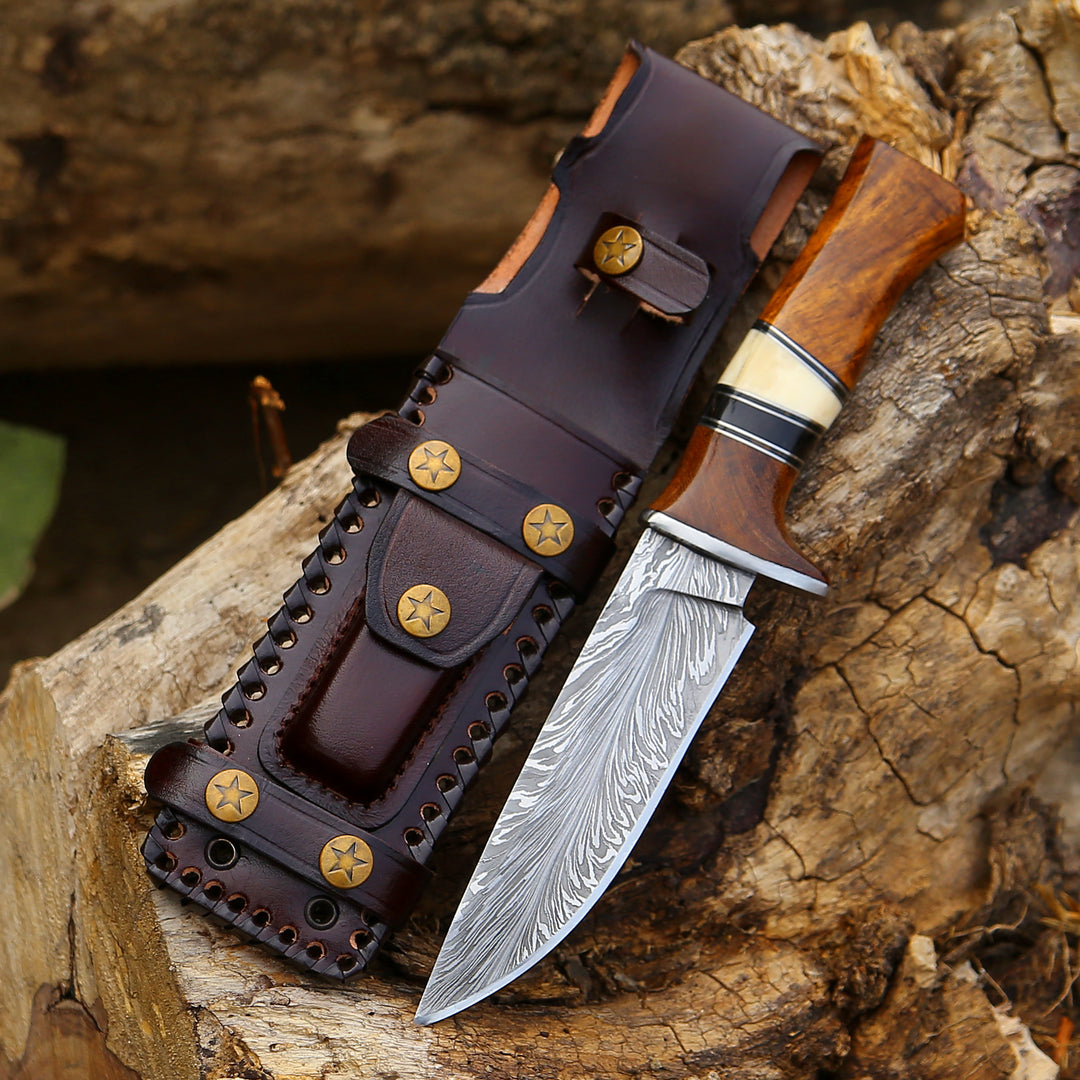
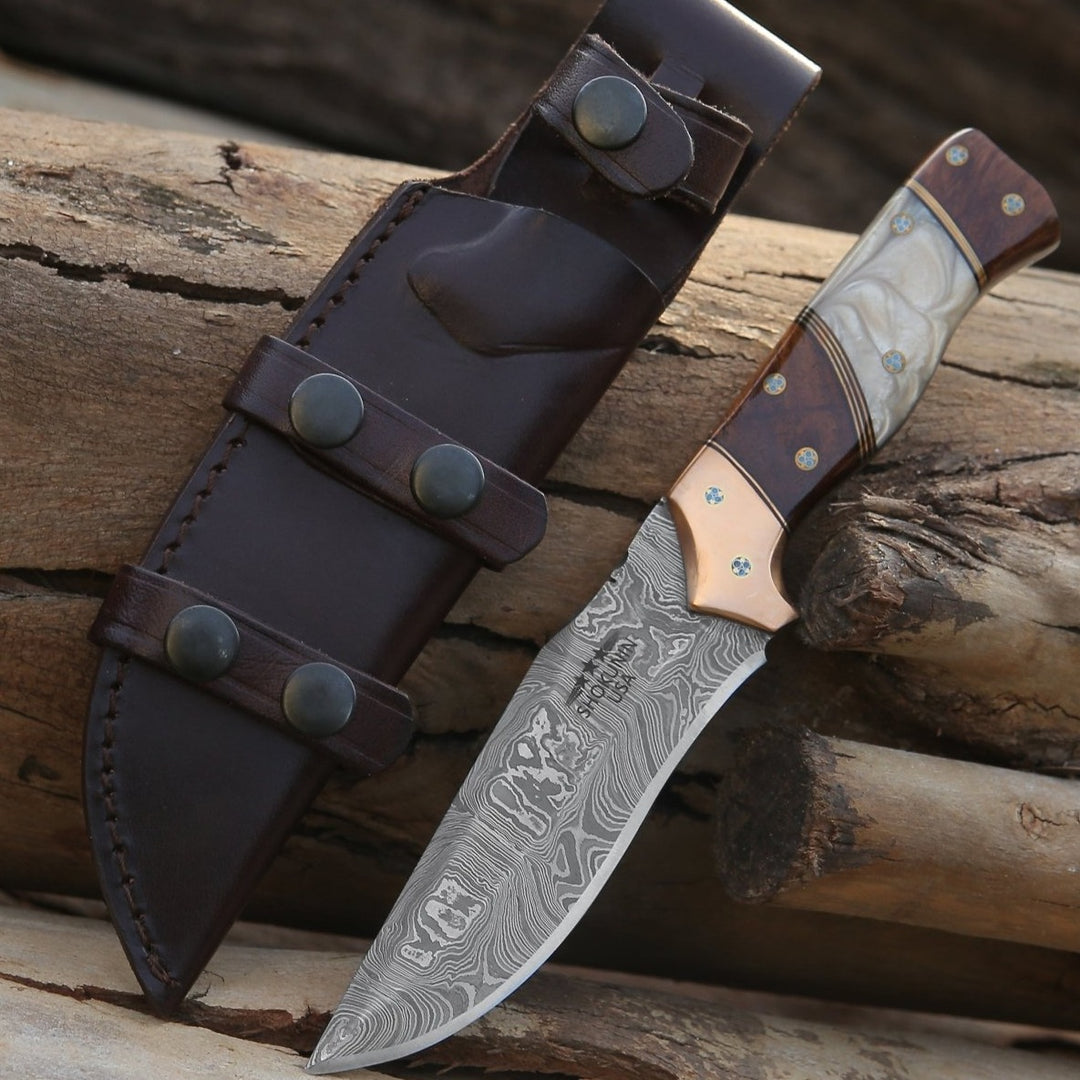
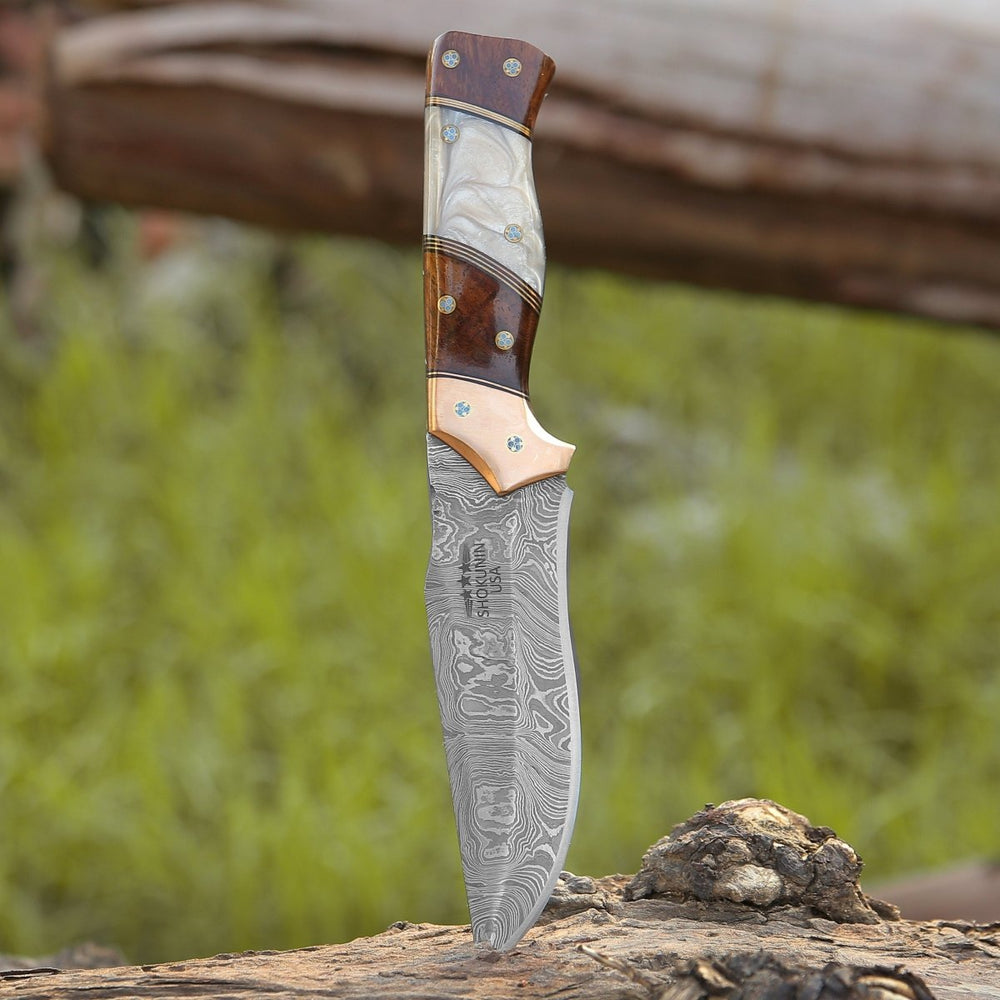
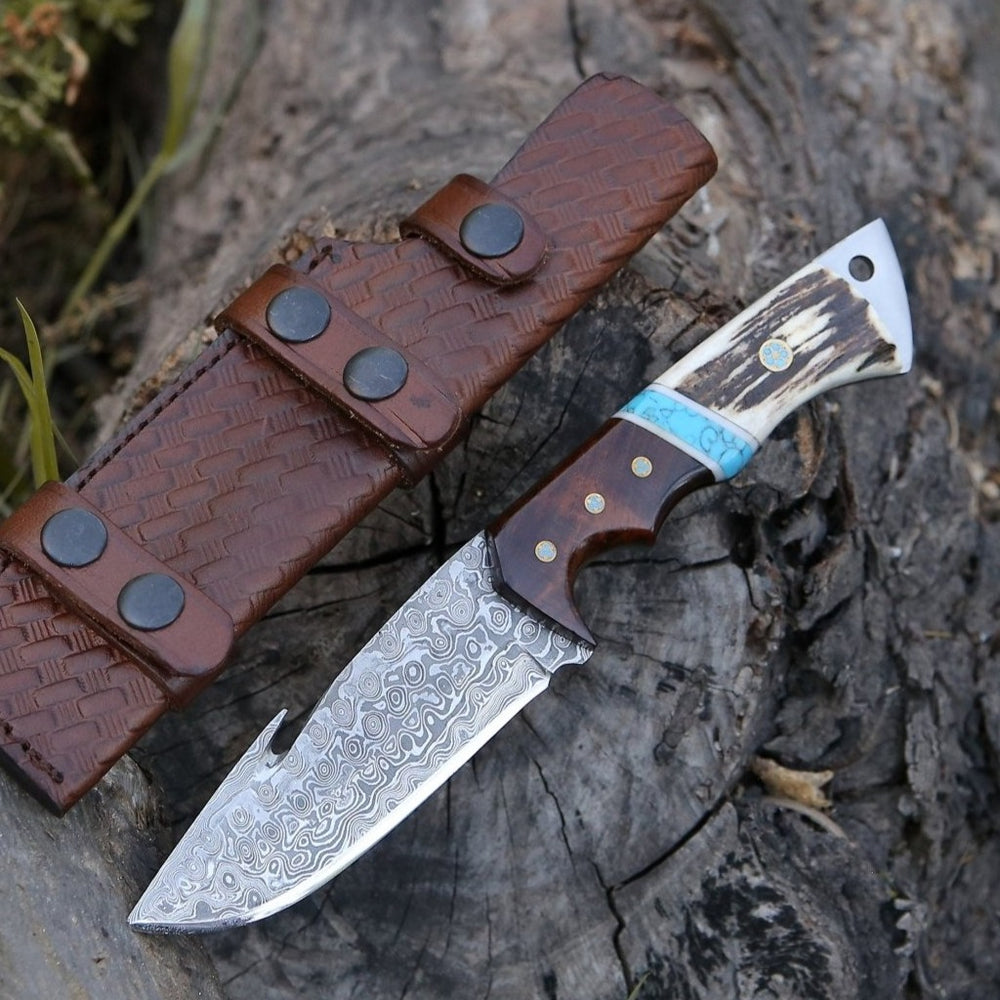
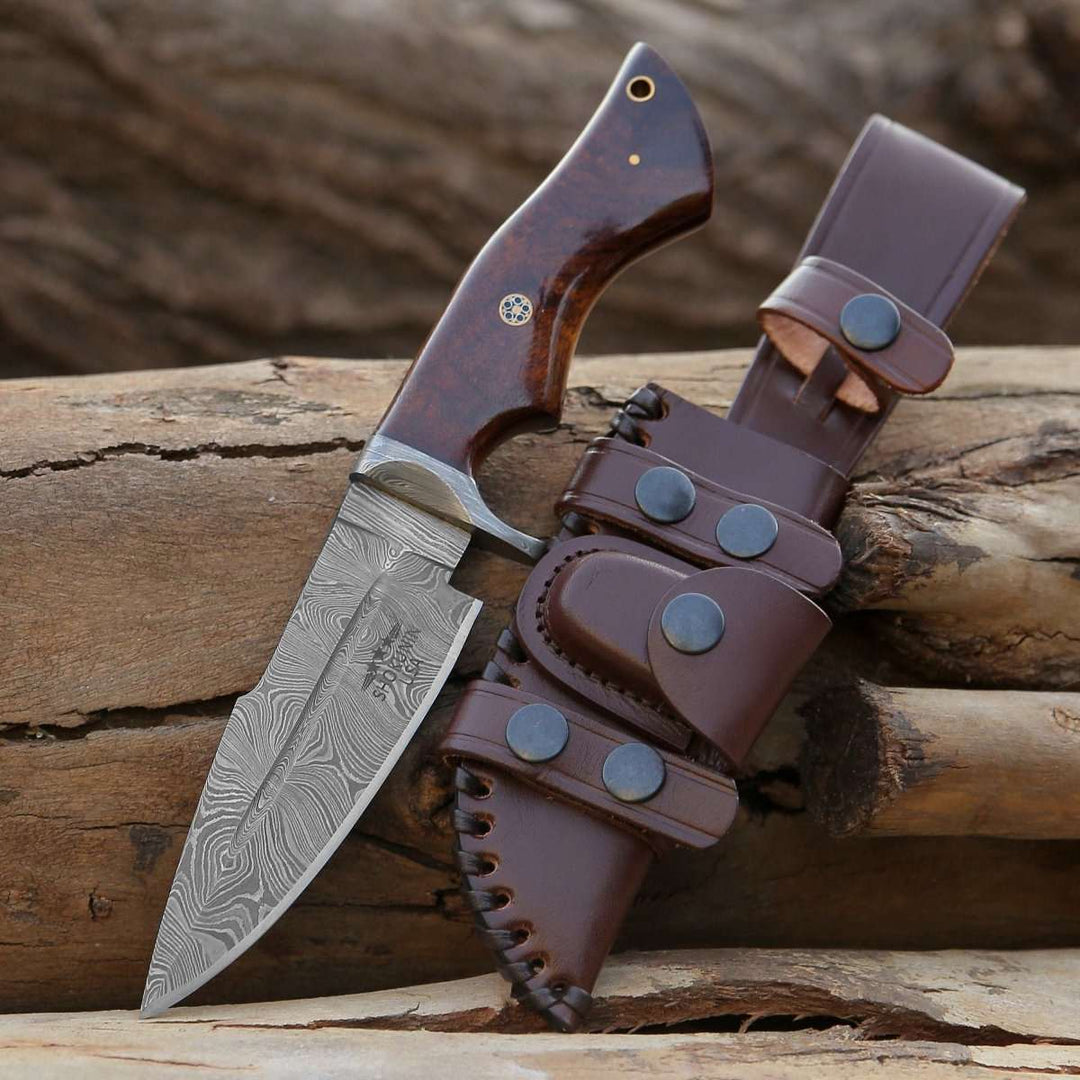
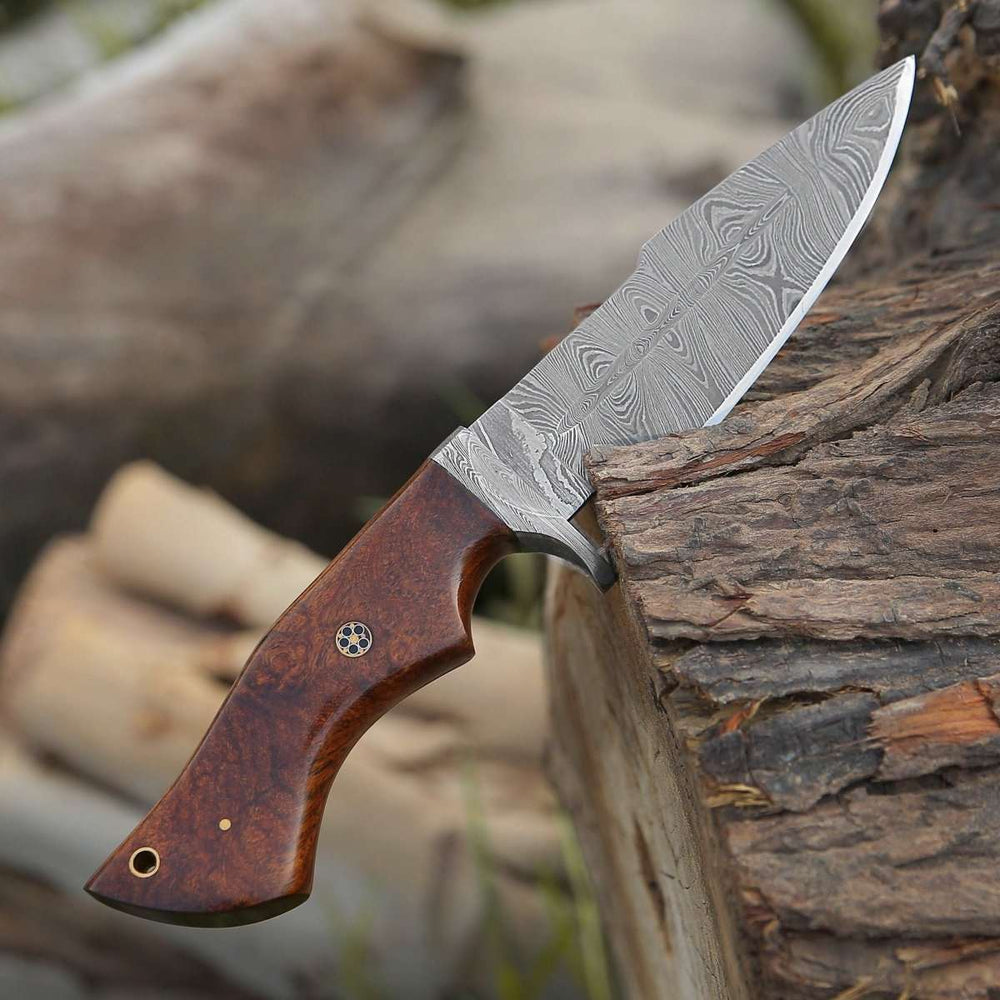
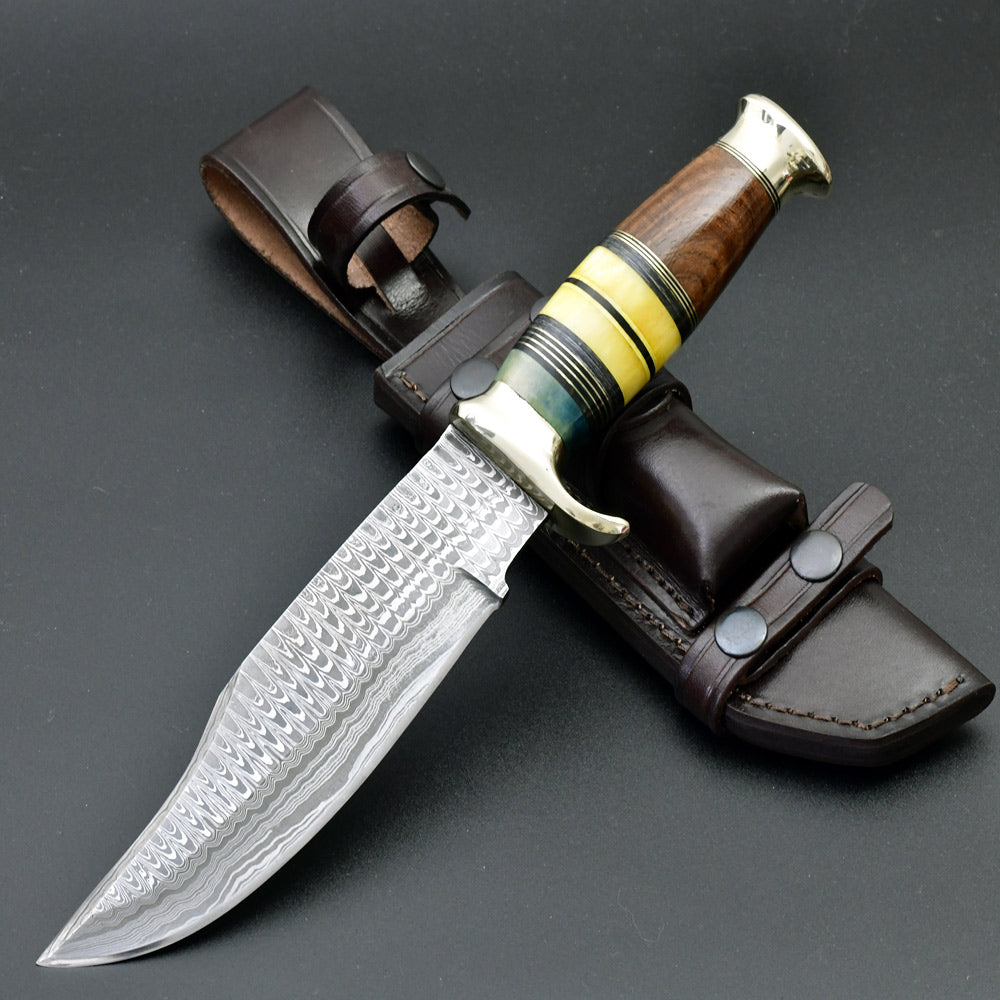
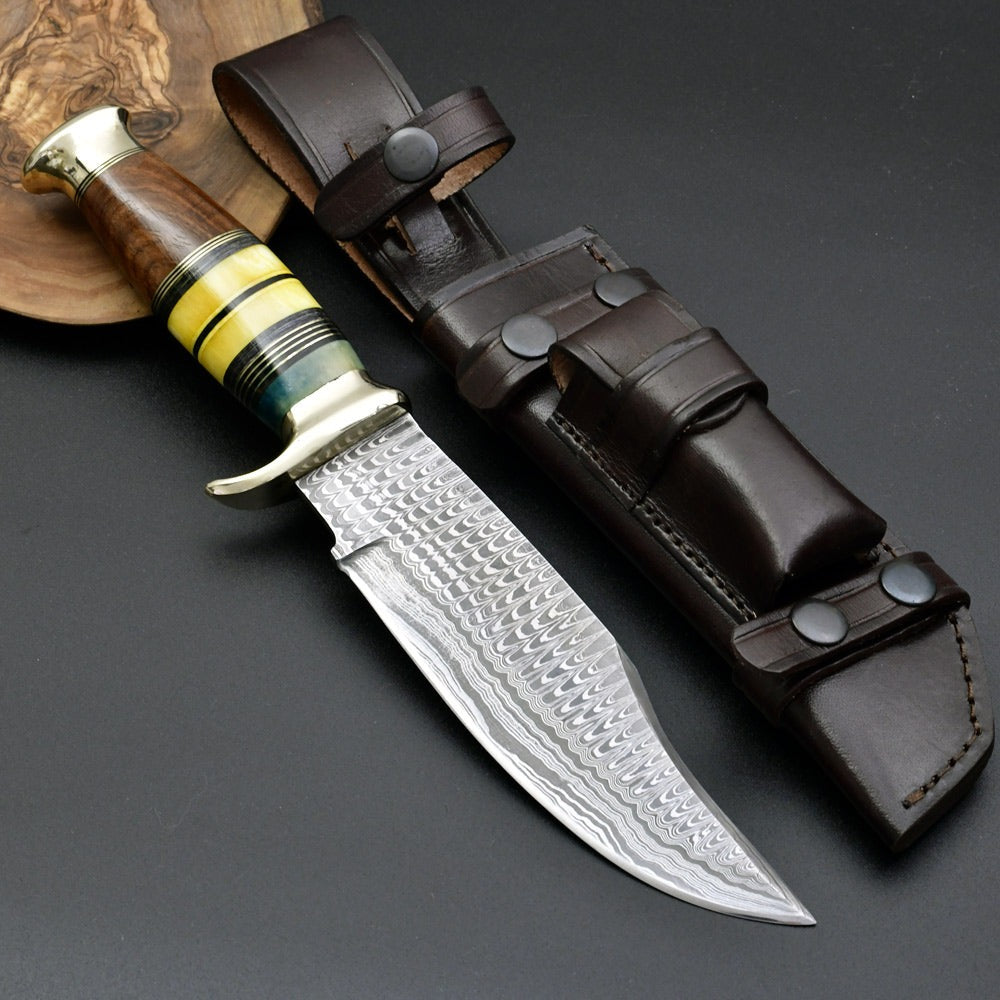
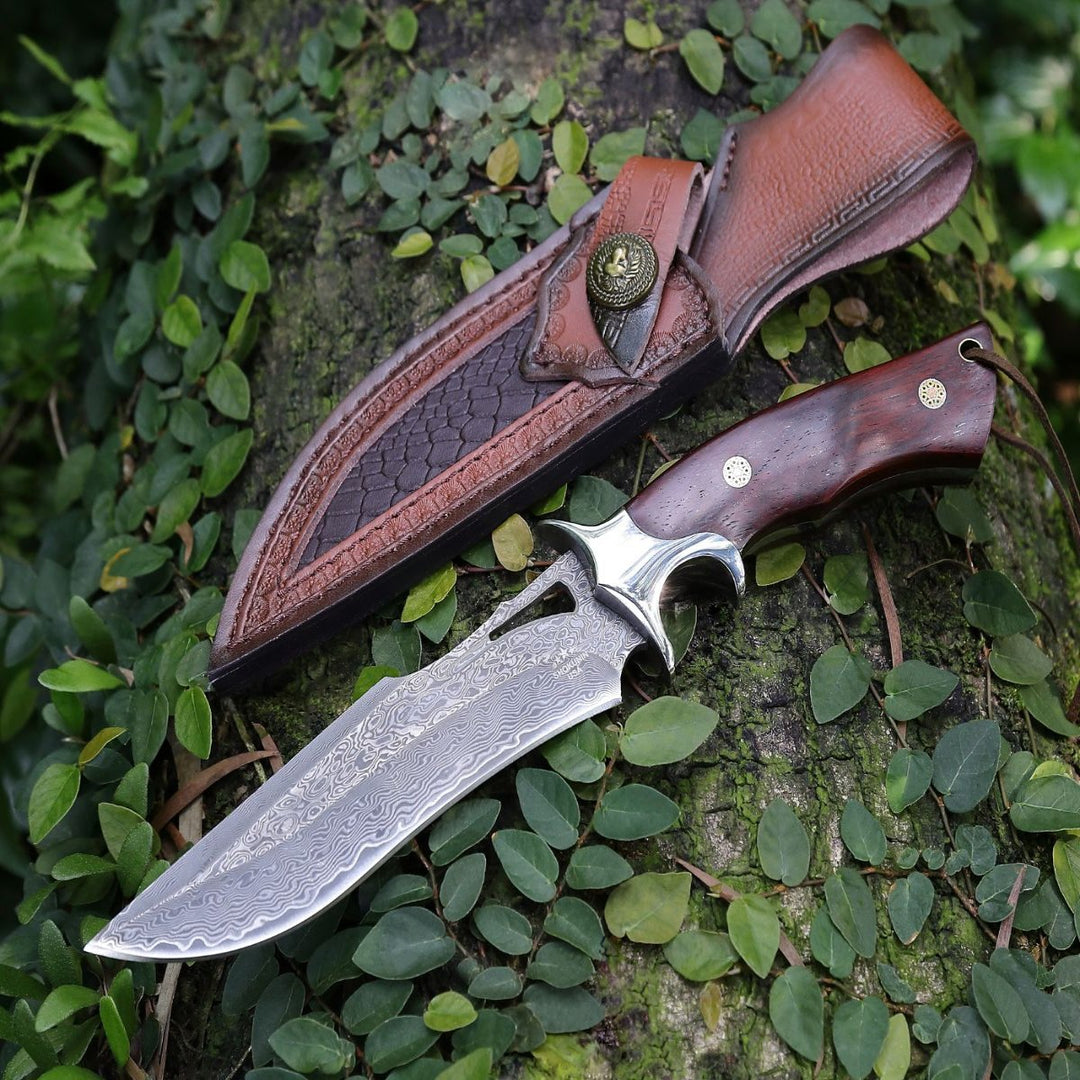
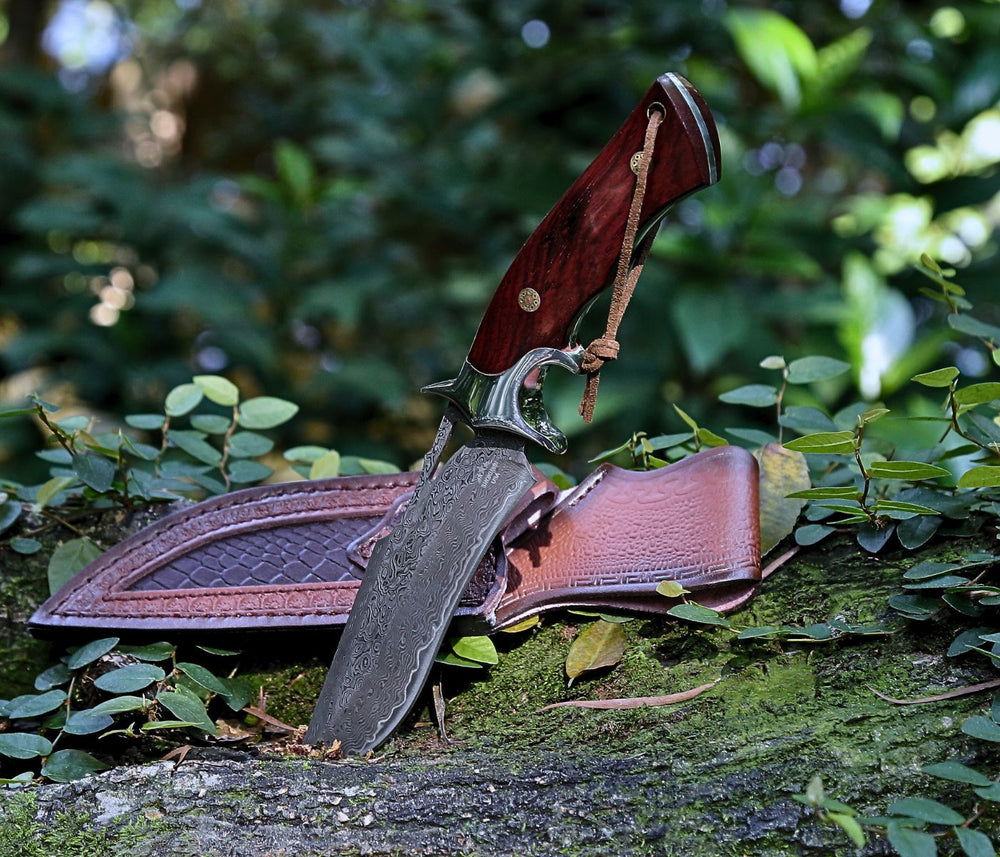
Puma Damascus Steel Hunting Knife Olive Wood Handle & Sheath
The Puma Damascus Steel Hunting Knife features a high-quality Damascus steel blade that is renowned for its sharpness and unique design. Its ergonomic olive wood handle ensures a comfortable grip, making it suitable for outdoor expeditions or as a collector's item. The knife also includes a durable sheath for protection and easy carrying, emphasizing both functionality and craftsmanship.
View Product






Dejar un comentario