


Overview
Proper maintenance of your pocket knife, especially one made from Damascus Steel, is crucial for longevity and performance. Key tips include regular cleaning, safe storage, lubrication of moving parts, and frequent sharpening. To prevent rust, keep it dry and consider using a protective coating. Regularly check the pivot and spring for smooth operation. For complex issues, seek professional help. With these practices, you can ensure your knife remains a reliable companion for your adventures.
Frequently Asked Questions
1. What is the importance of maintaining a pocket knife?
2. What are the basic components of a pocket knife?
3. How do I clean my Damascus Steel pocket knife?
4. What storage solutions can help keep my pocket knife safe?
5. When should I seek professional help for my pocket knife?
Your pocket knife, especially if it’s crafted from high-quality Damascus Steel, is more than just a tool; it’s a trusty companion for your adventures. To ensure that you always have a reliable blade at your disposal, proper maintenance is key. Below, we’ll explore several maintenance tips that will keep your pocket knife in prime condition and prolong its life.
Understanding Your Pocket Knife
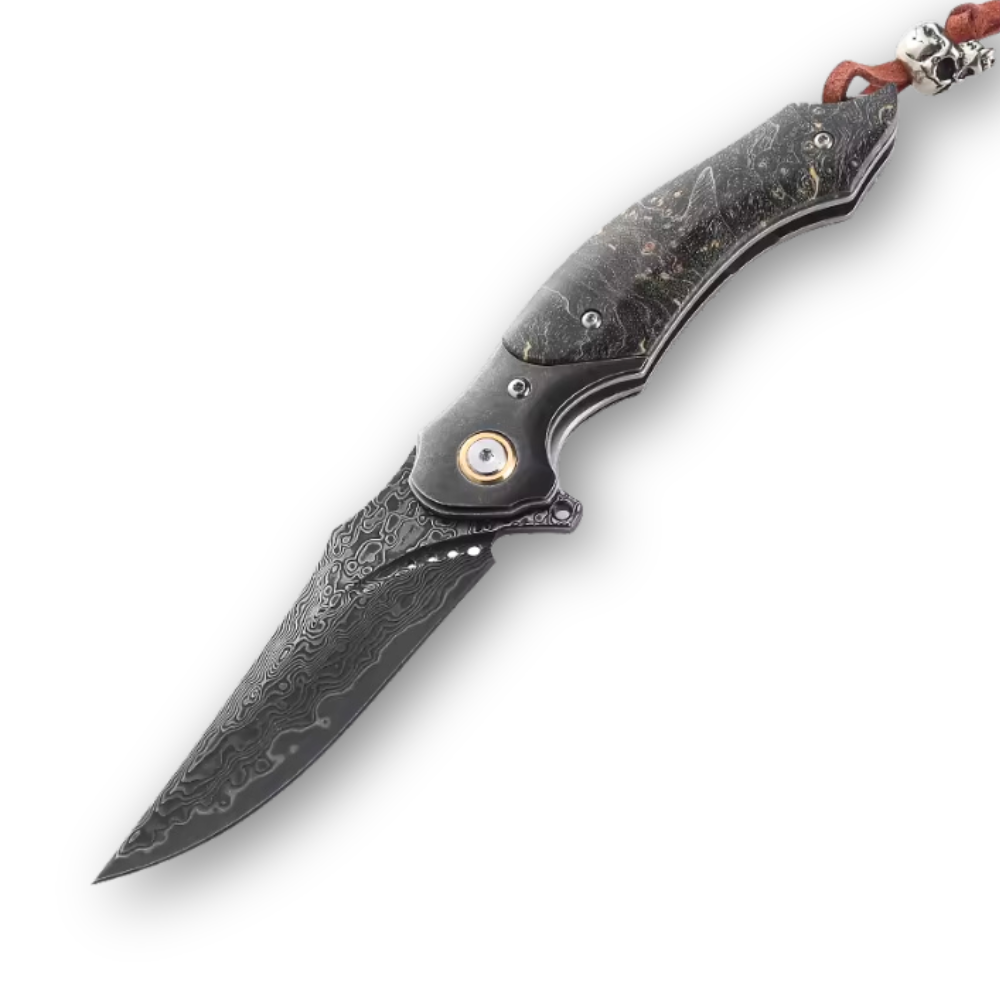
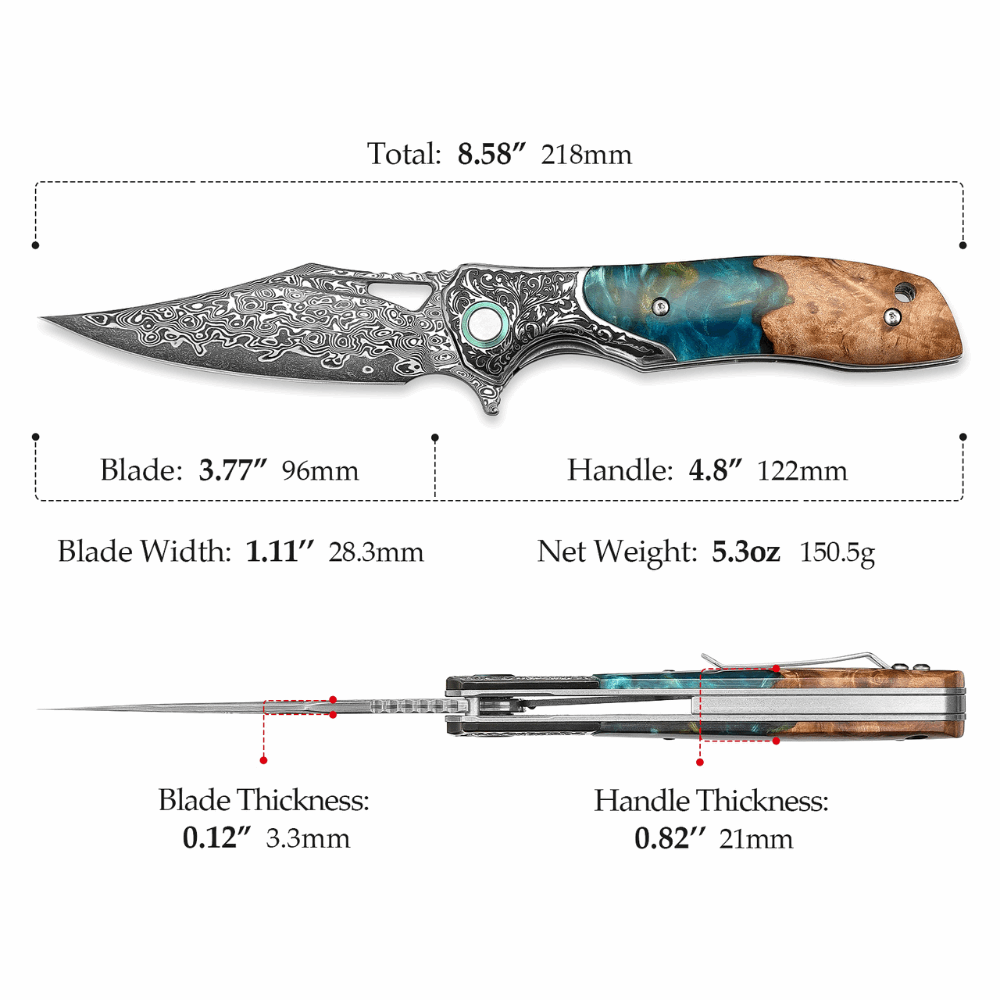
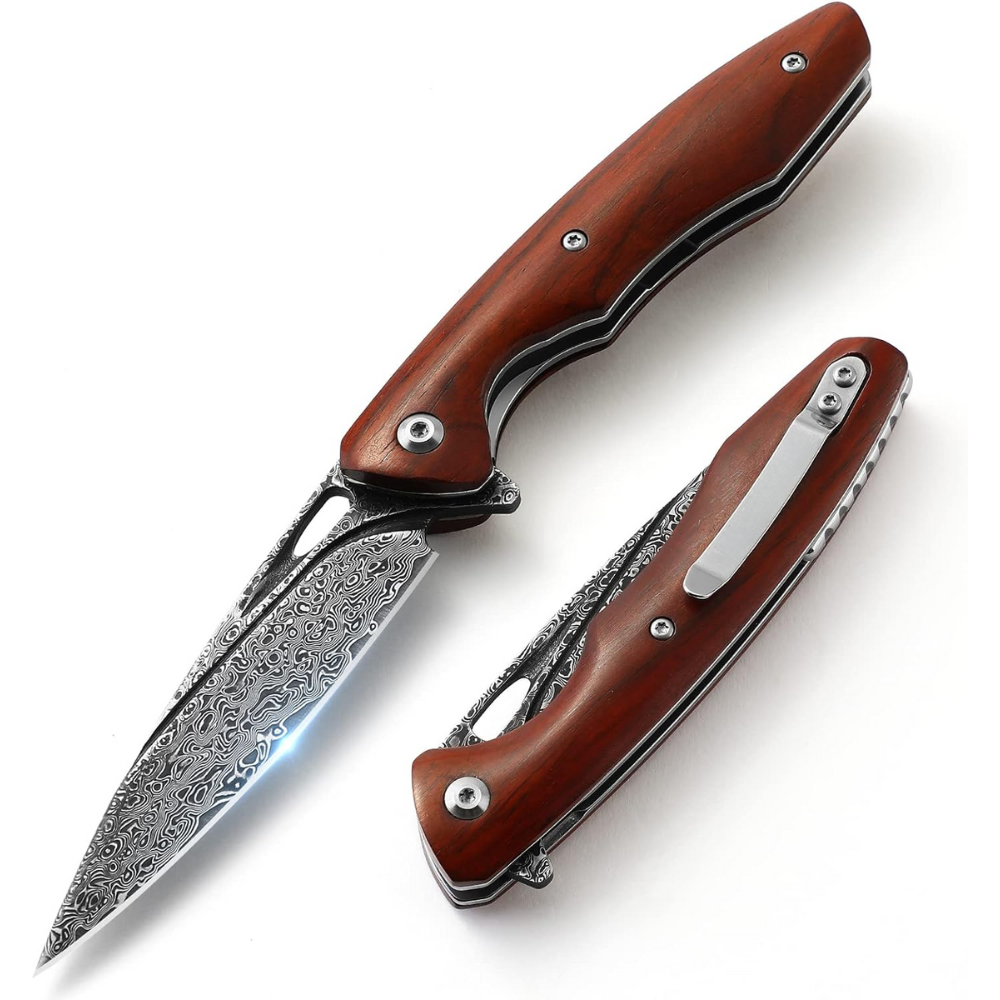
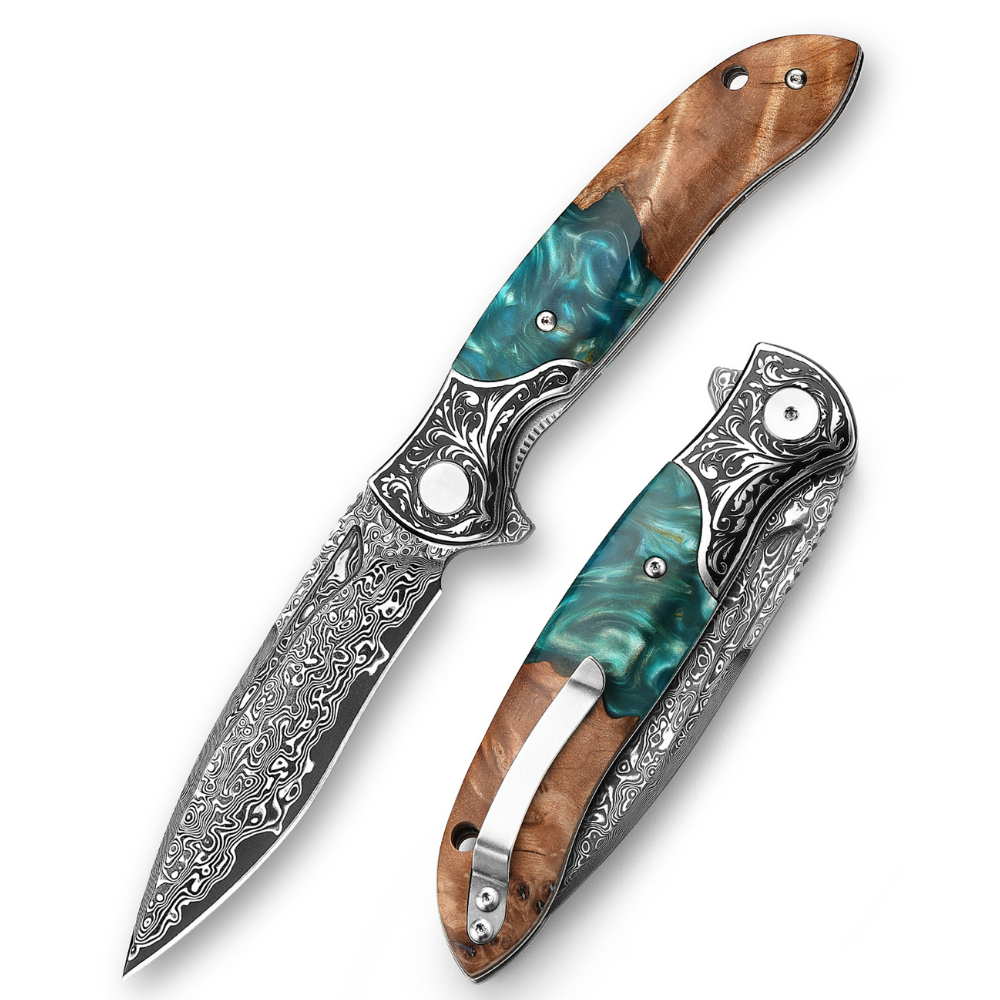
Before diving into maintenance, it’s essential to understand the components of your pocket knife. Most pocket knives feature a blade, handle, and locking mechanism. When crafted from materials like Damascus Steel, these components require specific care to maintain their integrity and performance.
The Basics of Damascus Steel
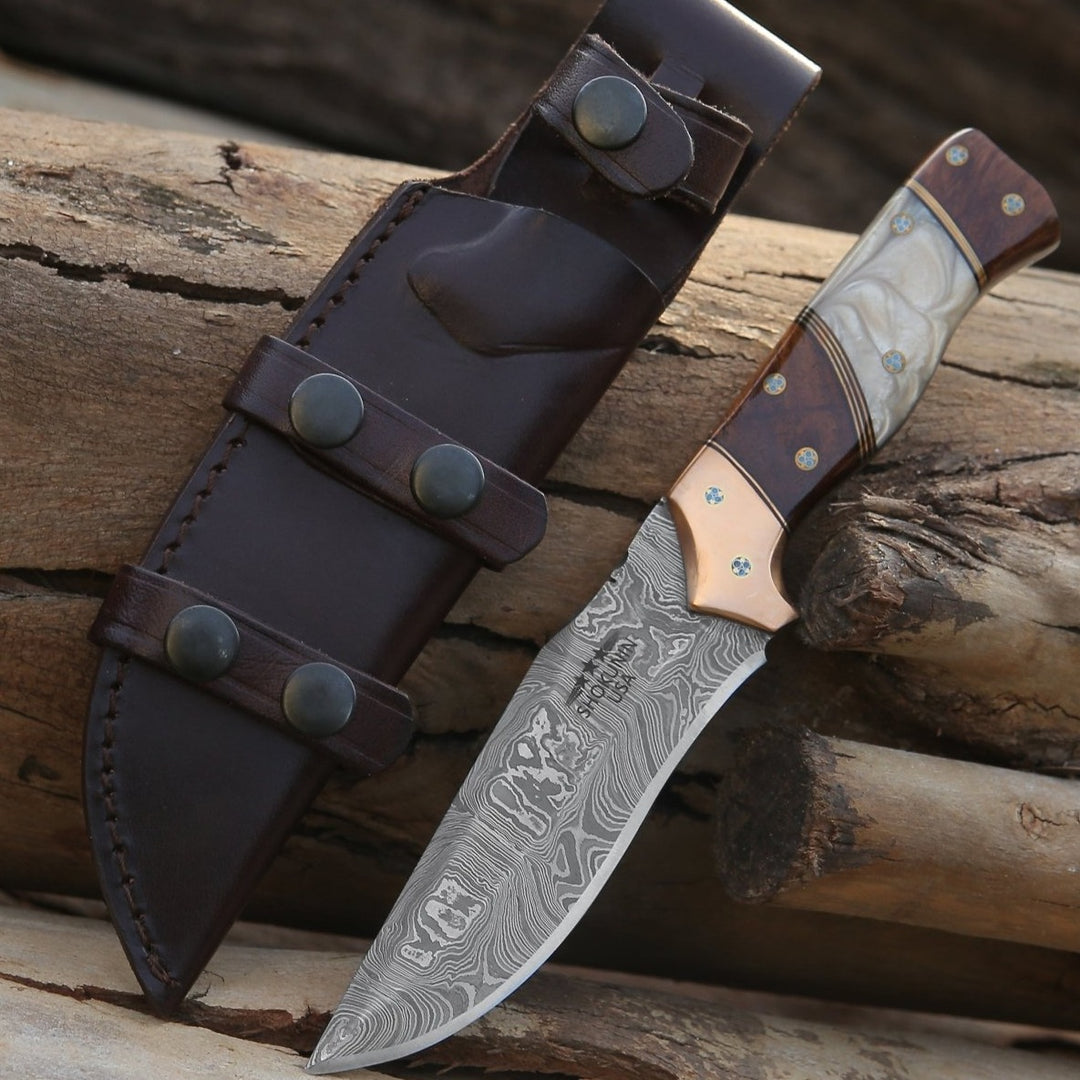
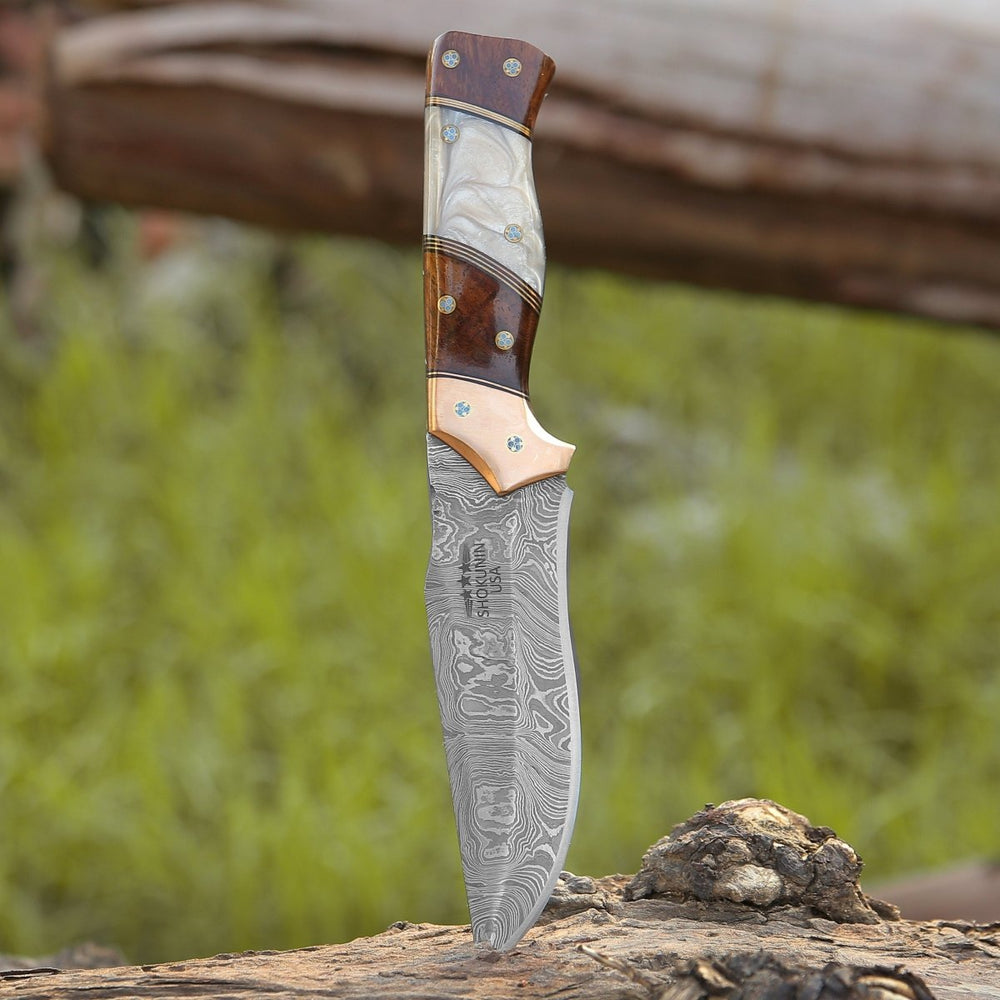
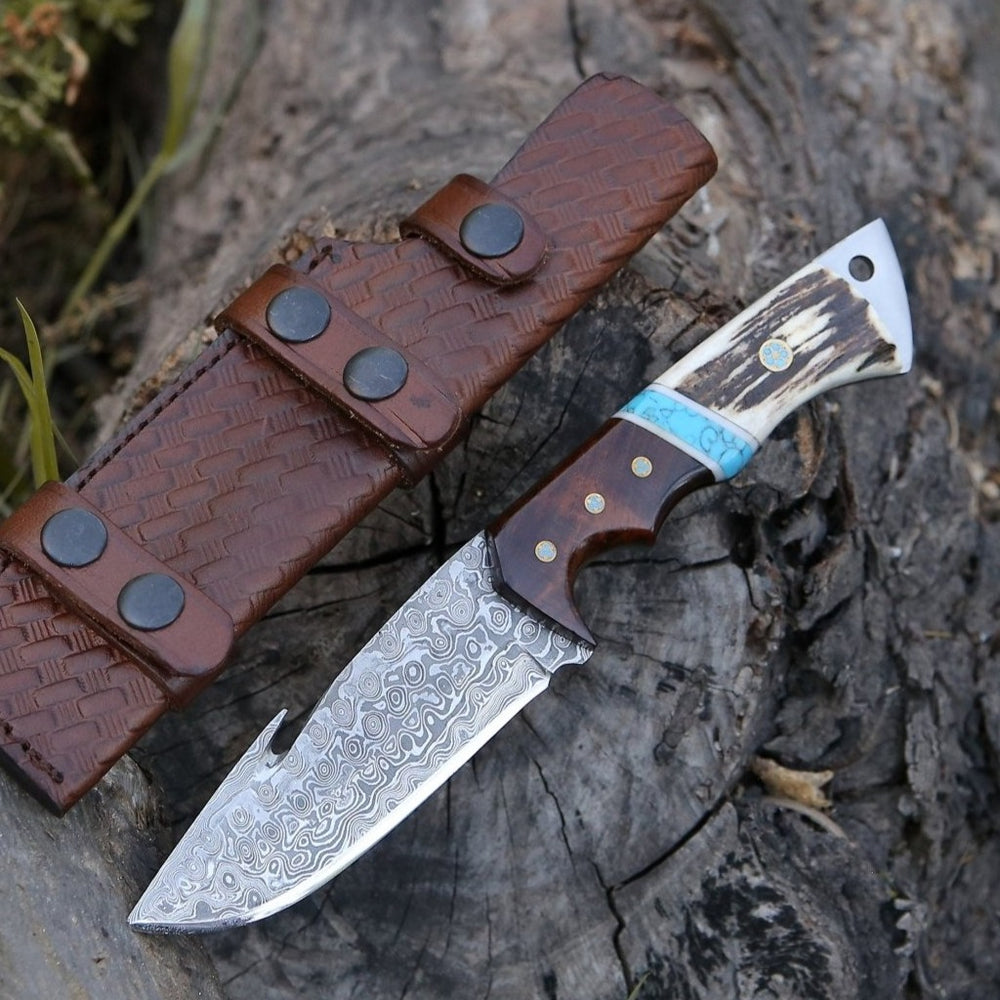
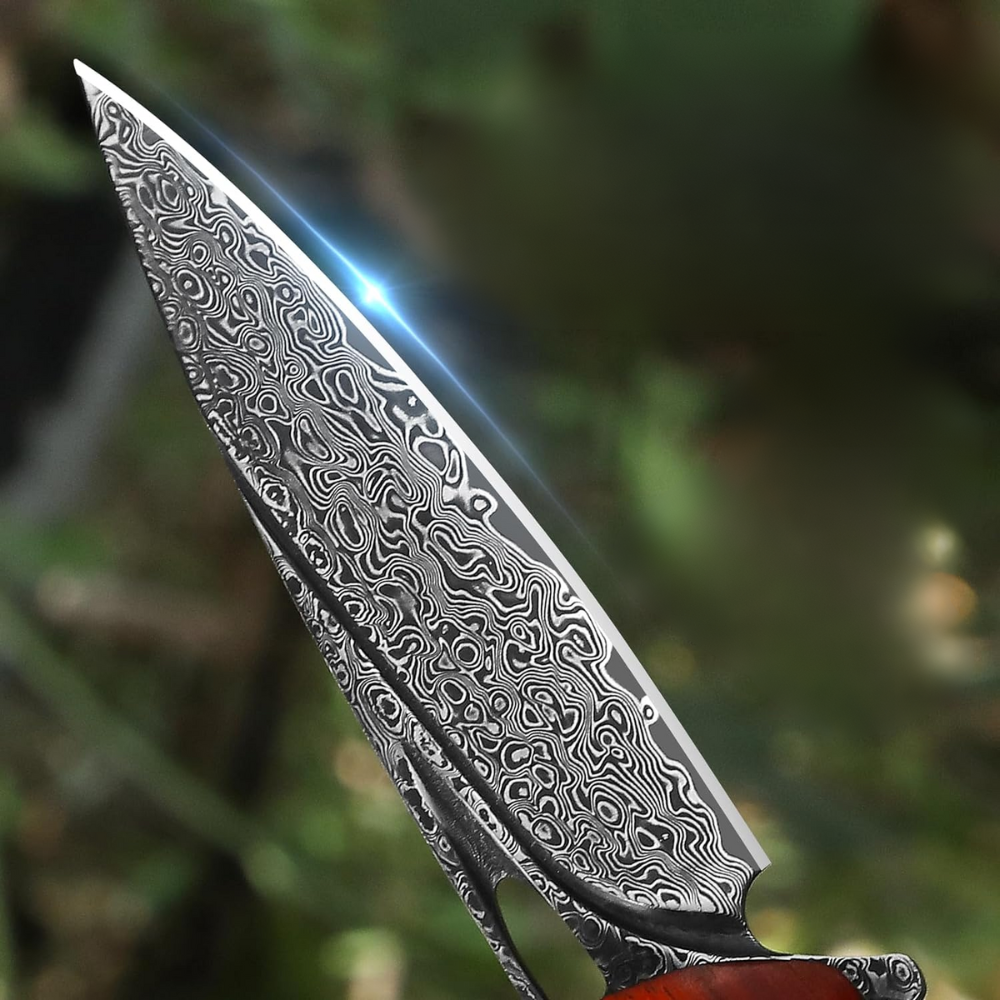
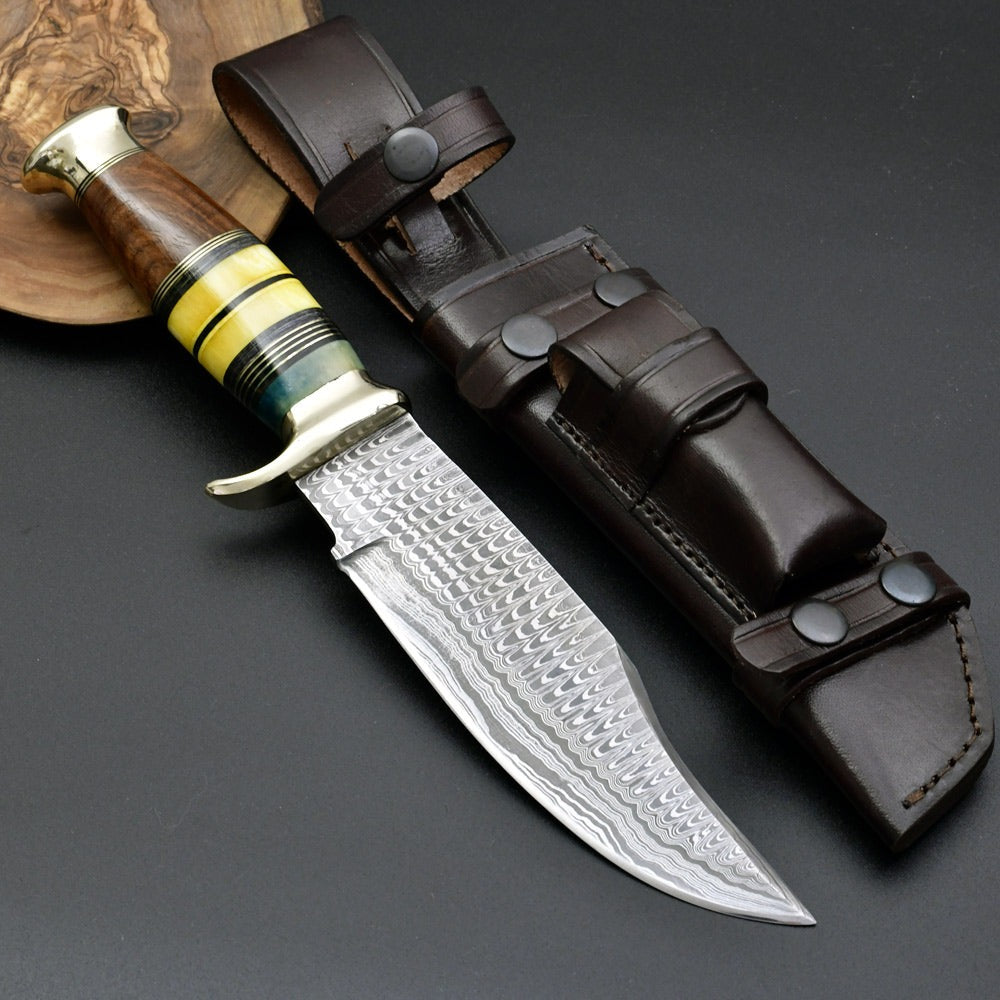
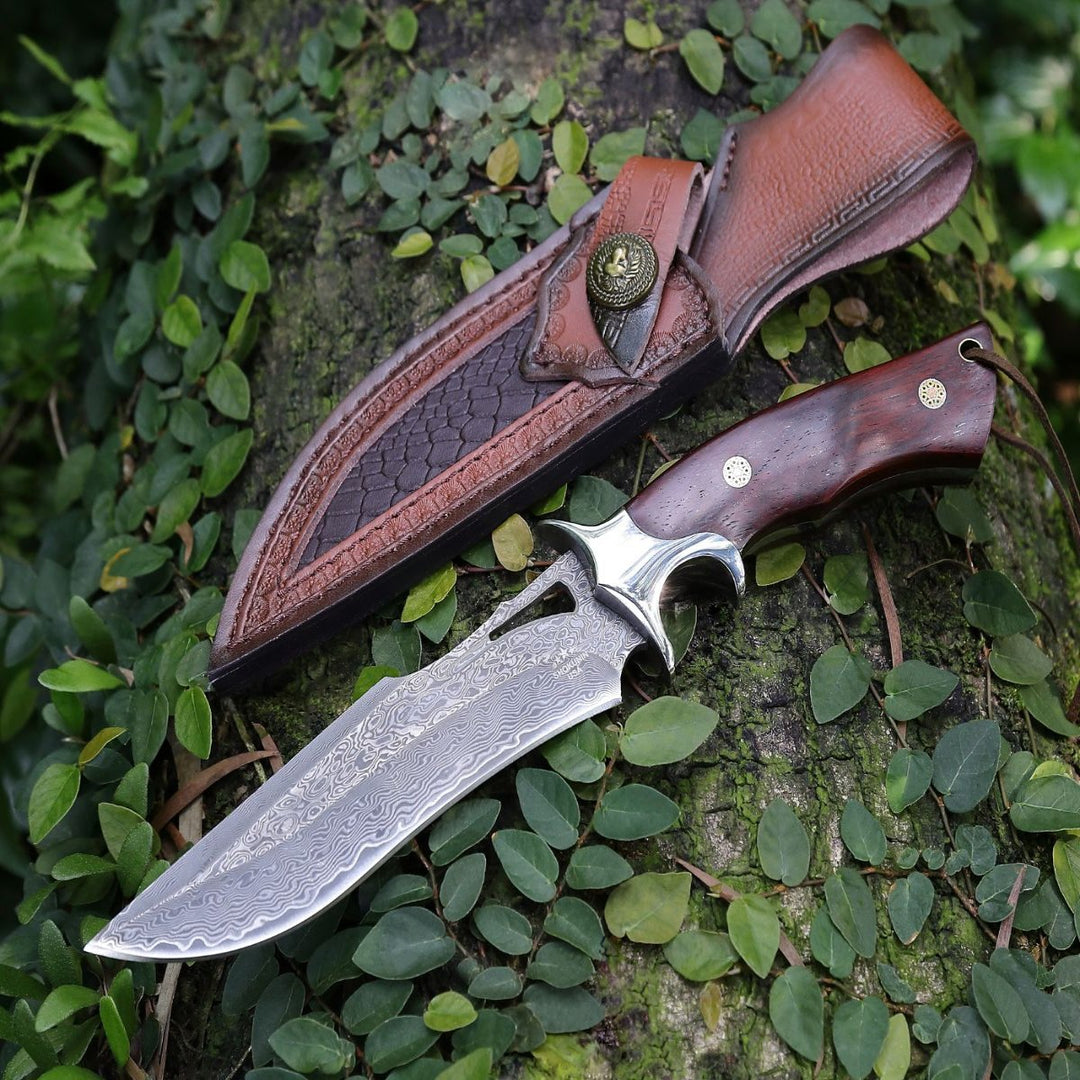
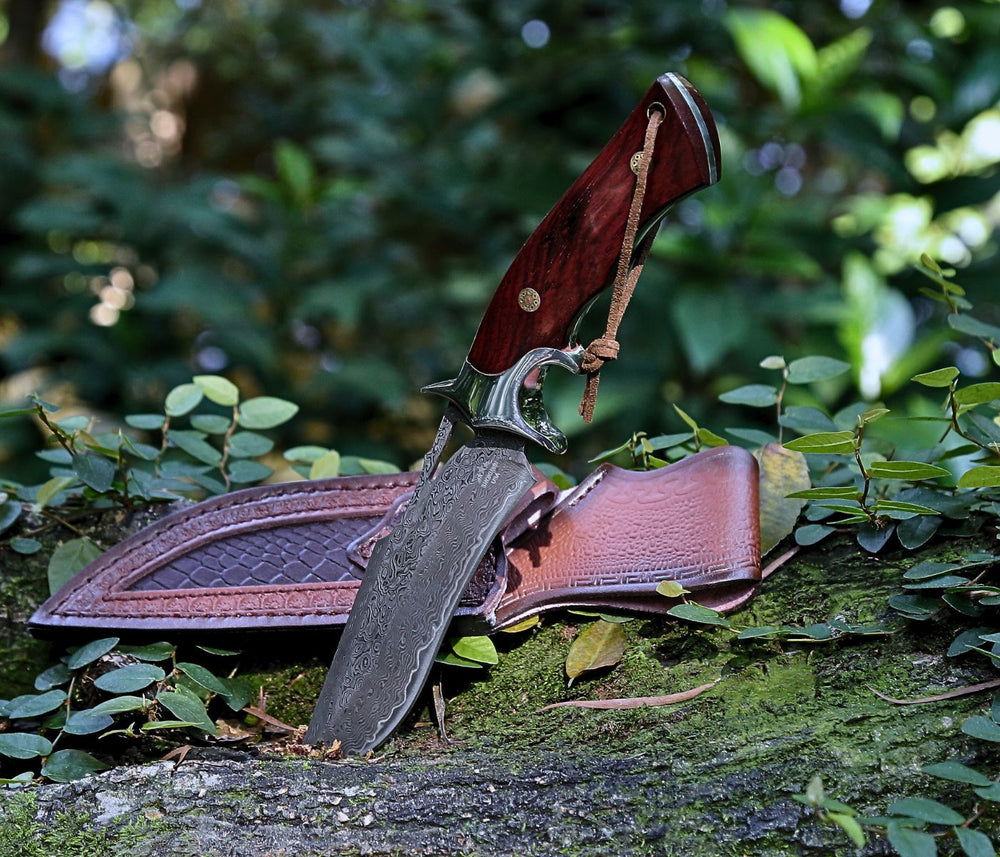
Damascus Steel, known for its unique patterns and exceptional durability, has become a favorite among knife enthusiasts. This steel is created by layering different types of steel, creating a blade that is not only sharp but also visually striking. However, the beauty of Damascus Steel requires regular care to prevent rust and maintain its signature look.
Routine Cleaning: A Must-Do
Cleaning your pocket knife should be a regular part of your maintenance routine. Here’s how to keep your knife clean and ready for action:
- Wipe Down After Use: Always wipe your knife down with a clean, dry cloth after use. This removes moisture, dirt, and any residues that could lead to corrosion.
- Use Mild Detergent: For a deeper clean, wash the blade with mild soap and warm water. Ensure that you dry it thoroughly afterwards, especially the pivot area where moisture can accumulate.
- Avoid Harsh Chemicals: Chemicals can damage the finish of your Damascus Steel blade and potentially degrade its performance. Stick to gentle cleaning solutions whenever possible.
Storage Solutions: Keep Your Knife Safe
Where you store your pocket knife can greatly impact its longevity. Here are some tips for optimal storage:
- Dry Environment: Always store your knife in a dry area to prevent rust. Consider using silica gel packs in your storage drawer for added moisture control.
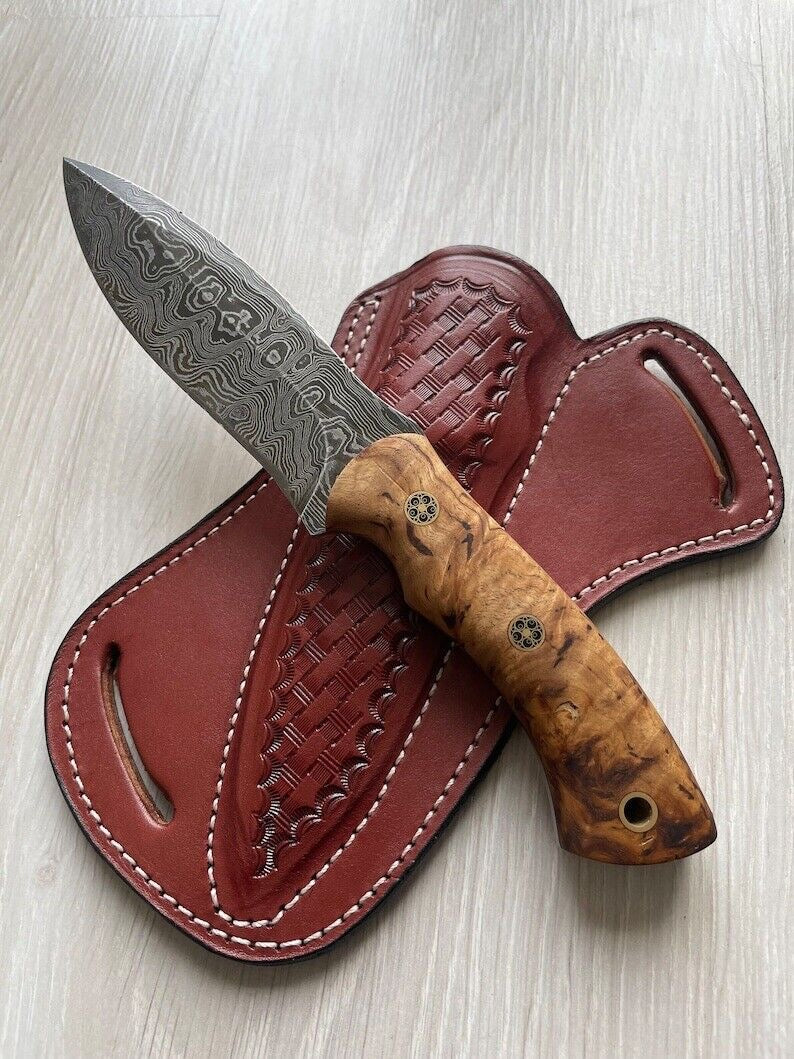
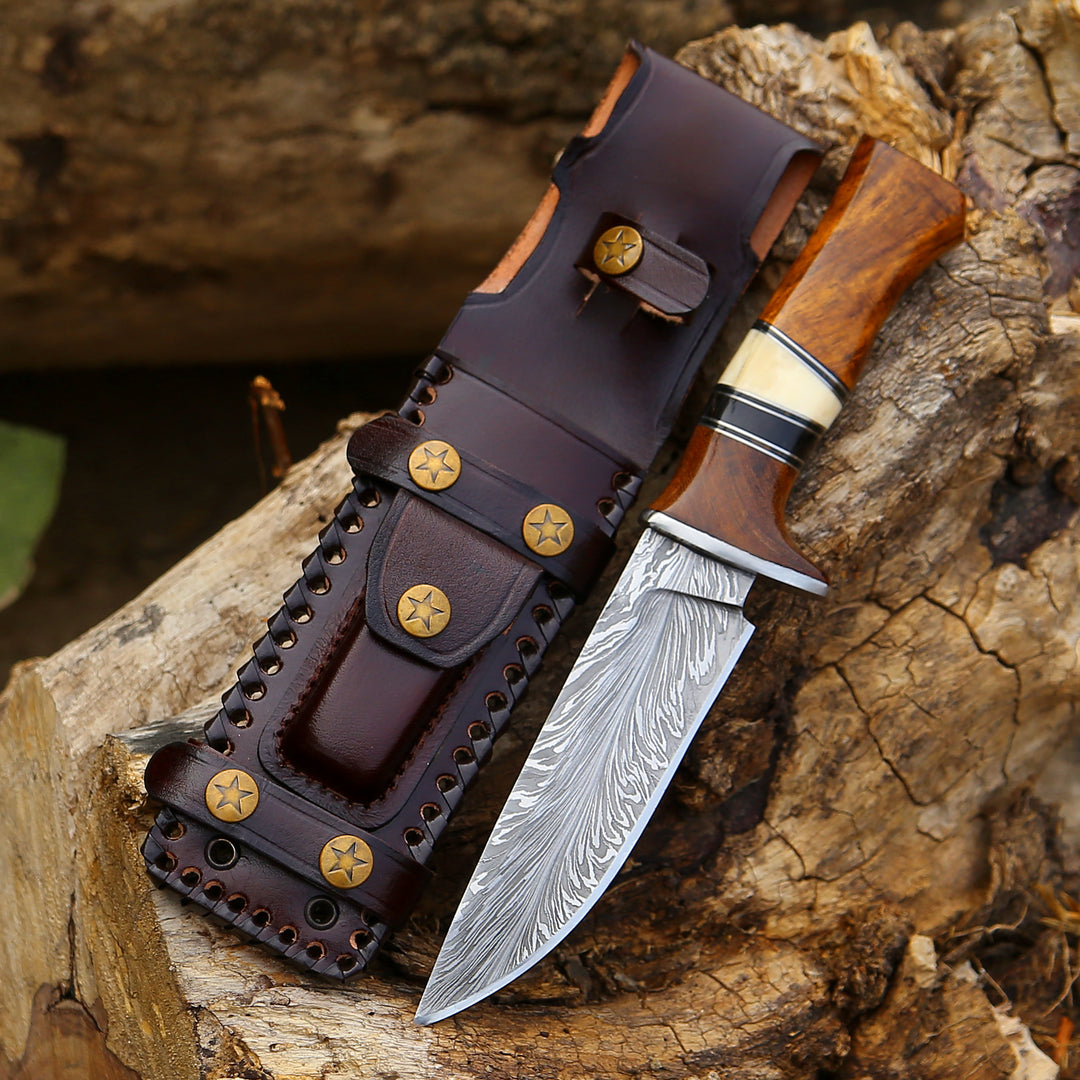
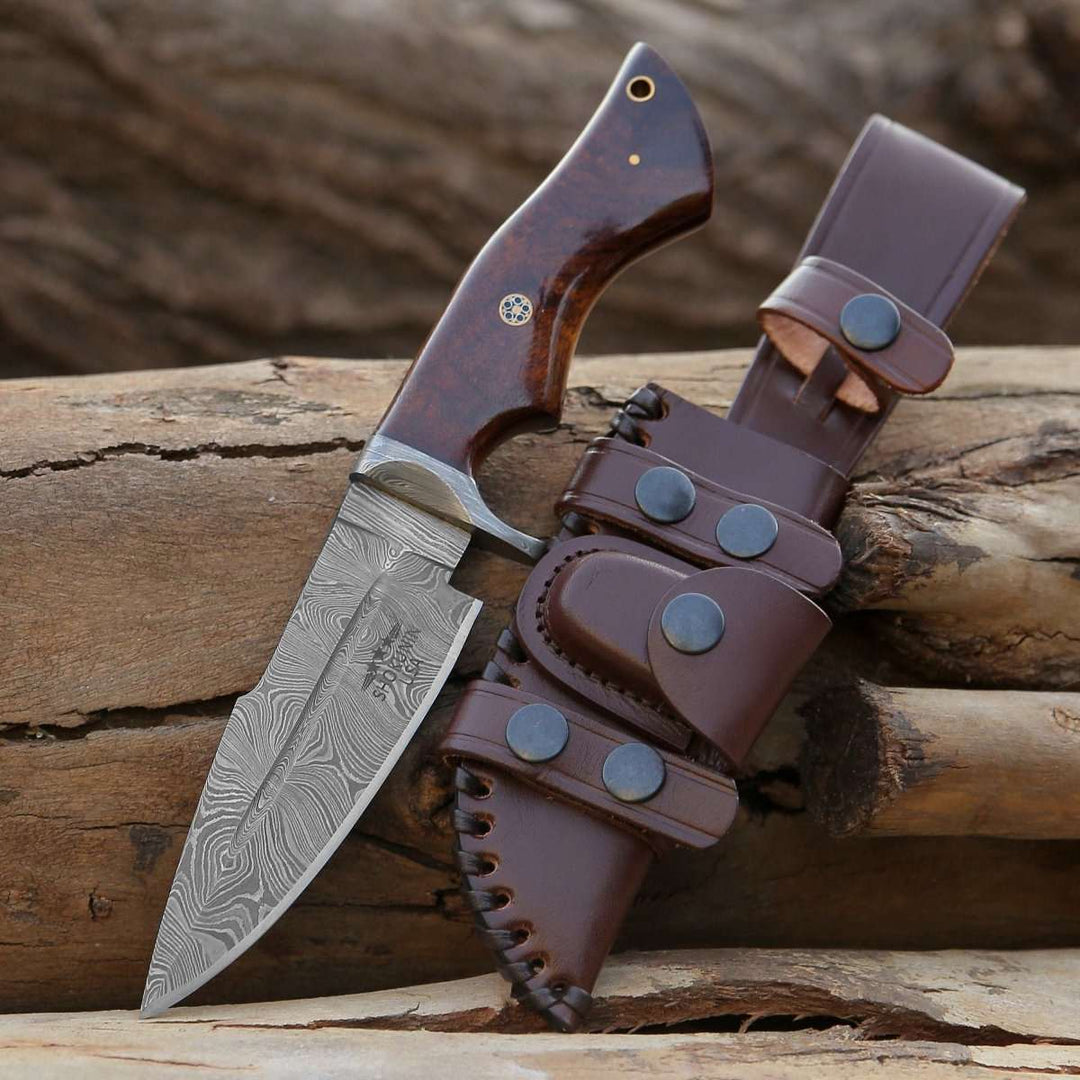
- Avoid Loose Environments: Keeping your pocket knife in a bag or loose pocket can lead to scratches and chips. Use a dedicated sheath or pouch to protect it.
- Magnetic Strips or Displays: If you’re a collector, consider showcasing your knives on magnetic strips, which not only looks great but keeps them safe from damage.
Regular Lubrication: Smooth Operation
To ensure that your pocket knife operates smoothly, regular lubrication of the moving parts is essential. Follow these steps for effective lubrication:
- Select a Suitable Lubricant: Use a light machine oil or knife-specific lubricant. These will prevent rust on the blade and help in maintaining the mechanism.
- Apply Sparingly: A few drops are usually sufficient. Too much oil can attract dust and debris, negating the benefits.
- Work It In: Open and close the knife several times after application to distribute the oil evenly across the pivot point.
Sharpening Your Blade: Sharpness is Vital
One of the most important aspects of knife maintenance is ensuring that your blade remains sharp. Here’s how to maintain the sharp edge of your Damascus Steel knife:
- Know Your Angle: Different knives require different sharpening angles. Typically, a 20-degree angle is standard; however, confirm what is best for your specific knife.
- Use the Right Tools: Invest in quality sharpening stones or guides designed for Damascus Steel. A whetstone with fine and coarse grit should do the trick.
- Frequent Touch-Ups: Don’t wait until your blade is dull. Frequent touch-ups can significantly prolong the sharpness of your knife.
Rust Prevention: Protecting Your Investment
Rust can be a significant issue, especially for blades made with layered steel like Damascus. Here are some strategies to prevent rust:
- Keep It Dry: Always ensure that your knife is completely dry before storing it. Wiping the blade after cleaning is essential.
- Preventive Coating: A light coating of mineral oil can offer additional protection against moisture and corrosion. It also enhances the appearance of Damascus Steel.
- Avoiding Saltwater: If you’re in coastal areas or involved in saltwater activities, try to keep your knife away from saltwater, as it accelerates rusting.
Mind the Pivot and Spring
The pivot and spring of your pocket knife are critical components that require attention. Here’s how to maintain them:
- Regular Checks: Inspect the pivot for any debris or rust. A clean pivot will ensure smooth operation.
- Tighten the Bolts: Occasionally, bolts may loosen with use. Check them to ensure your knife remains secure.
- Spring Care: If your knife has a spring mechanism, ensure it is intact and lubricated. This will keep the action smooth and responsive.
Expert Tips for Knife Enthusiasts
While the aforementioned tips provide a solid foundation for maintenance, here are a few advanced strategies for enthusiasts:
- Invest in a Quality Sharpening System: For those who frequently use their pocket knives, high-quality sharpening systems provide precision and ease of use.
- Try Different Sharpening Methods: Experiment with techniques like stropping or honing to achieve different edge finishes.
- Join a Community: Engaging with fellow knife enthusiasts can offer tips and techniques that may benefit your maintenance routine.
Knowing When to Seek Professional Help
Sometimes, the maintenance needs of your pocket knife may exceed your expertise. Here’s when to consider consulting a professional:
- Complex Repairs: If you encounter issues with the lock mechanism or significant damage, it’s best to consult a professional.
- Professional Sharpening: For those who prefer a perfect edge, getting your knife sharpened by a professional can be worthwhile.
Final Thoughts on Knife Care
Your pocket knife deserves the same attention and care as any valuable tool. By following these maintenance tips and ensuring regular cleaning, lubrication, and sharpening, you can enjoy the full potential of your Damascus Steel blade. Remember, the care you give today will pay dividends in performance and longevity tomorrow. So gear up, keep your pocket knife in shape, and continue exploring the great outdoors with confidence!









Dejar un comentario