


Overview
Maintain your gentleman's pocket knife for optimal performance by regularly cleaning, lubricating, and sharpening it. Understand its components, choose the right tools for maintenance, and store it properly to prevent rust. Familiarize yourself with different blade materials and seek professional help if necessary. Proper care ensures your knife remains a reliable companion for years.
Table of Contents
- Understanding Your Pocket Knife
- Daily Maintenance Tips for EDC Knives
- Cleaning Your Pocket Knife
- Lubrication for Smooth Operation
- Sharpening Techniques for Your Pocket Knife
- Choosing the Right Sharpening Tool
- Sharpening Steps
- Storage Tips for Longevity
- Dealing with Rust on Your Pocket Knife
- Removing Rust
- Preventing Future Rust
- Understanding Different Blade Materials
- When to Seek Professional Help
- The Final Cut: Mastering Your Pocket Knife Care
Key Takeaways
- Understand Your Knife: Familiarize yourself with the components of your pocket knife, including the blade, handle, pivot point, and locking mechanisms.
- Regular Cleaning: Clean your knife regularly using warm, soapy water and a soft brush to prevent rust and maintain sharpness.
- Lubrication: Apply knife-safe lubricant to the pivot point after cleaning to ensure smooth operation.
- Sharpening Techniques: Use a whetstone, sharpening rod, or mechanical sharpener, maintaining a consistent 20-degree angle for effective sharpening.
- Proper Storage: Store your knife in a dry environment, using a sheath or case to protect the blade from scratches and moisture.
- Rust Management: Address rust with a rust eraser, fine sandpaper, or a vinegar soak, and prevent future rust by lubricating and drying the knife after use.
- Seek Professional Help: Consider professional sharpening or repairs if you encounter severe damage, persistent rust, or difficulty in maintenance.
Your gentleman's pocket knife is not just a tool; it's a reliable companion for everyday situations. Whether you deploy it for tasks around the house or out in nature, maintaining your EDC knives is crucial for their longevity and performance. This comprehensive guide will provide you with valuable maintenance and sharpening tips to keep your pocket knife in pristine condition.
Understanding Your Pocket Knife
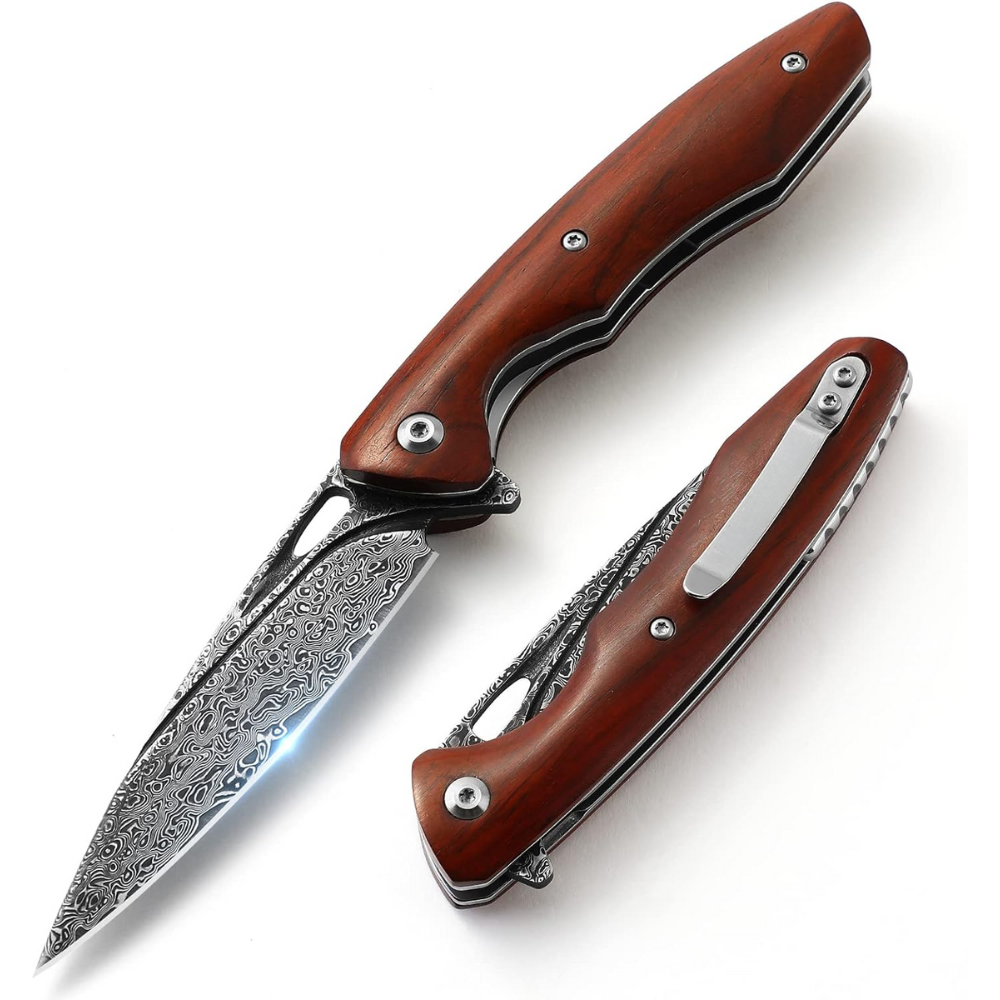
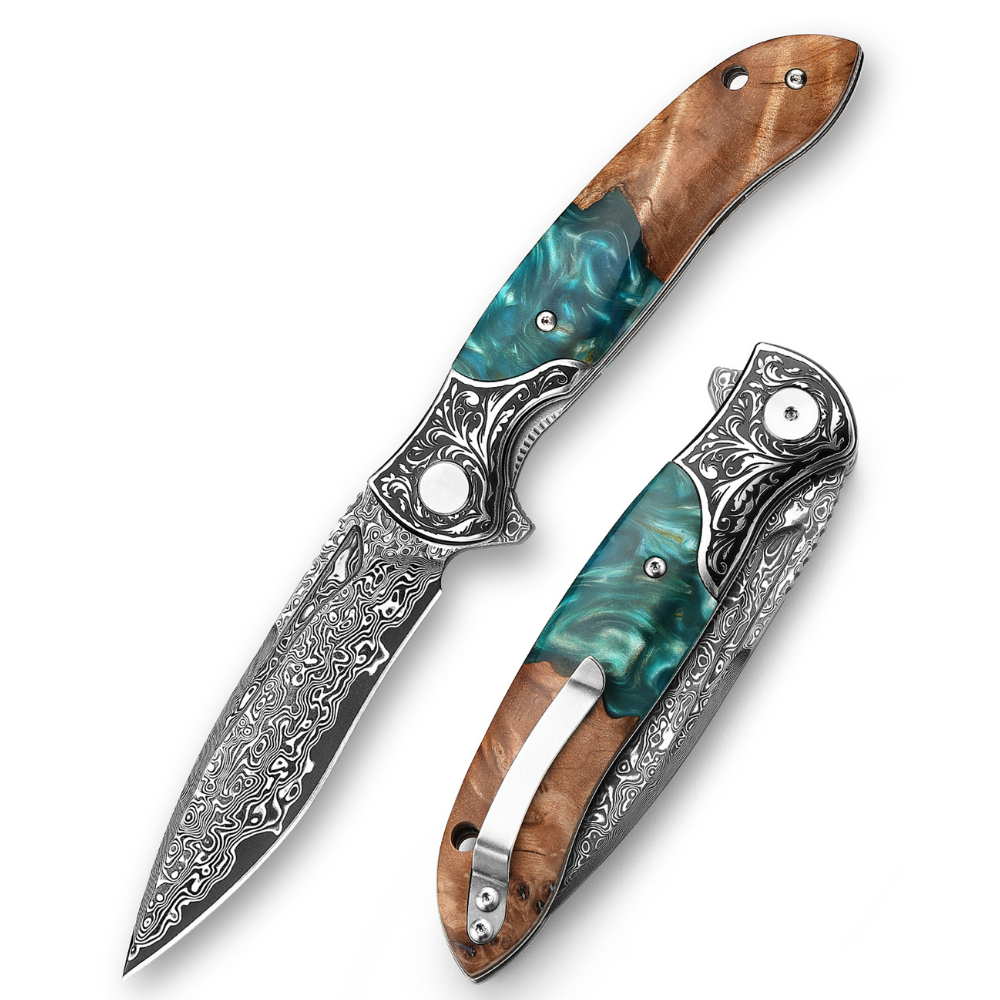
Before diving into maintenance, it’s essential to understand the components of your gentleman's pocket knife. Generally, a pocket knife includes:
- Blade: The cutting edge and the primary function of the knife.
- Handle: Provides grip and hosts the blade and mechanisms.
- Pivot point: The mechanism that allows the blade to open and close.
- Liner and lock: These components secure the blade when in use.
Recognizing these parts will help you appreciate your knife more and understand how to care for it properly.
Daily Maintenance Tips for EDC Knives
Cleaning Your Pocket Knife
Proper cleaning is the first step in maintaining your knife. Dirt and debris can lead to rust and dull blades. Here’s how to clean your pocket knife effectively:
- Disassemble if possible: Depending on the design of your gentleman's pocket knife, you might be able to take it apart for thorough cleaning.
- Use warm, soapy water: Soak the components in warm, soapy water to loosen dirt. A soft brush or old toothbrush can help get into crevices.
- Rinse and dry: Rinse parts thoroughly to remove soap and then dry immediately with a soft cloth to prevent water spots.
- Inspect for damage: While cleaning, check for any nicks or corrosion on the blade and handle.
Regular cleaning keeps your EDC knives functional and visually appealing.
Lubrication for Smooth Operation
Once clean and dry, it’s vital to lubricate the moving parts of your knife. A few drops of knife-safe lubricant on the pivot point will keep everything operating smoothly. Avoid using heavy oils that can attract dust and debris.
Sharpening Techniques for Your Pocket Knife
A sharp blade is essential for effective performance. Regular sharpening keeps your gentleman's pocket knife in peak condition. Here’s a breakdown of sharpening techniques:
Choosing the Right Sharpening Tool
Several options are available for sharpening your knife:
- Whetstone: A traditional and highly effective method; it requires practice but can yield excellent results.
- Sharpening rod: Portable and easy to use, great for quick touch-ups.
- Mechanical sharpeners: Ideal for those who prefer convenience over traditional methods—just ensure they are suitable for EDC knives.
Sharpening Steps
Here’s how to effectively sharpen your pocket knife:
- Set the Angle: Maintain a consistent angle while sharpening—the standard is about 20 degrees for most EDC knives.
- Stroke the Blade: For whetstones, slide the blade along the stone, applying light pressure. For a sharpening rod, keep the blade at a consistent angle against the rod while drawing it down.
- Check for Burrs: Flip the knife and check for any small metal fragments called burrs, which indicate the edge is being sharpened.
- Final Hone: After sharpening, hone the blade to refine the edge and ensure cutting efficiency.
Taking the time to sharpen regularly enhances your cutting experience and prolongs the lifespan of your pocket knife.
Storage Tips for Longevity
How you store your gentleman's pocket knife can significantly impact its maintenance. Consider the following storage tips:
- A Dry Environment: Moisture can cause rust. Store your knife in a cool, dry place, and consider using silica gel packets to absorb excess humidity.
- Use Sheath or Case: Protecting the blade with a sheath or case prevents scratches and accidental openings.
- Keep Away from Other Tools: Avoid storing your knife with other sharp tools to prevent dulling its blade and causing damage.
Dealing with Rust on Your Pocket Knife
Even with proper care, your pocket knife might still encounter rust, particularly if used in wet environments. Here’s how to handle it:
Removing Rust
For minor rust spots, you can:
- Use a Rust Eraser: These are designed for quick removal without damaging the blade.
- Sandpaper: A very fine grit can help, but be careful not to scratch the surface.
- Vinegar Soak: For heavier rust, soak the blade in white vinegar for a few hours and scrub it gently afterward.
Preventing Future Rust
To prevent rust from reoccurring, regularly lubricate your knife and ensure it’s completely dry after use. Consider a protective coating if you frequently use your pocket knife outdoors.
Understanding Different Blade Materials
The type of steel used in your gentleman's pocket knife affects its maintenance needs. Here are a few common blade materials:
- Stainless Steel: Less prone to rust and easier to maintain but may require frequent sharpening.
- Carbon Steel: Holds an edge longer but is more susceptible to rust and staining.
- High-Carbon Stainless Steel: Offers the best of both worlds but still requires proper care to avoid corrosion.
Understanding your knife’s material can help you tailor your maintenance routine effectively.
When to Seek Professional Help
Sometimes, you might find it challenging to maintain your pocket knife adequately. Here are signs it might be time to seek professional sharpening or repairs:
- Severe damage to the blade edges, such as chips or dents.
- Difficulty cleaning or reassembling the knife.
- Persistent rust spots that won't disappear with standard care.
The Final Cut: Mastering Your Pocket Knife Care
Proper care and maintenance of your gentleman's pocket knife can make the difference between a reliable tool and a dull disappointment. From daily cleaning and lubrication to mastering the art of sharpening, these tips ensure you keep your EDC knives in excellent shape. Remember that a well-maintained knife not only performs better but also remains a trusted companion for many years. Embrace the joy of caring for your pocket knife; it’s a skill that pays off in countless ways!
Frequently Asked Questions
1. What are the main components of a pocket knife?
2. How should I clean my pocket knife?
3. What are some lubrication tips for pocket knives?
4. How often should I sharpen my pocket knife?
5. What should I do if my pocket knife develops rust?
Glossary
| Term | Meaning |
|---|---|
| EDC Knife | A pocket knife designed for everyday carry and use. |
| Blade | The cutting part of the knife, essential for its function. |
| Handle | The part of the knife you grip, housing the blade and mechanisms. |
| Pivot Point | The mechanism that allows the blade to open and close smoothly. |
| Lubrication | Applying oil to moving parts for smooth operation. |
| Sharpening | The process of refining the blade edge for better performance. |
| Rust Eraser | A tool designed to remove rust without damaging the blade. |
| Whetstone | A traditional sharpening tool that requires practice for effective use. |
| Storage Tips | Best practices for keeping a knife safe and in good condition. |
| Blade Material | The type of steel affecting maintenance and performance. |
Linked Product

Valiant Japanese Tanto Pocket Knife with Obsidian Micarta Handle
The Valiant Japanese Tanto Pocket Knife features a hand-forged Damascus steel blade, offering exceptional strength and edge retention for various cutting tasks. With an ergonomic design and durable obsidian micarta handle, this knife is comfortable to use and resistant to heat and moisture. It includes a hand-stitched leather sheath and a pocket sharpener, making it a practical choice for everyday carry and maintenance.
View Product






Laissez un commentaire