


Overview
Pocket knives are popular for their versatility, but responsible ownership is crucial. Understand local laws, choose the right knife for your needs, and follow best practices for carrying and using it safely. Educate others about knife safety, especially children, and be prepared for emergencies. Promoting a culture of safety and respect in knife handling benefits everyone.
Table of Contents
- Understanding Local Laws and Regulations
- Research Local Regulations
- Where You Can Carry
- Choosing the Right Knife for Your Needs
- Determine Your Primary Use
- Prioritize Quality and Design
- Best Practices for Carrying Pocket Knives
- Choose the Right Carrying Method
- Practice Safe Use
- Storing Your Pocket Knife Safely
- Designated Storage Spots
- Routine Maintenance and Care
- Safe Knife Handling with Others
- Communicate Clearly
- Use Caution in Group Settings
- Teaching Kids About Knife Safety
- Establish Clear Rules
- Hands-On Learning
- Staying Prepared for Emergencies
- First Aid Skills
- Know Your Emergency Contact Information
- Creating a Safe Knife Culture
- Final Thoughts: Shine Light on Responsible Knife Carrying
Key Takeaways
- Understand Local Laws: Research and familiarize yourself with knife laws in your area to avoid legal issues.
- Choose the Right Knife: Select a pocket knife based on your primary use, whether for everyday tasks or outdoor activities.
- Practice Safe Use: Always cut away from your body and use a stable surface to minimize accidents.
- Store Safely: Designate a secure storage area for your knife to prevent unauthorized access, especially by children.
- Educate Others: Teach children and peers about responsible knife handling to promote a culture of safety.
- Maintain Your Knife: Regularly clean, oil, and sharpen your knife to ensure optimal performance and safety.
- Be Prepared for Emergencies: Know basic first aid and keep emergency contact information accessible when using your knife.
In recent years, pocket knives have surged in popularity, thanks to their practical applications and versatility. While carrying a Damascus pocket knife or any handmade knives can be incredibly useful, it's essential to prioritize safety and responsibility. This article offers valuable tips on how to handle and carry your pocket knife responsibly while considering local laws, personal safety, and best practices for everyday use. Read on to ensure you are an informed and conscientious knife owner!
Understanding Local Laws and Regulations
Before you even think about carrying your pocket knife, it's crucial to understand the laws and regulations in your area. Knife laws can vary widely from state to state and even city to city, so being informed can prevent legal issues and potential safety hazards.
Research Local Regulations
Check your local government or law enforcement websites for laws regarding knife carrying. Here are some points you should clarify:
- Is it legal to carry a pocket knife in public?
- Are there restrictions on blade length or mechanisms like automatic openings?
- What are the rules for concealed versus open carry?
Where You Can Carry
Some public spaces, such as schools, government buildings, and airports, may prohibit knife carrying entirely. Make sure you are familiar with these restrictions to avoid unwanted encounters or legal consequences.
Choosing the Right Knife for Your Needs
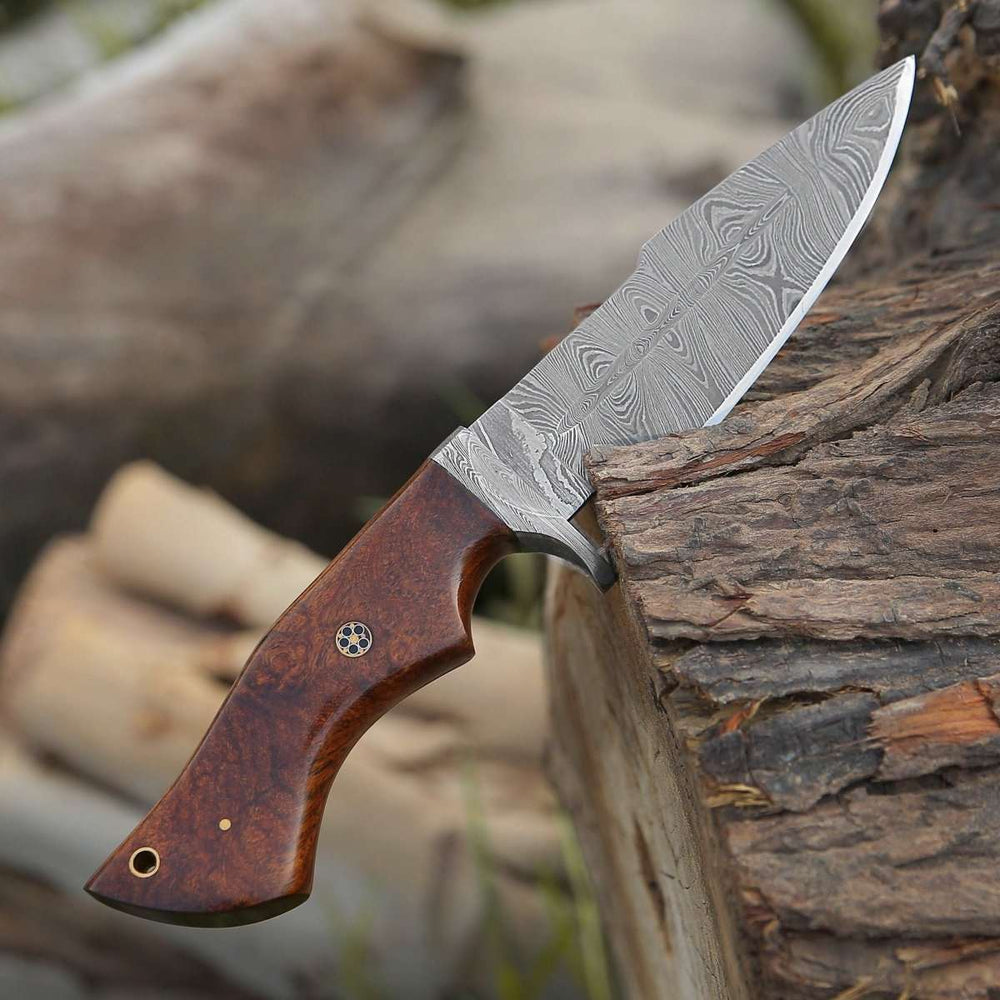
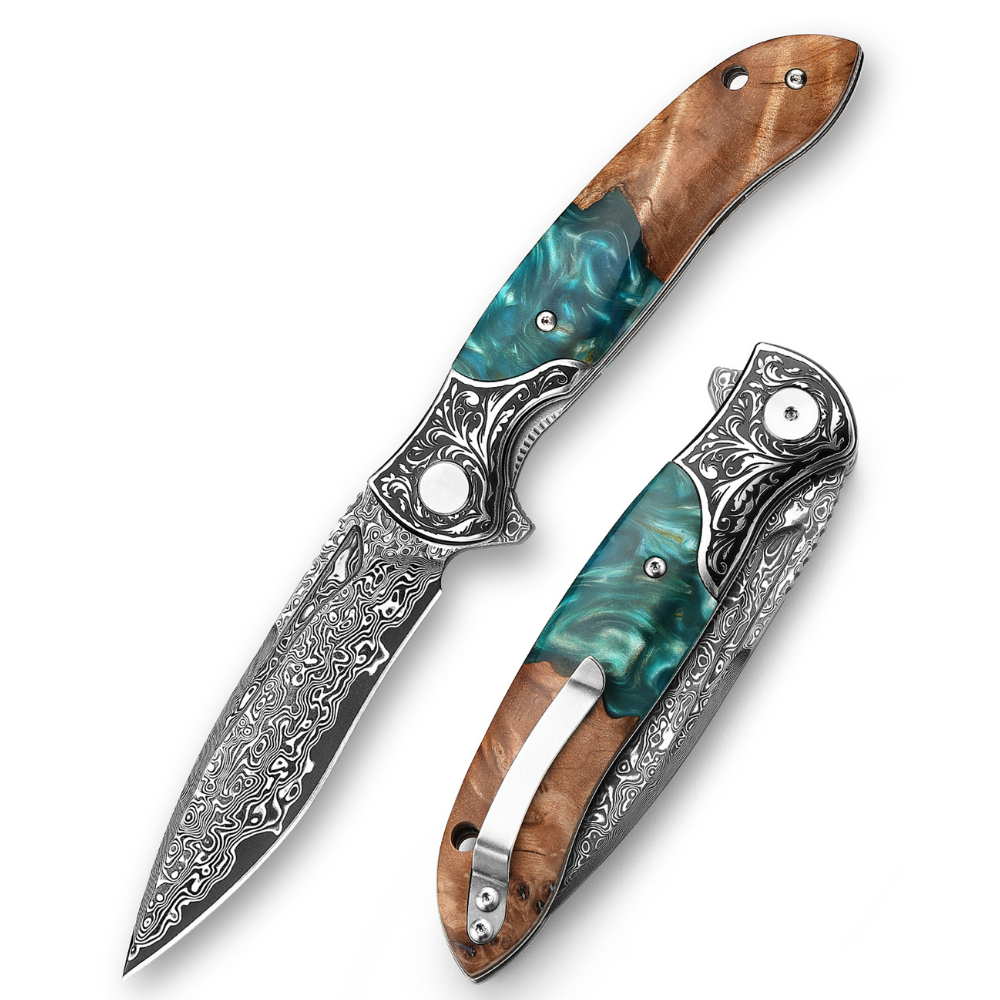
The type of pocket knife you choose influences how you carry it. A Damascus pocket knife, renowned for its craftsmanship and gorgeous patterns, might be more suited for display or light tasks rather than heavy-duty work. Here are some pointers:
Determine Your Primary Use
What will you use your handmade knives for? Everyday carry (EDC)? Outdoor activities? Cooking? Understanding your primary need will help you choose the right knife that will keep you safe and compliant.
Prioritize Quality and Design
When selecting a pocket knife, consider its design and manufacturing quality. Opt for knives with safety features, such as lock-back mechanisms or thumb studs, which can help prevent accidents when opening or closing the blade.
Best Practices for Carrying Pocket Knives
Once you've selected the right pocket knife, it's time to focus on how to carry it safely and responsibly. Here are some tips to follow:
Choose the Right Carrying Method
Your choice of carrying method can significantly impact safety. Here are popular options:
- **In a pocket**: This is a common choice for most knife enthusiasts, allowing for easy access while keeping the knife secure.
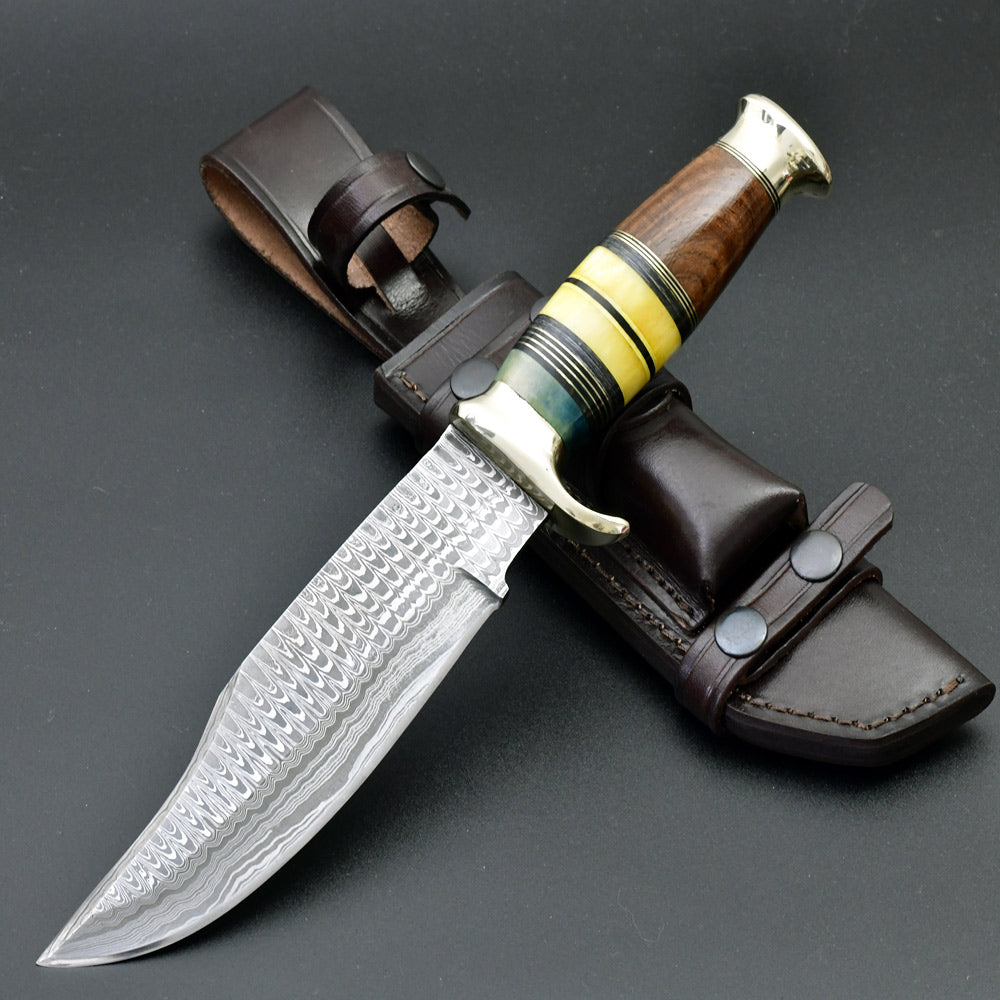
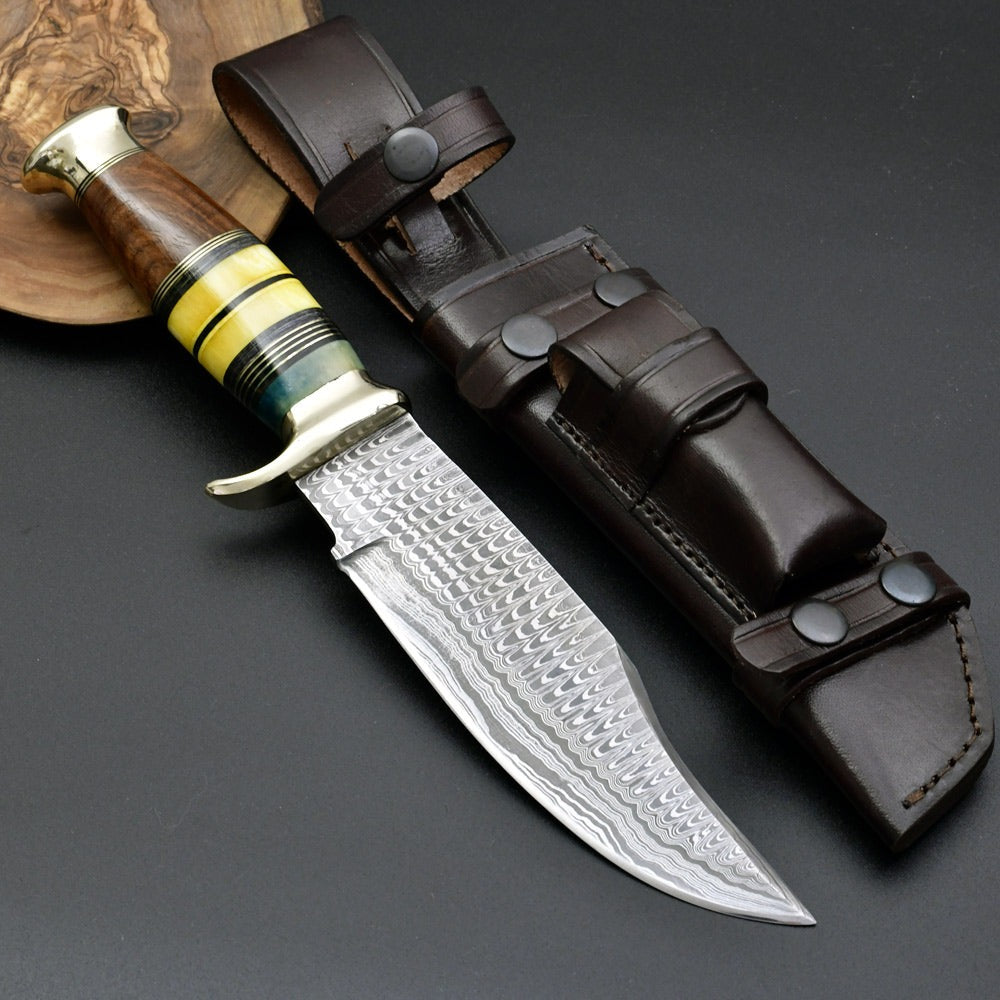
- **On a belt**: A knife sheath attached to your belt may be suitable for larger knives. Ensure it’s secure and out of reach of children or unauthorized individuals.
- **In a bag**: If you’re concerned about visibility or legality, consider storing your knife in a bag or backpack, but always keep it accessible when you need it.
Practice Safe Use
When using your pocket knife, keep safety at the forefront:
- **Cut Away From Your Body**: Always cut away from yourself to avoid accidents.
- **Use a Stable Surface**: When necessary, use a stable surface, like a table or a cutting board, for safety.
- **Keep the Blade Sharp**: A dull blade can require more force, increasing the chances of slipping and causing an accident. Regularly maintain your knife for optimal performance.
Storing Your Pocket Knife Safely
When you’re not using your Damascus pocket knife or any handmade knives, proper storage is key to maintaining both safety and the knife’s integrity:
Designated Storage Spots
Designate a safe storage area within your home where children or unauthorized individuals cannot access your pocket knife. Always return the knife to its place after use. Some safe storage options include:
- **Knife Blocks**: Good for larger knives but can accommodate smaller ones.
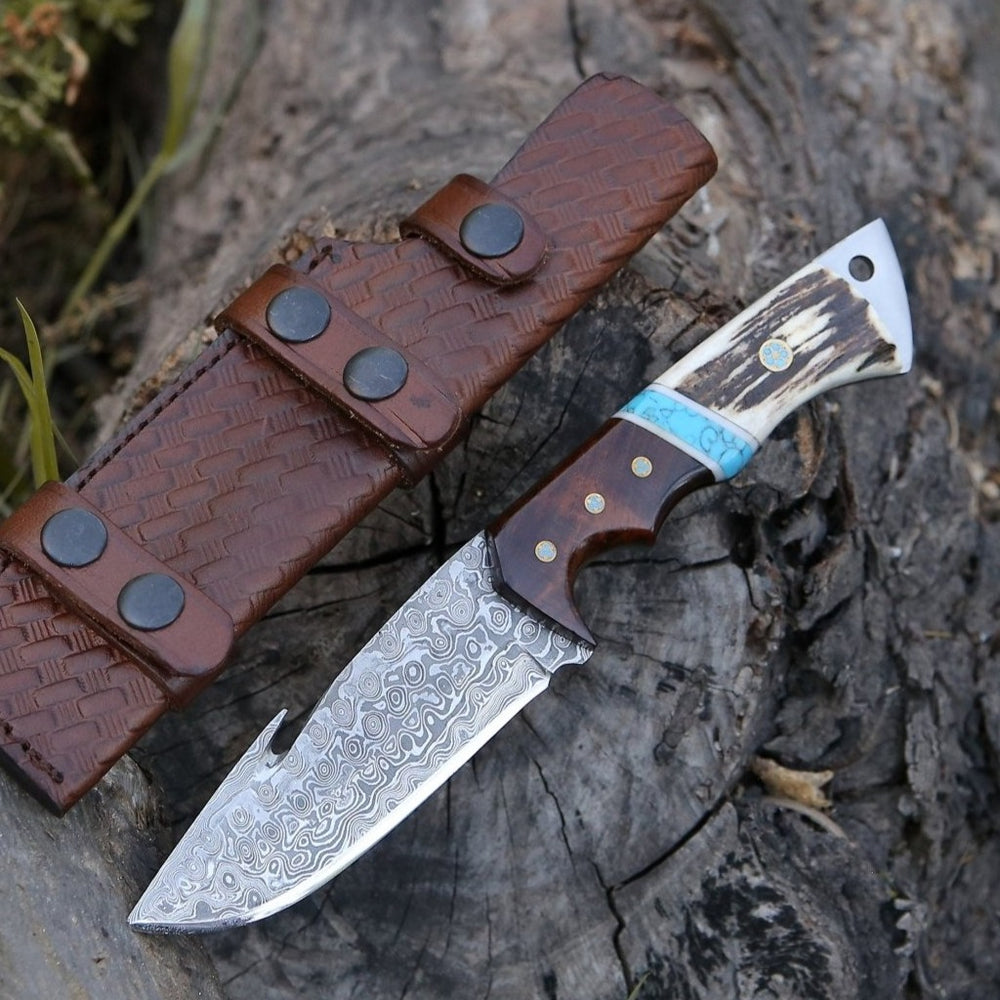
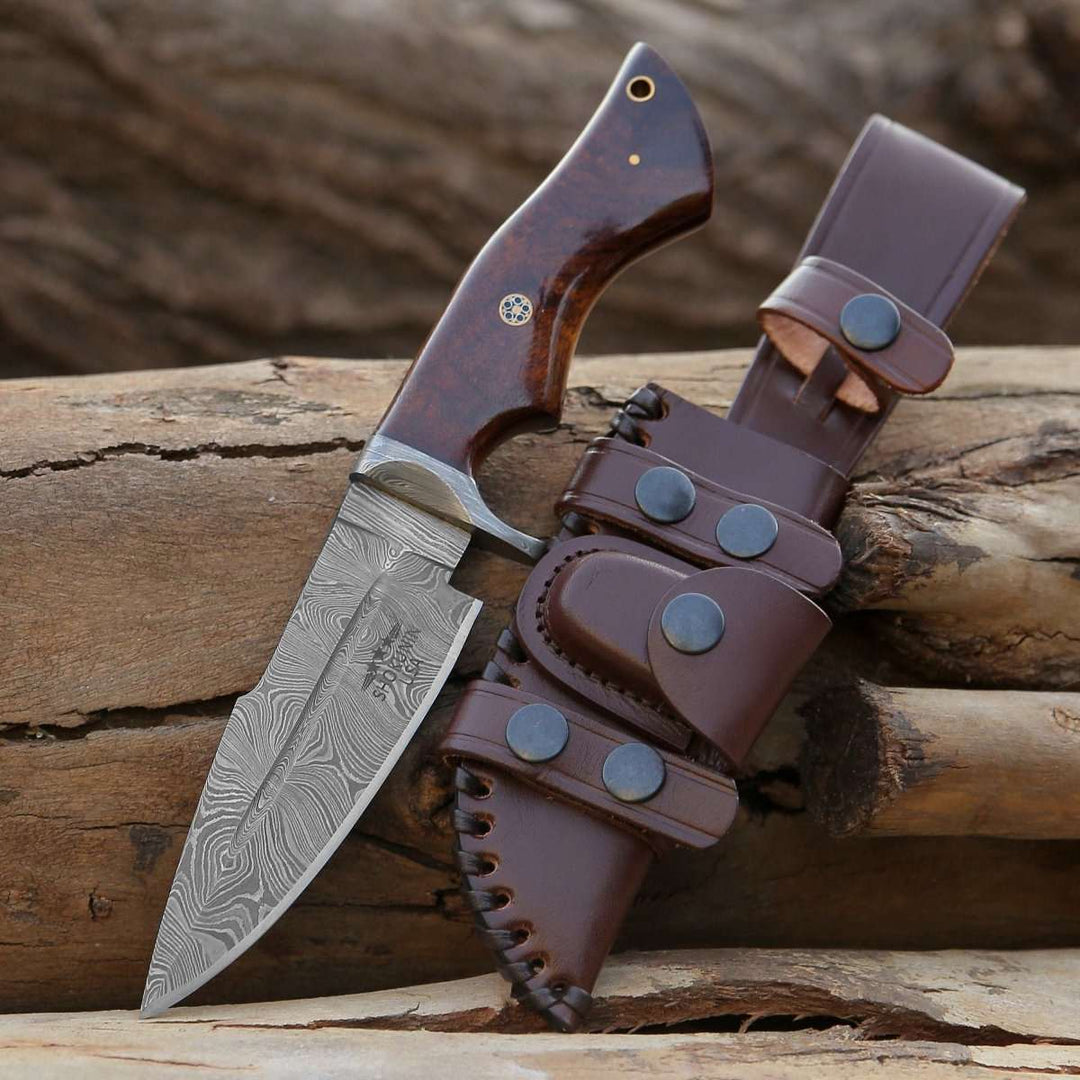
- **Sheaths**: Leather or fabric sheaths can protect the blade and keep it sharp.
- **Drawer Organizers**: Consider safely enclosing your knives in a drawer with proper organizers.
Routine Maintenance and Care
Beyond safe storage, regularly maintaining your knife is crucial for both performance and safety:
- **Cleaning**: Regularly clean the blade and handle to prevent corrosion or damage.
- **Oiling the Pivot**: If your knife features a folding mechanism, oil the pivot to ensure smooth operation.
- **Sharpening**: Keep your knife sharp by using appropriate sharpening tools to enhance safety and functionality.
Safe Knife Handling with Others
If you're in a setting where others are around, being mindful of how you handle your knife is vital. Here are some helpful pointers:
Communicate Clearly
Let others know when you're using a knife or plan to share it for a specific task. Clear communication can prevent misunderstandings and accidents.
Use Caution in Group Settings
Whenever you're using a pocket knife in a group setting, take additional precautions:
- **Keep the Blade Covered**: If you're passing your knife to someone, always ensure the blade is facing away from them and securely closed.
- **Set Ground Rules**: If you're participating in group activities such as camping or outdoor projects, establish safe handling procedures ahead of time.
Teaching Kids About Knife Safety
If you have kids, educating them on pocket knife safety is essential. Teaching them the importance of responsible knife handling promotes safety and ensures they respect the tool. Here are some approaches:
Establish Clear Rules
Set clear rules for when and how to use knives. Make sure children know they should:
- Only use knives under adult supervision.
- Understand the importance of keeping knives away from other kids.
- Never play with knives, treating them with respect.
Hands-On Learning
If your child is old enough, consider teaching them basic knife skills, such as how to hold and use a pocket knife properly. This can build confidence in handling knives while reinforcing safety practices.
Staying Prepared for Emergencies
Even with the best safety practices in place, accidents can happen. Being prepared can make all the difference:
First Aid Skills
Understanding basic first aid can be invaluable. Learn how to treat common knife injuries and ensure you have a first-aid kit handy when using your pocket knife.
Know Your Emergency Contact Information
In case of significant injuries, knowing emergency contact information can expedite help. Keep your phone accessible when using your pocket knife outdoors.
Creating a Safe Knife Culture
As a knife owner, you can help promote a culture of safety regarding knife use:
- **Share Your Knowledge**: Teach friends or family members about the importance of safe knife handling.
- **Participate in Community Events**: Join local groups focused on outdoor safety or knife skills, spreading awareness and culture.
- **Encourage Responsibility**: Remind fellow knife owners that carrying a knife is a responsibility. Emphasizing this can lead to a safer environment for everyone.
Final Thoughts: Shine Light on Responsible Knife Carrying
Carrying a pocket knife, such as a Damascus pocket knife or any handmade knives, can be beneficial in many scenarios, from everyday tasks to outdoor adventures. However, it is vital to approach this responsibility with a clear understanding of safety, legal regulations, and manufacturing quality. By following the tips outlined in this guide, you'll not only enjoy the advantages of your pocket knife but also advocate for a culture of respect, awareness, and safety. Remember, proper knife handling is in your hands—make it safe for yourself and others!
Frequently Asked Questions
1. What should I consider before carrying a pocket knife?
2. How can I choose the right pocket knife for my needs?
3. What are the best practices for carrying a pocket knife safely?
4. How should I store my pocket knife when not in use?
5. How can I teach kids about pocket knife safety?
Glossary
| Term | Meaning |
|---|---|
| Pocket Knife | A small, foldable knife designed for everyday tasks. |
| Damascus Knife | A knife made from layered steel known for its strength and beauty. |
| EDC (Everyday Carry) | Items carried daily for practical use, including pocket knives. |
| Concealed Carry | Carrying a knife hidden from view, often subject to legal restrictions. |
| Blade Length | The measurement of the knife blade, which can affect legality. |
| Lock-Back Mechanism | A safety feature that locks the blade in place when open. |
| Knife Sheath | A protective cover for storing or carrying a knife safely. |
| First Aid Skills | Basic knowledge of treating injuries, important for knife users. |
| Knife Culture | A community approach promoting safe and responsible knife use. |
| Routine Maintenance | Regular care practices like cleaning and sharpening for knife longevity. |
Linked Product

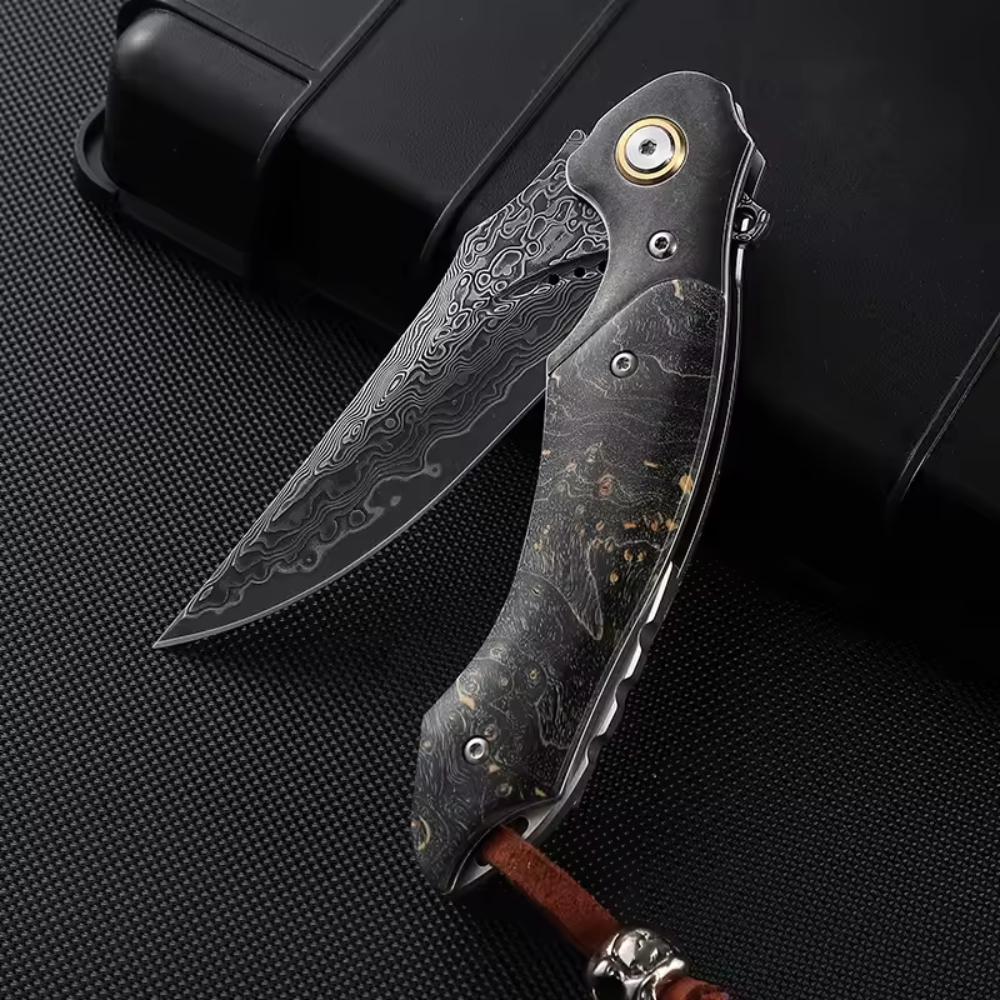
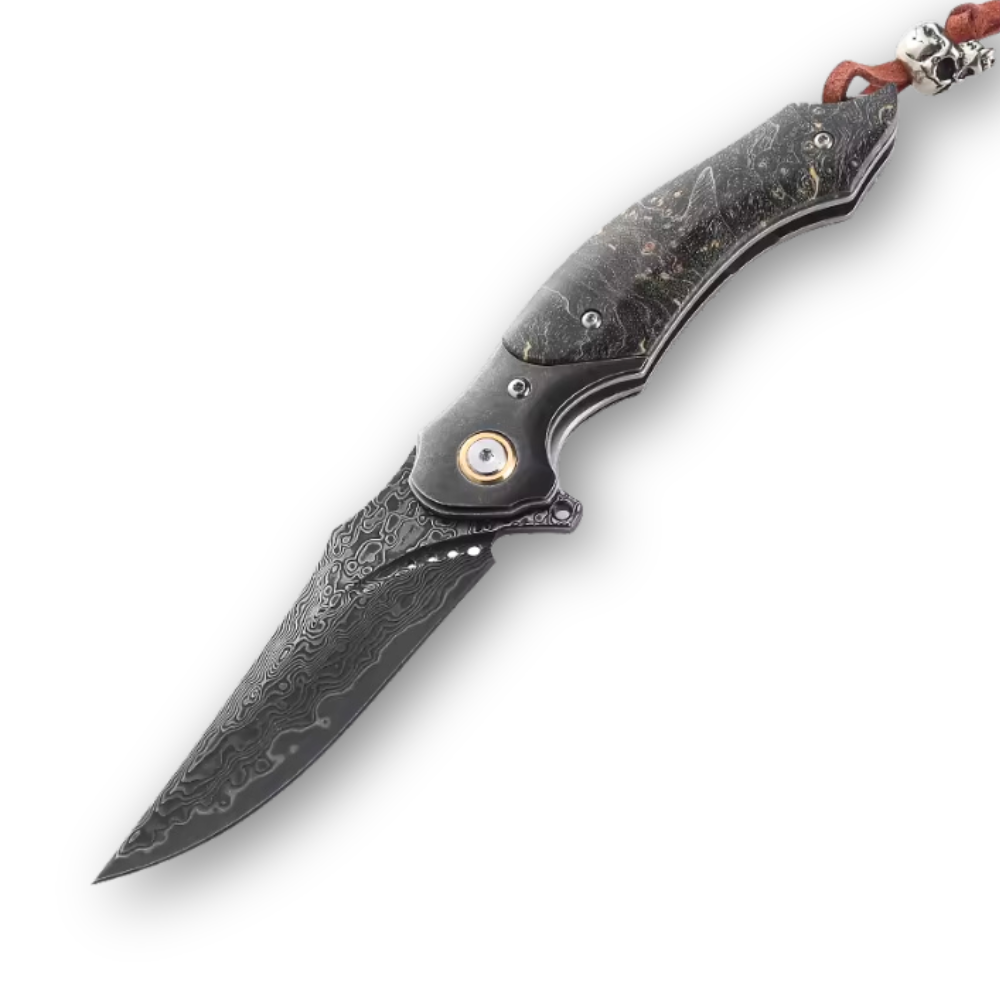
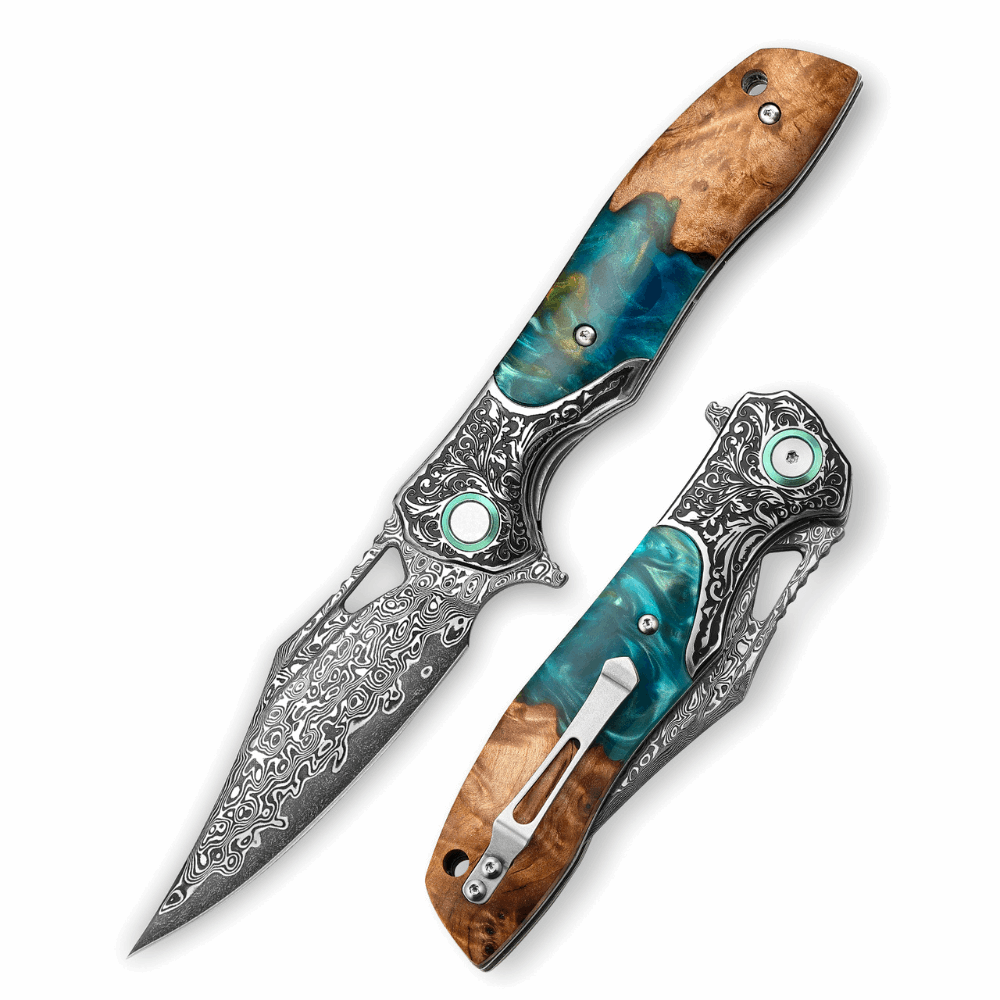
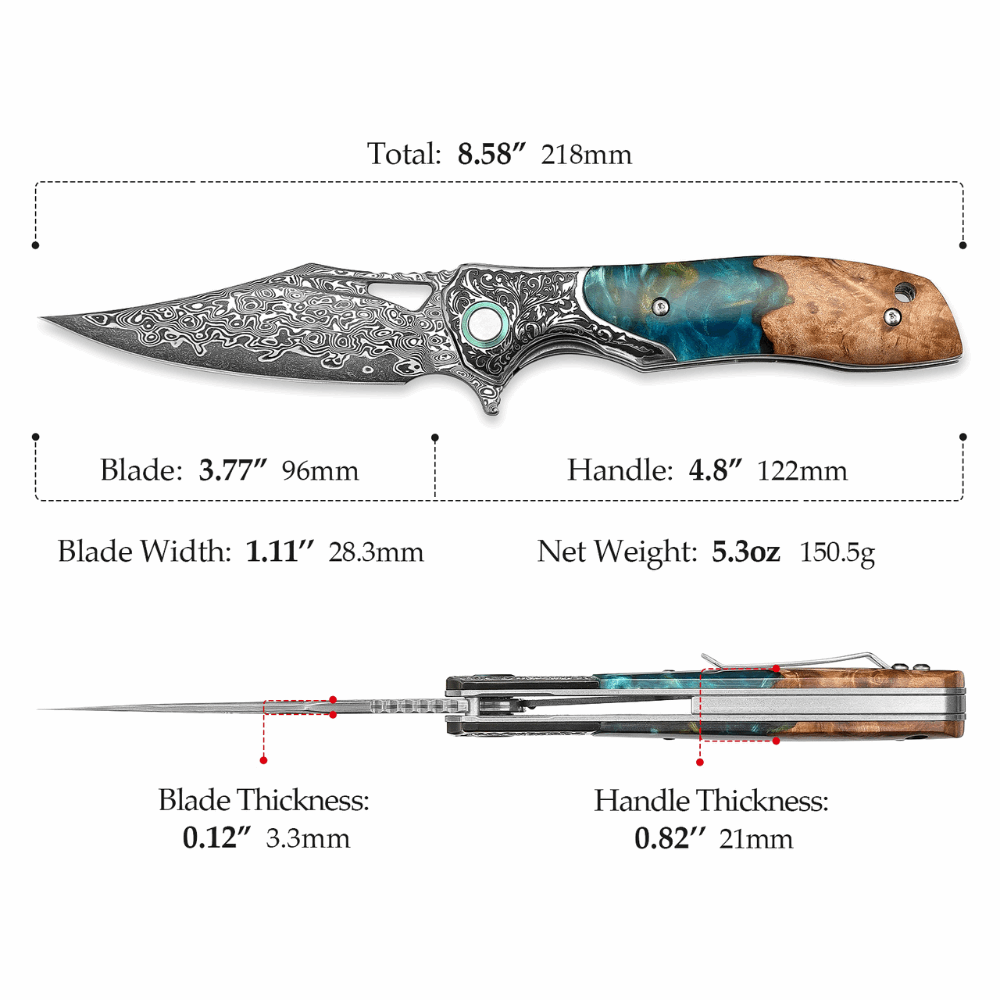
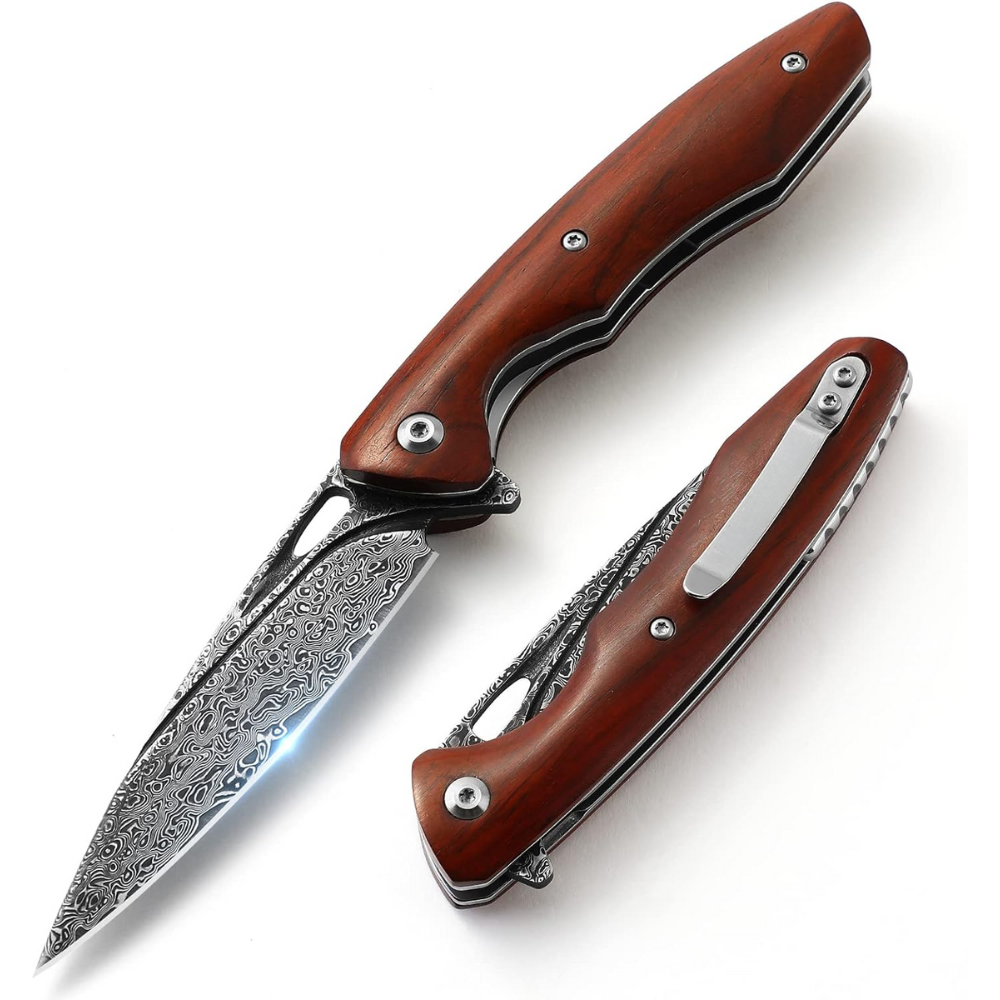
Athena VG10 Handmade Damascus Pocket Knife with Clip & Exotic Ebony Wood Handle
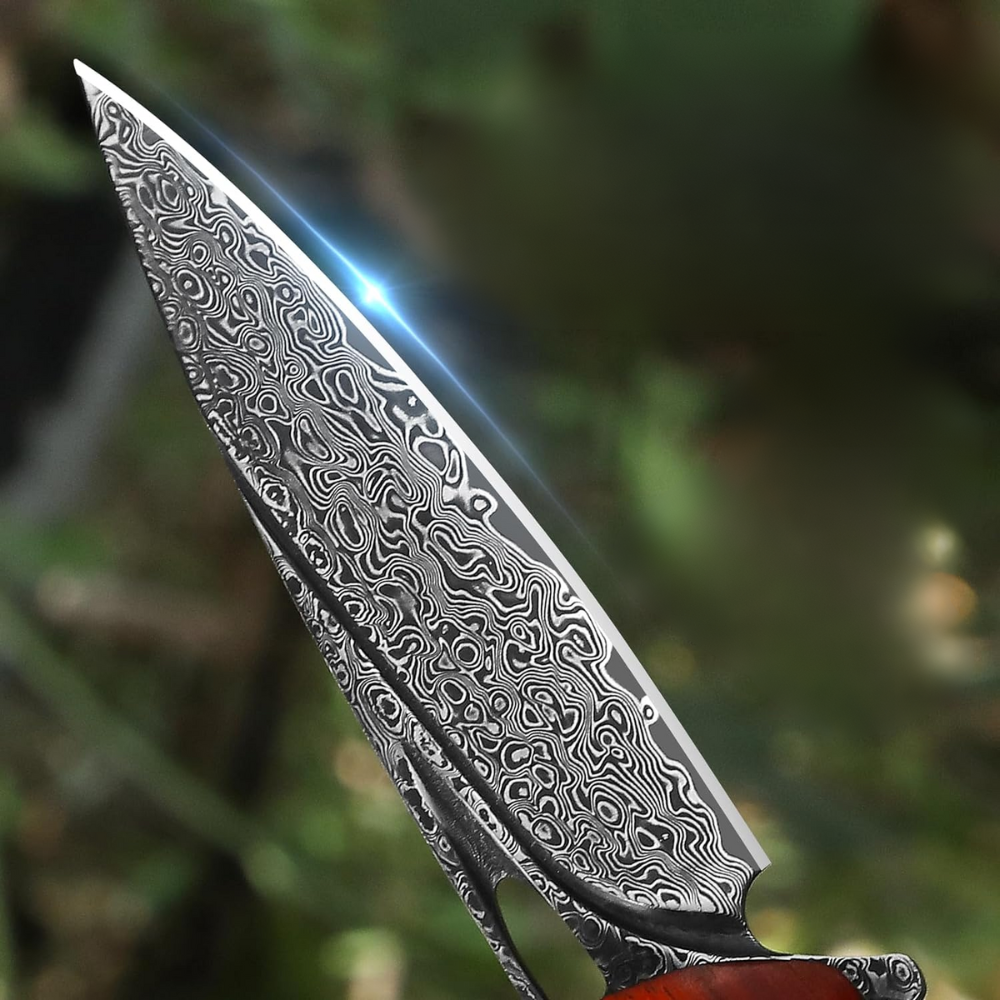
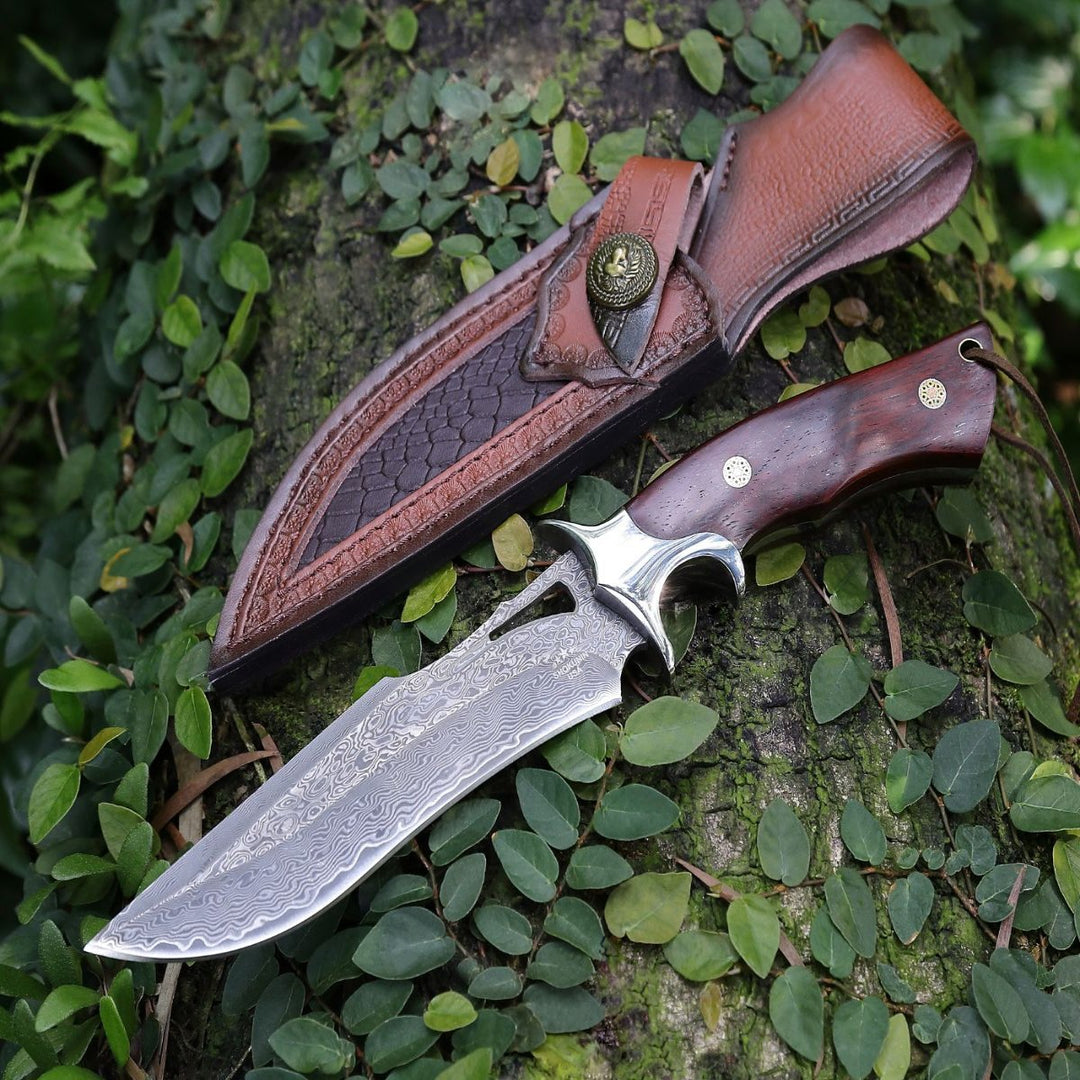
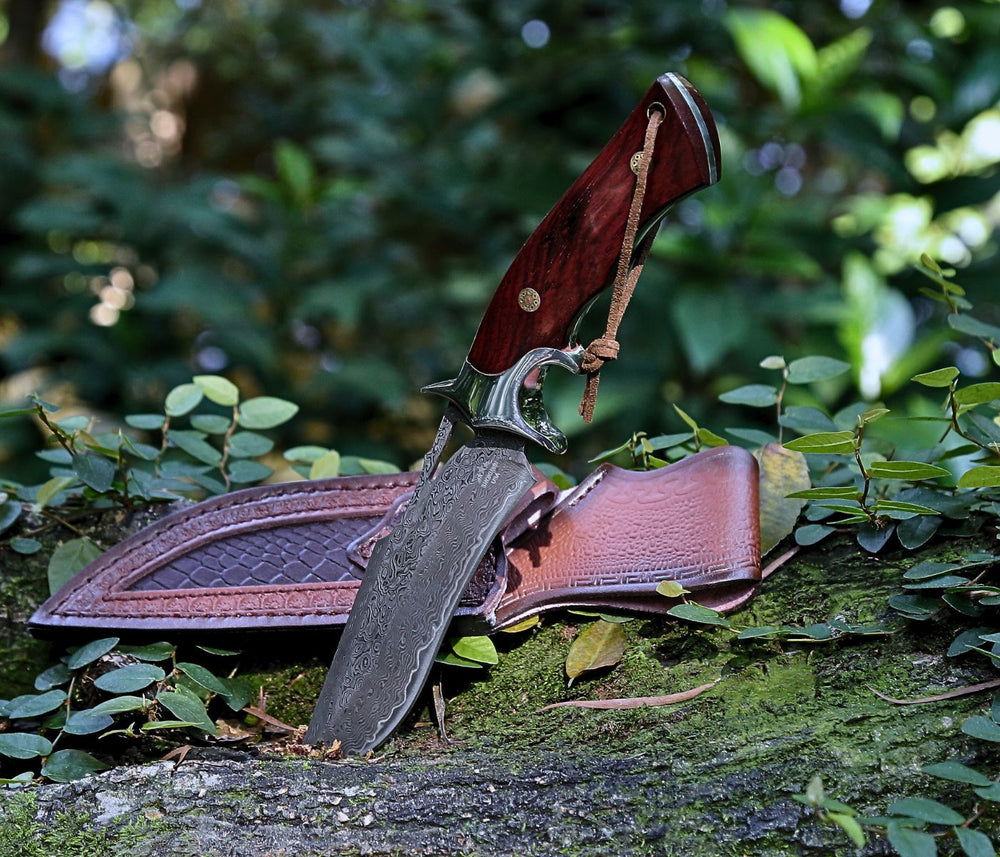
The Athena VG10 Handmade Damascus Pocket Knife features a unique, hand-forged Damascus steel blade that provides exceptional strength and edge retention, making it suitable for various tasks. Its ergonomic design, complemented by an exotic ebony wood handle, offers comfort and balance during use. Additionally, the knife comes with a hand-stitched leather sheath and a complementary sharpener, enhancing its practicality for everyday carrying.
View Product







Laissez un commentaire