


Overview
This blog explores the differences between luxury knives and everyday pocket knives, highlighting their materials, craftsmanship, and intended use. Luxury knives, like handmade Japanese Damascus chef knives, offer superior performance and aesthetics, while everyday pocket knives prioritize practicality and affordability. Understanding these distinctions can help you choose the right knife for your needs, whether for culinary artistry or everyday tasks. Proper care and maintenance are essential for both types, and choosing between them depends on your lifestyle and preferences.
Table of Contents
- Understanding Knife Categories
- Everyday Pocket Knives
- Luxury Knives
- The Craftsmanship Behind Luxury Knives
- Everyday Versatility vs. Culinary Art
- The Importance of Balance and Comfort
- Care and Maintenance of Your Knives
- Luxury Knife Care
- Everyday Knife Care
- Price Points and Investment Value
- Investing in Quality
- When to Choose Each Type
- Opt for Everyday Pocket Knives When:
- Choose Luxury Knives When:
- Final Thoughts: Elevate Your Knife Collection
Key Takeaways
- Understanding Categories: Luxury knives focus on craftsmanship and aesthetics, while everyday pocket knives prioritize practicality and affordability.
- Materials Matter: Luxury knives are made from high-quality materials like high-carbon stainless steel, enhancing durability and performance.
- Craftsmanship: Handmade luxury knives undergo meticulous crafting processes, including traditional forging and hand-finishing for superior sharpness.
- Intended Use: Everyday knives are versatile for general tasks, whereas luxury knives are specifically designed for culinary excellence.
- Comfort and Balance: Luxury knives emphasize ergonomic design and weight distribution for ease of use during prolonged cooking sessions.
- Care Differences: Luxury knives require hand washing and immediate drying, while everyday knives can be maintained with simpler cleaning methods.
- Investment Value: Luxury knives are seen as long-term investments, often passed down through generations, unlike more disposable everyday knives.
When it comes to knives, the world is teeming with options, from pocket-sized tools that fit seamlessly into daily life to stunning pieces of craftsmanship that transform culinary experiences. At Shokunin USA, we're passionate about knives, and today, we take a closer look at the significant differences between luxury knives, such as a Japanese Damascus chef knife, and everyday pocket knives. Understanding these differences can help you choose the right blade for your needs, whether for functional utility or culinary artistry.
Understanding Knife Categories
Before diving into the differences between luxury and everyday knives, let’s define what we mean by each category. This distinction is not merely about price but also encompasses materials, craftsmanship, and intended use.
Everyday Pocket Knives
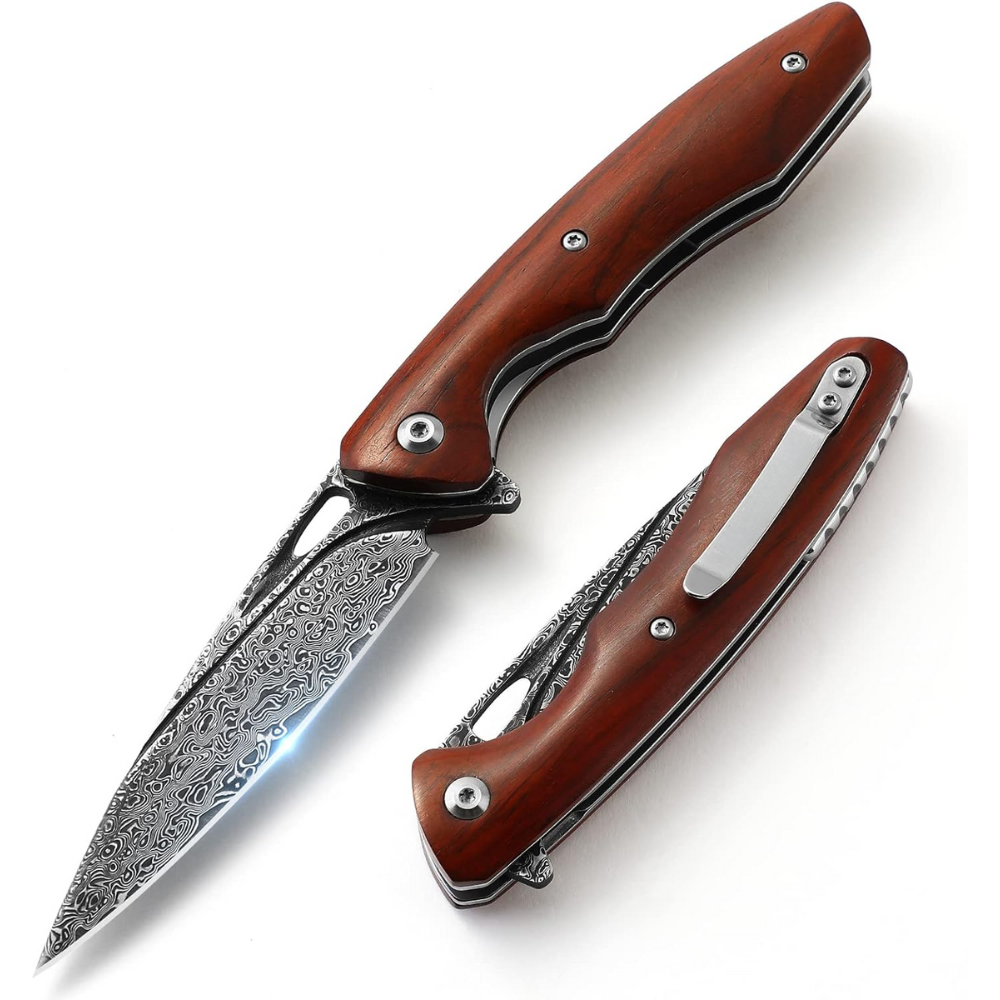
Everyday pocket knives are designed for practicality and ease of use. These knives often feature:
- Utility: Built for a variety of everyday tasks, from opening packages to basic cutting tasks.
- Simplicity: Typically, everyday knives focus on functionality over aesthetics, offering straightforward designs that emphasize ease of use.
- Affordability: Most pocket knives are budget-friendly, catering to a wide range of consumers who need reliability rather than extravagance.
These knives are ideal for camping, daily carry, and routine tasks. They are designed to be practical and efficient, perfect for someone who needs a reliable cutting tool at hand without the frills.
Luxury Knives
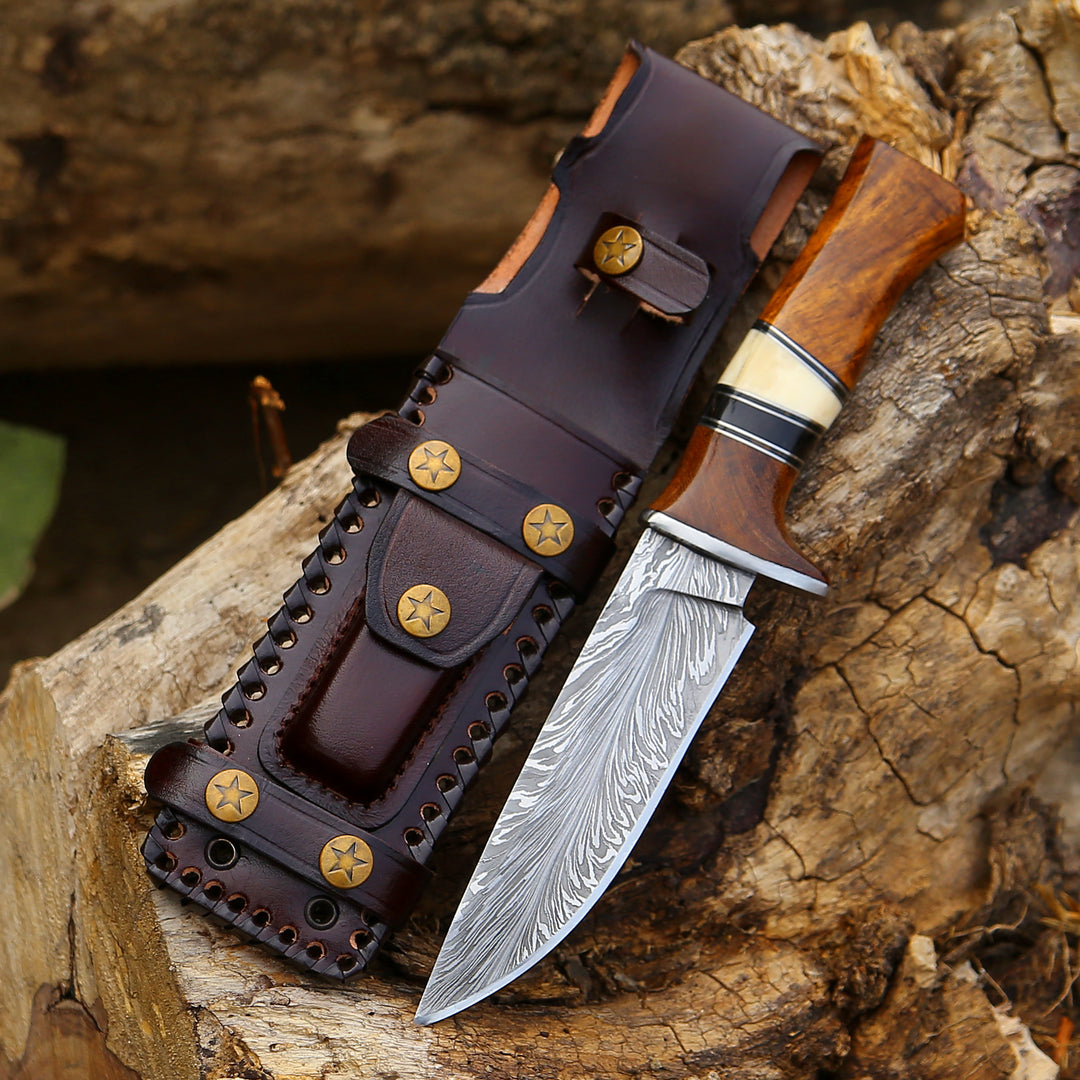
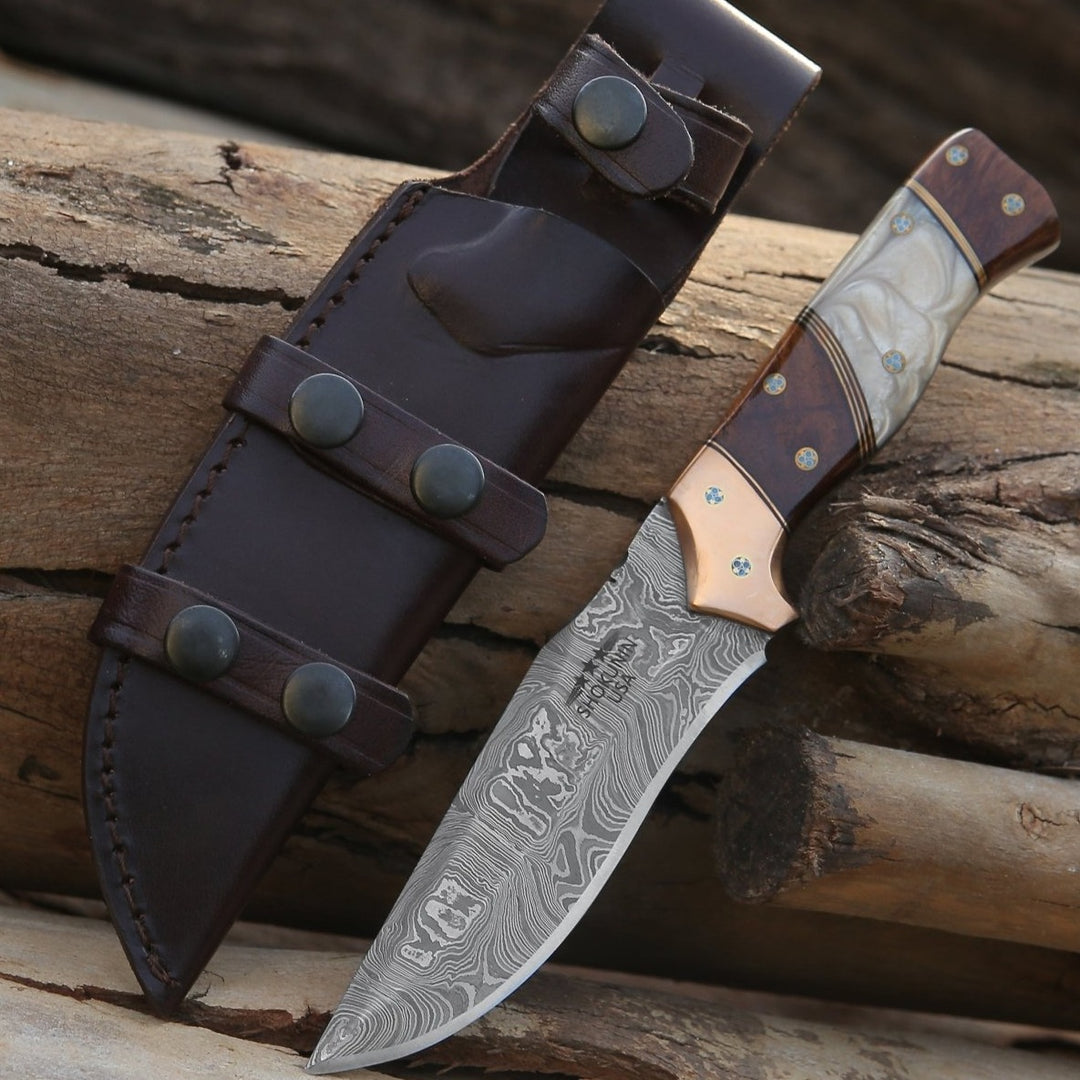
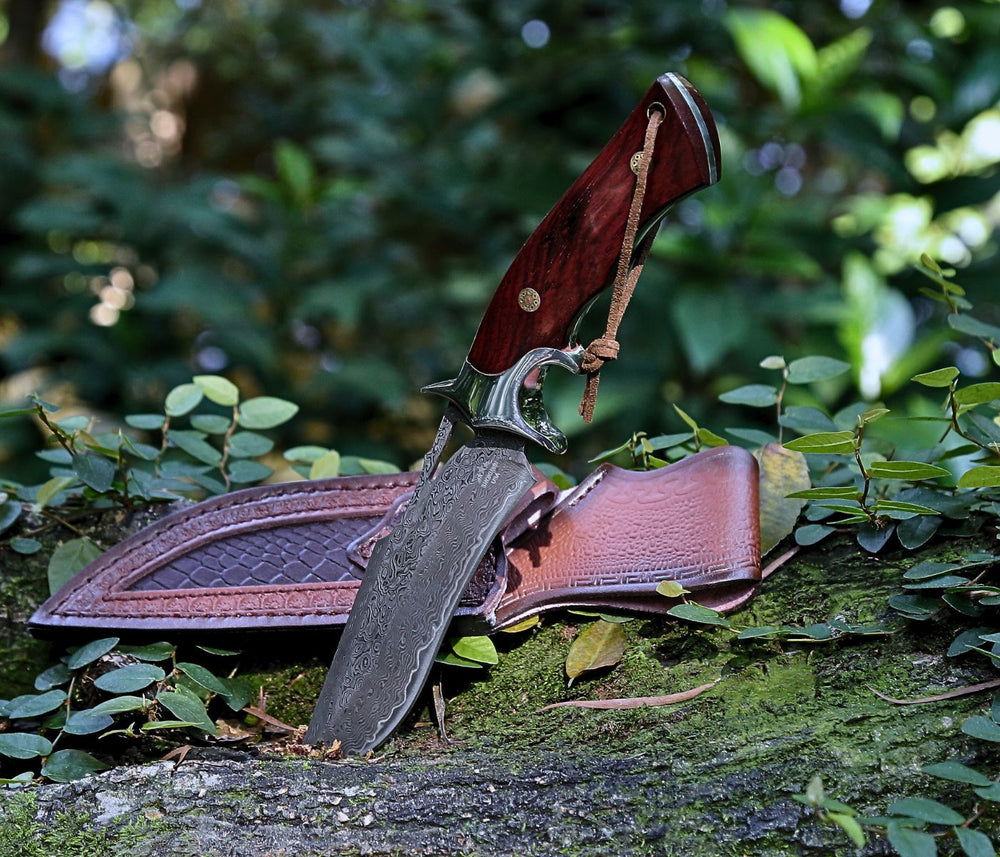
On the other hand, luxury knives, like a handmade Japanese Damascus chef knife, represent the pinnacle of culinary art. They feature:
- High-Quality Materials: Often crafted from premium steel or high-carbon materials, luxury knives are designed to hold sharpness longer and provide superior cutting performance.
- Exceptional Craftsmanship: Handmade knives often reflect meticulous attention to detail, with artisans crafting each piece to ensure balance, comfort, and overall quality.
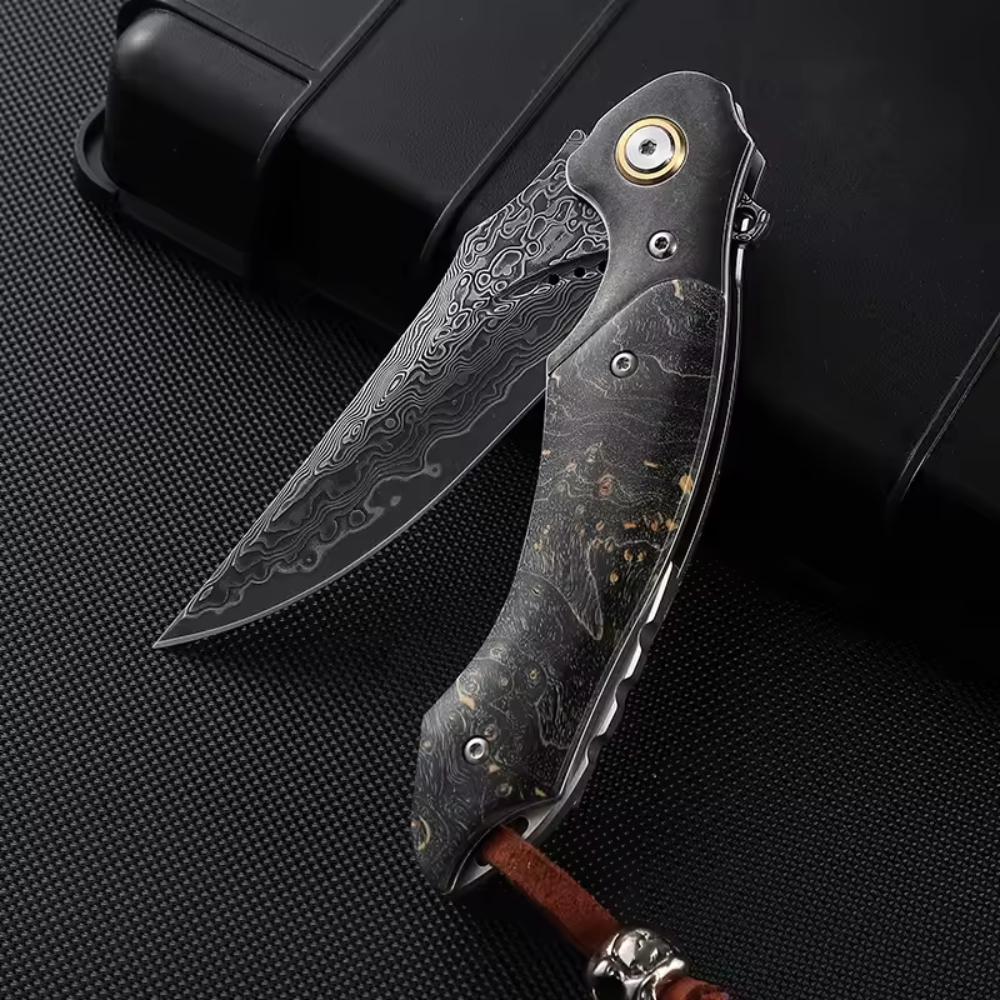
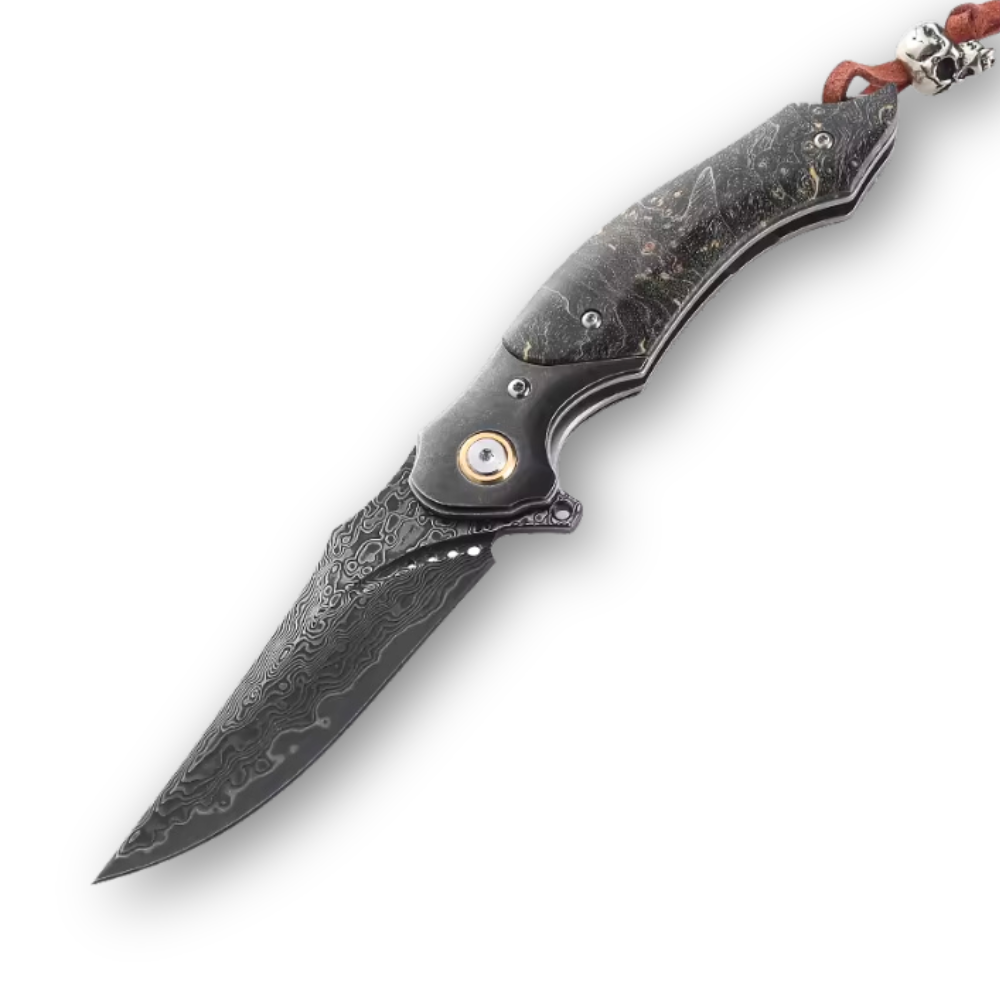
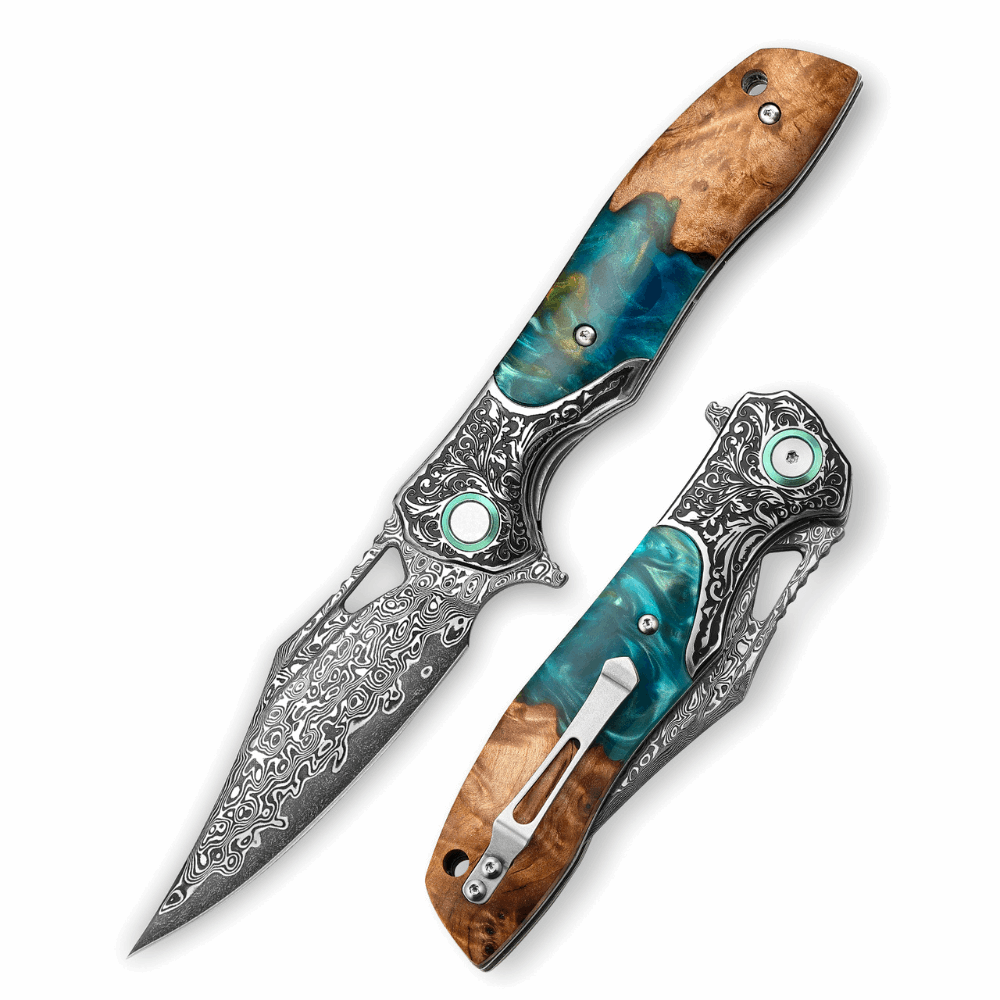
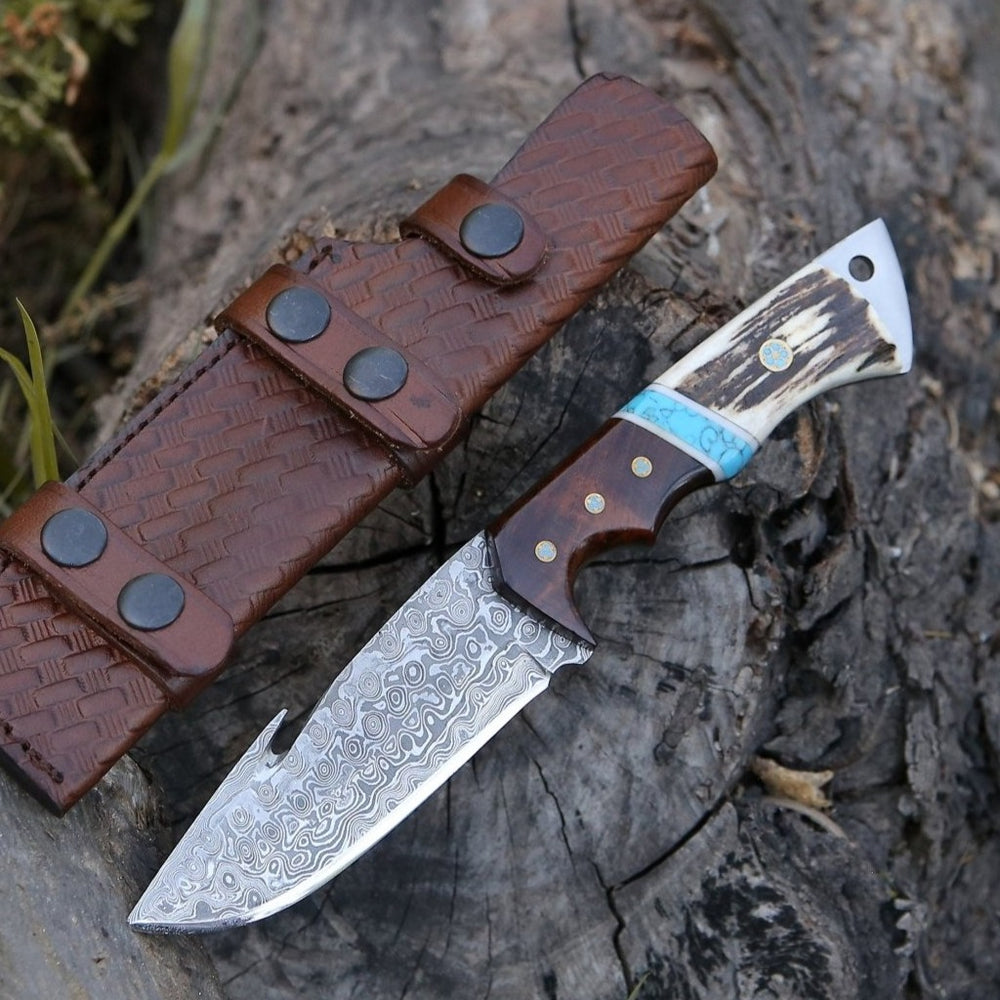
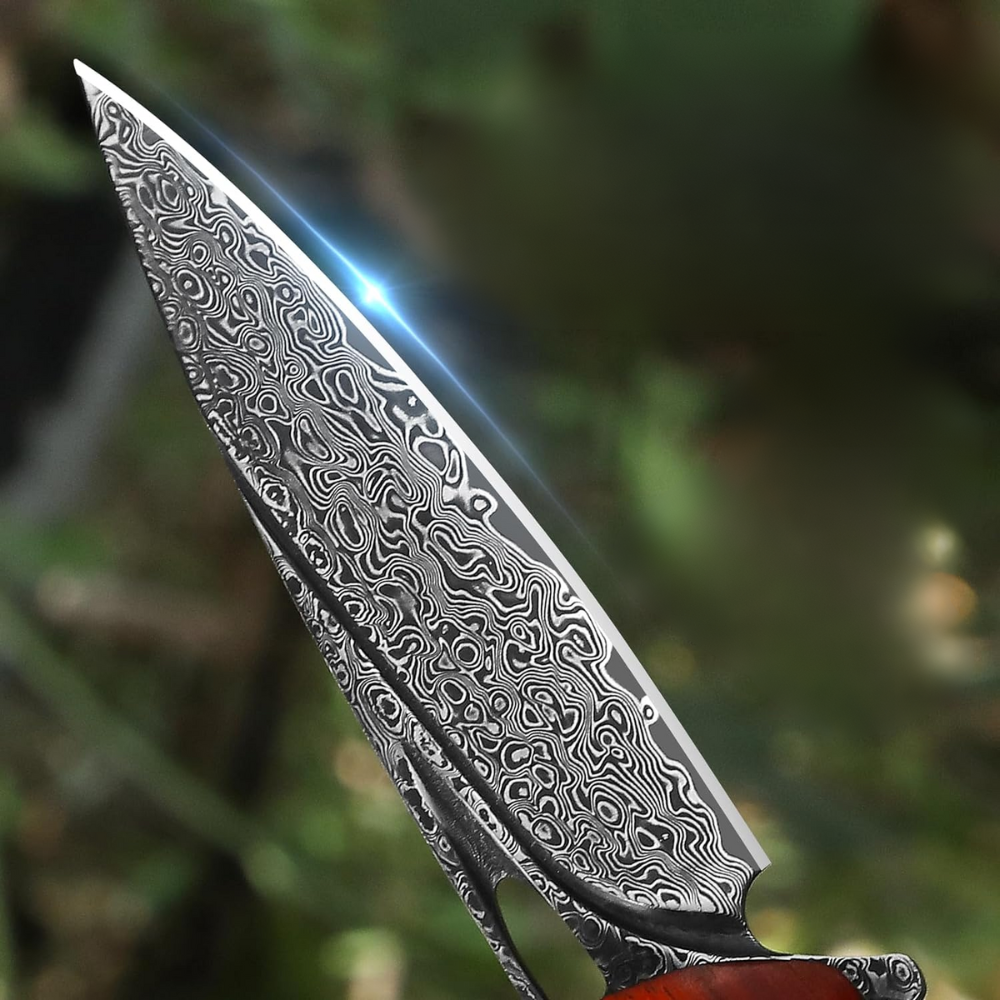
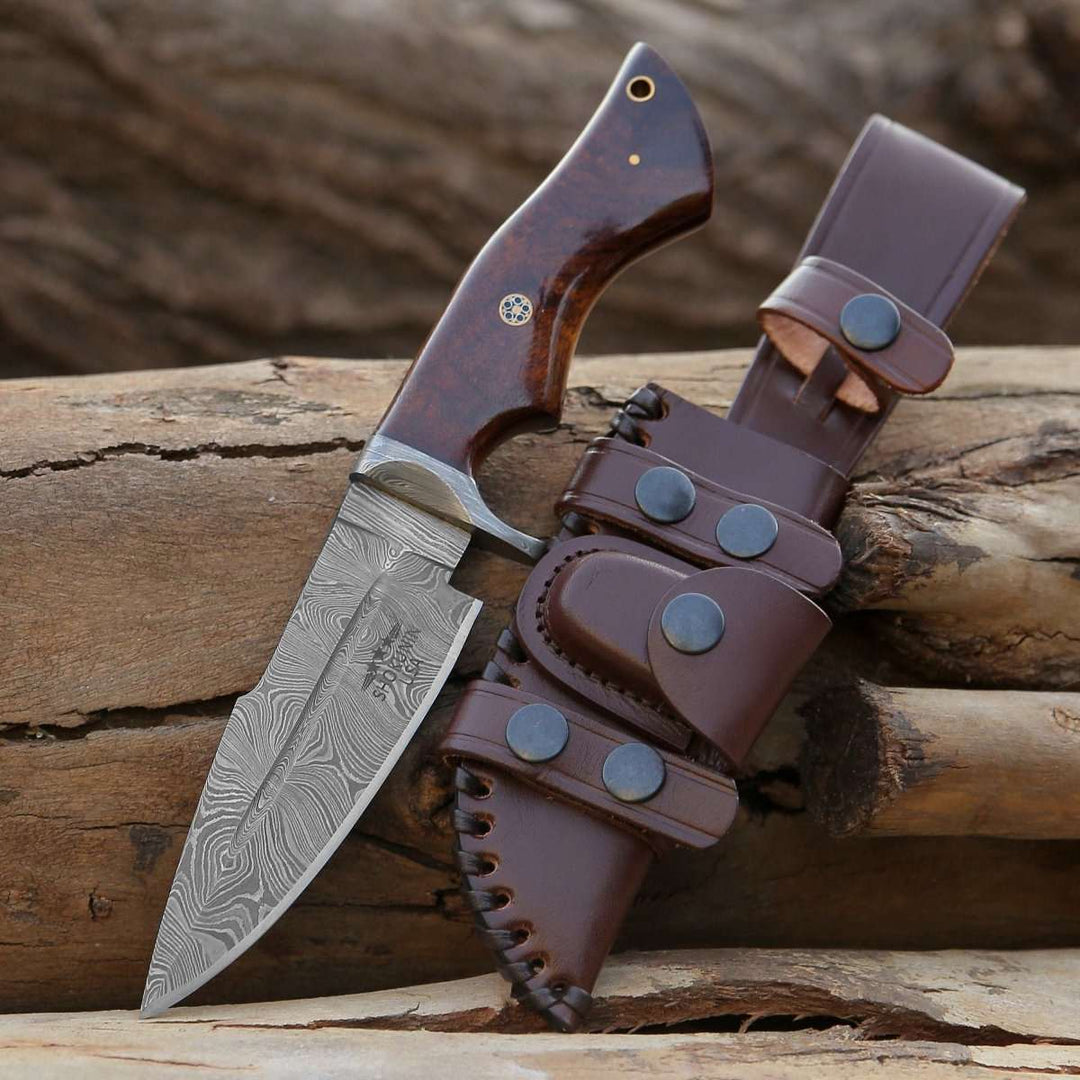
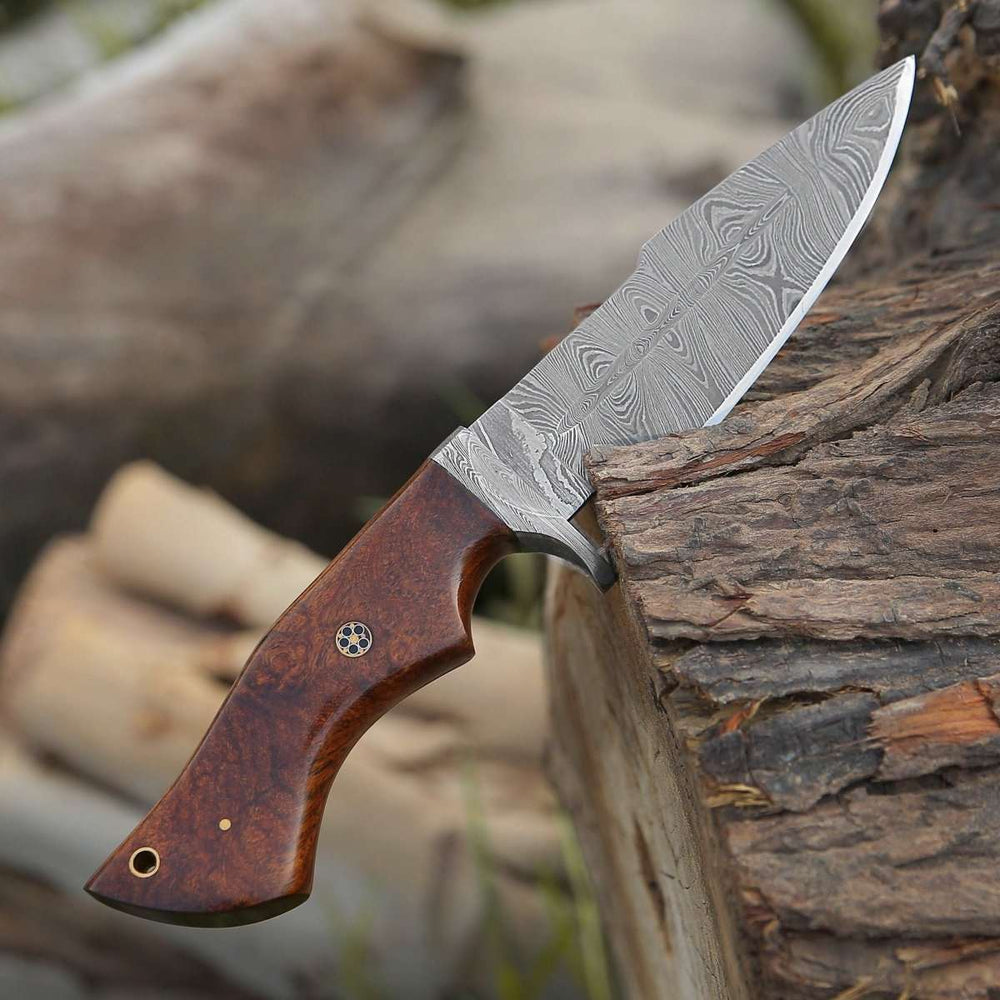
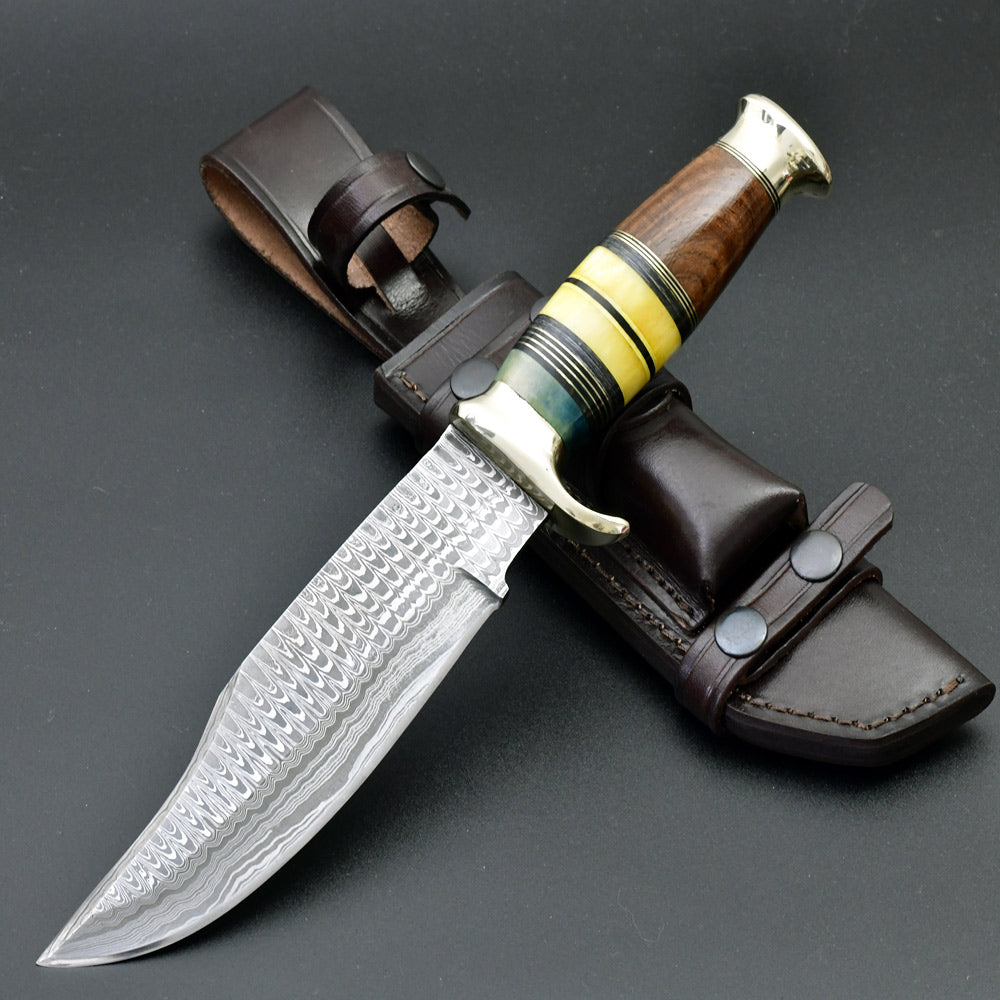
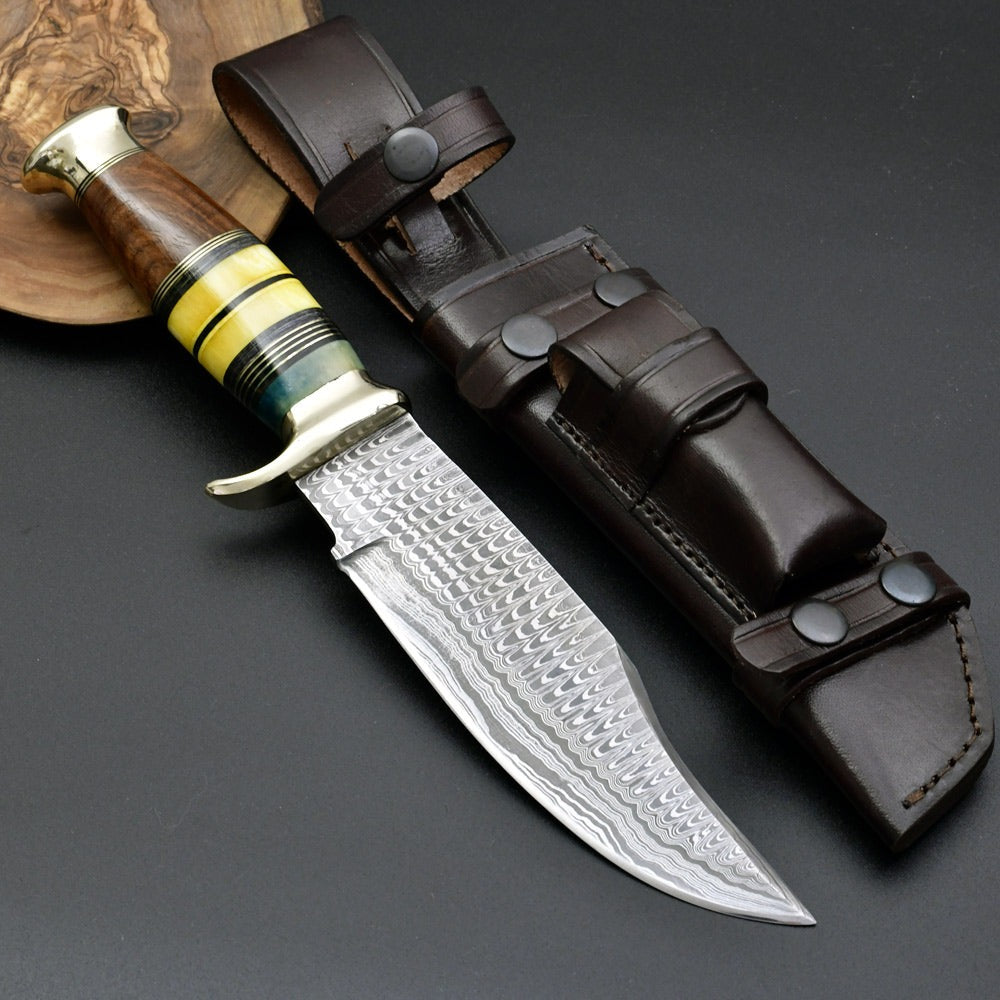
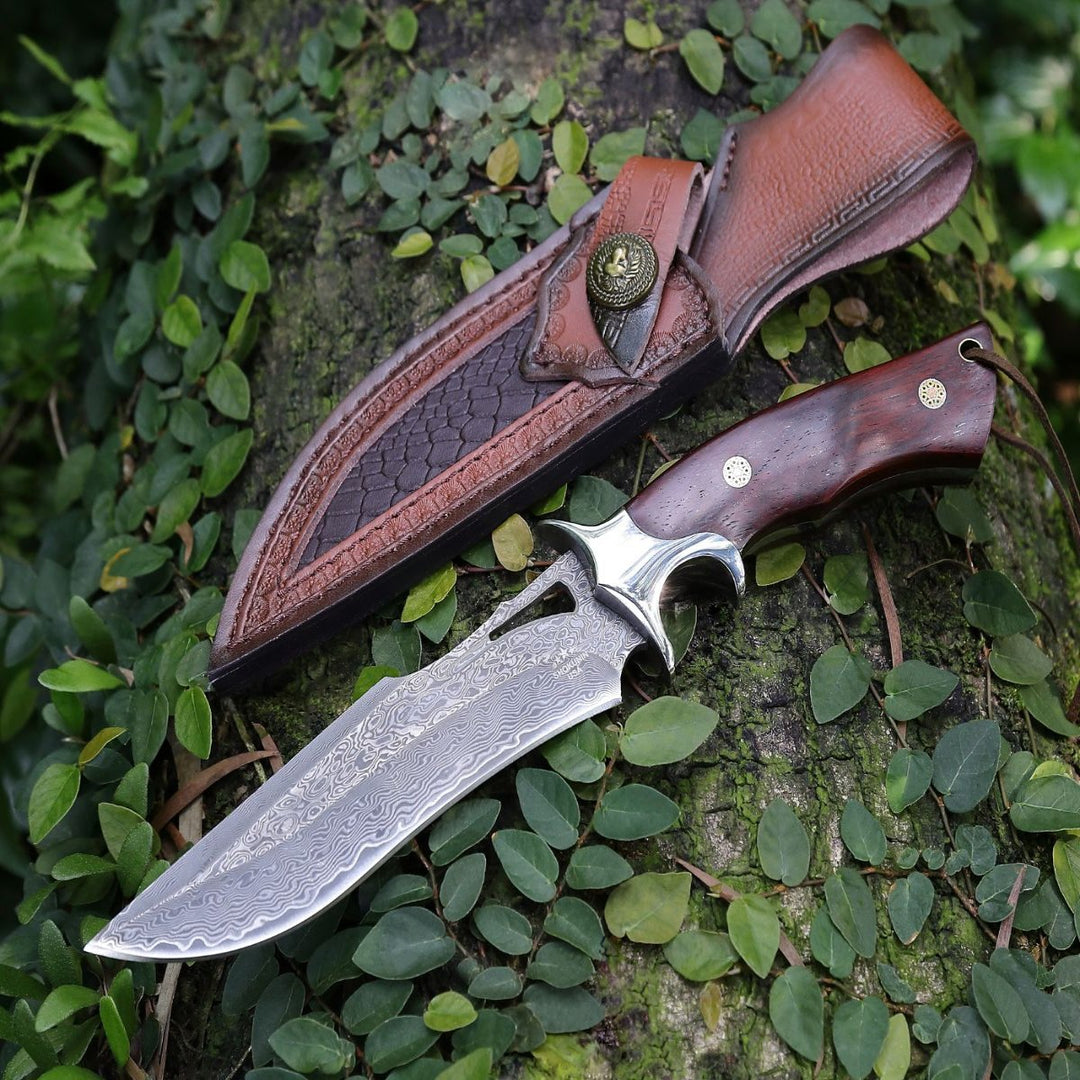
- Aesthetics: The visual appeal of luxury knives is undeniable. Many feature intricate designs, unique patterns, and stunning finishes that make them more than just tools—they are pieces of art.
Those who invest in luxury knives often do so for the joy of cooking as well as for performance. A Japanese Damascus chef knife not only enhances the culinary experience but also symbolizes craftsmanship and tradition.
The Craftsmanship Behind Luxury Knives
One major difference between luxury knives and everyday pocket knives lies in craftsmanship. Luxury knives, especially handmade ones, undergo a detailed manufacturing process that includes:
- Materials Selection: The finest materials are chosen based on performance and aesthetics; for example, high-carbon stainless steel is common in high-end chef knives.
- Forging Techniques: Many luxury knives utilize traditional methods like forging, which gives them unique properties such as superior strength and durability.
- Hand Finishing: After the blade is forged, it is often hand-finished to create a razor-sharp edge, which is a hallmark of quality.
This meticulous attention to detail ensures that luxury knives not only look stunning but also perform with precision in the kitchen—a perfect pairing for any chef who values both form and function.
Everyday Versatility vs. Culinary Art
The intended use of knives greatly affects their design. Everyday pocket knives are versatile tools aimed at general utility. Whether it's for outdoor activities, to carry in your pocket, or for basic tasks around the house, they shine in simplicity and ease.
In contrast, luxury knives, especially handmade Japanese Damascus chef knives, are specifically engineered for culinary tasks. They elevate the cooking experience by delivering superior balance and cutting precision, enhancing the flavor and texture of meals.
The Importance of Balance and Comfort
Luxury knives often focus on user comfort and ergonomic design. A well-balanced knife minimizes fatigue, enabling chefs to execute complex techniques with ease. Features such as:
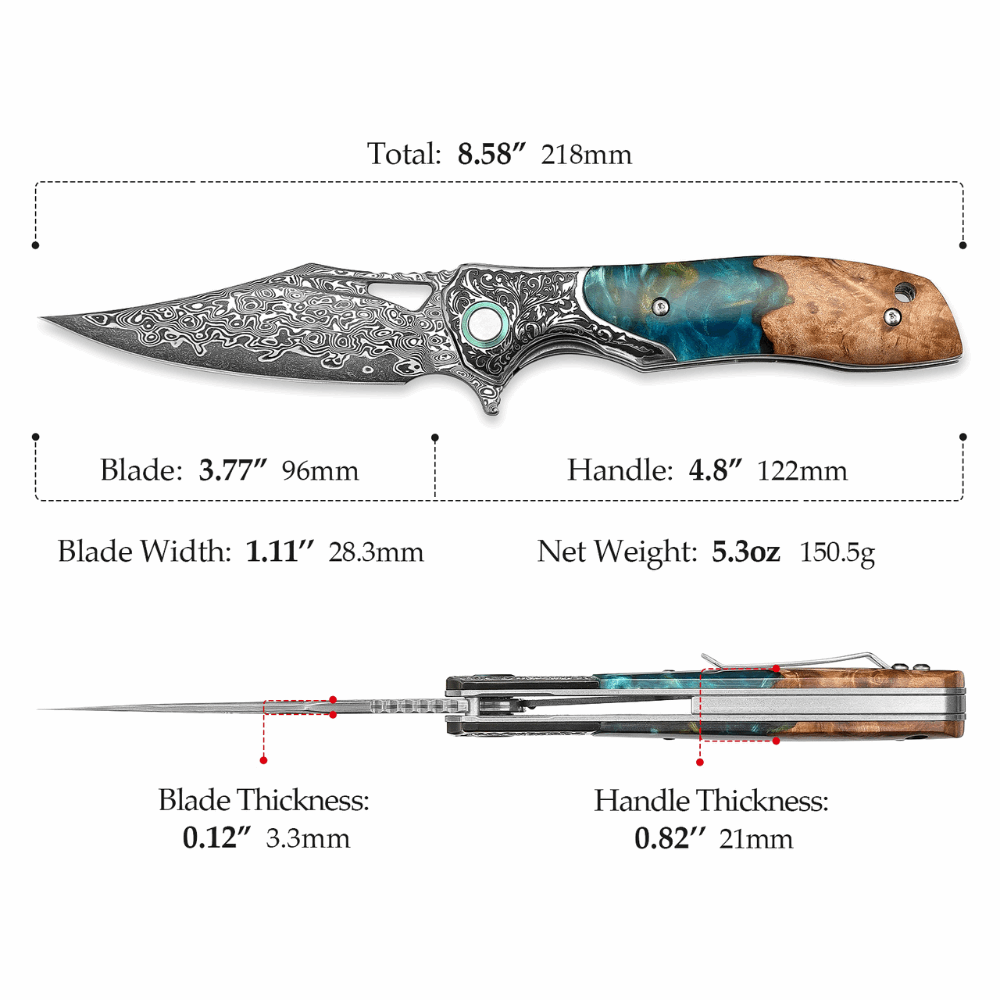
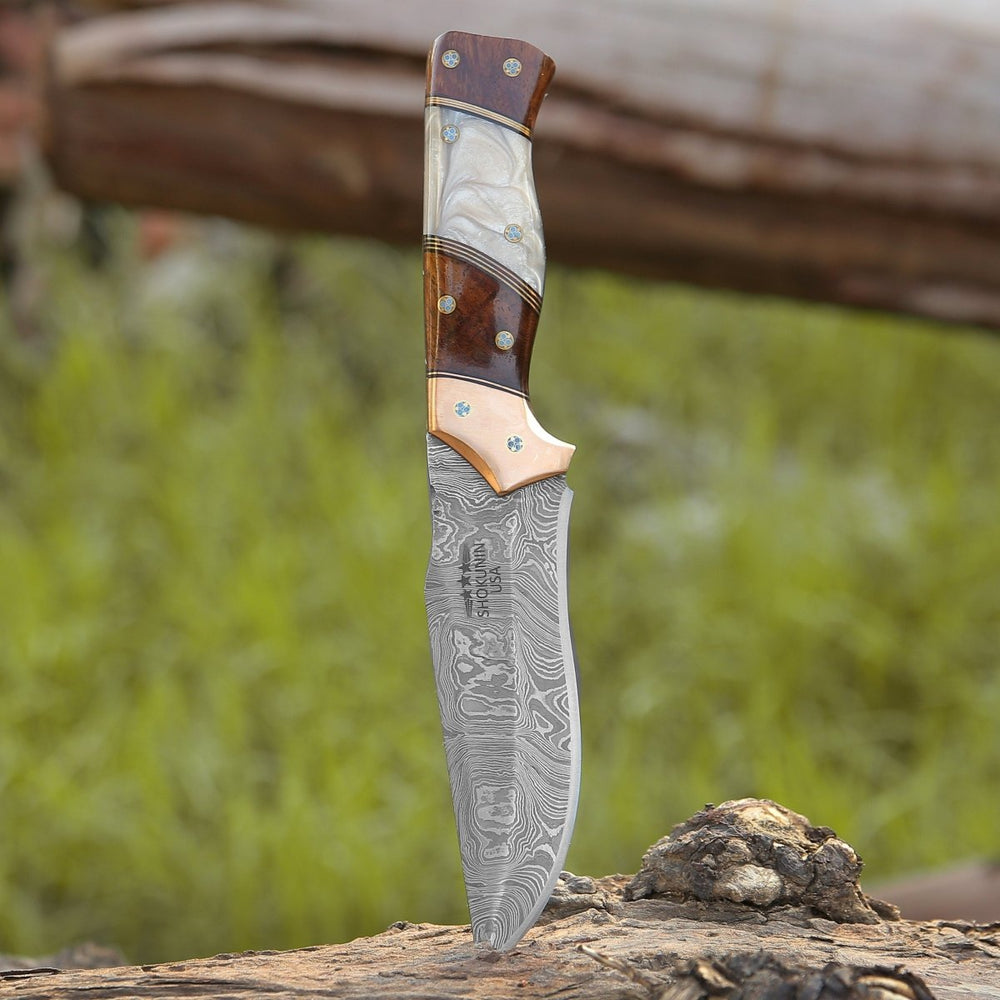
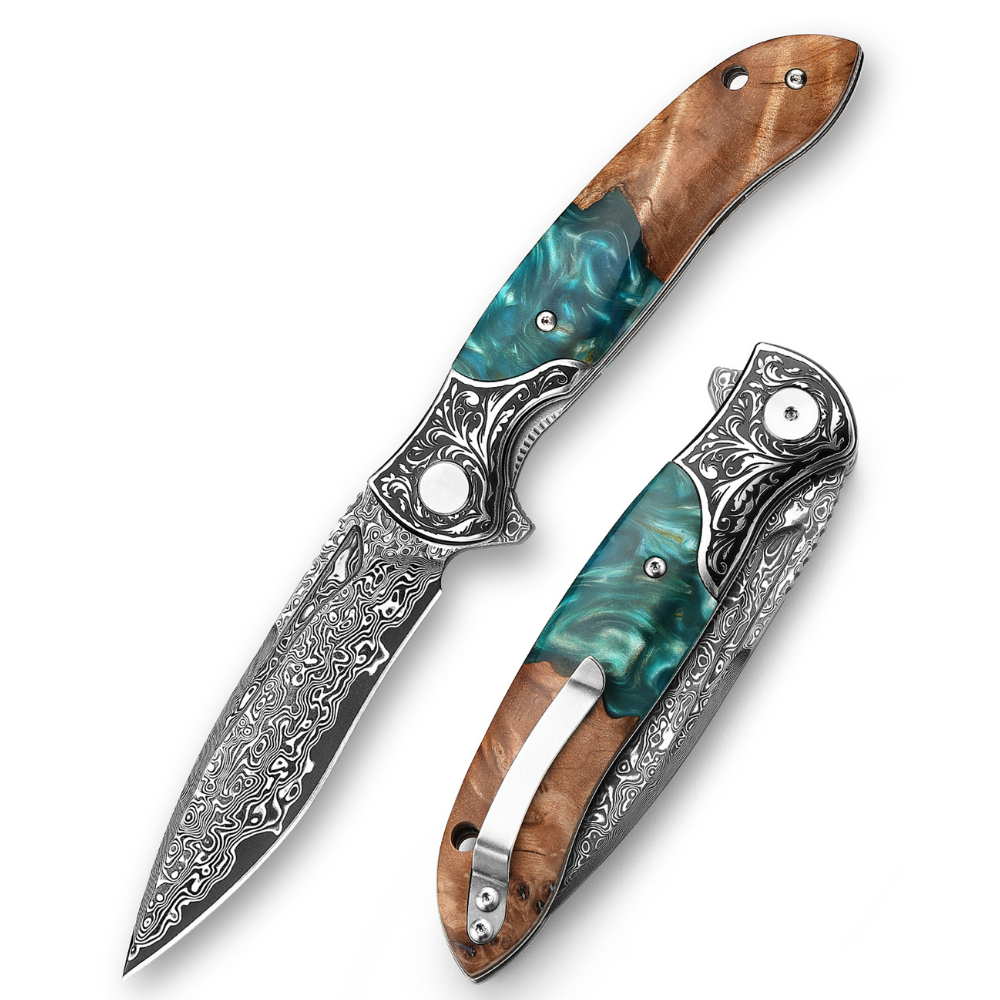
- Handle Design: Luxury knives often have finely crafted handles, made from materials like resin, wood, or other high-end composites, ensuring a comfortable grip during prolonged use.
- Weight Distribution: A balanced knife allows for greater precision; it feels natural in the hand, making it easier to perform intricate cuts.
Everyday pocket knives, while functional, may sacrifice some of these specific features in favor of the broad utility, often leading to discomfort in long-lasting tasks.
Care and Maintenance of Your Knives
Proper maintenance is crucial in extending the life of both luxury and everyday knives, but the approaches can differ significantly due to the materials involved and the knife's intended use.
Luxury Knife Care
Luxury knives, especially handmade ones, require a bit more attention to maintain their performance and aesthetic. Here are a few tips:
- Hand Wash Only: Unlike some everyday knives that can be washed in a dishwasher, luxury knives should always be hand-washed with mild soap and water to avoid damaging the blade.
- Dry Immediately: After washing, it’s essential to dry luxury knives immediately to prevent rust and preserve their luster.
- Regular Honing: Maintain the sharpness of the blade with regular honing, and consider professional sharpening a couple of times a year to keep your knife in optimal condition.
Everyday Knife Care
Everyday knives can often be maintained with simple steps that primarily focus on cleanliness and protecting the blade:
- Routine Cleaning: Just like luxury knives, everyday knives should be washed and dried after use to prevent corrosion.
- Basic Sharpening: Use a sharpening stone or honing rod, as these knives usually require less intricate sharpening compared to their luxury counterparts.
- Avoid Excessive Force: While everyday knives are sturdy, using the right tool for the right task can prevent unnecessary wear.
Price Points and Investment Value
Price varies significantly between luxury and everyday knives, reflecting their intended use and craftsmanship. While everyday knives are often more affordable and cater to a wide market, luxury knives are viewed as investments. A handmade knife, particularly one crafted using traditional methods, can become a cherished tool passed down through generations.
Investing in Quality
When considering a luxury knife, think of it as a long-term investment in quality. A well-crafted Japanese Damascus chef knife can last decades with proper care, retaining both performance and beauty over time. This is unlike everyday knives that may need frequent replacement due to wear and tear.
When to Choose Each Type
Deciding between a luxury knife and an everyday pocket knife largely depends on your lifestyle, preferences, and intended use. Here’s a quick guide to help you determine the best choice:
Opt for Everyday Pocket Knives When:
- You need a reliable tool for daily tasks.
- You prioritize budget-friendly options for occasional use.
- You prefer versatility and a practical approach to tools.
Choose Luxury Knives When:
- You are passionate about cooking and want to elevate your culinary skills.
- You appreciate craftsmanship and the beauty of handmade knives.
- You see value in investing in high-quality tools that will last a lifetime.
Final Thoughts: Elevate Your Knife Collection
Whether you lean towards the practicality of everyday pocket knives or the exquisite beauty of luxury knives like handmade Japanese Damascus chef knives, understanding the distinct characteristics of each can enrich your experience. Remember that both types of knives have their place and purpose. The right knife can enhance not only the tasks you perform but also the art of cooking, reducing the strain while amplifying creativity.
At Shokunin USA, we believe that every knife tells a story—from the craftsmanship behind luxury knives to the practicality of everyday tools. Choose wisely, care for your knives, and elevate your culinary journey.
Frequently Asked Questions
1. What is the difference between everyday pocket knives and luxury knives?
2. What features do everyday pocket knives typically have?
3. What makes luxury knives worth the investment?
4. How should luxury knives be cared for?
5. When should I choose an everyday pocket knife over a luxury knife?
Glossary
| Term | Meaning |
|---|---|
| Luxury Knives | High-end knives crafted with premium materials and exceptional detail. |
| Everyday Pocket Knives | Practical knives designed for daily tasks and general utility. |
| Japanese Damascus Chef Knife | A luxury knife known for its unique patterns and sharpness. |
| Craftsmanship | The skill and attention to detail in knife making. |
| Honing | A maintenance technique to keep the blade sharp. |
| Ergonomic Design | Knife design that focuses on comfort and ease of use. |
| Forging | A traditional method of shaping metal for strength and durability. |
| Maintenance | Care practices to extend the life and performance of knives. |
| Weight Distribution | The balance of a knife that affects handling and precision. |
| Investment Value | The long-term worth of a high-quality knife as a tool. |
Linked Product

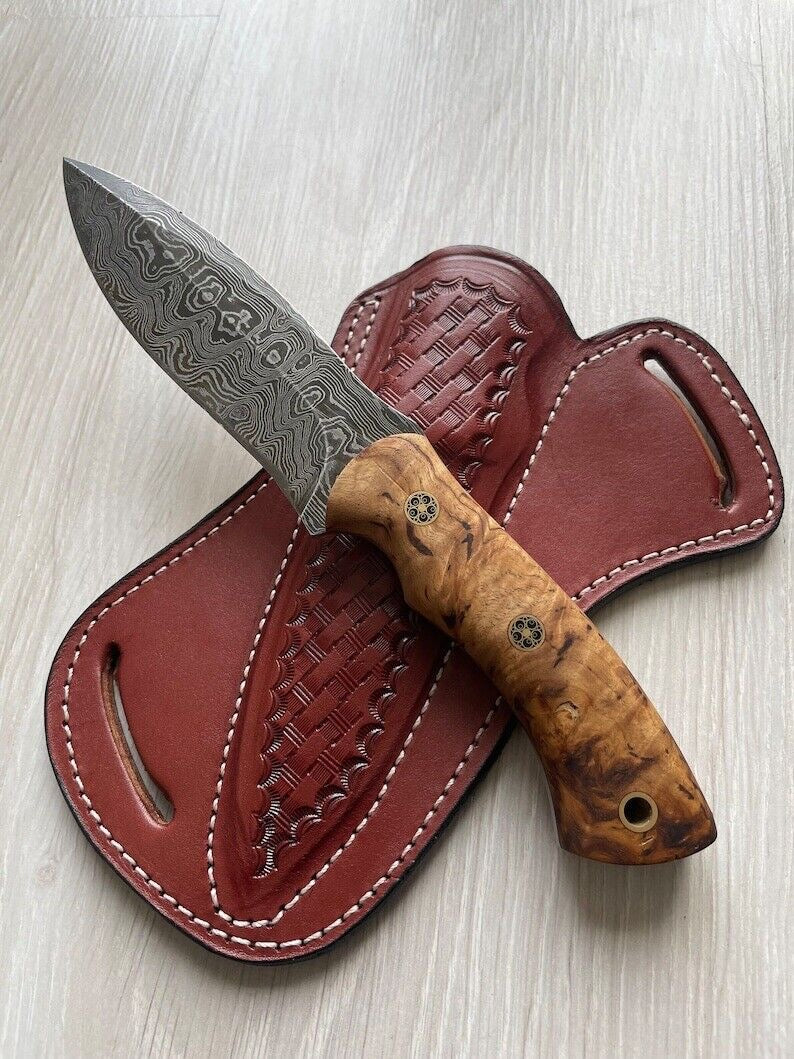
Pristine Japanese VG10 Damascus Chef Knife with Olive Burl Wood Handle
The Pristine Japanese VG10 Damascus Chef Knife features a unique hand-forged Damascus steel blade that combines strength and exceptional edge retention, making it ideal for both professional chefs and culinary enthusiasts. Its ergonomic olive burl wood handle is designed for comfort and durability, ensuring ease of use during food preparation. Additionally, the knife comes with a complimentary sheath and offers personalization options, making it a thoughtful gift for any cooking aficionado.
View Product






Laissez un commentaire