

Overview
This article serves as a comprehensive guide for both novice and experienced bladesmiths interested in custom knife making. Readers will learn the essential steps involved in creating a personalized knife, from selecting materials and tools to the intricate processes of forging, assembling, and finishing. By the end, you'll be equipped with the knowledge to embark on your own knife-making journey, blending creativity with craftsmanship.
Table of Contents
- Understanding the Basics of Knife Making
- Gathering Essential Tools and Materials
- Tools Required
- Materials for Your Custom Knife
- Designing Your Knife
- Sketch Your Vision
- Choosing Dimensions
- Making the Blade
- Shaping the Blade
- Grinding the Bevels
- Heat Treatment Process
- Assembling the Handle
- Selecting Handle Material
- Shaping the Handle
- Final Assembly
- Finishing Touches to Your Custom Knife
- Sanding and Polishing
- Applying Finish
- Testing Your Knife
- Quality Check
- Field Testing
- Knifemaking as an Ongoing Journey
- Experimentation
- Learning from Others
- Taking it Further: The World of Custom Knives
- Showcasing Your Work
- Engage with Potential Customers
- Last Notes on Your Knife Making Adventure
Key Takeaways
- Understand the Basics: Familiarize yourself with key components like blade materials, handle types, and blade geometry before starting your project.
- Gather Essential Tools: Ensure you have the necessary tools such as a forge, anvil, hammers, and polishing equipment for effective knife making.
- Design Your Knife: Sketch your knife design and determine its dimensions for optimal functionality and comfort.
- Heat Treatment is Crucial: Proper heat treatment enhances the blade's durability and edge retention, making it essential to the knife-making process.
- Focus on Handle Comfort: Choose handle materials that provide both aesthetic appeal and a comfortable grip for effective use.
- Finishing Touches Matter: Sanding, polishing, and applying finishes protect your knife and enhance its beauty.
- Test Your Knife: Conduct quality and field tests to ensure functionality, balance, and comfort before showcasing your creation.
For both the experienced bladesmith and the budding enthusiast, the art of custom knife making is a fulfilling and rewarding craft. Creating a custom knife isn't just about forging metal; it's about expressing creativity, enhancing skills, and producing a functional work of art. This step-by-step guide will take you through the essential stages of making your very own customizable folding knife. From selecting materials to finishing touches, let's dive into this exciting journey!
Understanding the Basics of Knife Making
Before starting your custom knife project, it’s essential to understand the fundamental components involved in knife making:
- Blade: The most critical part of any knife, often made from high-carbon steel, stainless steel, or tool steel.
- Handle: This can be made from various materials, including wood, micarta, or G10, impacting both aesthetics and functionality.
- Blade Geometry: The shape of the blade affects its performance, including cutting efficiency and strength.
- Heat Treatment: Proper heat treatment ensures that the knife maintains its edge and is durable.
Gathering Essential Tools and Materials
Creating personalized handmade knives requires specific tools and materials, and while some can be purchased, others may require a bit of creativity. Here’s what you’ll need:
Tools Required
- Forge or heat source
- Anvil or hard surface
- Hammers (ball peen and sledge)
- Files and grinders
- Drill with bits
- Polishing tools
- Sanding belts or paper
- Glue (appropriate for your handle material)
Materials for Your Custom Knife
- High-quality steel for the blade
- Handle materials (wood, synthetic, or metal)
- Bolsters or spacers for aesthetics
- Rivets or pins to secure the handle
- Finishing oils or coatings
Designing Your Knife
The design phase is where your creativity shines. Consider the following steps:
Sketch Your Vision
Start by sketching different designs on paper. Think about the type of knife you want to create—will it be a straight-edge, a clip point, or perhaps a drop point blade? This is also the ideal moment to decide the handle style. Will it be ergonomic, sleek, or traditional?
Choosing Dimensions
Choose the size and weight for functionality and ease of use. A customizable folding knife should feel comfortable in the hand while being balanced and well-proportioned. Measure your blade length and handle carefully.
Making the Blade
Now that you have a design in mind, it’s time to create the blade:
Shaping the Blade
Using your preferred forging technique, heat the steel until it reaches a glowing orange hue, then shape the blade according to your sketch. This often requires hammering the steel on an anvil to bring out the desired shape.
Grinding the Bevels
Grind the blade’s bevels with precision. The angle of the bevel will impact how well your knife cuts. Always remember to keep the blade cool during grinding to avoid losing its temper.
Heat Treatment Process
After shaping and grinding the blade, heat treatment is crucial. Heat the blade back up to a suitable temperature for hardening, and then quench it in oil or water. Follow that with tempering to reduce brittleness while maintaining hardness.
Assembling the Handle
The handle is not just about aesthetics; it’s about grip and comfort as well:
Selecting Handle Material
Choose a handle material that complements your blade. Traditional woods work well for giving a rustic feel, while synthetics offer durability. Align your choice with the knife's intended use.
Shaping the Handle
Using files and saws, shape the handle to fit snugly with the tang of the blade. Ensure the handle feels comfortable in hand, allowing for a firm grip.
Final Assembly
Once the handle has been shaped, secure it to the blade using pins or rivets. Make sure everything is correctly aligned. You may need to drill holes in your handle material to fit the pins accurately.
Finishing Touches to Your Custom Knife
Now comes the exciting part of your customizable folding knife project—finishing touches. A fine finish not only adds beauty but protects the knife as well:
Sanding and Polishing
Sand the handle and blade with progressively finer grits of sandpaper to achieve a smooth finish. Then, polish the blade to bring out a stunning shine.
Applying Finish
If using wood for your handle, apply an appropriate finish or oil to enhance its longevity. For synthetic materials, consider coatings that protect and add sheen.
Testing Your Knife
Before showcasing your handmade knives, it’s pivotal to test them:
Quality Check
Ensure the blade's edge is sharp and that the handle is securely attached. Test the knife for function, handling, and balance. Make any adjustments if necessary.
Field Testing
Use the knife in different scenarios—cooking, camping, or woodworking—to assess its efficiency and comfort. This step lets you understand how well you can improve your craft for future projects.
Knifemaking as an Ongoing Journey
Custom knife making can be a lifelong journey. Each knife crafted can be a reflection of your skills, creativity, and personal style. Over time, consider these elements for your growth:
Experimentation
Don’t shy away from experimenting with styles, materials, and techniques. The beauty of crafting handmade knives lies in exploring what resonates with you.
Learning from Others
Join communities and workshops about knife making. Sharing knowledge and experiences with other artisans can enhance your skills and inspire you to create designs you never thought were possible.
Taking it Further: The World of Custom Knives
The world of customizable folding knives and handmade knives extends beyond just creation. Consider these aspects for further engagement:
Showcasing Your Work
Create an online presence to showcase your custom creations. Use social media platforms, blogs, and even personal websites to share your journey, market your knives, and connect with fellow enthusiasts.
Engage with Potential Customers
Offering personal engagement and customization options in your knife-making process can create a loyal customer base. Make people feel part of your creation story.
Last Notes on Your Knife Making Adventure
Embarking on the art of custom knife making is not just about crafting a tool; it’s about pouring your passion, creativity, and skills into something that can be appreciated for a lifetime. As you forge ahead in your knife-making journey, always remember that each piece you create can become a legacy. So be bold, experiment, and enjoy the rewarding pursuit of your passion.
Frequently Asked Questions
1. What is custom knife making?
2. What are the essential tools required for knife making?
3. How do I design my own knife?
4. What is the process of heat treatment in knife making?
5. How can I test the quality of my handmade knife?
Glossary
| Term | Meaning |
|---|---|
| Blade | The cutting part of the knife, usually made from steel. |
| Handle | The part of the knife held by the user, made from various materials. |
| Heat Treatment | A process to harden the blade and enhance durability. |
| Forging | The process of shaping metal using heat and tools. |
| Bevels | The angled edges of the blade that affect cutting performance. |
| Quenching | Rapid cooling of the heated blade to harden it. |
| Tempering | Reheating the hardened blade to reduce brittleness. |
| Rivets | Metal fasteners used to secure the handle to the blade. |
| Sanding | The process of smoothing surfaces with abrasive materials. |
| Field Testing | Using the knife in practical scenarios to assess performance. |
Linked Product

Omen Folding Knife with G10 Handle
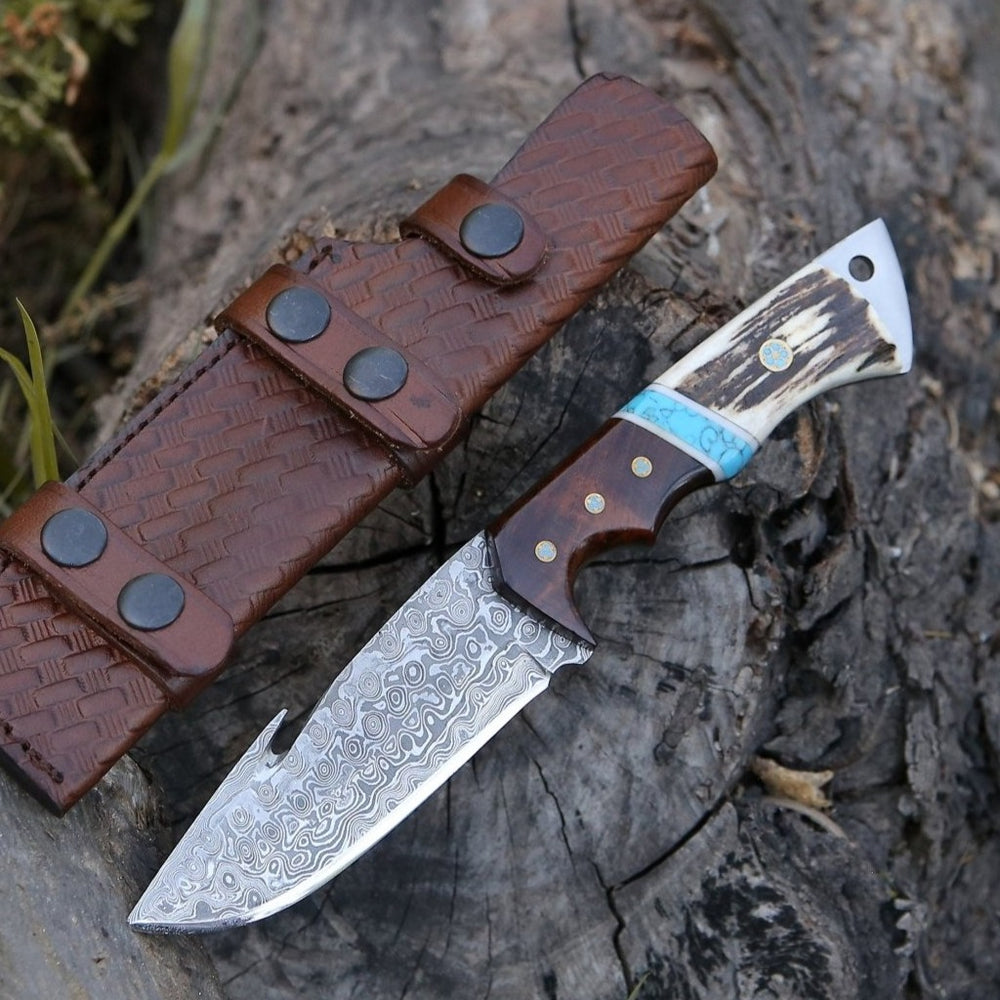
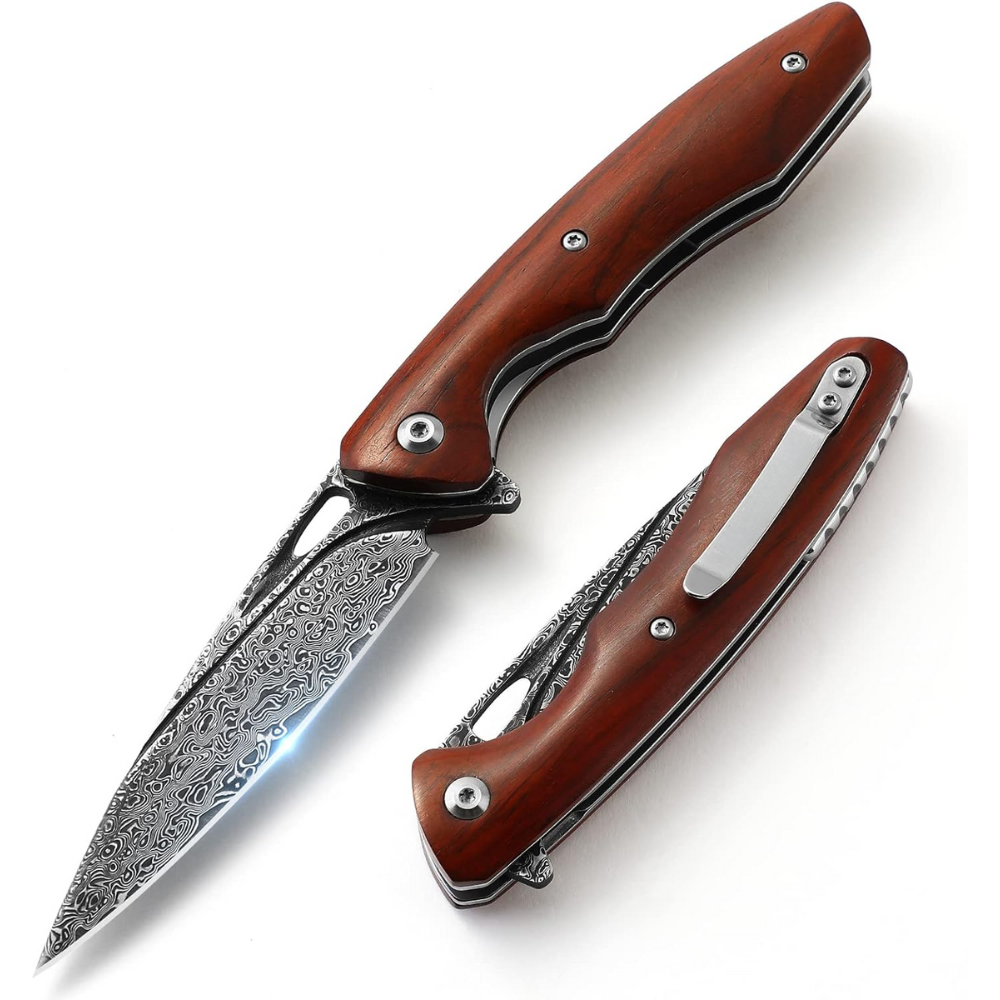
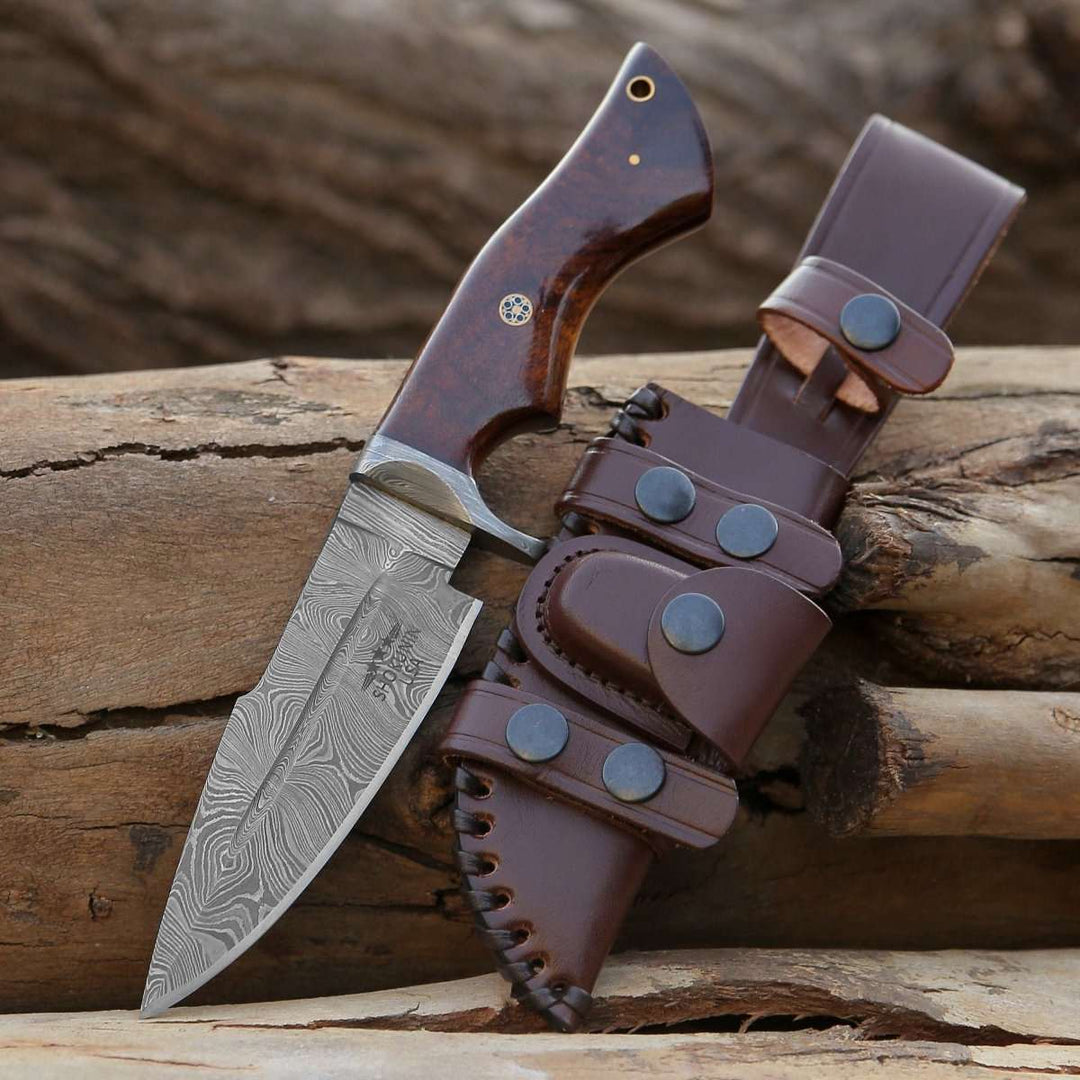
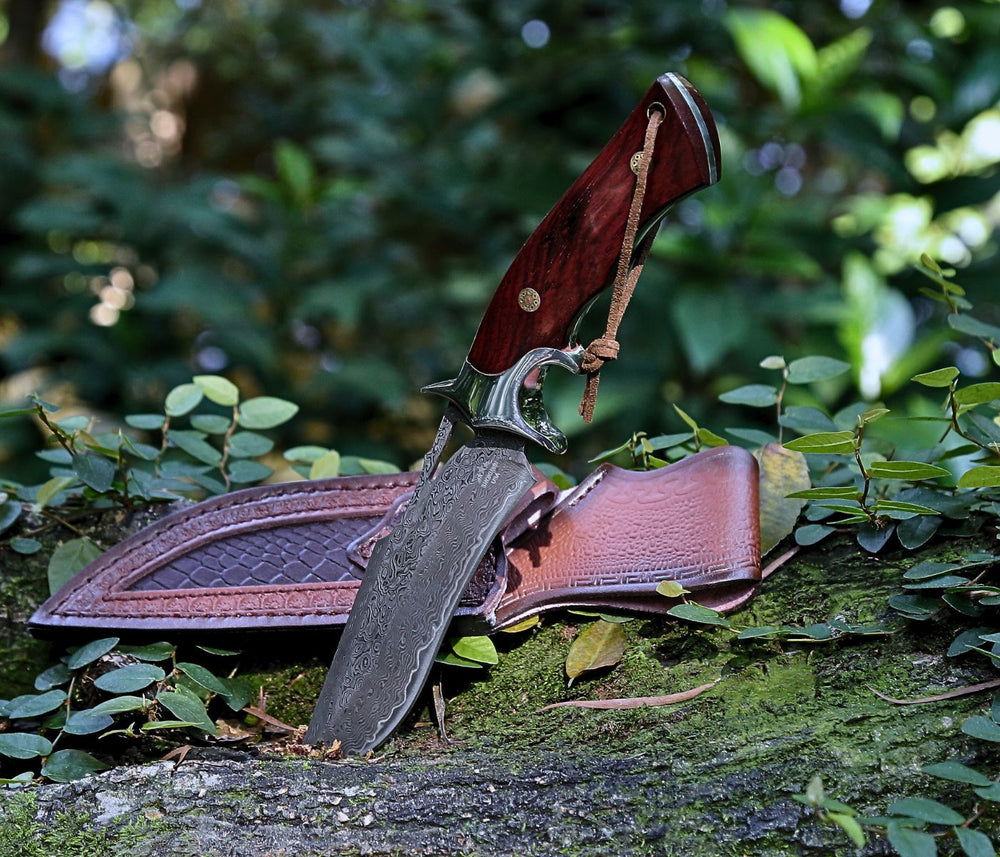
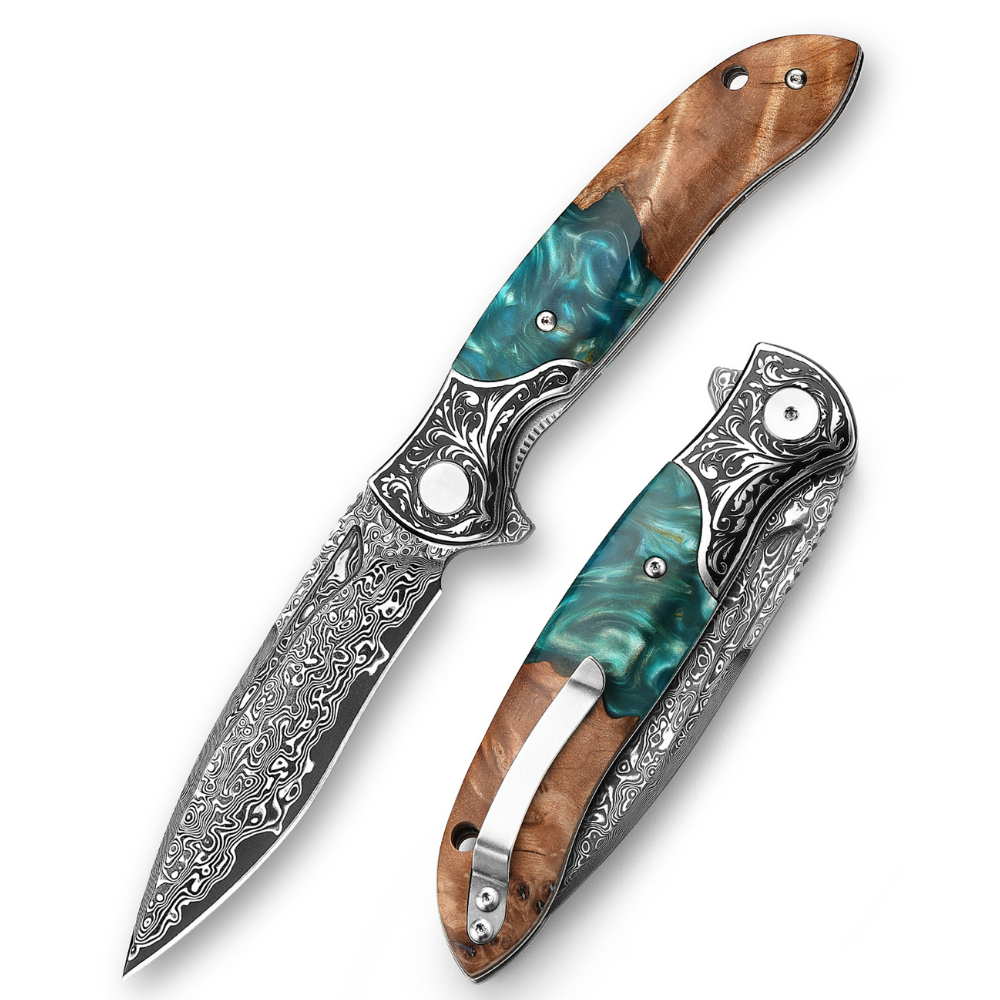
The Omen Folding Knife features a 4.0" D2 tool steel blade known for its durability and exceptional edge retention, making it suitable for outdoor adventures and everyday use. Its G10 handle offers a sturdy grip and military-grade resistance to various elements, ensuring longevity and comfort. This knife also includes a hand-stitched leather sheath for protection and the option for personalization, making it a unique gift for enthusiasts or collectors.
View Product






Laissez un commentaire