


Overview
Customizing your pocket knife allows you to create a unique tool that meets your needs and reflects your style. Key considerations include choosing D2 tool steel for its durability, selecting the right blade type (like drop point, clip point, or spear point), and personalizing the handle material and design. Don't forget about engravings, color options, and maintenance tips to keep your knife in top shape. Your custom knife should not only be functional but also a reflection of your personality.
Table of Contents
- Understanding Your Pocket Knife
- Why Choose D2 Tool Steel?
- Choosing the Right Blade Type
- Drop Point Blade
- Clip Point Blade
- Spear Point Blade
- Ergonomics and Handle Design
- Material
- Grip Texture
- Unique Customization Options
- Engravings
- Color and Finishes
- Tool Selection for Assembly
- Maintenance for Longevity
- Cleaning
- Oiling
- Sharpening
- Customizing with Purpose
- Sharing the Love of Custom Knives
- Your Pocket Knife, Your Way
Key Takeaways
- Personal Preference: Choosing a pocket knife is highly subjective, allowing for customization that reflects individual style and functional needs.
- D2 Tool Steel: This material is known for its excellent wear resistance, edge retention, and decent corrosion resistance, making it ideal for everyday use.
- Blade Types: Popular options include drop point, clip point, and spear point blades, each suited for different tasks such as slicing, piercing, and thrusting.
- Handle Materials: Options range from wood to plastic, metal, and composite, each offering unique benefits in terms of aesthetics, grip, and durability.
- Customization Features: Consider adding engravings, color finishes, and built-in tools to enhance both the appearance and functionality of your pocket knife.
- Maintenance Tips: Regular cleaning, oiling, and sharpening are essential for maintaining the performance and longevity of your pocket knife.
- Community Engagement: Sharing your custom knife with fellow enthusiasts can inspire new ideas and foster creativity in your future projects.
When it comes to choosing the ideal pocket knife, personal preference plays a significant role. The beauty of customizing your own knife is that it allows enthusiasts and casual users alike to create a tool that not only meets their functional needs but also reflects their unique style. In this guide, we will delve into the myriad of options available for customizing your very own D2 tool steel pocket knife. From blade type to handle materials, let's explore how you can make your pocket knife truly one-of-a-kind.
Understanding Your Pocket Knife
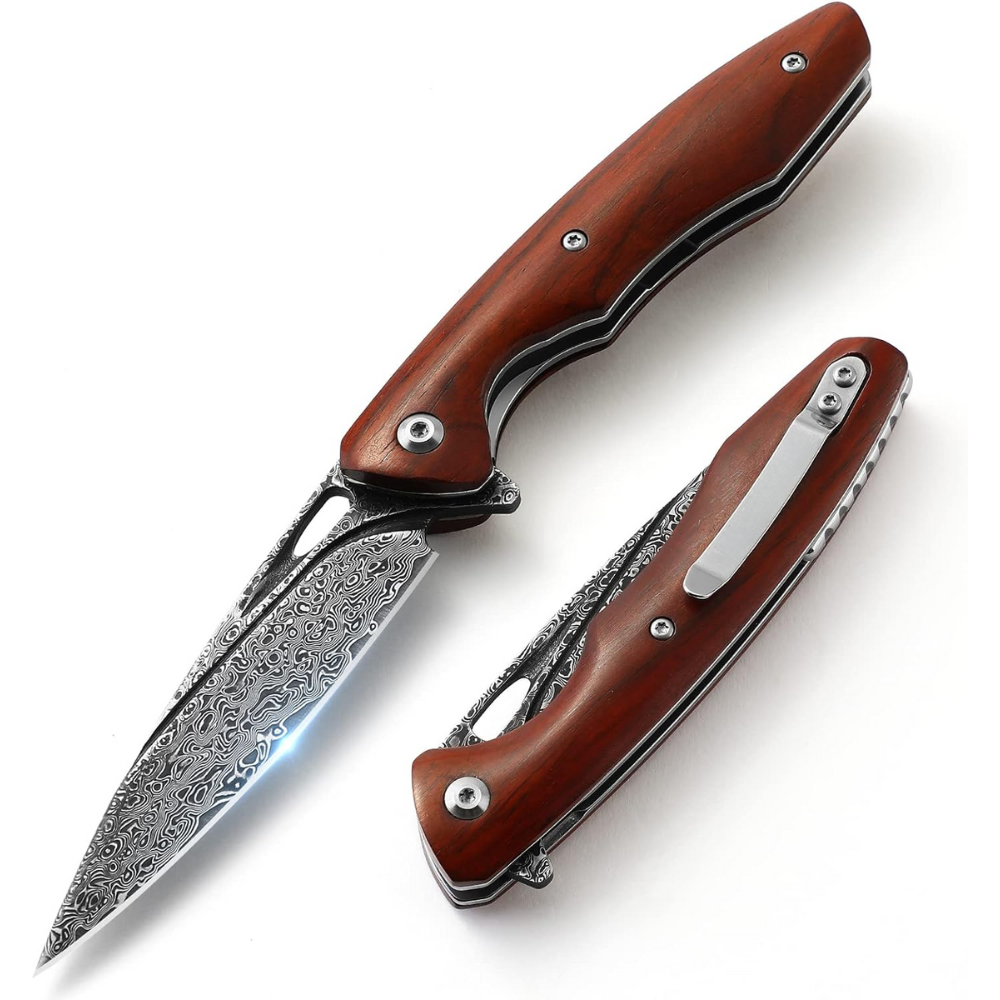
Before diving into the customization process, it's essential to understand what makes a pocket knife a pocket knife. Typically characterized by a folding blade and a compact design, these tools are versatile and portable. While pocket knives can be utilized for a variety of tasks, choosing the right materials and features can enhance their performance significantly.
Why Choose D2 Tool Steel?
When selecting a blade for your customized pocket knife, consider the material carefully. One popular option among knife enthusiasts is D2 tool steel. Known for its excellent wear resistance and ability to hold a sharp edge, D2 steel strikes the perfect balance between toughness and hardness for everyday use. The following are some benefits of selecting D2 tool steel for your pocket knife:
- Holding an Edge: D2 tool steel can retain its sharpness much longer than less durable alternatives.
- Corrosion Resistance: While not completely stainless, D2 has a decent level of resistance to rust and corrosion when maintained properly.
- Versatility: This material is suitable for a variety of cutting tasks, making it an excellent choice for general-purpose usage.
Choosing the Right Blade Type
After deciding on D2 tool steel as your blade material, it's time to consider the shape and type of blade that best suits your needs. Here are some popular blade types commonly found in pocket knives:
Drop Point Blade
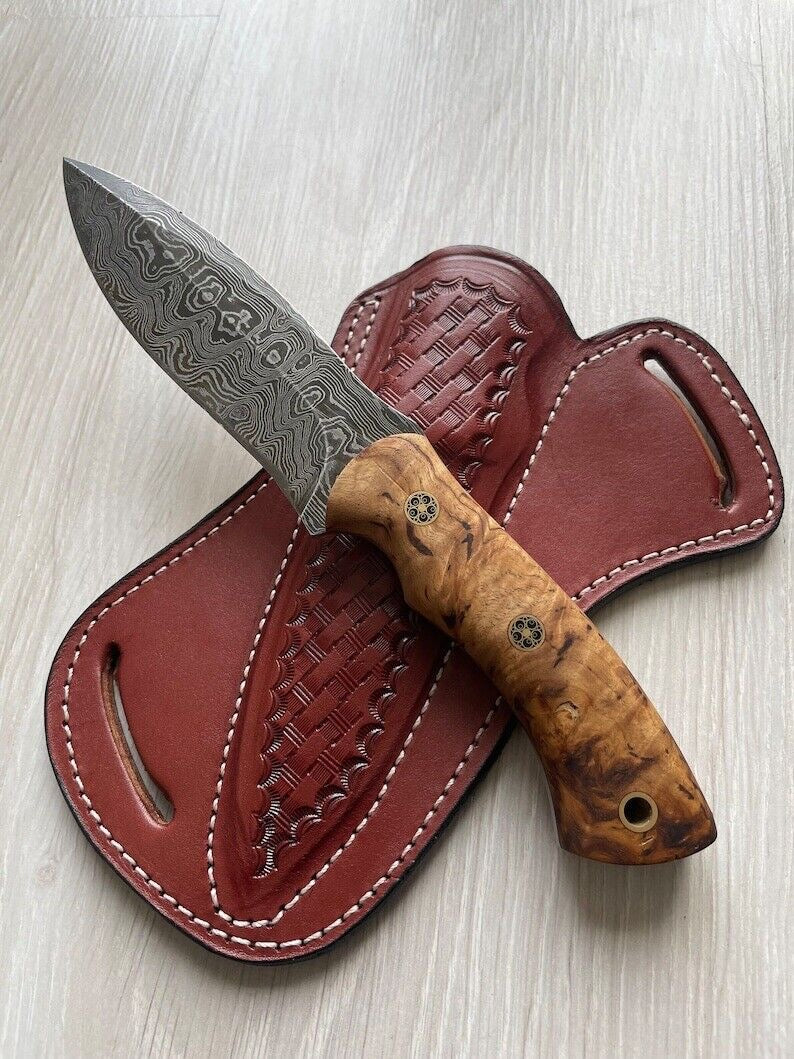
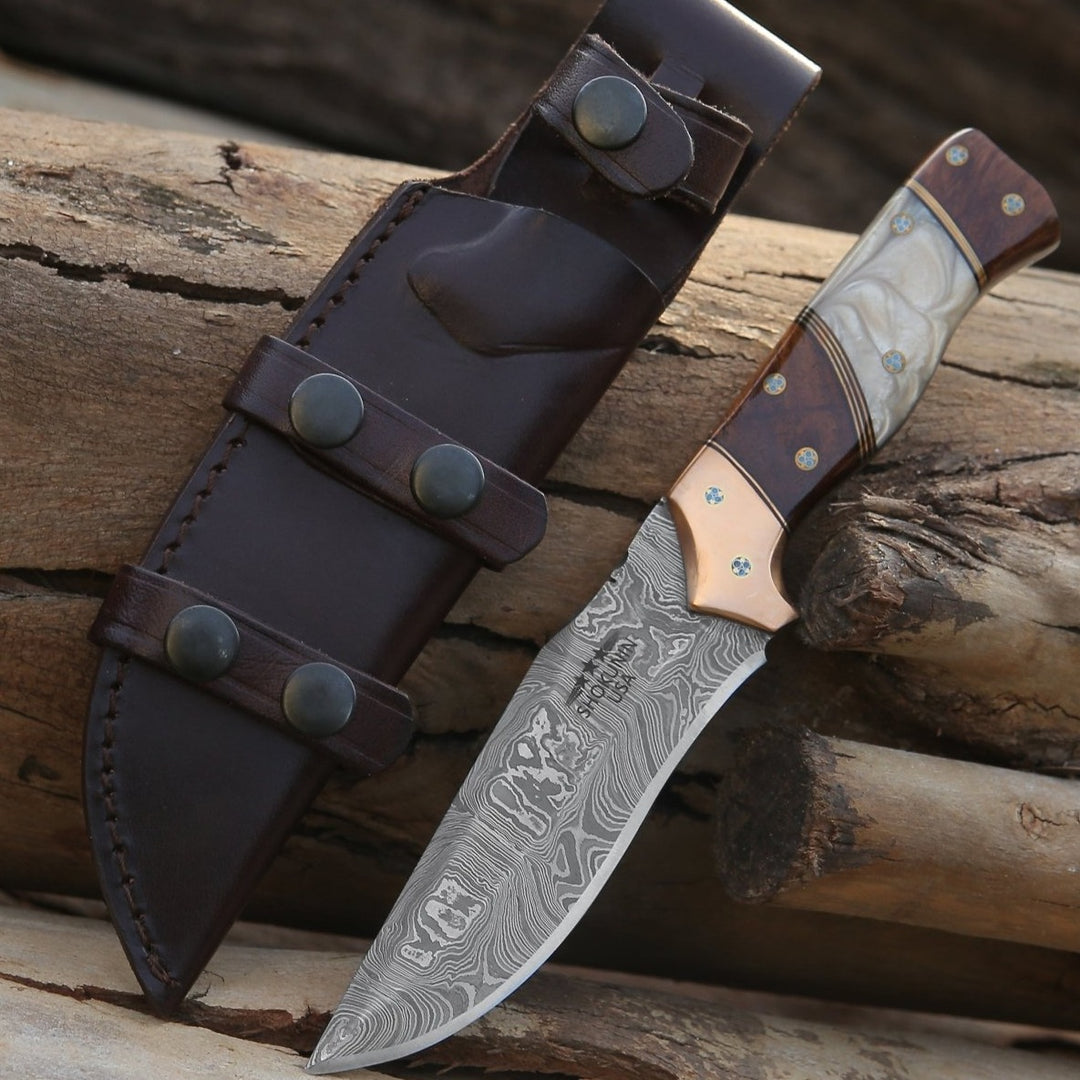
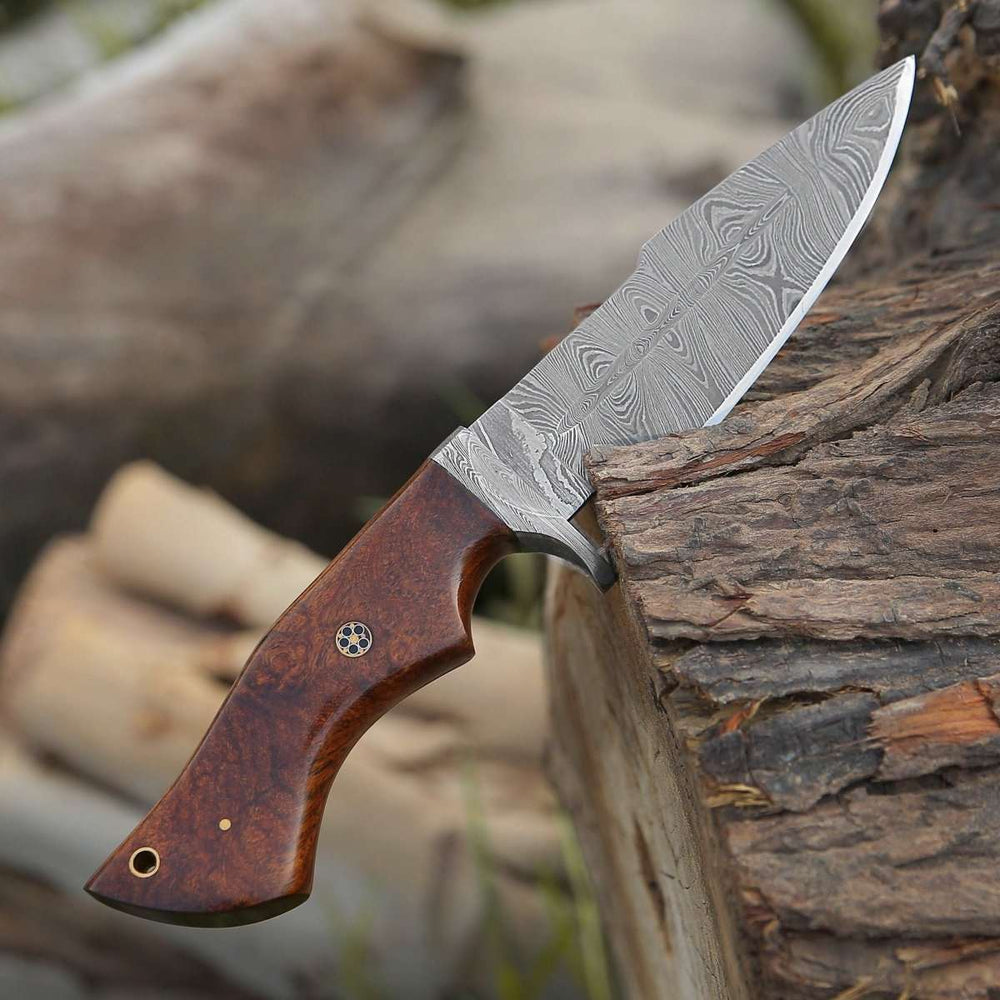
The drop point blade is characterized by a convex curve that drops down towards the tip. This design is perfect for tasks that require precision, such as slicing and detail work. Its robust tip makes it a great choice for heavy-duty applications.
Clip Point Blade
The clip point blade features a concave curve that creates a sharp tip, enhancing precision for piercing tasks. It's an ideal choice for tactical use and general utility applications.
Spear Point Blade
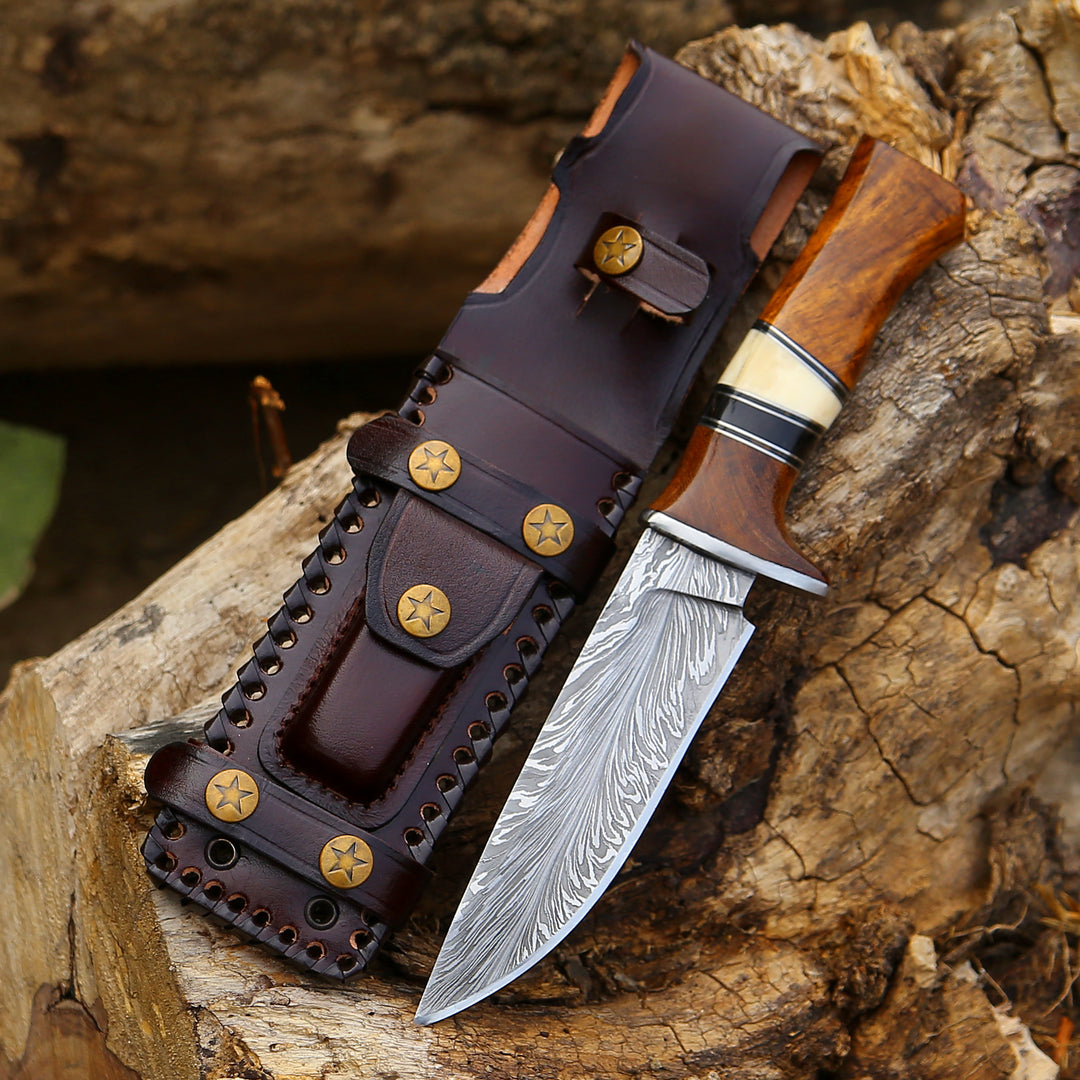
This symmetrical blade shape features a pointed tip, making it perfect for thrusting and piercing tasks. It's popular among survivalists and campers who require a reliable tool that can perform in various scenarios.
Ergonomics and Handle Design
The handle is as crucial as the blade because it impacts usability and comfort. Creating a personalized handle allows you to tailor your pocket knife to your preferences. Here’s what to consider:
Material
Handle materials can range from wood and plastic to metal and composite options. Each comes with its pros and cons:
- Wood: Provides a traditional look and a comfortable grip, but may require more maintenance.
- Plastic: Lightweight and durable, ideal for various climates, though often less aesthetically appealing.
- Metal: Offers a sleek, robust feel, but can be cold to the touch and heavy.
- Composite: Combines materials for improved durability and aesthetics, providing numerous customization options.
Grip Texture
The texture of the handle affects the knife's grip. Opt for a textured surface or removable scales if you want a more secure grip during use. Prioritize comfort to prevent slipping during tasks, especially in challenging scenarios.
Unique Customization Options
Once you've selected your blade type and handle material, consider adding some unique touches to make your pocket knife truly yours:
Engravings
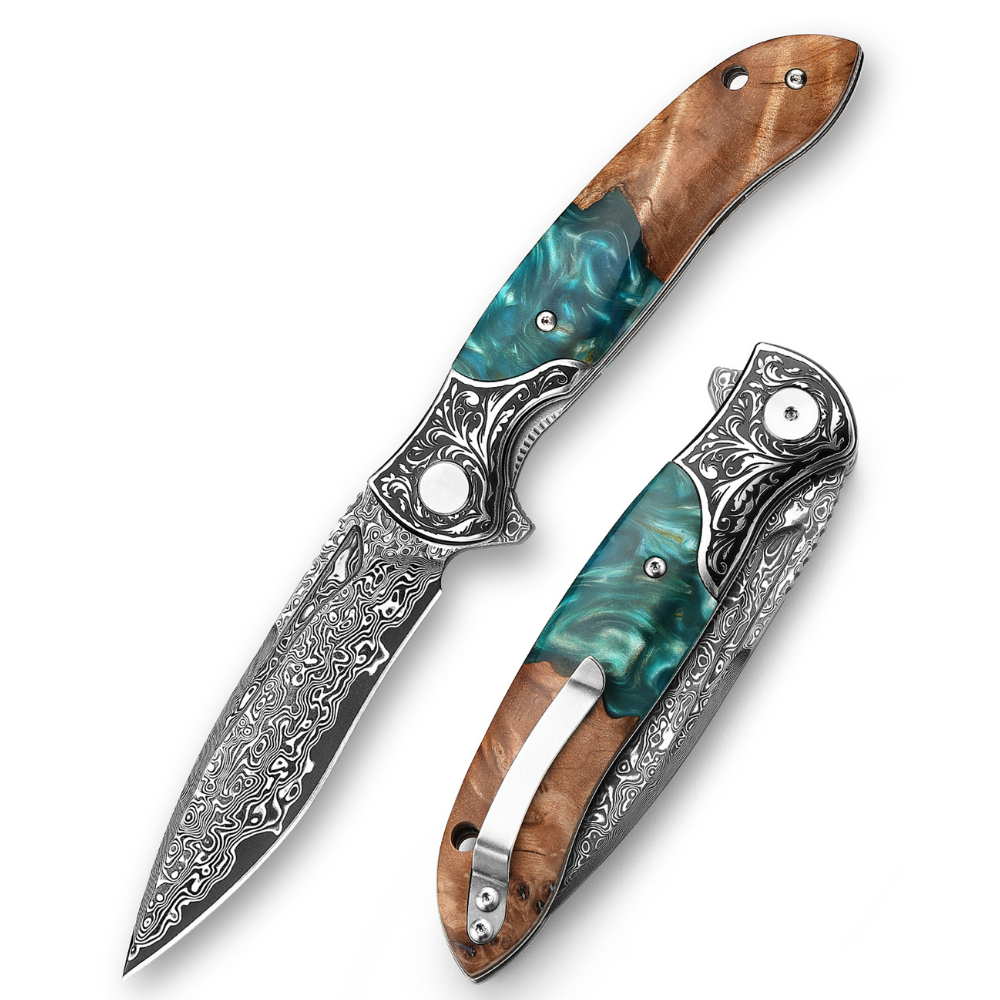
Adding custom engravings or markings can make your knife stand out while also making it personal. Whether it’s a name, a meaningful date, or a special symbol, engravings are a great way to personalize your custom pocket knife.
Color and Finishes
Don’t overlook the visual aspect of your knife. Many manufacturers offer powders and anodizations that can transform your blade and handle into vibrant colors. A colorful finish not only adds flair but can also aid in visibility when out in nature.
Tool Selection for Assembly
Putting together a customized pocket knife may seem daunting, but the right tools can simplify the process. Generally, you’ll need:
- Utility knife for cutting
- Drill for handle assembly
- Screwdriver set for blade attachment
- Sandpaper or files for finishing touches
Always make sure to work in a safe environment and wear necessary protective gear when assembling your knife. If you’re unsure, consider consulting video tutorials or expert guides to assist you through the assembly process.
Maintenance for Longevity
After customizing and assembling your pocket knife, maintenance becomes essential for preserving functionality and aesthetics. Regular care will keep your D2 tool steel pocket knife in excellent shape while also prolonging its lifespan. Here are some tips to help maintain your blade:
Cleaning
Regularly clean the blade and handle parts with a damp cloth to remove dirt, residue, and moisture. Avoid using abrasive materials that can scratch the surface. If your knife has been used for food-related tasks, a soap-and-water wash is advisable.
Oiling
Applying a few drops of oil on the pivot points and blade can reduce friction during opening and closing, making action smoother. It also provides additional corrosion resistance, which is especially important for D2 tool steel.
Sharpening
Keeping the edge sharp is crucial for the performance of any pocket knife. Invest in a quality sharpening tool or seek professional sharpening services to ensure your blade maintains its cutting ability.
Customizing with Purpose
Customization isn't just about adding flair; it's also about enhancing functionality. Think about the specific tasks you’ll be performing with your pocket knife. Custom features could include:
- Built-in tools: Such as a can opener or screwdriver.
- Locks: Ensure safety during use with an effective locking mechanism.
- Clip placement: Position your pocket clip for easy access and draw when needed.
Every feature should serve a function, keeping your knife practical and efficient.
Sharing the Love of Custom Knives
Once your customized pocket knife is complete, don’t keep it to yourself. Share your creation with fellow knife enthusiasts, whether through social media or knife shows. Engaging with others can inspire new ideas for your next custom project and expand your creativity.
Your Pocket Knife, Your Way
Customizing your own pocket knife is an exciting journey that allows you to create a tool perfectly tailored to your preferences and requirements. By choosing quality materials like D2 tool steel, selecting the right blade type, and personalizing the handle, you can fashion a pocket knife that truly reflects your individuality. Spend some time researching designs, materials, and techniques to ensure you develop an exceptional knife you can be proud of.
Remember, your pocket knife is more than just a tool; it’s an extension of yourself. With patience, creativity, and a bit of craftsmanship, you can produce a unique and functional masterpiece.
Frequently Asked Questions
1. What is the significance of customizing a pocket knife?
2. Why should I choose D2 tool steel for my pocket knife?
3. What are the popular blade types for pocket knives?
4. What handle materials can I choose from when customizing my pocket knife?
5. How can I maintain my D2 tool steel pocket knife?
Glossary
| Term | Meaning |
|---|---|
| Pocket Knife | A folding knife designed for portability and versatility. |
| D2 Tool Steel | A high-carbon steel known for wear resistance and edge retention. |
| Blade Type | The shape and design of the knife's cutting edge. |
| Drop Point Blade | A blade with a convex curve, ideal for precision tasks. |
| Clip Point Blade | A blade with a concave curve for enhanced piercing ability. |
| Handle Material | Substance used for the knife's grip, affecting comfort and aesthetics. |
| Engravings | Custom markings added for personalization and uniqueness. |
| Utility Knife | A tool used for cutting during the assembly of a pocket knife. |
| Oiling | Applying oil to reduce friction and improve corrosion resistance. |
| Sharpening | The process of honing the blade's edge for optimal cutting performance. |
Linked Product

Venture D2 High Carbon Stainless Tool Steel Pocket Knife with Clip & G10 Handle
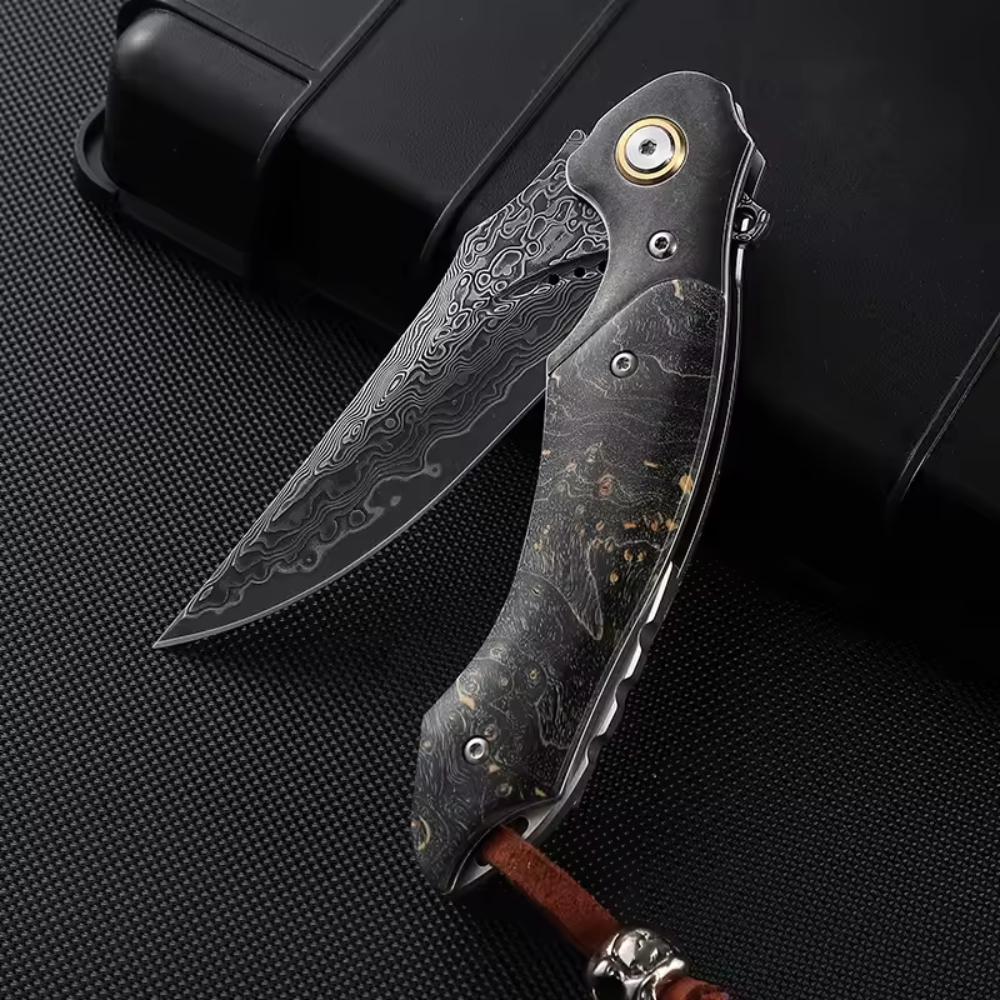
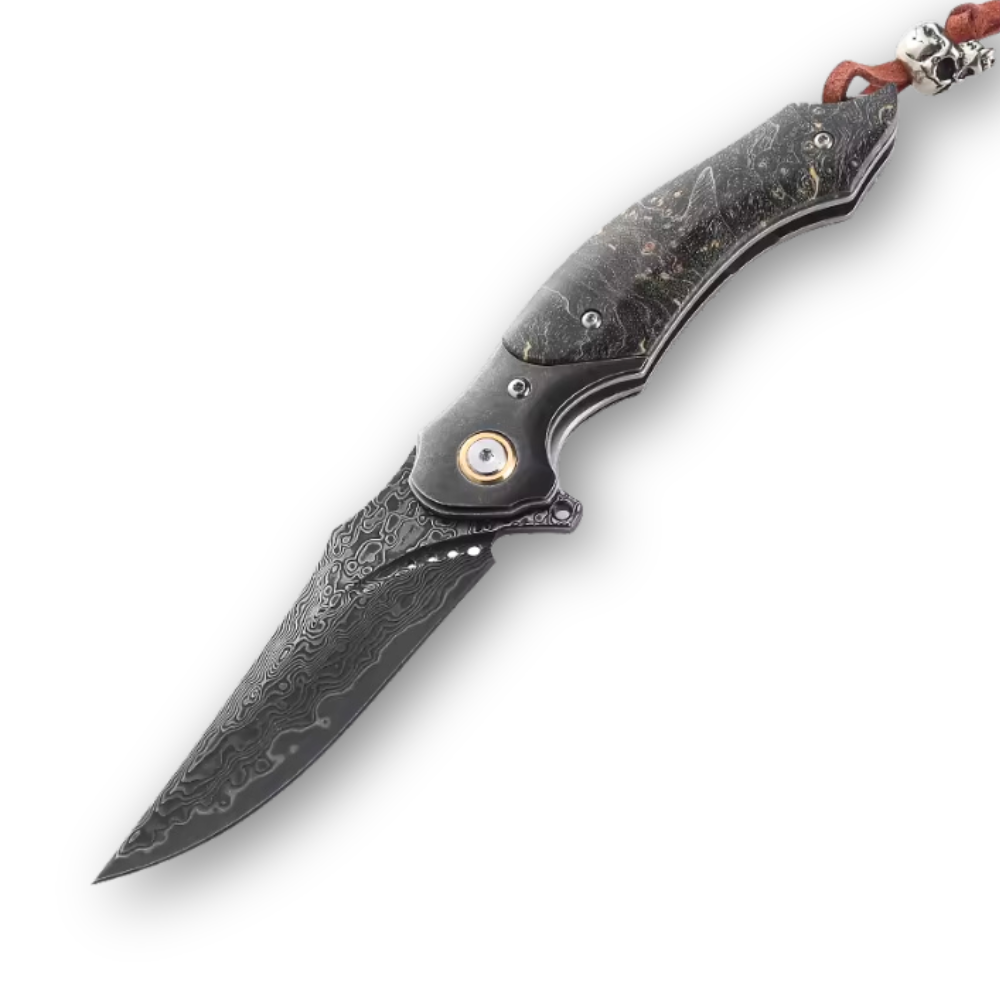
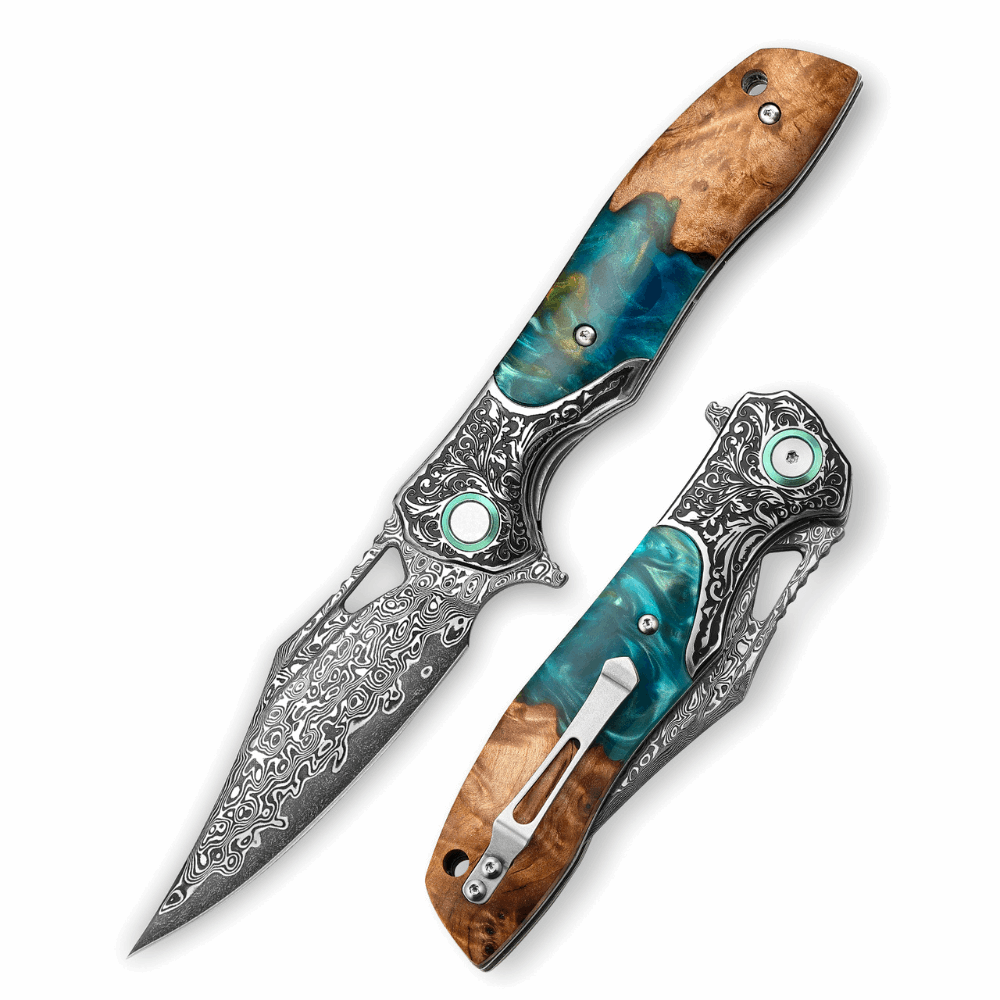
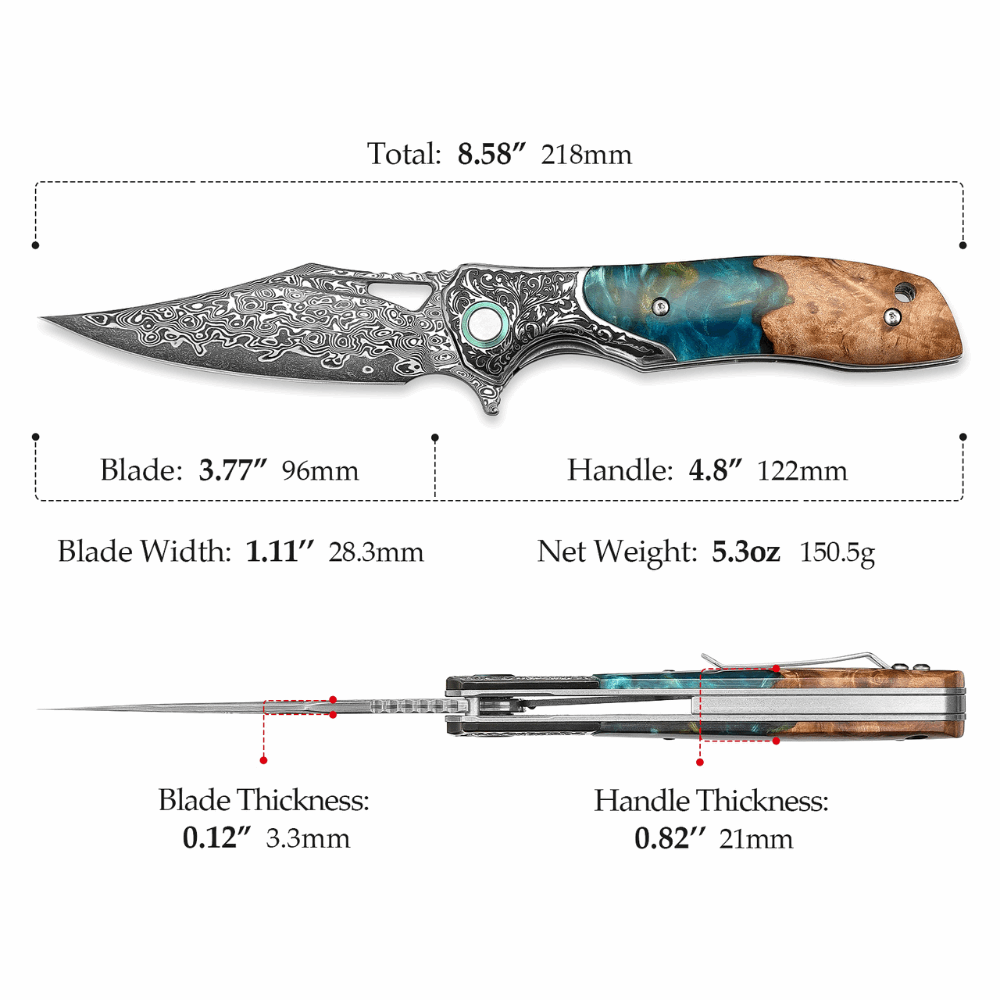
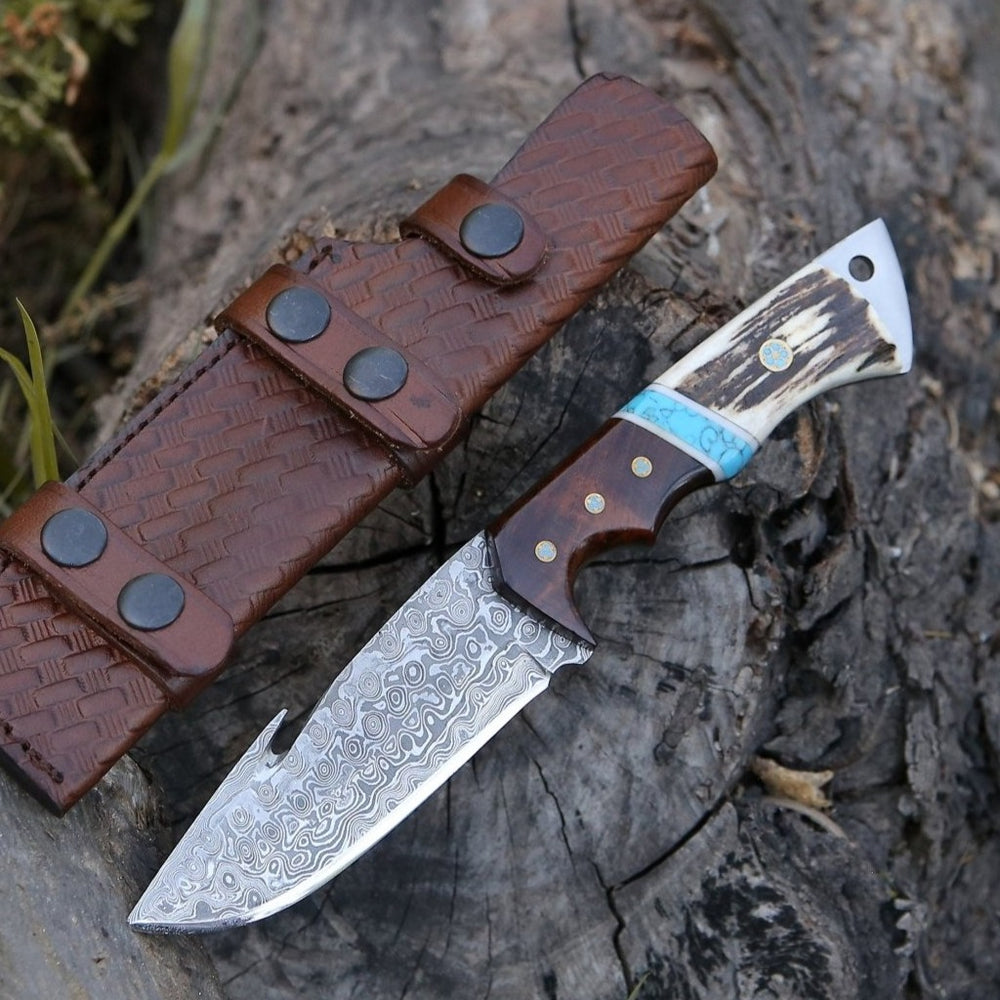
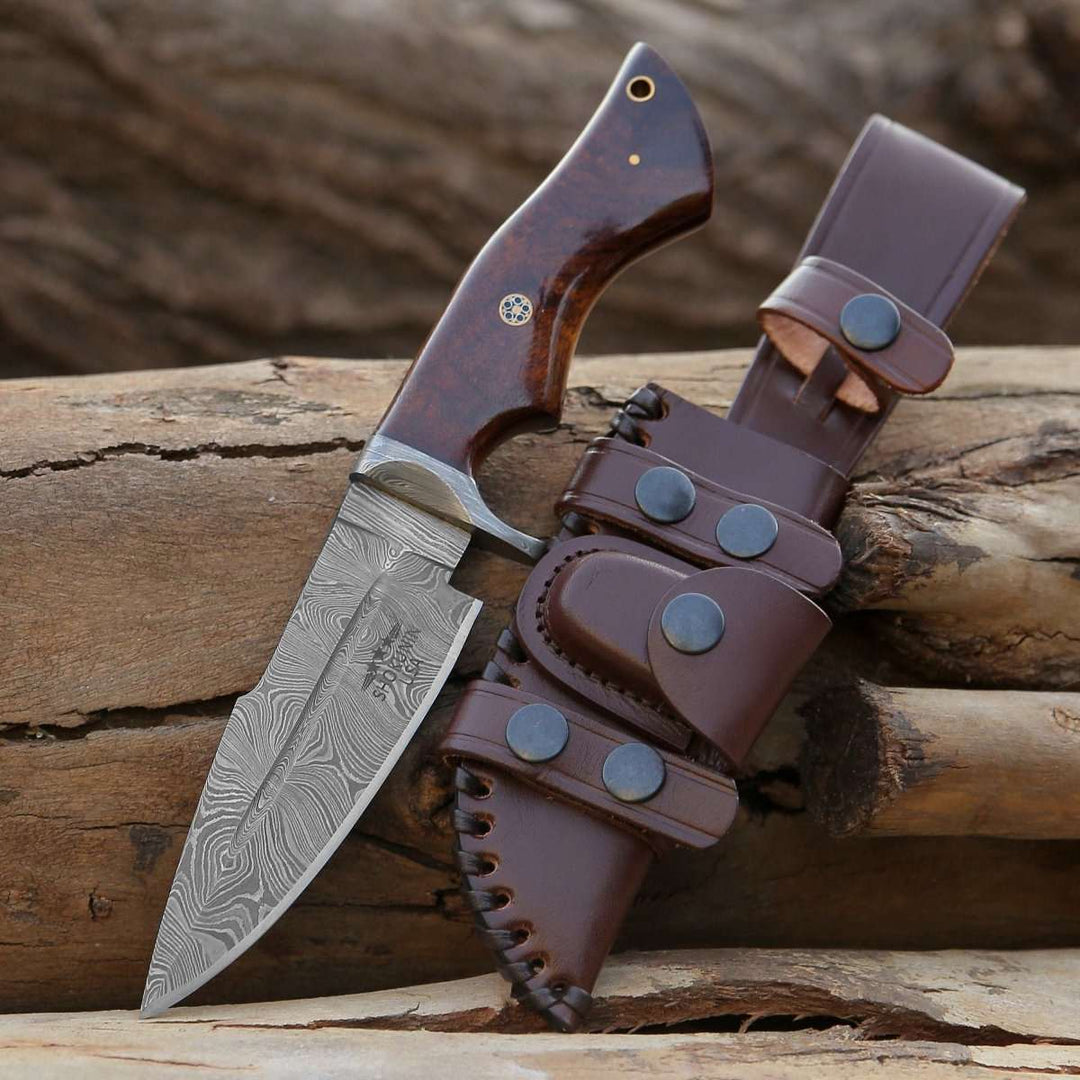
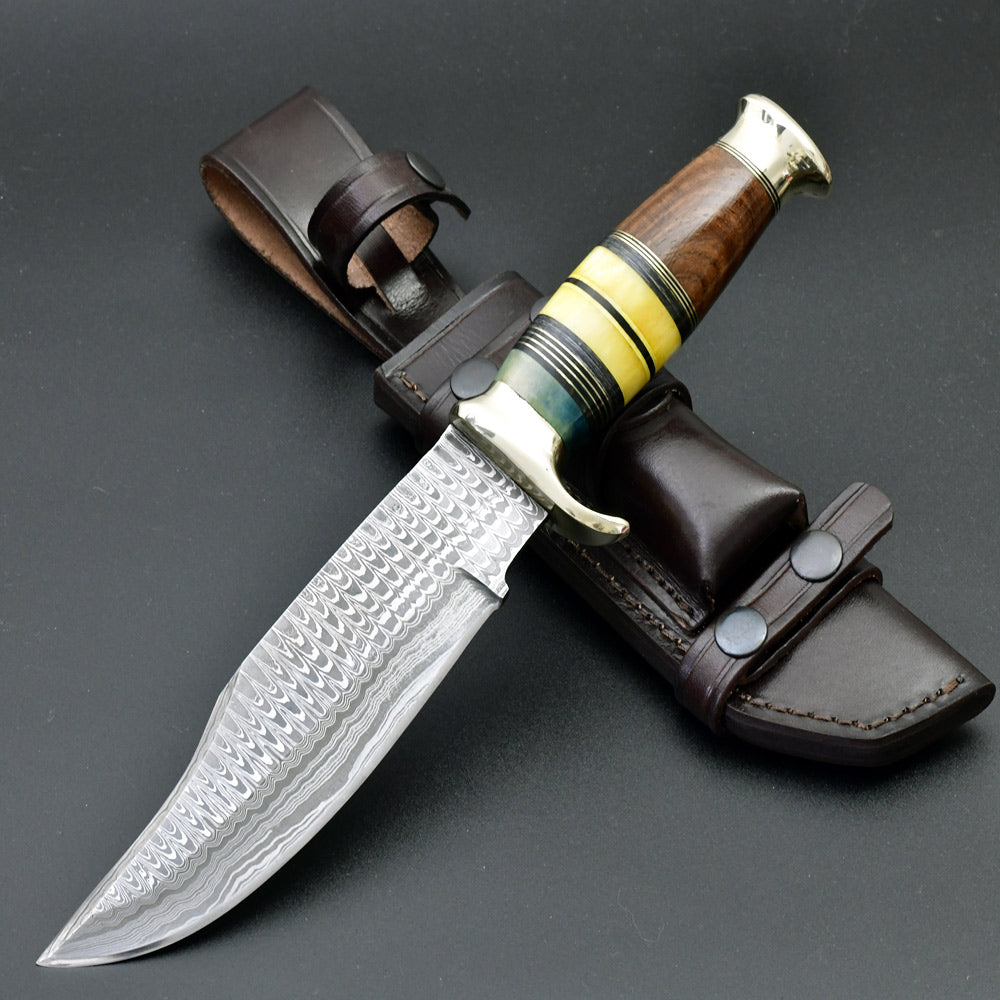
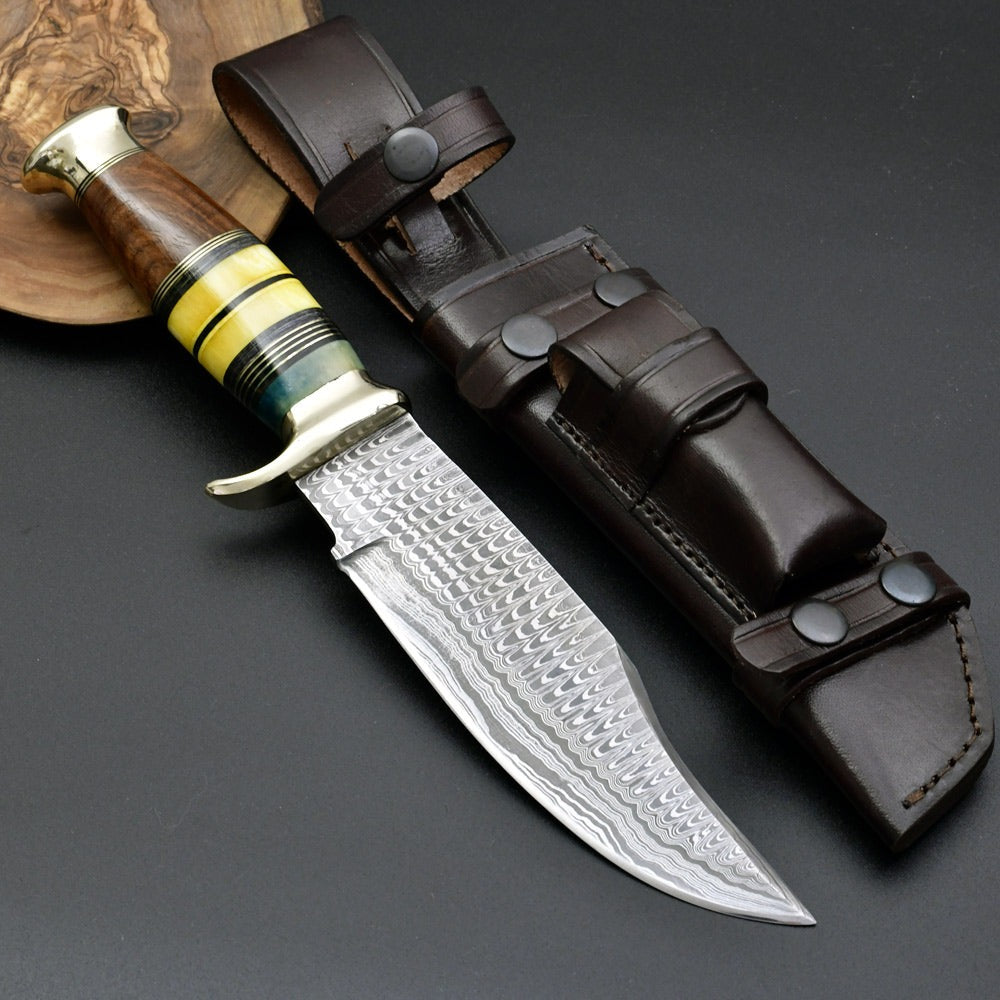
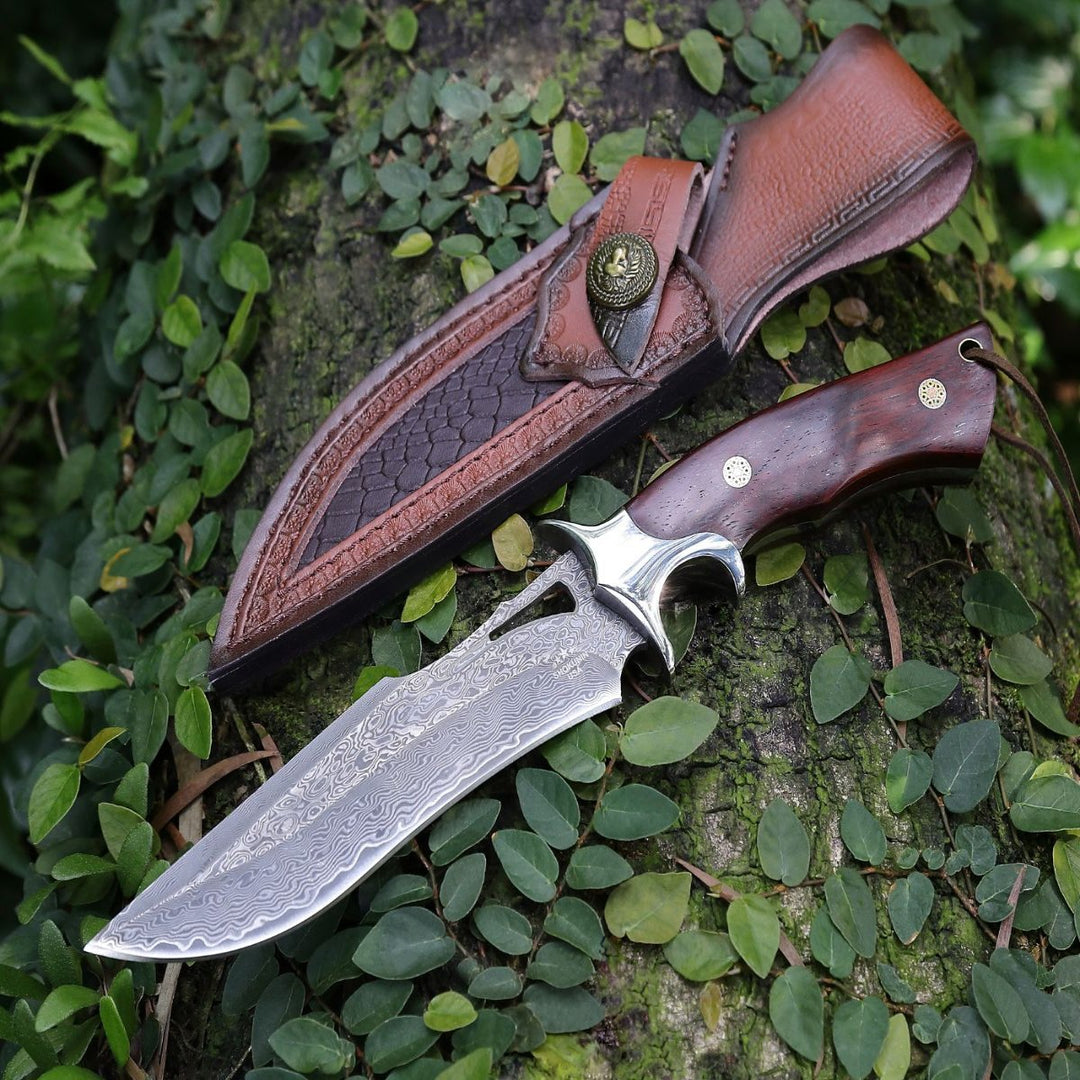
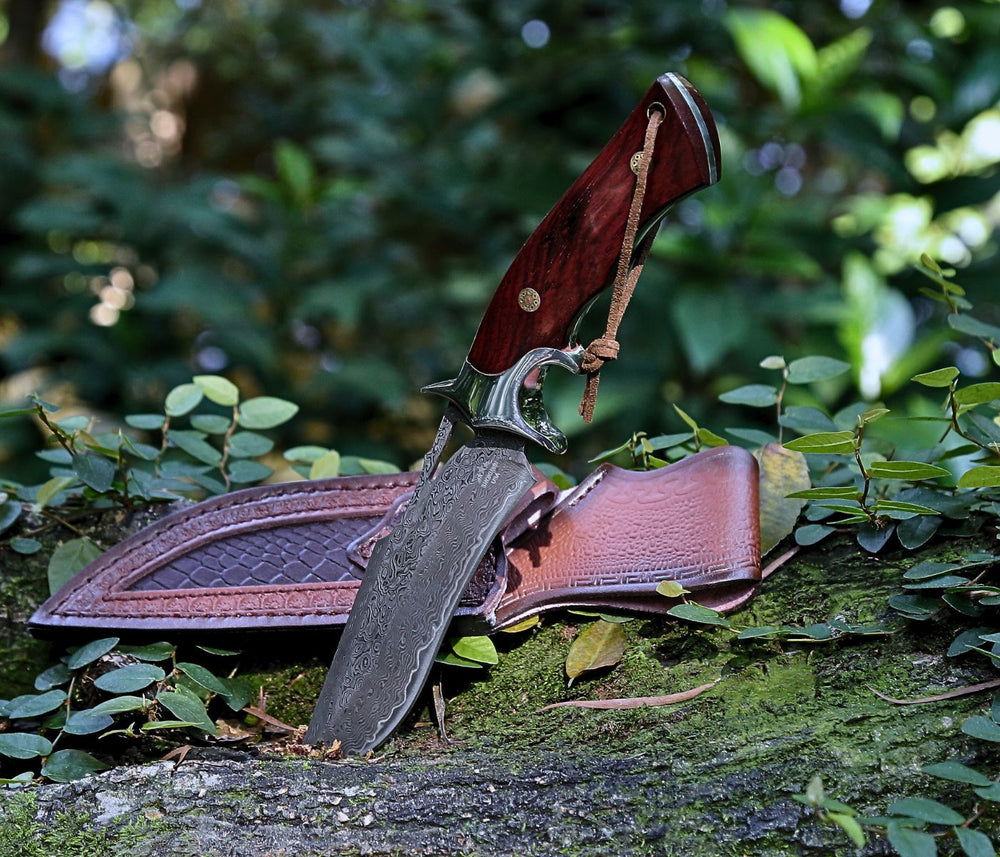
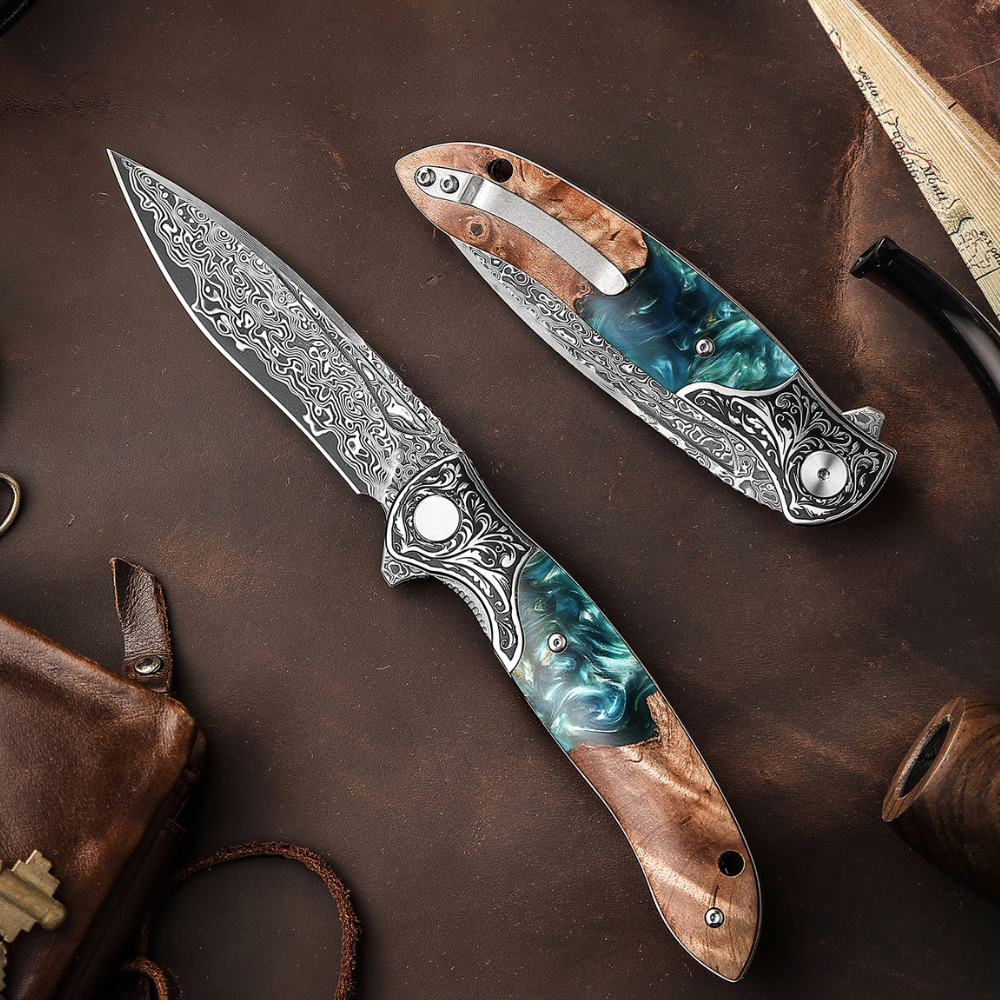
The Venture D2 High Carbon Stainless Tool Steel Pocket Knife features a 4.0-inch drop point blade made from D2 tool steel, known for its durability and excellent edge retention. Its G10 handle offers a robust grip and is designed for comfort during use, making this knife suitable for hunting, outdoor activities, or as a collectible item. Additionally, the knife comes with a leather sheath for protection and the option for personalization, enhancing its appeal as a thoughtful gift.
View Product






Dejar un comentario