


Overview
Proper maintenance of your pocket knife, especially if it's made of Damascus Steel, is essential for longevity and performance. Key tips include regular cleaning, sharpening the blade, lubricating the pivot, and storing it properly. Special care for Damascus Steel involves rust prevention and maintaining its aesthetic appeal. Embrace a routine to ensure your knife remains functional and beautiful for years.
Frequently Asked Questions
1. What are the key components of a pocket knife that require maintenance?
2. How should I clean my pocket knife?
3. Why is sharpening important for my pocket knife?
4. What special care should be taken for Damascus Steel knives?
5. When should I consider seeking professional help for my pocket knife?
Owning a pocket knife is not just about having a handy tool at your disposal; it's about responsibility, care, and maintaining a piece of craftsmanship, especially if you have a knife made of Damascus Steel. Pocket knives, with their sleek designs and versatile functionalities, can serve you for many years if properly maintained. Whether you use it for everyday tasks, camping adventures, or just as a collector’s item, understanding how to maintain it is crucial to ensure its longevity and performance. In this comprehensive guide, we'll dive into practical tips for keeping your pocket knife in tip-top shape, no matter the brand or material.
Understanding Your Pocket Knife
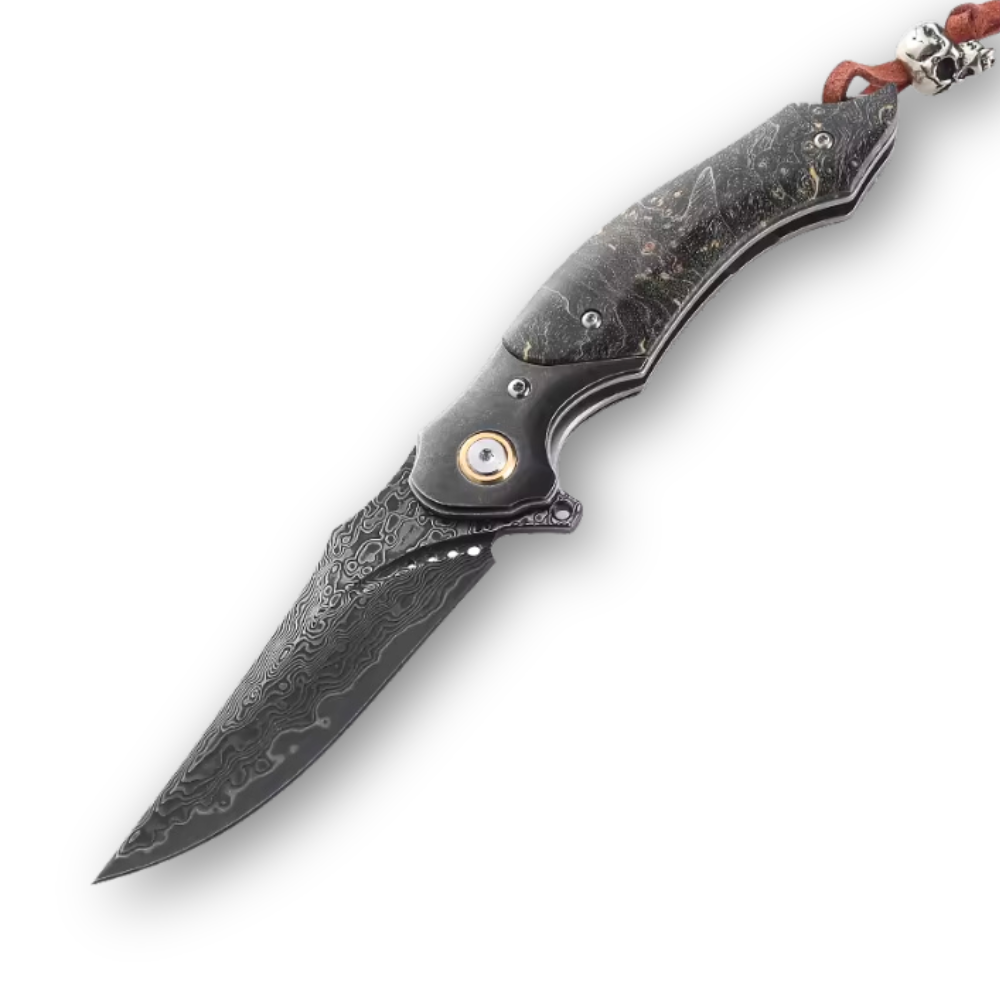
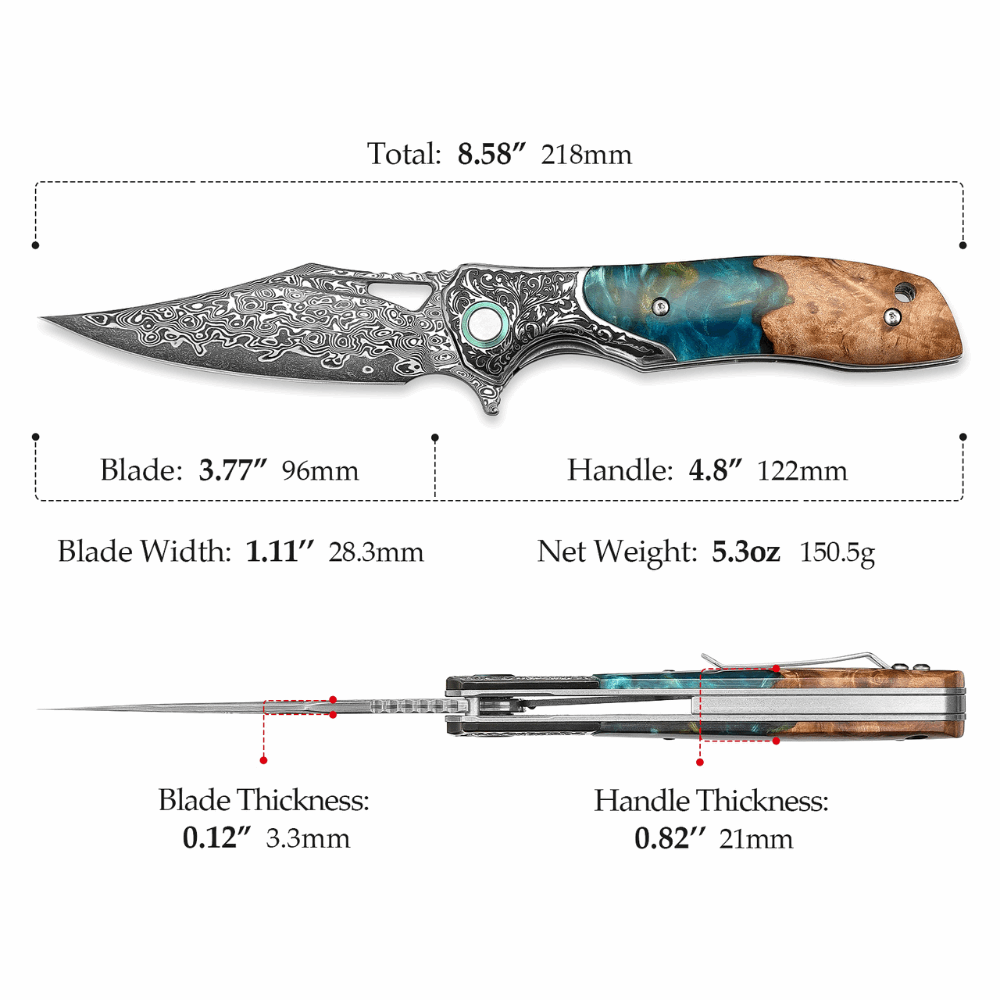
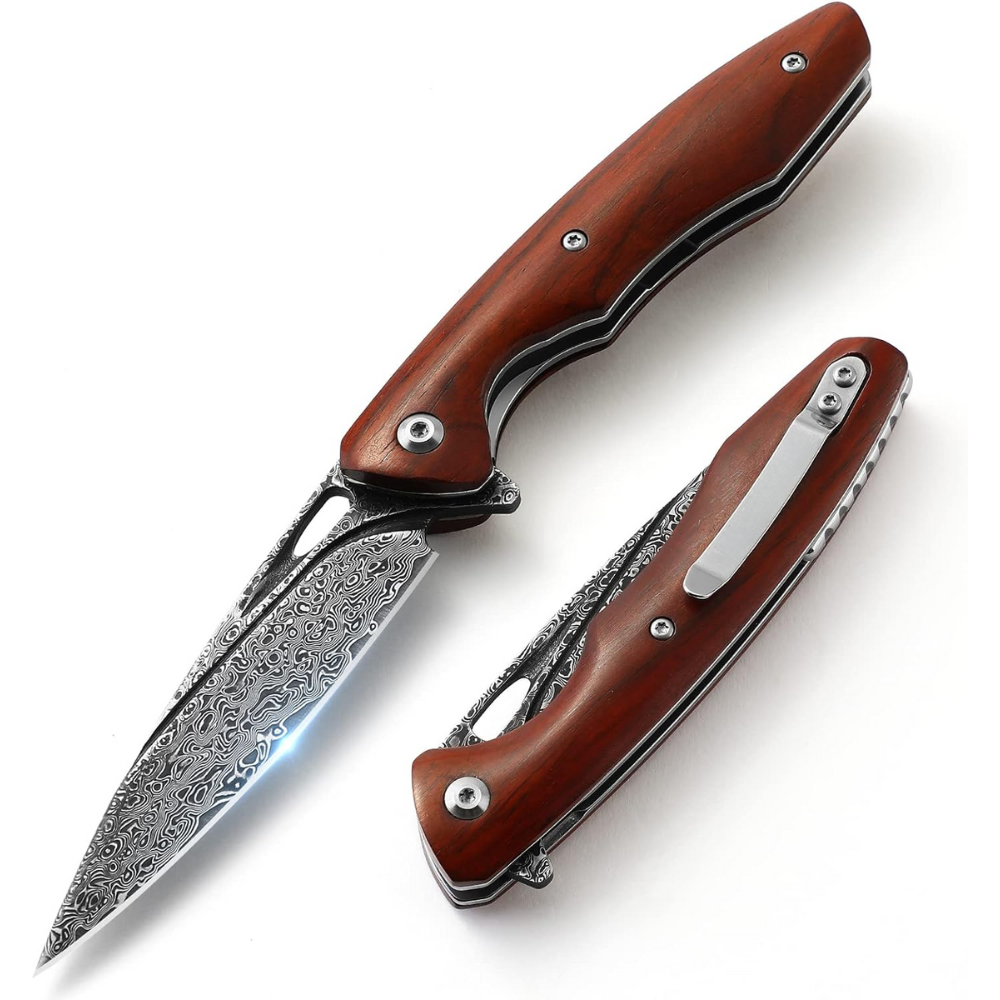
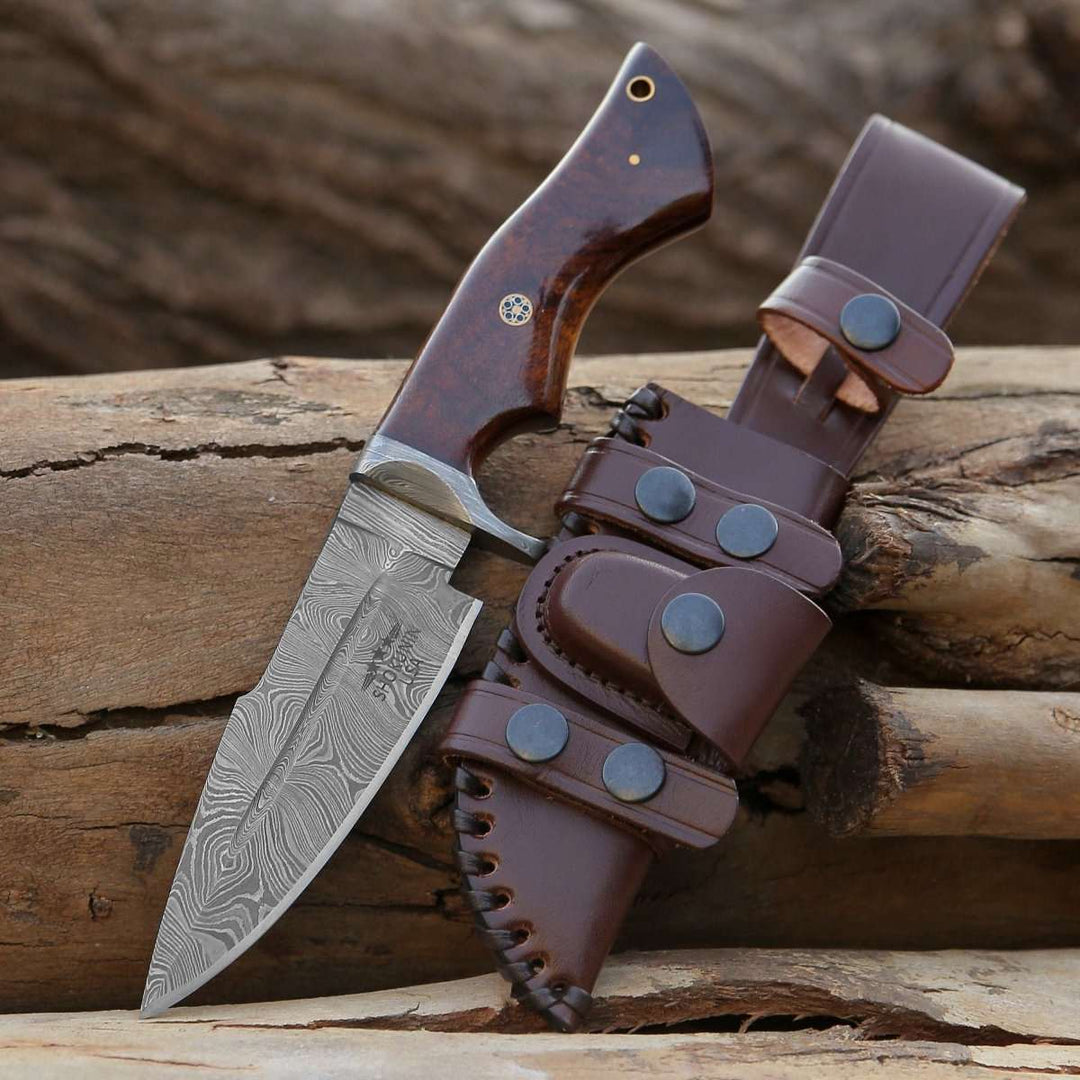
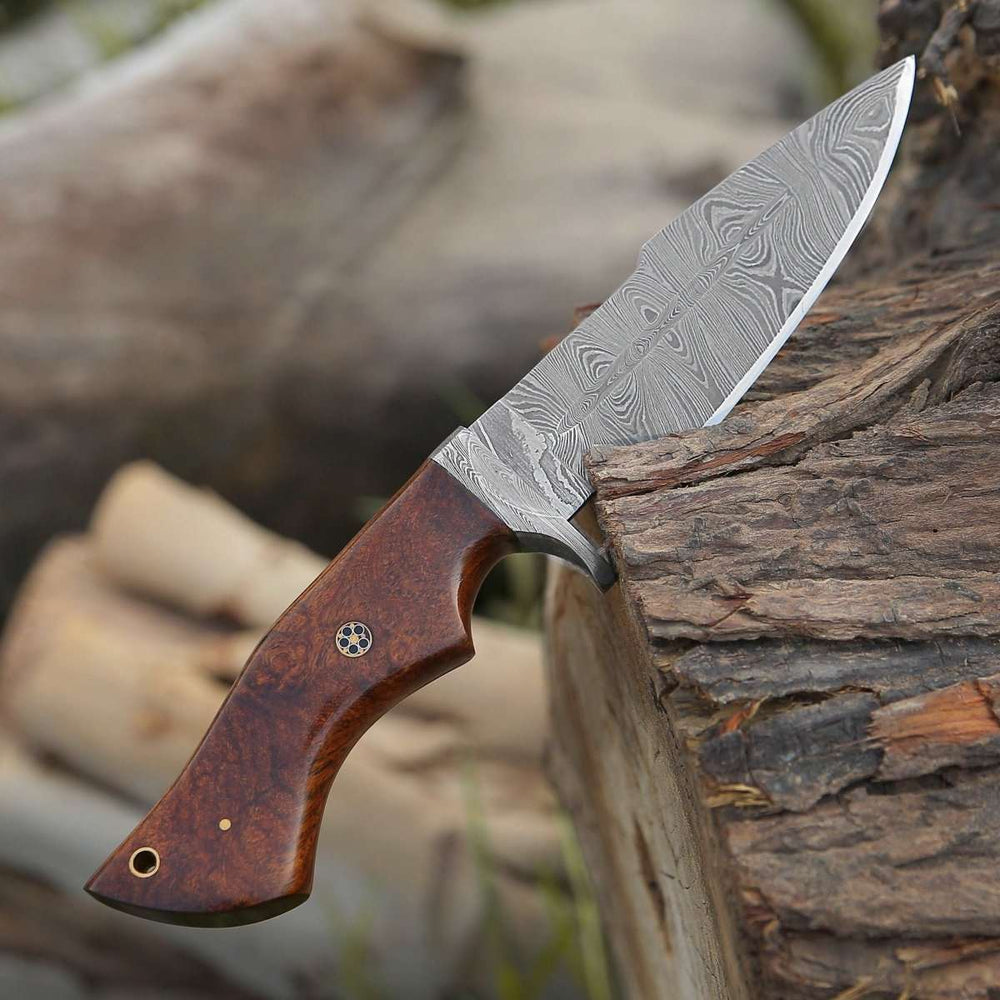
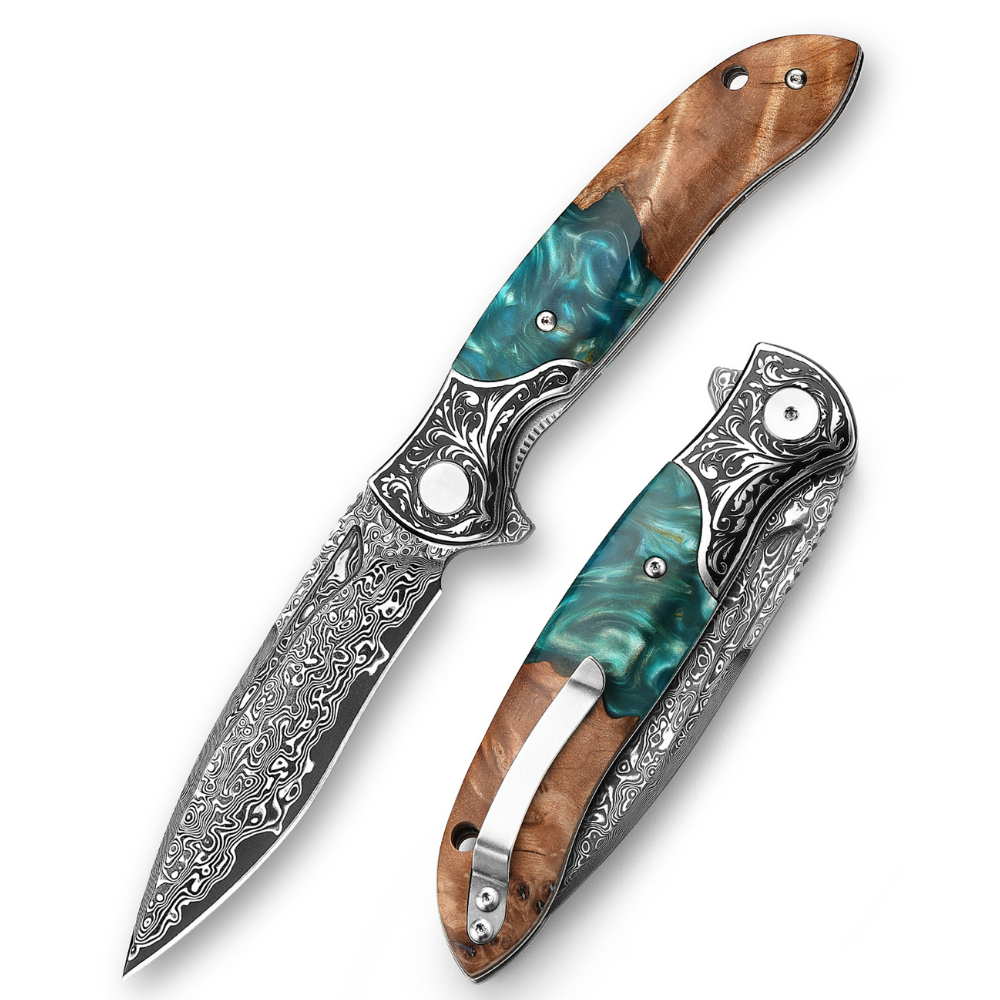
Before diving into the maintenance tips, it’s essential to understand what makes a pocket knife function effectively. Your knife consists of various components, including the blade, handle, and pivot. Each part demands special attention, especially if it’s crafted from premium materials like Damascus Steel, renowned for its beauty and sharpness. Here’s a breakdown of the critical components to remember:
- Blade: The cutting edge that requires frequent sharpening and cleaning.
- Handle: Provides grip and should be maintained based on the material it is made from.
- Pivot: The mechanism allowing the blade to open and close; lubrication is key.
Essential Maintenance Tips
Regular Cleaning
One of the most important aspects of pocket knife maintenance is regular cleaning. Dirt and debris can accumulate on the blade and in the pivot, affecting its performance and longevity. Here's how to clean your knife effectively:
- Wash the Blade: Use warm soapy water and a soft cloth to gently clean the blade. Avoid abrasive materials that might scratch the surface, especially important for knives with Damascus Steel.
- Rinse and Dry: After cleaning, rinse the blade with clean water and dry it immediately to prevent rust and corrosion.
- Clean the Handle: Depending on the material of your handle, cleaning methods will vary. Wood handles may require oil, while synthetic handles can be wiped clean with a damp cloth.
Sharpening Your Blade
A sharp blade is critical for the performance of your pocket knife. It not only enhances usability but also ensures safety during use. Here are steps to sharpen your knife:
- Select the Right Stone: Use a sharpening stone designed for your knife's steel type. For Damascus Steel, consider finer grits for a polished edge.
- Angle of Sharpening: Maintain a consistent angle (usually between 15 to 20 degrees) while sharpening.
- Honing: After sharpening, finish with a honing rod to straighten the edge.
Lubrication is Key
Keeping the pivot and opening mechanism lubricated is vital to maintaining a smooth-operating knife. Follow these steps:
- Choose Appropriate Oil: Lightweight oils are preferable. Look for options specifically designed for knives.
- Apply Sparingly: A few drops applied to the pivot area will suffice; over-lubrication can attract dirt.
- Wipe Excess Oil: After applying the oil, wipe off the excess to prevent attracting debris.
Storage Solutions
Where and how you store your pocket knife is crucial for its longevity. Here are some practical tips:
Optimal Storage Locations
- Drawers: Utilize a knife drawer with proper padding to avoid scratches.
- Knife Cases: Invest in a protective knife case or roll to keep multiple knives organized.
- Avoid Humid Areas: Water and humidity can cause rust and degradation, especially for Damascus Steel knives.
Special Care for Damascus Steel
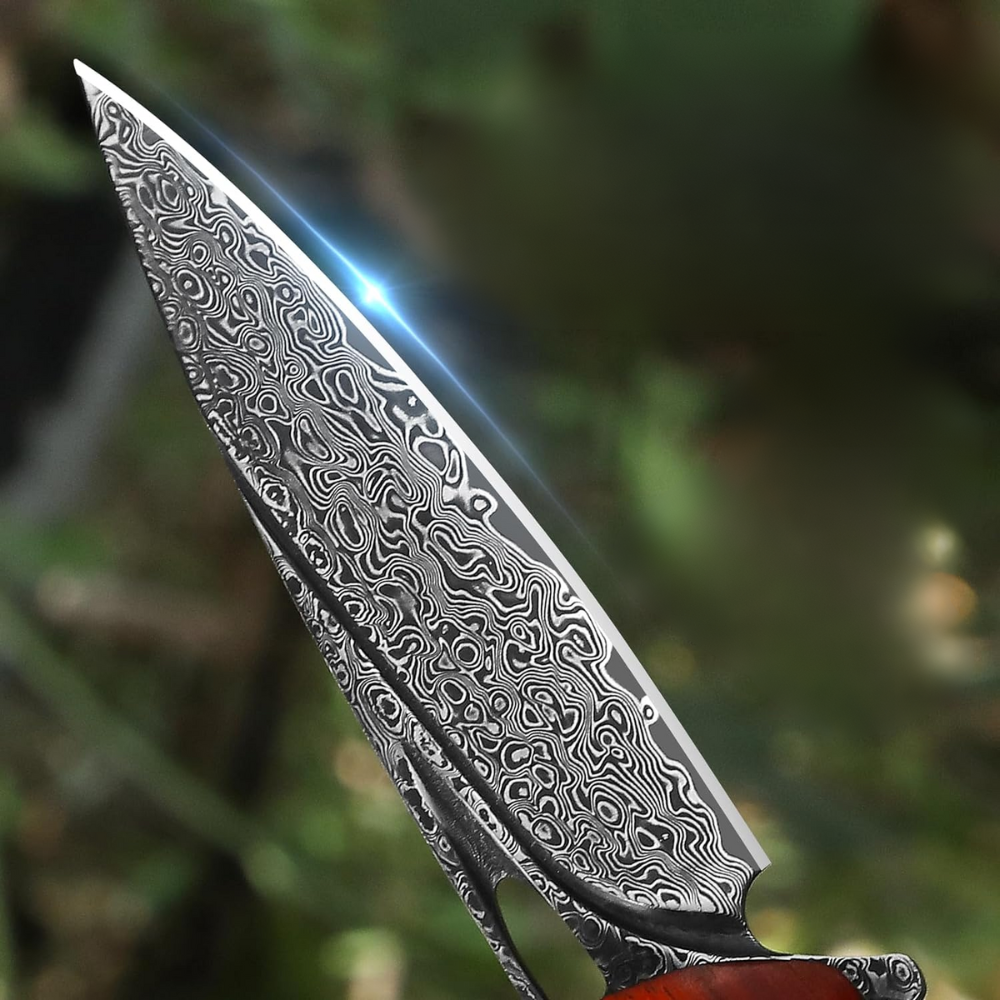
If your pocket knife is made of Damascus Steel, you need to pay extra attention. Given its unique composition of layered steel, Damascus blades require special care:
Rust Prevention
Damascus Steel is prone to rusting if not properly cared for, particularly if you use your pocket knife in harsher conditions. Here are a few tips:
- Keeps It Dry: Always dry your knife after exposing it to water or moisture.
- Use Protective Coating: A thin layer of knife oil can keep the blade protected from moisture.
- Regular Oil Treatment: Make it a habit to oil your blade every few months to enhance its protective barrier.
Maintaining Aesthetic Appeal
Part of owning a Damascus Steel knife is its visual appeal. To keep it looking pristine:
- Gentle Cleaning: Avoid harsh chemicals and abrasive materials during cleaning.
- Avoid Sunlight Exposure: Long exposure to sunlight can fade the materials around the knife.
- Display Caution: If you use a display case, ensure that it provides a protective barrier against dust and humidity.
When to Seek Professional Help
Generally, following a routine of cleaning, sharpening, and storing your pocket knife will keep it in great shape. However, there may come a time when you need to seek professional help:
- Severe Damage: If your knife has chips, cracks, or severe rust, a professional may be needed to restore it.
- Complex Repairs: For pivot issues or handle replacements, experts can better handle repairs.
- Sharpening Services: Some specialists offer exceptional sharpening services, especially valuable for high-end knives.
Embracing A Maintenance Habit
By adopting a consistent maintenance routine, you can enjoy your pocket knife’s functionality and beauty for years to come. Regardless of whether you’re an outdoor enthusiast or a collector who appreciates the intricate patterns of Damascus Steel, treating your knife with care will enhance your experience every time you use it. Remember, every aspect of maintenance—from cleaning and lubricating to sharpening—is crucial to retaining the performance and aesthetic appeal of your pocket knife.
So get started today—your pocket knife deserves the best care possible!









Hinterlassen Sie einen Kommentar