


Overview
Choosing the right pocket knife involves understanding your specific needs, considering features like blade material, type, size, handle design, and locking mechanisms, and assessing maintenance requirements. It’s essential to evaluate brand reputation and warranty, set a budget, and ideally, test the knife for comfort and functionality before purchase.
Table of Contents
- Understanding Your Needs
- Purpose
- Frequency of Use
- Environment
- Key Features to Consider
- Blade Material
- Blade Type
- Size and Weight
- Handle Design and Grip
- Material
- Ergonomics
- Locking Mechanism
- Maintenance Considerations
- Rust Resistance
- Sharpening Ease
- Brand Reputation and Warranty
- Price Point
- Test It Out
- Final Thoughts: Make Your Choice with Confidence
Key Takeaways
- Assess Your Needs: Identify the primary purpose of your pocket knife, whether for everyday tasks, camping, or self-defense.
- Consider Blade Material: Choose between stainless steel, high-carbon steel, or Damascus steel based on durability and maintenance preferences.
- Evaluate Size and Weight: Select a compact knife for portability or a heavier option for heavy-duty tasks, ensuring comfort during use.
- Check Handle Design: Look for ergonomic handles made from materials like wood or metal, ensuring a good grip, especially in wet conditions.
- Examine Locking Mechanisms: Prioritize safety with reliable locking mechanisms such as frame locks or button locks to prevent accidental closures.
- Research Brand Reputation: Opt for reputable brands that offer quality craftsmanship and solid warranty programs to ensure customer satisfaction.
- Test Before You Buy: Whenever possible, handle the knife to assess its weight, balance, and overall comfort in your hand.
Choosing the perfect pocket knife can be a rewarding yet daunting task. With countless options available in the market, it's essential to understand your needs, preferences, and the various types of knives available. Whether you’re a seasoned outdoorsman, an avid collector, or just someone who appreciates quality craftsmanship, this guide will lead you through the essential considerations for selecting the ideal pocket knife for your lifestyle. Let’s dive in!
Understanding Your Needs
The first step in your pocket knife journey is to assess your specific needs. Pocket knives serve multiple purposes, which means the perfect choice for one person may not work for another. Here are a few key factors to consider:
Purpose
Identify why you need a pocket knife. Are you looking for a tool to assist with everyday tasks, camping adventures, or perhaps self-defense? Knowing the primary function will help you narrow down your options significantly.
Frequency of Use
Consider how often you will use your pocket knife. If it’s going to be a daily carry, a reliable and robust option is a must. For occasional use, you may have the flexibility to choose something more ornate or stylish.
Environment
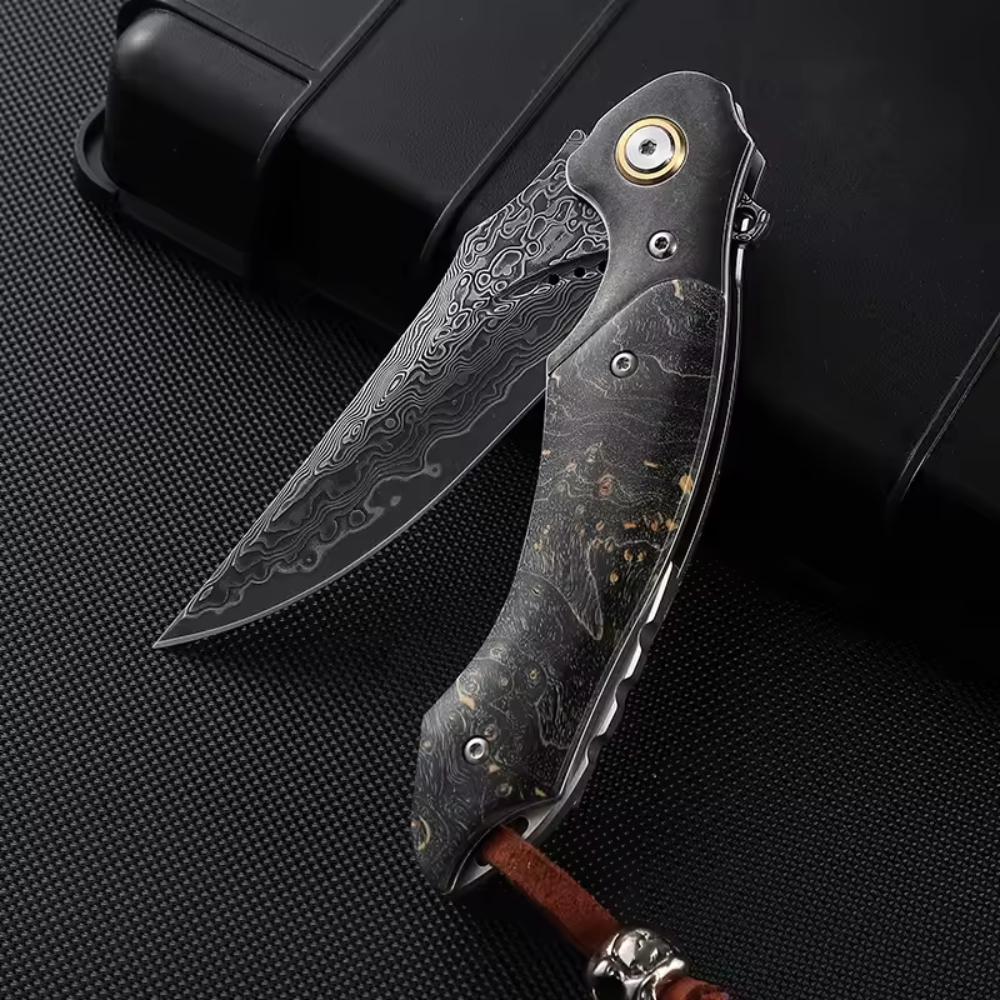
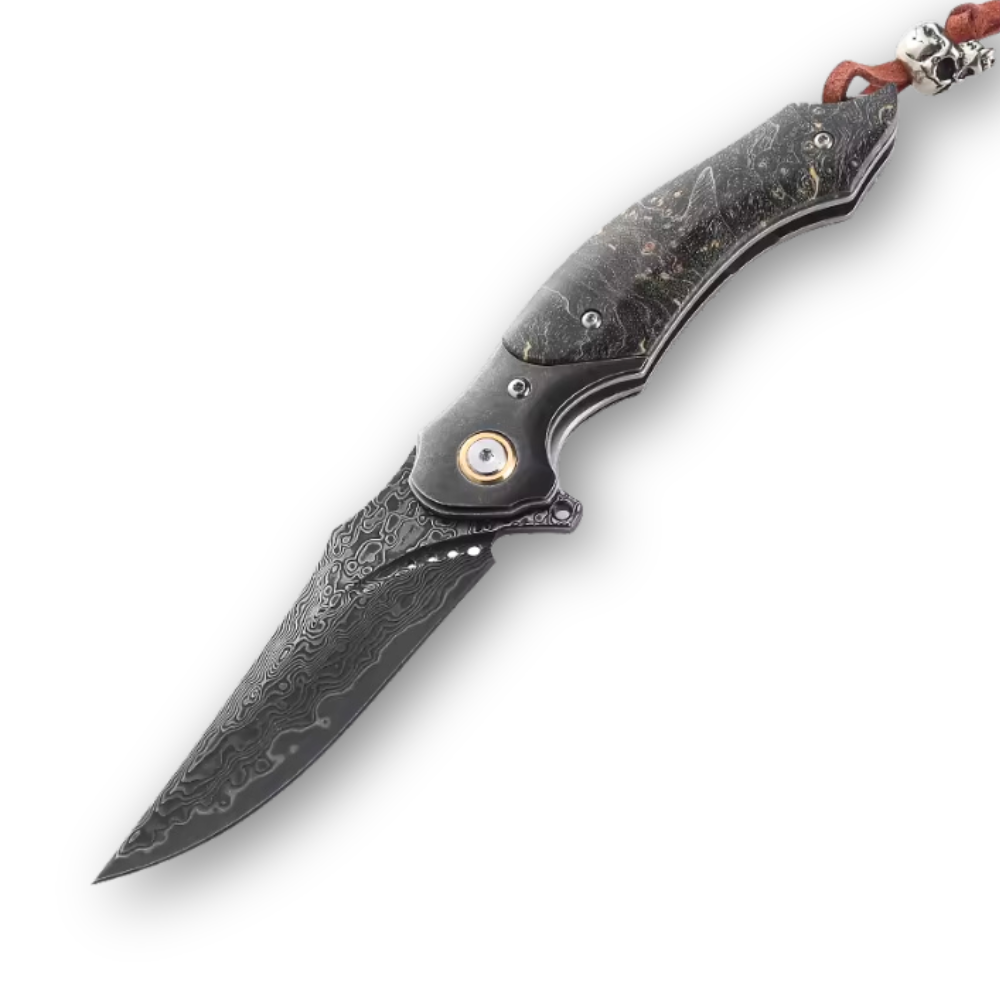
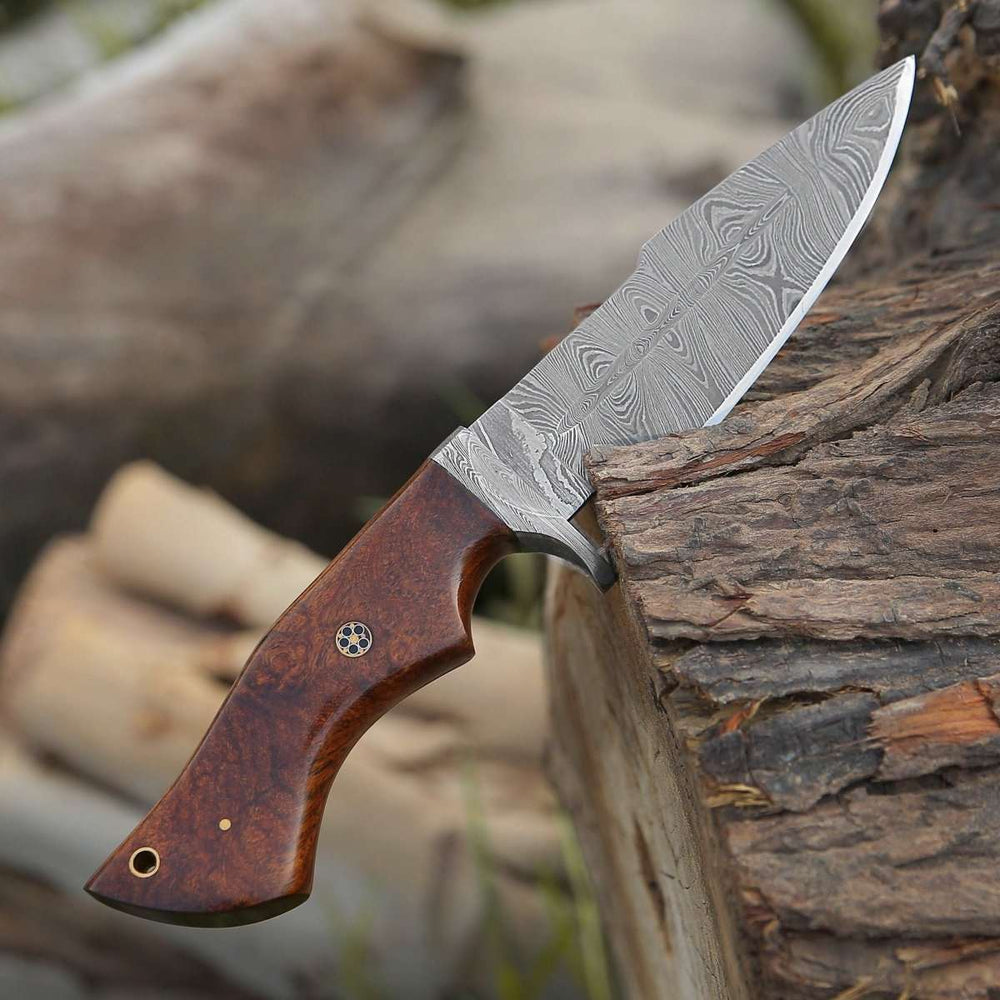
The environment in which you plan to use your knife also plays a vital role in your selection process. If you’re spending time in wet conditions or rugged terrains, durability should be a higher priority. Climates dictate what materials are suitable. For example, a Damascus steel knife offers excellent corrosion resistance and edge retention, making it ideal for various conditions.
Key Features to Consider
Once you’ve identified your basic needs, it’s time to dive into the specifications that will make your pocket knife stand out in functionality and style.
Blade Material
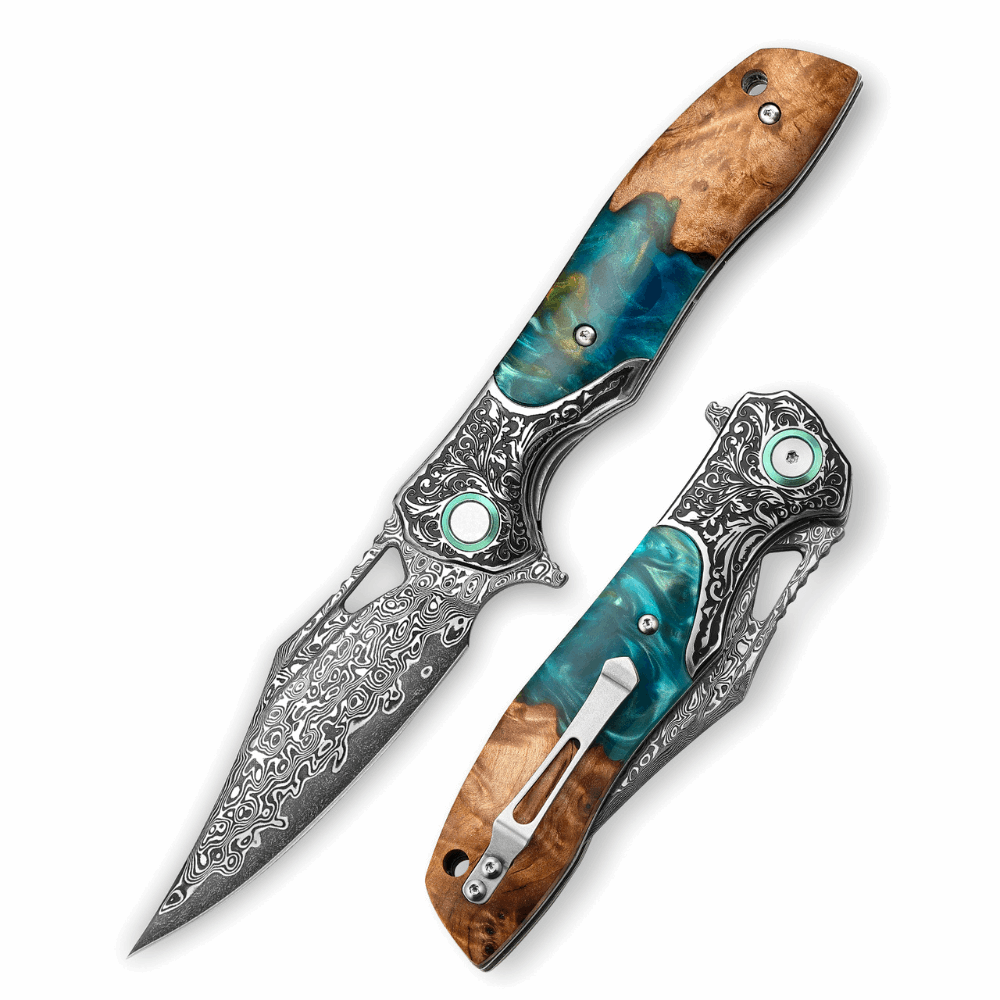
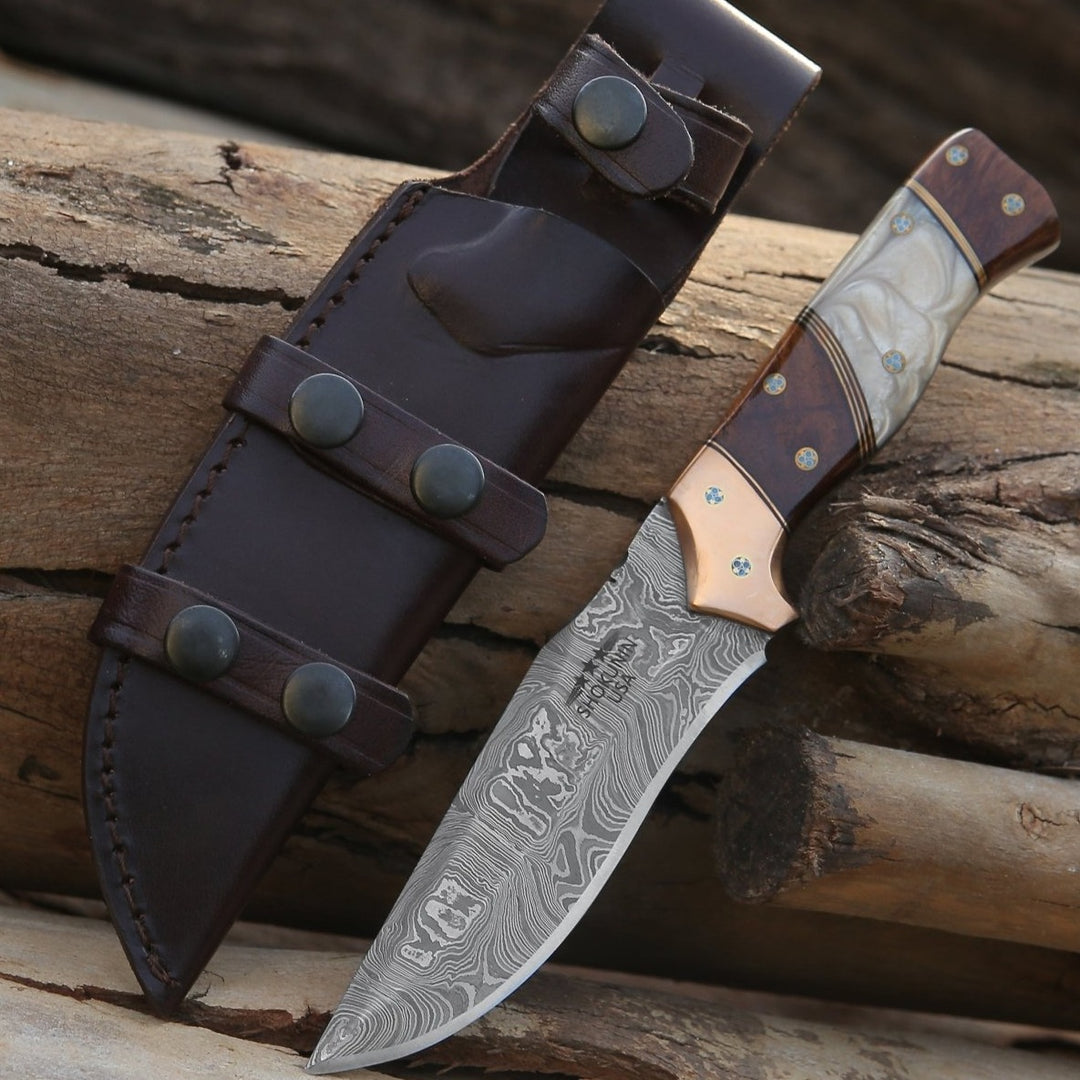
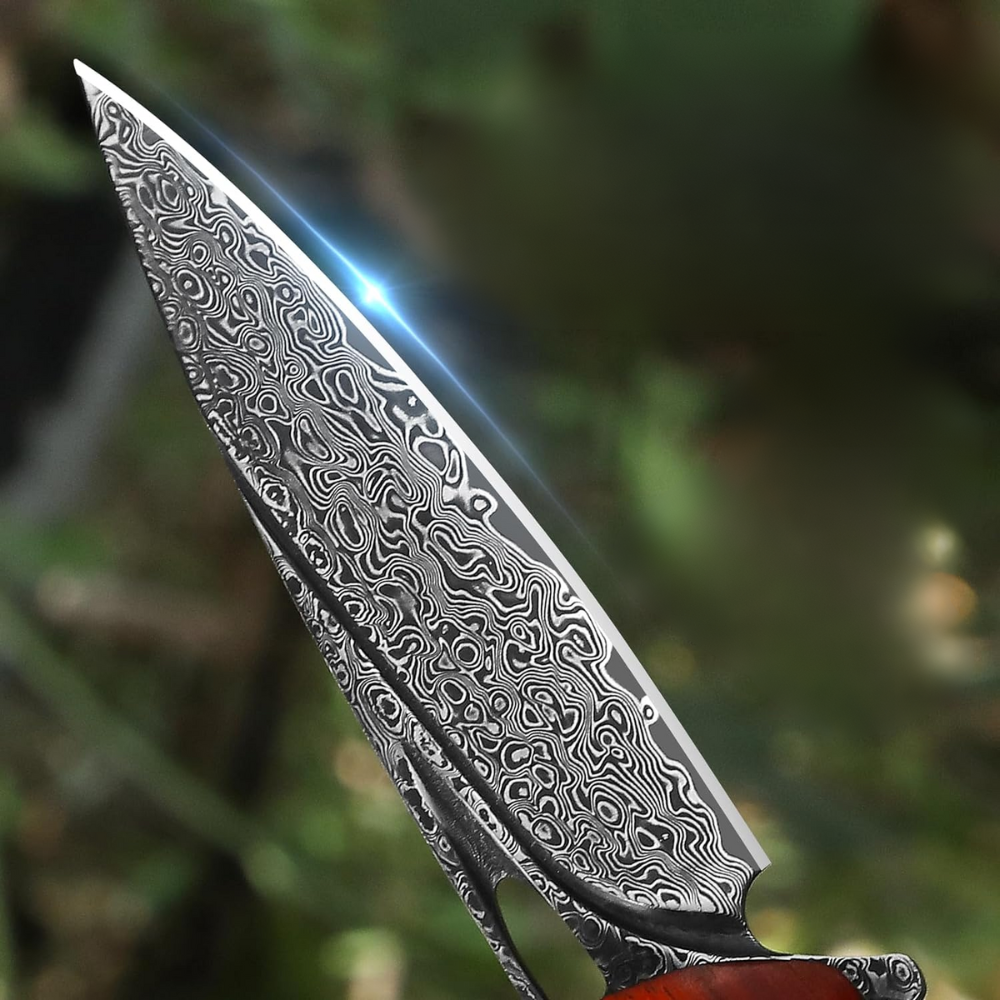
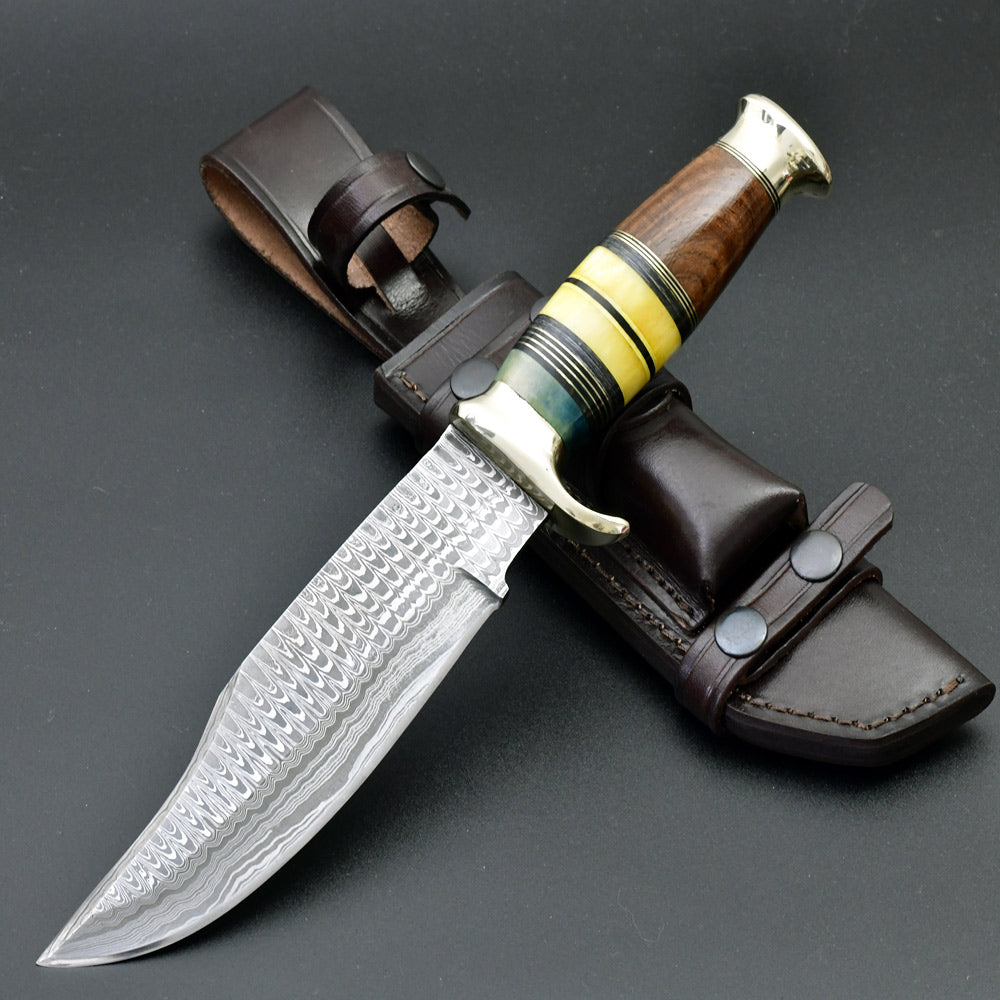
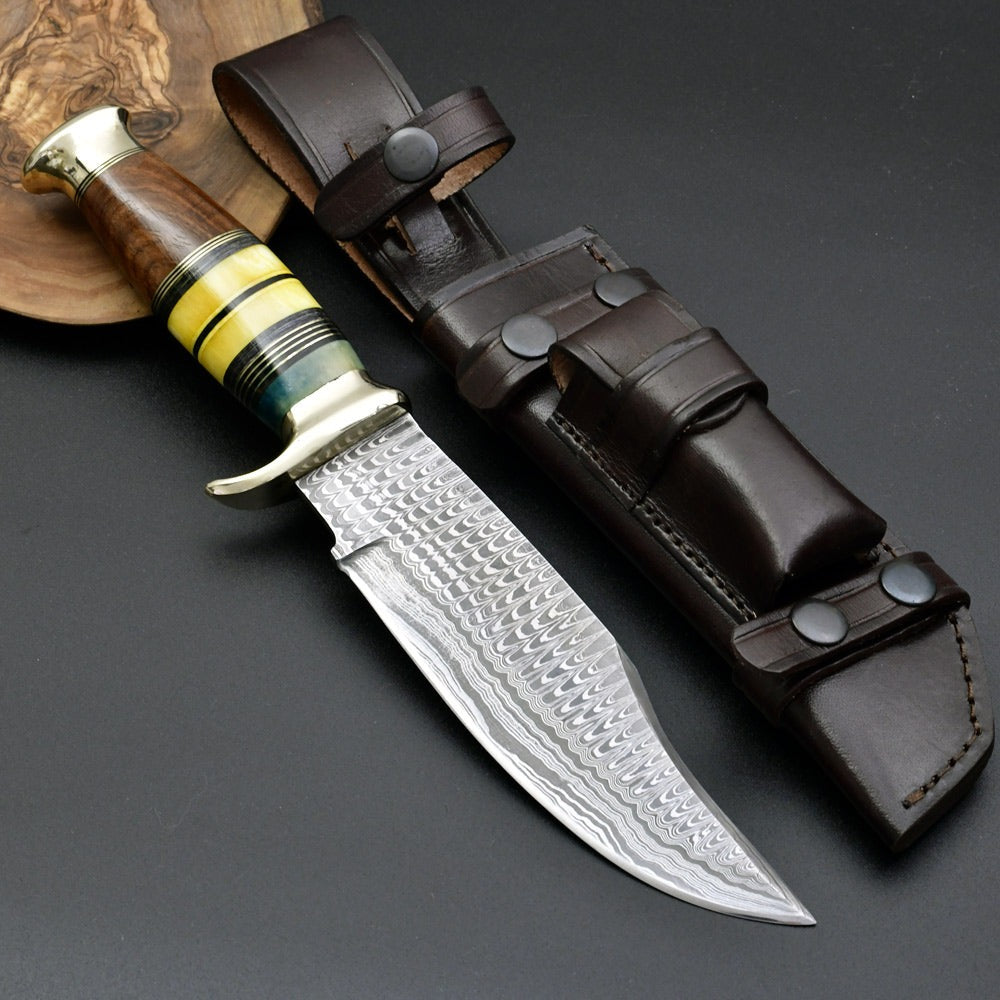
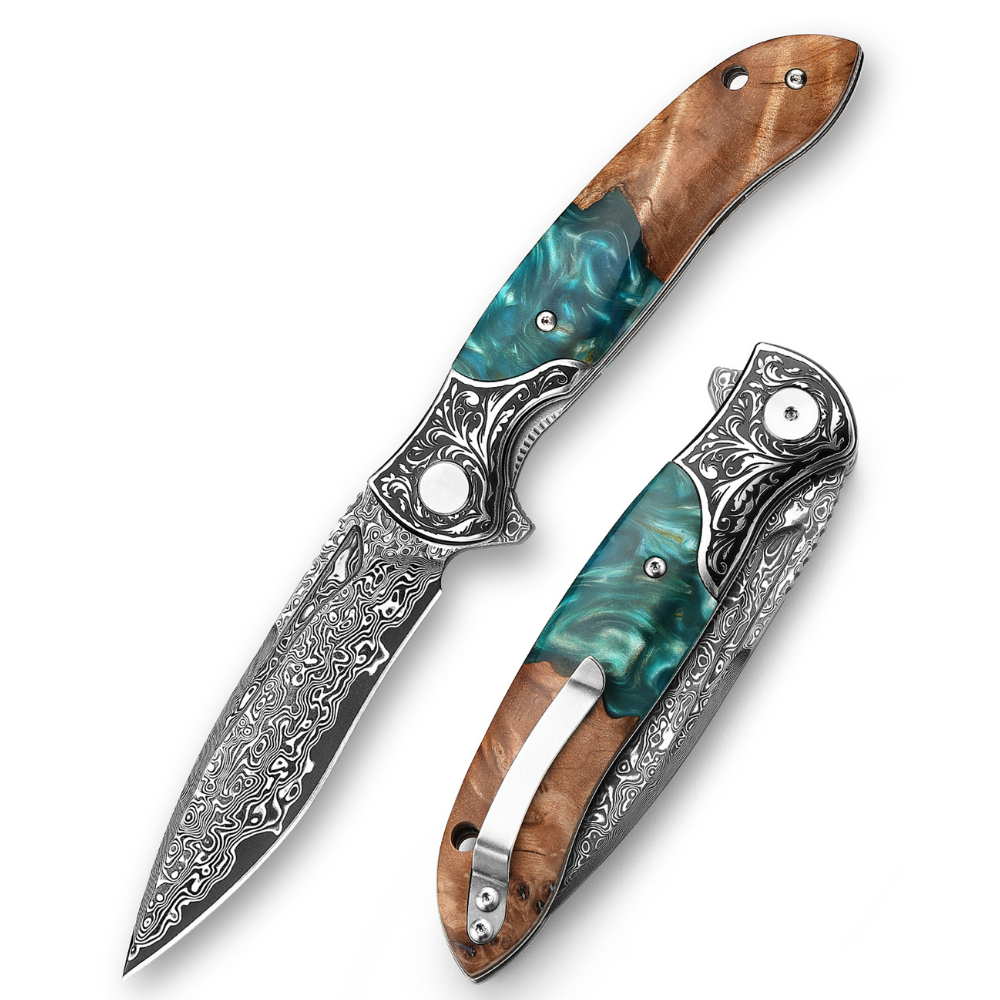
Blade material is crucial when choosing a pocket knife. The steel quality impacts strength, sharpness, and longevity. Popular options include stainless steel and high-carbon steel. Consider Damascus steel for its unique aesthetic and exceptional properties. A Damascus Steel blade provides enhanced durability and resistance to wear, making it an excellent choice for comprehensive use.
Blade Type
There are various blade types, including:
- Drop Point: Versatile and well-suited for everyday use.
- Clip Point: Ideal for piercing tasks and detail work.
- Spear Point: Best for thrusting and tactical purposes.
- Sheepsfoot: Great for slicing without a pointed tip.
Select the type that best aligns with how you will use your knife.
Size and Weight
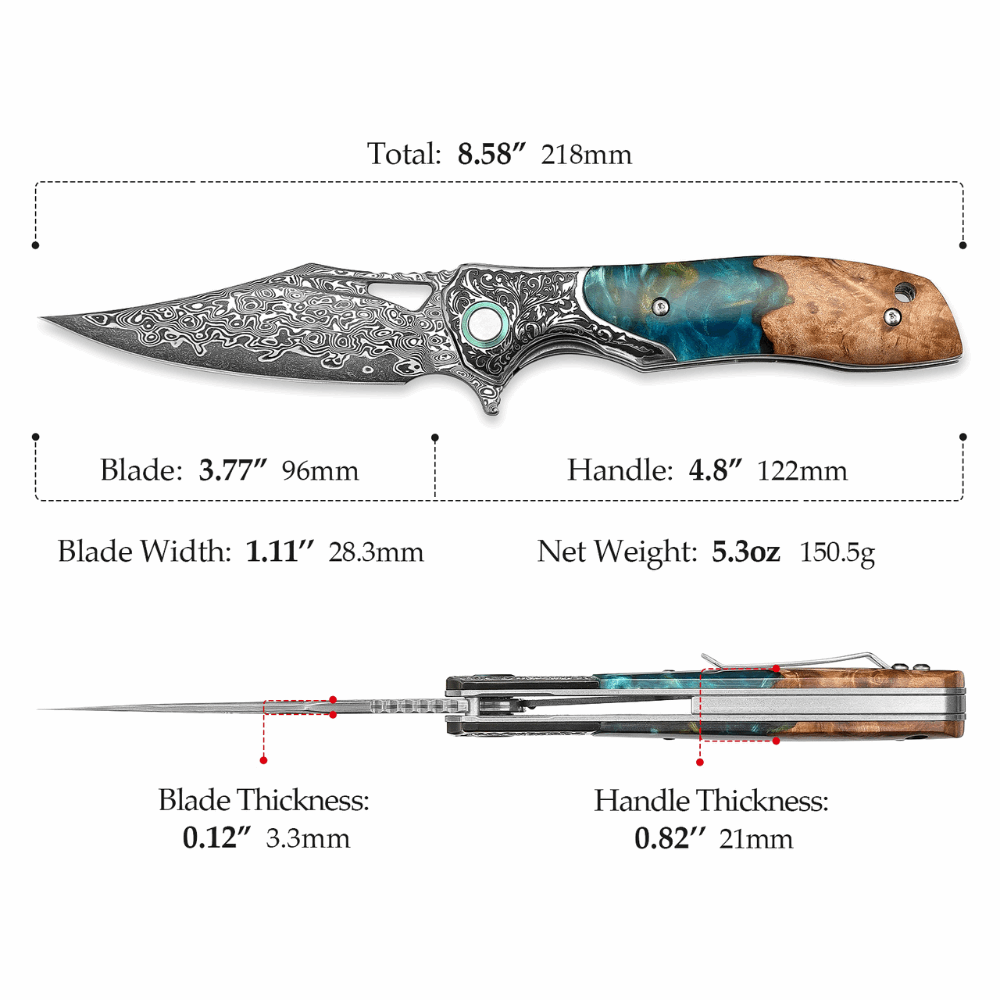
Size and weight are critical for comfort and portability. A compact pocket knife is easier to carry but may have limitations in functionality. If you choose a more massive knife for heavy-duty tasks, ensure it's still portable for your needs. Remember, a well-balanced knife should feel comfortable in your hand.
Handle Design and Grip
The handle design directly influences your knife's usability, especially during long periods of handling. Consider the following:
Material
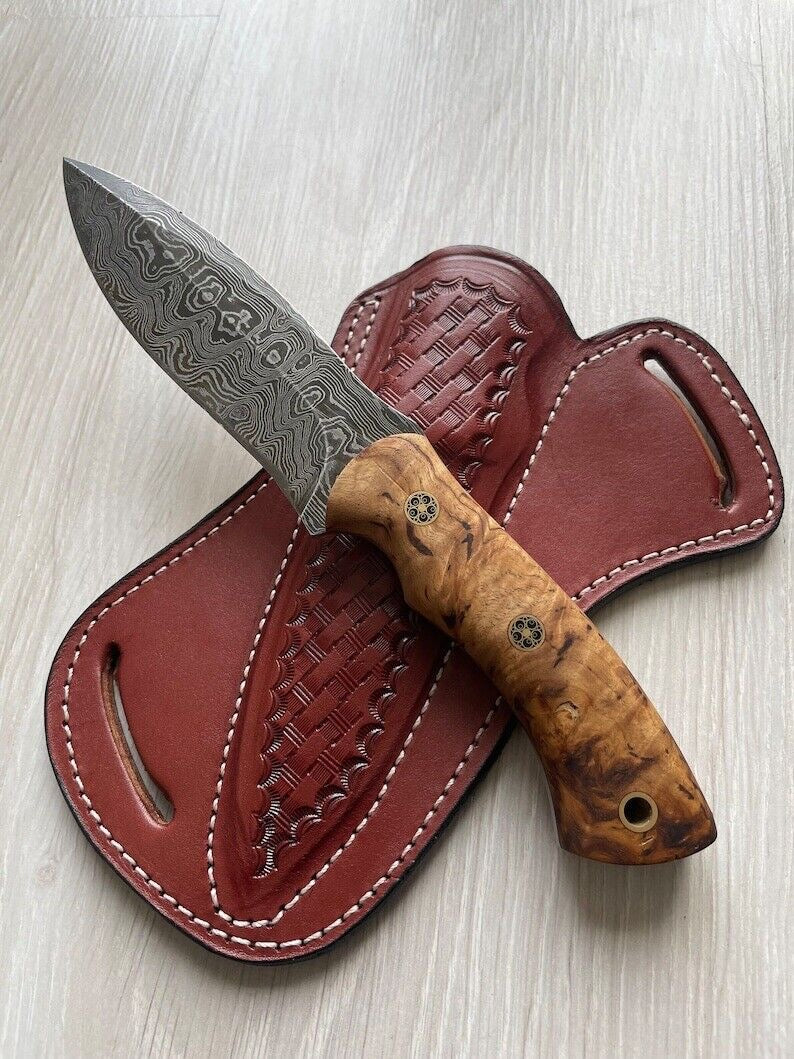
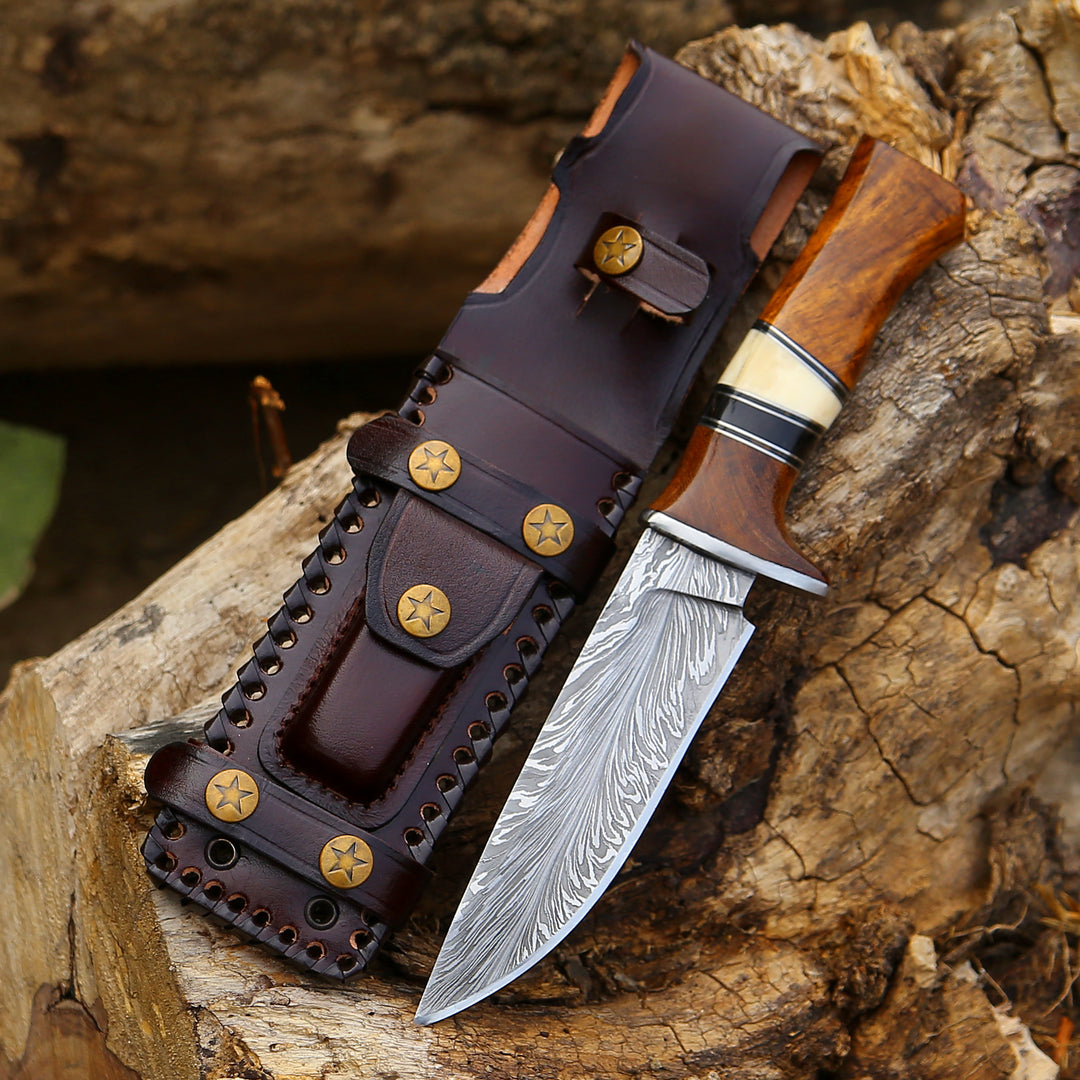
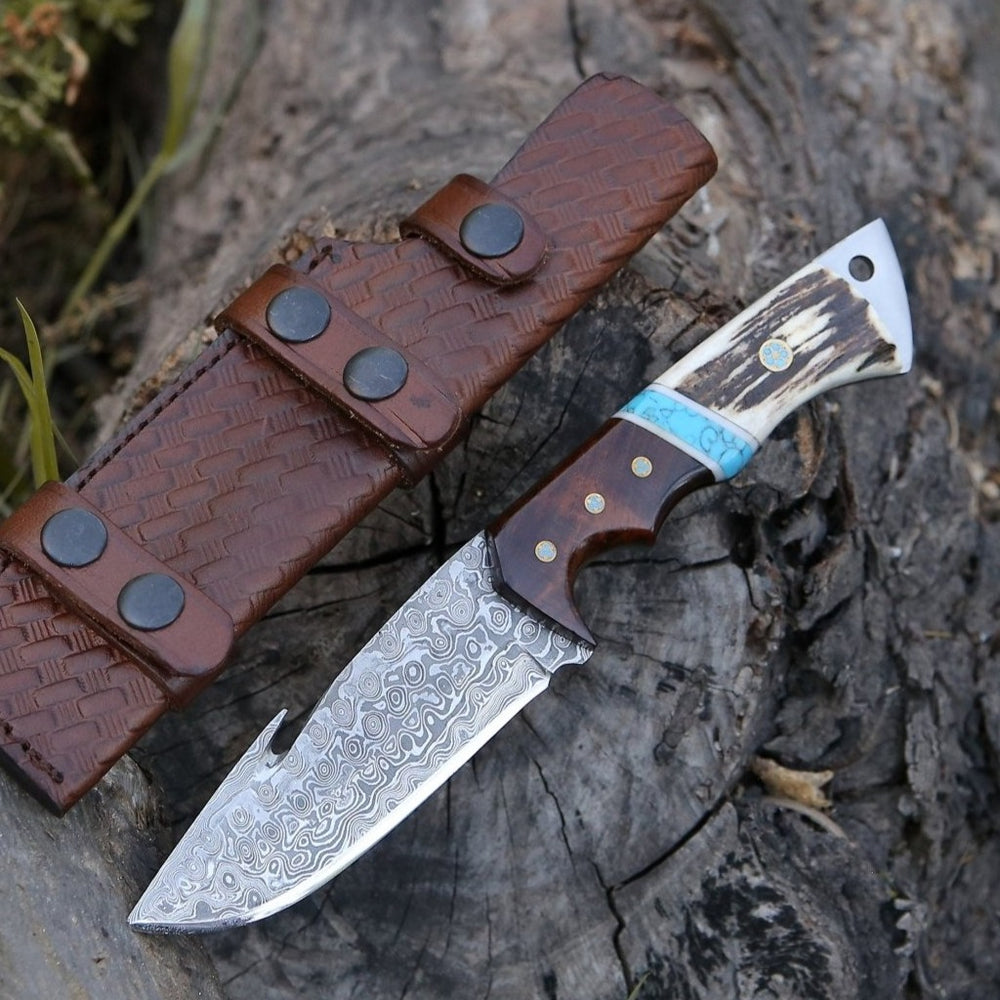
Popular handle materials range from wood and plastic to metal and composites. Each material has its advantages and aesthetic appeal. For instance, a Damascus steel knife may showcase an exquisite wooden handle that enhances its beauty and grip.
Ergonomics
Ensure that the handle is ergonomic and fits comfortably in your hand. Textured surfaces provide better grip, especially if you plan on using your knife in wet conditions.
Locking Mechanism
Safety is paramount when it comes to pocket knives. A solid locking mechanism will prevent accidental closures during use. There are various types of locking mechanisms:
- Frame Lock: Utilizes the knife’s handle to lock the blade in place.
- Back Lock: A traditional design that is reliable and easy to operate.
- Liner Lock: Features a spring-loaded bar to secure the blade.
- Button Lock: A mechanism that releases the blade when a button is pressed.
Maintenance Considerations
An important aspect to consider when buying a pocket knife is the maintenance required to keep it in excellent working order. This can vary greatly between different materials and types.
Rust Resistance
If you frequently use your knife in outdoor environments, consider a rust-resistant blade. Stainless steel knives are generally more resistant to corrosion, but specific types of high-carbon steel can also offer durability when well-maintained. For example, a Damascus Steel blade, known for its unique patterns, can also resist rust and is relatively easy to care for with proper oiling.
Sharpening Ease
The last thing you want is to invest in a beautiful knife that’s challenging to sharpen. Look at the knife’s edge and profile, ensuring it is easy to maintain. Some blade types hold an edge longer than others, reducing the frequency of sharpening sessions.
Brand Reputation and Warranty
Your pocket knife will be a personal investment, so consider the reputation of the brand before making a decision. Well-established brands typically offer higher quality and craftsmanship, along with better warranty programs. Look for warranties that guarantee against defects in materials and workmanship, which speaks to the company’s commitment to customer satisfaction.
Price Point
Set a budget before you start shopping. Pocket knives come in various price ranges, from budget-friendly options to high-end, artisanal pieces featuring Damascus steel. While it can be tempting to choose the cheapest option, consider investing a little more for better quality. A durable knife can last for years and become an invaluable tool in your collection.
Test It Out
Finally, if possible, handle the pocket knife before purchasing. Making sure it feels right in your hand and meets your expectations for weight and balance is crucial. Many knife shops or outdoor retailers may have sample models available for you to try.
Final Thoughts: Make Your Choice with Confidence
Choosing the perfect pocket knife is more than just finding a functional tool; it's about selecting a companion for your adventures and daily life. By evaluating your needs, understanding the key features that matter, and considering aspects like maintenance and brand reputation, you can find the ideal knife that suits your lifestyle.
Armed with the knowledge discussed in this guide, you’re now ready to make an informed decision. Whether it's a beautifully crafted Damascus steel knife or a reliable everyday option, your perfect pocket knife is out there waiting for you. Embrace the journey and enjoy your new trusty tool!
Frequently Asked Questions
1. What should I consider when choosing a pocket knife?
2. What are the different types of blade materials available?
3. How can I ensure a pocket knife is safe to use?
4. What factors influence the maintenance of a pocket knife?
5. Why is it important to consider brand reputation when buying a pocket knife?
Glossary
| Term | Meaning |
|---|---|
| Blade Material | Type of steel used, affecting strength and durability. |
| Damascus Steel | Steel known for its unique patterns and durability. |
| Blade Type | Shape of the blade, influencing its use. |
| Ergonomics | Design for comfort and ease of use in handling. |
| Locking Mechanism | System to keep the blade securely open or closed. |
| Rust Resistance | Ability of a blade to withstand corrosion. |
| Sharpening Ease | How simple it is to maintain the knife's edge. |
| Brand Reputation | Trustworthiness and quality associated with a knife brand. |
| Price Point | The cost range for pocket knives. |
| Test It Out | Handling the knife before purchase to ensure comfort. |
Linked Product

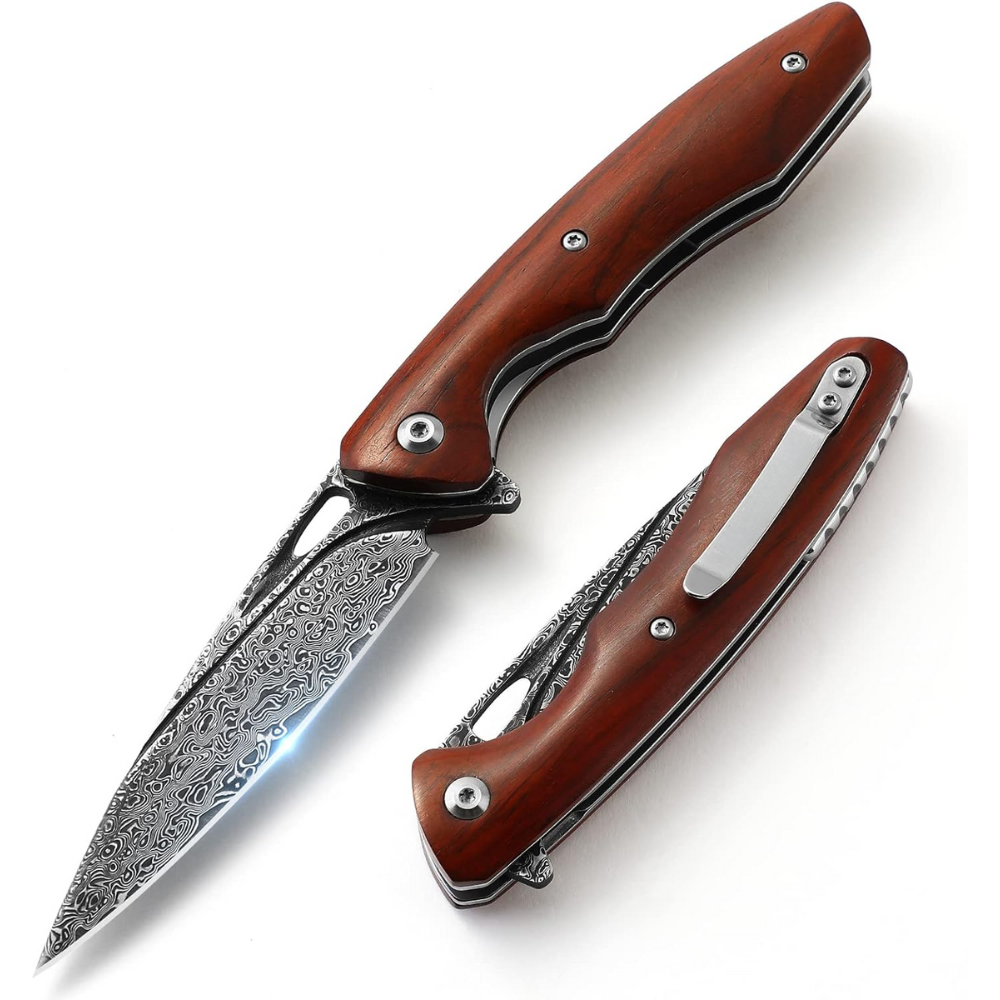
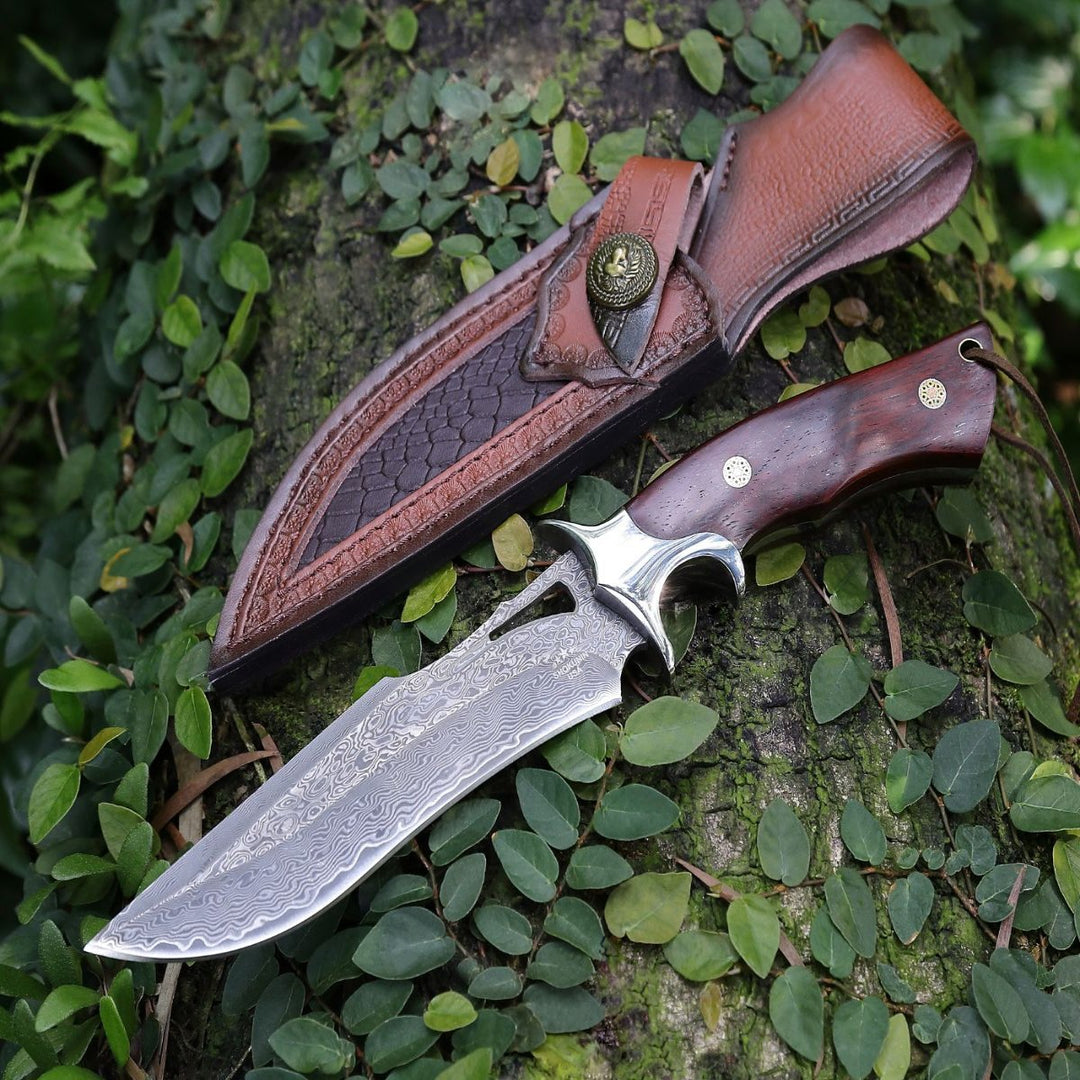
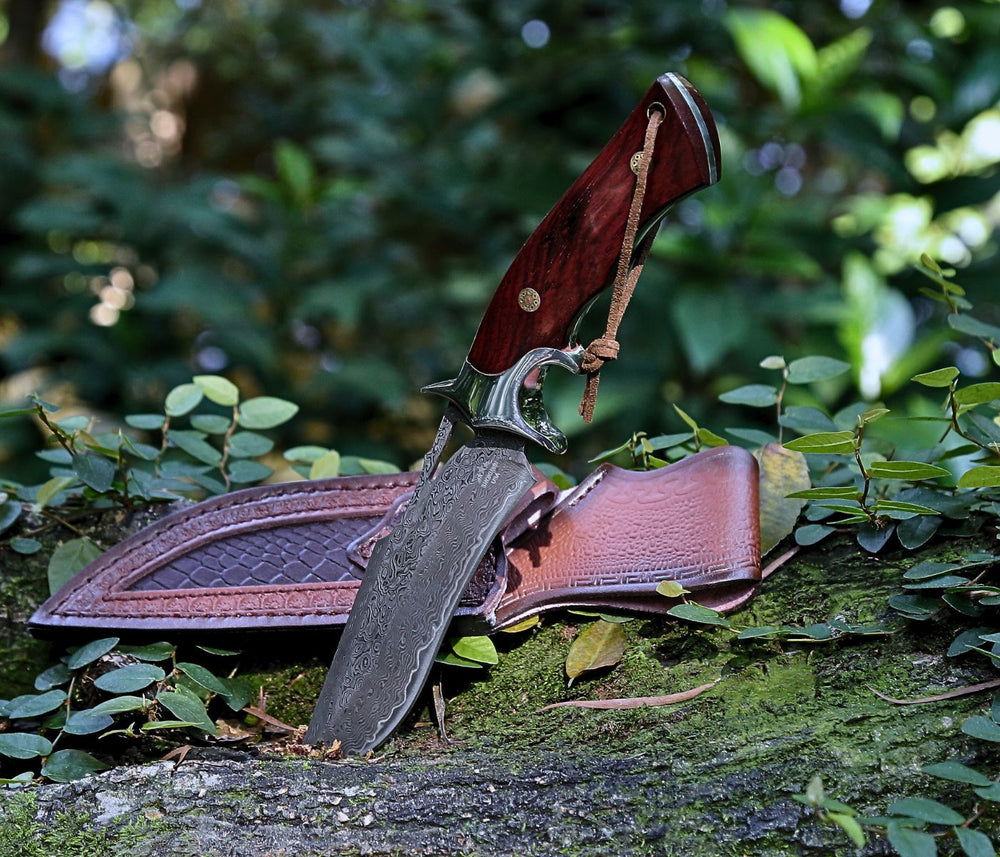
Ironbark Japanese Pocket Knife With VG-10 Damascus & Exotic Red Sandalwood Handle, Clip & Sheath
The Ironbark Japanese Pocket Knife features a hand-forged VG-10 Damascus blade, known for its exceptional strength and edge retention, making it suitable for a variety of cutting tasks. With an ergonomic design and exotic red sandalwood handle, this knife is both visually striking and comfortable to use, ensuring a balanced experience. The included hand-stitched leather sheath adds convenience for safe storage and easy access.
View Product






Leave a comment