


Overview
Choosing the right pocket knife is essential for adventurers and everyday users. Consider types like multi-tools, traditional folding knives, and lockbacks. Key features to look for include blade material, shape, length, and handle design. Assess your needs for everyday carry versus outdoor use, and be aware of local laws regarding knife ownership. Regular maintenance is crucial for longevity. Ultimately, your choice should align with your intended use and personal preferences.
Table of Contents
- Understanding Pocket Knives and Folding Knives
- Different Types of Pocket Knives
- Key Features to Consider
- Blade Material
- Blade Shape
- Blade Length
- Handle Material and Design
- Everyday Carry vs. Outdoor Use
- Everyday Carry Needs
- Outdoor and Survival Use
- Legal Considerations
- Maintenance Tips for Your Pocket Knife
- Choosing the Right Pocket Knife for You
- Your Pocket Knife Adventure Awaits
Key Takeaways
- Types of Pocket Knives: Familiarize yourself with various types such as multi-tool, traditional folding, lockback, assist open, and slip joint knives to find the best fit for your needs.
- Blade Material Matters: Choose between stainless steel for durability, carbon steel for edge retention, and alloy steel for a balance of strength and performance.
- Blade Shape Impacts Utility: Consider shapes like drop point for general tasks, clip point for precision, and spear point for balanced piercing and slicing.
- Assess Blade Length: A blade length of 2.5 to 3.5 inches is ideal for most pocket knives, balancing usability and portability.
- Handle Design Influences Comfort: Select from materials like plastic for lightweight comfort, wood for aesthetics, or metal for durability, keeping grip in mind.
- Everyday Carry vs. Outdoor Use: Determine your primary use to prioritize features like lightweight design for EDC or robust blades for outdoor activities.
- Legal Compliance is Essential: Research local laws regarding knife ownership and usage to avoid legal issues while carrying your pocket knife.
Frequently Asked Questions
1. What is a pocket knife?
2. What are the different types of pocket knives?
3. What features should I consider when choosing a pocket knife?
4. What are the differences between everyday carry and outdoor use pocket knives?
5. How do I maintain my pocket knife?
In the world of outdoor gear, a high-quality pocket knife is an essential tool for every adventurer and everyday user. Whether you need it for camping, daily carry, or as part of your survival gear, selecting the right pocket knife can make all the difference. With numerous options available, understanding the features and types of folding knives will help you determine the perfect fit for your needs. Here’s a comprehensive guide to help you choose wisely.
Understanding Pocket Knives and Folding Knives
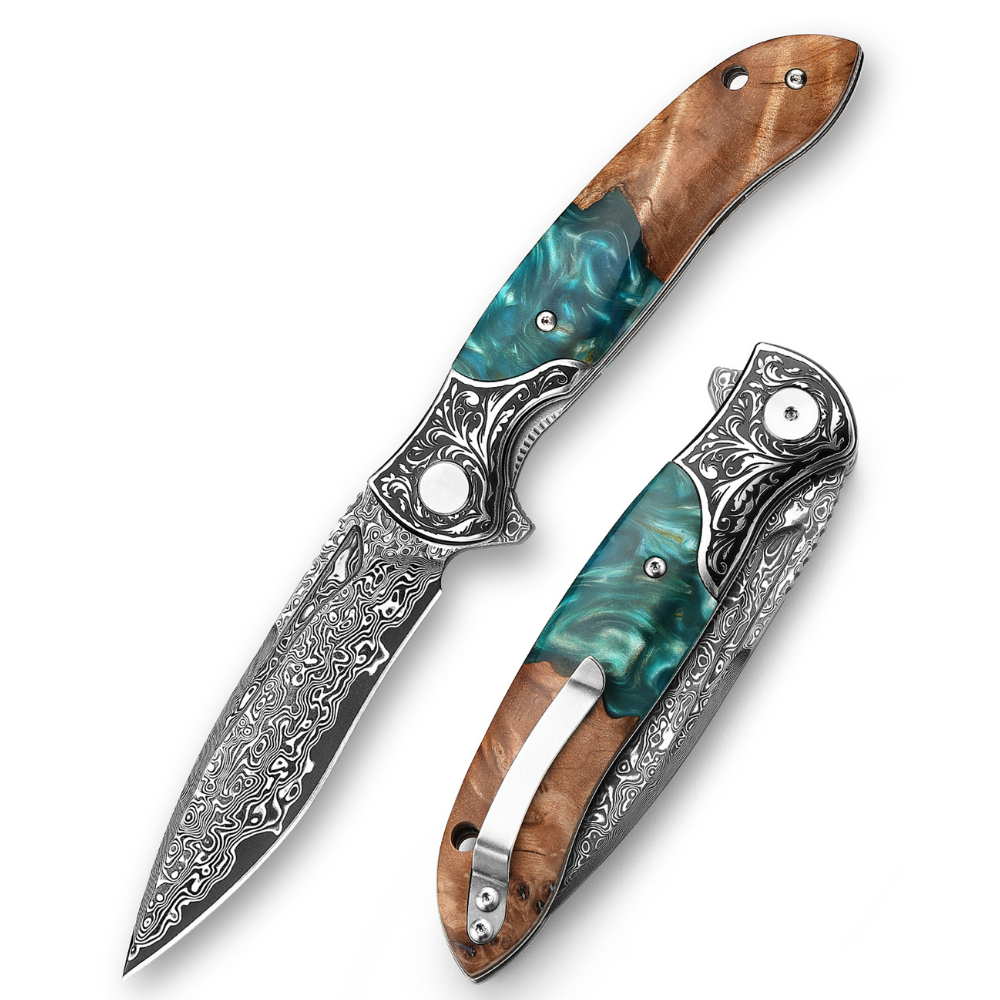
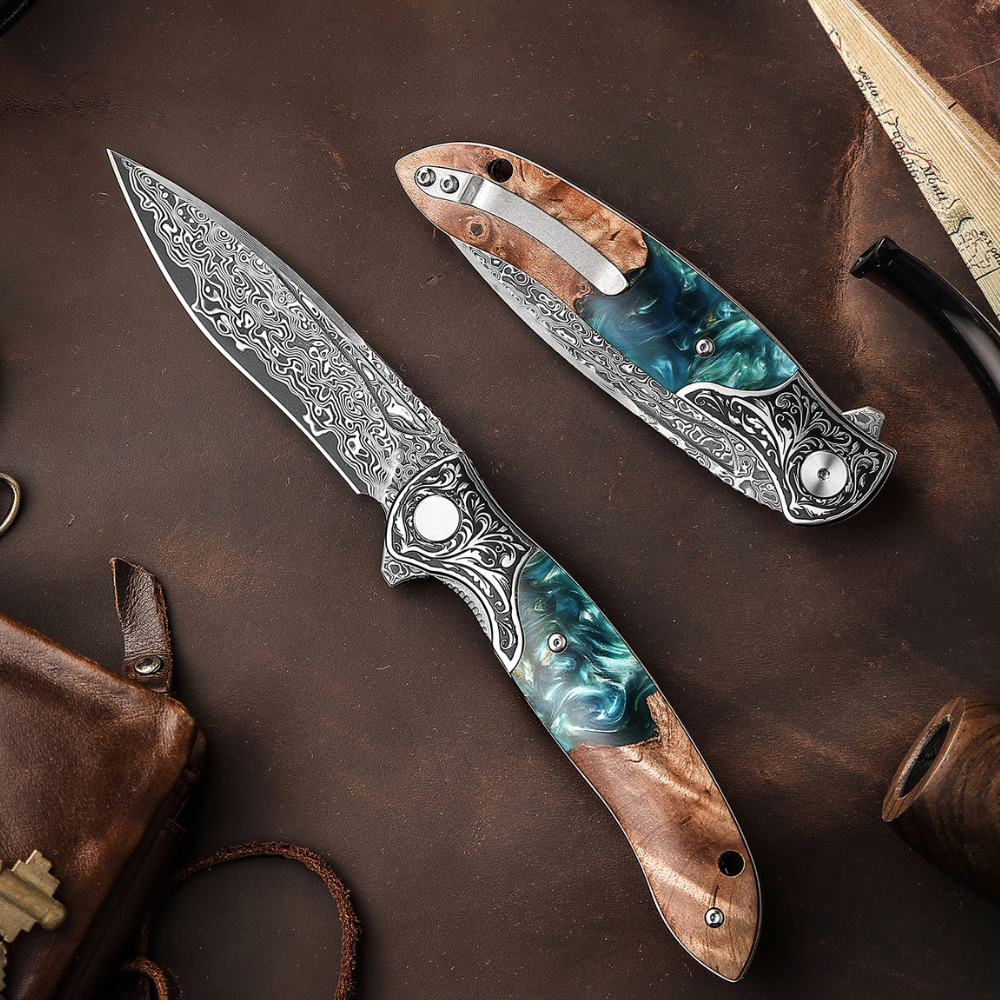
A pocket knife is a compact, foldable cutting tool that easily fits into your pocket. These versatile tools can tackle various tasks – from cutting rope and opening packages to food preparation and first-aid. Folding knives are a popular type of pocket knife, distinguished by their ability to collapse into the handle for safety and convenience. Before diving deeper into selection criteria, let’s take a look at the different types of pocket knives available.
Different Types of Pocket Knives
When considering a pocket knife purchase, familiarize yourself with the various types of folding knives:
- Multi-Tool Pocket Knives: These feature additional tools like screwdrivers, bottle openers, or even scissors. They're great for those who want versatility in a compact package.
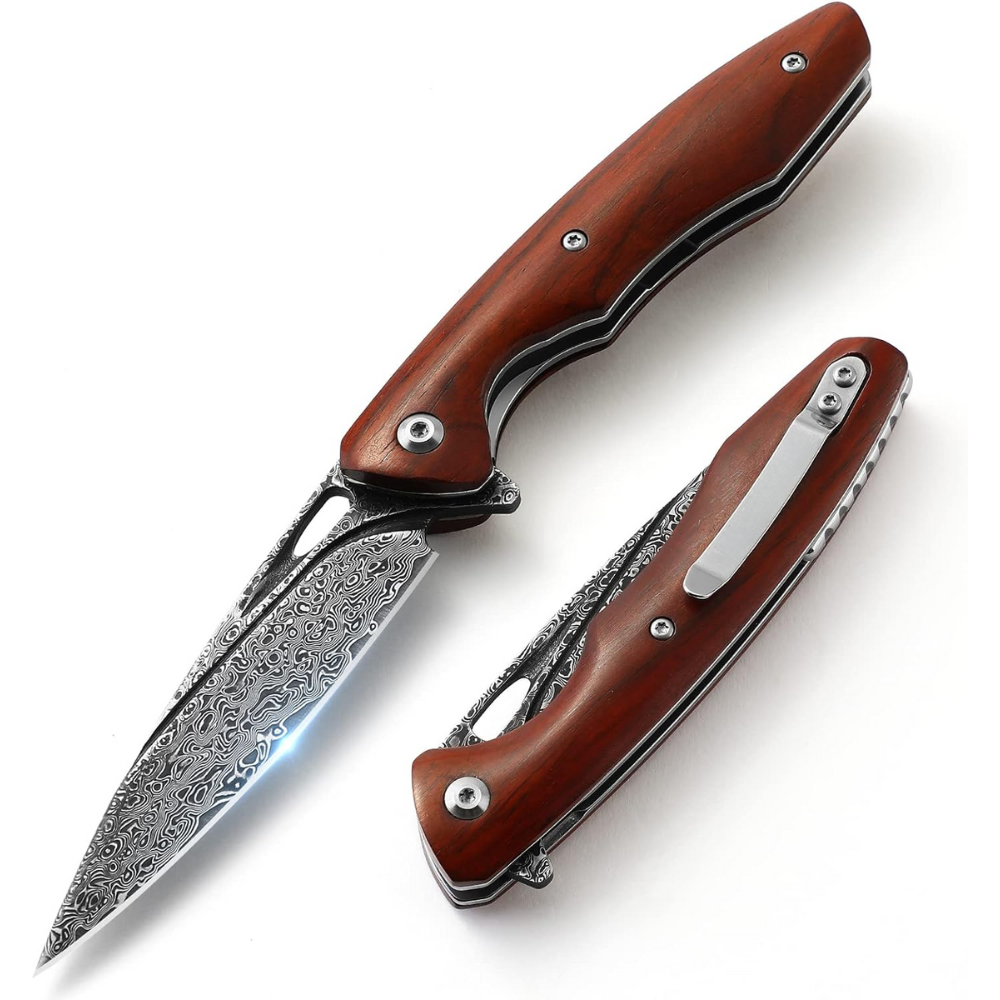
- Traditional Folding Knives: These typically consist of a single blade that can be opened with a nail nick or thumb stud. They are reliable and often favored by those who appreciate classic designs.
- Lockback Folding Knives: These feature a locking mechanism that secures the blade in an open position, offering greater safety for more intensive tasks.
- Assist Open Folding Knives: These come with a mechanism that allows for quick one-handed opening, ideal for situations where speed is crucial.
- Slip Joint Knives: Simple and often lightweight, these knives don’t lock open, making them more suitable for lighter tasks.
Key Features to Consider
To choose the perfect pocket knife, focus on the features that matter most to you. Here are some critical aspects to think about:
Blade Material
Blade material affects not only the cutting performance but also the longevity and maintenance of your knife. Here are some common blade materials:
- Stainless Steel: Known for its resistance to corrosion, stainless steel is a popular choice for pocket knives, making them more durable in various weather conditions.
- Carbon Steel: While more prone to rust, carbon steel blades are renowned for their ability to hold a sharp edge longer.
- Alloy Steel: This is a blend of various metals that enhances both strength and durability, providing excellent performance for versatility.
Blade Shape
The shape of the blade plays a pivotal role in its utility. Here are a few common blade shapes to consider:
- Drop Point: Ideal for general-purpose tasks, this shape provides a strong tip for piercing and slicing.
- Clip Point: Featuring a more pronounced tip, clip point blades excel in detailed tasks, making them suitable for precision cutting.
- Spear Point: With a symmetrical shape, spear point knives are balanced for piercing and slicing.
Blade Length
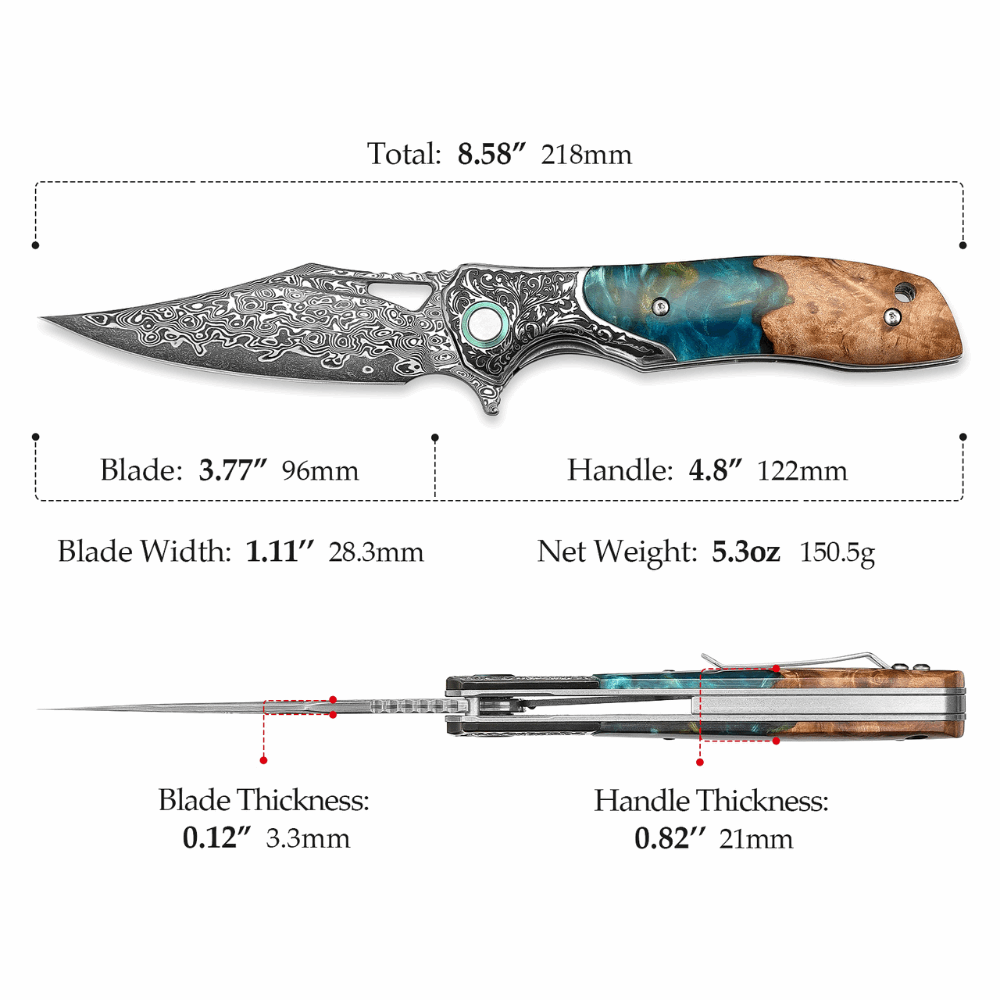
Blade length contributes to a knife’s functionality and portability. A blade between 2.5 to 3.5 inches is a practical choice for most pocket knives, striking a balance between usability and convenience. However, longer blades may be more suitable for outdoor and survival use.
Handle Material and Design
Your comfort and grip during use will depend greatly on the handle material and design. Some common handle materials include:
- Plastic: Lightweight and often contoured for comfort, plastic handles are common but may not provide the best grip.
- Wood: Many find wooden handles aesthetically pleasing; however, they may require more maintenance to prevent wear from exposure to the elements.
- Metal: Often seen in tactical knives, metal handles provide excellent durability but can be slippery.
Everyday Carry vs. Outdoor Use
Before making a purchase, assess whether you need a pocket knife for everyday carry (EDC) or outdoor adventures. Here’s how to determine the best fit:
Everyday Carry Needs
If you plan to carry your pocket knife daily, look for features that prioritize convenience and size:
- Consider a lightweight design that can easily fit in your pocket.
- Opt for a reliable locking mechanism, as safety is vital when handling your knife in various situations.
- A multi-tool option may serve you well for daily tasks.
Outdoor and Survival Use
If your intended use is primarily for camping, hiking, or survival scenarios, prioritize features suitable for these environments:
- Choose a more robust blade made of durable materials.
- A longer blade can enhance utility for cutting larger items or preparing food.
- A textured handle will provide a more secure grip in wet or slippery conditions.
Legal Considerations
Before purchasing or carrying a pocket knife, familiarize yourself with local laws regarding knife ownership and usage. Some regions have restrictions on blade length, locking mechanisms, or specific types of knives. It’s crucial to ensure compliance to avoid legal trouble while enjoying your new folding knife.
Maintenance Tips for Your Pocket Knife
Caring for your pocket knife is vital for longevity and performance. Here are a few essential maintenance tips:
- Regular Cleaning: Wipe down the blade and handle after use, especially if it comes into contact with dirt, moisture, or food.
- Sharpening: Use a sharpening stone or tool to keep the blade edge sharp. Regularly check the sharpness to avoid mishaps while using your knife.
- Lubrication: Apply a drop of oil to the pivot points of folding knives to ensure smooth operation.
- Storage: Store your pocket knife in a dry place to prevent rusting, especially if the blade is made of carbon steel.
Choosing the Right Pocket Knife for You
When it comes down to it, choosing the perfect pocket knife is all about personal preference and understanding the features that align with your needs. Consider how you’ll use the knife, the types of tasks you need it for, and what specific features are valuable to you. Take the time to research and try different designs to see what feels comfortable in your hand.
With the right pocket knife in your possession, you’ll be well-equipped for any situation. Whether you’re embarking on a camping trip, tackling DIY projects, or simply need a reliable tool for everyday tasks, the perfect folding knife awaits. Invest in a pocket knife that not only meets your practical needs but also resonates with your style and purpose.
Your Pocket Knife Adventure Awaits
Now that you’re armed with knowledge about pocket knives, it’s time to embark on your journey to find the perfect one. Whether for daily use or grand adventures, a pocket knife adds convenience and versatility to your life. Explore your options, assess your needs, and soon you’ll discover the folding knife that speaks to you. Happy exploring!
Glossary
| Term | Meaning |
|---|---|
| Pocket Knife | A compact, foldable cutting tool designed for various tasks. |
| Folding Knife | A type of pocket knife that collapses into the handle for safety. |
| Multi-Tool Pocket Knife | A knife with additional tools like screwdrivers and scissors. |
| Lockback Folding Knife | A knife with a locking mechanism for secure blade operation. |
| Blade Material | The substance used for the knife's blade, affecting durability. |
| Blade Shape | The design of the blade, influencing its cutting capability. |
| Everyday Carry (EDC) | A pocket knife designed for daily use and convenience. |
| Outdoor Use | A knife suited for camping, hiking, or survival tasks. |
| Legal Considerations | Local laws regarding knife ownership and usage. |
| Maintenance Tips | Guidelines for caring for your pocket knife to ensure longevity. |
Linked Product

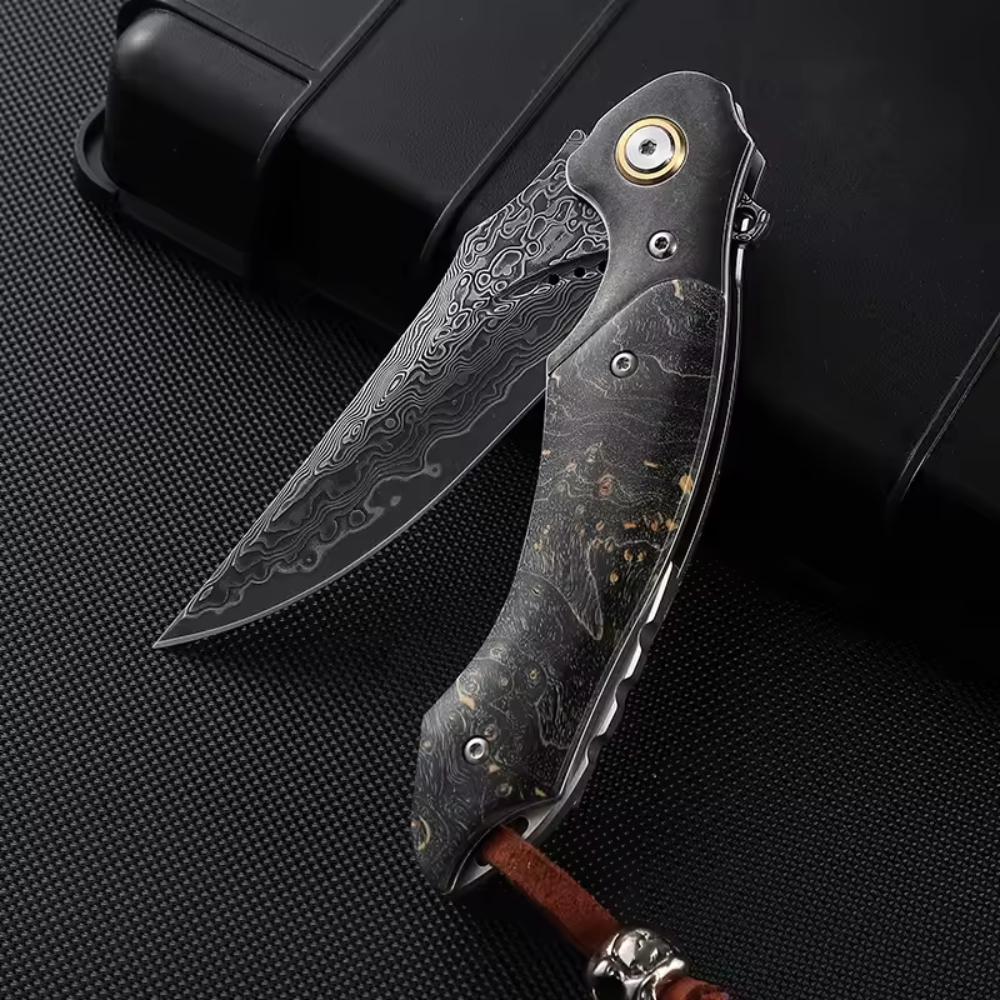
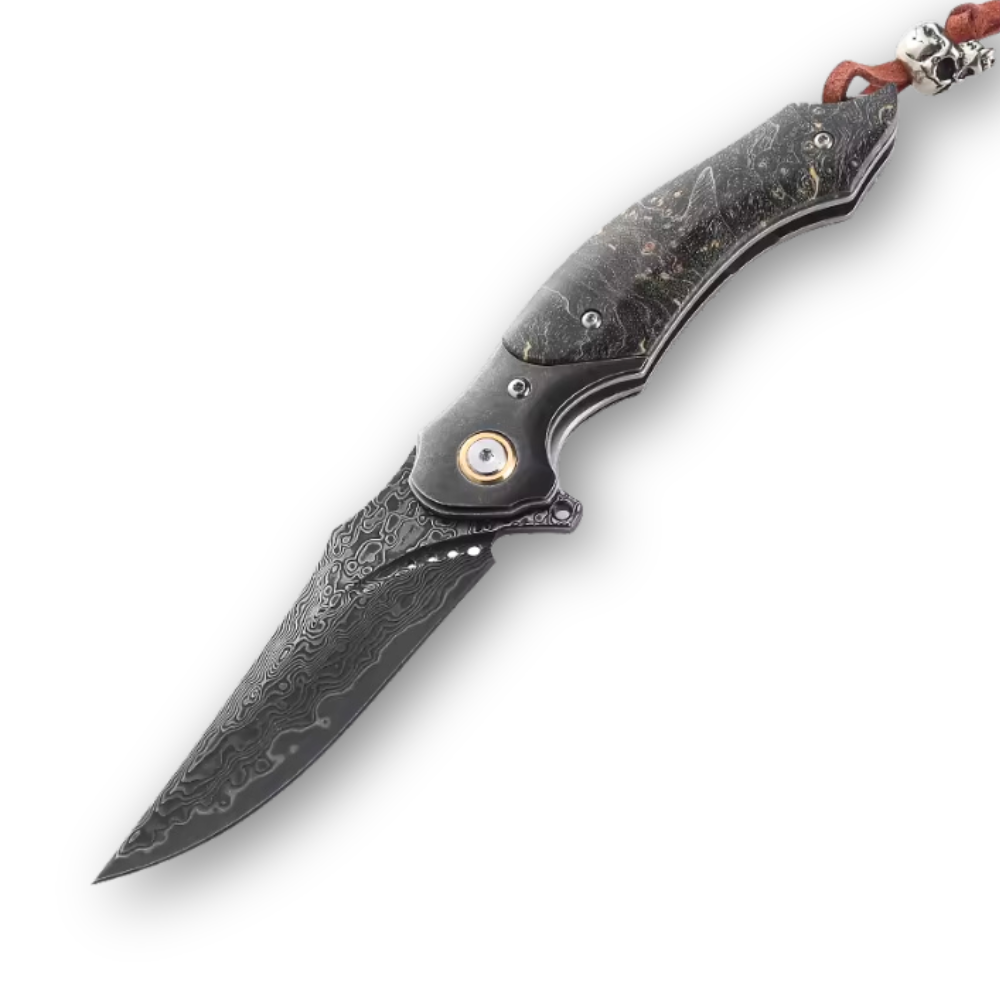
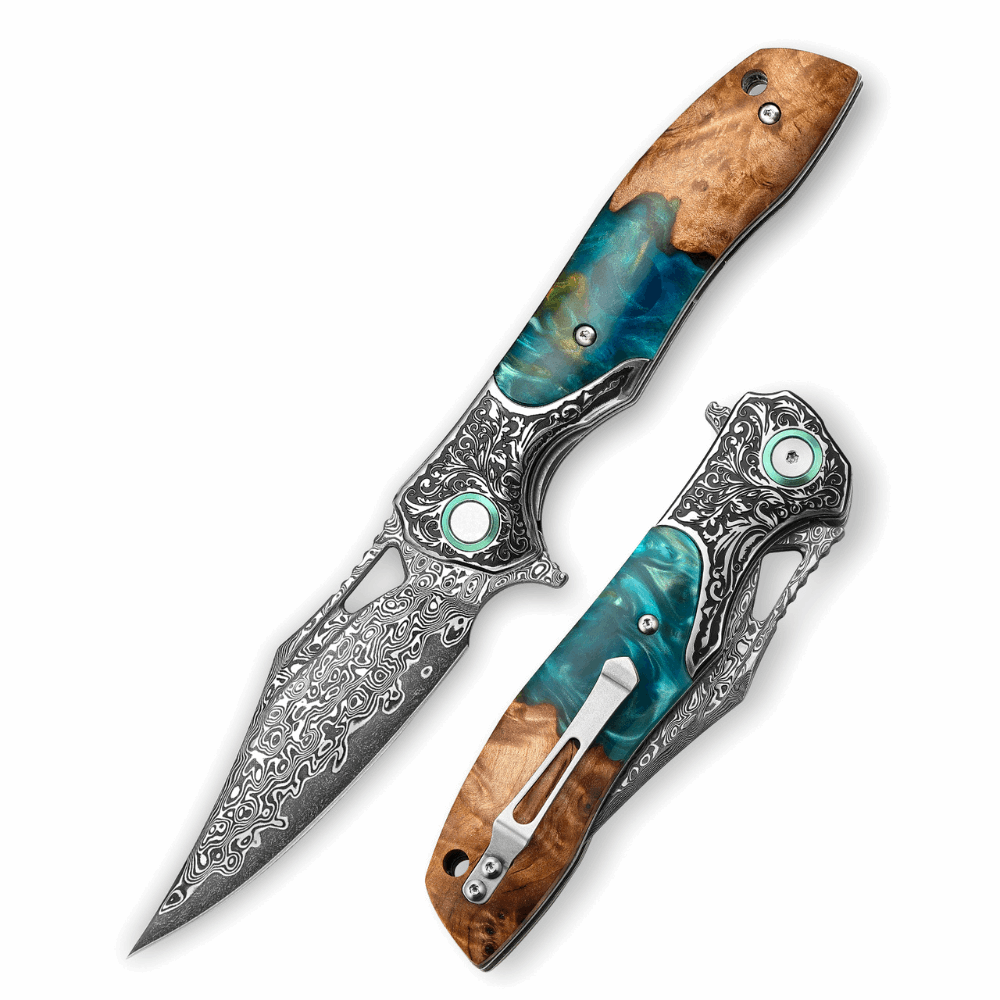
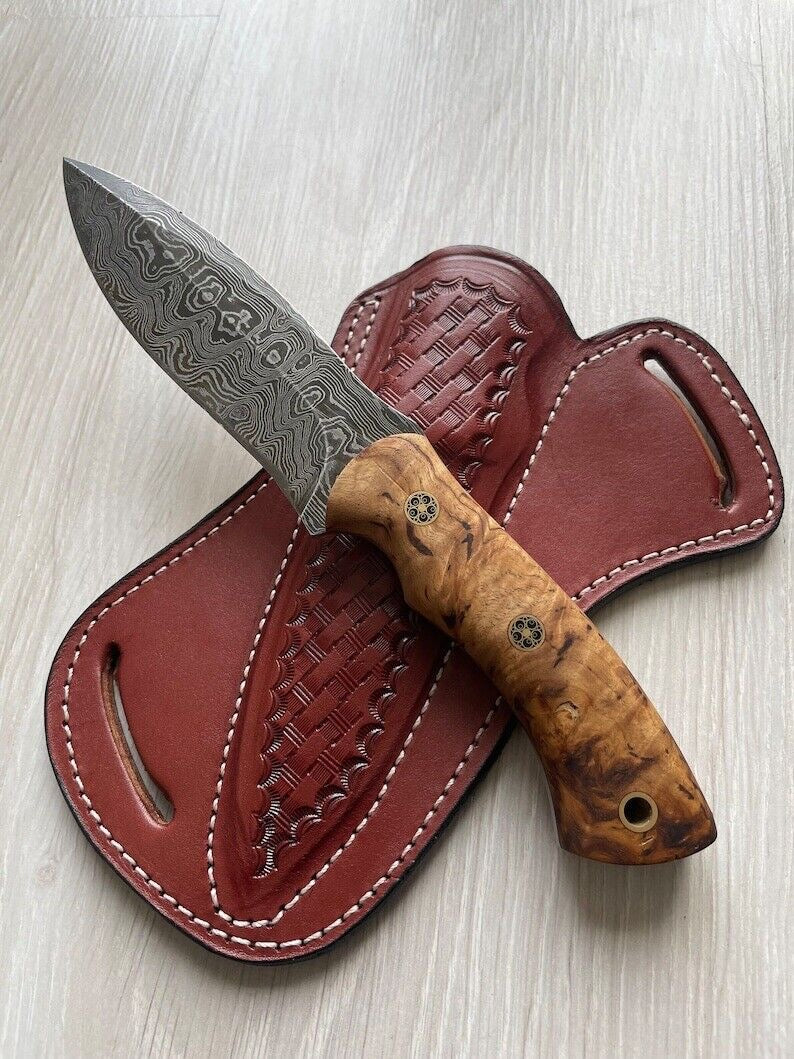
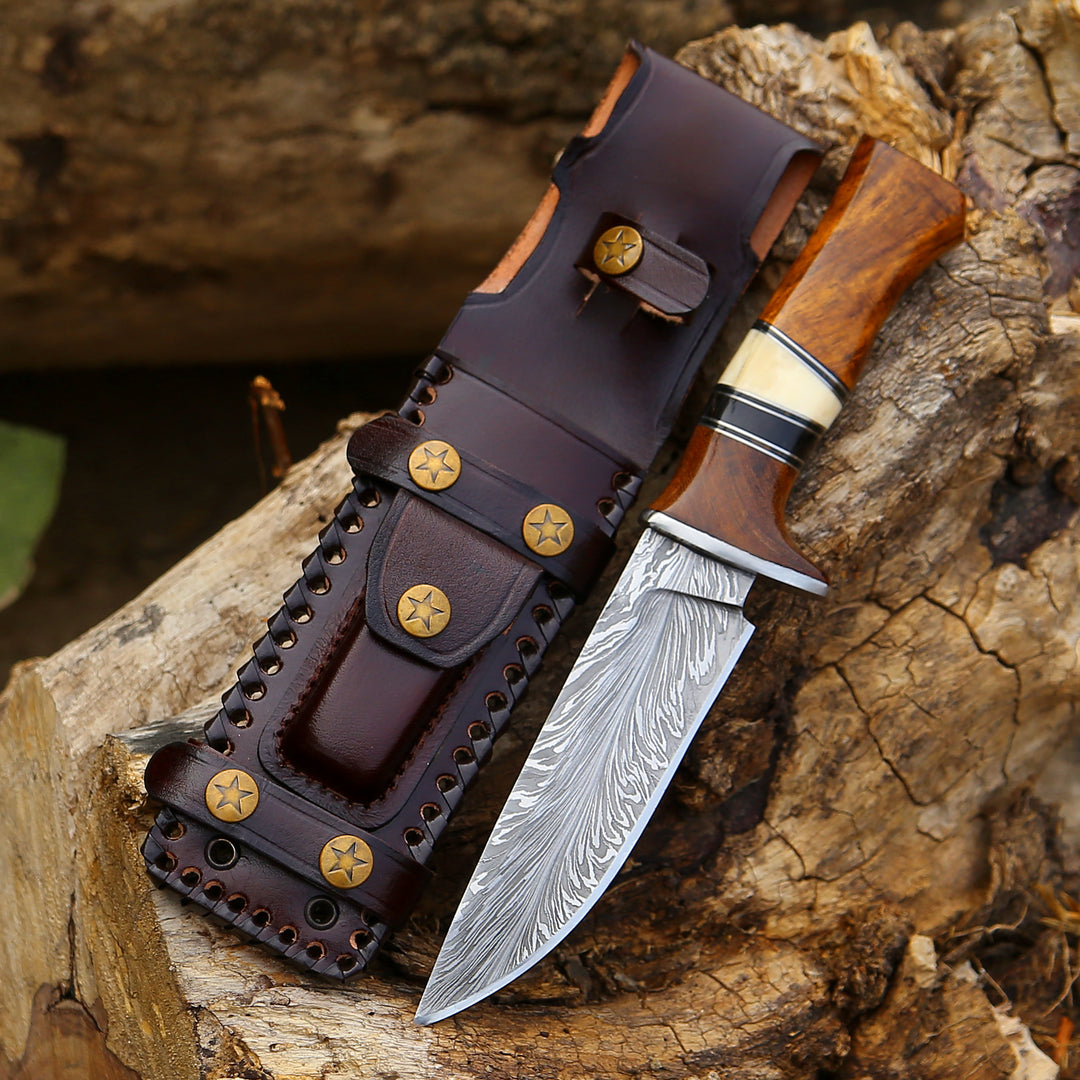
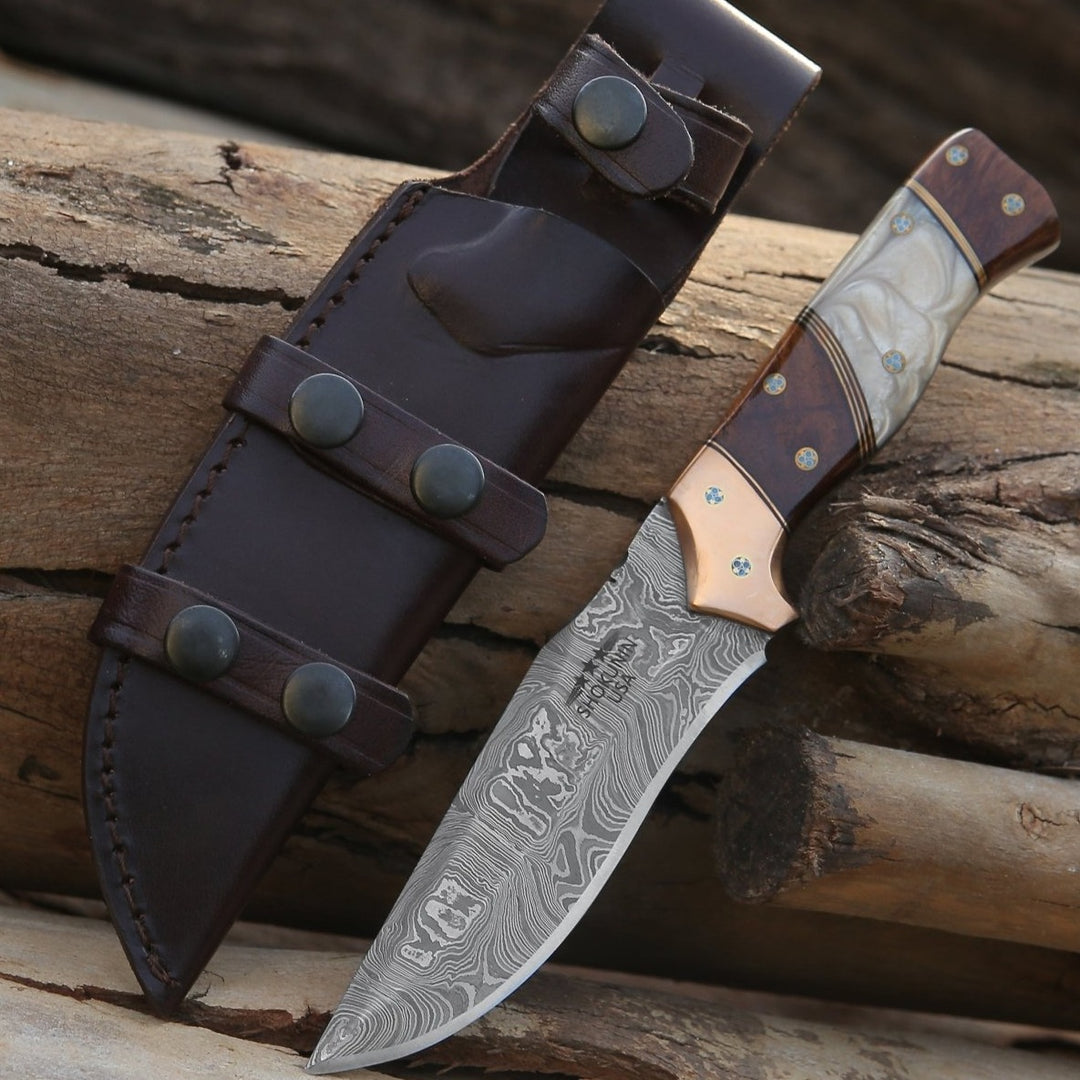
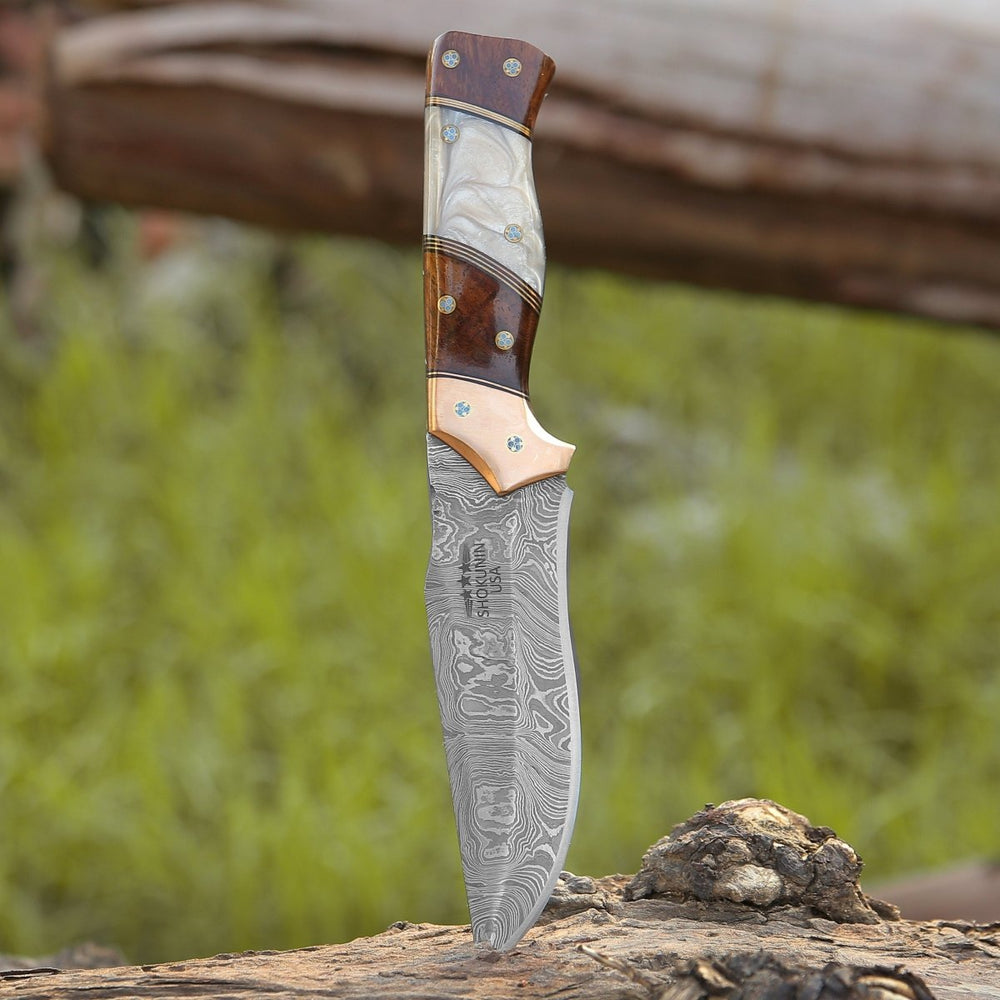
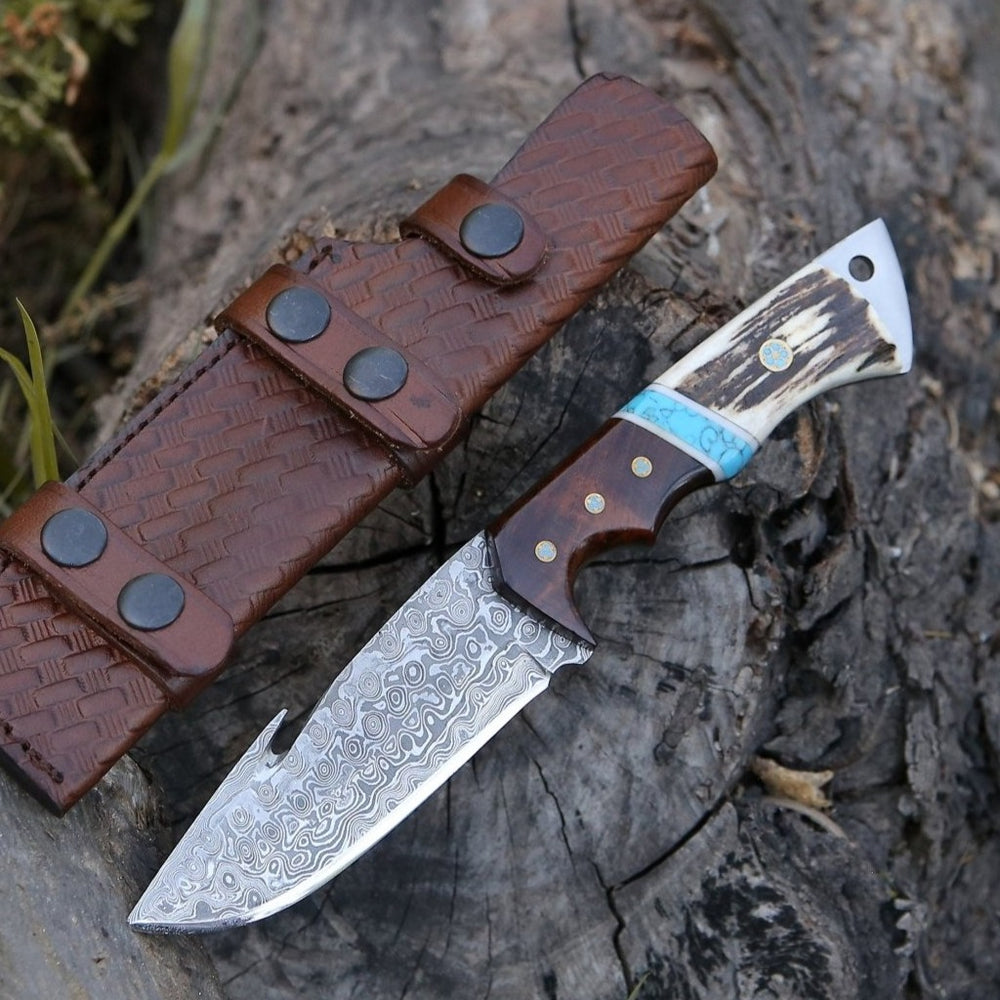
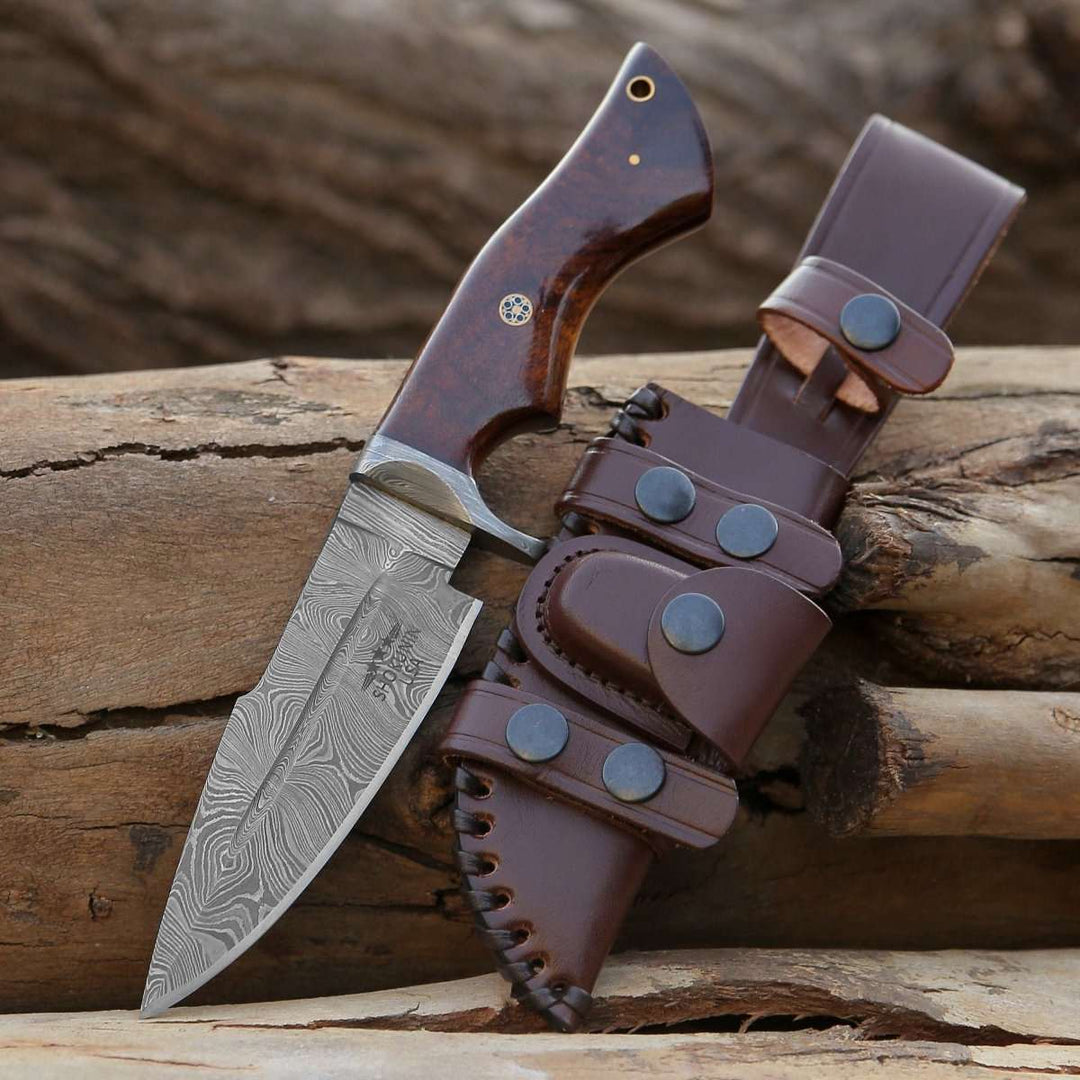
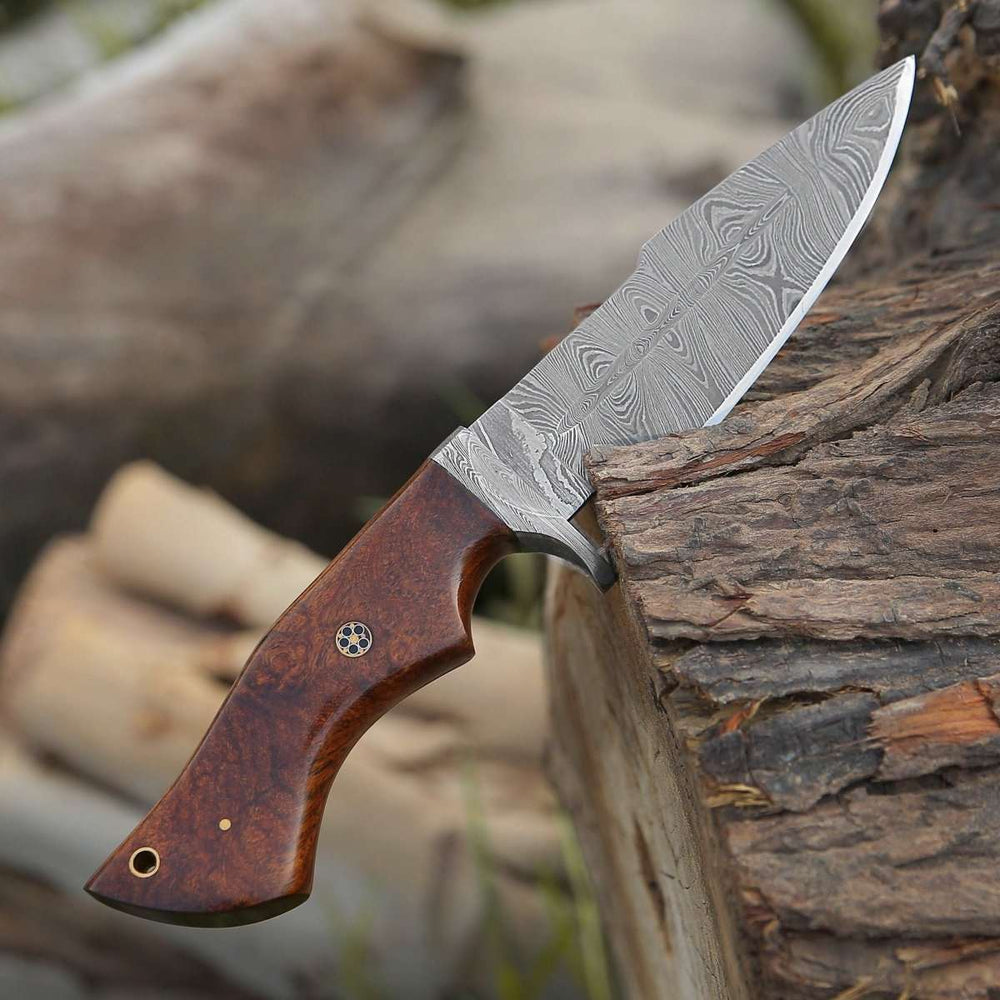
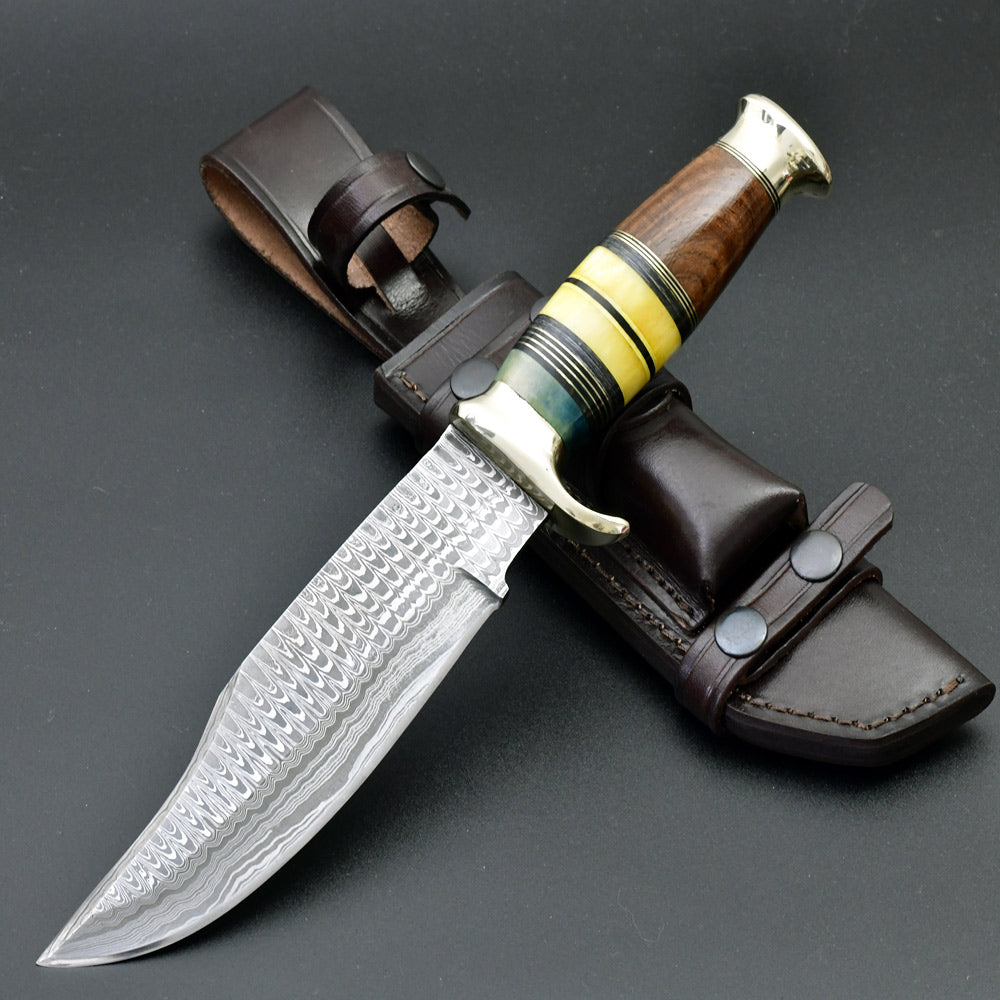
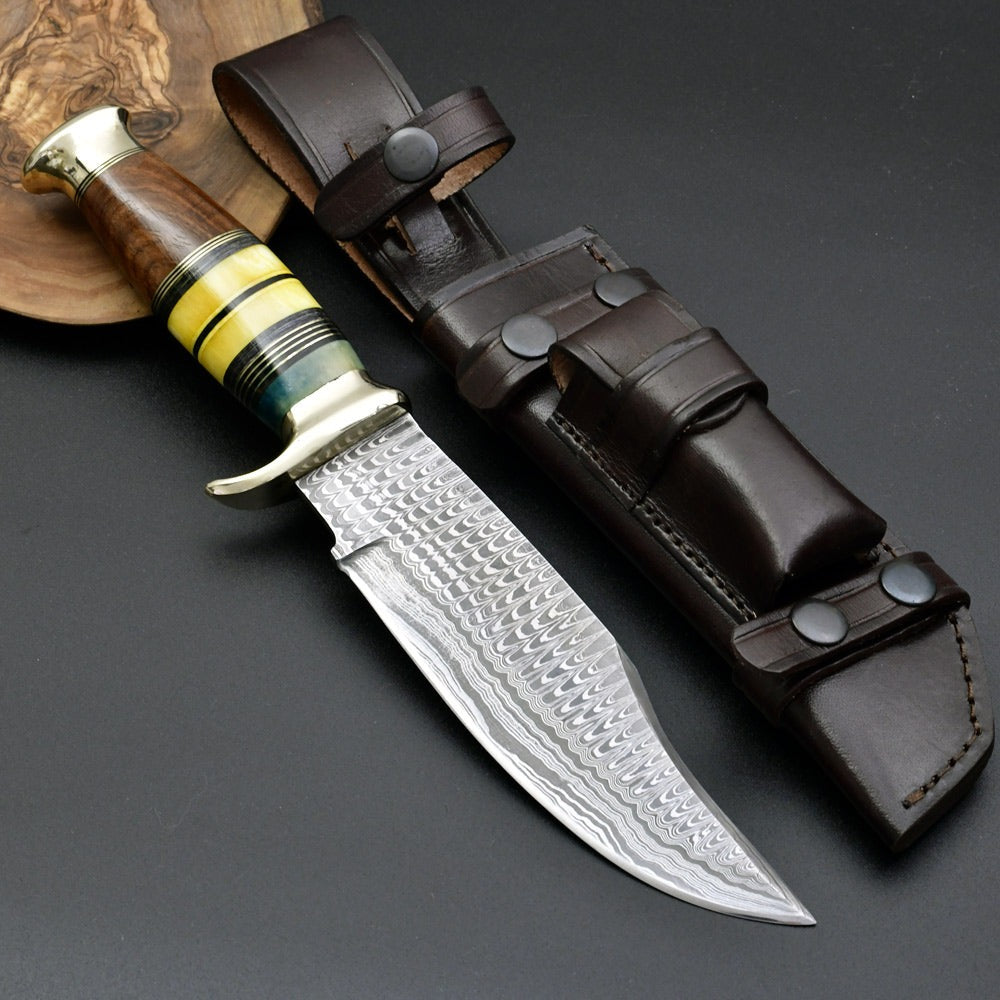
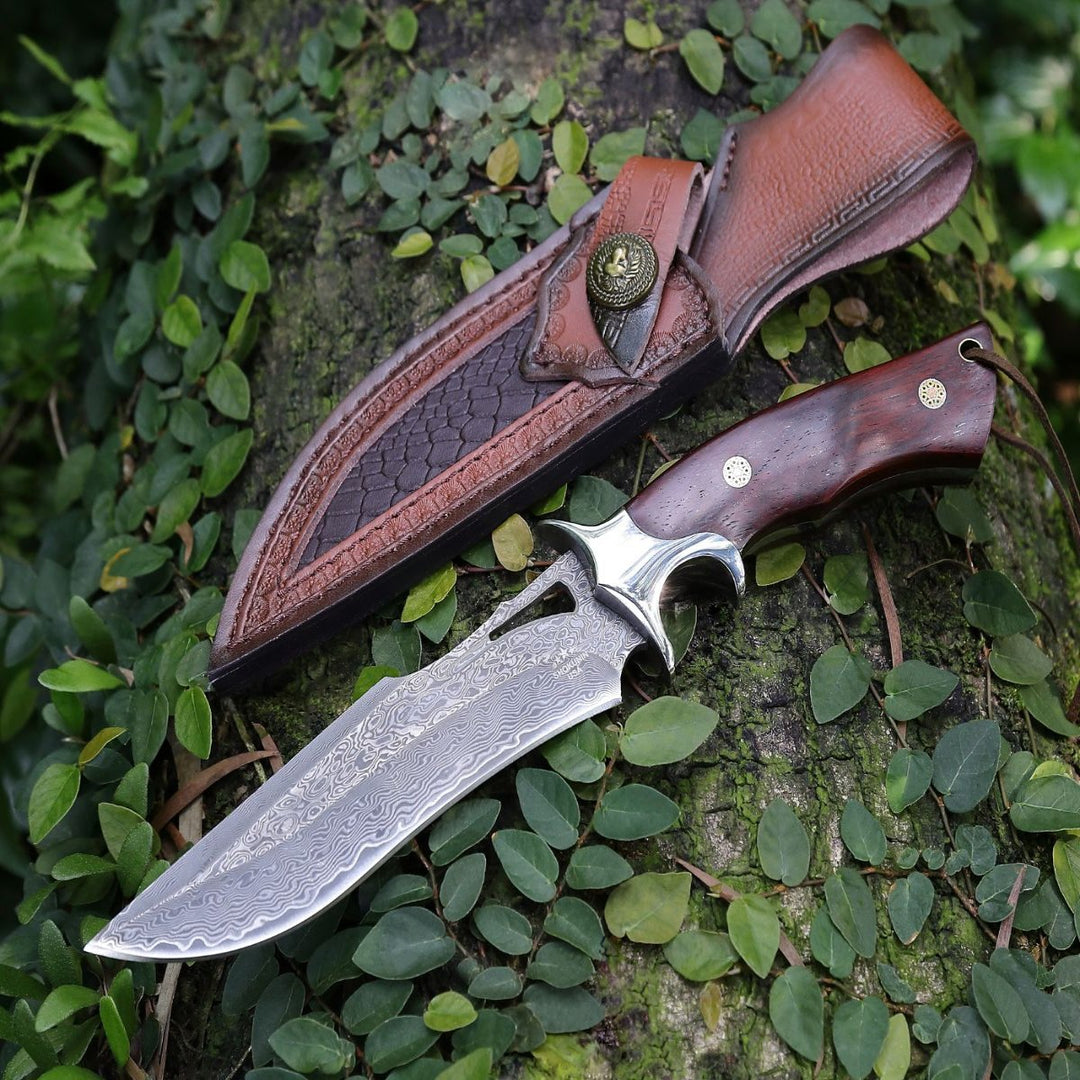
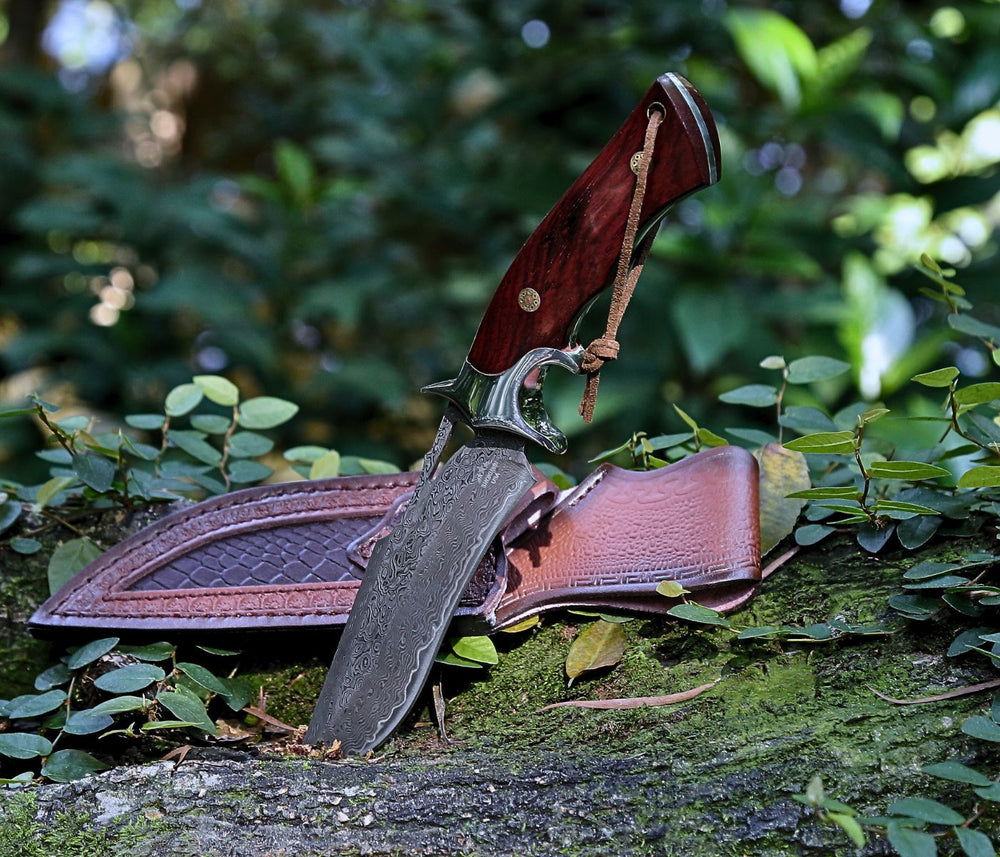
Atlas Gentleman's Pocket Knife with Exotic Desert Ironwood Handle and Sheath
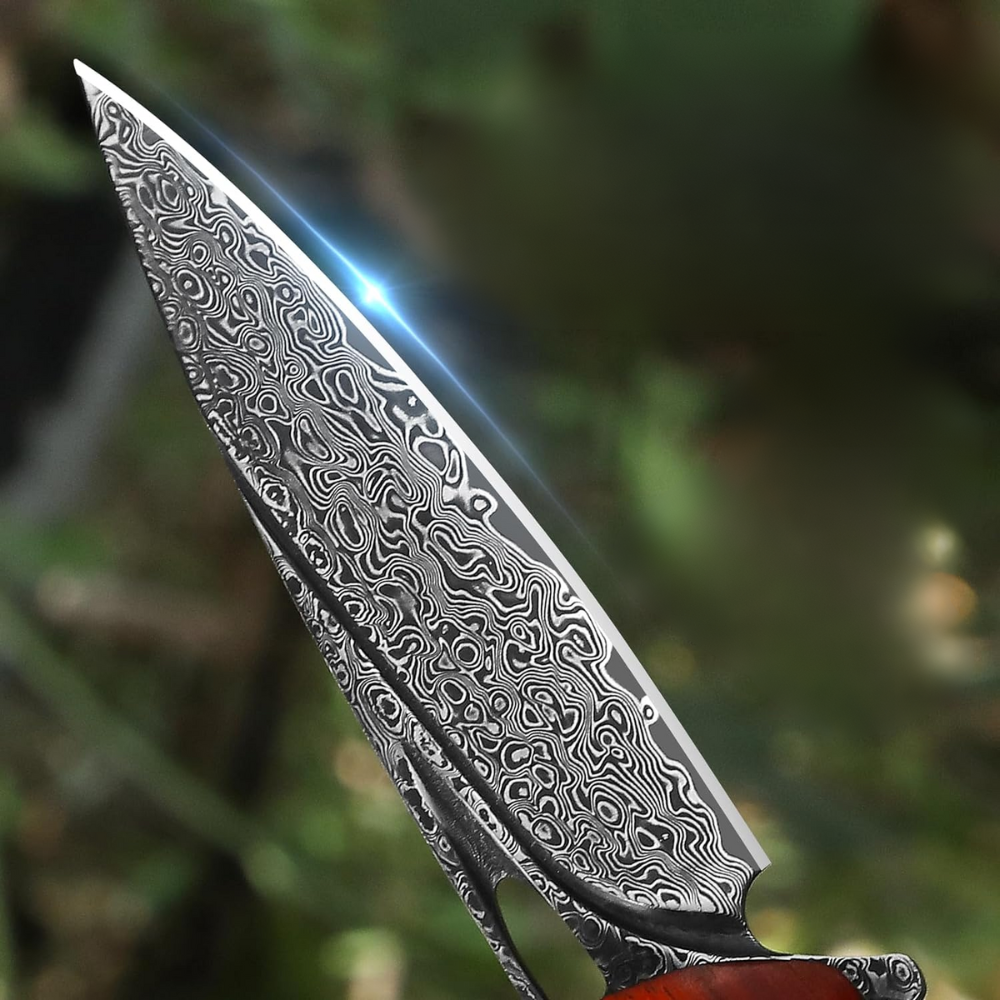
The Atlas Gentleman's Pocket Knife features a hand-forged Damascus steel blade, ensuring both strength and exceptional sharpness for a variety of tasks. Its exotic desert ironwood handle is designed for durability and comfort, making it suitable for outdoor activities such as camping and hiking. This versatile pocket knife also comes with a hand-stitched leather sheath and a pocket knife sharpener, making it a practical choice for everyday use or as a thoughtful gift for enthusiasts.
View Product






Lascia un commento