

Overview
In this article, readers will discover essential tips for maintaining their knife collections, ensuring both functionality and aesthetic appeal. From proper cleaning and sharpening techniques to effective storage solutions, the article provides a comprehensive guide for knife enthusiasts at any skill level. By following these practices, readers can enhance the longevity and performance of their knives, making them a cherished part of their culinary experience.
Table of Contents
- The Importance of Knife Care
- Cleaning Your Knives
- Hand Washing is Key
- Drying Your Knives
- Sharpening Your Knives
- The Importance of Regular Sharpening
- Choosing the Right Sharpener
- How to Use a Sharpener
- Storage Solutions for Knife Collections
- Choosing the Right Storage Method
- The Right Environment for Storage
- Handling Your Knives Properly
- Best Practices While Using Knives
- Regular Inspections
- Maintaining Specialty Knives
- Unique Care for EDC Knives
- The Role of Professional Help
- Preserving the Aesthetic Appeal
- Your Path to a Stunning Knife Collection
Key Takeaways
- Hand wash knives: Always opt for hand washing with warm water and mild soap to prevent damage from dishwashers.
- Dry immediately: Ensure knives are dried right after washing to avoid rust and corrosion.
- Sharpen regularly: Sharpen knives every month to maintain safety and performance; dull knives can lead to accidents.
- Choose the right storage: Use knife blocks, magnetic strips, or sheaths to protect blades from dulling and chipping.
- Practice safe handling: Always cut away from yourself and use a cutting board to protect both the blade and your countertops.
- Inspect for wear: Regularly check knives for chips, grooves, or rust, addressing any issues promptly for optimal performance.
- Seek professional help: For high-end or specialty knives, consider professional sharpening services for the best care.
Every knife enthusiast knows the significance of preserving their knife collection. Whether you're an advanced chef or a casual cooking aficionado, proper care will ensure that your knives not only remain functional but also deliver exceptional performance. In this article, we’ll dive into essential tips for maintaining your knife collection, including how to clean, sharpen, and store your knives. These practices will enhance their longevity and keep them looking their best!
The Importance of Knife Care
Maintaining your knife collection is crucial for several reasons. Knives are investments, and proper care can help prevent the need for replacements or expensive repairs. Regular maintenance ensures:
- Longevity of the blades
- Optimal performance in the kitchen
- Safety while using knives
- Preservation of the aesthetic appeal of your collection
With that in mind, let’s explore some essential care tips that every knife owner should employ.
Cleaning Your Knives
Hand Washing is Key
To maintain the integrity of your knives, always opt for hand washing over dishwashing. Dishwashers can damage the blades and handles due to extreme heat and the harsh environment. Instead, follow these simple steps:
- Use warm water and mild dish soap.
- Wipe the blade with a soft cloth or sponge, avoiding abrasive materials that may scratch the surface.
- For stubborn residues, soak the knife for a few minutes in warm soapy water before scrubbing.
- Rinse thoroughly with clean water and dry immediately with a soft towel.
Drying Your Knives
Proper drying is just as important as washing. Moisture can lead to rust and corrosion, particularly on high-carbon steel blades. Always dry your knives right after washing, ensuring that no water spots or moisture remain.
Sharpening Your Knives
The Importance of Regular Sharpening
A sharp knife is not only easier to use but also safer because it requires less force during cutting. Dull knives can slip and cause accidents in the kitchen. Regularly sharpening your knives, ideally every month or so depending on usage, is vital for safety and performance.
Choosing the Right Sharpener
One of the well-regarded methods to sharpen knives is by using a 3500 grit knife sharpener. A 3500 grit knife sharpener provides a perfect balance between honing the edge and refining it to perfection. If you're not familiar with the process, don’t worry! Modern sharpeners are designed with user-friendly features that make achieving professional results accessible to everyone.
How to Use a Sharpener
When using a sharpener, here are some steps to follow:
- Secure your knife in a stable position.
- Maintain the correct angle; common angles are 15° or 20°.
- Run the blade through the sharpener, applying even pressure.
- Repeat several times until the desired sharpness is achieved.
Don’t forget to finish with a finer grit to polish the blade and remove any burrs created during sharpening.
Storage Solutions for Knife Collections
Choosing the Right Storage Method
How you store your knives can significantly influence their lifespan. Proper storage reduces the risk of blades dulling and chipping. Here are several popular storage methods:
- Knife Blocks: A sturdy knife block allows for easy access while protecting the blades.
- Magnets: Magnetic strips are a stylish solution and keep edges safe and visible, making selection easy.
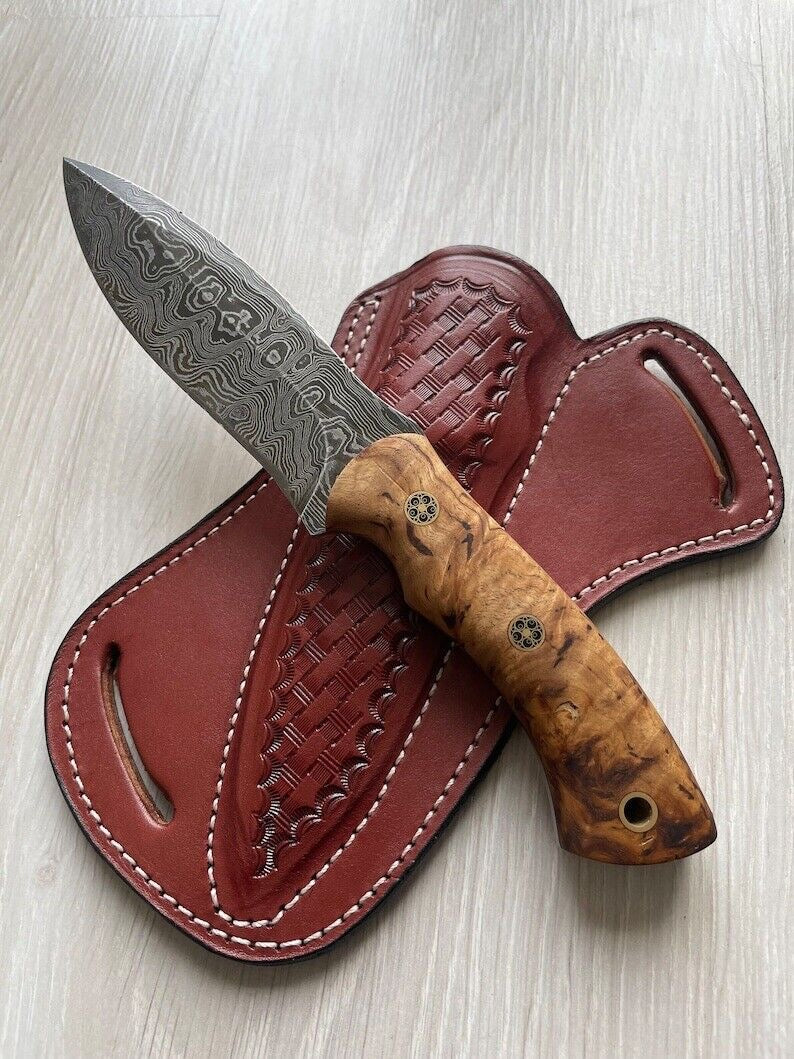
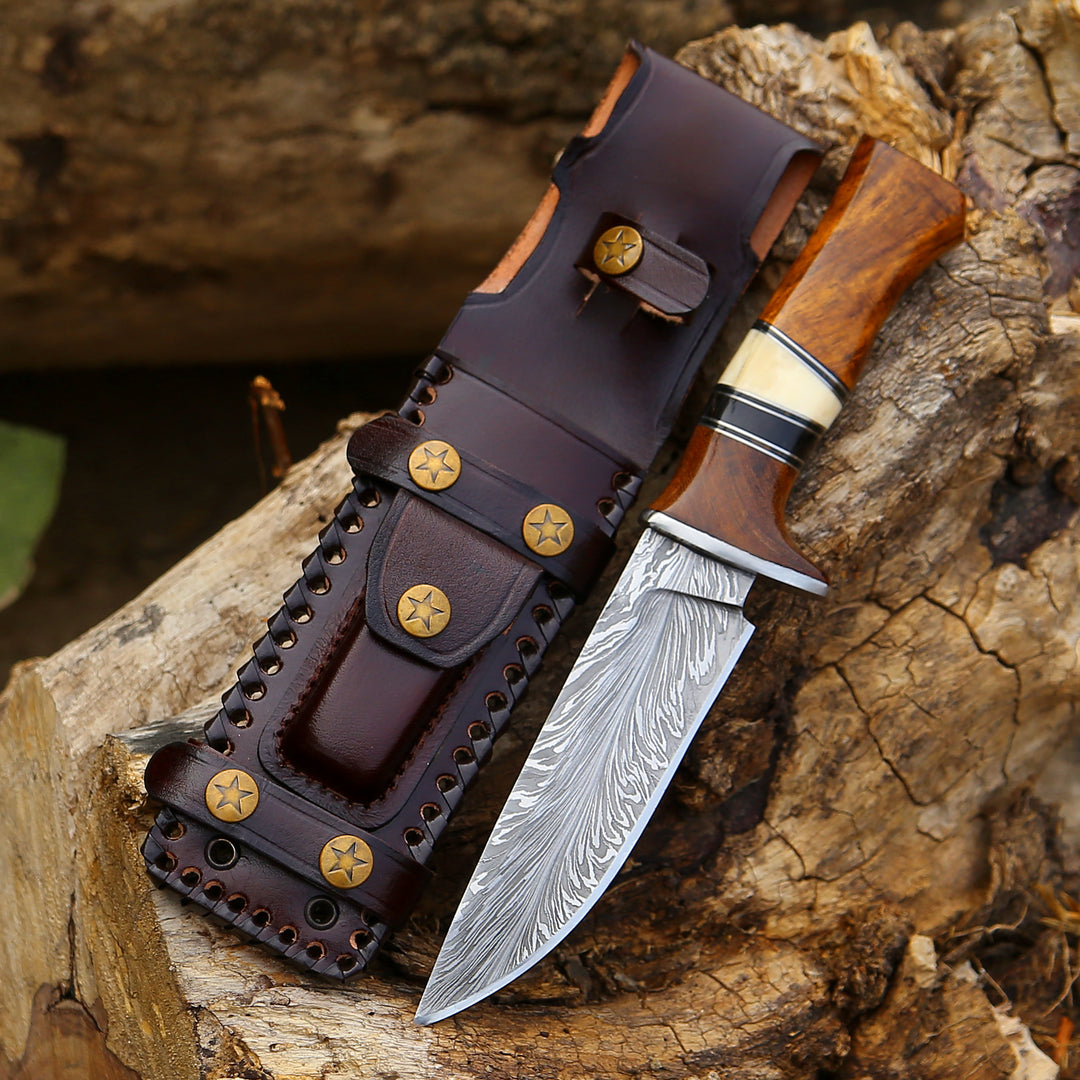
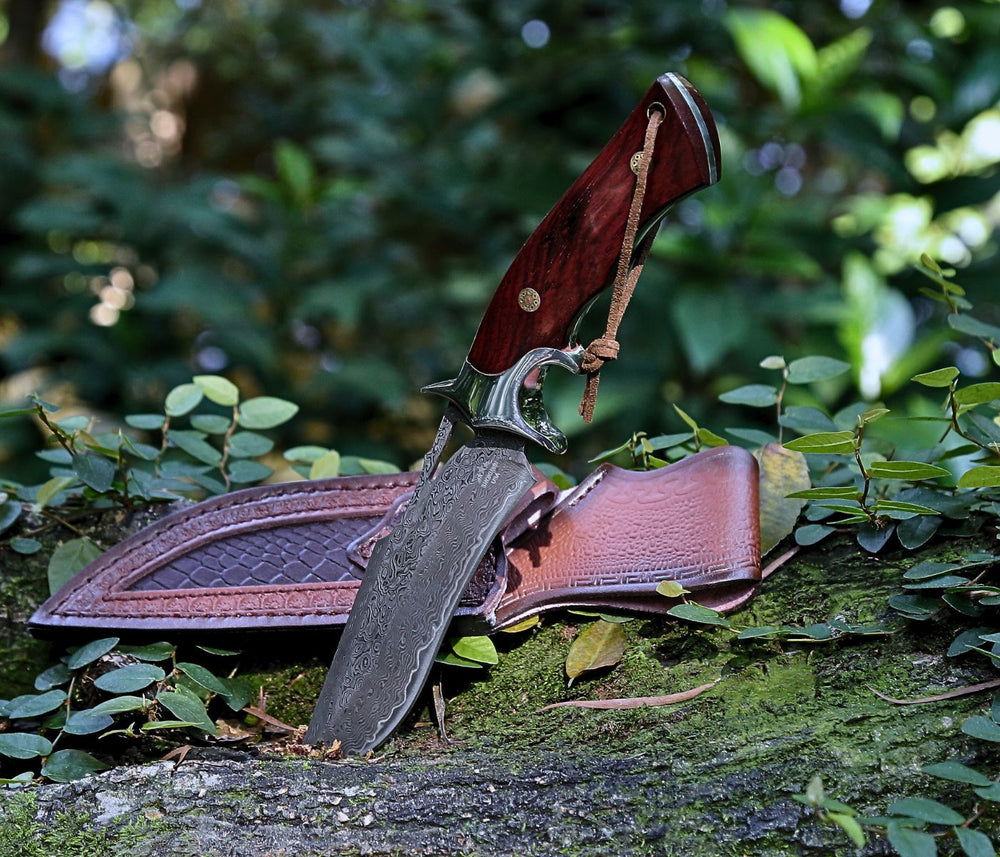
- Sheaths: For those who travel or move their knives frequently, specialized sheaths can offer protection without taking up much space.
The Right Environment for Storage
Store your knife collection in a dry place, away from excess moisture. Ideal temperatures are between 60°F and 80°F. Extreme temperatures and humidity can contribute to wear and rust over time.
Handling Your Knives Properly
Best Practices While Using Knives
When handling knives, always follow best practices to ensure both your safety and the care of your knives:
- Use a cutting board to protect the blade and your countertops.
- Always cut away from yourself and always keep fingers tucked away from the blade's path.
- Never use knives for purposes they are not designed for, such as prying items open.
Regular Inspections
Check your knives regularly for signs of wear such as chips, grooves, or rust. Addressing any issues immediately can improve the performance and safety of the blade.
Maintaining Specialty Knives
Unique Care for EDC Knives
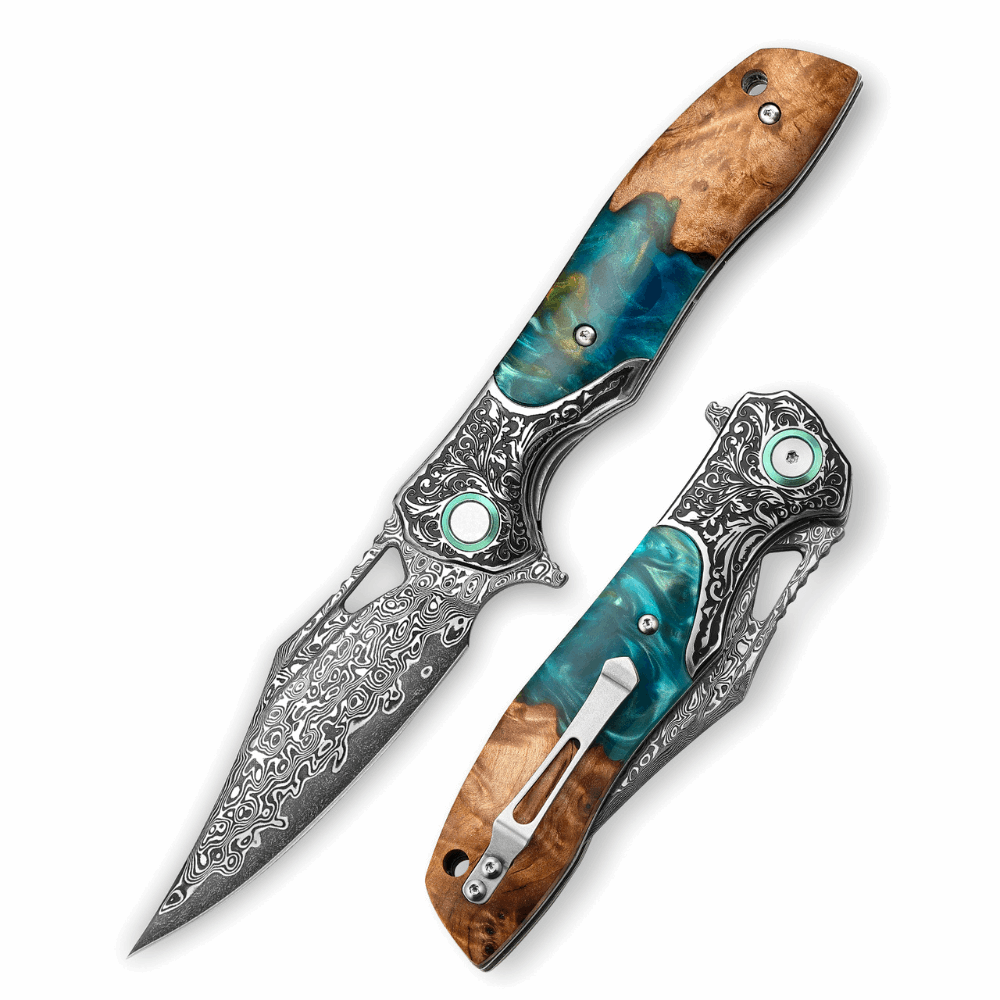
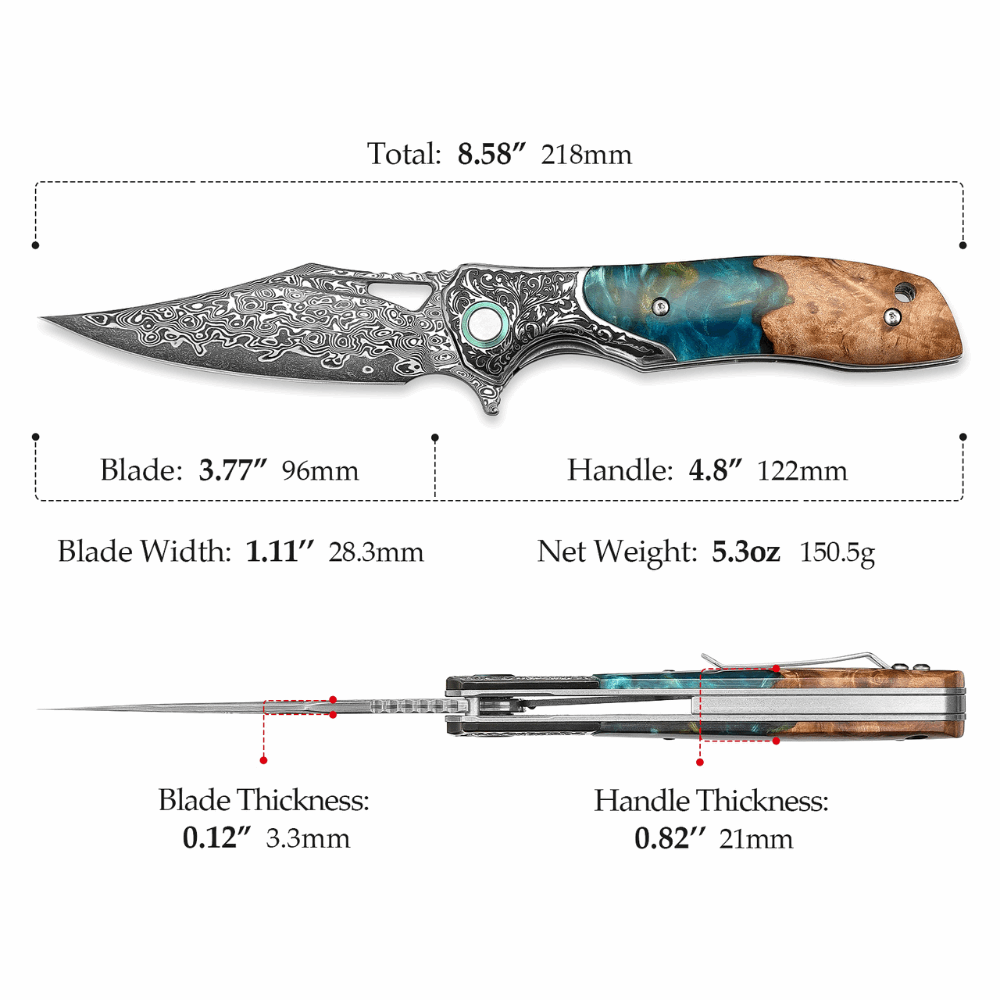
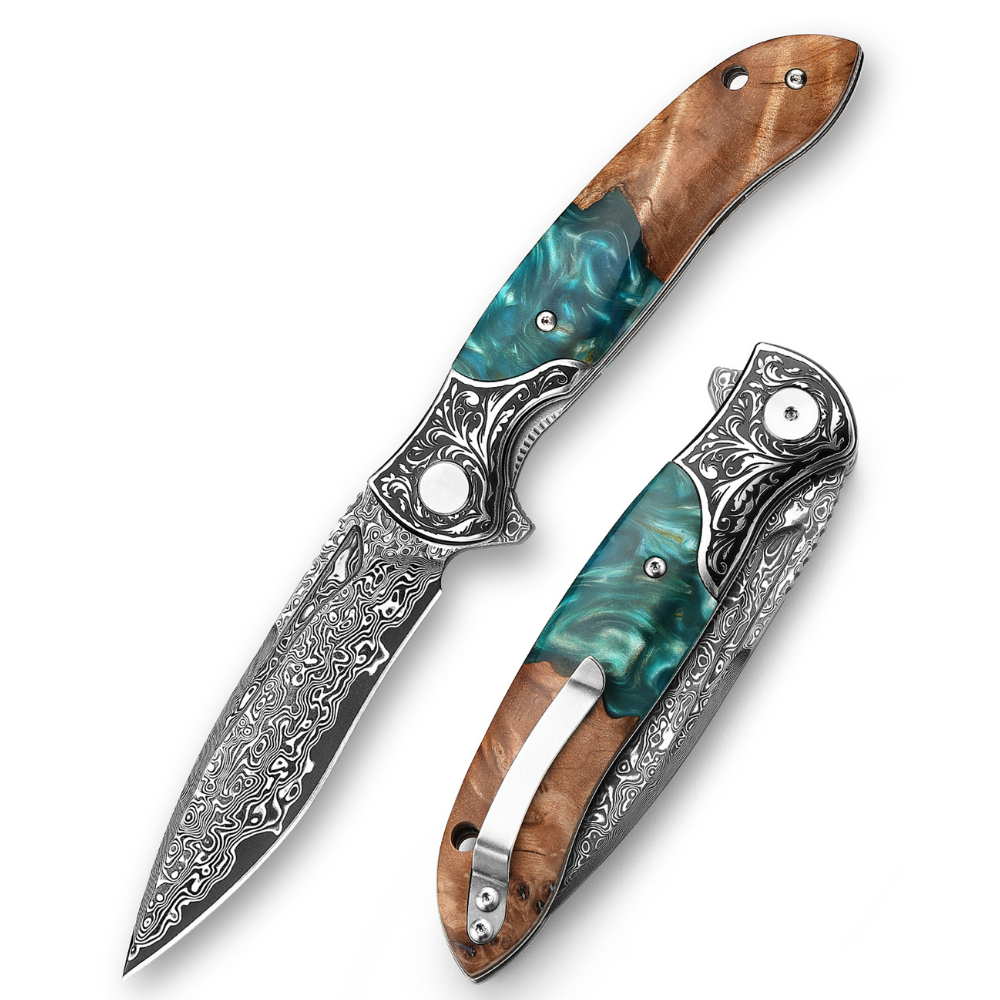
Everyday carry (EDC) knives may need a slightly different approach. Given their frequent use, it’s important to ensure these blades are always in prime condition. For EDC knives, take extra care by:
- Regularly cleaning the pivot area to prevent dirt and grime buildup.
- Checking and tightening any screws to secure the knife's functionality.
- Lubricating moving parts to maintain smooth operation.
The Role of Professional Help
Sometimes, a simple at-home sharpening session isn't enough. For high-end or specialty knives, consider seeking professional sharpening services. They often have the tools and experience to restore your knives to their best condition.
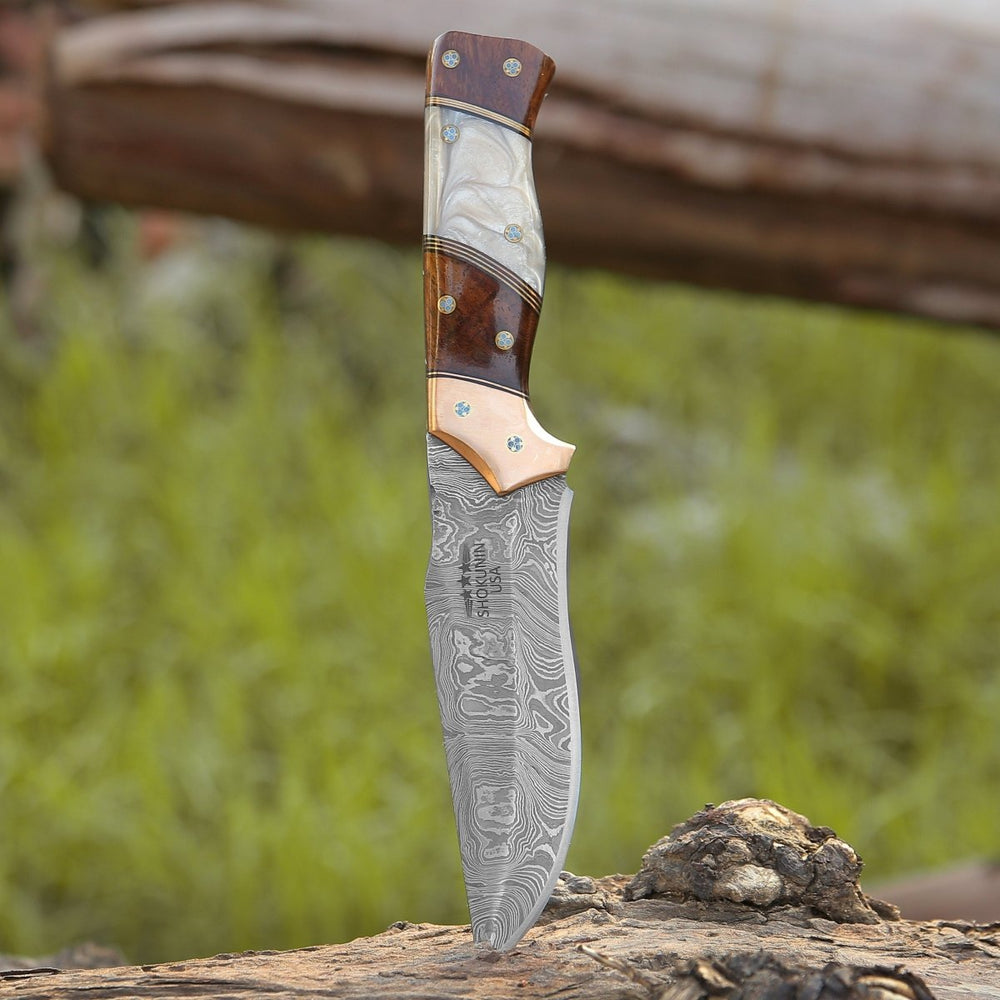
Preserving the Aesthetic Appeal
Many knife enthusiasts treasure their collections for both their utility and artistry. To preserve the beauty of your knives, consider these suggestions:
- Keep blades polished by applying a light coat of food-safe mineral oil.
- Regularly clean the handles and ensure they’re free from grime.
- Avoid exposing your knives to harsh chemicals that can damage the finish.
Your Path to a Stunning Knife Collection
The art of maintaining your knife collection requires effort and attention to detail, but the rewards are manifold. By implementing these essential care tips, you can ensure your knives continue to perform beautifully for years to come. Whether you're sharpening with a 3500 grit knife sharpener or ensuring proper storage, a little extra care can go a long way in preserving both the functionality and aesthetics of your beloved tools. Make knife care a habit, and turn your collection into a lasting legacy!
Frequently Asked Questions
1. Why is it important to maintain my knife collection?
2. How should I clean my knives?
3. How often should I sharpen my knives?
4. What are the best storage options for knives?
5. What special care do EDC knives require?
Glossary
| Term | Meaning |
|---|---|
| Knife Collection | A group of knives owned for utility or display. |
| Hand Washing | Cleaning knives manually to prevent damage. |
| Sharpening | Process of honing knife edges for better performance. |
| Knife Block | A storage method that protects and organizes knives. |
| EDC Knives | Everyday carry knives for frequent use. |
| 3500 Grit Sharpener | A tool for achieving a fine edge on knives. |
| Moisture | Water that can cause rust on knife blades. |
| Lubrication | Application of oil to moving parts for smooth operation. |
| Professional Sharpening | Service for restoring knives using expert tools. |
| Food-Safe Mineral Oil | Oil used to protect knife blades and handles. |
Linked Product

Original Diamond Rolling Knife Sharpener Set 1000/3500 Grit
The Shokunin USA Original Diamond Rolling Knife Sharpener Set offers an effective solution for sharpening a variety of knives, from everyday kitchen cutlery to specialty blades. With adjustable sharpening angles of 15° and 20°, it ensures consistent, precise edges while the magnetic holder stabilizes your knife during use. The set also features a fine ceramic disc for a polished finish, making it suitable for both beginners and culinary experts looking to maintain their knife collection effortlessly.
View Product











Lascia un commento