


Overview
Pocket knives, especially EDC knives, are versatile tools essential for both enthusiasts and casual users. Understanding their anatomy—blade types, handles, locking mechanisms, and additional components—enhances your appreciation and helps you choose the right knife for your needs. This guide covers key features and offers tips for selecting and caring for your pocket knife, debunking common myths and emphasizing the importance of informed choices for safety and maintenance.
Frequently Asked Questions
1. What are EDC knives?
2. What are the key parts of a pocket knife?
3. Why is the blade type important in an EDC knife?
4. How does the locking mechanism enhance the safety of a pocket knife?
5. What should I consider when selecting the right EDC knife for my needs?
When it comes to functionality and convenience, pocket knives, particularly EDC knives (Everyday Carry knives), are essential tools for enthusiasts and casual users alike. Understanding their anatomy not only enhances your appreciation of these multifunctional tools but also aids in selecting the right knife for your needs. In this guide, we’ll delve into the various parts of a pocket knife, discussing their purpose and how they contribute to the knife's performance. Whether you're a veteran knife user or a beginner, this comprehensive breakdown will equip you with the knowledge required to make informed choices.
The Essential Parts of a Pocket Knife
At first glance, a pocket knife may seem simple, but its design is engineered for functionality and dependability. Each component plays a vital role in its overall design. Let’s break down the key parts of a pocket knife to gain a deeper understanding:
The Blade
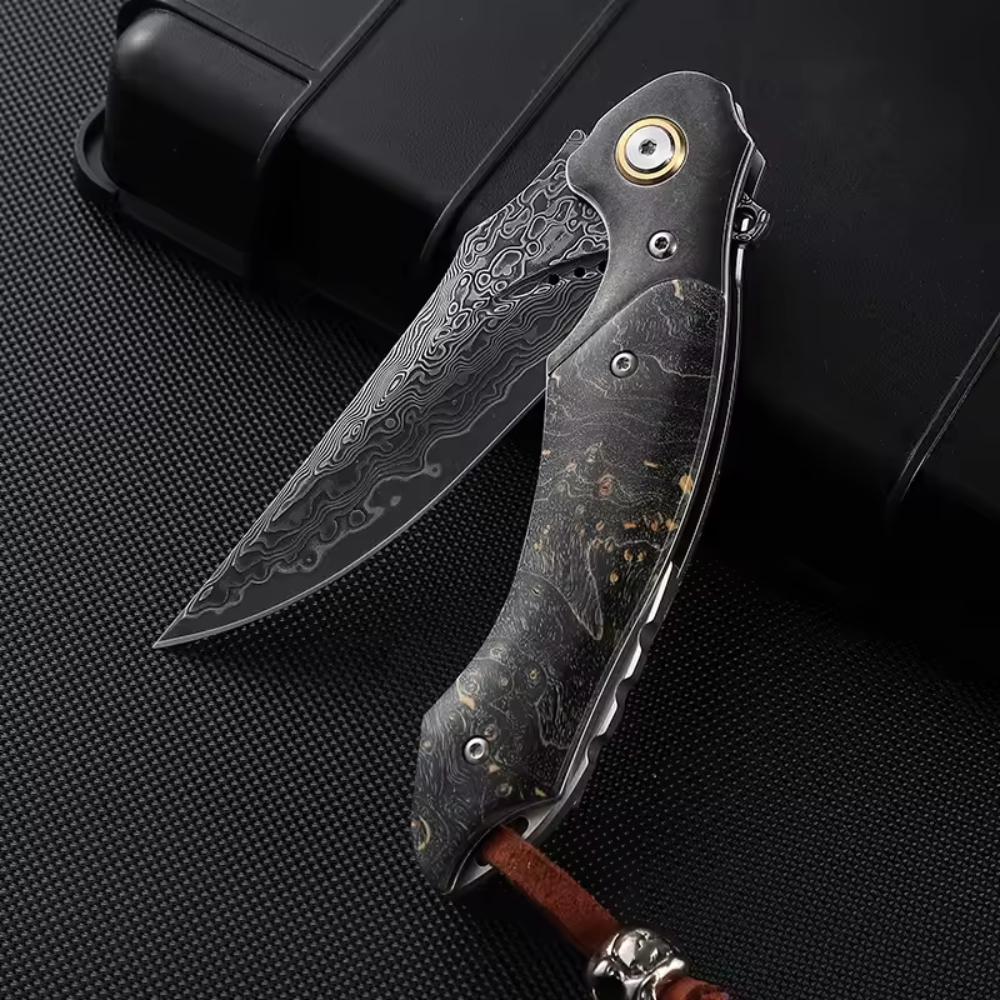
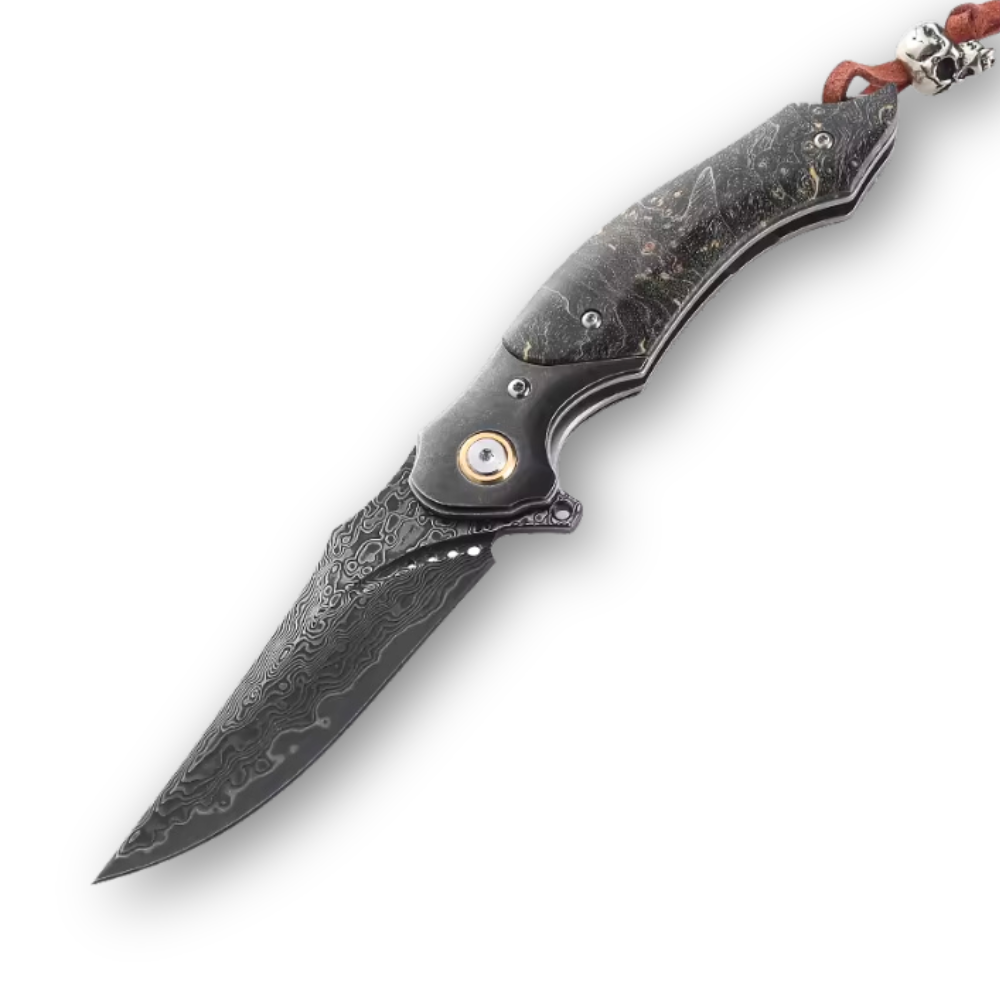
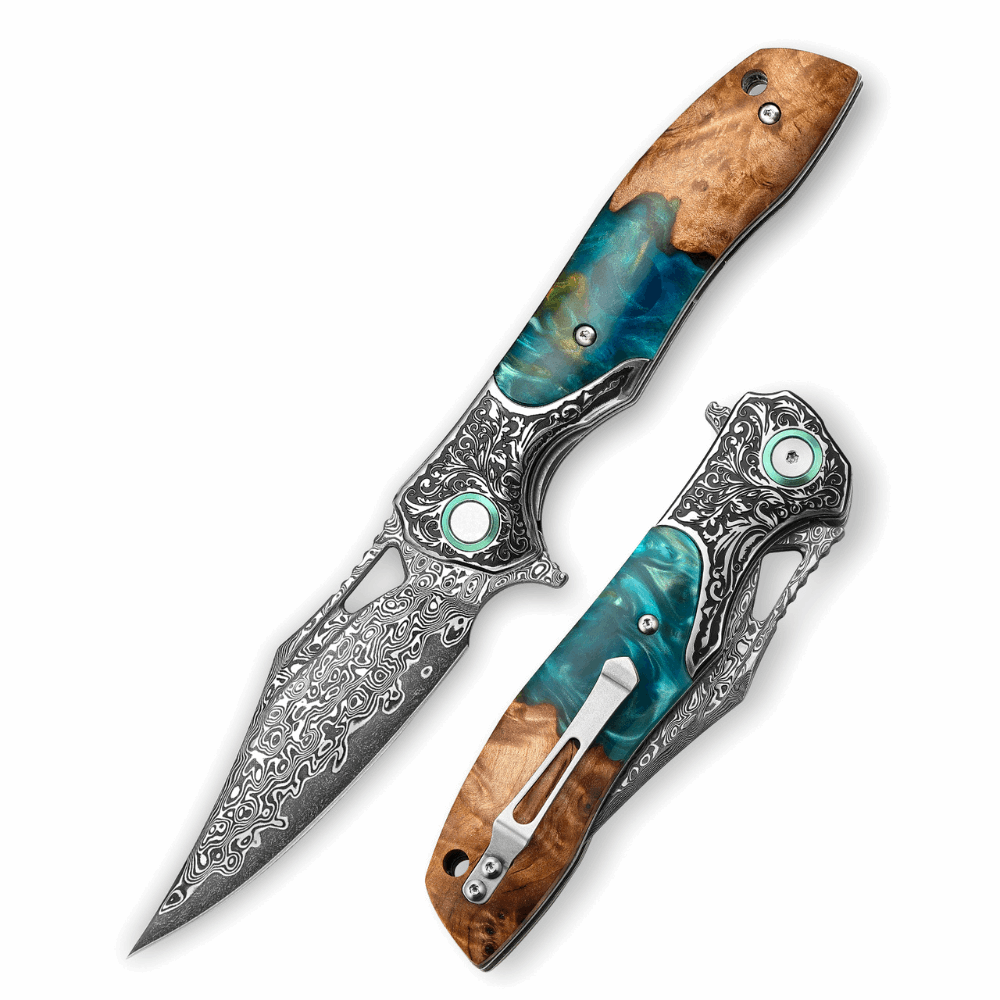
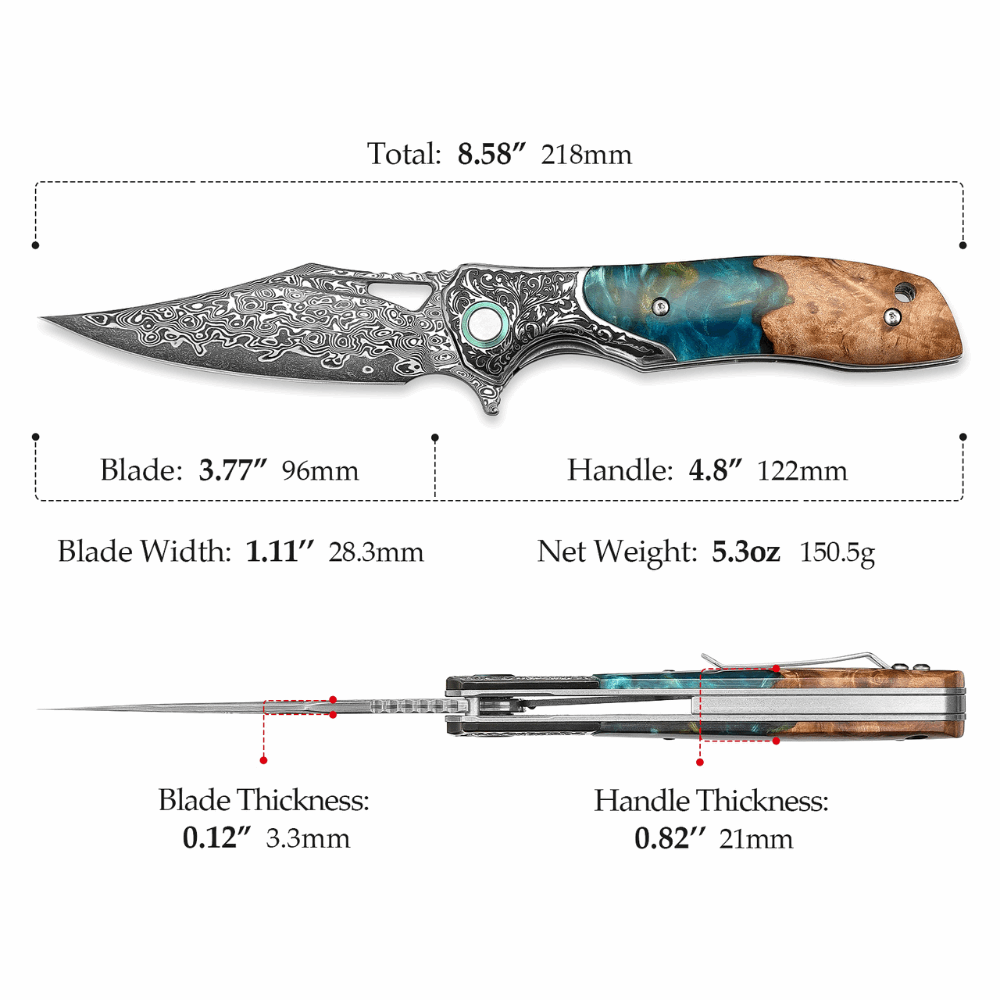
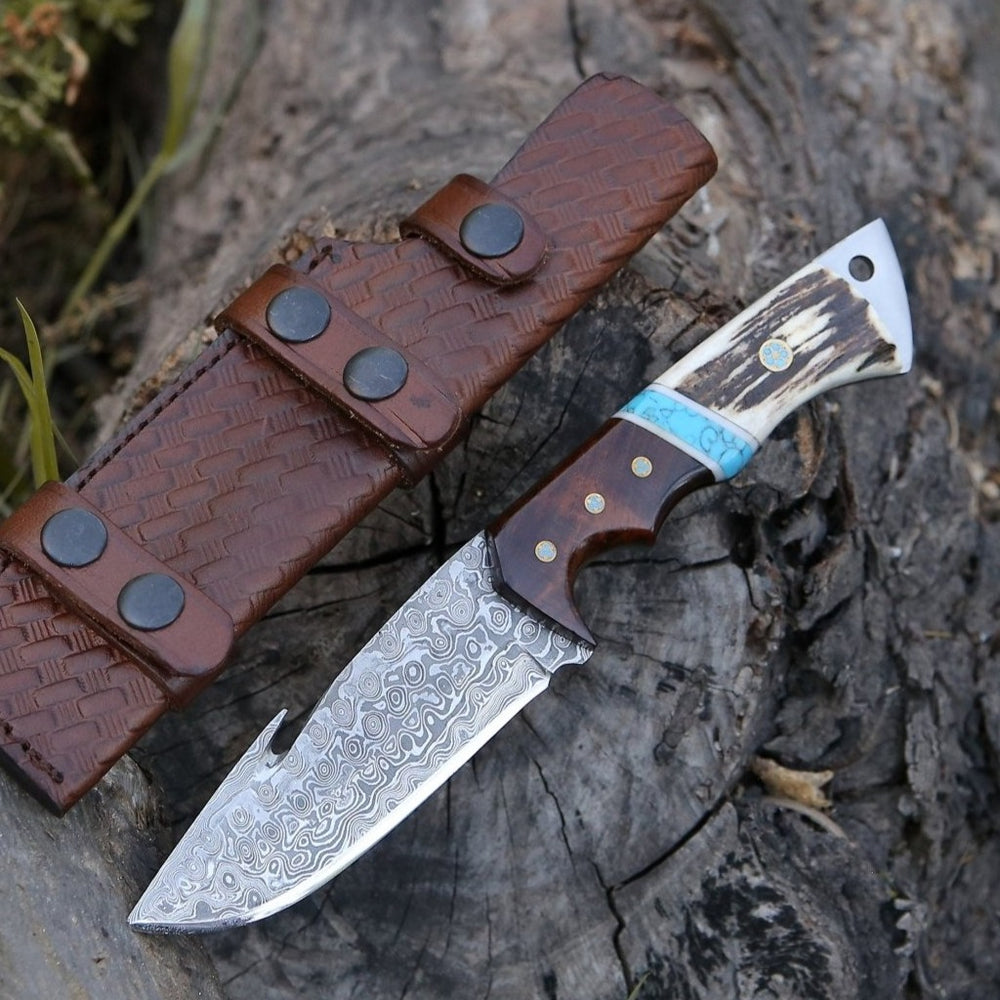
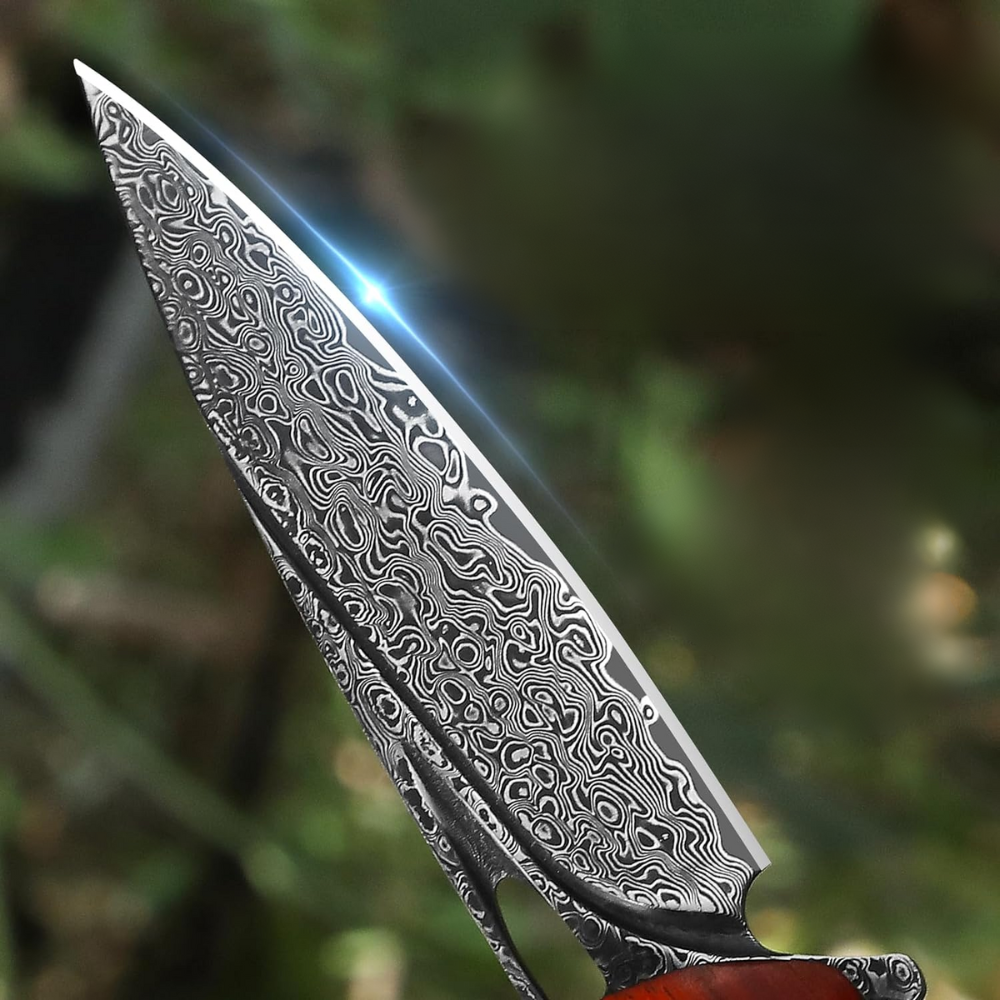
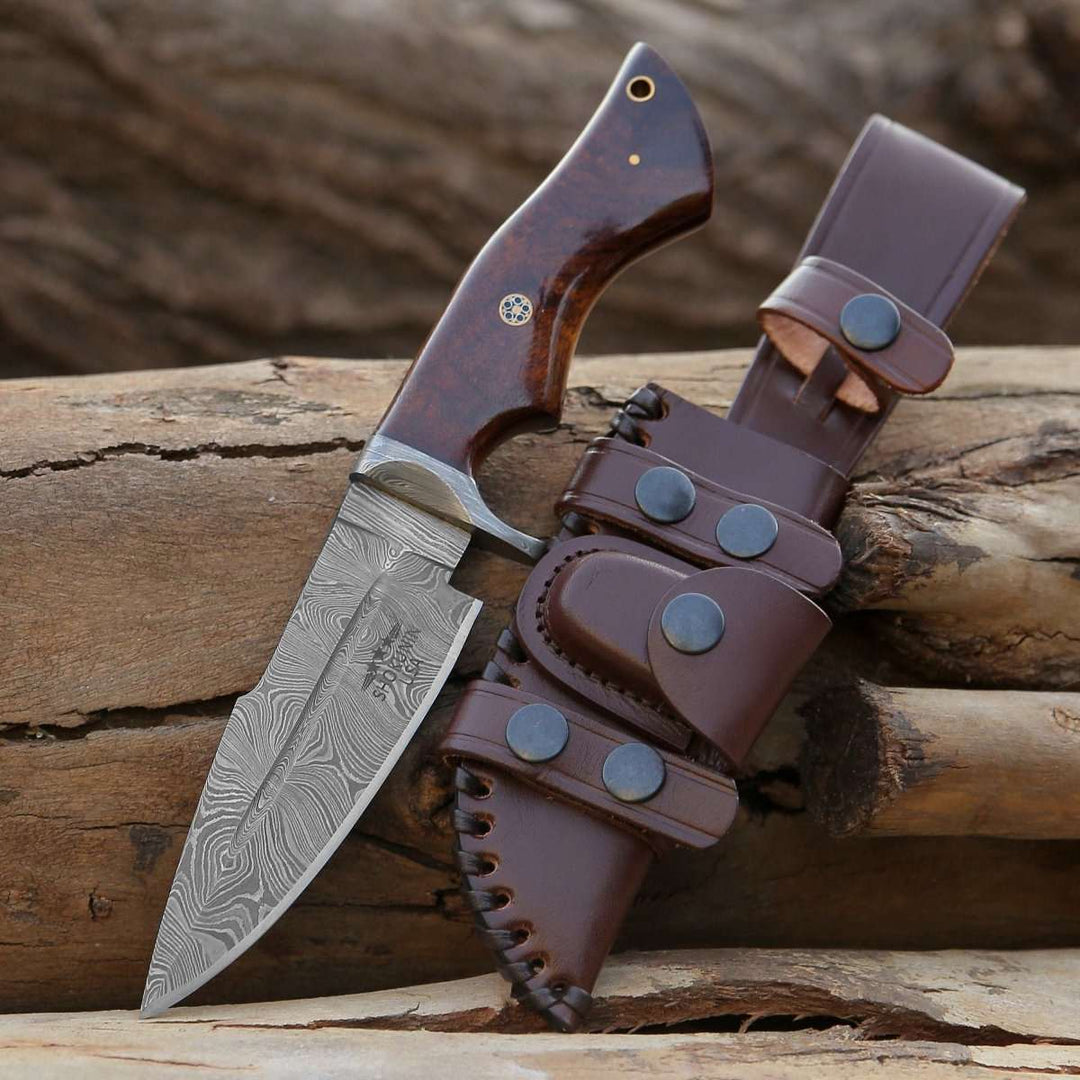
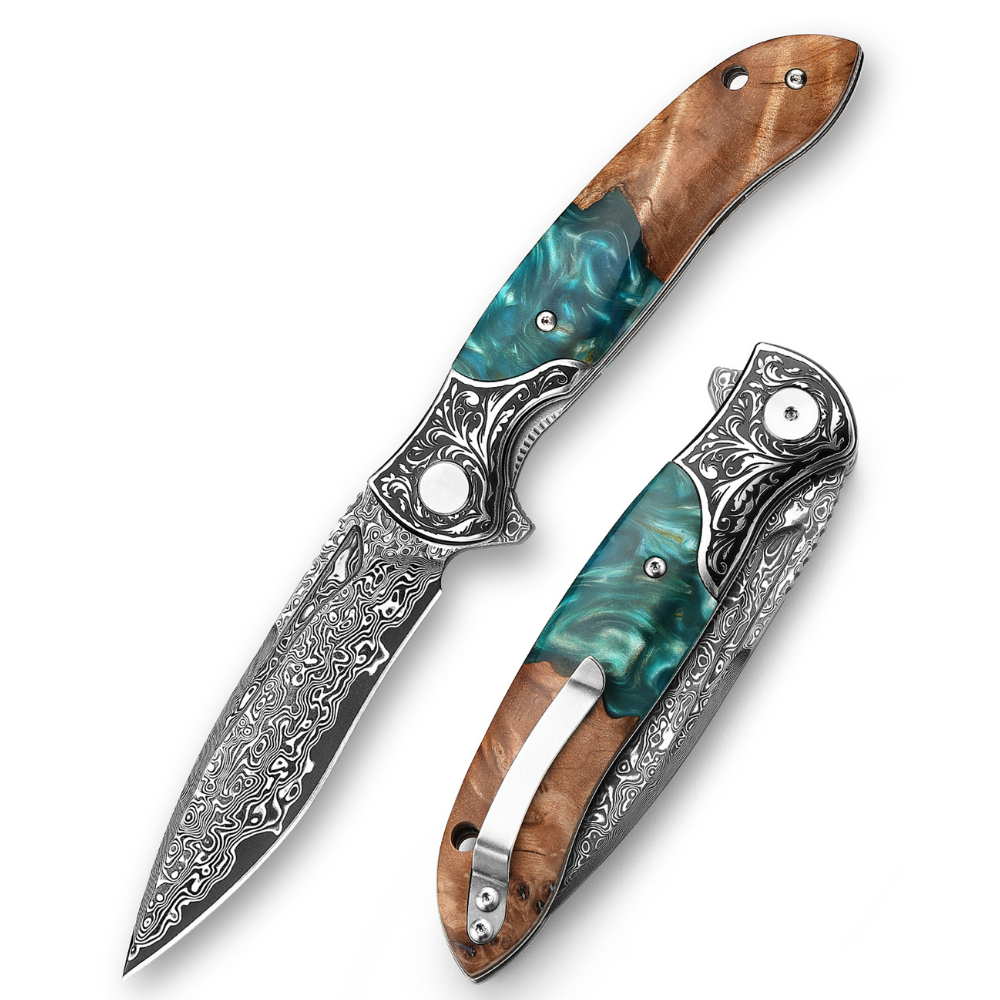
The blade is the most critical and prominent part of any pocket knife. EDC knives typically feature different types of blades tailored for specific tasks:
- Drop Point Blade: Known for its strong tip, this type of blade is ideal for everyday tasks such as slicing and piercing.
- Clip Point Blade: The clip point blade offers precision and control, making it popular for detail work.
- Sheepsfoot Blade: With a straight edge and a dull tip, this blade excels in slicing.
- Serrated Blade: Perfect for cutting through tougher materials like rope or fabric, a partially serrated blade combines straight and serrated edges.
When choosing EDC knives, consider the tasks you need to accomplish and select a blade shape that fits your requirements.
The Handle
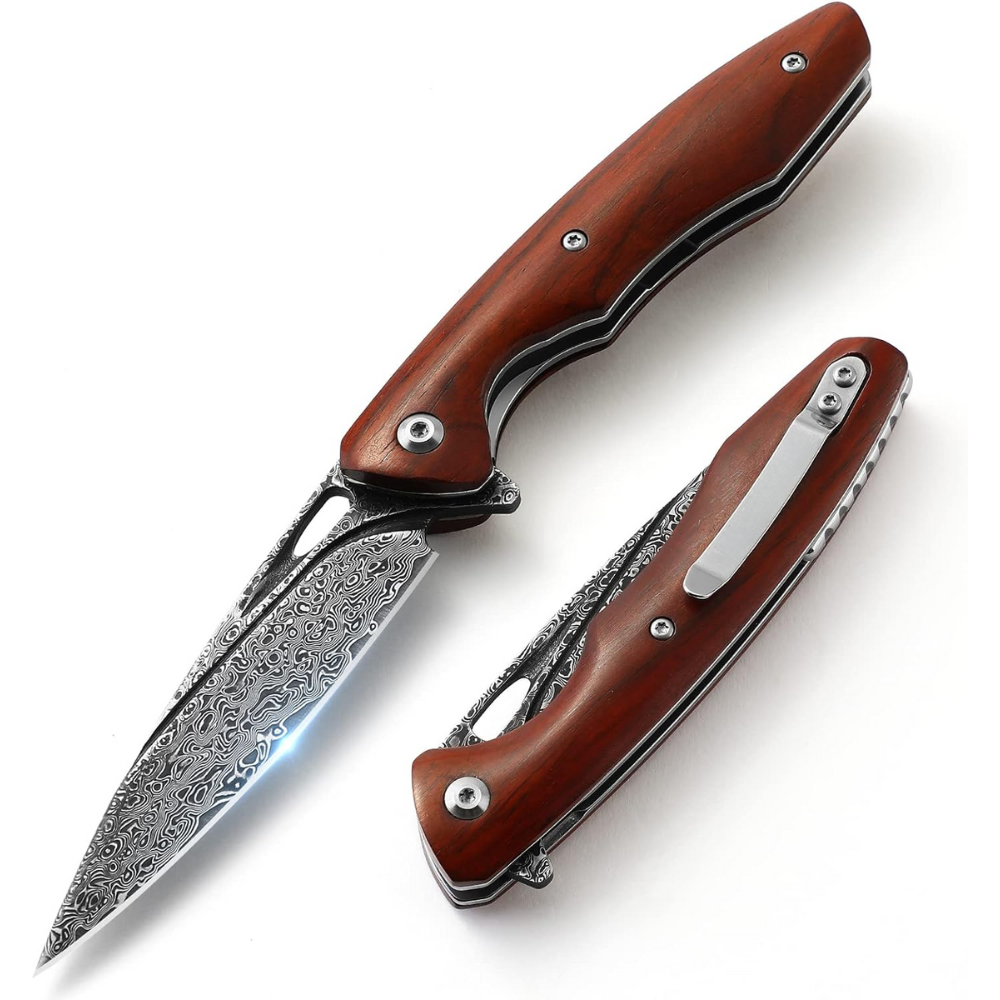
The handle of a pocket knife is vital for grip and comfort. Various materials can be used in handle construction, including:
- Plastic: Often lightweight and cost-effective.
- Wood: Offers a classic aesthetic with a warm feel.
- Metal: Provides strength and durability, commonly found in high-end models.
- G-10 or Micarta: Synthetic materials that are lightweight, durable, and water-resistant.
A well-designed handle should not only feel comfortable in your hand but also offer sufficient grip to prevent slipping during use, especially in critical tasks.
The Locking Mechanism
A locking mechanism is crucial for ensuring safe usage. It keeps the blade securely in place when extended, preventing accidental closure during use. There are several types of locking mechanisms:
- Liner Lock: Utilizes a metal liner to hold the blade open, allowing for easy one-handed operation.
- Frame Lock: A robust version of liner locks, where the frame itself secures the blade.
- Back Lock: A traditional mechanism activated via a lever at the back, known for its reliability.
- Axis Lock: A unique mechanism that offers ambidextrous usage and smooth blade deployment.
Understanding these locking systems is essential when selecting EDC knives since safety during usage is paramount.
Additional Components to Note
Aside from the blade, handle, and locking mechanism, several other components contribute significantly to a pocket knife's functionalities:
The Pivot and Screws
The pivot is the key component that allows the blade to rotate open and closed within the handle. Its quality can impact the overall performance of the knife. Additionally, various screws hold the knife together, enabling disassembly for cleaning and maintenance.
The Pocket Clip
Many EDC knives feature a pocket clip for convenience. This attachment allows you to carry your knife securely in your pocket or on your belt, making quick access easy. The location and orientation of the clip can vary, affecting how comfortably the knife sits in your pocket.
The Spine
The spine is the back part of the blade opposite the cutting edge. It can be flat, rounded, or even have a thumb ramp for added control and comfort during cutting tasks. Some EDC knives incorporate jimping along the spine to provide extra grip for thumb placement.
Why Understanding Knife Anatomy Matters
Knowing the anatomy of a pocket knife offers many benefits. Here’s why investing some time in understanding it pays off:
- Informed Choices: With a clear understanding of the components, you can select EDC knives tailored to your specific needs—whether it’s for hiking, outdoor work, or daily tasks.
- Enhanced Safety: Familiarity with locking mechanisms and blade types will help ensure safer usage of your pocket knife.
- Maintenance and Care: Knowledge of the parts facilitates proper care and maintenance, extending the lifespan of your knife.
Common Myths About Pocket Knives
With the popularity of EDC knives, misconceptions and myths often arise. Let's debunk some of these common beliefs:
Myth One: All Pocket Knives Are the Same
This is a significant misconception. While they may seem similar at first glance, pocket knives can vary widely in blade type, handle material, locking mechanism, and overall purpose. Understanding these differences is critical when selecting the right knife.
Myth Two: You Need a Large Knife for Tough Jobs
Many people believe that only large knives can handle tough tasks. In reality, a well-designed pocket knife, even a smaller EDC knife, can accomplish a variety of jobs efficiently, given the right blade type and design.
Myth Three: Pocket Knives Are Dangerous Tools
While any tool can be dangerous if misused, pocket knives are relatively safe when handled properly. Understanding the anatomy of your knife, including how to use its locking mechanisms, can significantly reduce the risk of accidents.
Choosing the Right EDC Knife for Your Lifestyle
With so many options available, selecting the right EDC knife can be overwhelming. Here’s how to simplify the process:
Identify Your Needs
Consider what tasks you intend to perform with your pocket knife. If you're a frequent camper, you might prefer a knife with a versatile blade design, while an office worker might lean towards something more discreet and simple.
Budget Considerations
EDC knives come in various price ranges. Determine your budget beforehand. Remember, investing in quality often pays off in terms of performance and longevity.
Handle with Care
Select a handle material that feels comfortable and suits your grip preferences. Testing a knife in your hand before purchasing can help ensure that it meets your expectations.
Research Brands
Look for reputable brands known for producing high-quality EDC knives. Reading reviews and testimonials from other consumers can provide insight into the knife’s performance and durability.
Final Thoughts on Your Pocket Knife Journey
Understanding the anatomy of a pocket knife is incredibly rewarding, allowing you to choose the right EDC knives for your unique needs. By familiarizing yourself with its parts, mechanisms, and care practices, you empower yourself to make well-informed decisions. The right pocket knife can serve you not just as a tool, but as a reliable companion in your everyday adventures. So, embrace the world of pocket knives—explore, learn, and discover the perfect blade that fits seamlessly into your daily life!






Lascia un commento