

Overview
Custom knives, especially EDC (Everyday Carry) knives, showcase meticulous craftsmanship that combines artistry and functionality. This article explores the design, materials, and techniques involved in knife-making, highlighting the cultural significance and community surrounding custom knives. Proper maintenance is essential for longevity, and collecting these knives can be both a rewarding hobby and an investment. Understanding the intricacies of custom knife creation enhances appreciation for these unique tools.
Frequently Asked Questions
1. What are EDC knives?
2. What is the importance of materials in custom knife making?
3. What are the different types of custom knives discussed in the article?
4. How can I maintain my custom knife?
5. What is the significance of craftsmanship in knife making?
When it comes to custom knives, particularly EDC knives (Everyday Carry knives), the true beauty lies not just in their sharpness or design, but in the meticulous craftsmanship that goes into each creation. For knife enthusiasts and collectors alike, understanding what makes a custom knife special can deepen appreciation and elevate one’s collection. In this article, we delve into the intricacies of knife-making, exploring the techniques, materials, and artistry that transform raw materials into masterpieces.
The Art of Knife Making
Craftsmanship in knife making is an age-old tradition, rooted in cultural significance and personal utility. Each custom knife is an expression of the artisan's skill, often reflecting their heritage and personal style. The journey of a custom knife begins with a careful consideration of design and functionality, particularly paramount for EDC knives.
Design and Functionality
Before any actual crafting begins, a skilled artisan takes the time to conceive the knife’s design. This involves thinking about the purpose of the knife. Is it meant for culinary tasks, outdoor adventures, or everyday utility? EDC knives are designed for practical use, which often necessitates a balance between compact size, ease of handling, and style.
Materials Matter
The materials chosen for a custom knife are crucial. High-quality steel is a primary choice for the blade, providing durability and sharpness. Variants such as stainless steel and carbon steel each boast unique properties, impacting corrosion resistance and edge retention. When creating EDC knives, the selected materials cater to the demands of everyday use, durability, and ease of maintenance.
Types of Knives and Their Craftsmanship
As we explore the various types of custom knives, it becomes evident that each has its own distinct crafting process that speaks to its intended use.
Fixed Blade Knives
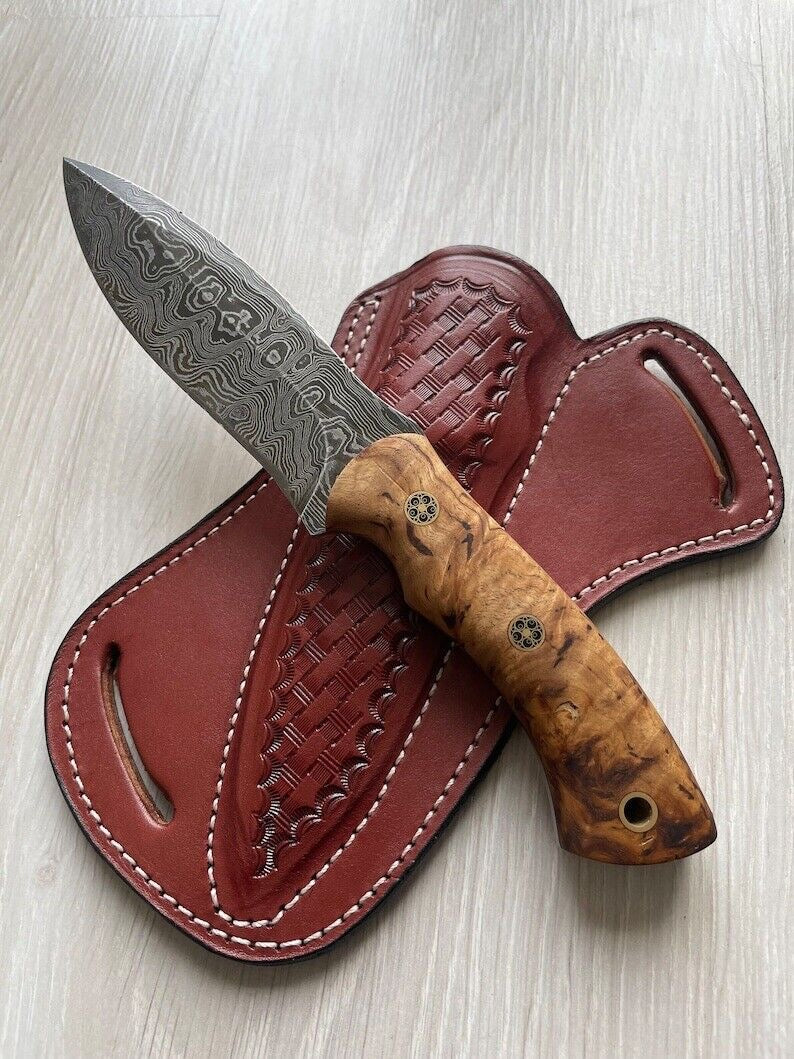
Fixed blade knives are renowned for their strength and reliability. These knives feature a blade that is permanently fixed to the handle, making them a favorite among survivalists and outdoor enthusiasts. Crafting a fixed blade requires precision in forging, heat treating, and sharpening. The craftsmanship for these knives often involves the use of traditional techniques, producing blades that can withstand rigorous tasks.
Folding Knives
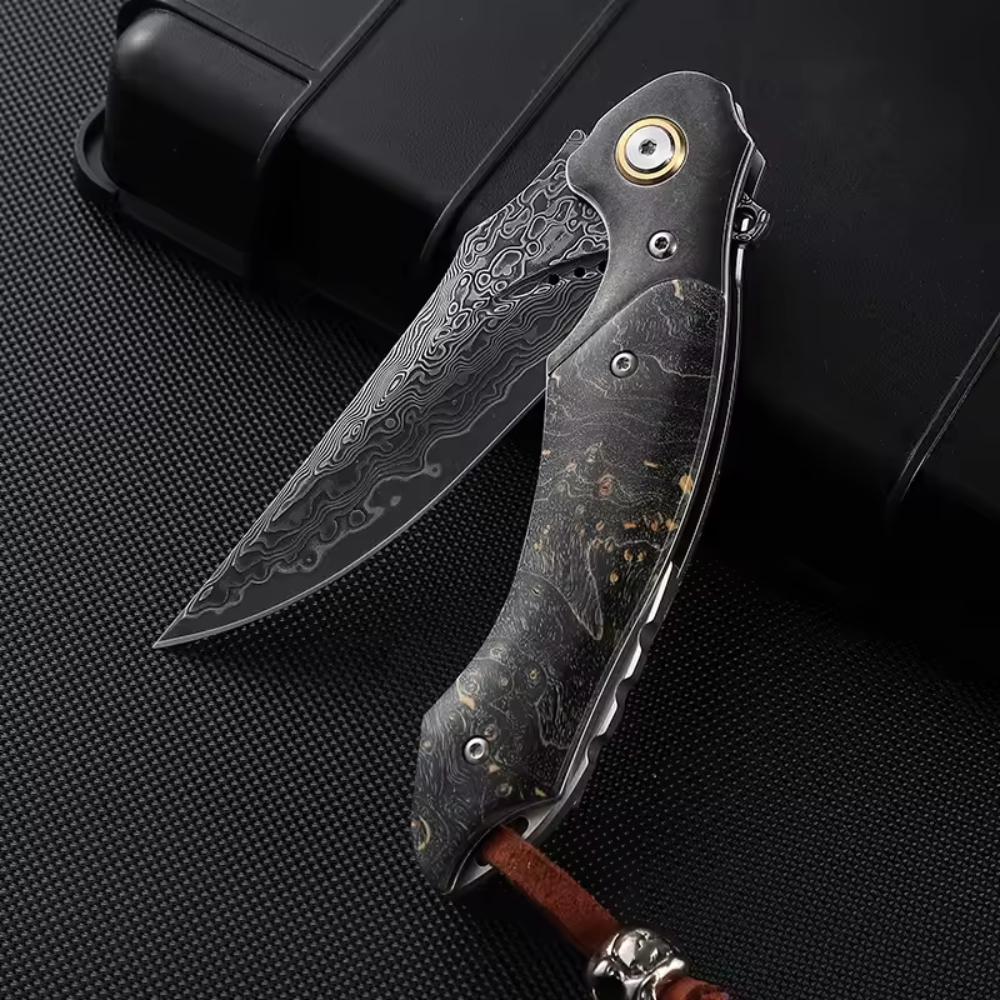
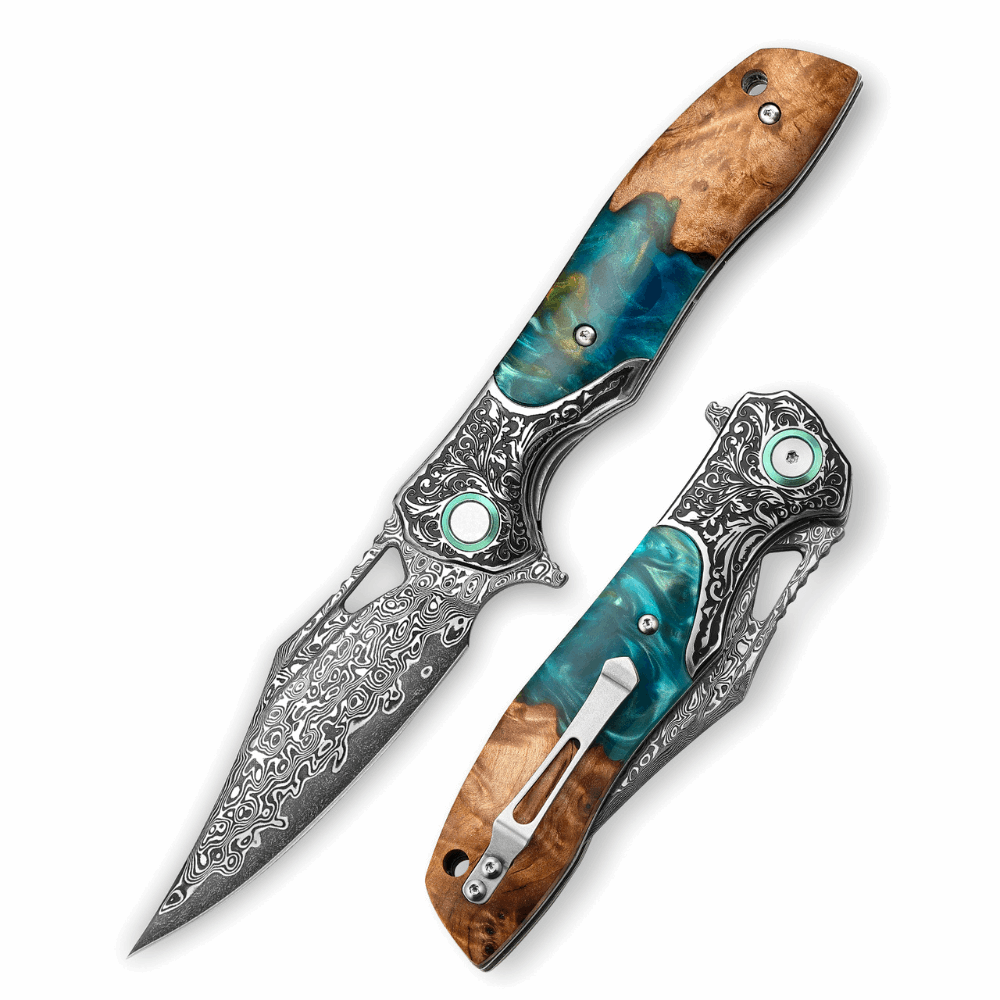
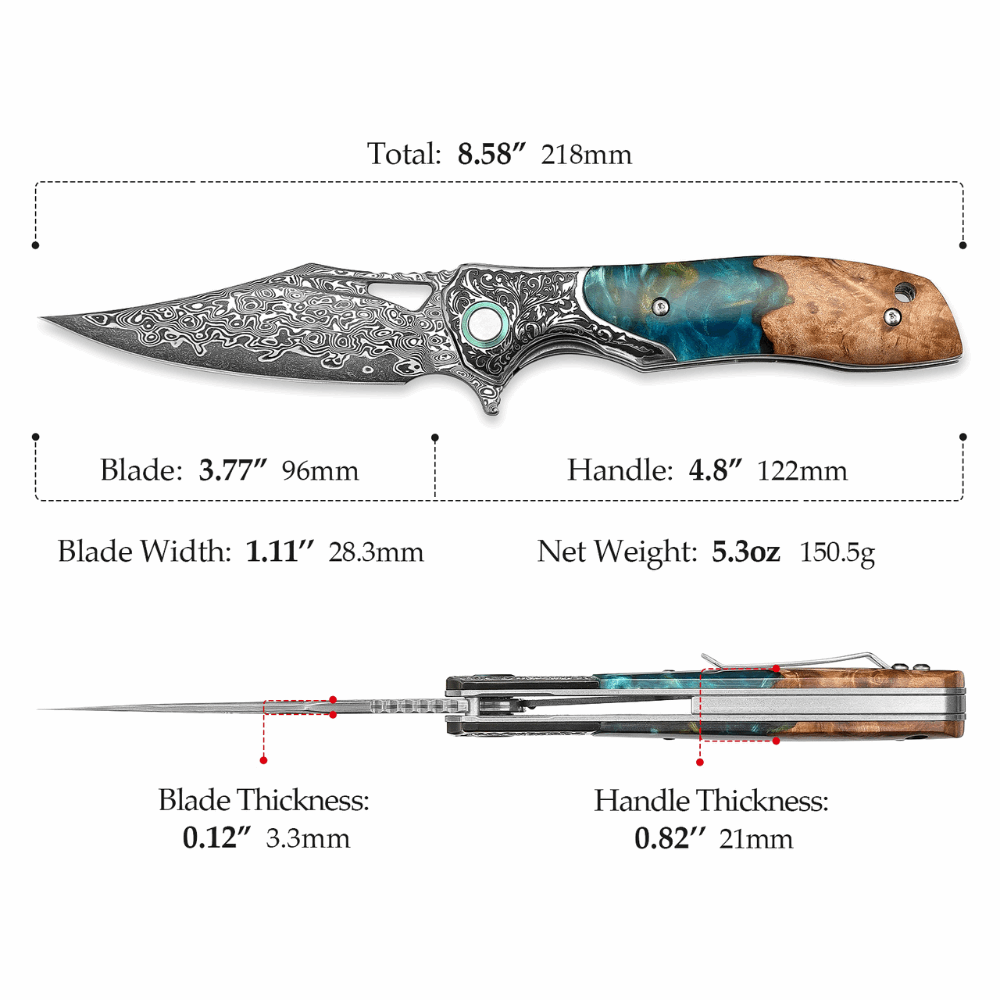
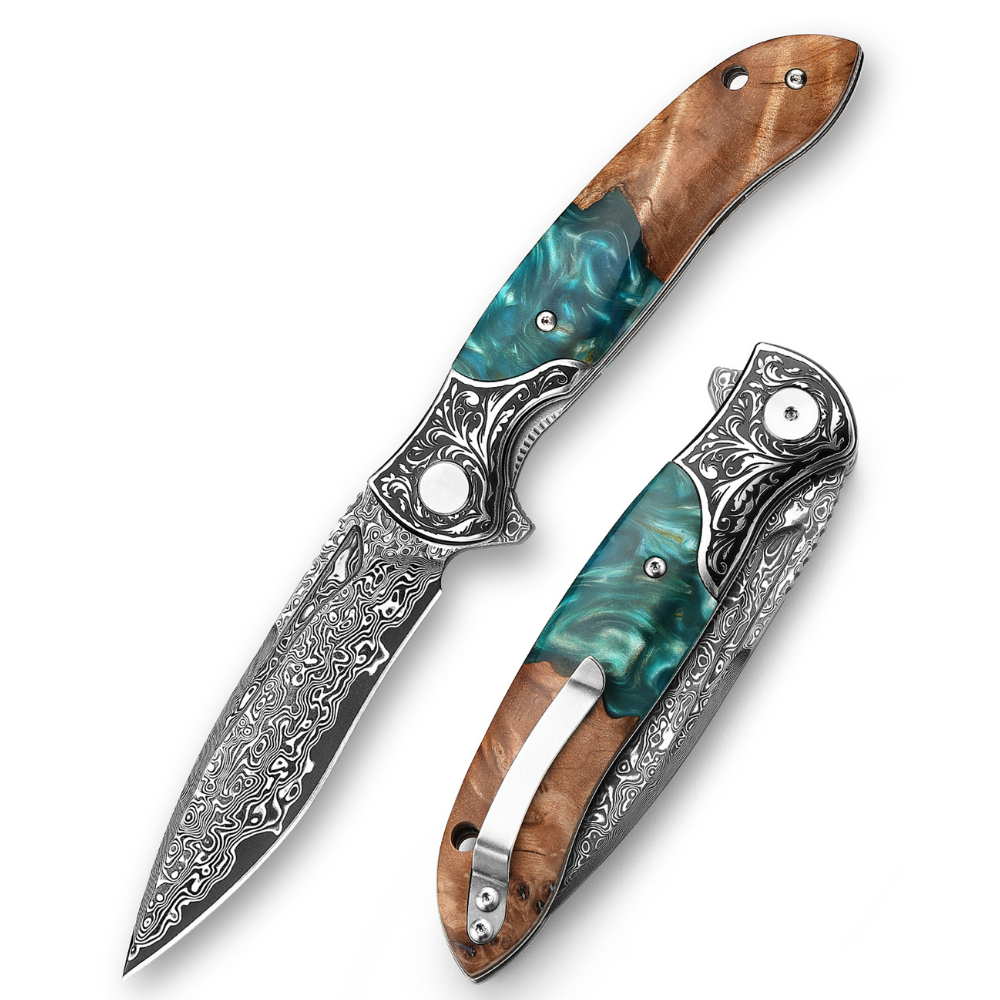
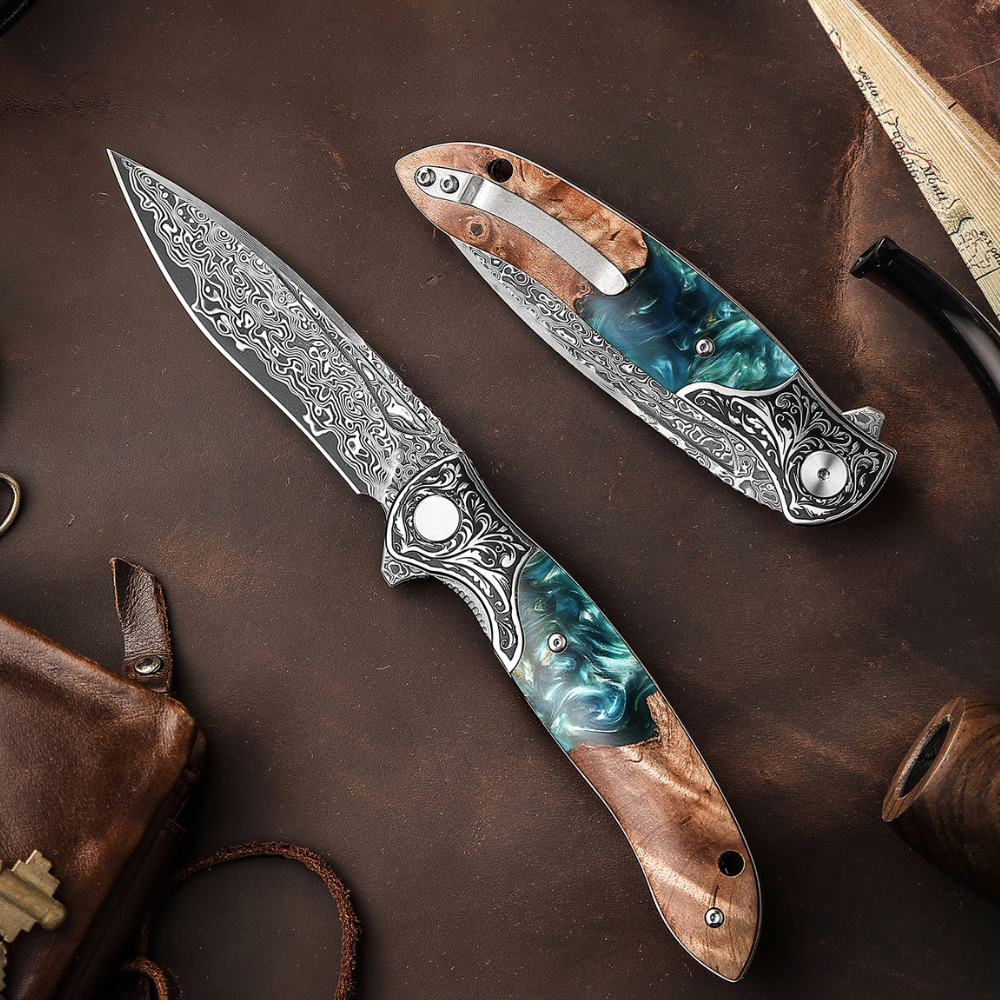
Folding knives, on the other hand, embody innovation in knife design. The mechanism that allows the blade to fold within the handle requires intricate engineering. Artisans dedicated to creating custom folding knives often invest time in perfecting the locking mechanisms, pivots, and materials that allow seamless operation. EDC knives frequently take the form of folding knives due to their compact nature, making them easy to carry.
Techniques of Custom Knife Making
The techniques that craftspeople use in the creation of custom knives are as diverse as the knives themselves. Here's a closer look at some of the prevalent techniques involved:
Forging
Forging is one of the oldest methods used in knife making. It involves heating metal until it is malleable and shaping it through hammering. This traditional technique imparts strength and resilience to the blade. Forged knives typically have a unique aesthetic, often showcasing the textures from the forging process itself.
Stock Removal
In contrast to forging, stock removal creates a blade from a pre-existing piece of metal. This method allows greater control over the blade's final shape and thickness. Many craftsmen prefer this technique to achieve specific designs or profiles, particularly in modern EDC knives.
Heat Treatment
Heat treatment is critical in aligning the molecular structure of the steel, enhancing its hardness and durability. The precision involved in this process varies depending on the type of steel used, and a skilled craftsman can fine-tune the treatment to optimize the blade's performance. For EDC knives, this step is vital to ensure reliability under daily wear and tear.
The Finishing Touches
The craftsmanship of custom knives culminates in the finishing touches. These details not only enhance the visual appeal but also improve functionality. Let’s explore this aspect further.
Sheathing
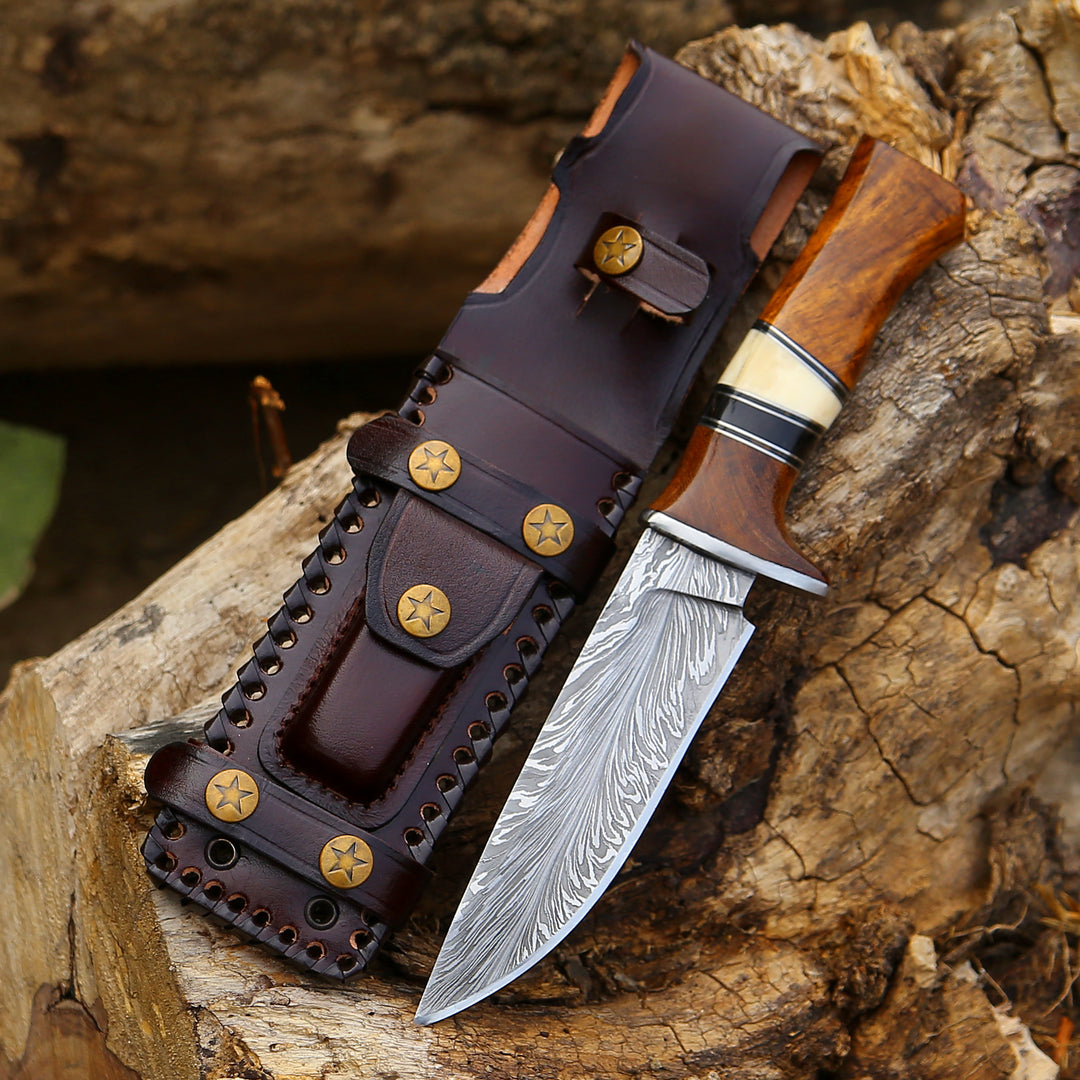
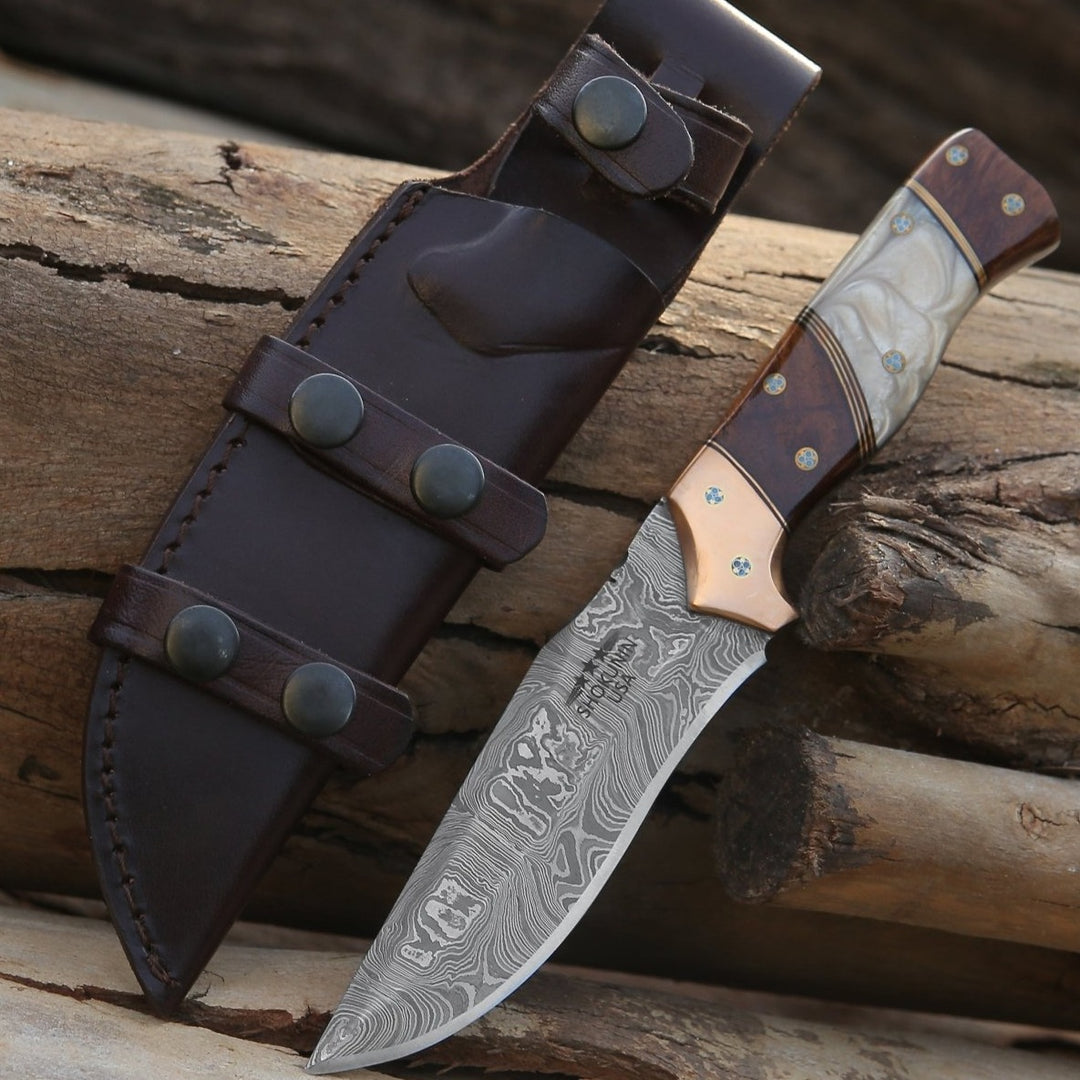
A well-crafted sheath is as crucial as the knife itself. The sheath protects the blade, ensures safe handling, and can add to the aesthetic value of the knife. Materials ranging from leather to Kydex are commonly used, each offering different advantages.
Handle Design
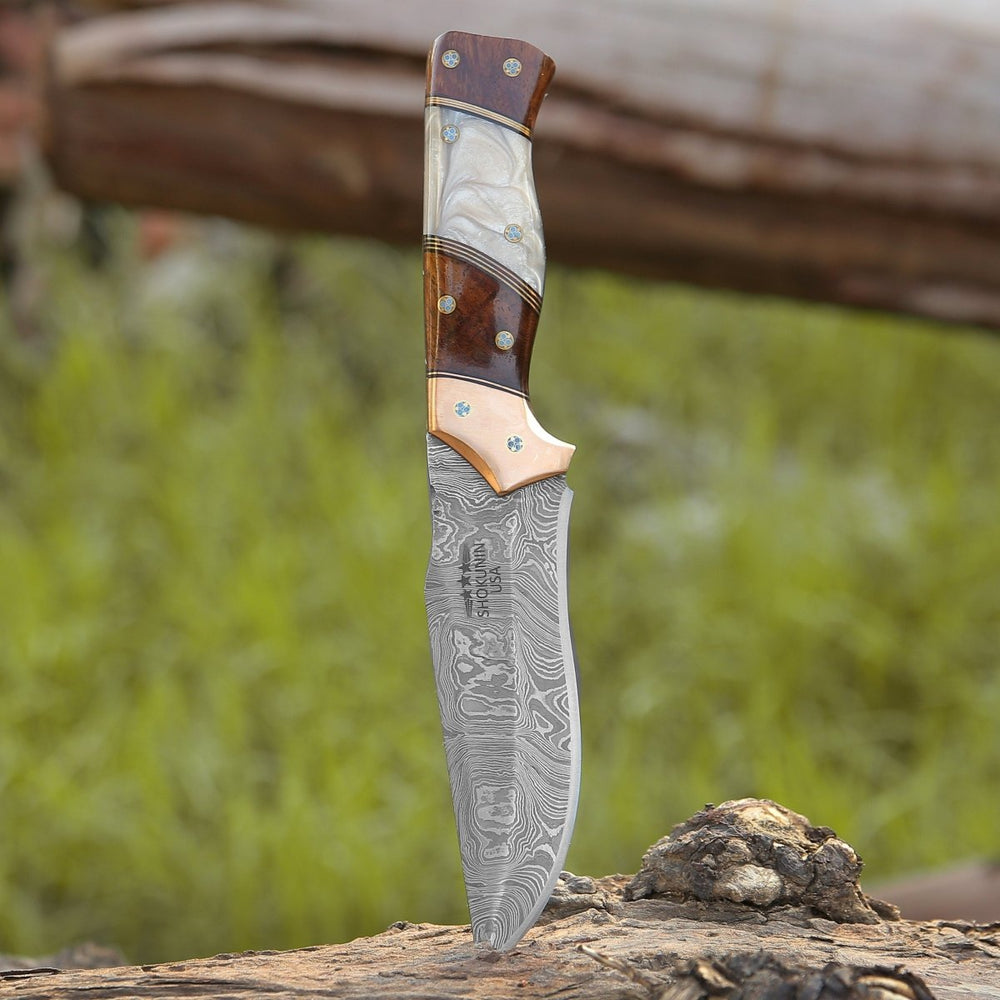
The handle of the knife is where form meets function. Choosing the right material affects grip, comfort, and even the knife’s overall balance. Craftsmen often experiment with various materials, including wood, micarta, and G10, to customize the feel of the knife. A perfectly designed handle can elevate the experience of using EDC knives, making them a joy to handle.
Cultural Significance of Custom Knives
Beyond utility and aesthetics, custom knives often carry cultural significance. Different regions around the world have their traditions tied to knife-making, showcasing local techniques, materials, and designs.
Traditional Techniques
In many cultures, knife-making is not only a skill but an art form passed down through generations. For instance, Japanese knife makers employ methods that date back centuries, blending artisanal craftsmanship with modern influences. The appreciation of these cultural practices extends to enthusiasts eager to explore the stories behind their tools, from EDC knives to specialized pieces.
Modern Influences
While traditional techniques hold great value, modern technology has also transformed knife making. CAD (Computer-Aided Design) programs allow for precise measurements, while CNC (Computer Numerical Control) machines facilitate the production of complex shapes. Even in custom knives, the marriage of tradition and innovation is evident, expanding possibilities for both craftsmen and collectors.
Maintaining Your Custom Knife
Owning a beautifully crafted custom knife comes with its own responsibilities. Proper maintenance extends the lifespan of your knife and preserves its beauty. Here are some tips for keeping EDC knives in prime condition:
- Cleansing: Regularly clean the blade to prevent rust and corrosion. A simple wipe with a soft cloth after each use can significantly extend a knife's life.
- Sharpening: Keeping the edge sharp is paramount. Invest in quality sharpeners or seek professional services to maintain the blade's performance.
- Storage: Store your knife in its sheath or a designated rack to avoid damage. This prevents blades from dulling and protects the handle material.
Embracing the Custom Knife Community
The passion for custom knives creates a rich community of enthusiasts and artisans. By engaging with others who share your interest in EDC knives, learning, sharing experiences, and exploring new trends becomes an enriching journey. Workshops, forums, and social media platforms provide avenues to connect with skilled makers and collectors alike.
Collecting and Investment
For many, collecting custom knives can be a rewarding hobby, blending artistry with strategic investment. High-quality custom knives that embody exceptional craftsmanship often appreciate in value over time. This investment potential adds another dimension to the appreciation of these tools, encouraging enthusiasts to educate themselves about market trends and craftsmanship standards.
Beyond the Blade: The Legacy of Custom Knives
The craftsmanship behind custom knives, including EDC knives, is more than a mere process; it is an intricate dance between art and functionality. Each knife tells a story of the artisan’s commitment to their craft, their dedication to quality, and their desire to create something that transcends utility. For enthusiasts, understanding this journey heightens appreciation for each blade, making every cutting task a celebration of craftsmanship. As you explore the world of custom knives, remember that the knife you hold is a testament to a rich heritage of skill, artistry, and innovation.








Lascia un commento