


Overview
Using a pocket knife can be beneficial for various tasks, but safety is crucial. Key tips include cutting away from yourself, keeping fingers clear, using the right tool, and properly storing and maintaining your knife. Always know local laws regarding knife carry, teach young users about safety, and consider joining communities for better knowledge. By following these practices, you can enjoy the advantages of pocket knives while minimizing risks.
Table of Contents
- Understanding Your Pocket Knife
- Knife Anatomy
- Basic Handling Practices
- Always Cut Away from Yourself
- Keep Your Fingers Clear
- Use the Right Tool for the Task
- Storing and Carrying Your Knife Safely
- Use a Sheath or Holster
- Secure the Blade
- Carry Your Knife Properly
- Maintenance and Inspection
- Regular Cleaning
- Inspect for Damage
- Sharpening Your Knife Safely
- Use the Right Sharpening Tools
- Secure the Knife While Sharpening
- Legal Considerations for Carrying Pocket Knives
- Know the Restrictions
- Respect No-Knife Zones
- Teaching Safety to Young Users
- Demonstrate Safe Handling
- Set Ground Rules
- Join a Community
- Participate in Workshops
- Online Forums and Groups
- Final Thoughts on Knife Safety
Key Takeaways
- Always cut away from your body to minimize the risk of injury if the blade slips.
- Keep your fingers clear of the blade's path when cutting to avoid accidental cuts.
- Use the right tool for the task and avoid using your pocket knife for inappropriate tasks like prying.
- Store your knife in a sheath or holster when not in use to protect the blade and prevent accidents.
- Regularly inspect your knife for damage, ensuring the blade and locking mechanism are in good condition before use.
- Understand local laws regarding pocket knife ownership and carry methods to avoid legal issues.
- Teach young users about knife safety by demonstrating proper handling and establishing clear usage rules.
Using a pocket knife can be an incredibly useful skill, whether you're camping, crafting, or simply opening your packages at home. However, without proper handling techniques and safety measures, the experience could quickly turn hazardous. In this article, we will explore some essential safety tips for using pocket knives, with an emphasis on ensuring safety while reaping the benefits of owning custom Damascus knives and exploring the characteristics of Damascus steel.
Understanding Your Pocket Knife
Before diving into the safety tips, it's vital to understand the mechanics of your pocket knife. Regardless of whether you own a custom Damascus knife or any other type, knowing your knife’s components can drastically enhance your safety.
Knife Anatomy
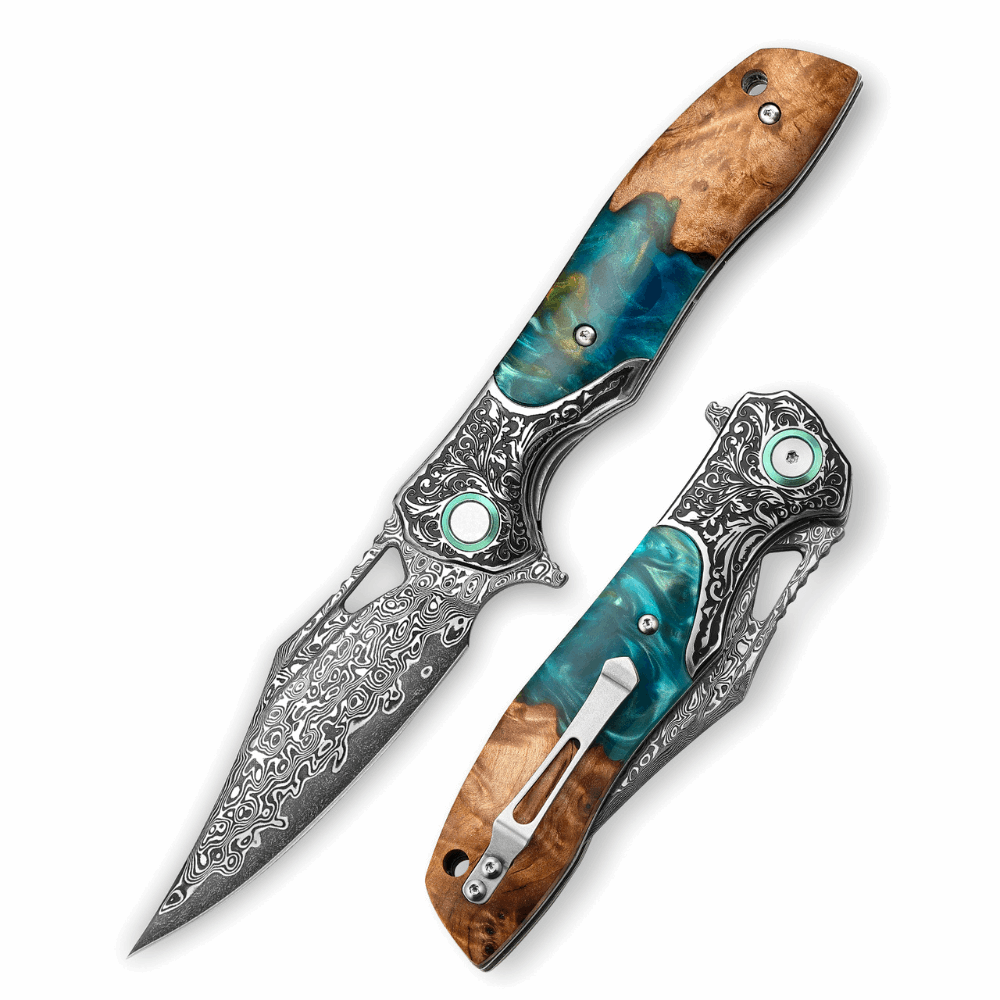
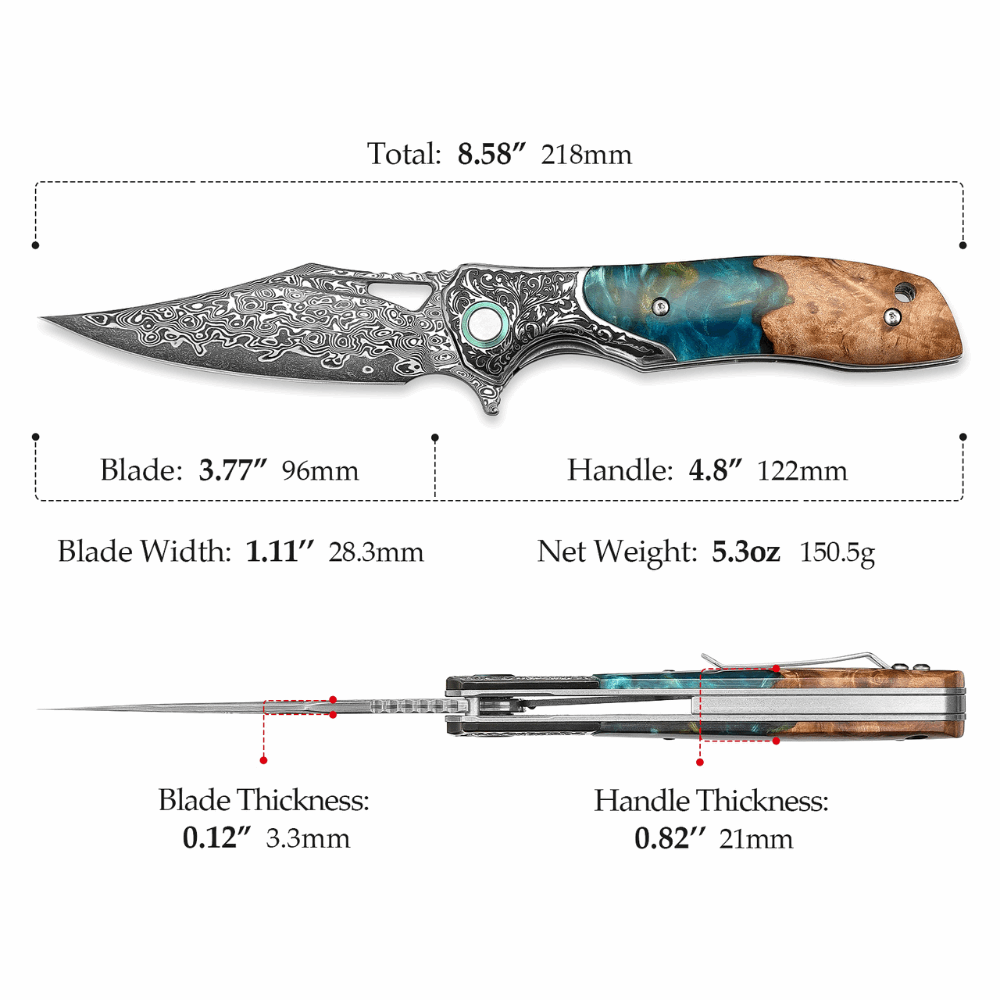
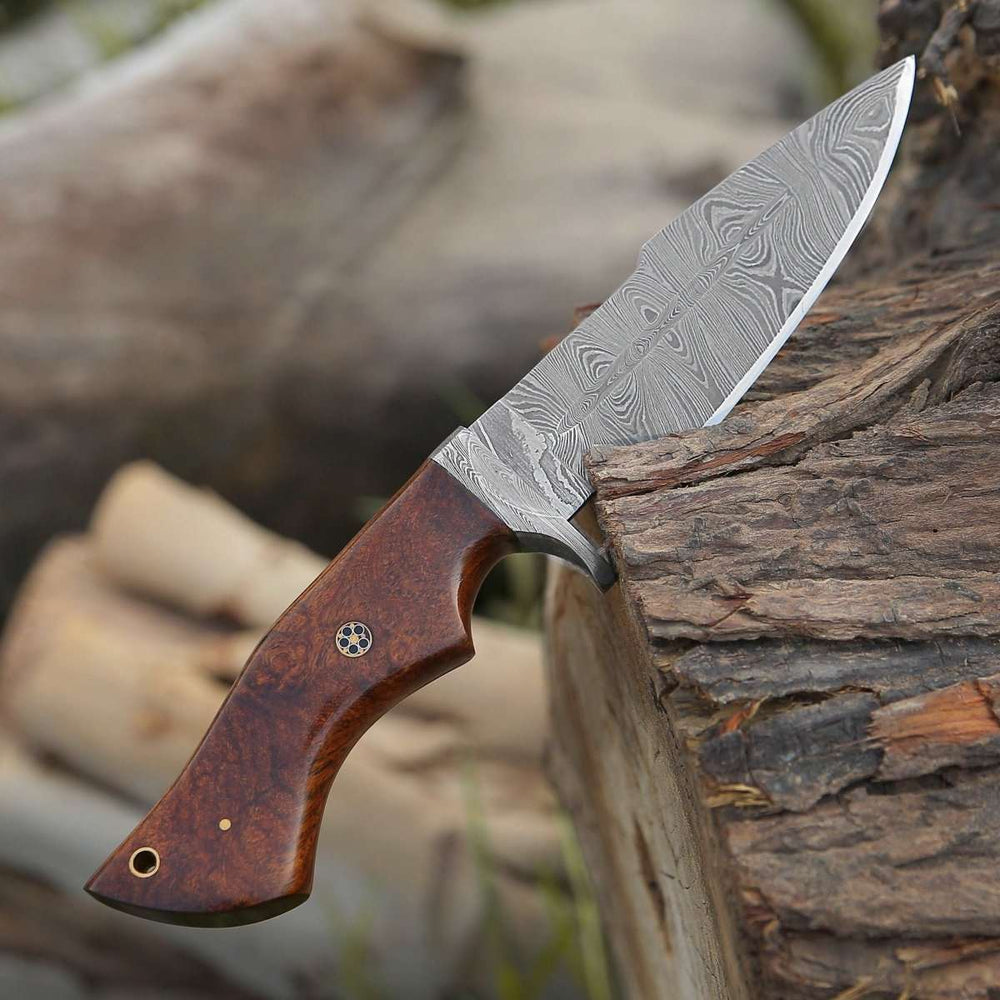
- Blade: The sharp edge used for cutting; generally made of stainless steel or Damascus steel.
- Handle: The part you hold onto, which can come in various materials, including wood, plastic, or metal.
- Locking Mechanism: Ensures that the blade remains securely open and doesn’t accidentally fold while in use.
Basic Handling Practices
Safety starts with how you handle the pocket knife. Here are some foundational practices any knife user should adopt:
Always Cut Away from Yourself
One of the most crucial rules of knife safety is to cut away from your body. This minimizes the risk of injury if the blade slips or if you lose your grip. Whether you are using a custom Damascus knife for detailed work or a general-purpose knife, adopting this habit can prevent accidents.
Keep Your Fingers Clear
When cutting, always ensure that your fingers are clear of the blade's path. Position your hands appropriately to secure the material you're cutting but keep them at a safe distance from the blade. Your fingers should never be in line with the cut.
Use the Right Tool for the Task
Each knife is designed for specific tasks. While custom Damascus knives may offer beauty and exceptional cutting ability, it's important to use them appropriately. Avoid using your pocket knife for tasks it isn't designed for, such as prying or hammering.
Storing and Carrying Your Knife Safely
Knowing how to store and carry your knife can significantly reduce the chances of accidental injuries. Here are safety tips for storing and transporting your pocket knife:
Use a Sheath or Holster
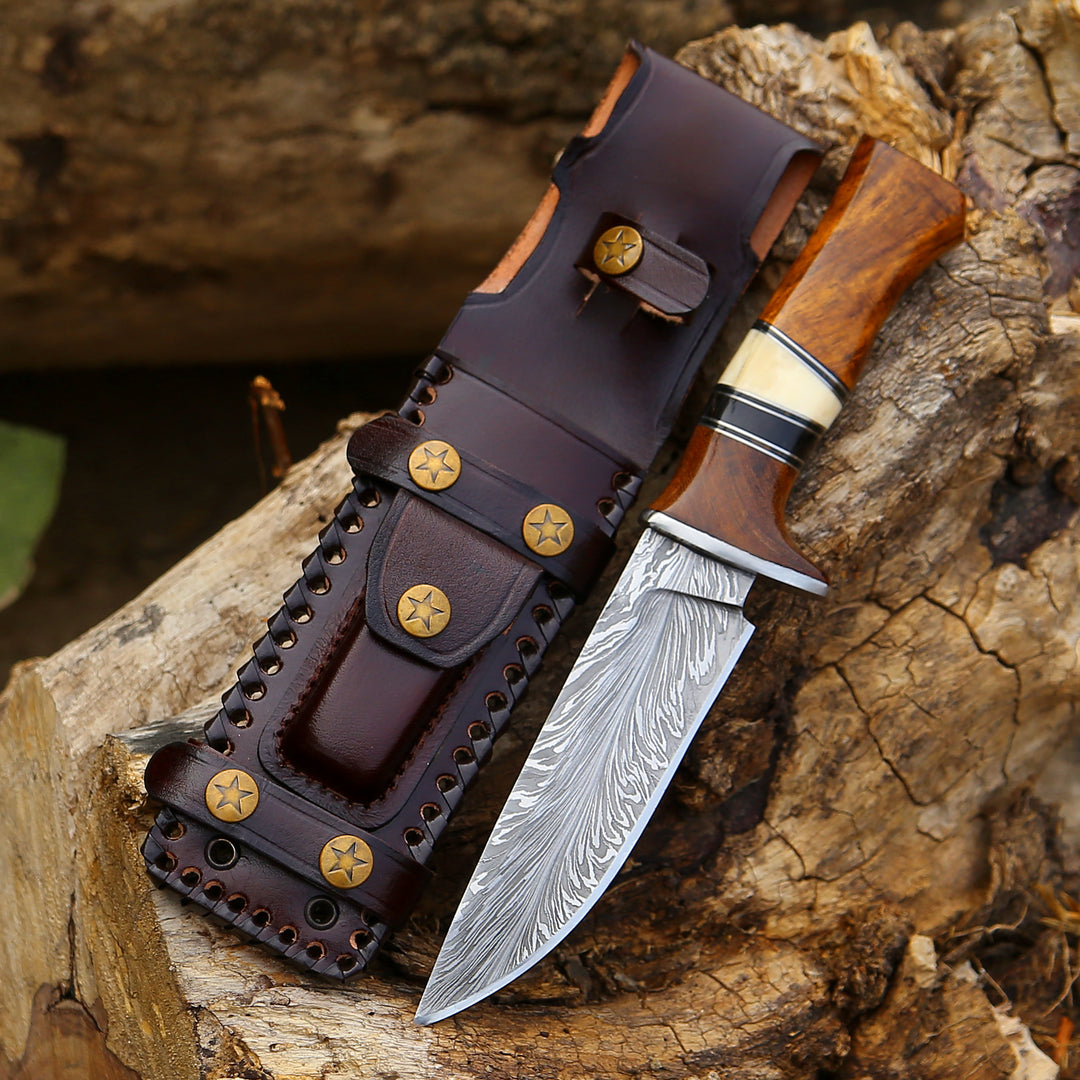
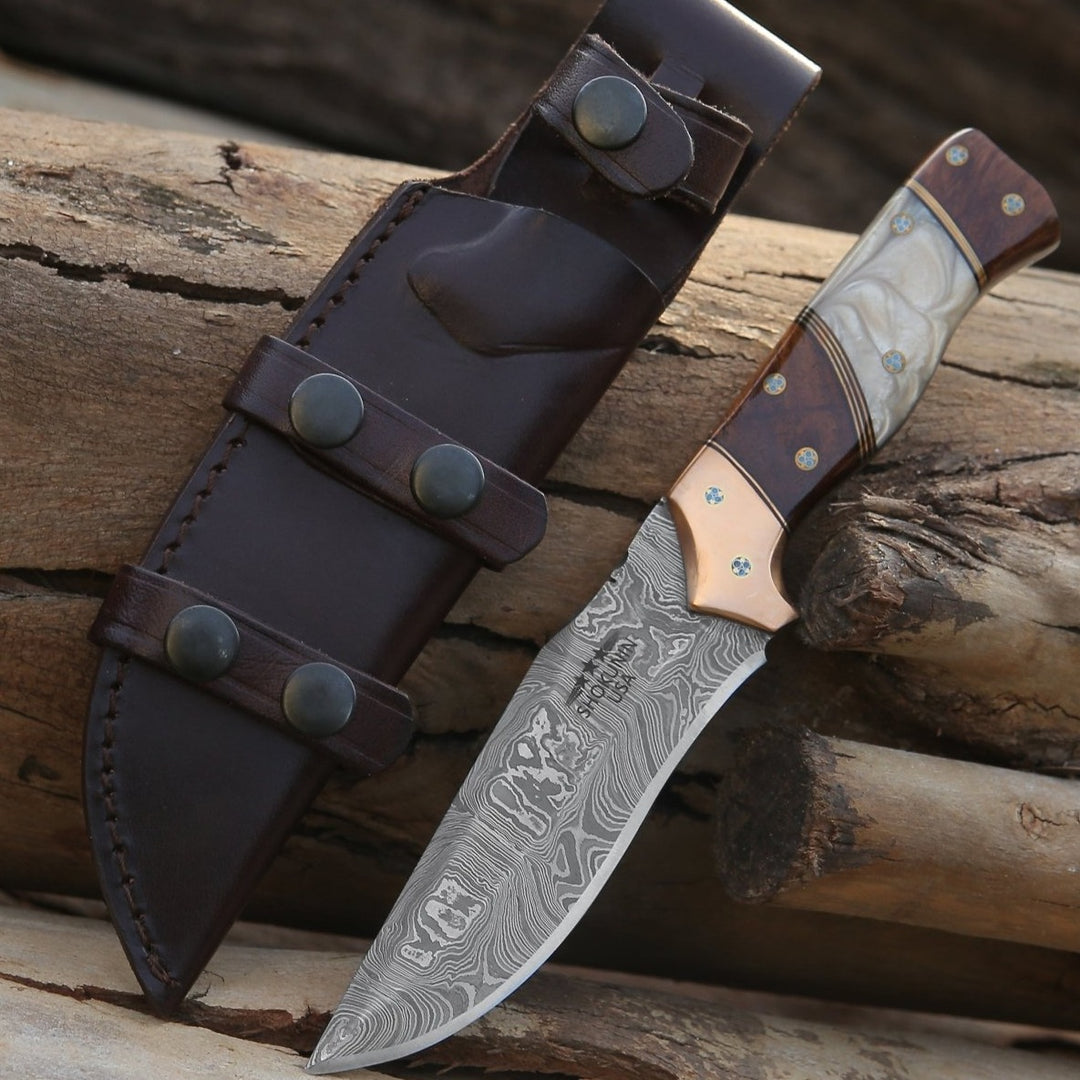
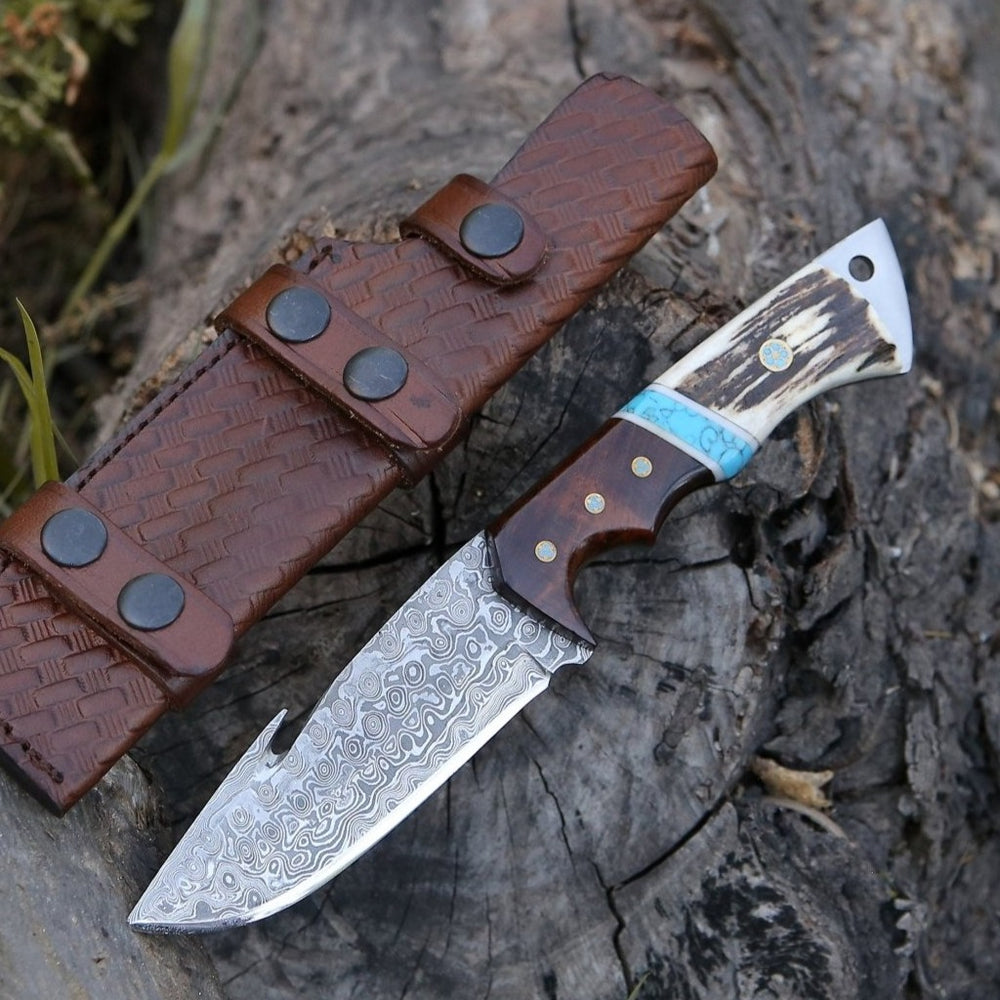
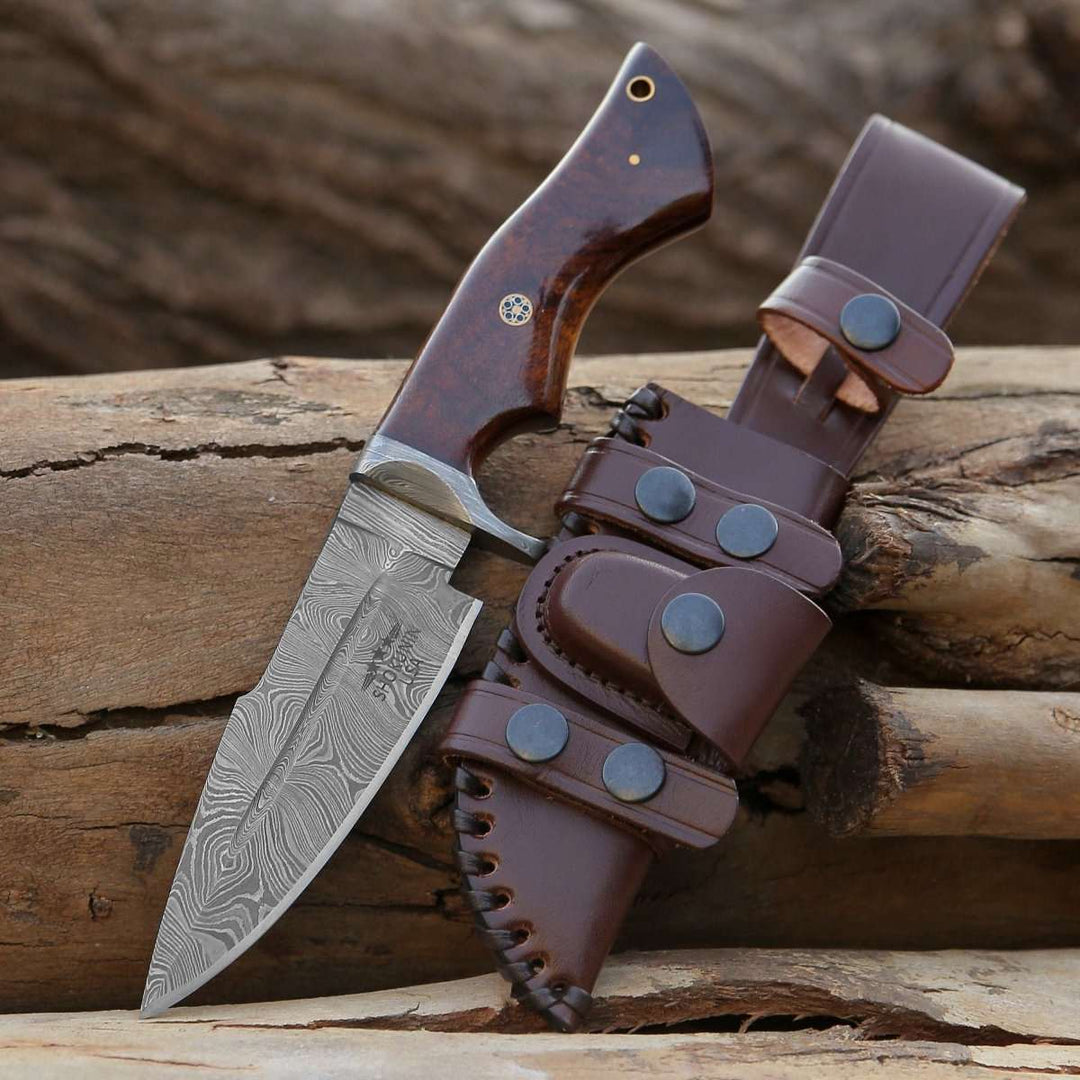
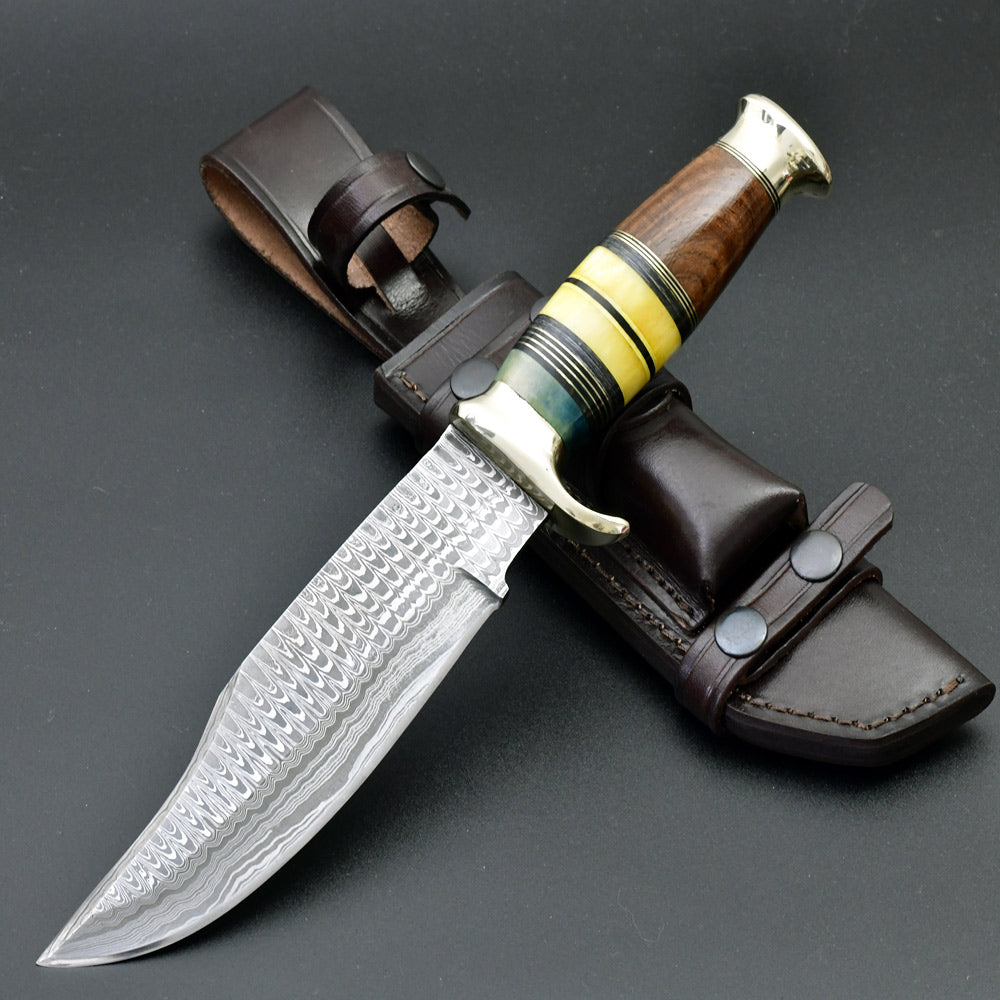
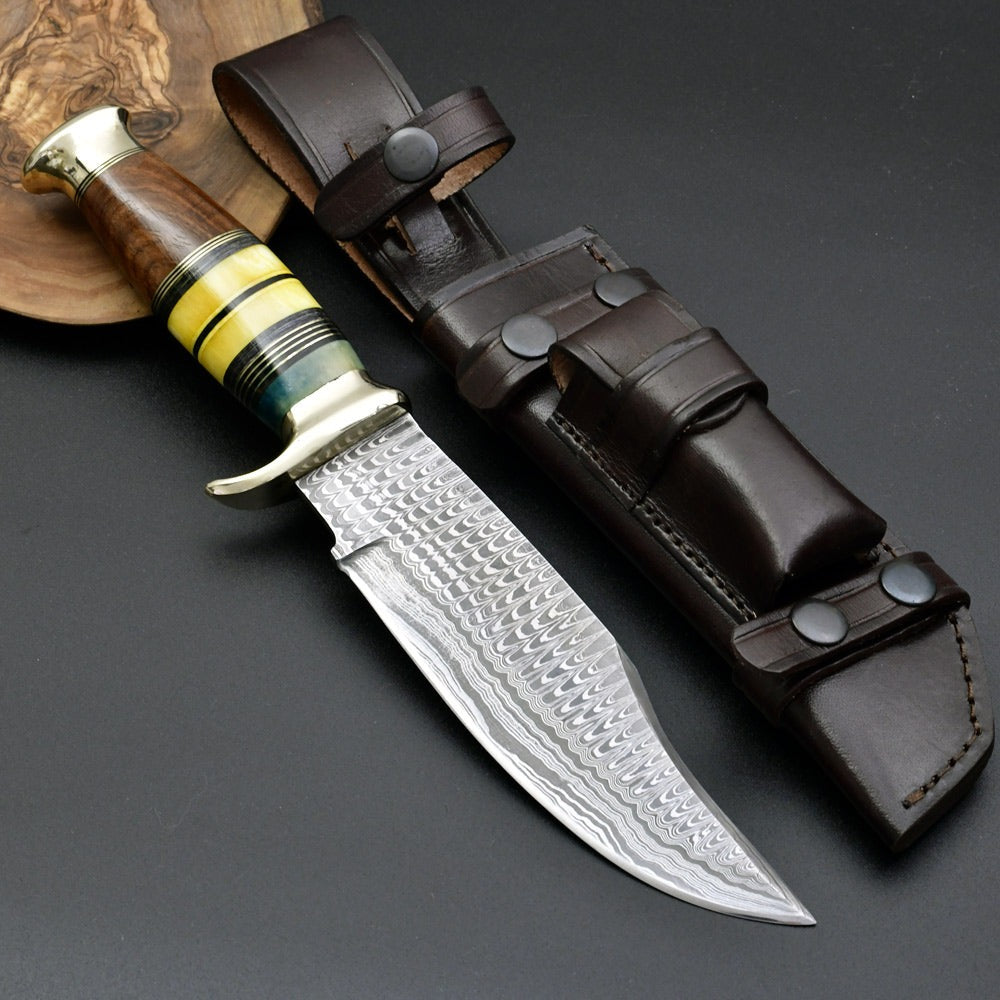
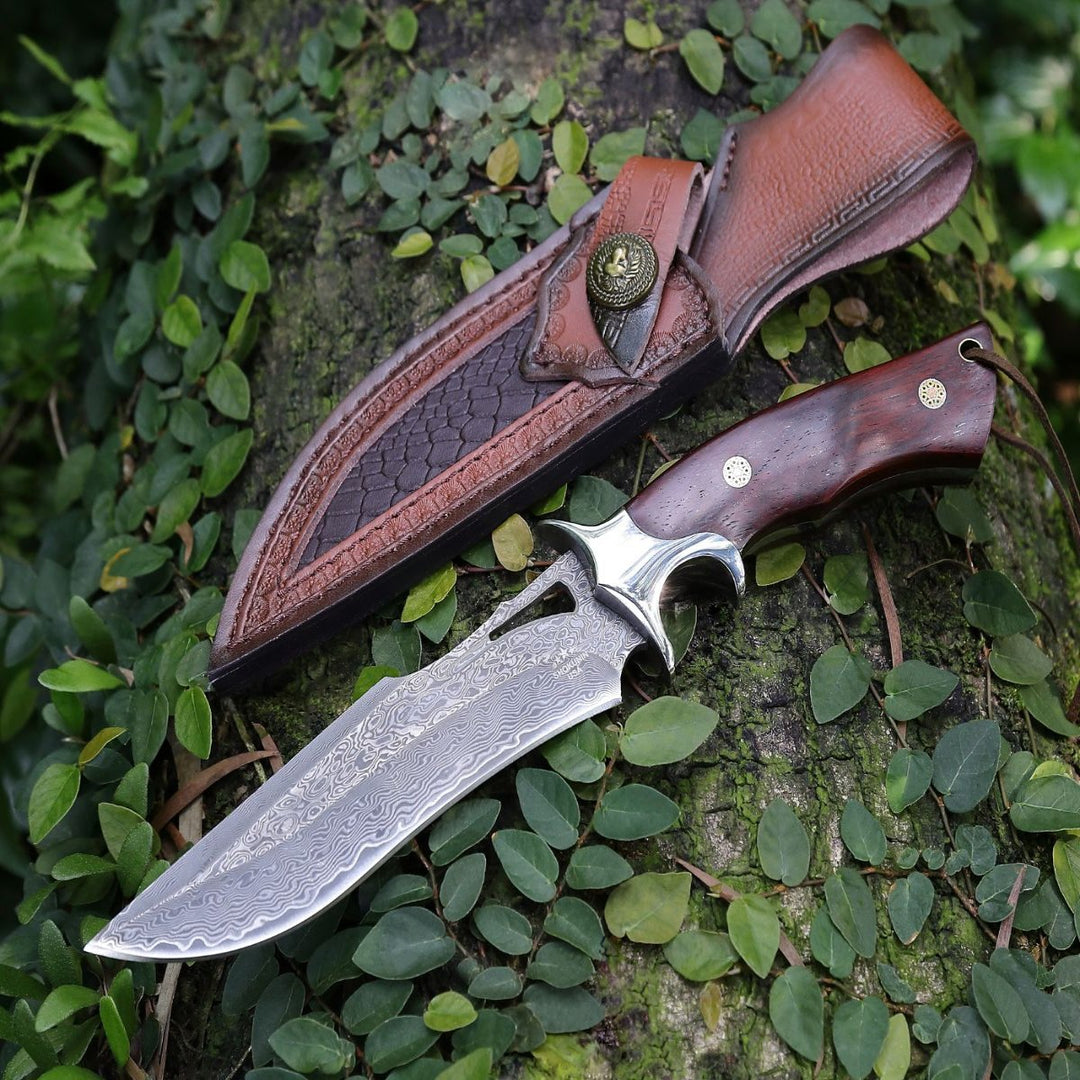
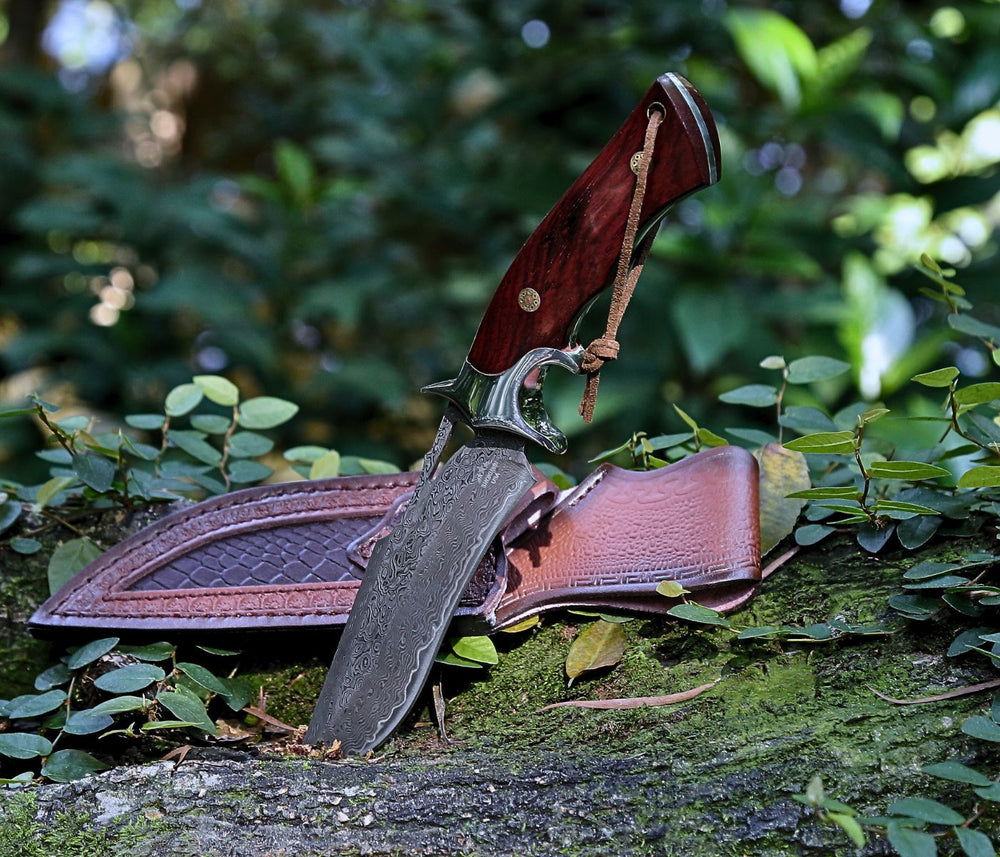
When you’re not using your custom Damascus knife, always store it in a sheath or holster. This will keep the blade protected and contained, making it safer for both you and others around you. Sheaths also protect the knife's blade and maintain its integrity, particularly for specialized steel like Damascus steel.
Secure the Blade
Ensure that the knife's locking mechanism is engaged when it is not in use. A locked blade minimizes the risk of accidental opening, especially if the knife is being carried in a pocket or bag.
Carry Your Knife Properly
When carrying your pocket knife, make sure it is positioned securely and is easily accessible. Avoid keeping it in your back pocket where it can fall out or you can accidentally sit on it. Consider using a belt holster instead, which provides easier access while ensuring safety.
Maintenance and Inspection
Keeping your knife in good condition is vital for both its lifespan and your safety. Regular maintenance should be part of every knife owner's routine.
Regular Cleaning
After each use, clean the blade to remove debris that may affect performance and safety. Use a damp cloth followed by thorough drying. For custom Damascus knives, a little oil can be beneficial to prevent rust and maintain the blade’s sharpness.
Inspect for Damage
Before using your knife, inspect it for any signs of damage. Check the blade for chips, cracks, or dull spots, and ensure that the locking mechanism is working correctly. If you notice any problems, do not use the knife until it has been addressed.
Sharpening Your Knife Safely
A sharp knife is a safe knife, but improperly sharpening can lead to injuries. Follow these guidelines for safe sharpening:
Use the Right Sharpening Tools
Invest in quality sharpening tools suitable for your Damascus steel knife. Use whetstones or guided sharpeners designed for various blade types, ensuring the blade retains its unique characteristics.
Secure the Knife While Sharpening
Always secure your knife when sharpening it. Use a sturdy surface or a knife clamp to hold it in place. Make sure your fingers are clear of the blade’s edge while you work.
Legal Considerations for Carrying Pocket Knives
Understanding local laws and regulations surrounding pocket knives is essential for safe ownership. Laws vary by state and municipality, and sometimes even by location within a city. Here’s what to keep in mind:
Know the Restrictions
Some areas have restrictions on blade length, type of knives, or carry methods (concealed or open carry). Make sure to check local laws to avoid any legal complications. This is particularly important for custom Damascus knives which may have different classifications due to their unique design.
Respect No-Knife Zones
Always be aware of environments where knives are prohibited, such as schools, government buildings, and certain public events. Respecting these zones is not only a legal obligation but a courtesy to maintain safety in communal settings.
Teaching Safety to Young Users
When teaching young individuals about pocket knives, instilling a sense of responsibility and respect is vital. Here are some strategies for effectively teaching knife safety:
Demonstrate Safe Handling
Always lead by example. Demonstrate safe handling of your knife, explaining the importance of each safety measure. Whether it is a custom Damascus knife or a simple folding knife, emphasize the need for caution.
Set Ground Rules
Establish clear rules for when and how a pocket knife can be used. Make sure that young users understand the potential dangers and the responsibilities that await them. Encourage practice on safe cutting tasks supervised by an experienced adult.
Join a Community
Connecting with other knife users can improve your knowledge and adherence to safety practices. Here are some ways to engage:
Participate in Workshops
Look for workshops or classes that focus on knife skills and safety training. This can provide hands-on experience and the chance to learn from experts, especially about custom Damascus knives and how to handle them safely.
Online Forums and Groups
Engage with online communities passionate about knives. Many forums discuss blade care, safety, and techniques. Learning from others can enhance your understanding of using pocket knives safely and effectively.
Final Thoughts on Knife Safety
Using a pocket knife does not have to come with inherent risks, assuming you employ the necessary safety measures. From carrying and storing your custom Damascus knife correctly to understanding local laws, each step contributes to a safer experience. With the right knowledge and respect for your tools, you can enjoy the versatility and usefulness that pocket knives provide while significantly reducing the risk of accidents. Embrace your responsibility as a knife owner, and you'll not only keep yourself safe but also respect the heritage and craftsmanship behind quality tools like Damascus steel knives.
Frequently Asked Questions
1. What are some essential safety tips for using a pocket knife?
2. How should I store my pocket knife when not in use?
3. What maintenance do I need to perform on my pocket knife?
4. Are there legal considerations when carrying a pocket knife?
5. How can I teach young users about pocket knife safety?
Glossary
| Term | Meaning |
|---|---|
| Pocket Knife | A small, foldable knife used for various tasks. |
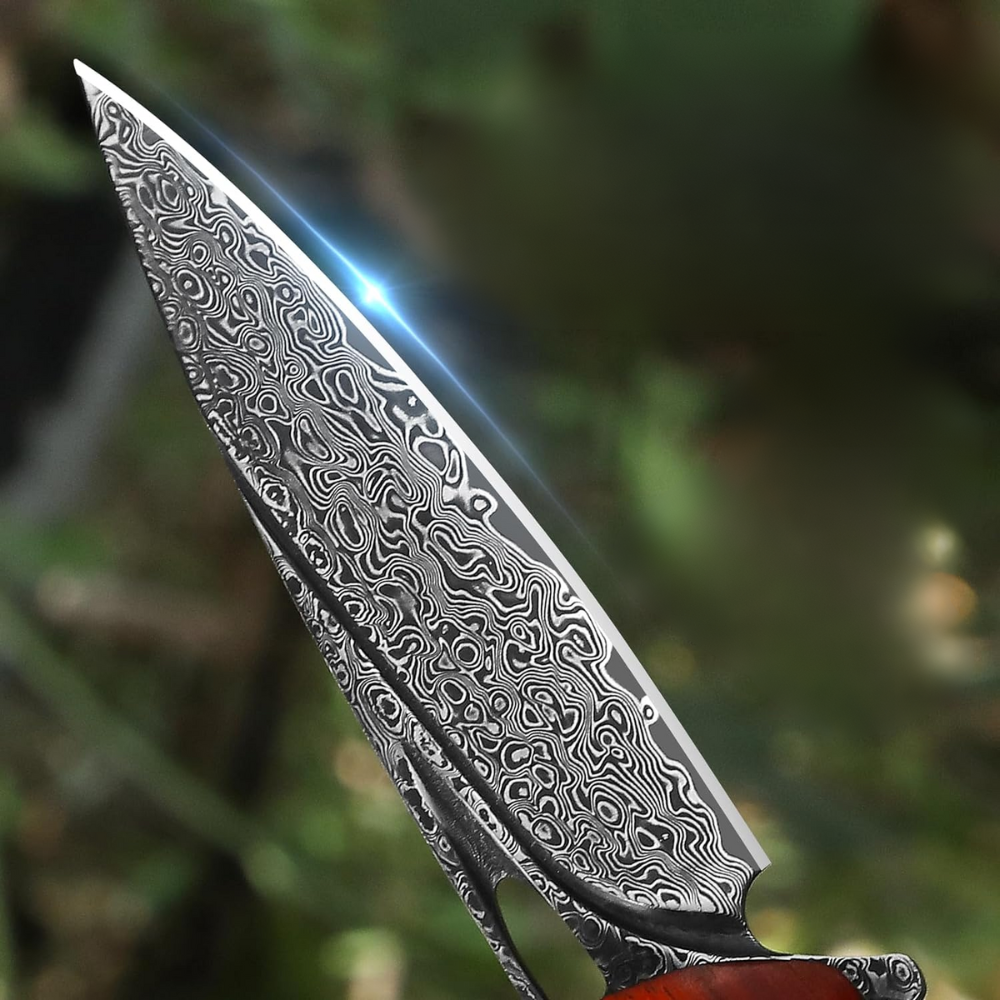
| Damascus Steel | A type of steel known for its distinctive patterns and durability. |
| Blade | The sharp cutting edge of the knife. |
| Handle | The part of the knife you grip, made from various materials. |
| Locking Mechanism | A feature that keeps the blade securely open during use. |
| Sheath | A protective cover for storing the knife safely. |
| Sharpening Tools | Tools used to maintain the blade's sharpness. |
| No-Knife Zones | Areas where carrying knives is prohibited for safety. |
| Knife Anatomy | The various parts of a knife and their functions. |
| Safety Practices | Guidelines to prevent accidents while using a knife. |
Linked Product

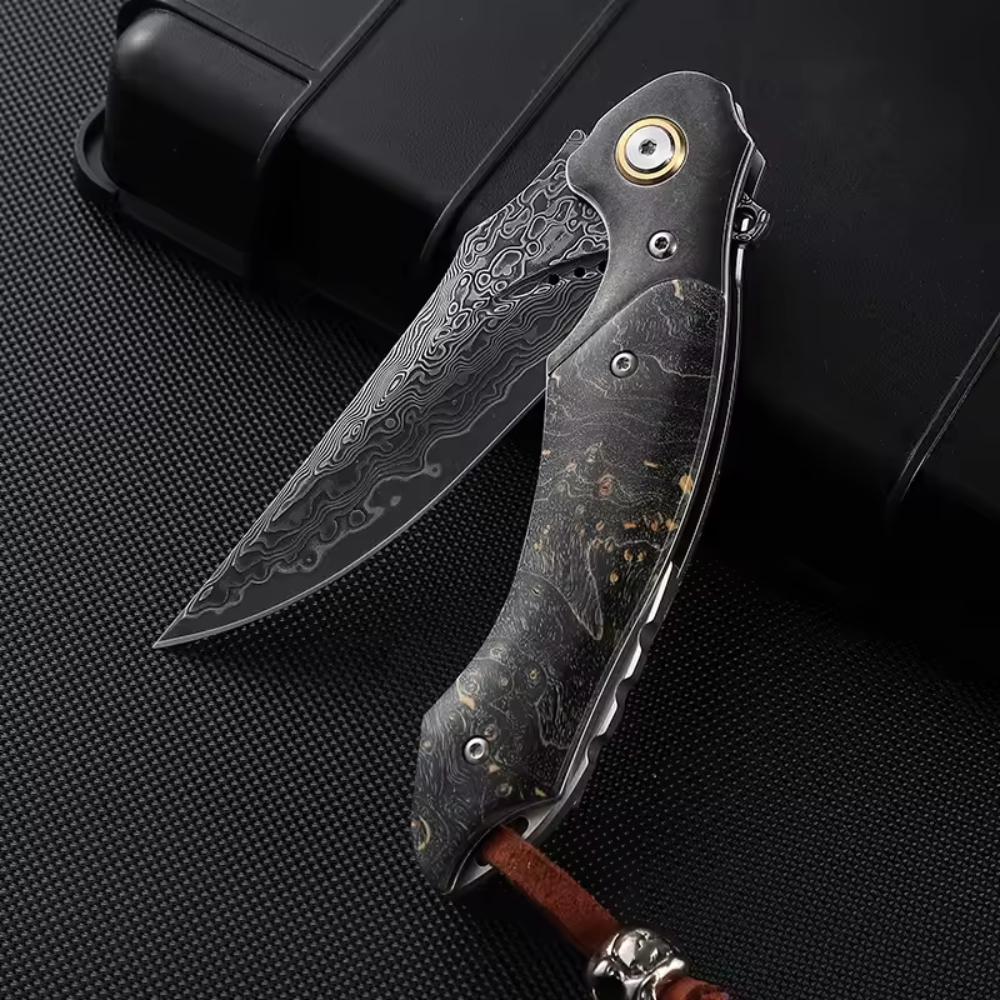
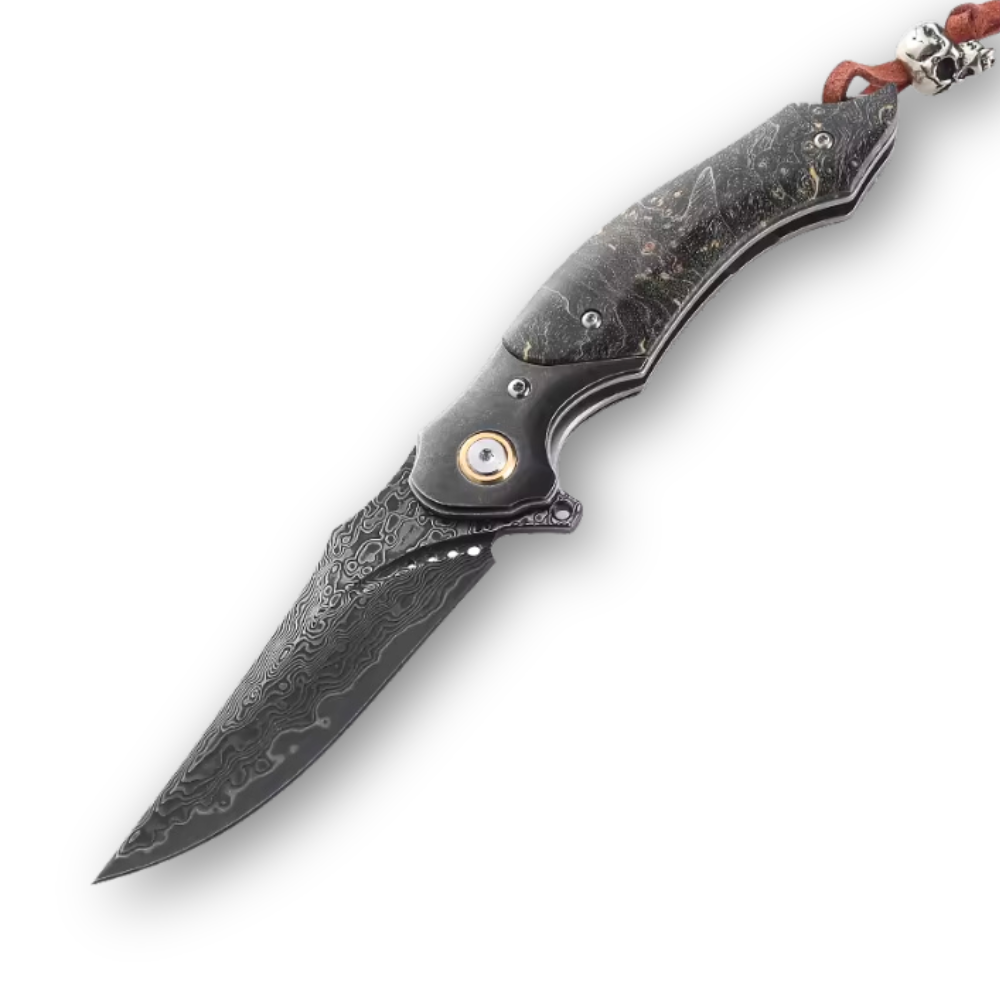
Galaxy Japanese Damascus Folding Pocket Knife with Maple Burl Wood Handle
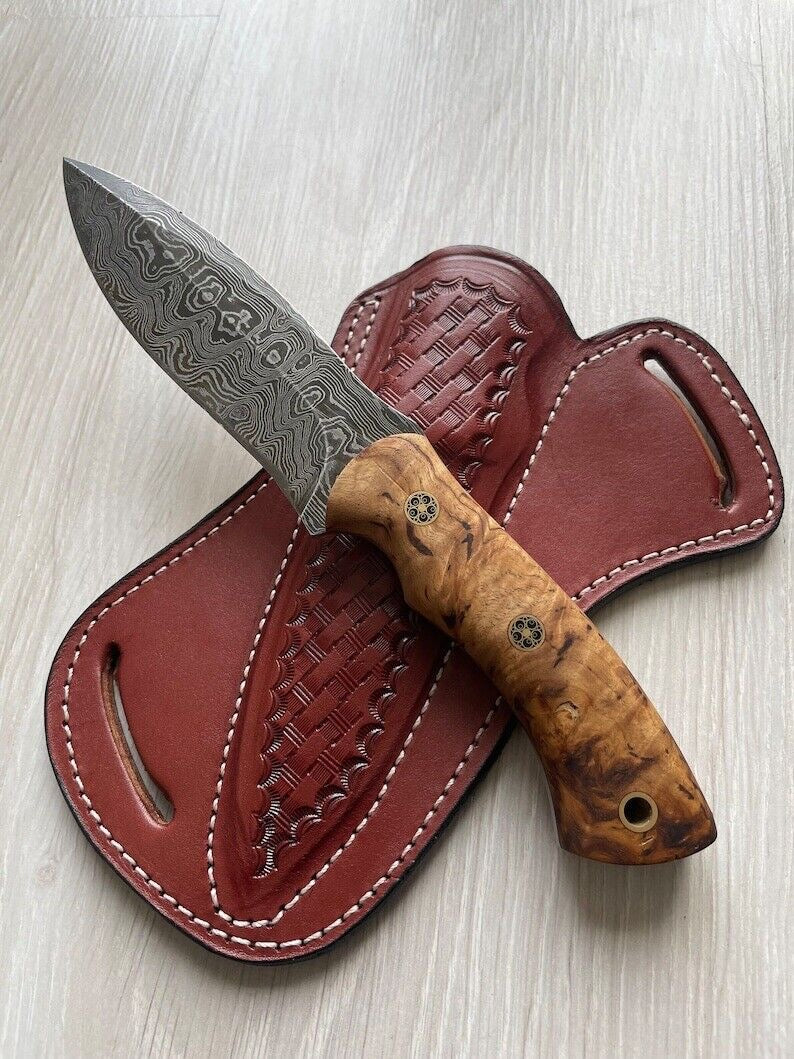
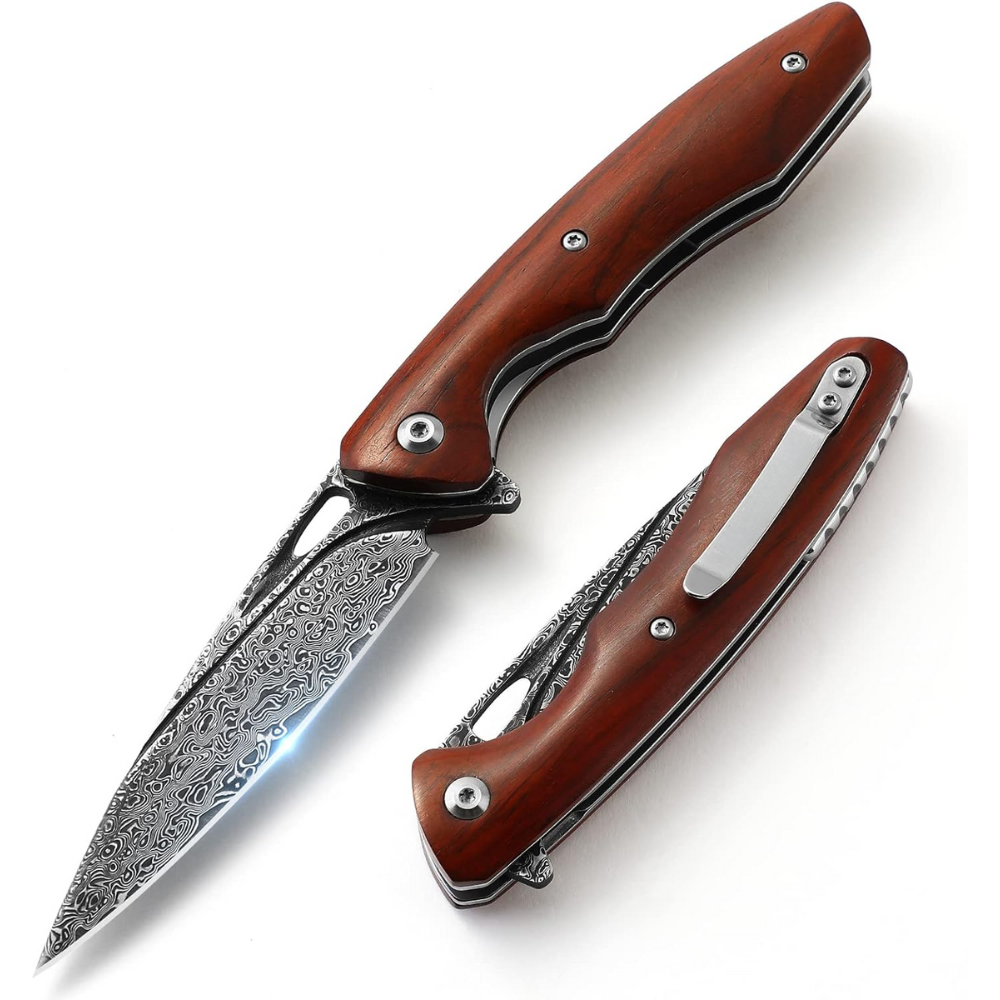
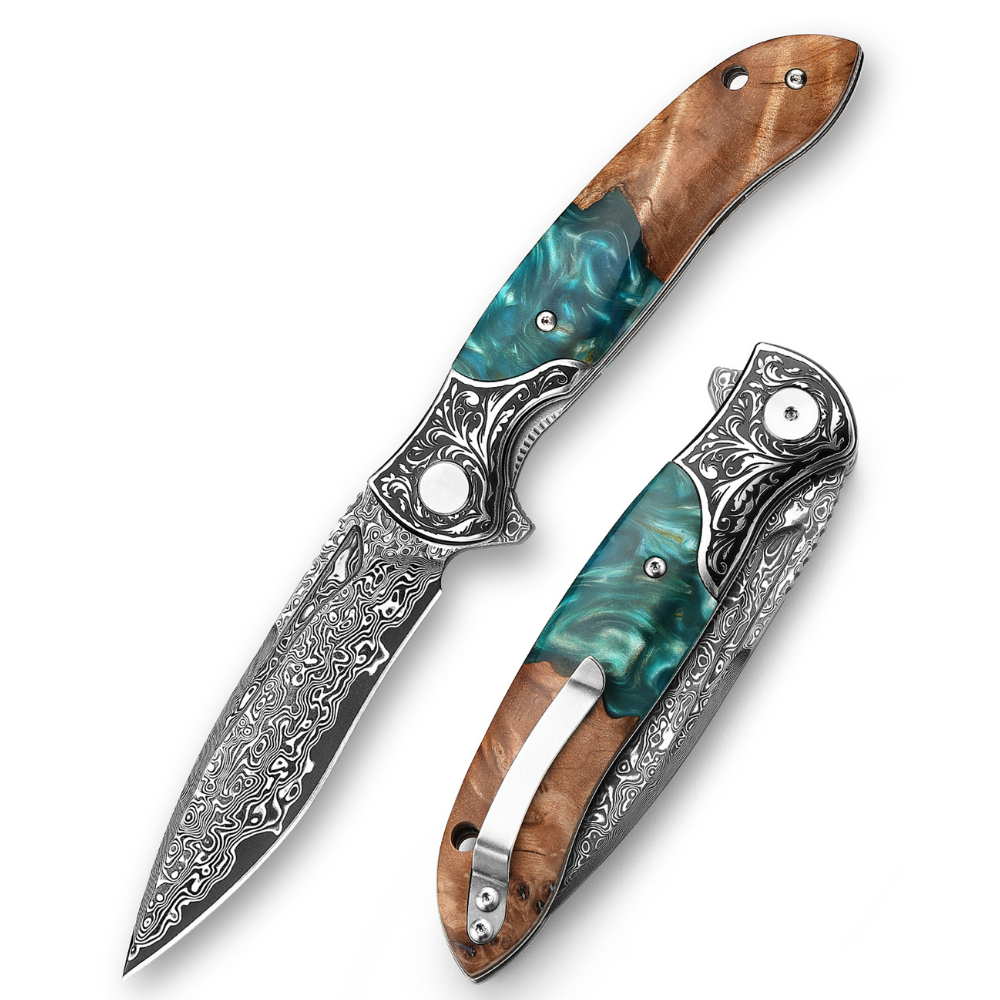
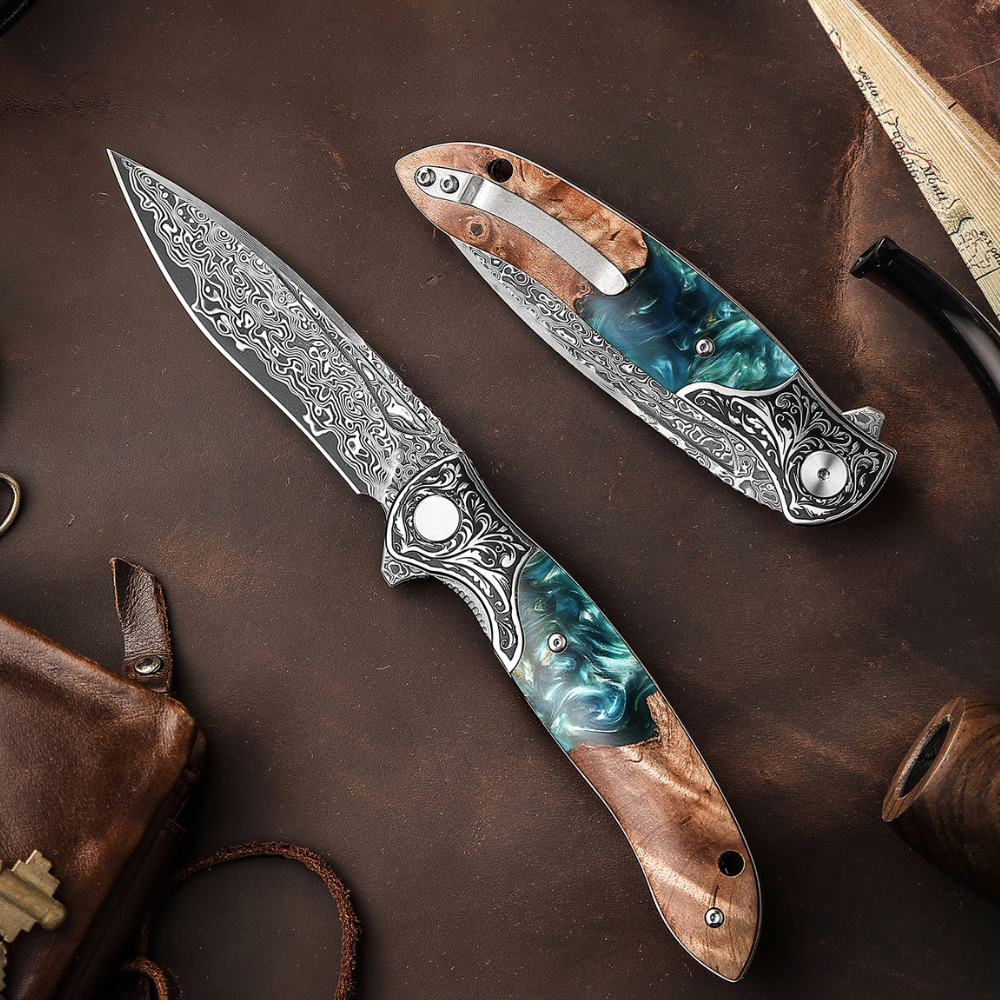
The Galaxy Japanese Damascus Folding Pocket Knife features a unique hand-forged Damascus steel blade, offering exceptional sharpness and durability for a variety of tasks. Its ergonomic maple burl wood handle ensures comfort and balance, making it suitable for outdoor activities such as camping and hiking. Additionally, this knife comes with a hand-stitched leather sheath and a pocket knife sharpener, enhancing its practicality for everyday use.
View Product






Dejar un comentario