


Overview
Pocket knives are versatile tools with various components, including blades, handles, locking mechanisms, and pivot points. This article covers the basics of pocket knives, types such as Everyday Carry and multi-function knives, tips for choosing the right one, maintenance advice, and essential safety practices. Understanding these aspects enhances your appreciation and usability of pocket knives, including specialized options like Damascus folding knives.
Table of Contents
- The Basics: What is a Pocket Knife?
- Key Components of a Pocket Knife
- Blade
- Handle
- Locking Mechanism
- Pivot Point
- Understanding Different Types of Folding Knives
- Everyday Carry (EDC) Folding Knives
- Multi-Function Knives
- Outdoor and Survival Folding Knives
- Collector's Folding Knives
- Choosing the Right Pocket Knife for You
- Maintenance Tips for Your Pocket Knife
- Bonus! Pocket Knife Safety Practices
- Elevate Your Experience with a Pocket Knife
Key Takeaways
- Understanding Anatomy: Familiarize yourself with the key components of a pocket knife, including the blade, handle, locking mechanism, and pivot point.
- Blade Variations: Pocket knife blades come in various materials and designs, such as stainless steel, carbon steel, and Damascus steel, each serving different purposes.
- Locking Mechanisms: Safety is crucial; common locking mechanisms include frame locks, lockbacks, and liner locks, each offering unique benefits.
- Types of Folding Knives: Choose from various styles like Everyday Carry (EDC) knives, multi-function knives, outdoor survival knives, and collector's knives based on your needs.
- Maintenance Essentials: Regularly clean, sharpen, and lubricate your pocket knife to ensure optimal performance and longevity.
- Safety Practices: Always cut away from your body, keep the blade closed when not in use, and educate others on responsible knife handling.
- Choosing the Right Knife: Assess your intended use, size preference, locking mechanism comfort, and build quality when selecting a pocket knife.
Pocket knives have been an essential tool for centuries, prized for their versatility and utility. Whether you’re an avid outdoorsman or a casual user, understanding the anatomy of a pocket knife can enhance your appreciation for this powerful tool. In this article, we will delve into the various components that make up a pocket knife, focusing on folding knives and the unique features that set them apart, such as the elegant Damascus folding pocket knife. Let’s get started!
The Basics: What is a Pocket Knife?
A pocket knife, often referred to as a folding knife, is a compact and portable cutting tool with one or more blades that fold into its handle. The design allows for easy carrying in a pocket or on a belt, making it accessible for daily tasks, outdoor activities, or emergency situations. But what exactly makes up these versatile tools? Let’s break it down into their core components.
Key Components of a Pocket Knife
Pocket knives can vary widely in design, material, and functionality, but they generally consist of several key components:
Blade
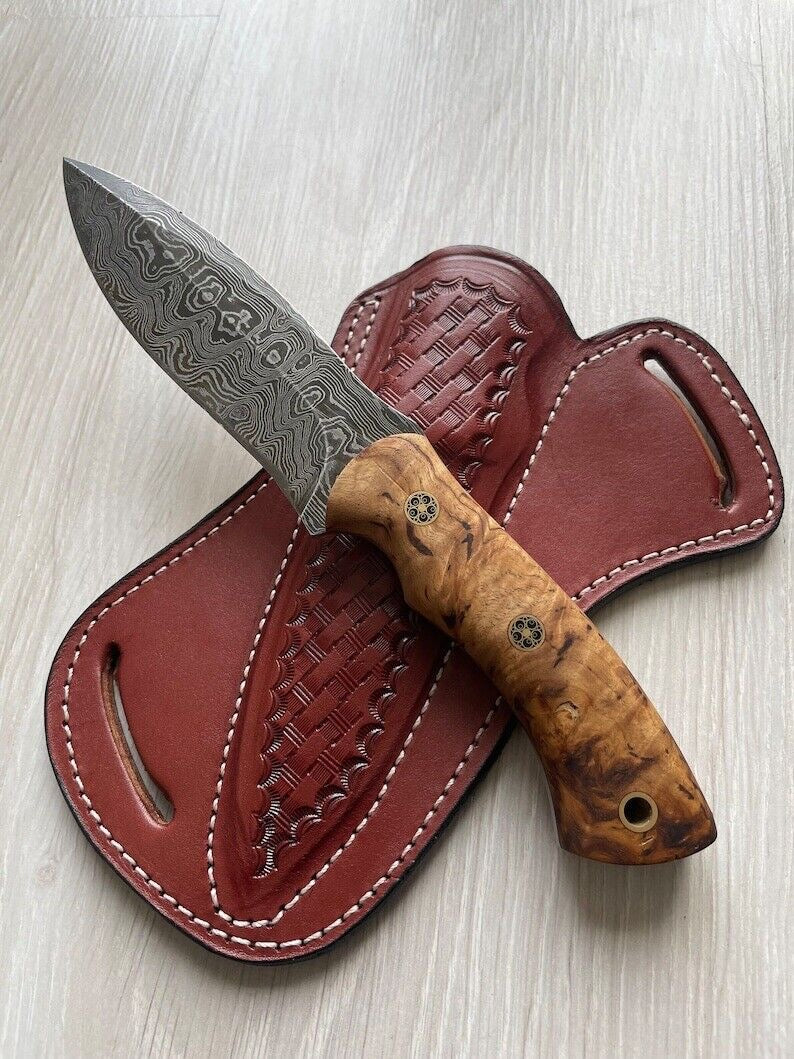
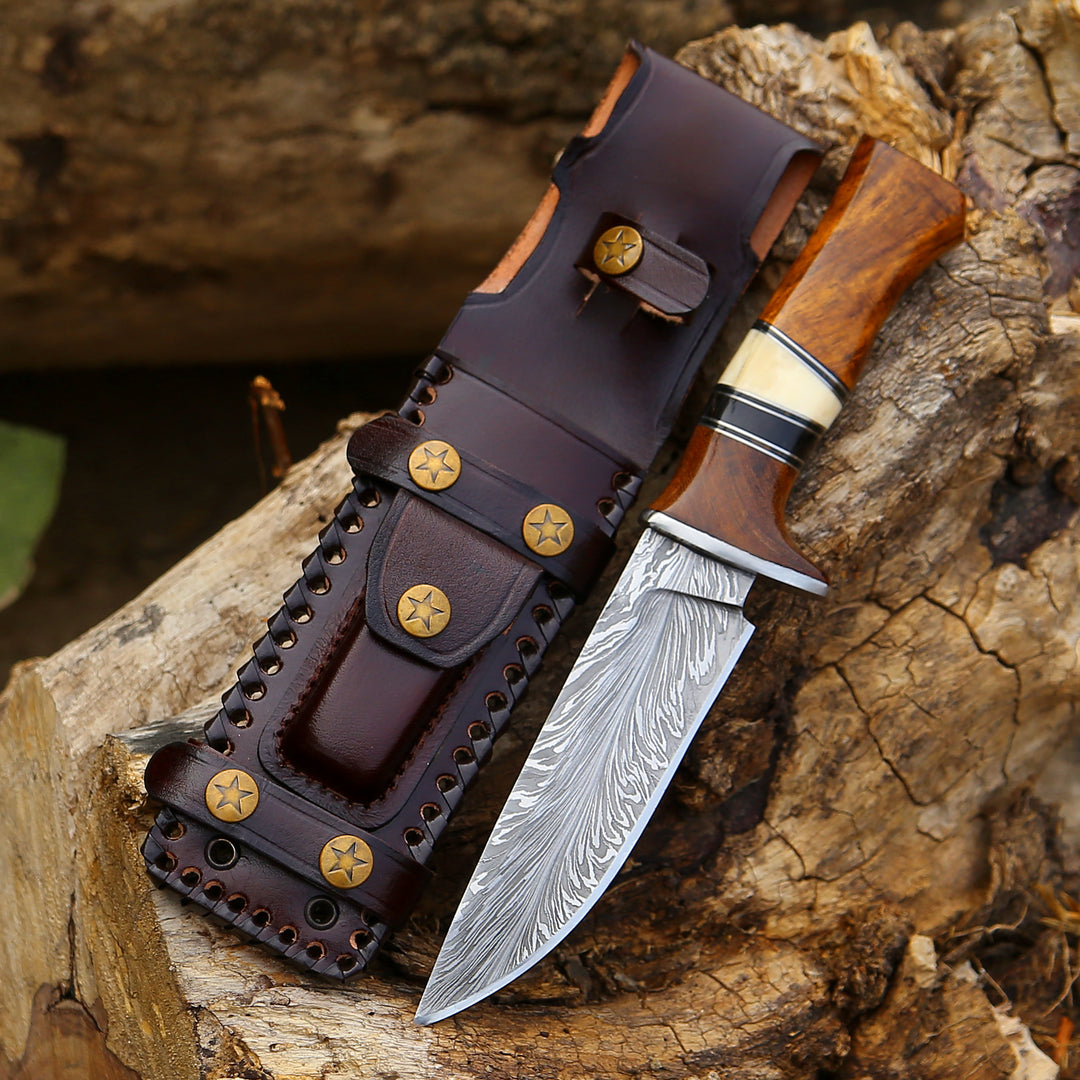
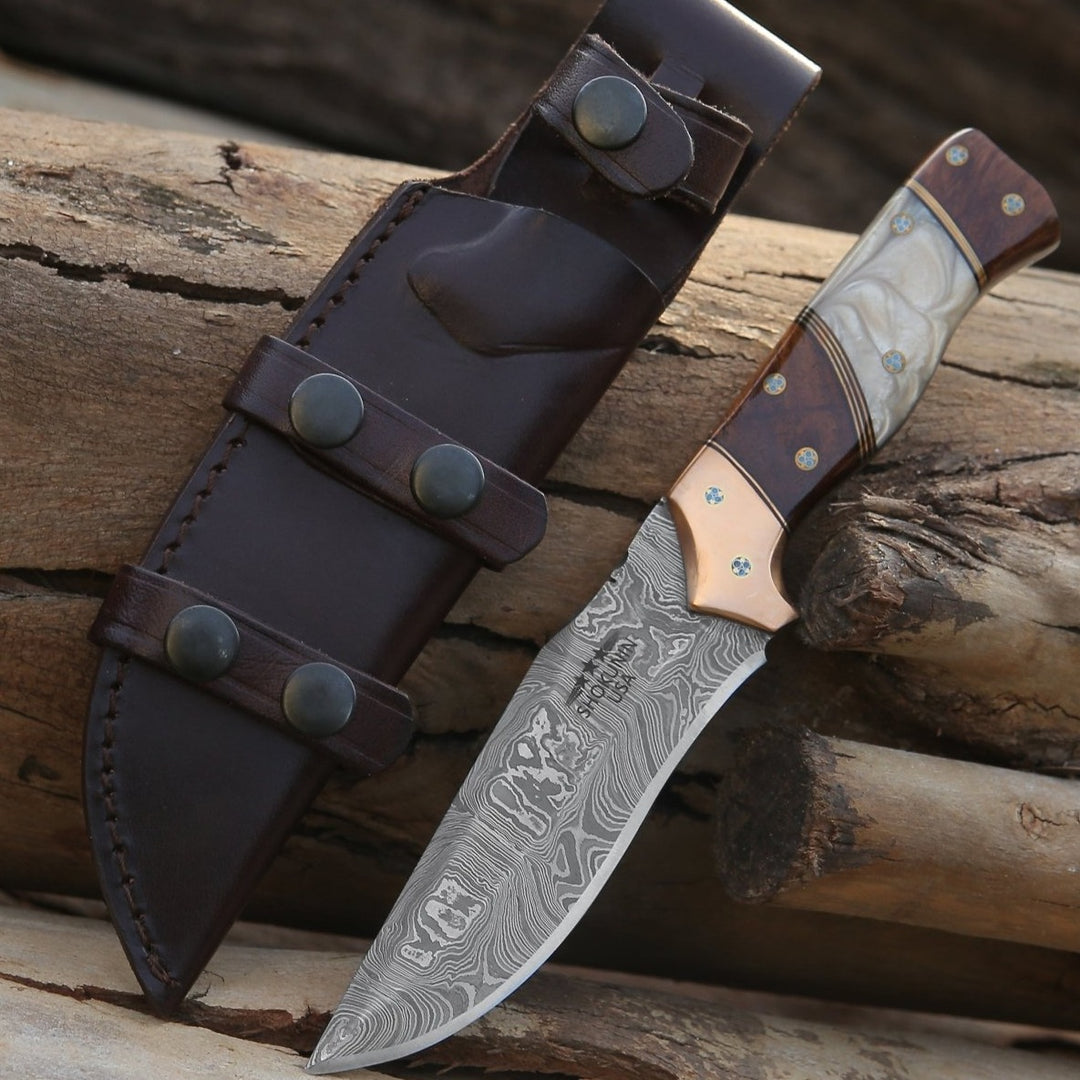
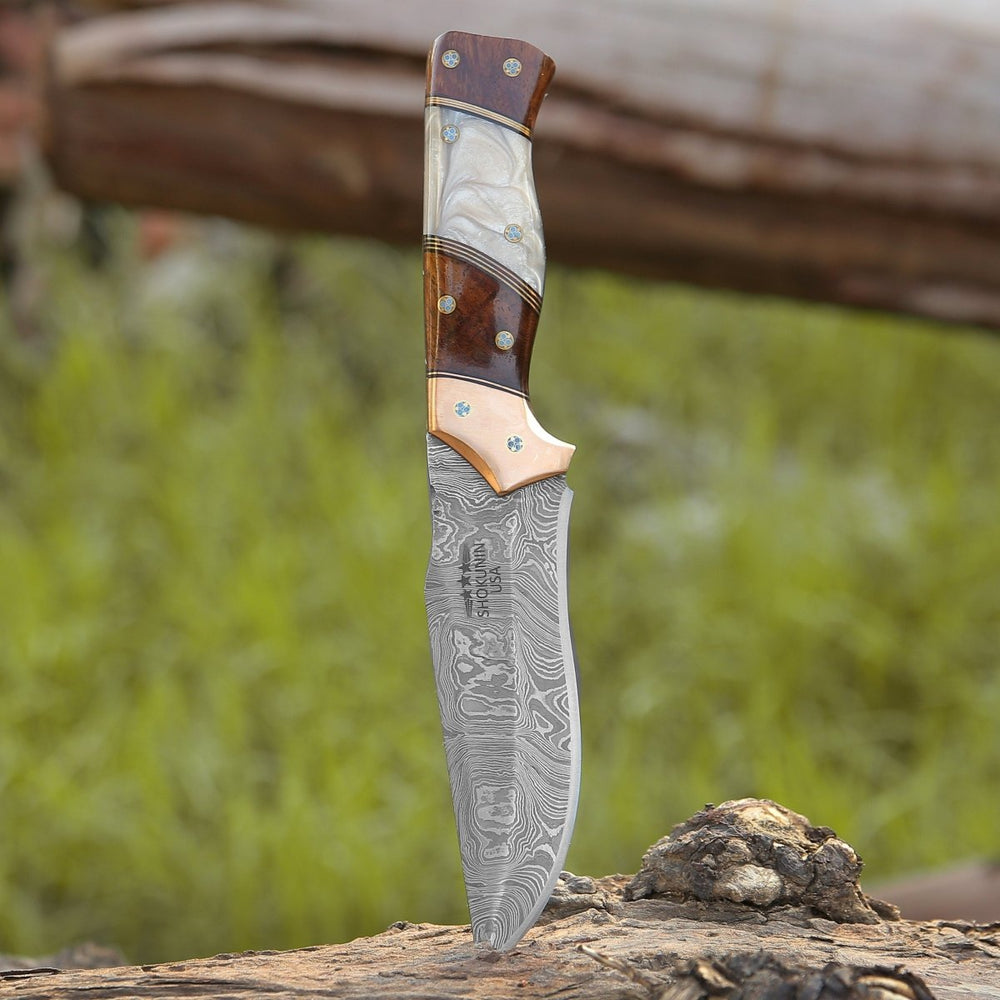
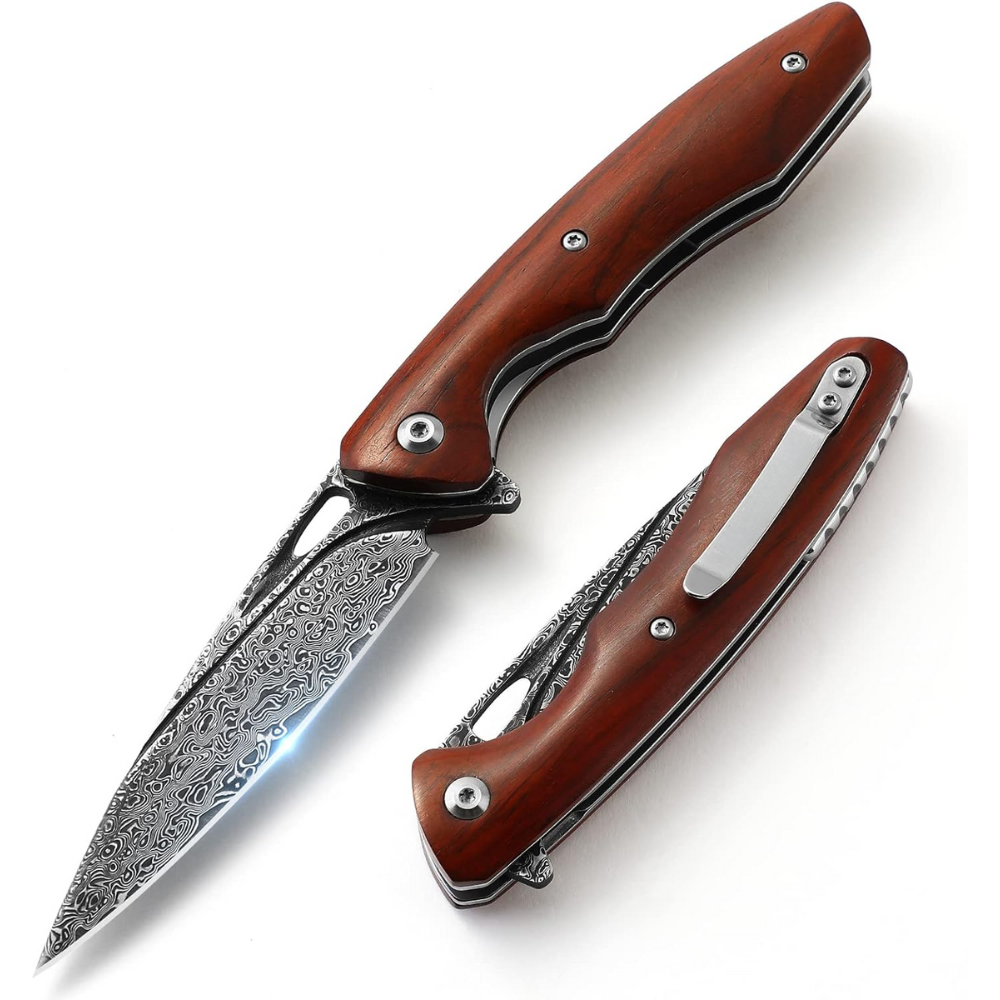
The blade is the primary cutting component of any pocket knife. It comes in various shapes, sizes, and materials, with popular options including stainless steel, carbon steel, and even exotic materials like Damascus steel. The blade’s edge can be straight, serrated, or a combination of both, depending on its intended use.
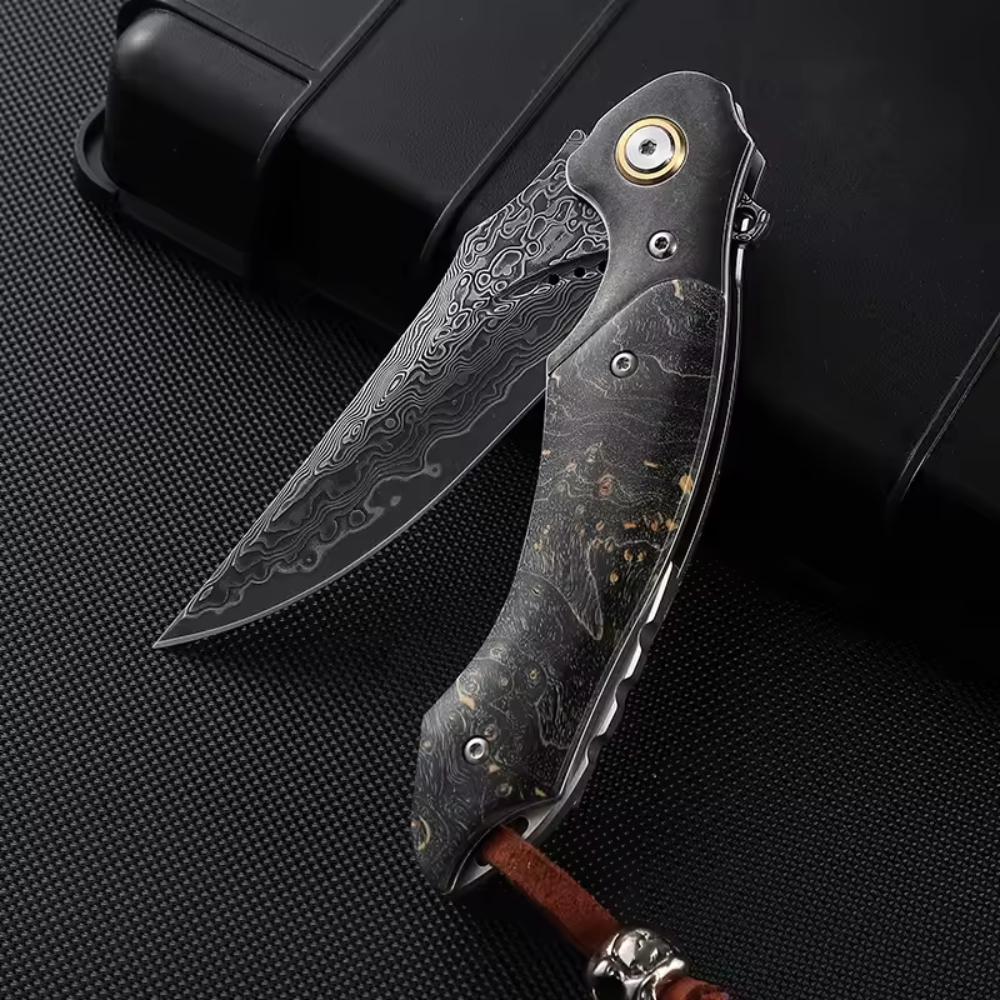
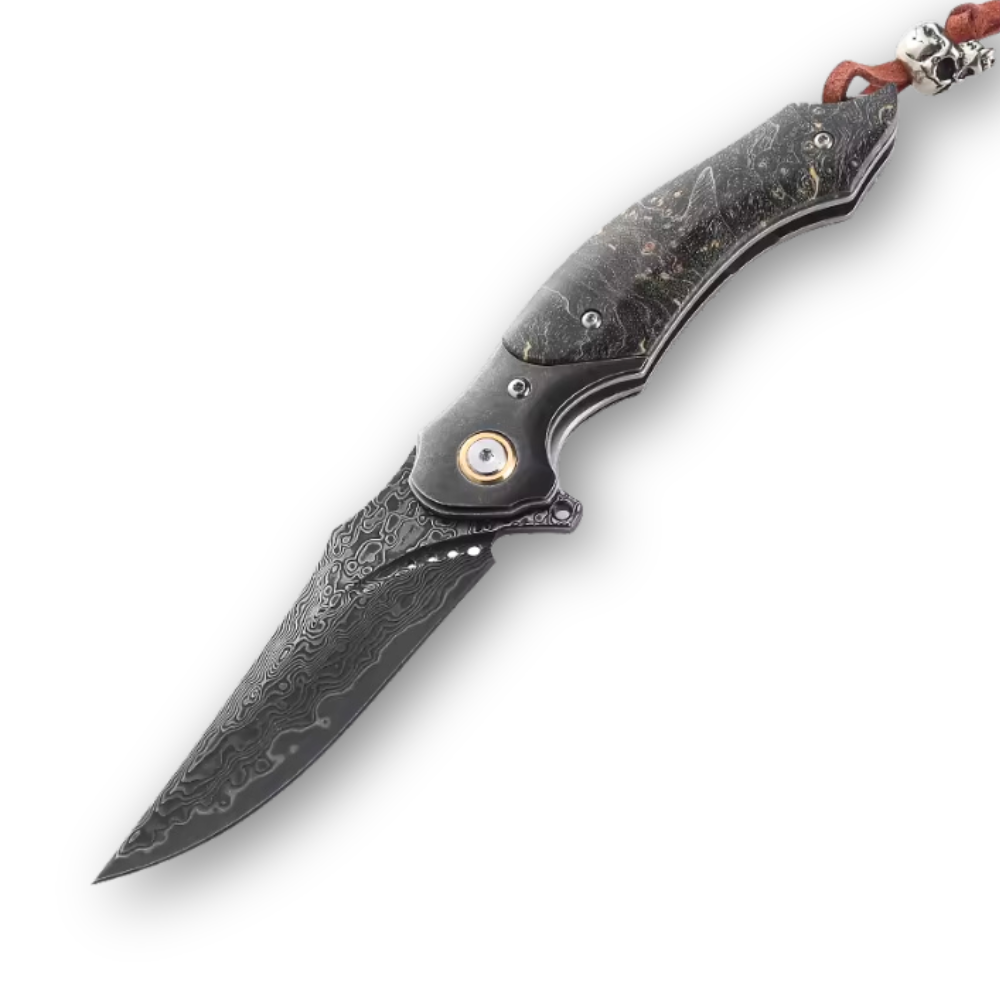
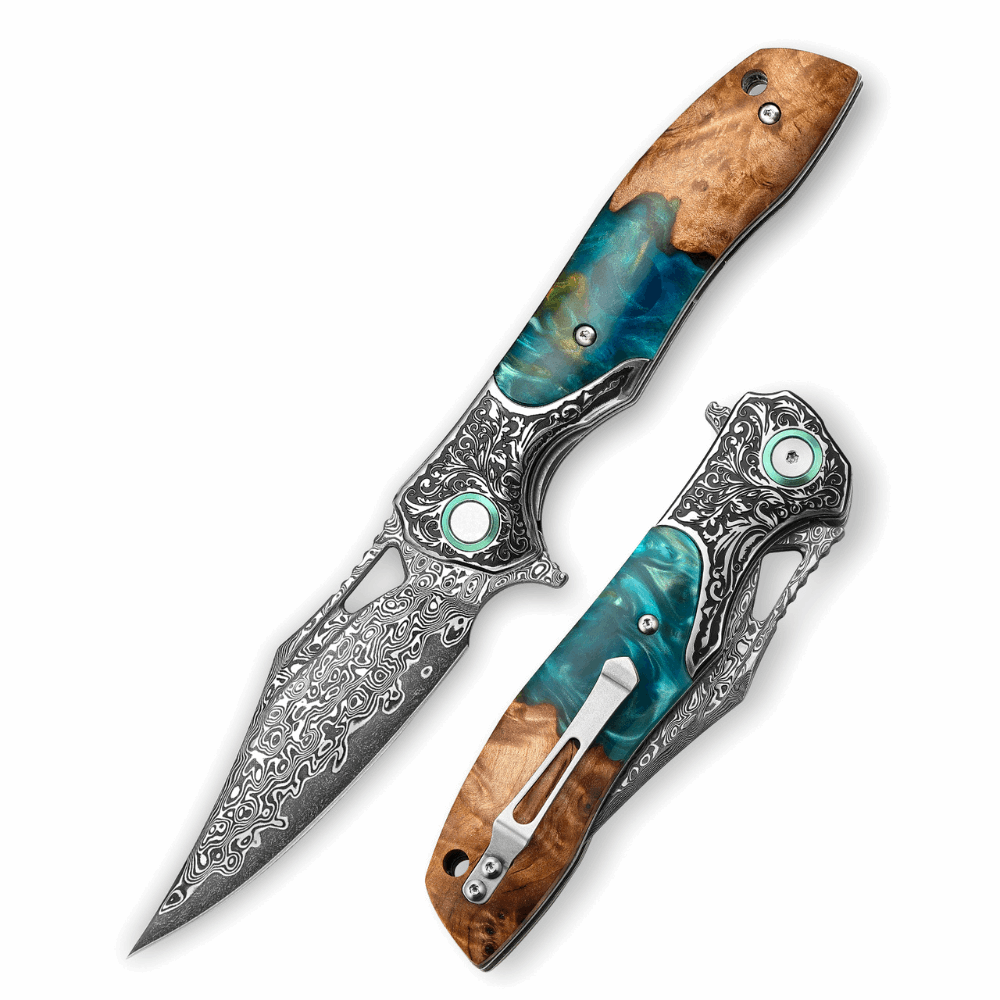
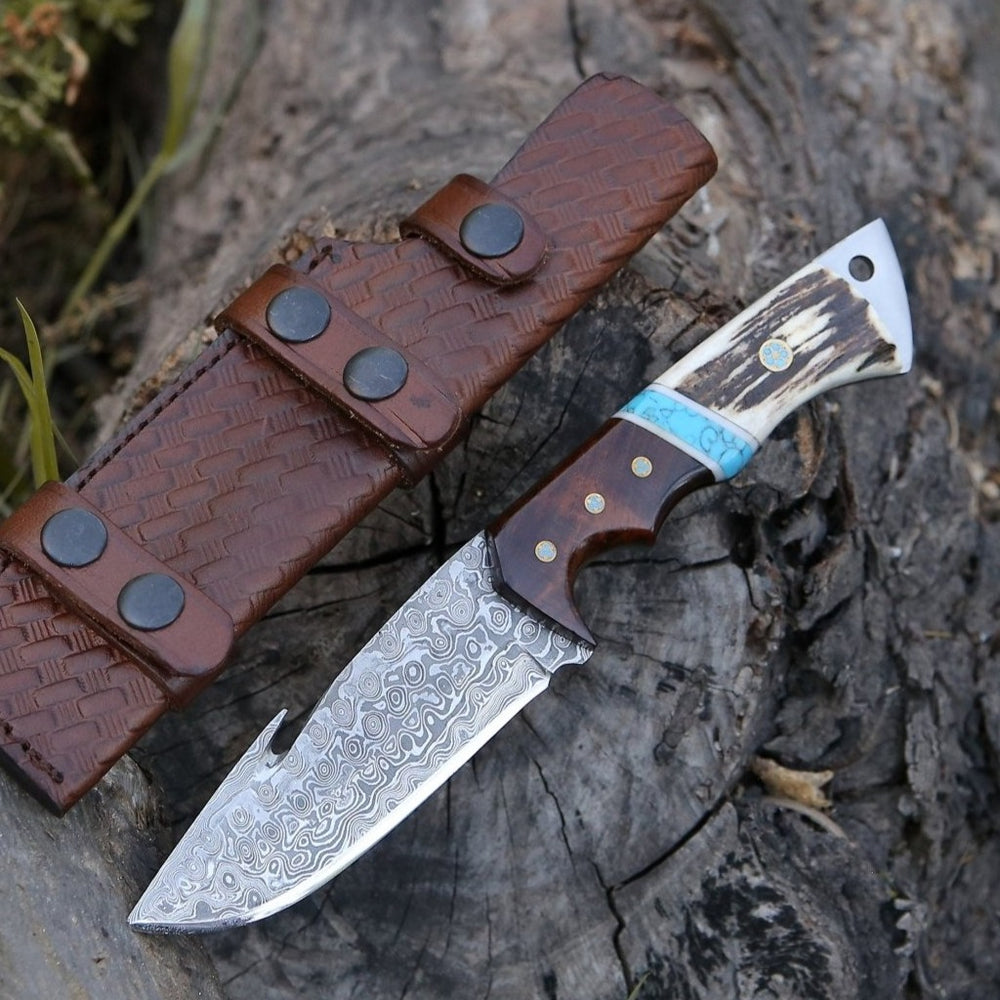
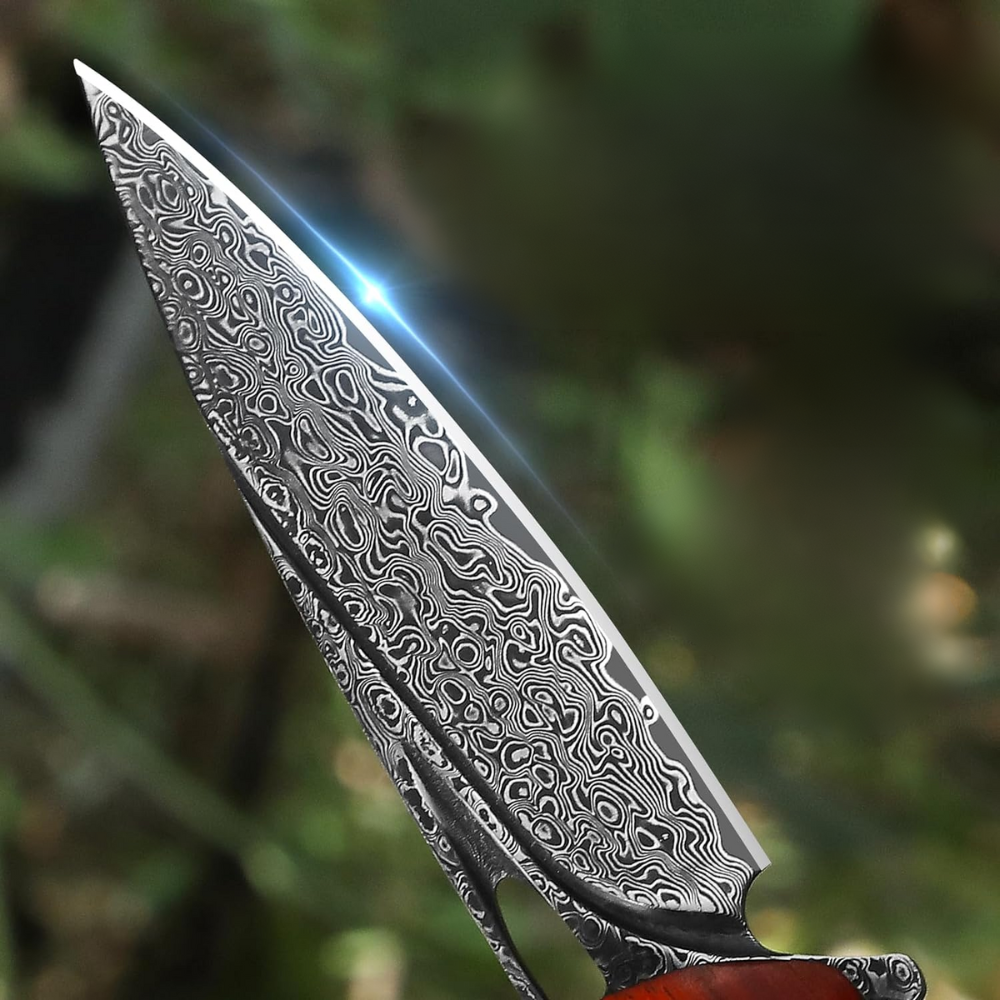
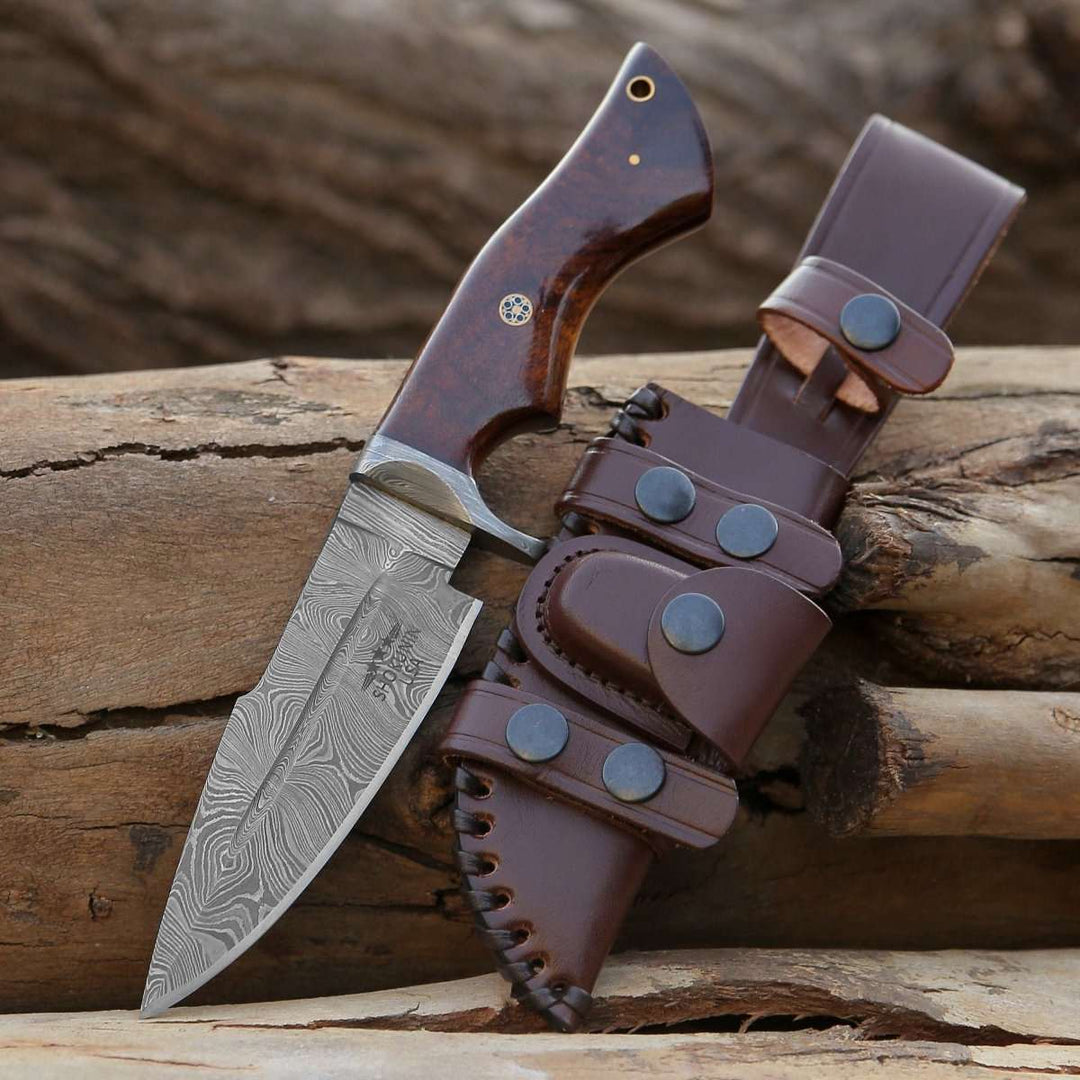
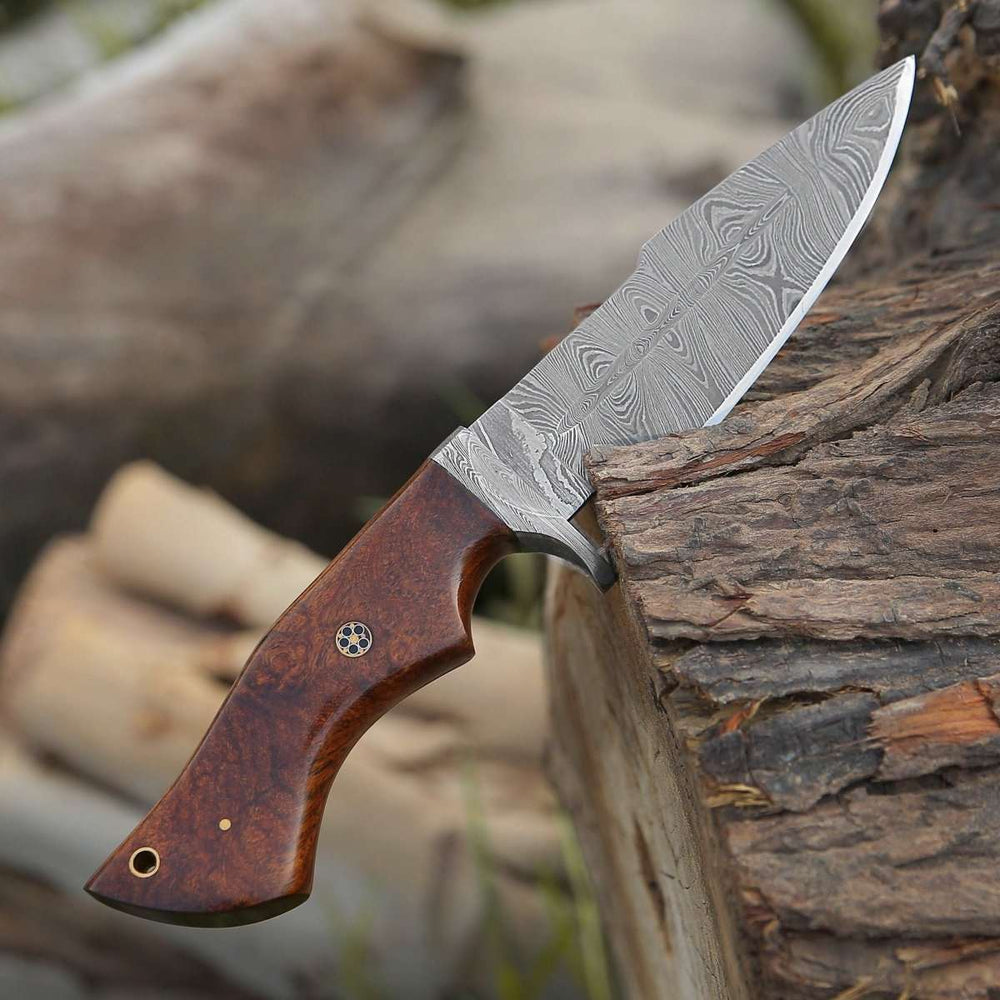
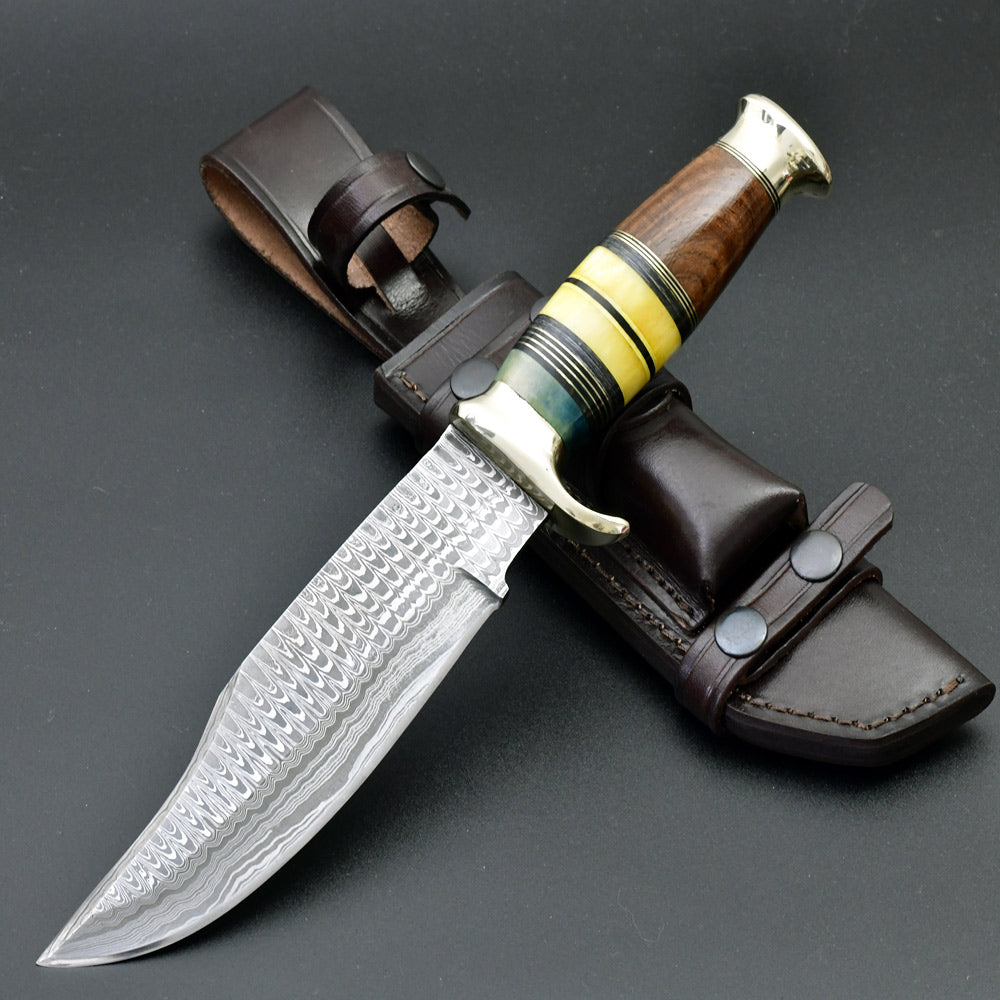
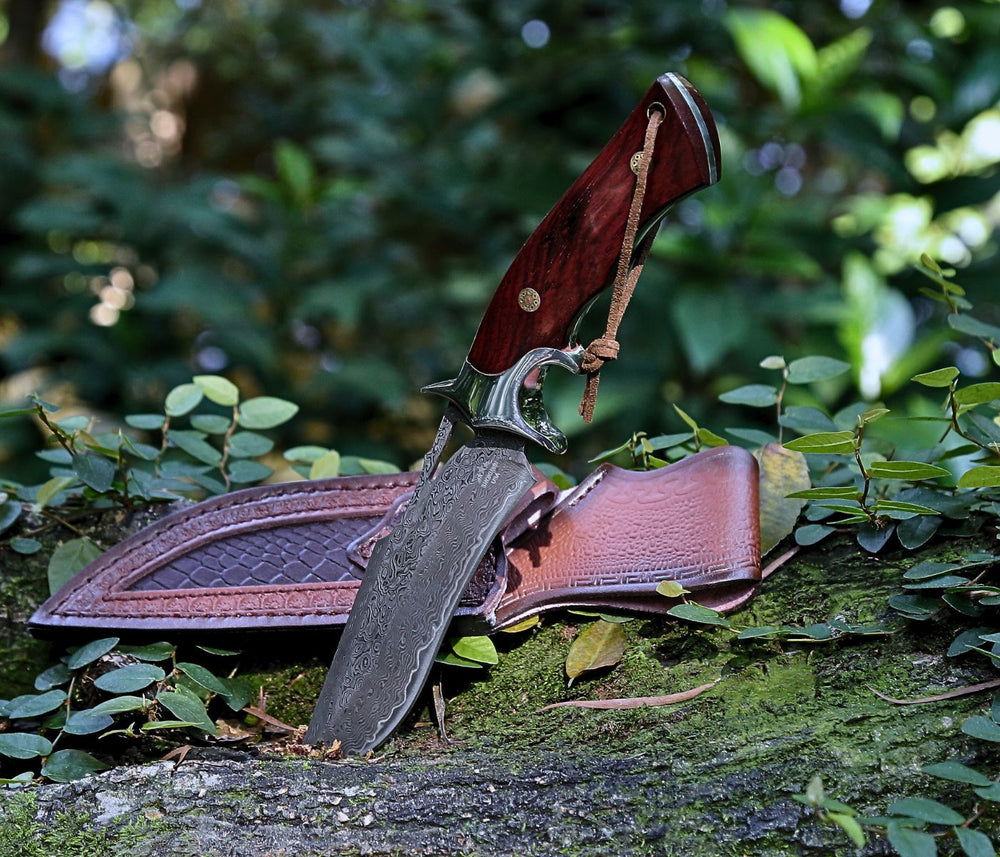
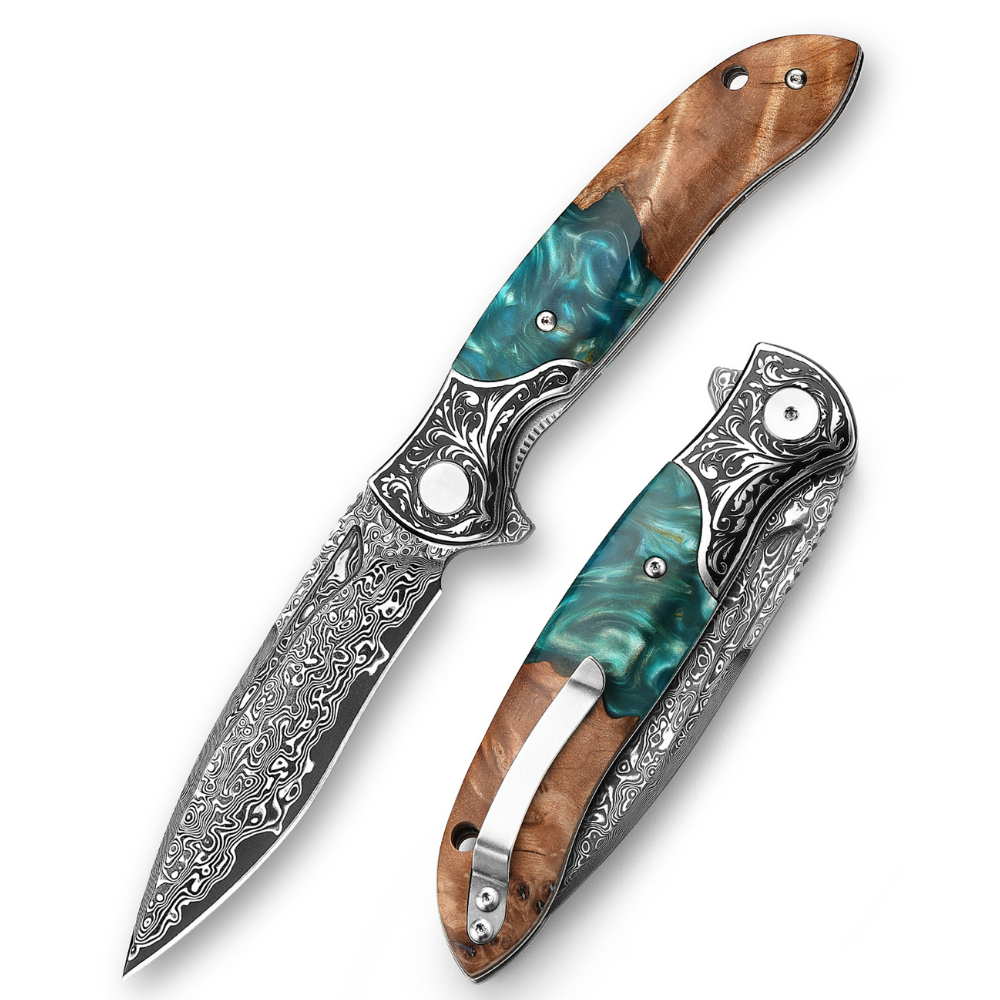
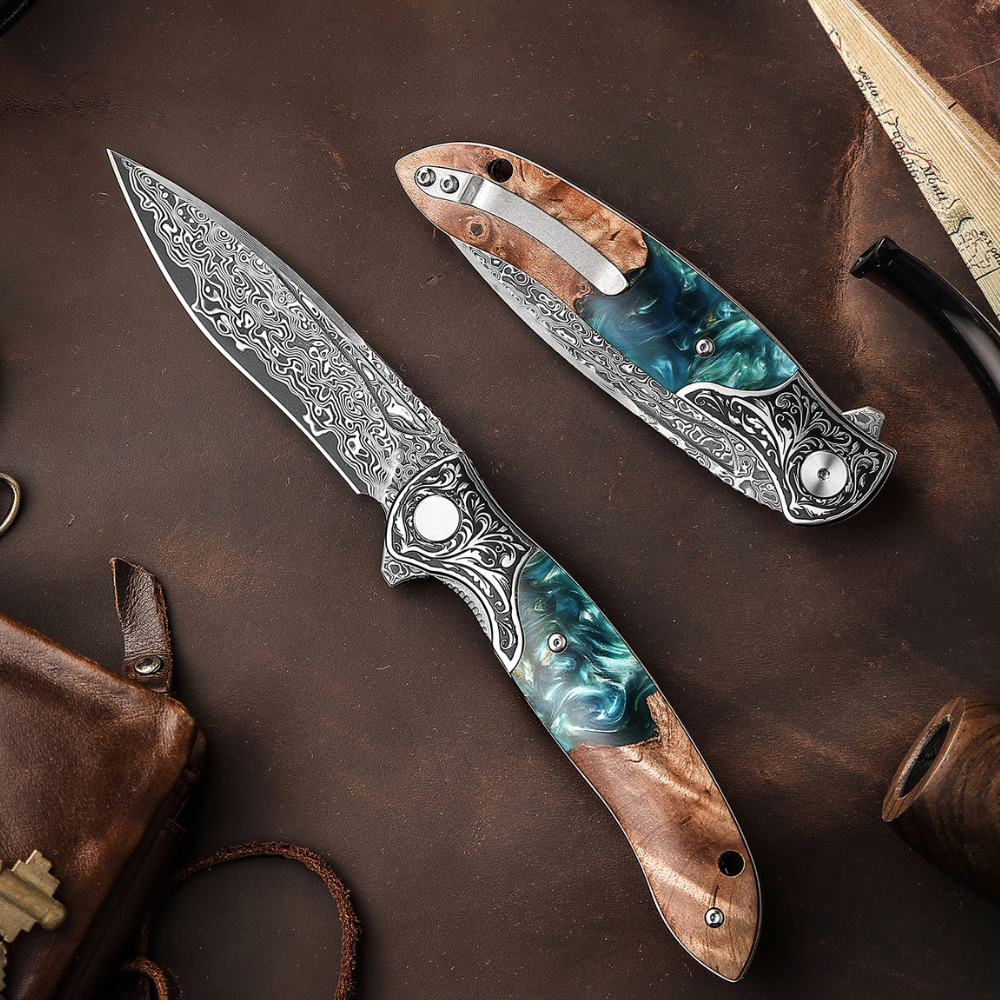
- Damascus Folding Pocket Knife: This type of blade is renowned for its unique patterns and exceptional sharpness, making it a popular choice among knife enthusiasts.
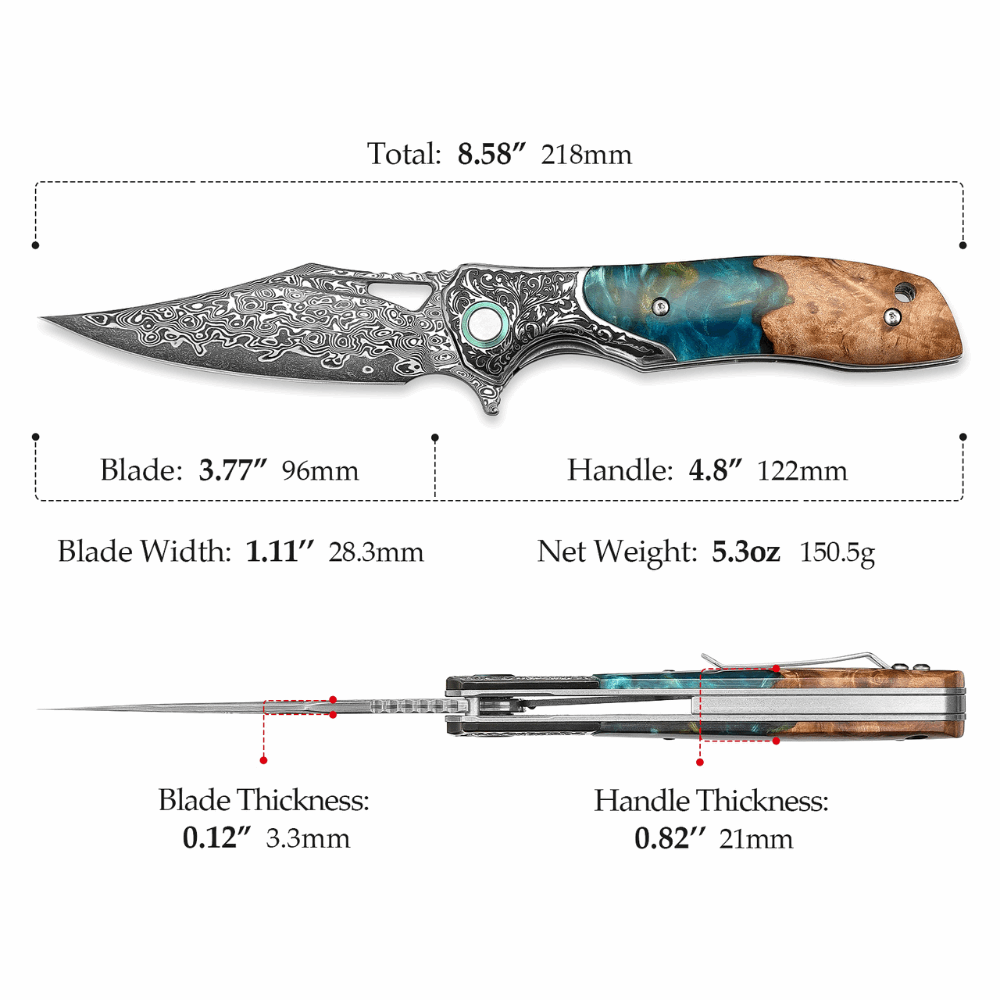
- Blade Length: Pocket knife blades typically range from two to five inches, balancing compactness with cutting capability.
- Blade Grind: Different grinds, such as flat, hollow, or convex, affect the blade's performance and ease of sharpening.
Handle
The handle is the part of the pocket knife that offers grip and control during use. Handles can be made from a variety of materials, including plastic, metal, wood, or synthetic composites. Each material provides different tactile feedback and durability.
- Ergonomics: A comfortable handle is crucial for extended use and can affect your overall experience with the knife.
- Material Choice: The choice of handle material can also impact the knife's weight and aesthetic appeal.
Locking Mechanism
Safety is paramount when using a folding knife, and the locking mechanism plays a critical role in ensuring that the blade stays securely in place during operation. There are several locking mechanisms commonly used in pocket knives:
- Frame Lock: This type uses a part of the handle to secure the blade in an open position, offering robust durability.
- Lockback: A classic design where a spring-loaded bar locks the blade in place, allowing for easy one-handed operation.
- Liner Lock: This mechanism engages a spring steel liner that holds the blade open, allowing for quick and easy access.
Pivot Point
The pivot point serves as the hinge of the folding knife, allowing the blade to open and close. A well-built pivot not only aids in smooth blade operation but can also affect the overall durability of the knife.
Understanding Different Types of Folding Knives
Folding knives come in various styles and functional designs, each serving its unique purpose and audience. Below are some popular types:
Everyday Carry (EDC) Folding Knives
EDC folding knives are designed for convenient, everyday tasks. They often feature a simple design, lightweight materials, and a straightforward locking mechanism. These knives are ideal for general utilities, such as opening packages, cutting rope, or food prep.
Multi-Function Knives
These knives come equipped with additional tools, such as screwdrivers, scissors, or bottle openers, making them invaluable for a variety of tasks beyond cutting. The versatility of multi-function knives means they can serve as a toolbox in your pocket.
Outdoor and Survival Folding Knives
For outdoor enthusiasts, specialized folding knives designed for survival and camping are a must. These knives typically include features such as thicker blades, more robust locking mechanisms, and rugged handles for enhanced grip in challenging conditions.
Collector's Folding Knives
For those passionate about the art and craftsmanship of knives, collector's folding knives, such as Damascus folding pocket knives, showcase intricate designs and historic techniques. Collectors often seek knives not only for their utility but for their aesthetic appeal and unique properties.
Choosing the Right Pocket Knife for You
With so many options available, selecting the right folding knife can be overwhelming. Here are some tips to help guide your decision:
- Determine Your Needs: What do you intend to use your pocket knife for? Everyday tasks, outdoor adventures, or as a collector's piece? Your answer will guide your choice.
- Consider Size and Weight: A compact and lightweight knife is ideal for everyday carry, while a more substantial knife may be suitable for specific tasks.
- Check the Locking Mechanism: Ensure that you are comfortable with the locking mechanism of the knife to guarantee safety during use.
- Assess Build Quality: Invest in a knife from reputable brands known for their durability and craftsmanship.
Maintenance Tips for Your Pocket Knife
Owning a pocket knife requires regular maintenance to ensure its longevity and functionality. Here are key tips to keep your knife in excellent condition:
- Regular Cleaning: Wipe down the blade and handle after each use to prevent dirt and grime buildup.
- Sharpening: Keep the blade sharp with regular honing and professional sharpening when necessary. A dull blade can be dangerous and ineffective.
- Lubrication: Use a quality lubricant on the pivot point to ensure smooth opening and closing of the blade.
- Storage: Store your pocket knife in a dry place to avoid rust and corrosion, particularly if it has a carbon steel blade.
Bonus! Pocket Knife Safety Practices
As practical as pocket knives can be, they can also pose safety risks if not used properly. Below are essential safety practices to keep in mind:
- Always Cut Away: When using your knife, always cut away from your body to minimize injuries.
- Keep the Blade Closed: When not in use, make sure the blade is securely closed to prevent accidental injuries.
- Practice Responsible Usage: Only carry your pocket knife where it is legally permitted and ensure it’s used for its intended purpose.
- Educate Others: If you introduce someone to using pocket knives, ensure they understand safety measures and proper handling.
Elevate Your Experience with a Pocket Knife
Understanding the anatomy of a pocket knife empowers you to choose, use, and care for this fantastic tool responsibly. With the wealth of options available in the realm of folding knives, including stunning Damascus folding pocket knives with intricate patterns, there’s something for everyone to appreciate. By knowing the different parts and their purposes, you can not only find the best pocket knife for your needs but also develop a deeper appreciation for this age-old tool. So go on, explore the world of pocket knives, and find the perfect model that fits your lifestyle!
Frequently Asked Questions
1. What is a pocket knife?
2. What are the key components of a pocket knife?
3. What types of folding knives are available?
4. How do I choose the right pocket knife for my needs?
5. What are some maintenance tips for pocket knives?
Glossary
| Term | Meaning |
|---|---|
| Blade | The main cutting part of a pocket knife, available in various shapes and materials. |
| Damascus Steel | A type of steel known for its unique patterns and sharpness, often used in high-quality knives. |
| Handle | The part of the knife that provides grip and control during use. |
| Locking Mechanism | A safety feature that keeps the blade securely in place when open. |
| Pivot Point | The hinge of the knife that allows the blade to fold and unfold. |
| EDC Knife | Everyday Carry knife designed for daily tasks and convenience. |
| Multi-Function Knife | A knife equipped with additional tools for various tasks beyond cutting. |
| Collector's Knife | A knife valued for its craftsmanship and aesthetic appeal, often sought by enthusiasts. |
| Sharpening | The process of honing the blade to maintain its cutting edge. |
| Lubrication | Applying oil to the pivot point for smooth operation of the blade. |
Linked Product

Prudence Tanto Blade Handmade Damascus Folding Pocket Knife with Bone Handle
The Prudence Tanto Blade Handmade Damascus Folding Pocket Knife features a hand-forged Damascus steel blade, providing exceptional sharpness and edge retention, making it suitable for various outdoor activities such as hunting, fishing, and camping. Its ergonomic design, featuring a colored bone handle, ensures comfort and precision during use. Additionally, the knife comes with a hand-stitched leather sheath for protection and personalization options, enhancing both its functionality and aesthetic appeal.
View Product






Dejar un comentario