


Overview
Choosing the right knife material is crucial for performance and maintenance. Carbon steel offers sharpness but requires care, while stainless steel is low-maintenance and corrosion-resistant. Damascus steel combines beauty and functionality but is often pricier. Tool steel is durable for high-performance needs. Consider your usage and preferences to select the best knife for your needs.
Table of Contents
- The Importance of Knife Materials
- What Makes Steel a Popular Choice?
- Carbon Steel
- Pros of Carbon Steel
- Cons of Carbon Steel
- Stainless Steel
- Pros of Stainless Steel
- Cons of Stainless Steel
- Damascus Steel
- Pros of Damascus Steel
- Cons of Damascus Steel
- Tool Steel
- Pros of Tool Steel
- Cons of Tool Steel
- Choosing the Right Steel for Your Pocket Knife
- Daily Use and Maintenance
- Performance vs. Aesthetics
- Understanding Different Grades and Alloys
- Knives in Different Industries
- Culinary Knives
- Outdoor and Survival Knives
- Everyday Carry (EDC) Knives
- Final Thoughts: Knives Beyond Steel
Key Takeaways
- Material Matters: The choice of blade material significantly impacts knife performance, maintenance, and longevity.
- Carbon Steel: Known for its sharpness and ease of sharpening, but requires more maintenance to prevent rust.
- Stainless Steel: Offers excellent corrosion resistance and low maintenance, making it ideal for kitchen use.
- Damascus Steel: Combines beauty with functionality, providing good edge retention while requiring regular care.
- Tool Steel: Exceptional durability and edge retention but may be prone to rust and challenging to sharpen.
- Use Case Consideration: Choose your knife based on specific needs, whether for daily tasks or performance-oriented activities.
- Know Your Alloys: Different grades and alloying elements can enhance knife performance, so research is essential before purchase.
Frequently Asked Questions
1. What materials are commonly used for making knives?
2. What are the advantages of carbon steel knives?
3. Why is stainless steel a popular choice for knives?
4. What is unique about Damascus steel?
5. How do I choose the right steel for my pocket knife?
When it comes to knives, be it a Damascus folding pocket knife or any other type, the material used in the blade can significantly influence performance, durability, and overall user satisfaction. Exploring the different knife materials is akin to venturing into a realm filled with intricate details and fascinating options. In this article, we will delve into various steel types, elucidate their characteristics, and help you make informed choices for your next pocket knife purchase.
The Importance of Knife Materials
Understanding the materials used in knives plays an essential role for any knife enthusiast. The choice of the blade material not only affects the knife's performance, but also influences its maintenance and longevity. From daily utility tasks to culinary applications, the right knife material can transform the way you use your tool.
What Makes Steel a Popular Choice?
Steel is a favored material for knife making due to its excellent hardness, edge retention, and resistance to wear. There are countless variations of steel used for knife making, and each offers unique properties. Let’s explore some of the most common types of steel utilized in pocket knives.
Carbon Steel
Carbon steel is one of the oldest materials used for knife production and remains a popular choice for many knife enthusiasts. This steel type is primarily composed of iron and carbon, with carbon content playing a crucial role in determining its characteristics.
Pros of Carbon Steel
- Sharpness: Carbon steel blades can achieve a razor-sharp edge, making them perfect for precision tasks.
- Edge Retention: When properly maintained, carbon steel provides excellent edge retention.
- Ease of Sharpening: This steel is easier to sharpen compared to others, providing a convenient user experience.
Cons of Carbon Steel
- Corrosion: Carbon steel is prone to rust and requires more care and maintenance.
- Staining: This material can easily stain, leading to aesthetic concerns over time.
Stainless Steel
Stainless steel is favored for its corrosion resistance, making it an excellent choice for various applications. This type of steel contains chromium, which acts as a rust deterrent.
Pros of Stainless Steel
- Corrosion Resistance: Ideal for use in moist environments or for kitchen tasks.
- Low Maintenance: Stainless steel knives are easier to maintain, making them user-friendly.
- Variety: This material is versatile, available in numerous variations that cater to different needs.
Cons of Stainless Steel
- Hardness Variations: Some stainless steel types may have compromised hardness and edge retention.
- Sharpening Difficulty: Depending on the composition, certain stainless steels can be harder to sharpen.
Damascus Steel
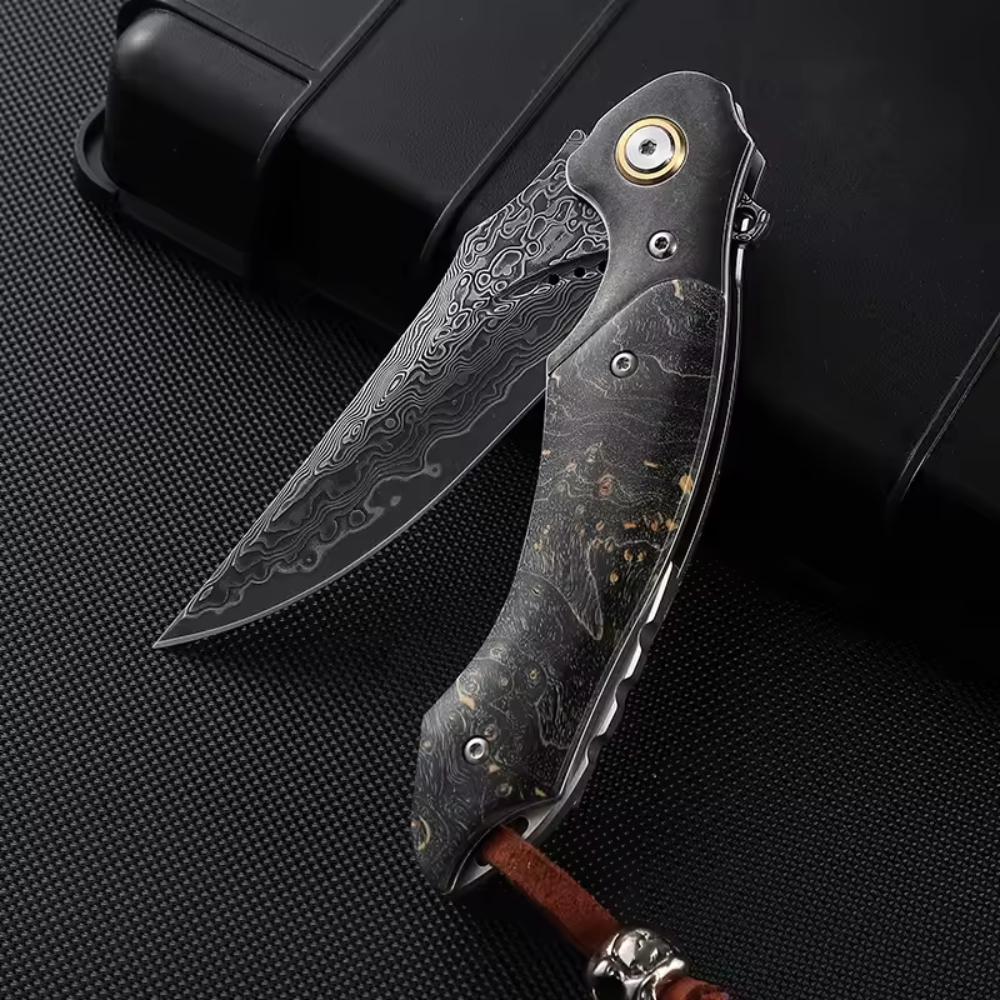
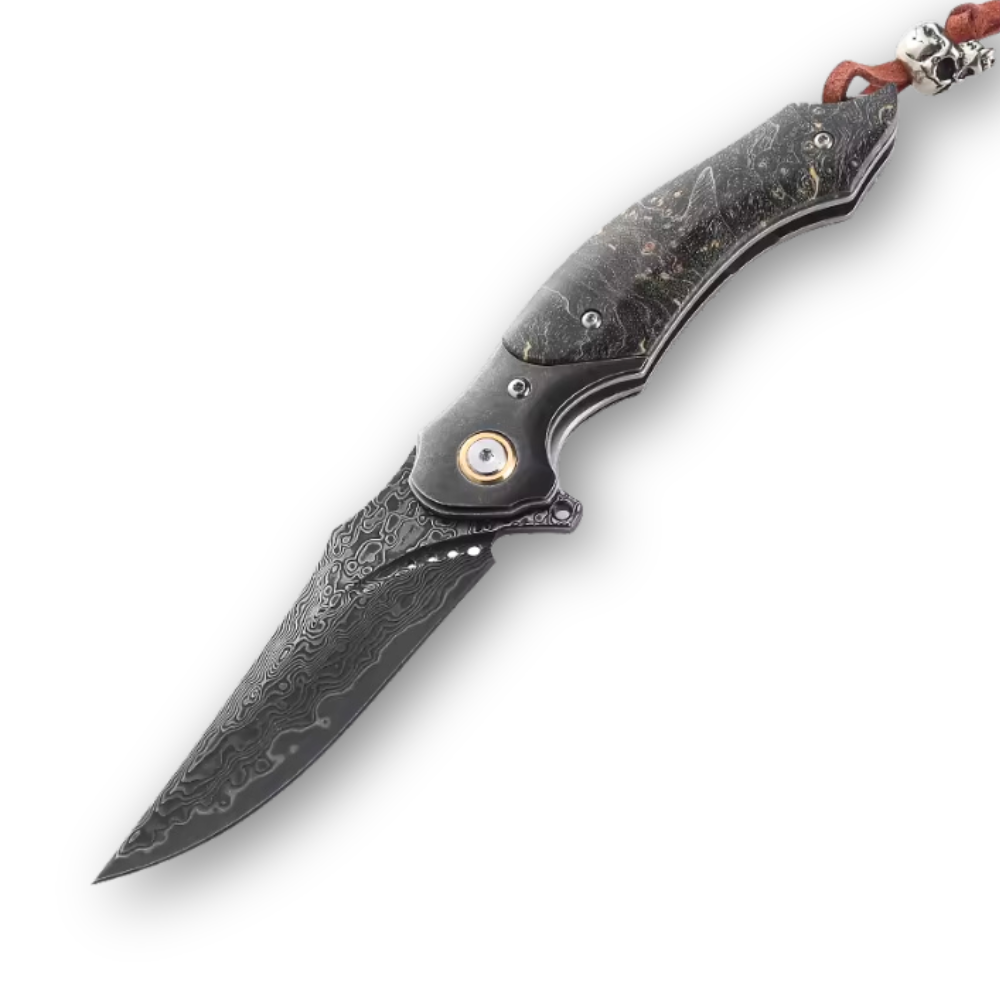
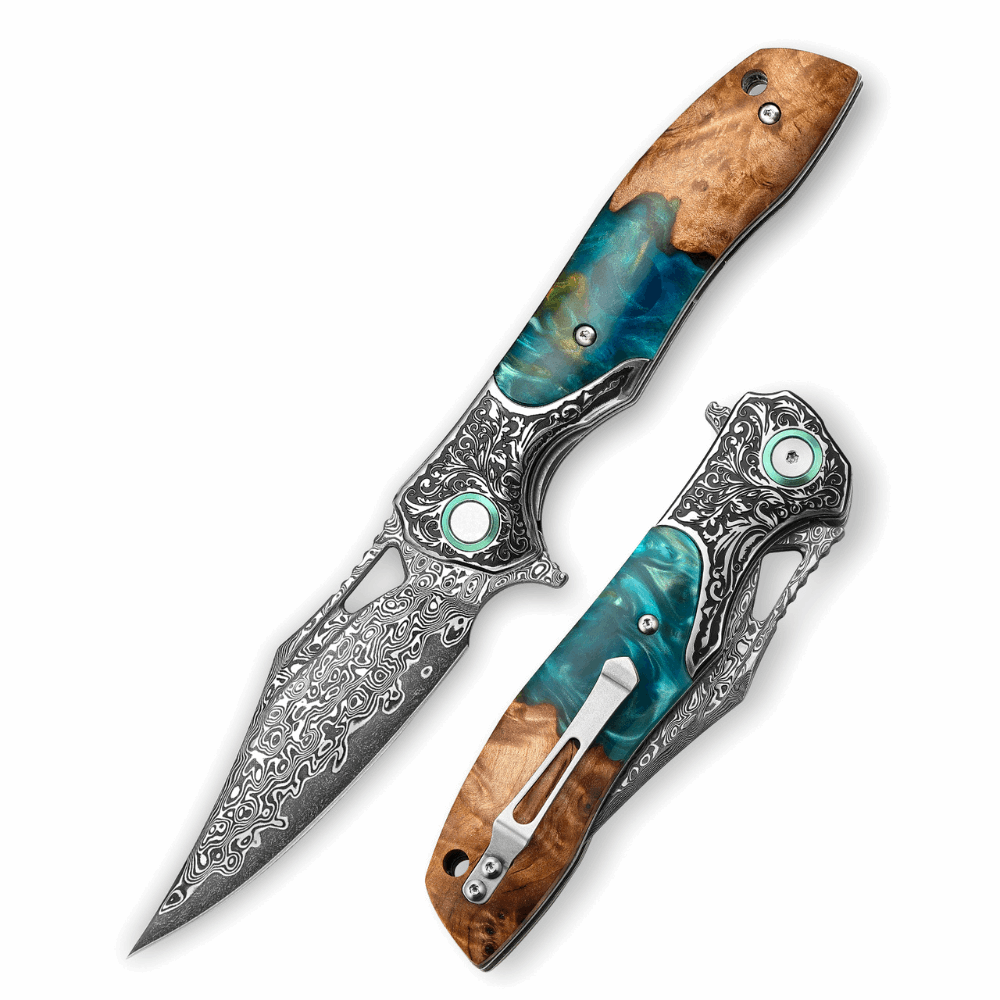
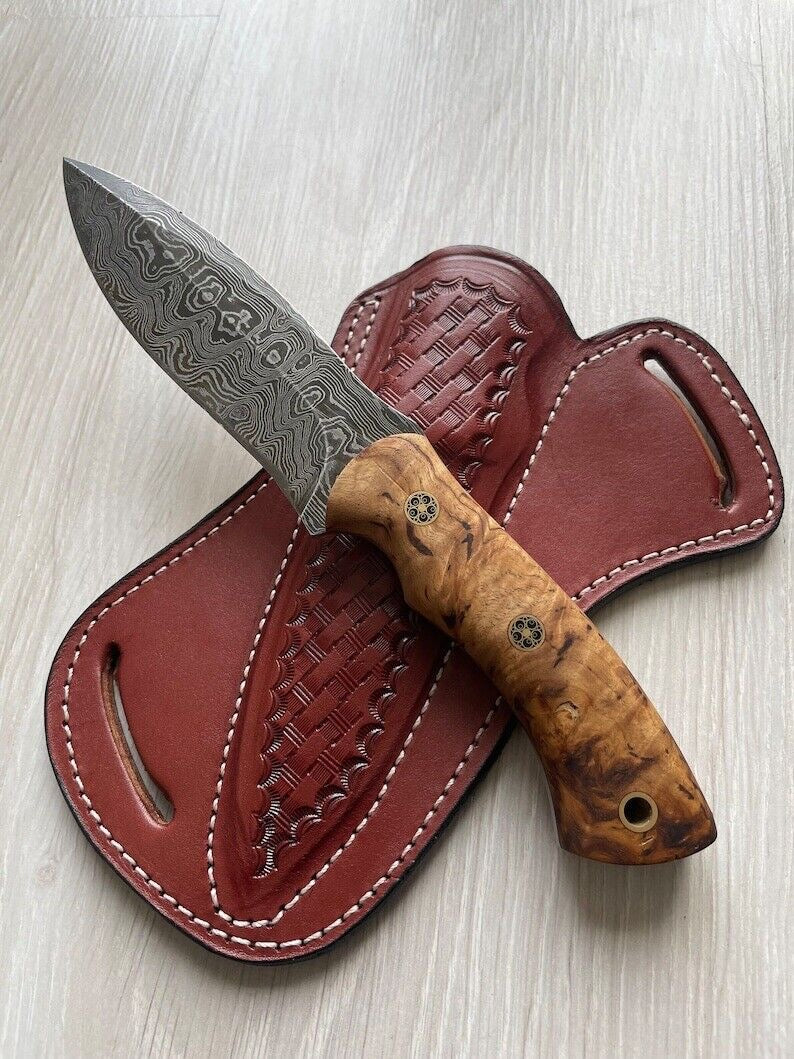
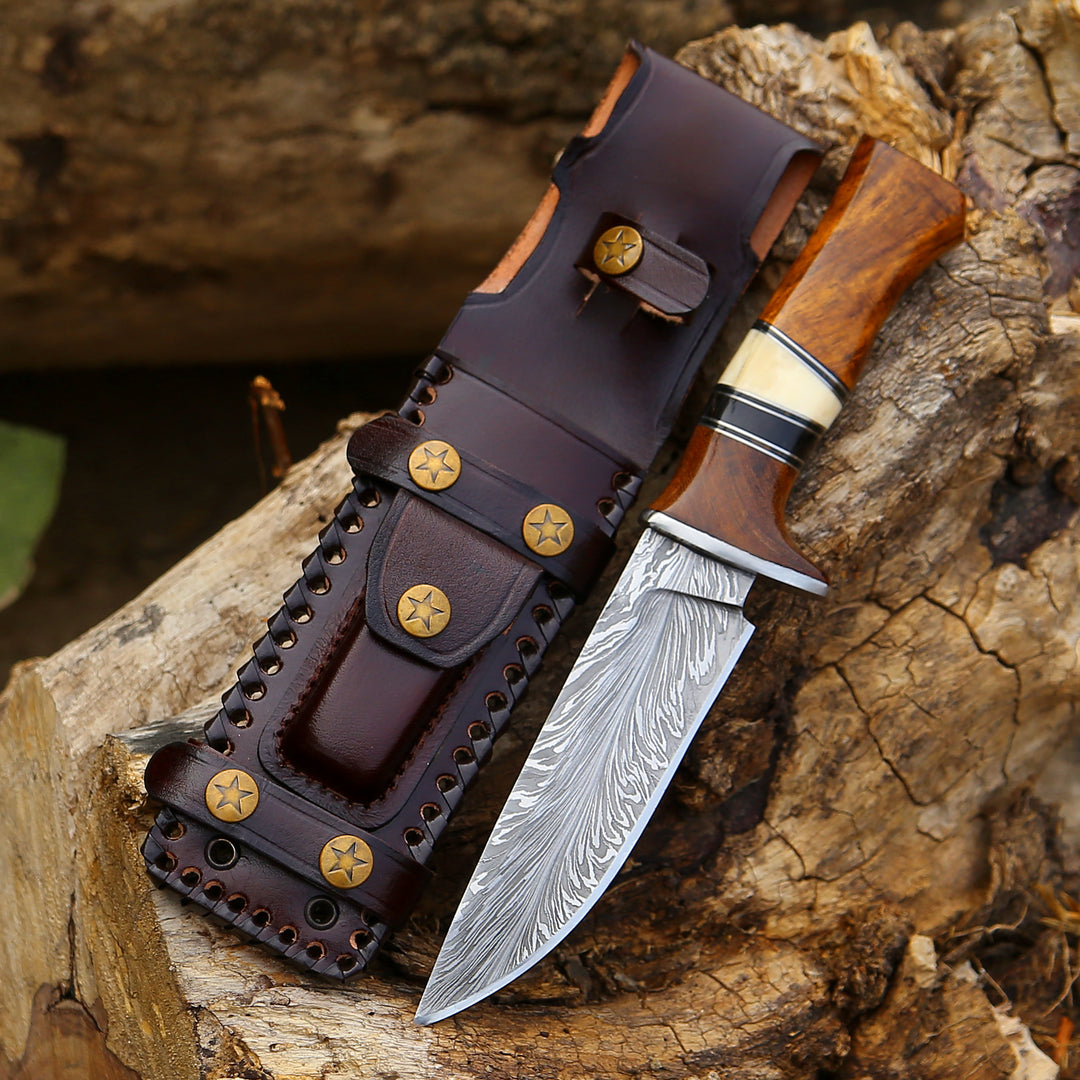
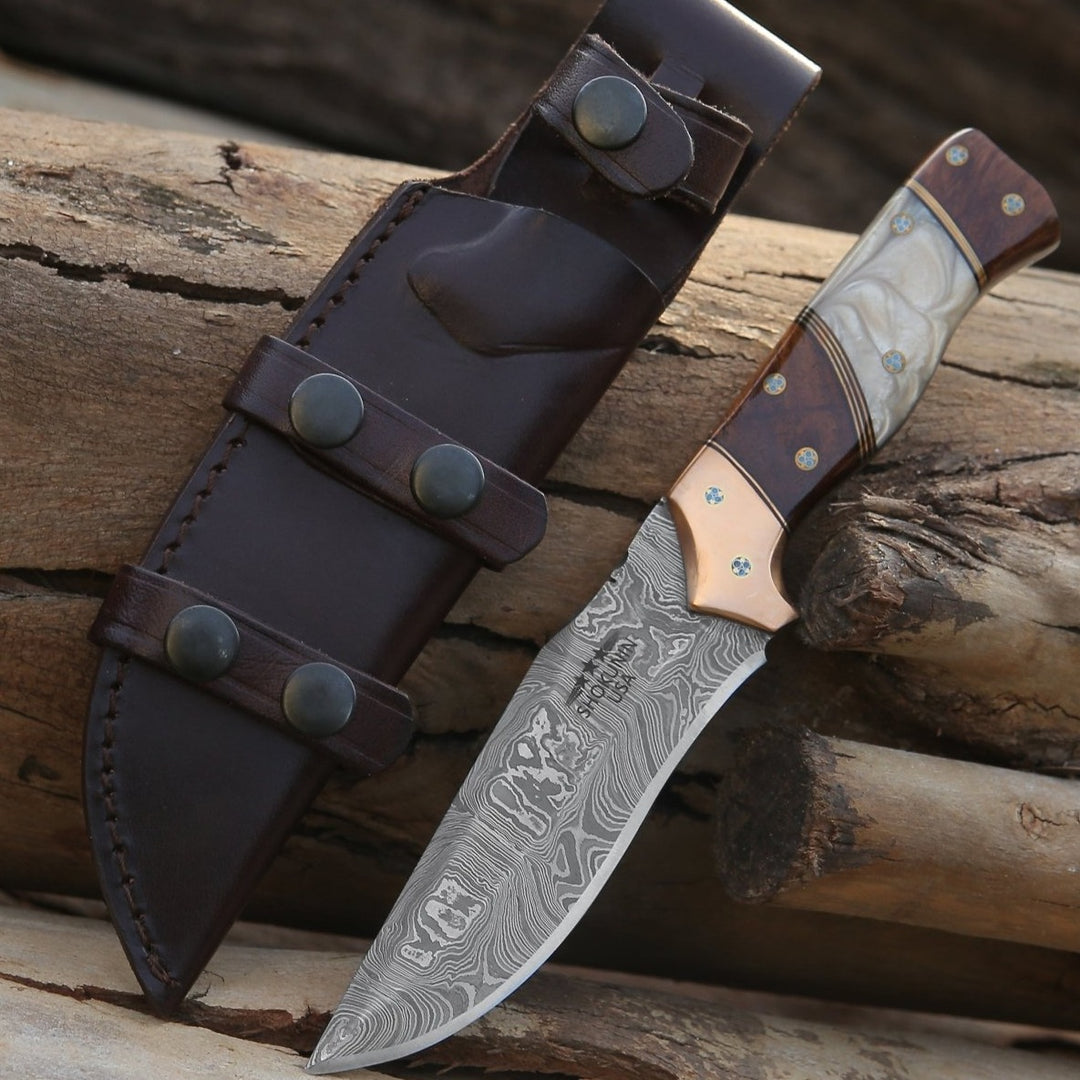
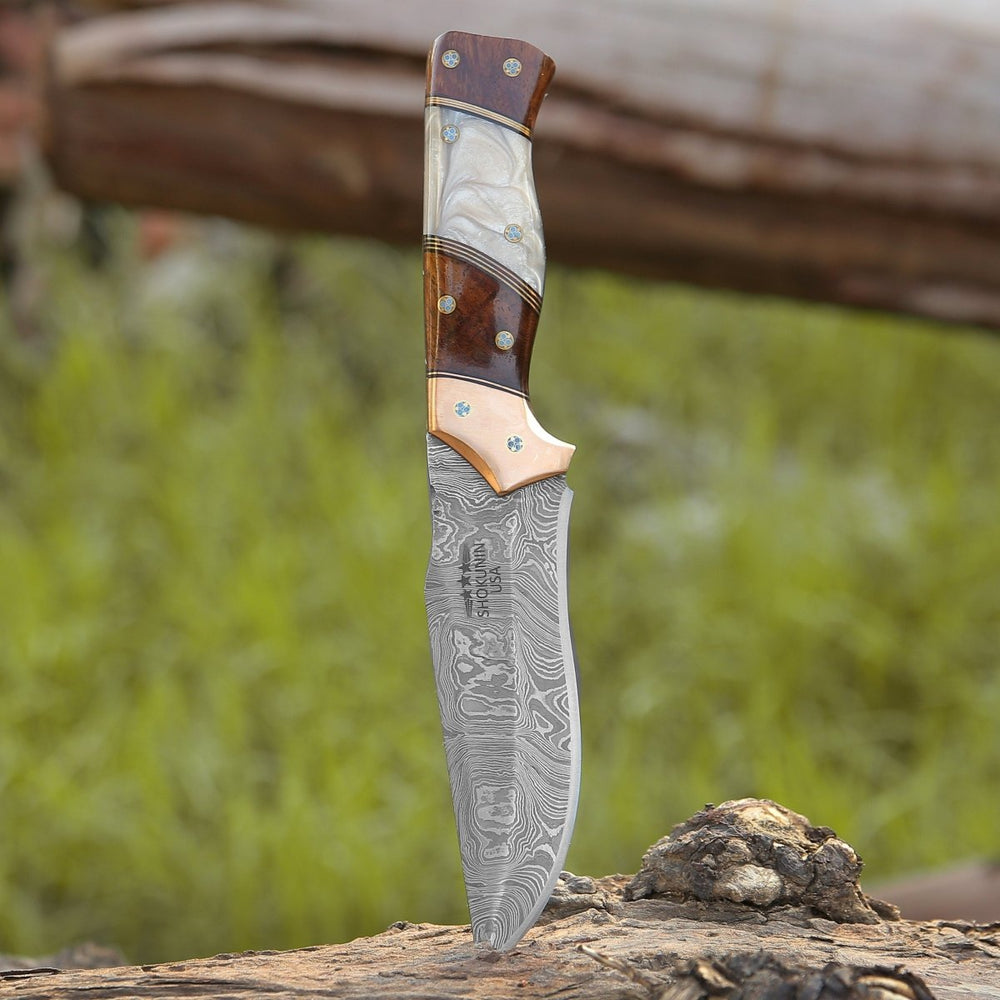
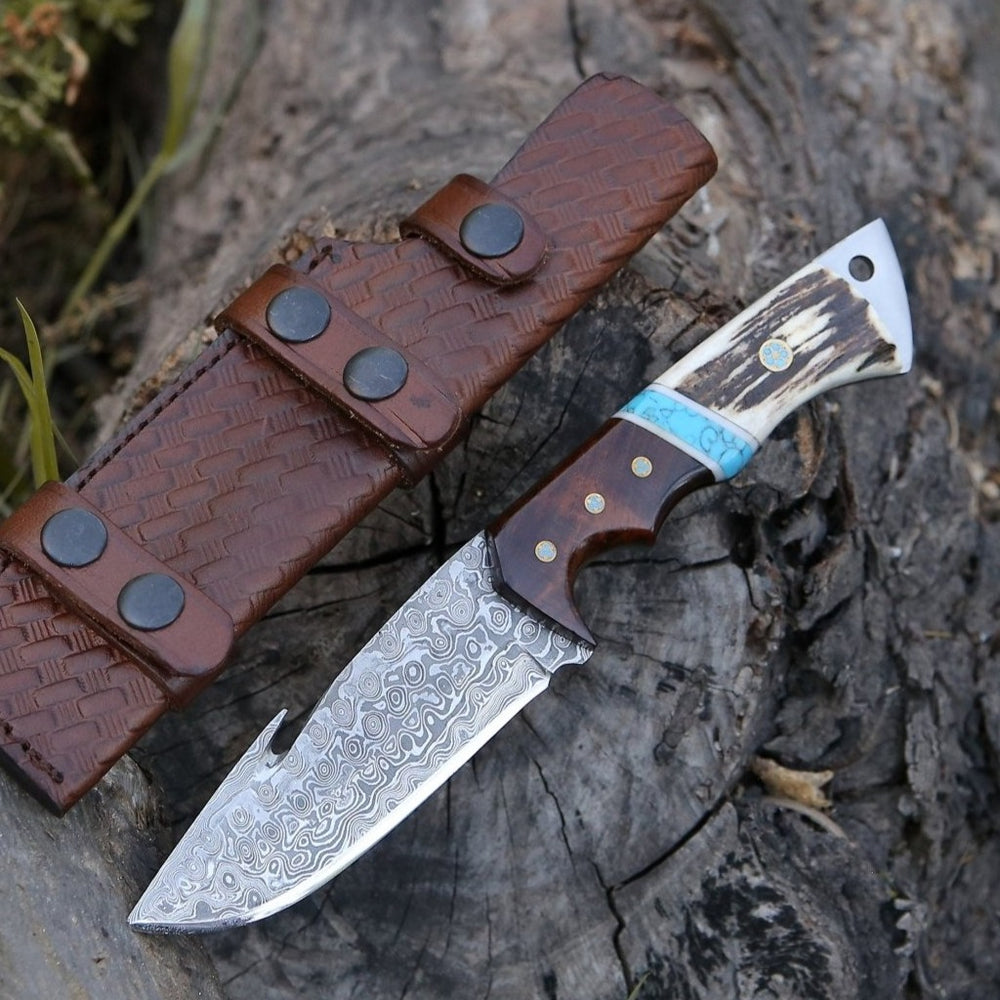
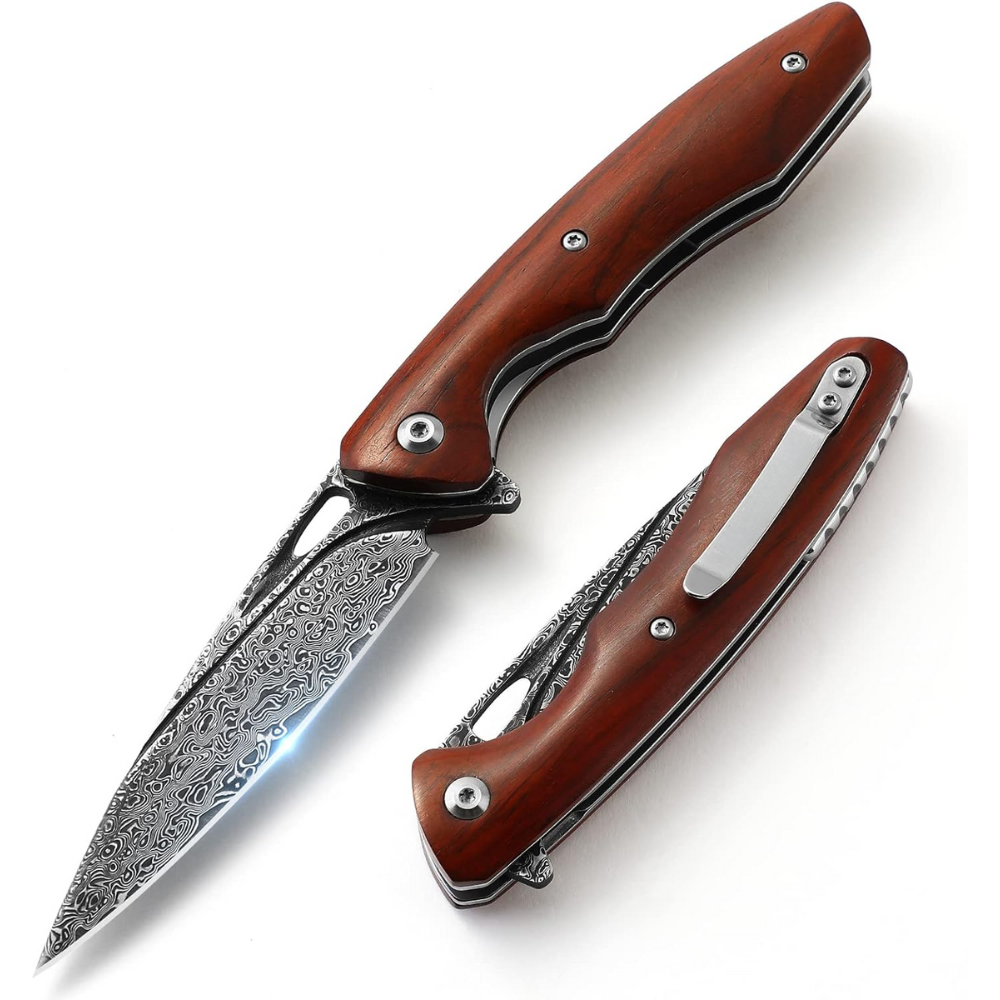
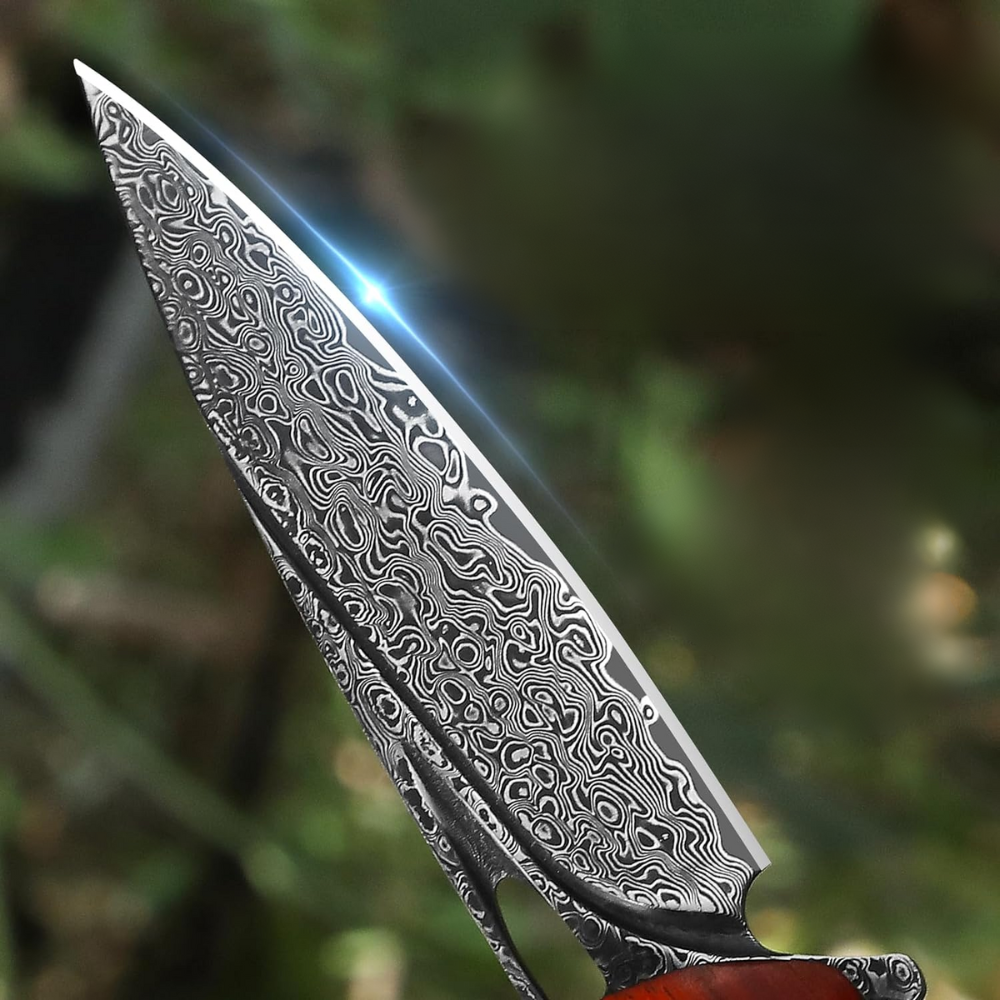
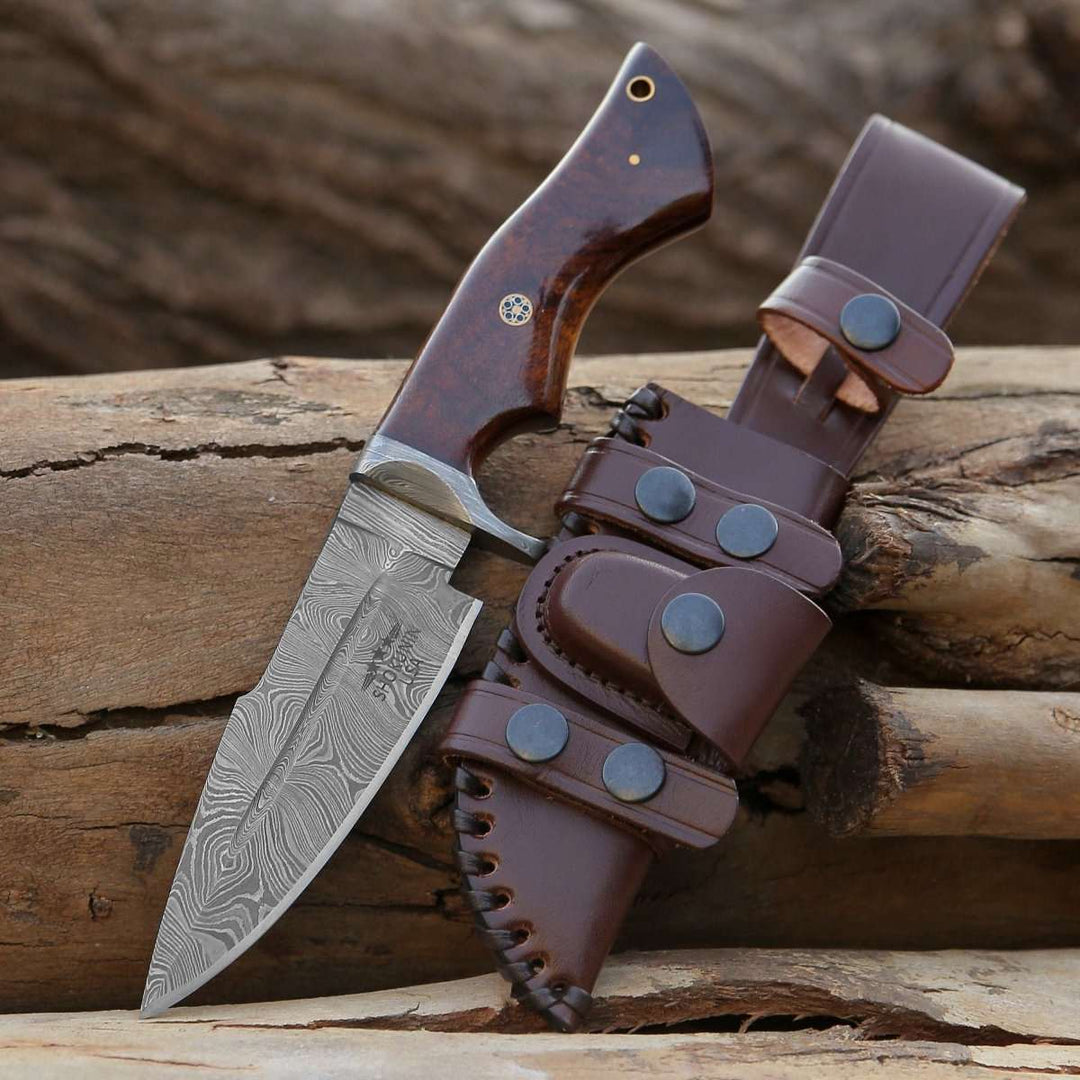
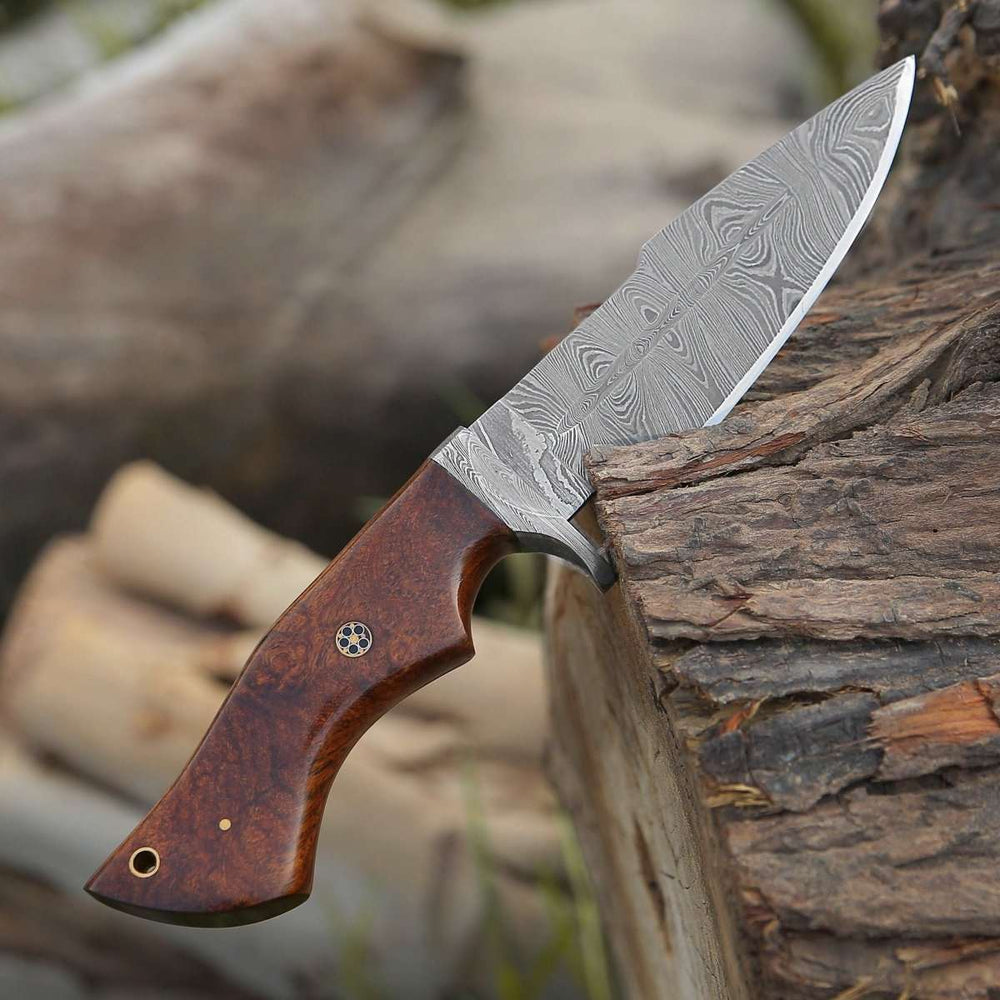
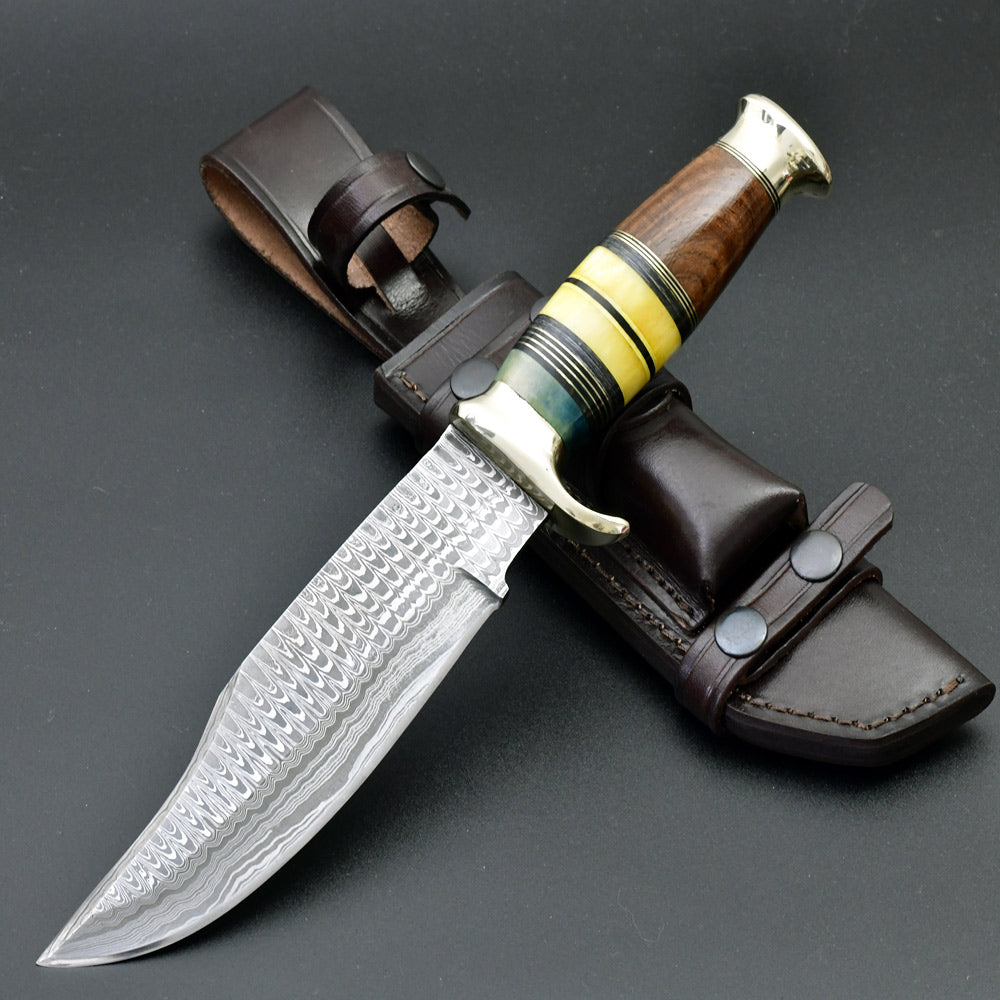
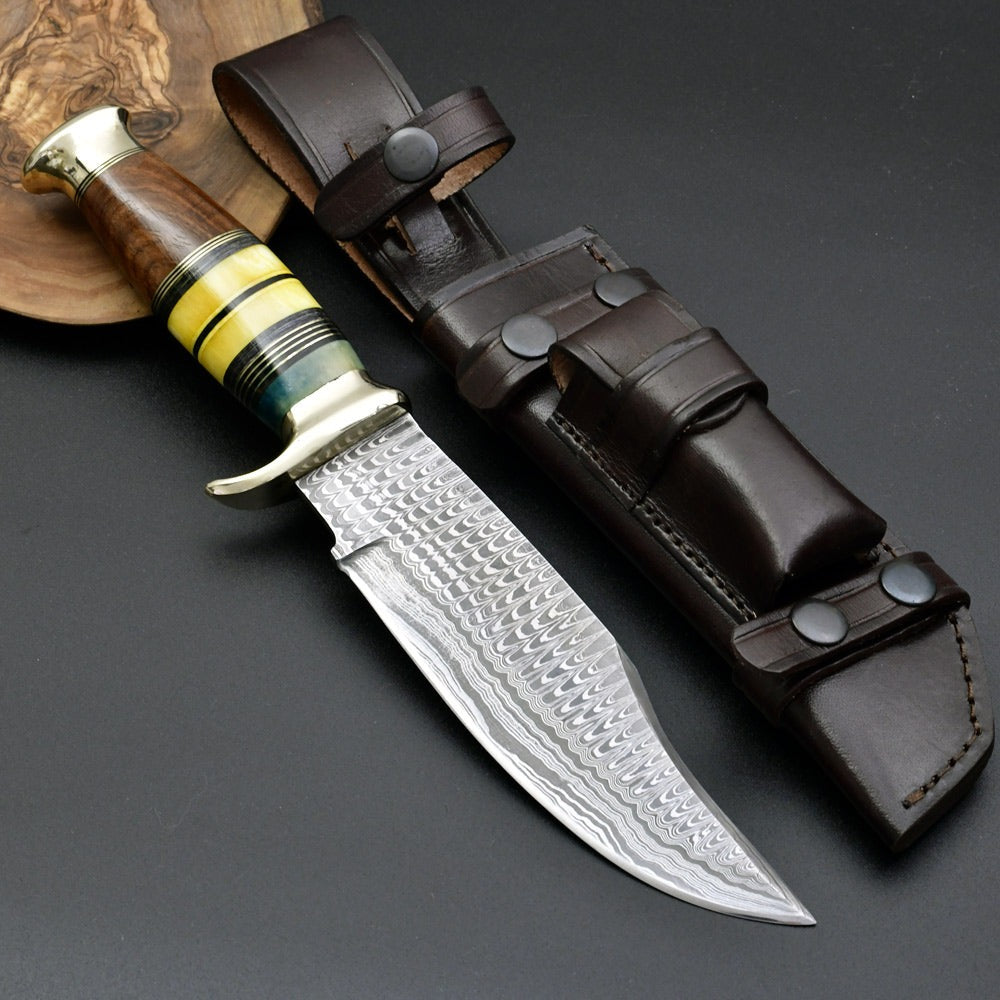
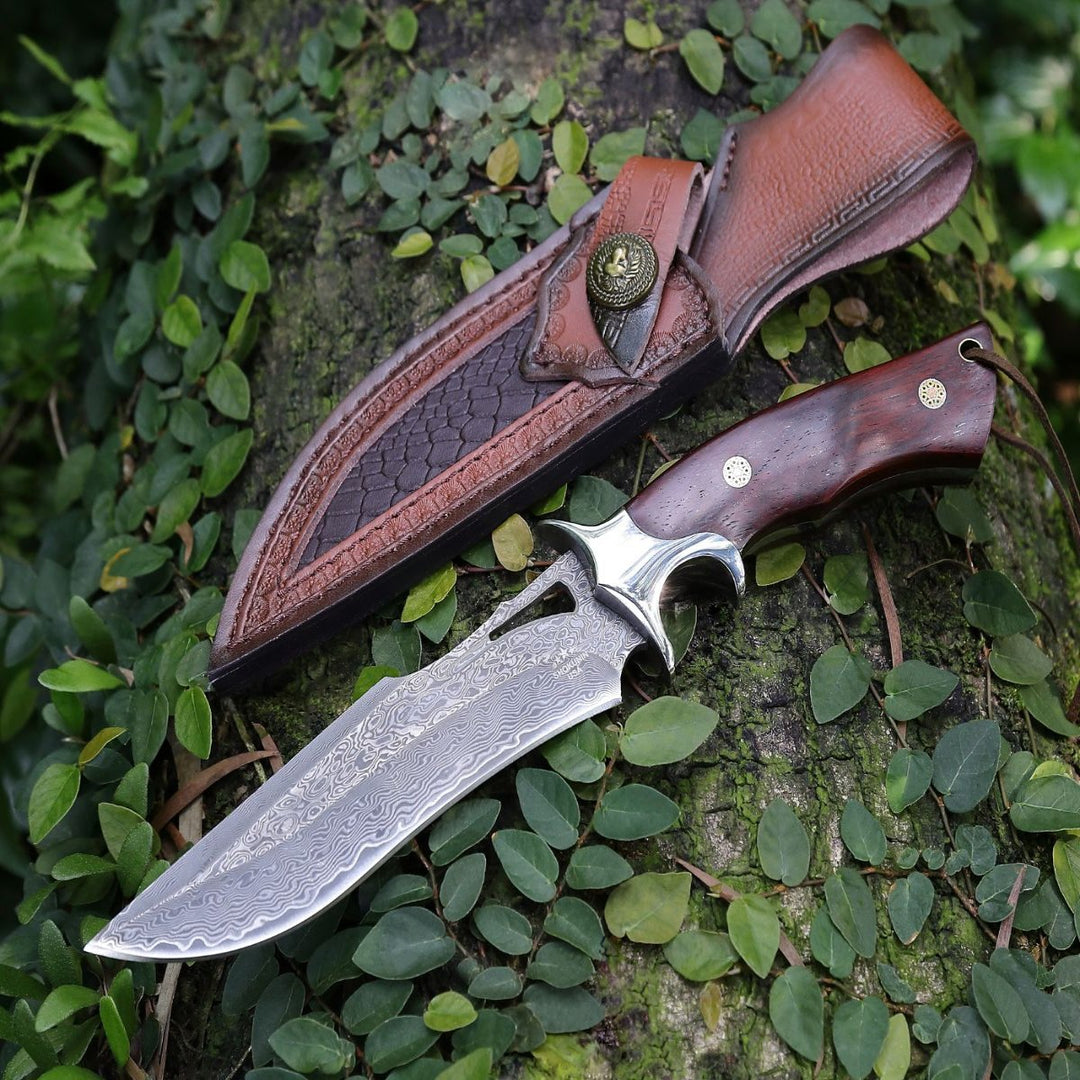
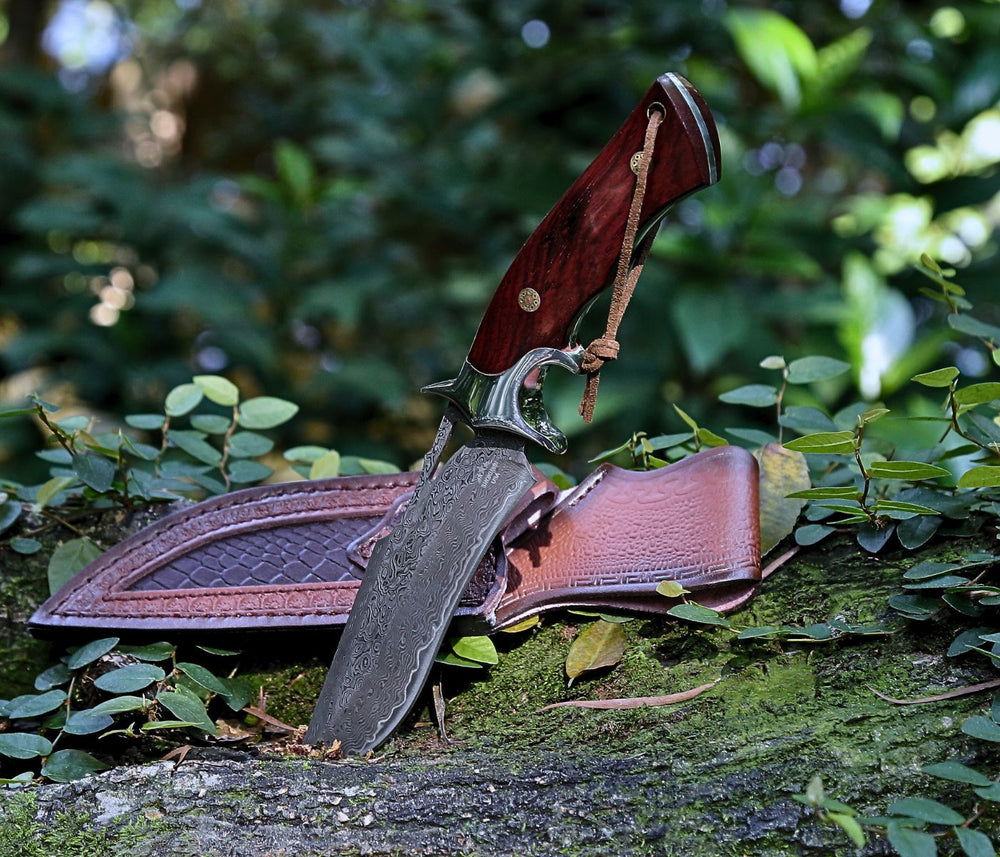
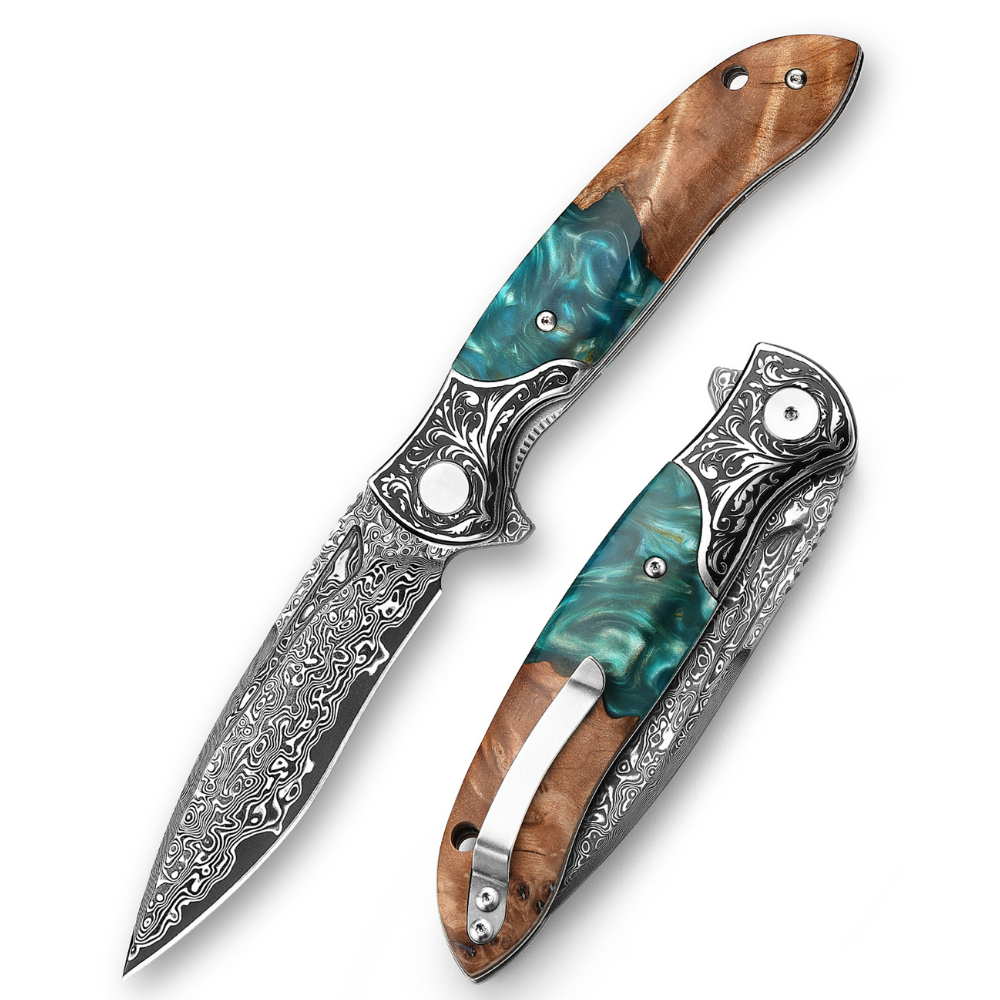
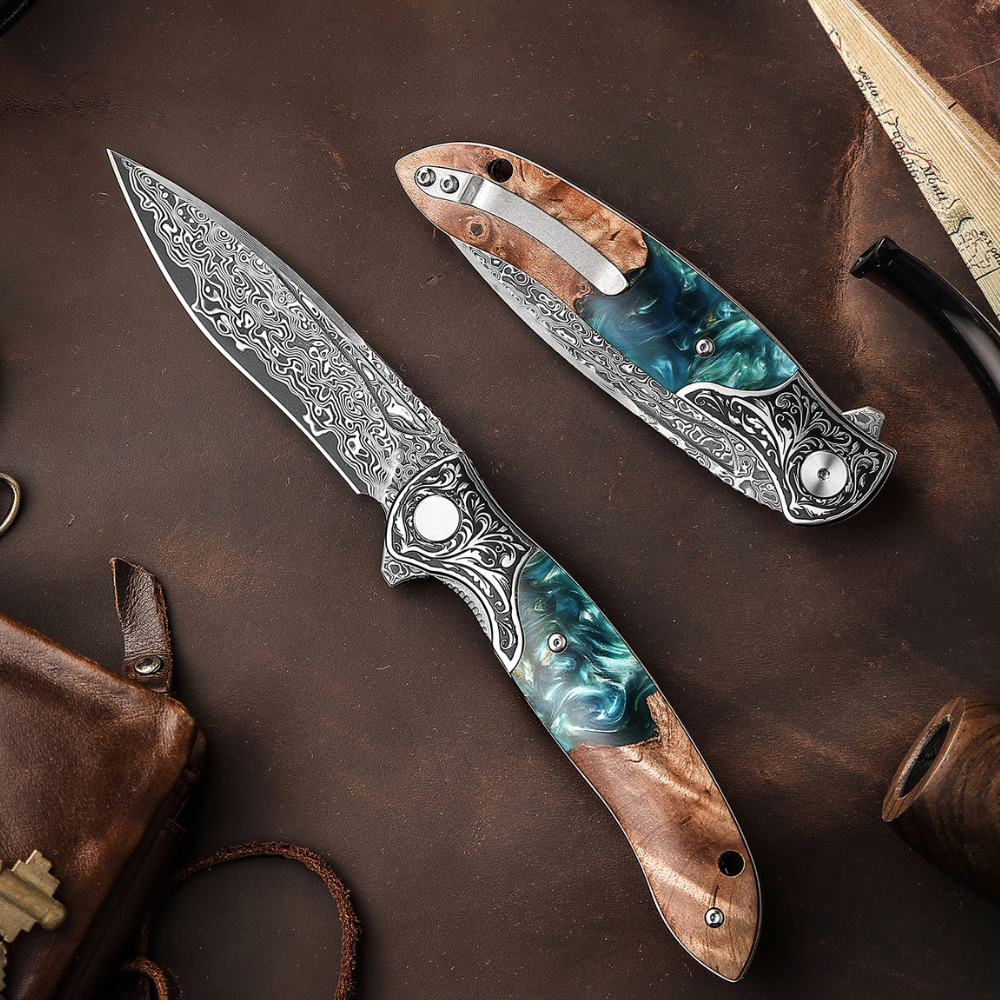
Damascus steel, often associated with high-quality and intricate designs, is a beautiful material that has gained immense popularity for both its functionality and artistry. A Damascus folding pocket knife is not just tool; it exhibits a unique pattern of layered steel that can be strikingly beautiful.
Pros of Damascus Steel
- Edge Retention: Damascus steel boasts excellent edge retention due to its unique metallurgy.
- Corrosion Resistance: It often has good resistance to rust and wear.
- Aesthetic Appeal: The visual patterns in the blade make it a popular choice among collectors and enthusiasts.
Cons of Damascus Steel
- Cost: Often more expensive than other types of steel due to the manufacturing process.
- Maintenance Requirements: While it's resistant to corrosion, it still needs regular care to maintain its beauty.
Tool Steel
Tool steel is another category of steel often used in high-performance knives. This material is designed to withstand the harsh conditions of cutting and shaping materials, and is primarily used in professional-grade tools and knives.
Pros of Tool Steel
- Edge Retention: Exceptional for maintaining a sharp edge over prolonged use.
- Durability: Highly resistant to chipping and damage.
- Variety: Comes in various grades, each tailored for specific applications.
Cons of Tool Steel
- Corrosion Prone: While resilient, many tool steels are not stainless and require maintenance to prevent rust.
- Difficulty in Sharpening: Some variants can be challenging to sharpen without the right tools.
Choosing the Right Steel for Your Pocket Knife
When selecting a pocket knife, ask yourself what your primary use will be. Do you prefer a knife that is low maintenance? Or are you keen on performance and don’t mind a bit of upkeep? Each steel type has its own merits and demerits, which makes it vital to understand your requirements before making a purchase.
Daily Use and Maintenance
If you plan to use your pocket knife daily, practicality should be your priority. Stainless steel options may serve you best due to ease of maintenance and resistance to rust. However, if sharpness and performance are more important than upkeep, consider a high-quality carbon steel knife.
Performance vs. Aesthetics
For knife enthusiasts, the allure of a Damascus folding pocket knife may be irresistible. While its stunning design adds an artistic touch to any collection, remember to factor in your practical needs. Damask knives offer both form and function, but assess whether you’re willing to commit to the necessary care they require.
Understanding Different Grades and Alloys
Knife steels can vary significantly based on the alloying elements used. Look out for additional components like molybdenum, vanadium, or tungsten, as they can elevate a knife’s performance attributes. Different grades within the same category can deliver distinct results, so researching the brand and the specific steel used is crucial.
Knives in Different Industries
The knife industry caters to a wide array of uses, and each application has its preferred types of steel. Here’s a glance at some common applications and steel preferences:
Culinary Knives
In the culinary realm, stainless steel is often regarded as the gold standard. Its non-reactive nature makes it suitable for food preparation, while the ease of maintenance ensures hygienic use.
Outdoor and Survival Knives
For outdoor enthusiasts or survivalists, durable steels such as tool steel or high-carbon options—known for their edge retention—are preferred. Their strength and durability lend themselves well to rigorous tasks.
Everyday Carry (EDC) Knives
EDC knives, including various pocket knives, often require a balance of portability and performance. Consider knives that utilize stainless steel for day-to-day convenience, or, for those who prioritize performance, a quality carbon or Damascus steel knife can be ideal.
Final Thoughts: Knives Beyond Steel
Exploring the different knife materials illuminates not just the science of steel, but the art of craftsmanship that goes into blade making. When choosing a knife—from the elegance of a Damascus folding pocket knife to everyday operations with pocket knives—understanding the material will guide your selection to meet your functional needs and personal style. Remember, the best knife is one that feels right in your hand and suits your specific requirements and lifestyle.
As you continue your journey through the knife domain, equip yourself with knowledge about the materials available. The right choice will not only enhance your experience but will also enrich the significance of every cut you make. Happy knife hunting!
Glossary
| Term | Meaning |
|---|---|
| Knife Materials | Substances used to create knife blades, influencing performance and durability. |
| Carbon Steel | A steel type known for sharpness and ease of sharpening but prone to rust. |
| Stainless Steel | Corrosion-resistant steel, ideal for low maintenance and kitchen use. |
| Damascus Steel | Steel with layered patterns, known for edge retention and aesthetic appeal. |
| Tool Steel | High-performance steel designed for durability and edge retention in tools. |
| Edge Retention | The ability of a blade to maintain its sharpness over time. |
| Corrosion Resistance | The ability of a material to withstand rust and degradation. |
| Everyday Carry (EDC) | Knives designed for regular use, balancing portability and performance. |
| Culinary Knives | Knives specifically designed for food preparation tasks. |
| Maintenance | Care required to keep a knife in optimal condition. |
Linked Product

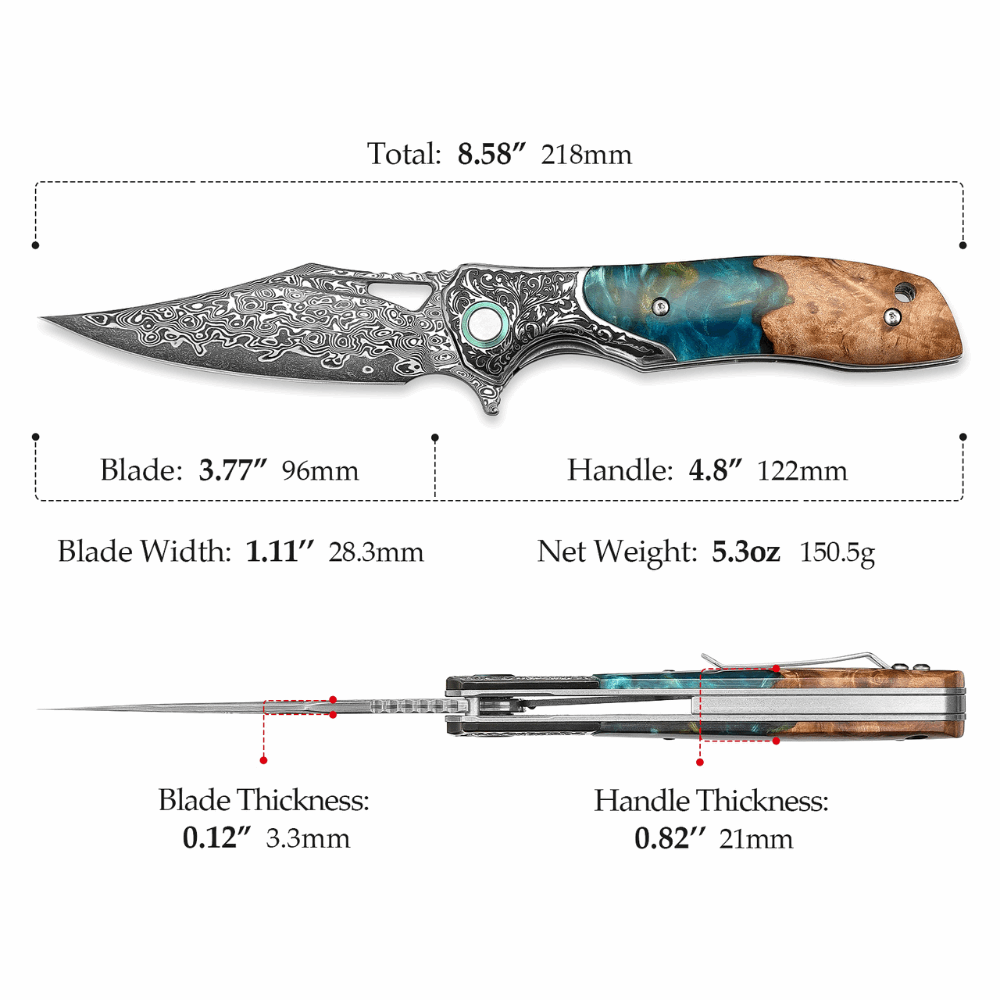
Galaxy Japanese Damascus Folding Pocket Knife with Maple Burl Wood Handle
The Galaxy Japanese Damascus Folding Pocket Knife features a unique blade crafted from VG10 and 15n20 steel, ensuring exceptional strength and edge retention. With its maple burl wood handle and lightweight design, this knife provides a comfortable grip for various tasks, making it suitable for outdoor activities such as camping and hiking. Additionally, the included leather sheath and sharpening tools enhance its practicality, making it a valuable companion for everyday use or a thoughtful gift for enthusiasts.
View Product






Hinterlassen Sie einen Kommentar