


Overview
Handmade pocket knives are not just tools; they are works of art that showcase exceptional craftsmanship. This article explores key techniques in knife-making, including blade forging, precision grinding, handle design, and finishing touches. Handmade knives offer superior quality, customization, and longevity compared to mass-produced alternatives, while also supporting local artisans and sustainable practices. Understanding the artistry behind these knives enhances appreciation for their beauty and functionality.
Table of Contents
- The Essence of Handmade Craftsmanship
- 1. Blade Forging Techniques
- 2. Precision Grinding
- 3. Handle Design and Material Selection
- 4. Finishing Touches
- Cultural Significance of Pocket Knives
- 1. Japanese Knife Making
- 2. Western Bladesmithing
- Why Choose Handmade Over Mass-Produced?
- The Future of Pocket Knife Craftsmanship
- 1. Sustainable Practices
- 2. Engaging Communities
- Unlocking the Art of Knife Craftsmanship
Key Takeaways
- Handmade pocket knives are crafted with a focus on quality over quantity, resulting in unique and functional art pieces.
- The forging process using Damascus steel enhances both the blade's aesthetics and performance, ensuring durability and edge retention.
- Precision grinding shapes the blade for optimal sharpness, significantly impacting its everyday usability.
- The choice of handle materials like wood, G10, micarta, and titanium affects comfort, grip, and overall knife aesthetics.
- Finishing touches such as polishing and protective coatings elevate the knife's visual appeal and longevity.
- Supporting local artisans by choosing handmade knives contributes to the preservation of traditional craftsmanship.
- The future of pocket knife craftsmanship is shaped by sustainable practices and community engagement among knife enthusiasts.
In a world saturated with mass-produced items, the allure of handmade craftsmanship stands out, particularly in the realm of knives. The artisanal touch, attention to detail, and dedication to quality make handmade pocket knives not just functional tools, but true works of art. This article delves into the top craftsmanship techniques in creating stunning handmade pocket knives, focusing on elements that elevate these EDC (Everyday Carry) knives to a level of excellence that aficionados and casual users alike can appreciate. Let's explore how skill and passion come together in each blade!
The Essence of Handmade Craftsmanship
Handmade pocket knives embody a philosophy of quality over quantity. They are the result of countless hours of dedication, from selecting the finest materials to the meticulous finishing touches. Understanding the craftsmanship techniques involved is key to appreciating the true value of these knives. Here, we will discuss some of the top techniques that define the art of knife-making.
1. Blade Forging Techniques
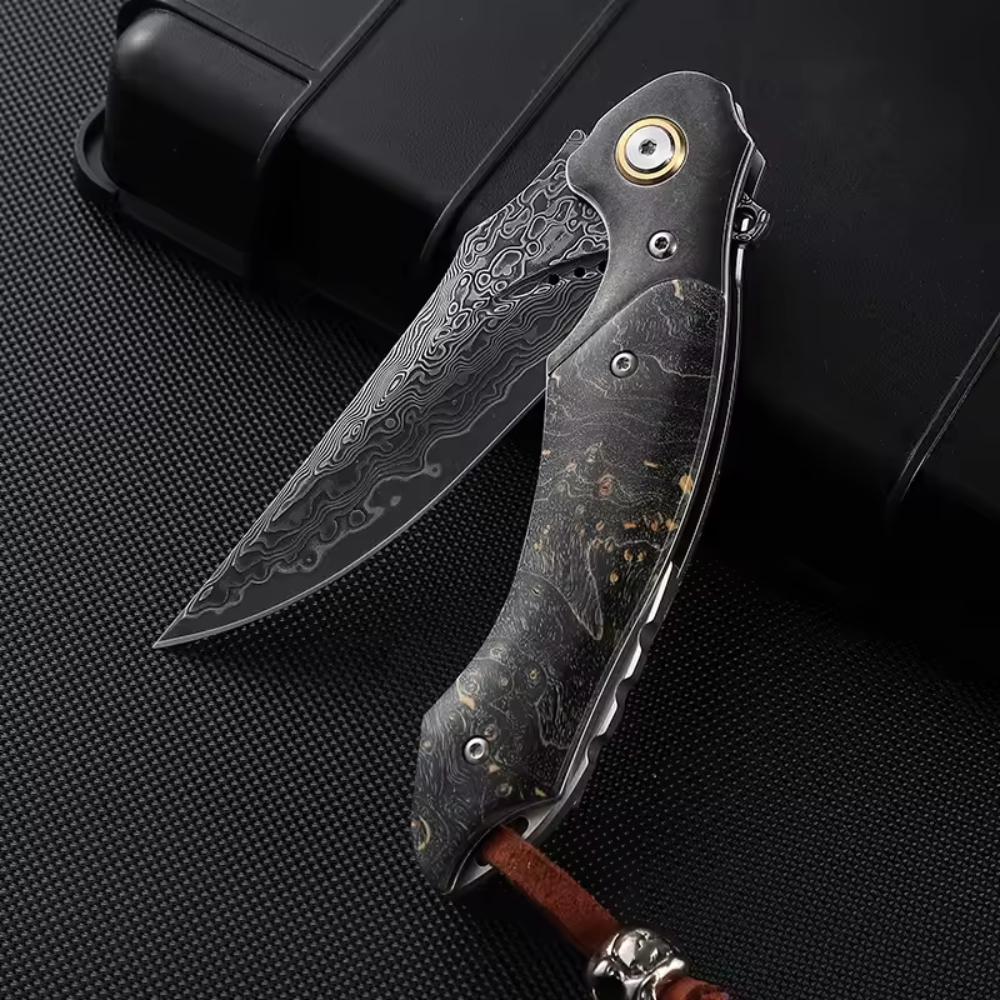
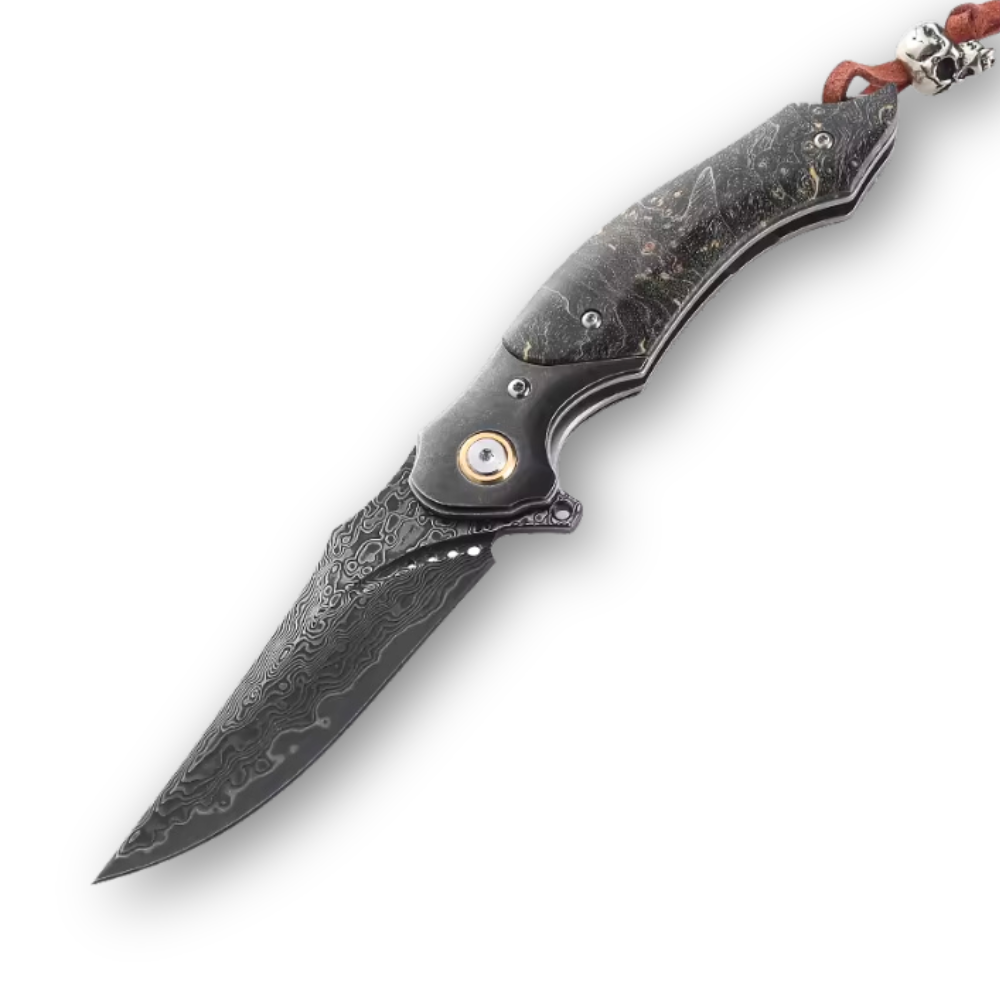
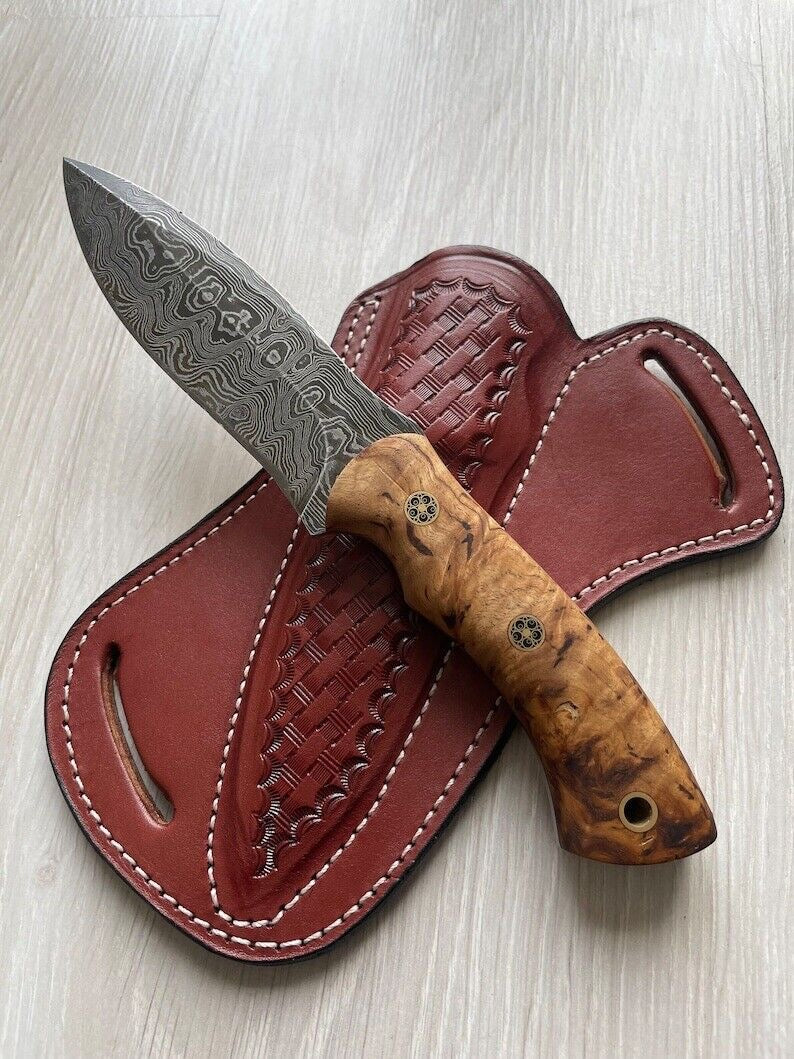
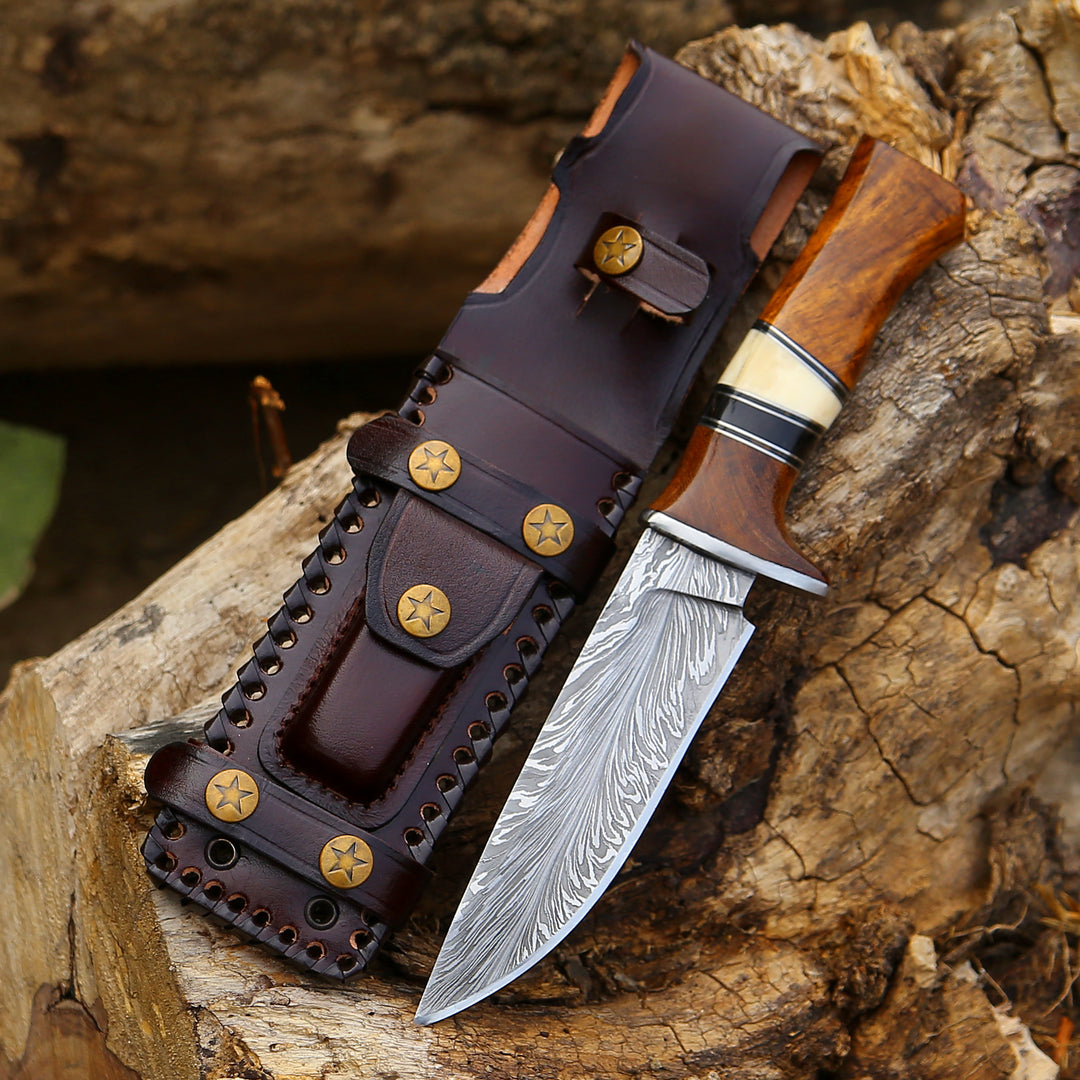
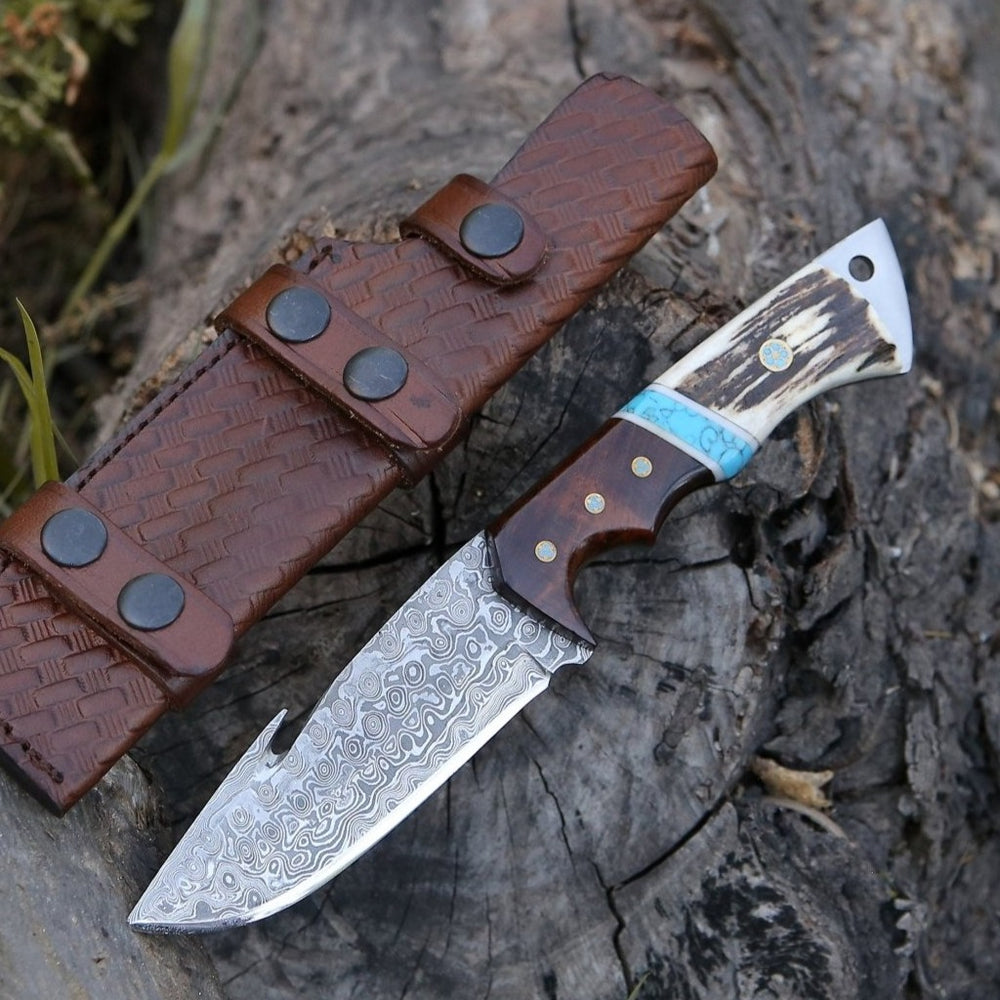
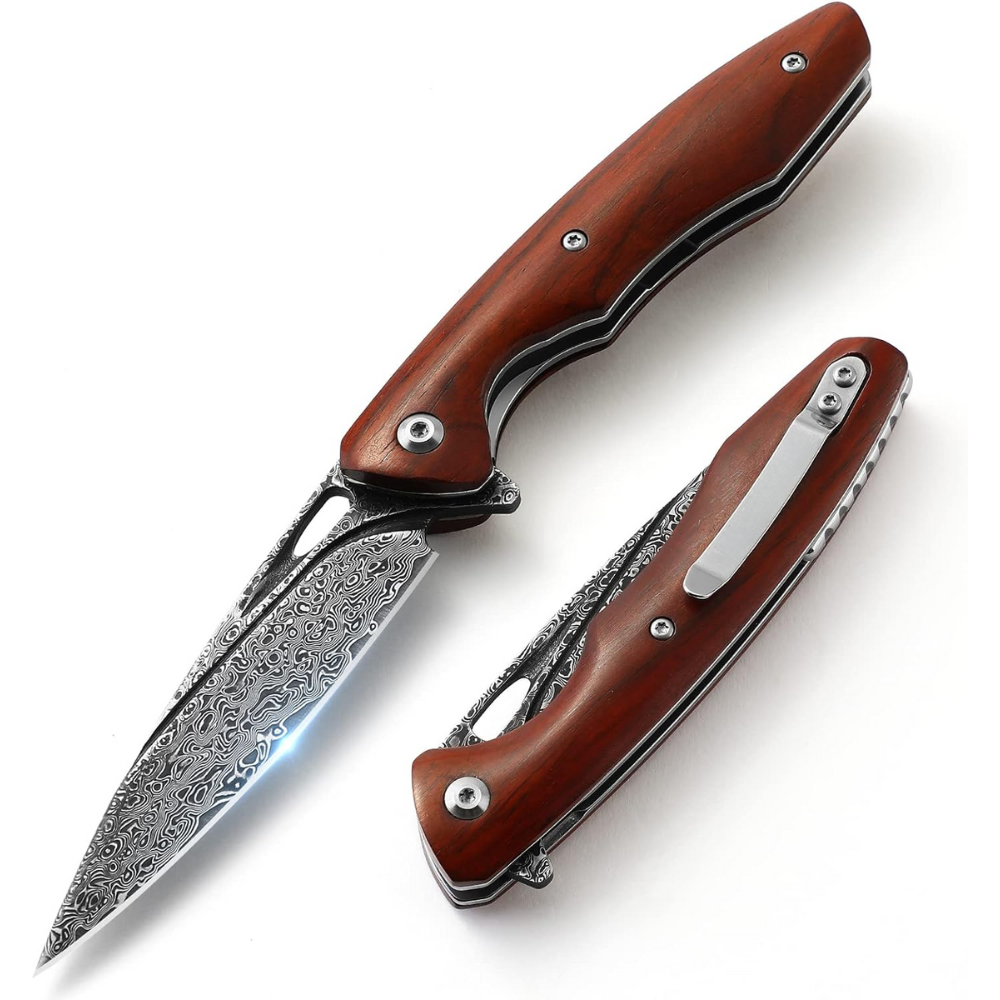
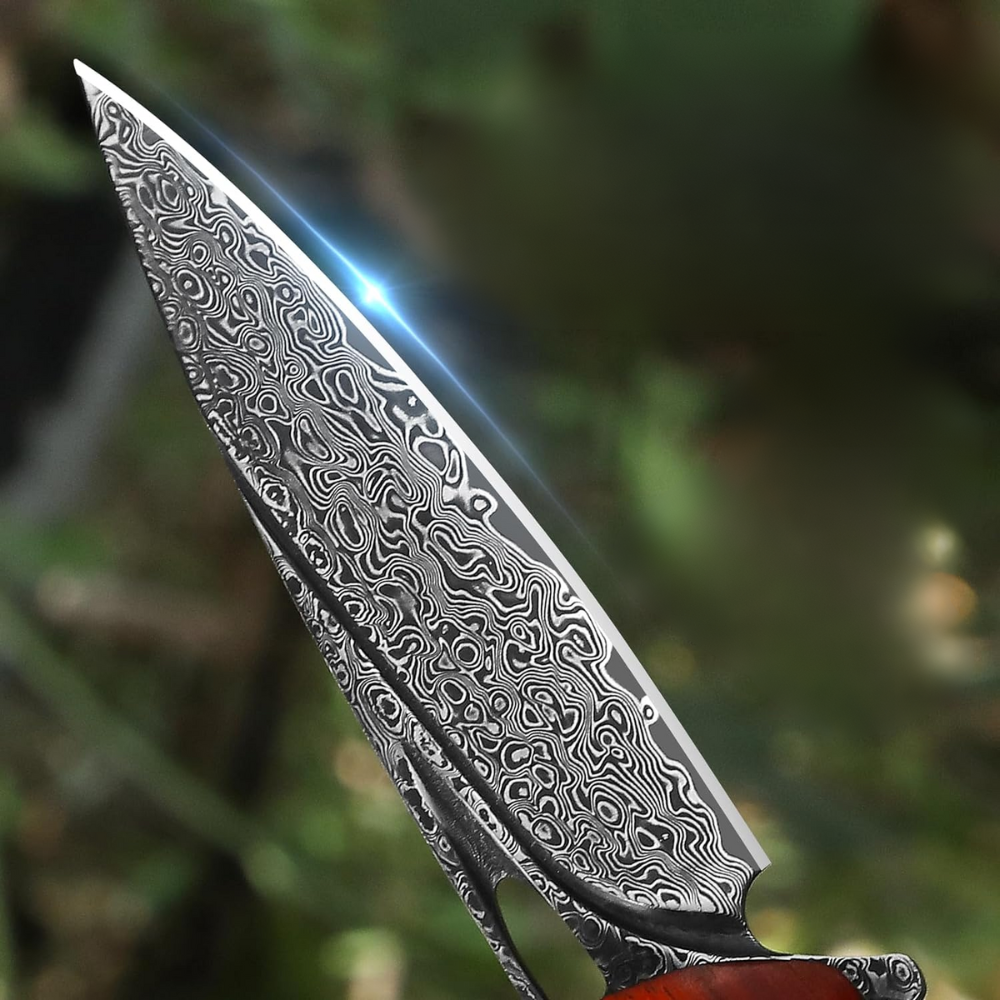
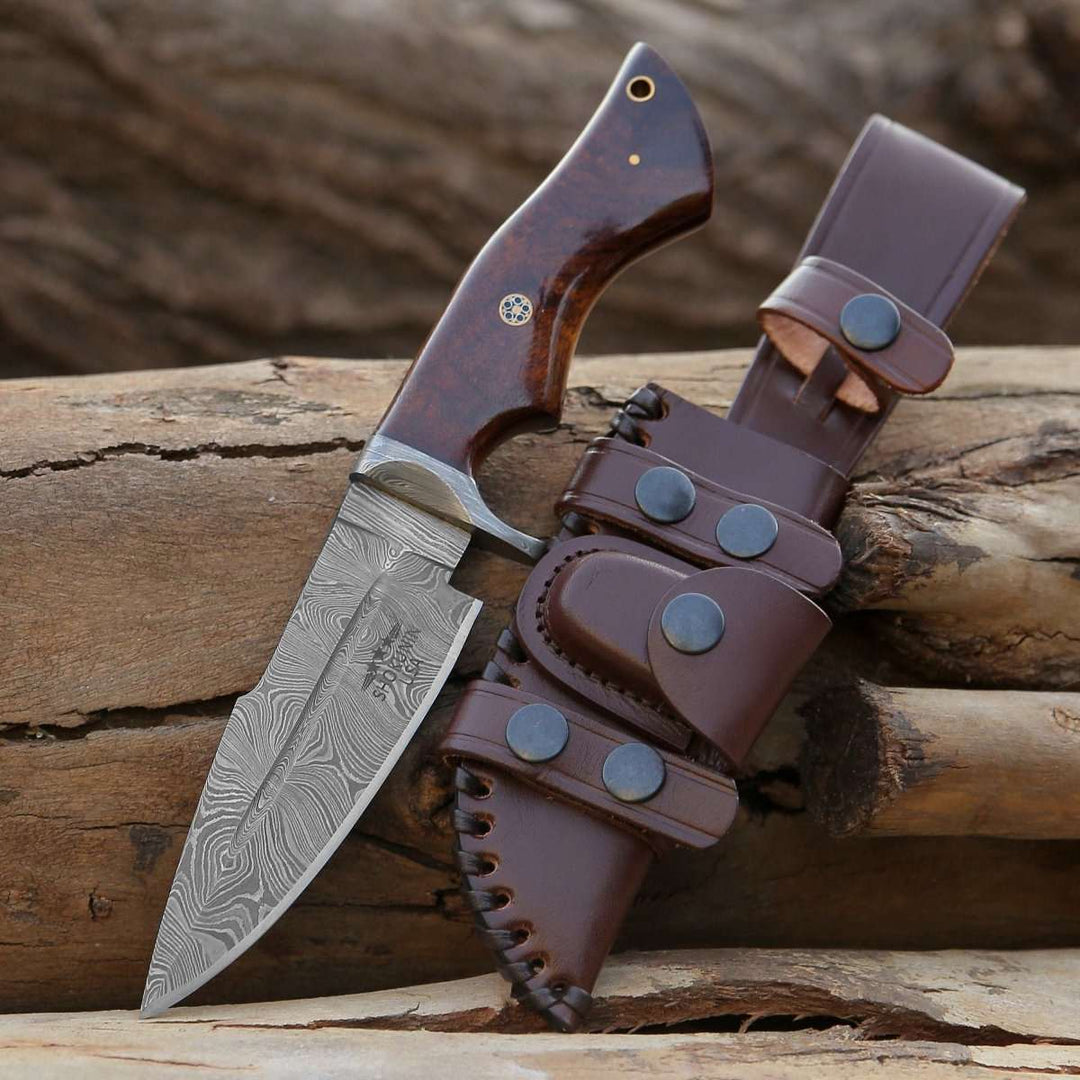
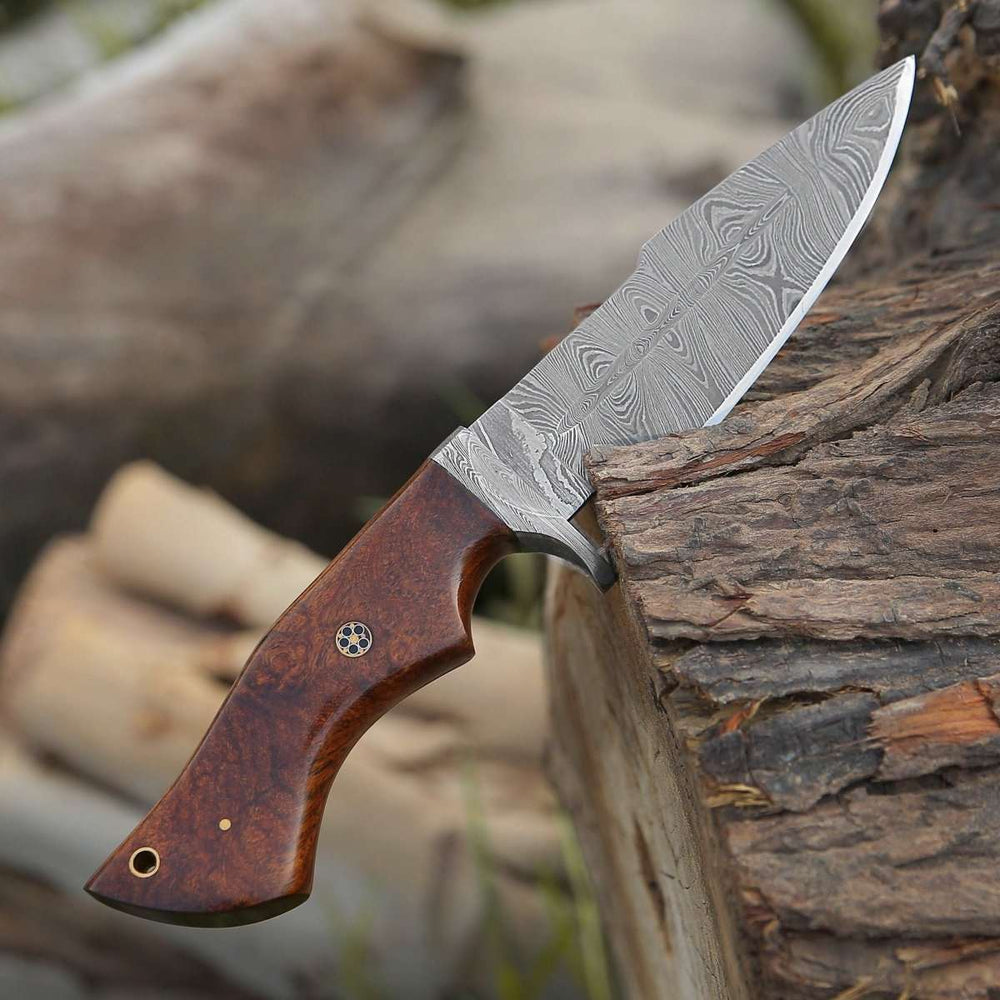
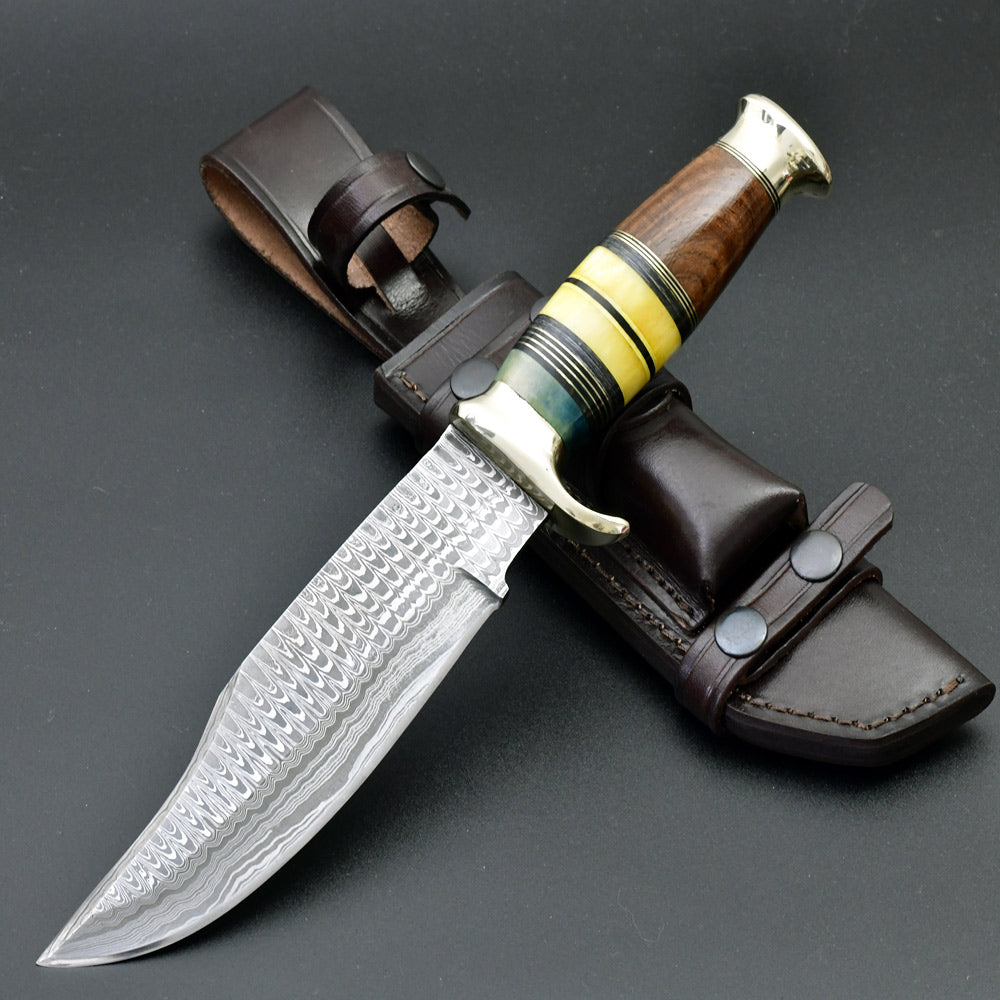
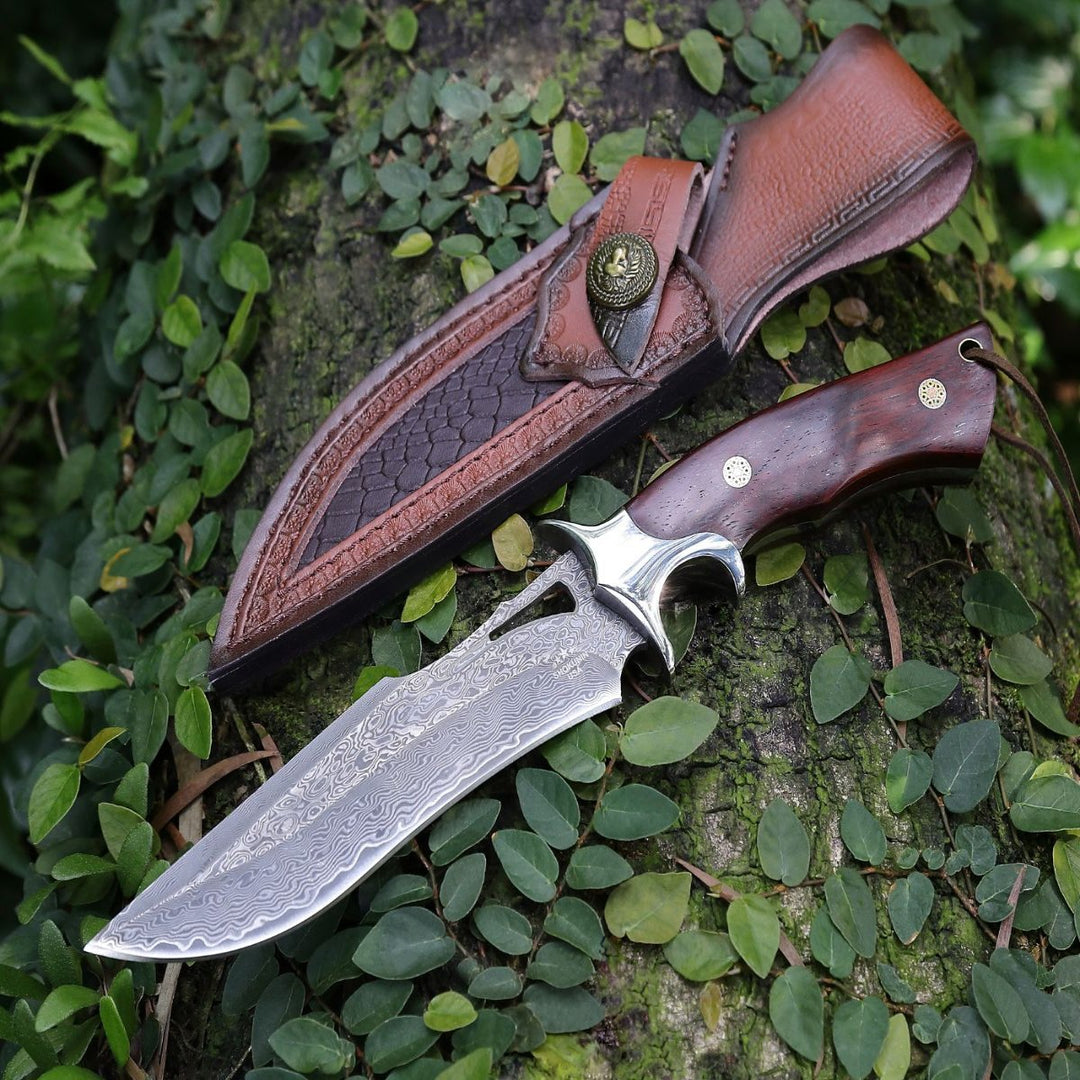
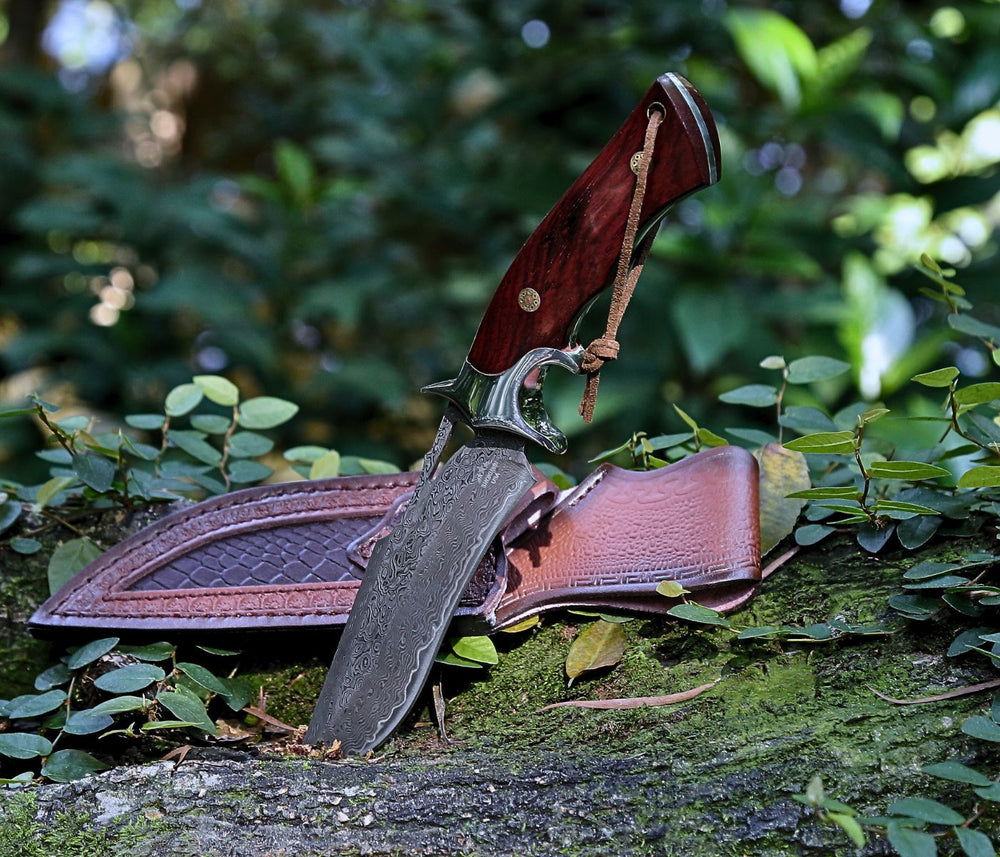
At the heart of every exceptional pocket knife lies the blade. The forging process plays a crucial role in determining a knife's performance and aesthetic appeal. Blacksmiths often employ Damascus steel for its breathtaking patterns and superior strength. This unique process involves layering different types of steel, then folding and hammering them into a single piece, which results in a blade that is not only beautiful but hardy as well.
Forging blades not only enhances the aesthetic quality but also ensures better edge retention and overall durability. Each blade becomes unique due to the natural variations in the steel mixture, leading to an exclusive character that mass-produced knives simply cannot replicate.
2. Precision Grinding
Once a blade is forged, precision grinding shapes it to the desired form. This stage is integral to achieving a sharp, reliable edge. Craftsmen use various tools, such as belt grinders and hand files, to refine the blade's geometry. Whether it's a flat grind, hollow grind, or convex grind, each technique influences how the knife performs in everyday tasks.
The emphasis on precision in grinding is particularly evident in high-quality EDC knives. A well-ground blade not only provides functionality but an effortless cutting experience, making it an indispensable tool for everyday activities.
3. Handle Design and Material Selection
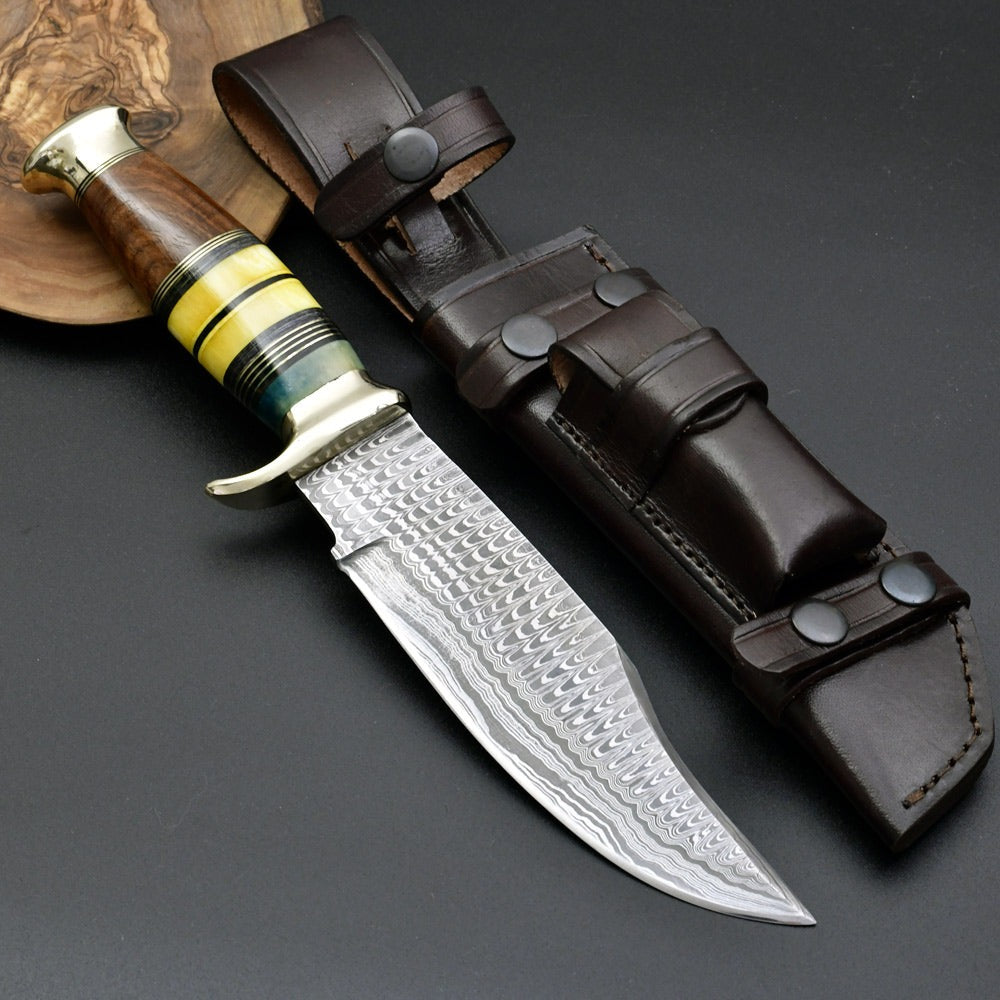
The handle of a pocket knife is just as crucial as its blade. A well-designed handle not only enhances comfort during use but also complements the knife’s overall aesthetics. Craftsmen choose from a variety of materials, including wood, G10, micarta, titanium, and even gold or carbon fiber for luxury models. Each material offers its own benefits in terms of weight, grip, and durability.
- Wood: Known for its classic appeal, wood handles provide natural beauty and warmth.
- G10: This fiberglass laminate provides strength and a textured grip, ideal for everyday use.
- Micarta: Made from layers of fabric with resin, this material offers both style and robustness.
- Titanium: Valued for its lightweight yet strong properties, titanium handles add a modern touch.
4. Finishing Touches
The finishing touches elevate a handmade pocket knife from functional to exceptional. This stage includes polishing, buffing, and the application of protective coatings. Polishing can enhance the visual aesthetics of the blade, highlighting the unique patterns of Damascus pocket knives. A well-polished knife attracts attention, often becoming a conversation piece.
Moreover, a protective coating not only preserves the knife's surface but also improves its resistance to corrosion and wear. Craftsmen may apply oils or other finishes that provide an added layer of protection while ensuring the beauty of the knife remains intact.
Cultural Significance of Pocket Knives
Handmade pocket knives carry with them a range of cultural significances. In many societies, possessing a quality knife is not just about utility; it represents a connection to one’s heritage and a testament to artisanal skill. Each region may have its own traditional techniques and styles, contributing to the rich tapestry of global knife-making.
1. Japanese Knife Making
Japanese craftsmanship is renowned for its meticulous attention to detail, especially in Damascus pocket knives. The tradition of producing knives dates back centuries, often encompassing spiritual elements along with the technique. Japanese knife makers frequently use time-honored techniques, emphasizing balance, sharpness, and aesthetic appeal, which are hallmark traits of their craftsmanship.
2. Western Bladesmithing
In Western countries, bladesmithing has evolved over the years into a celebrated craft. It blends traditional techniques with modern innovations, emphasizing both the artistic and practical aspects. Many artisans in the USA and Europe have crafted their own legacy by refining their unique techniques, often resulting in unique, one-of-a-kind EDC knives.
Why Choose Handmade Over Mass-Produced?
When selecting a pocket knife, one may wonder whether to choose a handmade option or go with a mass-produced model. Handmade knives offer several compelling advantages:
- Quality Control: Handmade knives usually undergo stringent quality checks during the crafting process, ensuring a level of quality that is hard to match.
- Customization: Many artisans offer customization options, allowing buyers to request specific designs or materials tailored to their preferences.
- Longevity: The materials and techniques used in handmade knives typically result in greater longevity and durability.
- Support Local Craftsmen: Buying handmade supports local artisans and contributes to the preservation of traditional crafts.
The Future of Pocket Knife Craftsmanship
As we look to the future, the handmade pocket knife industry continues to evolve. New technologies intersect with traditional craftsmanship, allowing artisans to innovate while staying true to the roots of the craft. From CNC machines that assist in precision to the power of online marketplaces connecting artisans with buyers worldwide, the future of these handmade treasures is bright.
1. Sustainable Practices
For many artisans, sustainability is becoming a cornerstone of production philosophy. Sourcing materials responsibly and adopting eco-friendly practices are gaining traction, much to the delight of environmentally-conscious consumers. This shift fosters a connection to nature that resonates with the idea of finely crafted tools that honor their origins.
2. Engaging Communities
As the popularity of handmade knives grows, so too does the community of knife enthusiasts. Social media platforms and forums offer a space for sharing craftsmanship techniques, tips, and personal collections, fostering a sense of camaraderie among makers and users alike. Engaging with fellow enthusiasts can lead to learning and sharing new techniques that push the boundaries of what is possible.
Unlocking the Art of Knife Craftsmanship
Craftsmanship in handmade pocket knives is not merely a skill—it's a passion that transforms raw materials into functional art. Understanding the various techniques involved offers insight into why these knives hold such appeal among collectors and everyday users. Whether you’re a seasoned knife enthusiast or just discovering the world of artisanal tools, recognizing the craftsmanship behind each blade enhances your appreciation for these remarkable pieces.
So, the next time you hold a handmade pocket knife, take a moment to recognize the artistry and craftsmanship behind it. From the careful selection of materials to the final polish, each knife tells a story of dedication, tradition, and skill. Empower yourself with this knowledge, and celebrate the craftsmanship that enriches our everyday lives.
Frequently Asked Questions
1. What are the main advantages of handmade pocket knives over mass-produced ones?
2. What techniques are involved in the craftsmanship of handmade pocket knives?
3. How does blade forging enhance the quality of a pocket knife?
4. What materials are commonly used for the handles of handmade pocket knives?
5. How is the future of handmade pocket knife craftsmanship looking?
Glossary
| Term | Meaning |
|---|---|
| Handmade | Crafted by hand, emphasizing artistry and quality. |
| EDC | Everyday Carry; items used daily for practical purposes. |
| Damascus Steel | Steel known for its distinctive patterns and strength. |
| Precision Grinding | Shaping blades to achieve sharpness and functionality. |
| Micarta | A durable material made from layers of fabric and resin. |
| Polishing | Enhancing blade aesthetics and providing protection. |
| Bladesmithing | The craft of making blades, combining art and function. |
| Sustainability | Practices that promote environmental responsibility in production. |
| Customization | Personalizing items to meet specific preferences. |
| Artisanal | Relating to skilled craftsmanship and traditional methods. |
Linked Product

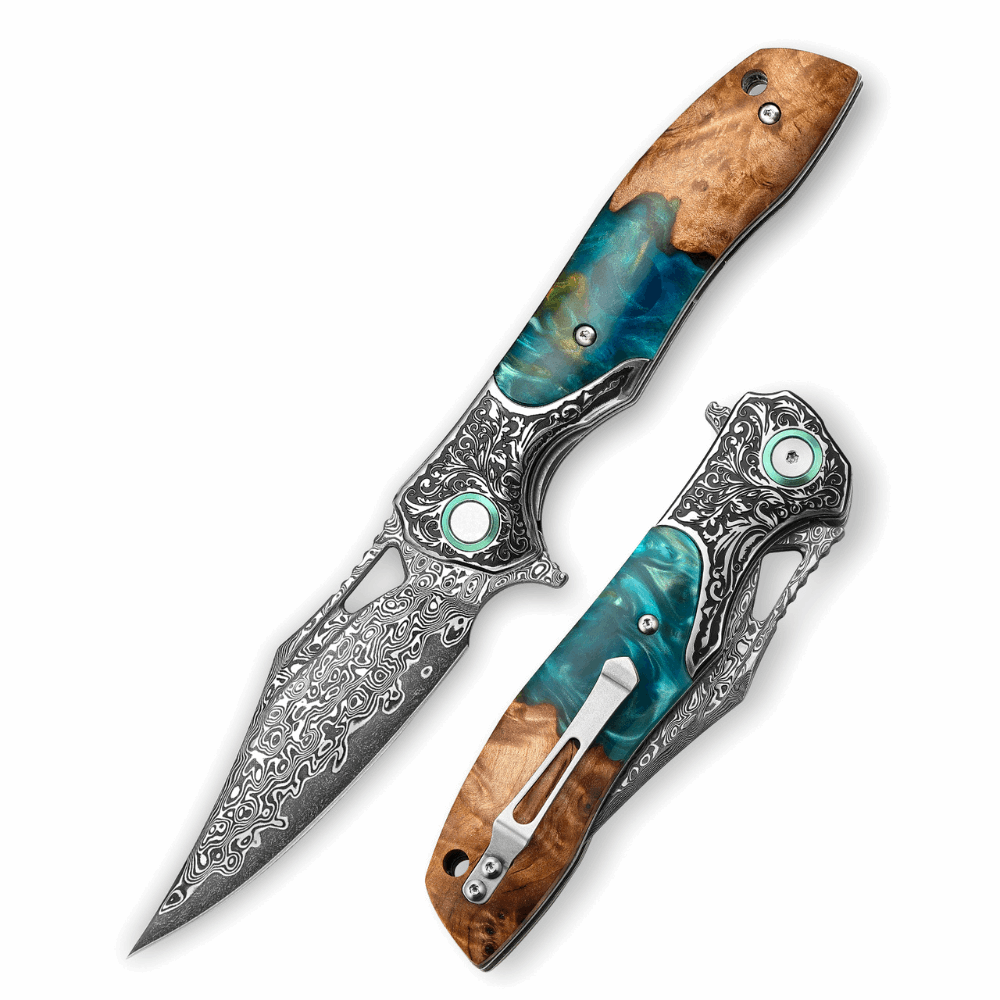
Thunderblade Handmade Damascus Pocket Knife with Leather Sheath & Mother of Pearl Resin
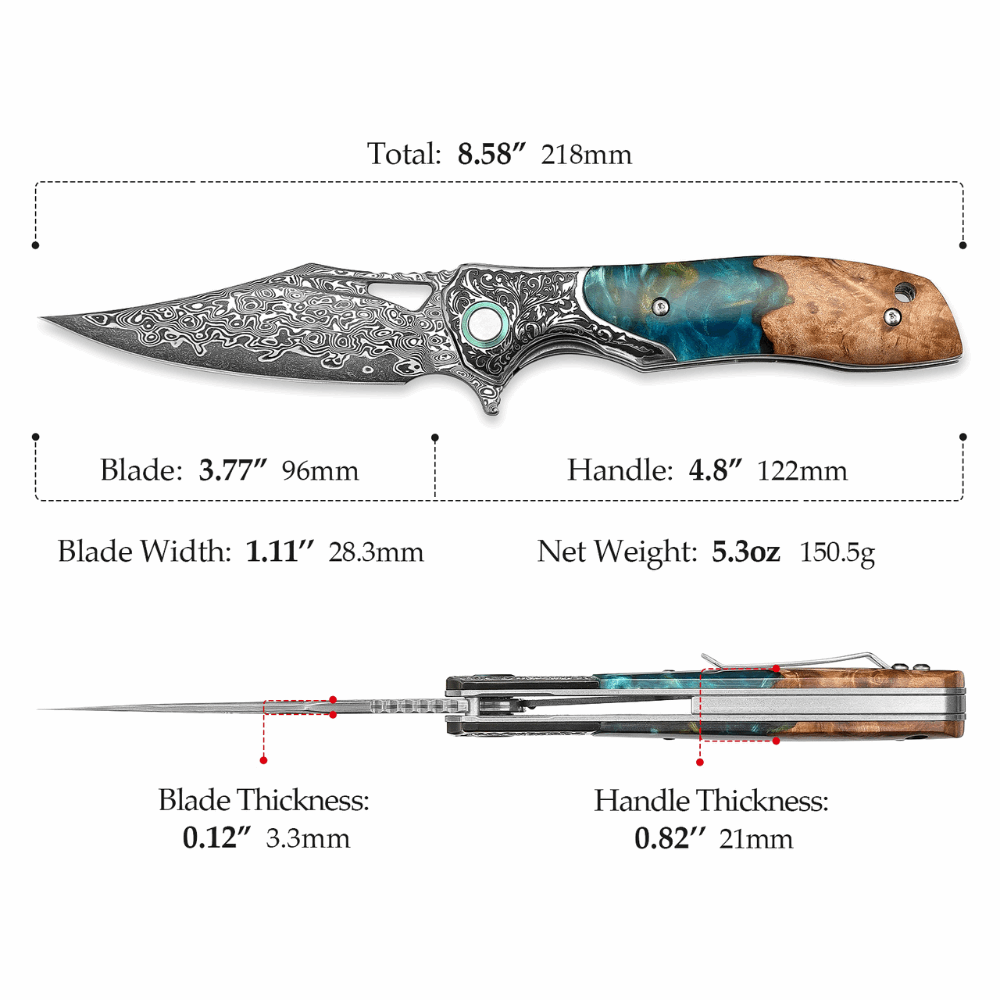
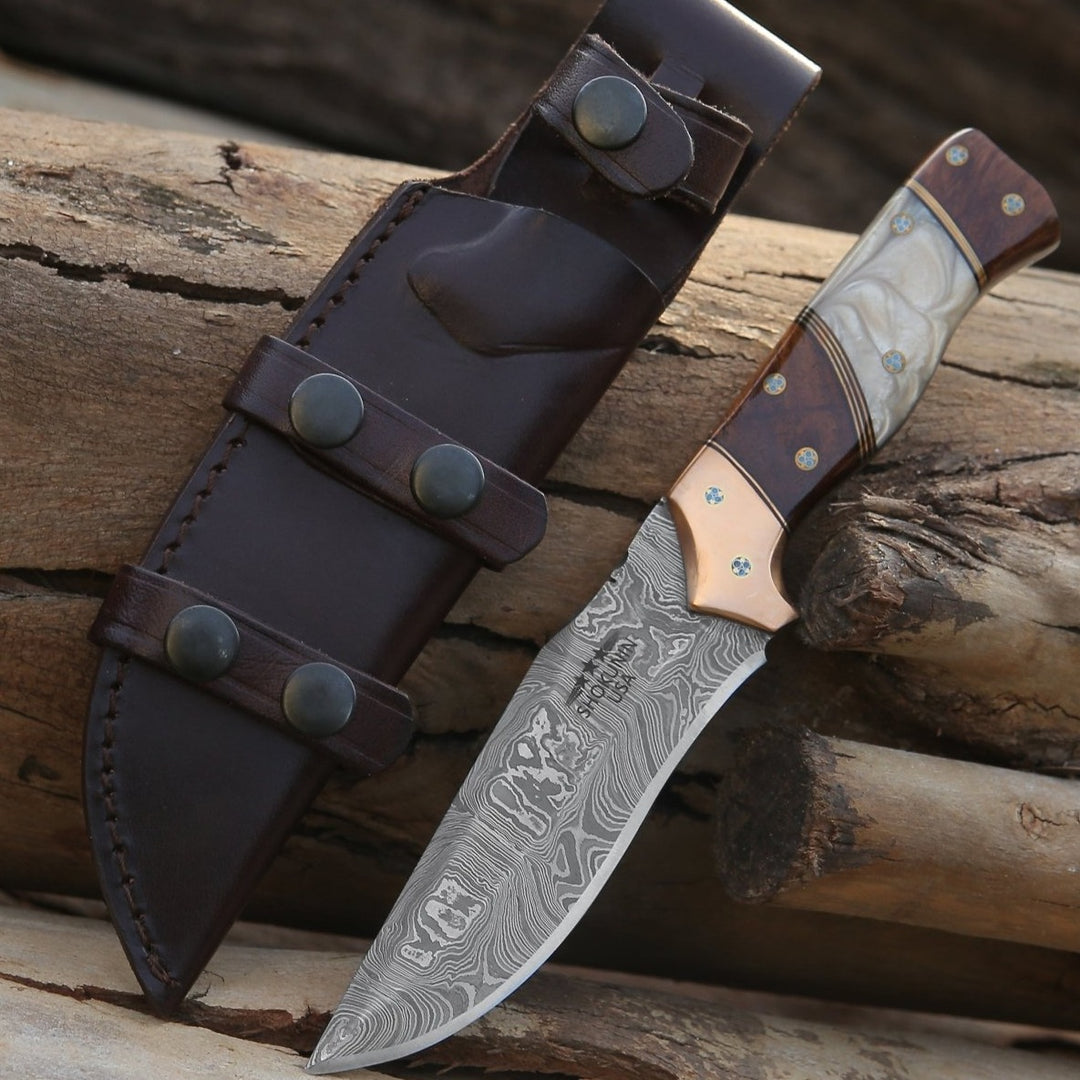
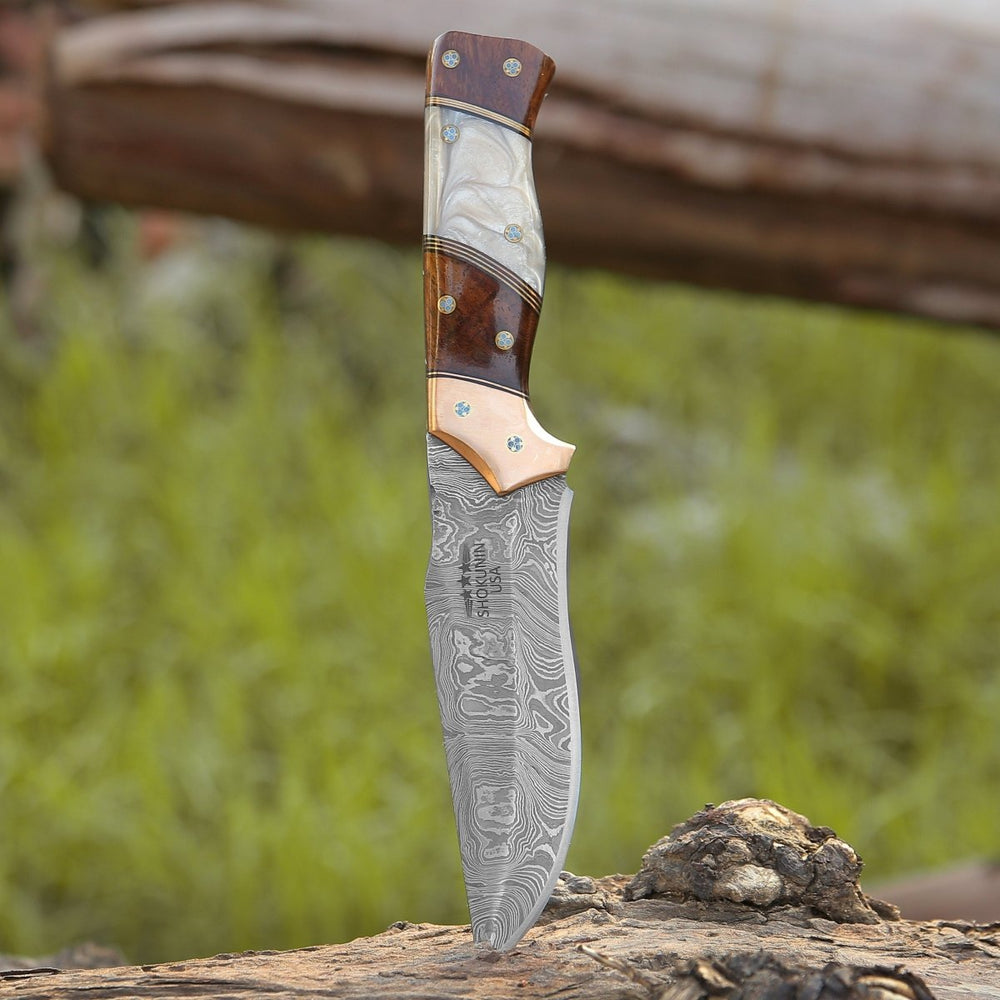
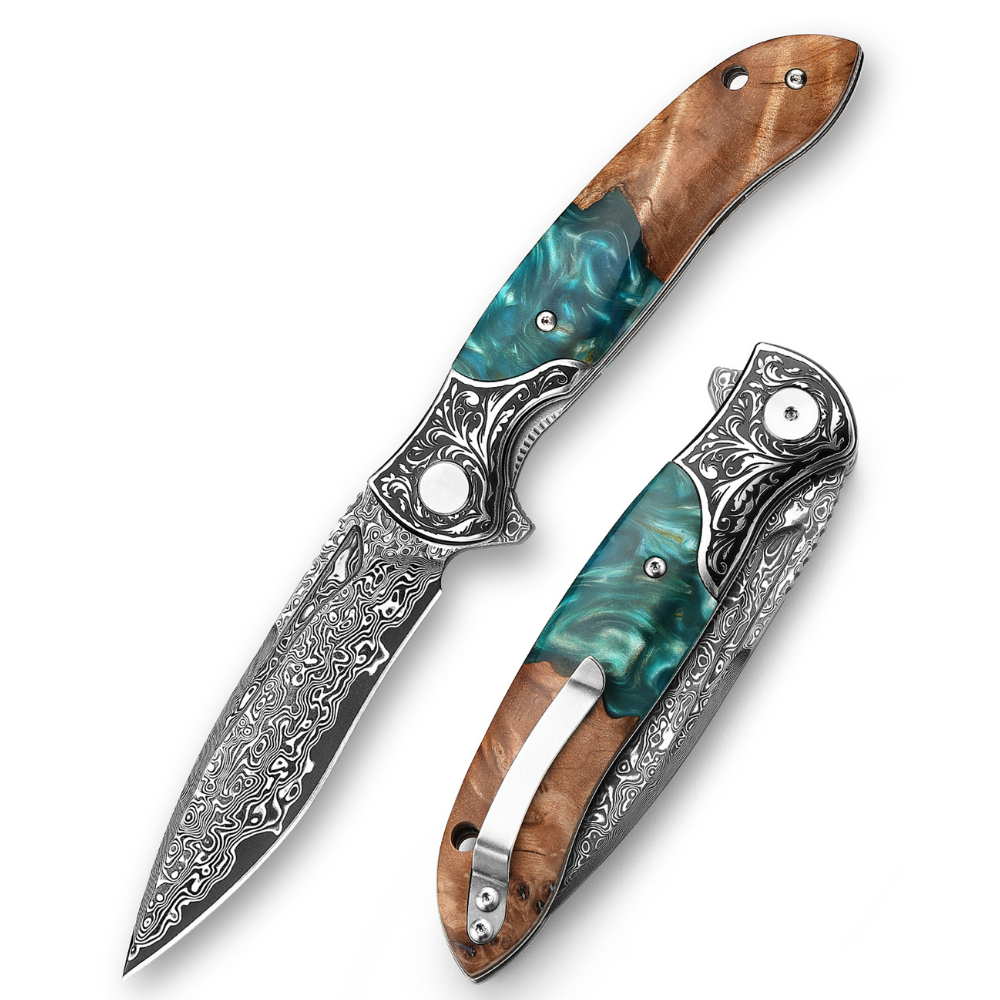
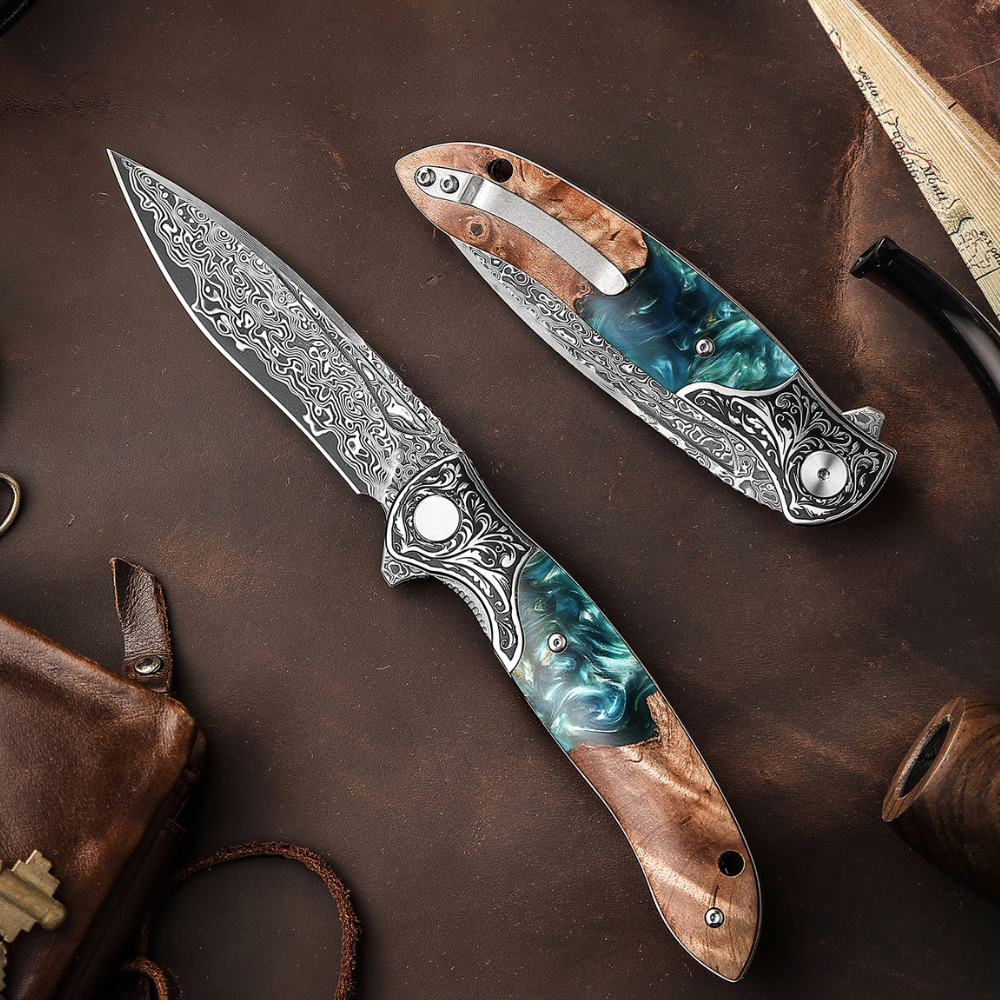
The Thunderblade Handmade Damascus Pocket Knife combines artistry and functionality with its unique hand-forged blade and elegant mother of pearl resin handle. With an overall length of 8.5 inches, it features a durable back lock mechanism and comes with a hand-stitched leather sheath for convenient storage. This pocket knife is designed for both aesthetic appeal and practical use, making it suitable for everyday tasks and as a stylish accessory.
View Product






Dejar un comentario