


Overview
Custom knives are unique art pieces that blend functionality and craftsmanship. This article explores their history, techniques, materials, and customization options, emphasizing the artistry and personal expression involved in their creation. It also highlights the importance of proper maintenance and the growing community of collectors and enthusiasts.
Table of Contents
- The History of Custom Knives
- Early Origins
- The Modern Era
- Craftsmanship Techniques
- Blade Forging
- Heat Treatment
- Grinding and Sharpening
- Understanding Different Blade Types
- Fixed Blades vs. Folding Knives
- Blade Shape and Style
- The Materials Behind Custom Knives
- Blade Materials
- Handle Materials
- Customization Options
- Engravings and Inlays
- Blade Finish
- The Collectors' Perspective
- Investment Value
- Community and Events
- Maintaining Your Custom Knife
- Cleaning
- Sharpening
- Storage
- More than Just a Tool
Key Takeaways
- Custom knives are unique art pieces that reflect the skill and creativity of the craftsmen behind them.
- Blade forging is a crucial step that involves heating high-quality steel and shaping it, which enhances both strength and aesthetics.
- Heat treatment improves a knife's hardness and edge retention, critical for maintaining sharpness during use.
- Different blade types serve specific purposes, with fixed blades being robust for heavy tasks and folding knives offering portability for everyday carry.
- Blade materials such as carbon steel, stainless steel, and Damascus steel each have unique properties impacting performance and maintenance.
- Customization options allow for personal touches like engravings and unique finishes, enhancing both functionality and aesthetic appeal.
- Proper maintenance through cleaning, regular sharpening, and appropriate storage is essential for preserving the longevity of custom knives.
Custom knives are more than just tools; they are unique pieces of art that reflect the skill and creativity of the craftsmen behind them. From the design to the materials, every step in the creation of a custom knife can have a profound impact on its functionality and aesthetic appeal. In this article, we will explore the intricate world of custom knife craftsmanship, shedding light on the various techniques and processes that lead to the production of exquisite pieces, such as the renowned Heracles Damascus Knife. Let’s dive into the artistry that goes into designing EDC knives and other custom creations.
The History of Custom Knives
The tradition of knife-making dates back thousands of years, with ancient cultures crafting tools for survival. As time progressed, the craft advanced into an art form, allowing artisans to create knives not only for practical uses but also for decorative purposes. Custom knives have become a niche within this craftsmanship that celebrates individuality and personalized design.
Early Origins
In early history, knives were made from whatever materials could be found, ranging from flint to bone. Over time, blacksmithing evolved, allowing for the creation of more durable steel blades. The Middle Ages saw the rise of elaborate designs, often commissioned by nobility and crafted by skilled artisans who took pride in their work.
The Modern Era
In today's world, custom knives are crafted using a variety of materials and techniques that enhance both their appearance and functionality. Collectors and enthusiasts appreciate these pieces as they tell a story through their unique designs and histories.
Craftsmanship Techniques
The making of a custom knife involves a series of steps that require precision, skill, and creativity. Let’s take a closer look at some of the essential techniques involved in crafting custom knives.
Blade Forging
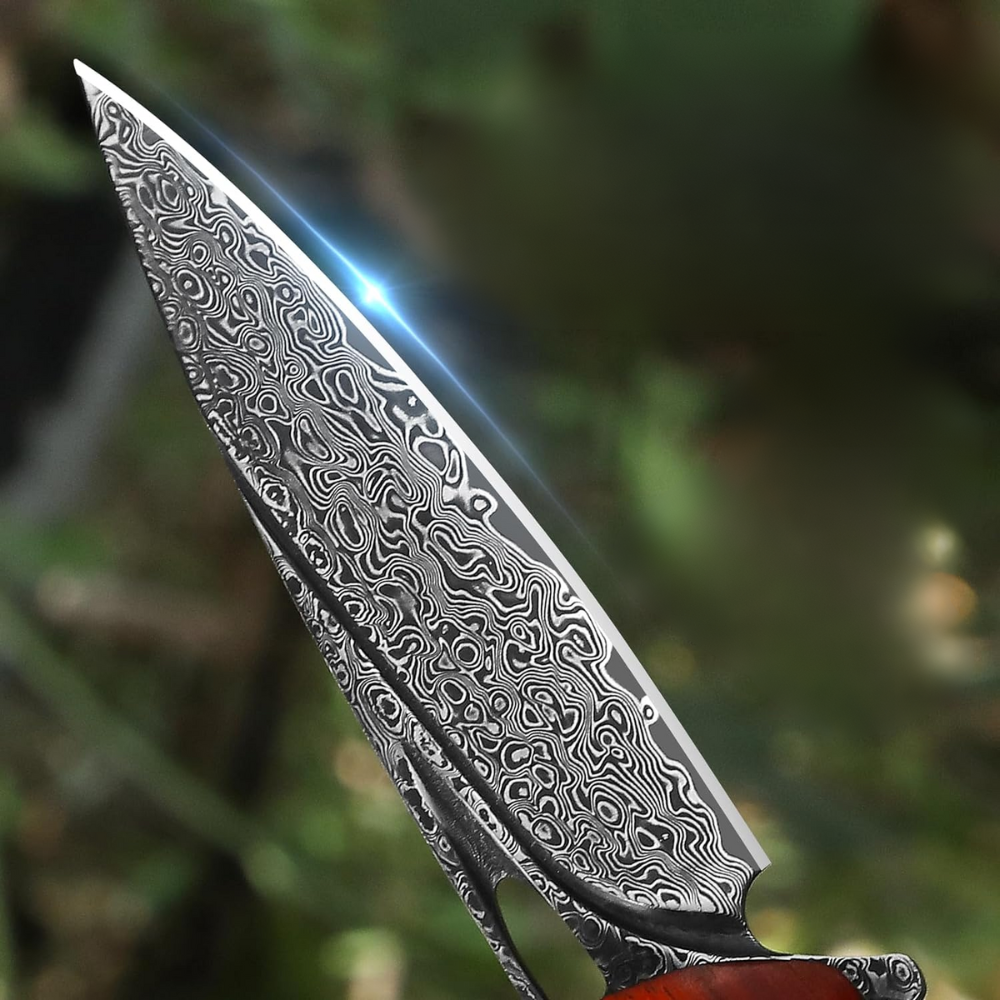
Blade forging is a crucial step in the knife-making process. Artisans typically start with high-quality steel, which is heated and shaped using hammers. This technique not only strengthens the blade but also allows the artisan to create unique patterns, especially when using materials like Damascus steel, which is known for its beautiful patterns and toughness.
Heat Treatment
After forging, a knife undergoes heat treatment to enhance its hardness and edge retention. Properly heat-treated blades will maintain their sharpness longer and can withstand intense use. This process requires skill, as it involves specific heating and cooling cycles that can affect the overall performance of the knife.
Grinding and Sharpening
Once the blade has been heat-treated, it undergoes grinding to refine its shape and sharpen its edge. This step is vital for achieving precision in cutting. Different grinds can produce various blade profiles, influencing the knife's intended use, whether for culinary applications or everyday carry (EDC) purposes.
Understanding Different Blade Types
Custom knives can vary greatly in terms of design and functionality. Understanding these variations is vital for enthusiasts and collectors alike.
Fixed Blades vs. Folding Knives
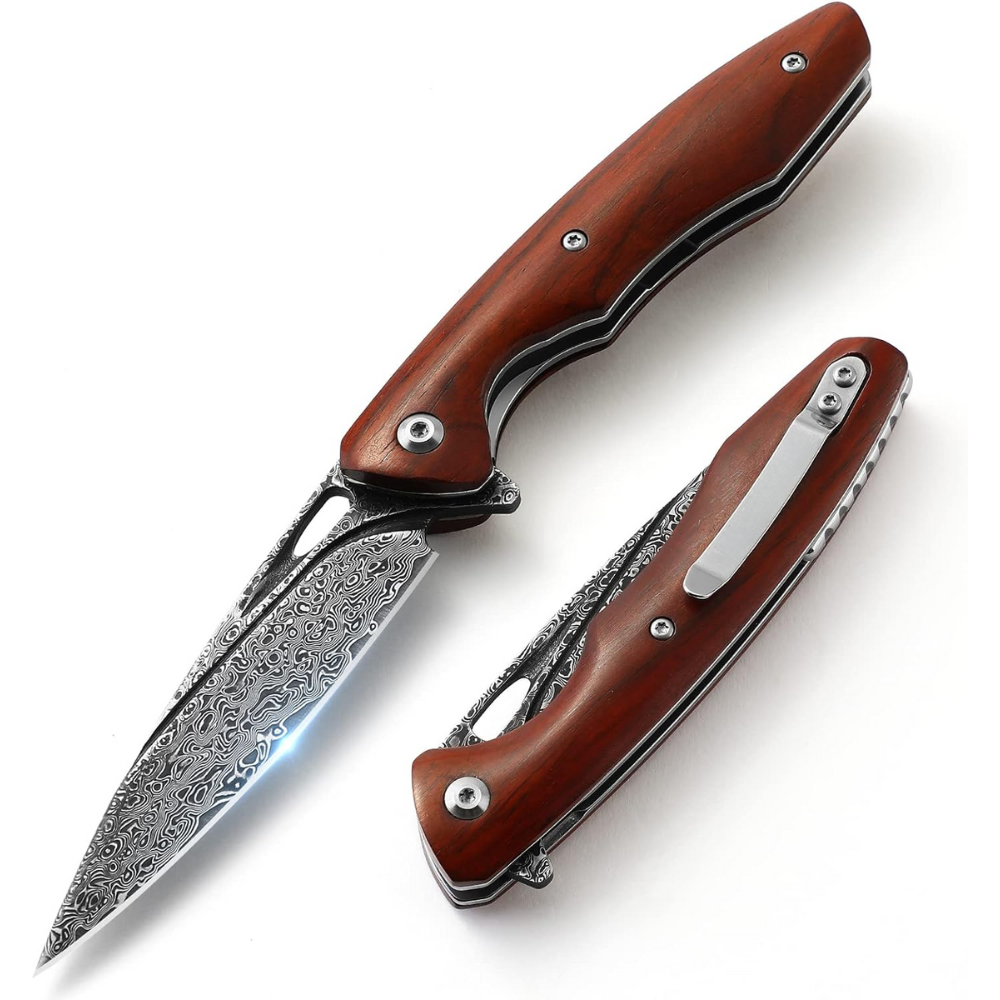
One of the primary distinctions in knife-making lies between fixed blades and folding knives. Fixed blades are known for their robustness and are typically used in heavier applications, such as outdoor activities and hunting. Conversely, folding knives are designed for convenience and portability, making them ideal EDC knives as they can be easily carried in pockets.
Blade Shape and Style
Blade shapes are tailored for specific uses, and enthusiasts often choose based on their needs. Some common styles include:
- Drop Point: Versatile and suitable for a variety of tasks, often favored in hunting knives.
- Spear Point: Commonly used in tactical knives for its piercing capability.
- Wharncliffe: Excellent for detailed work due to its straight edge and minimal belly.
The Materials Behind Custom Knives
The materials used in crafting custom knives play a vital role in their overall performance and visual appeal. Let’s explore some commonly used materials.
Blade Materials
High-quality blade steel is essential for longevity and function. Artisan knife makers often choose carbon steel, stainless steel, or Damascus steel. Each type has its unique properties:
- Carbon Steel: Known for excellent edge retention but requires maintenance to prevent rust.
- Stainless Steel: Resists corrosion and is easier to maintain, though it may not hold an edge as long as carbon steel.
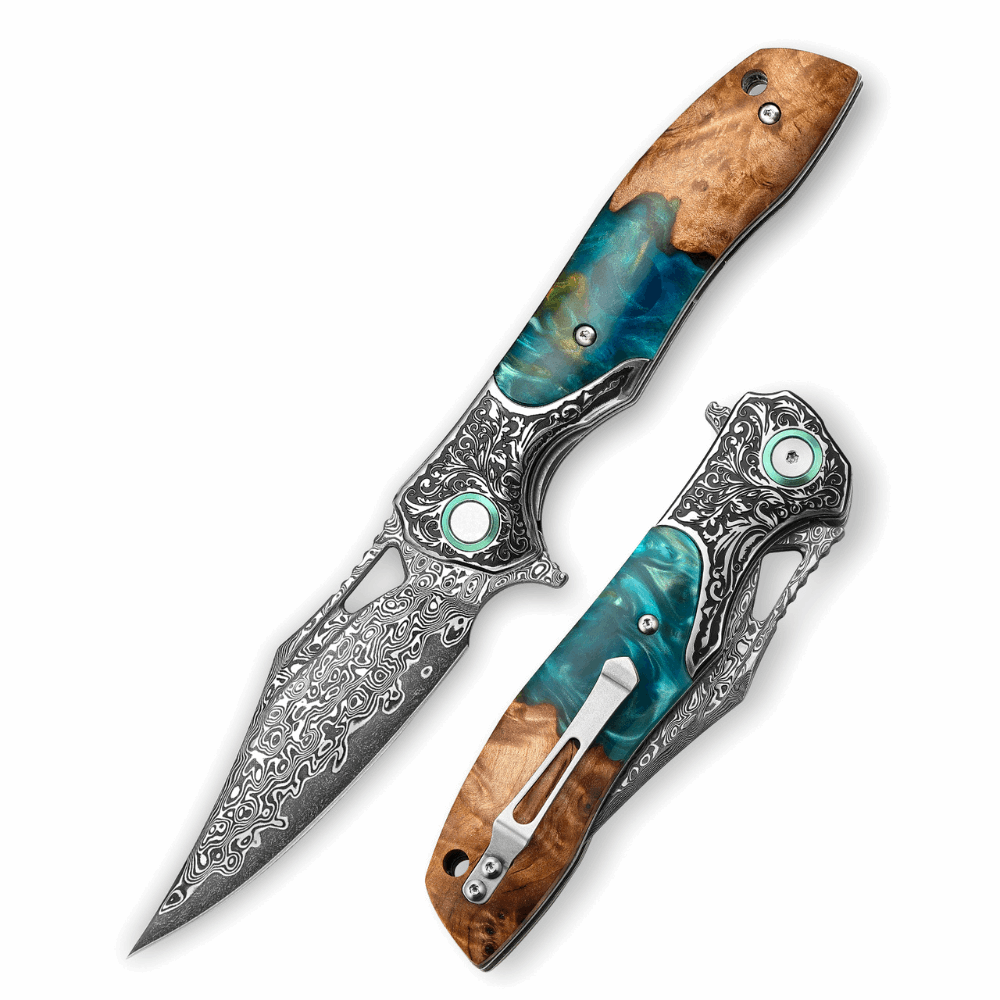
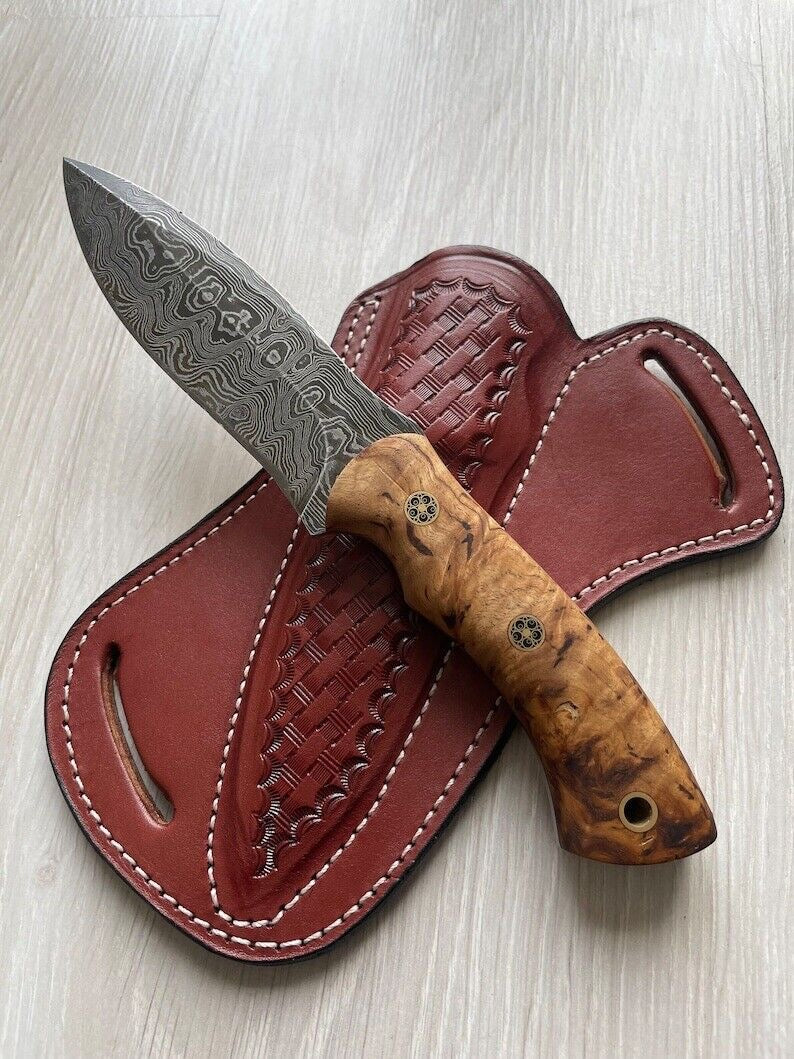
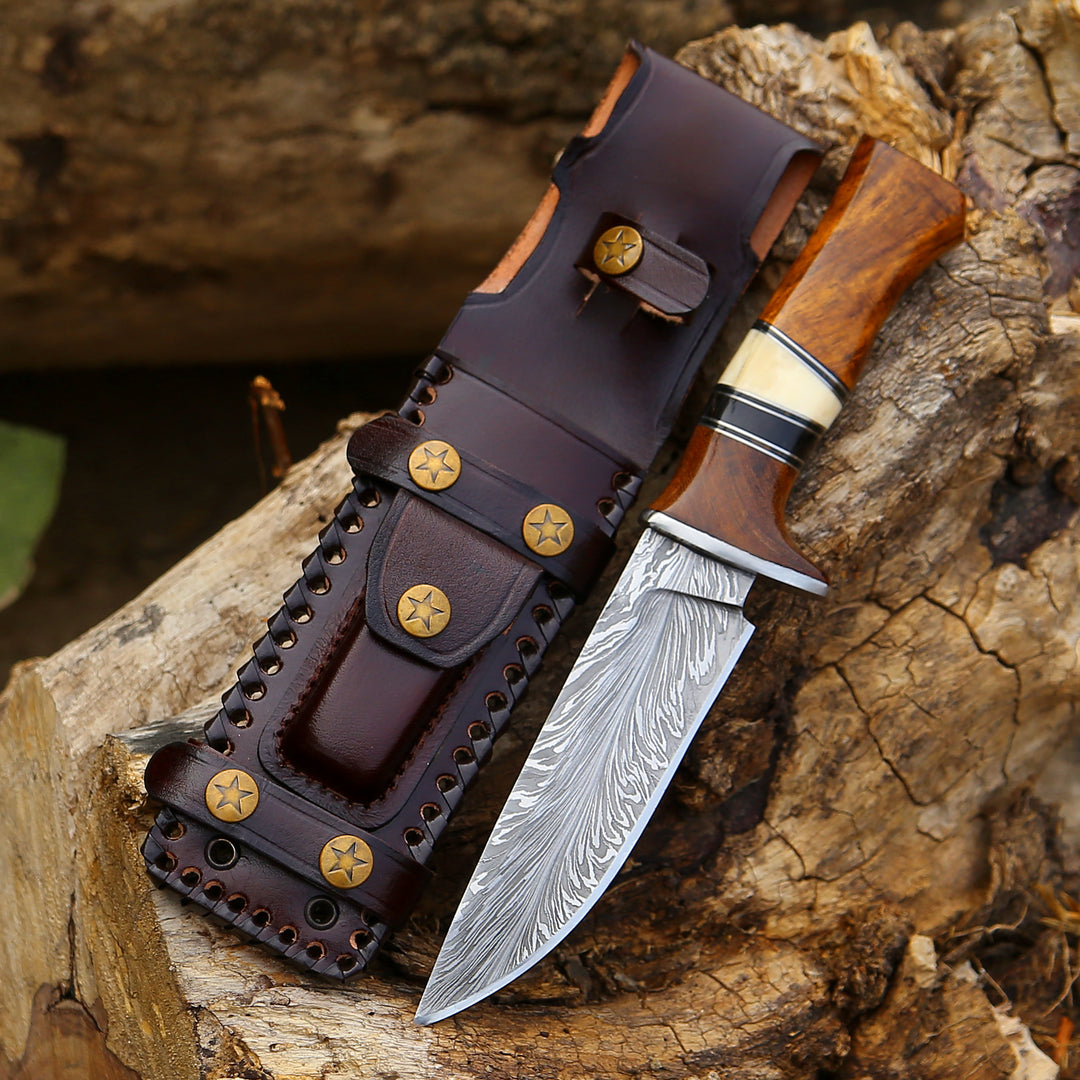
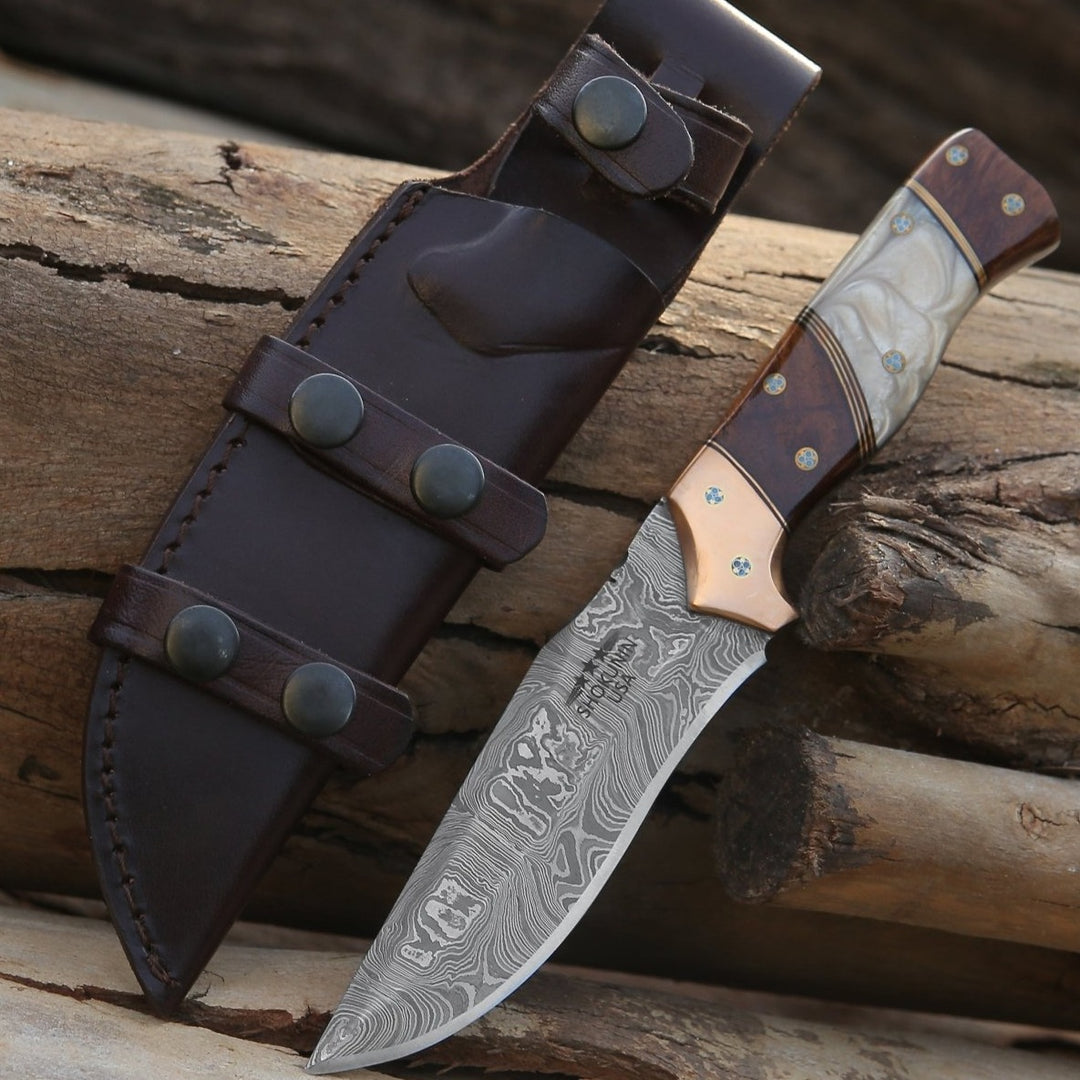
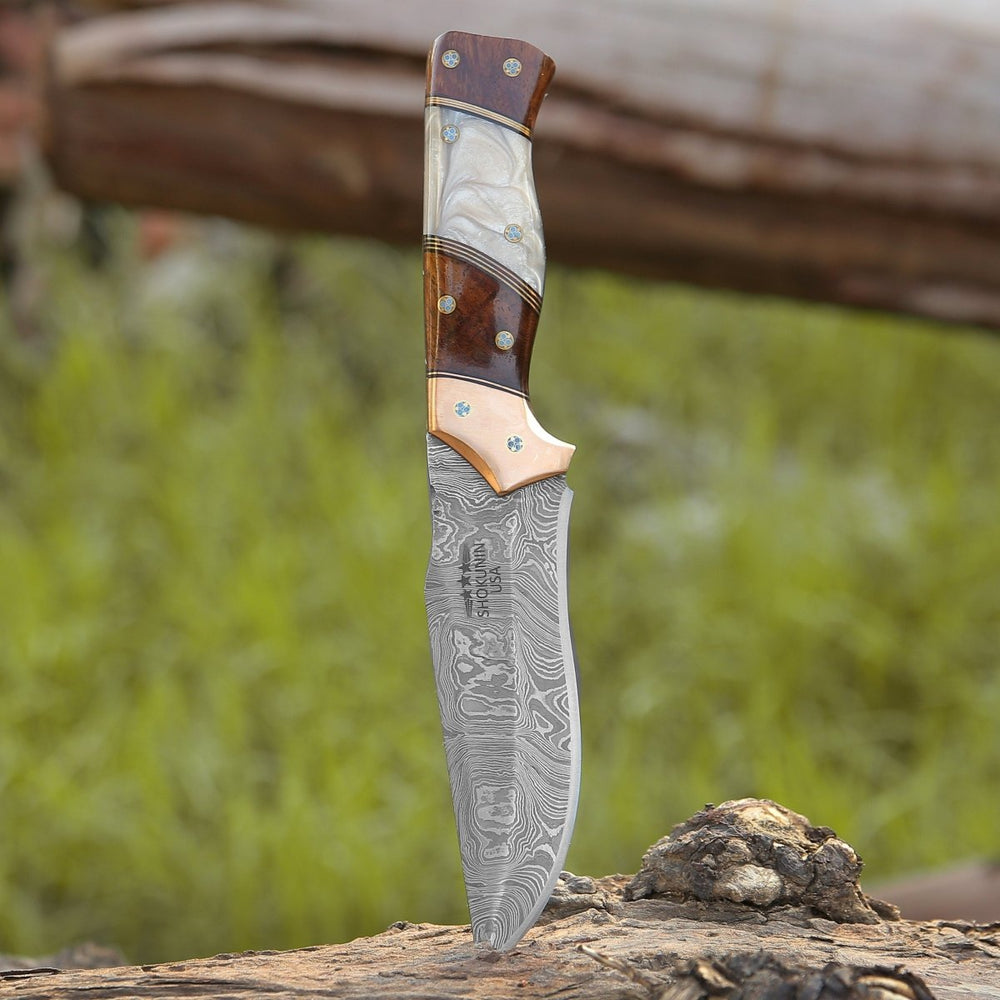
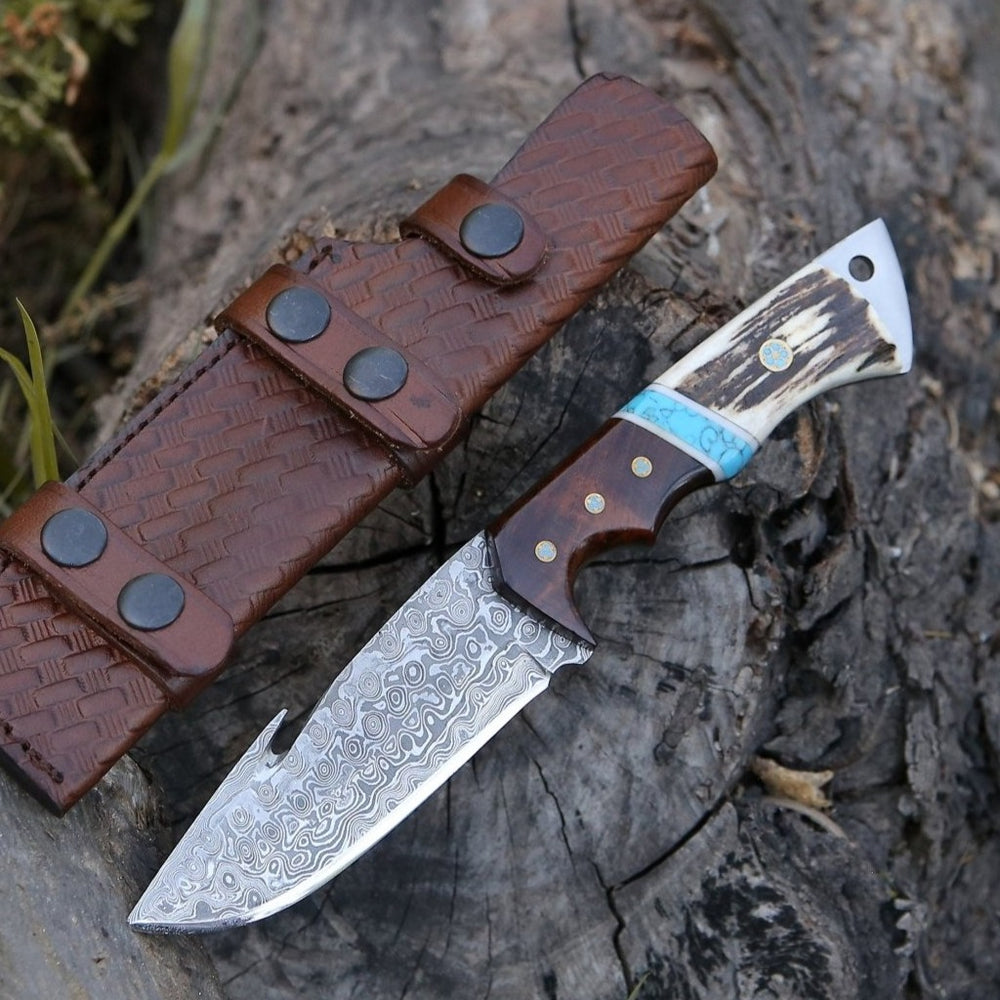
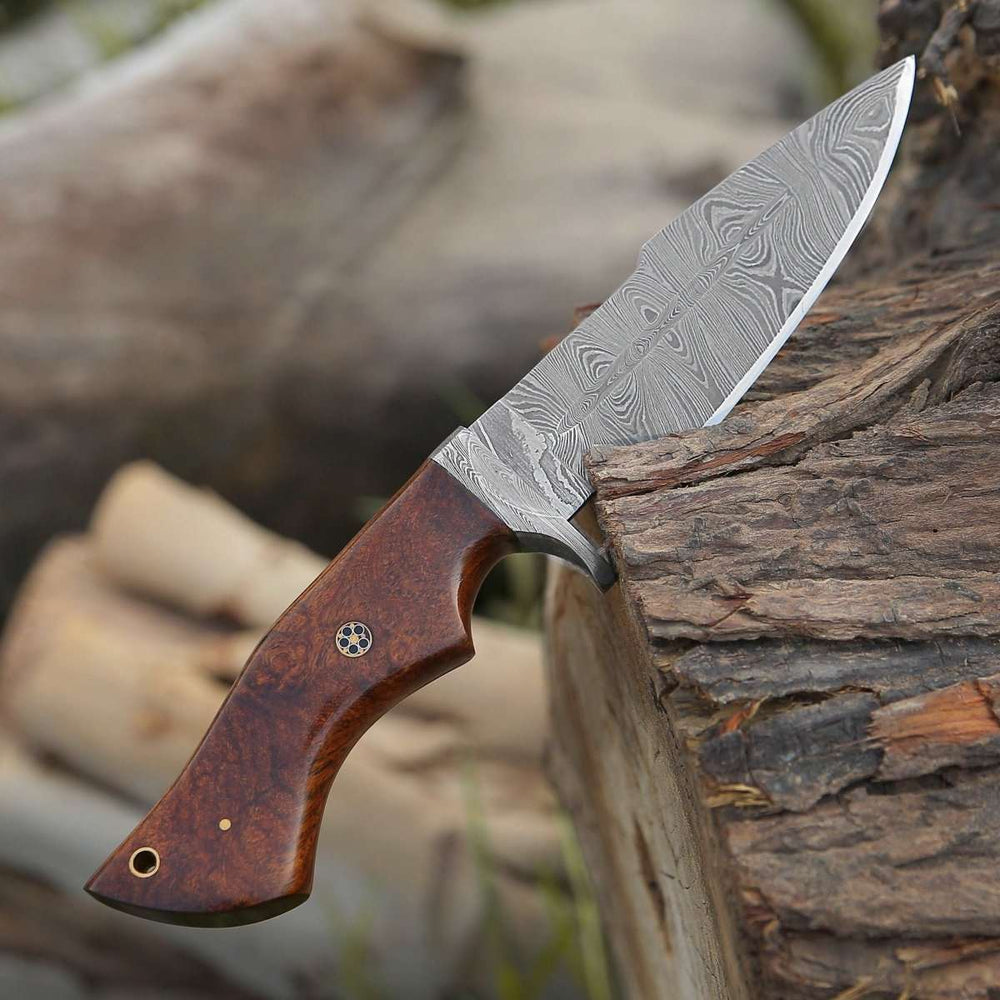
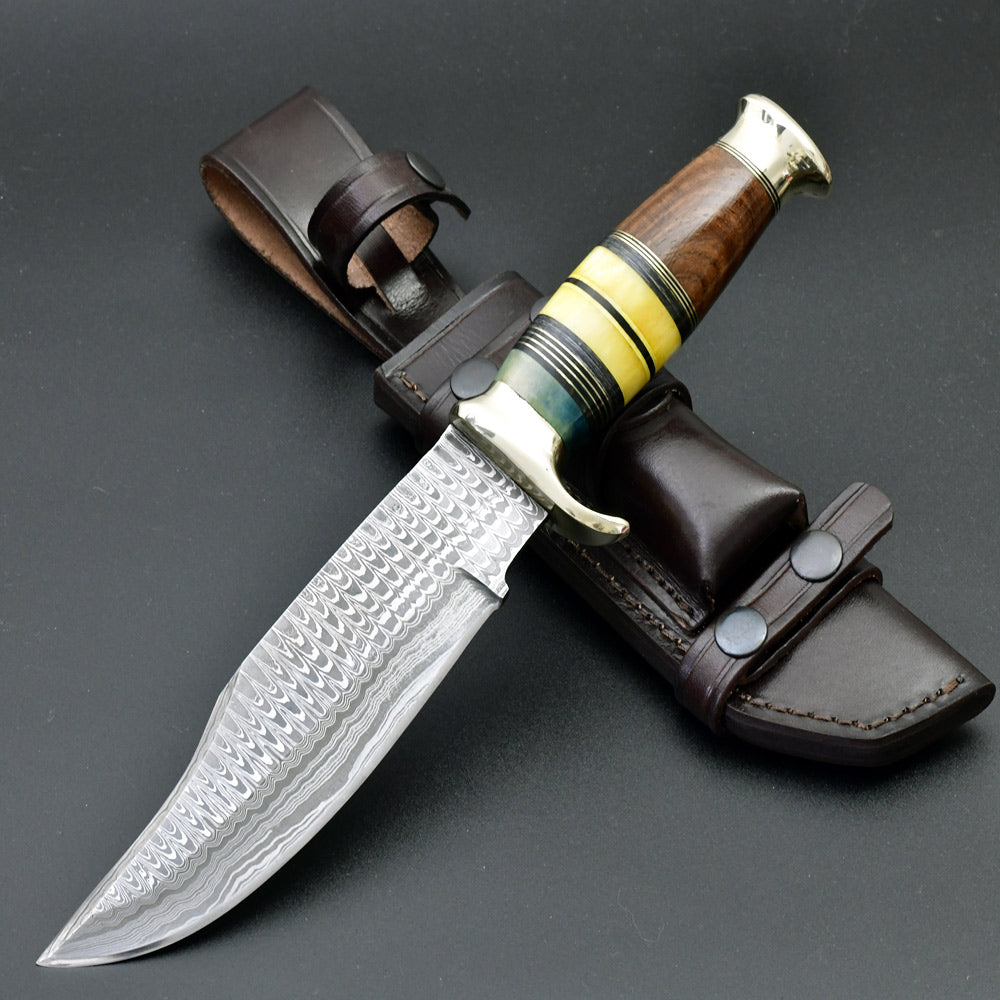
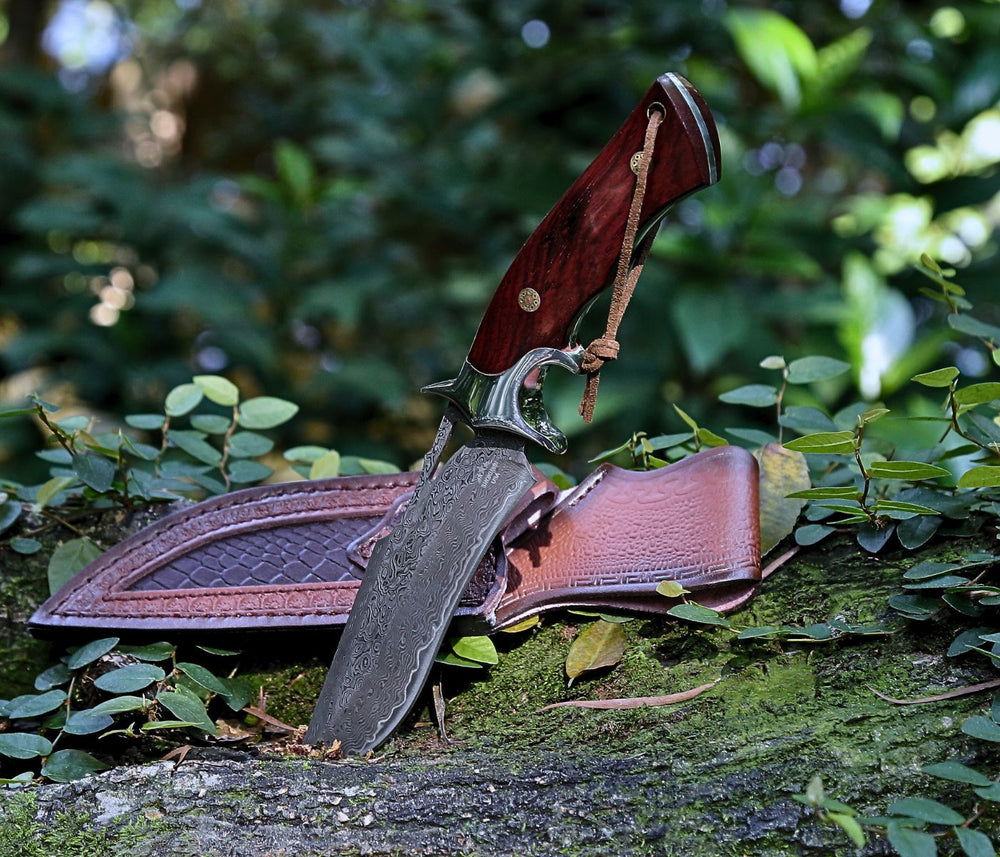
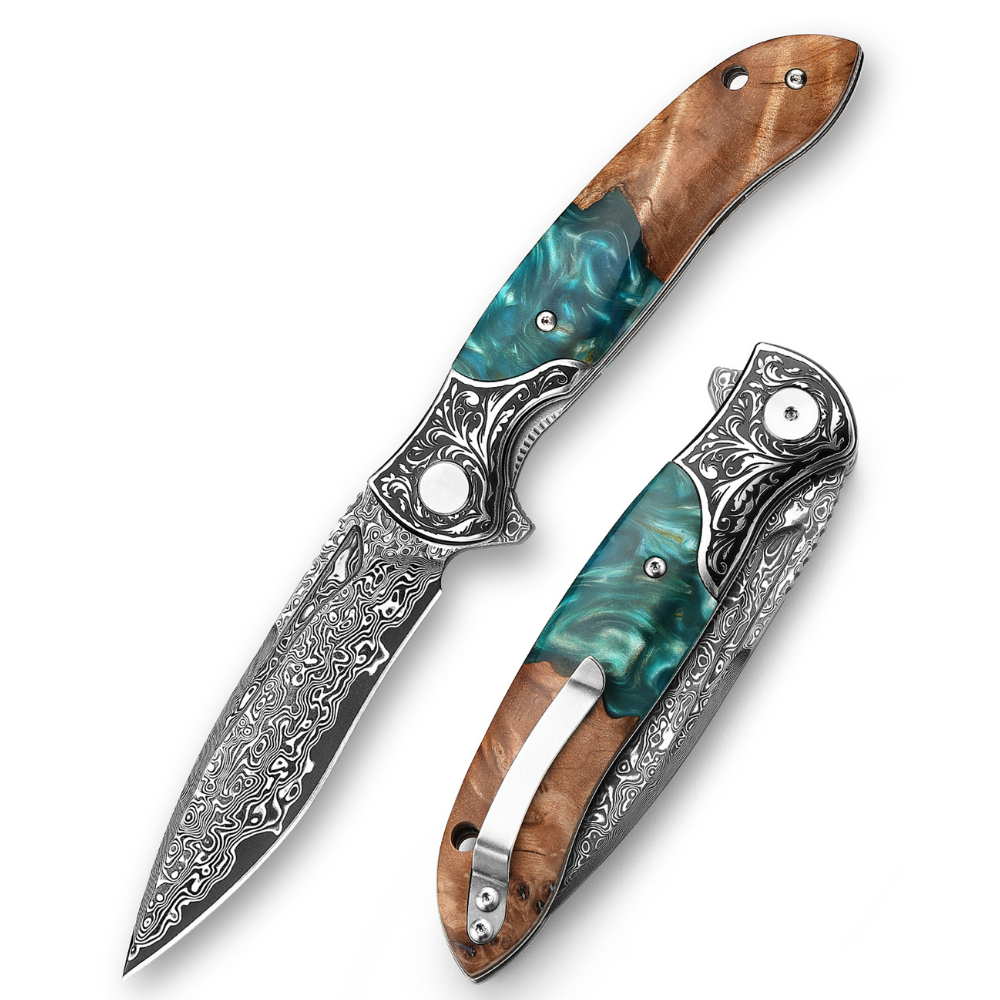
- Damascus Steel: Combines aesthetic beauty with performance, featuring a layered pattern that distinguishes high-end knives, including the Heracles Damascus Knife.
Handle Materials
The handle of a custom knife significantly contributes to its usability and appeal. Options vary from traditional wood and synthetic materials to exotic options like micarta and carbon fiber. Each material offers unique textures and grips, making the choice highly personal for users.
Customization Options
One of the most enticing aspects of custom knives is the possibility for personalization. Craftsmanship in knife-making allows enthusiasts to select various features that align with their preferences.
Engravings and Inlays
Many artisans offer engraving options, allowing customers to personalize their blades with names, logos, or intricate designs. Inlays using materials such as bone or exotic woods can add sophistication and uniqueness to the knife’s appearance.
Blade Finish
The finish of the blade can also be customized, whether one prefers a polished, satin, or blasted finish. Each finish offers a different aesthetic as well as functional properties, such as glare reduction or reduced friction when cutting.
The Collectors' Perspective
Collecting custom knives has become a popular hobby and passion for many. Enthusiasts appreciate not only the craftsmanship but also the stories behind unique pieces.
Investment Value
High-quality custom knives often appreciate in value, particularly those created by well-known artisans. Collectors often look for limited editions or unique designs, knowing that they may be able to sell them for a profit in the future.
Community and Events
The knife-making community is vibrant, with numerous events and gatherings where collectors can meet artisans, share experiences, and showcase their collections. These events offer invaluable opportunities to learn about craftsmanship and to connect with others who share a passion for custom knives.
Maintaining Your Custom Knife
Caring for a custom knife is essential to preserve its longevity and performance. Here are some important tips to ensure your knife remains in excellent condition:
Cleaning
After each use, it’s vital to clean the blade and handle to remove any food residue or moisture. A gentle wash with warm, soapy water followed by thorough drying can help prevent rust and maintain the knife’s integrity.
Sharpening
Regular sharpening is necessary to keep your blade performing optimally. Depending on usage, investing in quality sharpening tools or taking your knife to a professional can ensure the edge remains sharp and effective.
Storage
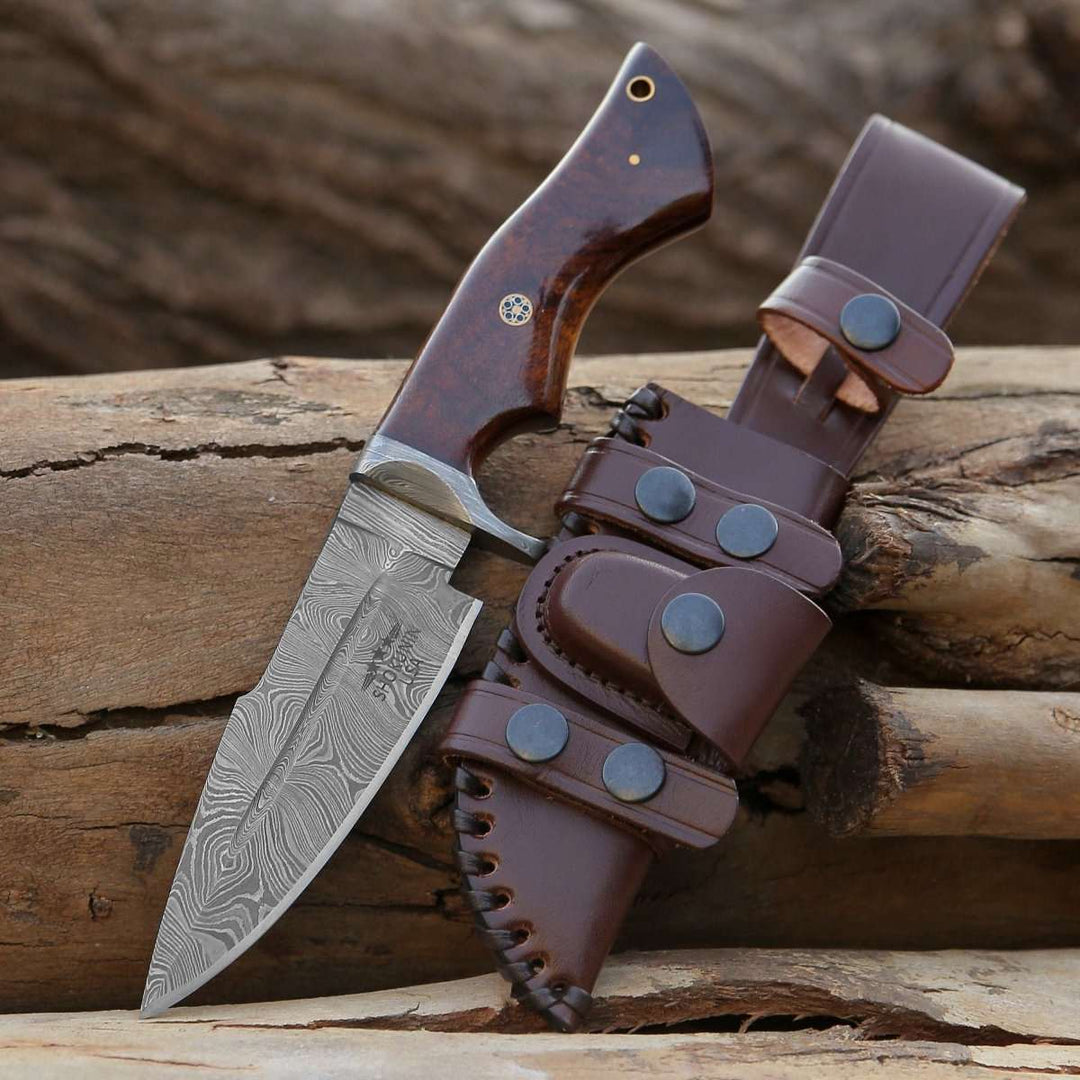
Proper storage helps avoid damage and wear. Consider using sheaths or knife blocks that protect the edges while allowing ventilation to prevent moisture buildup.
More than Just a Tool
Custom knives embody the blend of functionality and artistry, reflecting the dedication and skills of stunning artisans. Whether you're considering investing in a Heracles Damascus Knife or simply seeking an EDC knife that suits your lifestyle, understanding the craftsmanship behind custom knives enhances your appreciation for these remarkable tools. Explore your passion for craftsmanship, connect with skilled makers, and take pride in owning a piece of functional art that tells a story.
Ultimately, custom knives are not just about slicing and cutting; they represent artistry, heritage, and personal expression. Embrace the world of custom knives, explore your options, and much like the artisans who create them, let your unique style shine through in your craftsmanship journey.
Frequently Asked Questions
1. What are custom knives?
2. What techniques are involved in crafting custom knives?
3. What materials are commonly used in custom knife making?
4. How can customers personalize their custom knives?
5. What should I do to maintain my custom knife?
Glossary
| Term | Meaning |
|---|---|
| Custom Knife | A personalized knife made to individual specifications. |
| Blade Forging | The process of shaping steel into a blade through heating and hammering. |
| Heat Treatment | A process that enhances a knife's hardness and edge retention. |
| EDC Knife | Everyday carry knife designed for convenience and portability. |
| Damascus Steel | A type of steel known for its distinctive patterns and durability. |
| Engravings | Personalized designs or names etched onto the knife blade. |
| Handle Materials | Materials used for the knife handle, affecting grip and aesthetics. |
| Blade Shape | The design of the blade, influencing its function and use. |
| Collectors' Perspective | The viewpoint of enthusiasts who appreciate and invest in custom knives. |
| Maintenance | Care practices to preserve the knife's performance and longevity. |
Linked Product

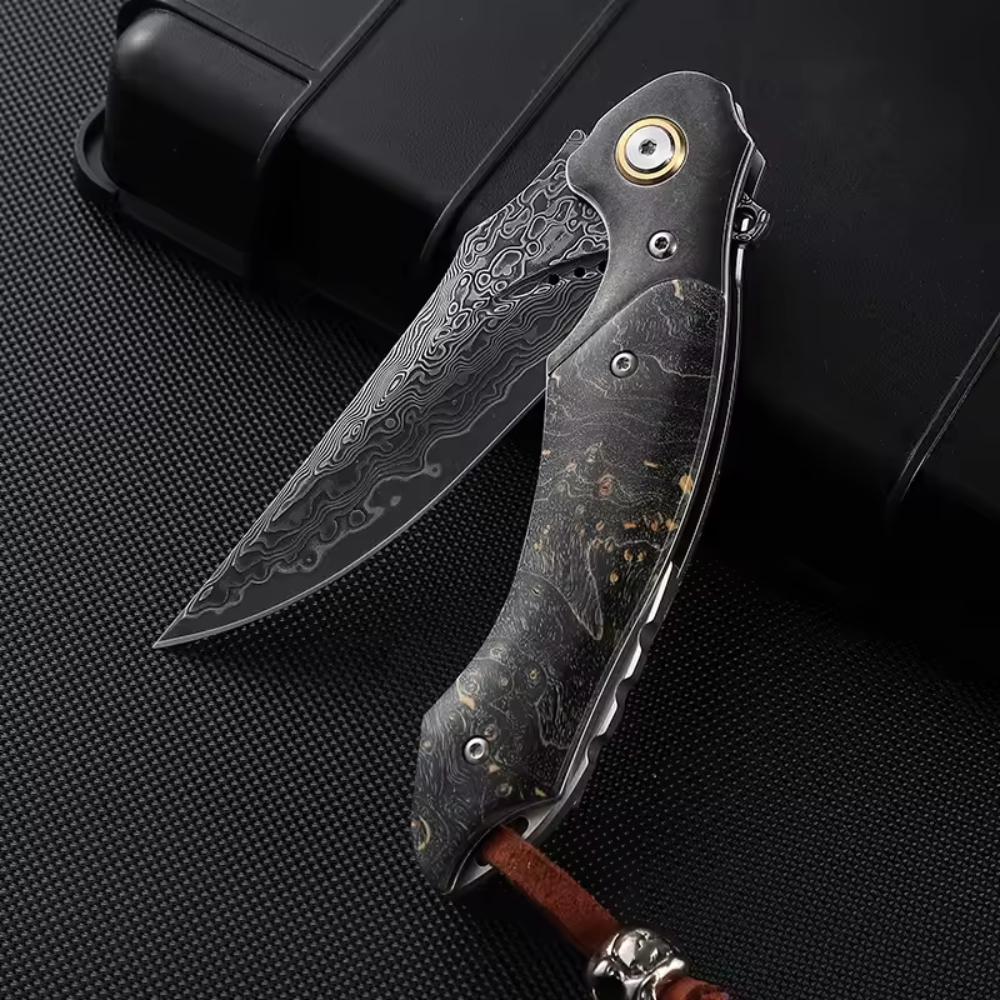
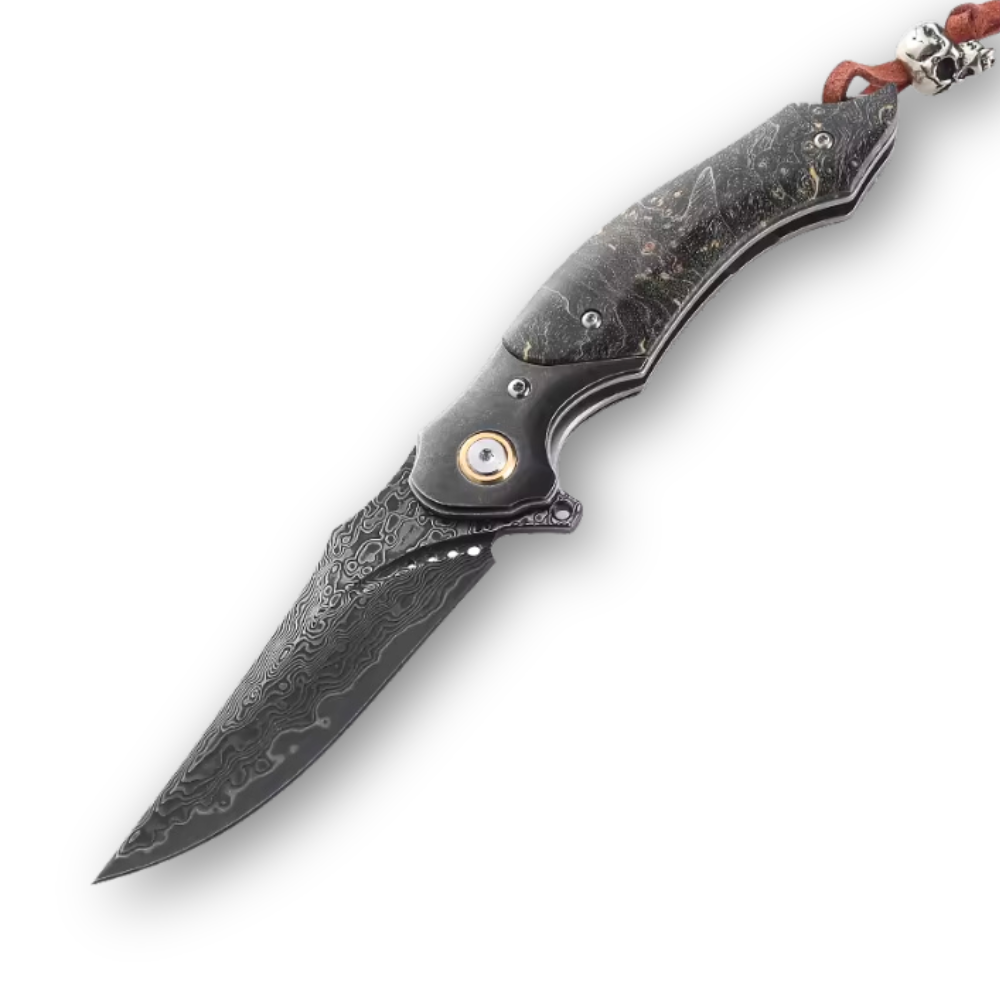
Heracles Damascus Folding Knife with Exotic Snake Wood Handle
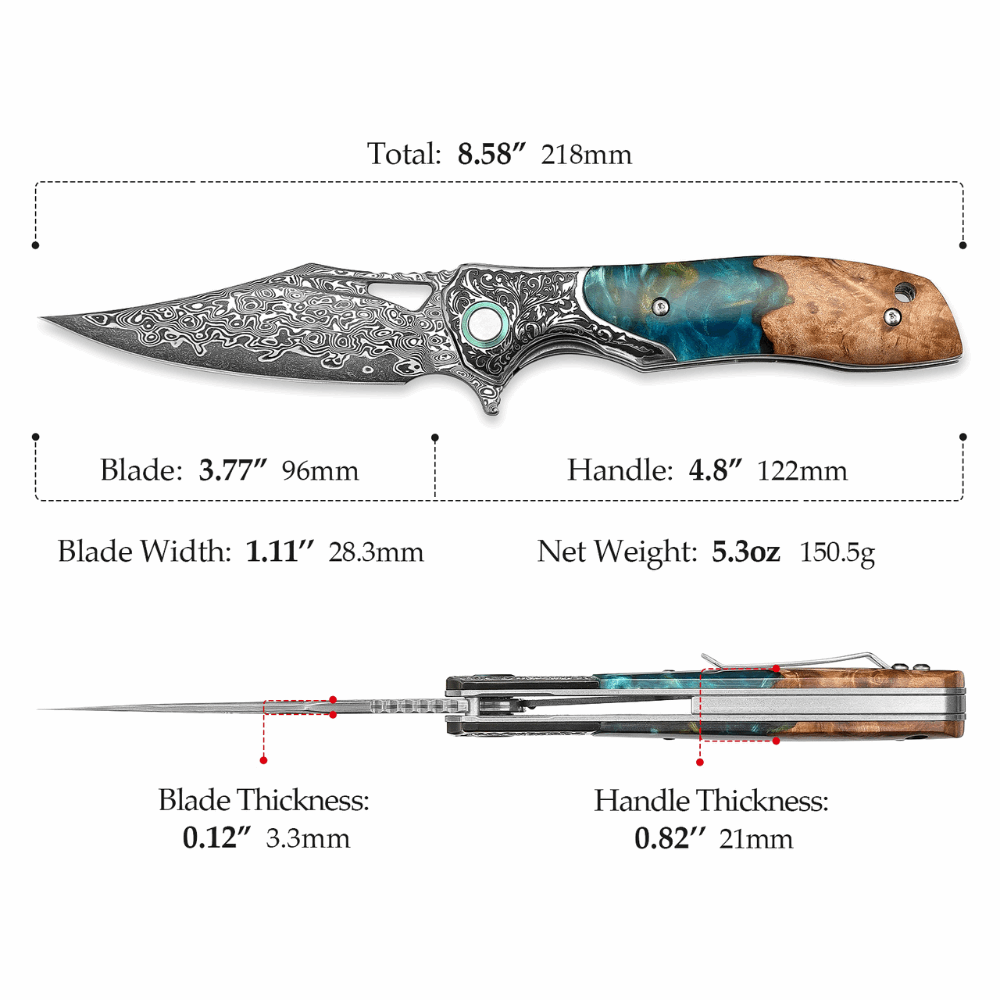
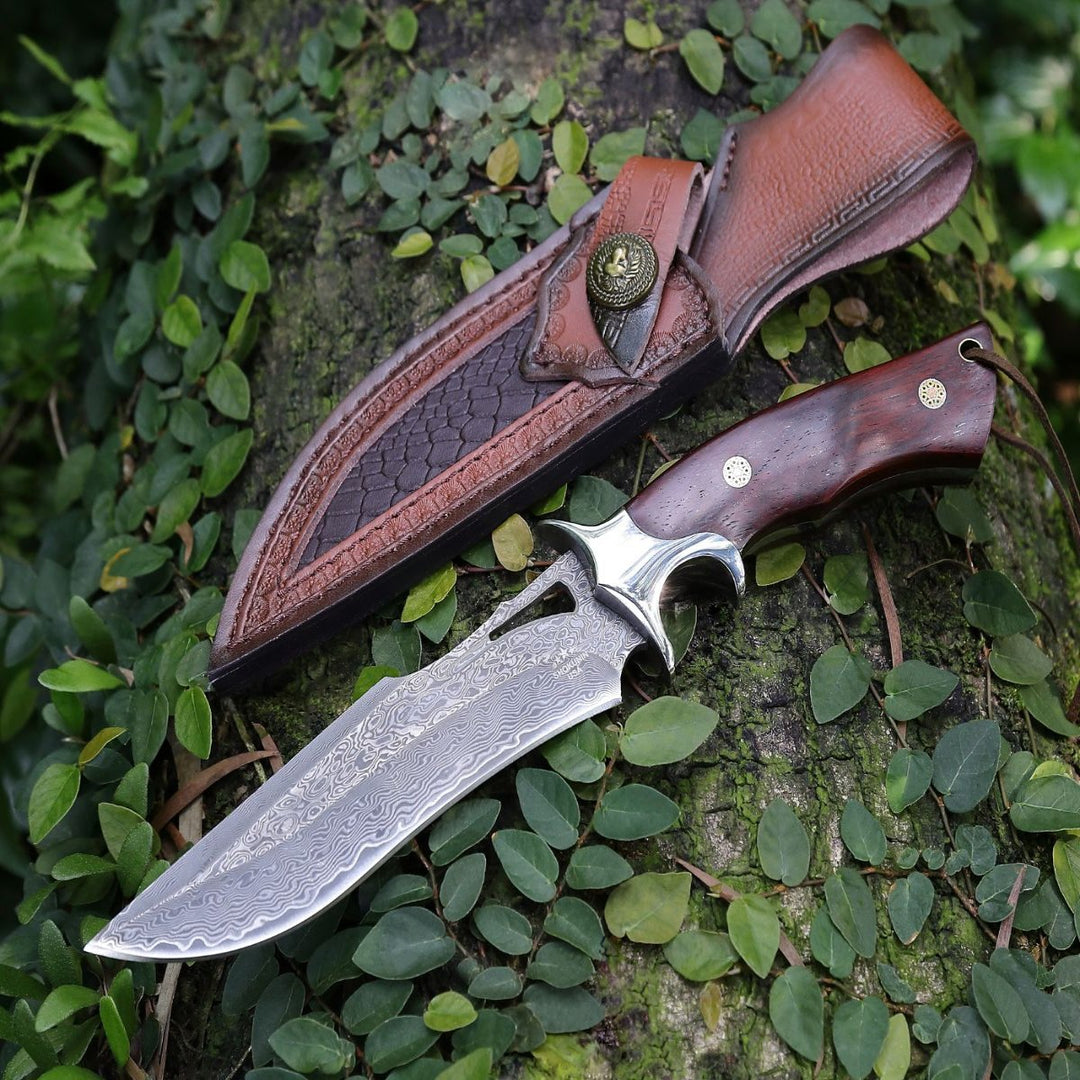
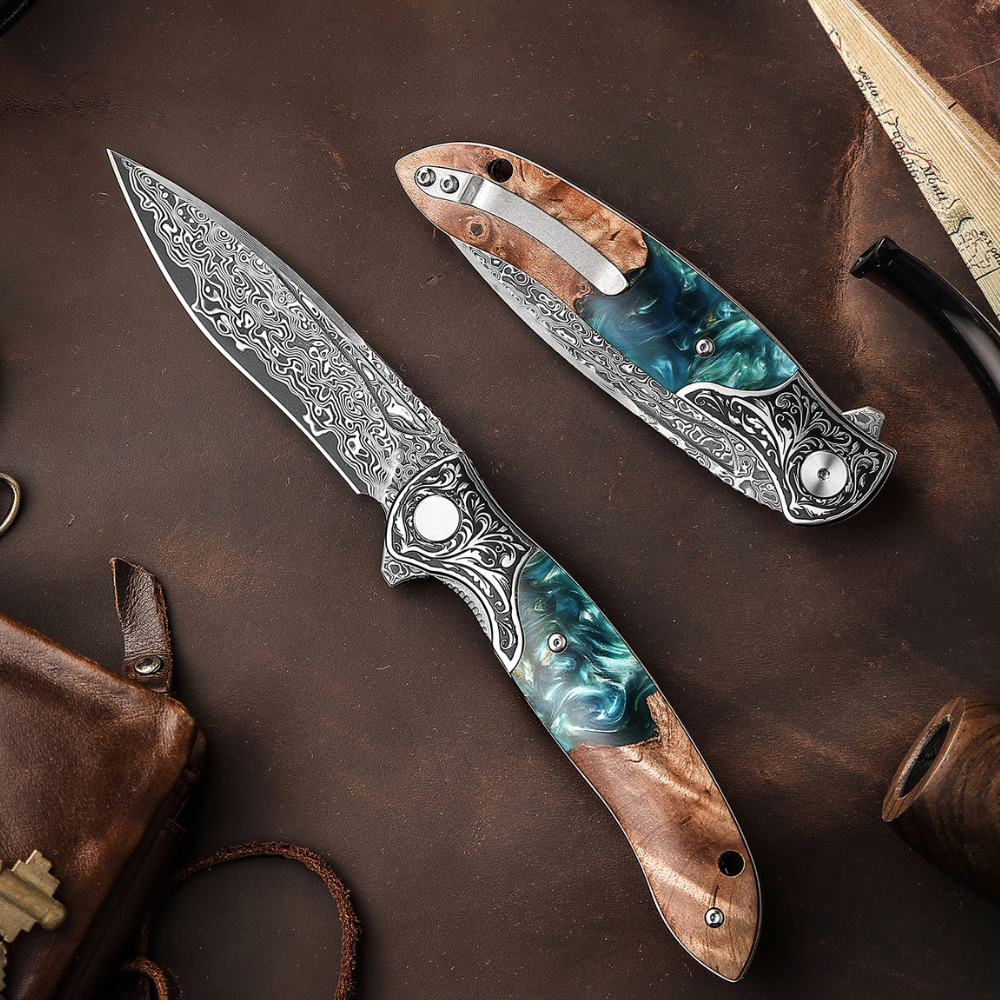
The Heracles Damascus Folding Knife features a unique hand-forged VG-10 Damascus steel blade, known for its strength and exceptional edge retention. Its ergonomic design, combined with an exotic snake wood handle, offers both aesthetic appeal and durability, making it suitable for various outdoor activities. This folding knife comes complete with a hand-stitched leather sheath and sharpening tools, enhancing its practicality for everyday use.
View Product






Leave a comment