


Overview
This article explores the craftsmanship behind folding knives, detailing the entire process from conceptualization, material selection, and forging to handle construction and locking mechanisms. It highlights the artistry involved, the significance of materials like Damascus Steel, and the importance of quality control, ultimately celebrating the cultural legacy and evolution of pocket knives.
Table of Contents
- The Conceptualization Phase
- Brainstorming Designs
- Choosing Materials
- Prototyping and Testing
- The Manufacturing Process
- Blade Forging
- Heat Treatment
- Grinding and Finishing
- Handle Construction
- Material Selection
- Shaping and Assembly
- Locking Mechanisms in Folding Knives
- Types of Locking Mechanisms
- Finishing Touches
- Quality Control
- Final Assembly
- Beyond Creation: The Legacy of Pocket Knives
- The Evolution of Pocket Knives
- Cultural Significance
- The Final Cut: Your Pocket Knife Journey
Key Takeaways
- Conceptualization: The design phase includes brainstorming, sketching, and prototyping, ensuring that user needs are met in terms of size, weight, and functionality.
- Material Choices: Common blade materials include high-carbon steel, stainless steel, and Damascus Steel, each offering unique durability and aesthetics.
- Prototyping: Initial prototypes are built to assess ergonomics and durability, with testing revealing potential design improvements.
- Manufacturing Precision: Blade forging involves traditional hammering or modern CNC machines, followed by heat treatment to enhance hardness and durability.
- Handle Construction: Handle materials like wood, G10, and titanium are selected for comfort and safety, with meticulous shaping and assembly processes.
- Locking Mechanisms: Different lock types, such as Liner Lock and Frame Lock, are essential for safety and performance in folding knives.
- Cultural Significance: Pocket knives serve as symbols of craftsmanship and personal expression, often passed down as family heirlooms.
When you think about performance and portability, the folding knife stands unparalleled. These intricate tools, which fit snugly in your pocket, have more than just utility; they embody artistry and craftsmanship. If you've ever wondered how pocket knives are made, this article takes you through the fascinating journey from concept to creation. We'll explore everything from materials to techniques used, including the revered Damascus Steel and the essential folding knife with sheath. So, gear up as we delve deep into the craftsmanship behind pocket knives!
The Conceptualization Phase
Every great knife begins with an idea. Conceptualization involves innovative thinking, sketching designs, and prototyping. Here’s how this initial stage unfolds:
Brainstorming Designs
Knife designers often consult with enthusiasts and users to understand their needs. The aim is to address factors such as size, weight, functionality, and aesthetic appeal. Designers sketch various forms and functions, playing with different blade shapes, handle materials, and locking mechanisms.
Choosing Materials
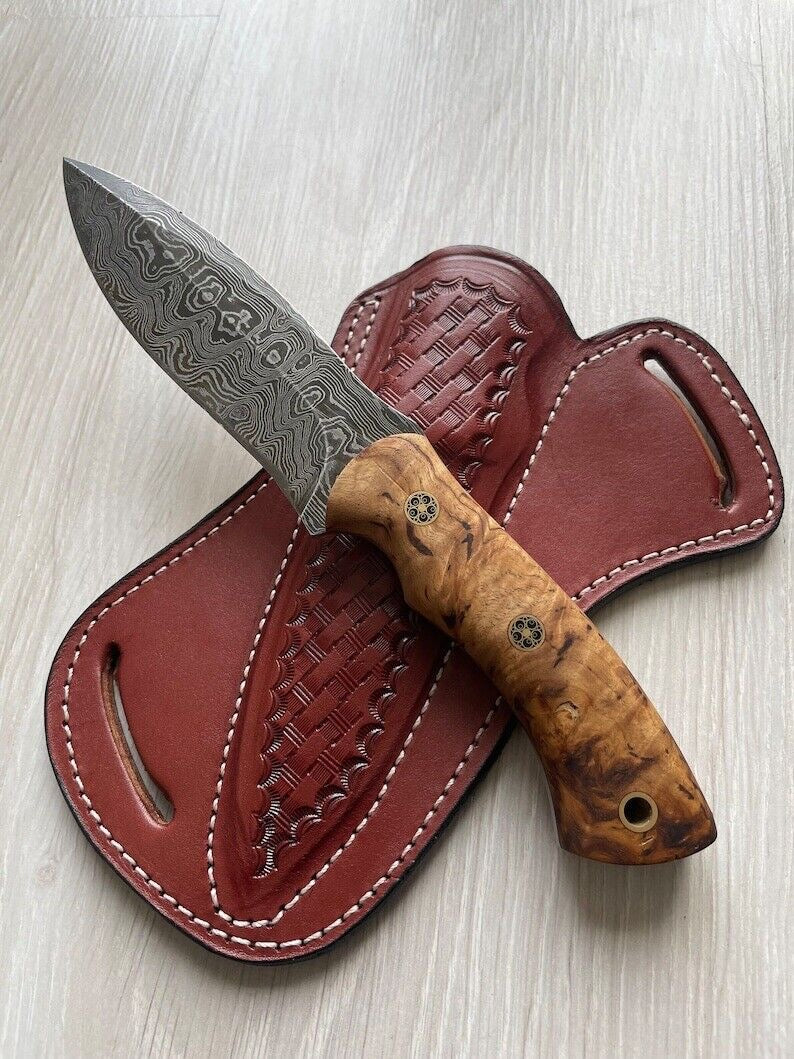
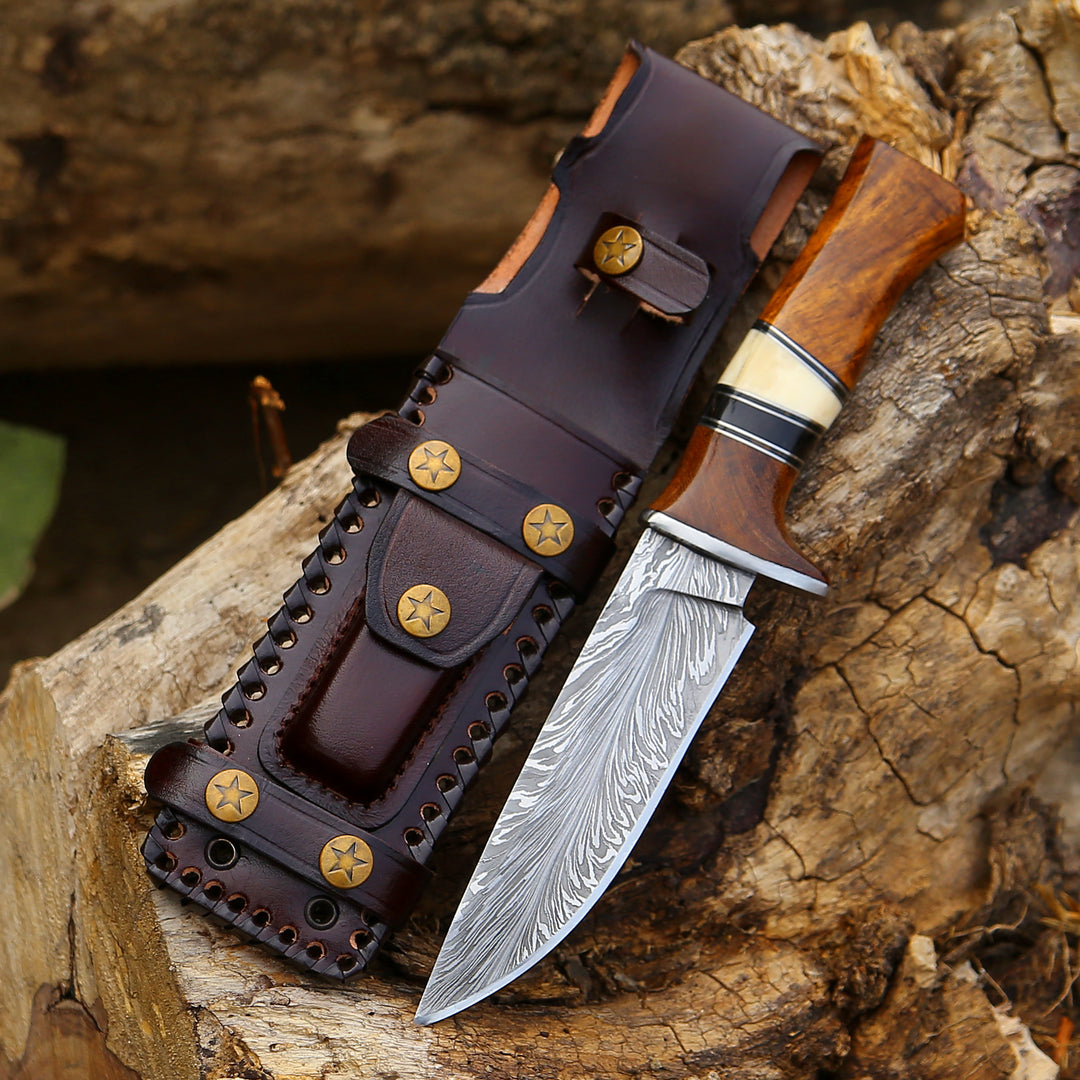
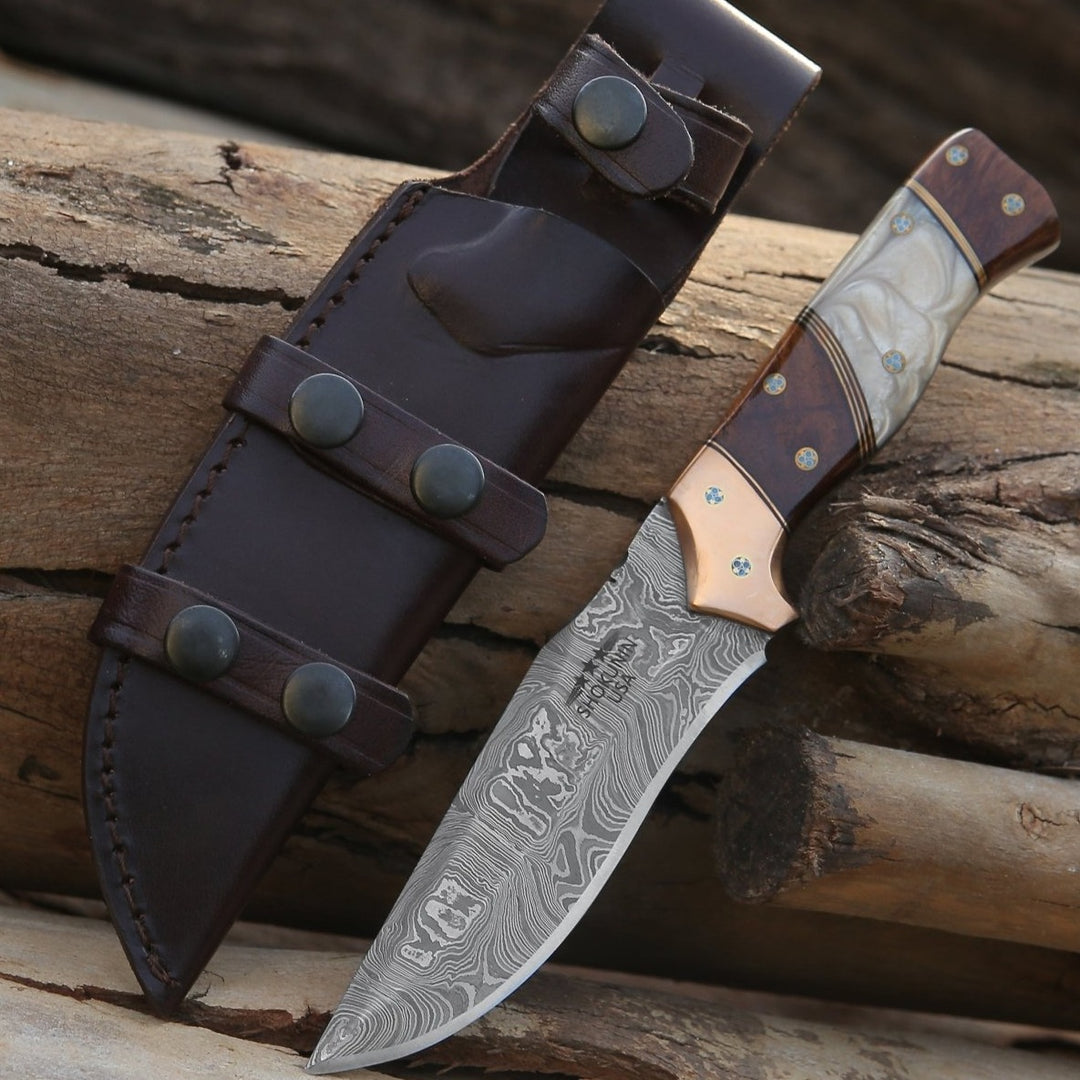
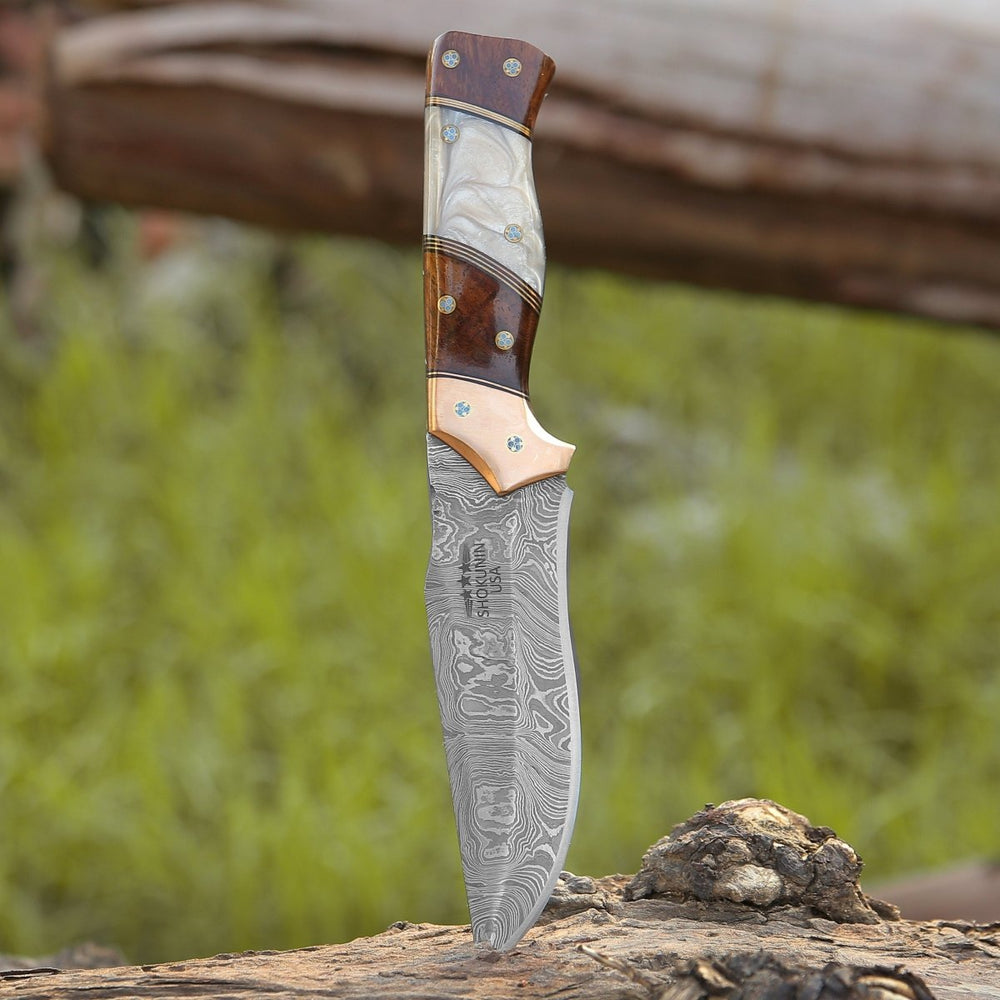
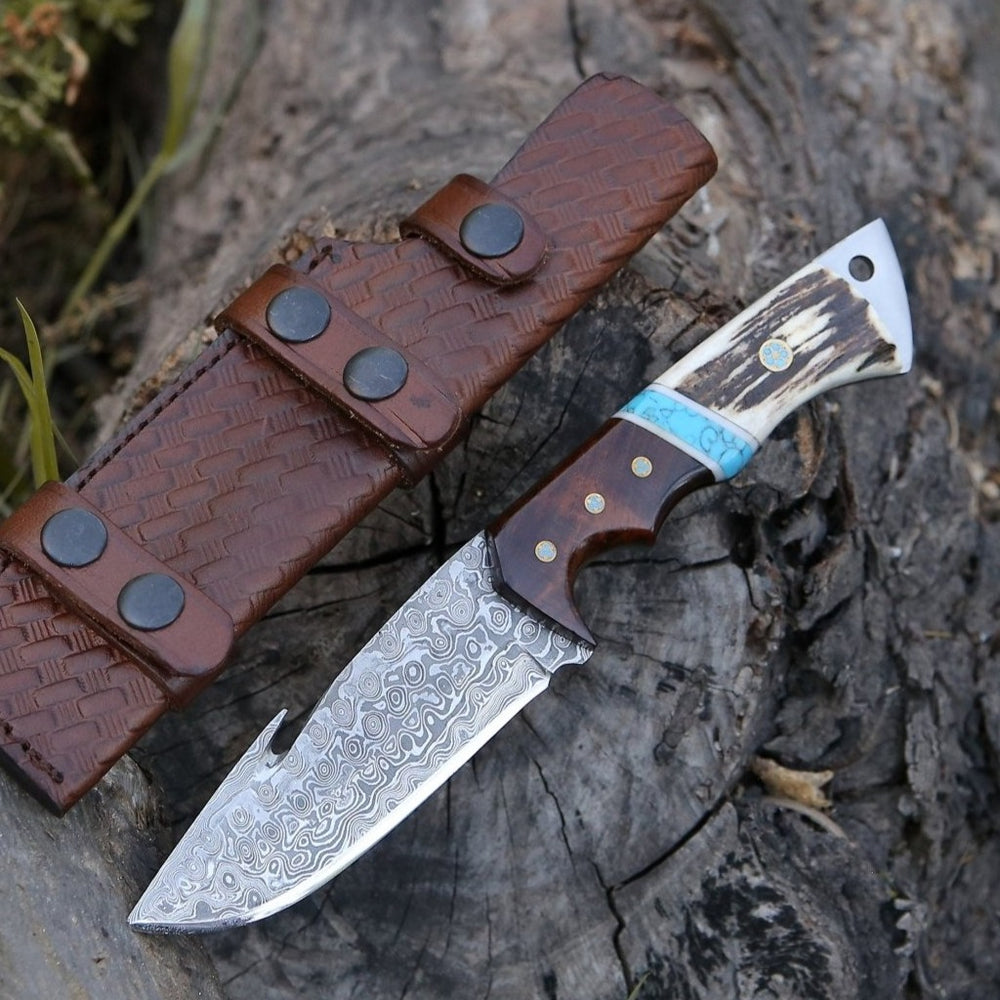
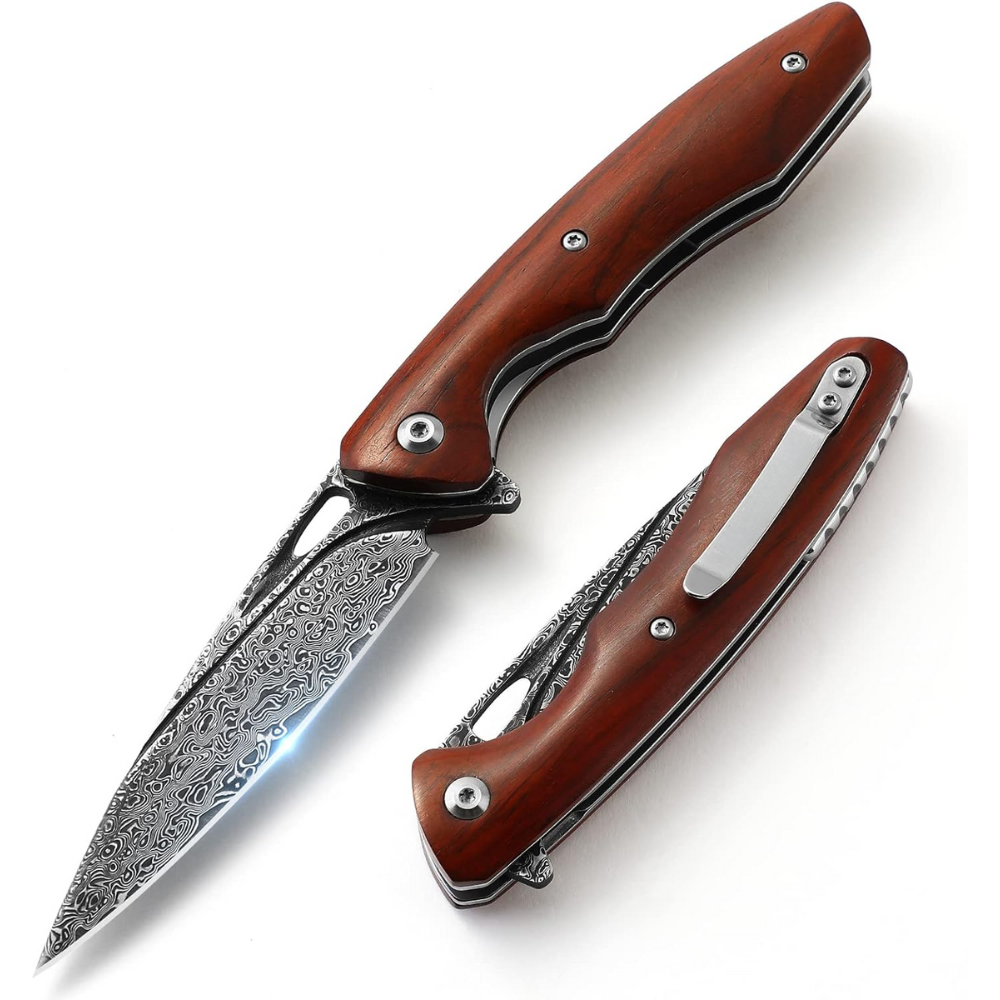
The choice of materials is pivotal in knife making. High-carbon steel, stainless steel, and especially Damascus Steel are common options for blades. Damascus Steel, renowned for its exceptional durability and strikingly beautiful patterns, is often favored for more premium folding knives. Handles can be made from a range of materials, including wood, G10 (a thermoplastic), and titanium, each contributing specific characteristics to the finished tool.
Prototyping and Testing
Once designs and materials are selected, creating prototypes is the next step. Craftsmen will build initial versions to assess ergonomics and build quality. Testing these prototypes involves rigorous durability tests to ensure that they can withstand daily use. Innovations and improvements often arise when actual tests reveal potential design flaws or enhancements.
The Manufacturing Process
The manufacturing process of a folding knife requires precision and skilled craftsmanship. Let’s break it down further:
Blade Forging
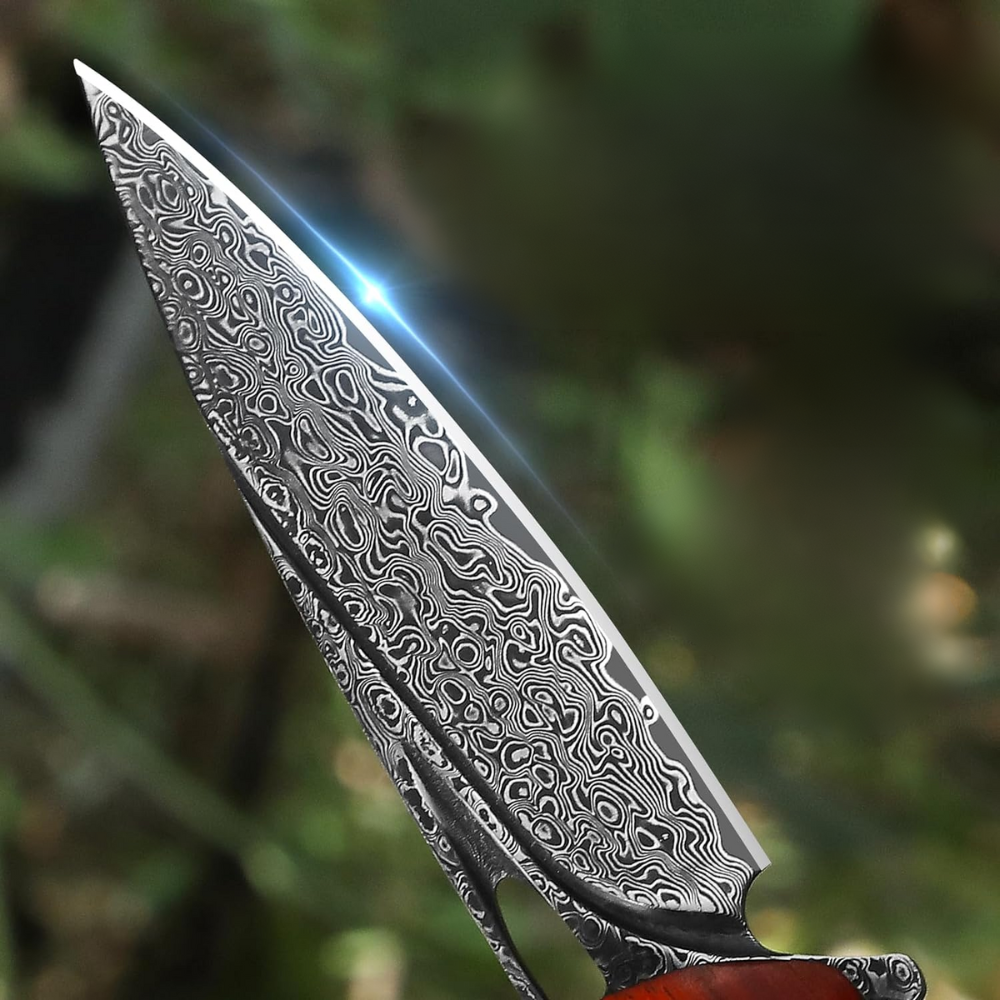
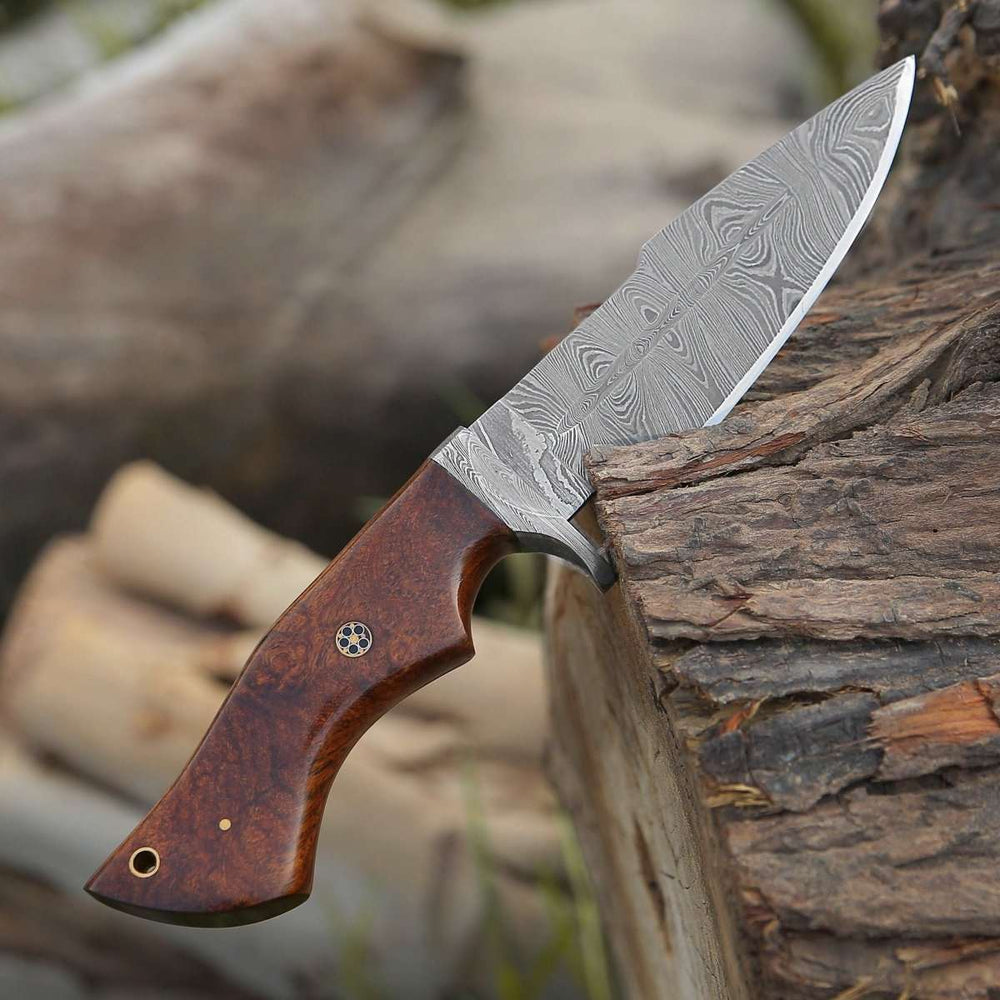
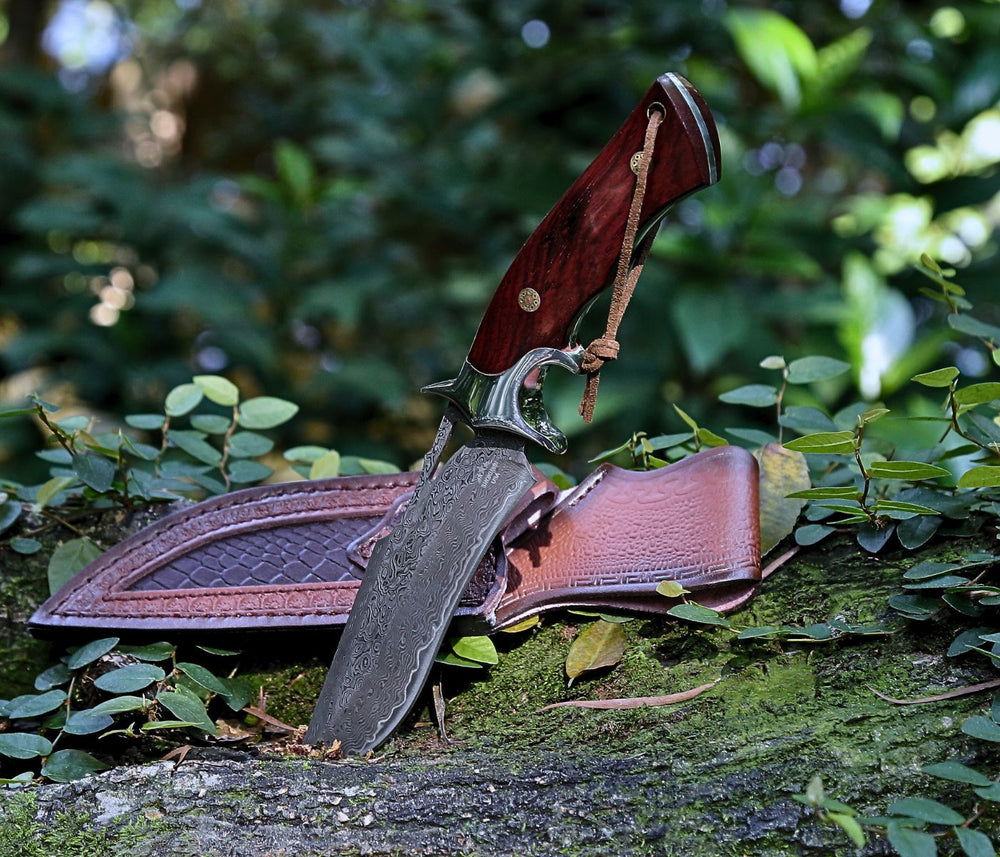
The process often starts with forging the blade from metal sheets or billets. Traditional methods involve heating the steel until it’s malleable, then hammering it into shape. However, modern manufacturing may use CNC machines for precision cutting. For blades made from Damascus Steel, multiple layers of steel are welded and then forged to create the beautiful, swirling patterns that this material is known for.
Heat Treatment
Once forged, the blade undergoes heat treatment to enhance its hardness and durability. This process involves heating the blade to a specific temperature, followed by rapid cooling (quenching). Subsequent tempering softens the blade slightly, reducing the brittleness while maintaining excellent cutting edge retention.
Grinding and Finishing
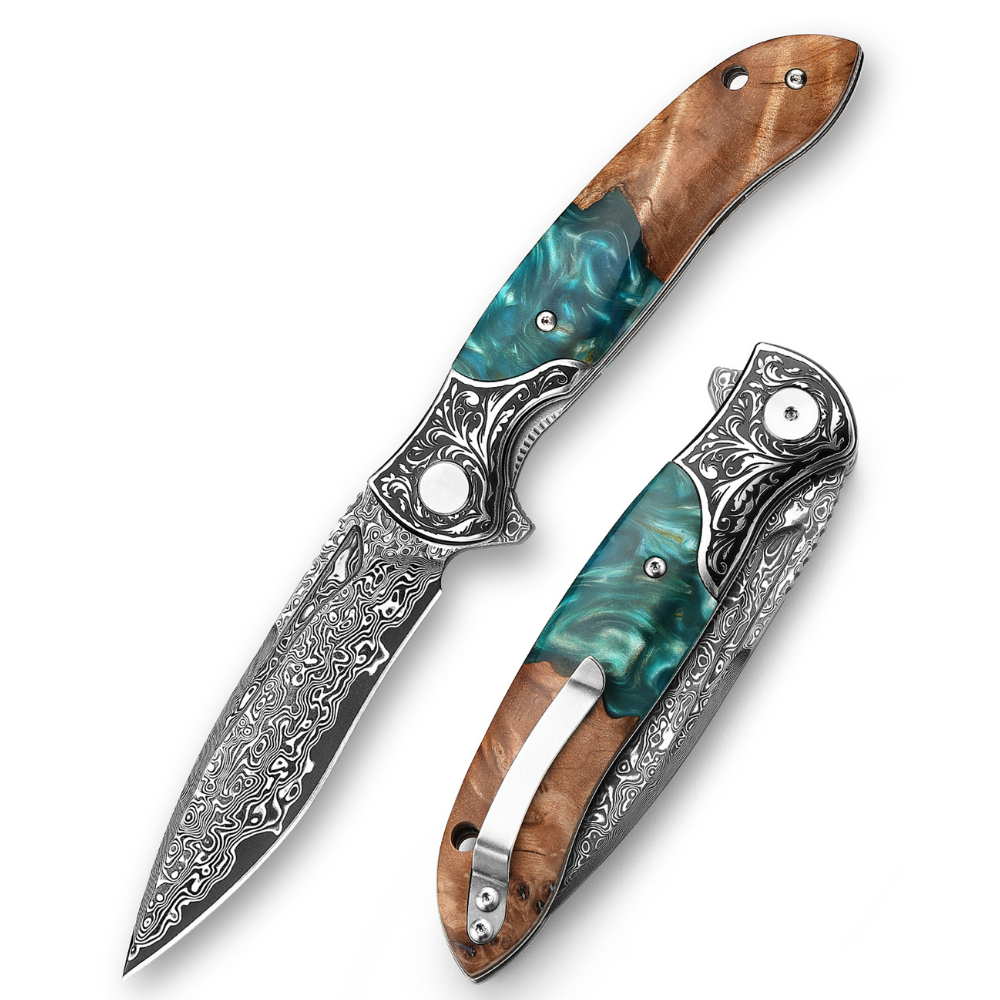
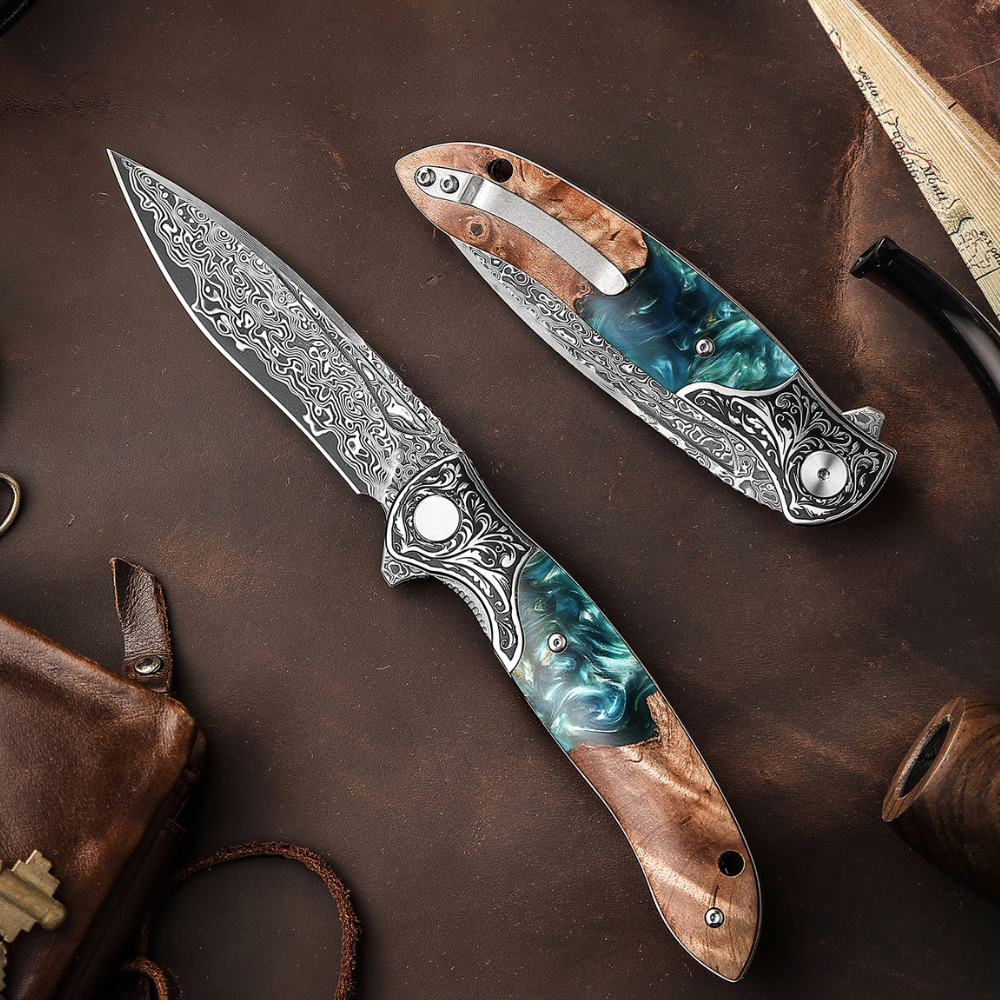
The blade then goes through a grinding process, shaping the edge and enhancing the sharpness. Different grinding techniques are used depending on the desired edge profile. After grinding, polishing is performed to provide a smooth finish. This step is especially important for Damascus Steel, as it highlights the unique patterns in the steel, showing off the artisan's work.
Handle Construction
The handle is just as important as the blade in a folding knife. It must provide a comfortable grip and ensure safety during use. Let’s look into how handles are crafted:
Material Selection
Choices for handle materials can significantly affect aesthetics and functionality. Wood gives a classic look, while synthetic materials like Micarta or G10 offer durability and moisture resistance. Metal handles, such as those made from titanium or aluminum, provide sturdiness and modern appeal.
Shaping and Assembly
The chosen material is then cut and shaped to fit the design specifications. Gaps for the blade and hardware, such as screws and pivots, are also made at this stage. After shaping, parts are assembled meticulously to ensure alignment and function of the folding mechanism.
Locking Mechanisms in Folding Knives
A successful folding knife must have a reliable locking mechanism. This is crucial for user safety and the overall performance of the knife.
Types of Locking Mechanisms
There are several different types of locks commonly found in folding knives:
- Liner Lock: This mechanism features a steel liner that engages with the blade’s tang. It’s simple and effective.
- Frame Lock: Similar to a liner lock, a frame lock uses the handle's frame as the locking mechanism. It’s often found in high-end models.
- Rocker Lock: With a rocking mechanism, this lock provides added security and is easy to operate.
- Back Lock: A classic design that uses a spring-loaded locking bar to hold the blade in place.
Choosing the appropriate locking mechanism is essential as it influences the knife's safety and ease of use during various activities.
Finishing Touches
After the blade and handle assembly, it’s time for the finishing touches that elevate a knife from functional to exceptional.
Quality Control
Craftsmanship requires attention to detail. Every folding knife undergoes rigorous quality control checks to inspect for flaws or inconsistencies. This includes examining the durability of the lock mechanism, blade alignment, and overall aesthetics.
Final Assembly
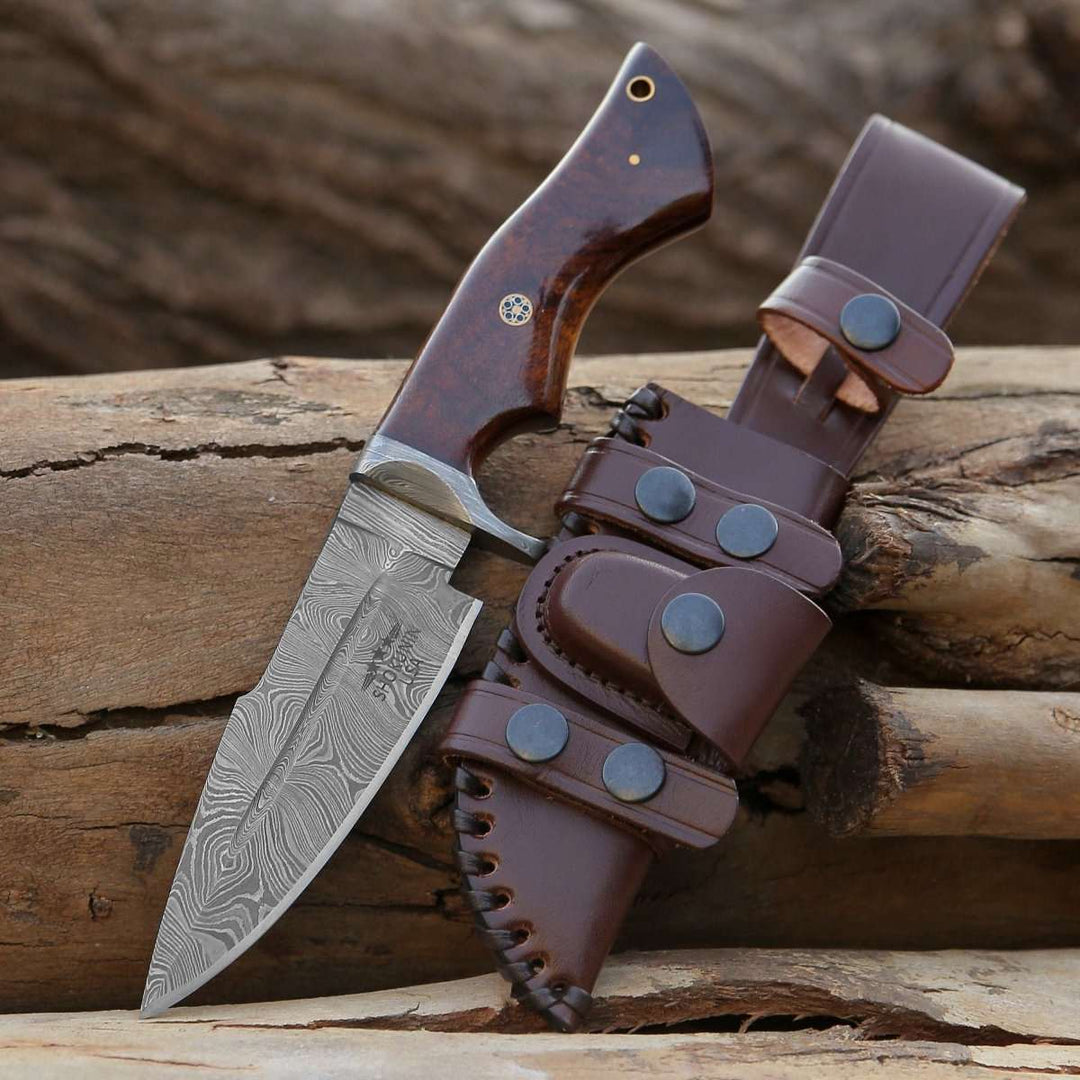
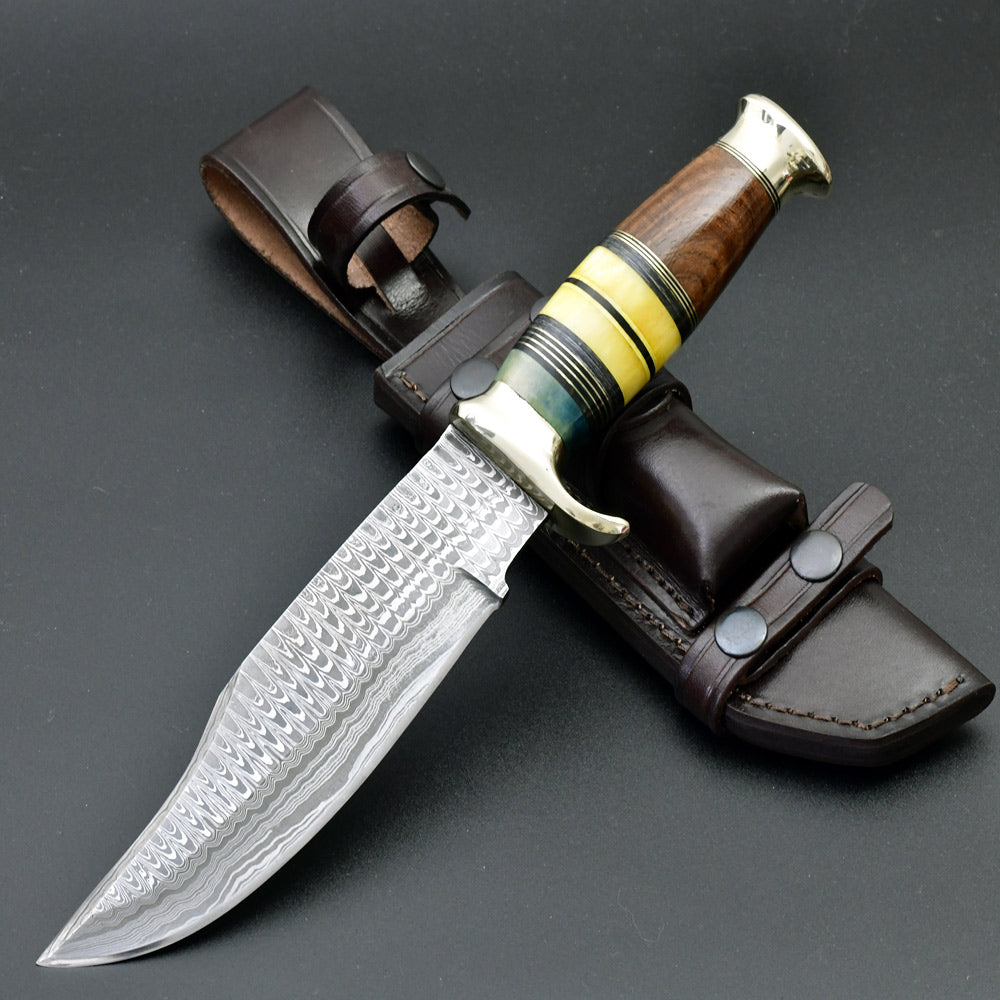
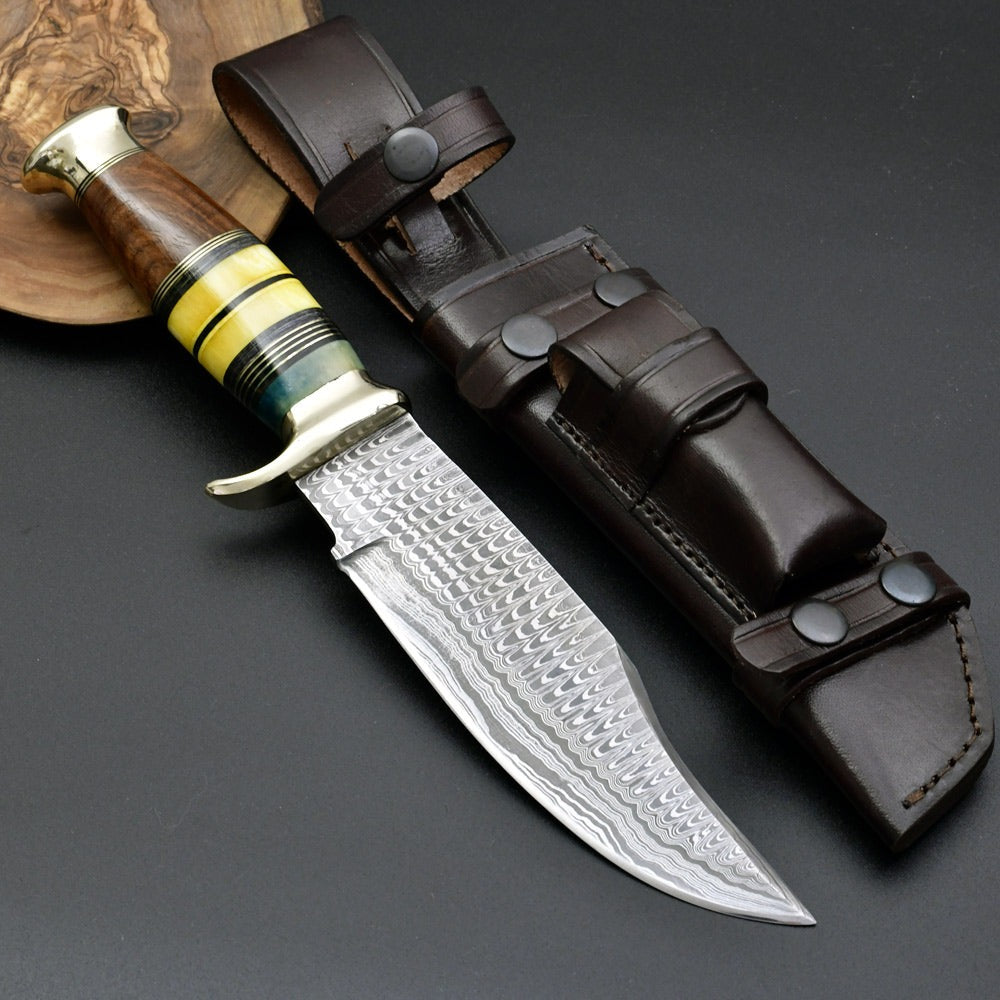
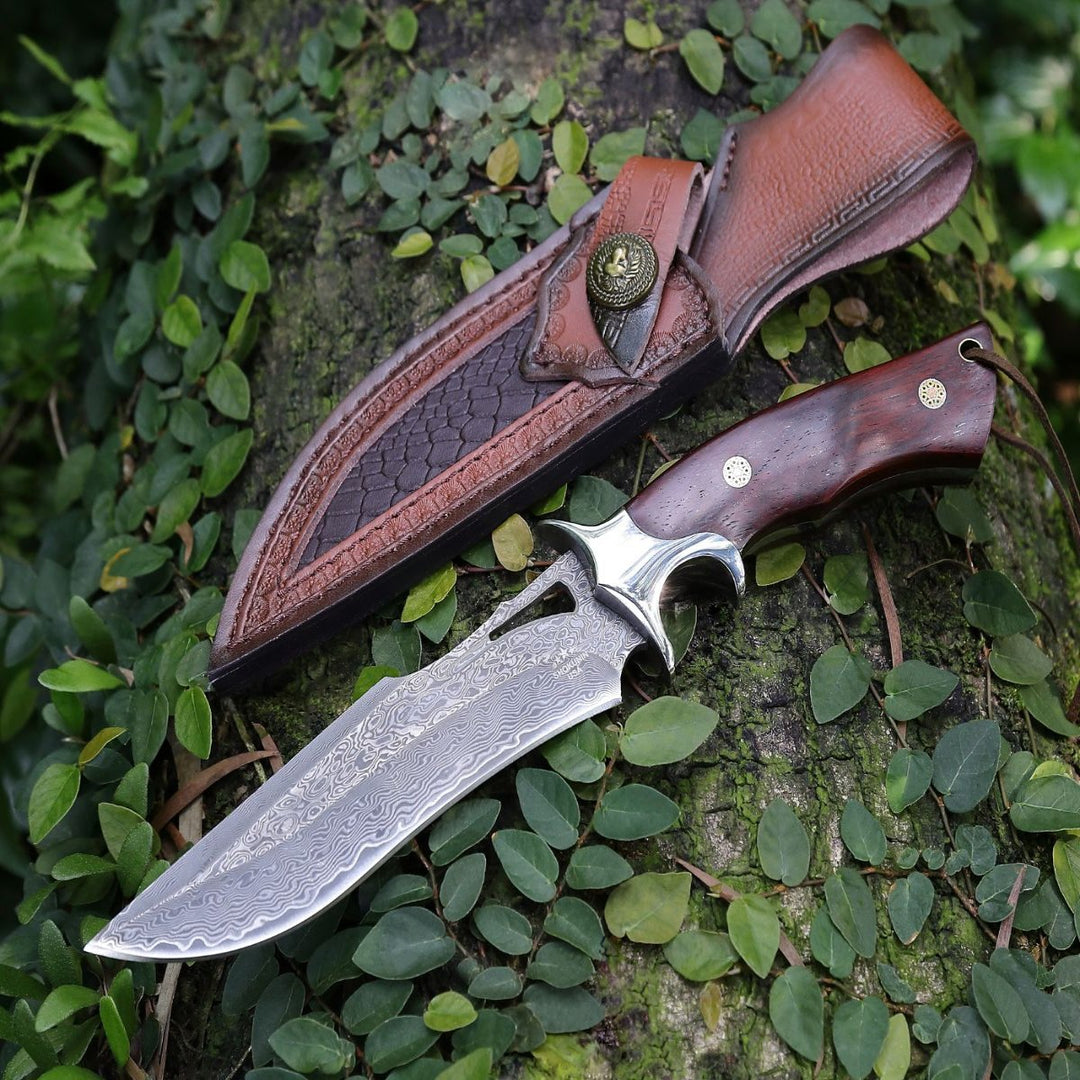
During final assembly, additional components like the sheath, clips, or lanyards may be added. For folding knives with sheathes, it’s important that they fit snugly, providing protection for the blade while making it easy for users to carry.
Beyond Creation: The Legacy of Pocket Knives
Understanding the craftsmanship behind pocket knives enriches the appreciation of these tools. Each knife tells a story not just through its materials and design, but through the skilled hands that forged it. Pocket knives have been serving humanity for centuries, evolving with both technology and style.
The Evolution of Pocket Knives
Since their inception, pocket knives have witnessed technological advancements, making them more versatile and appealing to various users. Modern innovations have led to various designs and functionalities, with materials such as Damascus Steel becoming exceptionally popular among collectors and enthusiasts.
Cultural Significance
Beyond just a tool, pocket knives hold cultural significance in many societies. They are often seen as symbols of survival, craftsmanship, and personal expression. Many individuals pass down pocket knives as family heirlooms, instilling a sense of value and tradition.
The Final Cut: Your Pocket Knife Journey
As we’ve explored the captivating process of creating folding knives, it’s evident that each piece is a work of art forged with dedication and precision. Whether you’re a knife collector, an outdoor enthusiast, or simply someone who appreciates quality craftsmanship, the journey from concept to creation is enthralling. Understanding these details not only enhances your appreciation for pocket knives but your shopping experience as well. So, the next time you consider purchasing a folding knife with sheath, remember the intricate craftsmanship involved and the story behind each blade. Elevate your collection with knowledge and style!
Frequently Asked Questions
1. What are folding knives made of?
2. How is the manufacturing process of folding knives different from other knives?
3. What is the significance of Damascus Steel in knife making?
4. What are some common types of locking mechanisms in folding knives?
5. Why is quality control important in knife manufacturing?
Glossary
| Term | Meaning |
|---|---|
| Folding Knife | A compact knife with a blade that folds into the handle for portability. |
| Damascus Steel | A type of steel known for its durability and unique, wavy patterns. |
| Prototyping | The process of creating an initial model to test design and functionality. |
| Heat Treatment | A process to enhance a blade's hardness and durability through heating and cooling. |
| Locking Mechanism | A safety feature that keeps the blade securely in place during use. |
| Liner Lock | A simple lock that uses a steel liner to secure the blade when open. |
| Frame Lock | A locking mechanism that uses the handle's frame for added security. |
| Quality Control | The process of inspecting knives for flaws and ensuring high standards. |
| Sheath | A protective cover for the blade, often used for safe carrying. |
| Ergonomics | The study of designing tools for comfort and efficiency during use. |
Linked Product

Pixel Copper Damascus Pocket Knife with Engraved Copper Handle
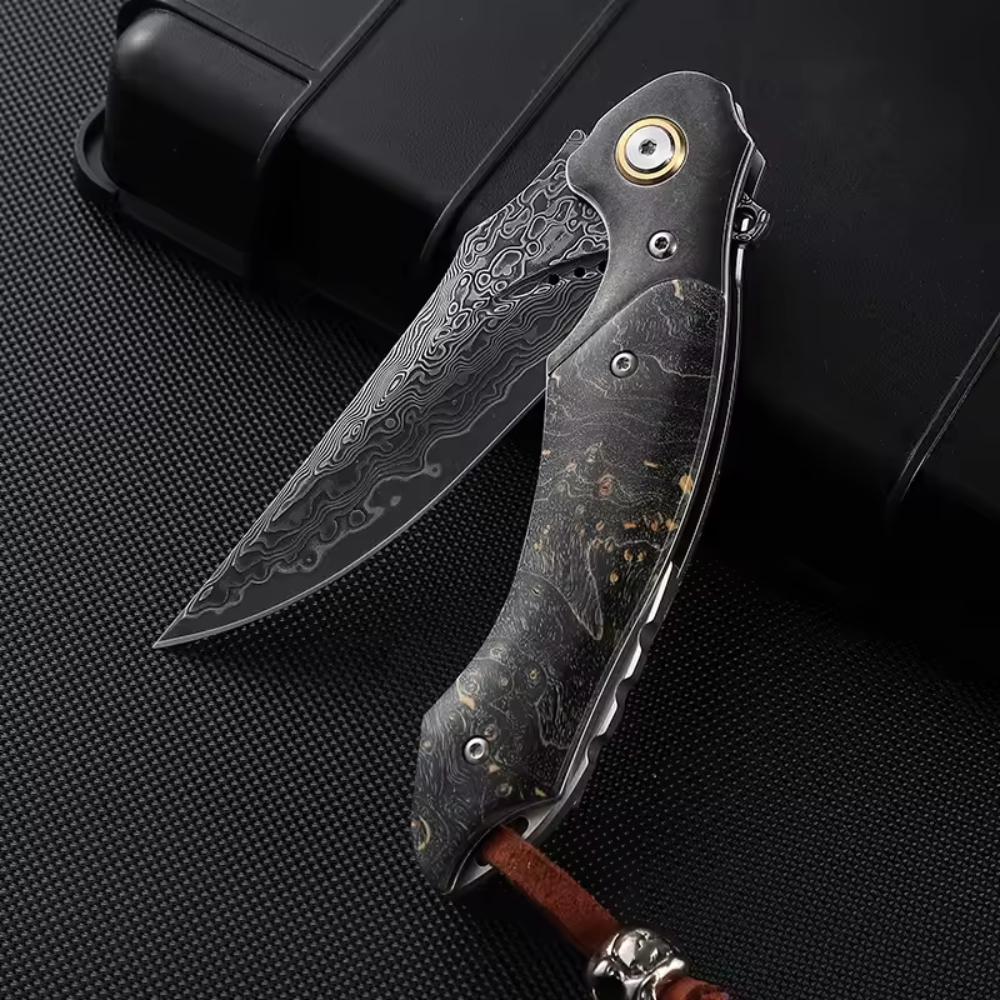
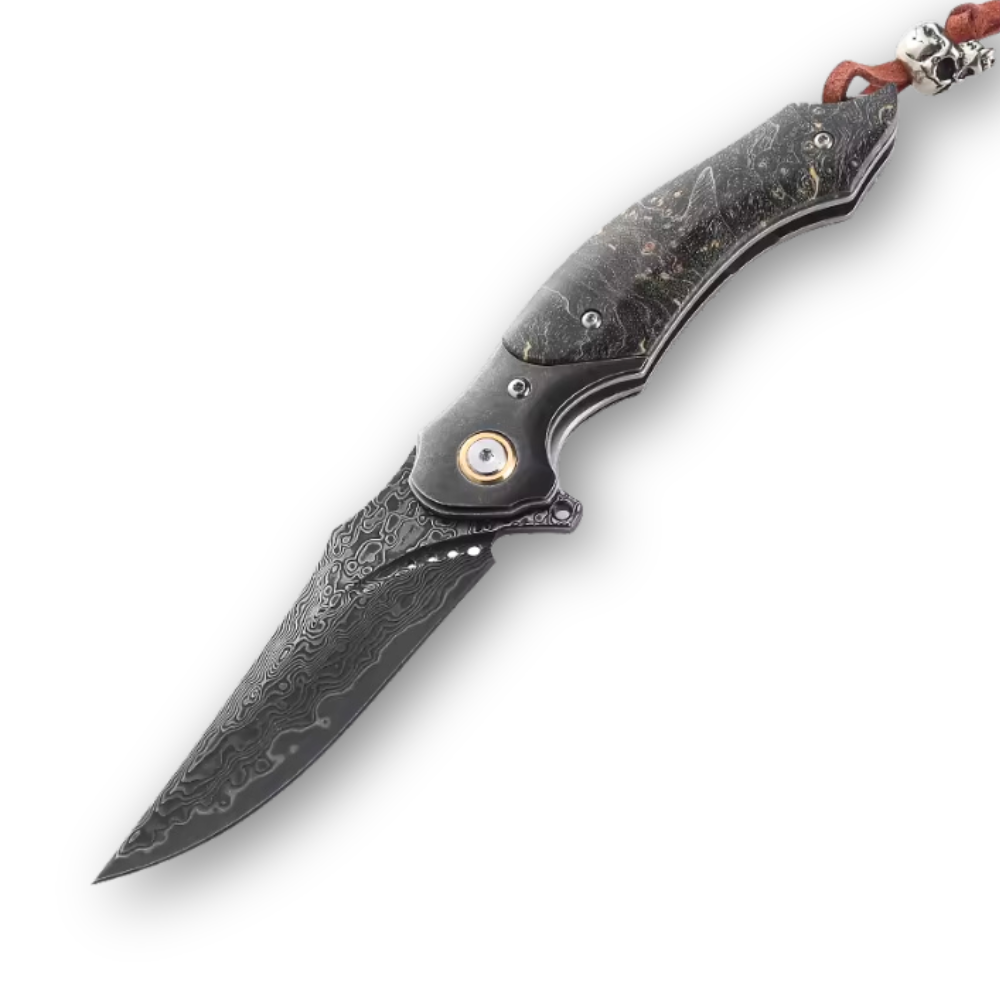
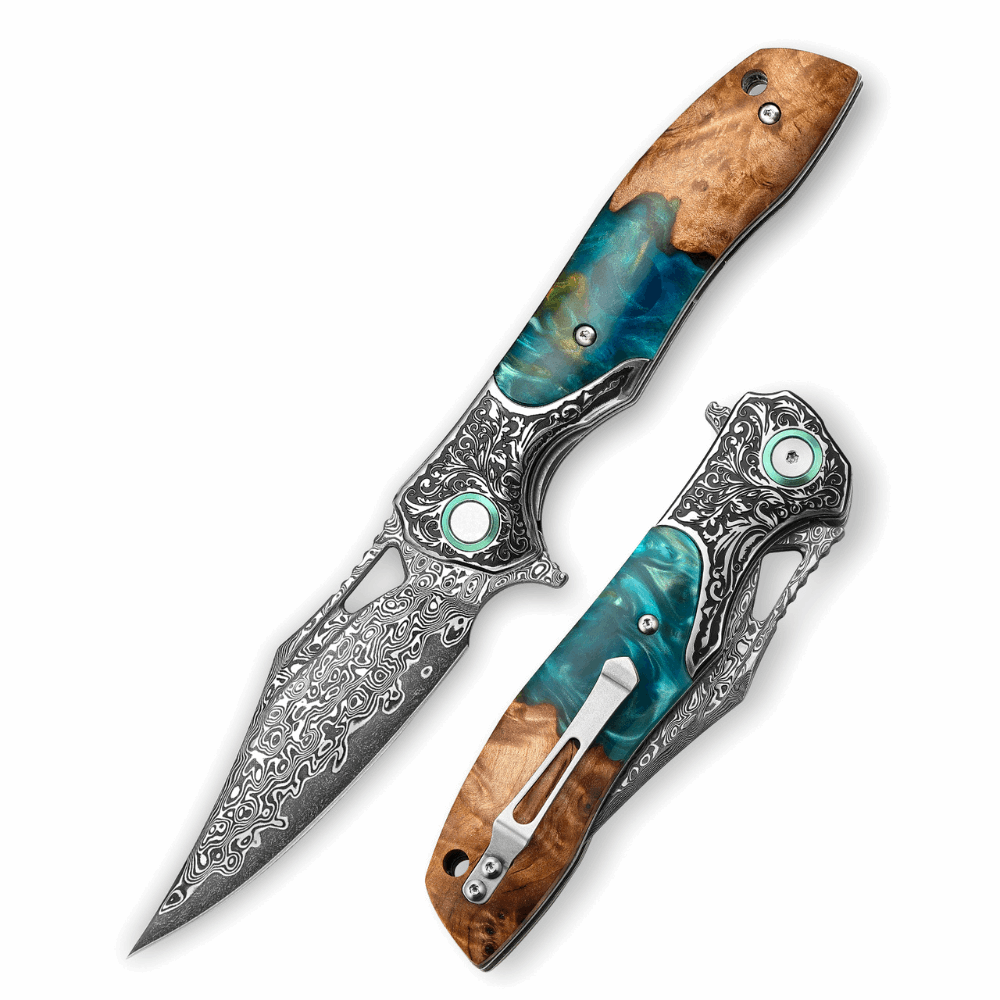
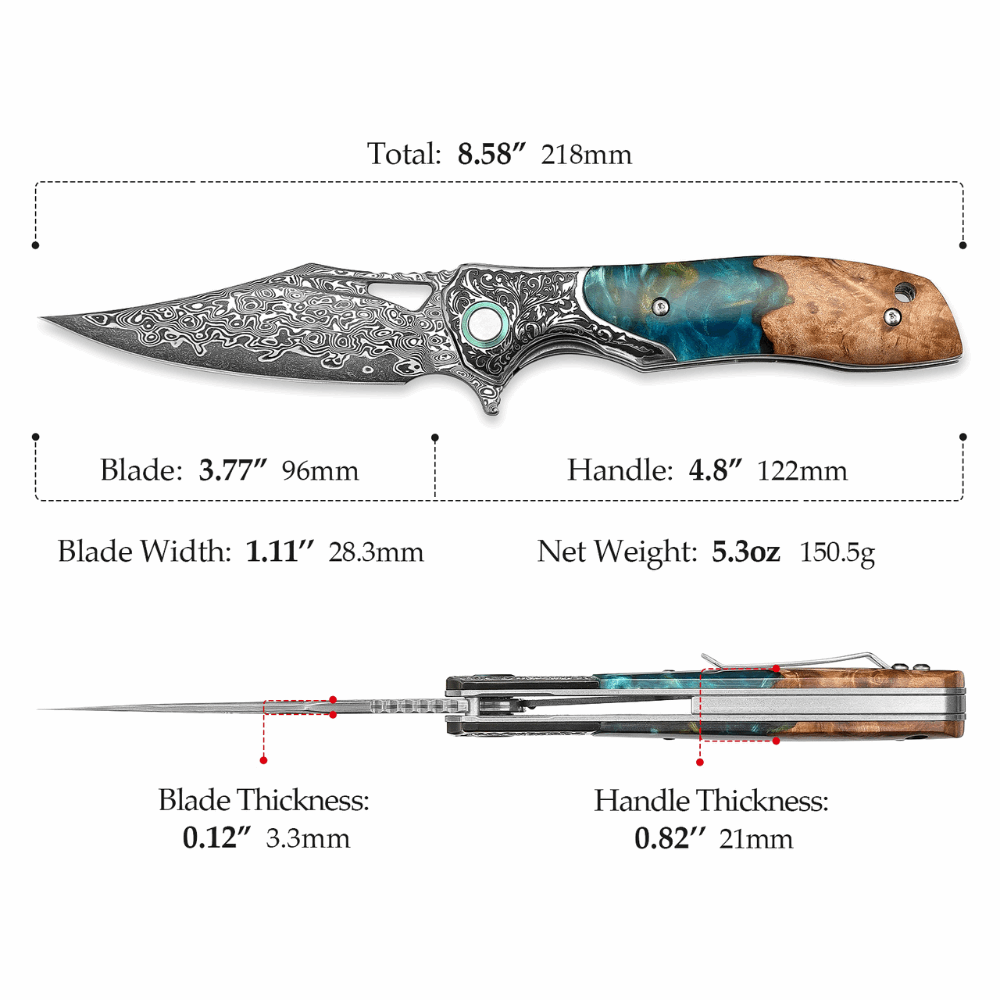
The Pixel Copper Damascus Pocket Knife features a unique hand-forged Damascus steel blade, ensuring exceptional sharpness and durability for various cutting tasks. Its engraved copper handle not only adds an elegant touch but is also designed for longevity, making it suitable for outdoor activities like camping and hiking. This versatile pocket knife comes with a hand-stitched leather sheath and a pocket knife sharpener, making it a practical choice for everyday use or as a gift for outdoor enthusiasts.
View Product






Dejar un comentario