


Overview
Choosing the right pocket knife involves understanding your needs, preferences, and essential features. Consider factors like intended use (everyday carry, outdoor adventures, DIY), blade materials (stainless, carbon, Damascus), design elements (blade types, handle materials), size and weight, ergonomics, price range, and legal considerations. Take your time to explore options that align with your lifestyle to find the perfect knife for your adventures.
Table of Contents
- Understanding Your Needs
- Choosing the Right Blade Material
- Stainless Steel
- Carbon Steel
- Damascus Steel
- Knife Features and Design
- Types of Blades
- Handle Material
- Size and Weight Matters
- Blade Length
- Knife Weight
- Ergonomics and Comfort
- Grip Styles
- Open/Close Mechanism
- Price Range: Investing Wisely
- Affordable Options
- Mid-Range Choices
- Premium Models
- Legal and Safety Considerations
- Safety Features
- Final Thought: Cut Through the Confusion
Key Takeaways
- Understand Your Purpose: Identify the primary use of the pocket knife, whether for everyday tasks, outdoor adventures, or crafting projects.
- Select the Right Blade Material: Choose between stainless steel for rust resistance, carbon steel for sharpness, or Damascus steel for aesthetics and durability.
- Consider Knife Features: Evaluate blade types (drop point, clip point, serrated) and handle materials (wood, G10, aluminum) that match your needs.
- Assess Size and Weight: Balance blade length and weight for comfort and usability, keeping local laws in mind regarding restrictions.
- Prioritize Ergonomics: Look for a comfortable grip and a suitable open/close mechanism that fits your usage preferences.
- Budget Wisely: Determine your price range, from affordable options for casual users to premium models for collectors.
- Know Legal Regulations: Familiarize yourself with local laws governing pocket knife ownership to ensure compliance and safety.
Choosing the right pocket knife is more than just selecting a tool; it's about understanding your needs, preferences, and the specific features that will enhance your experience. With countless options available on the market today, from the elegant Damascus pocket knife to the classic folding knife, making the right choice can feel daunting. This guide will walk you through essential factors to consider when selecting a pocket knife, ensuring that your decision supports your lifestyle, hobbies, and practical requirements.
Understanding Your Needs
The first step in selecting your ideal pocket knife is understanding what you intend to use it for. Here are some common uses to consider:
- Everyday Carry: If you need a pocket knife for daily tasks like opening packages or cutting cords, a versatile and compact model would suit you best.
- Outdoor Adventures: For camping, hiking, or fishing, look for a knife that combines durability and functionality, potentially featuring a blade made from Damascus steel for its unique combination of toughness and beauty.
- DIY and Crafting: If you often engage in woodworking or crafting projects, a knife with a customizable blade may enhance your creative process.
Choosing the Right Blade Material
One of the most critical aspects of any knife is its blade material. Different types of steel offer varying levels of hardness, corrosion resistance, and ease of sharpening. Here’s a quick overview of some popular materials:
Stainless Steel
Highly resistant to rust, stainless steel blades are generally easy to maintain and perfect for everyday use. If you live in a humid climate or plan to use your knife near water, stainless steel might be your best choice.
Carbon Steel
While not as rust-resistant as stainless steel, carbon steel is known for its incredible sharpness and edge retention. Ideal for users who are willing to maintain their knife regularly, carbon steel attracts those who prioritize performance over ease of maintenance.
Damascus Steel
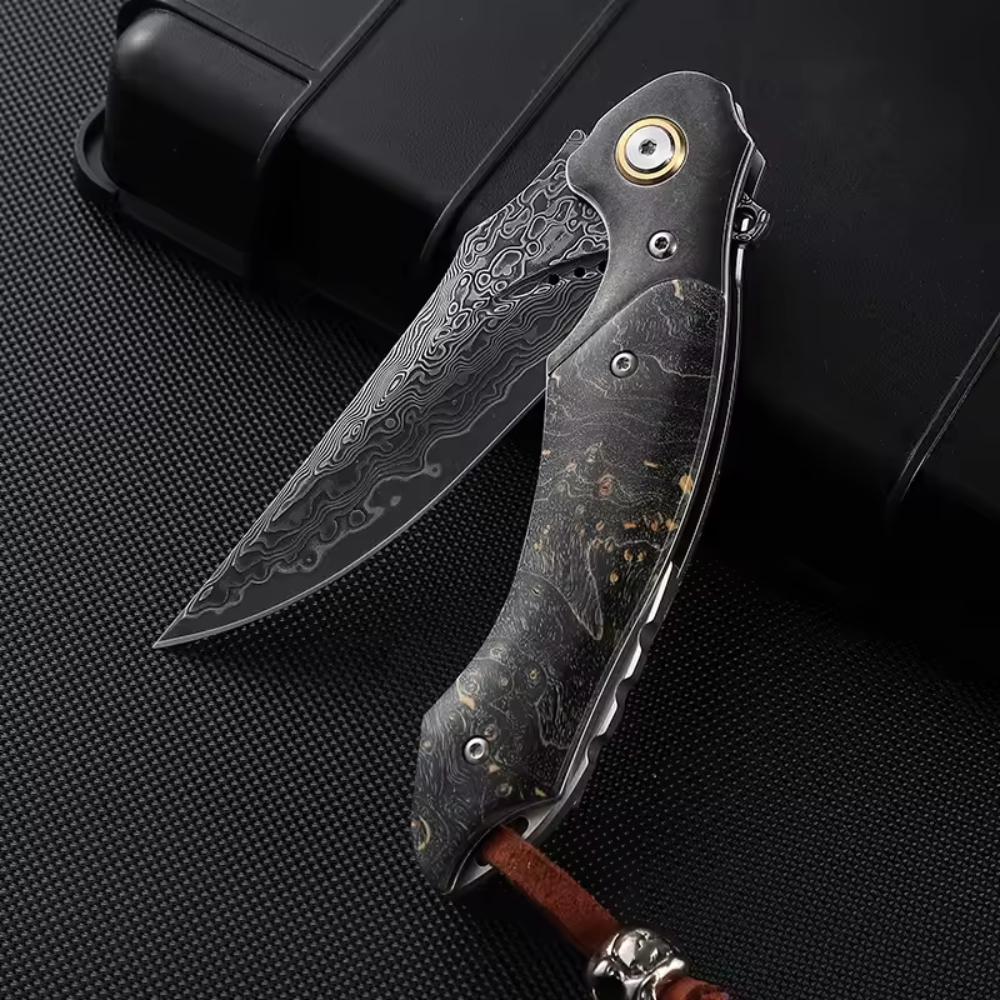
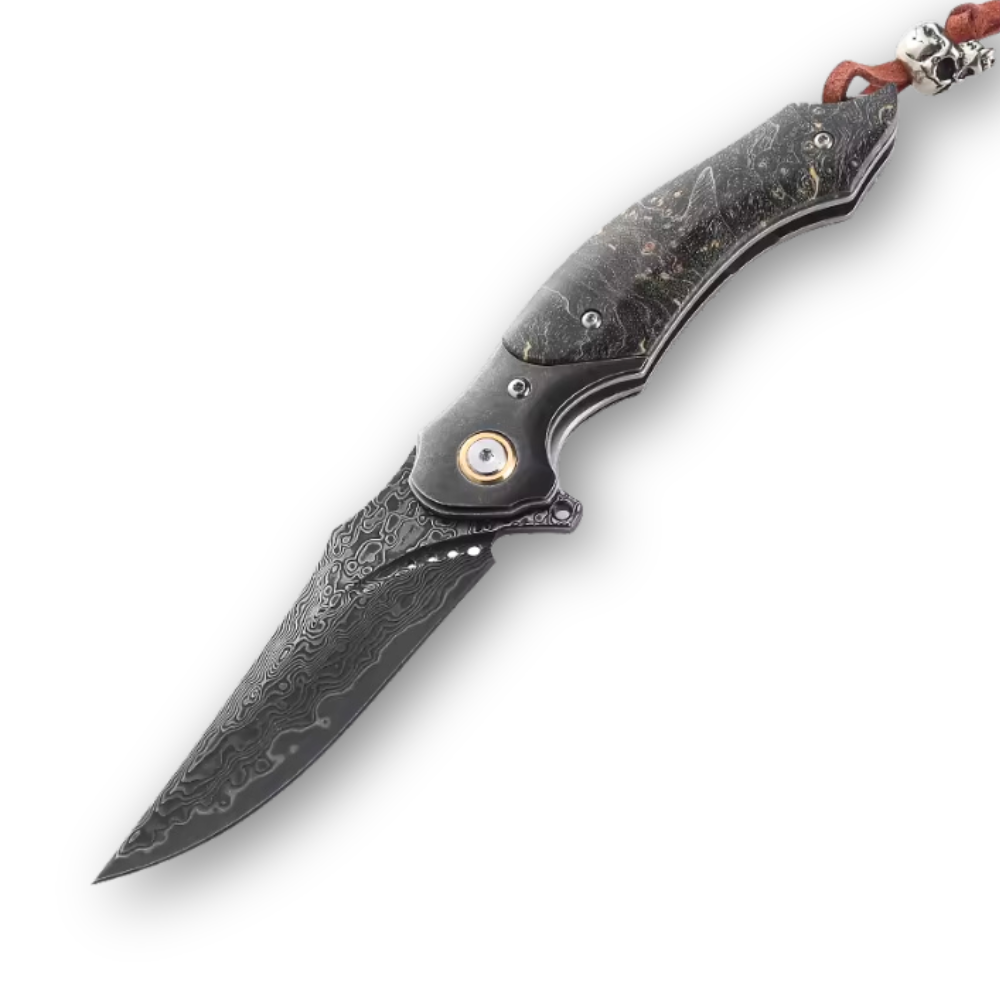
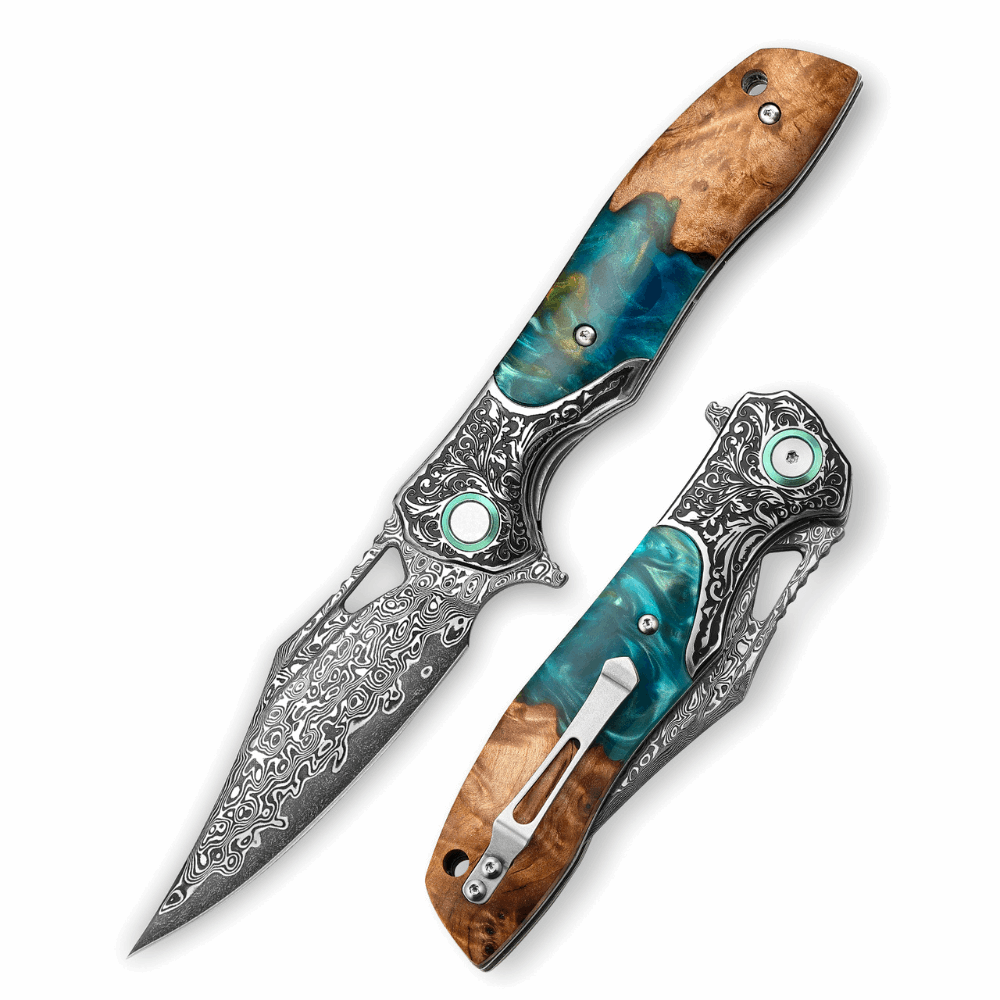
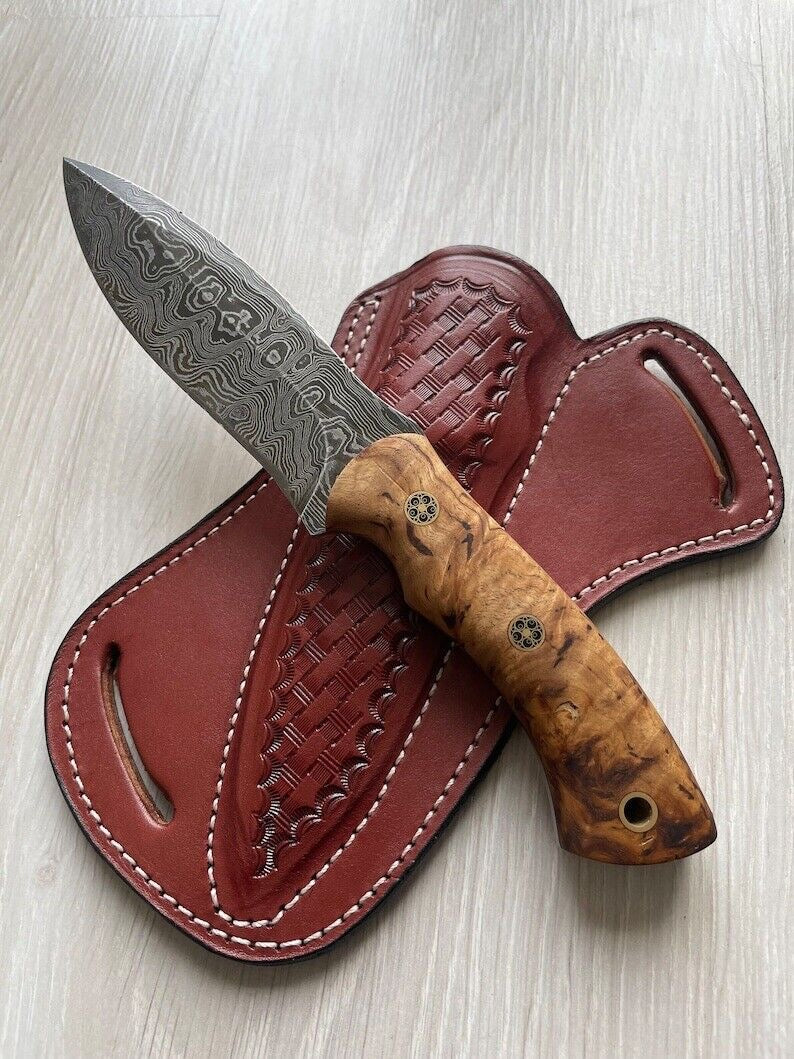
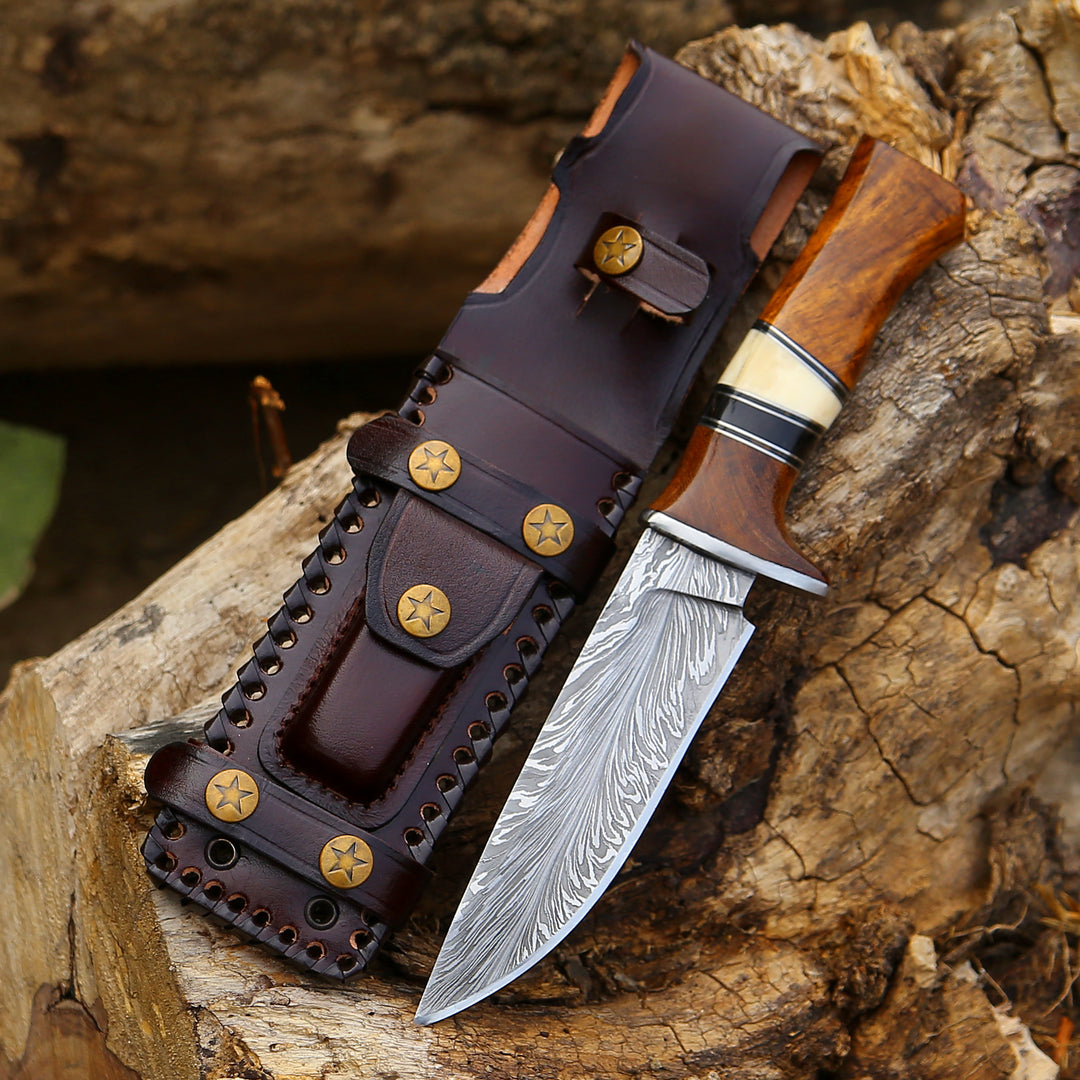
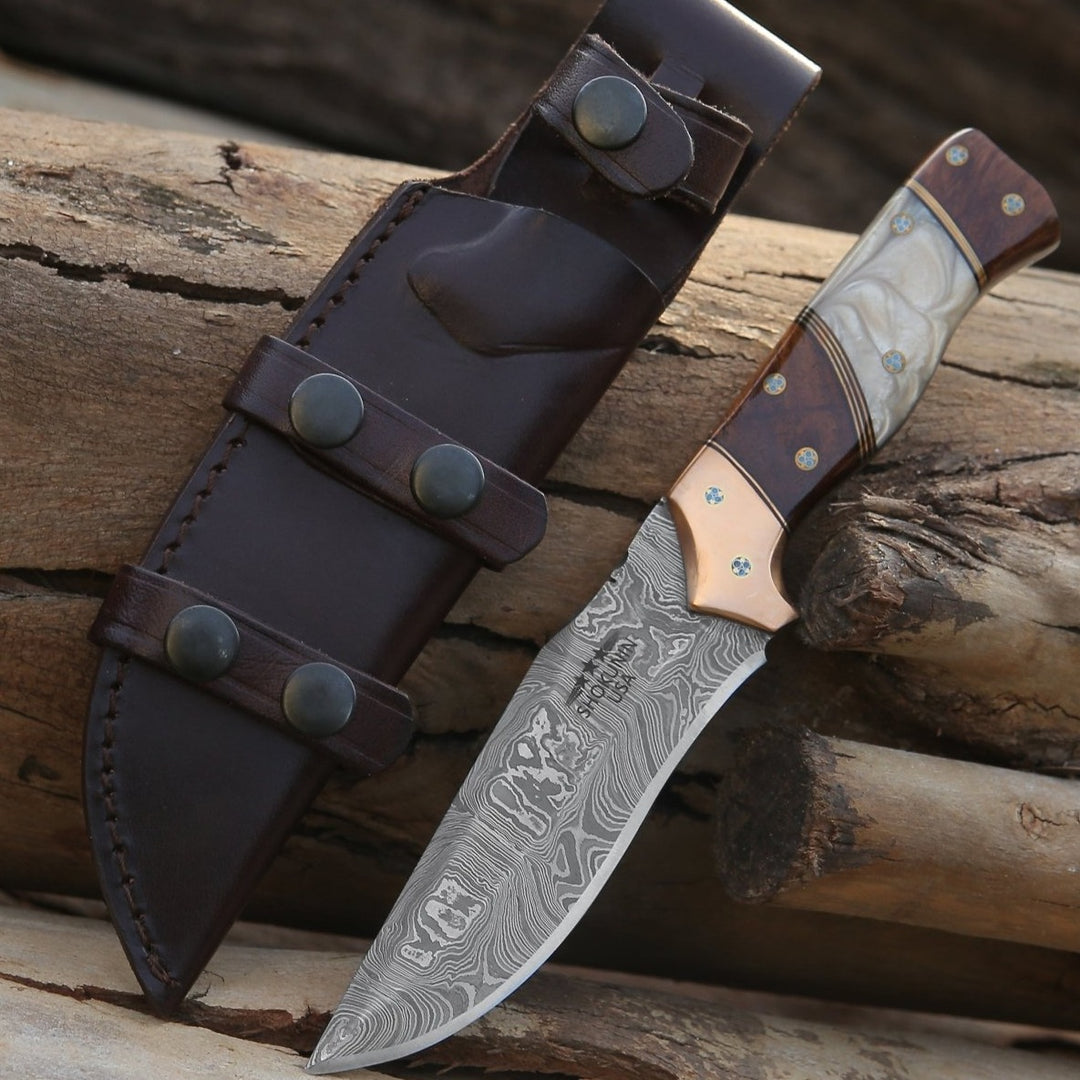
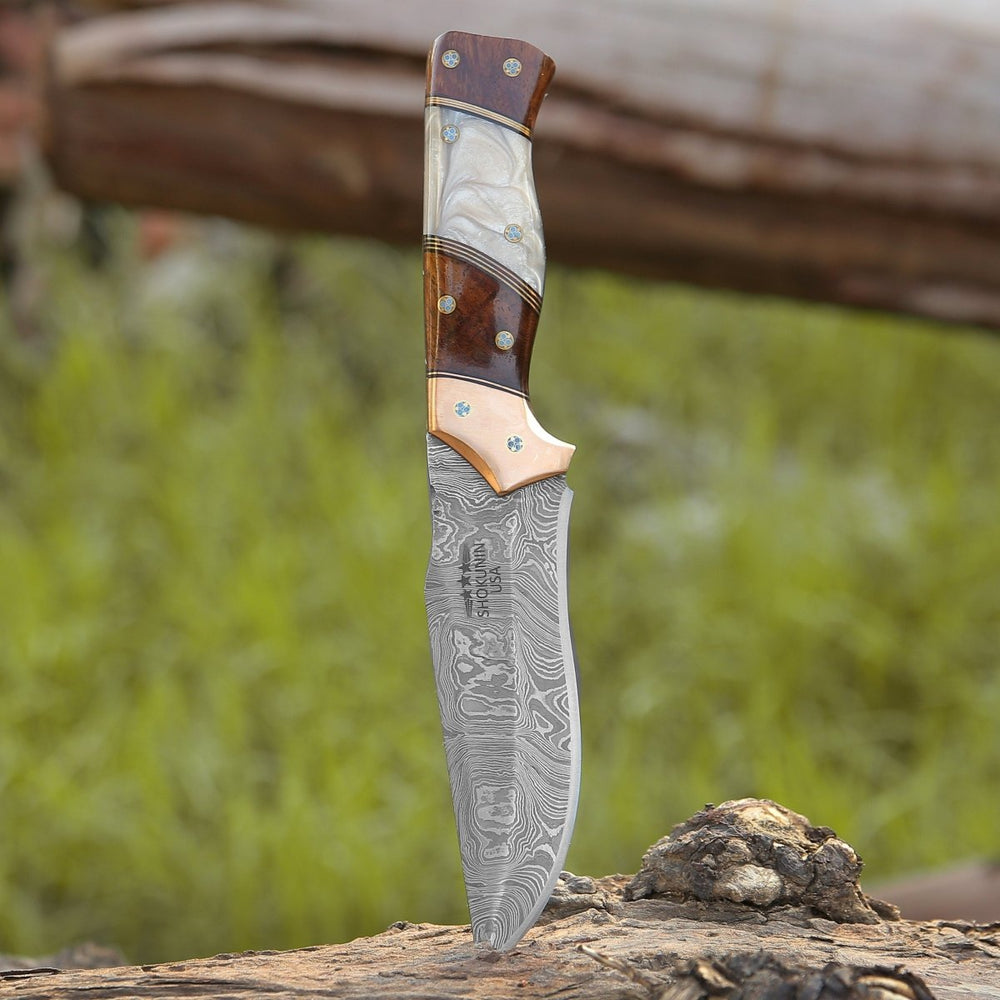
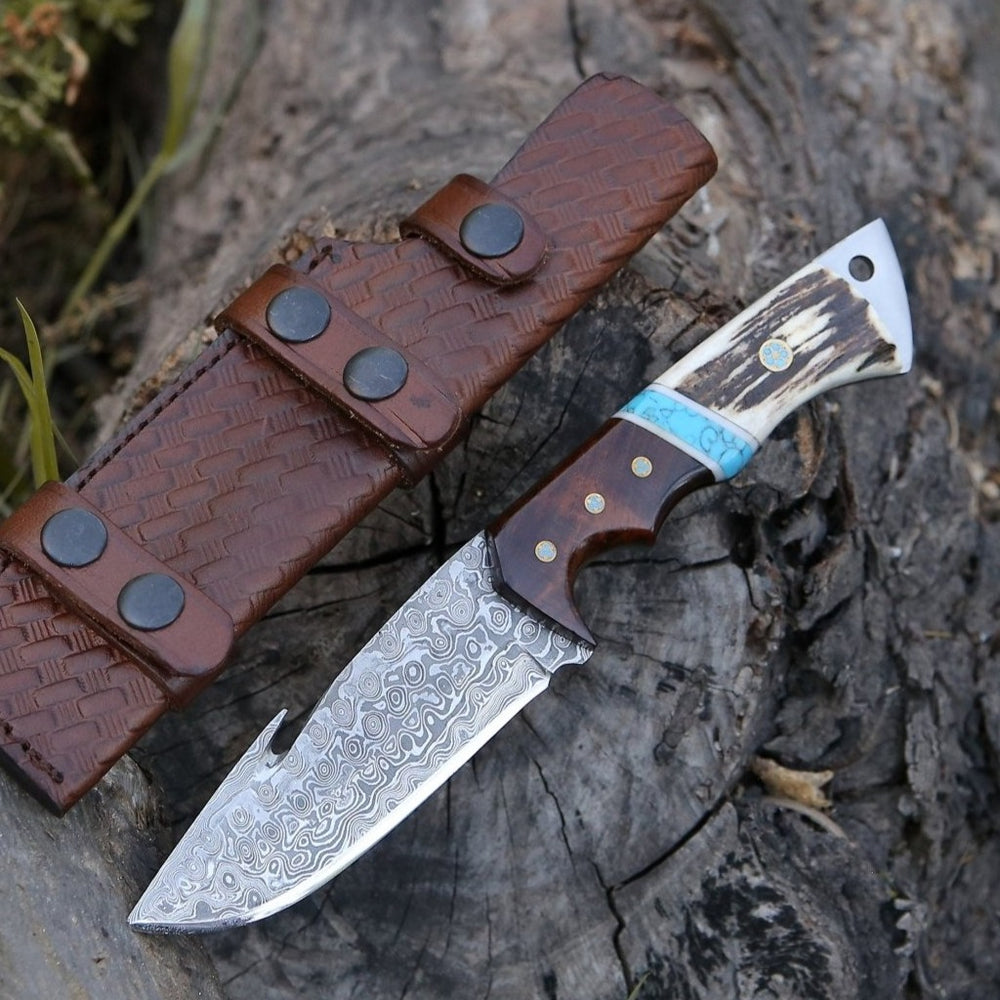
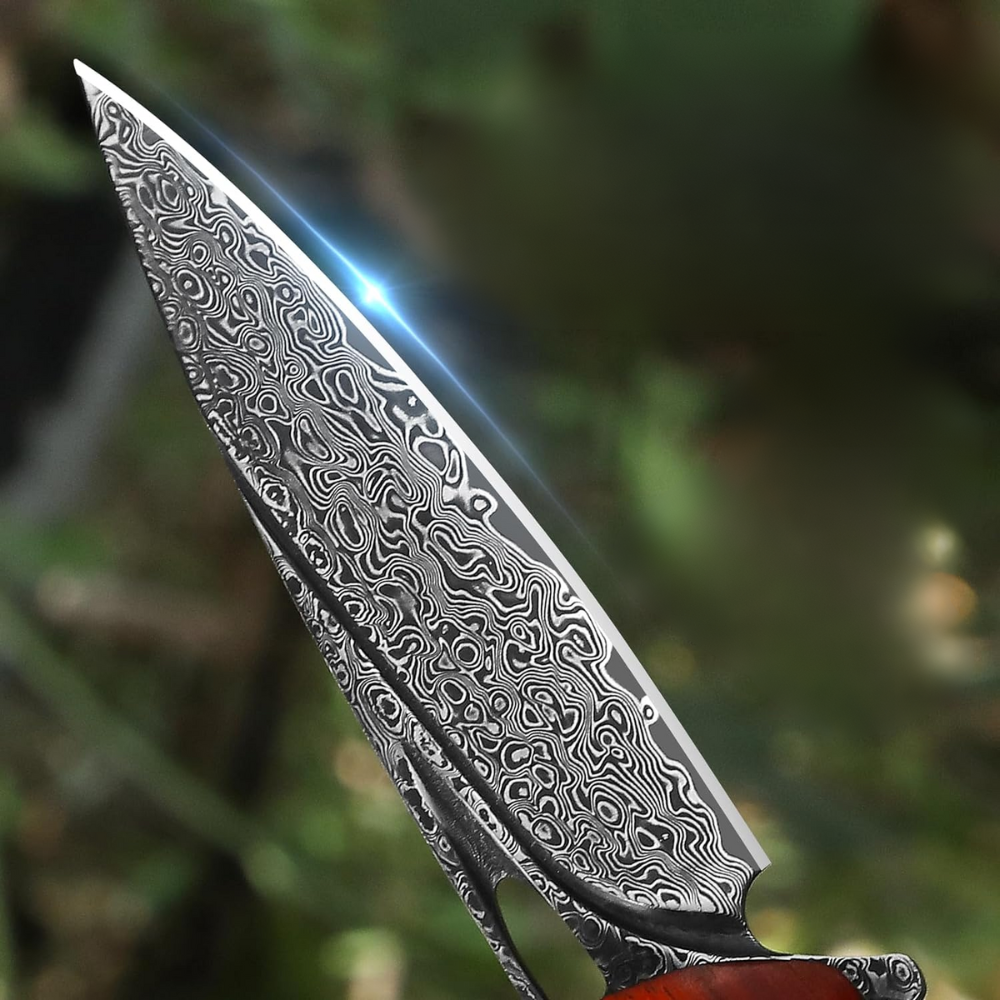
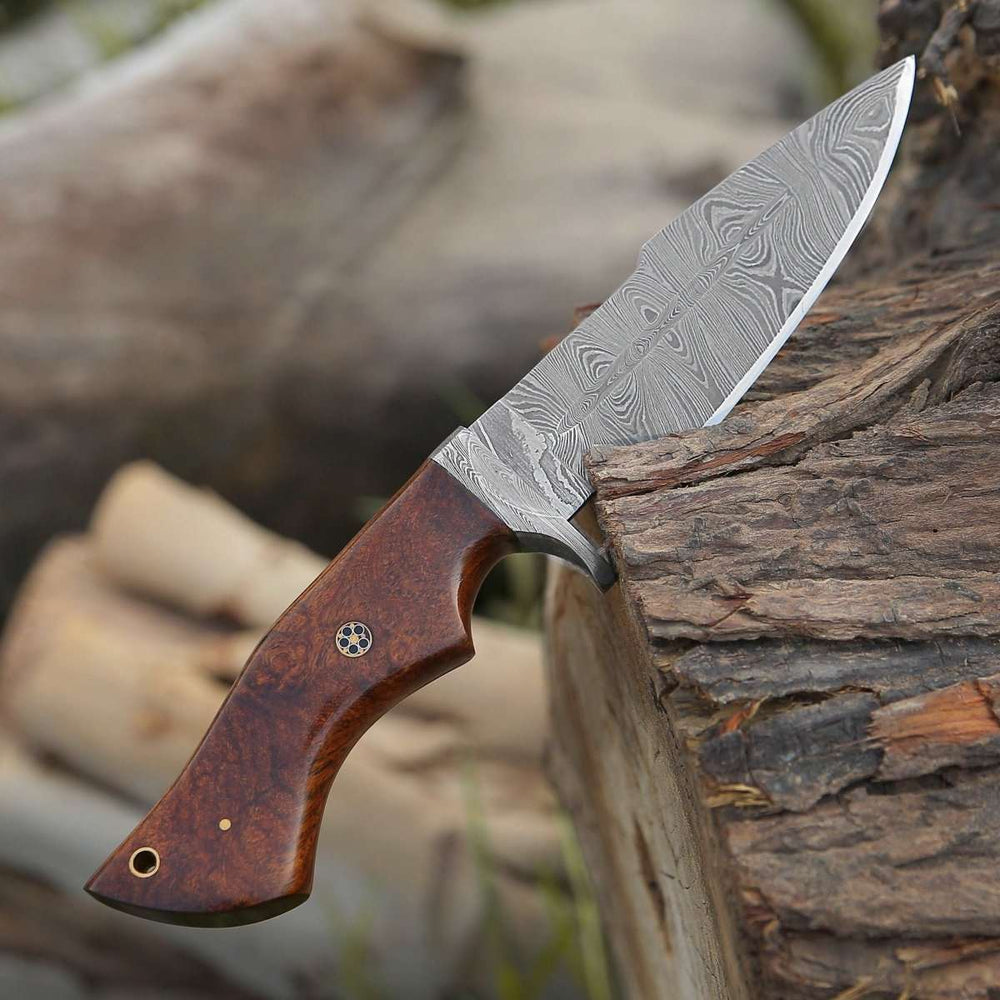
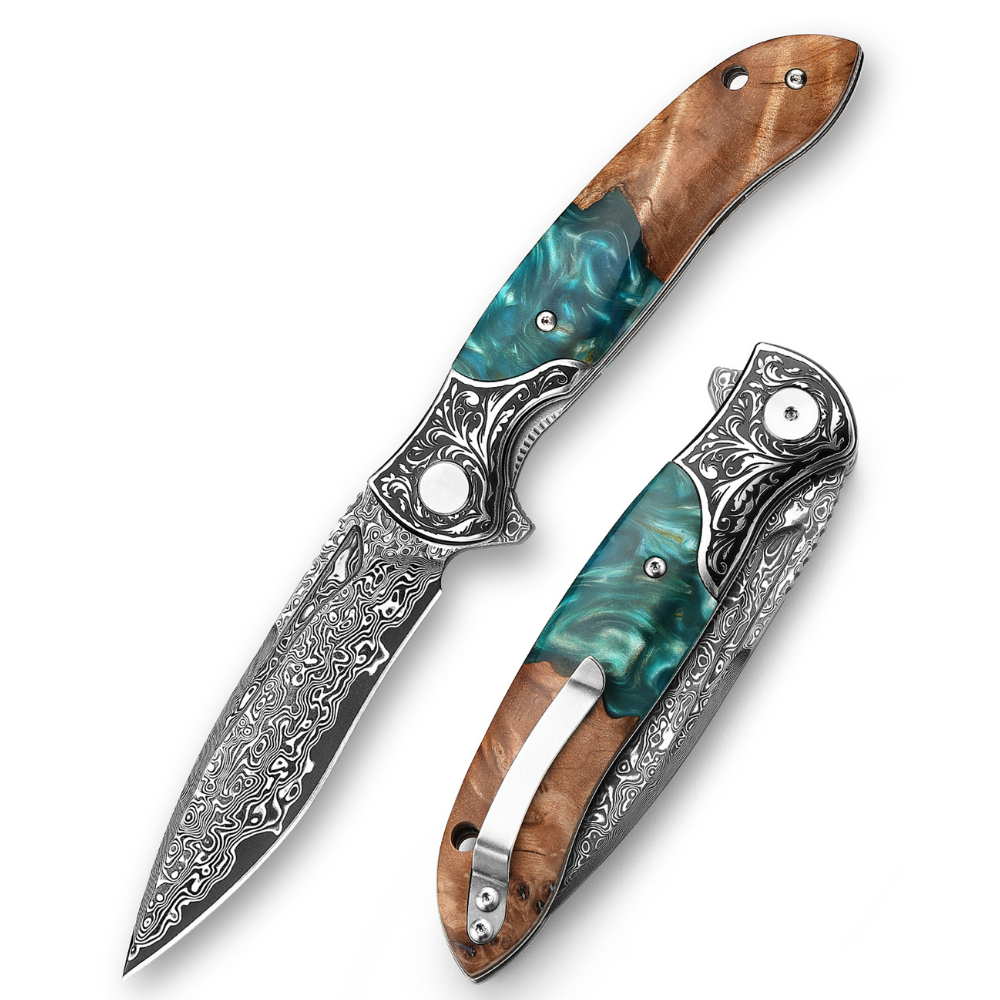
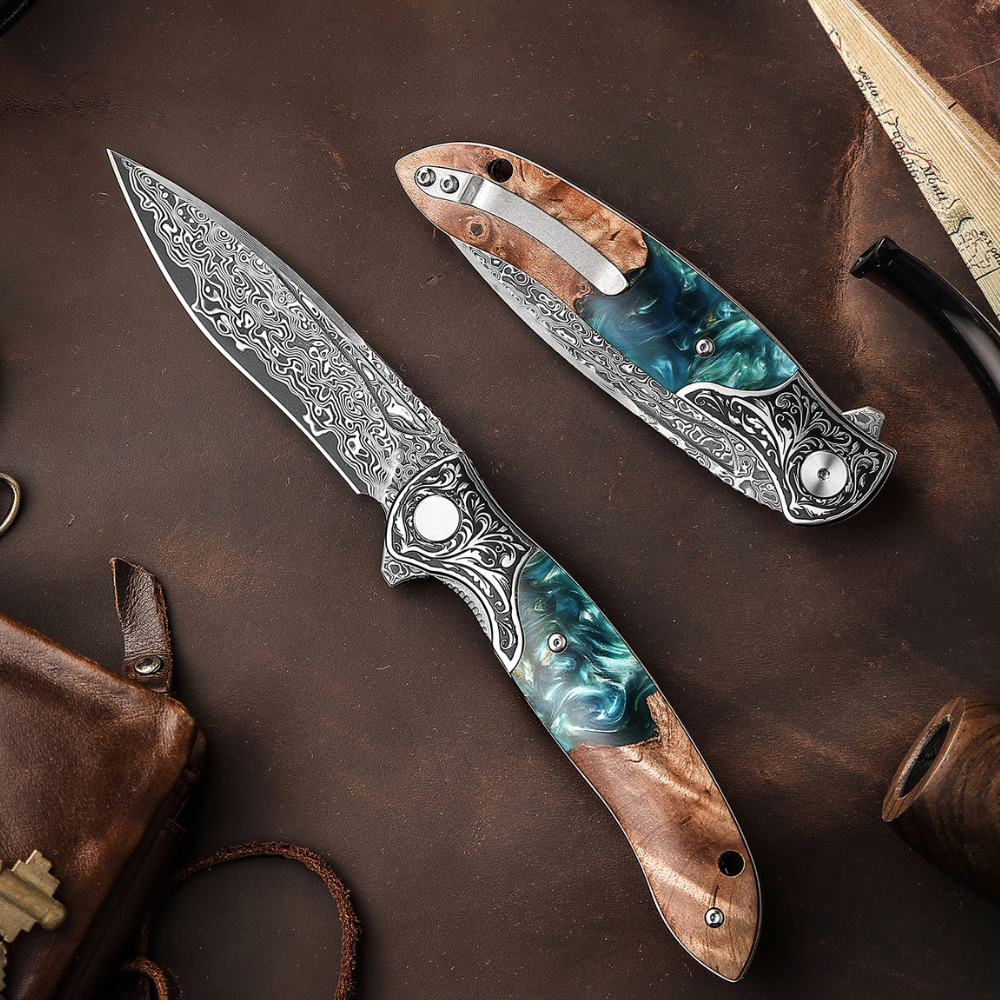
For a blend of aesthetics and functionality, consider a Damascus pocket knife. Damascus steel, recognized for its beautiful patterns and resilience, combines multiple types of steel to achieve a blade that is both striking and functional. It provides exceptional toughness and can hold an edge longer than other materials, making it a fantastic choice for enthusiasts.
Knife Features and Design
Next, think about the design elements and features that would cater to your needs. Here are key considerations:
Types of Blades
- Drop Point: Perfect for versatile uses, with a curved edge for slicing.
- Clip Point: Great for precise tasks with a sharp tip, often favored for tactical applications.
- Serrated: Ideal for cutting through tough materials like rope or fabric.
Handle Material
The handle material plays a crucial role in the knife's grip and comfort. Consider options like:
- Wood: Offers a classic and stylish look, often seen in traditional designs.
- G10 or Micarta: Man-made materials that provide durability and a solid grip, making them popular choices for rugged use.
- Aluminum: Lightweight and often anodized for added aesthetics, aluminum handles are suitable for everyday carry knives.
Size and Weight Matters
When selecting a pocket knife, the size and weight can significantly impact its usability and comfort in day-to-day use. Here are important factors to consider:
Blade Length
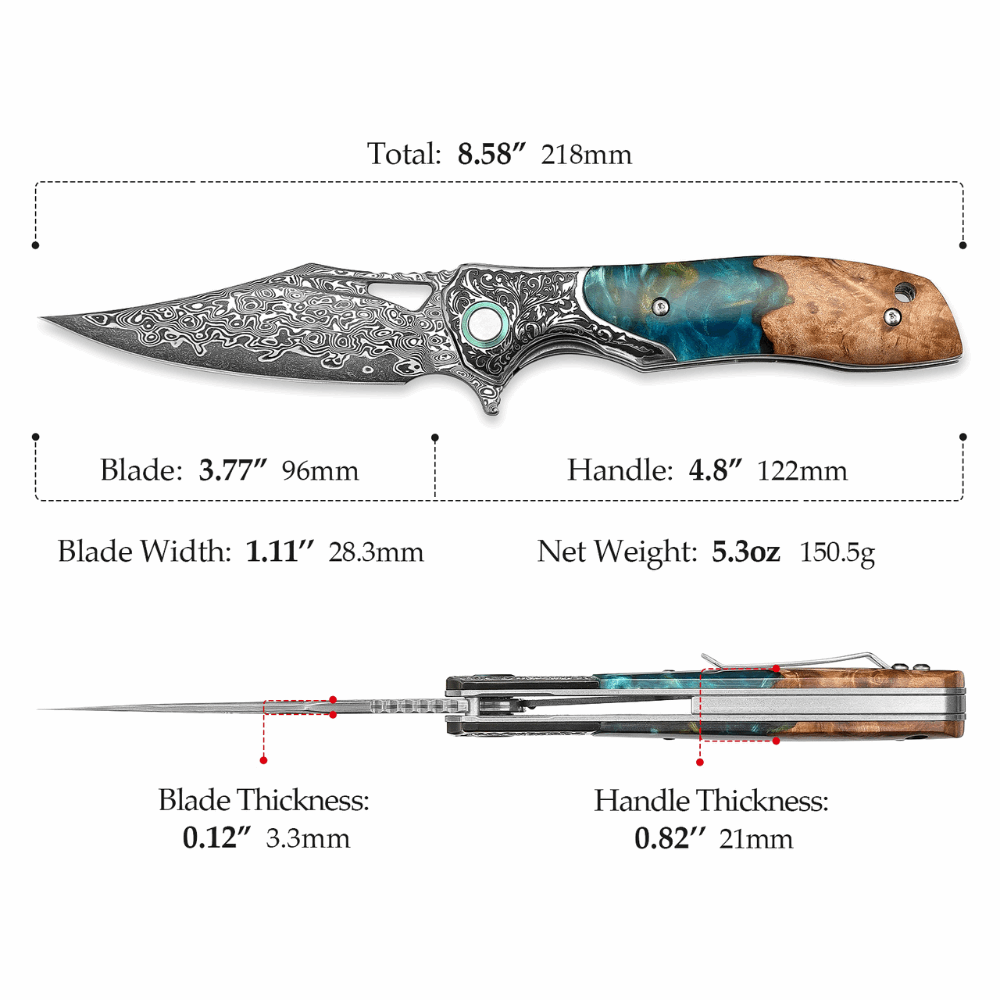
While small blades are easier to carry and conceal, larger blades provide additional cutting power. Think about where you will be using the knife. Local laws may also restrict blade length, so always check regulations if you're planning to carry your knife in public.
Knife Weight
A lighter knife is easier to carry, especially if you plan to have it on your person all day. However, ensure that the weight does not compromise the knife's durability. A well-balanced pocket knife should feel substantial in your hand without being excessively heavy.
Ergonomics and Comfort
It's essential to select a knife that feels comfortable in your hand. Consider the following:
Grip Styles
Look for a handle that offers a good grip, especially if you plan to use the knife for extended periods. Non-slip materials, finger grooves, and ergonomic designs can enhance comfort and reduce fatigue.
Open/Close Mechanism
Choose a mechanism, such as a folding knife, that suits your preferences. Some common options are:
- Manual Folding: Requires hands to open and close.
- Assisted Opening: Springs allow for quick deployment with a slight push.
- Automatic: Opens with the push of a button but is subject to regulations in some areas.
Price Range: Investing Wisely
Budget plays a significant role in your choice of pocket knife. While there are incredibly affordable options, investing in quality often leads to better durability and performance. Here are some things to consider about pricing:
Affordable Options
Entry-level knives can range from $15 to $50. These will suit casual users looking for a dependable daily tool without breaking the bank.
Mid-Range Choices
Mid-range knives, typically priced between $50 to $100, are often made with better materials, including some Damascus steel options. These represent a balance of quality and affordability, appealing to outdoor enthusiasts or those looking for long-lasting performance.
Premium Models
For serious collectors or avid outdoor users, premium knives can range from $100 to several hundred dollars. These often feature intricate designs, superior materials, and exceptional craftsmanship, including handmade Damascus pocket knives.
Legal and Safety Considerations
Before making a purchase, familiarize yourself with local laws regulating pocket knife ownership. Depending on where you live, there may be restrictions on blade length, lock mechanisms, or types of knives allowed. It's crucial to adhere to these legalities to avoid unnecessary trouble.
Safety Features
When selecting a knife, consider safety features such as a lock mechanism that prevents accidental closure or opening. Some knives also come with safety sheaths or cases that protect both the blade and the user when stored.
Final Thought: Cut Through the Confusion
Choosing the right pocket knife requires understanding your unique needs, preferences, and how you plan to use the tool. Take time to explore blade materials, styles, and features that align with your intentions. Whether you opt for a stunning Damascus pocket knife for flair or a practical everyday knife, the right choice will enhance your experience and keep you prepared for whatever comes your way. Explore various options and trust your intuition to find the knife that feels just right.
Regardless of what choice you ultimately make, a pocket knife is more than just a useful tool: it’s a companion for life's adventures, a reliable partner for tasks big and small, and a symbol of craftsmanship. Happy knife hunting!
Frequently Asked Questions
1. What should I consider when choosing a pocket knife?
2. What are some common uses for a pocket knife?
3. What blade materials are available for pocket knives?
4. How does the size and weight of a pocket knife affect its usability?
5. What legal considerations should I be aware of when purchasing a pocket knife?
Glossary
| Term | Meaning |
|---|---|
| Everyday Carry | A knife used for daily tasks like opening packages. |
| Damascus Steel | A decorative, strong steel known for its unique patterns. |
| Blade Material | The type of steel used in the knife's blade affecting performance. |
| Grip Styles | Design elements that enhance the comfort and control of the knife. |
| Manual Folding | A knife that requires hand operation to open and close. |
| Assisted Opening | A knife that uses springs for quick deployment with minimal effort. |
| Blade Length | The measurement of the knife's blade, impacting usability and legality. |
| Safety Features | Design elements that prevent accidental opening or closing of the knife. |
| Ergonomics | The study of how the knife's design affects user comfort and efficiency. |
| Premium Models | High-end knives often featuring superior materials and craftsmanship. |
Linked Product

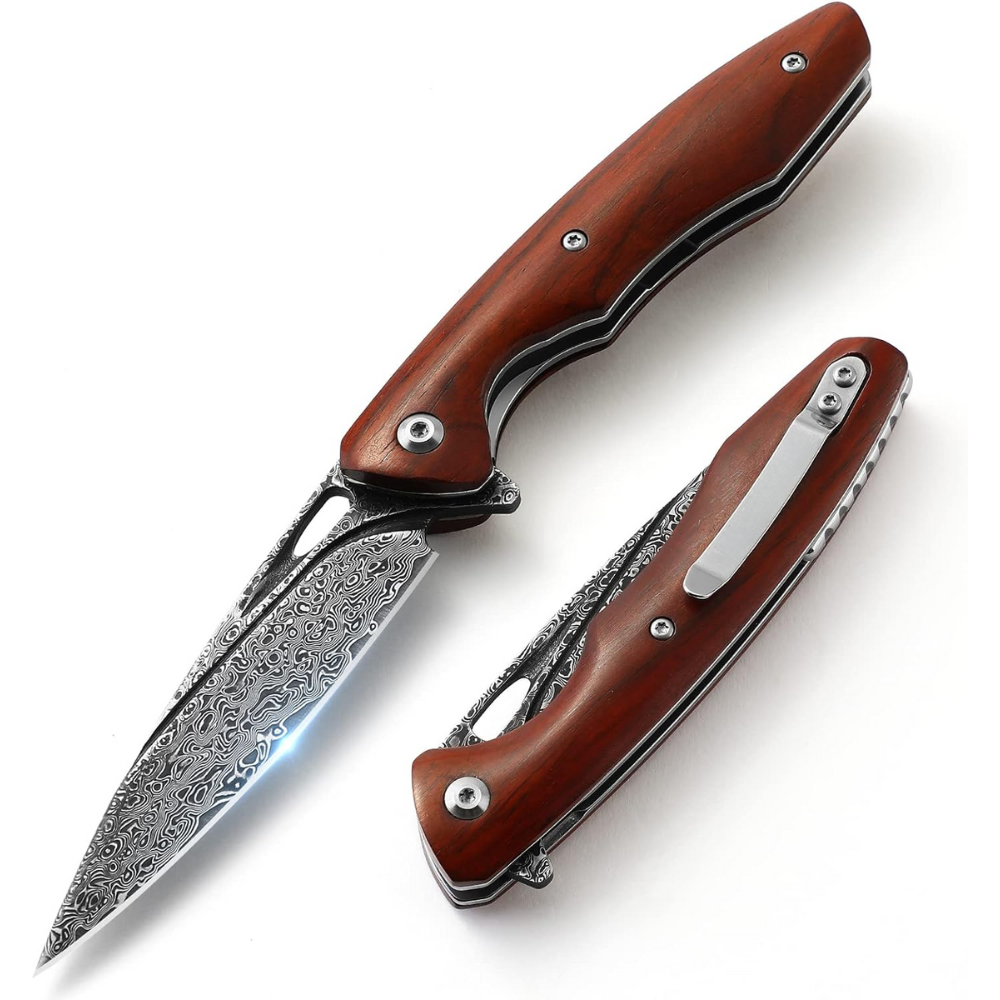
Wayfarer Japanese VG10 Damascus EDC Pocket Knife with Clip and Sandalwood Handle
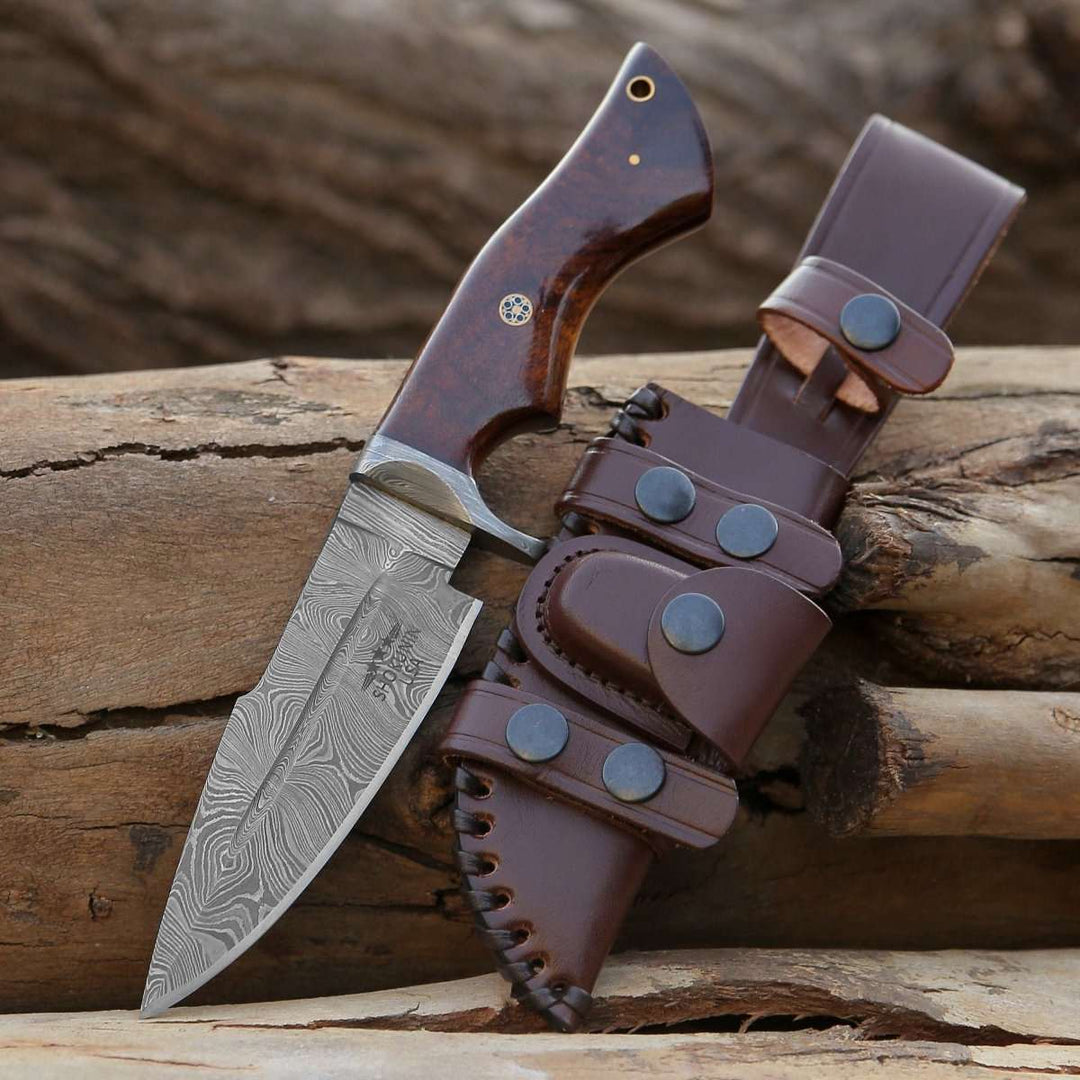
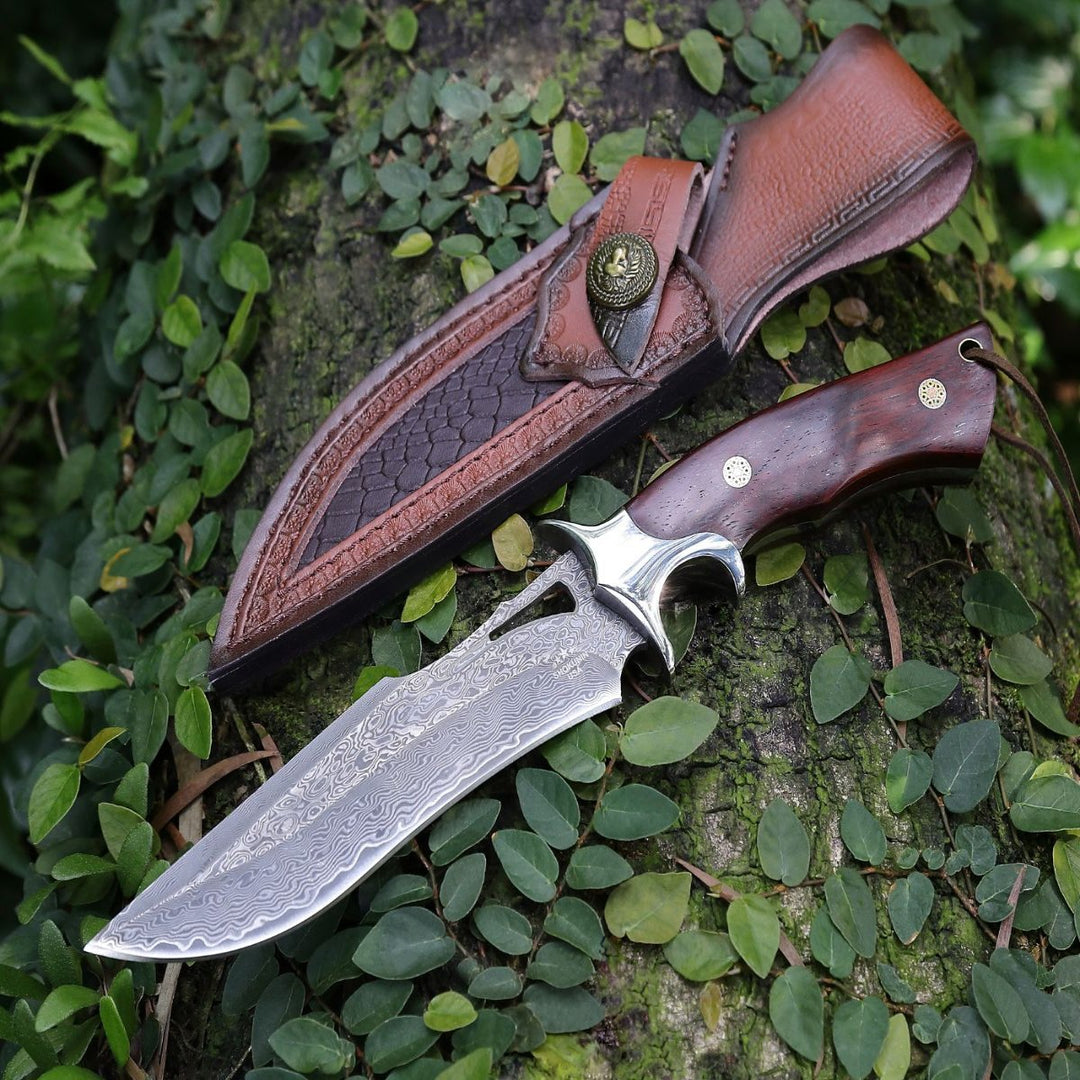
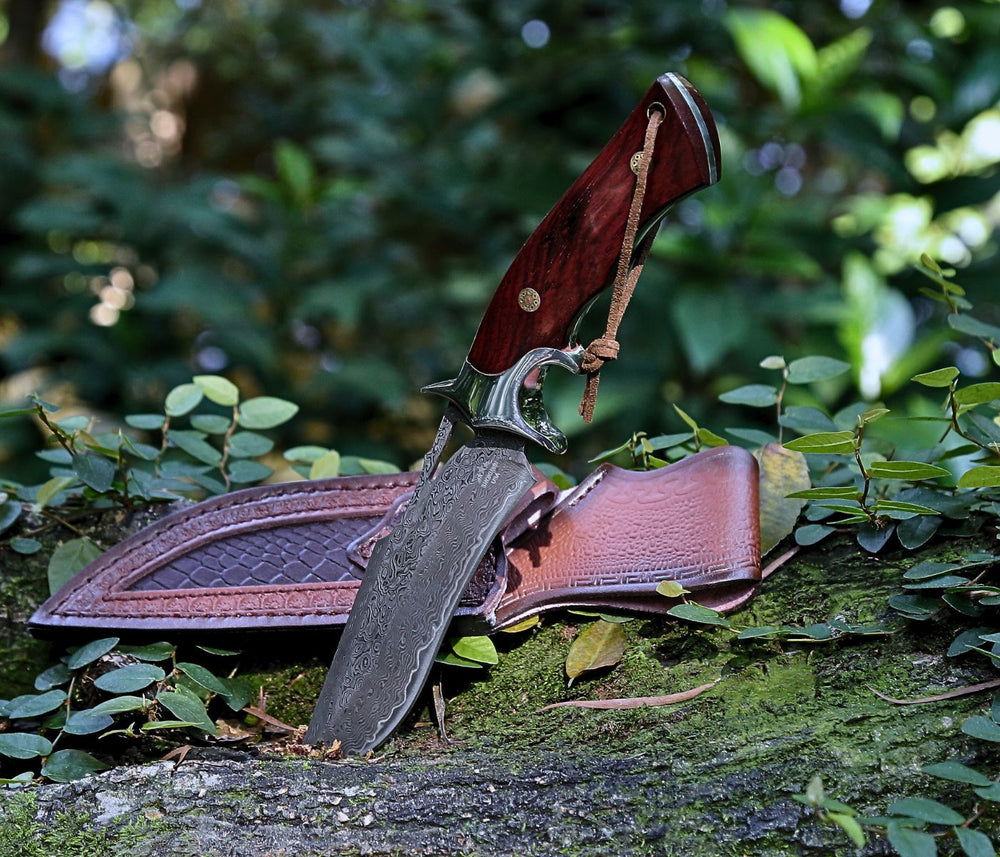
The Wayfarer Japanese VG10 Damascus EDC Pocket Knife combines aesthetic appeal with practicality, featuring a unique hand-forged Damascus steel blade and an ergonomic sandalwood handle. With a lightweight design and superior sharpness, this knife is suitable for everyday tasks and outdoor activities. Additionally, it comes with a hand-stitched leather sheath and a pocket knife sharpener, making it a versatile choice for both collectors and enthusiasts.
View Product






Leave a comment