


Overview
Collecting pocket knives is a rewarding hobby that combines history, craftsmanship, and utility. Start by understanding different types of knives, particularly handmade options, and engage with online communities for tips and insights. Establish a budget, explore various styles and materials, and prioritize quality over quantity in your collection. Maintain your knives through regular cleaning and sharpening, and ensure proper storage. Stay informed about legal regulations and document your collection's growth. Look for unique features and embrace the community aspect of this hobby for a richer experience. Enjoy the journey of collecting!
Table of Contents
- Understand the Different Types of Pocket Knives
- Research and Learn About Handmade Pocket Knives
- Join Online Communities and Forums
- Determine Your Budget
- Explore Different Styles and Materials
- Maintaining Your Collection
- Regular Cleaning
- Sharpening
- Storage Solutions
- Focus on Quality Over Quantity
- Attend Knife Shows and Expos
- Understand the Legal Aspects of Pocket Knife Collecting
- Document Your Collection
- Look for Unique Features and Collectibles
- Embrace the Community Spirit
- Final Thoughts: The Journey Awaits
Key Takeaways
- Understand Types: Familiarize yourself with various pocket knife types such as folding knives, fixed blade knives, multi-tools, and traditional slip joints to make informed choices.
- Research Craftsmanship: Appreciate the artistry of handmade pocket knives by researching different makers and their techniques to understand their value.
- Establish a Budget: Set a financial limit for your collection to prioritize quality over quantity and make wise investment choices.
- Maintain Your Knives: Regularly clean, sharpen, and properly store your knives to preserve their integrity and functionality.
- Attend Events: Participate in knife shows and expos to view a variety of knives, meet makers, and network with fellow collectors.
- Know the Laws: Familiarize yourself with local laws regarding knife ownership to avoid legal issues while collecting.
- Document Your Collection: Keep detailed records of each knife, including maker information and purchase details, to track your collection's growth and value.
Collecting pocket knives is a fascinating hobby that combines history, craftsmanship, and practical utility. Whether you’re a novice or looking to dive deeper into this intriguing world, having the right tips can significantly enhance your collection experience. In this guide, we'll explore some essential advice to start your journey into the realm of handmade pocket knives. So let’s get started!
Understand the Different Types of Pocket Knives
When venturing into the world of pocket knives, it’s crucial to familiarize yourself with the various types available. Understanding the differences will help you make informed choices that suit your interests and needs. Here are some common types:
- Folding Knives: These are the most common pocket knives. They have blades that fold into the handle for safety and compactness.
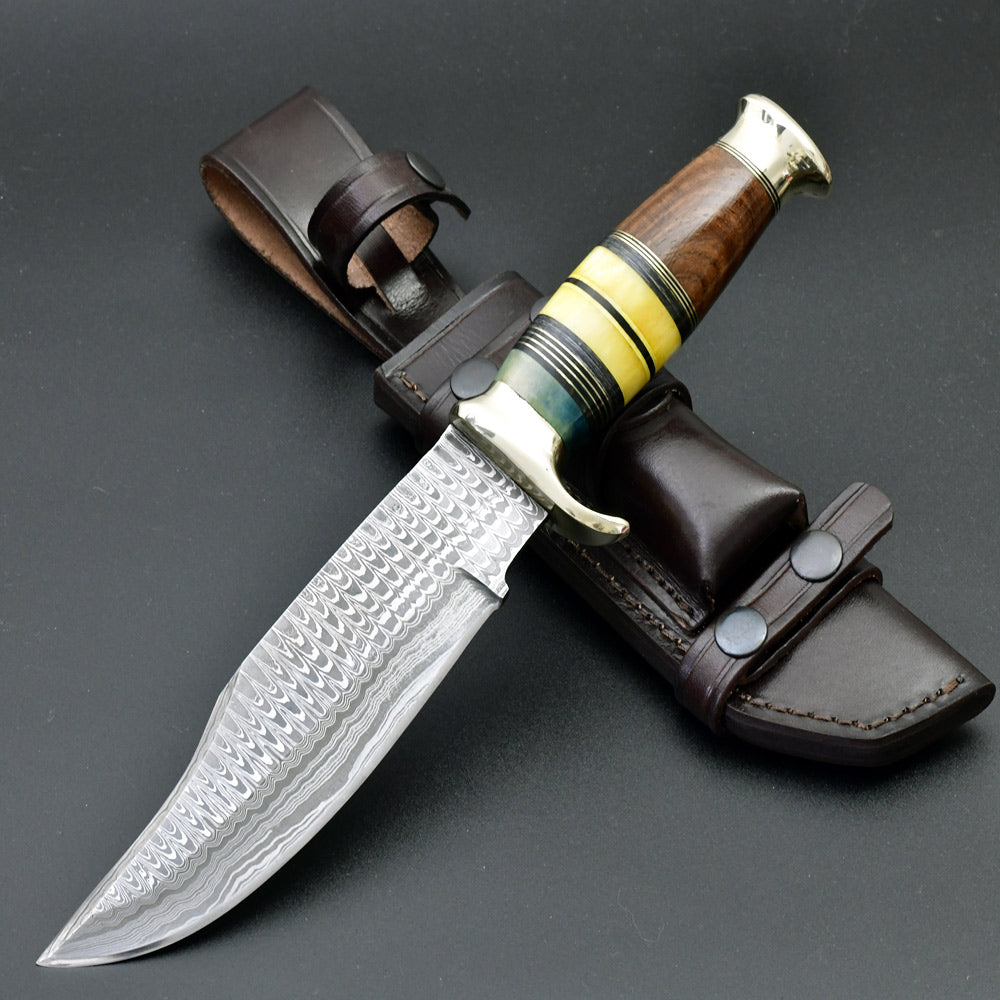
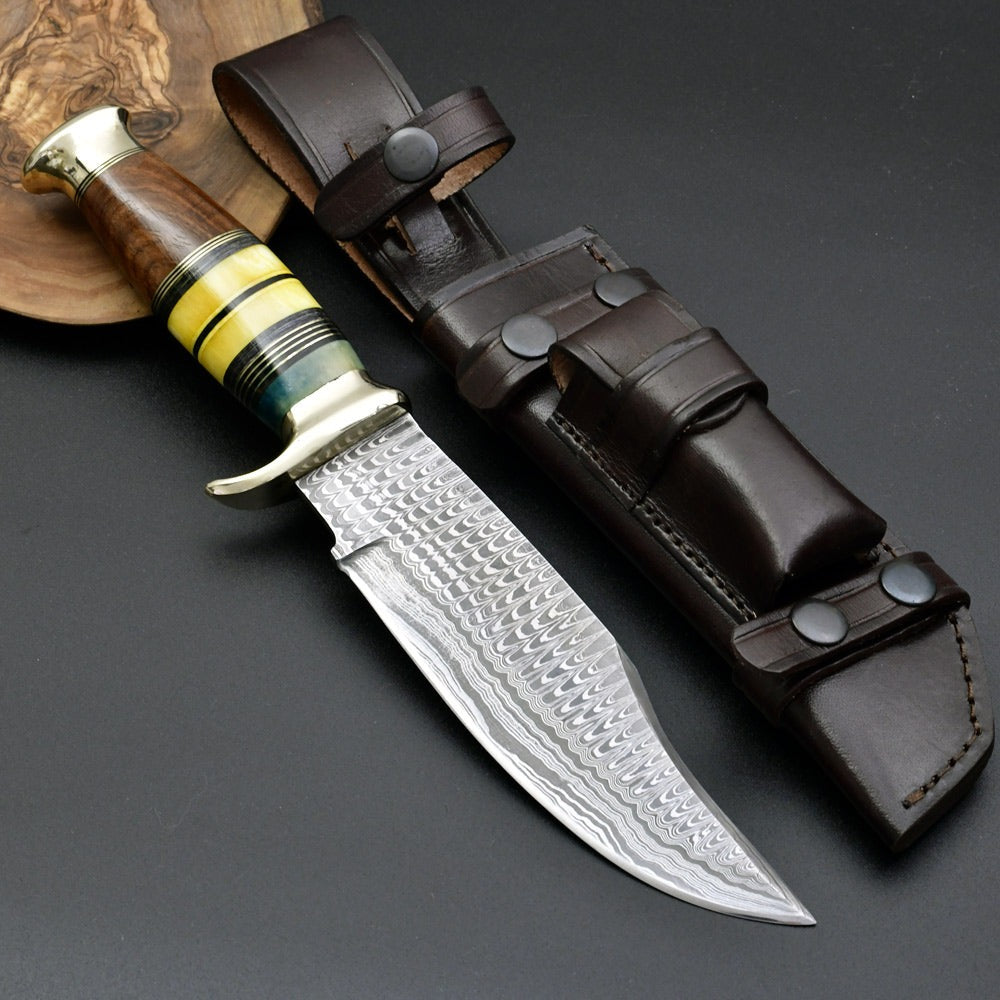
- Fixed Blade Knives: Although less common for everyday carry, fixed blade knives are often used for specific purposes due to their strength.
- Multi-tools: These versatile tools usually include various features, such as pliers, screwdrivers, and can openers, alongside a knife blade.
- Traditional Slip Joints: Known for their timeless appeal, these knives have no locking mechanism but offer various blade shapes for different functions.
Research and Learn About Handmade Pocket Knives
One of the most appealing aspects of collecting is the appreciation of craftsmanship, particularly in handmade knives. Unlike mass-produced items, handmade pocket knives emphasize quality, detail, and artistry. Start your journey by researching various makers and their techniques. This will help you understand the inherent value of handmade knives and what to look for in unique pieces.
Join Online Communities and Forums
Connecting with fellow collectors can enhance your experience significantly. There are numerous online communities and forums dedicated to pocket knife enthusiasts. Participating in discussions can provide useful insights into collecting strategies, maintenance tips, and information about the latest trends. You’ll find that other collectors are often more than willing to share their knowledge and experiences with newcomers.
Determine Your Budget
Before diving headfirst into collecting, it’s wise to establish a budget. Pocket knives can range from inexpensive models to expensive handmade designs. Setting a financial limit will allow you to focus on quality over quantity, ensuring you make wise investment choices. It’s also worth noting that the rarity and craftsmanship of handmade pocket knives can significantly influence their value over time.
Explore Different Styles and Materials
Customization is one of the hallmarks of a great pocket knife collection. Different materials and styles can influence not only the aesthetics but also the functionality of the knives. Familiarize yourself with common materials such as:
- Blade Steels: Stainless steel, carbon steel, and high-carbon steels each have unique properties affecting durability and edge retention.
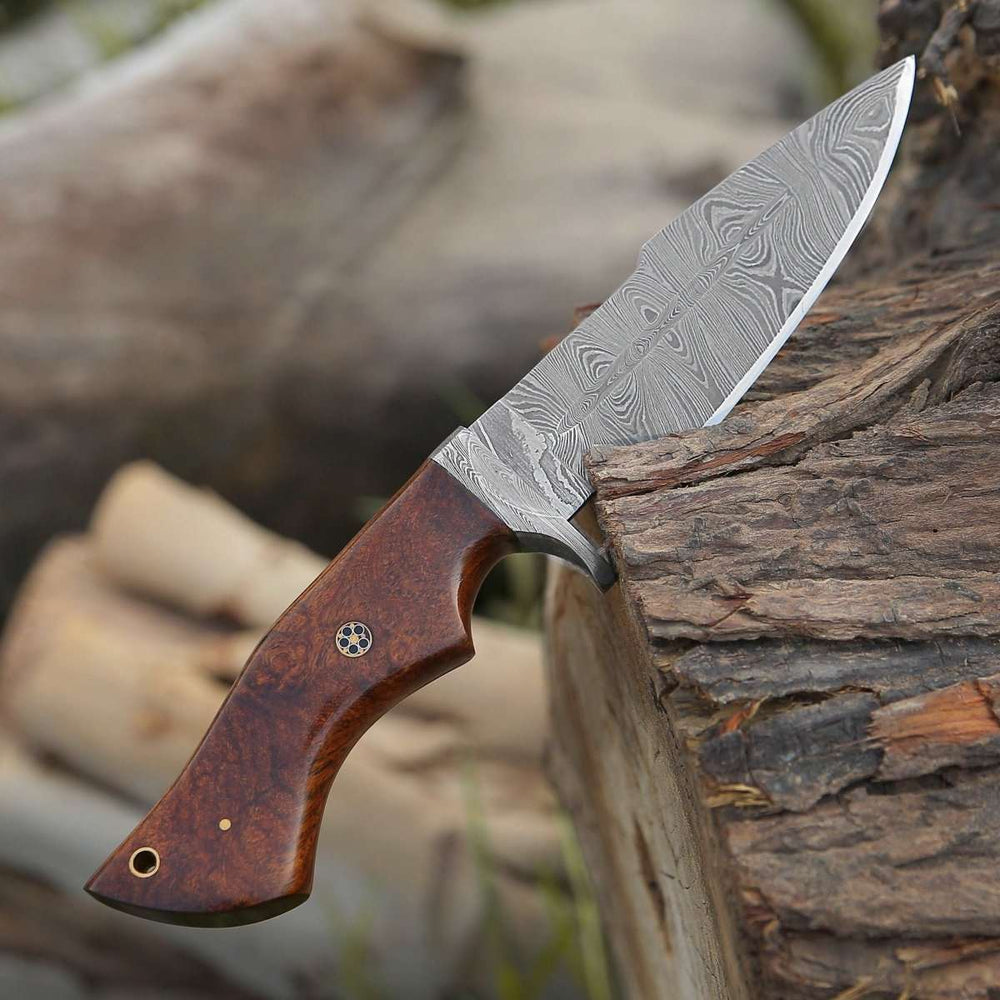
- Handle Materials: Traditional options like wood and bone contrast with modern materials like G10 and titanium, each offering different textures and weights.
Maintaining Your Collection
Proper maintenance is crucial in preserving the integrity and functionality of your pocket knives. Here’s how to keep your collection in tip-top shape:
Regular Cleaning
After regular use, it’s essential to clean your knives to prevent rust and degradation. Use a soft cloth to wipe the blade and handle, removing any debris or moisture. For deeper cleaning, you may consider using a cleaning solution designed for knives.
Sharpening
A dull blade is not only less effective but can also pose potential safety hazards. Invest in a quality sharpening stone or honing system to maintain a sharp edge. Regularly practice your sharpening skills to ensure the blade remains in optimal condition.
Storage Solutions
Storage is another important aspect of knife maintenance. Properly storing your handmade pocket knives will prevent damage and loss. Consider using:
- Display Cases: Showcase your collection while keeping them safe from dust and scratches.
- Sheaths or Pouches: Protect individual knives from damage when not in use.
- Drawer Organizers: Keep your knives tidy and easy to access at all times.
Focus on Quality Over Quantity
As you build your collection, prioritize acquiring quality knives rather than simply amassing a large quantity. Focus on pieces that represent skilled craftsmanship and unique design. Investing in top-quality handmade knives can yield greater satisfaction and value in the long run, setting your collection apart from more generic offerings.
Attend Knife Shows and Expos
Knife shows and expos are fantastic opportunities for collectors to view a wide array of knives up close, meet makers, and network with experienced collectors. Attending these events can provide invaluable insights and open doors to acquiring unique pieces that may not be available elsewhere. Make it a point to participate in local or national events!
Understand the Legal Aspects of Pocket Knife Collecting
Before you start building your collection, familiarize yourself with local laws and regulations regarding knife ownership. Laws can vary by state and country, and being informed can help you avoid legal troubles. Research restrictions on blade length, carry permits, and state-specific regulations that may affect your collecting experience.
Document Your Collection
Keeping a detailed record of your collection is highly beneficial. Documenting each knife, including its maker, year of production, and purchase details, will provide insights into your collection's growth and value over time. You may also want to include notes on your experiences with each piece. This record can become a cherished part of your collection narrative.
Look for Unique Features and Collectibles
As you become more experienced, you may wish to explore collecting unique features and rare items. Collectors often value knives that showcase unique materials, limited edition releases, or historical significance. Keep an eye out for:
- Limited Editions: Many makers create run-out designs that can appreciate over time.
- Custom Made Knives: One-of-a-kind knives made to your specifications can add a personal touch to your collection.
- Historical Knives: Vintage or historically significant knives can carry substantial worth and appeal.
Embrace the Community Spirit
Collecting handmade pocket knives is much more than a solitary pursuit; it’s also a chance to become part of a vibrant community. Engage with other collectors, share stories, and attend events to cultivate relationships in the pocket knife world. Embracing this community spirit can enhance your experience and provide endless opportunities for learning and growth.
Final Thoughts: The Journey Awaits
Collecting pocket knives is an enriching journey that unfolds with each new addition to your collection. By following these tips, you can navigate the intricacies of the world of pocket knives, appreciating the craftsmanship behind each piece. Remember, your collection is not just about the number of knives but the stories, skills, and community that accompany them. Enjoy the adventure and keep discovering the beauty of handmade pocket knives!
Frequently Asked Questions
1. What are the different types of pocket knives I should know about?
2. Why should I collect handmade pocket knives?
3. How can I maintain my pocket knife collection?
4. What should I prioritize when building my knife collection?
5. How can I engage with the pocket knife community?
Glossary
| Term | Meaning |
|---|---|
| Folding Knives | Knives with blades that fold into the handle for safety. |
| Fixed Blade Knives | Knives with a non-folding blade, often used for specific tasks. |
| Multi-tools | Tools that combine multiple functions, including a knife blade. |
| Slip Joints | Knives without a locking mechanism, offering various blade shapes. |
| Blade Steels | Materials like stainless and carbon steel affecting knife durability. |
| Handle Materials | Materials like wood or G10 that influence knife aesthetics and weight. |
| Knife Shows | Events where collectors can view and purchase a variety of knives. |
| Documenting | Keeps detailed records of each knife's maker, year, and purchase info. |
| Limited Editions | Special runs of knives that can appreciate in value over time. |
| Community Spirit | The camaraderie among collectors sharing knowledge and experiences. |
Linked Product

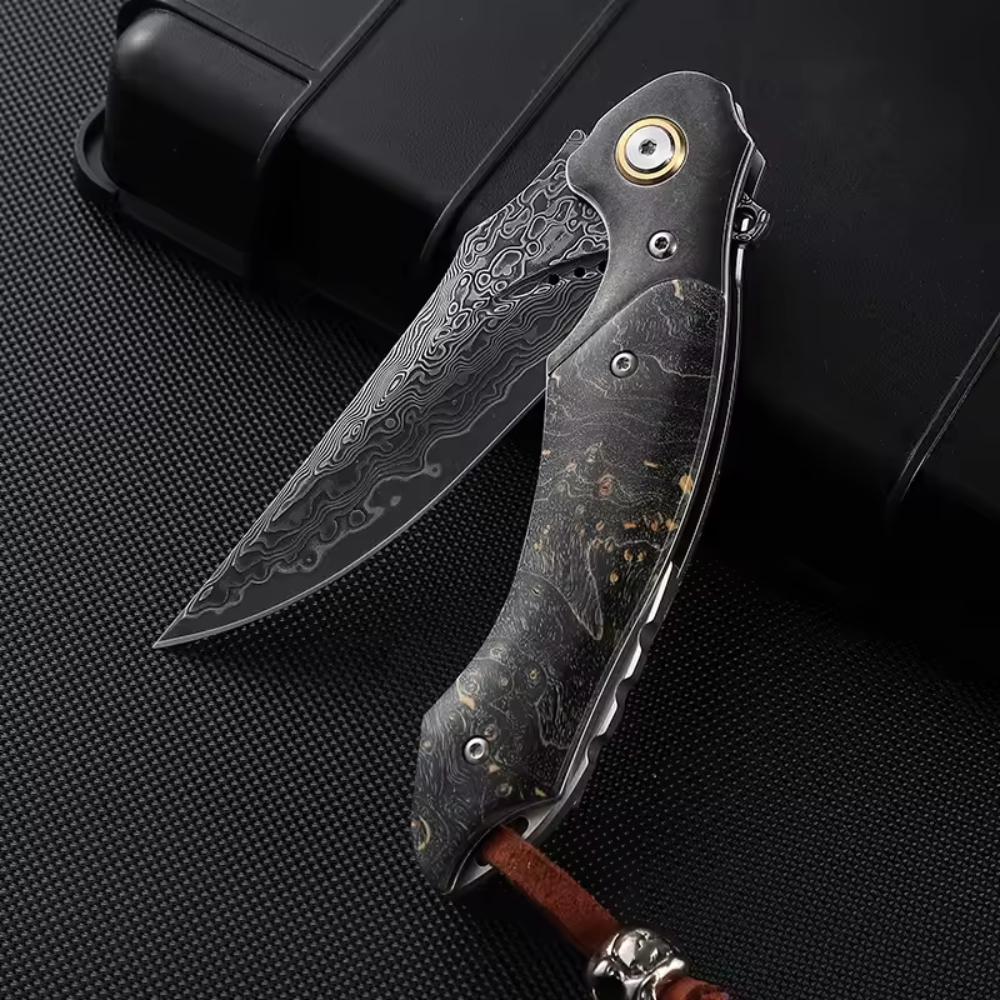
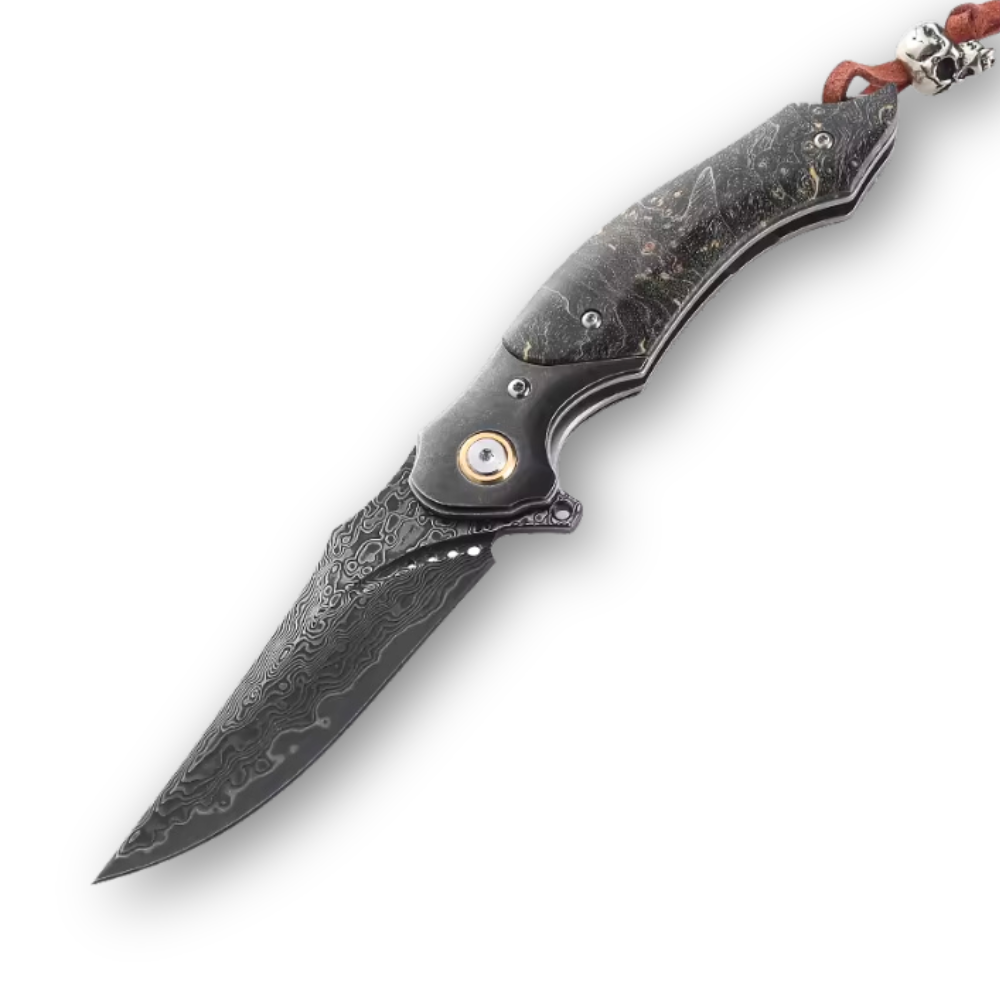
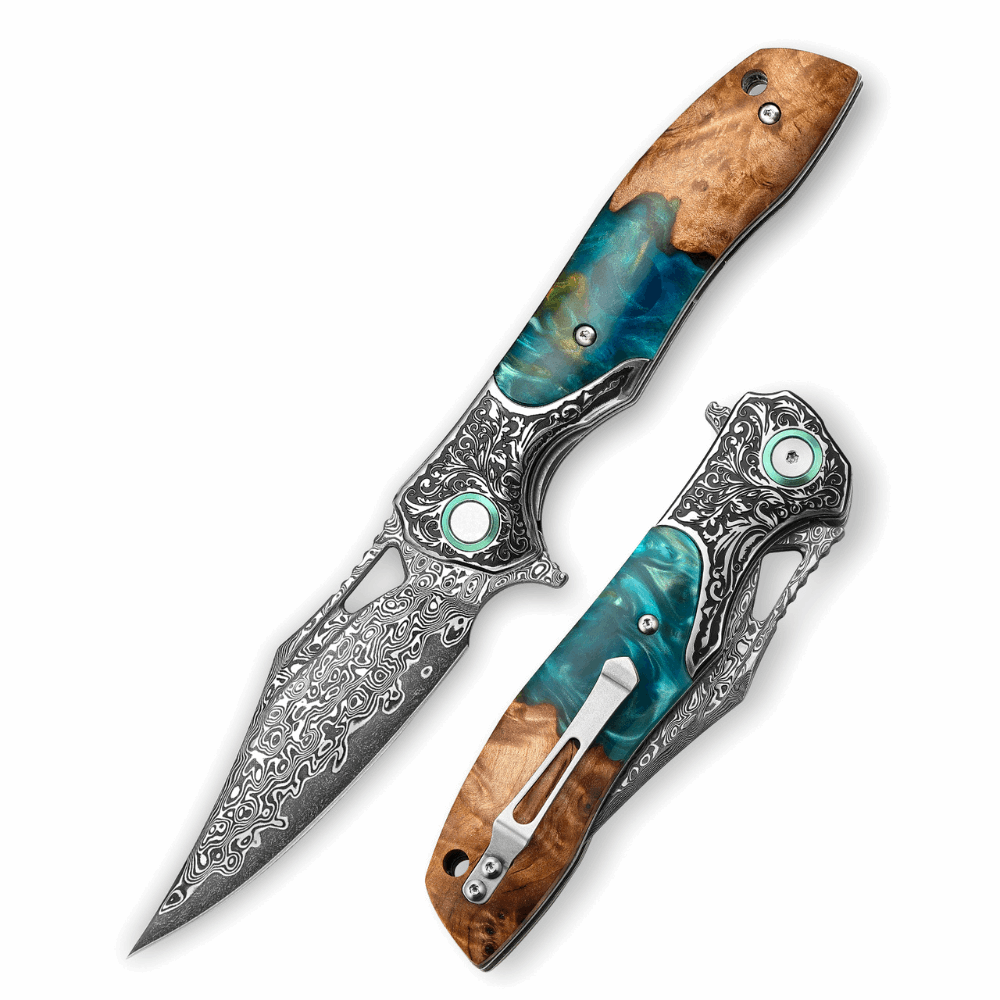
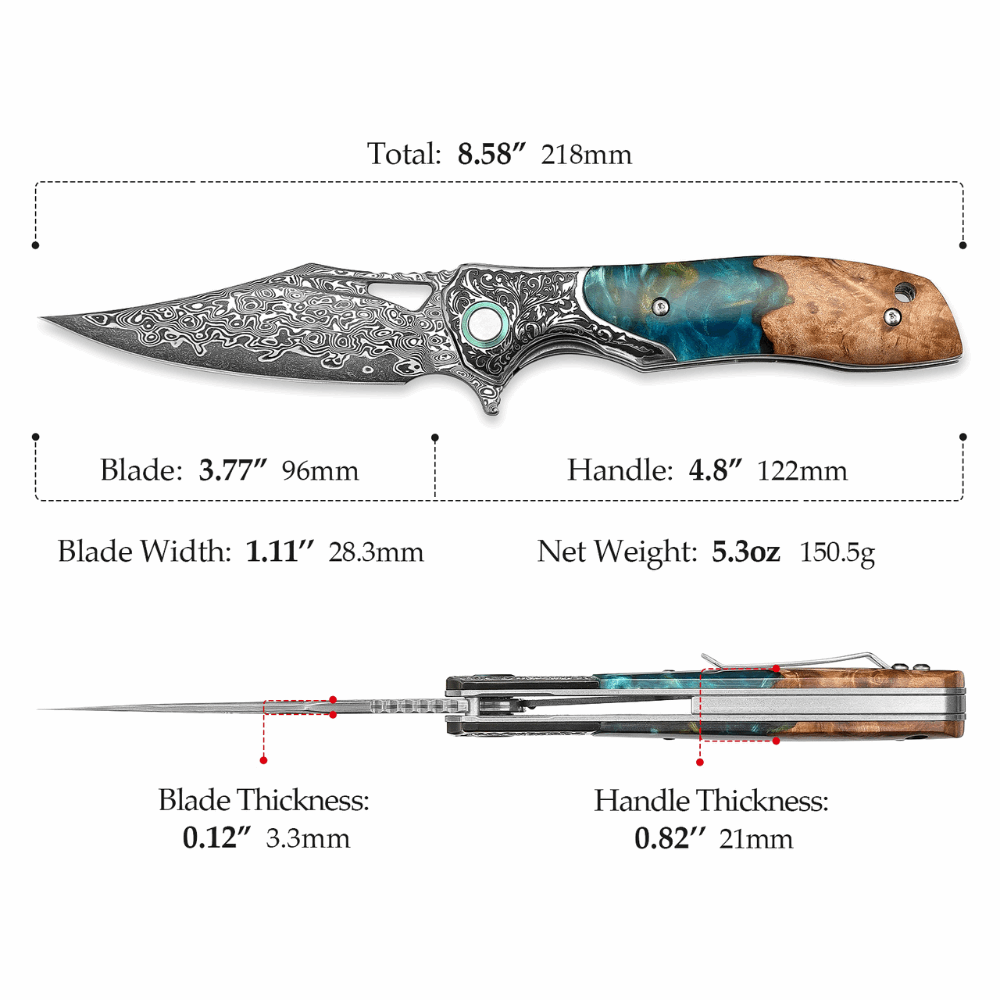
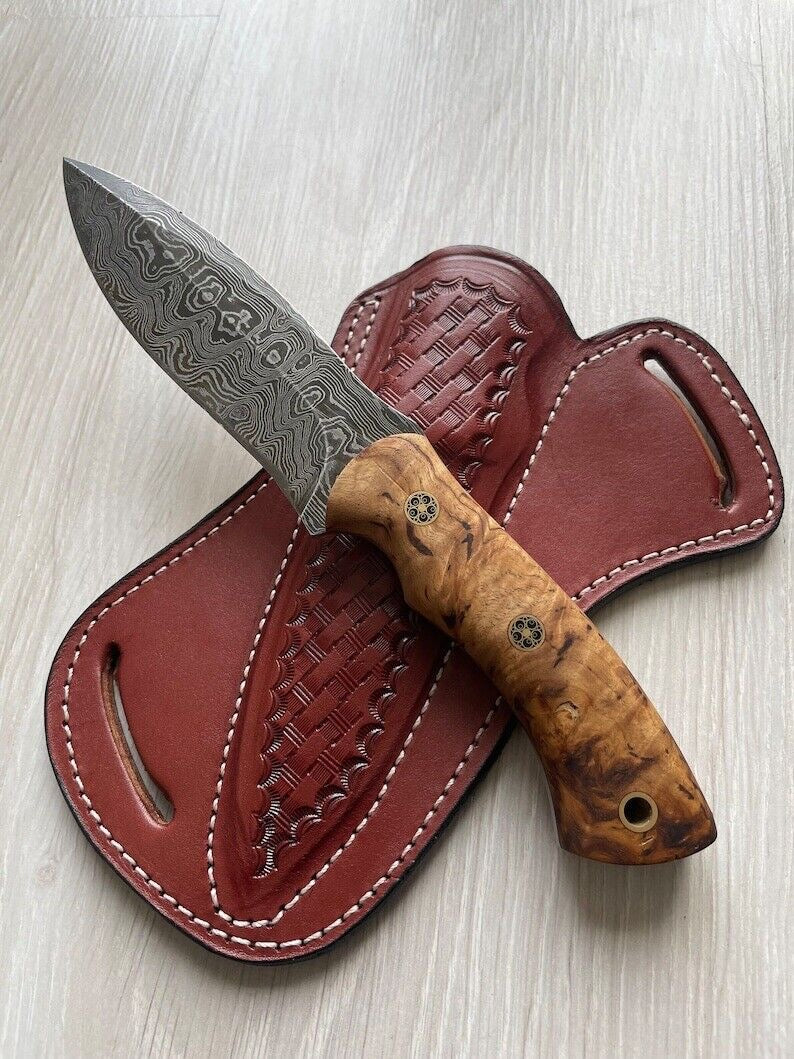
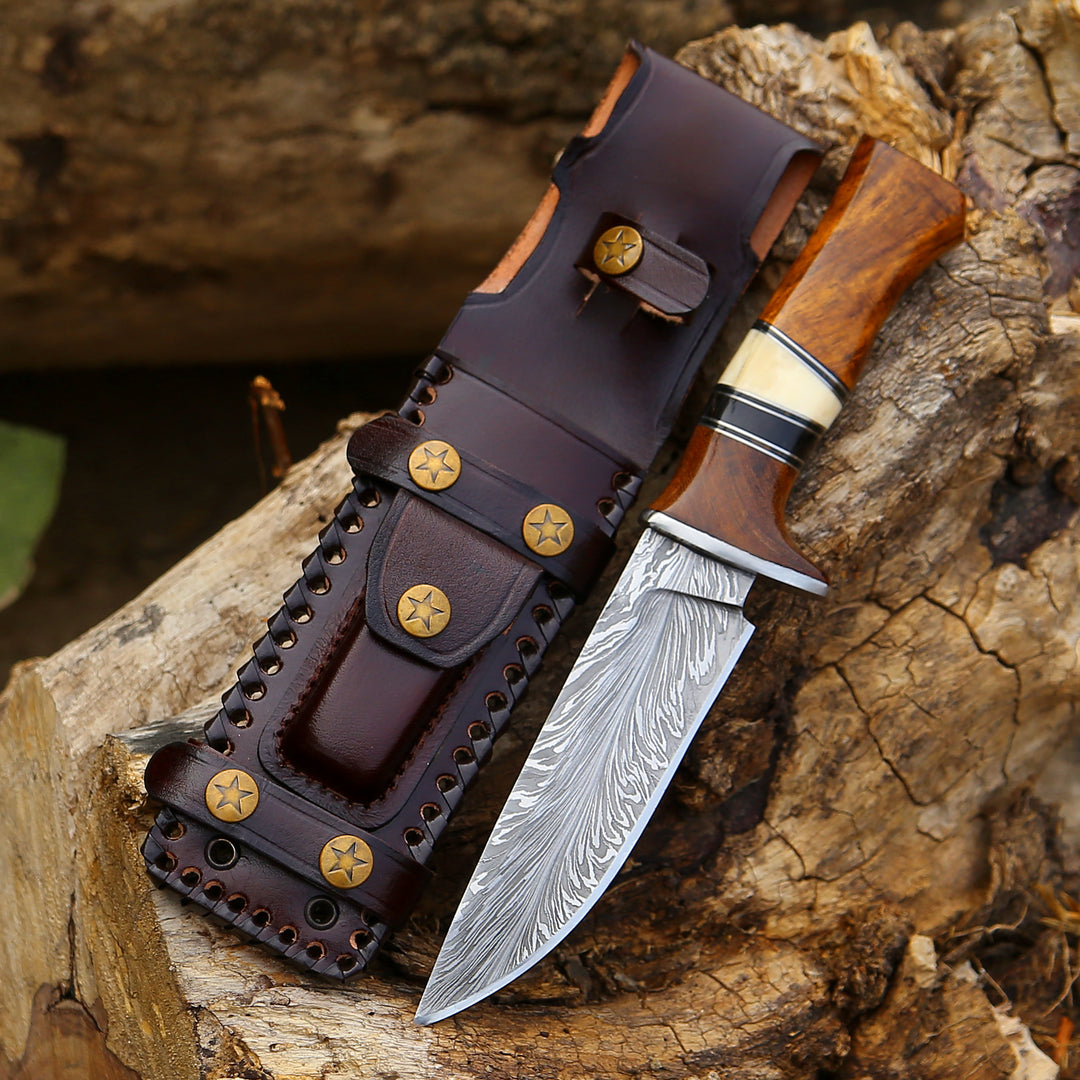
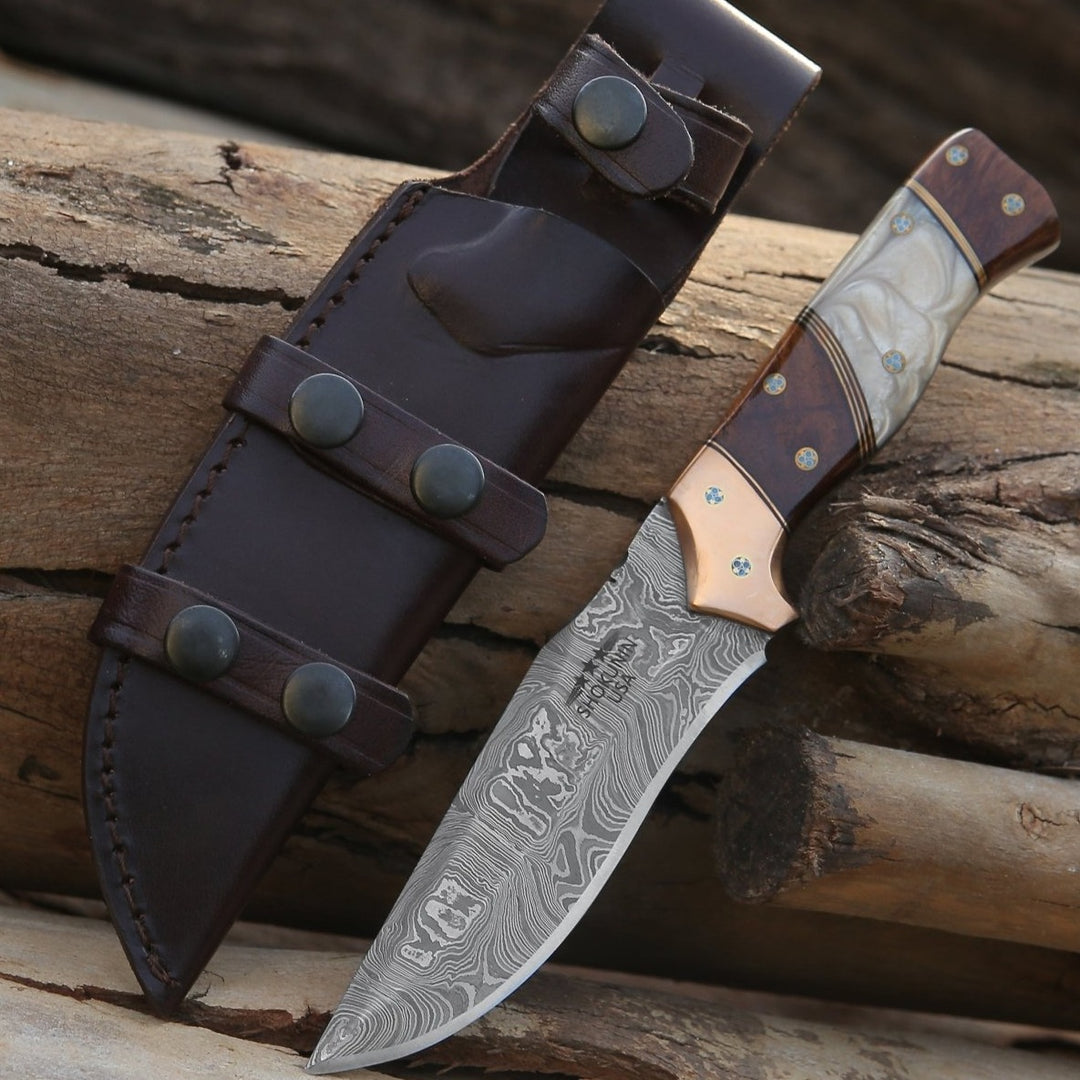
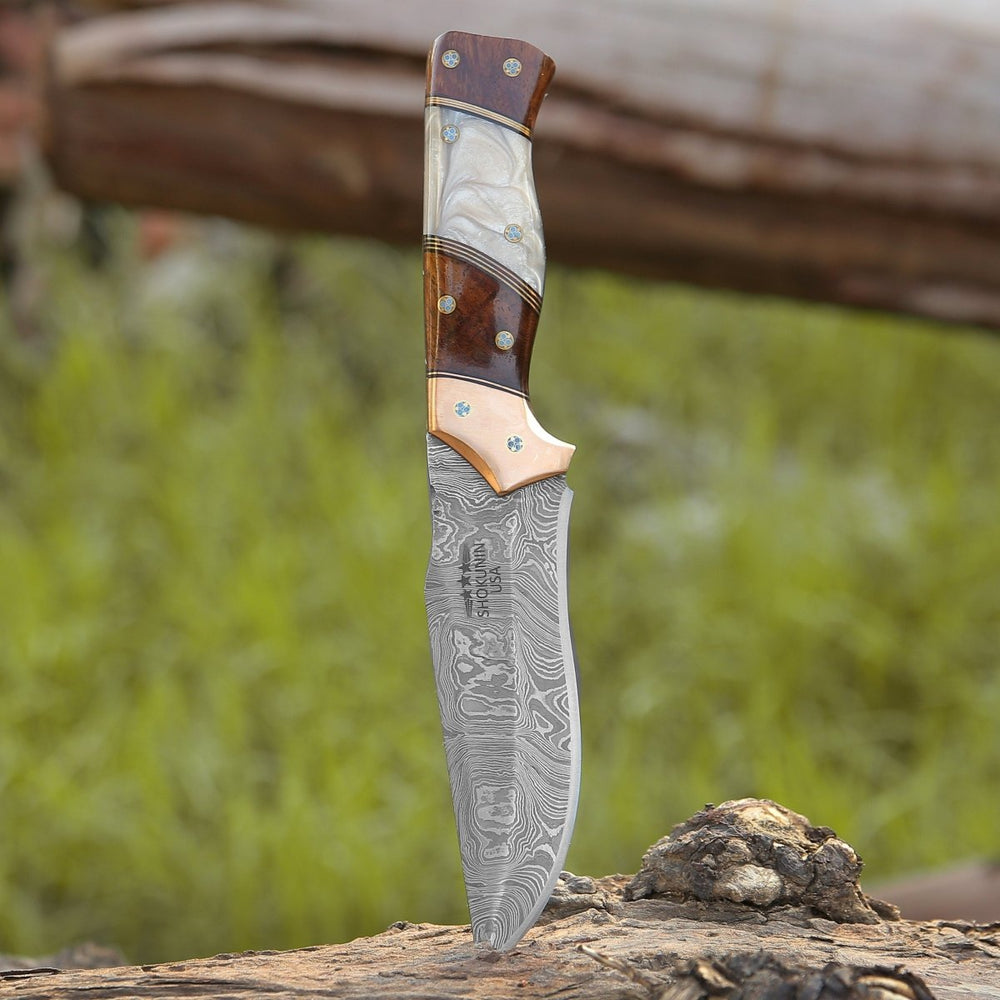
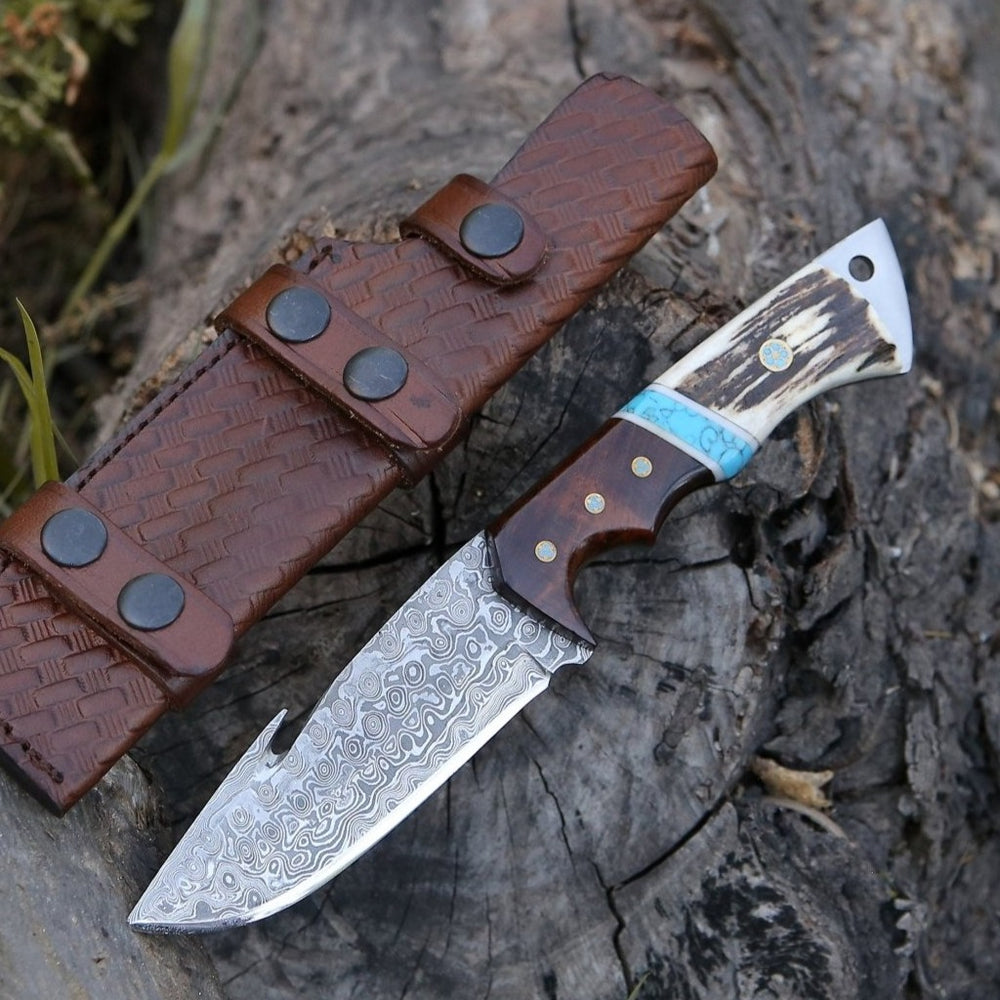
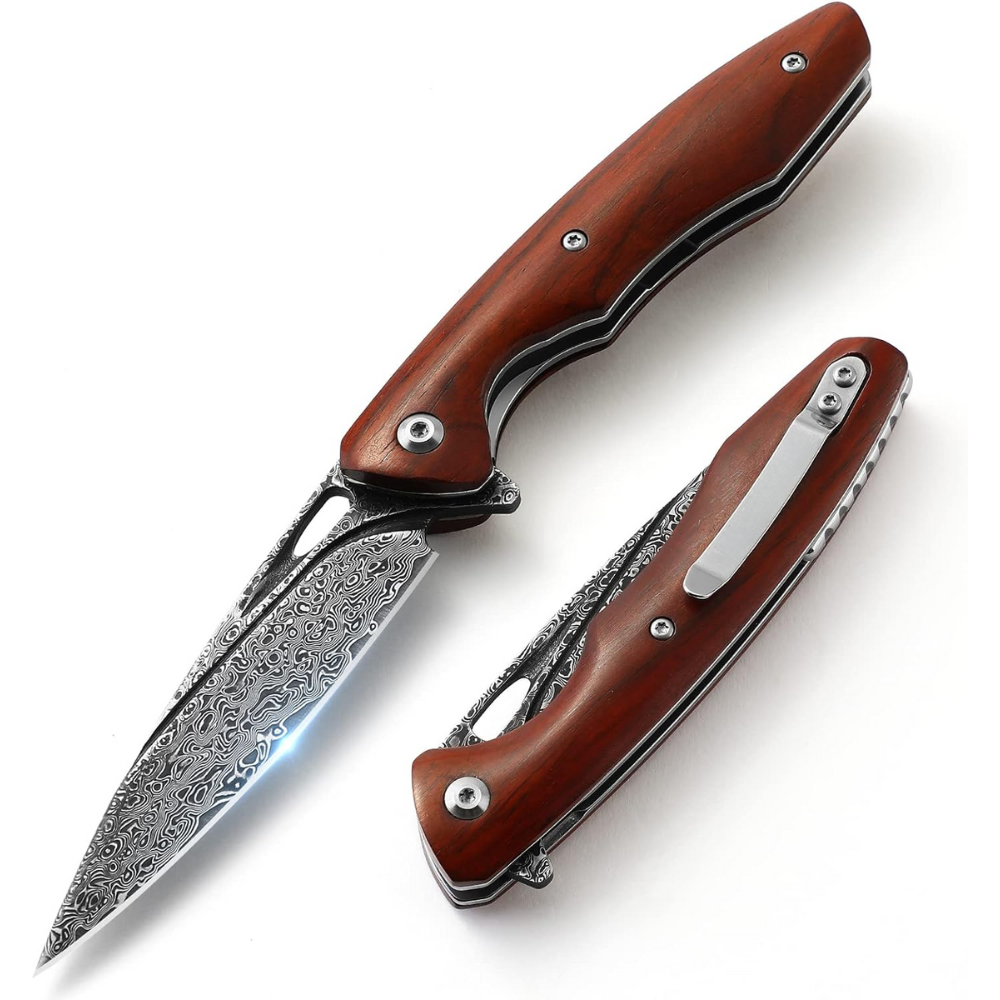
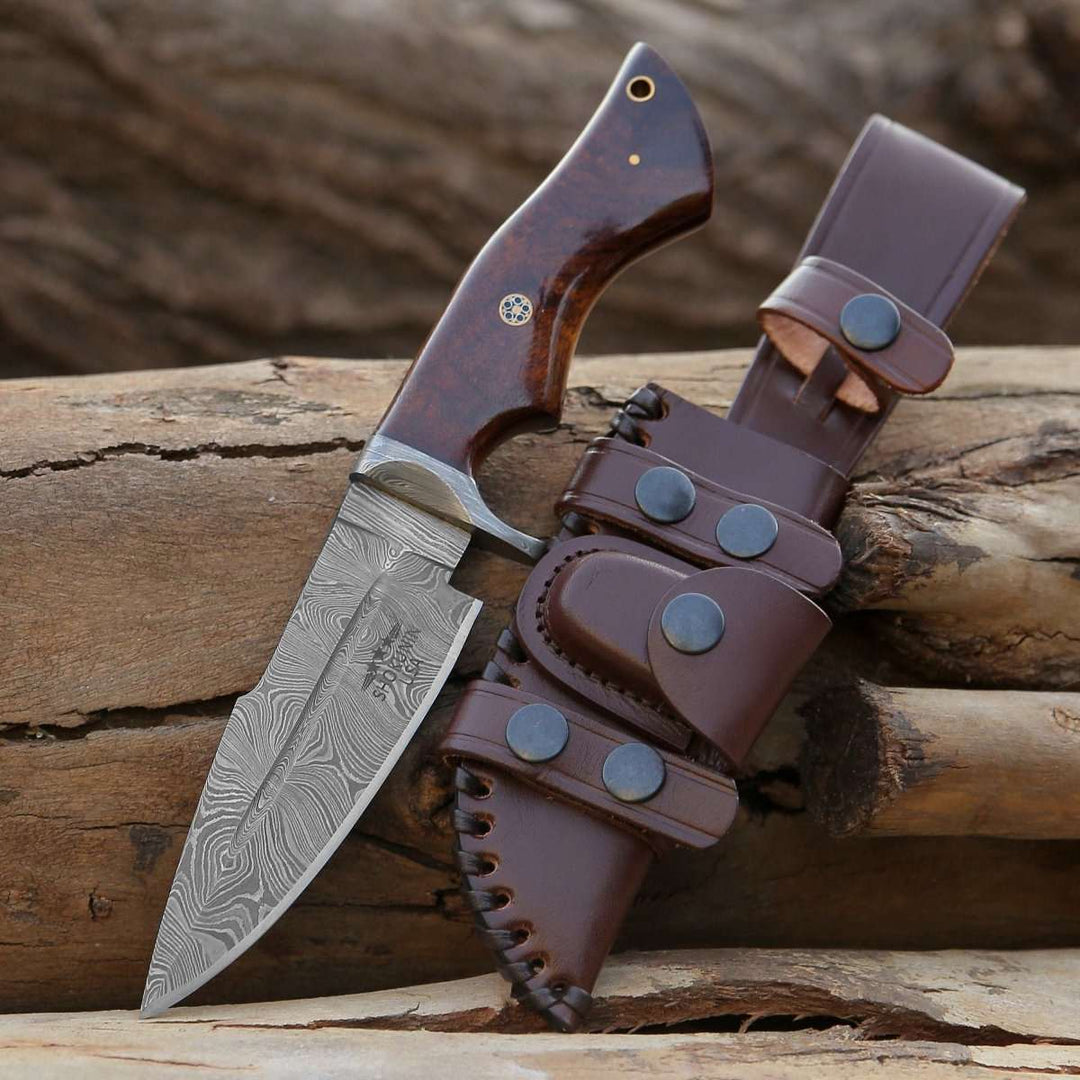
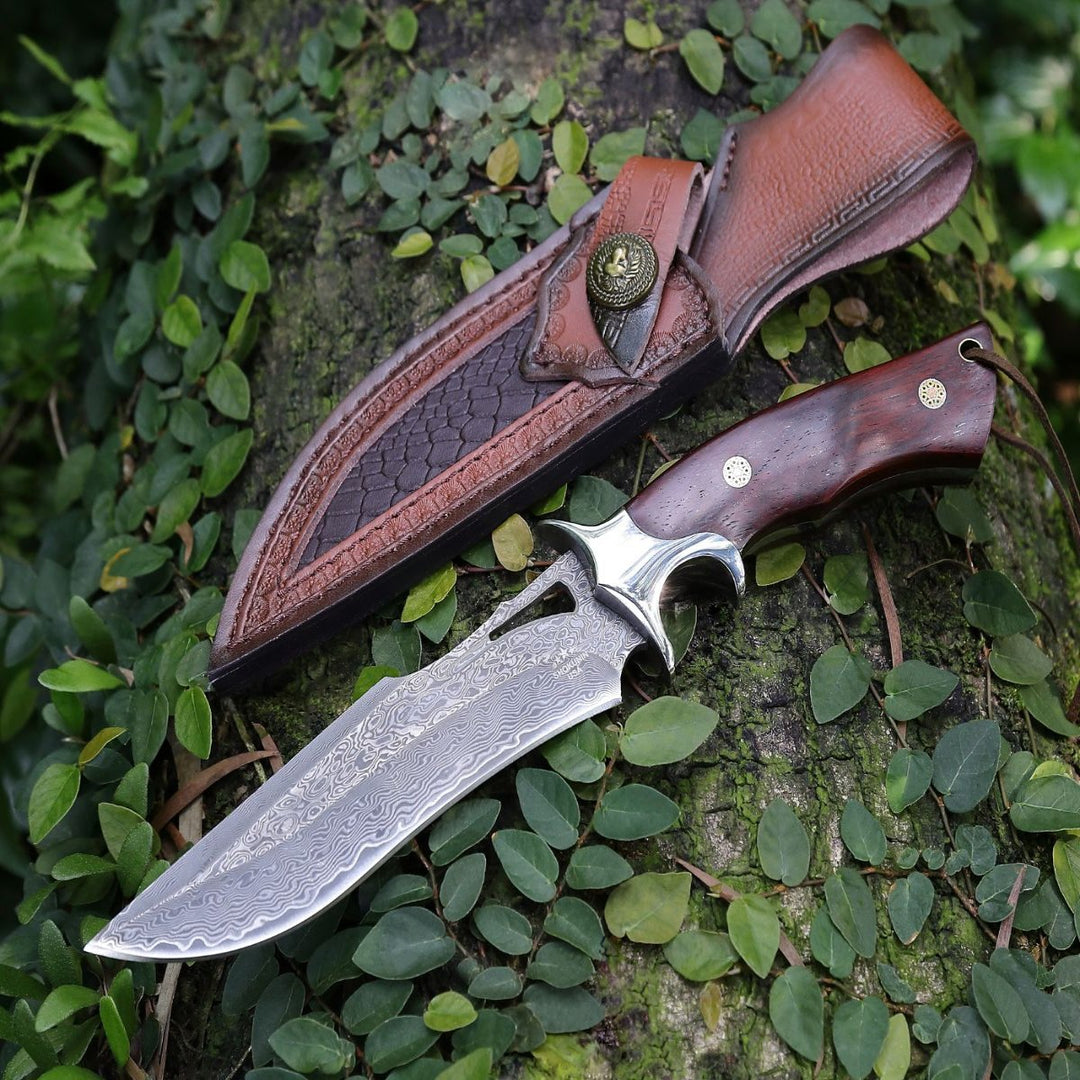
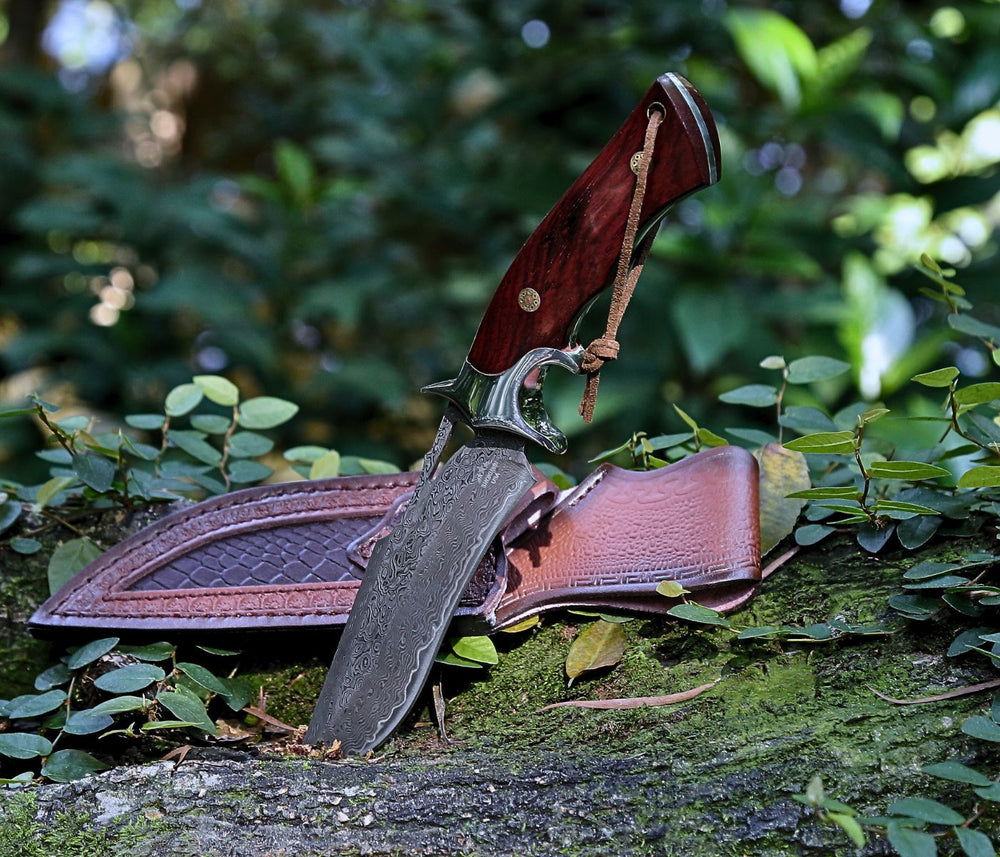
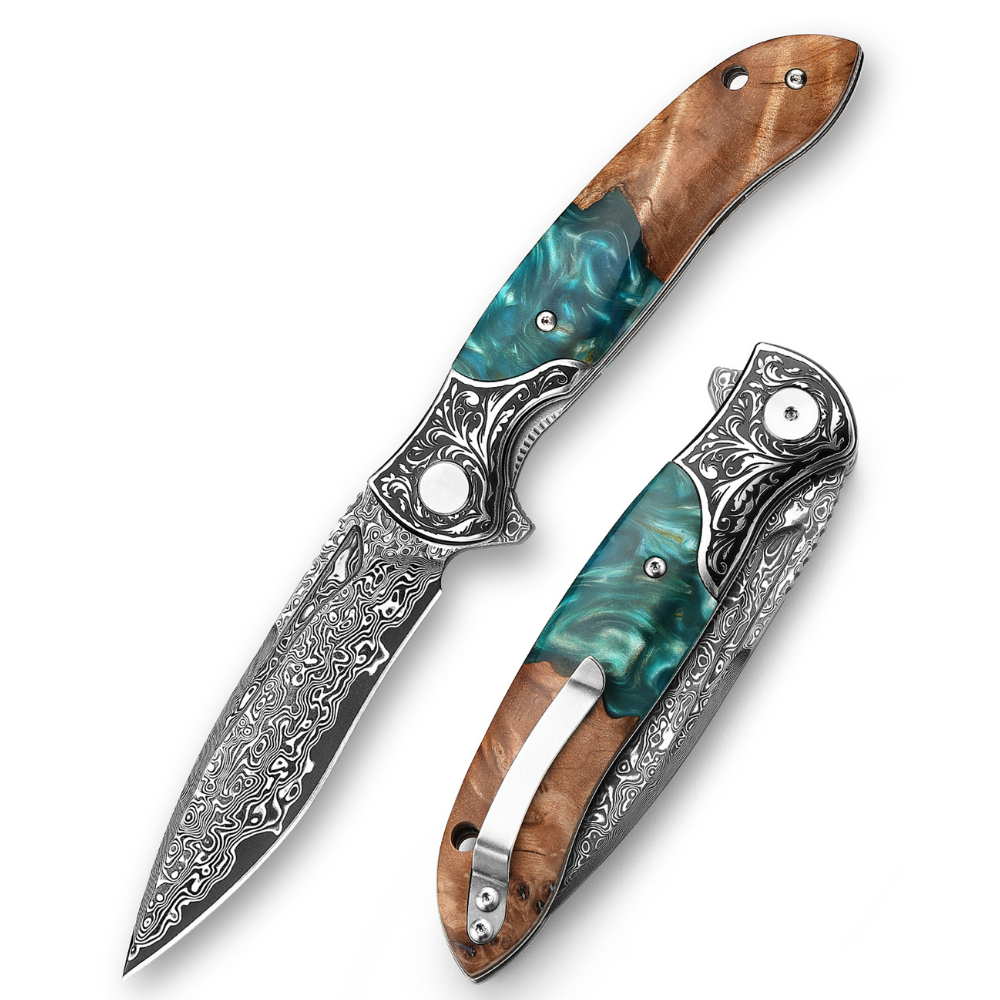
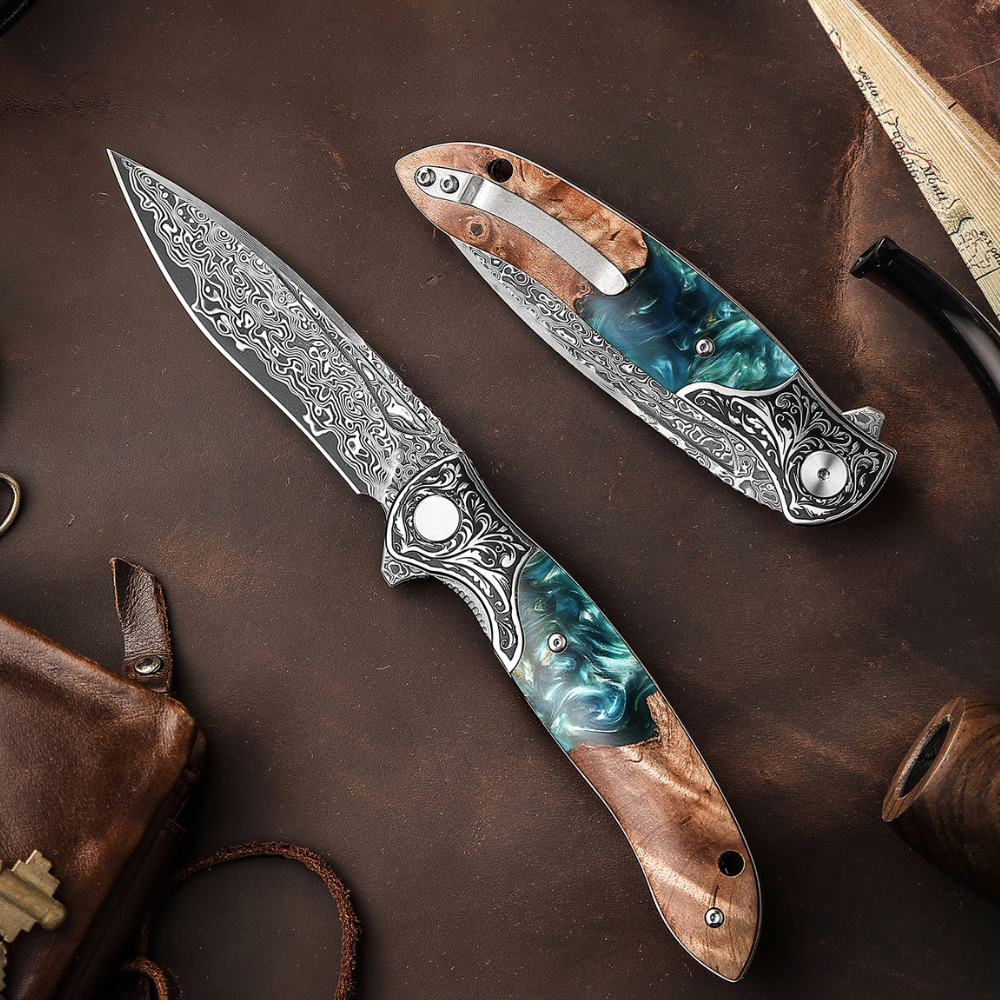
Polar Japanese VG10 Damascus Pocket Knife with Exotic Sandal Wood Handle
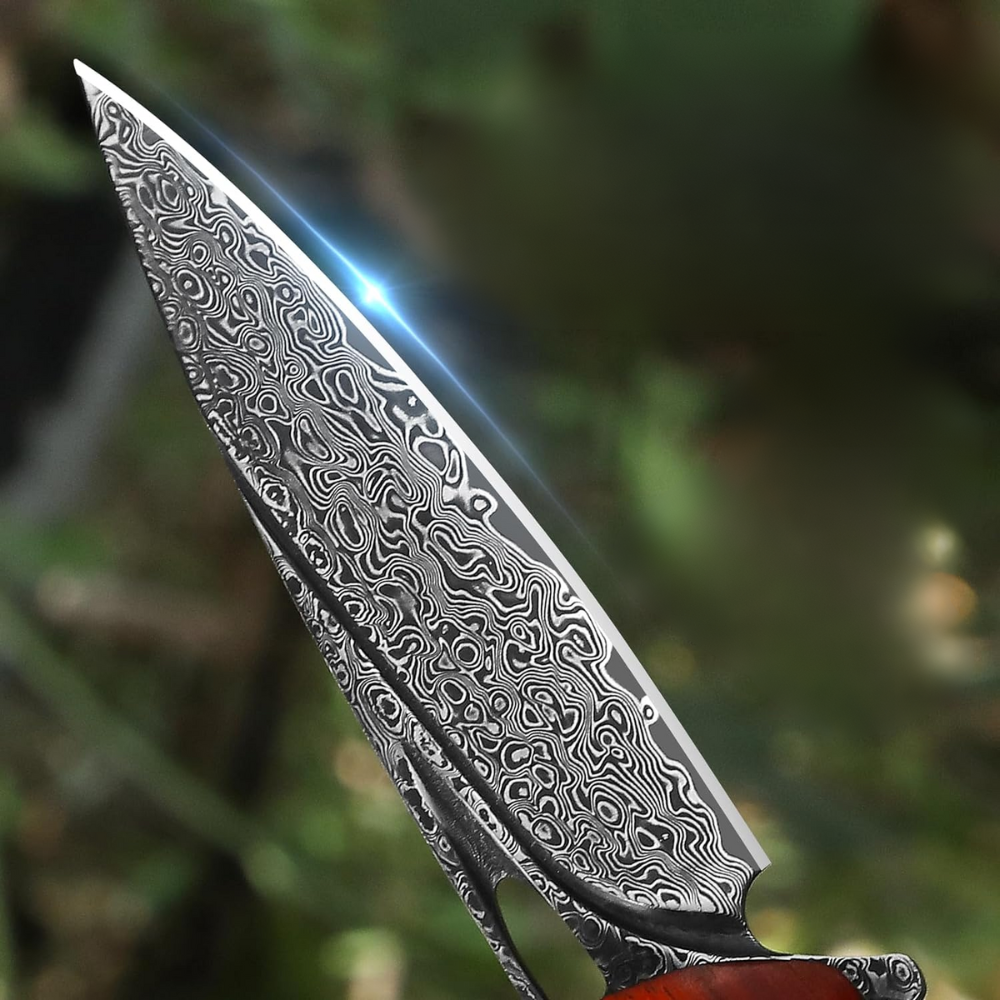
The Polar Japanese VG10 Damascus Pocket Knife features a unique hand-forged blade made from VG10 and 15n20 steel, offering exceptional strength and edge retention. Its elegant red sandalwood handle is designed for comfort and durability, making it suitable for both everyday tasks and as a collectible piece. The knife comes with a hand-stitched leather sheath and includes a pocket sharpener, ensuring it remains functional and visually appealing over time.
View Product






Deixe um comentário