


Overview
Understanding blade steel is crucial for pocket knife enthusiasts, affecting functionality, durability, and performance. This guide covers types of blade steels (stainless, high carbon, and Damascus), key properties (hardness, edge retention, toughness, corrosion resistance), and maintenance tips. Choosing the right steel depends on usage and personal preference, with Japanese Damascus knives notable for their artistry and quality.
Table of Contents
- The Basics of Blade Steel
- Types of Pocket Knife Blade Steel
- Stainless Steel
- High Carbon Steel
- Damascus Steel
- Key Properties of Blade Steel
- Hardness
- Edge Retention
- Toughness
- Corrosion Resistance
- Maintenance of Pocket Knife Blade Steel
- Regular Cleaning
- Oiling the Blade
- Sharpening
- Storage
- Choosing the Right Blade Steel for Your Pocket Knife
- Heavy Use vs. Light Use
- Personal Preference
- The Allure of Japanese Damascus Pocket Knives
- Craftsmanship and Artistry
- Investment in Quality
- Enhancing Your Pocket Knife Experience
Key Takeaways
- Blade steel quality directly affects knife performance: The choice of steel influences sharpness, hardness, edge retention, and corrosion resistance.
- Types of blade steel: Common types include stainless steel (e.g., AUS-8, VG-10, 154CM), high carbon steel (e.g., 1095, O1), and Damascus steel, each with unique properties.
- Key properties to consider: Look for hardness (ideally 58-62 on the Rockwell scale), edge retention, toughness, and corrosion resistance when selecting blade steel.
- Proper maintenance is crucial: Regular cleaning, oiling, and correct storage can significantly prolong the life of your pocket knife.
- Choose based on intended use: For heavy tasks, select tougher steels; for lighter use, high-carbon or stainless steels may be more suitable.
- Japanese Damascus knives offer artistry: These knives are not only functional but also showcase exceptional craftsmanship and aesthetic appeal.
- Investing in quality pays off: Higher-priced Japanese Damascus pocket knives offer long-term value through superior performance and craftsmanship.
For pocket knife enthusiasts, the choice of blade steel can significantly influence the functionality, durability, and overall performance of the knife. Whether you're a collector or a user, understanding the different types of blade steels available can enhance your appreciation for pocket knives and help you make informed decisions. In this guide, we'll break down everything you need to know about blade steel, focusing on types, properties, and what makes steels like those used in Japanese Damascus pocket knives stand out.
The Basics of Blade Steel
Blade steel refers to the material used to create the blade of a knife. The quality of the steel contributes directly to the knife's sharpness, hardness, edge retention, and resistance to corrosion. When it comes to pocket knives, the steel is paramount, as it directly affects not just performance, but also the longevity of the knife.
Types of Pocket Knife Blade Steel
In the world of pocket knives, there are numerous types of steels, each boasting unique characteristics. Let’s take a closer look at some of the most common blade steel types:
Stainless Steel
Stainless steel is one of the most widely used materials for pocket knife blades due to its high resistance to rust and corrosion. It typically contains chromium, which enhances its corrosion resistance. Popular stainless steels in pocket knives include:
- AUS-8: This Japanese steel offers a good balance of edge retention and ease of sharpening.
- VG-10: Known for its high hardness and excellent edge retention, VG-10 is often used in high-end Japanese Damascus pocket knives.
- 154CM: An American-made steel that is known for its excellent wear resistance and toughness.
High Carbon Steel
High carbon steels are known for their toughness, ease of sharpening, and ability to hold a very fine edge. However, they are also more prone to rusting than stainless steels. Common high carbon steels include:
- 1095: A popular choice among knife makers, 1095 steel is affordable and offers great edge retention.
- O1: A tool steel favored by many knife enthusiasts for its hardness and edge retention.
Damascus Steel
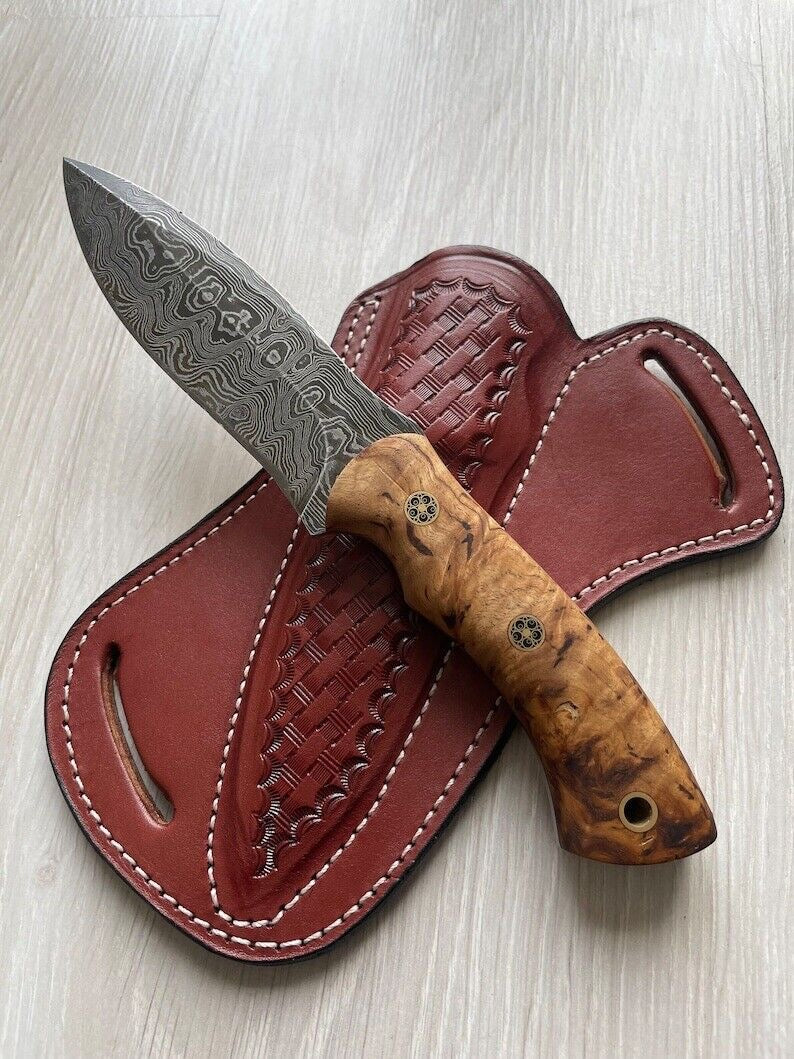
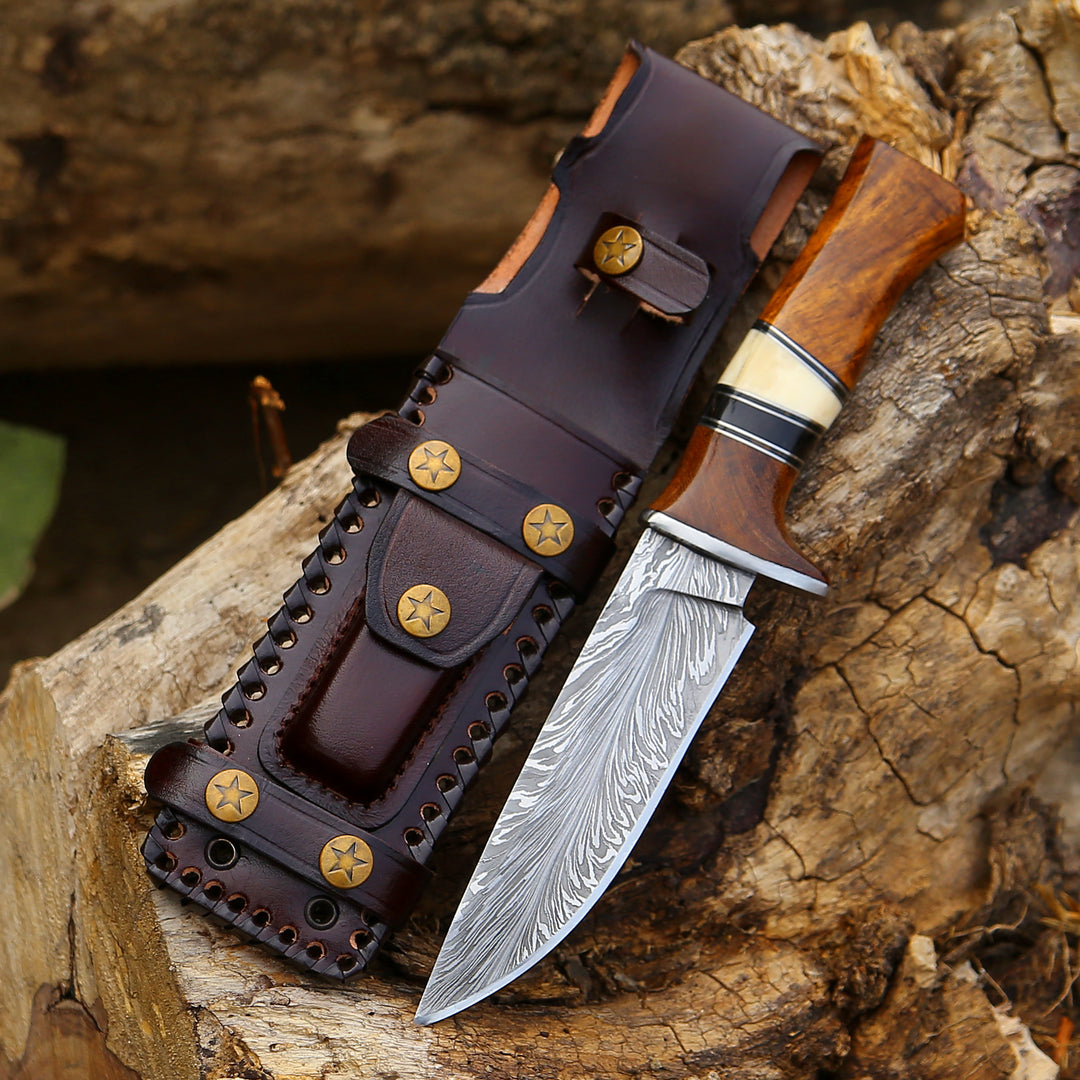
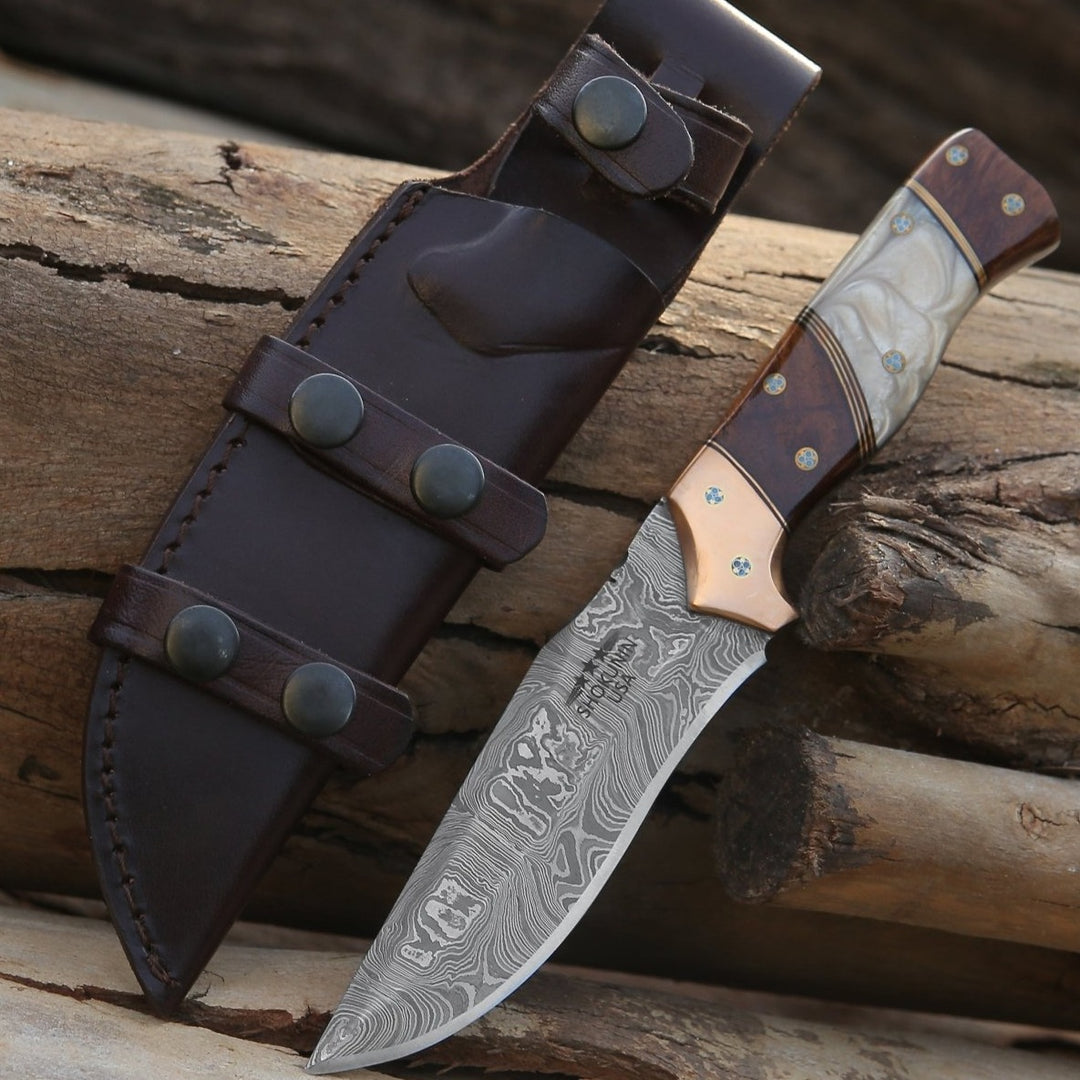
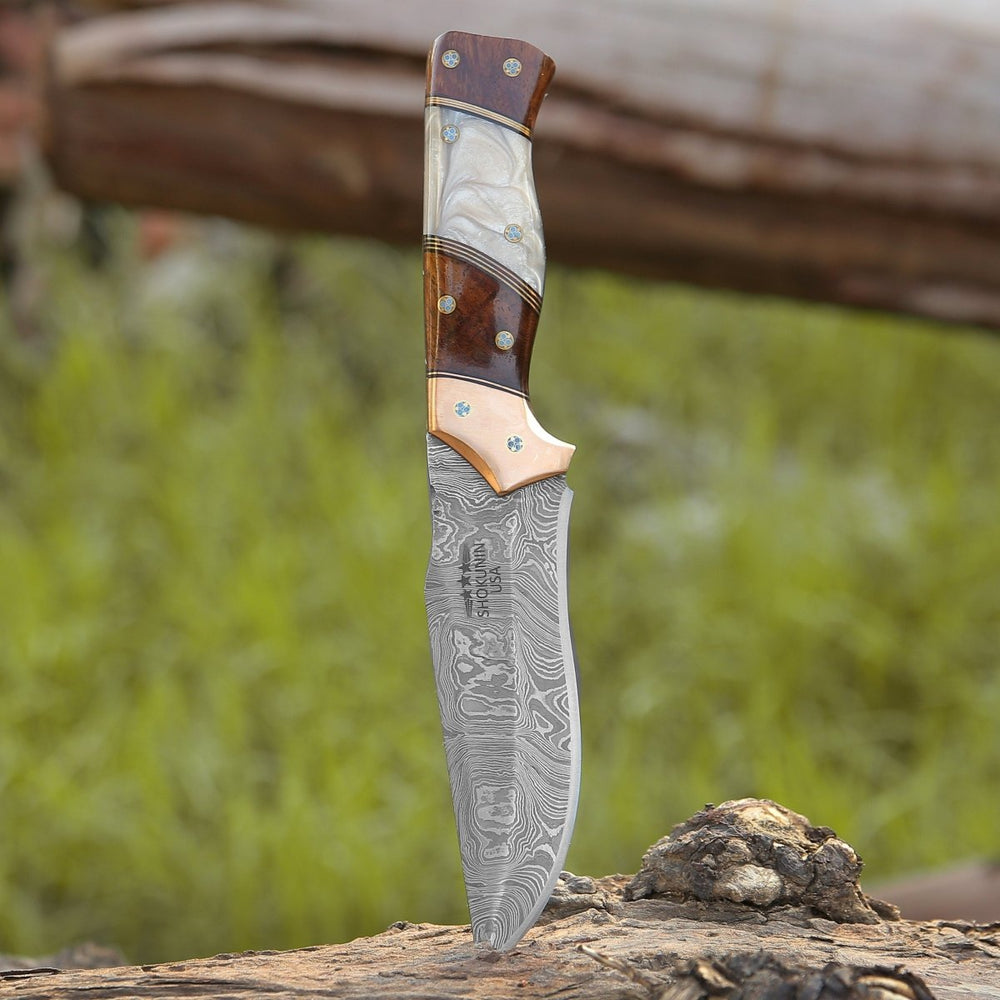
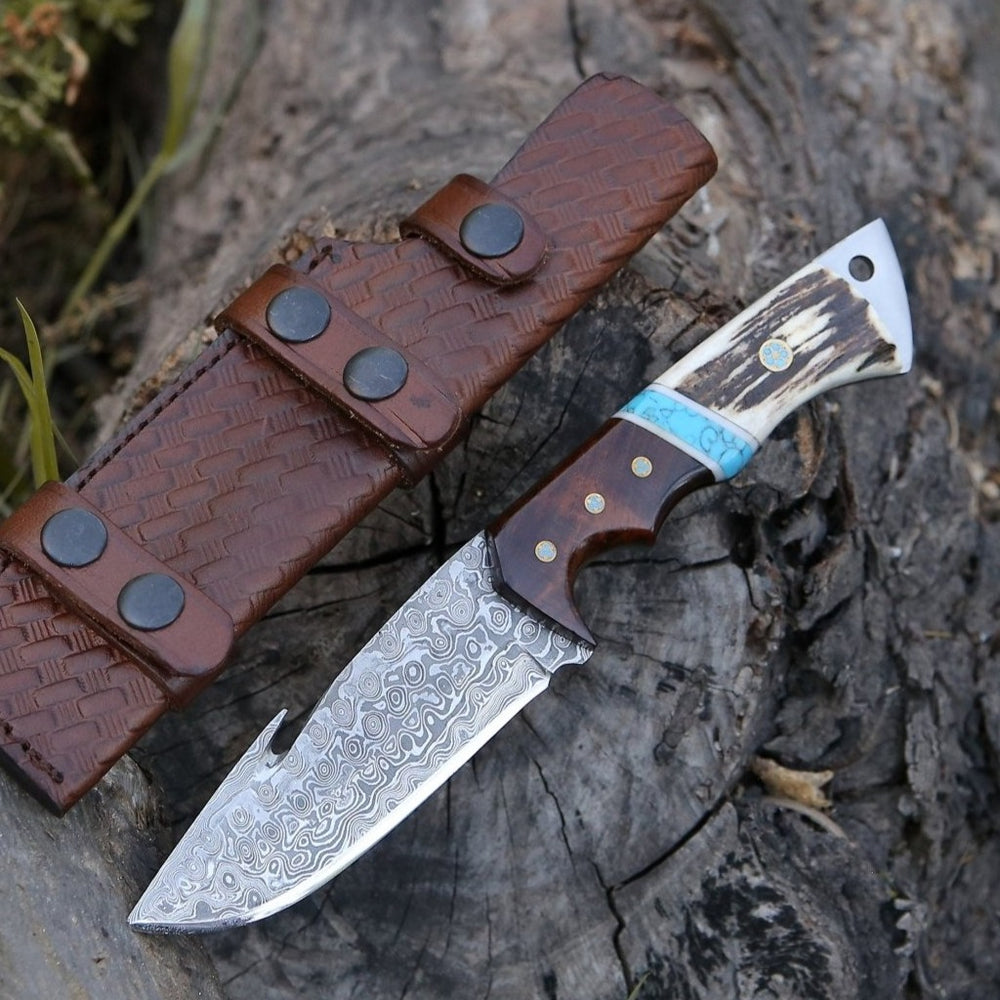
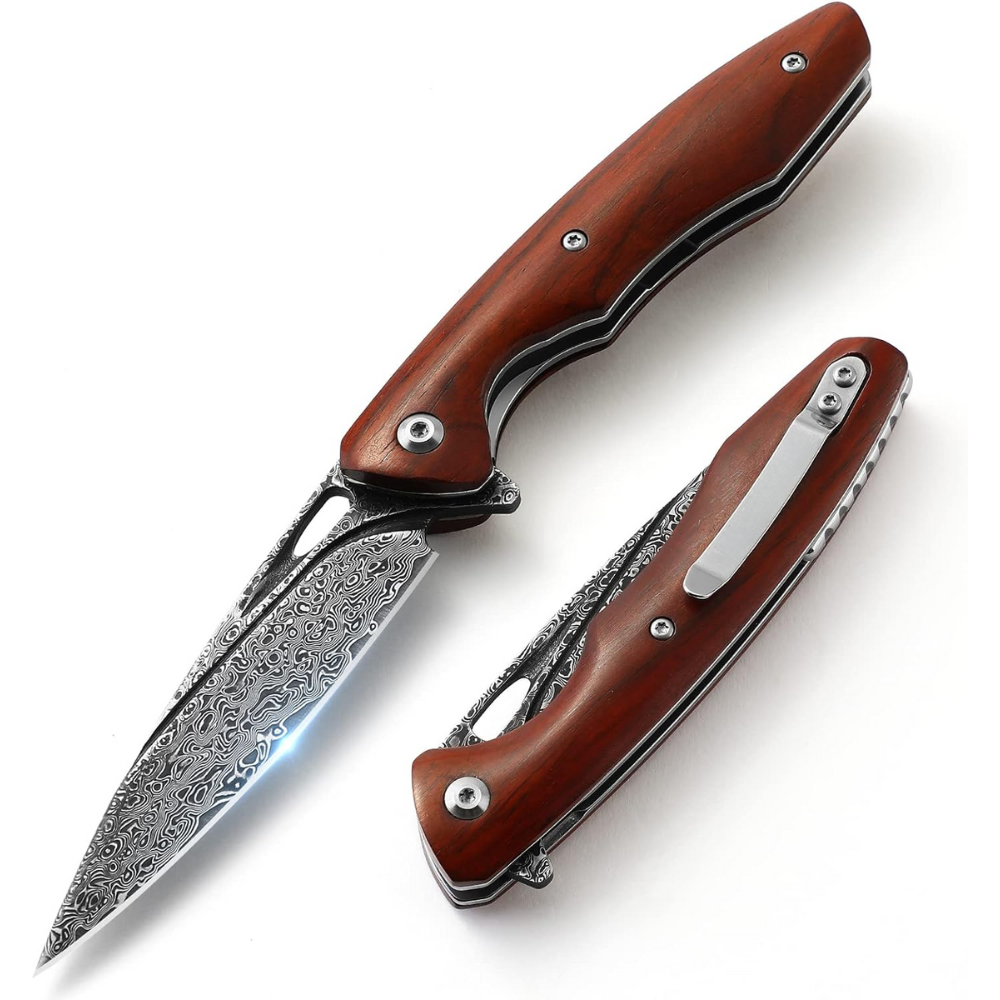
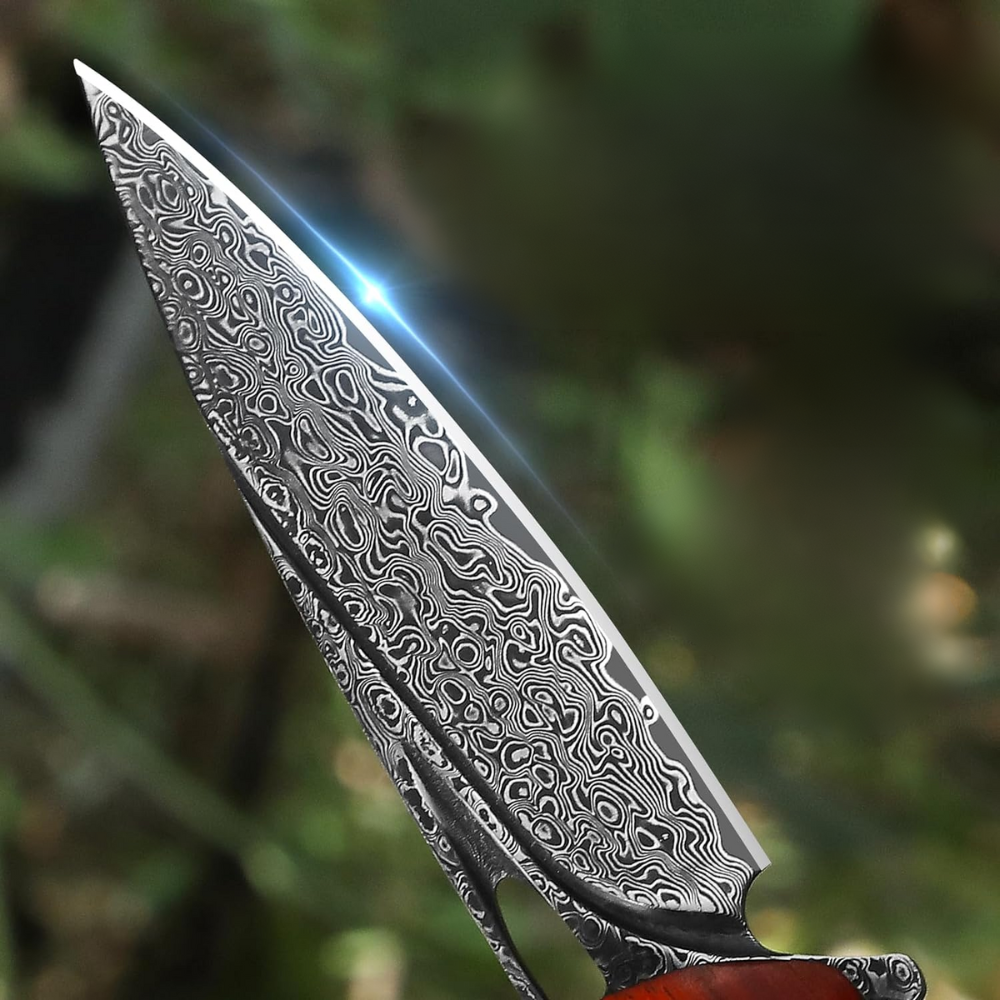
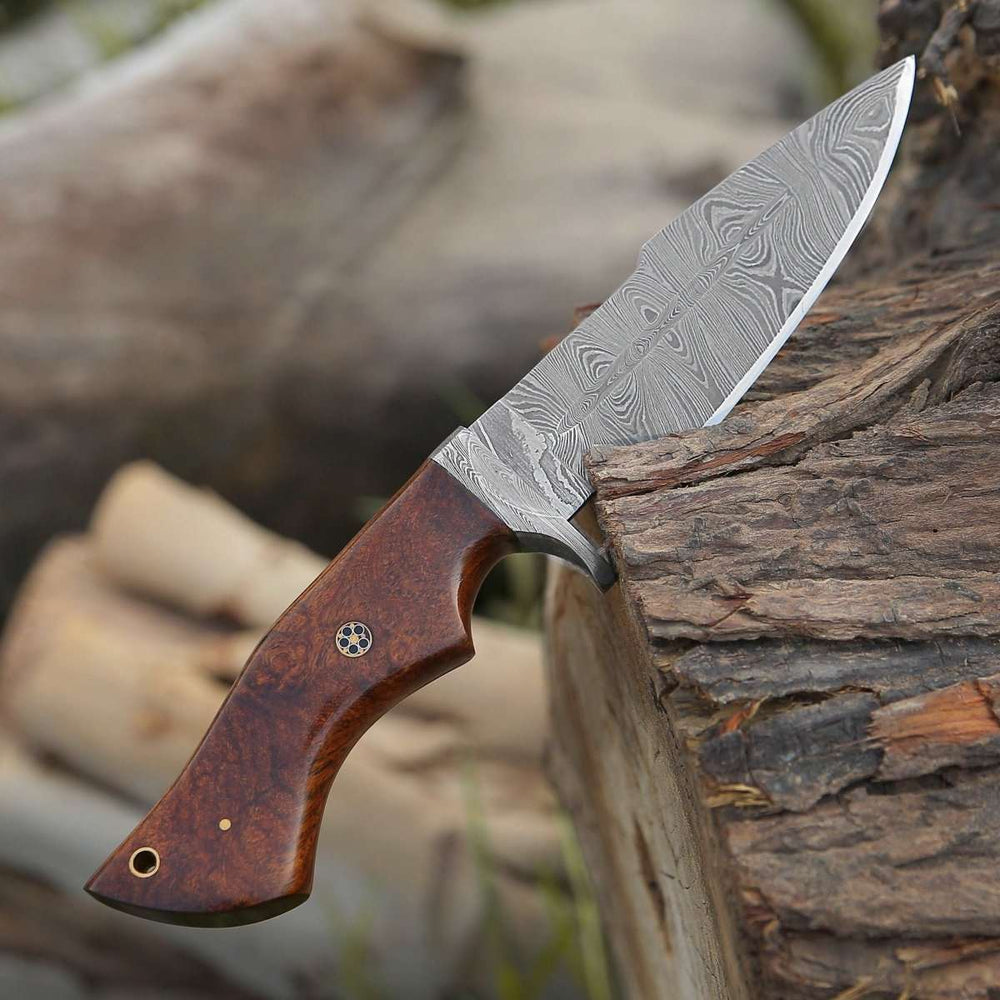
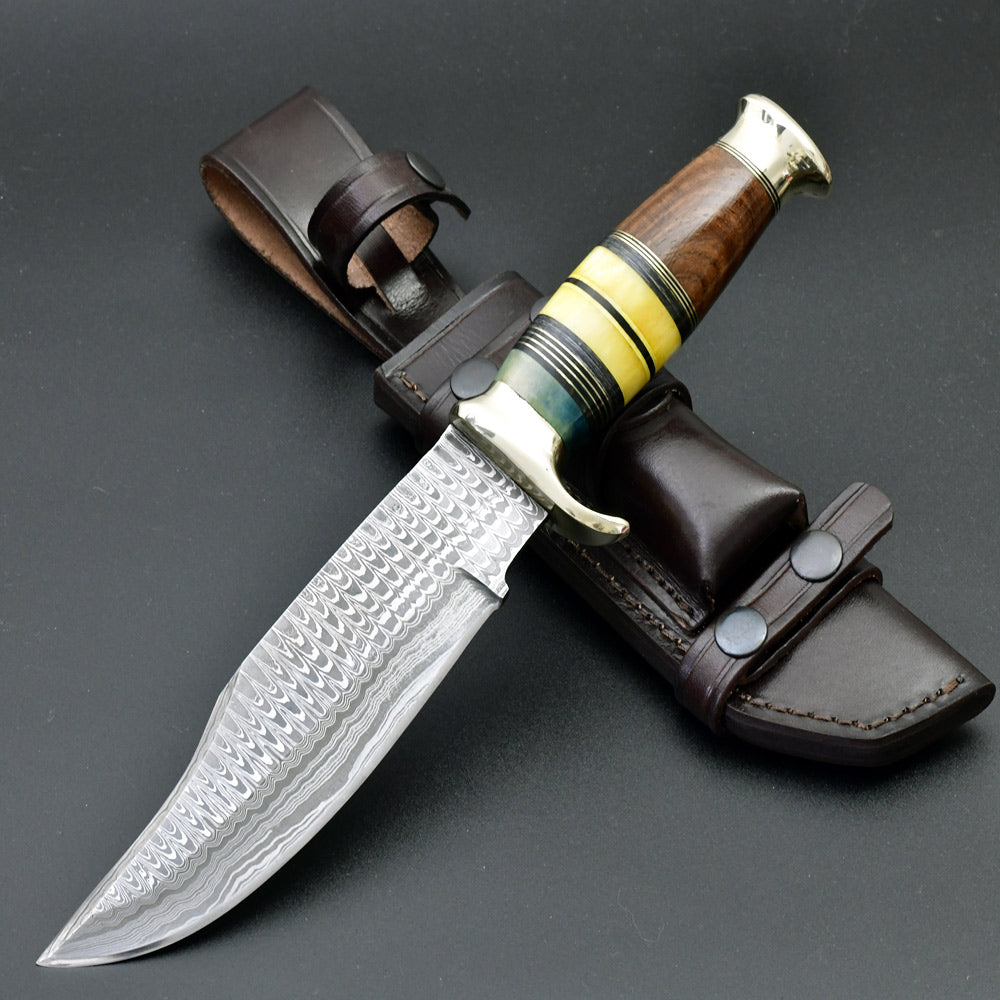
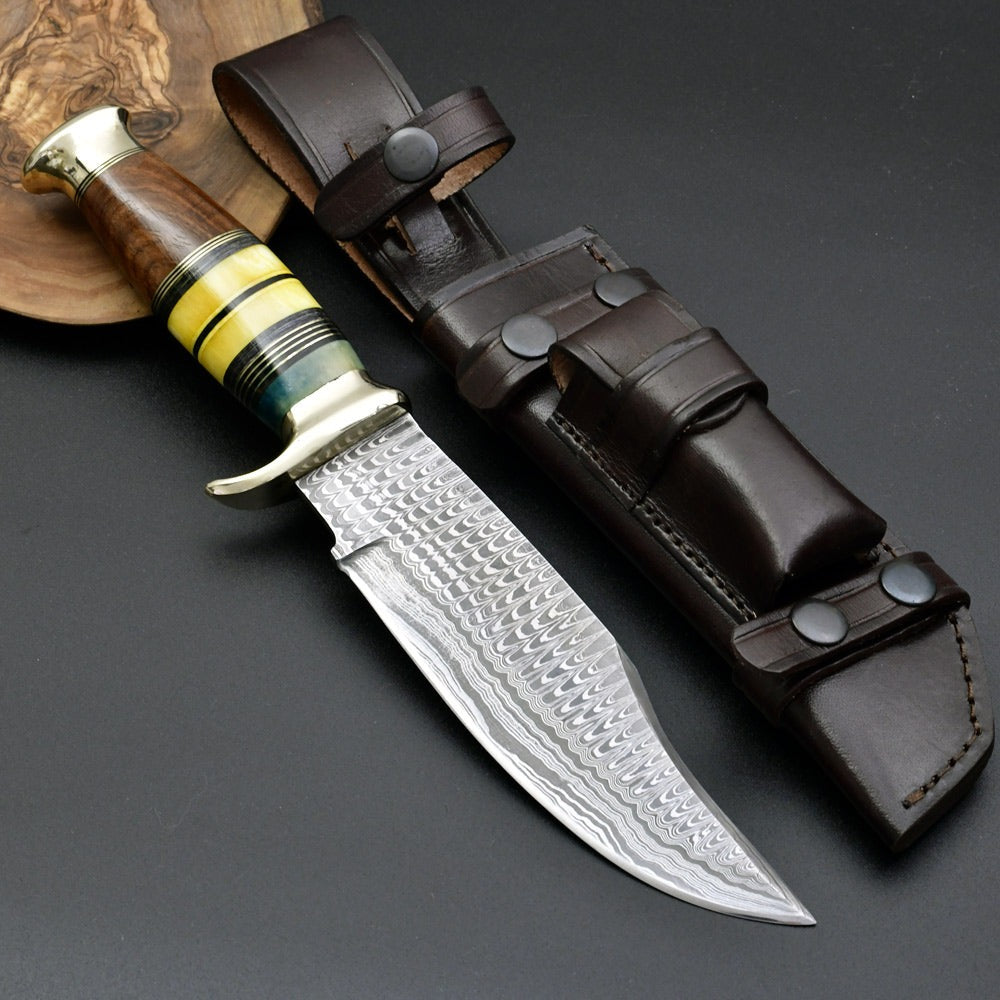
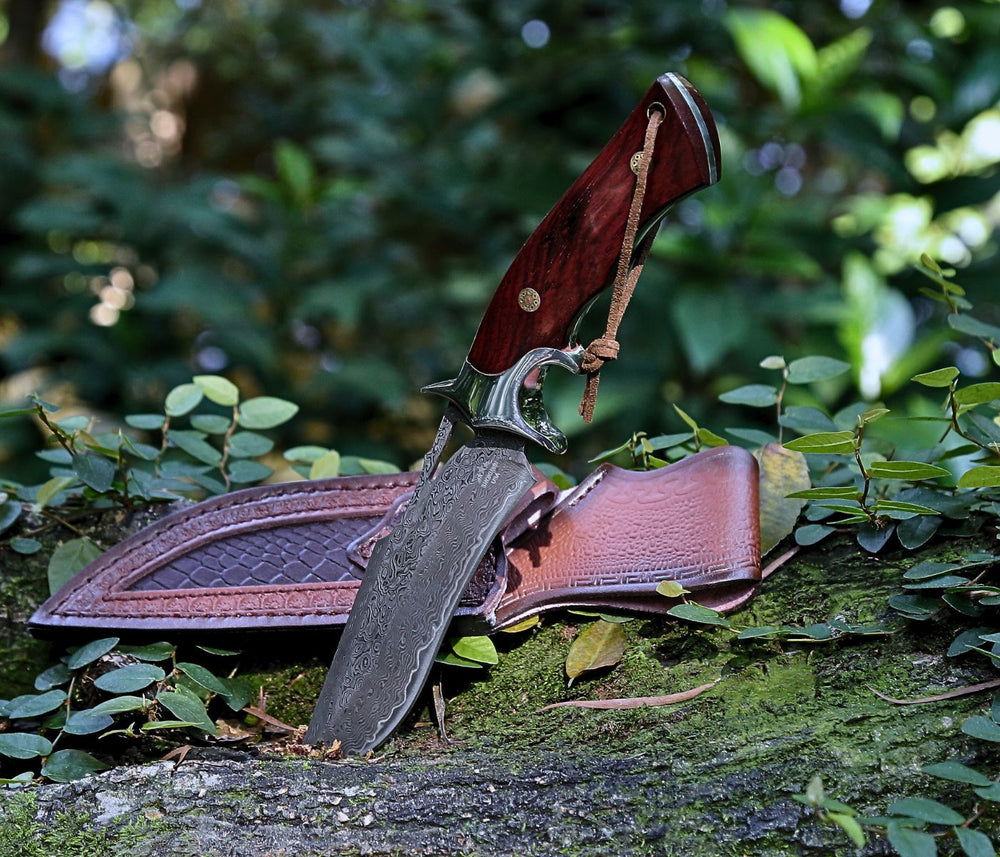
Damascus steel is famous for its unique patterns and designs, often created through a process of layering different steels. This type is not only beautiful but also provides a combination of toughness and cutting ability. Japanese Damascus pocket knife enthusiasts particularly value the intricate patterns and quality of craftsmanship. The core steel is usually a high-carbon steel, which is then enveloped by softer steels, providing a balance of sharpness and resilience.
Key Properties of Blade Steel
When selecting a blade steel, several key properties will determine its suitability for your pocket knife:
Hardness
The hardness of blade steel is measured on the Rockwell scale. A higher number indicates a harder steel, which can hold an edge longer but may be more brittle. For pocket knife enthusiasts, a hardness rating between 58-62 is often considered ideal, balancing durability with the ability to sharpen when necessary.
Edge Retention
Edge retention refers to how well a blade keeps its sharpness over time and use. Steels with high wear resistance typically deliver superior edge retention and reduce the frequency of sharpening needed. Stainless steels often excel in edge retention due to their composition.
Toughness
Toughness is the ability of the steel to absorb shock and resist chipping or breaking. This property is particularly important for pocket knives that may endure heavy use. Steels designed for toughness include O1 and various stainless options like S30V.
Corrosion Resistance
For those who plan to use their pocket knives in wet or humid conditions, corrosion resistance is crucial. Stainless steels generally offer better protection against rust, while high carbon steels require more care and maintenance.
Maintenance of Pocket Knife Blade Steel
Proper care and maintenance are essential in prolonging the life of your pocket knife and its blade steel. Here are some tips for ensuring that your knife remains in excellent condition:
Regular Cleaning
Always clean your knife after use to prevent rust and corrosion. A simple wash with warm, soapy water and a soft cloth will suffice. Avoid using abrasive materials that can scratch the blade's surface.
Oiling the Blade
Applying a light coat of oil to the blade can help protect against corrosion, especially on high carbon steels. Food-safe mineral oil or specialized knife oils can be used as options.
Sharpening
Keeping your blade sharp is crucial for performance. Depending on the type of steel, you may need different sharpening tools. Many enthusiasts prefer whetstones, but guided sharpening systems and ceramic rods can also work effectively.
Storage
Store your pocket knife in a dry place. A leather sheath can help protect it from moisture and physical damage. Avoid keeping it in humid environments and consider using silica gel packets to absorb excess moisture if stored for long periods.
Choosing the Right Blade Steel for Your Pocket Knife
When selecting a pocket knife, consider how and where you plan to use it. Understanding your priorities in terms of maintenance, rust resistance, and toughness will help you choose the right blade steel.
Heavy Use vs. Light Use
If you're planning on using your pocket knife for heavy tasks such as slicing through tough materials, opt for steels that are tough and hold an edge well. Conversely, if you require a knife for lighter, everyday tasks, a high-carbon or stainless steel with good corrosion resistance may suit your needs.
Personal Preference
Some knife enthusiasts have a personal preference for specific blade steels based on their experiences. Trying out different types may help you find the one that feels best for your usage and maintenance style.
The Allure of Japanese Damascus Pocket Knives
Japanese Damascus pocket knives stand out not just for their performance, but also for their artistry. The process of creating Damascus steel, which involves forging different steels together, results in stunning visual patterns and exceptional blade qualities.
The craftsmanship involved in creating a Japanese Damascus pocket knife makes it a desirable choice for collectors and users alike. These knives are often finely balanced, offering a blend of tradition and innovation in their designs.
Craftsmanship and Artistry
The skill of Japanese artisans in forging Damascus steel is renowned. Each blade is a work of art, showcasing not only functional properties but also a rich cultural heritage. Owning a Japanese Damascus pocket knife represents an appreciation for both craftsmanship and functionality.
Investment in Quality
While Japanese Damascus pocket knives may come at a higher price point, they offer long-term value due to their superior performance and aesthetic appeal. Investing in a quality pocket knife often means you'll have a reliable tool for years to come.
Enhancing Your Pocket Knife Experience
Ultimately, the right blade steel can vastly enhance your pocket knife experience. Whether you are drawn to the beauty of a Japanese Damascus pocket knife or prefer the practicality of stainless or high carbon steel, understanding the material will help you make better decisions.
Your pocket knife is not just a tool; it's a reflection of your needs, tastes, and lifestyle. Enjoy exploring the vast world of blade steels, and let your personal preferences guide you in your collection or selection of pocket knives. With the knowledge gained from this guide, you are well-equipped to choose a blade steel that not only meets your practical needs but also captures your personal style and appreciation for craftsmanship.
Now, let your adventure in the world of pocket knives unfold, and remember that the right blade steel is just the beginning of an exciting journey into function and artistry!
Frequently Asked Questions
1. What is blade steel in pocket knives?
2. What are the types of pocket knife blade steel?
3. What is the importance of hardness in blade steel?
4. How can I maintain my pocket knife blade steel?
5. What makes Japanese Damascus pocket knives special?
Glossary
| Term | Meaning |
|---|---|
| Blade Steel | The material used to create a knife's blade, affecting its performance. |
| Stainless Steel | A steel type known for high resistance to rust and corrosion. |
| High Carbon Steel | Steel known for toughness and edge retention but prone to rust. |
| Damascus Steel | Steel made by layering different steels, known for unique patterns. |
| Edge Retention | How well a blade maintains its sharpness over time. |
| Toughness | The ability of steel to absorb shock and resist chipping. |
| Corrosion Resistance | Steel's ability to resist rust, crucial for wet conditions. |
| Maintenance | Care practices to prolong the life of a pocket knife. |
| Rockwell Scale | A method to measure the hardness of steel. |
| Japanese Damascus | A type of Damascus steel valued for craftsmanship and aesthetics. |
Linked Product

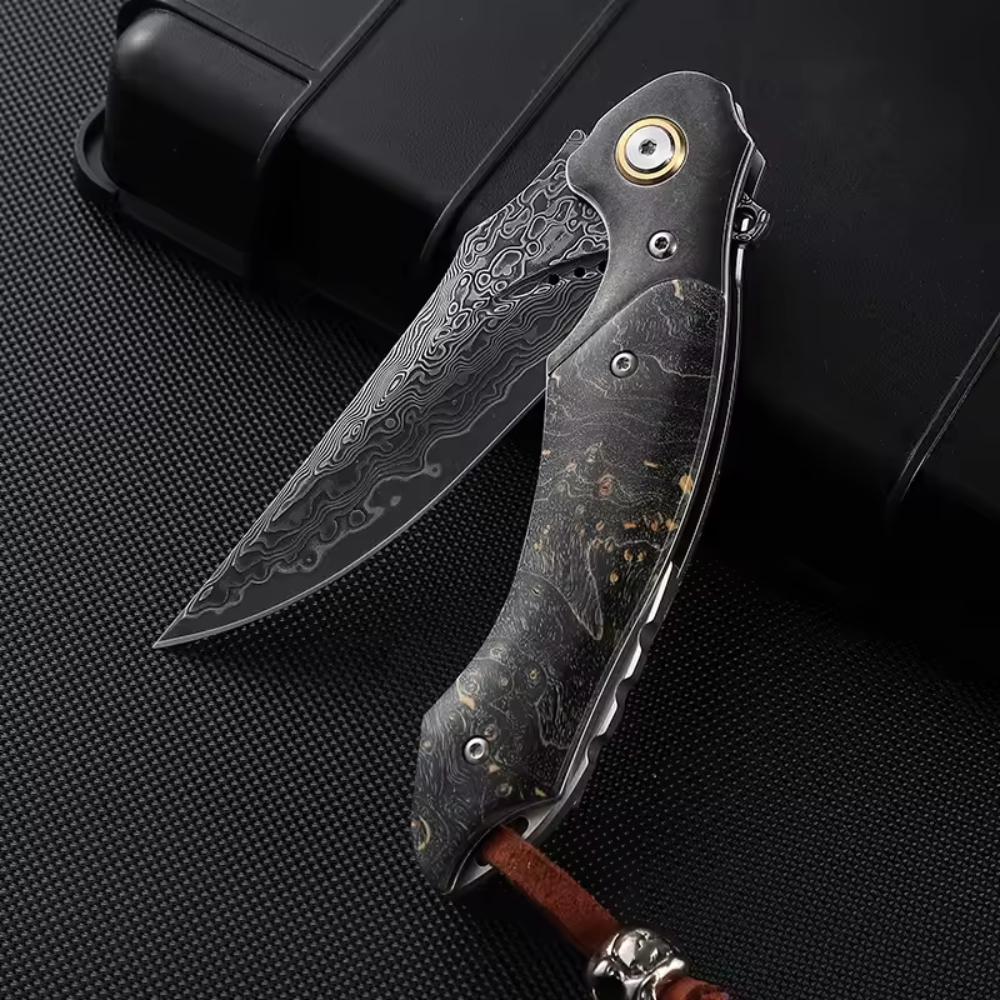
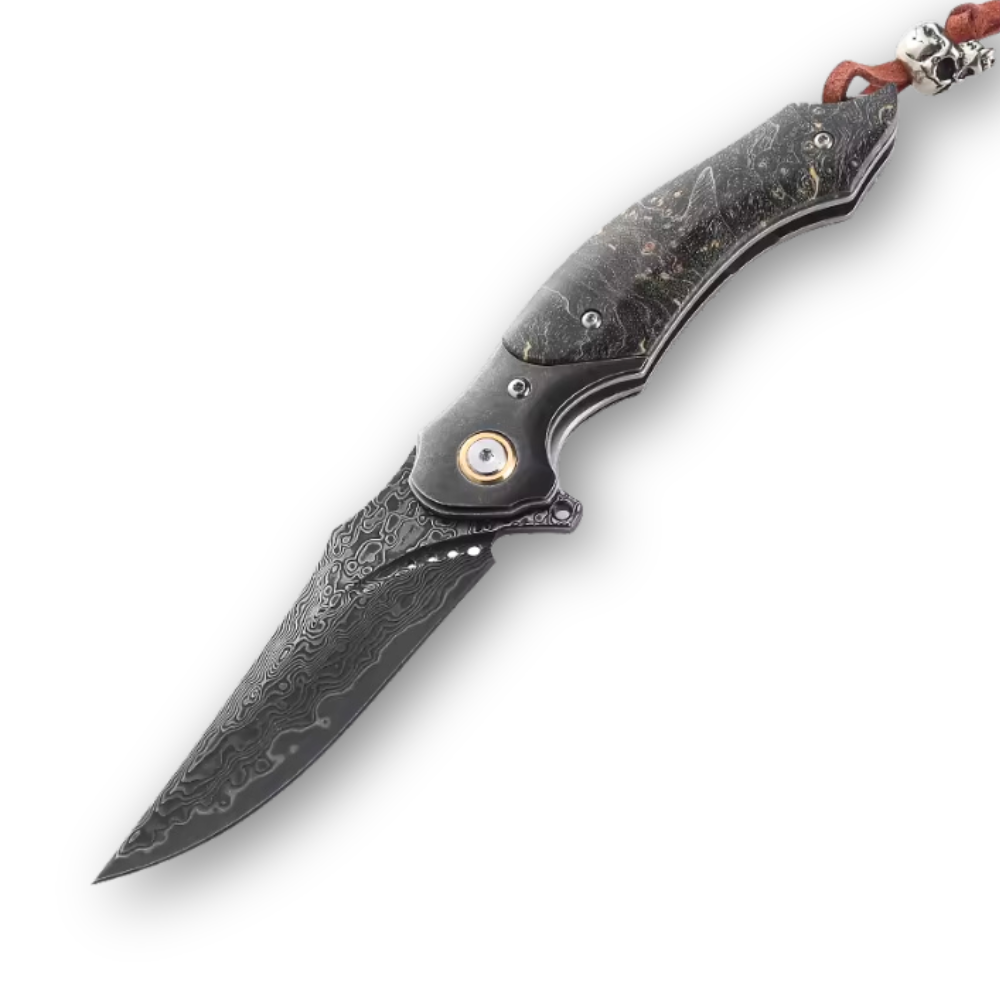
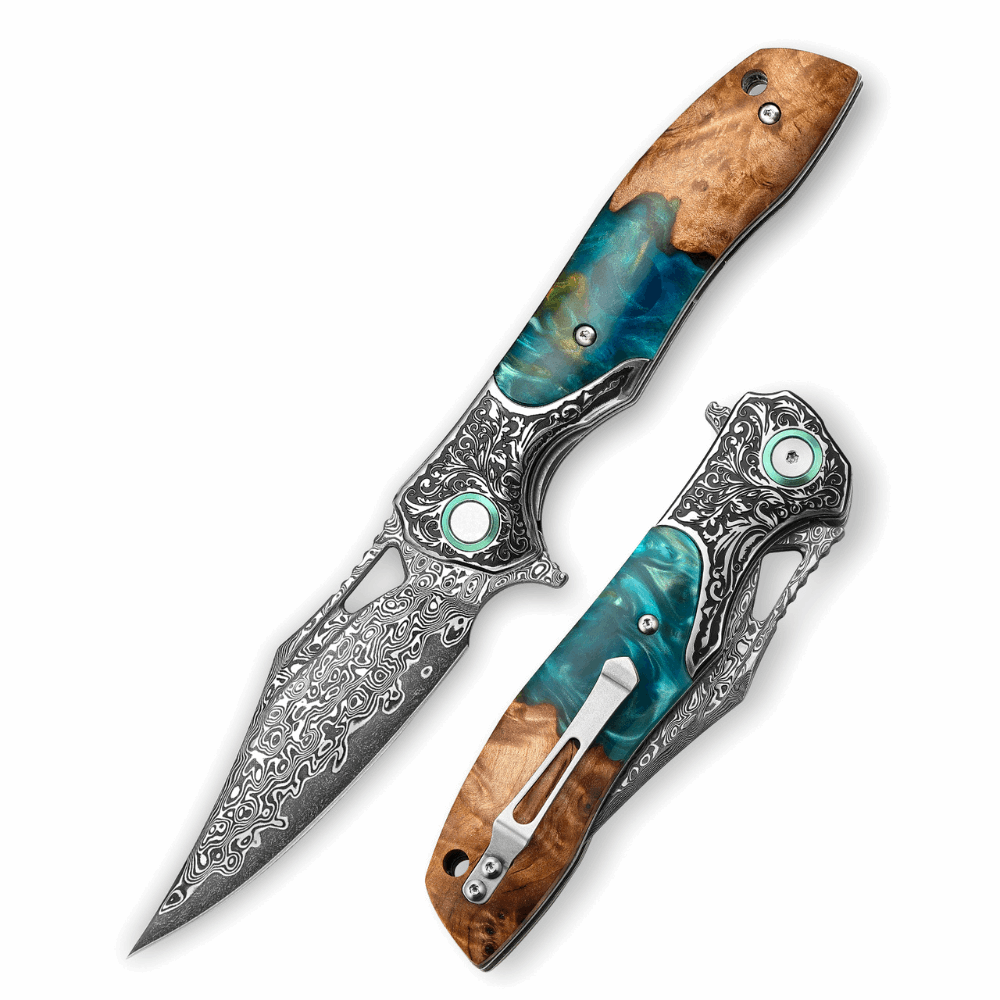
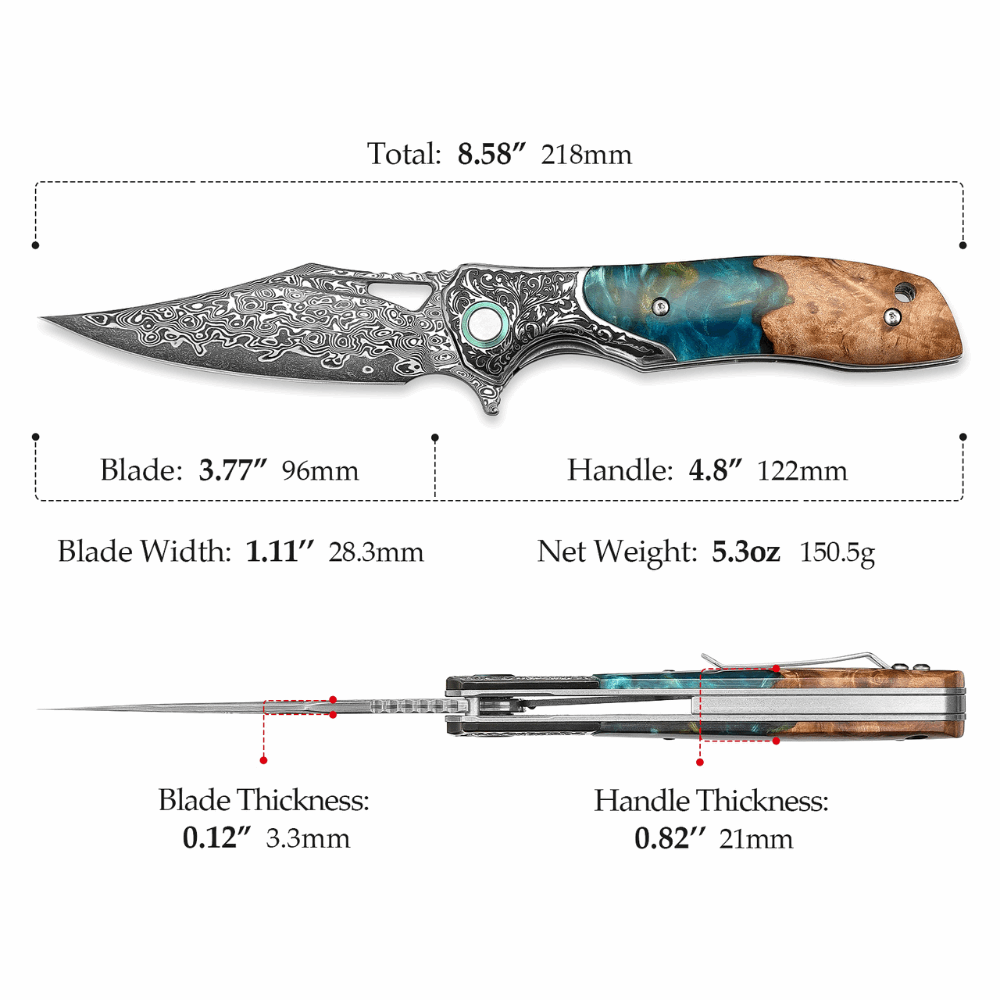
Hades Japanese VG10 Damascus Pocket Knife with Clip Stabilized Maple Burl Handle
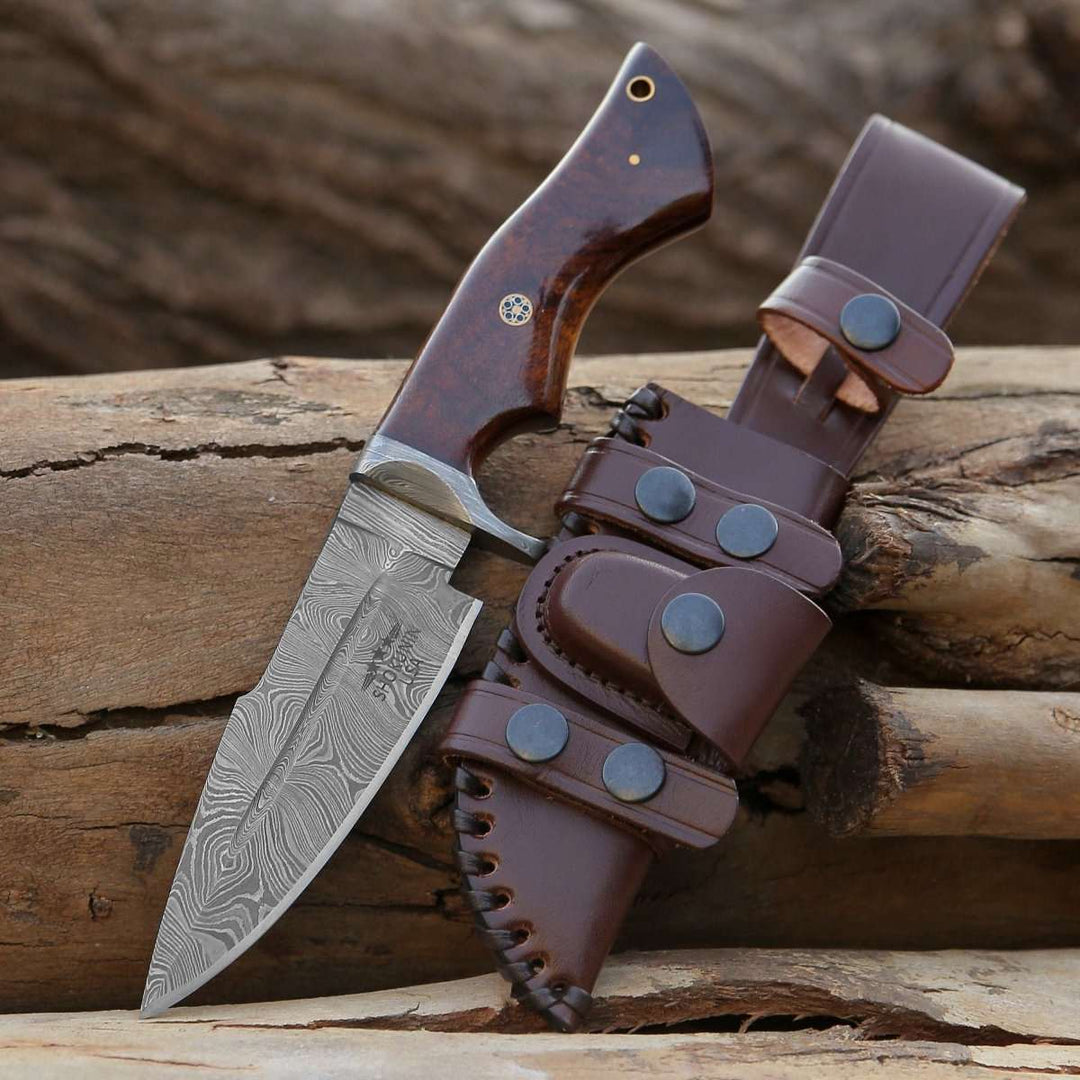
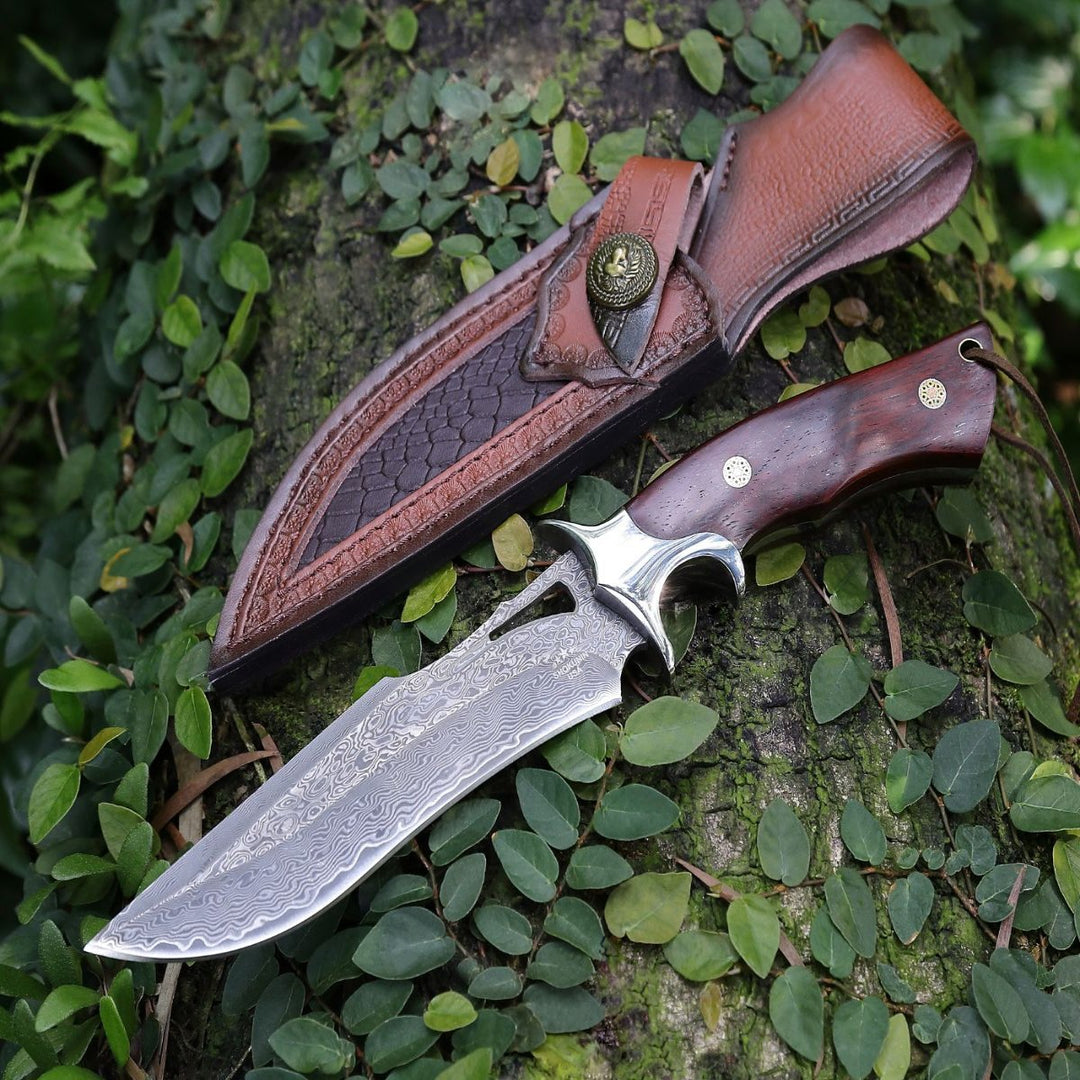
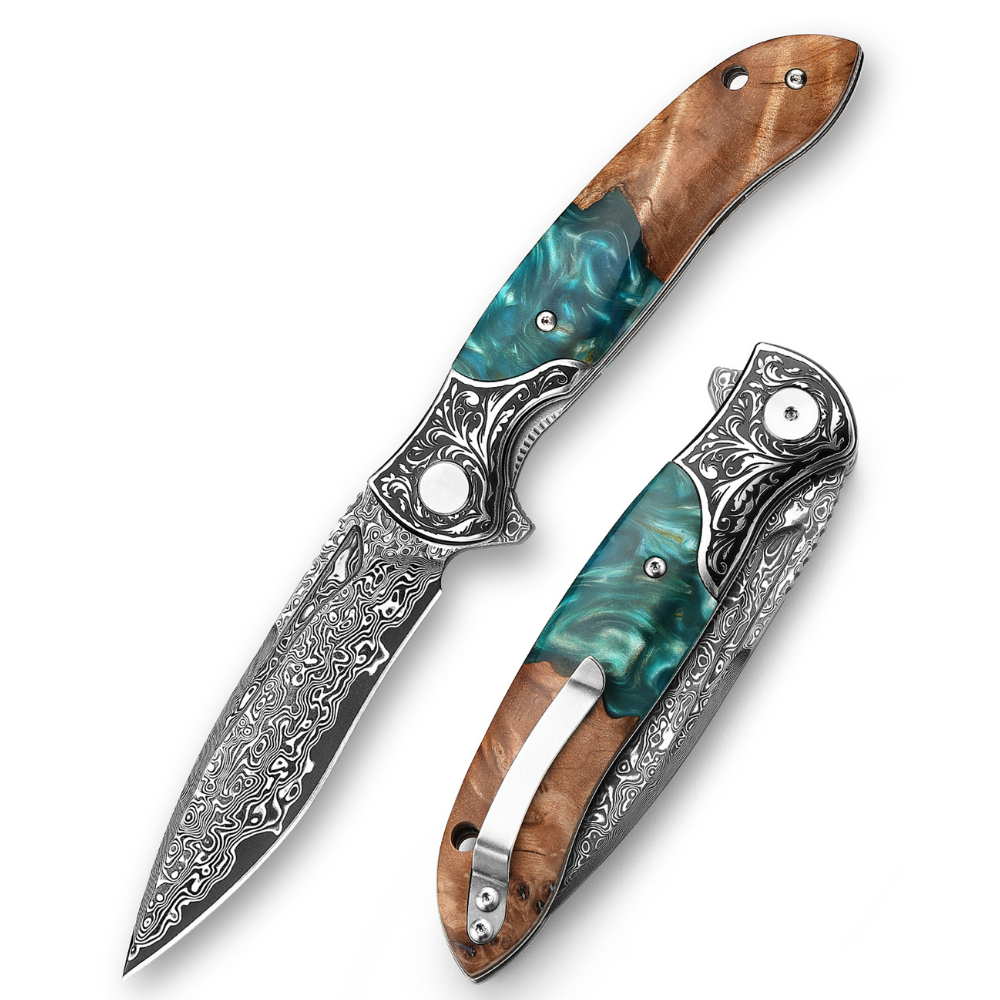
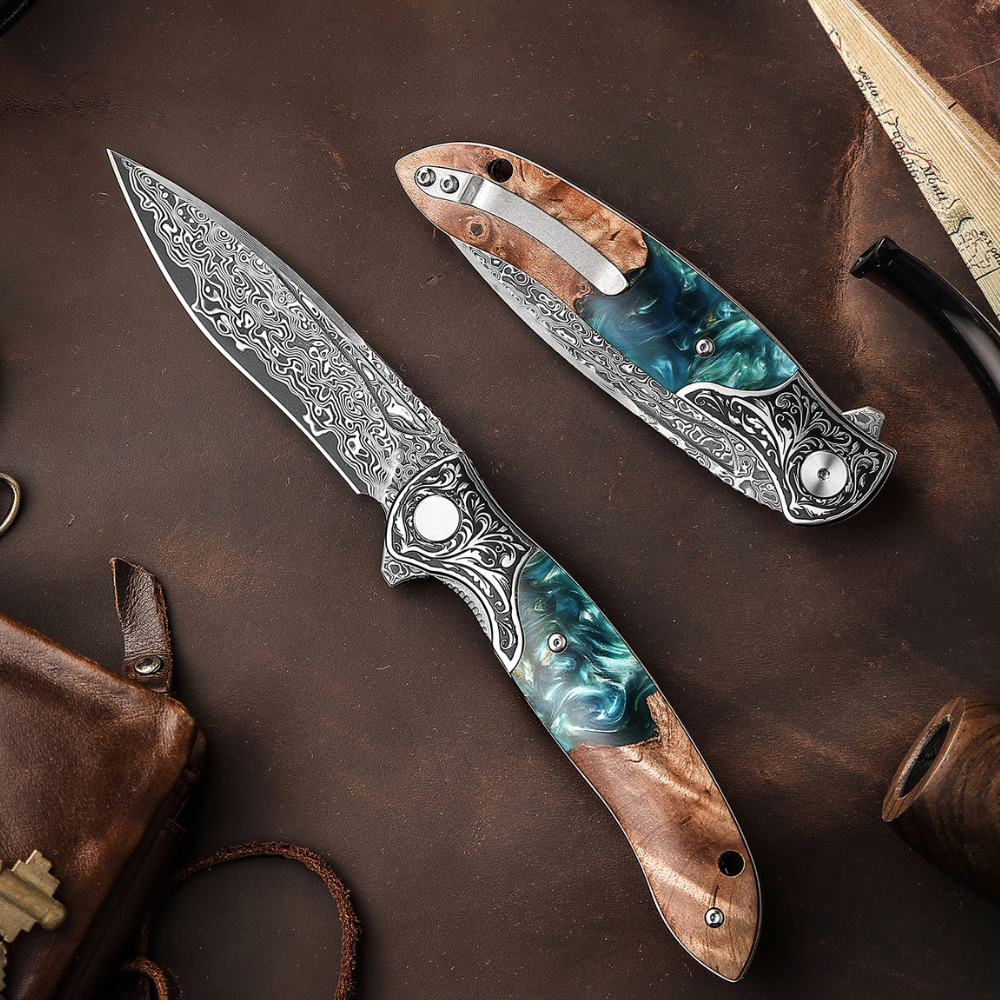
The Hades Japanese VG10 Damascus Pocket Knife features a unique hand-forged blade made from VG10 and 15n20 steel, ensuring exceptional strength and edge retention. Its ergonomic maple burl handle is designed for comfort and durability, making it suitable for diverse outdoor activities such as hunting, fishing, and camping. This versatile pocket knife comes with a hand-stitched leather sheath and a pocket knife sharpener, making it a practical choice for everyday use and outdoor adventures.
View Product






Deixe um comentário