


Overview
Learn how to properly sharpen and maintain your pocket knife with this comprehensive guide. Discover the anatomy of a knife, the importance of regular sharpening, and the best tools and techniques to use, especially for Damascus steel blades. Follow step-by-step instructions for effective sharpening and tips for long-lasting performance.
Frequently Asked Questions
1. What is the importance of sharpening a pocket knife?
2. What tools are recommended for sharpening a pocket knife?
3. How often should I hone my knife?
4. What special care does Damascus steel require?
5. When should I seek professional help for my pocket knife?
The pocket knife is an everyday companion for many outdoor enthusiasts and handy individuals alike. Whether you’re using it for camping, fishing, or simple tasks around the house, a well-maintained pocket knife is essential. One of the key aspects of knife care is knowing how to properly sharpen your knife. In this guide, we’ll delve into the art of knife sharpening, covering techniques, tools, and care to keep your blade, especially if it’s made of Damascus steel, in top shape.
Understanding Your Pocket Knife
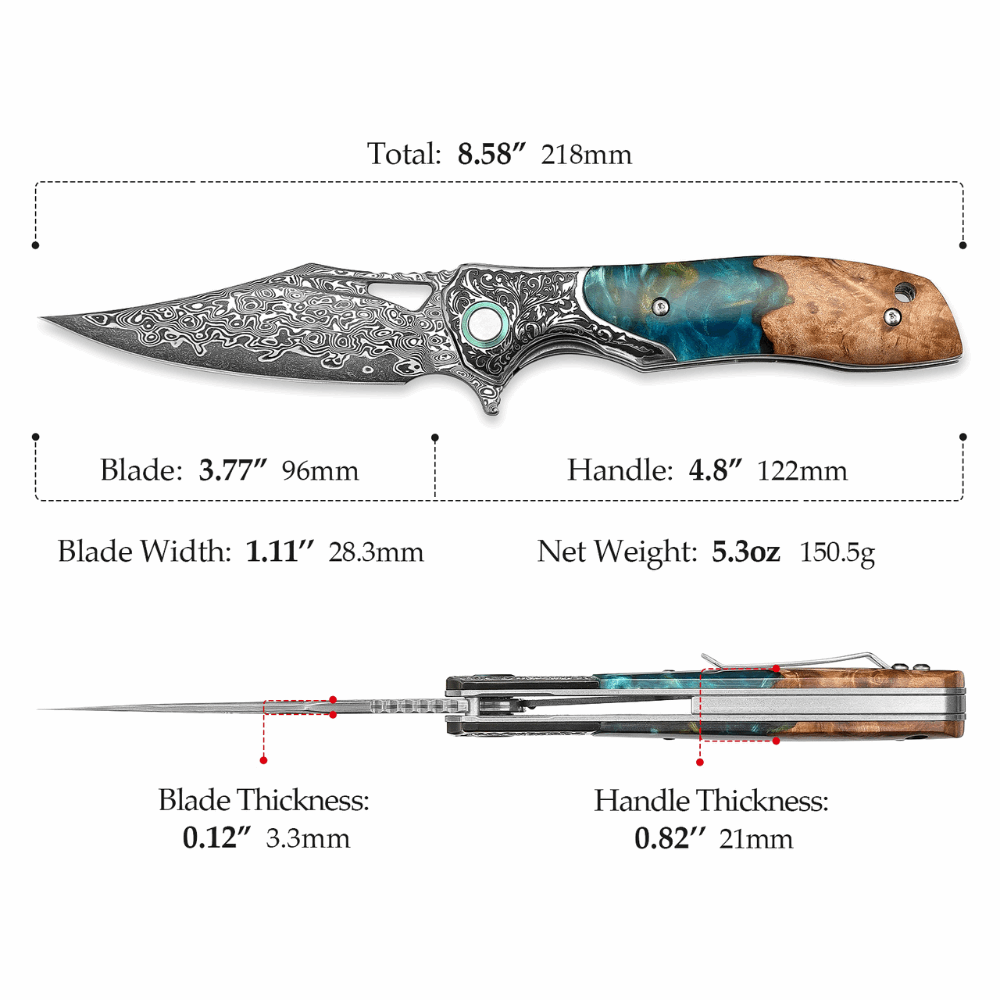
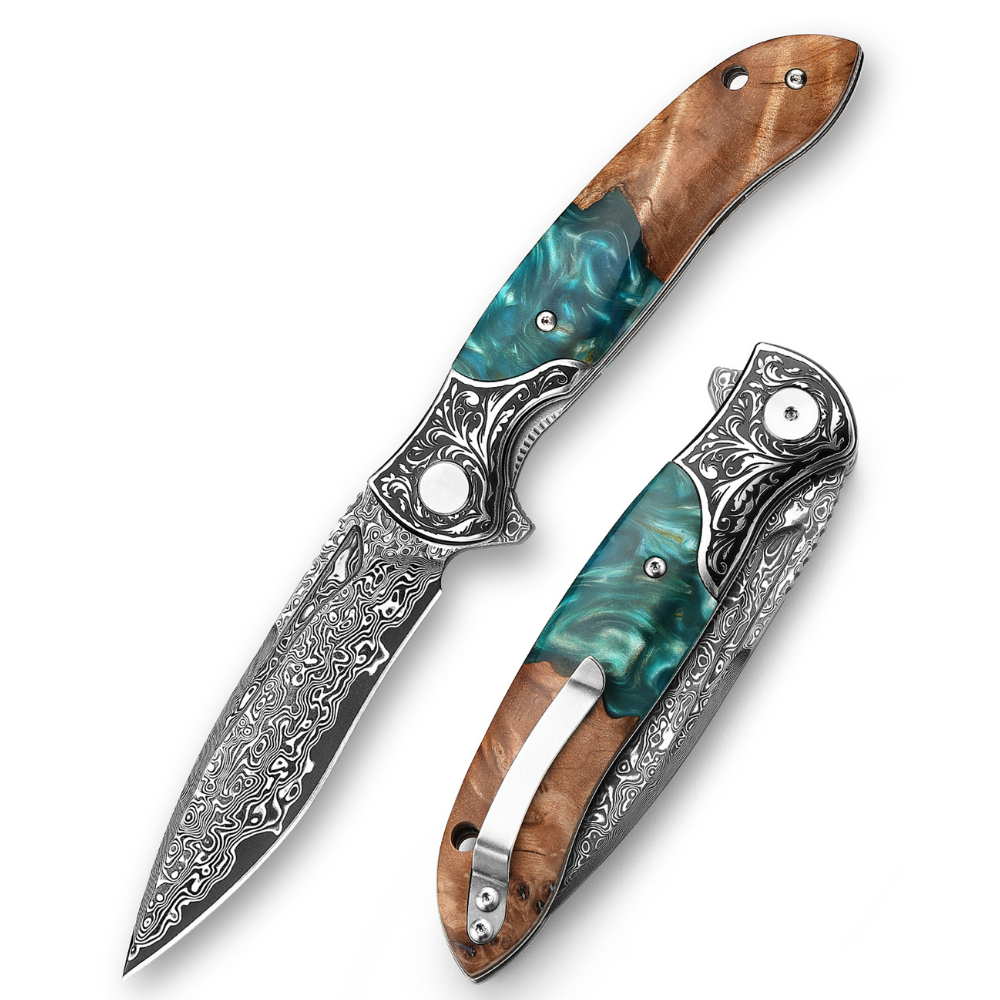
Before heading into the sharpening process, it’s crucial to understand the anatomy of your pocket knife. Familiarizing yourself with the components can improve your sharpening technique.
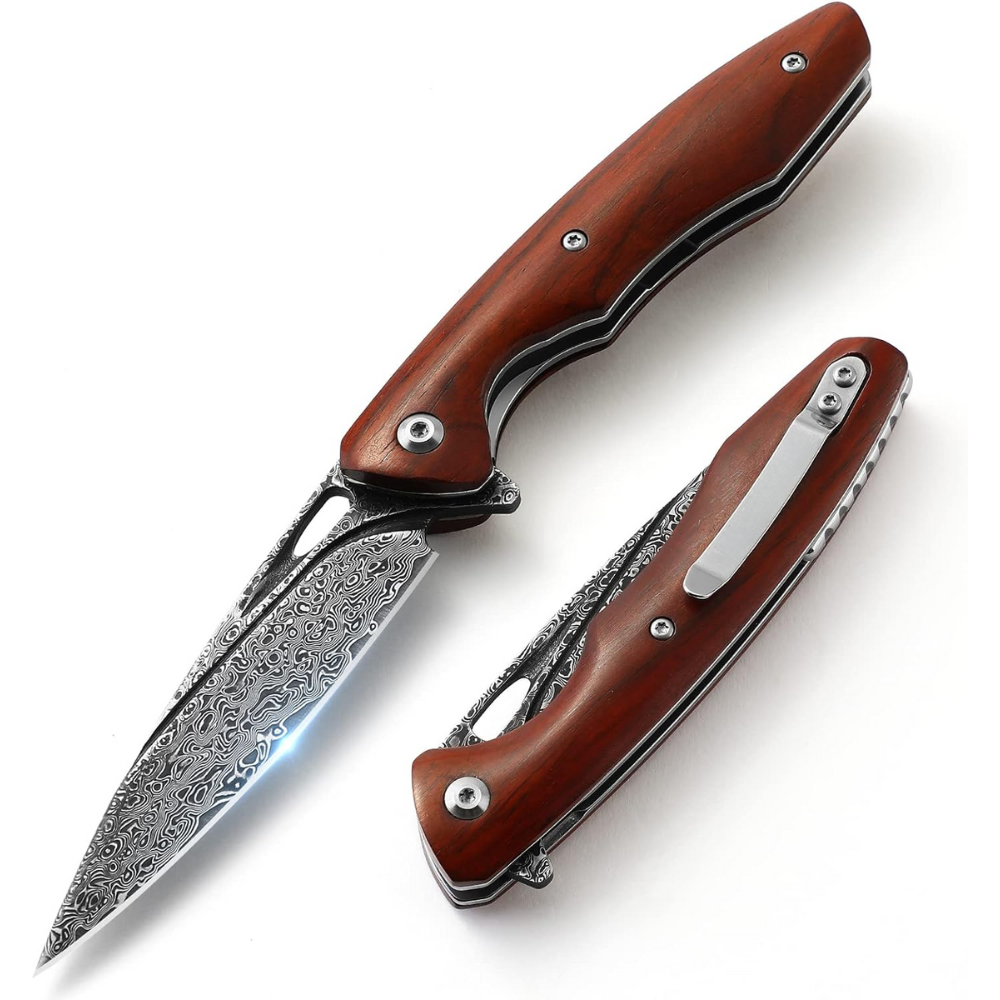
The Anatomy of a Pocket Knife
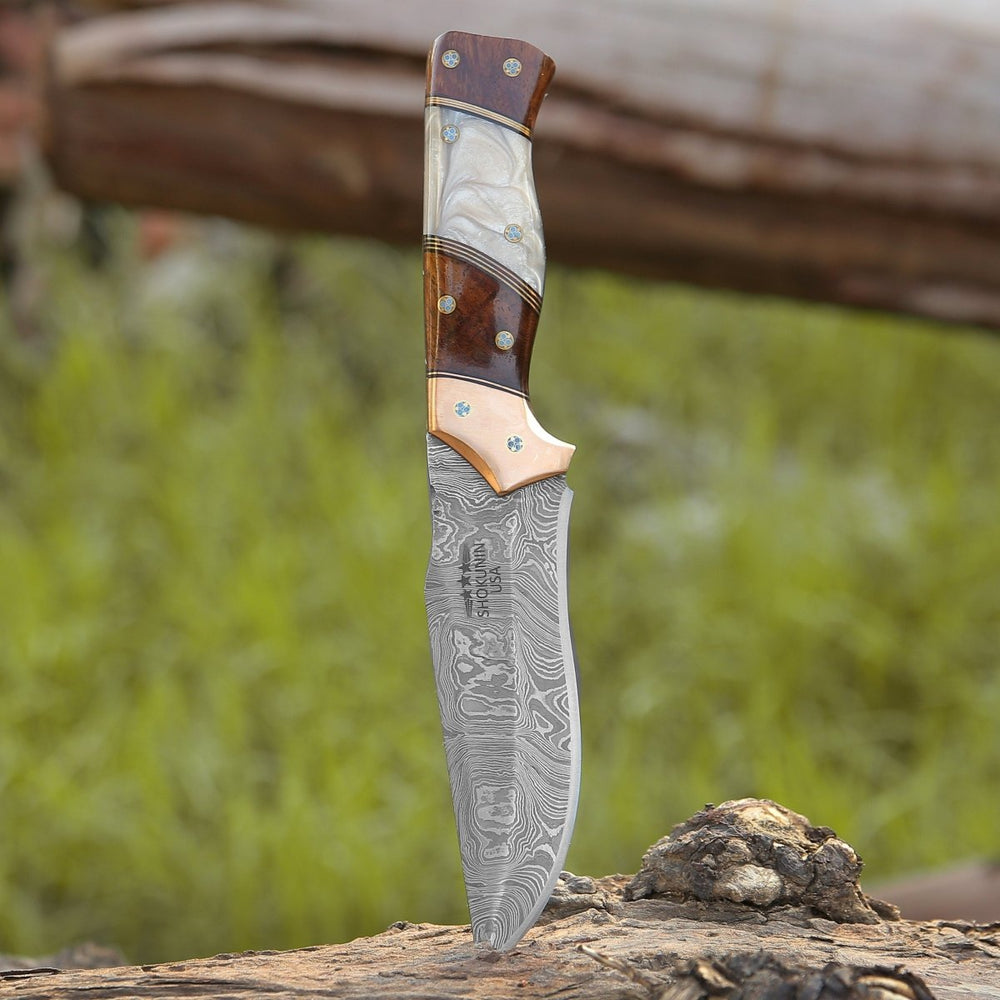
- Blade: The main component which does the cutting.
- Edge: The sharpened part of the blade; this is what you will focus on sharpening.
- Point: The tip of the blade, used for piercing.
- Spine: The top of the blade that typically runs opposite the edge.
- Handle: The part you hold; it can come in various materials.
Why Sharpening is Important
Understanding why you need to sharpen your knife regularly is vital for maintaining its functionality. A dull knife can be dangerous; you may apply more force than necessary, leading to slips and accidents. Moreover, a properly sharpened knife will allow you to execute clean cuts, making your tasks easier and more efficient. This is particularly important with Damascus steel blades, known for their stunning patterns and exceptional sharpness when maintained properly.
Tools for Sharpening Your Pocket Knife
Various tools exist for sharpening pocket knives, each offering unique benefits. Here’s a rundown of the most common tools:
- Whetstone: A traditional sharpening tool, these stones come in various grits. They are excellent for achieving a fine edge.
- Pull-through Sharpener: Easy to use, these devices quickly sharpen the edge but may not be suitable for maintaining a fine blade.
- Diamond Sharpener: These provide rapid sharpening and are perfect for harder steel types, including Damascus steel.
- Honing Rod: Great for realigning edges after regular use, honing rods should be incorporated into your routine but do not actually sharpen the blade.
Steps to Sharpen Your Pocket Knife
Let’s take a look at a step-by-step process for sharpening your pocket knife effectively.
Step 1: Prepare Your Workspace
Start by creating a clean and safe workspace. Lay down a towel to avoid scratches and ensure good lighting. If you’re using a whetstone, soak it in water as per the manufacturer’s instructions.
Step 2: Analyze the Blade
Inspect the blade for chips or damage. If the knife is excessively dull or has nicks, begin with a coarse grit on the whetstone or diamond sharpener.
Step 3: Choose Your Angle
The sharpening angle is crucial for maintaining the integrity of the blade. Generally, a 20-degree angle is ideal for pocket knives. Hold the knife at this angle against the sharpening surface.
Step 4: Sharpen the Edge
For a whetstone, place the knife at the determined angle and push the blade across the stone from heel to tip, applying gentle pressure. Repeat this motion 5-10 times before flipping the blade and addressing the other side. If you're using a pull-through sharpener, follow its designated steps to sharpen the edge fully.
Step 5: Hone the Blade
After sharpening, use a honing rod to realign the edge. Hold the rod vertically and slide the knife down the rod at a similar angle. Repeat this process several times on both sides to ensure the blade is lined correctly.
Step 6: Clean the Knife
Once you’ve sharpened the blade, clean it with a cloth to remove any metal filings. This step is crucial to maintain the integrity of the blade and its finish, especially if it features intricate designs like those found in Damascus steel.
Step 7: Test the Sharpness
To test the sharpness of your knife, use the “paper test.” Try slicing through a piece of paper; if it cuts cleanly, you’re good to go! If not, you may need to repeat the sharpening process.
Maintaining Your Knife: Tips for Longevity
Once your knife is sharpened, maintaining its sharpness is critical. Here are some tips to prolong the edge and overall functionality:
- Regular Honing: Use a honing rod regularly to keep the edge aligned between sharpenings.
- Clean After Use: Wipe down the blade and remove any moisture or debris to prevent rust and deterioration.
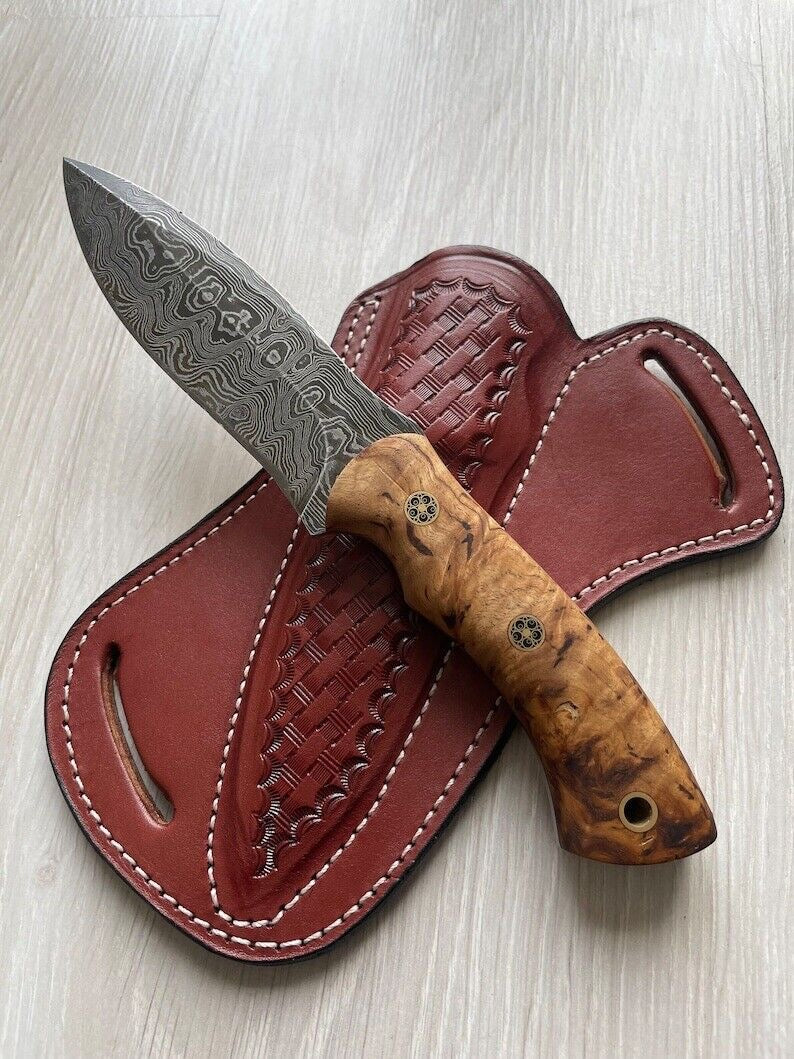
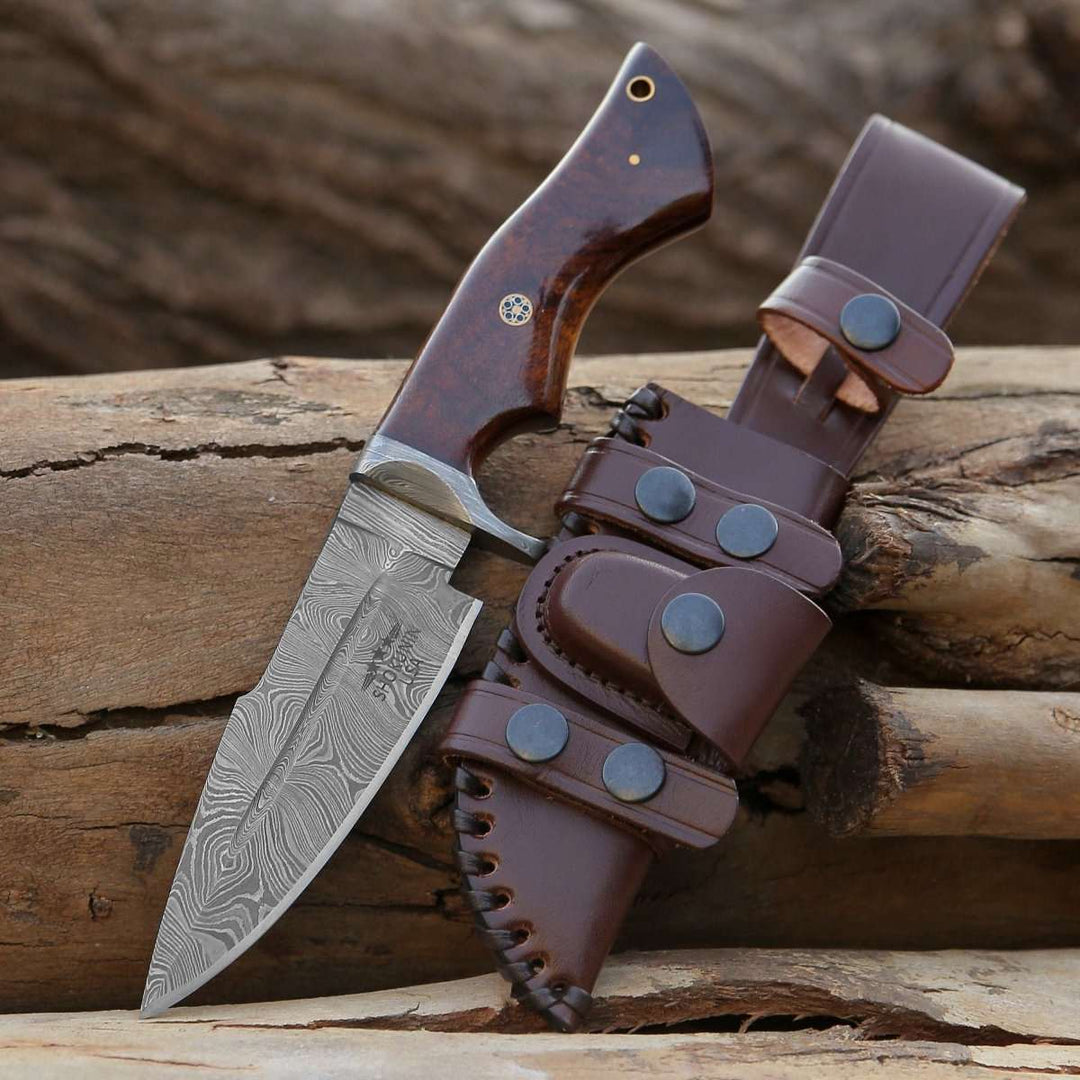
- Store Properly: Invest in a good sheath or protective case to keep your knife safe from damage when not in use.
- Avoid Hard Surfaces: When using your knife, avoid cutting on hard surfaces like glass or stone, which can dull the blade quickly.
Understanding Damascus Steel and Its Care
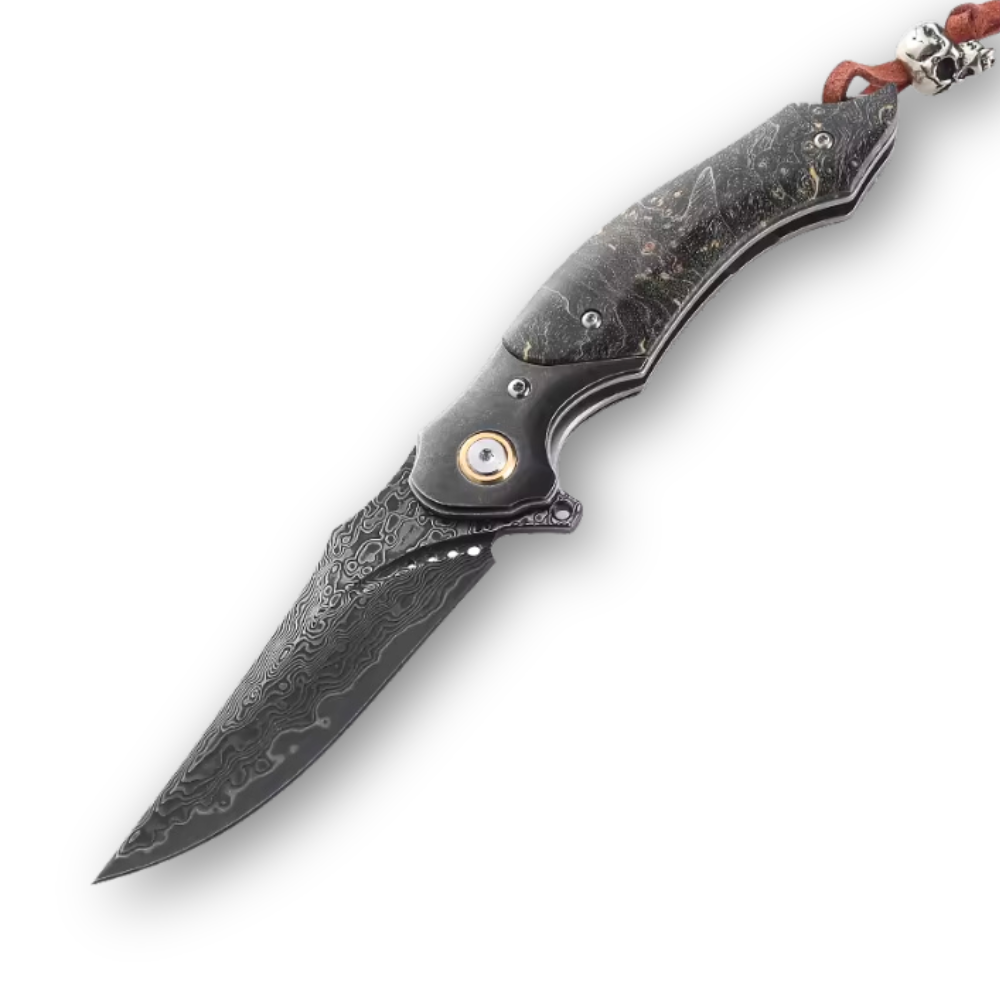
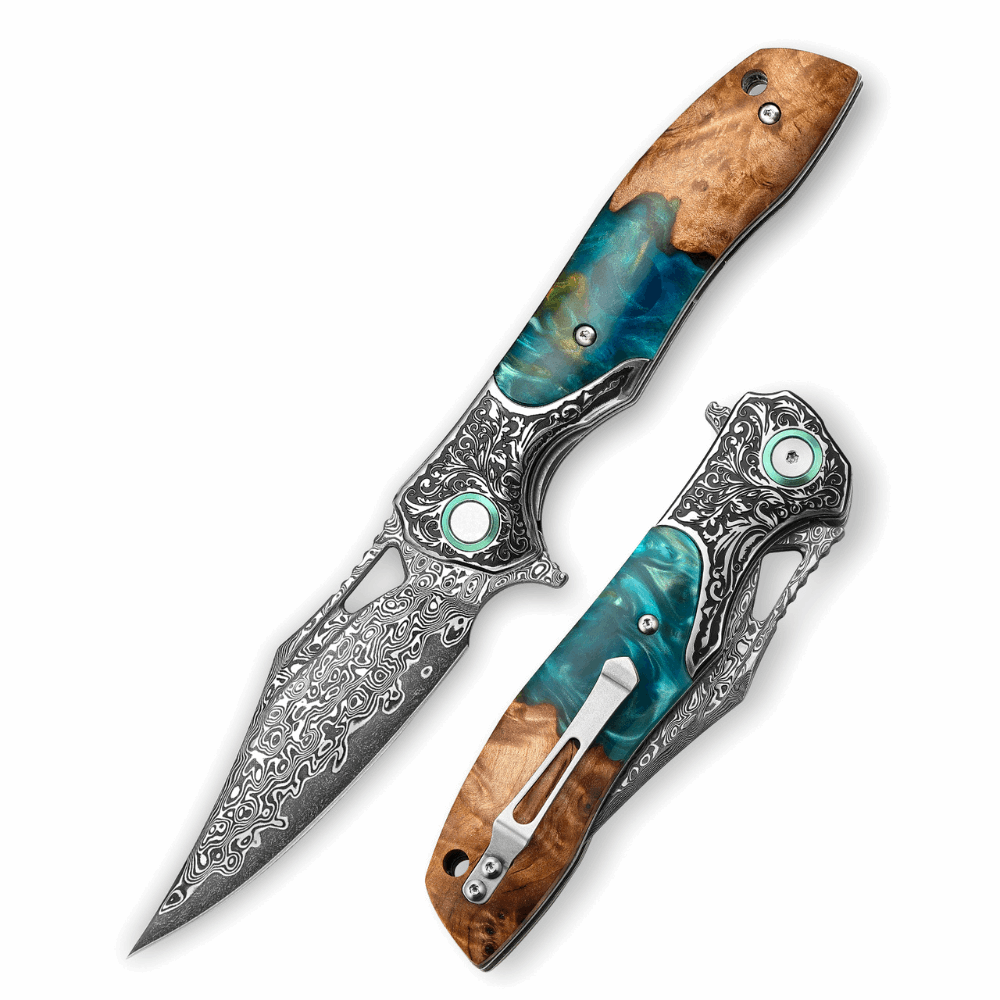
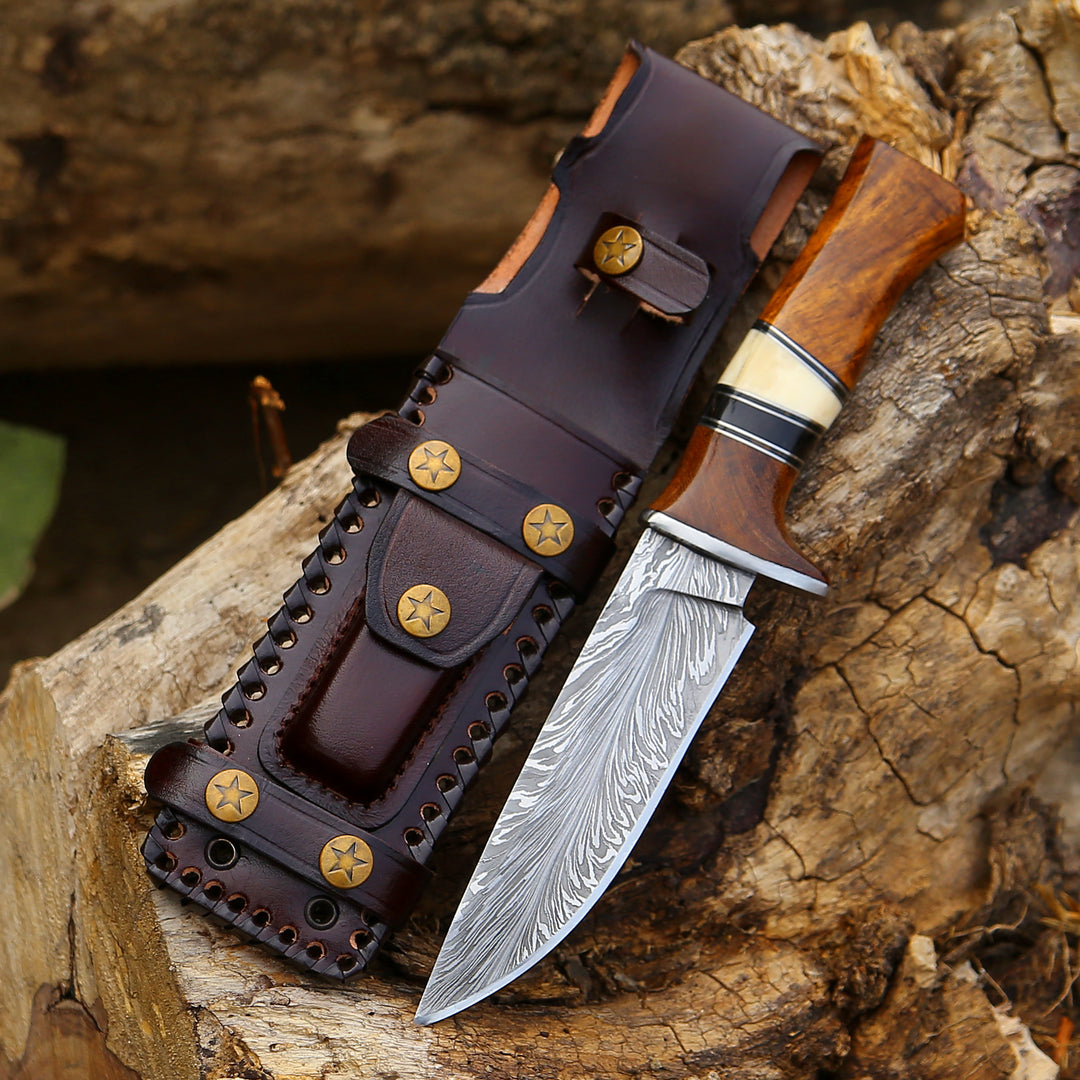
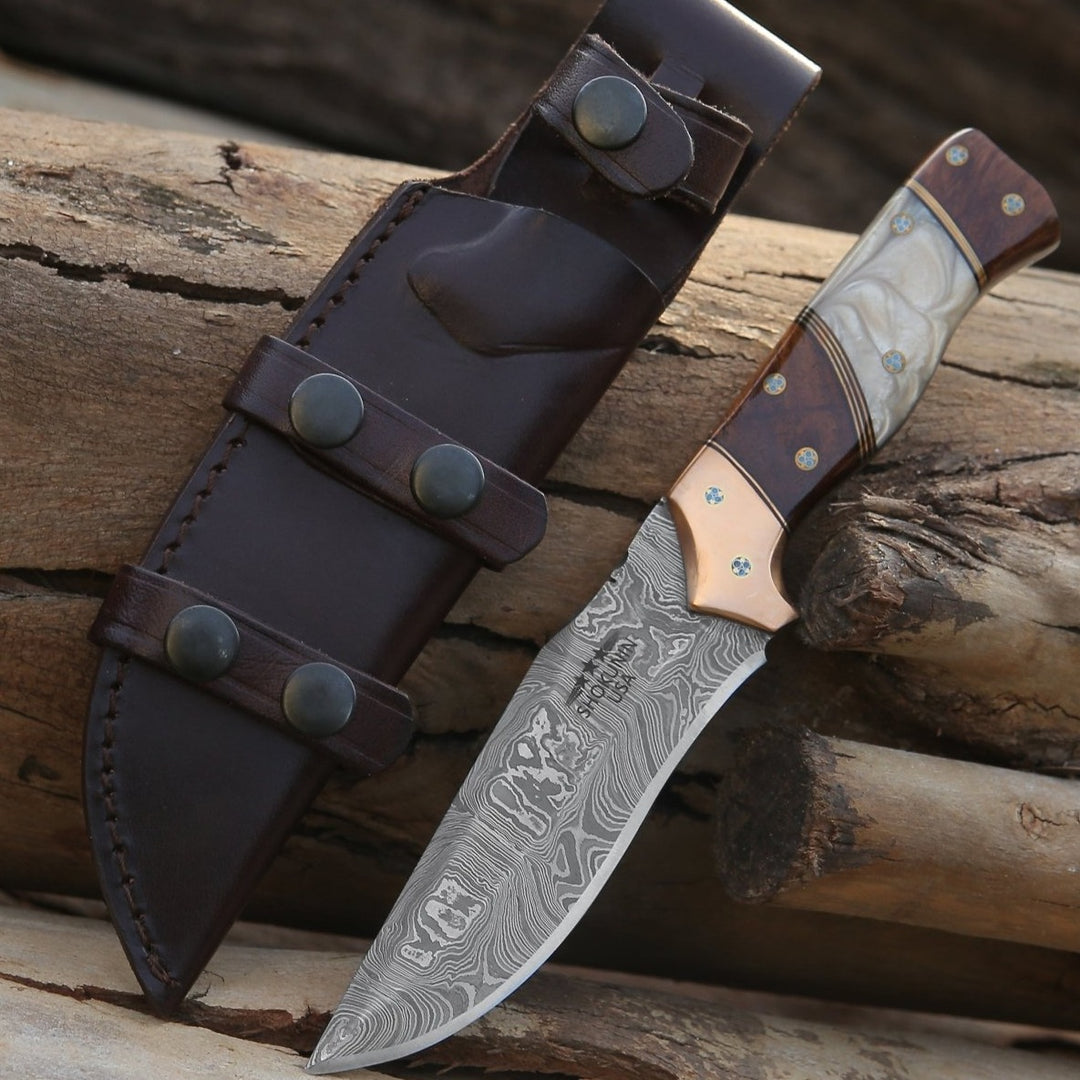
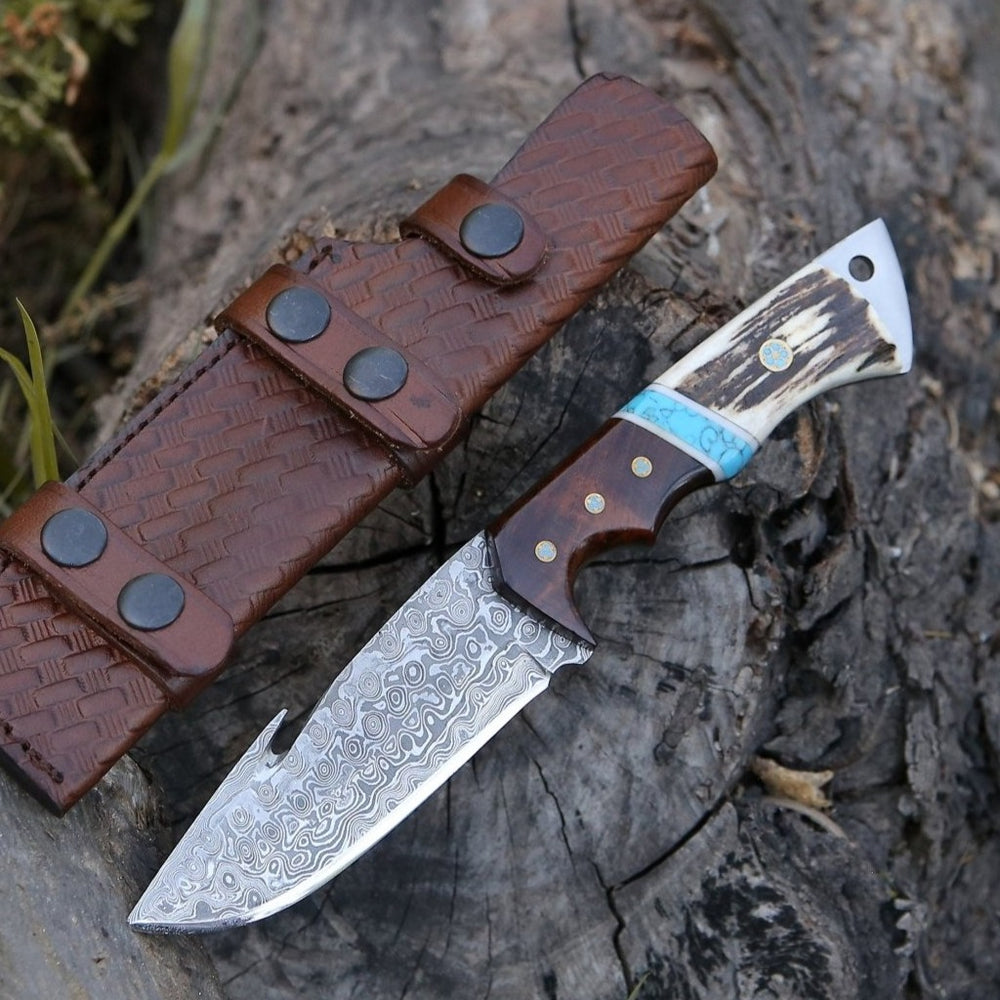
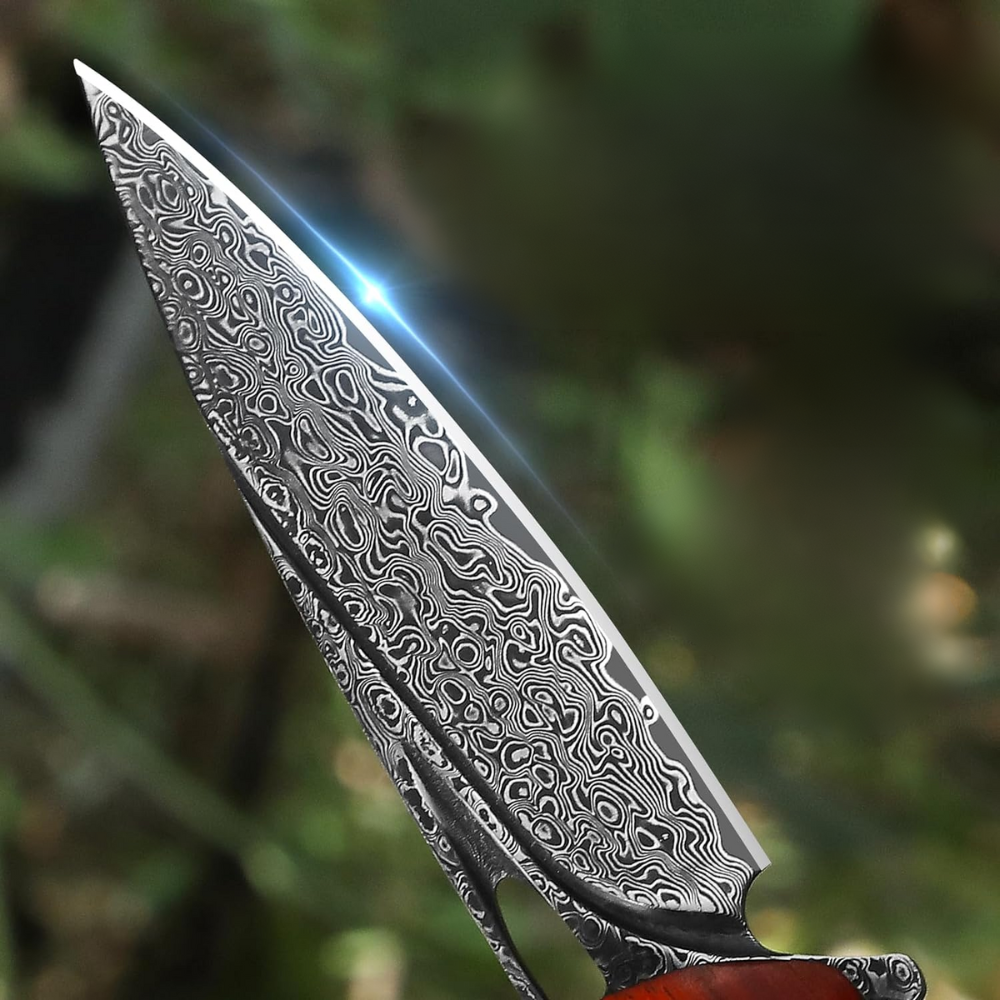
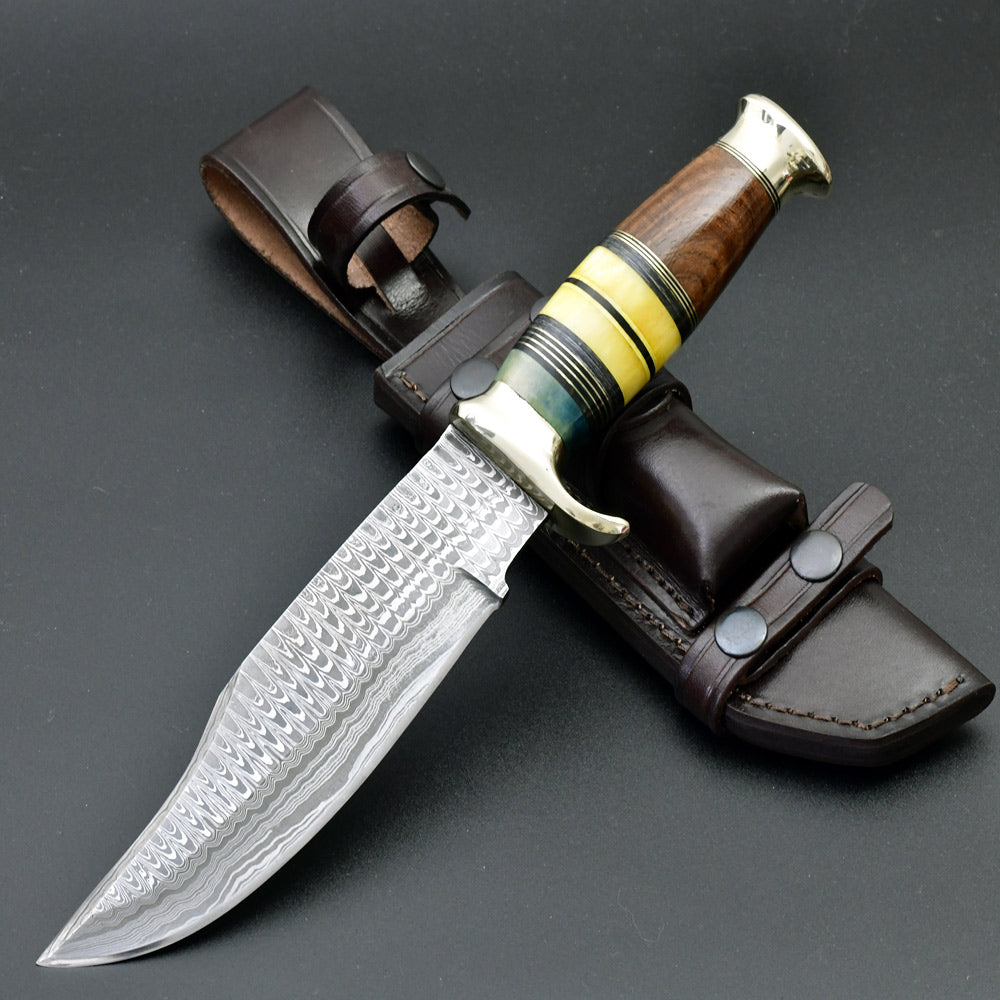
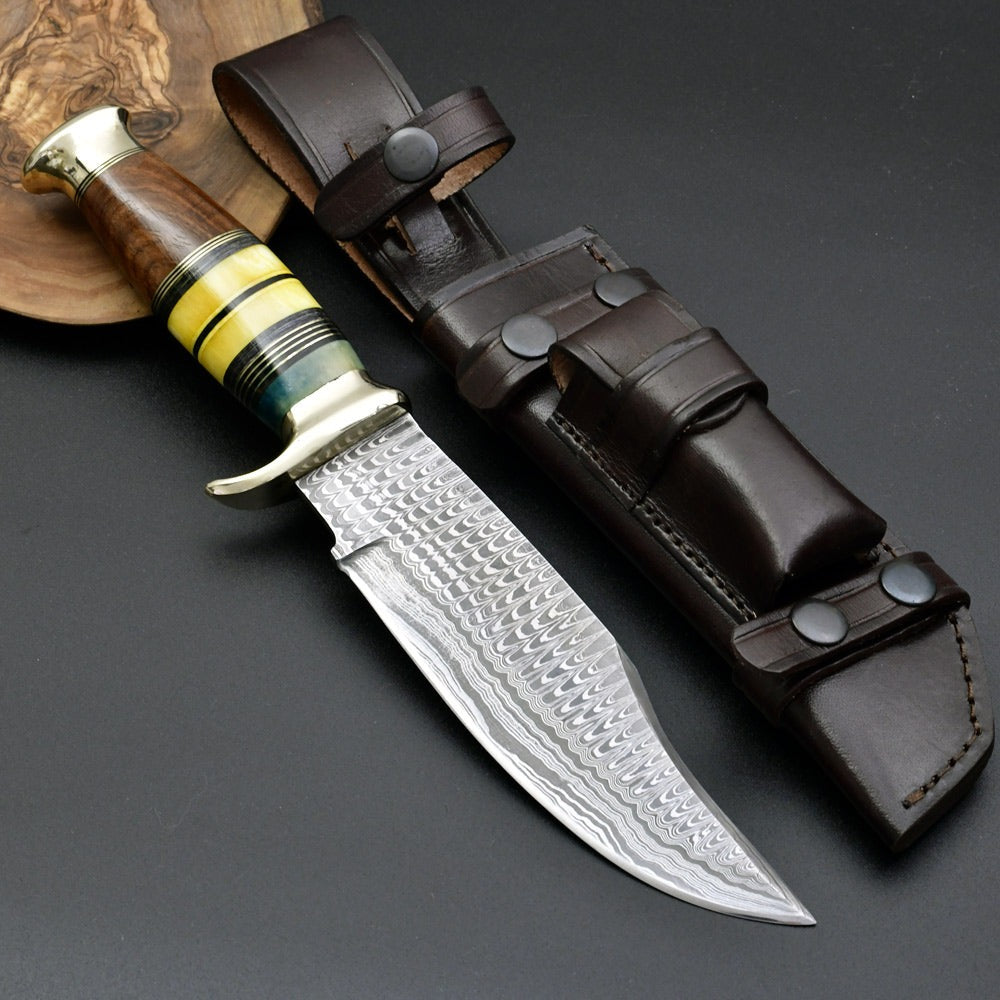
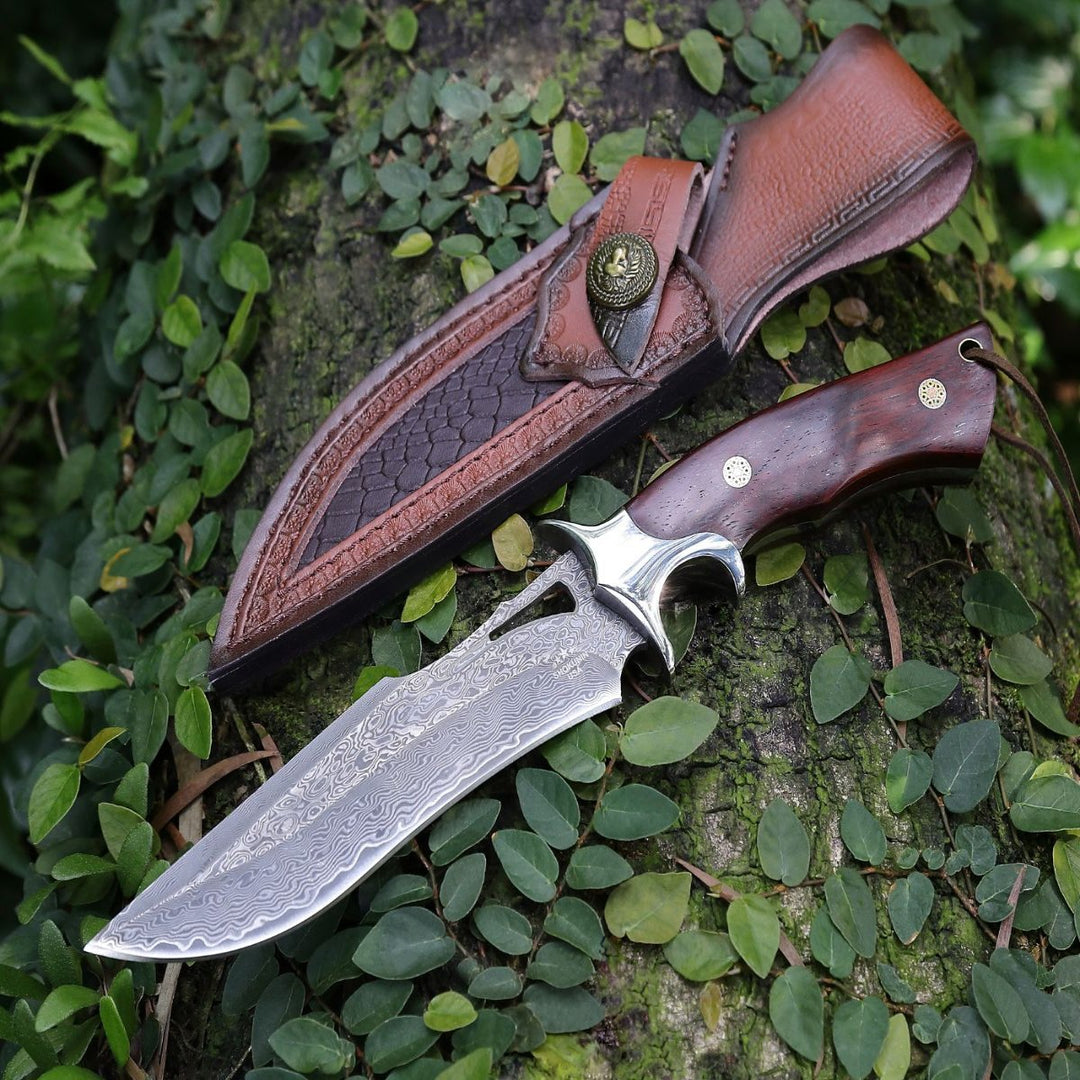
Damascus steel is renowned for its beauty and functionality, characterized by its unique patterns and exceptional hardness. However, it requires special care when sharpening and maintaining. Here are some care tips specific to Damascus steel:
- Use the Right Tools: For Damascus steel, it’s crucial to use softer sharpening tools or whetstones that won’t damage the pattern.
- Oil the Blade: Regularly applying a light coat of oil can help protect against moisture and rust.
- Gentle Pressure: When sharpening, apply gentle pressure to preserve the integrity of the blade's layers.
When to Seek Professional Help
While this guide will help you sharpen your pocket knife effectively, there are times when it’s best to seek professional help:
- If your knife has extensive damage, with chips or bends.
- If you’re unsure about sharpening delicate blades, such as those made from Damascus steel.
- When you want to restore an old knife to new condition.
Yes, You Can Become a Sharpening Pro!
Learning how to properly sharpen your pocket knife is a valuable skill that enhances both the performance of your blade and your enjoyment of using it. With simple tools, a bit of practice, and adherence to the techniques outlined in this guide, you can become adept at maintaining not just the edge, but the unique characteristics of your Damascus steel knife.
So gear up with your tools, follow these steps, and enjoy the satisfaction of a perfectly sharpened knife! The journey doesn’t stop here; regularly apply what you've learned, and you'll soon find that knife sharpening can be both a fulfilling and safe task. Happy sharpening!







Dejar un comentario