

Overview
Discover the beauty and performance of Damascus steel knives, specifically the Edge VG10 Chef Knife and Kotetsu VG10 Nakiri Knife. These knives offer exceptional durability, aesthetic appeal, and precision, making them perfect for both home cooks and professionals. Learn about their features, benefits, and tips for choosing the right knife for your culinary needs.
Table of Contents
- The Allure of Damascus Steel
- Edge VG10 Damascus Chef Knife with Pakkawood Handle
- Kotetsu VG10 Chef Knife Damascus Nakiri Knife
- Why Choose Damascus Chef Knives?
- Buyer’s Guide: Choosing Your Perfect Damascus Knife
- 1. Blade Type
- 2. Handle Material
- 3. Weight and Balance
- 4. Maintenance
- 5. Personalization
- Conclusion
Comparison at a Glance
| Option | Best for | Strengths | Trade-offs |
|---|---|---|---|
| Edge VG10 Damascus Chef Knife | General cooking tasks | Durable, sharp blade; lightweight; beautiful pakkawood handle | May require more maintenance to keep the aesthetic |
| Kotetsu VG10 Nakiri Knife | Vegetable preparation | Precision slicing; visually stunning rosewood and resin handle | Not as versatile for other types of food |
| Edge VG10 Damascus Knife | Professional chefs | Full tang design for balance; unique patterns | Higher price point due to craftsmanship |
| Kotetsu VG10 Nakiri Knife | Home cooks | Lightweight and easy to handle; excellent for up-and-down cutting | Specialized use may limit versatility |
| Both Knives | Culinary enthusiasts | High-quality materials; stunning designs; long-lasting performance | Investment required for quality |
Frequently Asked Questions
1. What is Damascus steel?
2. What are the features of the Edge VG10 Damascus Chef Knife?
3. What is the advantage of using a Nakiri knife like the Kotetsu VG10?
4. How should I maintain my Damascus knife?
5. Can I personalize my Damascus knife?
When it comes to culinary tools, the right knife can make a significant difference in your cooking experience. For those who appreciate artistry and performance, Damascus steel knives stand out as a superior choice. Their unique patterns, strength, and sharpness make them not just functional but also beautiful additions to any kitchen. In this article, we'll delve into two exceptional Damascus chef knives designed for serious home cooks and professional chefs alike. Let’s explore the Edge VG10 Damascus Chef Knife with Pakkawood Handle and the Kotetsu VG10 Chef Knife Damascus Nakiri Knife with Exotic Rose Wood & Resin Handle.
The Allure of Damascus Steel
Damascus steel is renowned for its distinctive patterns and remarkable resistance to wear and tear. Traditionally used in ancient blades, the modern interpretation of Damascus is a marvel of engineering, combining different types of steel to produce a blade that not only looks stunning but also performs exceptionally well. The intricate layering and forging processes enhance the blade’s hardness and resilience, making it an ideal choice for kitchen knives intended for rigorous use.
Edge VG10 Damascus Chef Knife with Pakkawood Handle
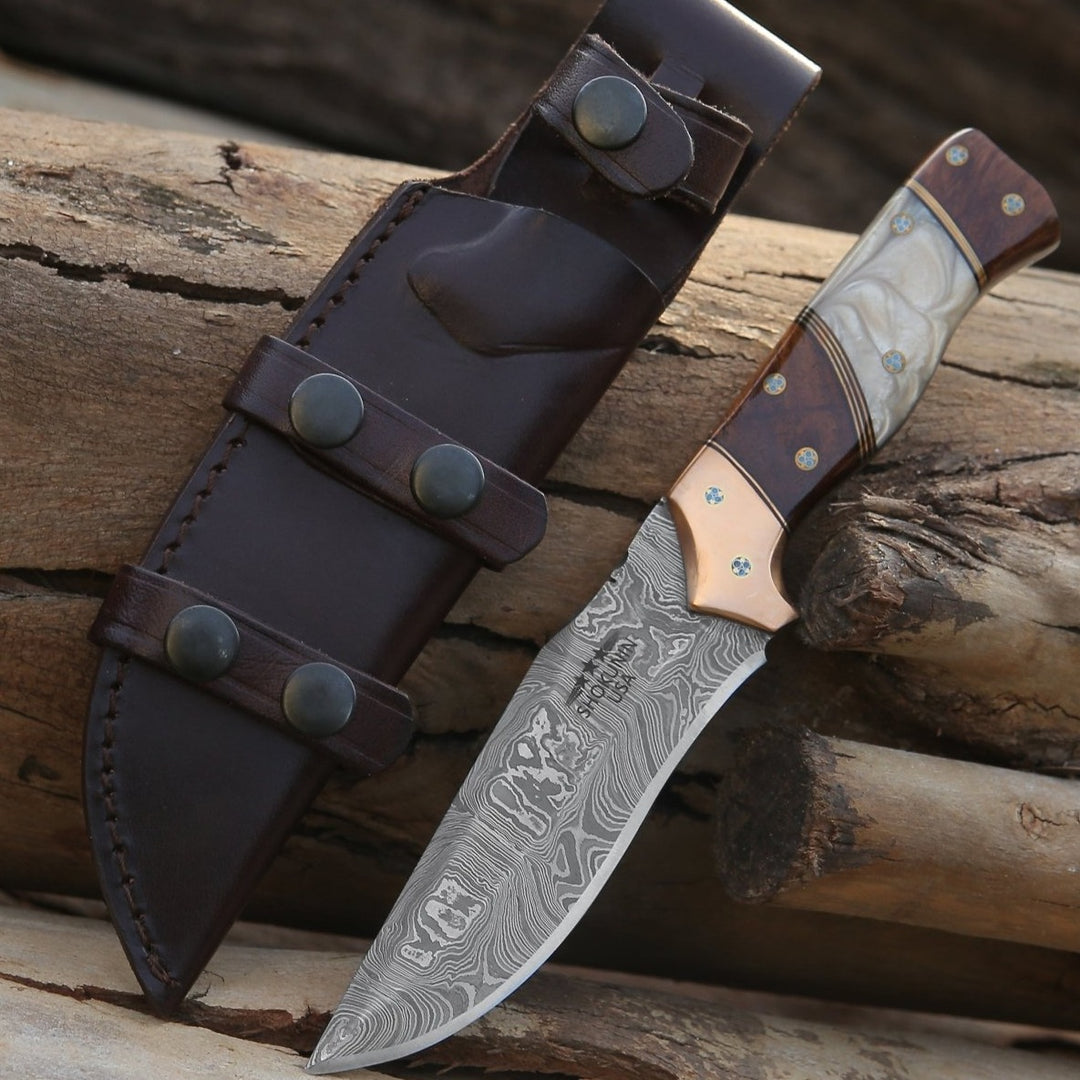
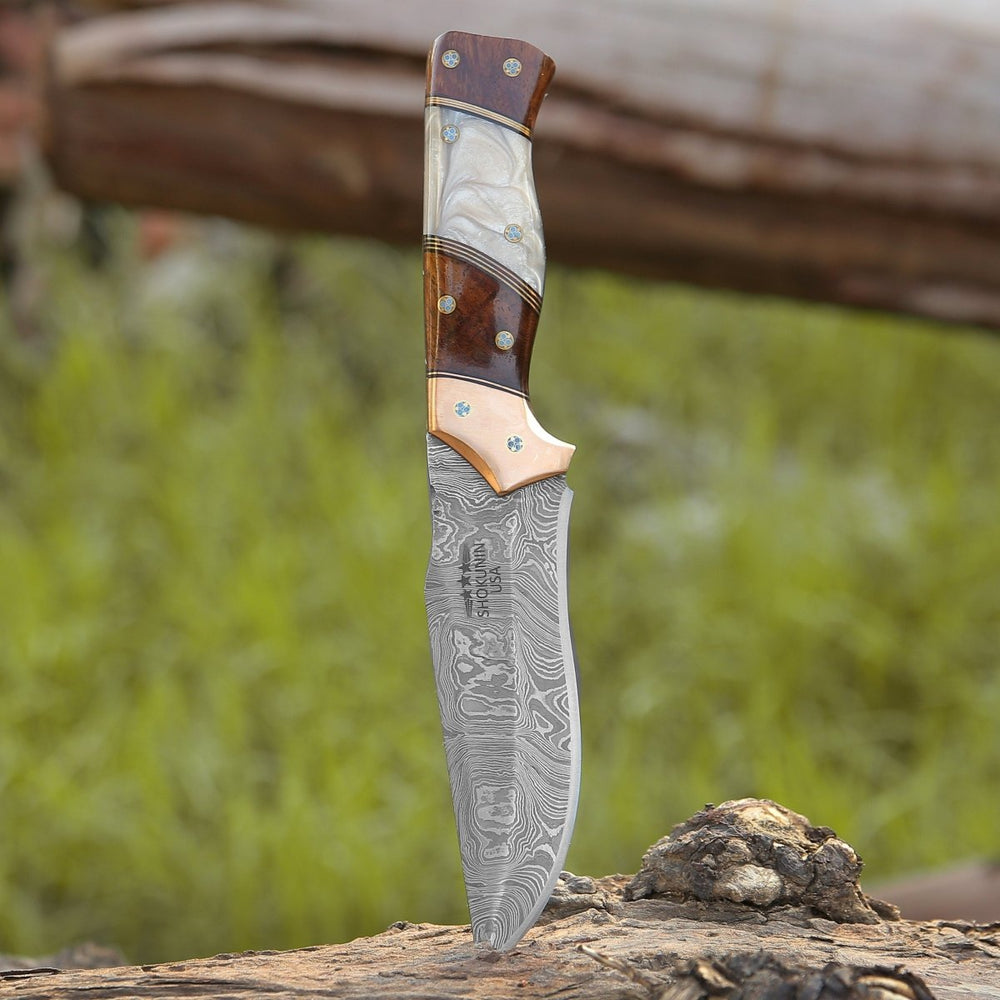
First, let's look at the Edge VG10 Damascus Chef Knife. This knife boasts an overall length of 13.0 inches, with a blade length of 8 inches. The blade is crafted from a combination of 1095 and VG10 steel, resulting in a blade that is both durable and sharp. The unique design of the Damascus steel provides a one-of-a-kind aesthetic appeal, as every knife has its own fingerprint-like pattern.

The handle is made from pakkawood, a material known for its durability and aesthetic appeal. It has been sealed to prevent cracking or drying, ensuring that the knife maintains its elegance and functionality over a lifetime of use. Additionally, the knife features brass mosaic pins, adding to its refined look.
This knife is not just about looks; it encompasses a full tang design that enhances balance and control during use. Weighing in at only 120 grams, the knife feels light yet sturdy in your hand, allowing for precision when chopping, dicing, or slicing ingredients.
Kotetsu VG10 Chef Knife Damascus Nakiri Knife
Next, we turn our attention to the Kotetsu VG10 Chef Knife, a Nakiri knife that is perfect for vegetables and delicate food preparations. With a total length of 12.5 inches and a blade length measuring 8 inches, this knife is designed with precision in mind, offering the perfect balance between weight and usability.

This knife features a stunning handle made from exotic rose wood burl and resin composite. The intricate swirls of the wood, combined with the stabilization of the resin, create a handle that is not only visually appealing but also resistant to moisture and wear. Like the Edge knife, the Kotetsu also includes brass mosaic pins, which enhance its overall craftsmanship.
The Nakiri blade is particularly versatile, making it an excellent choice for slicing vegetables with precision. Its straight edge allows for easy chopping and minimizes the need for a rocking motion, making it ideal for those who prefer an up-and-down cutting style.
Why Choose Damascus Chef Knives?
Investing in a Damascus chef knife is not just about acquiring a tool; it's about enhancing your culinary experience. Here are a few reasons why these knives are a worthy addition to your kitchen:
- Durability: Damascus steel is known for its exceptional hardness and ability to maintain a sharp edge, allowing for long-lasting performance.
- Aesthetic Appeal: The unique patterns formed during the forging process make each knife a work of art, adding beauty to your kitchen.
- Precision: With their sharp edges and balanced designs, these knives offer superior control, making food preparation a breeze.
- Versatility: Different styles, like the chef and Nakiri blades, cater to various cooking techniques, ensuring you have the right tool for any task.
Buyer’s Guide: Choosing Your Perfect Damascus Knife
When selecting a Damascus chef knife, consider the following factors to ensure you choose the one that fits your culinary needs:
1. Blade Type
Different blade types serve different purposes. For example, chef knives are versatile and can handle a variety of tasks, while Nakiri knives excel in vegetable preparation. Determine what type of cooking you'll be doing most often.
2. Handle Material
The handle should provide comfort and a secure grip. Options like pakkawood, rosewood, and resin composites offer both beauty and durability, but try to choose a material that feels good in your hand.
3. Weight and Balance
Weight preference can vary among cooks. Some may prefer a heavier knife for power, while others might favor a lighter knife for speed. Consider how the knife feels when held and how it balances in your hand.
4. Maintenance
Damascus knives require care to maintain their aesthetics and function. Look for knives that come with sharpening services, or invest in a good sharpening stone to keep your knife in prime condition.
5. Personalization
Many high-quality knives, including the ones mentioned, offer personalization options. This not only makes for a thoughtful gift but also allows you to feel a deeper connection with your tool.
Conclusion
In the world of culinary tools, the Edge VG10 Damascus Chef Knife and the Kotetsu VG10 Nakiri Knife stand out not only for their performance but also for their beauty, making them worthy investments for any cooking enthusiast. Whether you need a reliable partner for your daily meal prep or an eye-catching centerpiece for your kitchen, these elegant Damascus chef knives offer the perfect balance of form and function. Elevate your culinary skills and enjoy the art of cooking with these exquisite tools by your side.
Glossary
| Term | Meaning |
|---|---|
| Damascus Steel | A type of steel known for its distinctive patterns and strength. |
| VG10 Steel | A high-quality stainless steel used in knife blades for durability and sharpness. |
| Pakkawood | A durable and water-resistant material often used for knife handles. |
| Nakiri Knife | A Japanese-style knife designed specifically for cutting vegetables. |
| Full Tang | A knife construction where the blade extends through the handle for better balance. |
| Brass Mosaic Pins | Decorative elements used in knife handles for added aesthetic appeal. |
| Blade Length | The measurement of the cutting edge of the knife from tip to heel. |
| Edge Retention | The ability of a knife to maintain its sharpness over time. |
| Weight Balance | The distribution of weight in a knife that affects its handling and control. |
| Personalization | Custom options available for knives, enhancing their uniqueness and connection to the user. |








Hinterlassen Sie einen Kommentar