

Overview
Understanding pocket knife laws varies by state, with regulations on blade length, type, and visibility. This guide outlines key rules for carrying pocket knives in states like California, Texas, New York, Florida, and Illinois, emphasizing the importance of compliance and responsible ownership. Always check local laws, especially in specific venues, and prioritize safety and respect for others when using your knife.
Table of Contents
- Understanding Pocket Knife Classifications
- General Guidelines for Carrying Pocket Knives
- Pocket Knife Laws Across the United States
- California Knife Laws
- Texas Knife Laws
- New York Knife Laws
- Florida Knife Laws
- Illinois Knife Laws
- Knives at Public Events and Properties
- Traveling with a Pocket Knife
- Being Responsible and Respectful
- Wrapping It Up with a Sharp Edge!
Key Takeaways
- Know State Laws: Pocket knife regulations vary significantly by state; familiarize yourself with local laws to avoid legal issues.
- Blade Length Matters: Most states have restrictions on blade length, typically allowing blades between 3 to 4 inches for public carry.
- Type of Knife: Folding knives are generally more accepted in public than fixed blade knives, which may have stricter regulations.
- Intent of Use: The purpose for carrying a knife can influence legality; carrying for utility is often viewed more favorably than for protection.
- Concealment is Key: Keep knives secured and concealed when not in use to prevent perceptions of brandishing a weapon.
- Check Venue Rules: Specific locations like schools and government buildings may have additional restrictions on knife carrying.
- Travel Wisely: When crossing state lines, store your knife securely and carry documentation if necessary to prove ownership.
Frequently Asked Questions
1. What is the general rule for carrying pocket knives in different states?
2. What are the classifications of pocket knives mentioned in the article?
3. What is a common blade length restriction for pocket knives in many states?
4. What are some of the general guidelines for carrying pocket knives?
5. What should I do if I plan to travel with a pocket knife across state lines?
When it comes to carrying a pocket knife, the rules can vary significantly from one state to another. Understanding these laws is essential for enthusiasts who want to stay compliant while enjoying the convenience of a durable folding knife. Whether you’re a knife collector, a camping enthusiast, or just someone who appreciates the craftsmanship of a Damascus Steel blade, knowing your rights can enhance your experience and prevent legal troubles. This comprehensive guide will delve into how to legally carry a pocket knife in different states, highlighting key regulations and offering tips for responsible knife ownership.
Understanding Pocket Knife Classifications
Before diving into specific state laws, it’s important to clarify what constitutes a pocket knife. Generally, these knives are categorized into:
- Folding Knives: Compact and easy to carry, folding knives come with various blade types and sizes.
- Fixed Blade Knives: These knives feature a solid blade that does not fold, generally larger and used for more heavy-duty tasks.
- Multitools: Combining several tools within one device, multitools often include a knife blade as part of their functionality.
Each type may be subject to different legal regulations, so it’s crucial to know how your pocket knife fits into these categories.
General Guidelines for Carrying Pocket Knives
While specific laws may vary by state, there are some general guidelines that can help you navigate pocket knife ownership:
- Blade Length: Many states impose restrictions on blade length. Generally, a blade length of 3 to 4 inches is considered reasonable.
- Type of Knife: Folding knives are often more accepted in public spaces compared to fixed blades.
- Intent of Use: Laws may also consider your intent when carrying a knife; for example, carrying it for protection versus utility.
- Visibility: Keep your knife secured when not in use to avoid any perceptions of brandishing a weapon.
Pocket Knife Laws Across the United States
California Knife Laws
California has strict regulations concerning pocket knives. Generally, folding knives with blades less than 2.5 inches are legal to carry in public. However, any knife that locks in place (like a locking folding knife) must remain concealed. Carrying a durable folding knife with a blade longer than this in your car is permissible, but there are exceptions, especially in urban areas.
Texas Knife Laws
Texas is known for its lenient laws regarding knives. As of September 2021, it is legal to carry a pocket knife with a blade up to 5.5 inches in public without a permit. Switchblades and knives longer than this may still be allowed in specific locations based on your intent and concealment.
New York Knife Laws
In New York, the laws are more stringent. Any folding knife that has a blade longer than 4 inches can be considered illegal to carry in public unless it is for a specific purpose. Carrying a durable folding knife for utility tasks, like camping, is generally considered acceptable if it is not visible.
Florida Knife Laws
Florida's knife laws are relatively straightforward. You can carry a knife or a folding knife of any size openly or concealed. However, automatic knives or switchblades have restrictions and might require special permits. Enjoying a Damascus Steel folding knife in Florida could be an excellent option, given the permissive regulations.
Illinois Knife Laws
Illinois follows a more restrictive stance. A folding knife is permissible as long as it is not used with the intent to use as a weapon, which can sometimes place it in a gray area legally. It’s advised to choose a pocket knife with a blade smaller than 3 inches for peace of mind.
Knives at Public Events and Properties
While knowing state laws is crucial, individuals must also recognize that specific venues, such as schools, government buildings, or sporting events, often have their own restrictions on knife carrying. Here are some tips:
- Do Your Research: Check the venue’s regulations ahead of time regarding what is permitted.
- Concealed Carry: It’s generally a good idea to keep your knife concealed in public spaces unless you are in a location where it’s explicitly allowed.
Traveling with a Pocket Knife
If you plan to travel across state lines, your best bet is to familiarize yourself with each state’s laws regarding knife ownership. Some general tips while traveling include:
- Keep it Secured: Store your durable folding knife in the trunk of your vehicle if you are driving across state borders.
- Documentation: Carry any necessary documents that demonstrate the legitimacy of your knife ownership, especially if it’s a high-quality Damascus Steel blade.
Being Responsible and Respectful
Perhaps the most important aspect of carrying a pocket knife is to demonstrate responsibility and respect for others. Here are a few principles to uphold:
- Practice Safety: Always keep your knife safe and secure when not in use. Ensure that others are safe while you use your knife.
- Educate Others: Share your knowledge of knife laws with others to promote safer knife practices.
Wrapping It Up with a Sharp Edge!
In conclusion, the world of pocket knives is vast and richly diverse, yet the laws governing them can make or break your knife-carrying experience. As you navigate the various regulations across states, remember to choose a durable folding knife that suits your needs, practice safety, and be considerate of others. Always stay informed and comply with local laws to ensure enjoyable experiences with your knife, whether you are using it for camping, daily tasks, or simply showcasing a beautiful Damascus Steel blade. With this knowledge in hand, you can confidently carry your pocket knife while respecting the law. Happy knifing!
Glossary
| Term | Meaning |
|---|---|
| Folding Knife | A knife with a blade that folds into the handle for portability. |
| Fixed Blade Knife | A knife with a solid, non-folding blade, typically larger and sturdier. |
| Multitool | A device that combines multiple tools, often including a knife blade. |
| Blade Length | The measurement of the knife blade from the tip to the handle. |
| Concealed Carry | Carrying a knife in a hidden manner to avoid detection. |
| Intent of Use | The purpose for which a knife is carried, affecting legality. |
| Brandishing | Displaying a knife in a threatening manner, which can be illegal. |
| Damascus Steel | A type of steel known for its distinctive patterns and strength. |
| Knife Laws | Regulations governing the ownership and carrying of knives. |
| Public Spaces | Areas accessible to the general public where knife laws may vary. |
Linked Product

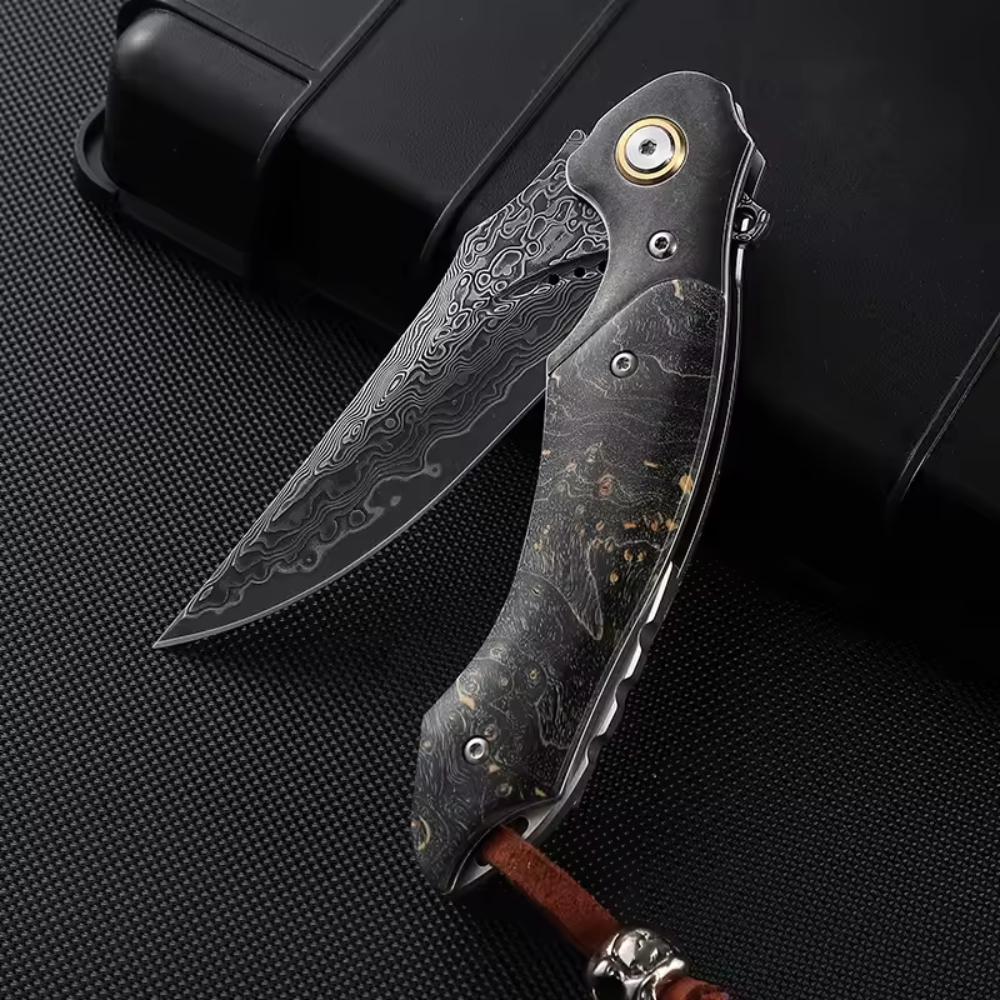
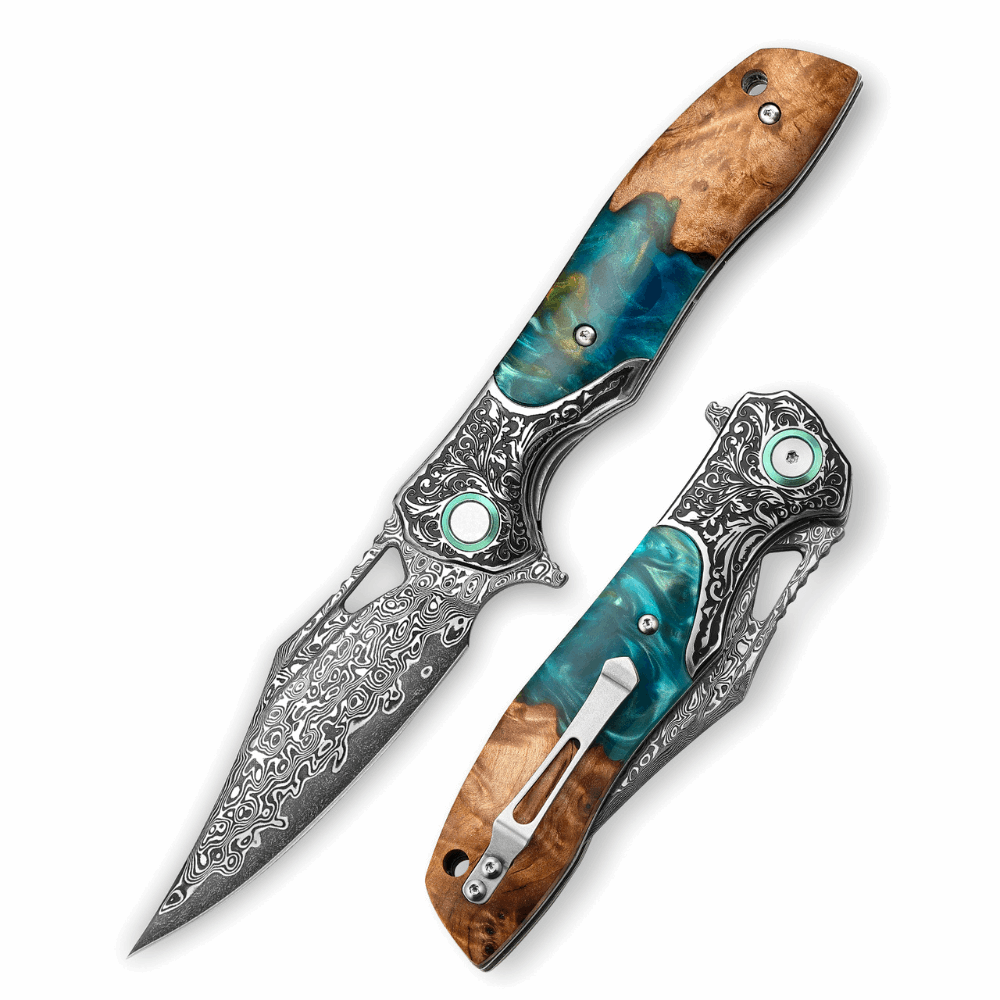
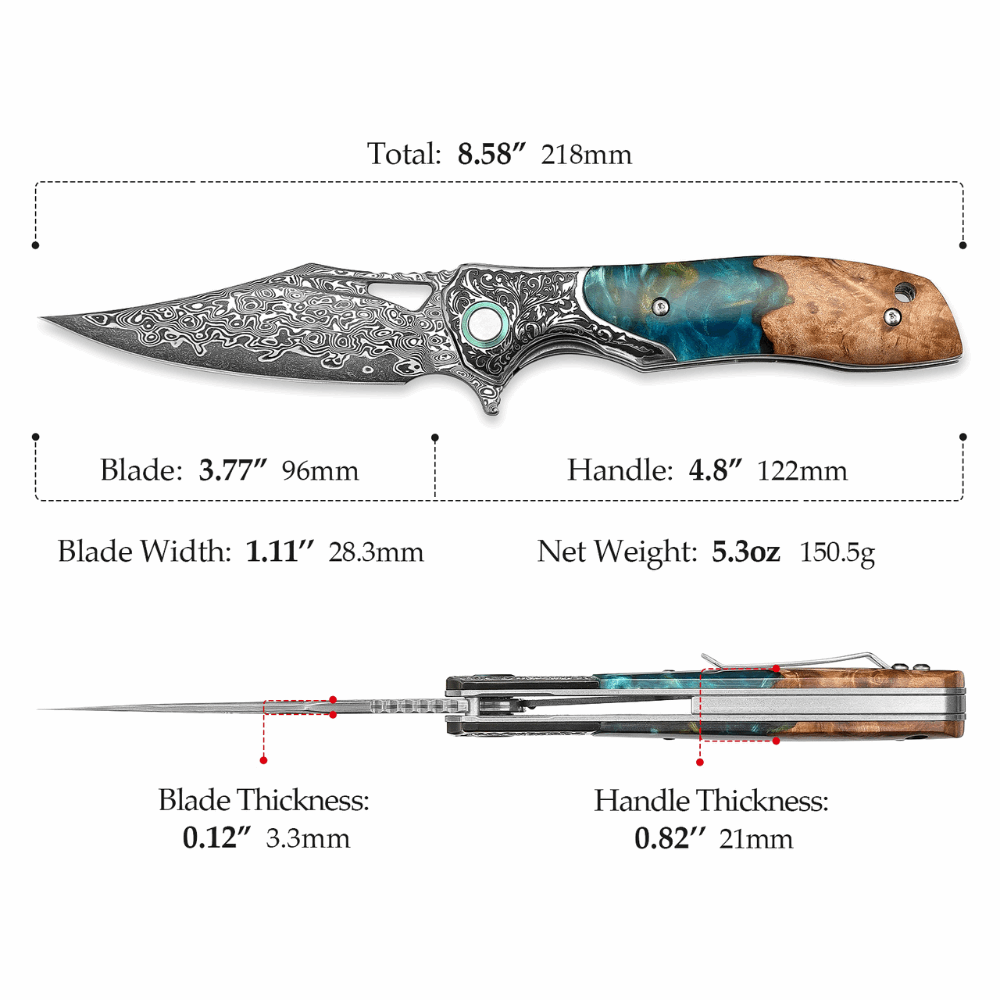
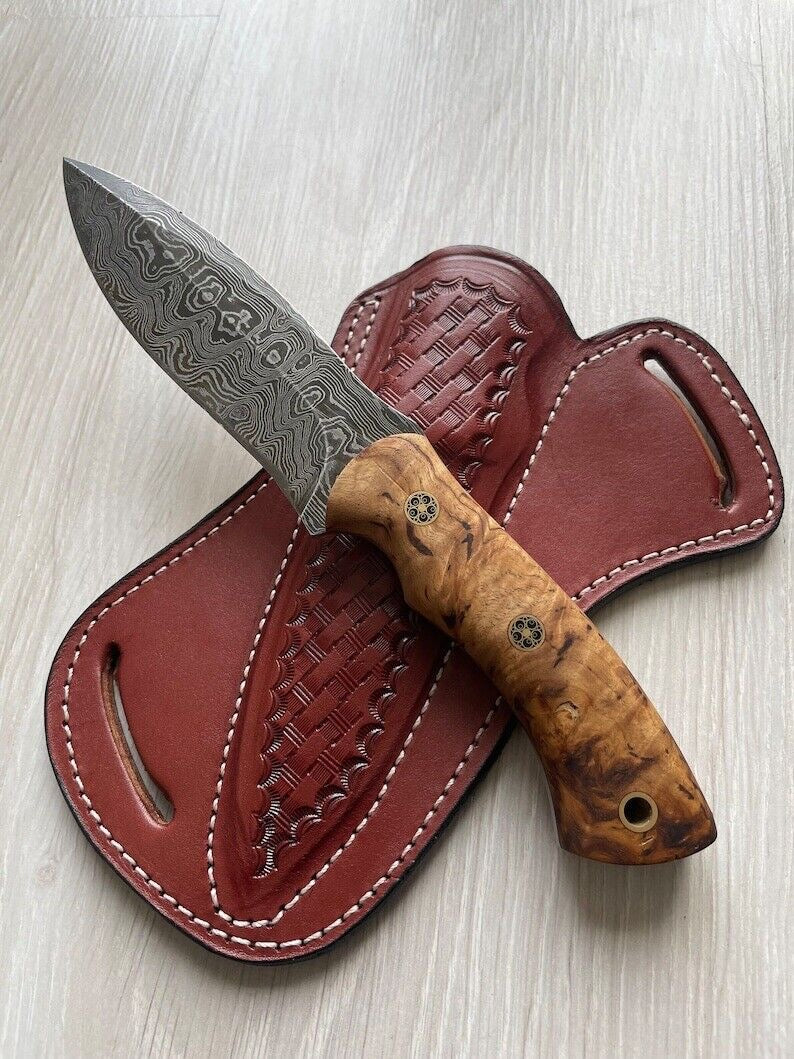
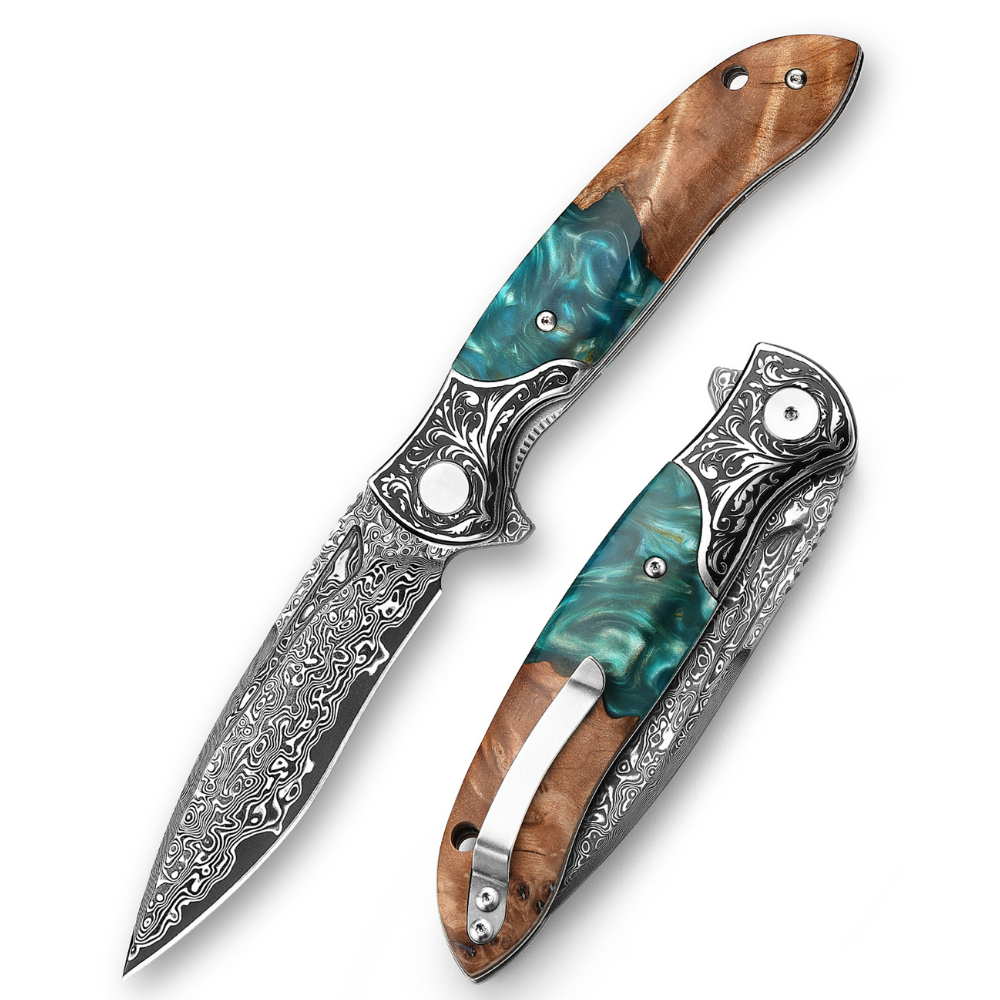
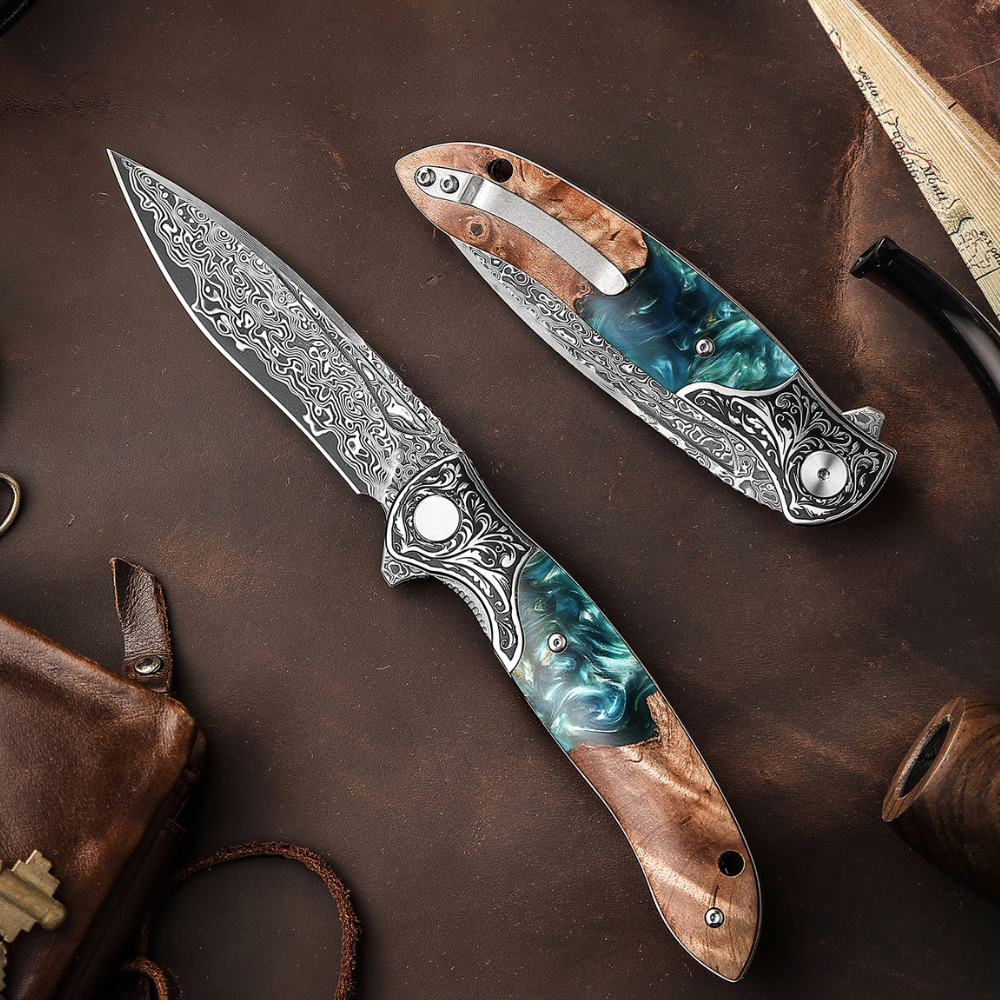
Starshard Damascus Pocket Knife with Exotic Wenge Wood Handle
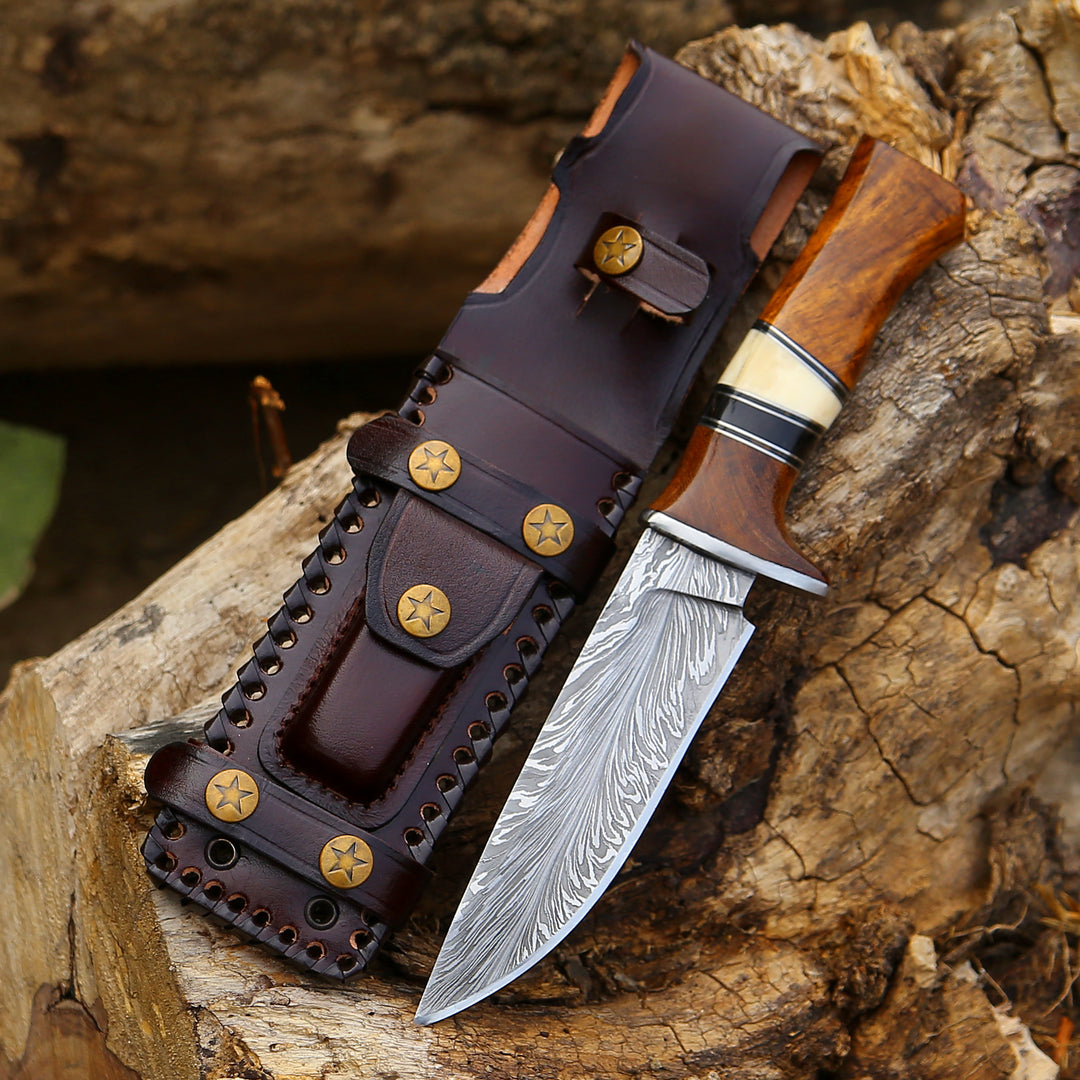
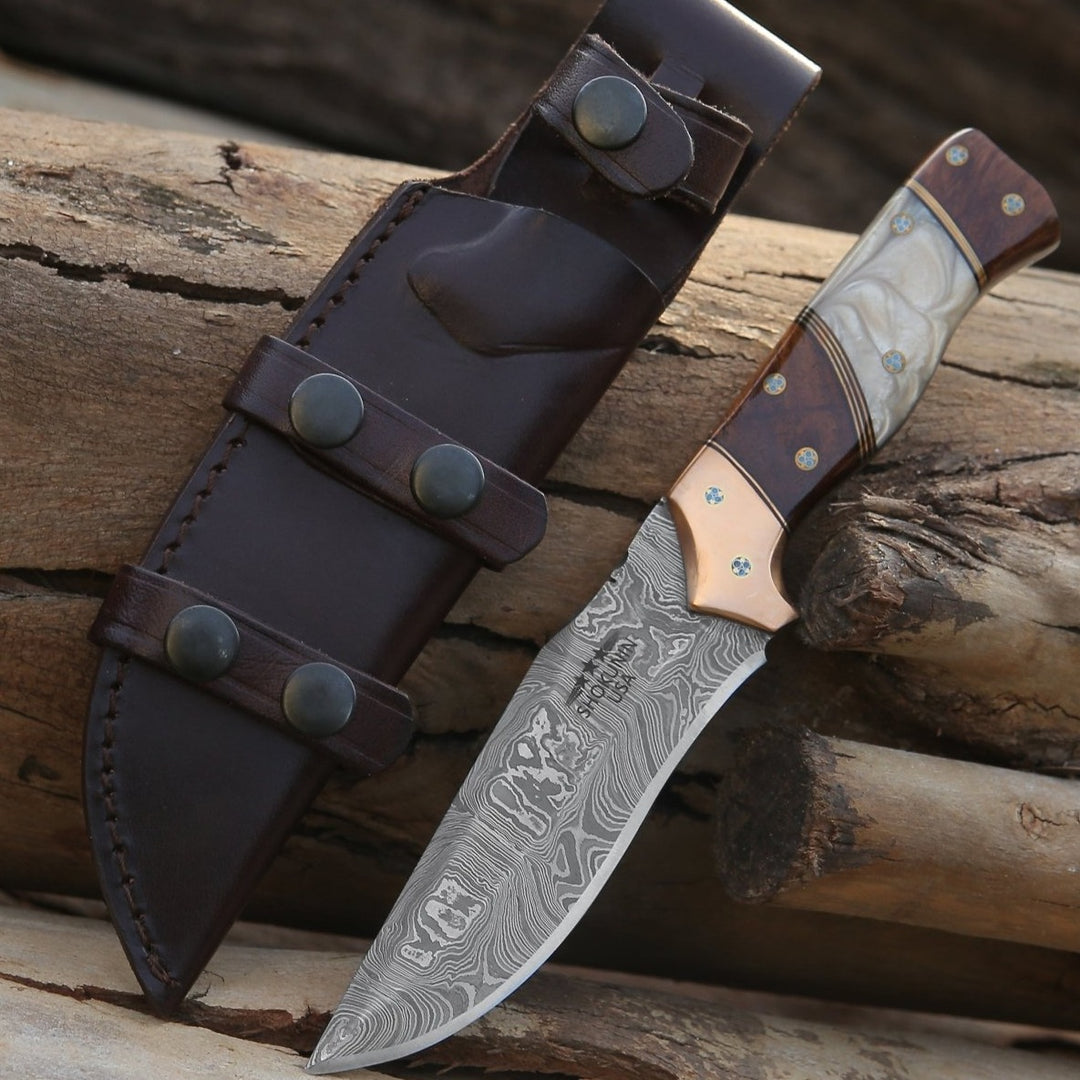
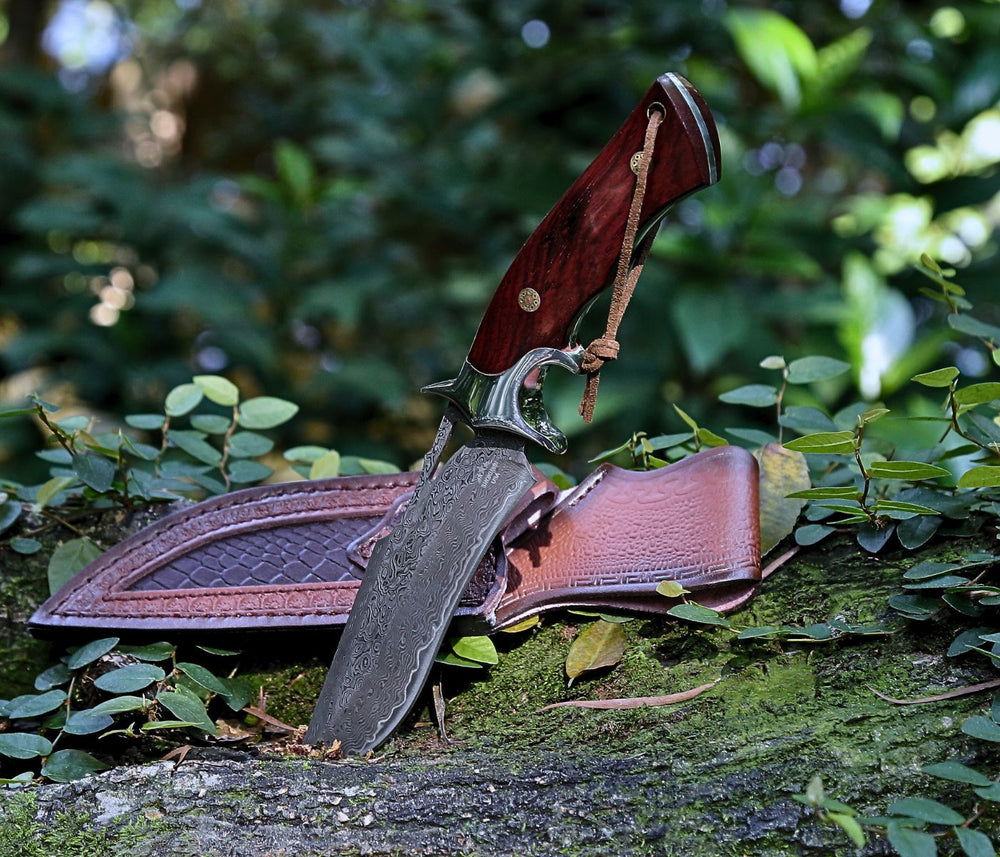
The Starshard Damascus Pocket Knife features a unique, hand-forged blade made from high-quality Damascus steel, ensuring strength and durability for various cutting tasks. Its ergonomic wenge wood handle offers comfort during use, while the included leather sheath and sharpening tools make it a practical choice for outdoor enthusiasts. This knife combines aesthetic appeal with functionality, making it suitable for both everyday tasks and as a collector's item.
View Product








Hinterlassen Sie einen Kommentar