

Overview
Pocket knives have evolved from basic tools in the Bronze Age to sophisticated everyday carry items, influenced by Japanese craftsmanship and materials like Damascus Steel. They have transitioned through various historical phases, including the Medieval era and the Industrial Revolution, leading to modern innovations in design and personalization. Today, pocket knives are appreciated not only for their utility but also as collectible art pieces that blend functionality with aesthetic appeal. Proper maintenance is essential for longevity, making them a valuable addition for enthusiasts and everyday users alike.
Table of Contents
- The Early Origins of Pocket Knives
- The Influence of the Medieval Era
- The Industrial Revolution: Mass Production Begins
- The Rise of American Brands
- The Japanese Influence on Pocket Knives
- Emphasis on Steel Quality
- The Role of Damascus Steel
- Modern Technologies and Traditional Techniques
- 21st Century: The Modern Age of Pocket Knives
- Customizability and Personalization
- The Impact of Regulations and Safety
- Pocket Knives as Collectible Artifacts
- Why Choose a Japanese EDC Pocket Knife?
- Maintaining Your Pocket Knife
- Experiencing the Beauty of Craftsmanship
Key Takeaways
- Historical Evolution: Pocket knives originated in the Bronze Age as simple tools, evolving through the Medieval era with improved durability and folding mechanisms.
- Industrial Revolution Impact: The mass production of pocket knives during the Industrial Revolution led to innovative designs, including multi-blade options for varied tasks.
- Japanese Craftsmanship: Japanese EDC pocket knives emphasize artistry and functionality, renowned for their superior quality and unique designs.
- Damascus Steel: This high-quality material enhances blade performance and aesthetics, combining durability with intricate patterns.
- Modern Customization: Today's market offers extensive customization options, allowing users to personalize their pocket knives to reflect individual styles.
- Safety Regulations: Increasing popularity has prompted manufacturers to incorporate safety features, such as locking mechanisms, in response to regulations.
- Collectibility: The pocket knife market has expanded to include collectible models, with limited editions and special materials appealing to enthusiasts.
Frequently Asked Questions
1. What is the history of pocket knives?
2. How did Japanese craftsmanship influence pocket knives?
3. What is Damascus Steel and why is it important for pocket knives?
4. What trends are currently shaping the pocket knife market?
5. How can I maintain my pocket knife properly?
Pocket knives have been a staple of practicality and craftsmanship for centuries, evolving from simple tools into intricate designs that reflect modern artistry and engineering. At Shokunin USA, we celebrate this evolution, particularly highlighting the influence of Japanese EDC pocket knives and the exquisite materials like Damascus Steel that have enhanced their appeal. Let’s explore how pocket knives have transformed over the decades into the versatile everyday carry tools we know today.
The Early Origins of Pocket Knives
Pocket knives date back to the Bronze Age, with the earliest versions being crude metal blades attached to handles made from wood, bone, or antler. These early tools were designed for basic utility—cutting and crafting simple tasks that were vital for survival. As metallurgy improved, so did the craftsmanship.
The Influence of the Medieval Era
During the Middle Ages, pocket knives evolved further. Blacksmiths began to create more durable blades, and the introduction of folding mechanisms made them easier to carry. The addition of protective sheaths became common, and the functionality of these knives expanded, making them not just tools but also personal items that reflected the owner’s status.
The Industrial Revolution: Mass Production Begins
The Industrial Revolution brought about a significant shift in pocket knife production. With the advancement of machinery, these tools started being mass-produced. This shift allowed for innovative designs, such as multi-blade knives, which emerged to serve various purposes from everyday tasks to specialized needs.
The Rise of American Brands
In the United States, the late 19th century witnessed the establishment of iconic brands like Buck, Victorinox, and CASE. These manufacturers embraced the concept of the multi-tool, integrating various blades, screwdrivers, and even corkscrews into a single pocket knife design. This era holds a nostalgic place in the hearts of collectors and enthusiasts.
The Japanese Influence on Pocket Knives
As we moved into the 20th century, Japanese craftsmanship began to make waves in the global knife market, particularly focusing on the meticulous creation of EDC (Everyday Carry) pocket knives. A Japanese EDC pocket knife typically merges artistry with functionality, emphasizing the quality of the cutting edge and the aesthetics of the overall design.
Emphasis on Steel Quality
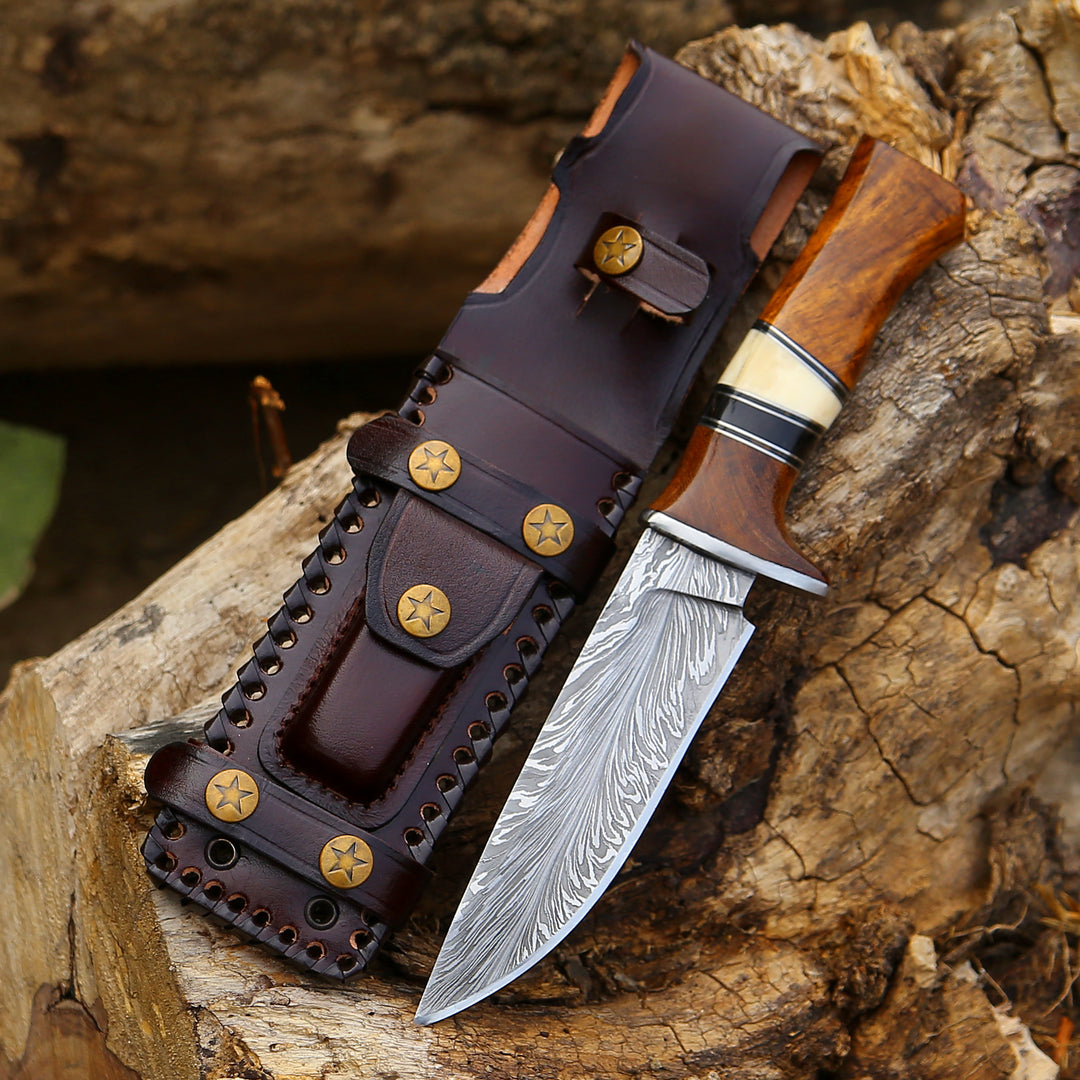
Japanese artisans are renowned for their dedication to steel quality. The common use of high-carbon steel and Damascus Steel in their designs results in blades that are not only sharp but also incredibly durable. Damascus Steel, known for its unique patterns and exceptional performance, represents the pinnacle of knife-making craftsmanship.
The Role of Damascus Steel
Damascus Steel has a rich history that adds to the allure of pocket knives. Its layered construction results in blades that are both beautiful and functional. The technique allows for a combination of softer and harder metals, translating into sharpness and resilience—qualities sought after by knife enthusiasts around the world.
Modern Technologies and Traditional Techniques
Modern Japanese knifemakers often use advanced technology while maintaining traditional crafting techniques. This fusion creates pocket knives that honor heritage while meeting today’s practical demands. The popularity of Damascus Steel continues to grow, not just for its performance but for the artistry it embodies in every blade.
21st Century: The Modern Age of Pocket Knives
In recent years, pocket knives have continued to adapt to modern lifestyles. Today, they are available in a multitude of designs, sizes, and materials, catering to an even broader audience. The rise of outdoor enthusiasts, survival experts, and collectors has inspired innovations that integrate technology with classic design.
Customizability and Personalization
A significant trend in the modern pocket knife market is personalization. Many brands now offer customization options for customers who want a knife that reflects their personal style. From handle materials to blade shapes, the current landscape allows for infinite possibilities.
The Impact of Regulations and Safety
As pocket knives gained in popularity, so too did the conversation around safety and regulations. Many countries and states have specific laws governing the carrying of knives, leading manufacturers to adjust their designs accordingly. Today, many pocket knives feature safety locks and other mechanisms that enhance user safety without sacrificing functionality.
Pocket Knives as Collectible Artifacts
The collectible market for pocket knives has exploded, with enthusiasts seeking both vintage models and new releases that boast unique features or manufacturer stories. Limited editions made with special materials such as Damascus Steel have become hot items among collectors, blending utility with desirability.
Why Choose a Japanese EDC Pocket Knife?
If you’re considering adding a pocket knife to your collection or using one for daily tasks, a Japanese EDC pocket knife may be the perfect option. Here’s why:
- Artisan Craftsmanship: The level of skill involved in crafting these knives is unparalleled, showcasing intricate designs and techniques.
- Superior Materials: Japanese knives often utilize high-quality steel, ensuring long-lasting performance and sharpness.
- Ergonomic Design: Many Japanese EDC pocket knives are designed for comfort, making them easy to carry and use daily.
- Aesthetic Appeal: The beauty of the Damascus Steel and overall design can make these knives a point of pride for owners.
Maintaining Your Pocket Knife
Proper maintenance is key to ensuring the longevity and performance of your pocket knife. Here are some tips to keep in mind:
- Regular Cleaning: Clean the blade after use to prevent rusting and corrosion, especially if it’s made from high-carbon steel.
- Sharpening: Regularly sharpen your knife to keep it performing optimally. It’s best to use a whetstone for a clean edge.
- Proper Storage: Store your knife in a dry place, possibly in a leather sheath or a dedicated storage box to protect it from damage.
- Lubrication: Apply a light coat of oil to the pivot and moving parts to ensure smooth operation.
Experiencing the Beauty of Craftsmanship
As we look at the evolution of pocket knives, it’s clear that these tools are much more than mere conveniences. They represent craftsmanship, history, and a blend of artistry with functionality. Whether you are a collector, an outdoor enthusiast, or someone who appreciates high-quality tools, the evolution of the pocket knife holds something for everyone.
In closing, embracing the legacy of pocket knives means acknowledging the journey they’ve taken—from simple tools of necessity to finely crafted pieces of art, especially those that embrace the traditions of Japanese design. If you’re in the market for a pocket knife that embodies both beauty and utility, consider exploring the unique offerings at Shokunin USA. Step into a world where history, artistry, and innovation converge.
Glossary
| Term | Meaning |
|---|---|
| Pocket Knife | A small, foldable knife designed for everyday use. |
| EDC | Everyday Carry; items regularly carried for daily tasks. |
| Damascus Steel | A type of steel known for its distinctive patterns and durability. |
| Blacksmith | A craftsman who forges metal into tools and weapons. |
| Industrial Revolution | A period of rapid industrial growth that changed production methods. |
| Multi-tool | A pocket knife that incorporates multiple tools in one design. |
| Personalization | Customizing a product to reflect individual preferences. |
| Safety Locks | Mechanisms designed to prevent accidental blade deployment. |
| Artisan Craftsmanship | High-quality, skilled work that emphasizes detail and design. |
| Maintenance | Regular care practices to ensure a knife's longevity and performance. |
Linked Product

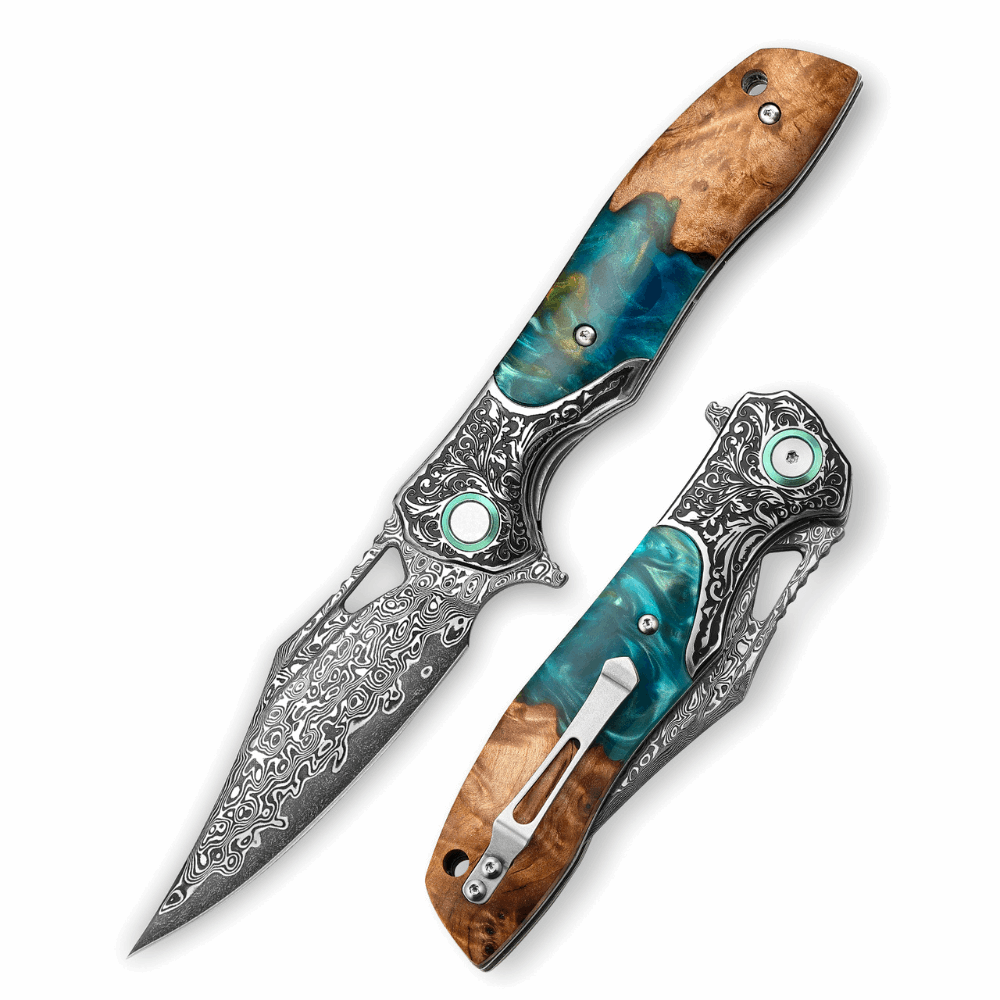
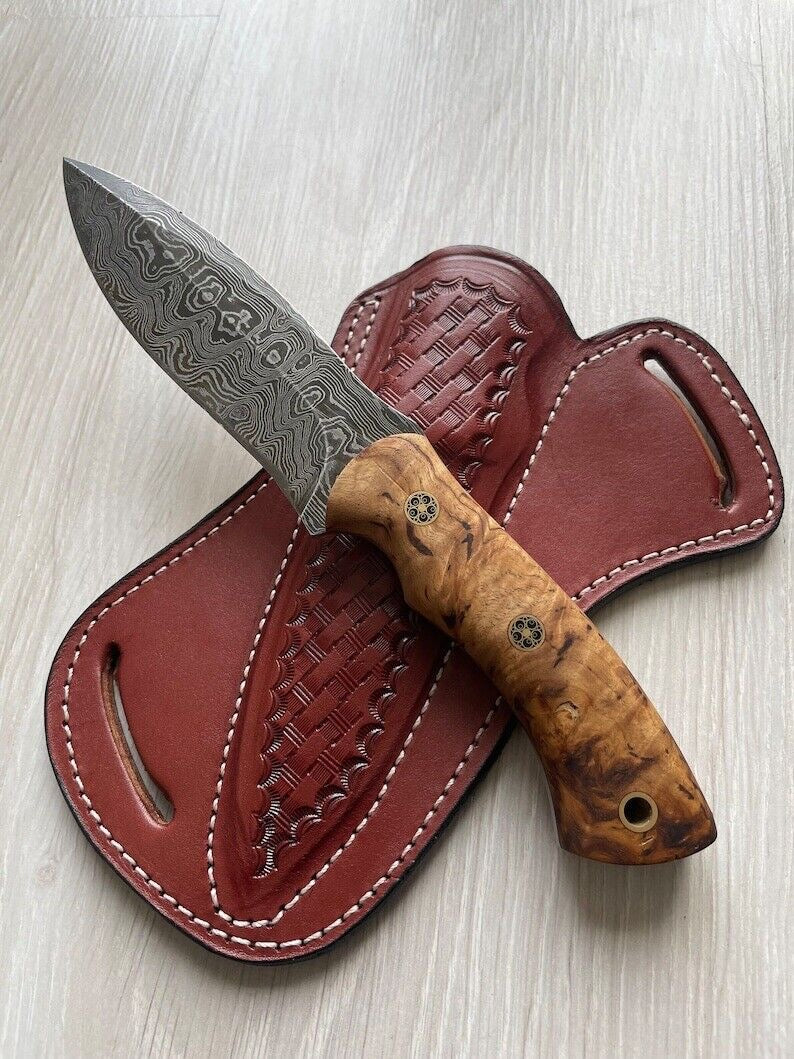
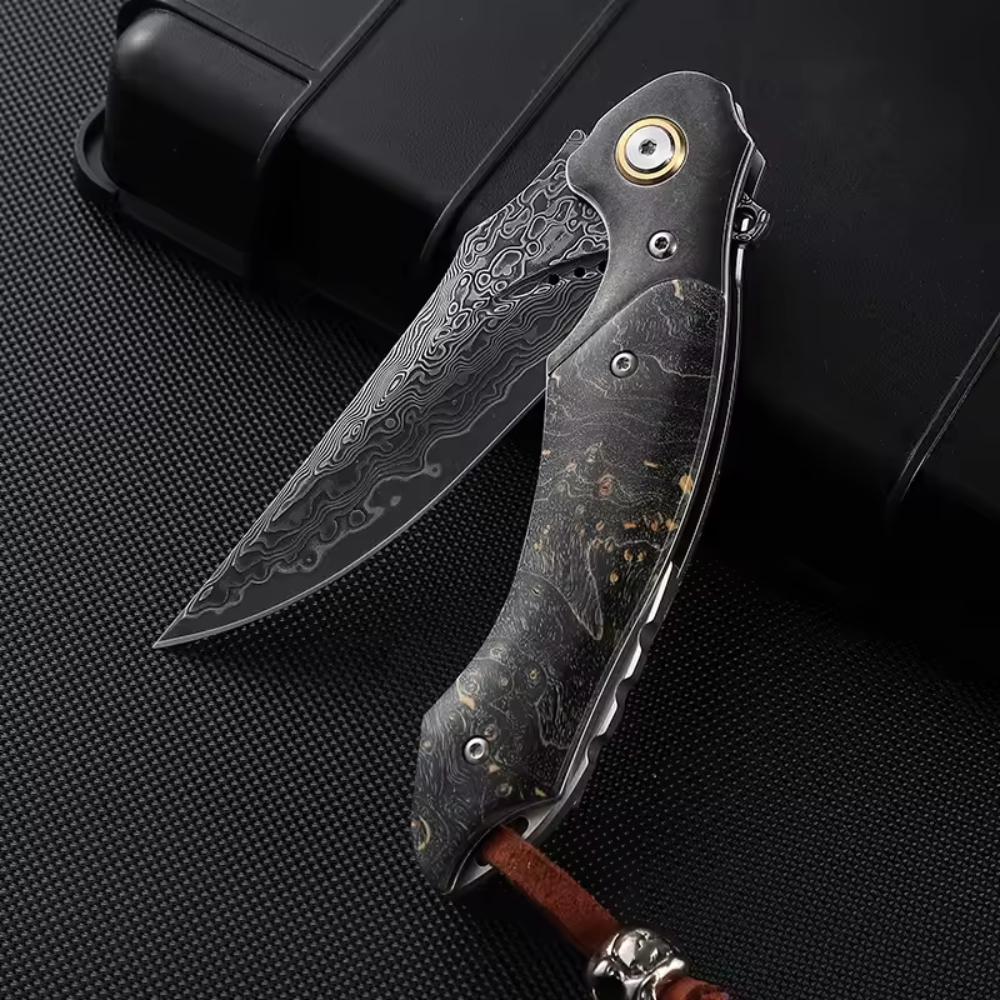
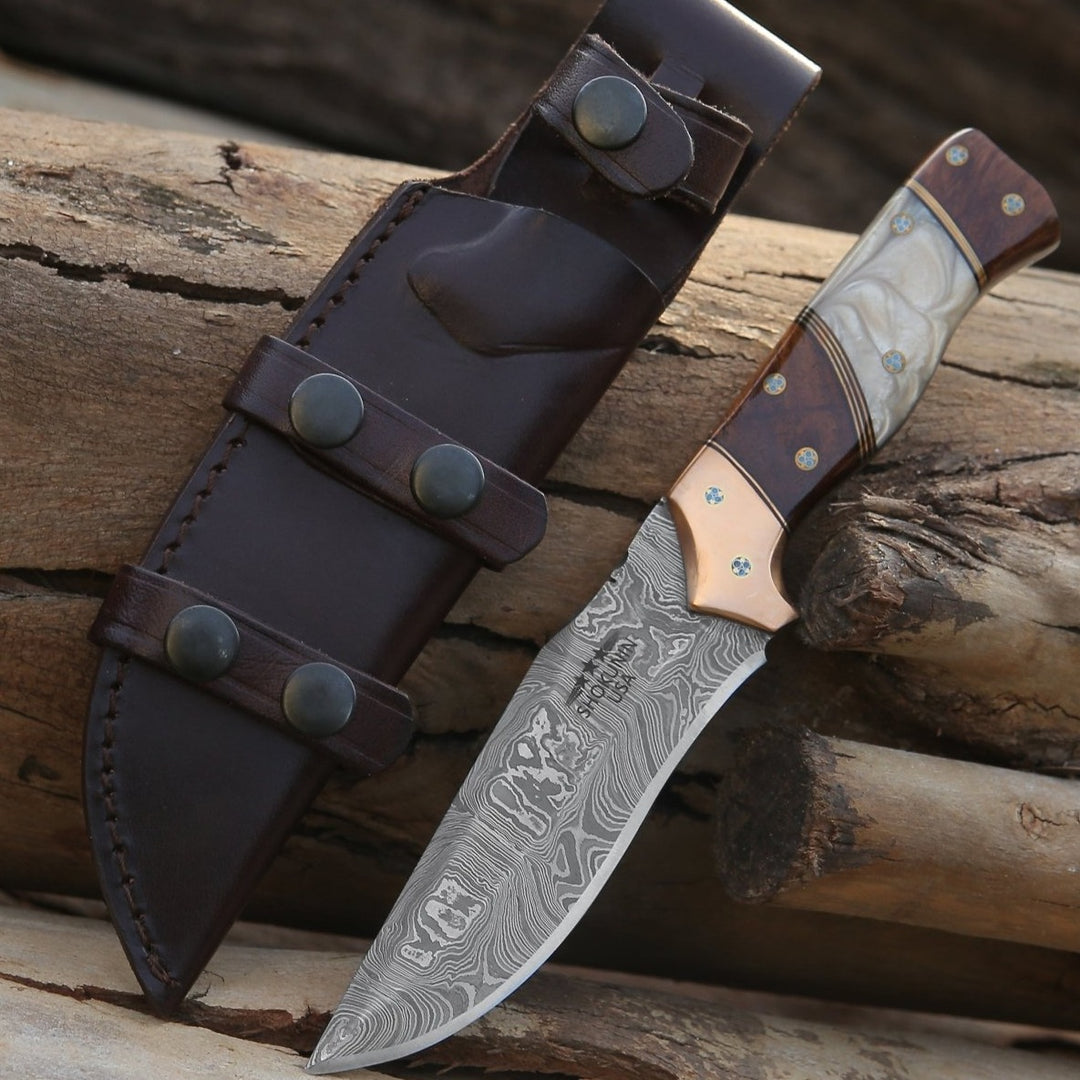
Blackbird Japanese EDC Pocket Knife with Stained Maple Burl Wood Handle
The Blackbird Japanese EDC Pocket Knife combines artistry and functionality with its hand-forged VG10 Damascus steel blade and stunning stabilized maple burl wood handle. Designed for everyday carry, this pocket knife features a lightweight and well-balanced construction, making it suitable for a variety of tasks. Its included leather sheath and sharpener add practicality, ensuring you have a reliable tool ready for use whenever needed.
View Product






Hinterlassen Sie einen Kommentar