


Overview
The blog explores the rich history and evolution of pocket knives, from their origins in the Roman Empire to modern innovations and artistry in knife-making. It highlights the significance of handmade and Damascus steel knives, the impact of the Industrial Revolution on mass production, and the importance of proper care for pocket knives. The article emphasizes the blend of functionality and craftsmanship that makes pocket knives essential tools and collectibles today.
Table of Contents
- The Origins of Pocket Knives
- The Renaissance of Craftsmanship
- The Rise of Damascus Steel
- Industrial Revolution: Speed Meets Precision
- The Modern Pocket Knife: Versatility and Innovation
- Sleek Designs and Advanced Materials
- The Artistic Side of Pocket Knives
- Understanding The Need for Quality and Care
- Where to Find Quality Pocket Knives
- The Future of Pocket Knives
- A Journey to Embrace Functionality and Artistry
Key Takeaways
- Historical Significance: Pocket knives date back to the Roman Empire around 500 BC, originally designed for practical uses like cutting and food preparation.
- Renaissance Craftsmanship: The Renaissance revolutionized pocket knife design, introducing intricate artistry and unique craftsmanship from regions like Solingen and Thiers.
- Damascus Steel: Known for its durability and distinctive patterns, Damascus steel became a hallmark of quality during the Renaissance, enhancing both function and aesthetics.
- Industrial Revolution Impact: Mass production of pocket knives began during the Industrial Revolution, yet handmade options remain valued for their superior craftsmanship and uniqueness.
- Modern Versatility: Today's pocket knives feature multiple functionalities, catering to outdoor enthusiasts and everyday users with innovative designs.
- Artistic Customization: Custom knife makers create personalized pieces, turning pocket knives into cherished heirlooms with unique designs and engravings.
- Maintenance is Key: Proper care, including regular cleaning and oiling, is essential for prolonging the life and performance of pocket knives.
In the realm of tools, few items have a history as rich and diverse as the pocket knife. From its humble beginnings as a multifunctional tool to the modern-day masterpieces, the evolution of pocket knife designs has been remarkable. This article will take you through the intriguing journey of pocket knives, showcasing how they have transformed over the centuries and why they continue to be essential in today's world. We will also delve into the artistry behind handmade knives and the exquisite beauty of the Damascus pocket knife.
The Origins of Pocket Knives
The very first pocket knives were believed to have emerged during the Roman Empire around 500 BC. These early versions were simple, utilitarian tools designed primarily for practical purposes. The concept of folding blades provided convenience, allowing users to keep a sharp tool easily accessible and safe from exposure to the elements.
These early knives were made from iron or bronze, and their functionality primarily revolved around cutting and food preparation. As civilizations advanced, so did the design of these tools. During the Middle Ages, the popularity of pocket knives skyrocketed as advancements in metallurgy allowed for the creation of stronger and sharper blades.
The Renaissance of Craftsmanship
The Renaissance was a turning point for knife design. With a renewed interest in artistry and craftsmanship, the pocket knife began to evolve from a mere tool into a work of art. Skilled craftsmen started to incorporate intricate designs and decorative elements, making knives not only functional but also visually appealing.
During this period, the knifemakers of regions such as Solingen in Germany and Thiers in France began producing unique designs that featured elaborate handles, artistic engravings, and unique blade shapes. This revitalization of craftsmanship played a significant role in improving the overall quality and aesthetics of pocket knives.
The Rise of Damascus Steel
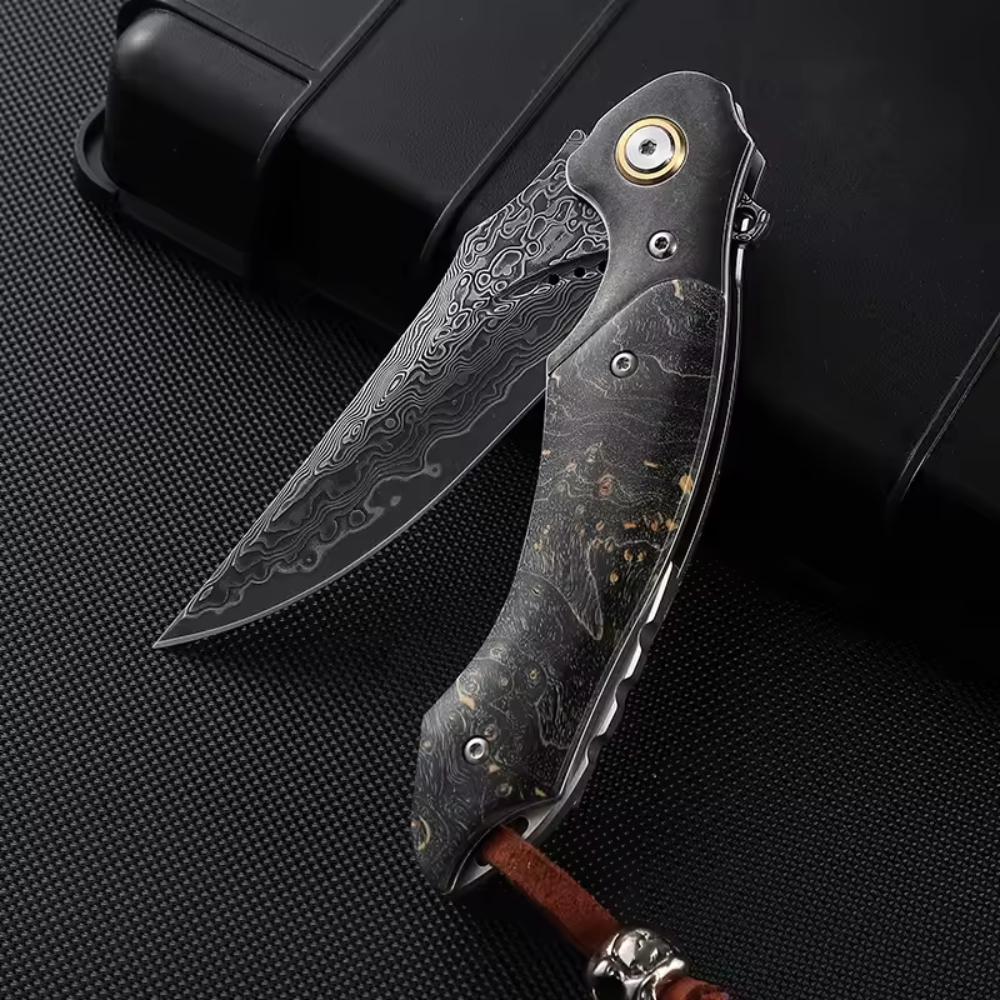
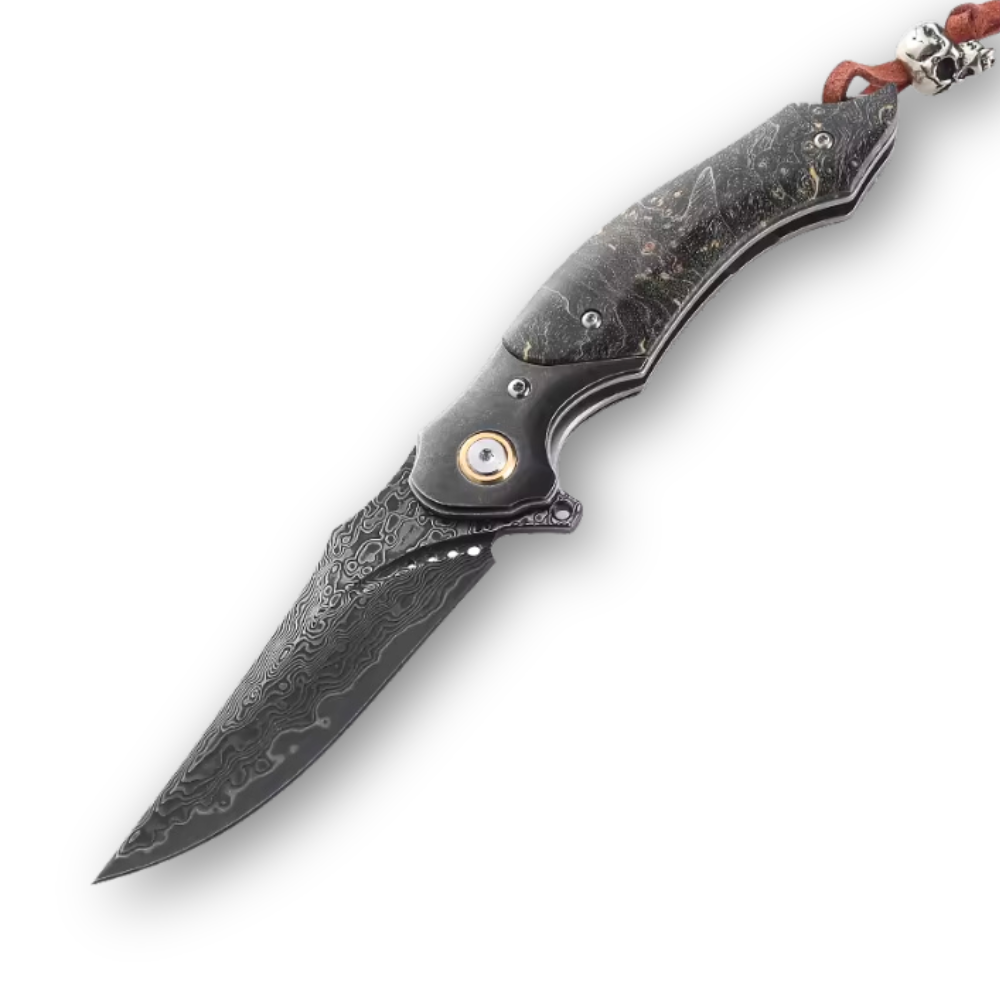
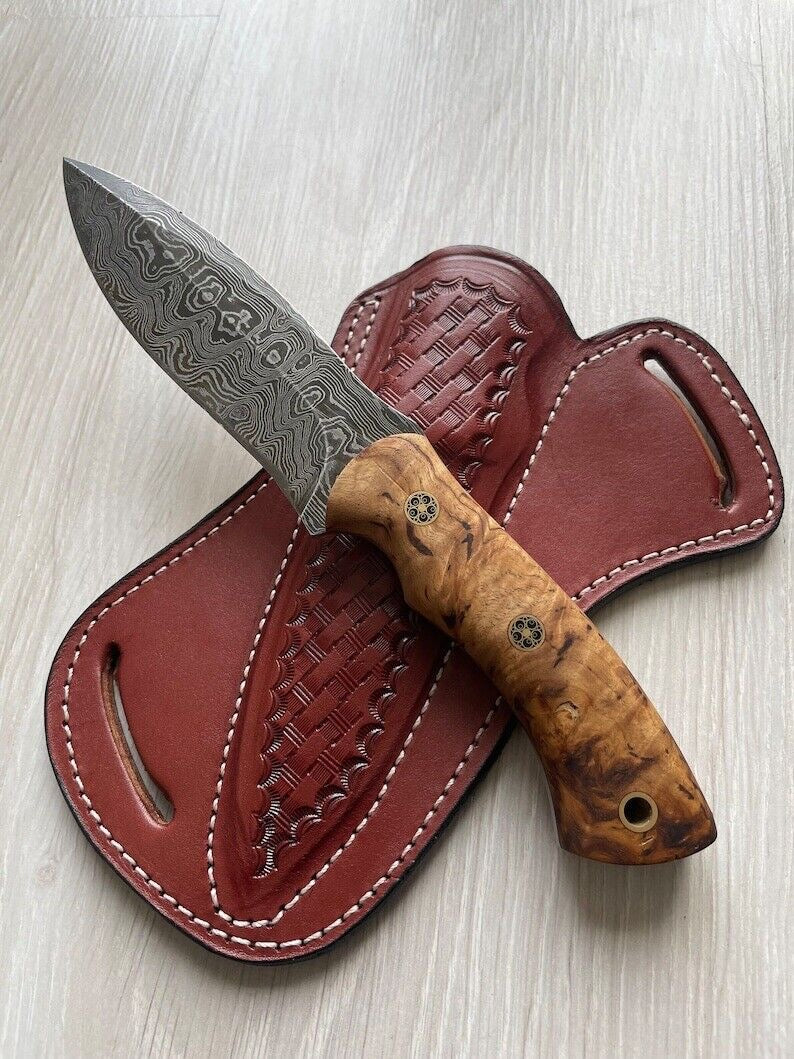
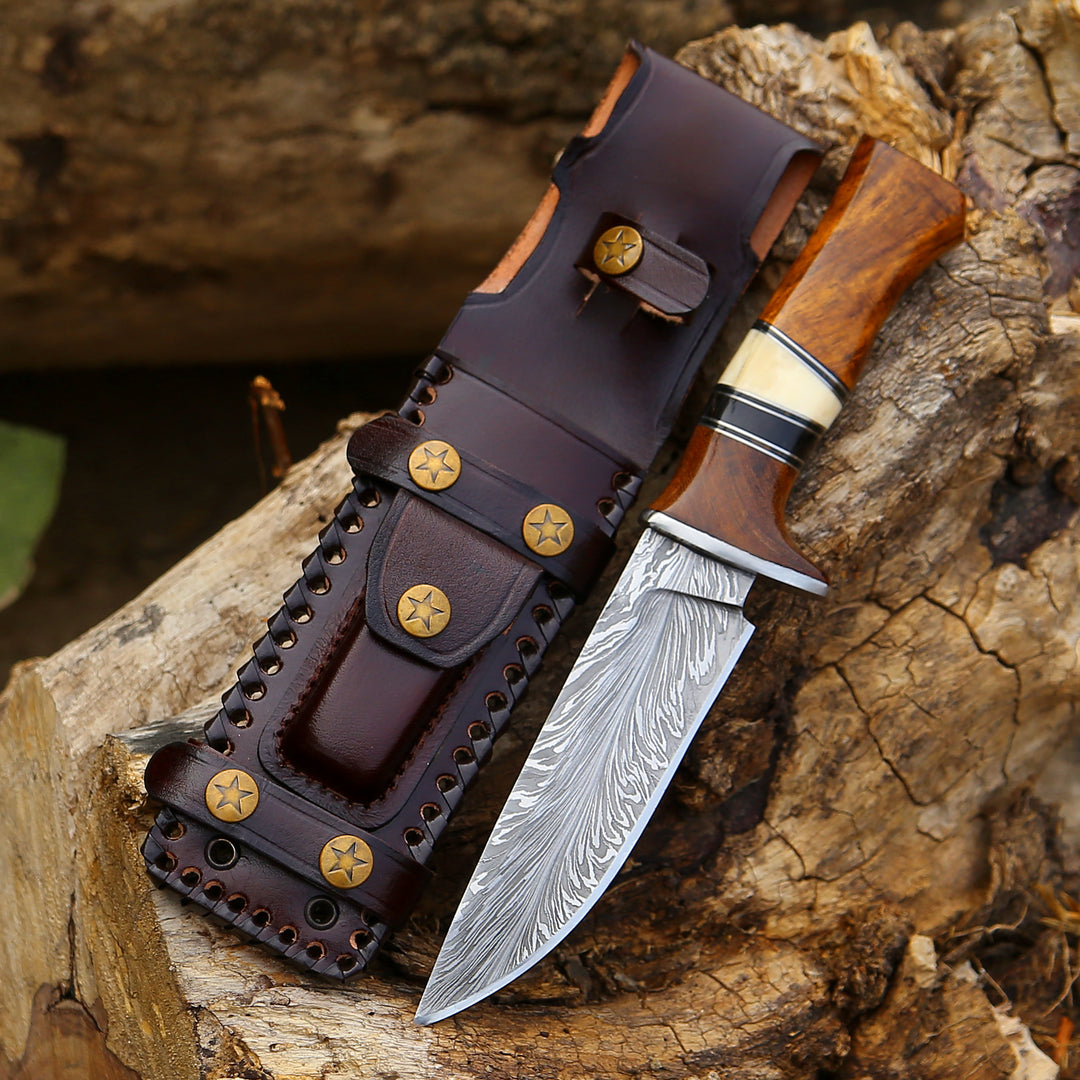
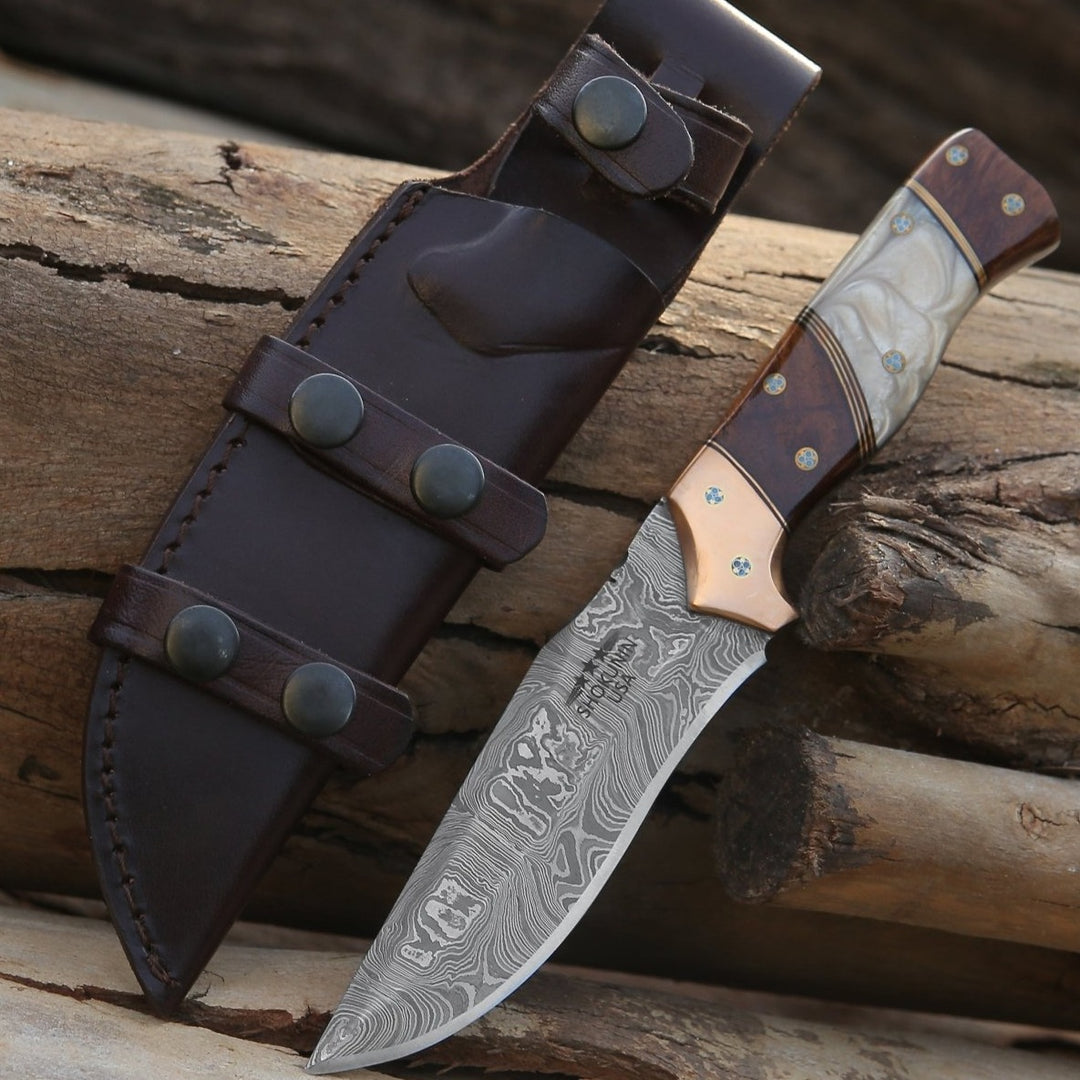
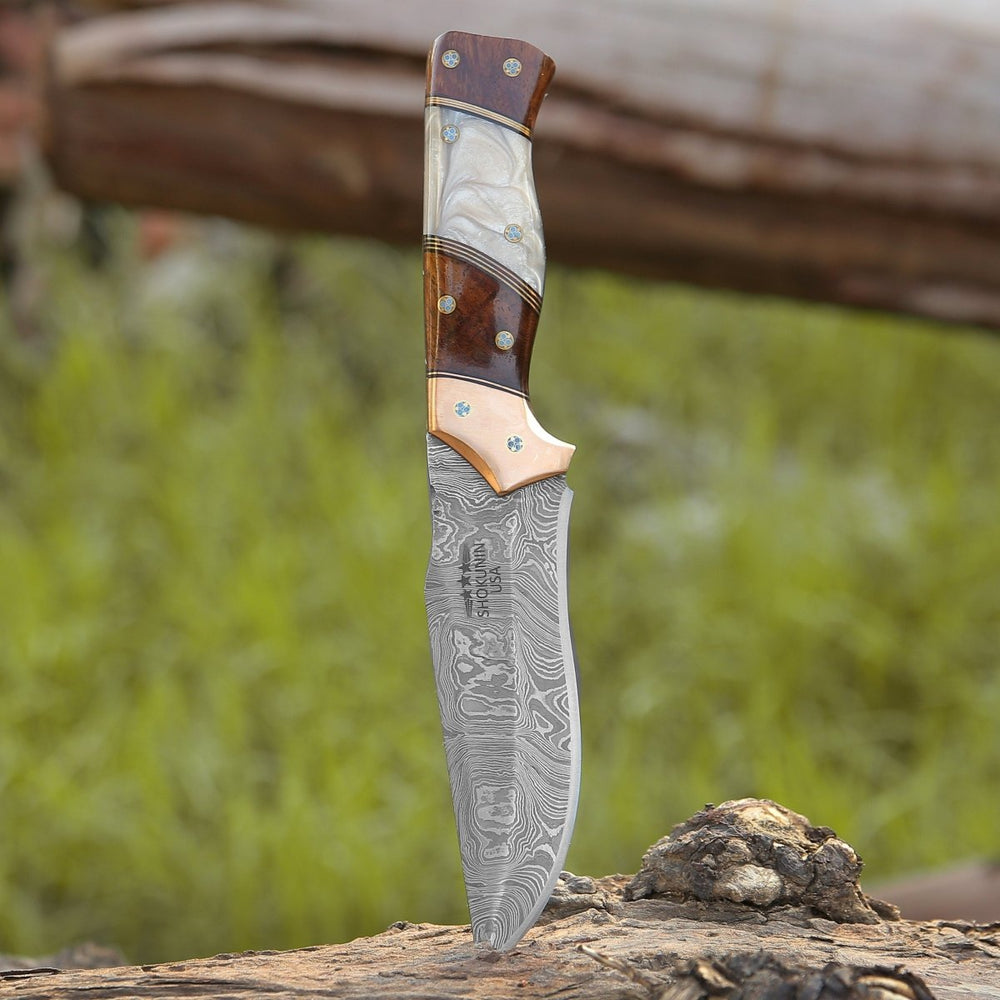
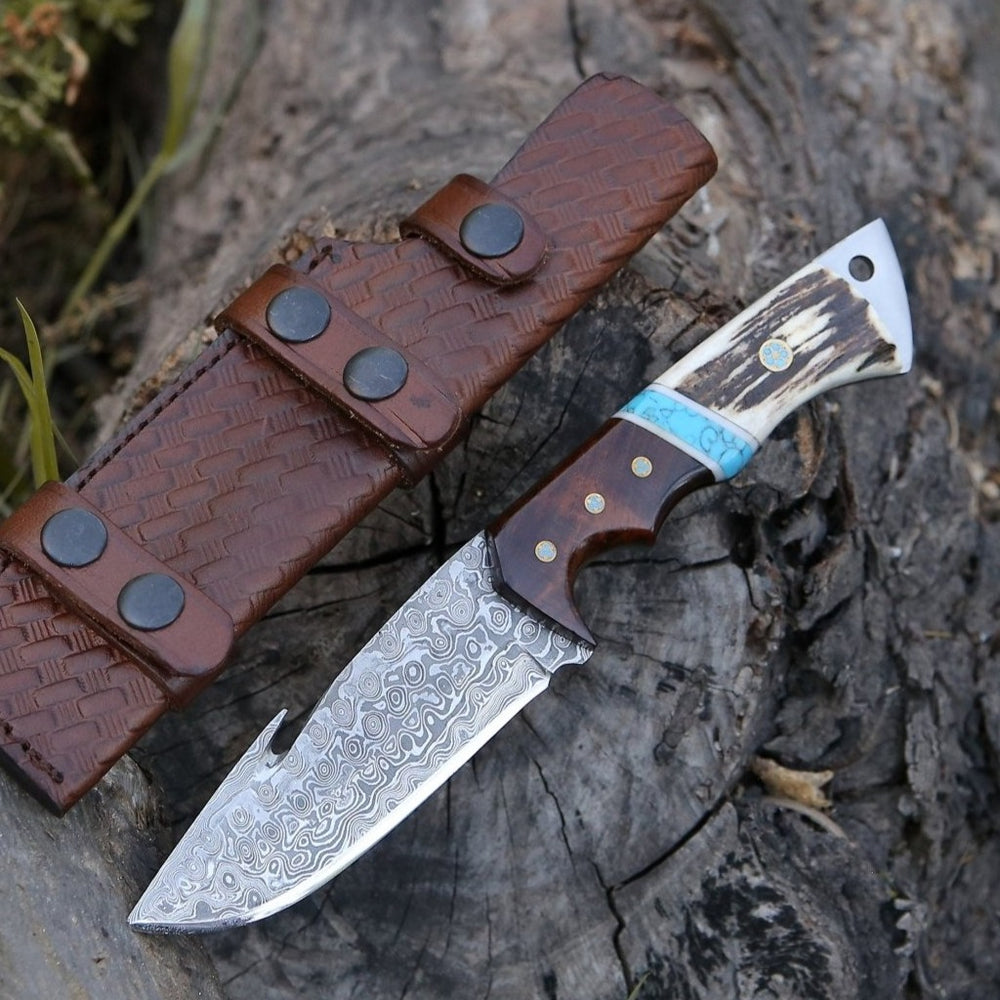
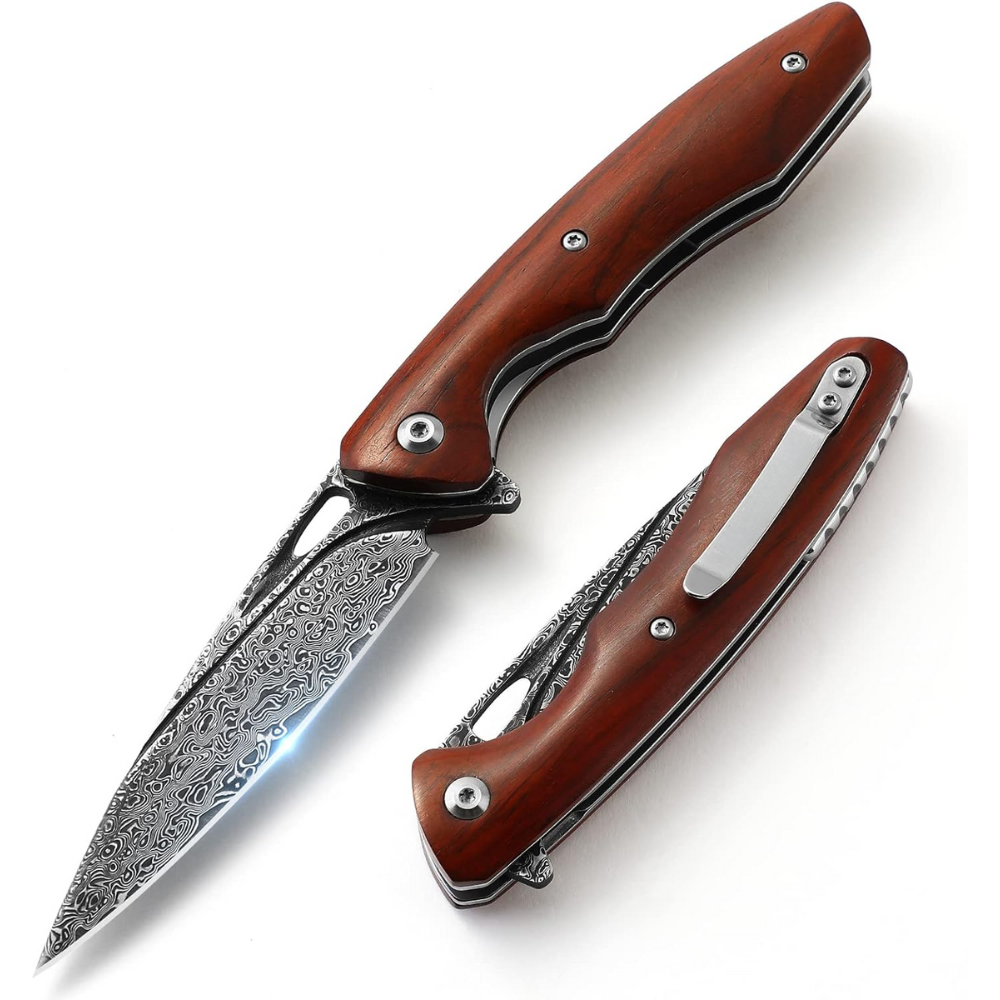
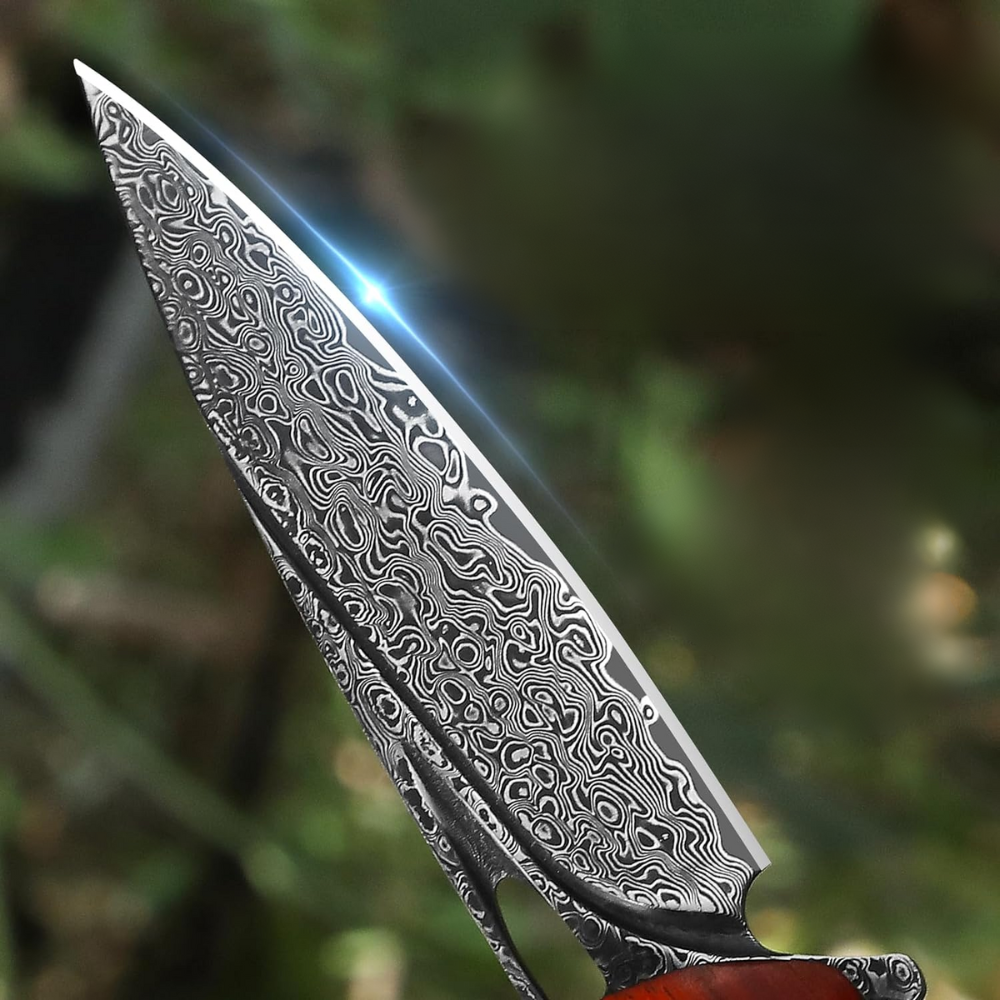
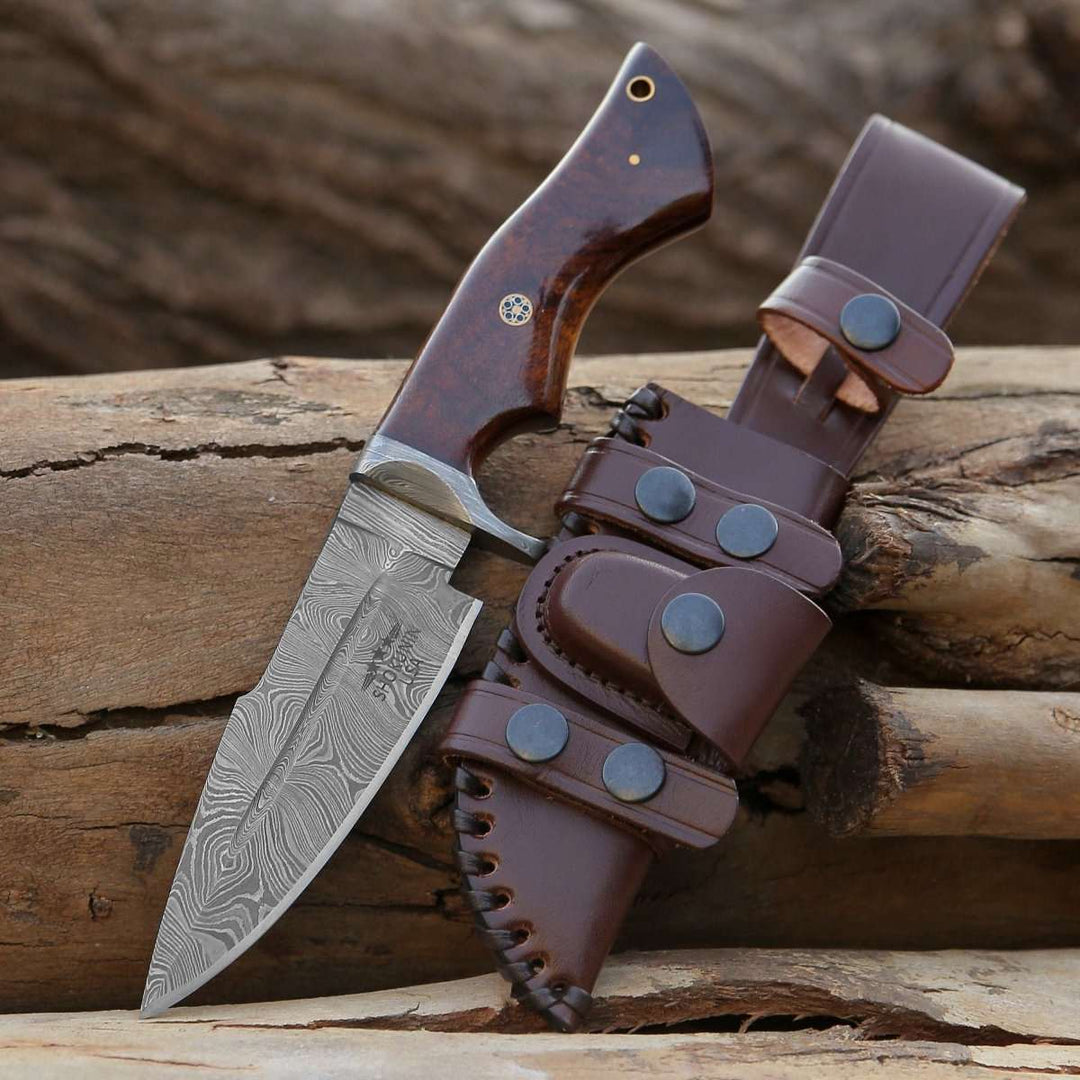
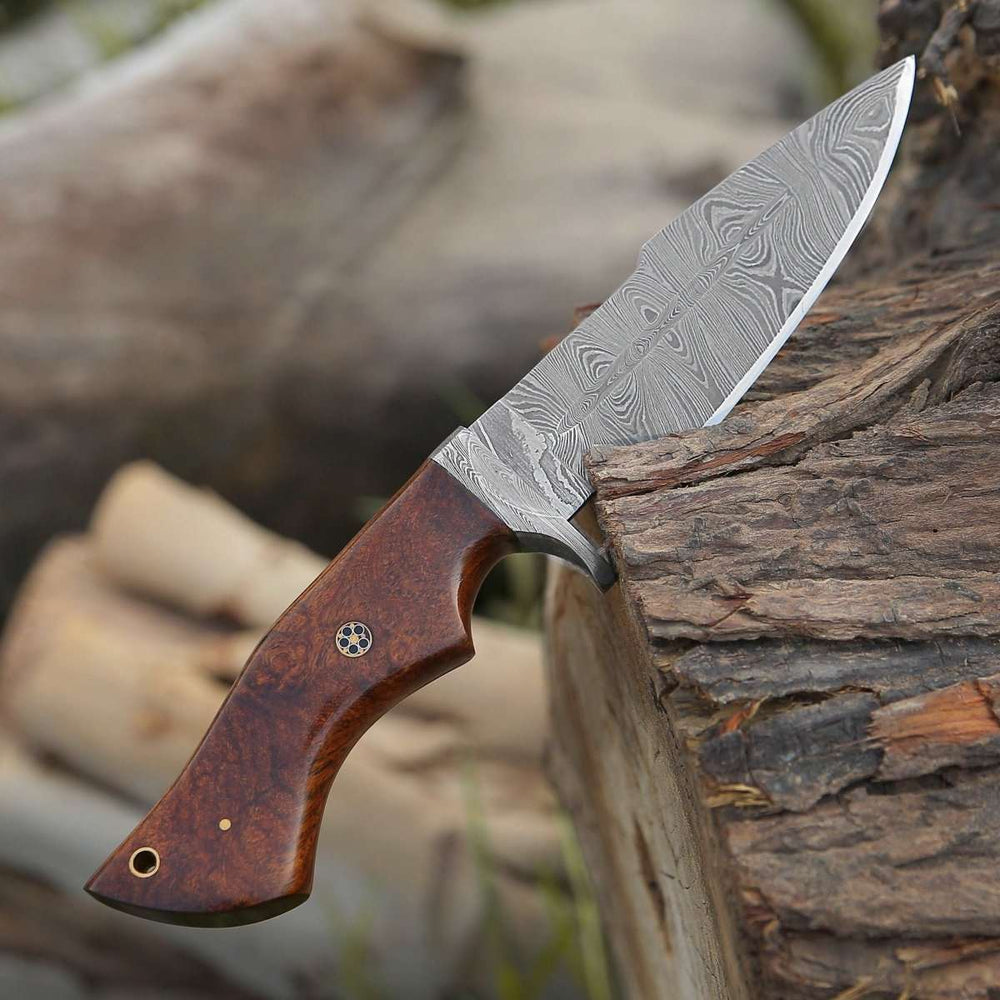
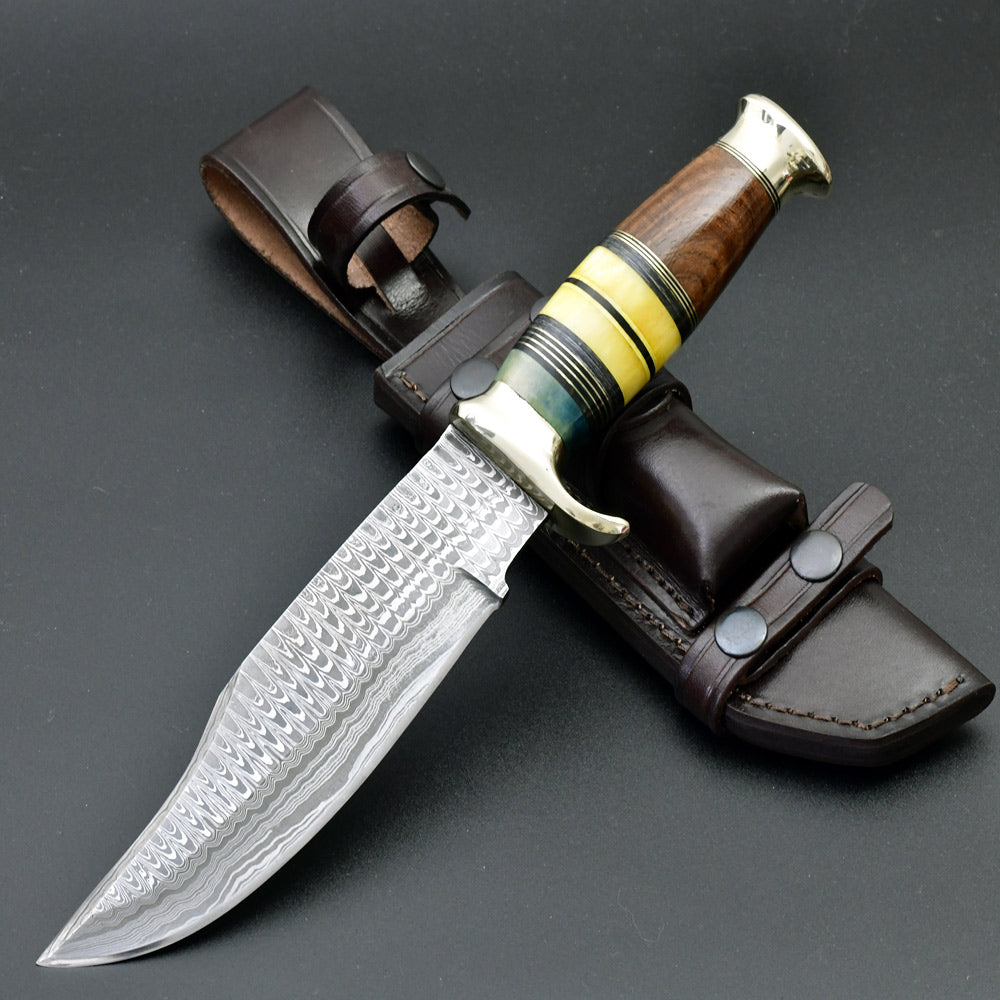
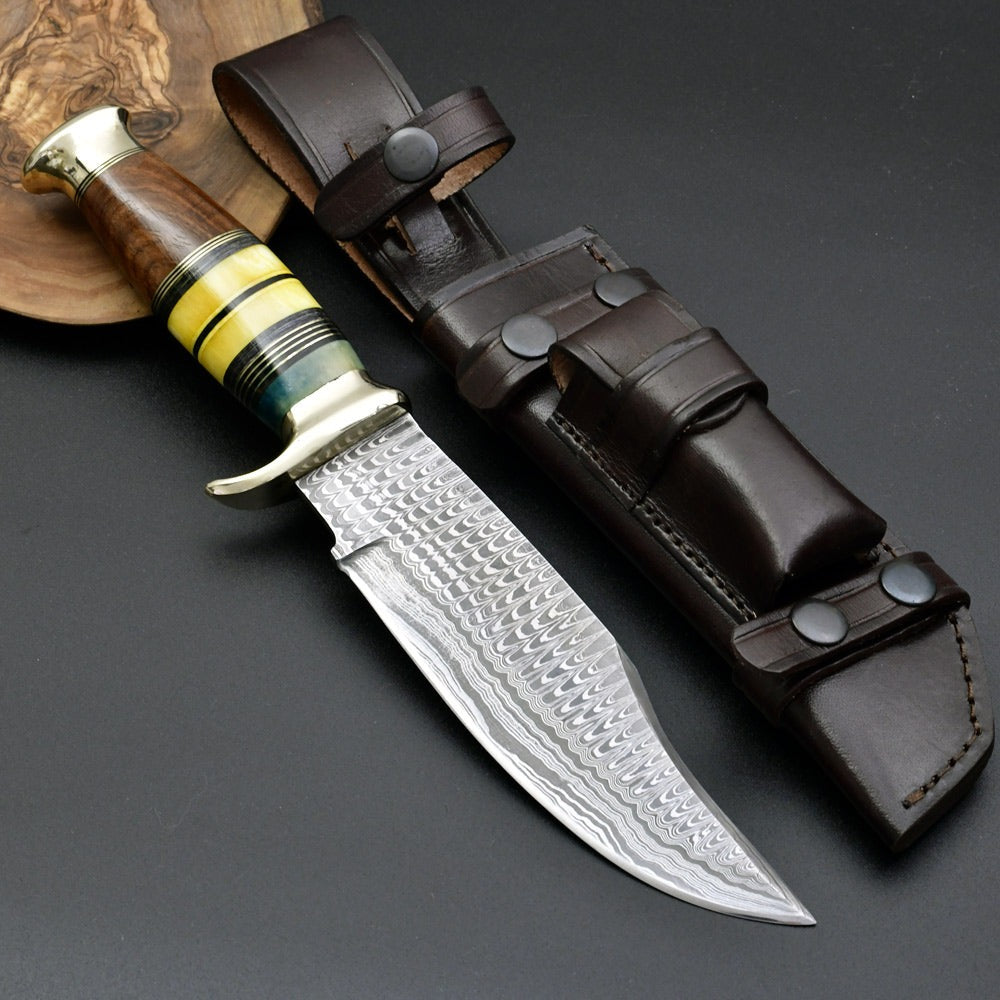
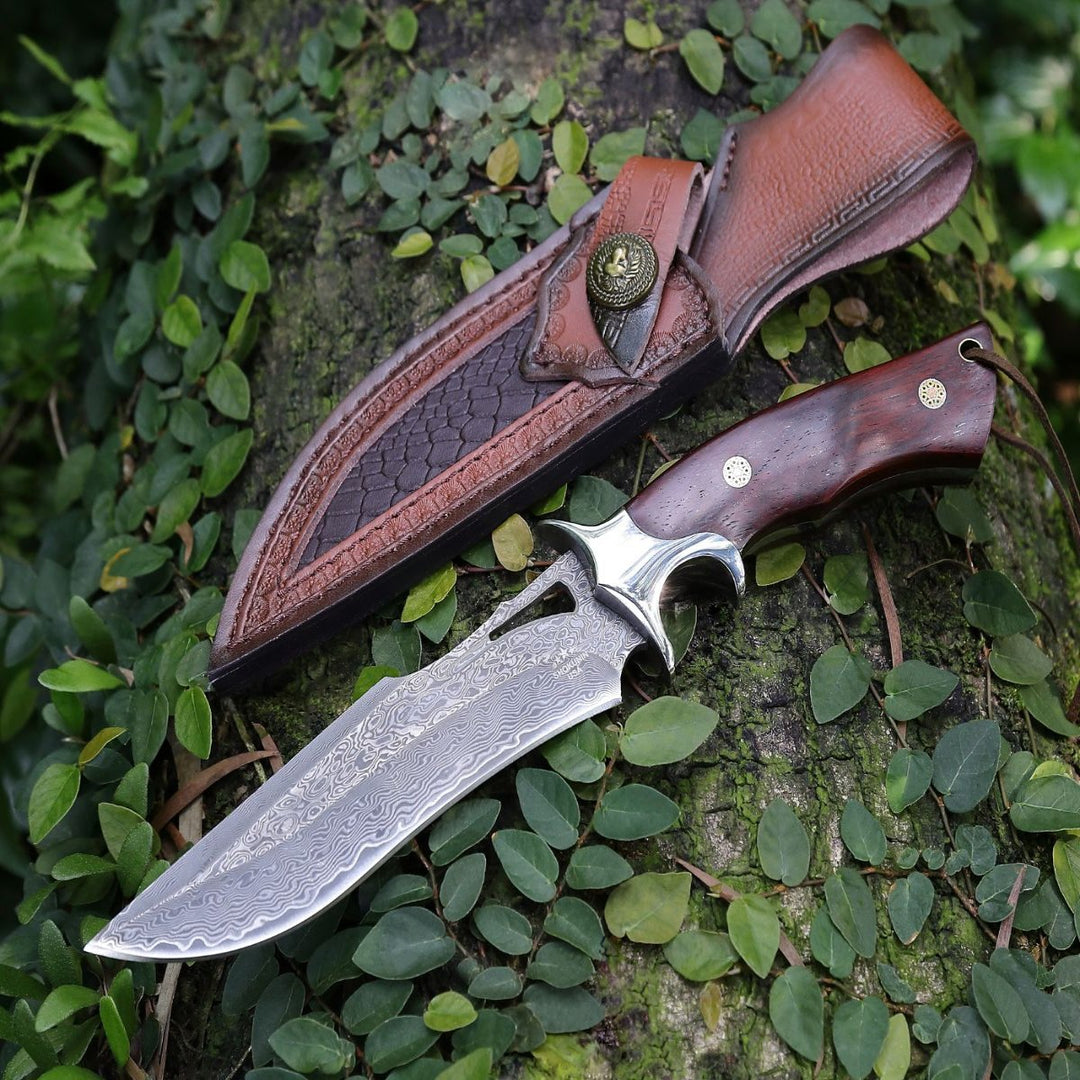
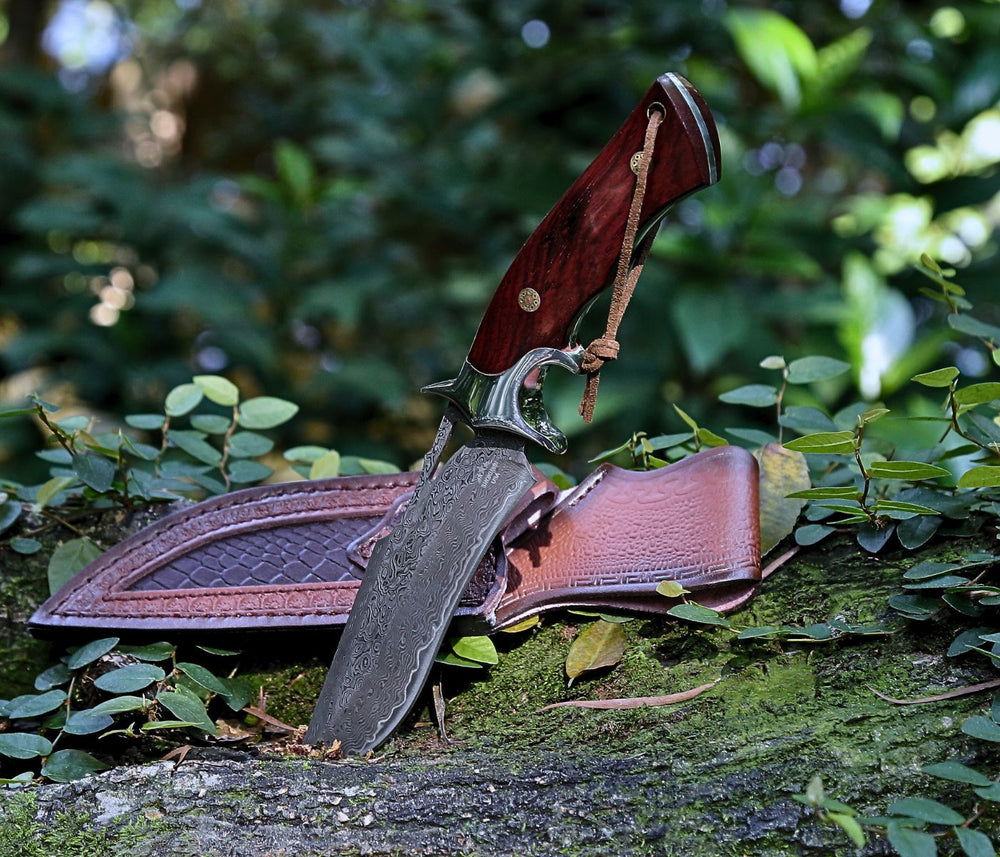
One of the most significant advancements in knife-making during the Renaissance was the introduction of Damascus steel. Known for its distinctive patterns and outstanding properties, Damascus steel is a type of steel renowned for its durability and ability to hold a sharp edge.
The process of creating Damascus pocket knives involves layering different types of steel, folding and welding them together, which results in blades characterized by unique patterns that resemble flowing water. This craftsmanship not only enhances the knife's functionality but makes it a highly sought-after collector's item.
Industrial Revolution: Speed Meets Precision
The Industrial Revolution marked a new era in blade production. With tools and machinery becoming more advanced, mass production of pocket knives began. Companies such as Victorinox and Schrade emerged during this time, providing affordable and reliable options for consumers.
Despite the shift towards mass production, some artisans continued to handcraft handmade knives, aiming to preserve the traditional techniques that were becoming increasingly rare. These handmade options offered superior craftsmanship, attention to detail, and the uniqueness that mass-produced knives could not replicate.
The Modern Pocket Knife: Versatility and Innovation
Today’s pocket knives encompass a wide variety of functionalities. Modern designs integrate features that cater to the varying needs of users, including multi-tools that combine different tools into one convenient device. These innovations have made pocket knives incredibly versatile, suitable for outdoor enthusiasts, tourists, or everyday carry users.
Sleek Designs and Advanced Materials
In recent years, manufacturers have begun experimenting with new materials and designs, pushing the boundaries of what pocket knives can be. Lightweight materials such as carbon fiber and titanium are often used to create sleek and sturdy knives, making them easy to carry without sacrificing strength.
In addition, ergonomic designs now focus on user comfort, improving grip and usability, which makes carrying a pocket knife a pleasure rather than a burden. Moreover, innovations in blade technology have led to the creation of incredibly sharp and durable edges, sometimes even utilizing advanced coatings to enhance performance further.
The Artistic Side of Pocket Knives
The artistry involved in creating pocket knives has gained immense popularity, with collectors actively seeking out exquisite pieces. Custom knife makers often take pride in customizing and personalizing knives for customers, incorporating unique designs, materials, and even engravings to make each piece truly one-of-a-kind.
Artistic craftsmanship can be seen in handmade knives, where artisans dedicate countless hours to ensure perfection in every detail. Enthusiasts appreciate the personal touch and the story behind each knife, making these handcrafted pieces not just tools but cherished heirlooms.
Understanding The Need for Quality and Care
Care and maintenance are essential for any pocket knife enthusiast. Properly maintaining your knife will prolong its life and enhance its performance. Regular cleaning, oiling the blade, and properly storing and securing your knife are steps every owner should follow.
- Cleaning: Regularly wipe your knife blades to remove dirt and grime.
- Oiling: Apply oil to the pivot points for smooth operation.
- Storage: Store your knife in a dry place to prevent corrosion.
By taking these steps, you can enjoy the sharp quality of your pocket knife for many years, whether you choose a modern multi-tool or a traditional Damascus pocket knife.
Where to Find Quality Pocket Knives
When searching for that perfect pocket knife, quality should always be your primary focus. Whether you're looking for something functional for everyday carry or a handcrafted work of art, it’s important to source your knives from reputable makers. At Shokunin USA, we specialize in curating exquisite and unique knives, showcasing the finest in craftsmanship.
Furthermore, investing in handmade knives can often result in a more personalized experience, as artisans tend to pour their passion into each creation. Sharing unique designs and techniques with customers, artisans often add significant value to the knife beyond its basic functionality.
The Future of Pocket Knives
As we move deeper into the 21st century, we can only anticipate further evolution in pocket knife design. The fusion of technological advancements with craftsmanship will likely give rise to innovative solutions while retaining the beautiful artistry that defines quality pocket knives.
With the growing trend of customization and personalization, enthusiasts of all levels can participate in this evolution, transforming simple tools into personal statements. Collaborative projects between knife makers and artists pave the way for innovative designs that continue to enhance the pocket knife's status as both a tool and a collectible.
A Journey to Embrace Functionality and Artistry
The evolution of pocket knife designs is a testament to our enduring relationship with tools. From their practical beginnings to the masterpieces we see today, pocket knives have transformed significantly yet remained vital in our daily lives. As generations of enthusiasts continue to appreciate handmade knives and unique offers like the Damascus pocket knife, it is clear that the journey is ongoing.
Whether for functionality, artistry, or personal expression, pocket knives will continue to hold a special place in our culture. Join us at Shokunin USA as we celebrate this heritage and showcase the craftsmanship of today’s finest knife makers.
Frequently Asked Questions
1. What is the history of pocket knives?
2. What is Damascus steel and why is it significant in pocket knife making?
3. How did the Industrial Revolution impact pocket knife production?
4. What are the modern features of today's pocket knives?
5. How should one care for a pocket knife?
Glossary
| Term | Meaning |
|---|---|
| Pocket Knife | A small folding knife designed for portability and convenience. |
| Damascus Steel | A type of steel known for its distinctive patterns and durability. |
| Multi-Tool | A tool that combines several functions into one device. |
| Handmade Knives | Knives crafted by artisans, emphasizing quality and uniqueness. |
| Metallurgy | The science of working with metals to enhance their properties. |
| Ergonomic Design | A design focused on user comfort and ease of use. |
| Artisan | A skilled craftsman who creates handmade items. |
| Collector's Item | A valuable item sought after by enthusiasts for its rarity or uniqueness. |
| Maintenance | The process of caring for tools to ensure their longevity and performance. |
| Customization | The act of modifying a product to meet individual preferences. |
Linked Product

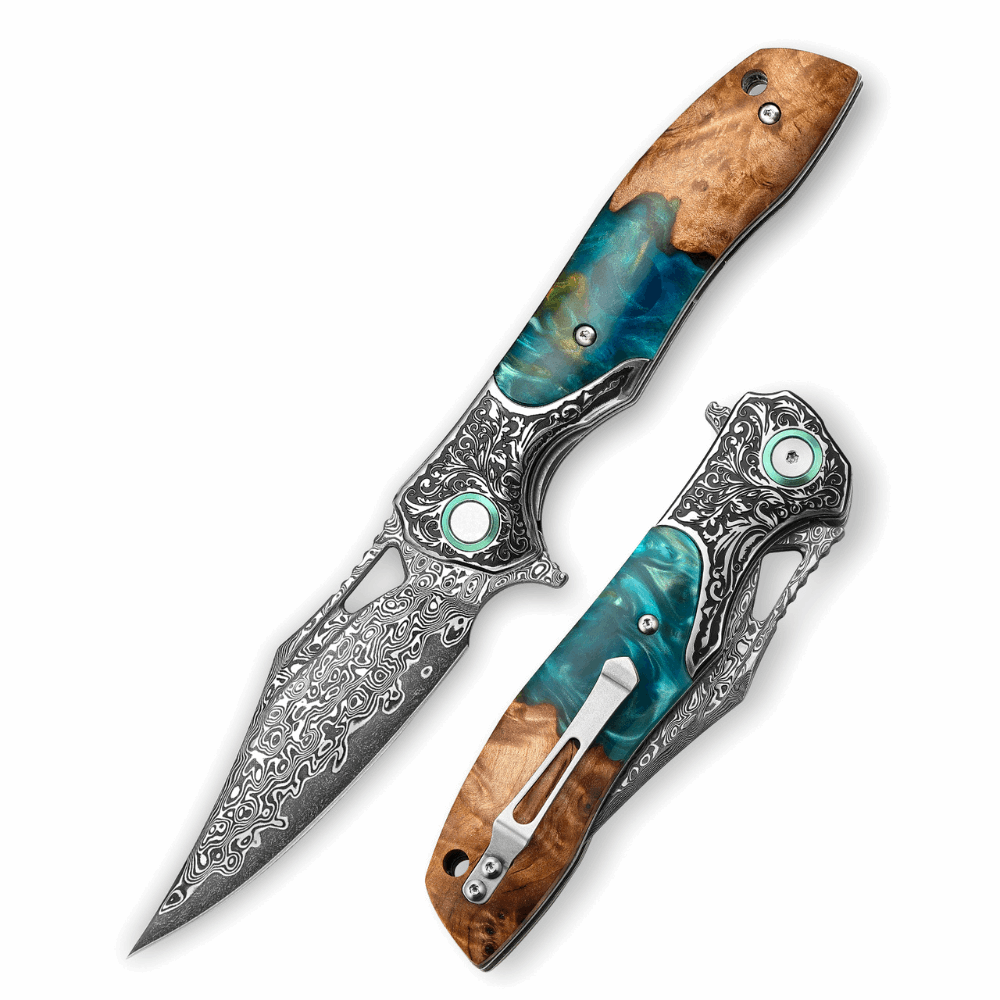
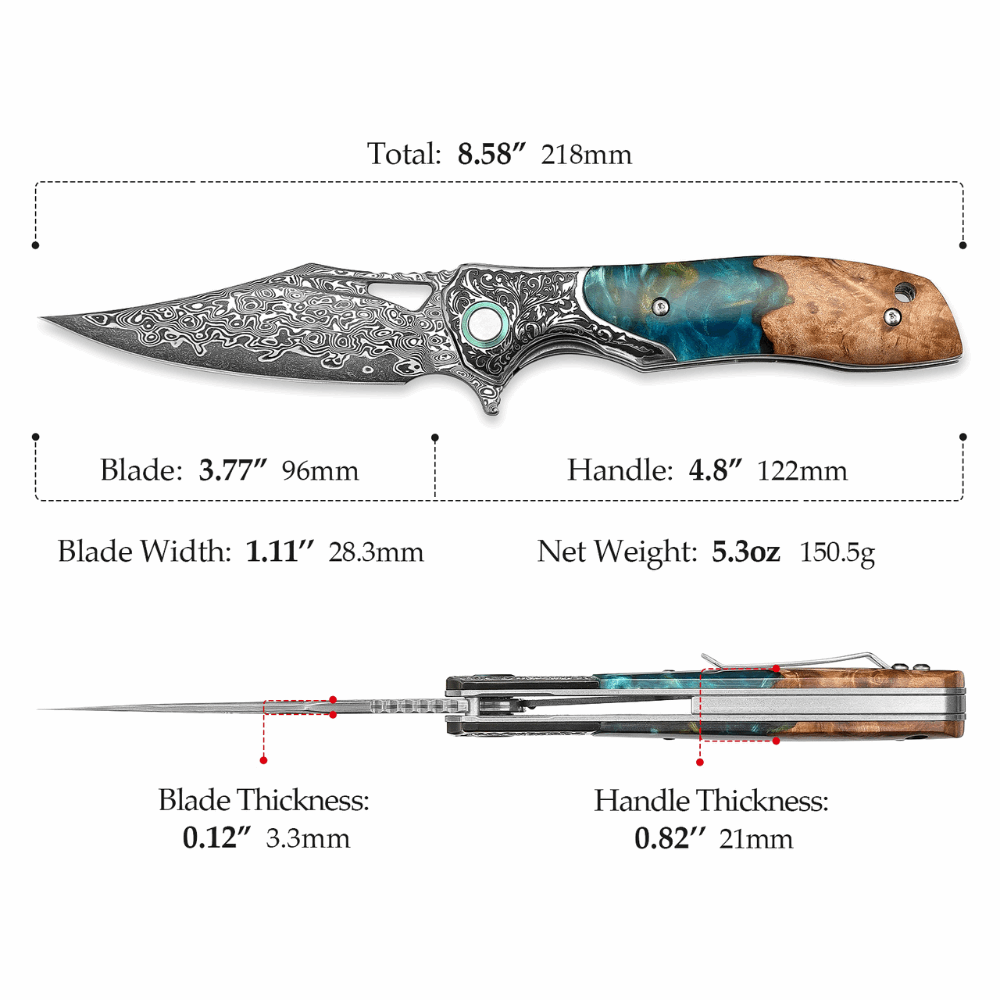
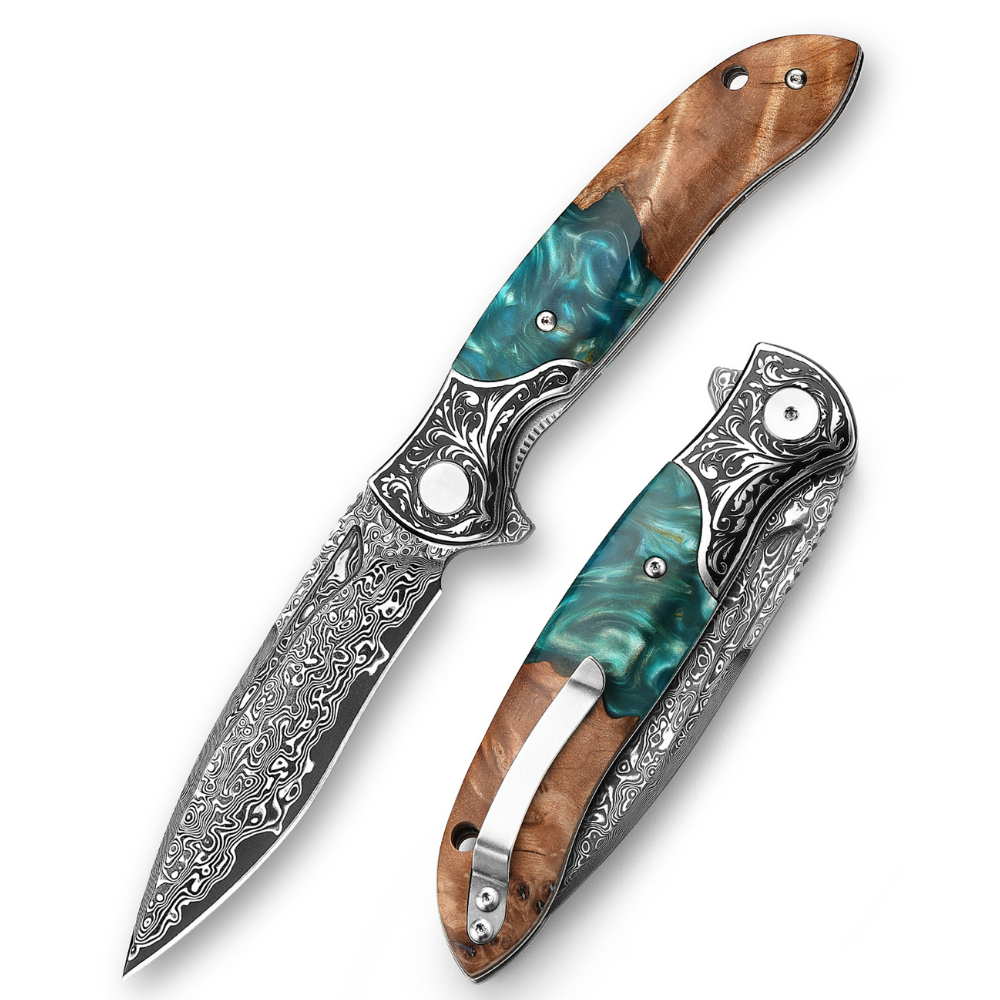
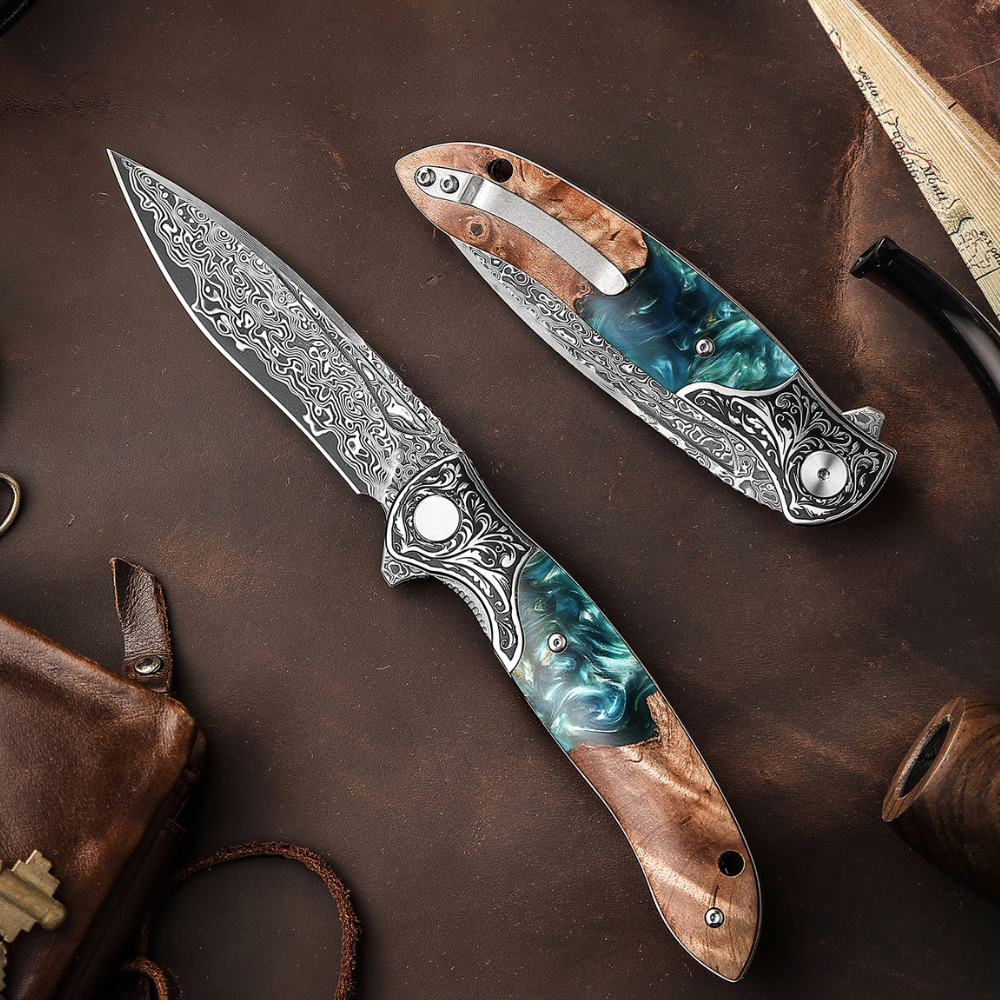
Orion Damascus Pocket Knife with Resin Handle
The Orion Damascus Pocket Knife features a hand-forged blade made from layered 1095 and 15n20 steel, offering exceptional strength and edge retention. With an ergonomic resin handle and a lock back mechanism, it provides a comfortable and balanced grip for everyday tasks. This pocket knife comes complete with a hand-stitched leather sheath and a pocket knife sharpener, making it a practical tool for both collectors and outdoor enthusiasts.
View Product






Leave a comment