

Overview
Choosing the right kitchen knife can transform your cooking experience, whether you're a beginner or an expert chef. This guide offers practical insights on various knife types, features, and maintenance tips to help you select the perfect tool for your culinary needs. With the right knife, you'll enhance your skills and elevate your meals to new heights.
Table of Contents
- Understanding Knife Types
- Chef's Knife
- Paring Knife
- Serrated Knife
- Boning Knife
- Utility Knife
- Why Consider Handmade Knives?
- Choosing the Right Knife for Your Cooking Style
- Cooking Frequency
- Types of Cuisine
- Budget Considerations
- Understanding Knife Features
- Blade Material
- Blade Shape
- Handle Material
- Maintenance of Your Kitchen Knife
- Washing and Drying
- Sharpening
- Storage
- Selecting the Perfect Knife Set
- The Unique Artistry of Damascus Steel
- Benefits of Using Damascus Steel
- Beyond Function: The Aesthetic Appeal of Knives
- Choosing a Handle
- Design and Personalization
- Share Your Culinary Journey
Key Takeaways
- Knife Selection Matters: The right knife can greatly enhance your cooking experience, whether you are a novice or an expert chef.
- Understand Knife Types: Familiarize yourself with various knife types like chef's, paring, serrated, boning, and utility knives for specific kitchen tasks.
- Consider Handmade Knives: Handmade knives often feature superior craftsmanship, high-quality materials, and can be personalized for a unique touch.
- Maintenance is Key: Proper care, including hand washing, regular sharpening, and appropriate storage, is essential for knife longevity.
- Invest in a Knife Set: A complete knife set typically includes essential knives that cover most cooking needs, making it a practical choice for enhancing culinary skills.
- Damascus Steel Benefits: Knives made from Damascus steel are known for their durability, sharpness, and stunning visual appeal, making them both functional and aesthetic.
- Personalization Adds Value: Customized knives can serve as cherished gifts or family heirlooms, adding personal significance to your culinary tools.
Every culinary enthusiast knows that the right tools make a world of difference in the kitchen. Among these tools, knives hold a special significance. Whether you are a novice or a seasoned chef, selecting the right knife can elevate your cooking experience dramatically. This guide will help you navigate the landscape of kitchen knives and provide insights on choosing a knife that suits your culinary needs.
Understanding Knife Types
Knives come in various styles and designs, each tailored for specific tasks in the kitchen. Understanding the different types will help you make an informed decision.
Chef's Knife
The chef's knife is a versatile workhorse in the kitchen. Typically featuring a broad blade that tapers to a point, it is suitable for a wide range of tasks including chopping, dicing, and slicing. A good-quality Damascus chef knife adds both beauty and functionality to this essential kitchen tool.
Paring Knife
The paring knife is smaller than the chef's knife and is ideal for intricate tasks like peeling fruits and vegetables, deveining shrimp, or detailed cutting work. This knife complements larger knives by allowing for precision handling.
Serrated Knife
A serrated knife features a saw-like edge that makes it perfect for slicing foods with tough exteriors, such as bread and tomatoes. This knife is a must-have in any kitchen for those who love baking or preparing fresh produce.
Boning Knife
The boning knife is designed for deboning meat, fish, and poultry. Its thin, flexible blade allows for precision cuts along bone and sinew, ensuring that you extract every ounce of meat from your cuts.
Utility Knife
The utility knife is a mid-sized option that falls between the chef's knife and paring knife in size. Ideal for smaller cutting tasks such as slicing cheese or cutting sandwiches, it's a great multipurpose addition to your kitchen.
Why Consider Handmade Knives?
In an age where mass-produced tools dominate the market, the demand for quality craftsmanship has elevated the popularity of handmade knives. Here are some reasons why you might consider investing in handmade knives like a stunning Damascus chef knife:
- Unparalleled Craftsmanship: Handmade knives often feature meticulous attention to detail, ensuring a unique product that isn't just a tool but a piece of art.
- Superior Materials: Many handmade knives utilize high-quality materials such as Damascus steel, known for its strength, toughness, and beautiful patterns.
- Personalization: Many artisans offer the option for customization, allowing you to engrave your knife or choose materials that fit your style.
- Longevity: Handmade knives are often built to last, with proper care they can become heirloom pieces passed down through generations.
Choosing the Right Knife for Your Cooking Style
When selecting a knife, it's essential to consider how you cook. Your style and preferences will significantly influence your choice. Here are some considerations:
Cooking Frequency
If you plan to cook frequently, investing in a well-balanced Damascus chef knife will make meal prep a more pleasurable experience. Quality knives reduce hand fatigue and make slicing and chopping feel effortless.
Types of Cuisine
Different cuisines often demand different knife types. If you frequently prepare Asian cuisine, consider a Santoku knife, which is also known for its versatility and precision cutting. For Western cuisines, a good chef's knife is indispensable.
Budget Considerations
While investing in quality is pivotal, it's also essential to determine a comfortable budget. Handmade knives often come at a premium, but they provide value through longevity and performance. Assess your needs and get the best knife you can afford.
Understanding Knife Features
When choosing a knife, it’s crucial to understand the various features that can enhance your cooking experience:
Blade Material
Knives can be made from several metals, but the most sought-after materials include stainless steel, carbon steel, and Damascus steel. A Damascus chef knife offers unique layering of metals, resulting in exceptional sharpness and stunning designs.
Blade Shape
The shape of the blade affects how efficiently the knife can perform its tasks. For instance, a drop-point blade is ideal for chopping, while a curved edge may be more suitable for a rocking style of cutting.
Handle Material
The grip is as important as the blade. Look for ergonomically designed handles made of materials such as wood, plastic, or composite materials. This ensures comfort and safety during use.
Maintenance of Your Kitchen Knife
Owning a quality knife is just the beginning; proper maintenance is key to ensuring its longevity and performance. Here are some maintenance tips:
Washing and Drying
Always hand wash your knife with warm water and mild soap. Avoid soaking it or placing it in the dishwasher as this can damage the blade or handle.
Sharpening
Regular sharpening is essential for a performing knife. For a Damascus chef knife, use a whetstone or honing rod to maintain its edge. Aim to sharpen your knife every few months, depending on use.
Storage
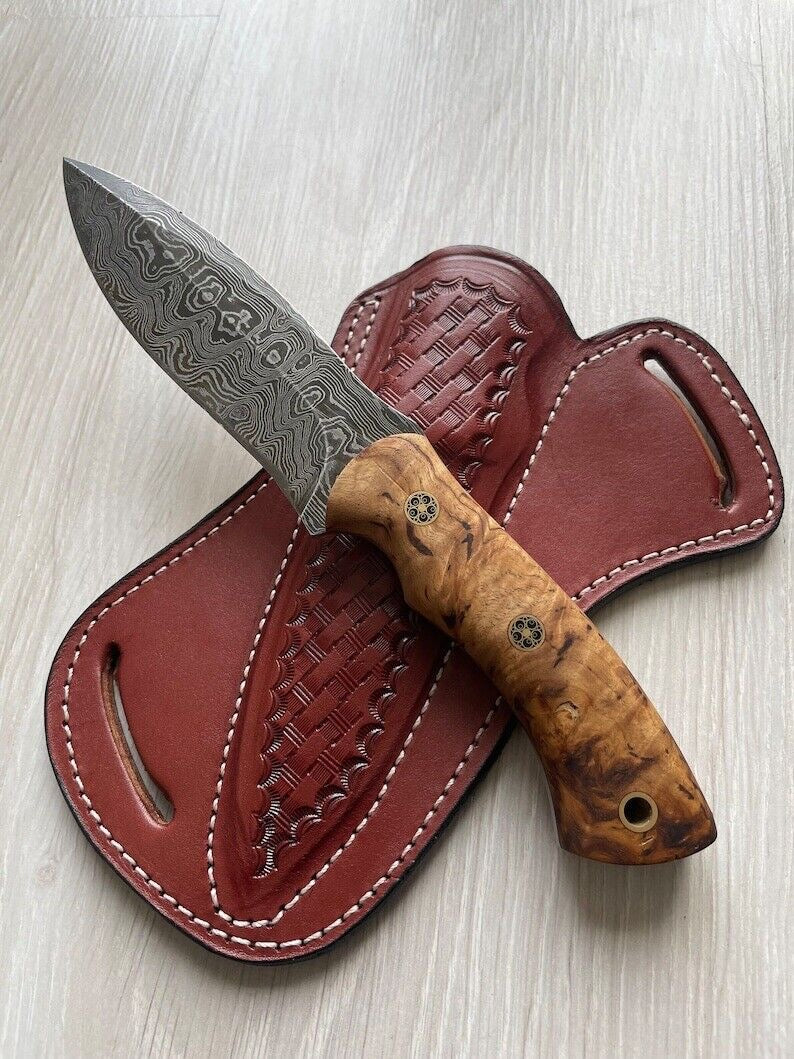
Proper storage can prevent blades from dulling and protect you from accidental cuts. Consider using a knife block, magnetic strip, or sheaths. The latter can be particularly useful for handmade knives, as it protects the blade from external elements.
Selecting the Perfect Knife Set
Investing in a complete knife set can be a wise choice for someone looking to enhance their culinary experience. Generally, a set will include the essential knives for a basic kitchen:
- Chef’s Knife
- Paring Knife
- Serrated Knife
- Boning Knife
- Utility Knife
This assortment will cover most cooking needs. However, as skills evolve, you may find the need for specialized knives, such as filleting or cleaver knives.
The Unique Artistry of Damascus Steel
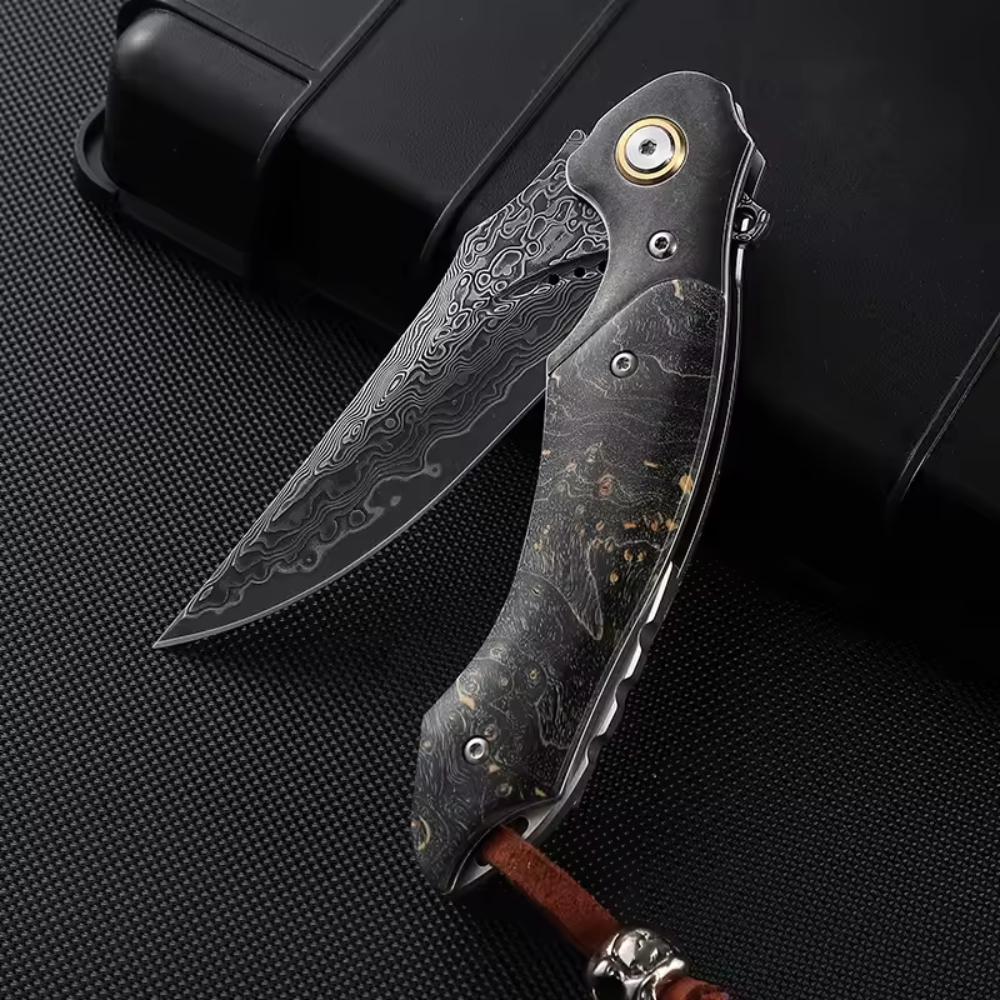
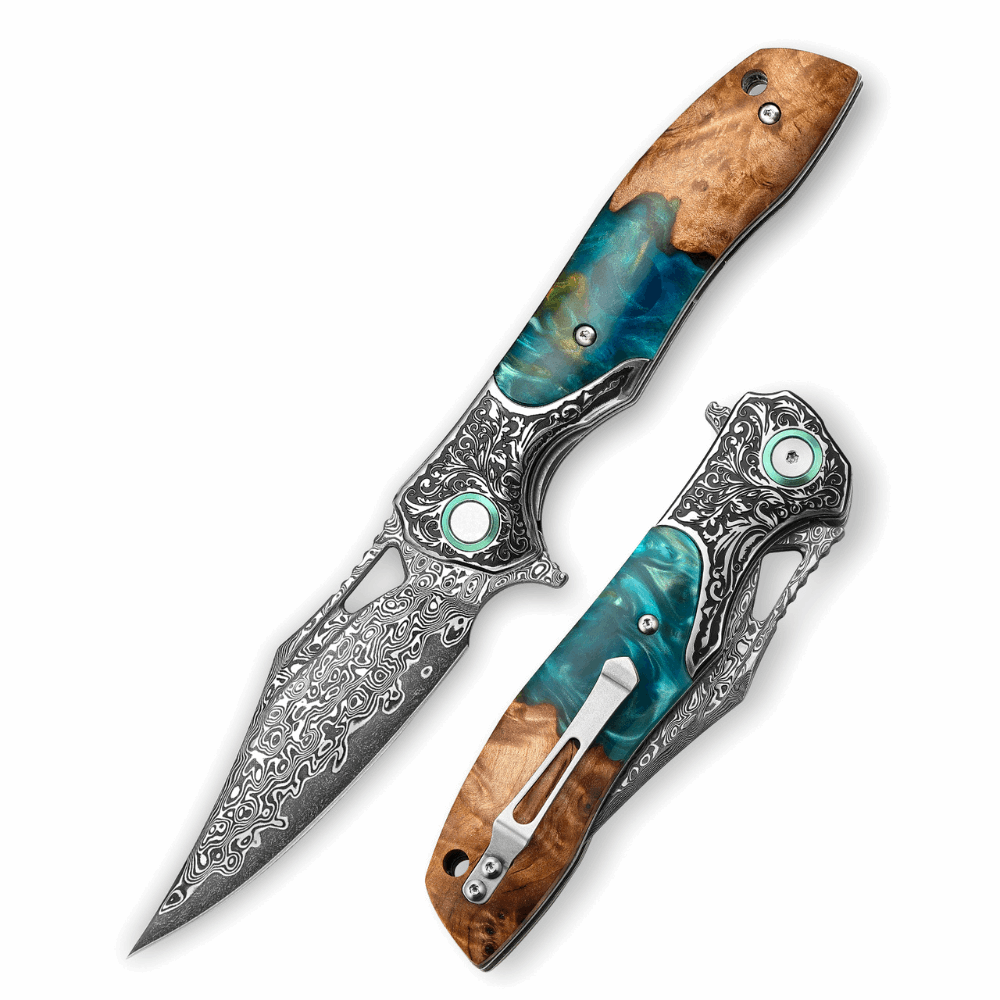
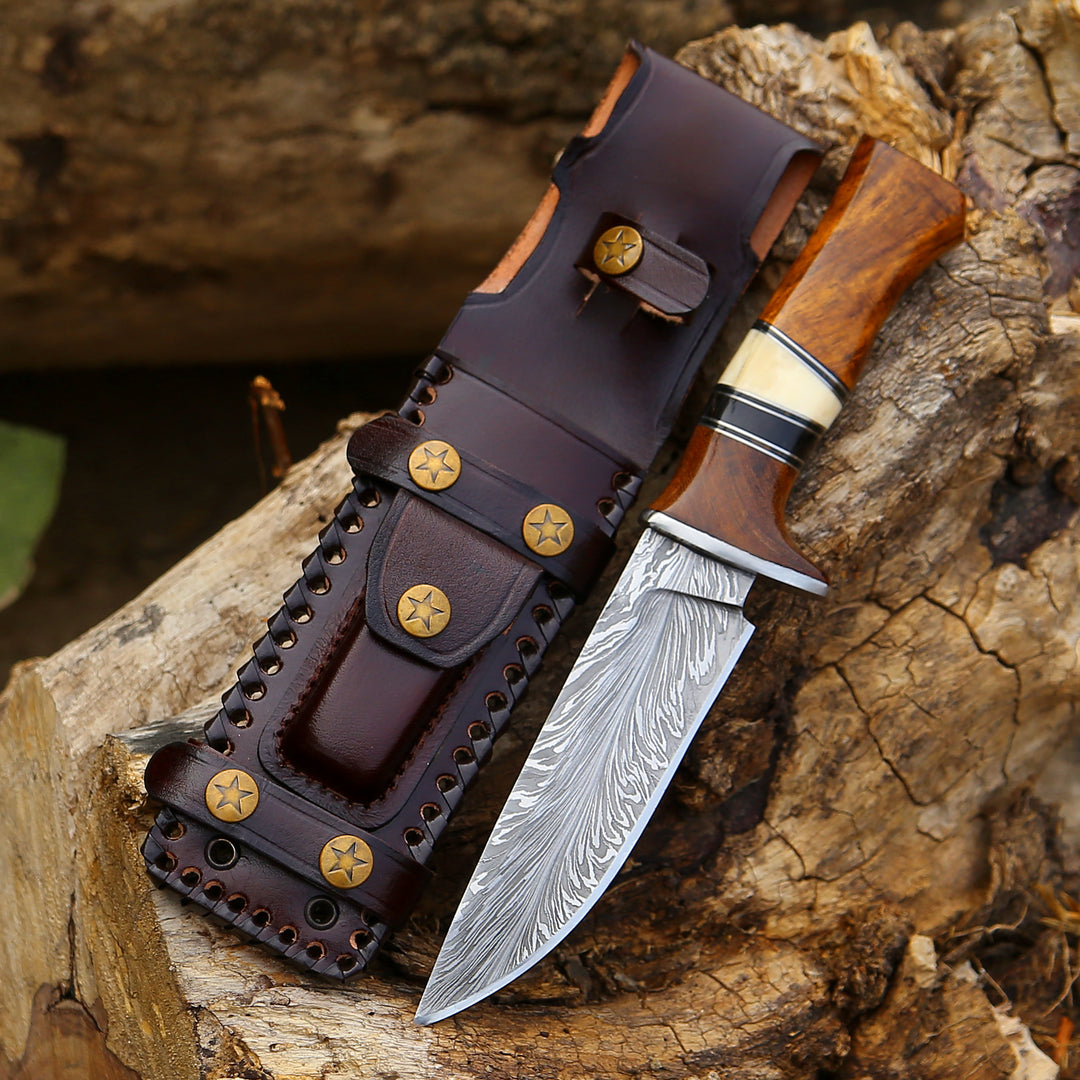
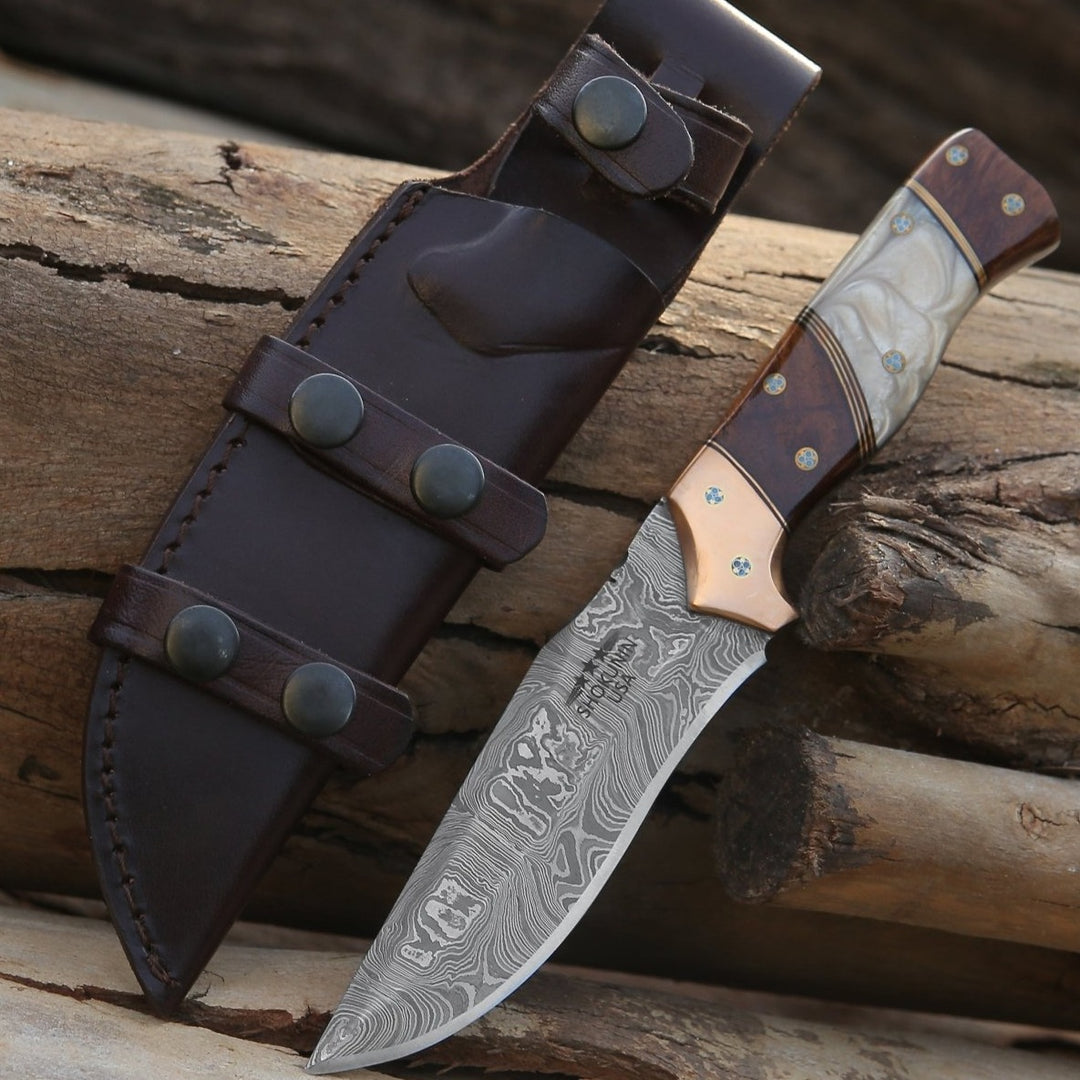
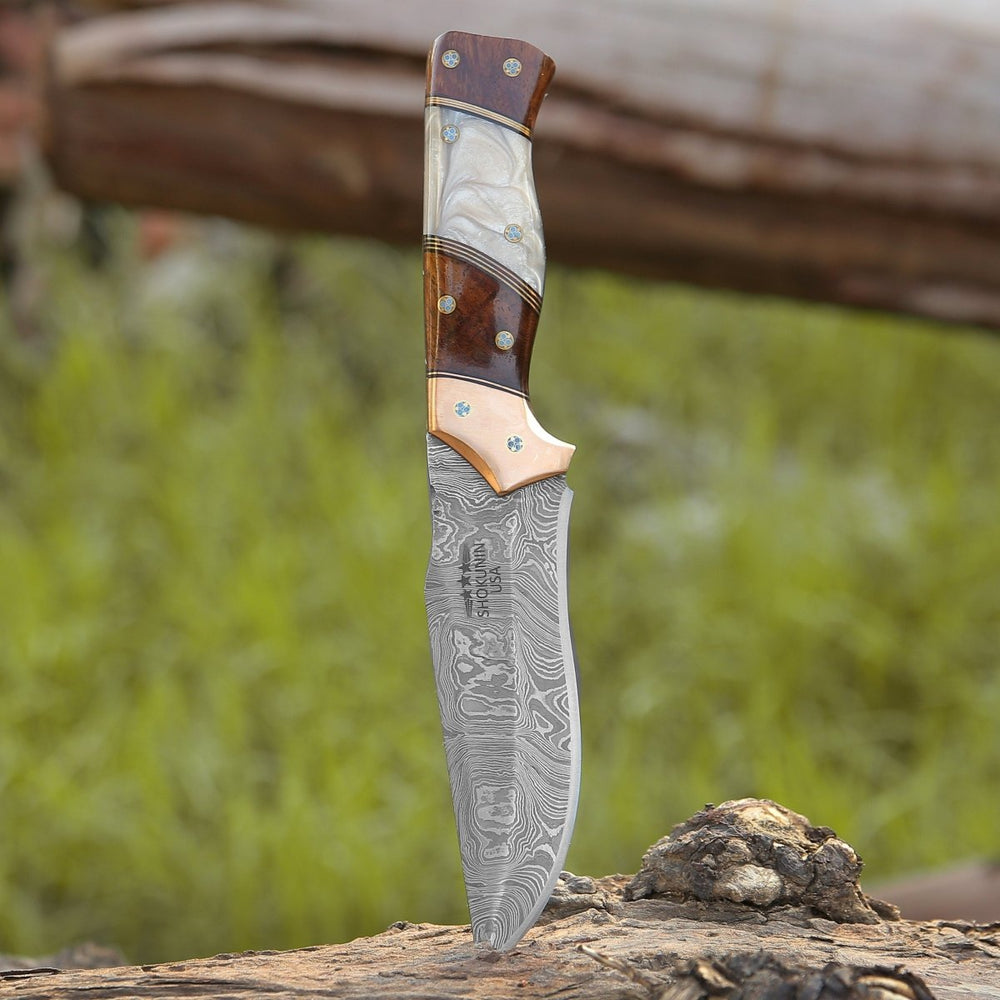
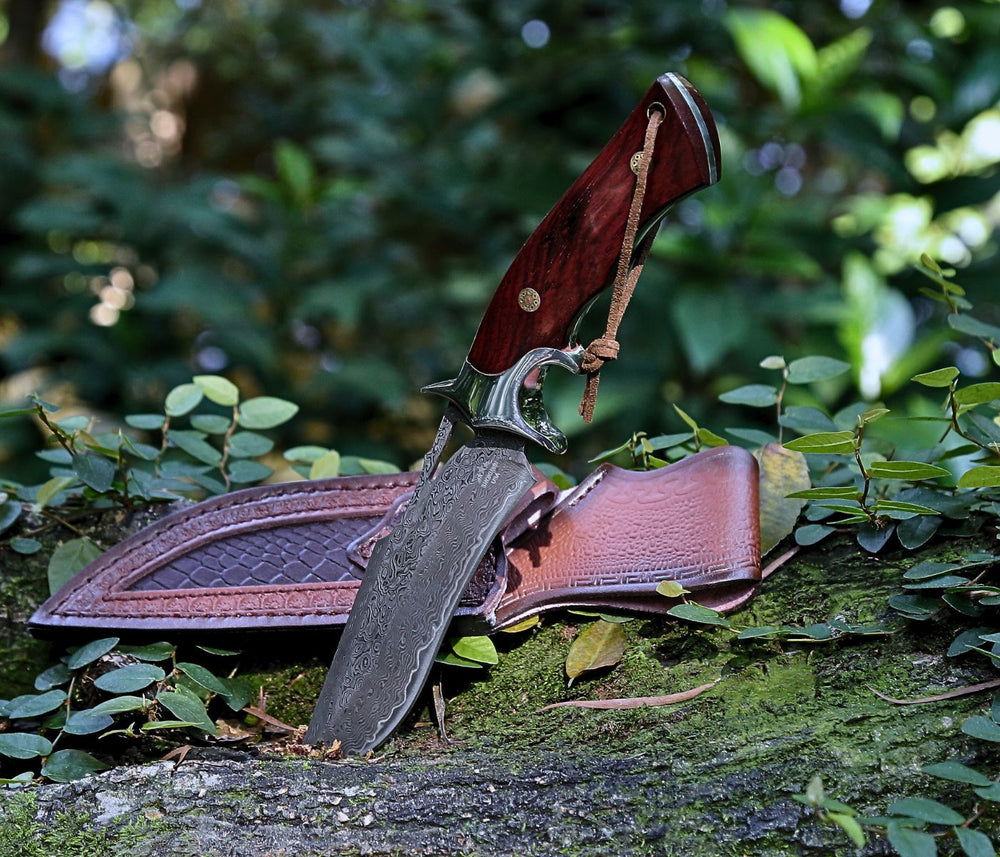
One of the most revered materials for knives is Damascus steel. Renowned for its unique patterns and high-performance qualities, a Damascus chef knife is not only functional, but an aesthetic marvel in your kitchen.
Damascus steel is made through a process involving the layering of different types of steel, which is then forged into a blade. This results in a strong and durable knife characterized by sharpness, edge retention, and rich patterns which make each knife one-of-a-kind.
Benefits of Using Damascus Steel
- Durability: Damascus steel is known for its longevity as it is resistant to corrosion and wear.
- Weight Balance: Hand-forged Damascus knives offer a well-balanced feel, making them comfortable for prolonged use.
- Visual Appeal: The distinctive patterns on Damascus blades add a touch of elegance to the kitchen.
Beyond Function: The Aesthetic Appeal of Knives
While functionality is the primary concern when selecting a knife, aesthetics shouldn’t be overlooked, especially for handmade knives. A beautifully crafted knife can enhance your kitchen decor and inspire creativity when cooking.
Choosing a Handle
The handle of a knife significantly contributes to its overall look. Options range from traditional wooden handles to modern synthetic materials. Exotic woods, such as Wenge or Olive, offer stunning visuals while being durable and comfortable to hold.
Design and Personalization
Some artisans offer personalization options such as engraving or custom designs. This can turn an excellent tool into a cherished gift or family heirloom. Personalized knives have a unique story that adds value beyond just their use in cooking.
Share Your Culinary Journey
Ultimately, the knife you choose can significantly impact your culinary experience. From a Damascus chef knife with an ergonomic handle to a vibrant paring knife, the options are plentiful. Whether you’re signing up for a cooking class, hosting a dinner party, or simply preparing a family meal, your knife will be your trusted sidekick.
As you embark on your culinary journey, remember that the right knife is an investment in your skills, creativity, and passion for cooking. Embrace the art of choosing and using quality utensils, and watch how your cooking transforms from mundane to magnificent.
Explore the beauty of handmade knives, find the right tools that suit your style, and let the magic of cooking inspire you each day!
Frequently Asked Questions
1. What are the main types of kitchen knives?
2. Why should I consider handmade knives?
3. What factors should I consider when choosing a knife?
4. How do I maintain my kitchen knife?
5. What is Damascus steel and why is it beneficial for knives?
Glossary
| Term | Meaning |
|---|---|
| Chef's Knife | A versatile knife for chopping, dicing, and slicing. |
| Paring Knife | A small knife for intricate tasks like peeling and detailed cutting. |
| Serrated Knife | A knife with a saw-like edge for slicing bread and tomatoes. |
| Boning Knife | A flexible knife designed for deboning meat and fish. |
| Utility Knife | A mid-sized knife for smaller cutting tasks like slicing cheese. |
| Damascus Steel | A high-quality steel known for its strength and unique patterns. |
| Blade Material | The metal used for the knife blade, affecting sharpness and durability. |
| Handle Material | The material of the knife handle, impacting grip and comfort. |
| Knife Maintenance | Proper care practices to ensure knife longevity and performance. |
| Knife Set | A collection of essential knives for various cooking needs. |
Linked Product

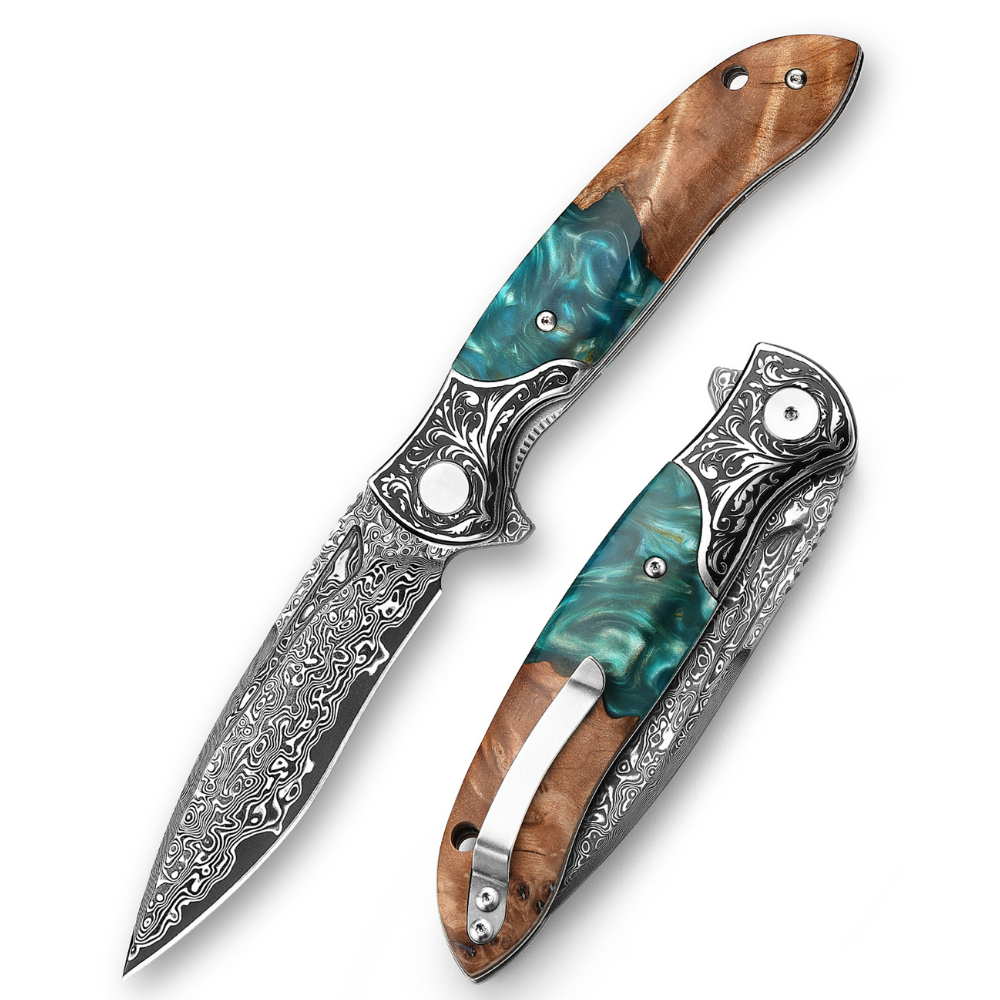
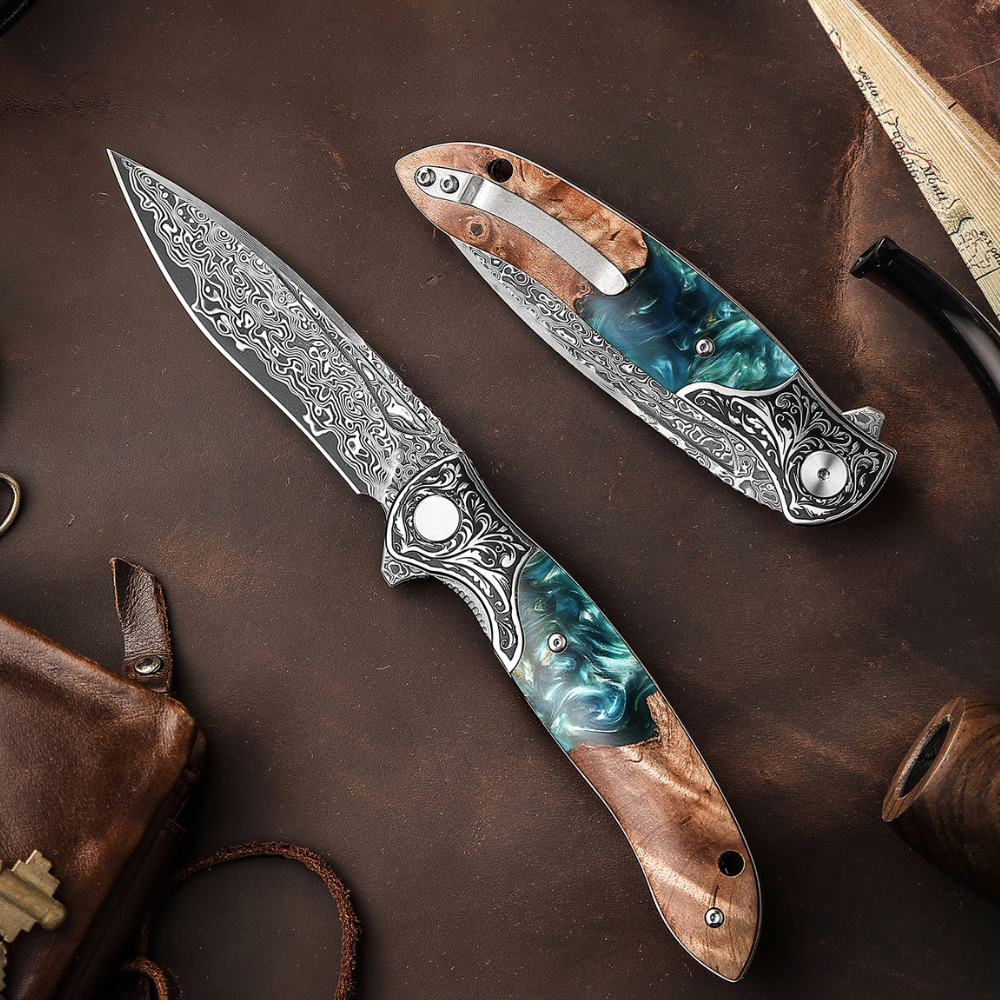
Epicurian Damascus Chef Knife with Exotic Wenge Wood & Turquoise Handle
The Epicurian Damascus Chef Knife combines exceptional craftsmanship with a striking design featuring an exotic wenge wood and turquoise handle. Its hand-forged Damascus steel blade offers superior sharpness and durability, ensuring professional-level performance in the kitchen. Additionally, the ergonomic design promotes comfort during use, making it a valuable tool for both amateur and experienced cooks.
View Product








Hinterlassen Sie einen Kommentar