

Overview
This article guides readers through the essential factors to consider when purchasing a kitchen knife, emphasizing that brand name is just one aspect of quality. By exploring knife types, materials, handle comfort, balance, and maintenance, readers will learn how to select a knife that suits their cooking style and enhances their culinary experience. Ultimately, the goal is to empower individuals to make informed decisions for a more enjoyable cooking journey.
Table of Contents
- Understanding Knife Types and Their Functions
- Chef's Knife
- Paring Knife
- Serrated Knife
- Specialty Knives
- Blade Material: What Makes a Difference?
- High-Carbon Stainless Steel
- VG10 Damascus Steel
- Alternative Materials
- Handle Comfort and Design
- Types of Handles
- Ergonomics
- Balance and Weight Sensitivity
- Edge Sharpness and Maintenance
- Factory Edge vs. Custom Edge
- Storage and Protection
- Price Point Considerations
- Craftsmanship and Design Aesthetic
- Handcrafted Knives
- Considering Brand Reputation
- Your Knife, Your Style
Key Takeaways
- Knife Types Matter: Understand the specific functions of different knives, such as chef's knives, paring knives, and serrated knives, to choose the right tool for your cooking style.
- Blade Material Influences Performance: High-carbon stainless steel and VG10 Damascus steel are popular for their durability and edge retention, while other materials like ceramic may require special care.
- Handle Comfort is Key: Choose handles that fit your hand size and cooking style for optimal control and comfort during use.
- Balance and Weight Impact Use: A well-balanced knife enhances precision, while weight preference varies between cooks; try different knives to find your ideal feel.
- Edge Maintenance is Essential: Regular honing and sharpening keep your knife performing well; consider factory edges versus custom sharpening for specific tasks.
- Proper Storage Prolongs Lifespan: Store knives in a way that protects their edges, such as using a magnetic strip or knife block.
- Quality Over Brand Name: Focus on craftsmanship and performance rather than just brand reputation to find a knife that suits your needs and budget.
When it comes to purchasing a knife, most people tend to gravitate towards brand names, often associating them with quality and performance. However, the brand is just one piece of the puzzle when considering the perfect knife for your kitchen. In this article, we will dive deeper into what makes a knife truly exceptional beyond just its brand, helping you make a well-informed decision on your next handcrafted chef knife.
Understanding Knife Types and Their Functions
Before diving into the specifics of what to look for when buying a knife, it is essential to understand the types of knives available and their specific functions. A well-chosen knife should cater to your cooking style and preferences:
Chef's Knife
The chef’s knife is often considered the workhorse of the kitchen. With its broad blade and tapered point, it excels at slicing, dicing, and chopping all kinds of ingredients. A quality chef's knife, such as one made from VG10 Damascus, provides versatility and efficiency in preparing meals.
Paring Knife
A paring knife is smaller than a chef’s knife and is used for intricate work, such as peeling, trimming, and removing seeds. It is an essential tool for those who enjoy detailed culinary work.
Serrated Knife
The serrated knife, often used for bread, has sharp teeth along its blade. This type of knife allows for clean cuts without crushing the soft interior of baked goods or other delicate items.
Specialty Knives
From filleting fish to carving meats, specialty knives are designed for specific tasks. Investing in a few specialty knives can enhance your culinary skills and make food prep an enjoyable experience.
Blade Material: What Makes a Difference?
The material from which the knife blade is made greatly influences its performance, longevity, and overall quality. This is where you must look beyond the brand name and focus on the specifics.
High-Carbon Stainless Steel
High-carbon stainless steel is popular among many professional chefs for its superior edge retention and strength. It’s highly resistant to rust and corrosion, making it a practical choice for those who value durability.
VG10 Damascus Steel
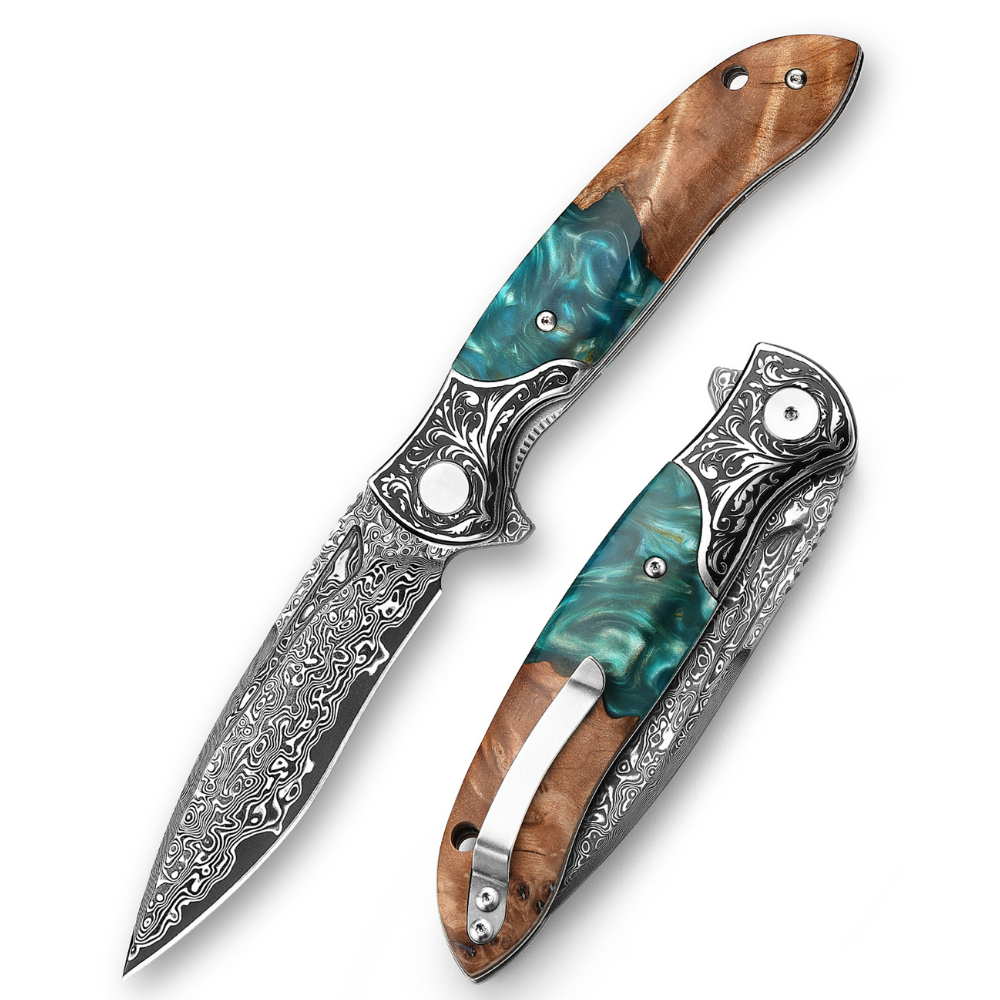
One of the more luxurious and high-performing materials is VG10 Damascus steel. Known for its incredible sharpness and edge retention, VG10 Damascus also features a beautiful layered pattern, adding an aesthetic appeal. Knives crafted from this material typically offer a perfect blend of performance and elegance, making them a must-consider option.
Alternative Materials
Other materials include ceramic and titanium blades, which can be lighter and sharper but may require special care to maintain their edges. It's essential to weigh the pros and cons of each material according to your cooking habits.
Handle Comfort and Design
The handle of a knife is just as crucial as the blade itself. A knife that feels good in your hand can significantly impact your cooking experience.
Types of Handles
- Wood: Wooden handles offer a classic look and feel. They provide comfort but require regular maintenance to keep them from absorbing moisture.
- Plastic: Plastic handles are durable and often dishwasher-safe, making them easy to maintain.
- Metal: Metal handles can be sleek and modern; however, they can become slippery when wet.
Ergonomics
When searching for the perfect knife, pay attention to the ergonomics. A comfortable grip allows for extended use without discomfort. Look for handles that fit your hand size and cooking style to ensure that you have optimal control while cutting.
Balance and Weight Sensitivity
Balance is a critical aspect that many knife buyers overlook. A well-balanced knife feels comfortable to hold and allows for precise cuts. The balance point of a knife should ideally be at the bolster or slightly ahead for better control.
Weight is another factor to consider; some cooks prefer a heavier feel, believing it leads to better cutting force, while others favor a lighter knife that allows for quicker, more agile movements. Try handling different knives before making a decision to find the right weight for you.
Edge Sharpness and Maintenance
A knife is only as good as its edge. The initial sharpness affects how the knife performs out of the box, but maintenance is equally essential for longevity.
Factory Edge vs. Custom Edge
Many high-quality knives come with a factory edge that is sharp but may not be as fine-tuned for specific tasks. Some knives allow for custom sharpening angles, providing enhanced performance. Learning to maintain your knife’s edge through honing and occasional sharpening is vital for keeping it performing at its best over the years.
Storage and Protection
When not in use, your knives should be stored properly to protect their edges and prolong their lifespan. Whether using a magnetic strip, a knife block, or individual sheaths, the goal is to avoid contact with other knives or hard surfaces that cause dulling.
Price Point Considerations
While it can be tempting to go for the most expensive knives in the store, there are plenty of options that offer incredible quality at various price points. Consider what aligns with your cooking habits and budget. A high-quality knife can often serve you better than a more expensive brand name knife that may not meet your performance needs.
Craftsmanship and Design Aesthetic
Last but not least, the overall craftsmanship and aesthetic design of the knife can play a significant role in your purchasing decision. A knife that not only functions well but also looks good can bring an element of pride into your kitchen.
Handcrafted Knives
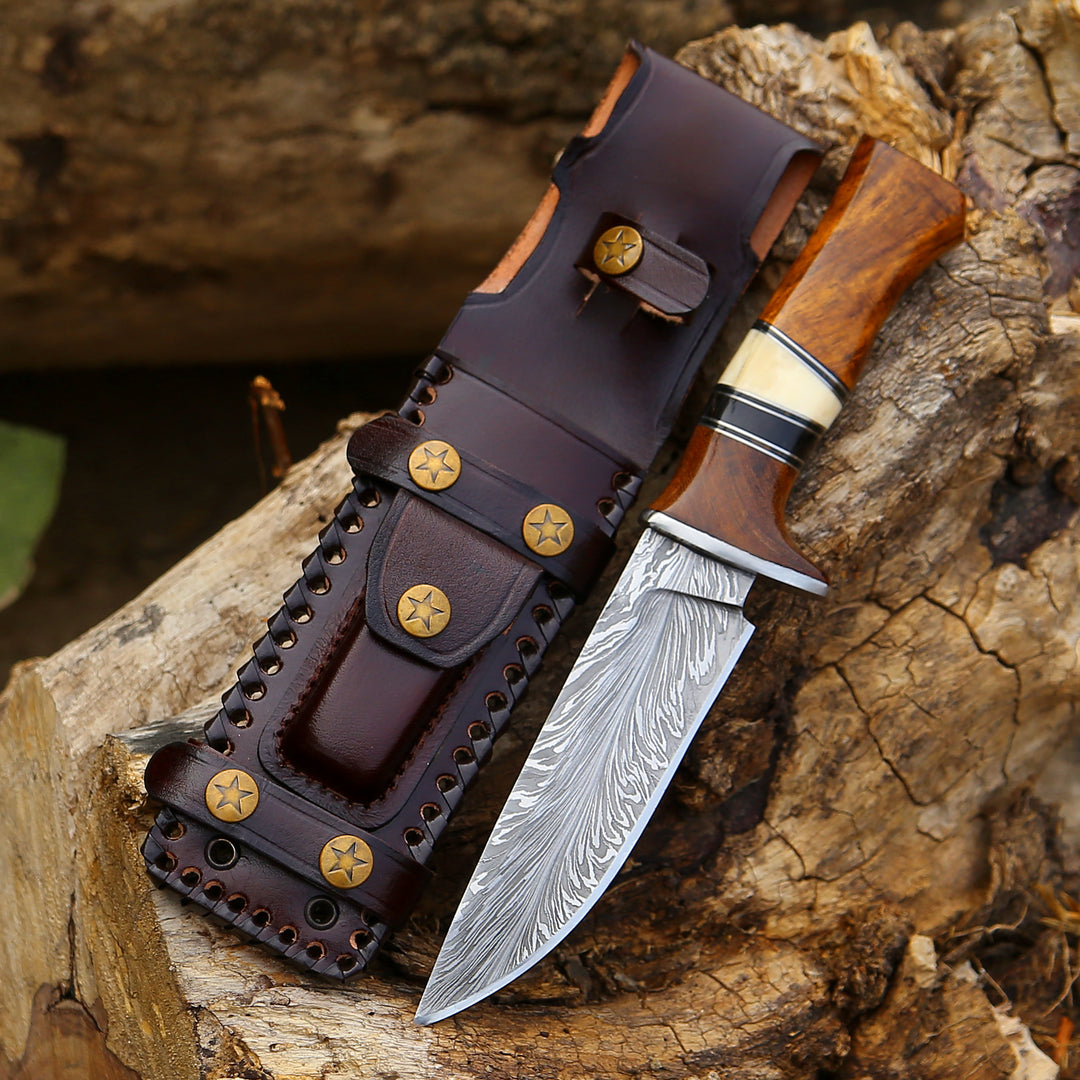
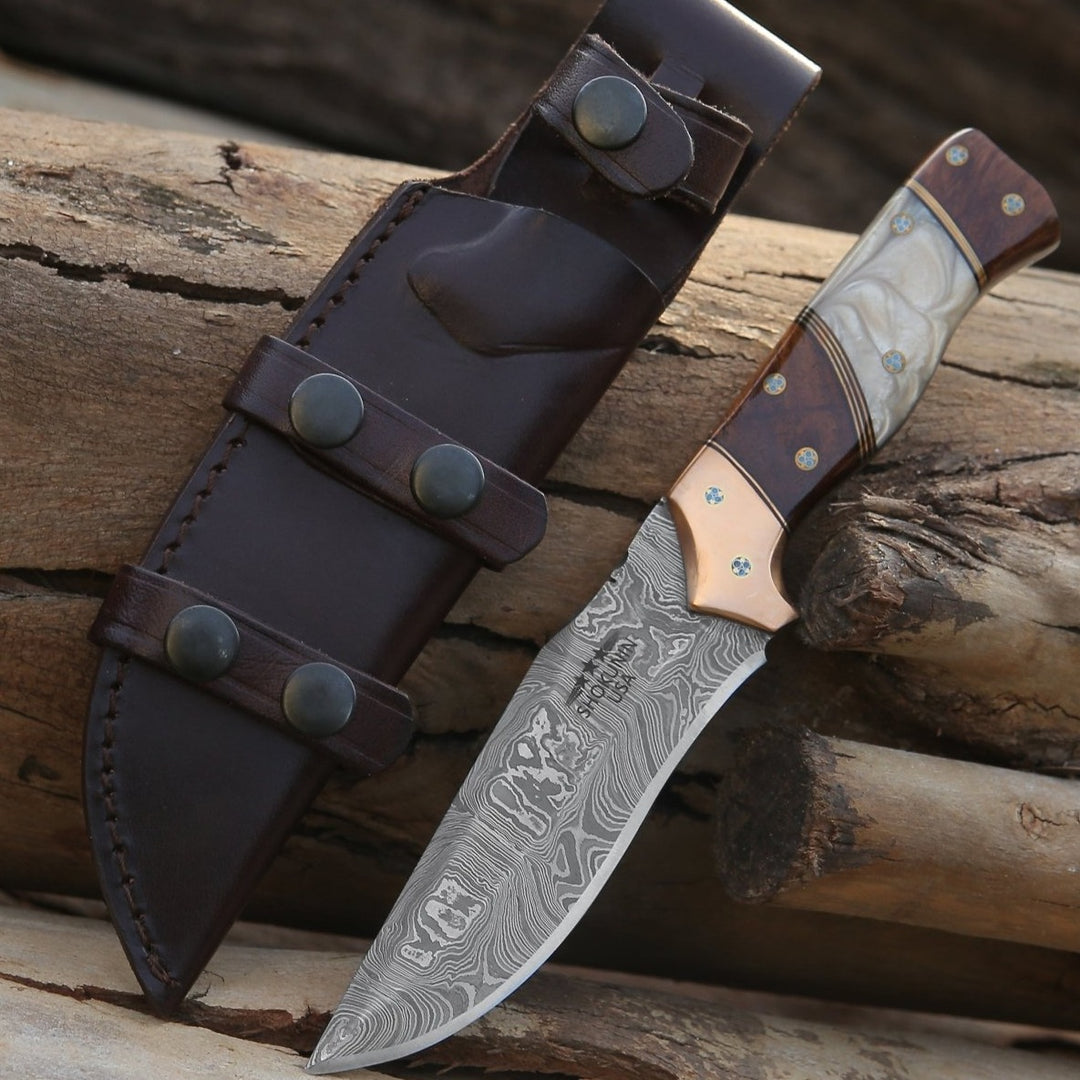
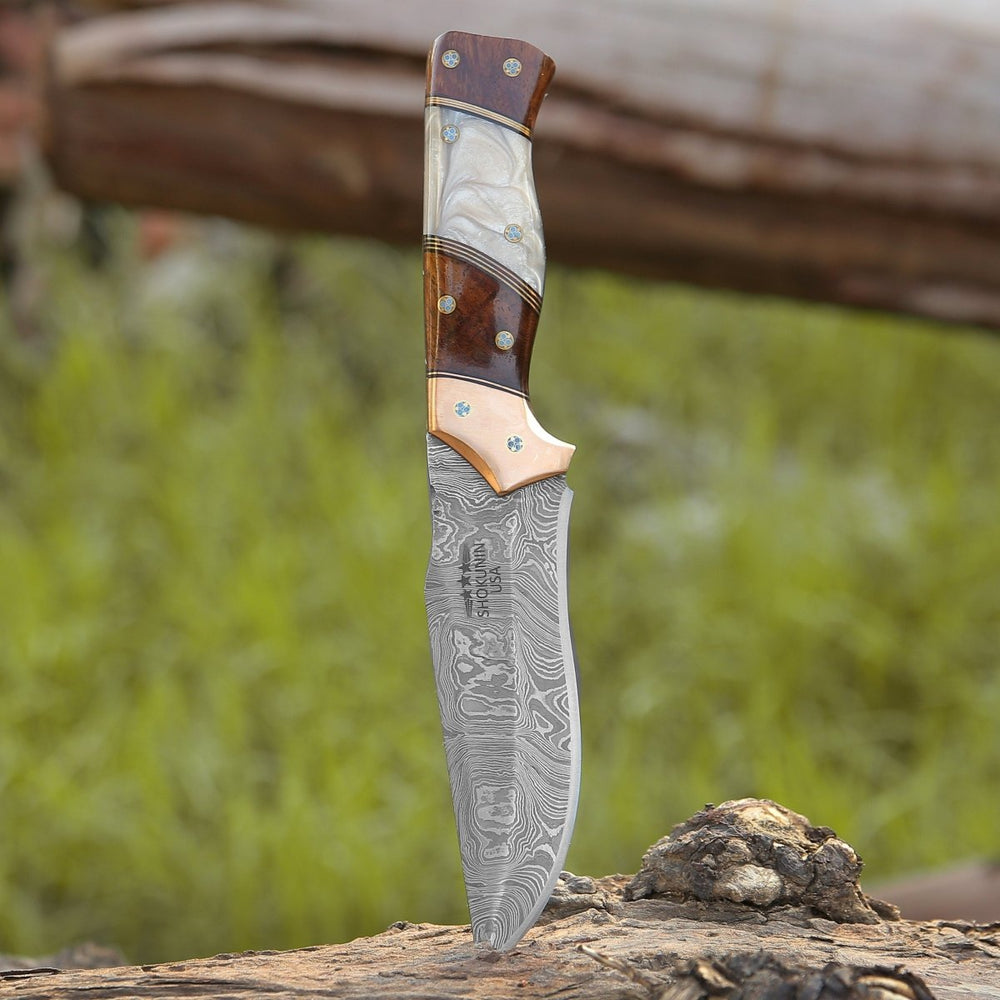
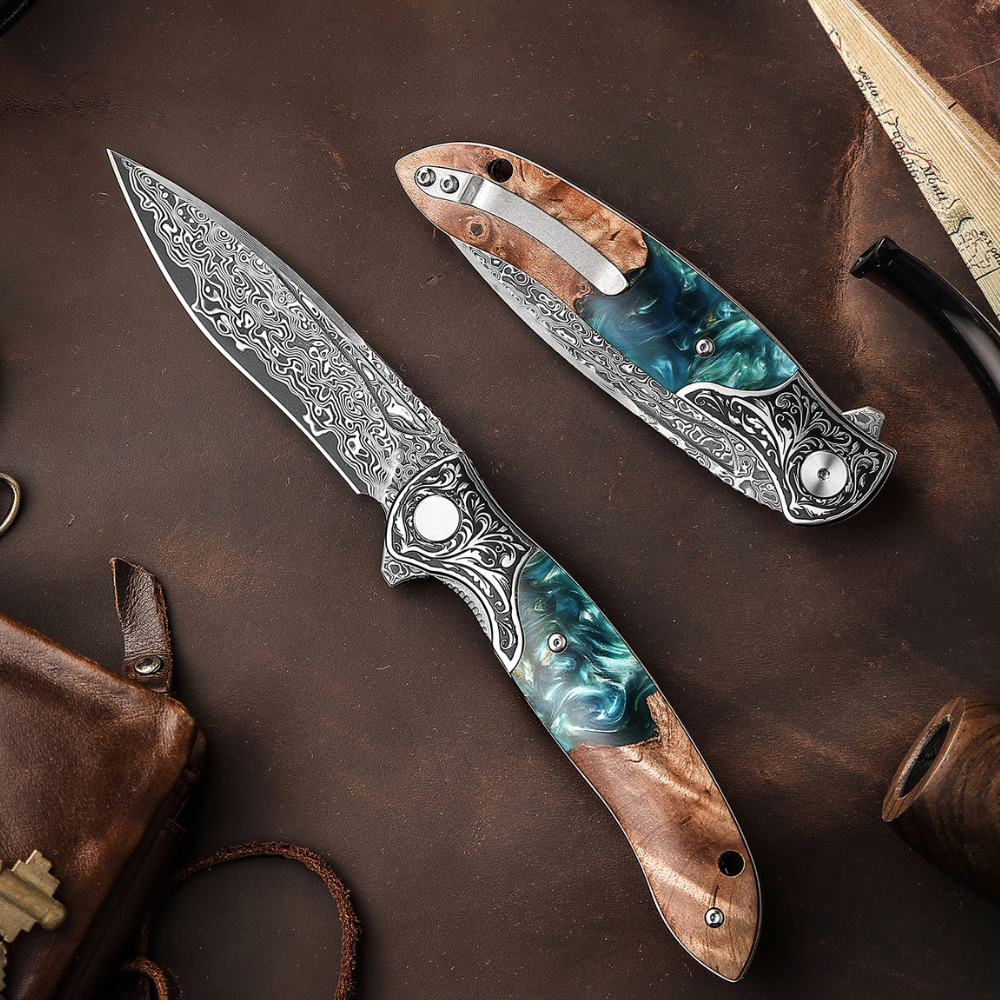
Many chefs and cooking enthusiasts appreciate the uniqueness and skill involved in handcrafted chef knives. Often created in smaller batches, handcrafted knives come with a story and uniqueness that mass-produced knives cannot replicate. The attention to detail, choice of materials, and artistic expression combine to create a tool that is not just functional but a piece of art.
Considering Brand Reputation
While we are delving into what to look for beyond the brand name, it's essential to recognize that the reputation of certain brands is built on years of quality and expertise. Researching brands that are known for their craftsmanship, customer service, and warranties can add an extra layer of assurance to your purchase.
Your Knife, Your Style
Ultimately, the best knife for you goes beyond any brand name. Whether you’re leaning towards a stunning VG10 Damascus knife or something that suits your personal ergonomic preferences, the key is to know what you’re looking for. Understand blade materials, handle comfort, weight, and balance to ensure your knife complements your cooking style and enhances your culinary experience.
With individual tastes and cooking techniques, finding the perfect knife may take time, but the journey will surely lead you to a kitchen tool that feels like an extension of your hand. In the end, a well-chosen knife can significantly elevate your cooking process, making it more enjoyable and efficient. Happy cooking!
Frequently Asked Questions
1. What are the most common types of kitchen knives?
2. What is the best material for a knife blade?
3. How important is the handle design on a knife?
4. What factors should I consider regarding knife balance and weight?
5. Is brand reputation important when buying a knife?
Glossary
| Term | Meaning |
|---|---|
| Chef's Knife | A versatile kitchen knife for slicing, dicing, and chopping. |
| Paring Knife | A small knife used for intricate tasks like peeling and trimming. |
| Serrated Knife | A knife with a toothed blade, ideal for cutting bread and soft items. |
| High-Carbon Stainless Steel | A durable blade material known for edge retention and rust resistance. |
| VG10 Damascus Steel | A premium steel known for sharpness and an attractive layered design. |
| Ergonomics | Design features that enhance comfort and control while using a knife. |
| Factory Edge | The initial sharpness of a knife as it comes from the manufacturer. |
| Handcrafted Knives | Unique knives made in small batches, emphasizing craftsmanship. |
| Balance | The distribution of weight in a knife, affecting control and comfort. |
| Price Point | The cost of a knife, which can vary widely based on quality and brand. |
Linked Product

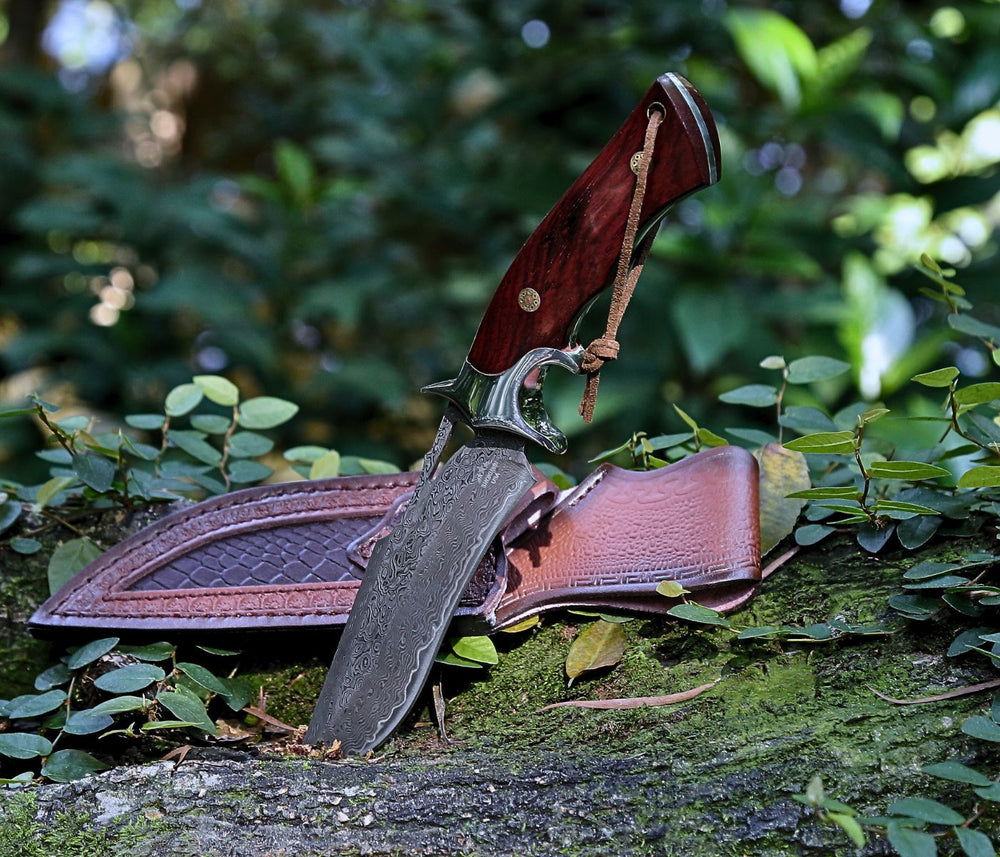
Emerald Japanese Damascus Chef knife with Exotic Snake Wood & Copper Handle
The Emerald Japanese Damascus Chef Knife features an 8-inch blade made from high-quality Japanese Damascus steel, ensuring exceptional edge retention and strength for various kitchen tasks. Its ergonomic handle, crafted from exotic snakewood with copper accents, offers a comfortable grip while enhancing the knife's elegant appearance. This knife is not only designed for precision performance in food preparation but also includes a handcrafted leather sheath for protection and a distinctive presentation.
View Product








Dejar un comentario