

Overview
Pocket knives, especially gentleman's pocket knives, are symbols of craftsmanship but their production has significant environmental impacts. This article explores the materials, processes, and sustainable practices involved in knife manufacturing. It emphasizes the importance of choosing handmade products, supporting local artisans, and practicing proper knife care to reduce ecological footprints. Future trends aim for biodegradable materials and energy-efficient production. Consumer awareness and advocacy for sustainable practices are crucial for fostering responsible manufacturing in the knife industry.
Table of Contents
- The Materials Behind Pocket Knives
- Production Processes and Their Footprint
- Forging and Machining
- Finishing and Coating
- The Impact of Distribution and Use
- 5 Ways to Support Sustainable Pocket Knife Practices
- The Role of Regulations and Initiatives
- Future Trends in Sustainable Knife Production
- The Importance of Consumer Awareness
Key Takeaways
- Material Selection: Choose pocket knives made from sustainably sourced materials like reclaimed wood and recycled metals to minimize ecological impact.
- Energy Use: Support manufacturers that utilize renewable energy sources such as solar or wind power during the production process.
- Eco-Friendly Finishes: Opt for brands that use non-toxic coatings and environmentally safe waste disposal methods in their finishing processes.
- Local Support: Buy from local artisans to reduce transportation emissions and promote community economic growth.
- Knife Maintenance: Properly maintain your pocket knife to extend its lifespan, reducing the need for replacements and minimizing waste.
- Consumer Awareness: Stay informed about manufacturers’ environmental practices and choose brands that comply with eco-friendly regulations.
- Future Innovations: Look out for emerging trends like biodegradable materials and community engagement initiatives that contribute to sustainability in knife production.
As outdoor enthusiasts and collectors know, pocket knives are not just tools; they are a symbol of craftsmanship, utility, and tradition. Among the various types of knives, the gentleman's pocket knife stands out for its blend of elegance and practicality. However, the rising popularity of handmade knives brings with it an important conversation: the environmental impact of their production. In this article, we will delve deep into the ecological considerations surrounding pocket knife manufacturing, focusing on materials, processes, and sustainable practices.
The Materials Behind Pocket Knives
The first step in understanding the environmental impact of pocket knife production is to evaluate the materials used in their creation. Traditional pocket knives often consist of the following components:
- Blade Steel: High-carbon stainless steel is a common choice, offering durability and resistance to rust. The extraction and processing of iron ore for steel manufacture can have significant ecological impacts.
- Handles: Materials range from exotic woods to synthetic polymers. While wood offers a natural aesthetic, sourcing from unsustainable forests can lead to deforestation and loss of biodiversity.
- Fittings: Elements such as brass or aluminum may also be included. The mining and refining of these metals can cause various environmental issues, including habitat destruction and pollutant release.
Choosing sustainably sourced materials is crucial in mitigating some of these impacts. The trend toward using reclaimed wood or recycled metals is growing in popularity among craftsmen and manufacturers of handmade knives.
Production Processes and Their Footprint
The manufacturing processes of pocket knives involve several stages, each with its own environmental costs. Understanding these stages can offer insights into reducing the ecological footprint.
Forging and Machining
The initial stage of production usually involves forging or machining the blade from a steel blank. This process can be energy-intensive, especially if powered by non-renewable sources. Some manufacturers are now transitioning to more sustainable energy practices, such as solar or wind power. Nevertheless, machining can create waste materials, including metal shavings and cut-off fragments. Efficient recycling practices are essential for minimizing waste during this phase.
Finishing and Coating
Once the basic shape of the knife is formed, it goes through finishing processes. These may include grinding, polishing, and applying coatings that enhance corrosion resistance. Many of the chemicals used in these treatments can be harmful to the environment if not disposed of properly. Eco-conscious brands are increasingly adopting non-toxic finishes and ensuring their waste disposal methods are environmentally friendly.
The Impact of Distribution and Use
After production, pocket knives enter the distribution phase. This includes transportation from factories to retailers, which typically contributes to carbon emissions due to fuel consumption. Consumers can help reduce their carbon footprint by buying local or supporting companies that prioritize eco-friendly supply chains.
Moreover, the continual use and maintenance of pocket knives can also have environmental consequences. Adequate care can extend the life cycle of the knife, thereby reducing the need for replacements. Using natural lubricants and cleaners rather than chemical alternatives can also contribute to lesser environmental harm.
5 Ways to Support Sustainable Pocket Knife Practices
If you love the craftsmanship of pocket knives, consider these five strategies to support sustainable practices in their production:
- Choose Handmade: Opt for handmade knives produced by artisans who prioritize sustainability and ethical practices in sourcing materials.
- Research Brands: Learn about manufacturers' commitment to environmental responsibility. Look for certifications that indicate eco-friendly practices.
- Promote Local Artisans: Supporting local craftsmen reduces transportation emissions and fosters community economic growth.
- Invest in Quality: A high-quality knife is likely to last longer, reducing waste over time and fostering less frequent replacements.
- Care for Your Knife: Maintain your pocket knife properly to extend its lifespan and reduce the need for new purchases.
The Role of Regulations and Initiatives
Regulatory bodies and industry initiatives also play a vital role in addressing the environmental impact of pocket knife production. Compulsory regulations around sourcing, emissions, and waste management can encourage more responsible practices across the industry. As a consumer, being informed about these regulations will empower you to choose brands that comply with eco-friendly standards.
Future Trends in Sustainable Knife Production
As society increasingly prioritizes environmental consciousness, we can expect more innovative approaches in pocket knife production. Emerging trends include:
- Alternative Materials: The rise of biodegradable materials, such as bioplastics, may revolutionize the knife industry.
- Energy-efficient Manufacturing: Enhanced methods and equipment aimed at reducing energy consumption during the production process.
- Community Engagement: More brands are actively involving the community in reforestation initiatives, offsetting their carbon footprints with tree-planting programs.
By embracing these trends, the production of the gentleman's pocket knife can evolve to support the planet while still providing the quality and functionality that enthusiasts expect.
The Importance of Consumer Awareness
Ultimately, consumer choices significantly impact the environmental direction of the pocket knife industry. By opting for products from brands that are truly committed to sustainability, individuals can help foster better practices across the industry. Furthermore, advocating for transparency in sourcing materials and manufacturing processes can lead to necessary changes in the market.
The environmental impact of pocket knife production is an important consideration in our increasingly conscious world. As we appreciate the elegance and utility of our gentleman's pocket knife, let's also commit to supporting sustainable practices that honor both our needs and the planet's health.
By embracing sustainability today, we can ensure that future generations of knife enthusiasts can enjoy the same high-quality craftsmanship while protecting the environment. It's not just about owning a knife; it's about owning the responsibility that comes with every purchase we make.
Frequently Asked Questions
1. What is the focus of the blog article?
2. What materials are commonly used in traditional pocket knives?
3. How can consumers support sustainable practices in pocket knife production?
4. What are some future trends in sustainable knife production?
5. Why is consumer awareness important in the pocket knife industry?
Glossary
| Term | Meaning |
|---|---|
| Pocket Knife | A small folding knife designed for everyday carry and utility. |
| Blade Steel | Material used for the knife blade, often high-carbon stainless steel for durability. |
| Handles | Part of the knife held by the user, made from wood or synthetic materials. |
| Forging | A process of shaping metal using compressive forces, often energy-intensive. |
| Finishing | Processes like grinding and polishing that enhance the knife's appearance and function. |
| Sustainable Practices | Methods aimed at reducing environmental impact during production and use. |
| Local Artisans | Craftspeople who create handmade knives, often prioritizing sustainable sourcing. |
| Consumer Awareness | Understanding the environmental implications of purchasing decisions. |
| Eco-Friendly | Practices that minimize harm to the environment in production and use. |
| Biodegradable Materials | Materials that can break down naturally, reducing waste impact. |
Linked Product

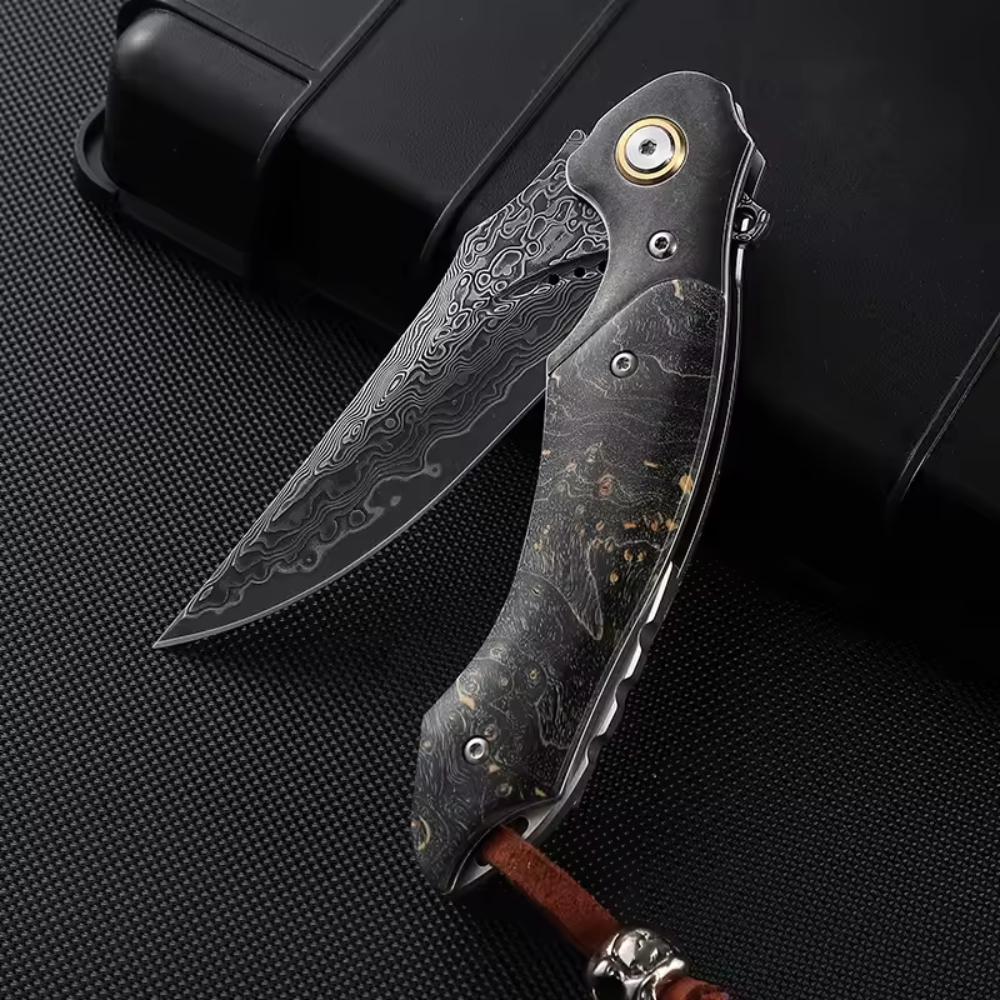
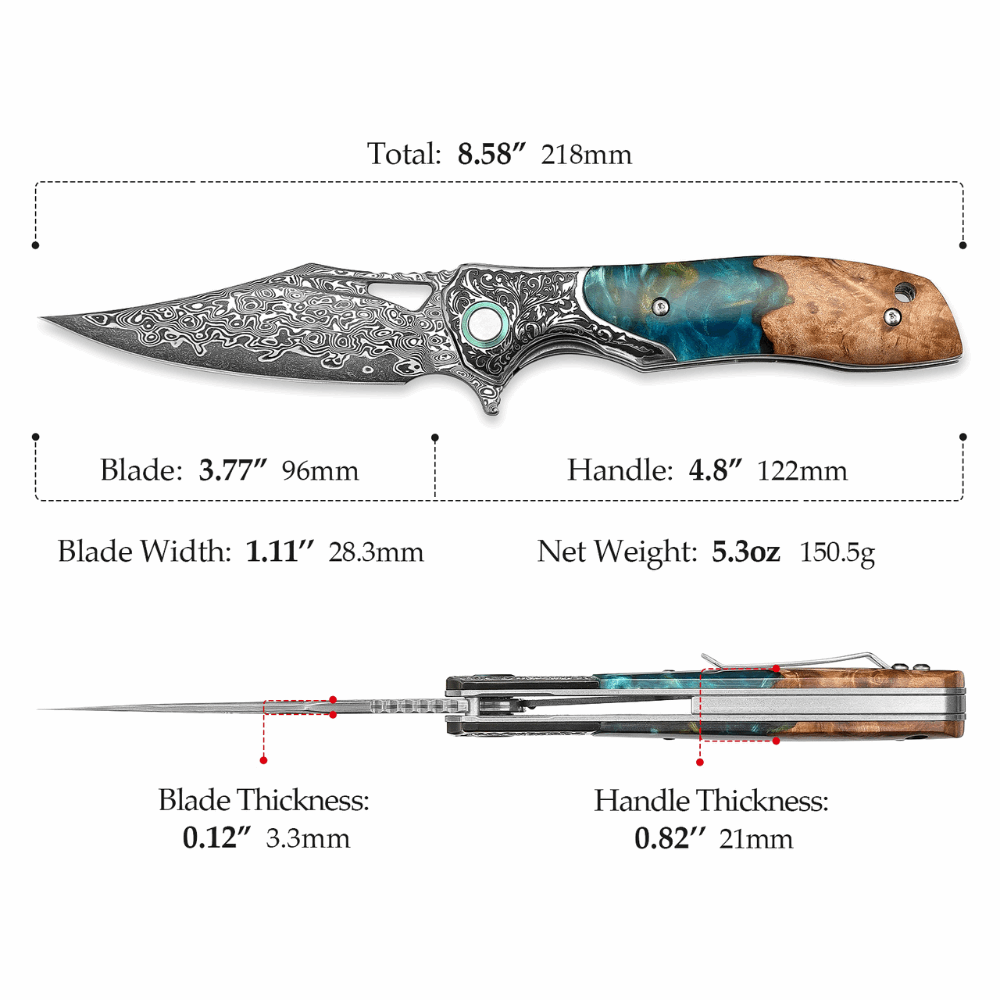
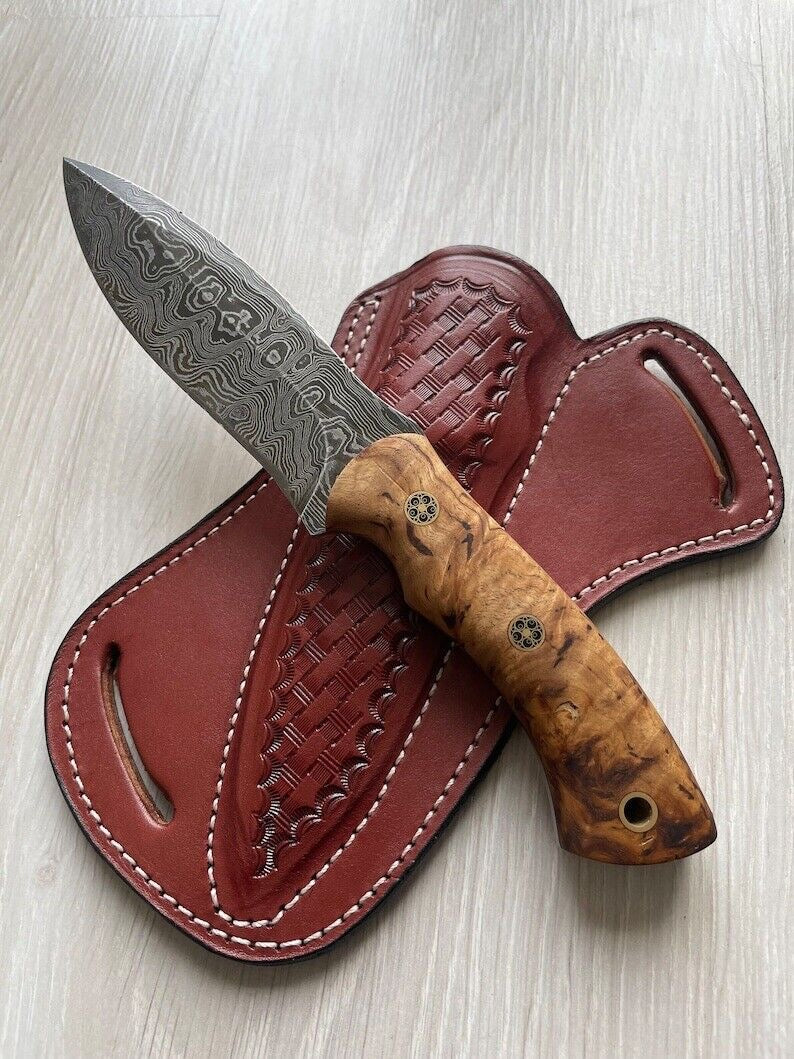
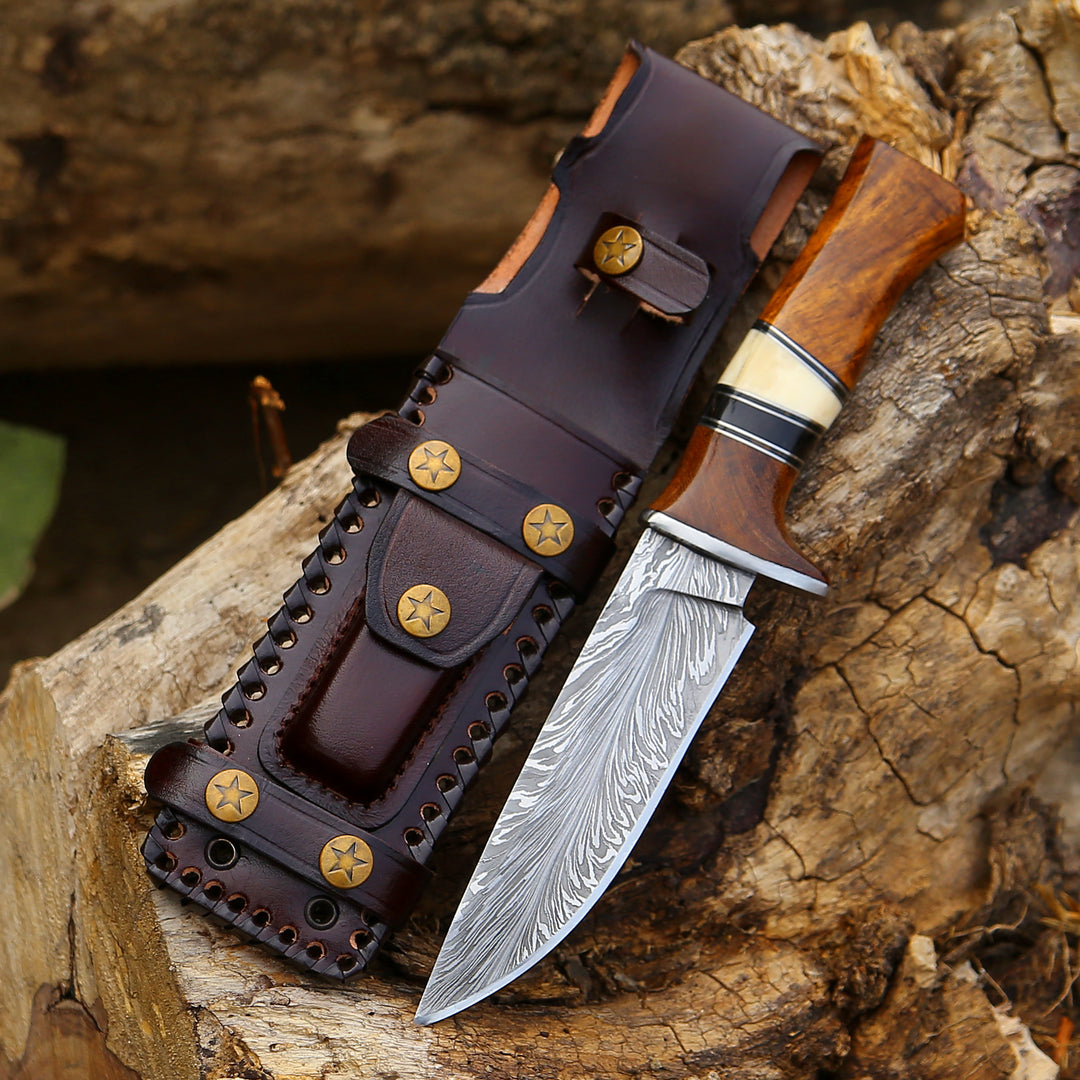
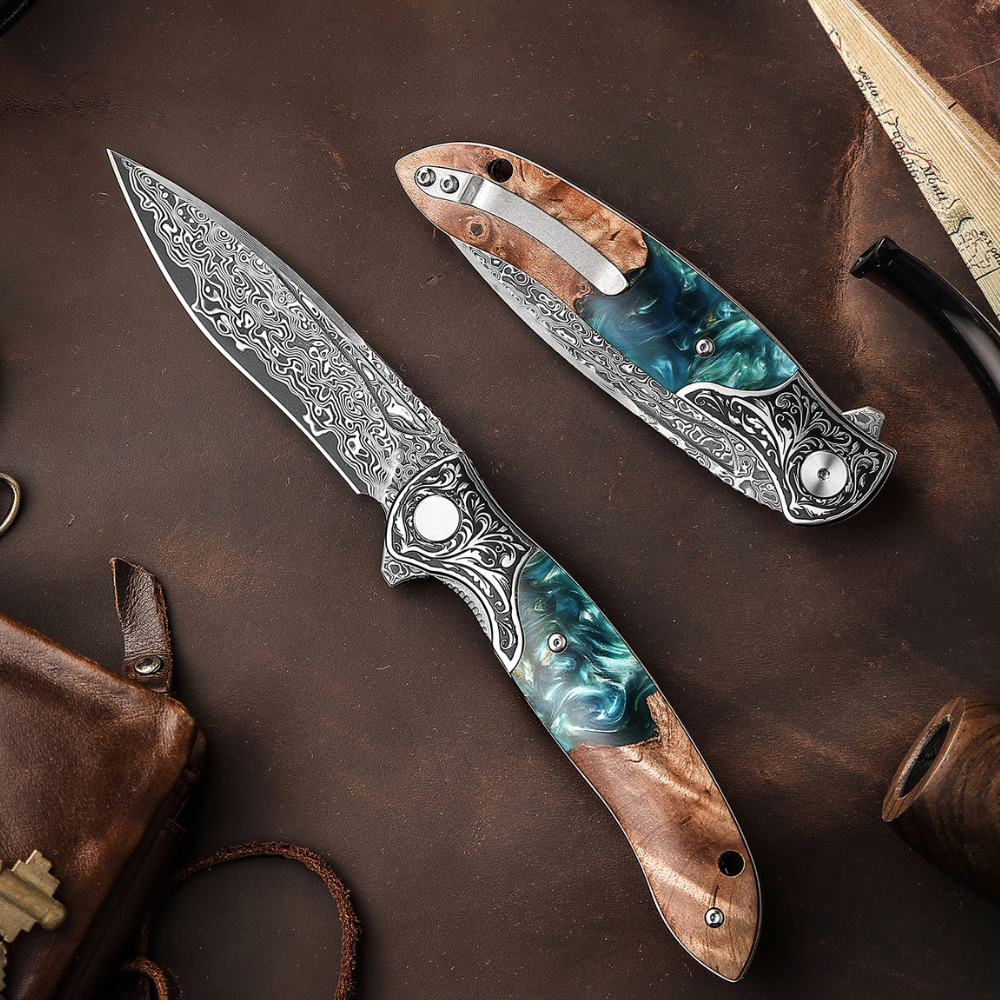
Polar Japanese VG10 Damascus Pocket Knife with Exotic Sandal Wood Handle
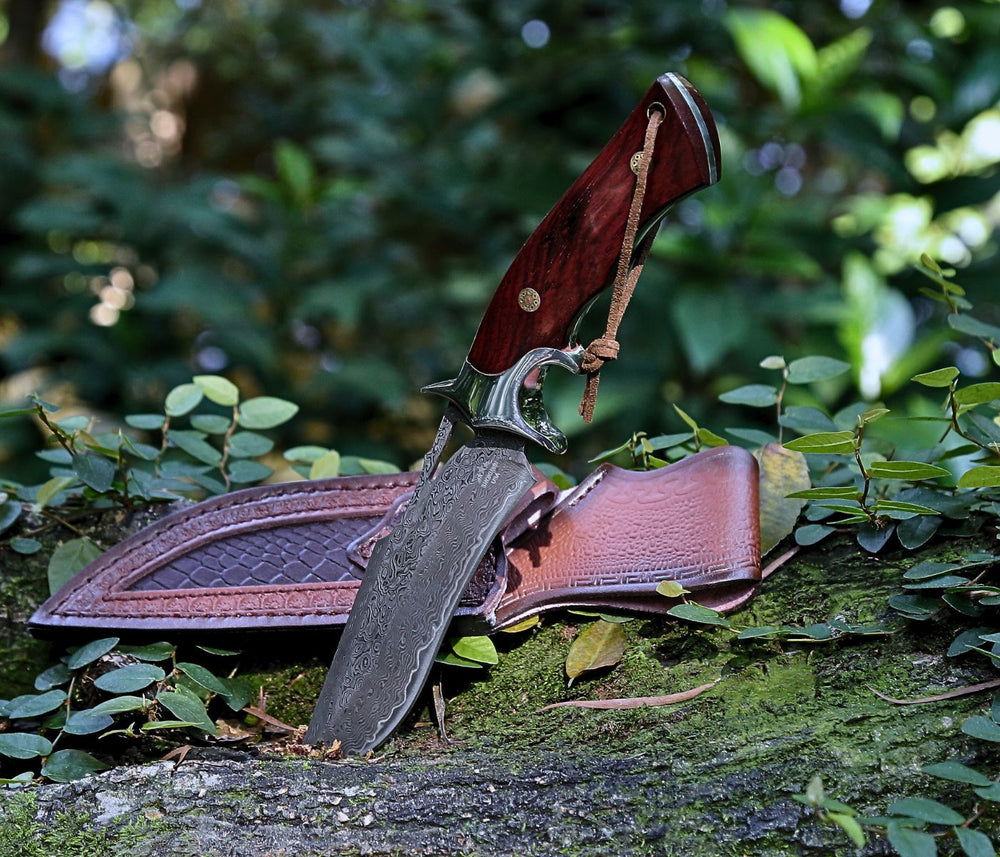
The Polar Japanese VG10 Damascus Pocket Knife features a unique hand-forged blade made from VG10 and 15n20 steel, offering exceptional strength and edge retention. With an ergonomic design and an elegant red sandalwood handle, this folding knife combines aesthetics with practicality, making it suitable for both everyday tasks and as a stylish accessory. Included with the knife are a hand-stitched leather sheath and a pocket knife sharpener, ensuring you have the tools needed for maintenance and ease of use.
View Product









Leave a comment