


Overview
Choosing the right pocket knife involves understanding key features such as blade types, locking mechanisms, blade and handle materials, size, weight, comfort, and price. EDC (Everyday Carry) knives are popular for their practicality and versatility. Consider brand reputation, customization options, and warranty policies when making a purchase to ensure you select a reliable tool that meets your needs.
Frequently Asked Questions
1. What is the best blade material for EDC knives?
2. Are serrated knives more useful?
3. How do I care for my pocket knife?
4. What are some key features to consider when buying a pocket knife?
5. Why is brand reputation important when purchasing a pocket knife?
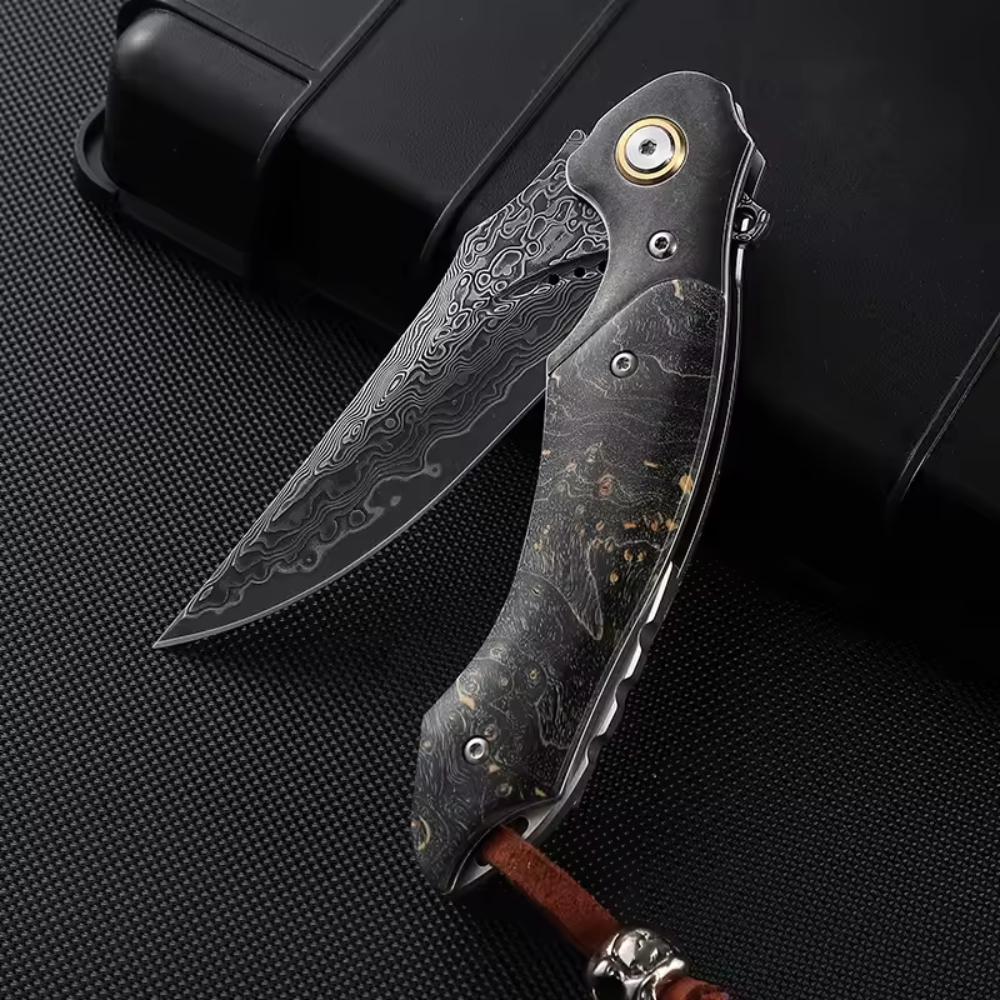
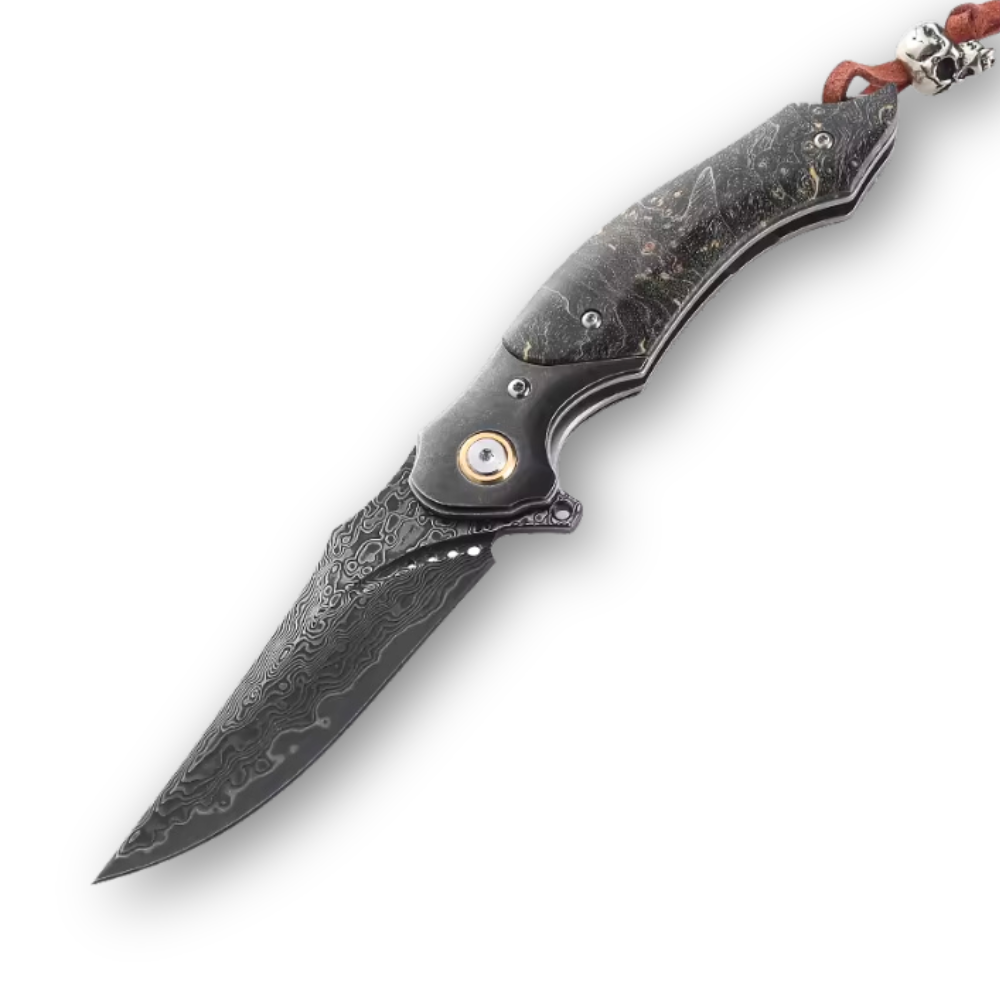
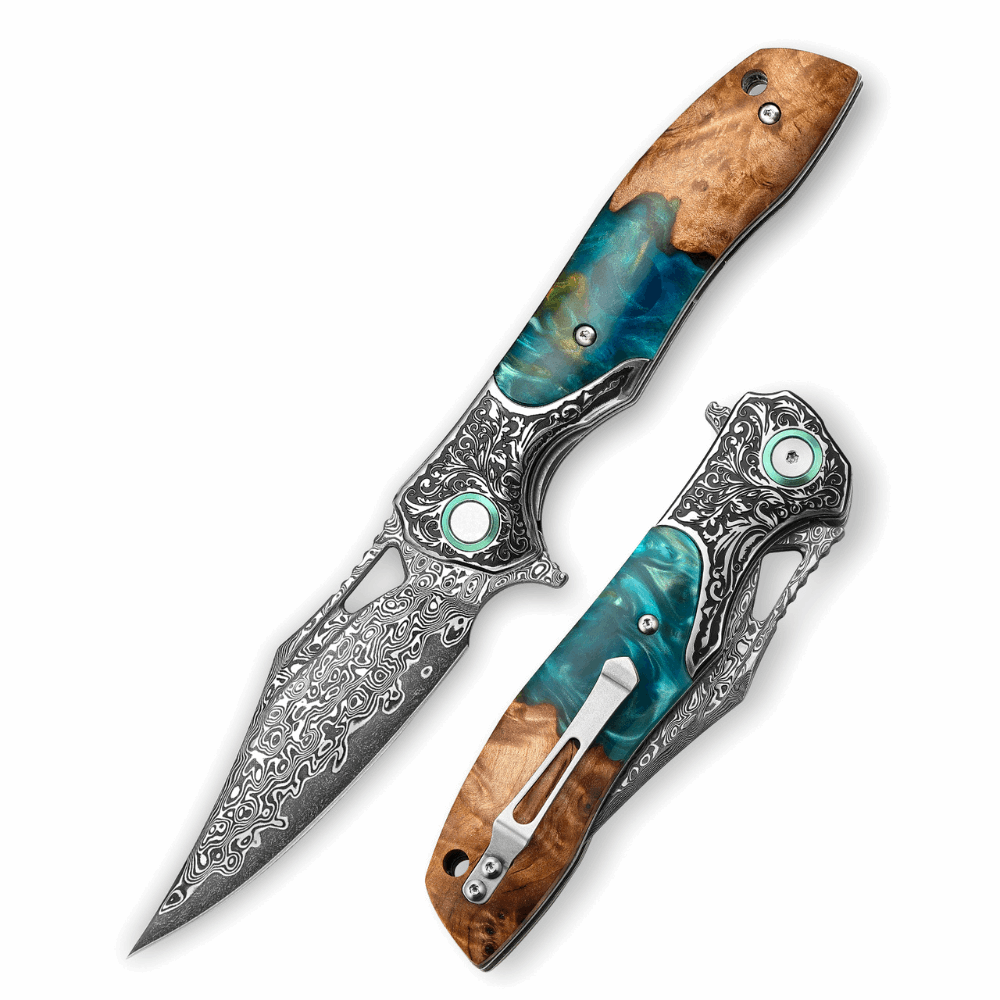
There’s no denying that a pocket knife is one of the ultimate tools for practicality and versatility. Whether you’re an outdoor enthusiast, a DIY hobbyist, or simply someone who wants to be prepared for everyday tasks, selecting the right knife is key. Understanding the key features to consider when buying a pocket knife will ensure you choose a reliable tool that meets your needs. In this guide, we will explore those essential features and why “EDC knives” (Everyday Carry knives) have become increasingly popular among users.
Understanding the Terminology
Before diving into the essential features of a pocket knife, it’s important to understand some basic terminology associated with these handy tools. Knowing the lingo will help you make informed decisions when shopping for EDC knives.
Blade Types
A pocket knife can have various blade types, each serving a different function. Some commonly found blade types include:
- Drop Point: This blade type features a convex curve that meets the point, ensuring strong versatility and control.
- Clip Point: Known for its sharp tip, the clip point is perfect for piercing and detail work.
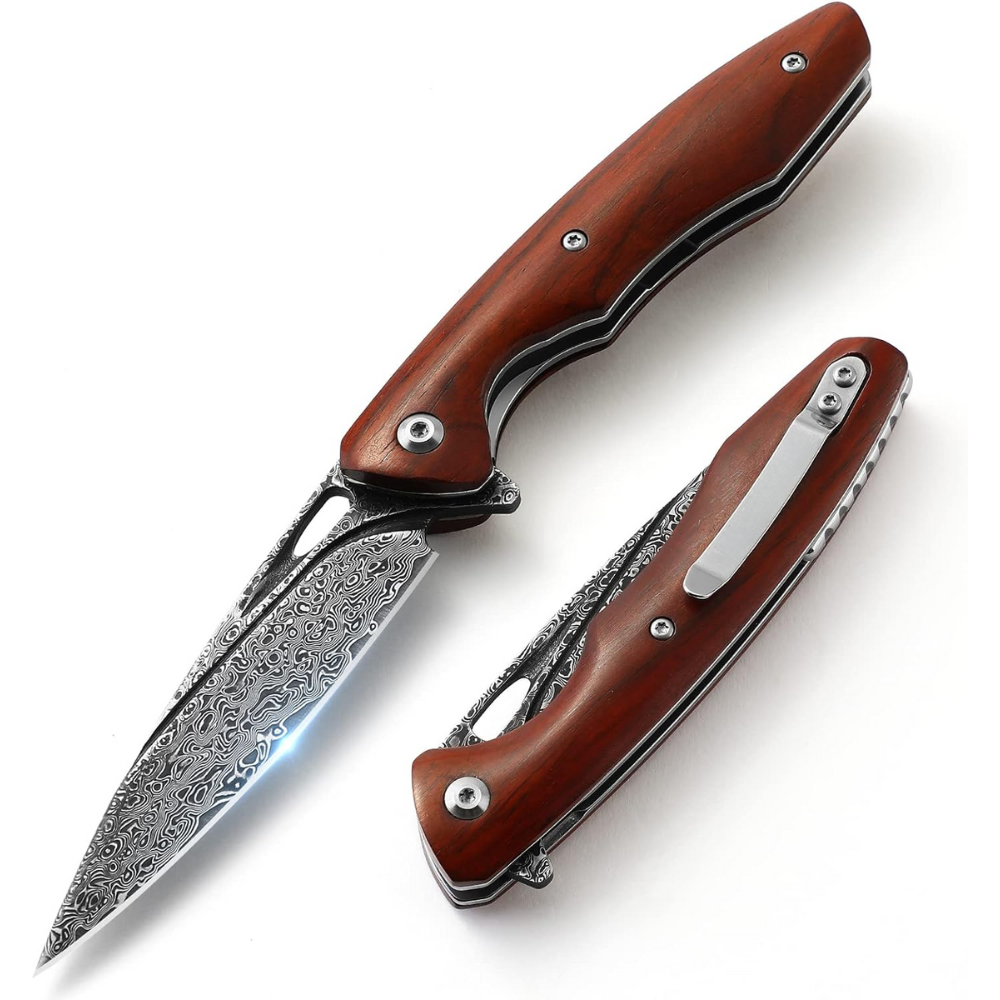
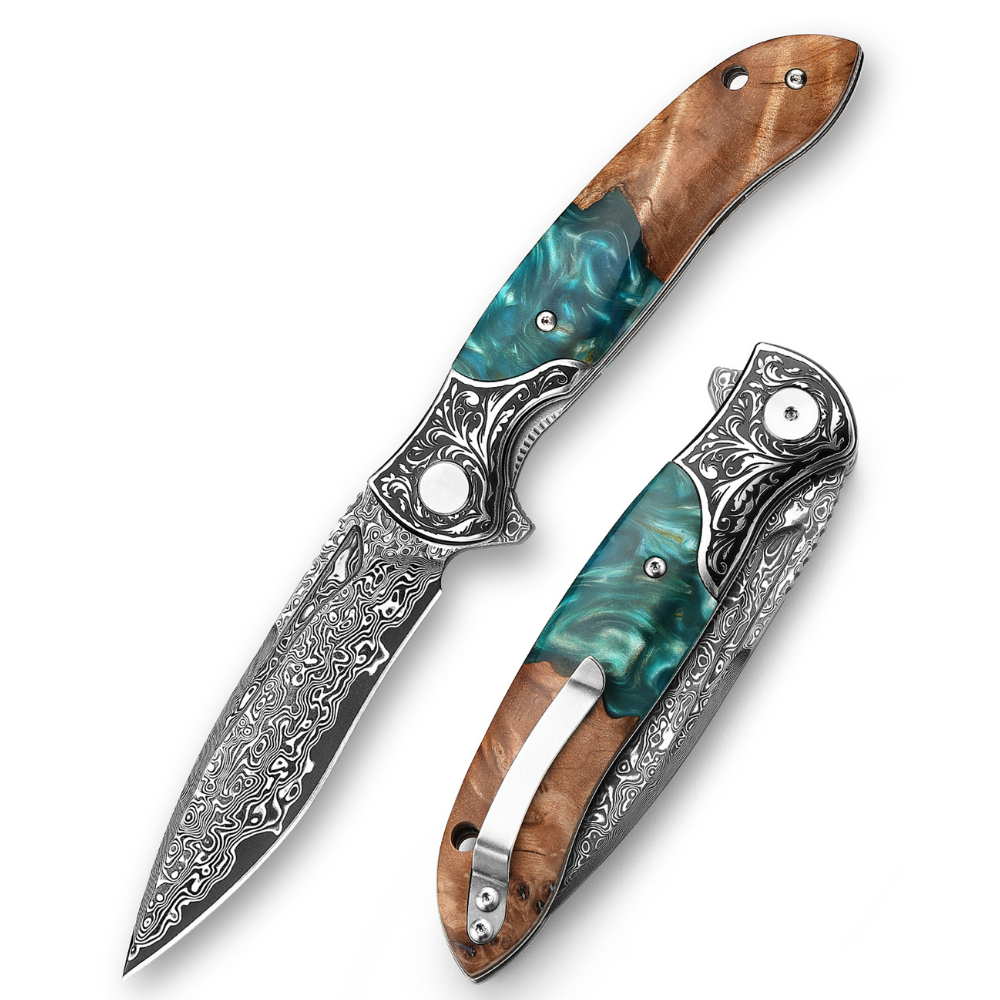
- Spear Point: With a symmetrical design, this blade is often used for thrusting and slicing.
- Sheepsfoot: Characterized by a dull tip and straight edge, the sheepsfoot is great for slicing.
Locking Mechanisms
Locking mechanisms are crucial for safety and functionality in pocket knives. Here are a few types:
- Liner Lock: This mechanism has a metal liner that locks the blade when open, providing good stability.
- Frame Lock: Similar to the liner lock, but made from the knife frame itself, offering extra strength.
- Back Lock: A traditional method that involves a locking bar that engages when the blade is open.
- Slip Joint: This mechanism requires no spring or lock, providing a flexible and lightweight option.
Key Features to Consider
Now that you're familiar with essential terminology, let’s dive into the key features to consider when purchasing a pocket knife. The choices can be overwhelming, but understanding these features will help streamline your decision-making process.
Blade Material
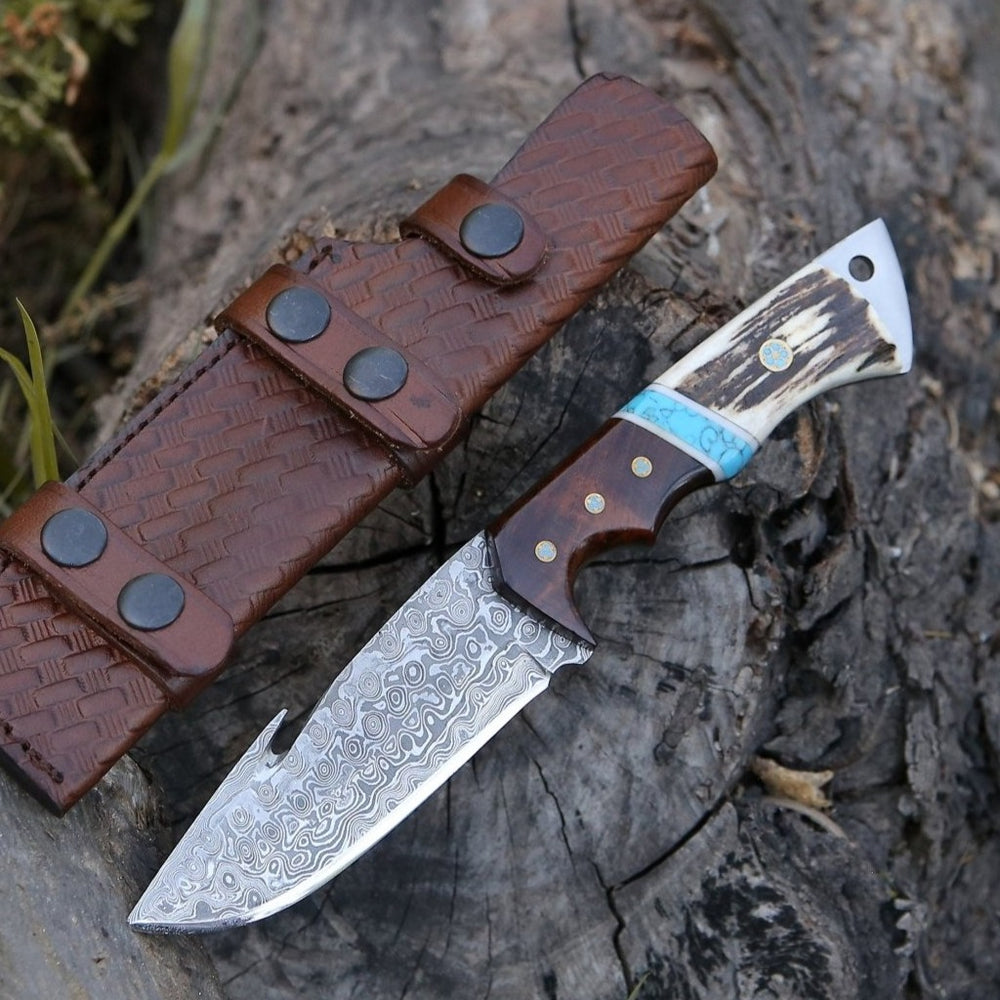
The material of the blade is one of the most critical aspects to consider. Common materials include:
- Stainless Steel: Known for corrosion resistance, stainless steel is a popular choice due to easy maintenance.
- Carbon Steel: This material offers superior sharpness and edge retention but is prone to rusting if not cared for properly.
- High Carbon Stainless Steel: This is a blend that balances the benefits of both carbon and stainless steel, offering durability and rust resistance.
Blade Thickness
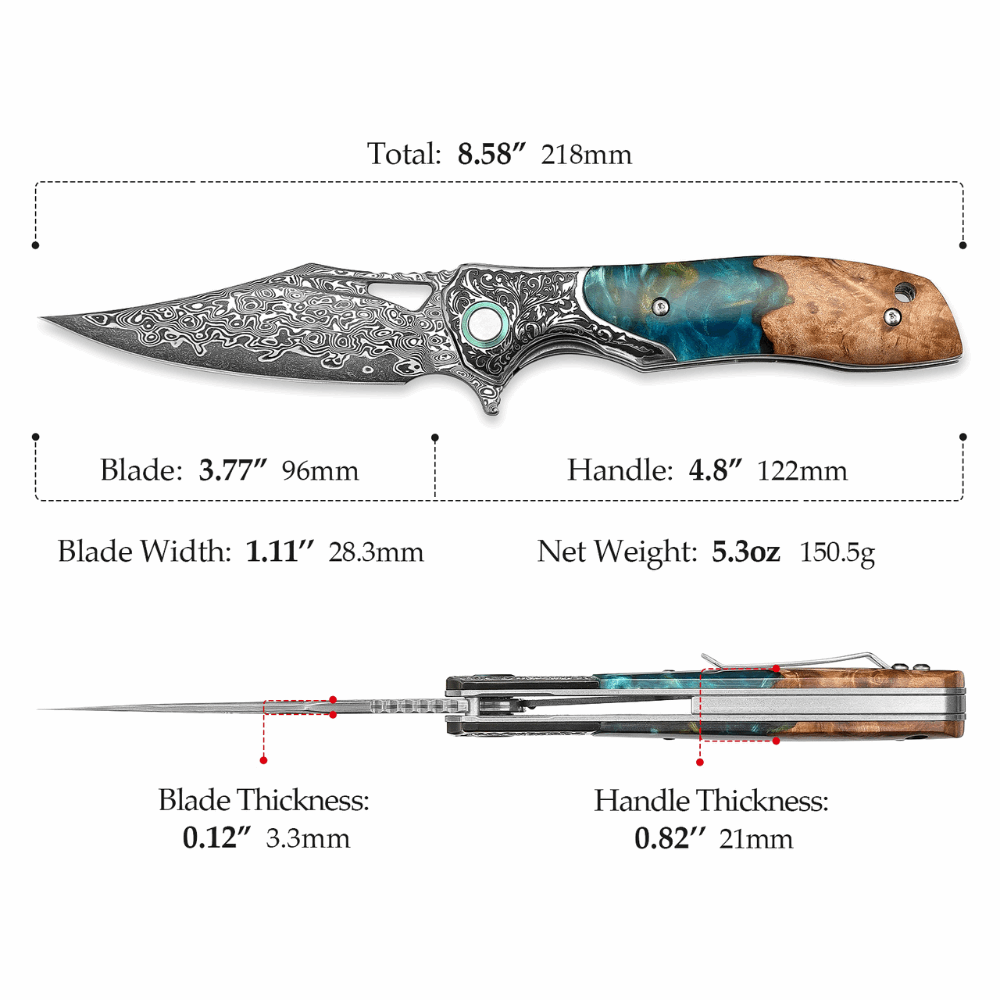
Blade thickness can affect both the performance and weight of the knife. A thicker blade is robust for heavier tasks, while a thinner blade is versatile for light cutting and slicing. When selecting EDC knives, consider how you plan to use your pocket knife and choose accordingly.
Handle Material
The handle is an aspect that often gets overlooked but plays a crucial role in comfort and grip. Common handle materials include:
- Plastic: Lightweight and durable, plastic handles are often more affordable and provide good grip.
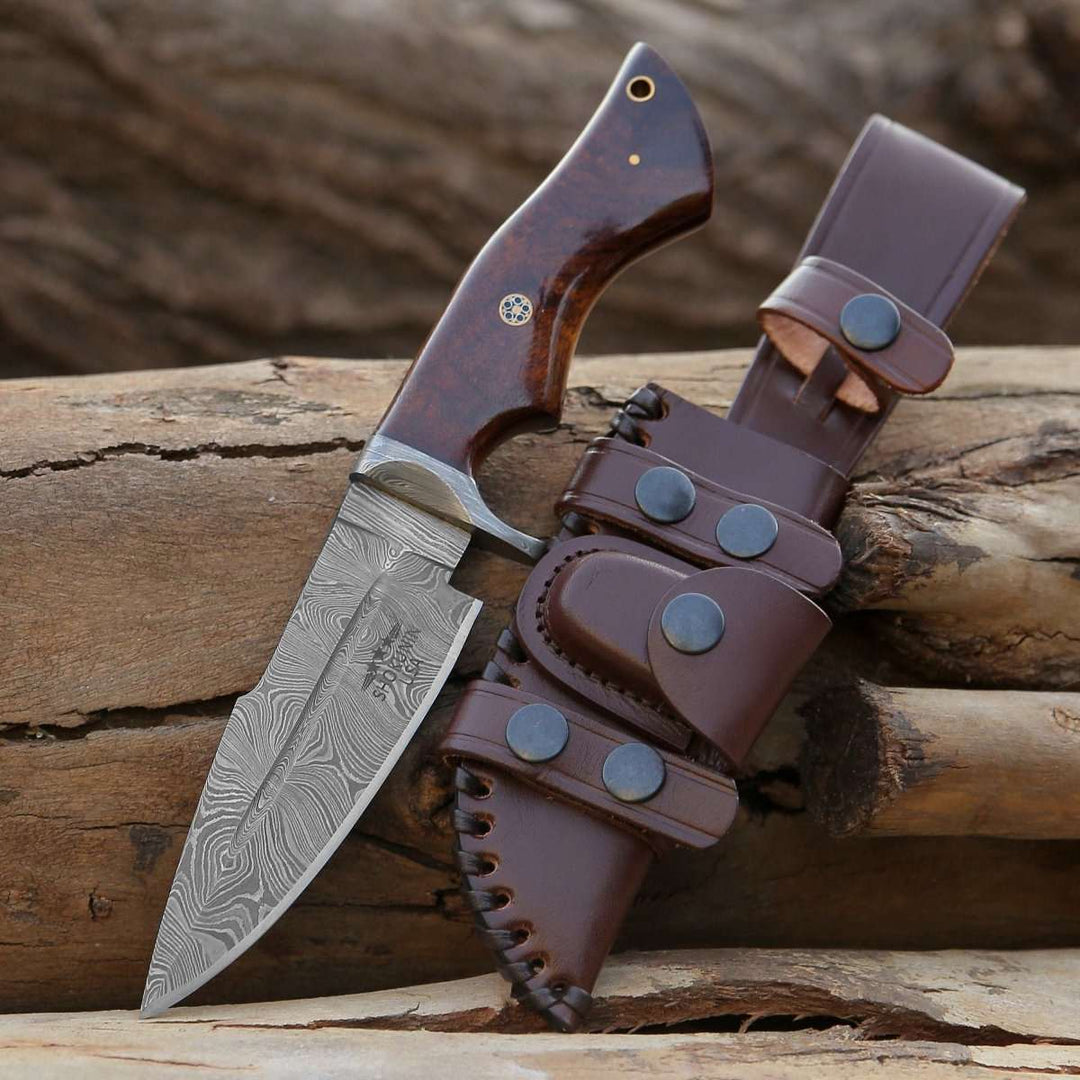
- Wood: Offers a classic look and a warm feel, but requires more maintenance to prevent wear and tear.
- Metal: Provides strength and durability; however, metal can be slippery when wet.
- G-10: This composite material is known for its strength and weather resistance, often found in higher-end knives.
Size and Weight
When it comes to pocket knives, size and weight are fundamental considerations. An ideal EDC knife should be lightweight yet sturdy enough to handle everyday tasks. If you’re inclined to carry the knife in your pocket, consider how its size will affect portability. A compact knife may be suitable for daily carry, while a larger knife could be perfect for outdoor adventures.
Comfort and Ergonomics
Your pocket knife should feel comfortable in your hand. Ergonomics plays a significant role in how a knife performs during use. Look for contours, indications of a good grip, and consider how it fits in your hand during different cutting tasks. A well-designed handle can reduce fatigue during prolonged usage and enhance overall performance.
Blade Shape and Design
Different blade shapes suit different tasks. Whether you are looking for EDC knives for cutting, slicing, or even self-defense, the blade shape will influence your workflow.
- Curved Blade: Enhances slicing capabilities, great for culinary tasks.
- Straight Edge: Best for precision cutting and detailed work.
- Serrated Blade: Ideal for cutting through tough materials like rope.
The Role of Price
Pricing can be a significant factor in your decision-making process. While it might be tempting to choose the cheapest option available, considering the quality-to-price ratio is essential. A higher price often correlates with better materials, construction, and longevity. Conversely, an extremely high price doesn’t always guarantee top performance. Budget wisely and invest in an EDC knife that balances quality with cost-effectiveness.
Brand Reputation
When buying a pocket knife, considering the brand's reputation can be a reliable indicator of quality. Reputable brands often have strict quality control measures in place, ensuring you receive a sturdy and reliable knife. Numerous online reviews and forums can provide insight into different brands’ reputations, helping you make an informed decision.
Customization Options
Many brands offer personalization or customization options, such as blade finishes and handle colors. Adding your touch to a pocket knife can enhance your unique style and make for a memorable gift.
Warranty and Return Policy
Last but not least, always check the warranty and return policy before making a purchase. A warranty reflects the manufacturer’s confidence in their product's quality and performance. Familiarize yourself with return conditions, ensuring you can exchange or return the knife if it doesn’t meet your expectations.
Frequently Asked Questions
We understand that purchasing a pocket knife can come with a slew of questions. To further assist you, here are some frequently asked questions:
What is the best blade material for EDC knives?
The best blade material varies based on personal preference and use. However, high carbon stainless steel is often favored for its balance of durability and maintenance ease.
Are serrated knives more useful?
Serrated knives are advantageous for cutting through tough materials like rope or bread. However, they might not excel in precision cutting. Consider your typical daily tasks to determine if a serrated blade is worthwhile.
How do I care for my pocket knife?
To maintain your pocket knife, regularly clean the blade with soap and warm water, lubricate the pivot points, and store it in a dry place. Proper care will extend your knife's lifespan significantly.
Final Thoughts on Your Perfect Pocket Knife
Choosing the right pocket knife is not just about aesthetics or brand names; it’s about understanding your needs and what features will best serve them. From blade materials to handle comfort and ergonomic design, taking the time to consider each aspect will ensure you find an EDC knife that enhances your everyday life. Remember, the best pocket knife is one that resonates with your style, meets your functional requirements, and brings peace of mind wherever you go. Happy shopping!






Leave a comment