

Overview
Pocket knives have evolved from simple ancient tools to modern multifunctional gadgets, reflecting changes in technology, materials, and user needs. The rise of mass production diminished handcrafted details, but a resurgence in appreciation for handmade knives emphasizes craftsmanship and sustainability. Today, pocket knives combine advanced materials and ergonomic designs with cultural significance, symbolizing self-reliance and tradition. Future trends may integrate smart technology, further redefining their role.
Frequently Asked Questions
1. What are the historical origins of pocket knives?
2. How did the Industrial Revolution impact pocket knife production?
3. What distinguishes handmade knives from mass-produced ones?
4. What modern innovations have influenced pocket knife designs?
5. What future trends are expected in pocket knife technology?
Pocket knives have been a staple tool for countless generations, serving as both a utility and a symbol of craftsmanship. The evolution of these handy tools reflects changes in technology, materials, and user needs. Let’s embark on a journey that tracks the fascinating metamorphosis of pocket knives over time and highlights the role of handmade knives in this captivating story.
The Origins of Pocket Knives
The earliest origins of pocket knives can be traced back to ancient civilizations. Archaeological findings show that ancient Greeks and Romans created simple folding knives, which were often made from brass or bronze. These primitive versions were straightforward in design, primarily serving functional purposes such as cutting and carving.
Materials Used
In those times, materials were limited, and the focus was on durability and functionality. Horn and wood became popular choices for handles, while steel was used for the blade. It wasn’t until the Renaissance that advancements in metallurgy allowed for better heat treatment processes, giving the blades superior strength and sharpness.
The Industrial Revolution: A Game Changer
The Industrial Revolution marked a significant turning point in the history of pocket knives. With the introduction of mass production, pocket knives began to be manufactured on a larger scale. Factories sprung up, enabling craftsmen to create knives faster and more efficiently, but this came at a cost—personal touch and handcrafted details diminished.
Rise of Standardization
Standardized production led to more reliable and accessible pocket knives. Brands began to emerge, offering various models targeting different market segments. The advent of new machine tools enabled the production of innovative features, such as multiple blades and specialized implements.
Craftsmanship vs. Mass Production
As mass-produced knives became prevalent, a parallel movement emerged—one that celebrated craftsmanship and quality over efficiency. Handmade knives, crafted by skilled artisans, began to capture the attention of enthusiasts. This shift highlighted the value of unique designs, attention to detail, and the use of premium materials.
The Allure of Handmade Knives
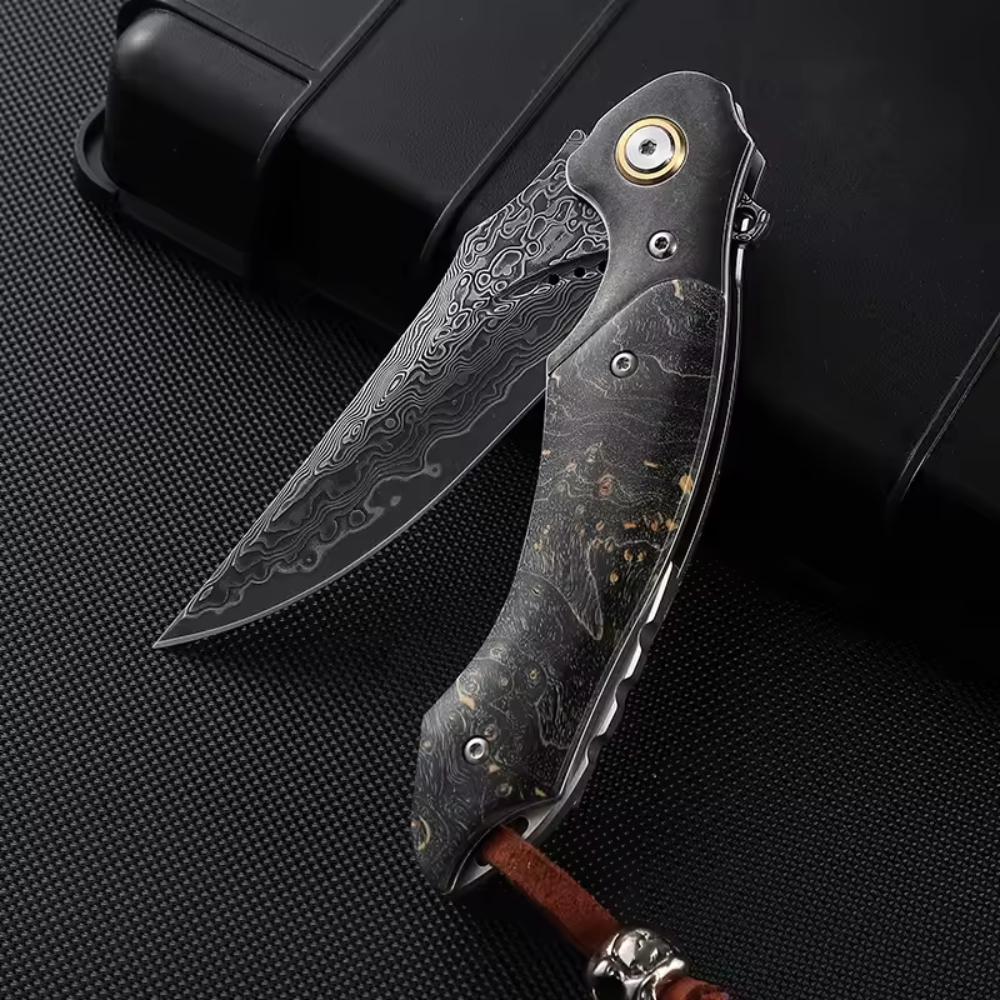
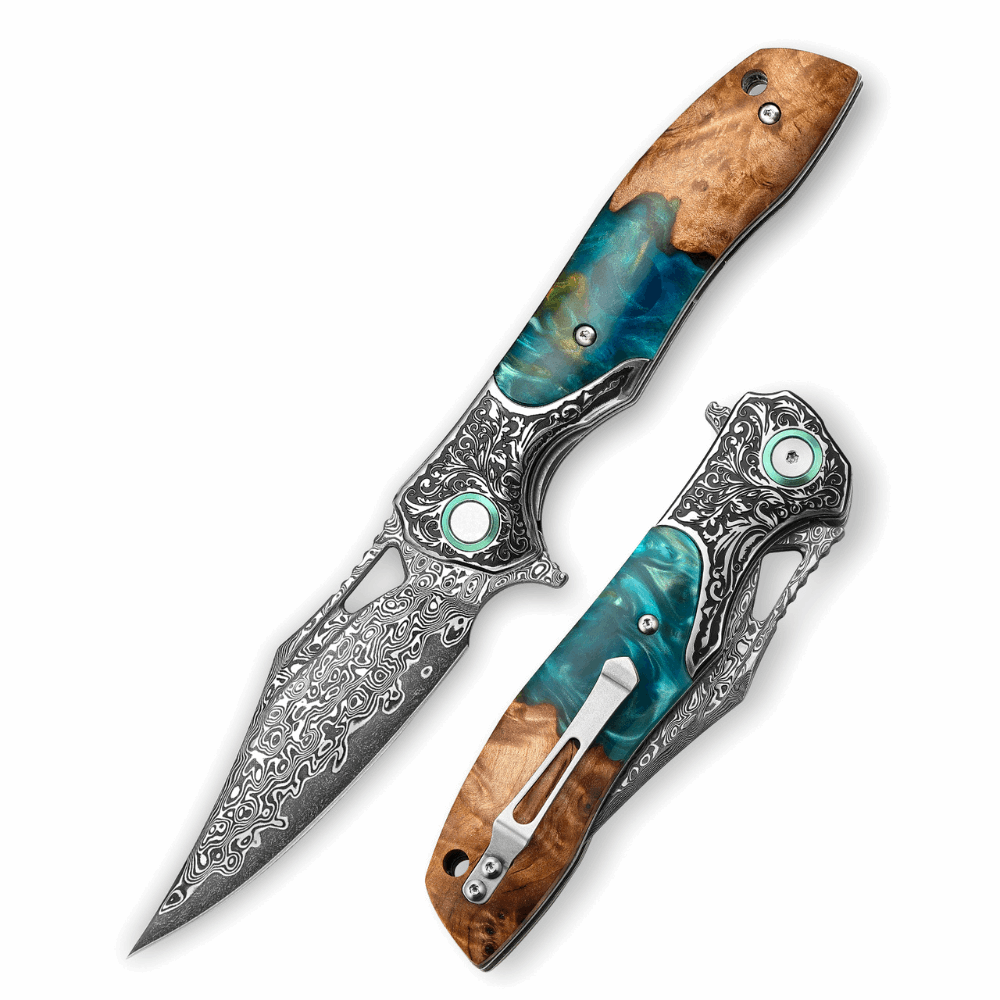
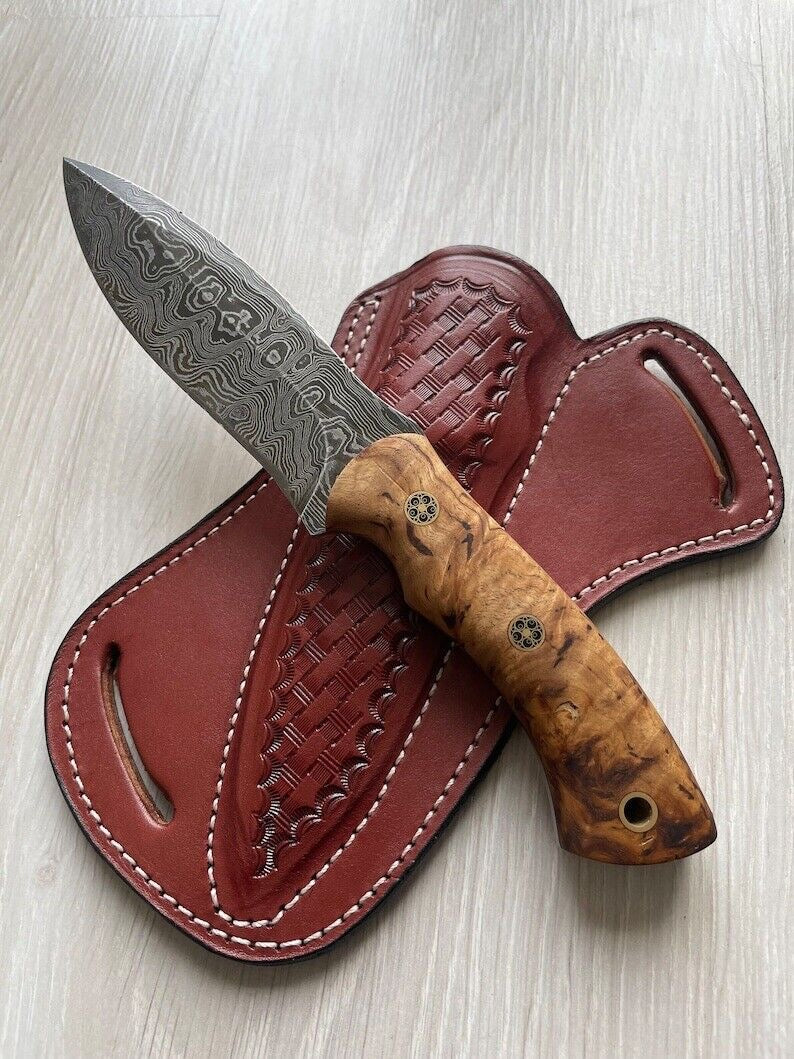
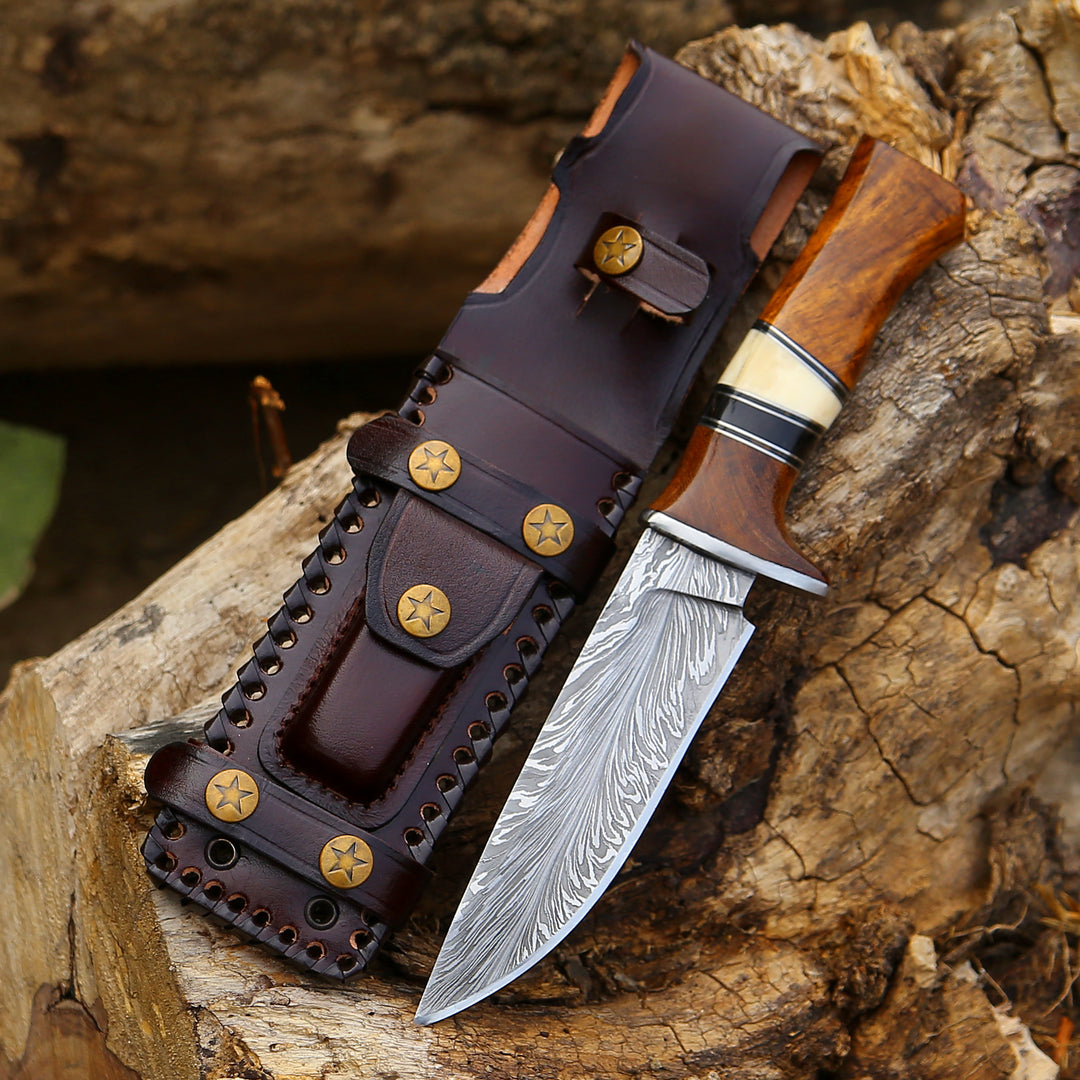
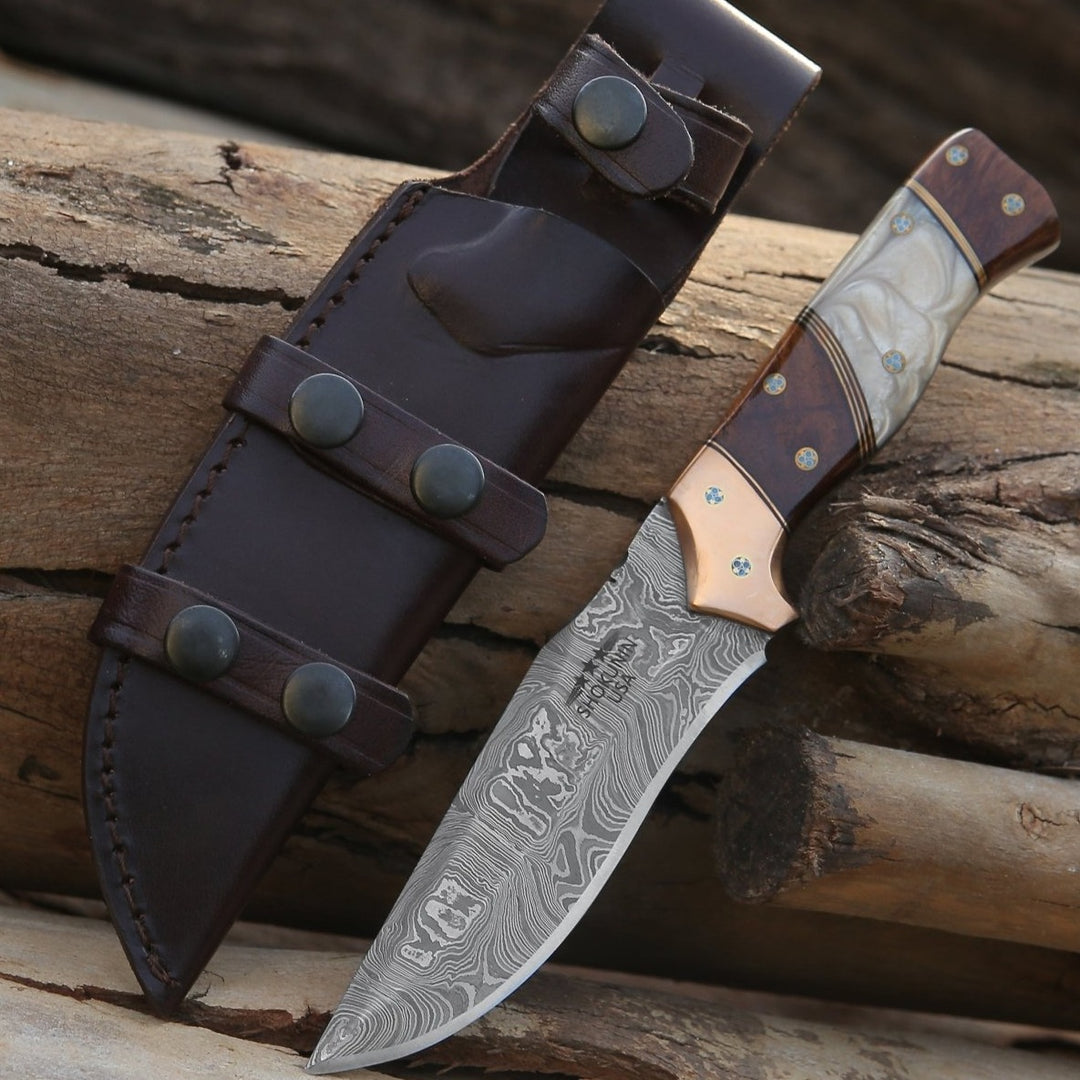
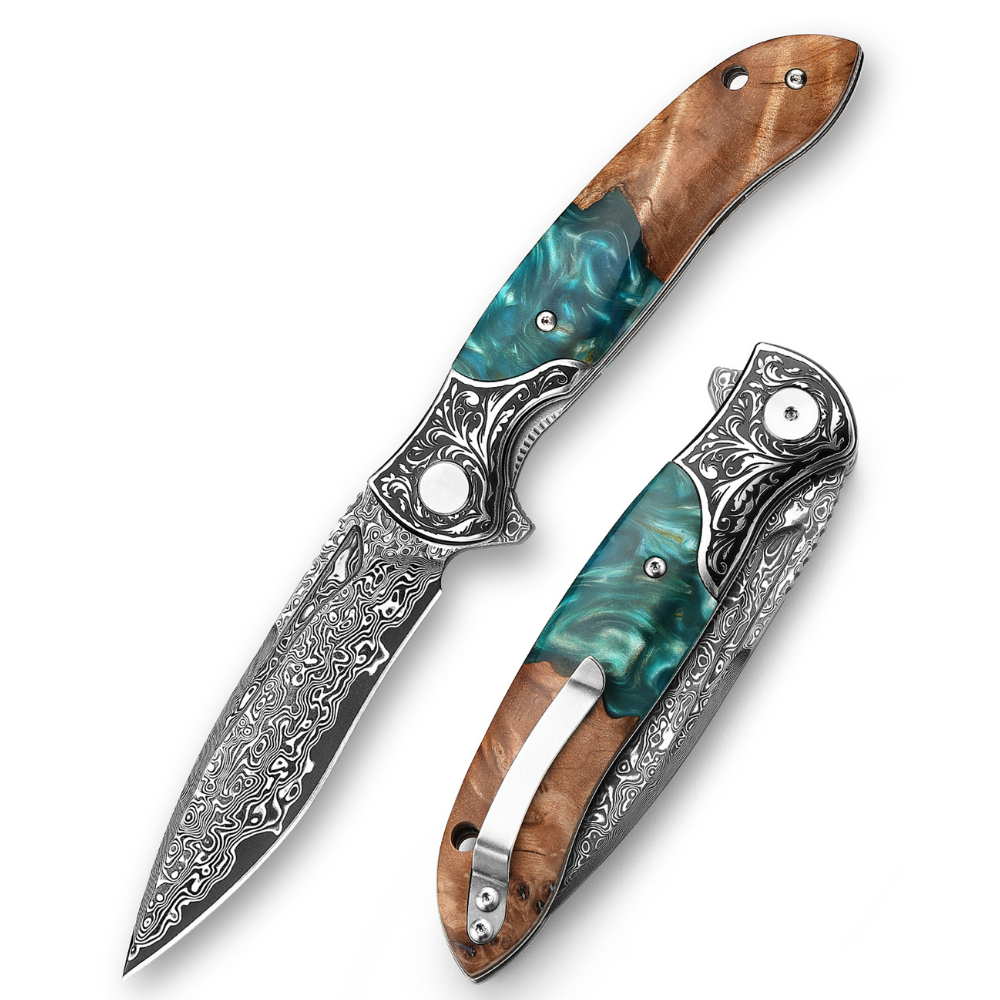
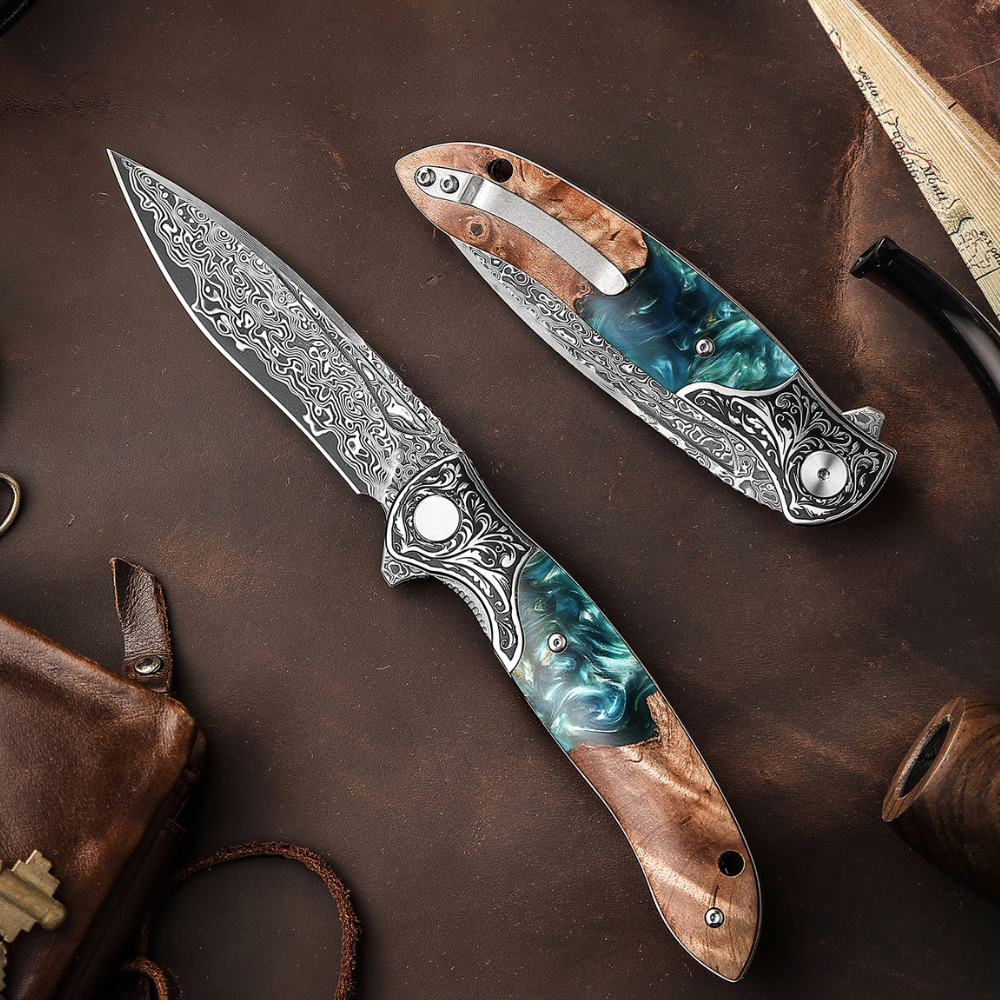
Handmade knives have become synonymous with a personal connection. Each knife tells a story of the artisan behind it, their techniques, and their dedication to the art of knife-making. These knives often feature unique designs that set them apart from mass-produced alternatives, making them appealing to collectors and outdoor enthusiasts alike.
Modern Designs and Technology
The 21st century introduced another wave of innovation in pocket knives. Advanced materials like high-carbon steel, titanium, and lightweight polymers are now commonplace. This evolution has encouraged knife makers to push the boundaries of design, leading to highly functional, versatile, and robust tools.
Enhanced Features
- Multi-Functional Designs: Modern pocket knives often include various tools beyond blades, such as screwdrivers, scissors, and bottle openers, catering to diverse needs.
- Ergonomic Handles: Attention to user comfort has led to designs that are easier to hold and operate, making them suitable for prolonged use.
- Customizable Options: The rise of custom knife makers allows consumers to personalize aspects of their knives, from the blade shape to the handle material.
Environmental Considerations
As the popularity of handmade knives has surged, so too has awareness of environmentally-friendly practices. Many artisans now prioritize sustainability by sourcing materials ethically and using eco-friendly methods in their crafting processes. This awareness has made handmade knives even more attractive to eco-conscious consumers.
Alternative Materials in Knife Making
Innovations in materials science have allowed for sustainable alternatives to traditional materials. Many artisans are experimenting with recycled metals and sustainable woods, which retain the functional quality of knives while lessening their impact on the environment.
The Cultural Significance of Pocket Knives
Pocket knives have transcended their utilitarian roots to become significant cultural symbols. They represent self-reliance, independence, and the spirit of outdoor adventures. In some cultures, they are considered heirloom pieces, passed down through generations and cherished for both their practical use and sentimental value.
Symbols of Tradition
In many communities, the act of gifting a pocket knife signifies trust and friendship. When someone receives a handmade knife, they are not just receiving a tool; they’re accepting a piece of art that embodies the values of craftsmanship and dedication. This cultural connotation reinforces the idea that pocket knives are far more than mere tools—they are rich with meaning.
Future Trends in Pocket Knives
Looking ahead, it’s clear that the pocket knife will continue to evolve. New technologies like 3D printing and smart features are likely to play essential roles in future designs. As knife-making techniques become even more advanced, artisans and manufacturers will need to adapt and innovate consistently.
Integration of Technology
Imagine a pocket knife equipped with smart technology, allowing users to connect via smartphone apps for maintenance reminders or optimal usage tips. Such advancements could completely redefine our understanding of what a pocket knife can be, blending traditional craftsmanship with modern functionality.
A Timeless Companion
The journey of pocket knives from ancient utility tools to modern-day multifunctional gadgets is nothing short of extraordinary. Each step of this evolution reflects societal changes, technological advances, and an ongoing appreciation for quality craftsmanship. Handmade knives stand out amidst this evolution, maintaining a cherished place in the hearts of collectors, outdoor lovers, and everyday users.
As the exploration continues, it’s essential to recognize the unique stories behind each knife. Whether you are a collector, an adventurer, or a casual user, owning a handmade knife connects you to a rich heritage of craftsmanship and innovation that spans centuries. More than just a tool, a pocket knife represents a legacy—a legacy that celebrates functionality, artistry, and the spirit of adventure.
So, as you explore your options, consider supporting artisans who pour their passion into creating each handmade knife. Your choice not only contributes to the preservation of an art form but also provides you with a unique companion that can accompany you on countless adventures yet to come.








Leave a comment