

Overview
Learn to safely sharpen your pocket knife with this comprehensive guide covering essential tools, techniques, and safety tips. Understand your knife's anatomy, use the right sharpening methods (like whetstones and sharpening rods), and maintain your knife to ensure longevity and performance. Prioritize safety and avoid common pitfalls for effective sharpening.
Frequently Asked Questions
1. What are the essential tools needed for sharpening a pocket knife?
2. How can I ensure safety while sharpening my pocket knife?
3. What is the correct angle to hold a knife while sharpening?
4. What are the benefits of using Damascus Steel for pocket knives?
5. What common mistakes should I avoid when sharpening my knife?
Sharpening your pocket knife can seem like a daunting task, especially if you want to properly maintain its edge while ensuring your own safety. Whether you have a traditional blade or a modern one made from Damascus Steel, the art of sharpening requires not only skill but also knowledge of the proper techniques and tools. In this comprehensive guide, we will cover effective methods to safely sharpen your pocket knife without compromising on safety or performance.
Understanding Your Pocket Knife
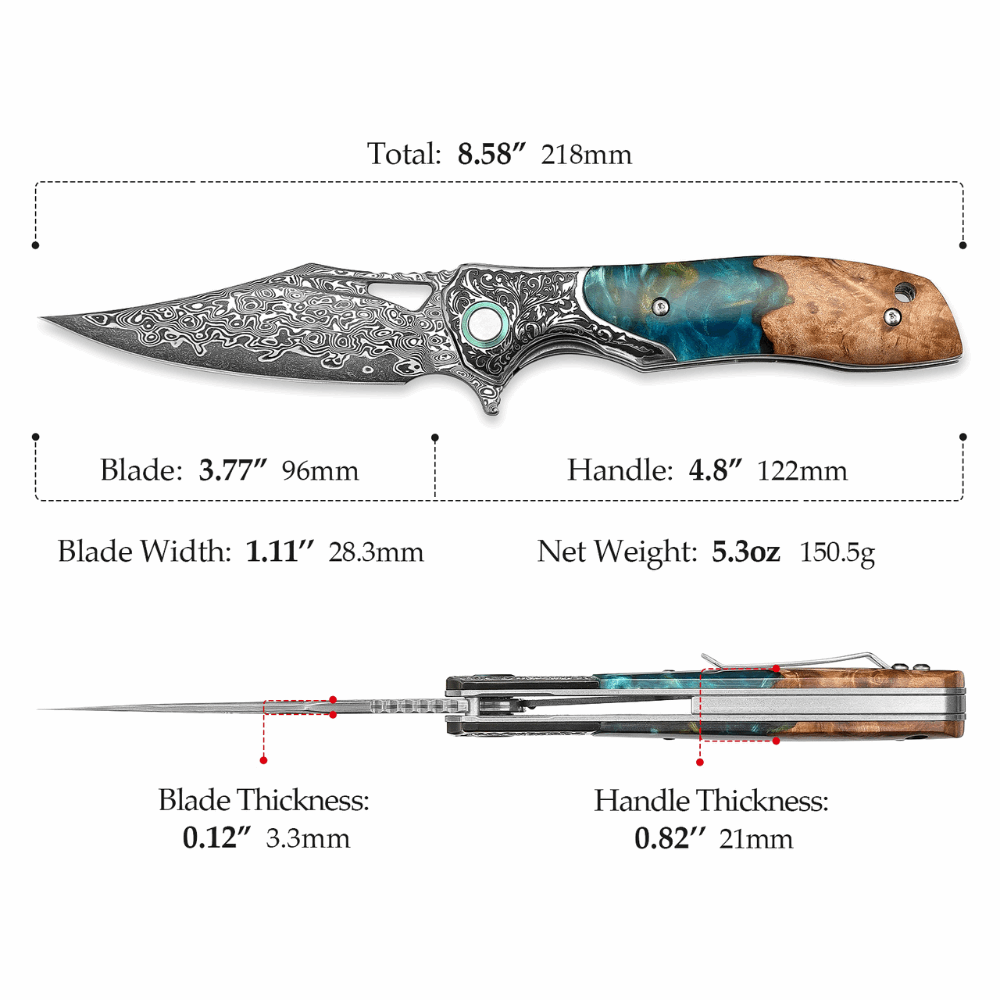
Before diving into the sharpening methods, it’s crucial to understand the basic anatomy of your pocket knife. A pocket knife typically comprises several components including the blade, handle, locking mechanism, and pivot point. Knowing these parts can help you sharpen more effectively.
The Blade Types and Materials
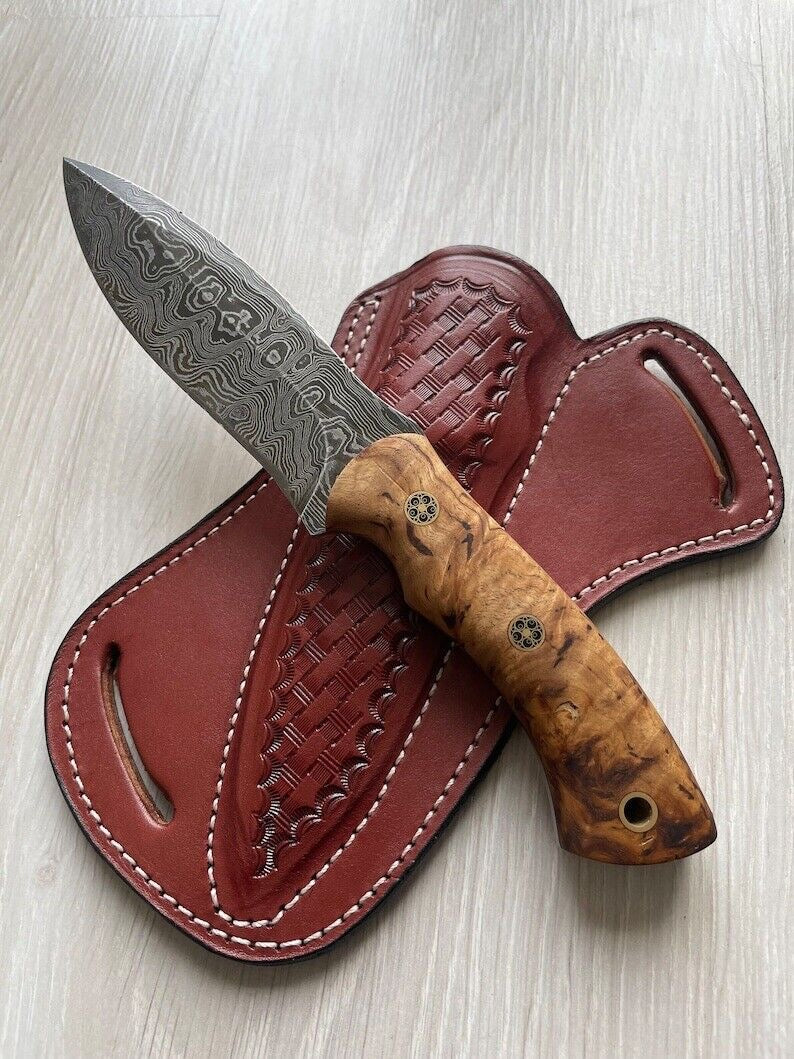
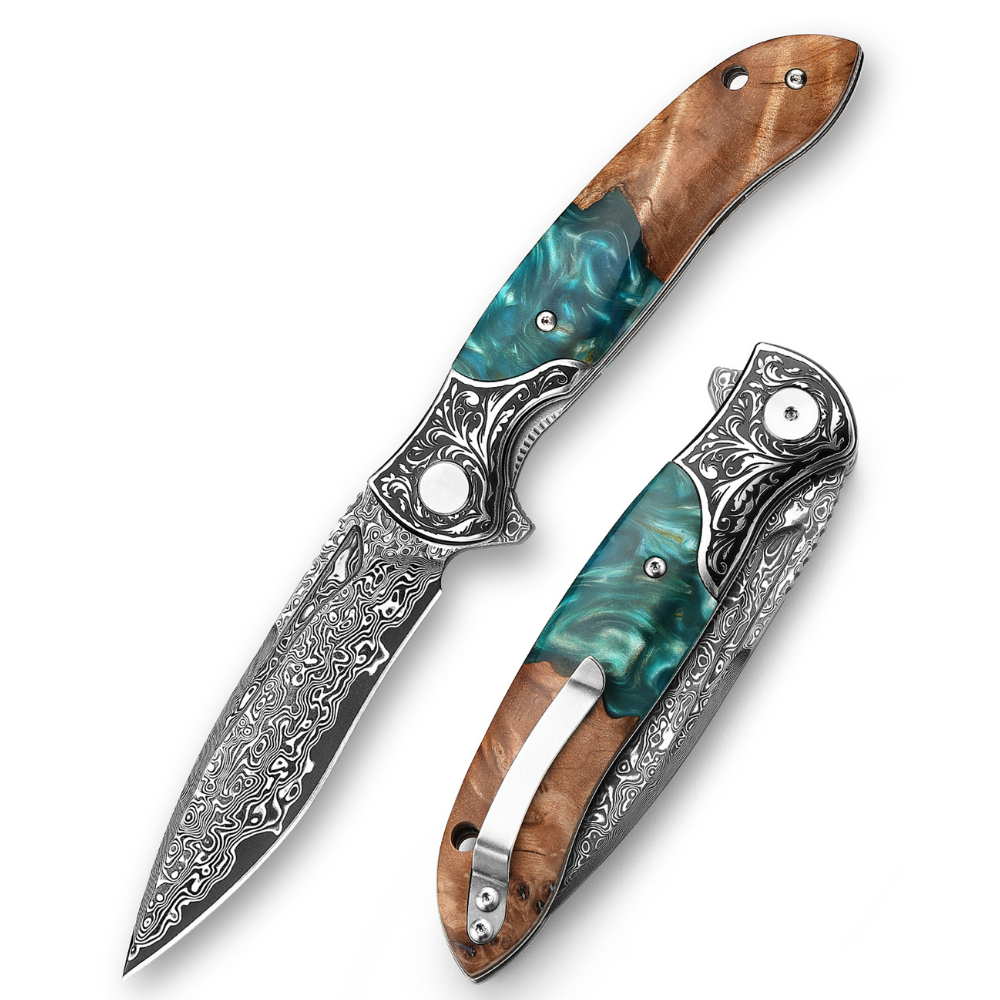
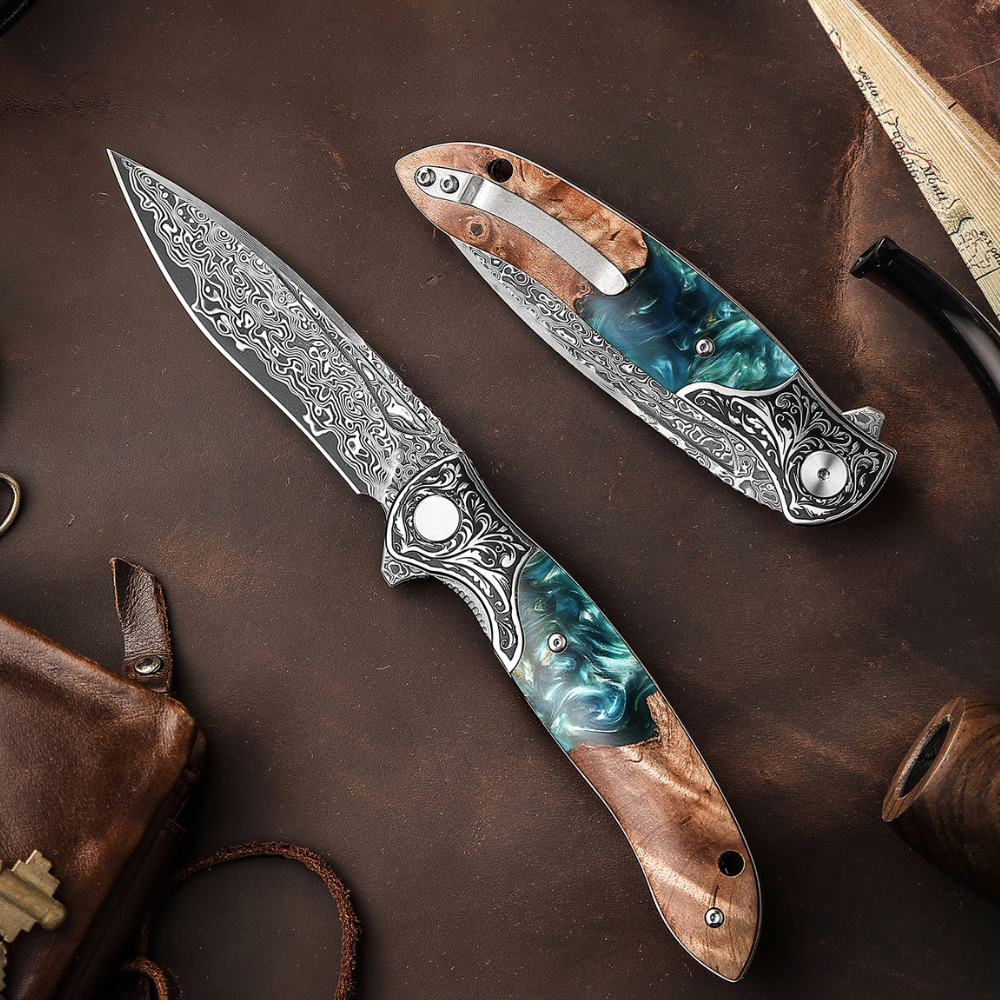
Most pocket knives feature either a folding blade or a fixed blade. The type of steel used also varies, with Damascus Steel being a popular choice due to its unique patterns and ability to hold a sharp edge. However, regardless of the material, the fundamental principles of sharpening remain similar.
The Importance of Safety
When sharpening a knife, safety should always be your top priority. A sharp knife is safer because it requires less force to cut through materials, which reduces the risk of slipping. Follow these safety tips to ensure that your sharpening experience is safe and productive:
- Wear Protective Gear: Always wear cut-resistant gloves to protect your hands from slips and accidents.
- Use a Stable Surface: Ensure that you're sharpening on a stable and clean surface to avoid accidents.
- Keep Your Workspace Organized: A tidy area minimizes distractions and reduces the risk of accidents.
- Keep Your Tools in Good Condition: Regular maintenance of your tools ensures safety and effectiveness.
Essential Tools for Sharpening
To safely sharpen your pocket knife, you’ll require the right tools. Here’s a breakdown of some of the essential sharpening tools:
- Whetstone: A traditional tool that provides a consistent edge if used correctly.
- Sharpening Rod: Great for quick touch-ups and maintaining the blade edge.
- Electric Sharpener: Useful for those who prefer a more mechanical approach, though care must be taken to not overheat the blade.
- Leather Strop: Works well for fine-tuning the edges after initial sharpening.
Sharpening Techniques to Master
Once you have your tools ready, it’s time to learn the various sharpening techniques. Safe sharpening is not just about the tools you choose, but also about how you use them.
Using a Whetstone
Whetstones are one of the most traditional methods of sharpening knives. Follow these steps for safe sharpening:
- Prep the Whetstone: Soak the whetstone in water for 10-15 minutes, or use a lubricant as per the manufacturer’s instructions.
- Angle Matters: Hold the knife at a consistent angle—typically between 15 to 20 degrees—for optimal edge sharpening.
- Stroke Technique: Start at the heel of the knife and sweep towards the tip in a smooth motion. Flip the knife and repeat on the other side.
- Consistent Pressure: Apply even pressure while sharpening to maintain a consistent edge.
- Finalize the Edge: After achieving the desired sharpness, use a leather strop to polish the edge.
Incorporating a Sharpening Rod
A sharpening rod is particularly effective for maintaining the edge of a knife. Here’s how to use it safely:
- Position the Rod: Secure the sharpening rod in a vertical position against a stable surface.
- Hold the Knife Correctly: Hold the knife at the correct angle (around 20 degrees) to the rod.
- Stroke the Blade: Sweep the blade down the rod from heel to tip, ensuring you cover the entire edge.
- Alternate Sides: Switch sides after each stroke until you achieve the desired sharpness.
Maintaining Your Pocket Knife
Sharp knives are safer and more effective, but maintaining them is equally important. Regular maintenance will extend the life of your knife. Here are some tips:
- Cleansing the Blade: Always clean your blade after use to remove dirt and moisture.
- Store Safely: Store your pocket knife in a protective case or sheath to prevent dulling or damage.
- Regular Checks: Periodically check for any nicks or chips in the blade and address them immediately.
The Unique Benefits of Damascus Steel
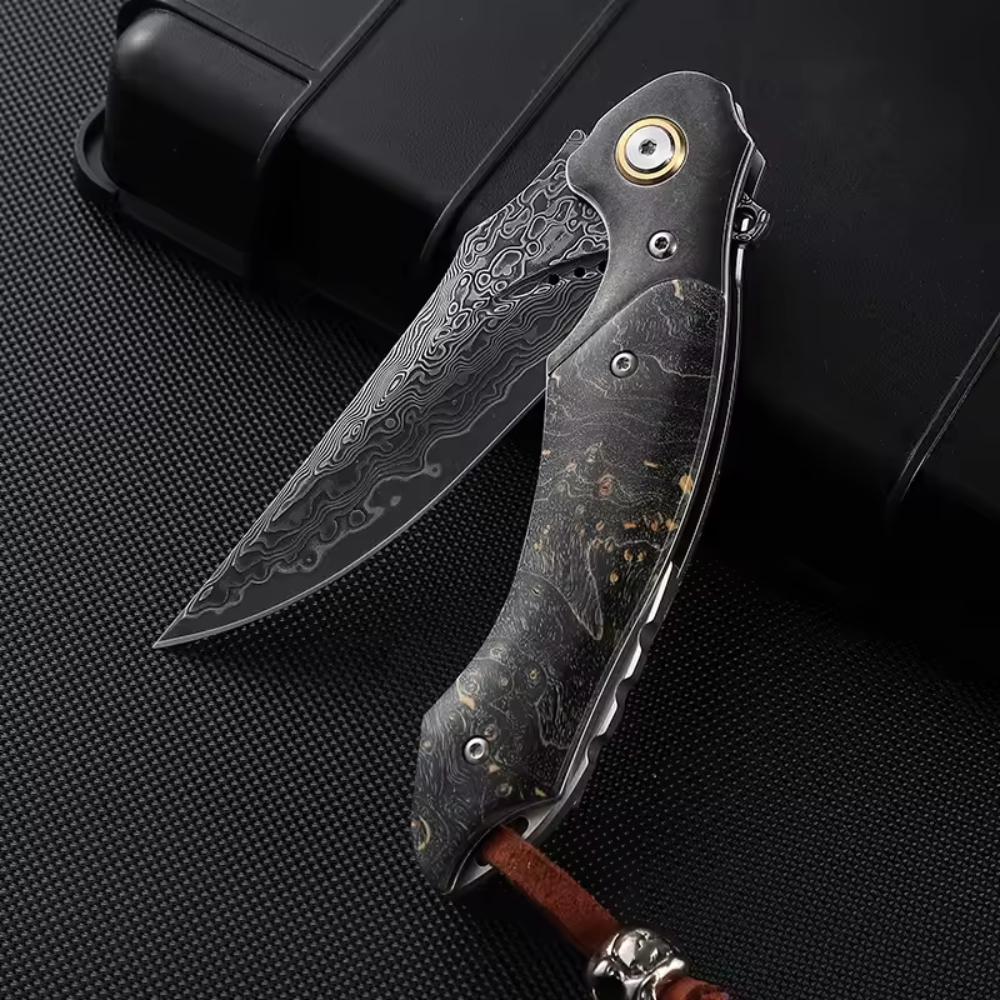
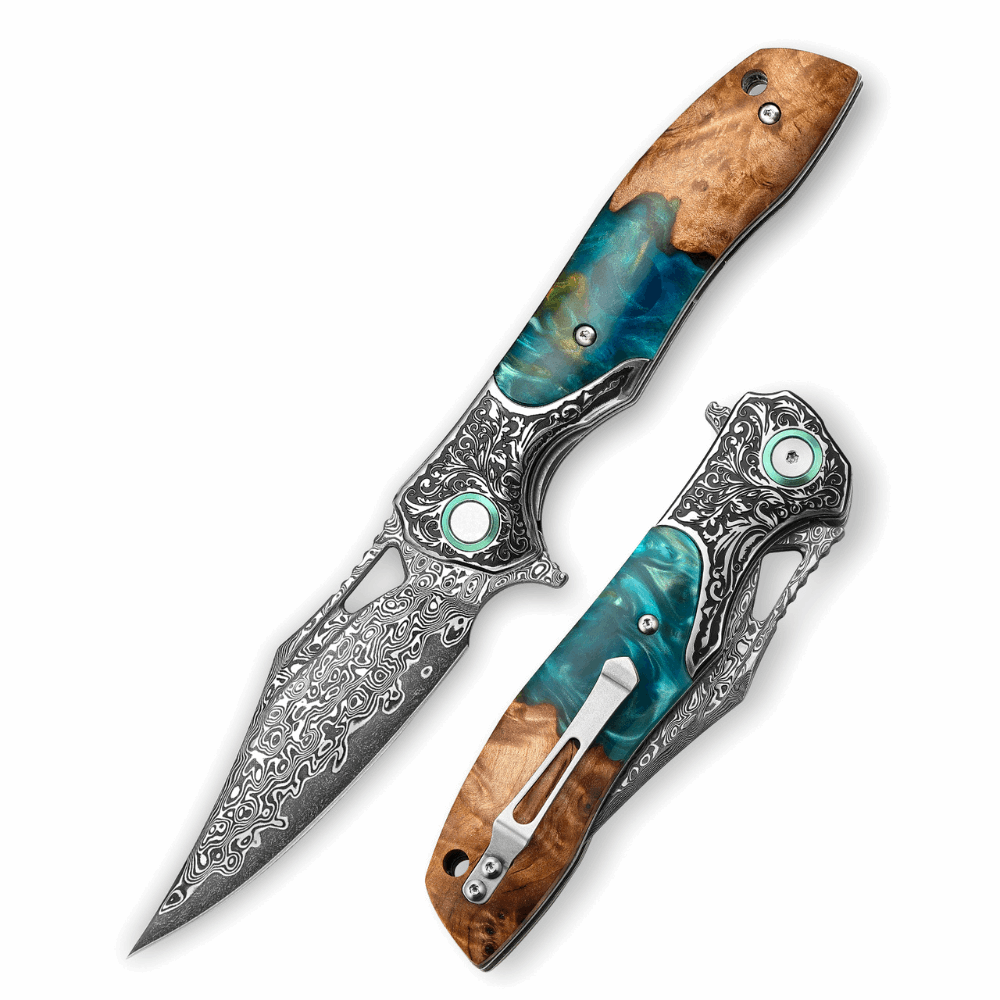
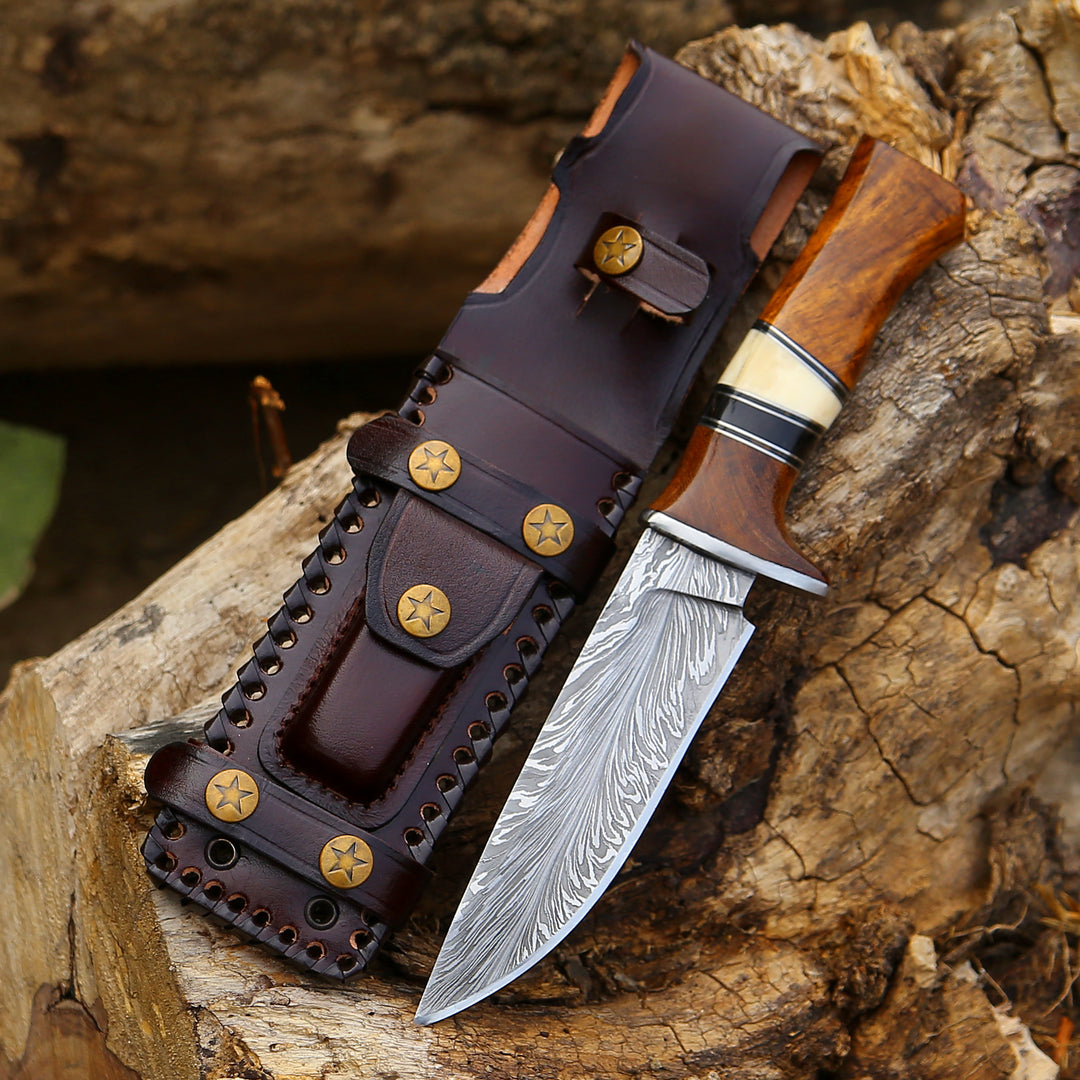
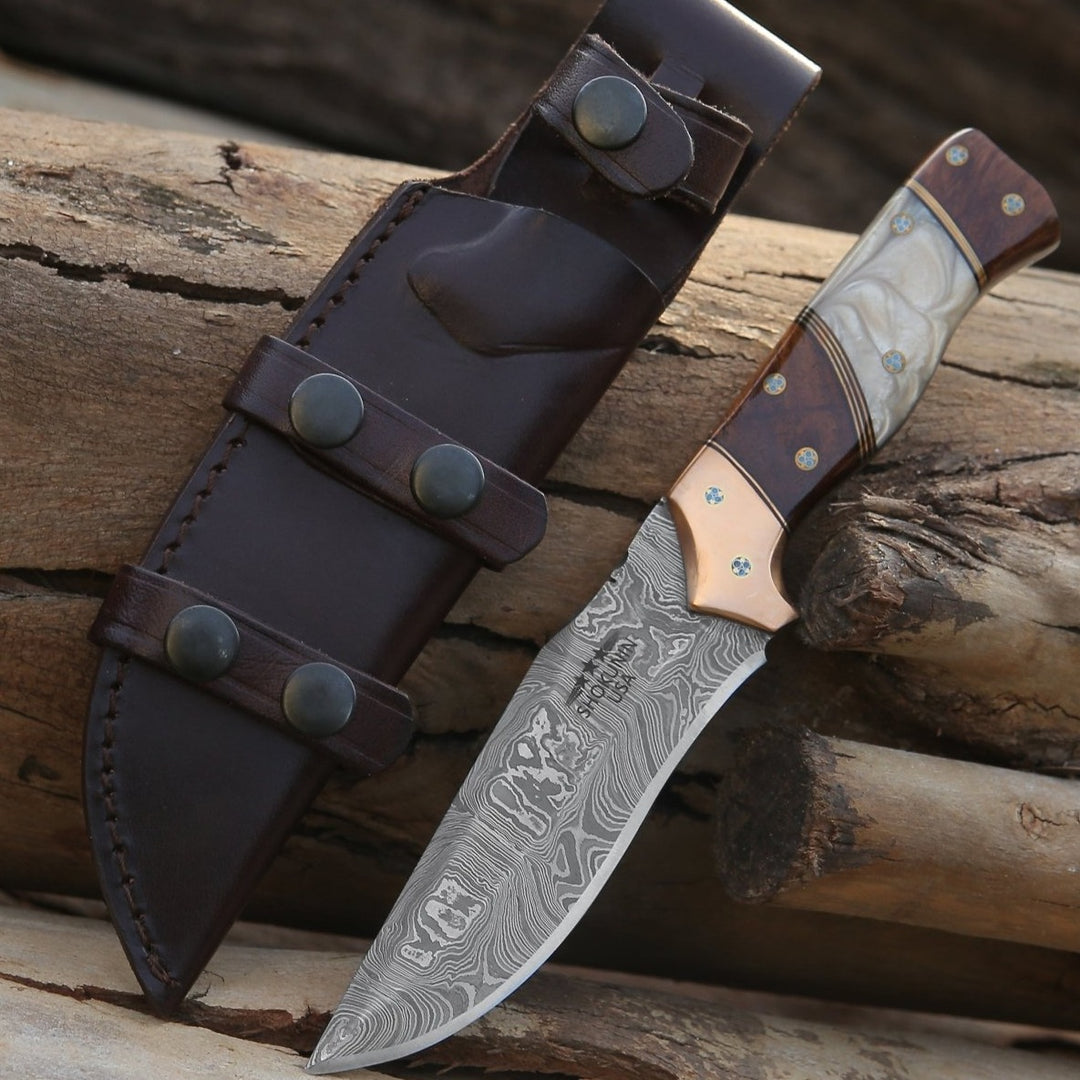
Knives made from Damascus Steel are famed for their beauty and performance. This steel features a distinctive pattern, not only for aesthetics but also for functionality. Here’s why it's a fantastic choice for your pocket knife:
- Edge Retention: Damascus Steel holds its sharpness longer than many other types of steel.
- Durability: It offers excellent toughness and resistance to wear.
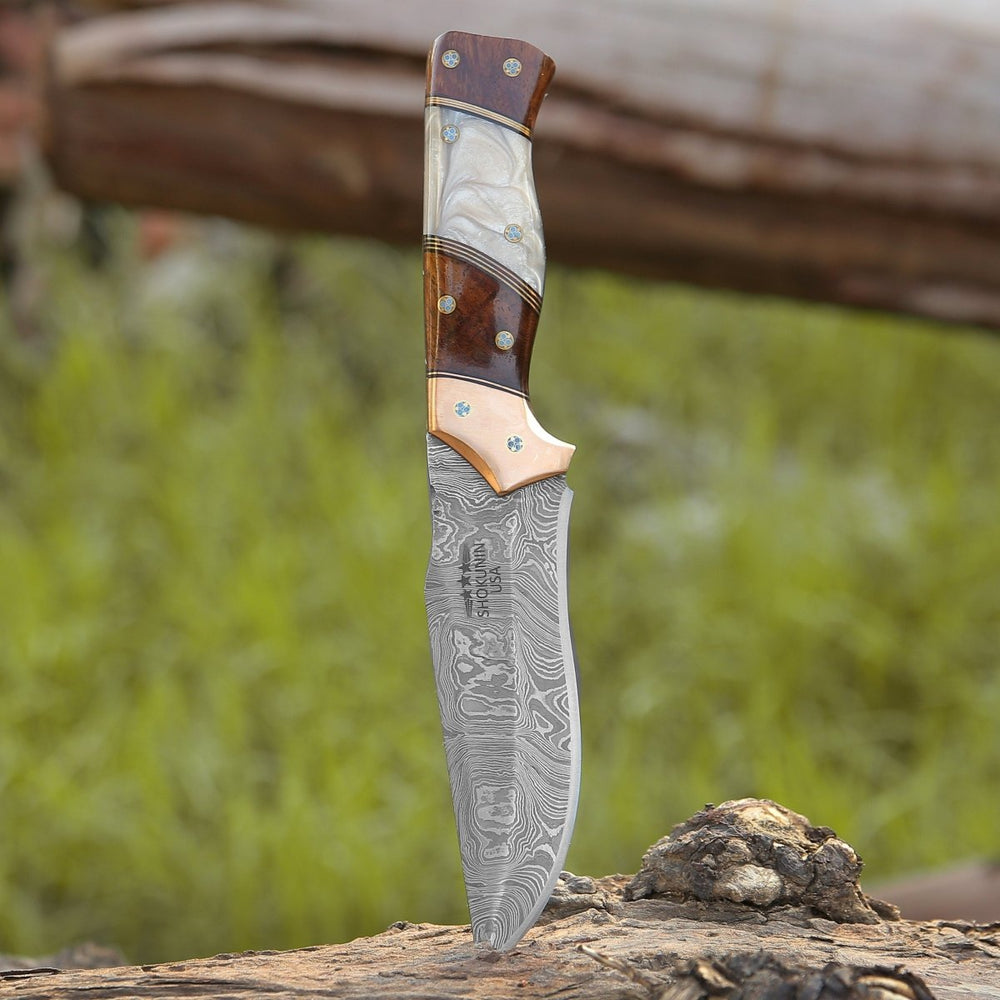
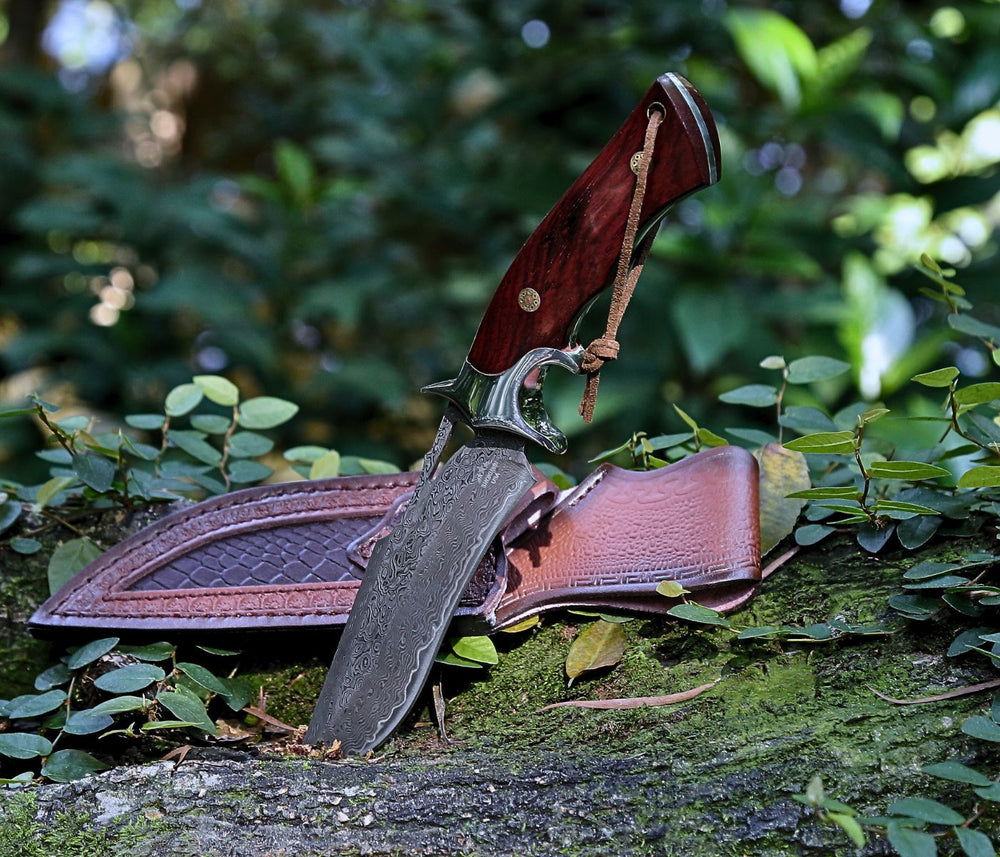
- Visual Appeal: The unique pattern formed during the forging process gives each knife its own character.
Common Pitfalls to Avoid
To ensure that your sharpening technique is effective and safe, avoid these common pitfalls:
- Neglecting Safety: Never compromise on safety gear, as even minor slips can lead to injuries.
- Over-sharpening: Sharpen only when necessary; overdoing it can drastically reduce the lifespan of the blade.
- Using the Wrong Tools: Always use the appropriate tools for the type of knife you are sharpening.
- Ignoring the Blade Angle: Maintaining the correct angle is crucial for effective sharpening.
Your Knife, Your Skills!
Sharpening your pocket knife is an art that combines precision, technique, and safety. By utilizing the right tools and methods, you can maintain your knife’s edge and overall integrity for a long time. Whether your knife features a classic blade or stunning Damascus Steel, following this guide will empower you to sharpen safely and effectively. Remember, with great tools come great responsibilities; always prioritize safety in your sharpening endeavors!








Leave a comment