

Overview
This article delves into the multifaceted cultural significance of knives, exploring their roles beyond mere tools. Readers will learn about how knives symbolize identity, strength, and heritage across various societies, as well as their craftsmanship, ritualistic uses, and emotional connections. By examining the intricate relationship between knives and culture, the article highlights their importance in shaping human experiences and traditions worldwide.
Table of Contents
- Knives as Symbols of Identity
- The Knife: An Emblem of Strength
- Cultural Variations in Knife Craftsmanship
- The Art of Japanese Knife Making
- Cuisine and Culture
- The Ritualistic Uses of Knives
- Knives in Religious Ceremonies
- Knives in Hunting and Survival
- The Essential Hunting Knife
- From Constructions to Collectibles
- The Allure of Collectible Knives
- The Global Influence of Knives
- Hybrid Knives
- Handling, Maintenance and Storytelling
- Knife Care as Tradition
- More Than Just Tools: Knives in Art and Media
- Knives in Literature and Cinema
- Embracing Cultural Heritage
- A Commitment to Cultural Awareness
- Beyond Functionality: The Emotional Connection
- The Personal Journey with Your Knife
Key Takeaways
- Knives as Cultural Symbols: Knives represent identity and heritage, showcasing intricate designs and craftsmanship unique to different cultures.
- Ritualistic Importance: Knives play significant roles in rituals and ceremonies, symbolizing sacrifice, honor, and transitions in various communities.
- Japanese Knife Craftsmanship: Renowned for their aesthetics and functionality, Japanese knives, particularly those made with Damascus steel, highlight skilled artisanal traditions.
- Essential Tools for Survival: In outdoor activities like hunting and camping, knives are indispensable for preparation and survival, often accompanied by rituals honoring nature.
- Collectible Knives: The hobby of knife collecting has gained popularity, with unique pieces serving as both functional tools and works of art.
- Cultural Exchange: Globalization has led to hybrid knives that blend design elements from various traditions, creating multifunctional tools that preserve cultural heritage.
- Emotional Connections: Each knife carries personal stories and experiences, becoming a tangible reminder of the owner's journey and connection to cultural significance.
Knives have been an essential tool for humanity since the dawn of civilization. They are not just mere implements for cutting; they carry profound cultural significance across various societies around the globe. From symbolizing strength and craftsmanship to embodying traditions and rites, the knife's role in different cultures is far-reaching. Within this article, we will dive deeper into the fascinating world of knives and explore their cultural importance across different regions.
Knives as Symbols of Identity
In many cultures, knives serve as more than just tools; they are emblematic of one’s identity and heritage. The intricate designs, materials used, and even the crafting techniques convey messages about the cultural background of those who wield them.
The Knife: An Emblem of Strength
In several tribal communities, knives are considered symbols of bravery and strength. For instance, in the Maori culture, the ceremonial Waka Huia signifies the identity and ancestry of an individual. This ornate container often incorporates unique knife-like designs that hold substantial spiritual importance.
Cultural Variations in Knife Craftsmanship
From the ornately decorated blades of Eastern cultures to the rugged simplicity of Western hunting knives, craftsmanship varies significantly and thus reflects the societal values and historical narratives of its people.
The Art of Japanese Knife Making
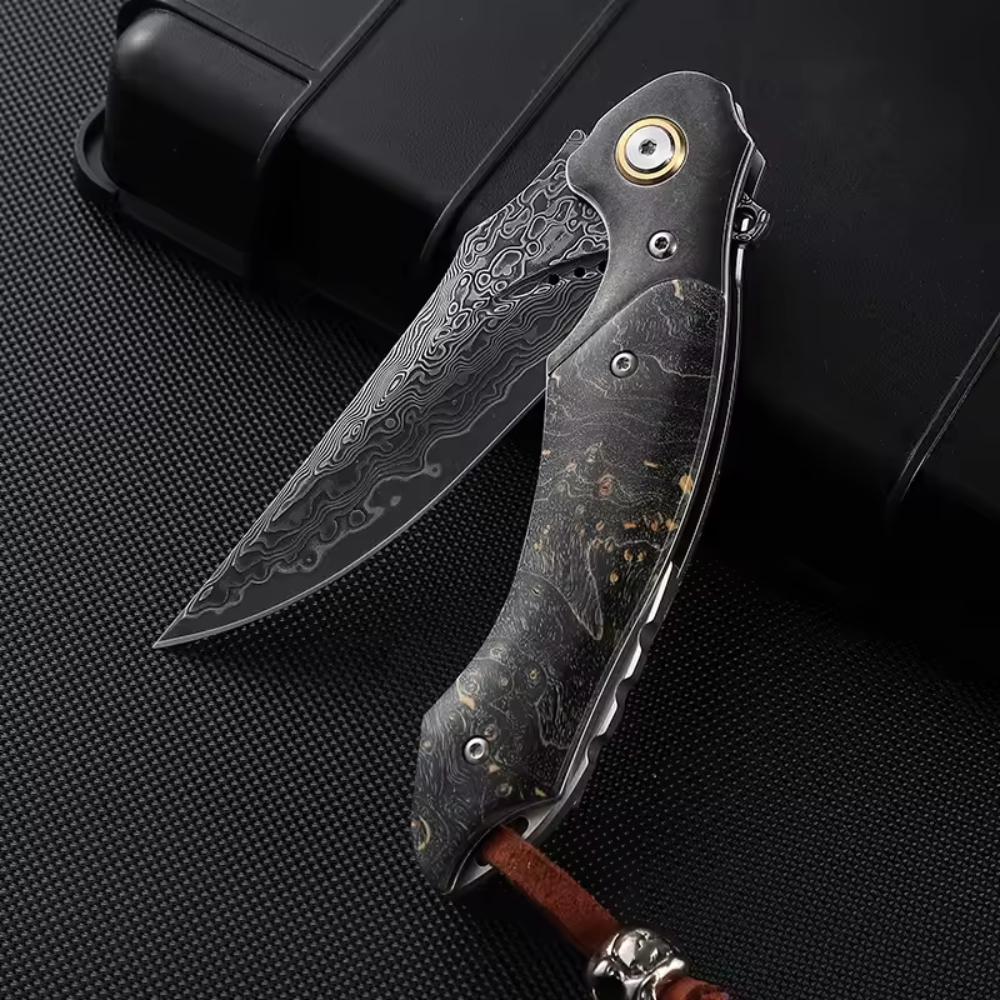
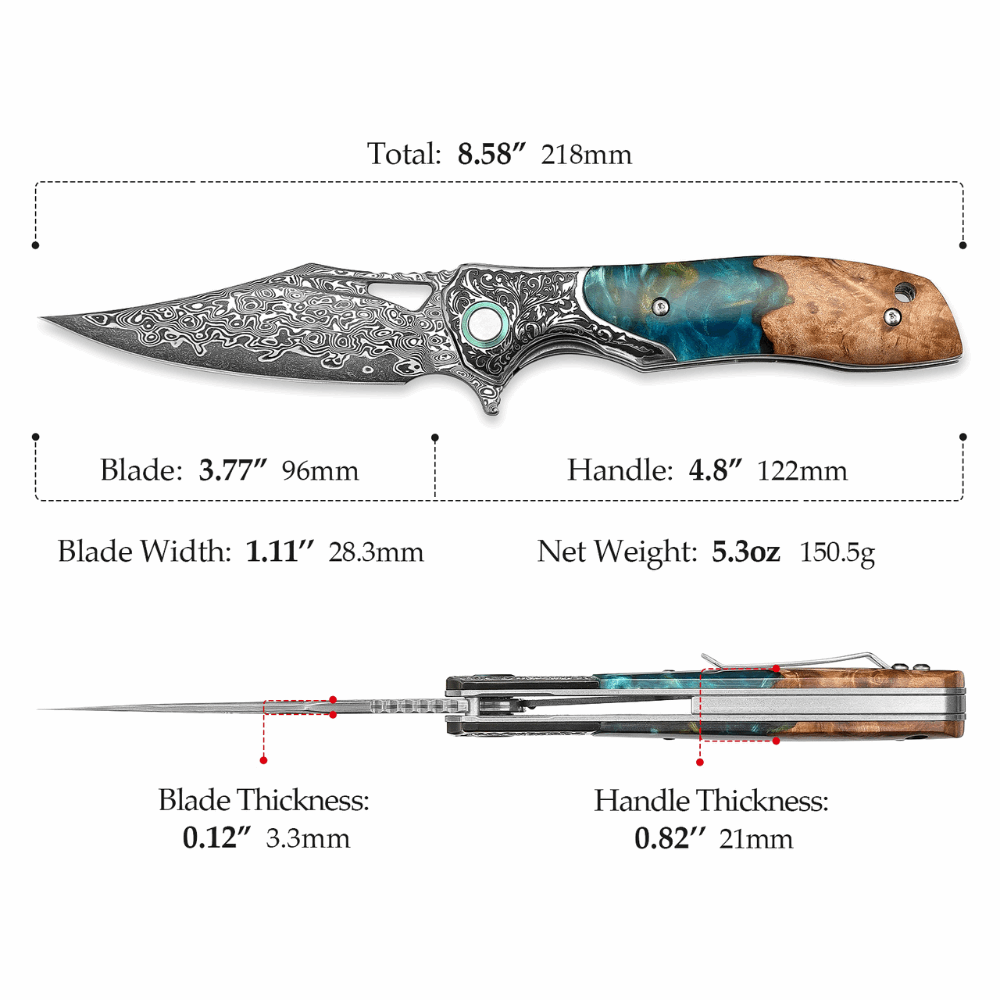
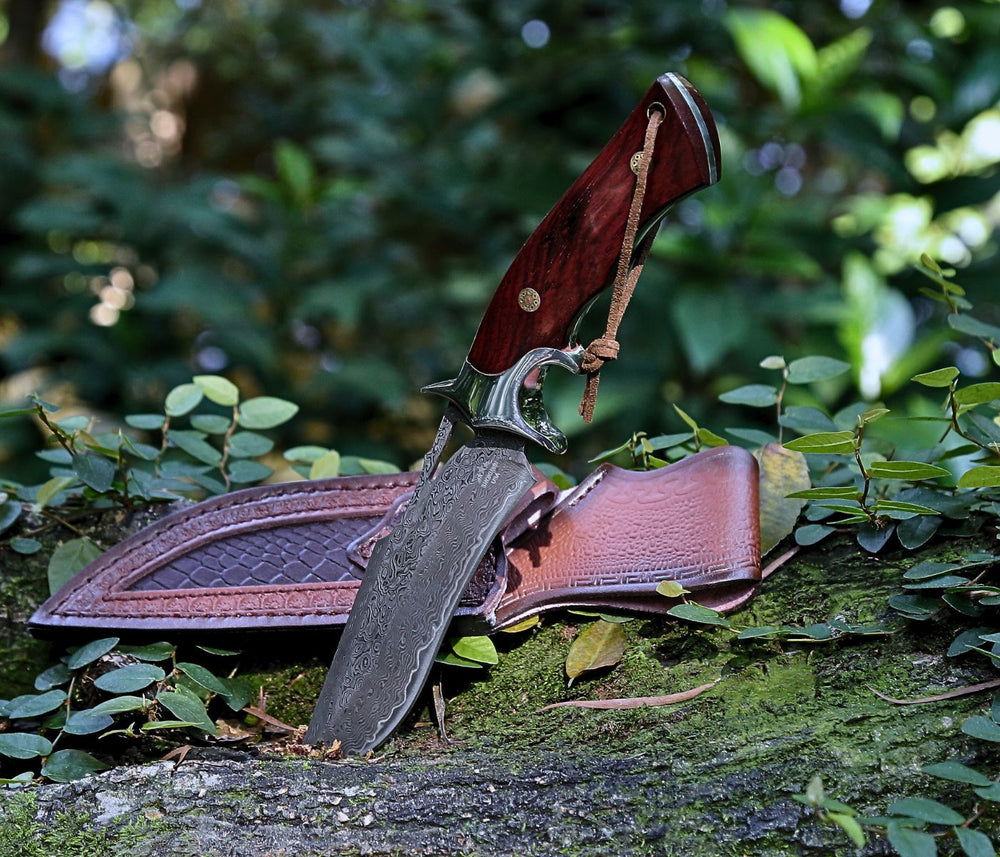
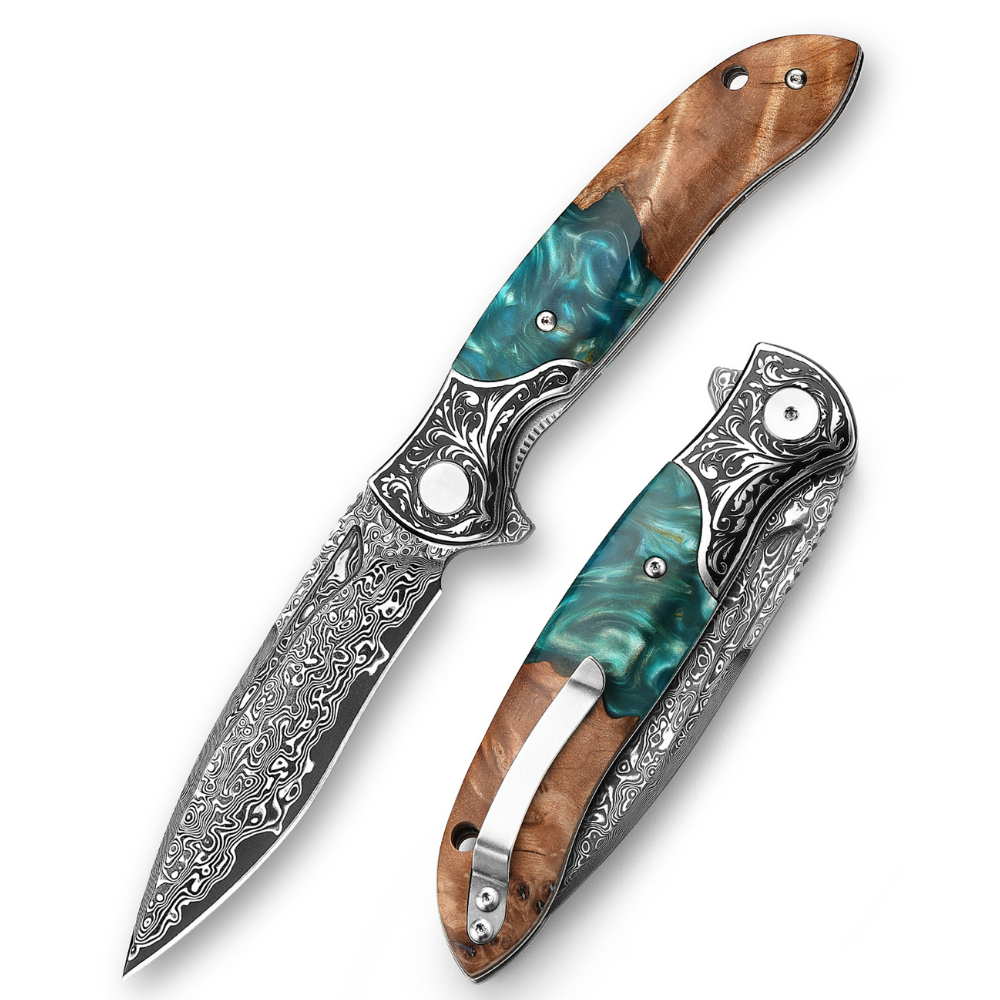
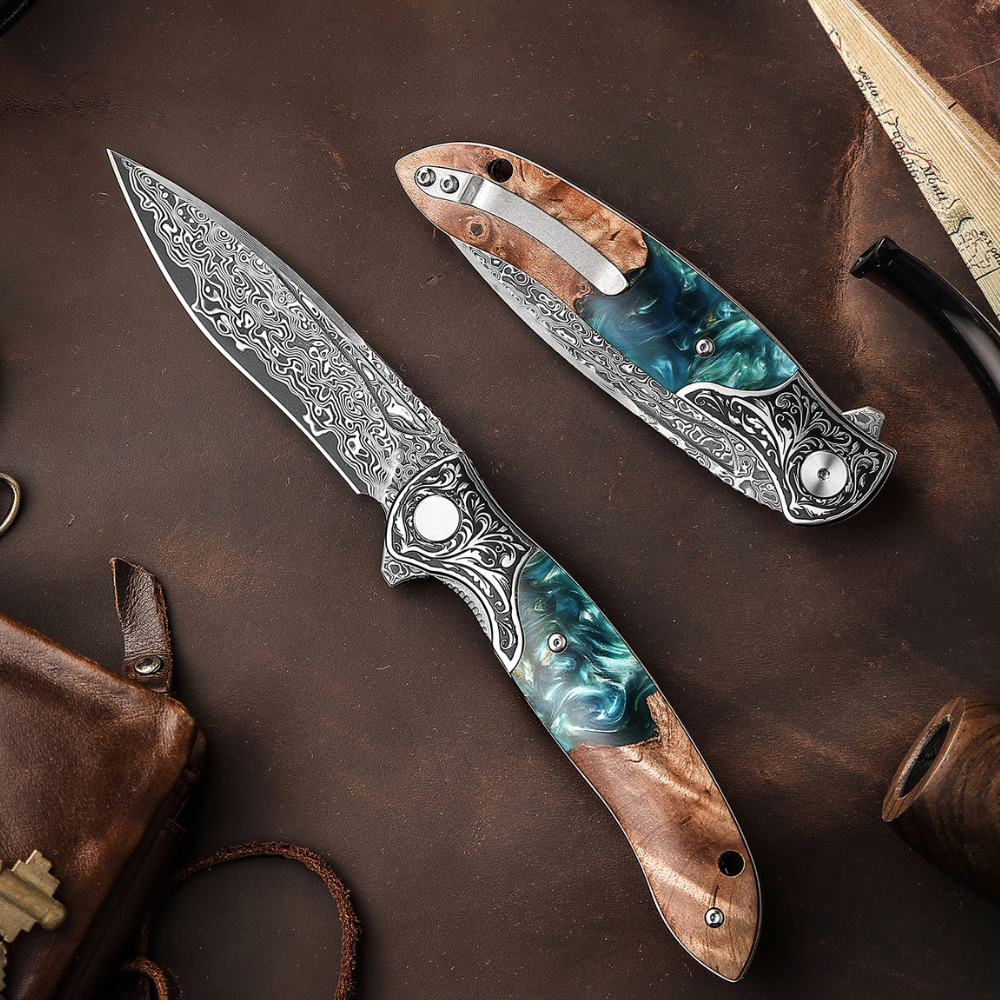
Japanese knives are a prime example of a culture that values both aesthetics and functionality. One of their most celebrated types is the gentleman's knife, often handmade using traditional methods. Notable among these is the Damascus steel blade, which is revered for its unique patterns and exceptional durability. The craftsmanship involved in creating such knives showcases the skill and dedication of artisans, often passed down through generations.
Cuisine and Culture
In many parts of the world, the kitchen knife is a focal point of culinary traditions. In France, for example, the "couteau de cuisine" forms an integral part of a chef's toolkit, embodying the country's rich gastronomic history. Conversely, in cultures where food is deeply intertwined with identity, such as in Korean barbecue, various knives are essential for preparing and enjoying the communal aspects of dining.
The Ritualistic Uses of Knives
Throughout history, knives have played pivotal roles in rituals and ceremonies. They can symbolize sacrifice, honor, and even transition in various communities.
Knives in Religious Ceremonies
In numerous religions and cultures, knives have sacred meanings. For instance, the Khanda—a double-edged sword used in Sikhism—stands as a symbol of divinity and power. Similarly, in some African communities, knives are employed in initiation rites, marking the transition from boyhood to manhood.
Knives in Hunting and Survival
Among those who engage in outdoor recreation—such as hunting, fishing, or camping—knives are indispensable tools. They not only assist in preparing sustenance but also represent survival skills passed through generations.
The Essential Hunting Knife
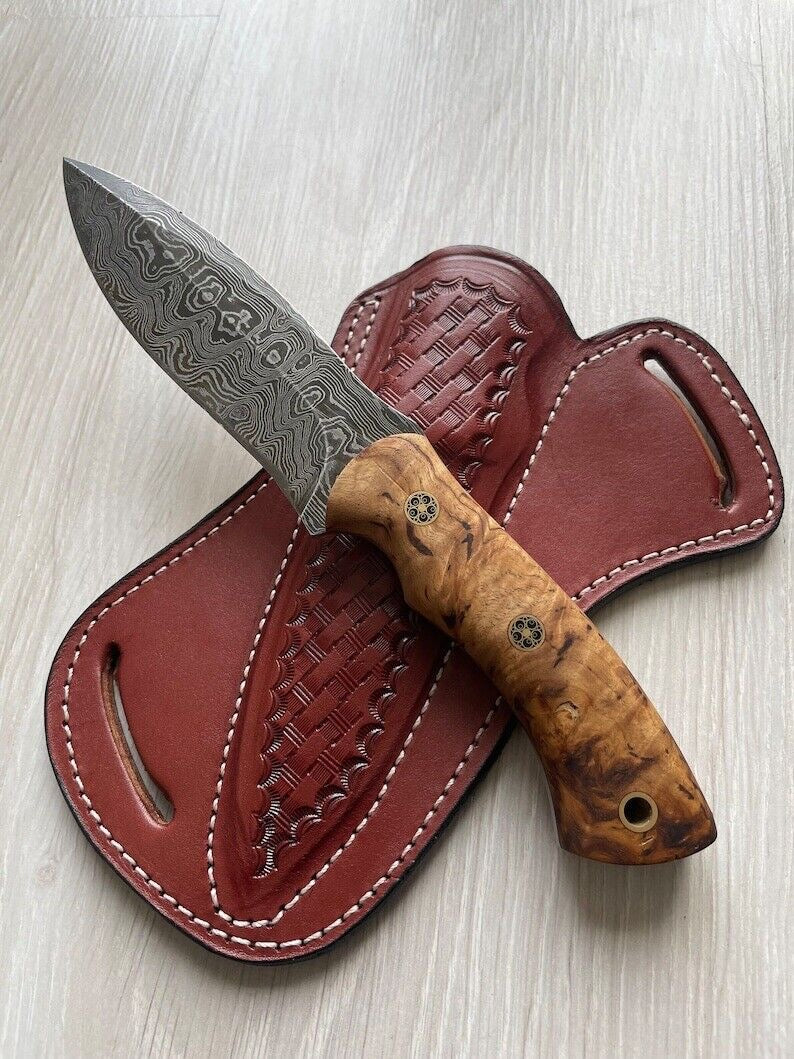
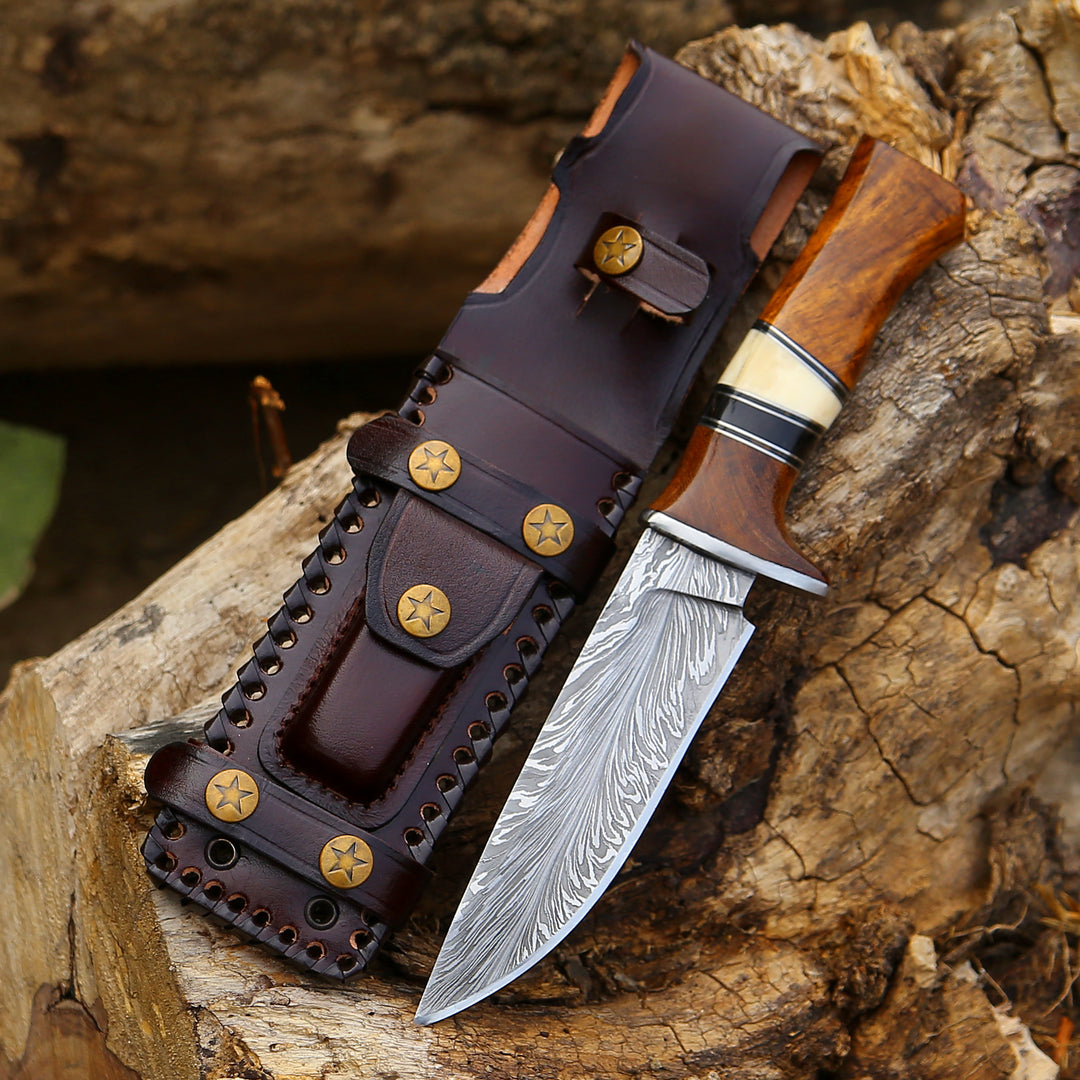
Hunting knives are designed specifically for field dressing, skinning, and butchering. Their shapes and functions may differ from region to region, but their importance remains universal among hunters worldwide. Some cultures even perform rituals involving their knives before a hunt, honoring the animal and nature itself.
From Constructions to Collectibles
Today, knives serve a dual purpose—they function as tools for various tasks and are also coveted collectibles for many enthusiasts.
The Allure of Collectible Knives
Collecting knives has become a popular hobby, with enthusiasts keen on acquiring unique pieces. Customized options such as those offered on Shokunin USA allow collectors to obtain knives that are not only functional but also works of art. Pieces like the Apollo VG10 Handmade Gentleman’s Knife, featuring intricate craftsmanship, capture the essence of both beauty and utility.
The Global Influence of Knives
The influence of knives extends beyond geographic boundaries. Nations often see an intermingling of styles due to globalization, leading to innovative designs and new functionalities.
Hybrid Knives
Amid the global exchange of culture, hybrid knives have emerged—fusing design elements from different traditions. An example would be the fusion of Western ruggedness with Eastern artistic detailing, giving rise to multifunctional tools that retain cultural heritage.
Handling, Maintenance and Storytelling
Each knife has a story that is often intertwined with the experiences of its owner. Learning how to handle and maintain a knife is a rite of passage in many traditions, passed on from parent to child. Its upkeep also reflects the owner’s personality and respect for craftsmanship.
Knife Care as Tradition
Taking care of a knife is about more than just maintenance; it is an art form. From regularly sharpening a blade to cleaning and storing it properly, these practices preserve the knife’s legacy and function. Custom options often allow for personalization, enhancing the relationship between the owner and their tool.
More Than Just Tools: Knives in Art and Media
Knives also find their way into art and media, reinforcing their cultural significance. They tell stories, inspire designs, and express emotions.
Knives in Literature and Cinema
From epic tales involving legendary swords to the subtle symbolism found in modern cinema, knives are frequently featured in narratives. They can signify power, betrayal, and conflict, as seen in many classic films and novels.
Embracing Cultural Heritage
Understanding the cultural significance of knives encourages respect for artisanal craftsmanship and the histories that shape professional knife making. It also fosters appreciation for diverse practices across the globe.
A Commitment to Cultural Awareness
As consumers, recognizing the journey that each knife undertakes from creation to usability deepens our connection to these tools. In supporting artisans and brands that prioritize traditional craftsmanship, like those represented on Shokunin USA, individuals contribute to the preservation of cultural heritage.
Beyond Functionality: The Emotional Connection
Ultimately, the cultural significance of knives is not solely rooted in their functionality but also in the emotions they evoke and the stories they foster.
The Personal Journey with Your Knife
Every knife carries unique stories of its owner, journeys made, and experiences shared. It reflects moments of joy and challenge, serving as a tangible reminder of those adventures. Whether it is a gentleman’s knife passed down through generations or a personalized hunting knife, these implements become part of our life narrative.
As we explore the fascinating world of knives across cultures, we realize that they belong not only in kitchens or hunting packs. They reside at the intersection of history, identity, artistry, and shared human experience—truly becoming tools for life. So, the next time you reach for a knife, remember that you are not just using a tool; you’re engaging with a rich tapestry of cultural significance that spans the globe.
Frequently Asked Questions
1. What cultural significance do knives hold?
2. How are knives used in religious ceremonies?
3. What is the importance of craftsmanship in knife making?
4. How do knives contribute to culinary traditions?
5. What role do knives play in personal narratives?
Glossary
| Term | Meaning |
|---|---|
| Knife | A tool for cutting, often with cultural significance. |
| Cultural Significance | The importance of knives in representing identity and heritage. |
| Waka Huia | A Maori container symbolizing identity and ancestry. |
| Damascus Steel | A type of steel known for its unique patterns and durability. |
| Couteau de Cuisine | The French kitchen knife, essential in culinary traditions. |
| Khanda | A double-edged sword in Sikhism, symbolizing divinity. |
| Hunting Knife | A knife designed for field dressing and butchering game. |
| Hybrid Knives | Knives that blend design elements from various cultures. |
| Knife Care | The practice of maintaining and preserving a knife's function. |
| Cultural Heritage | The legacy and traditions associated with knife craftsmanship. |
Linked Product

Apollo VG10 Handmade Gentlemans Knife with Exotic Snake Wood Handle
The Apollo VG10 Handmade Gentleman’s Knife features a unique Damascus steel blade, combining VG10 and 1095 steel for exceptional strength and durability. Its ergonomic design and exotic snake wood handle provide a comfortable grip, making it suitable for various tasks, from everyday use to outdoor activities. Accompanied by a hand-stitched leather sheath and a pocket knife sharpener, this knife emphasizes both functionality and aesthetic appeal.
View Product











Leave a comment